On the road – joining friends from Russia in Burgundy/France

Already for several years, some of my Russian friends travel to Burgundy in November

On the third weekend of November, the Hospices de Beaune run their wine auctions and Beaune, the wine capital of Burgundy, turns into a market place for tasting and buying wine as well as local products from Burgundy and France. Some of my Russian friends love the wines of Burgundy. They come to Beaune every year to taste wines, stroll on the markets and absorb some culture on the way. Also this year Larissa and three of her friends from Petersburg plan to visit Beaune. This time they also add a visit to Chablis and the Champagne. They invite me to join them and I accept. Thank you for giving me the opportunity to rediscover Burgundy that I had visited about 30 years ago.

IMG_1171

Source: Foto of the auctions taken in the shop of the Hospices de Beaune

.

My friends from Russia know and enjoy the culture of Burgundy

My friends have attended trainings in wine tasting in Petersburg and have carefully practiced tasting good wines. They know about the good domains and climats. They check the look of the wine. Then they smell, sip, sway the wine in the palate – and also make use of the spittoon. They love Burgundy wines and the food such as truffles and escargots. They know Beaune like their pockets and have found a wonderfully comfy appartment on three floors in the middle of the old city.
IMG_0961

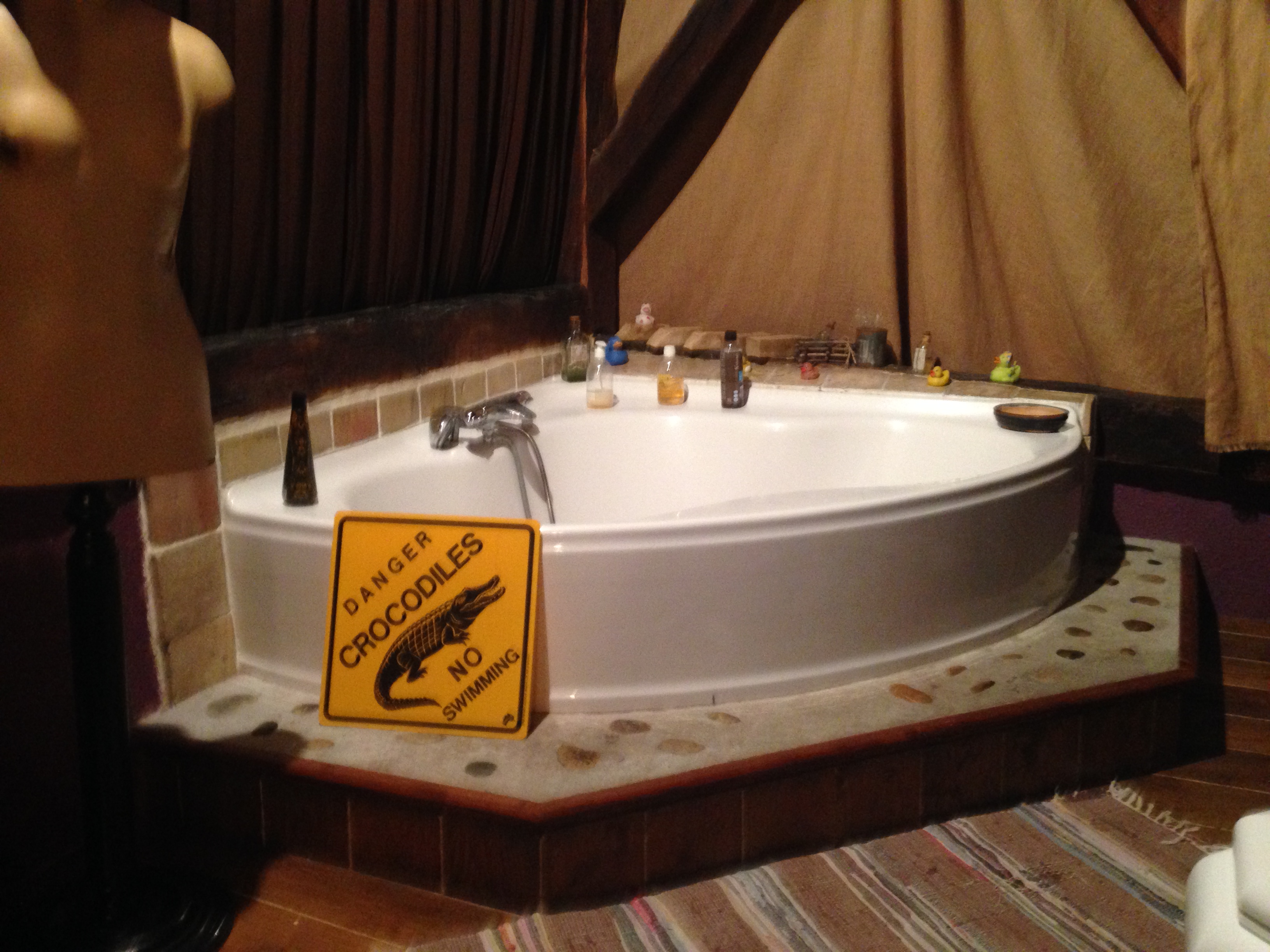
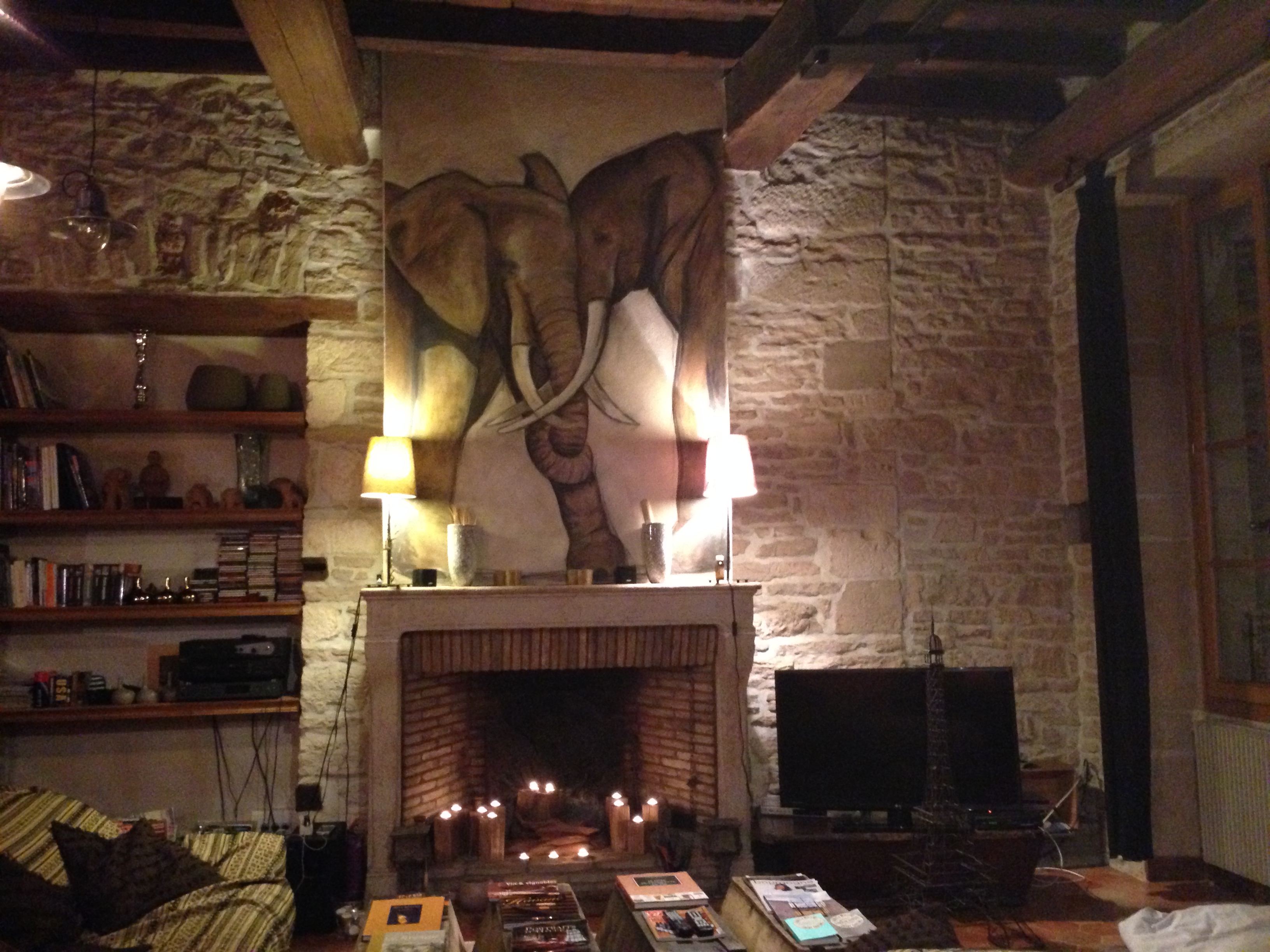
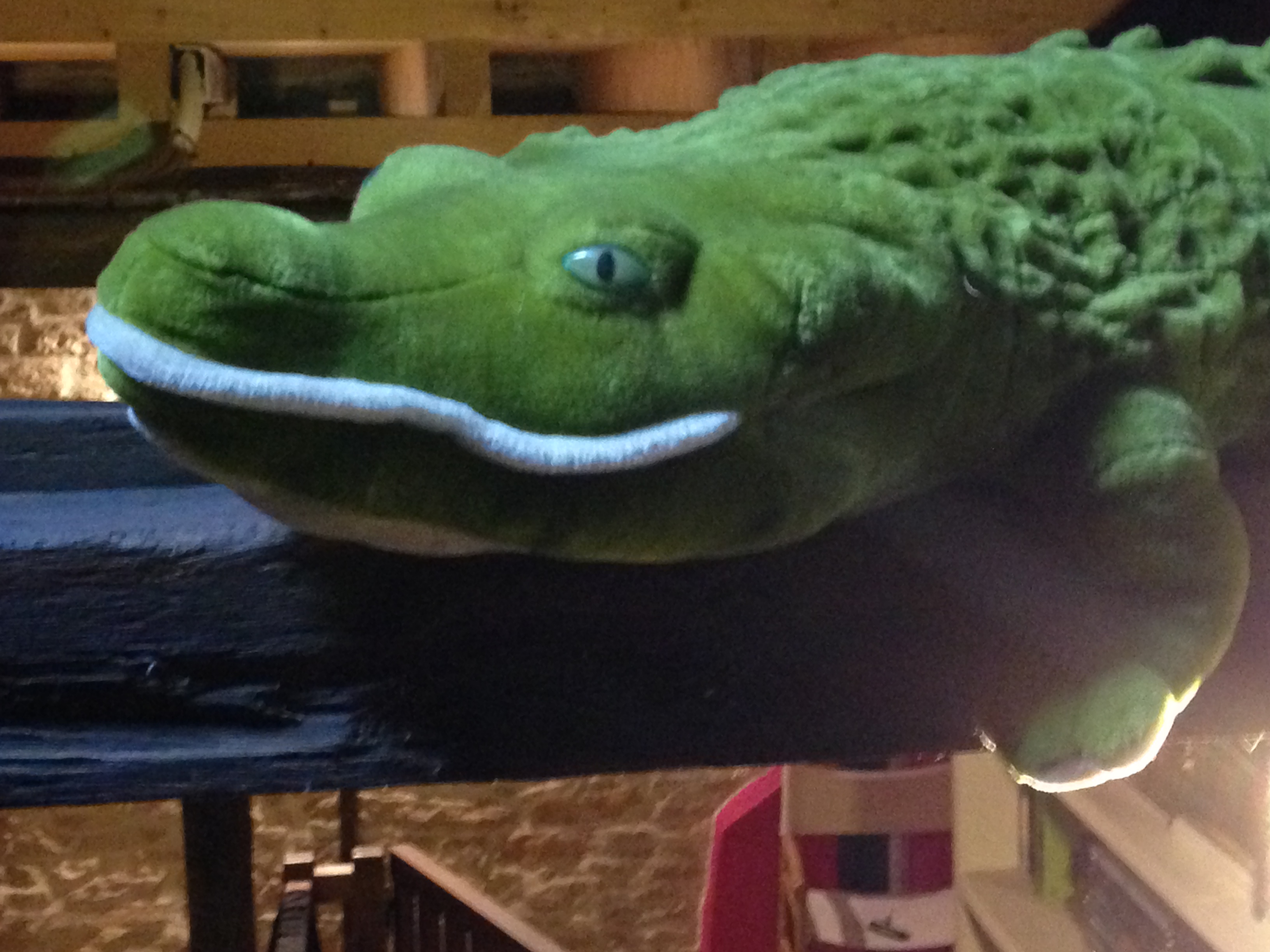
We share the apartment with some crocodiles.
IMG_1099

Beware of them!

IMG_1147

.

Being Swiss I added some Swissness to the French culture

What I contributed from Switzerland was yoghurt, Birchermiesli flakes, rye bread from Wallis and Röschti (fried grated potatoes). One evening I prepared a Fondue.

Switzerland’s well kept secrets are their wines – I took along a Pinot noir (is different from Burgundy wines, but also good), some Fendant (for the Fondue) and one bottle of Amigne de Vétroz from the Wallis (sweetish fruity). Also  my Basler Läckerli   were welcome –  I admire Larissa – she has made Läckerli herself for the previous Christmas.

My Russian friends added some surprises to my Swissness.

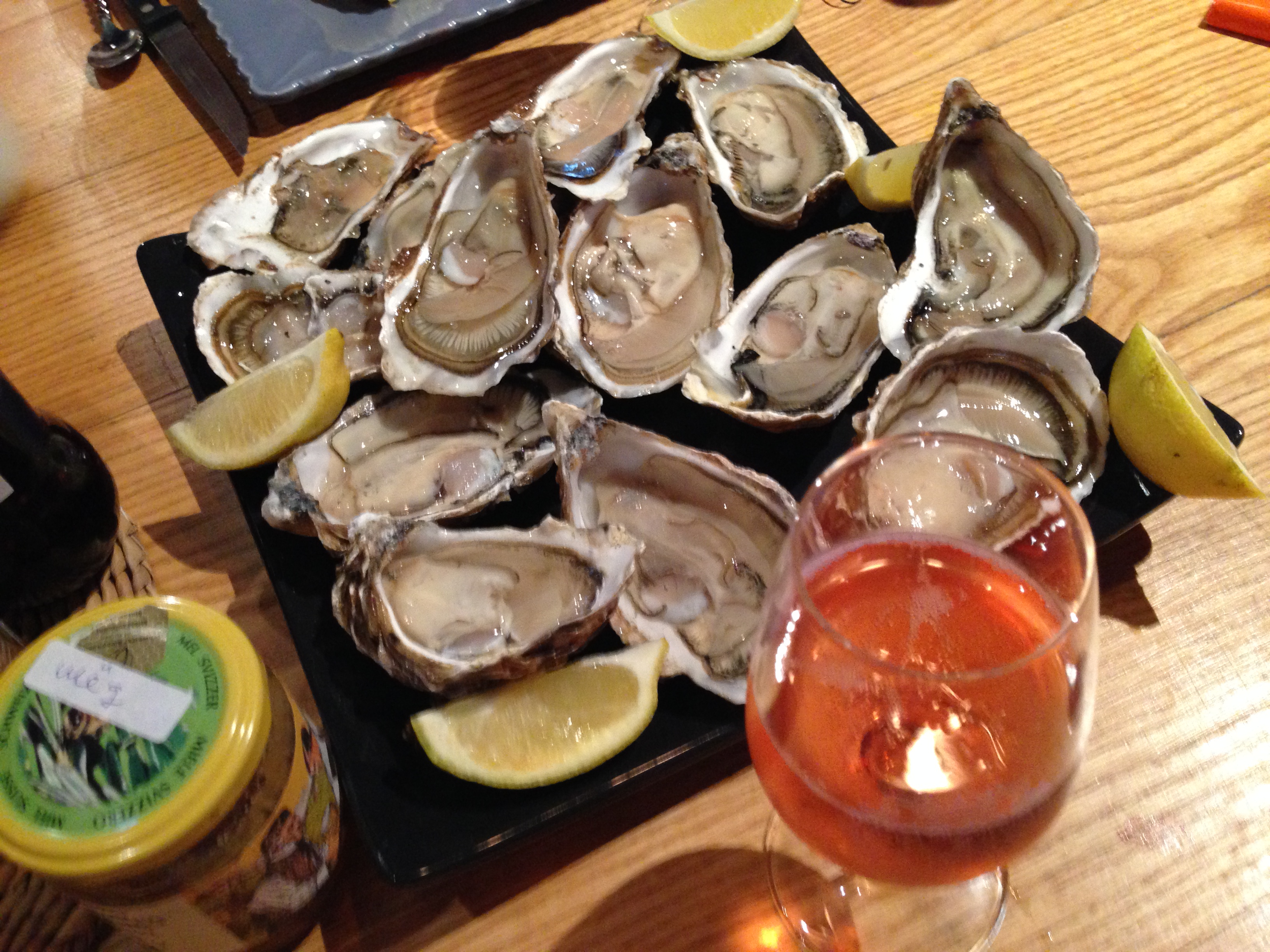
As a starter before the Fondue meal, Aljoscha prepared oysters and we ate them with a good bottle of Champaign. Then we moved on to the Fondue. I laughed – I had never eaten oysters before a Fondue.  For the Fondue, French baguettes are a perfect match; my friends added champignons and vegetables to dip into the cheese. When one of us lost his bread in the cheese, they all shouted like one voice: “Now YOU have to pay for the next bottle of wine.” My friends are polyglott. Because this is what we say in Switzerland.

Larissa took the rye bread from the Wallis and knocked it on the table asking: “Do you believe, anyone can still eat this bread? It is as hard as stone” I took it and finished it off alone. This is what the rye bread is about: It is hard and it can be kept for months (almost). But I understand that my Russian friends could not understand this.

Larissa asked me: “Do you think the Amigne goes well with Mont d-Or cheese?” “Yes”, I say – and in front of my eyes are a baguette, the fresh Mont d’Or and a glass of my sweetish-fruity Amigne to counterweigh the creamy cheese. I open the bottle and place cheese, bread and wine on the table. My friends shake their heads. They take the Mont d’Or cheese back into the kitchen, add a lot of gloves of garlic and melt the cheese in the oven. The cheese comes back on to the table with potatoes in their jackets. This is a tasty meal…. but not for my Amigne. They try the wine and rightly say “this wine is sweet.” I agree, I would never have served the Amigne with potatoes and melted garlic cheese. Back at home, I will carefully plan how to drink my next Amigne de Vétroz. And I will also remember that “Gschwellti” (potatoes boiled in their jackets) go well with melted Mont d’Or and garlic – this was delicious. (In my memory, it was Epoisses cheese, and Larissa pointed out rightly that it was Mont d’Or cheese).

.

In Burgundy, I also enjoy some Russian food culture

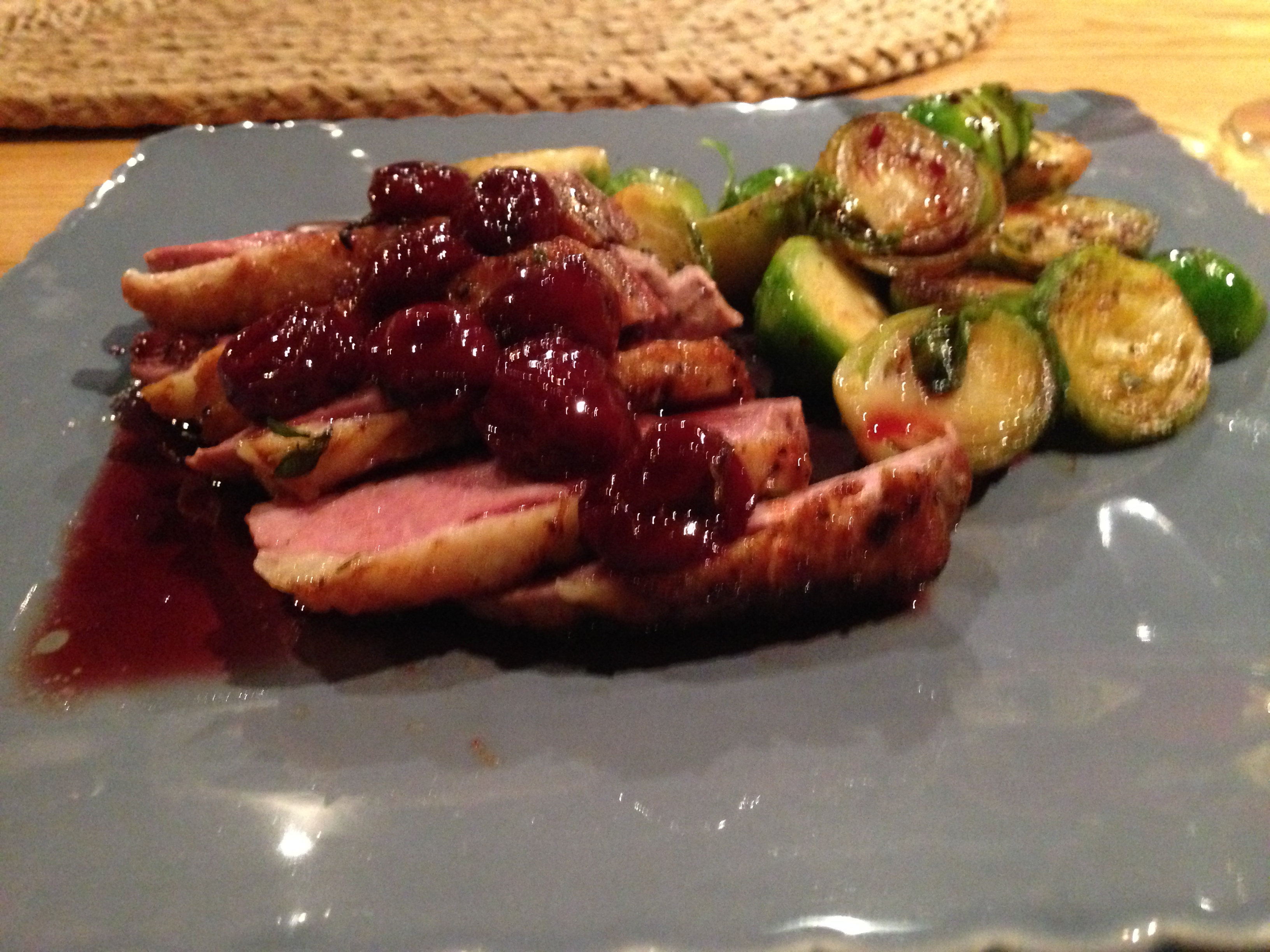
Every evening, we cooked for ourselves. The first evening it was spaghetti carbonara (Larissa has brought the real guanciale – not pancetta, as I wrote before – and no,no, never cream for carbonara, only eggs! The spaghetti were delicious). Another evening it was duck with griottes sauce…
IMG_1057

… and then filet with a tasty mushroom sauce made from mushrooms collected and dried in Russia.

IMG_0963

With our meals we drink one of the wonderful bottles that we have tasted during the day.

IMG_1052

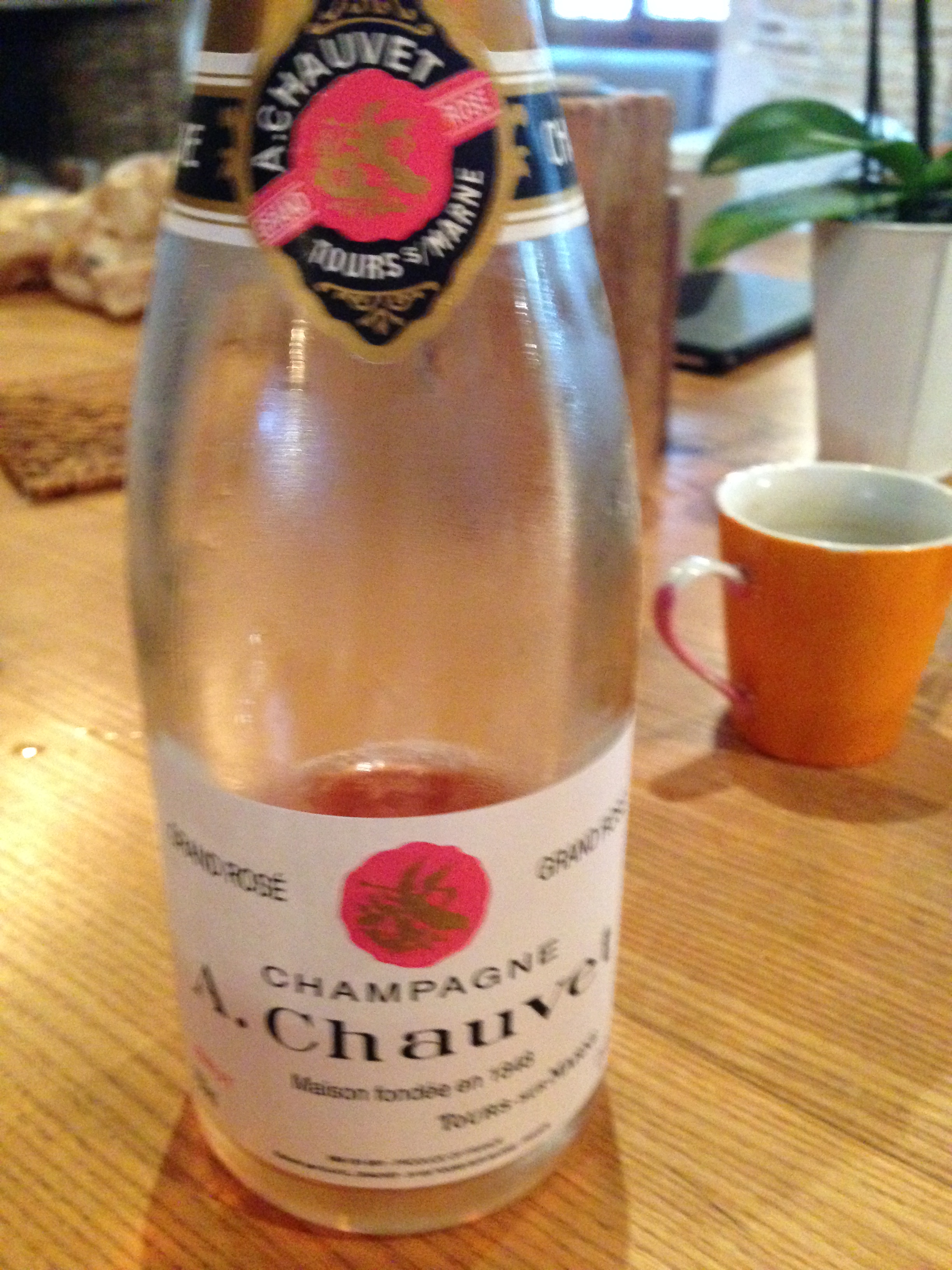
The Swiss breakfast is bread, yoghurt, marmalade, cheese, perhaps a boiled egg and some ham or sausages. Already in Petersburg I experienced that a Russian breakfast is a real meal with omelette, vegetables and/or potatoes. A Röschti in the morning was welcome – like farmers in the Bernese Alps eat it in the morning (perhaps no longer today). I must admit that I often ate some bread and yoghurt and did not join the sturdy breakfast of my friends. But then there are two exceptions: Oysters and champaign…
IMG_1092

IMG_1094

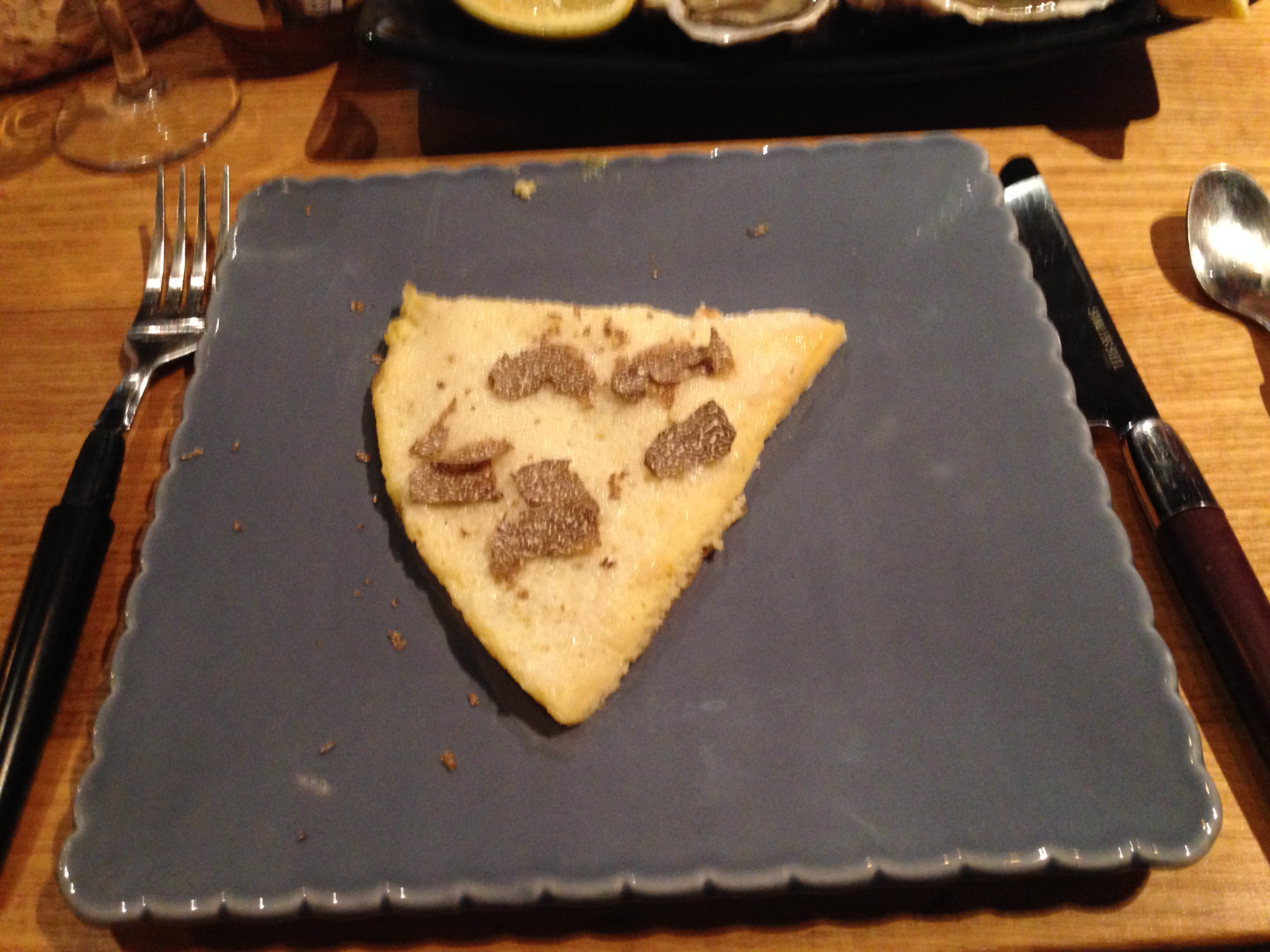
… and an omelette with truffles.

IMG_1091

Back at home I enjoy Russian culture with dried mushrooms (thank you, Katja, for giving me the remaining dried mushrooms – my mushroom risotto was delicious) and with Sushki (Сушки,  thank you for having carried some in your suitcase for me).

.

Now living in the US, Larissa added some US culture

In her red wine suitcase, Larissa has carried a bottle of Pinot Noir 2011 from the Shea Wine Cellar in the Willamete Valley. This is a special gift for me. Back at home I read the Website about Oregon.  It says: “If you were a wine grape, you’d want to be planted in Oregon.” Much farther north than California, the wines are fresher with more acidity. The Willamete Valley is “the home of cool climate Pinot Noir and Pinot Gris…” and 2011 was a good year for Oregon, says my Pocket Johnson. I had never thought of Oregon as a wine region.  I am curious to taste the Shea, but this bottle will first go to my cellar. Thank you, Larissa, for allowing me to discover Oregon. And I still feel very bad for having broken the second mysterious bottle that you had brought from the US.

With our cheese we had bisquits from the US that are similar to crackers in Switzerland. They tasted so good that I had to move the box to the other end of the table…

.

Sometimes I  had problems to understand my Russian friends, in particular when they transcribed French into Russian

Russians cannot understand, why theFrench write so many letters that they do not pronounce. They transcribe French names and expressions into Russian. Here is an example:

Patissier

Who is “Месье Патиссье”? Well, if I read it out loudly to me and listen carefully, I can hear “Monsieur Patissier”. Often I had to ask three times, when my friends wrote down the name of a winegrower or a place – here is an example: In Шабли (Chablis), my friends are interested to taste the climat Ле Кло (Les Clos) at Шаблизен (La Chablisienne) and Реньяр (Regnard).  Yes, I agree, it may be a waste to use so many letters that then are not being pronounced, but French is different from Russian…

.

It was great for me to see how much my friends made their vacation in France a special event – and I enjoyed it with them

Yes, visiting Burgundy and adding the diversity of various cultures to the French joie de vivre was a great experience. We went through so many wine tastings and I learnt a lot about Burgundy. I enjoyed observing that my friends made their vacation a special event. If only Larissa and I would not have caught a caugh.

I do hope that you will come back to Burgundy next year… I keep my fingers crossed for the Rubel!
On the road – discovering the Reichstagskuppel and Rixdorf in Berlin

Berlin never stops to have suprises for me. This time I explore the Reichstagskuppel and the village Rixdorf.

.

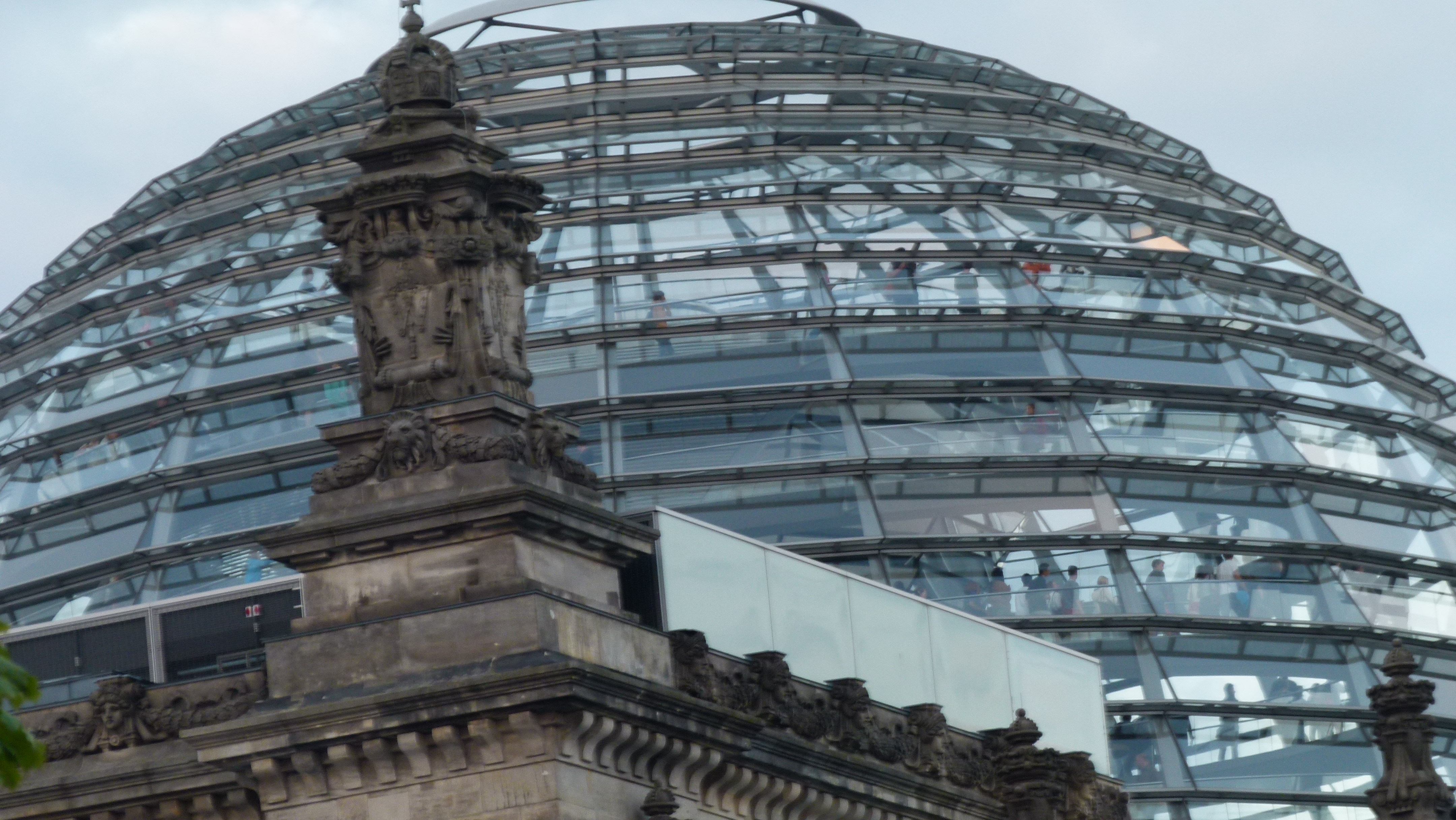
The cupola of the Reichstag (Reichstagskuppel)

The architect Norman Foster has renovated the Reichstag incorporating modern elements. The most visible modern element is the cupola. The long queuing lines had always discouraged me to visit the cupola. To avoid the lines, Sabine has ordered tickets and reserved two seats in the restaurant Käfer next to the cupola.

P1020760

The cupola gives light to the plenary chamber with its white eagle. From the cupola we cannot see the plenary chamber. We walk up and down the revolving stairs and enjoy the view of the city. In the restaurant Käfer we share a meal – it is Buletten for me, the Berlin interpretation of  “hamburgers” that my mum had often prepared, when I was a child.

Today it is hard for me to imagine that the wall separating West and East Berlin was right behind the building of the Reichstag – but I remember those years.

.

Rixdorf

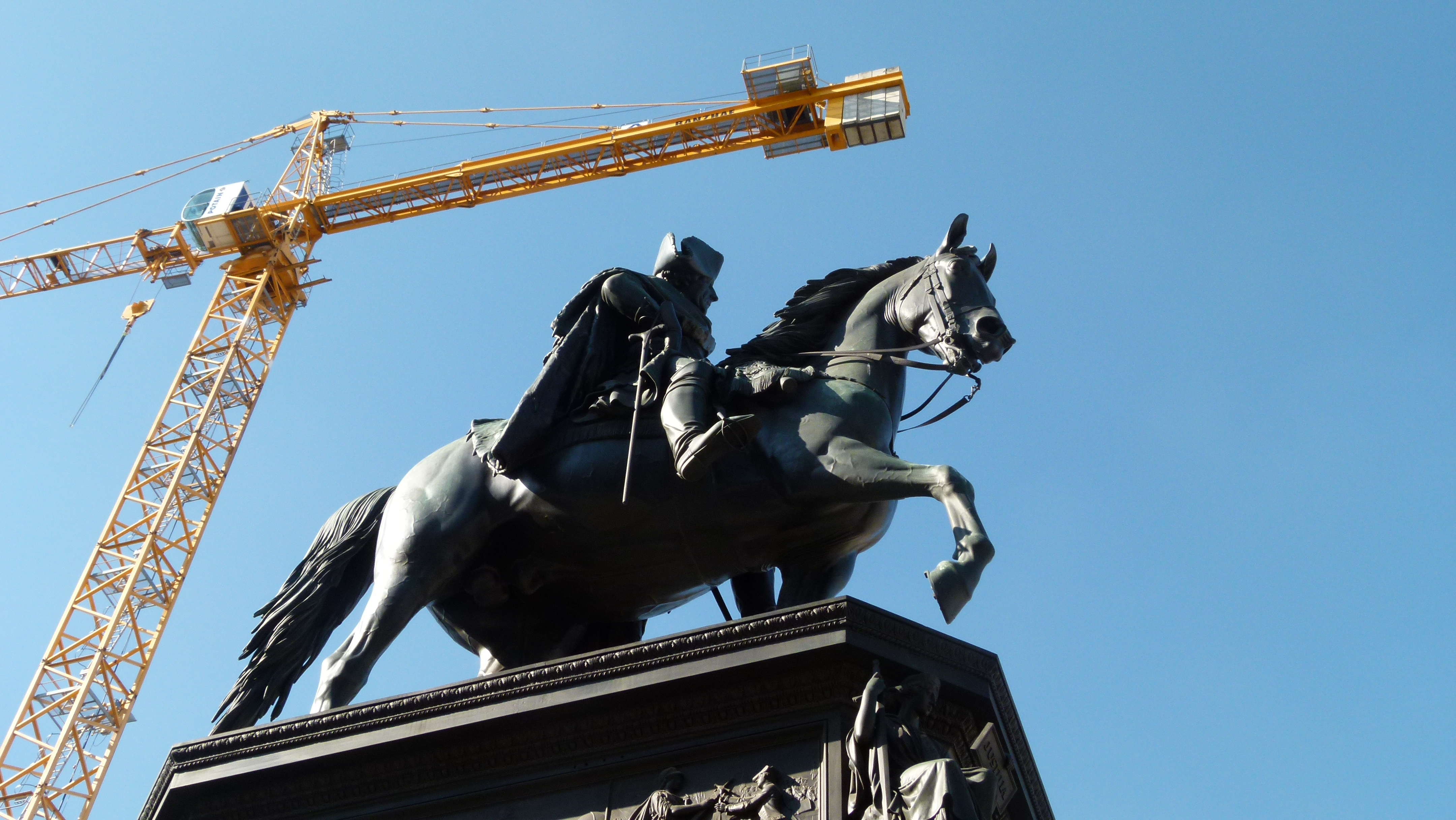
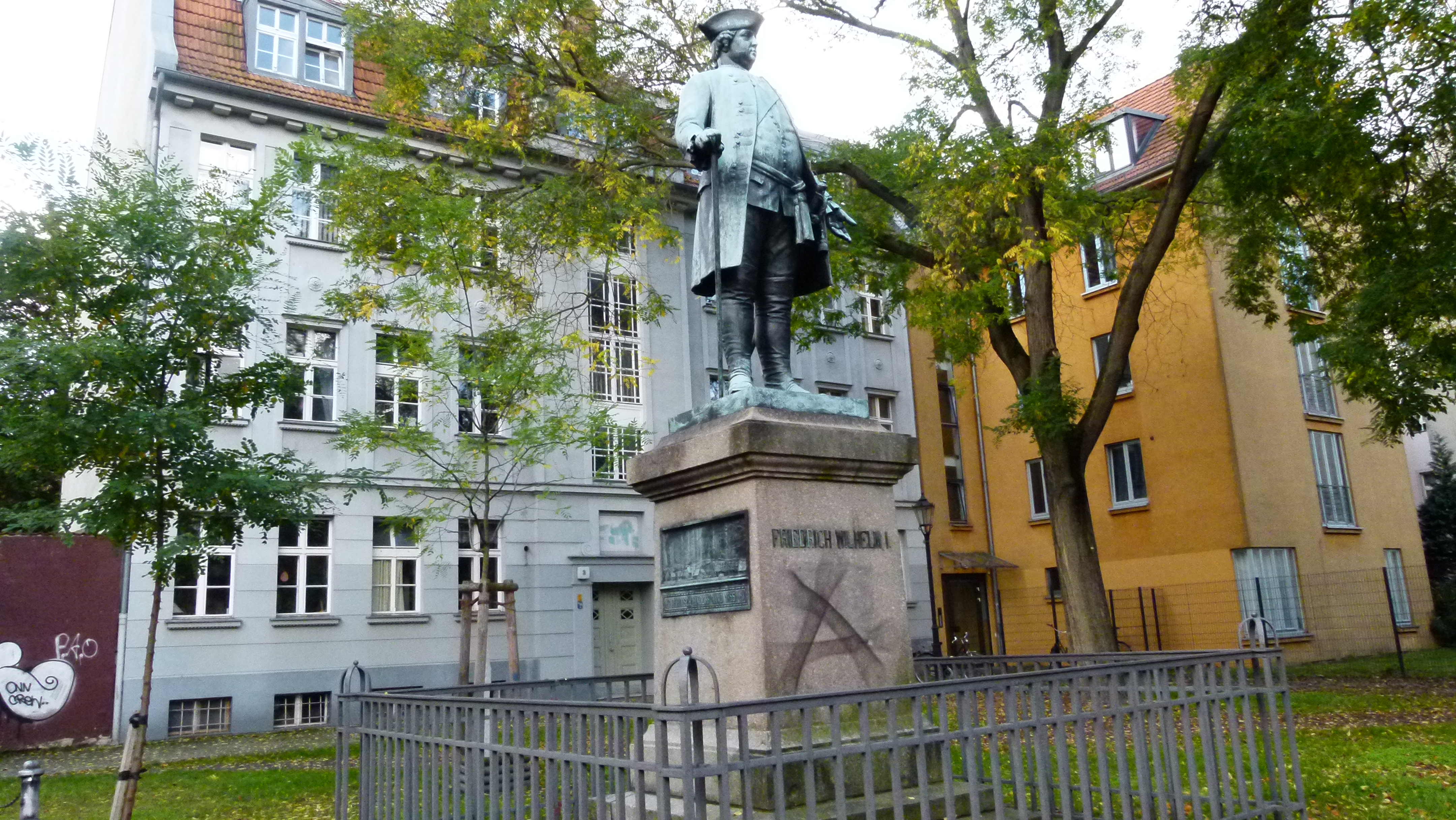
One afternoon, my friend Antoinette takes me to Rixdorf which is part of Neukölln. “In search of Rixdorf” is a blog that nicely tells about the history and the ambiance today. In 1737 King Friedrich Wilhelm I. had invited protestants from Bohemia (Böhmen)  to settle near Rixdorf. Here he is – proudly overlooking the Richardplatz. This square is at the heart of Rixdorf.

P1060694

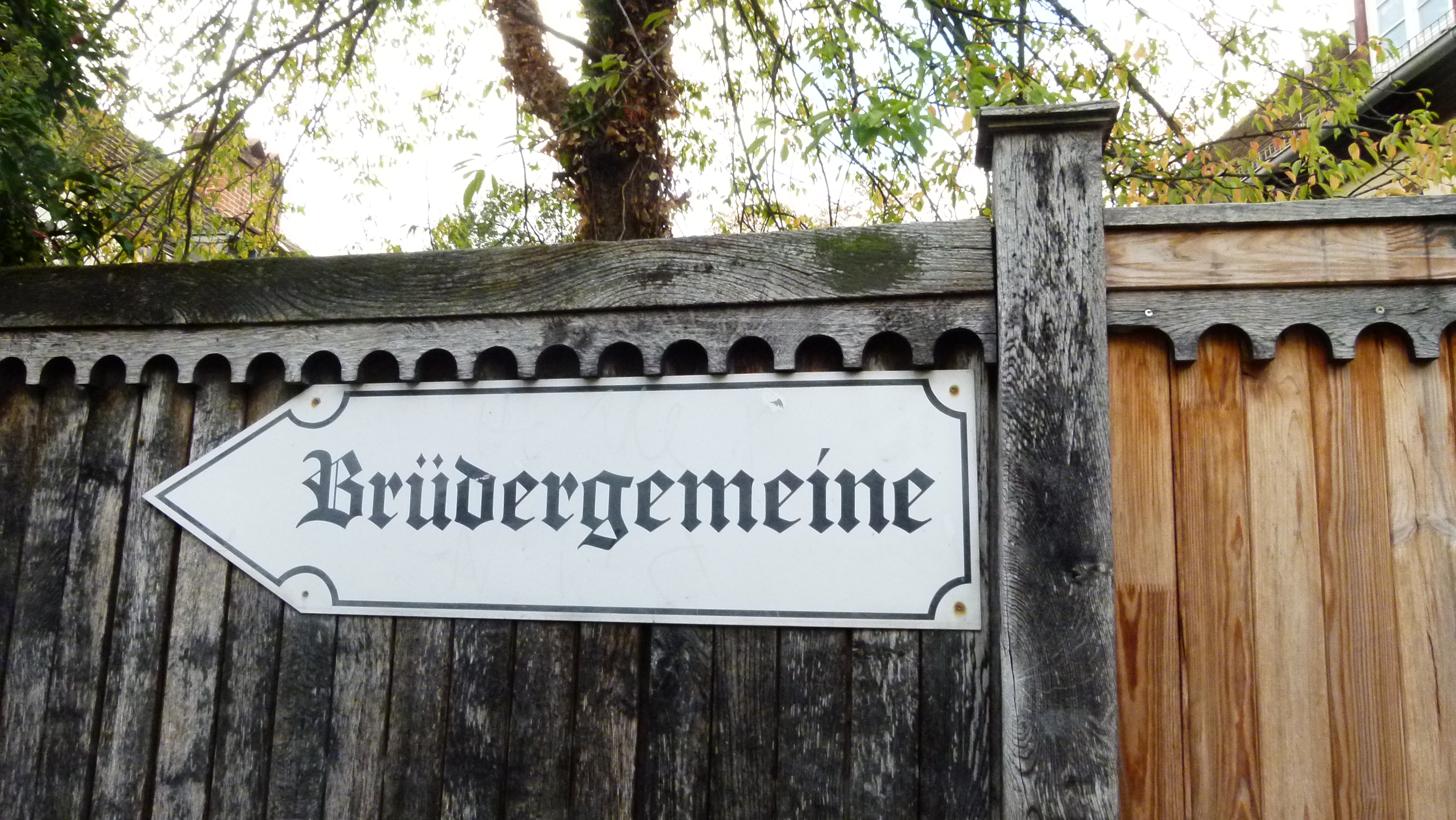
This panel points to the Bohemian brother community of Rixdorf.

P1060696

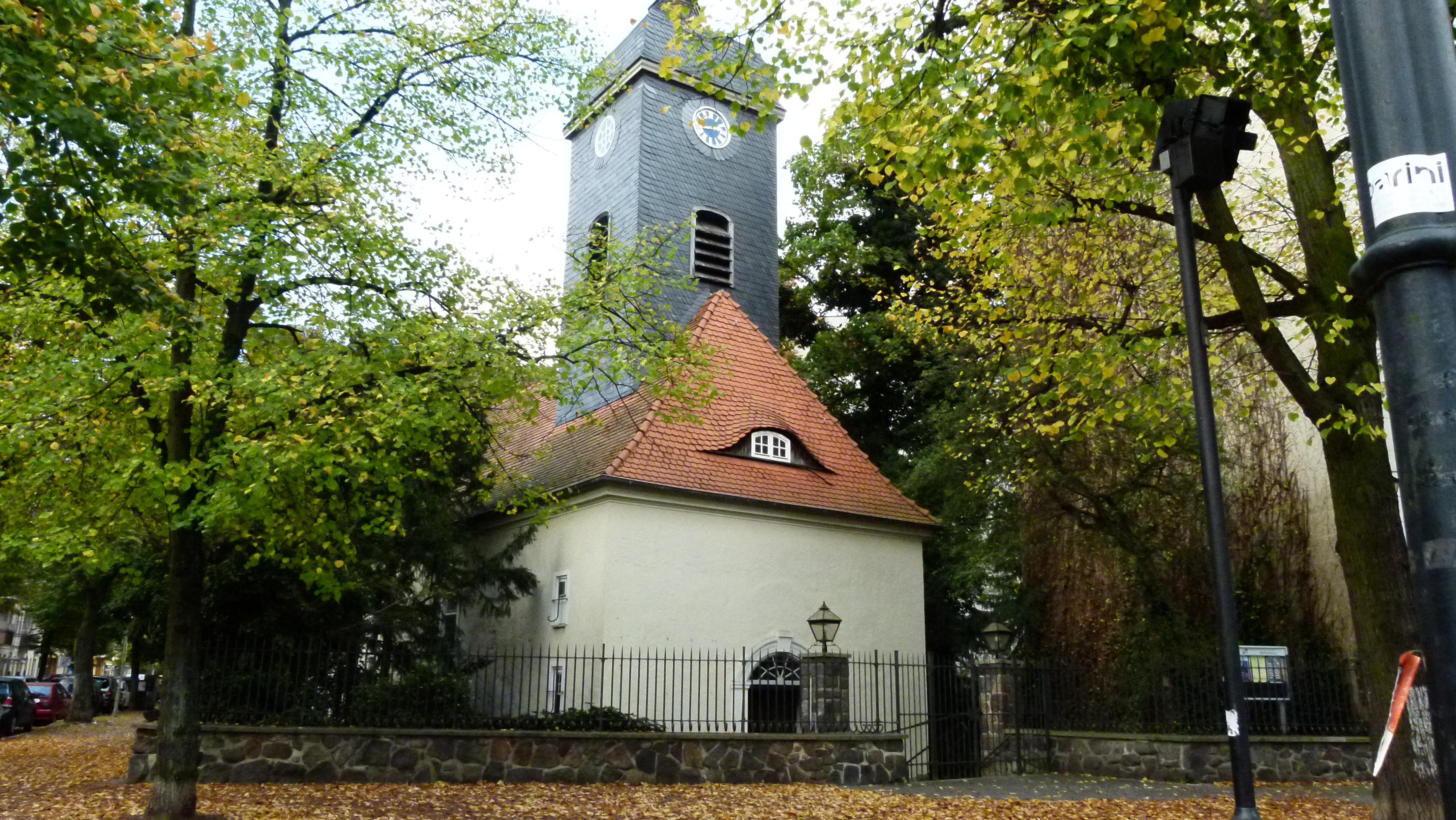
The Bethlehemkirche (church) at Richardplatz dates from the late 14th century. It was rebuilt after a fire in the middle of the 17th century reusing the old gothic elements. The entrance is below the surface of the Richardplatz.

P1060693

The Rixdorf of the Bohemians has kept its rural character.   We stroll along the cobbled streets.

P1060691

Returning back to busy Karl Marx Strasse, we stop in the Café Rix (Saalbau Neukölln) to share a cup of coffee and a piece of cake in the inviting garden.

P1060702

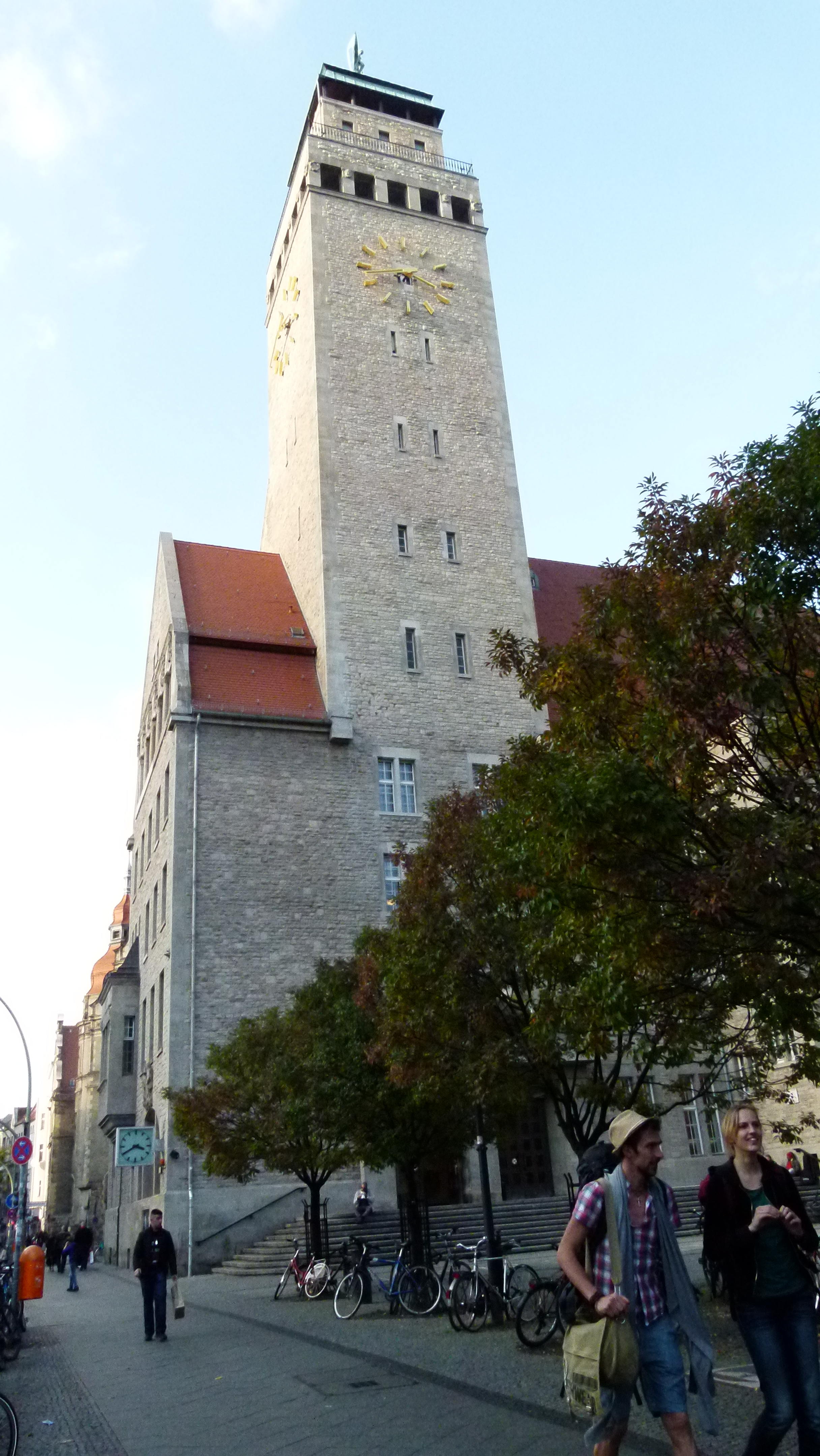
On the way to the metro, we come across the Rathaus Neukölln.

P1060705

At Hermannplatz we take the metro U7 that rattles under the ground. In the dark tunnels, Antoinette sighs: “I prefer to travel above ground”. We soon say good-bye and I continue my way underground, back to Theodor Heuss Platz and the comfy hotel Kastanienhof. Thank you, Antoinette, it was a great experience to see the village of Rixdorf – one more village that also is part of the big city of Berlin. Berlin never stops to have suprises for me.

On the road – three new cultural adventures in Berlin

Always new things to discover – Berlin is large and it is evolving quickly

Whenever I come back to Berlin, I keep on finding that I still do not know everything. This time I had three new cultural experiences:

  • the Berlin Philharmonie
  • the inauguration of the society of friends of the Museum of Music Instruments,
  • the Martin Gropius building with an exhibition about the Vikings.

.

The Berlin Philharmonie: The concert with the promising and young conductor Andris Nelsons

Of course I had often looked at the Berlin Philharmonie, the concert hall with the courageous tent like roof that caused it to be called “Circus Karajan” (according to the famous conductor of the time). The concert hall has been built in the sixties of the last century. Now I entered the Berlin Philharmonie for the first time.

Sabine noticed that there are still tickets available for the concert of the promising young conductor Andris Nelson. He conducts a piano concert by Mozart, “Burleske” (also with piano) by Richard Wagner and “Also sprach Zarathustra” by Richard Wagner. Emanual Ax will play the piano. We order tickets for Friday, October 17th.

Entering the Berlin Philharmonie, I indeed feel like in a circus. The roof is hanging high above us and we reach our seats using a maze of staircases. On the way to my seat, I notice the Sony Center just in front of the window. The Sony Center? So close? Hence they have built the concert hall in close vicinity of the Berlin wall! 50 years ago they built it at the periphery of West Berlin, overlooking the muddy grass pit that then was the Potsdamer Platz. And now, the Berlin Philharmonic is rounding off the burstling Potsdamerplatz that has emerged simce the wall has disappeared.
I take my seat. Below me there are the fortepiano and the empty places for the musicians. Almost every seat in the audience is taken.

IMG_0878

I enjoy the concert. The young conductor is full of energy. I notice myself copy his movements (more in mind) – for me they “reflect” the music. Mozart’s harmonies always calm me down. The Burleske of Strauss I find more difficult to listen to. In the lucent wood above the piano keys I sometimes watch the agile hands of Emanuel Ax. After the break, “Also sprach Zarathstra” starts very loudly. Nelsons conducts a much larger orchestra now. The banging start is too loud for me – like a shock. But the critique seems to like this start. As the flow continues more quietly, I try to understand, what Zarathustra is saying. While I liked to watch this conductor that shows emotion, the critique concludes that Nelsons has not yet reached the maturity to take over the Berlin Philharmonics from Simon Rattle. Well, I am not an expert at all. Can it be that the high average age of conductors determines, how much body movement ia allowed to young conductors?

.

Museum of Musical Instruments (Musikinstrumentenmuseum)

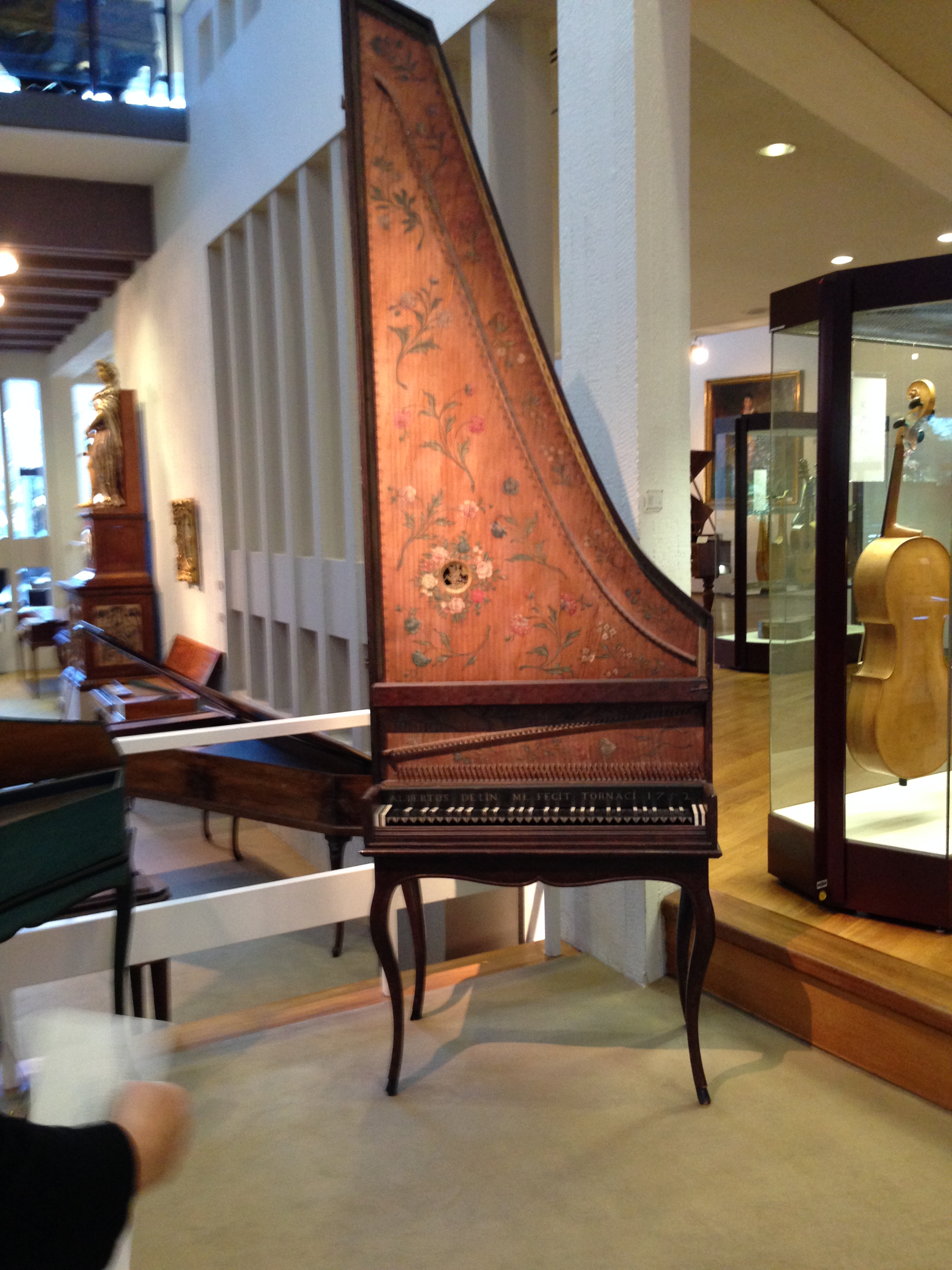
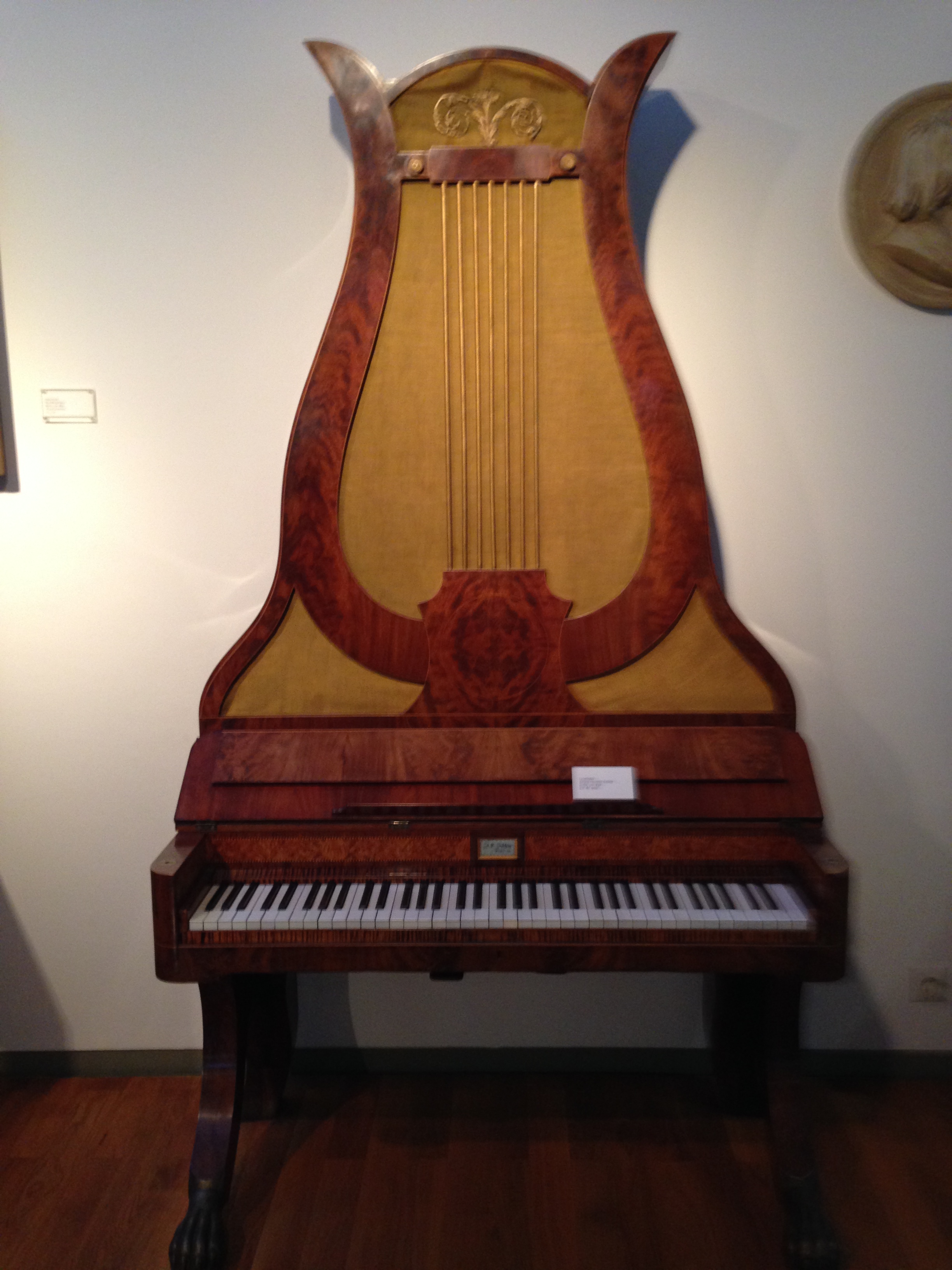
Just next door to the Berlin Philharmonie, there is the Museum of Musical Instruments. Wikipedia says “The Museum holds over 3,500 musical instruments from the 16th century onward and is one of the largest and most representative musical instrument collections in Germany.” Here is a selection of three instruments.

IMG_0887

IMG_0886

IMG_0883

The museum is also proud of its mighty Wurlitzer.

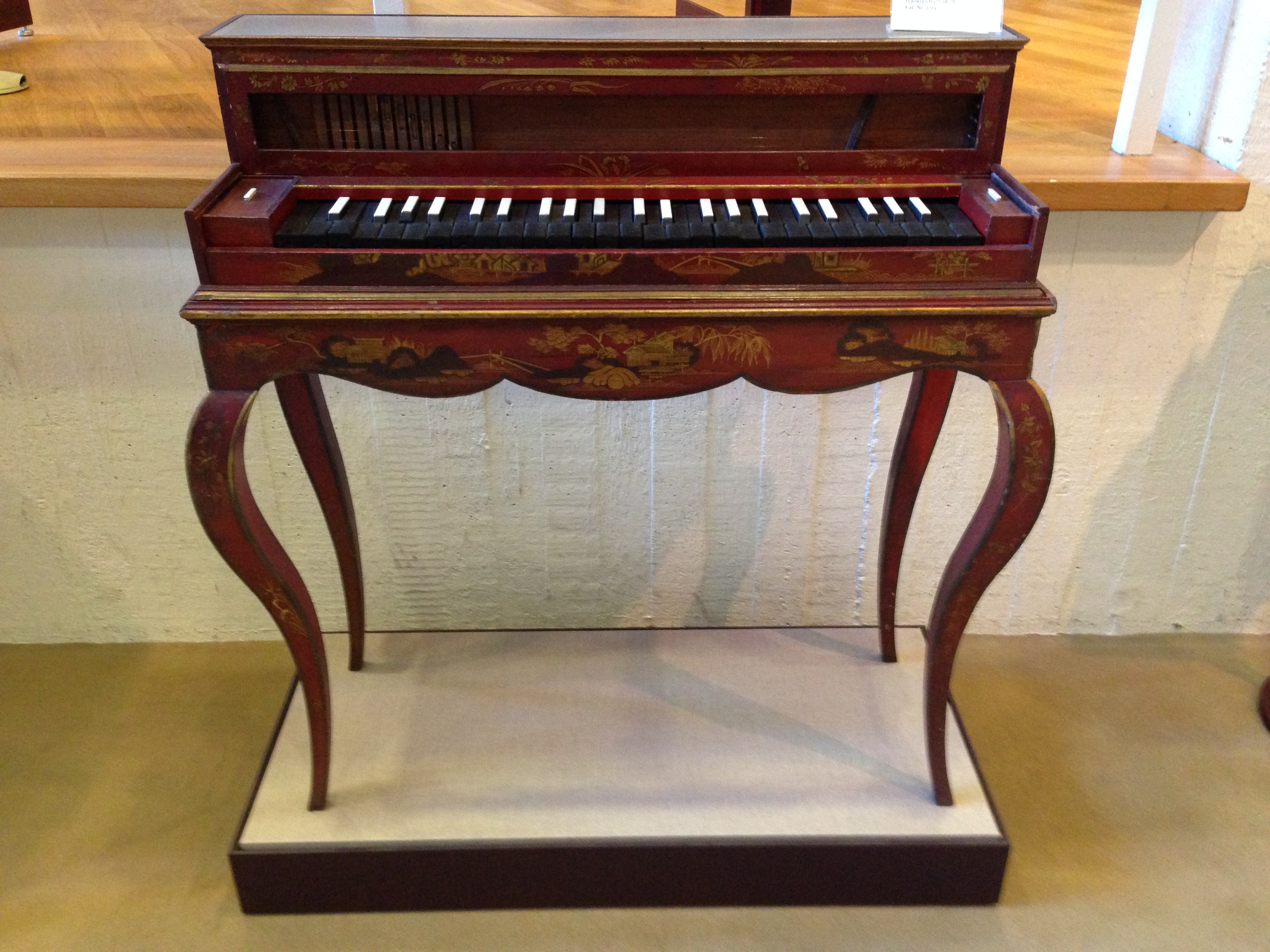
On Sunday October 19th, the museum invites for the “Fest der Freunde” (party of the friends) to celebrate the foundation of the society that will support the Museum of Musical Instruments. Antoinette, my friend from school times, told me about the event. Conny guides through the museum, explains the background of the key instruments and has samples played (sometimes she plays herself). Andreas presents his evaluation of one clavichorde from around 1800. It has very unusual design, as it has a second sound board and the sound board is not well strutted. The builder wanted to make the clavichorde louder, but this design made the instrument less loud. “I think this is not a good development”, Andreas says politely. Now he considers to renovate the clavichorde as is – and then it cannot be played well – or to document the status and reonovate it such that it can be played properly. Very interesting.

.

Wikingerausstellung in Martin Gropius House

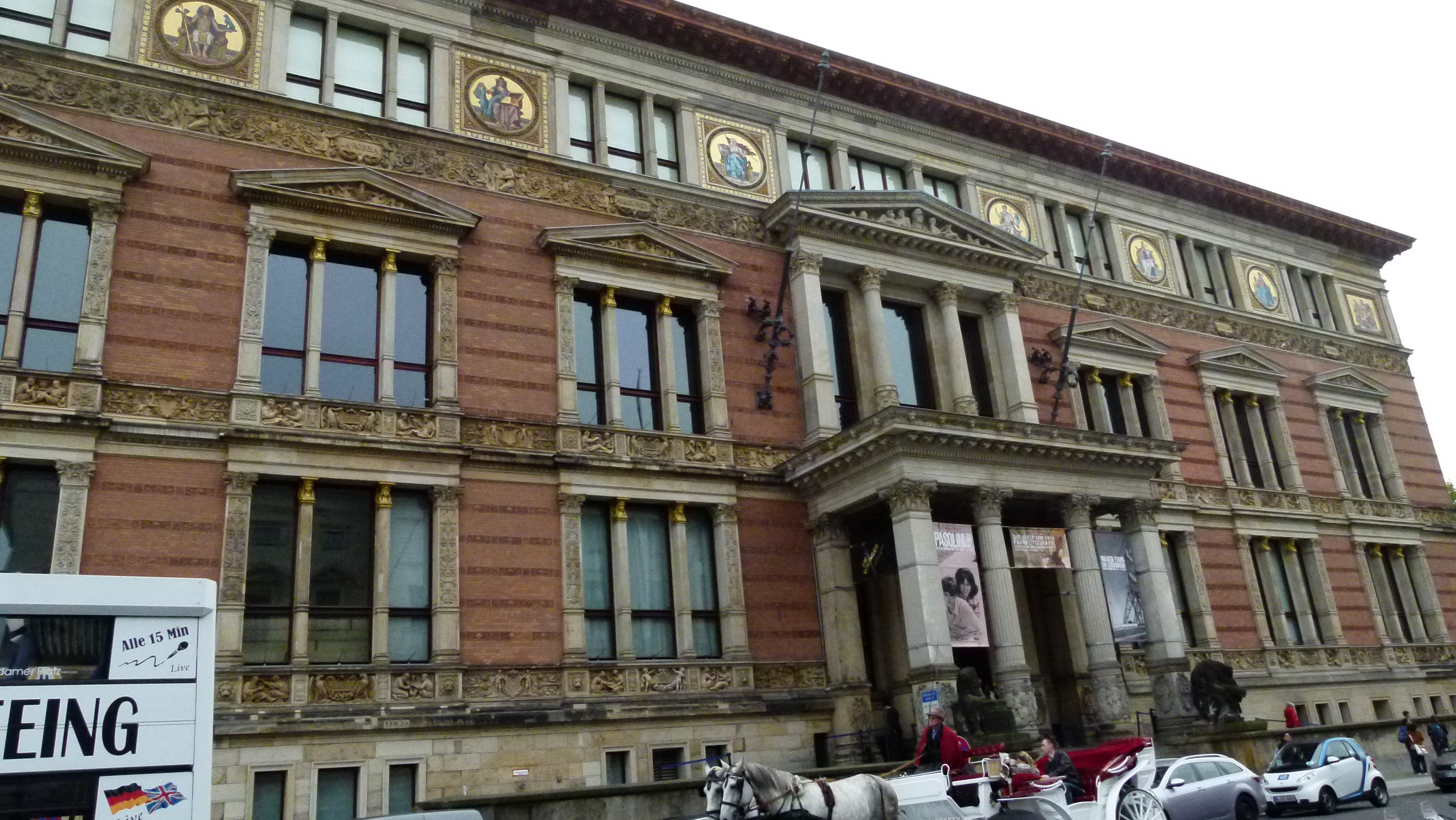
Also not far from the Potsdamerplatz there is the Martin Gropius House. Gropius? I expect a modern building in the Bauhaus style. And then – I find this classical late 18th century building. The explanation: Martin Gropius is not Walter Gropius, but his great uncle. Walter Gropius was a member of the Bauhaus, not Martin. And this is why, it is not a Bauhaus building, but has a more classical appearance.

P1060713

The Martin Gropius House hosts excellent temporary exhibitions. Currently there is an exhibition about the Vikings. In the central court yard there are the remains of a boat – a viking longship. It was 37m long. Just the wooden bottom of the ship has been preserved. Metallic sticks have been added to give the idea of the longship. A lady teacher explains the boat to her boys and girls. Her presentation is lively and highly interactive. To round it off, she asks the children to draw a boat. One boy draws a wonderful sailing boat with a huge veil that inflates in the wind. He shows it proudly to Sabine.

Detailed topics are elaborated in the rooms around the central court yard. We have received audio guides with one track for children and one track for grown-ups. We both prefer the track for chlidren. In a dramatic tone, the voice says that Harald Blauzahn had a challenging life. In the tenth century he ruled over Denmark and Norway. He was invading the Normandie – successfully -, but Otto I (the strong ruler of the Holy Roman Empire of the German Nation) withstood his attacks. Harald Blauzahn adopted the Christian religion. On display is his rune stone that says: “King Harald ordered that this monument was made for his father Gorm and his mother Tyra, by Harald who subdued Denmark and Norway and converted the Danes to Christianity.” After the visit I google a bit, and I discover that I have met Harald Blauzahn before… under the name of “Bluetooth” which is a communication protocolle named after “Harald Blauzahn” – or “Harald Bluetooth”: The logo shows his initials in rune script (source: Wikipedia on Harald Blauzahn; see also the report of Stern: “Ein Wikinger namens Blauzahn“).

The Vikings were feared for their attacks, especially along the Atlantic and the Mediterranian coast line as well as along the rivers that they could reach from the Baltic Sea. They also traded. Some of their trading ports were Novgorod and Kiev. They founded the Kievian  Rus – the Ruriks were the first Russian emperor  dynasty (until 1610). The vikings also settled in Greenland and found North America. The rooms around the central yard illustrate their achievements. In the 11th century one of the Viking trading business models was no longer applicable: Christianity did not accept slavery between fellow Christians. The northern Christian kingdoms started to emerge (see Wikipedia about the vikings).

.

Well, Berlin always has some new insights ready for me.

P1060710


On the road – coming across humor in Berlin

Berlin humor is special and refreshing, I believe

I enjoy the humor in Berlin.

For instance the buildings all have an official name as well as a second name. – such as the Victory Goddess on the Victory Column in Tierpark is called “Goldelse” (Golden Elsa). The Funkturm is the “Langer Lulatsch” (Long Guy). The TV Tower is named “Samkt Ulbricht” (after the GDR minister Ulbricht) or “Die Rache des Papstes” (The Venge of the Pope), as it shows a cross on the restaurant platform, when the sun shines (unthinkable for the GDR). The University Library has always been the “Kommode” (Commode, also my mum would always talk about the Commode). The Congress Hall is the “Schwangere Auster” (Pregnant Oyster), because of the shape that reminds of an oyster. There are many more of these  surnames – and they are consistently used in Berlin.

The people from Berlin are also good at telling anectodes. I like this one (though it is a little chauvinistic): Two cars stand in front of the red light, in the first car a lady, in the second car an impatient man. The light changes to green. The man shouts at the lady in the first car “Jriener wird’s nicht mehr” (it will never become greener or grüner wird es nicht mehr).

.

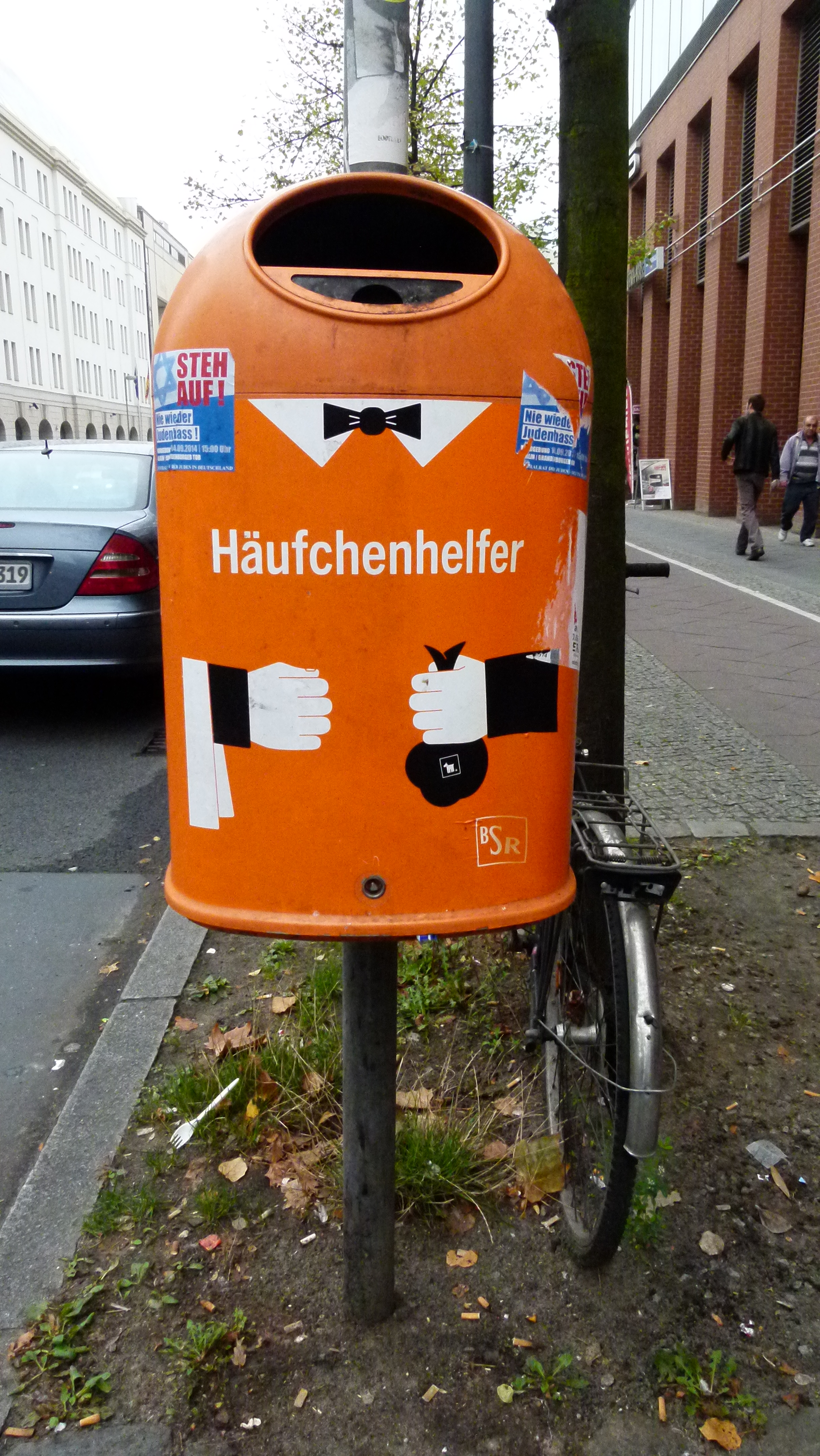
This time I come across rubbish bins full of humor

With humor the government of Berlin now tries to motivate the population to use the rubbish bins. This one says “heap helper”. Obviously a success – I have not come across any of these small heaps in Berlin.

P1060708

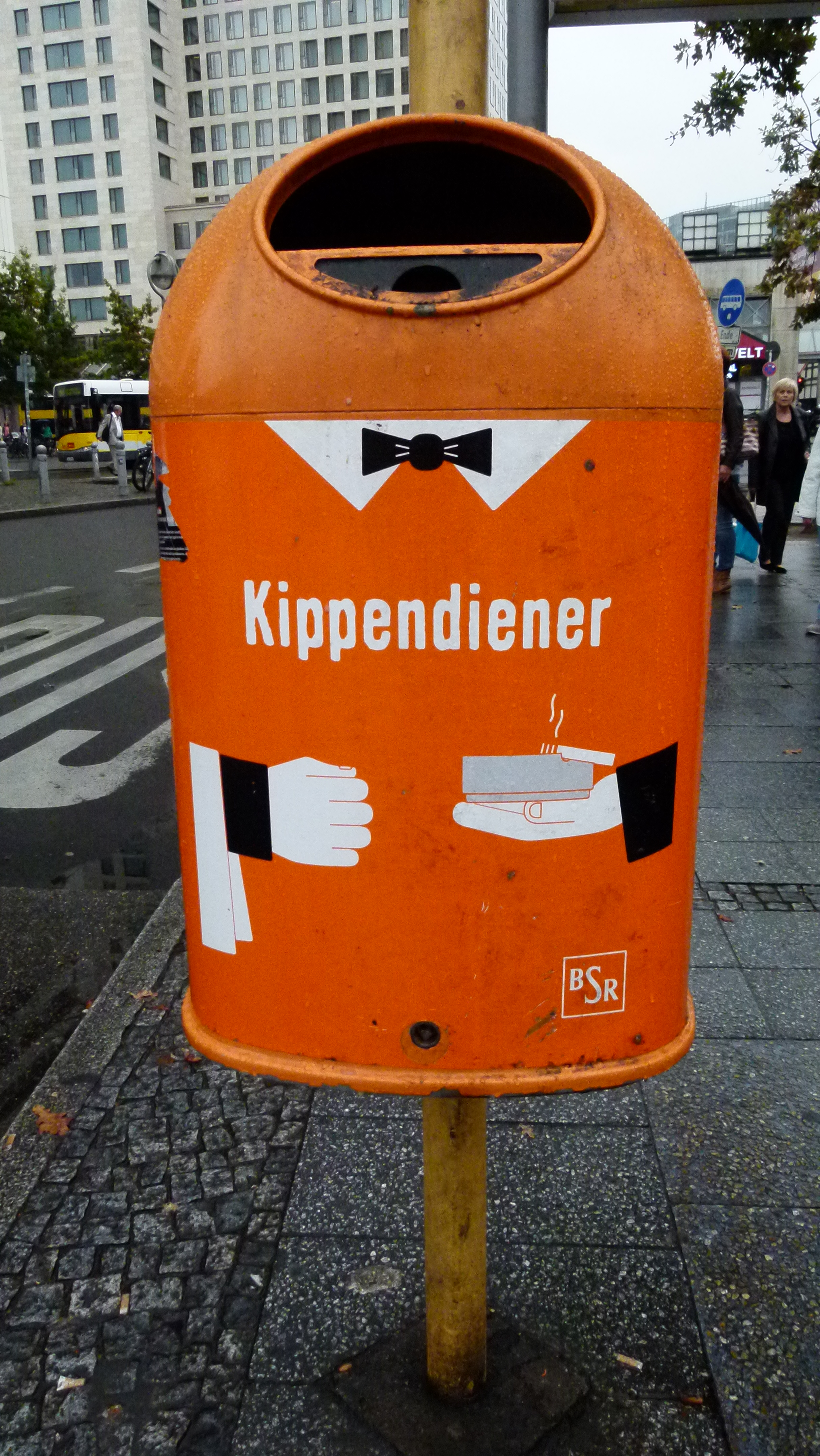
This second bin invites smokers to use it for their cigarette butts, called Kippen.Literally translated, this is a “servant for cigarette butts”

P1060678

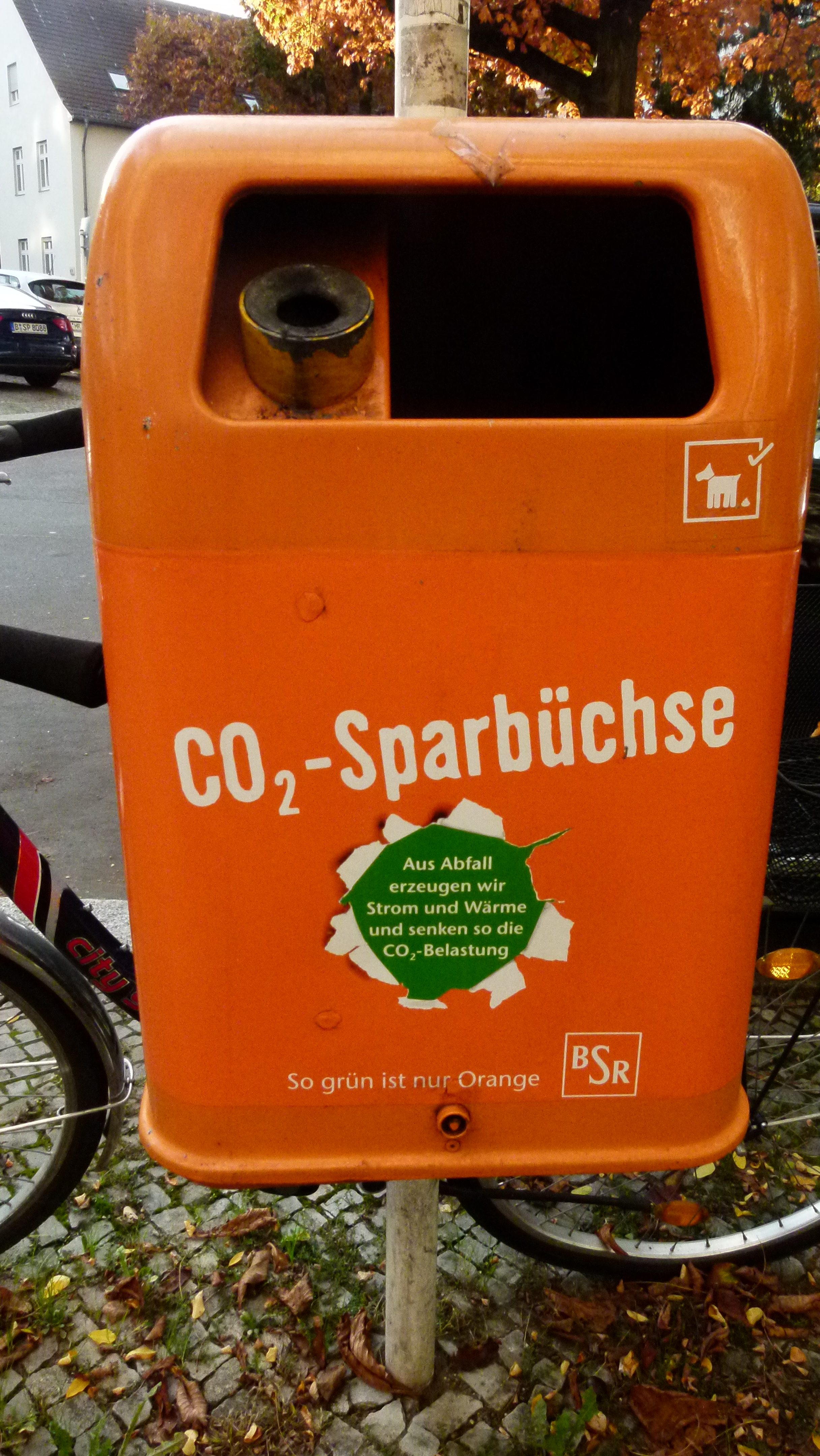
And in this bin we can save CO2. Literally it is a “savings box for CO2”.

P1060706

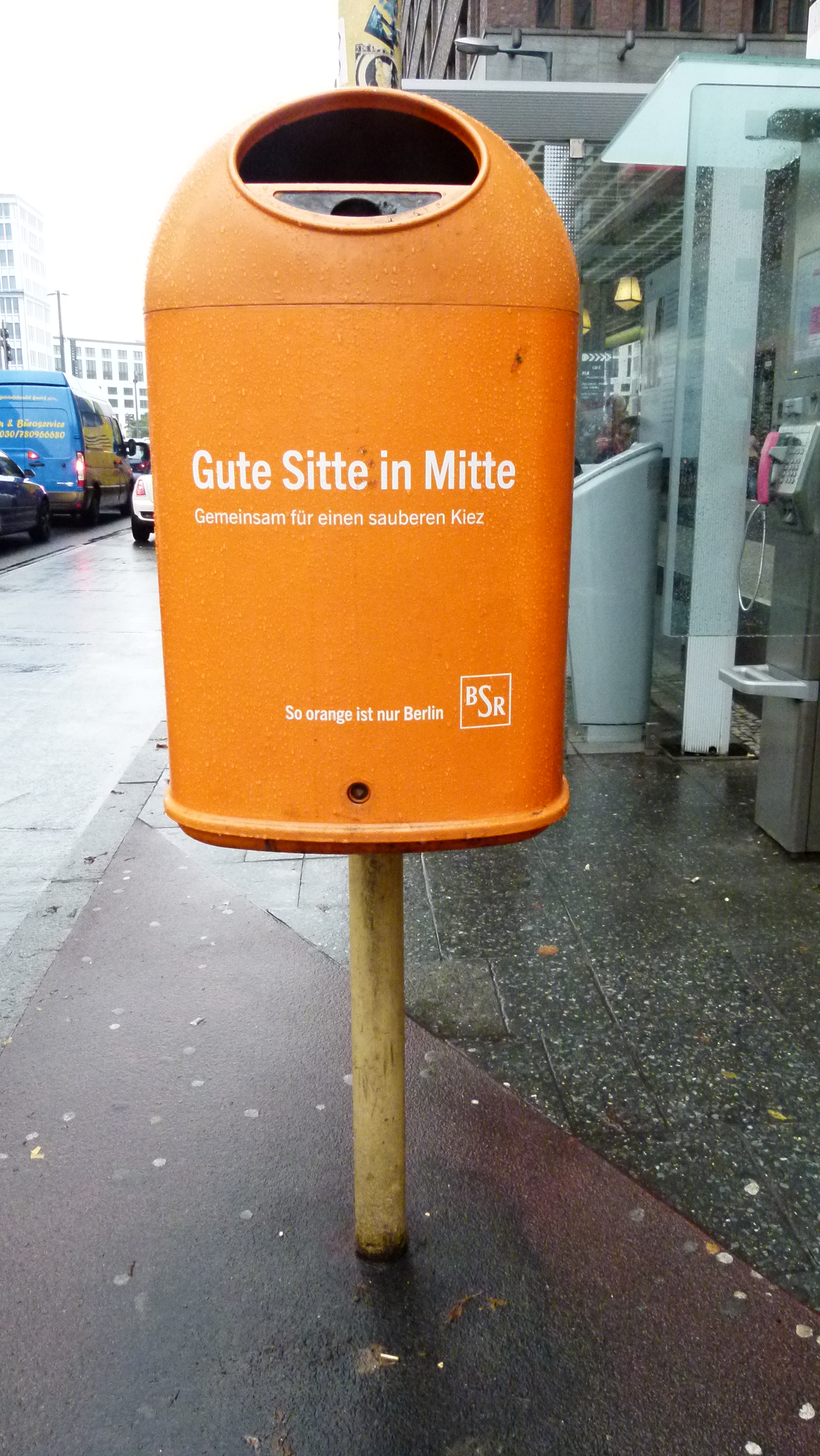
The last bin in these series just reminds to behave properly in the city center or in the middle of Berlin (called “Mitte”). Literally: “Good manners in the metropolitan area “Mitte””. This rhymes well in  German.

P1060680

The traditional Berlin dialect that my mum spoke has almost disappeared in Berlin. I enjoy to hear it, when I come across it. Near Alexanderplatz I was not sure whether I found the right bus to Pankow – and the driver said simply: “Gen Se rin” which in Berlin slang means “enter” (Gehen Sie hinein). The slang is now almost restricted to former East Berlin – and it has a slightly rough and at the same time humorous touch – like some of the slogans on the rubbish bins.

On the road again – as always saying hello to my favorite places in Berlin

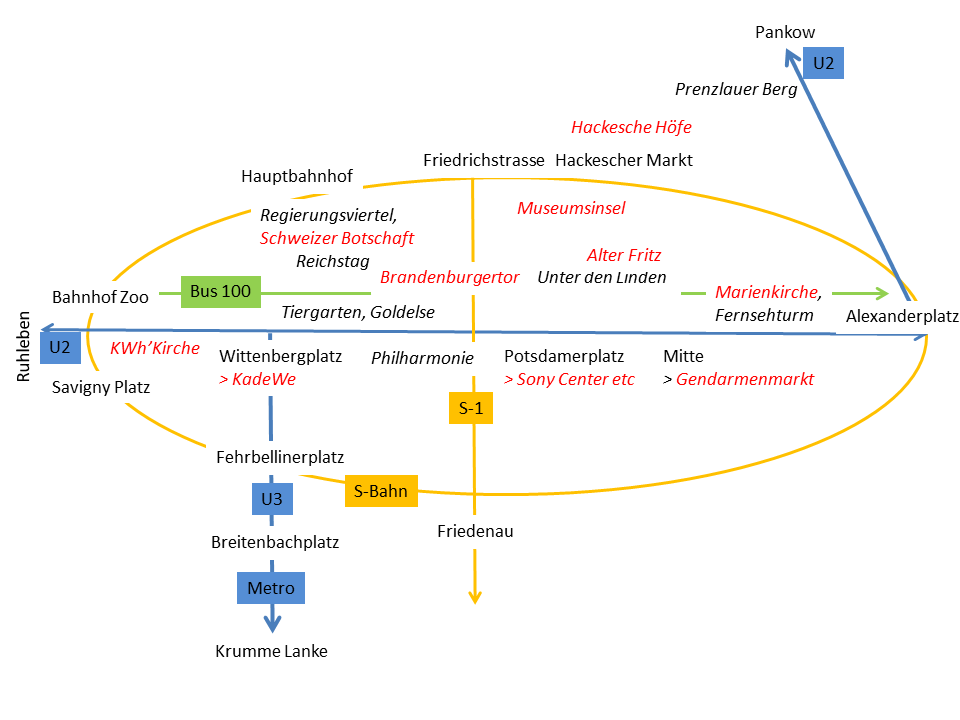
Berlin – simplified map with hints

This is a very simplifiied map of Berlin with “my” main traffic lines: The S-Bahn, U2 and Bus number 100 between Bahnhof Zoo and Alexanderplatz are a wonderful way to explore the sprawled city center of Berlin – and to say hello to my favorite places – all in one.

Simplemap


Kaiser Wilhelm Gedächtniskirche with “Powder Box”

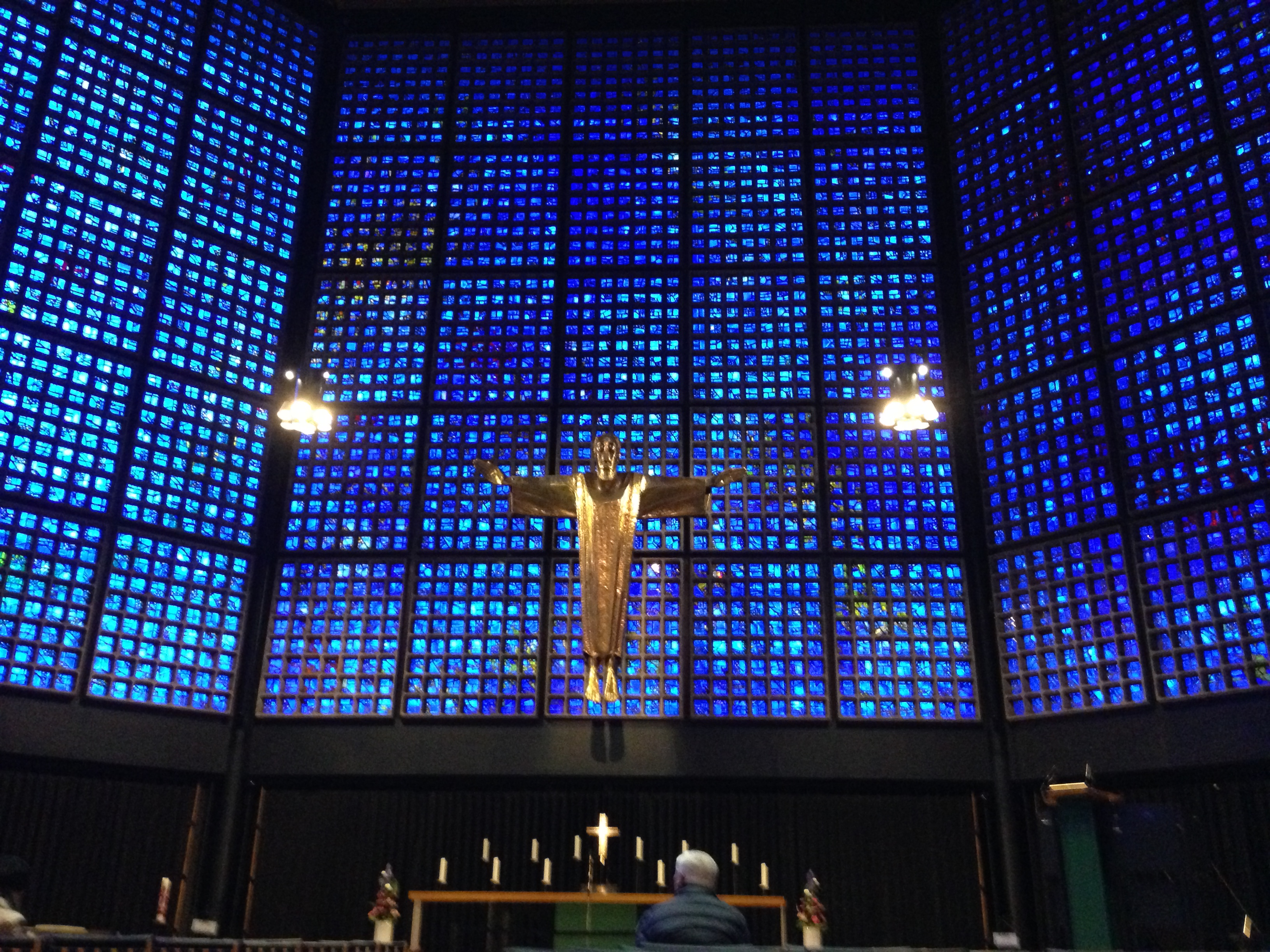
I take the metro U2 and leave it soon again at Bahnhof Zoo. The metro “disgorges” me just in front of the “Puderdose” or  “Powder Box”. This is the nickname that Berlin gave to the modern Kaiser Wilhelm Gedächtniskirche. I love to welcome Berlin in the “Powder Box” with its blue stained windows and the golden sculpture of Christ. I stand still for a while and breathe.

IMG_0891

Outside are the “Hollow Tooth” (the nickname for the ruins of the old church) and the Lip Stick” (the new church tower). This is an older picture, the “Lip Stick” is currently under renovation.

Berlin 2008 066

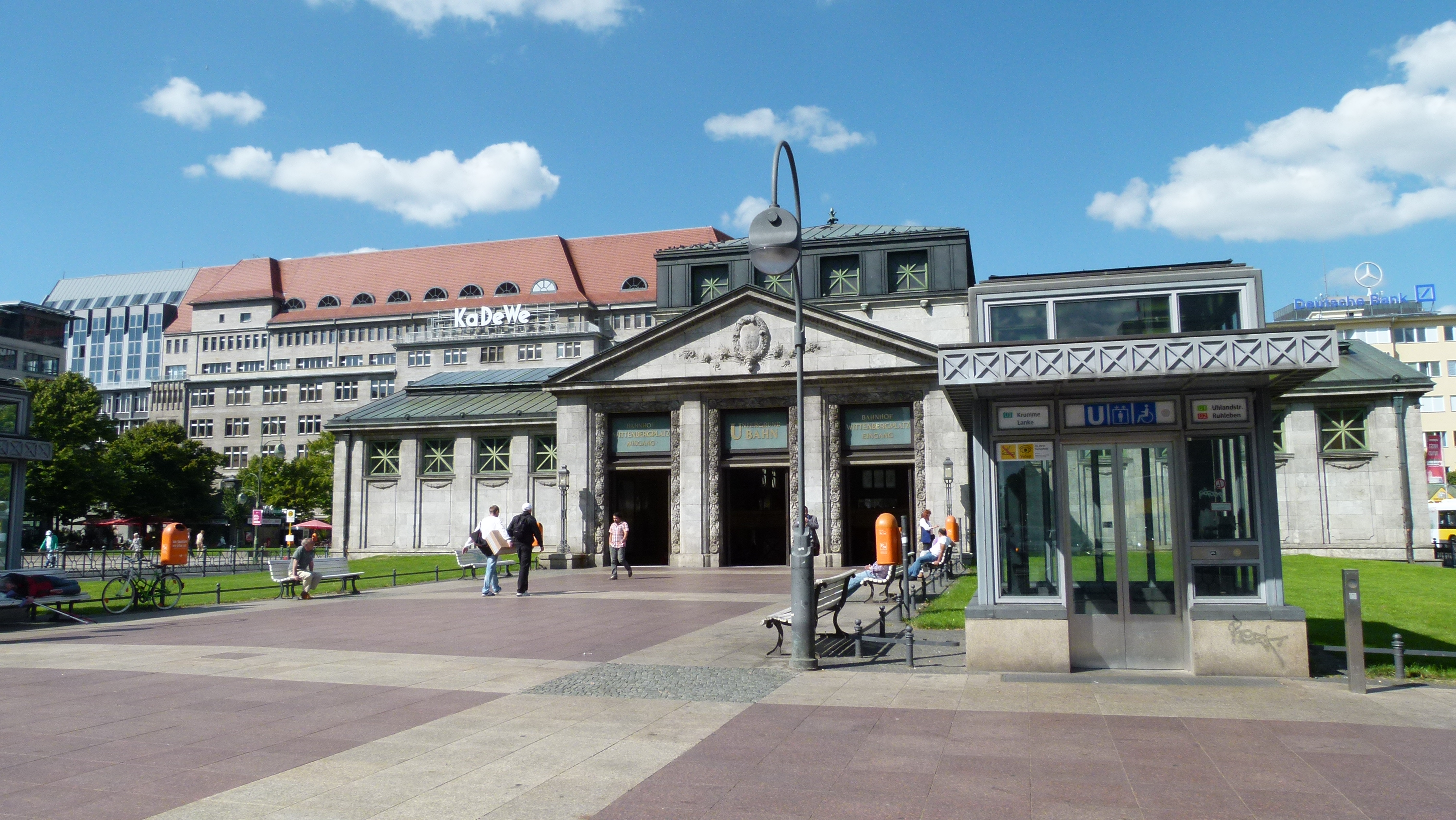
I stroll down Ku’damm and Tauentzienstrasse towards Wittenbergplatz with my favorite metro station and the “Kaufhaus des Westens” or “KadeWe”.

P1020709

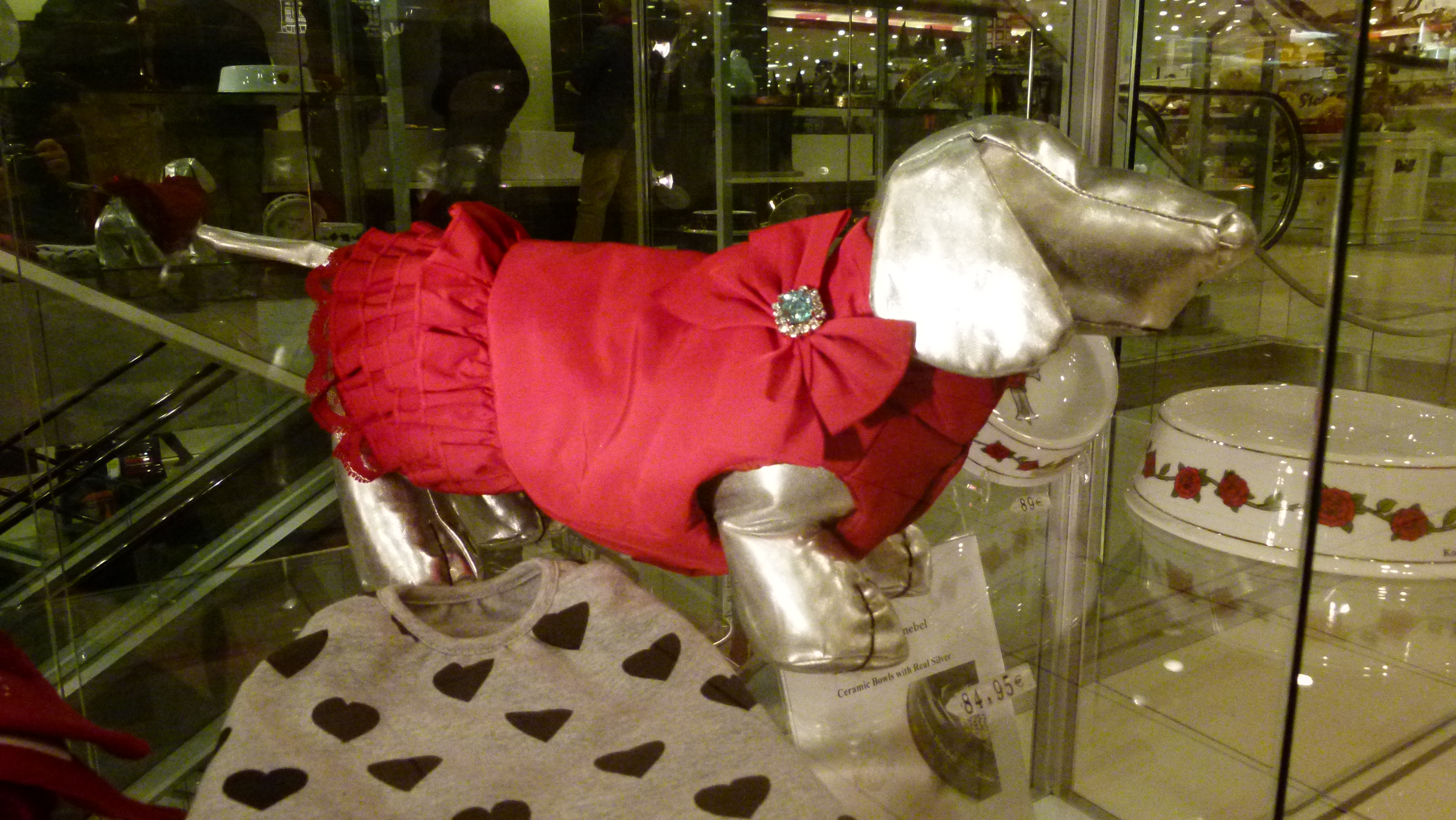
KadeWe is a posh shopping mall that even has great design for dogs – well, perhaps I would not dress up my dog like this, if I had one.

P1060675

The 6th floor hosts delicacies from wine, chocolate, fish, oysters – just about everything… I will come back for lunch to eat a Bouillabaise and later to eat a shrimp  soup (Büsumer Krabbensuppe).

.

Metro station Wittenbergplatz

Under the iron construction of my favorite metro station Wittenbergplatz,

P1060672

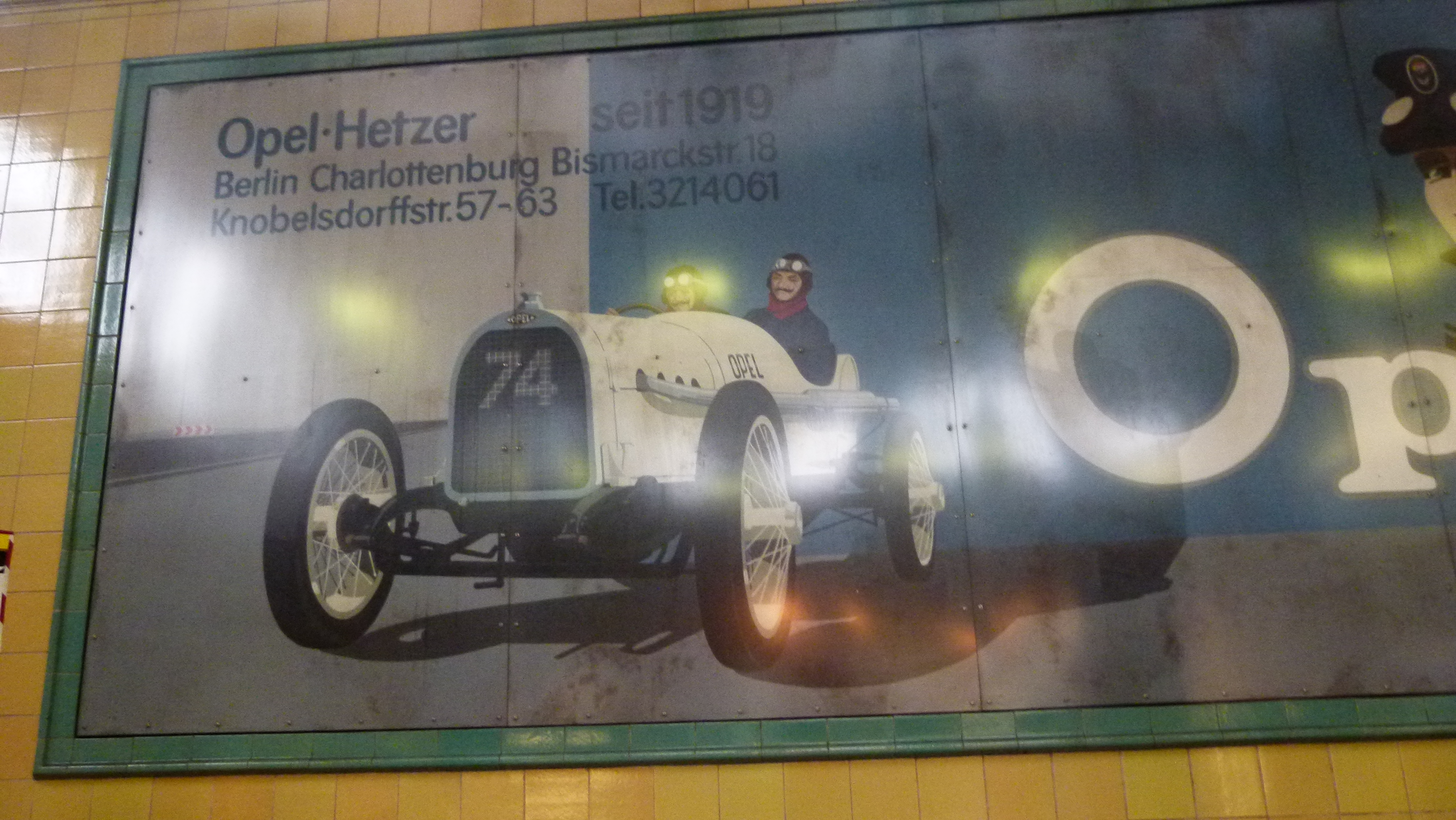
there are posters from the twenties in the last century – like this one announcing the “newest” Opel-Hetzer – well it was new at the time the metro was constructed.

P1060673

.

Potsdamerplatz

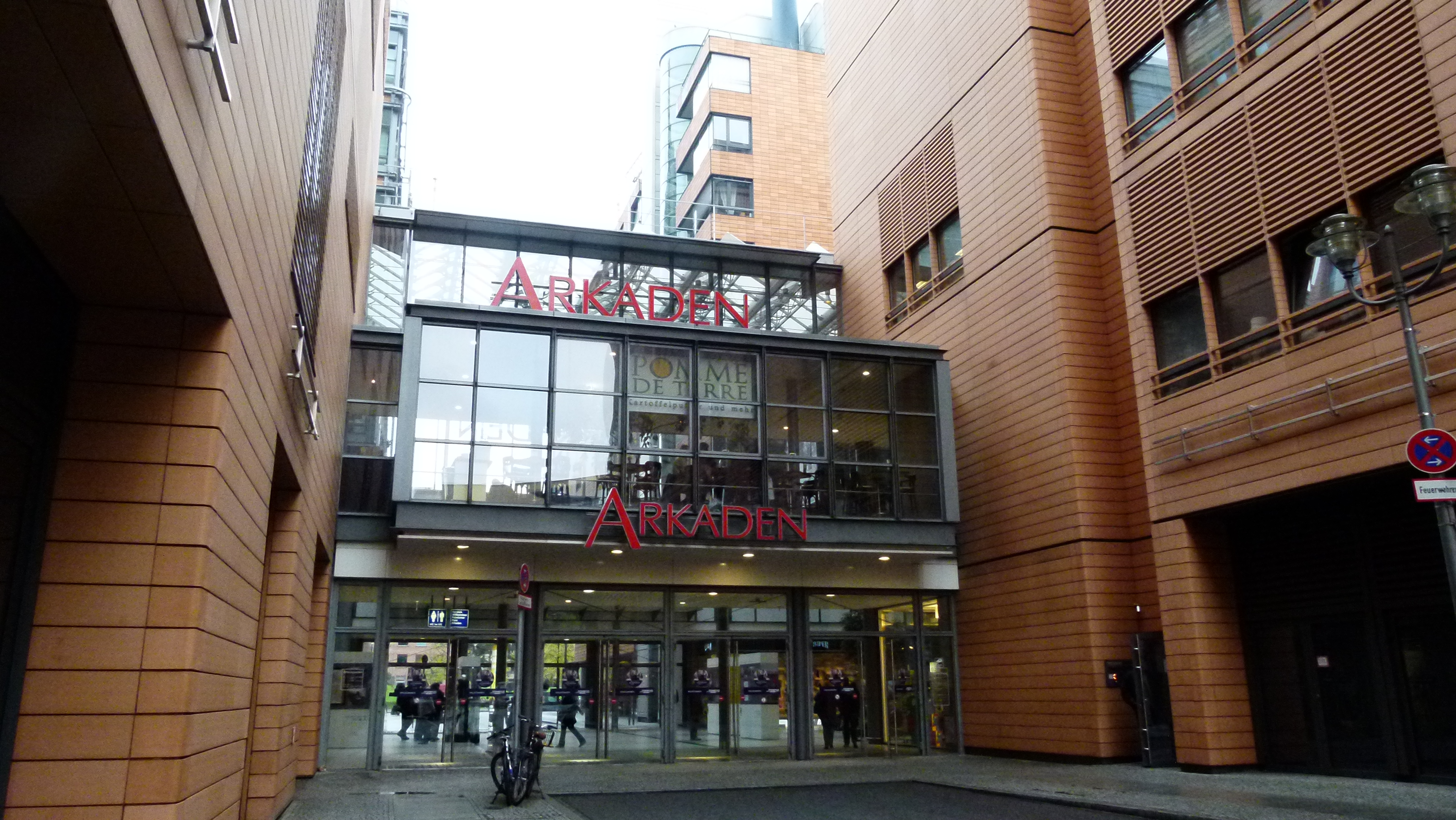
I catch U2 again, and a few stations later I am at Postdamerplatz. I feel very small between the skyscrapers – among them the Sony Center – and enter the Arcades (Arkaden).

P1060681

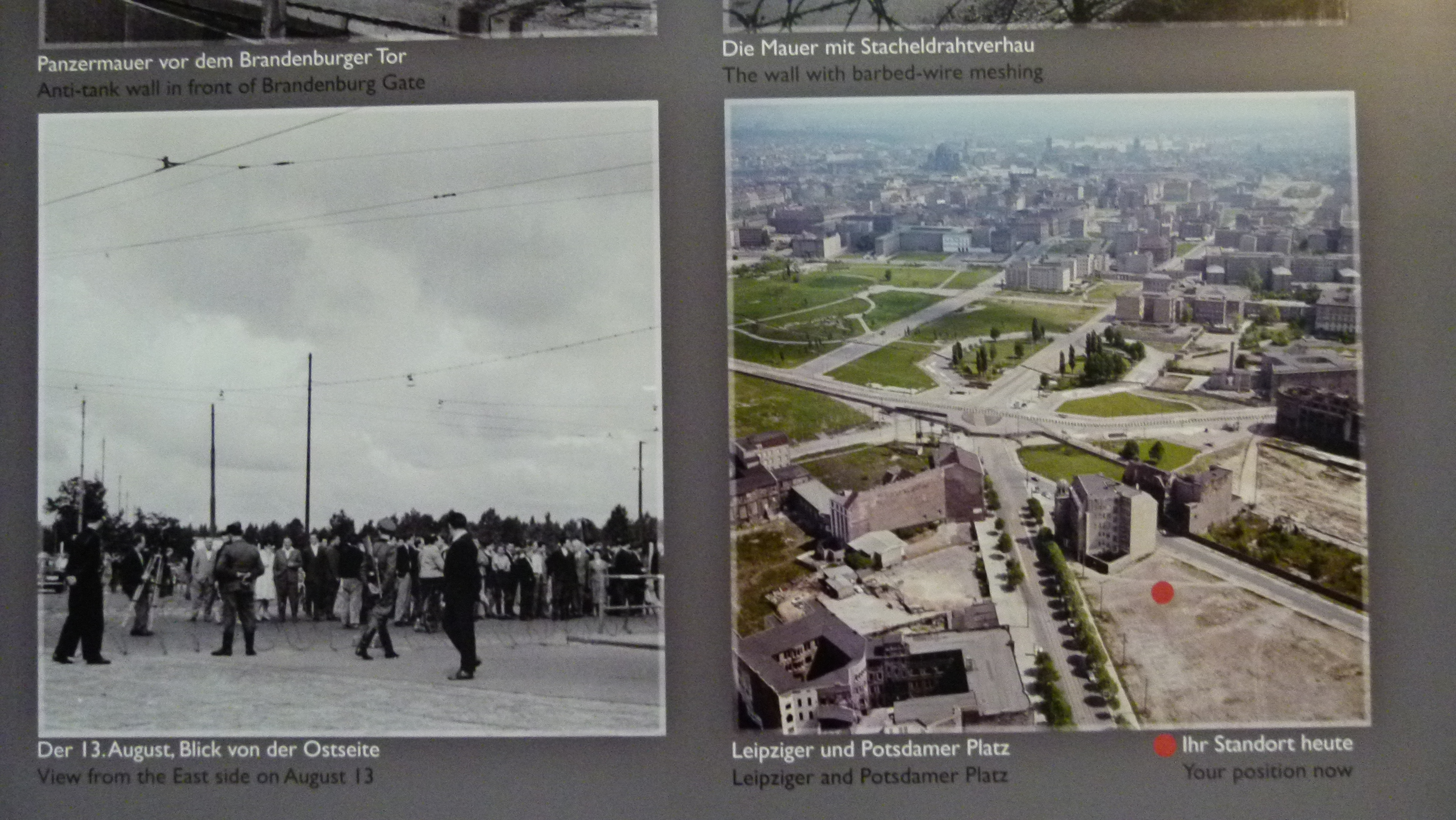
There is an exhibition about the Berlin wall that separated the town from 1961 (though Ulbricht said that no one could think of building a wall) up to 1989 (when the iron curtain fell and people climbed over the wall).

P1060682

Pupils walk around with questionnaires. One boy looks at me: “Do you know the answer to this question – does the wall (or their remains) belong to the Unesco world heritage?” I frown. I cannot think that anything that dreadful is eligible for the list of world heritages. The answer is in wikipedia: The wall has been proposed, but not accepted. The boy apologizes: “I have a disorder that cannot be diagnosed, I always make mistakes, when I write.” I frown again. I remember that at school my teacher was desparate about all the orthograpic corrections in whatever I wrote. I say: “I have had that as well, it has never been diagnosed and it disappeared.” The boy looks at me and repeats in earnest: “I have an undiagnosed disorder…” What are these school psychologists doing to the kids today? Destroying their motivation to learn and improve?

.

The Gendarmenmarkt

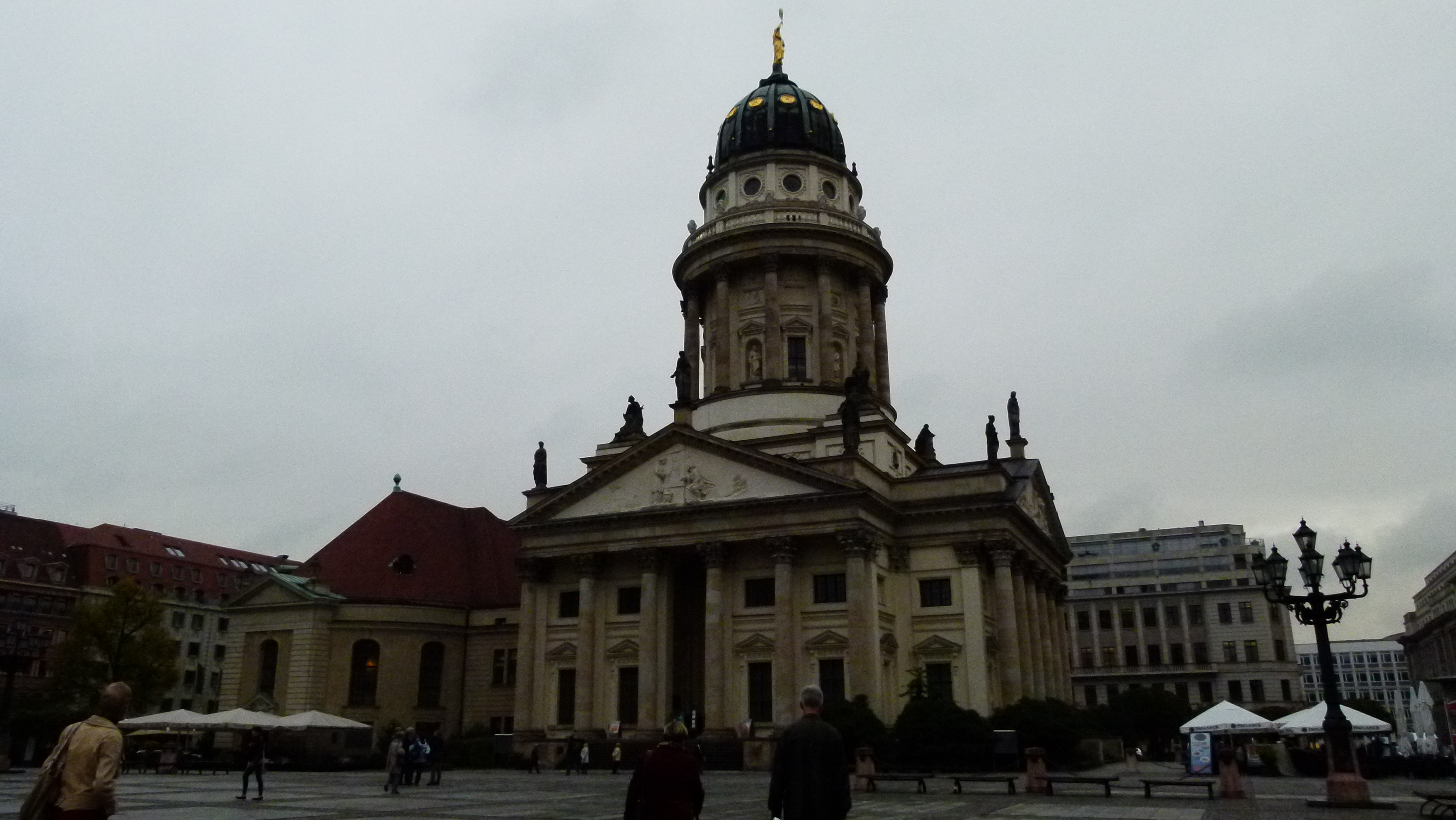
Again I go down under earth to take U2. I leave it at “Berlin Mitte”. The metro disgorges me just in front of the German dome that marks the southern end of the Gendarmenmarkt. To the north is the French dome.

P1060684

Do I feel like a coffee? There are many inviting coffee places here. No, not yet. I go back to U2 to leave it again at Alexanderplatz.

.

Alexanderplatz

From Alexanderplatz I walk over to the all dominating TV tower and to the Marienkirche. The TV tower shows no cross on the restaurant floor today, as the sky is cloudy (there is a cross, as soon as the sun shines, and this is why the tower is called “Sankt Ulbricht”).

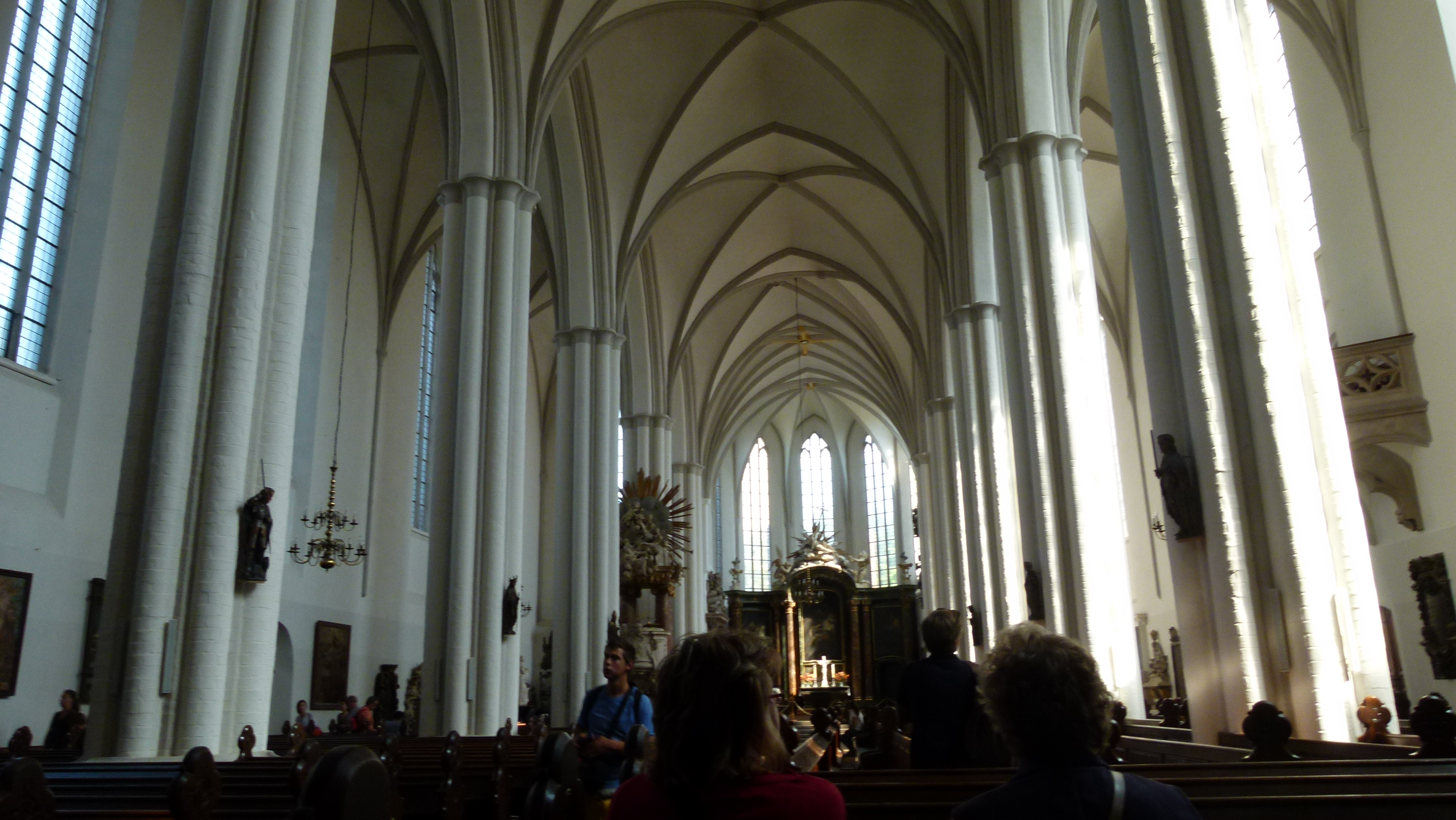
The Marienkirche is one of the oldest churches in Berlin, from the 14th century.

P1020733

Just across the street there is a bus stop. I catch bus number 100 here to take my way back to Bahnhof Zoo staying above the ground. We roll along Unter den Linden with the Museumsinsel (my favorite: The Pergamon museum and the museum of German history). The Prussian king Frederic the Great (nicknamed “Alter Fritz”) watches his castle now being reconstructed.

P1020739

May be “Alter Fritz” frowns a bit, as for now his castle are nothing but walls made out of concrete. I do not think that he has ordered these construction techniques to be used.

After having crossed Friedrichstrasse, we can see the Brandenburger Gate. Bus number 100 turns northwards to the Reichstag and traverses Tiergarten with the Victory Column (“Goldelse”, as Berlin calls her). Eventually we reach Bahnhof Zoo, the endstation.

.

S-Bahn to Hacke’sche Höfe

Later I come back with Sabine, my friend, to take the S-Bahn from Bahnhof Zoo. After the Hauptbahnhof, we stand at the window in order to not miss the quick glance of the Swiss flag amidst the German government buildings (“Regierungsviertel”). Switzerland owns ground here and has built its embassy.

Shortly afterwards, the S-Bahn stops at Hacke’scher Markt. From here it is a few meters to the Hacke’sche Höfe.

P1020726

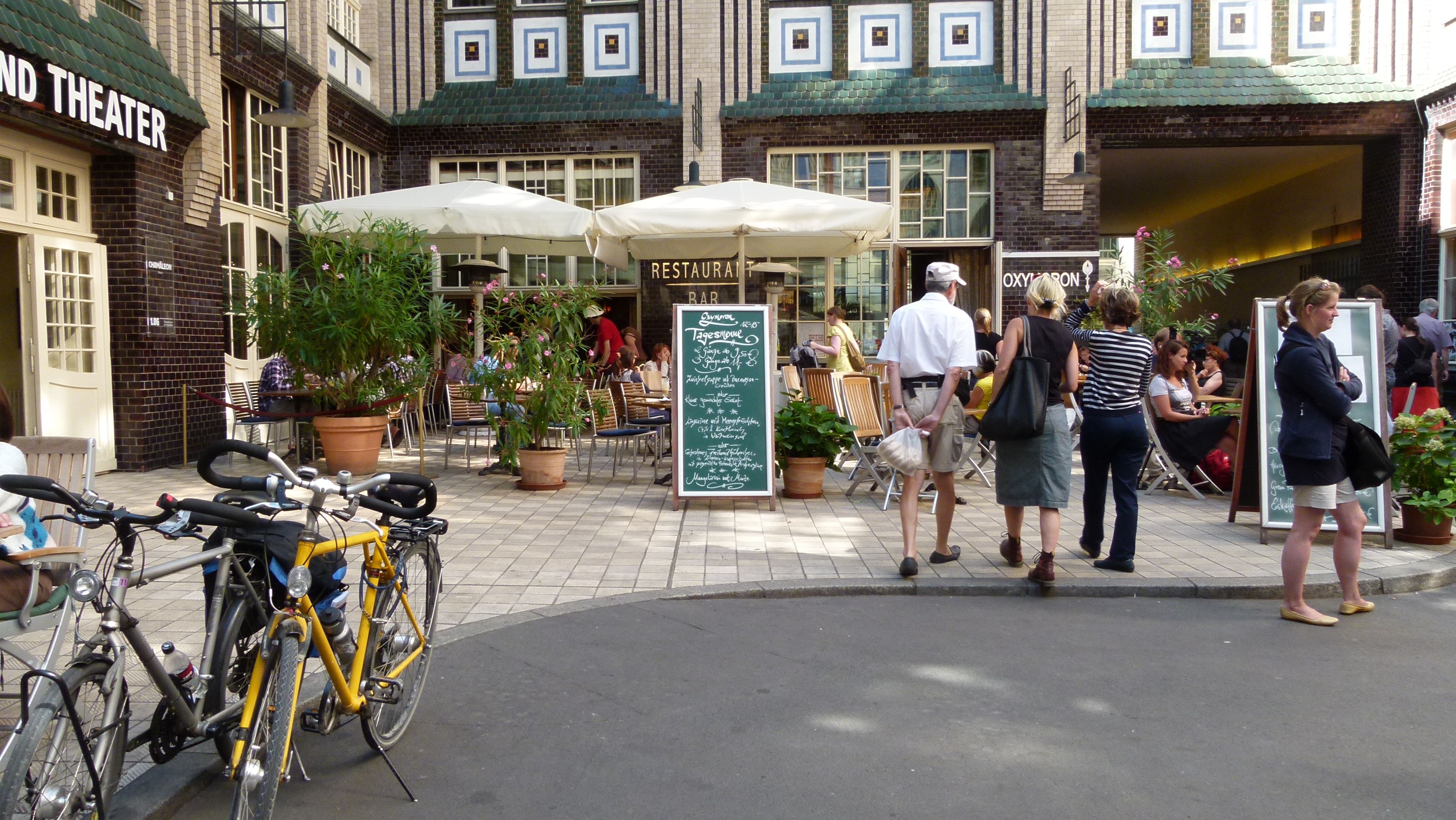
We both love to come here. We buy some small Ampelmann gifts. We enjoy the elegance of the Royal (KPM) porcelain . I have  Klopse in the restaurant Oxymoron. With Sabine’s advise, I buy a waterproof raincoat at the FREItag shop.  It is a black trenchcoat with a colored pattern at the sleeves and the collar. There is always something to see and do in the Hacke’sche Höfe. Well, yes, many people complain that this is no longer what the Hacke’sche Höfe have been before 1989 – but I think times are allowed to change, and Berlin has changed a lot since then, not only in the Hacke’sche Höfe.

Again, the S-Bahn, U2 and Bus number 100 between Bahnhof Zoo and Alexanderplatz have proven to be a wonderful way to explore the sprawled city center of Berlin.


On the road – discovering so much around Basel: To the southeast (V)

Discovering treasures, while being forced to just walk around Basel

Now that I can drive again (being so happy about this), I sometimes park my car below the Schartenfluh to take pictures and get more acquainted with the middle part of the Gempen plateau. In this blog I am talking about the Schartenfluh (another “rock”), the border path (Grenzweg) between Arlesheim and Dornach behind the Goetheanum, the dome of Arlesheim and the vineyards “Schlossberg” and “Steinbruch”.

Karten goetheanum

Source: Bundesamt für Landestopographie 213T – Basel

.

Schartenfluh

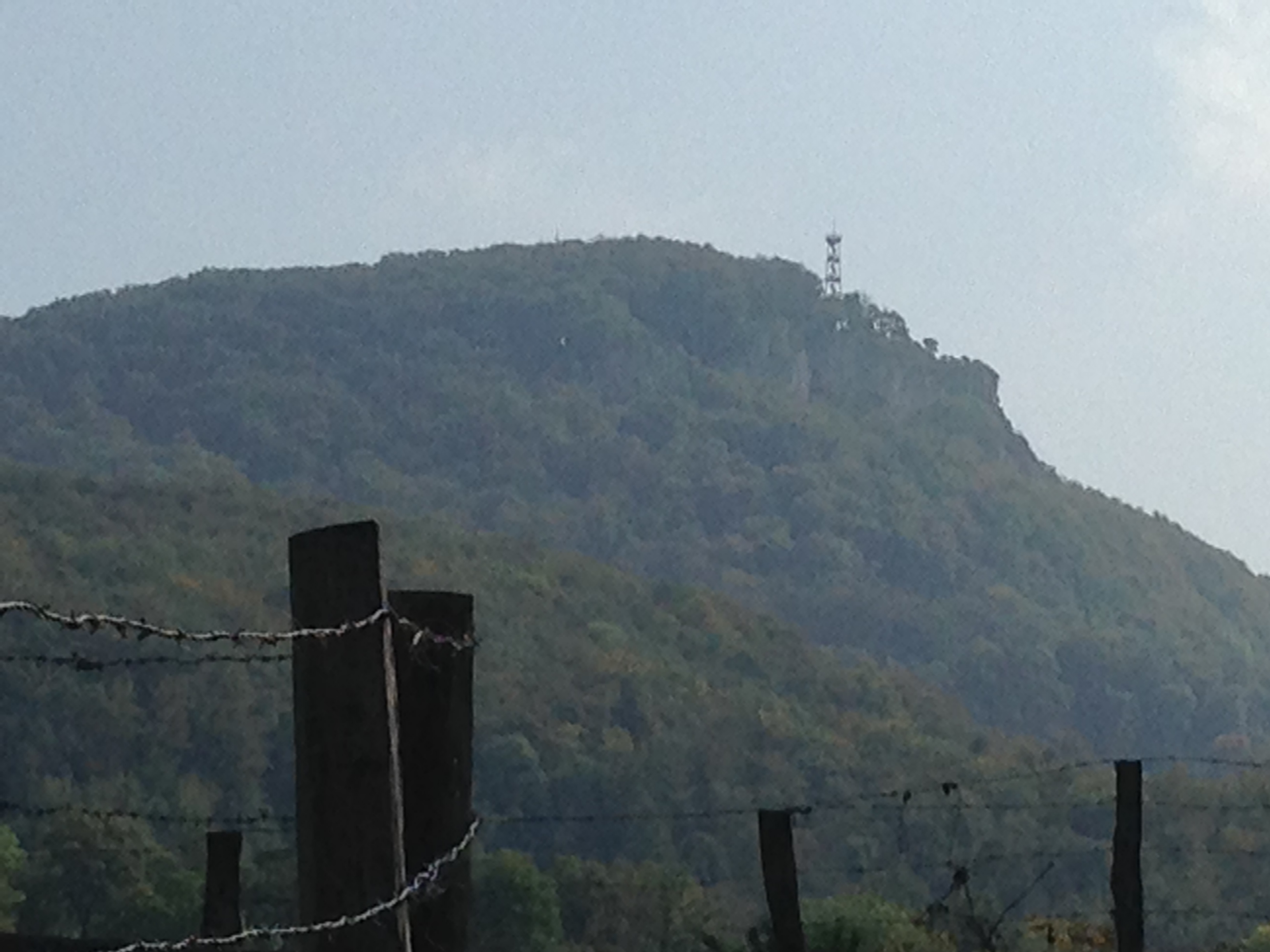
The Schartenfluh (sometimes called “Gempenstollen” or “Gempenfluh”) is the rocky landmark topping the Gempenplateau that can be seen from far – here is a picture taken from the fortification of Dorneck.

P1060491

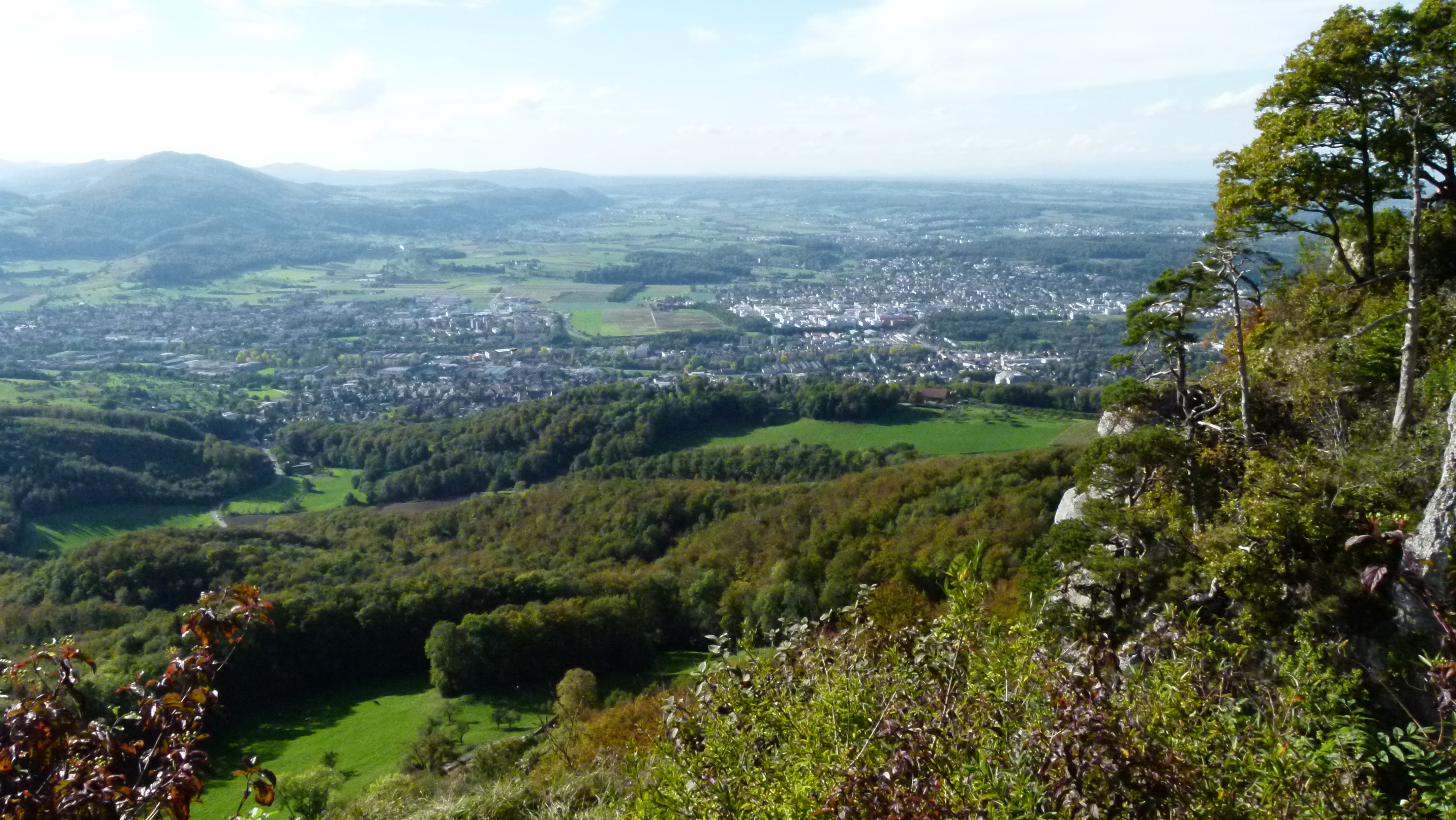
The view from the Schartenfluh is superb and goes across the trinational area of Basel with the Jura, the Black Forest in Germany and the Vosges in France. When the weather is clear, you can even see the white Finsteraarhorn in the Bernese Alps. This selection shows the view of the Blauen, the Bruderholz and the suburbs of Aesch and Reinach stretching along the Birs.

P1060639

A tower invites to get an even better overview of the trinational area around Basel.

IMG_0855

Climbing this tower requires to be free from giddiness.

P1060647

.

The dome of Arlesheim

The roman-catholic church of Arlesheim is called “dome” indicating that it once has been much more important than a mere “church”: Correct. The dome and the related buildings have been built around 1700 to become the new noble residence for the cathedral chapter (Domkapitel) of the Prince-Bishopric of Basel (Fürstbistum Basel). The Fürstbistum Basel were the secular possessions of the bishop of Basel who resided in Pruntrut (he had to leave Basel during the reformation in the 1520’s). The cathedral chapter is the noble committee of the bishop. The Fürstbistum Basel was dissolved in 1792 (Napoleon) and the former dome became the roman-catholic church of Arlesheim (sources: Home Site of Dornach  and for the Fürstbistum Basel: Wikipedia and “Historischer Atlas der Region Basel” edited by the Christoph Merian Stiftung, 2010).

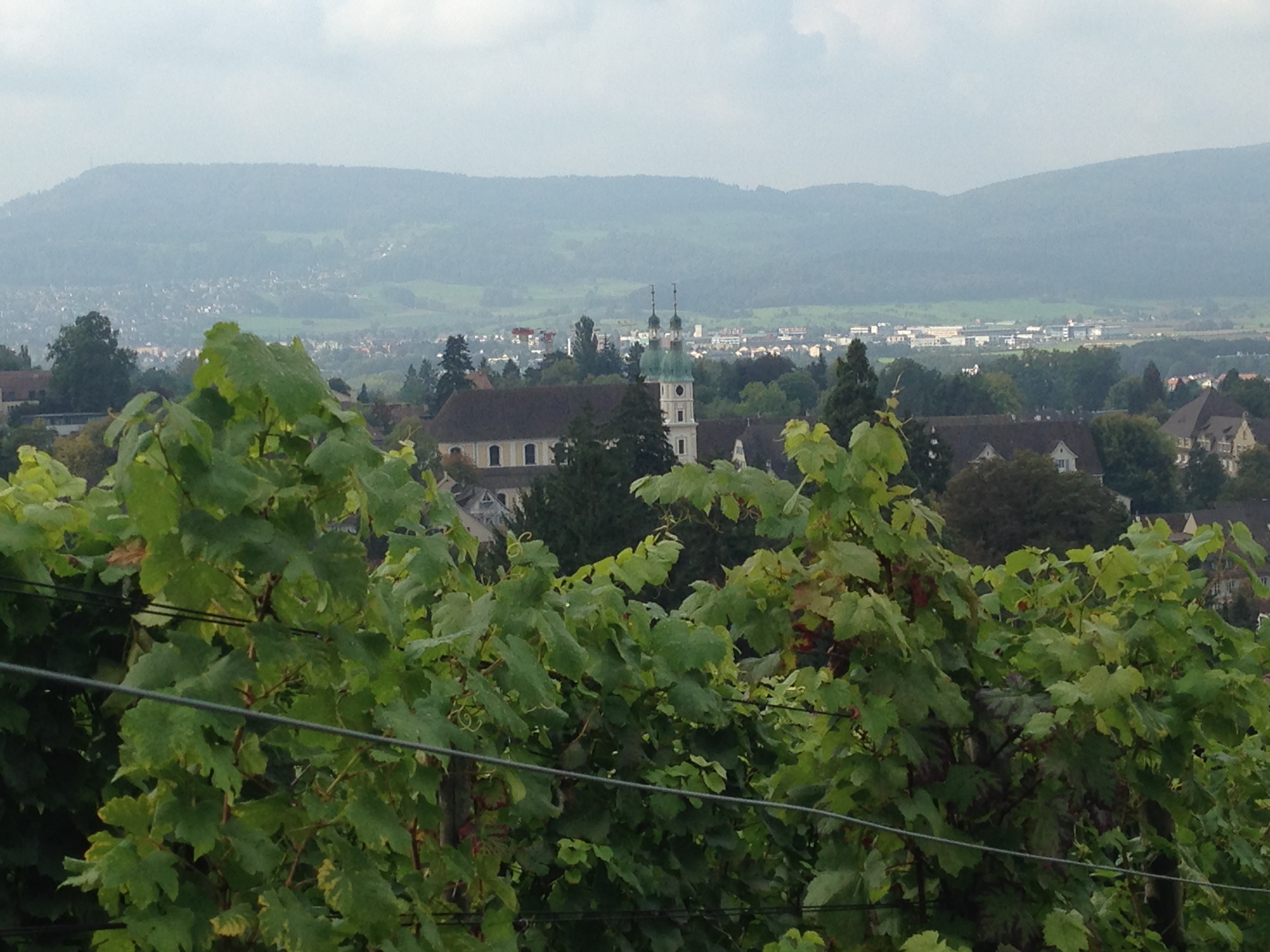
Here is the dome of Arlesheim taken from the vineyard “Schlossberg” of Arlesheim.

IMG_0848

.

Vineyards in Arlesheim – more grand cru than I thought at first sight

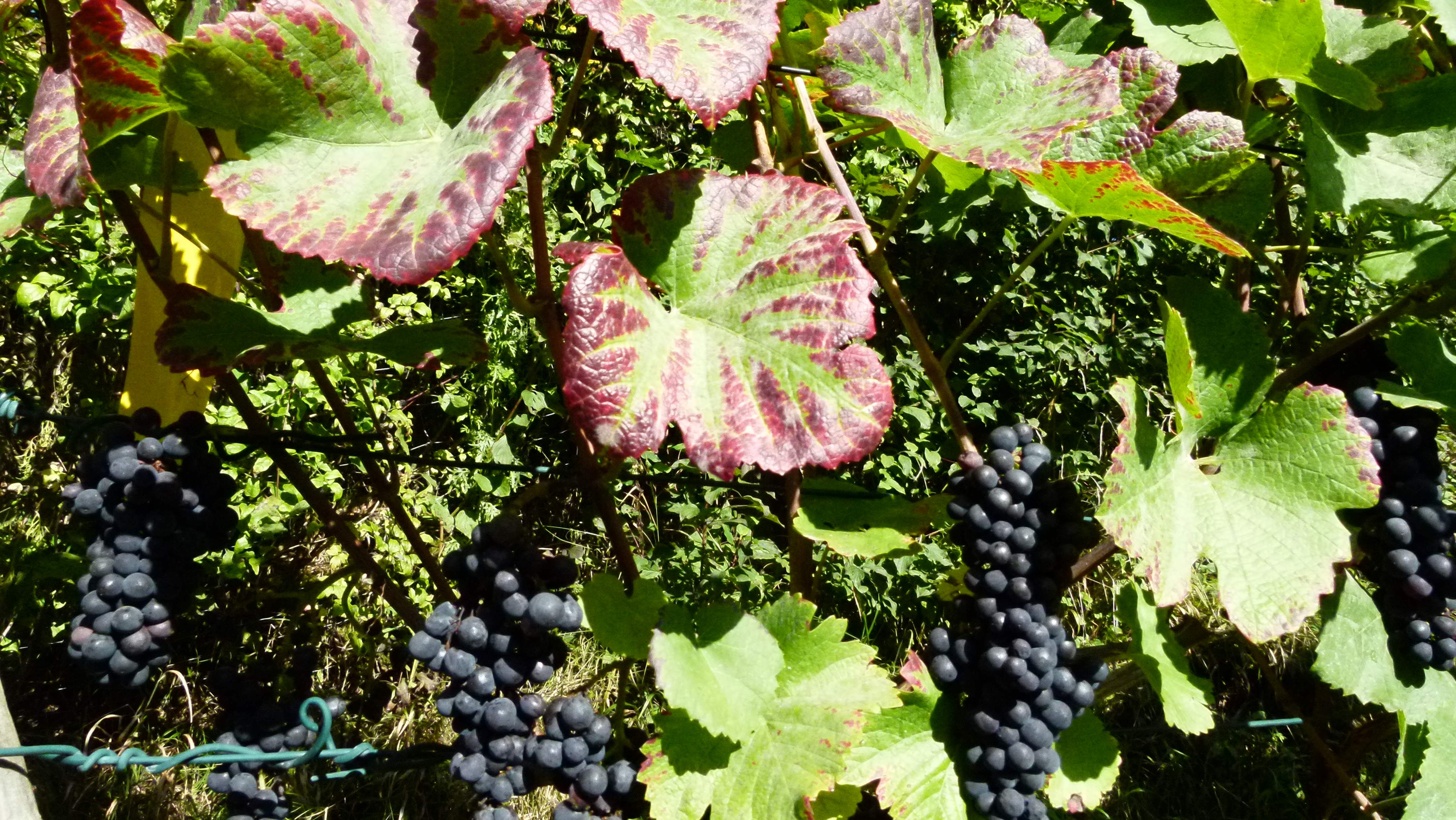
There are two vineyards in Arlesheim: The Schlossberg (“castle slope”) and the Steinbruch (“quarry”) (see Weinbau im Birseck). The mild climate of Arlesheim has always been favorable for growing wine.  Both vineyards are steep and looking south to capture as much sun as possible.  The noble committee of the bishop loved the wine of Arlesheim. Perhaps this is why they had their dome built here?

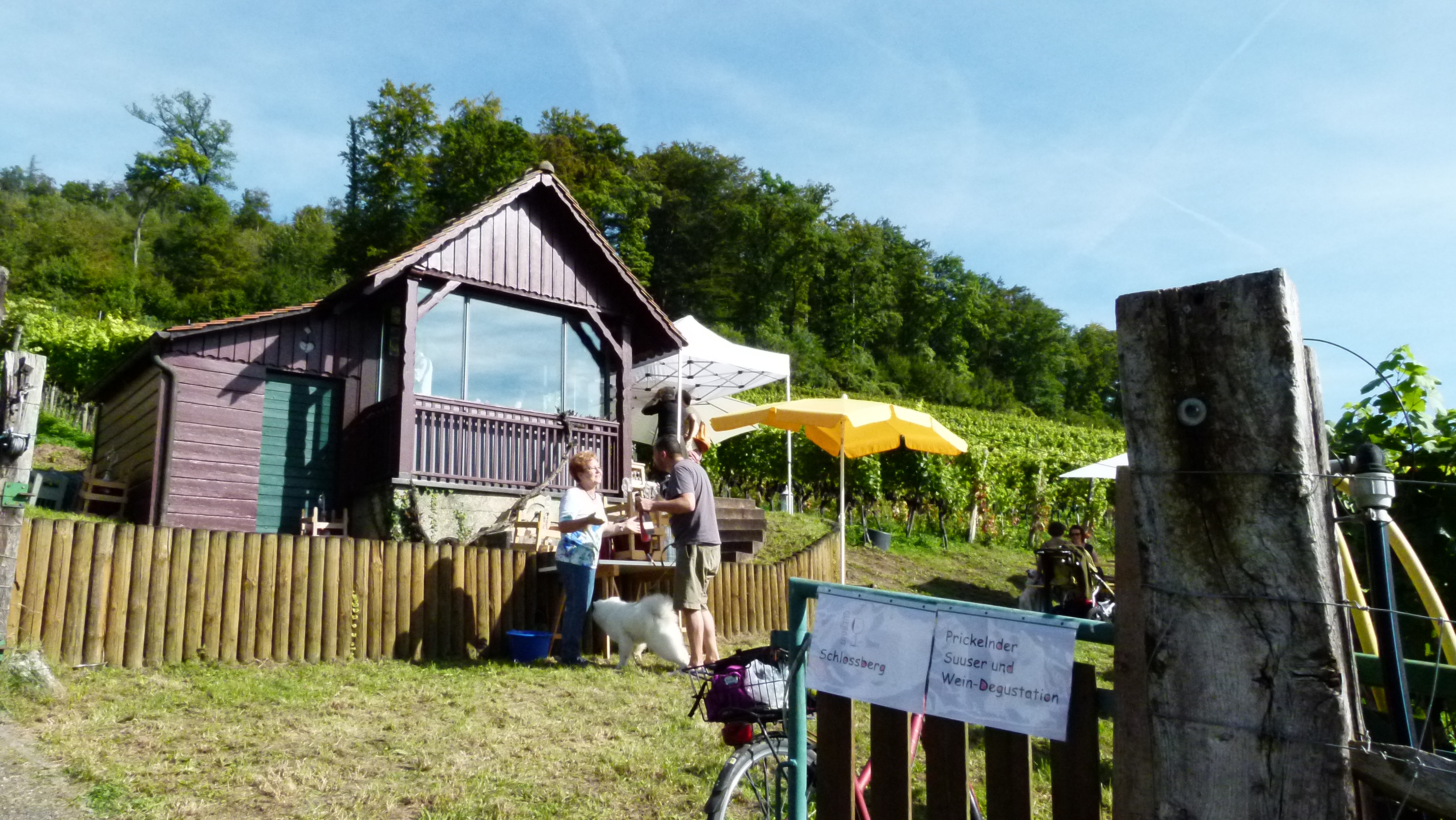
Sometimes Frischluft organizes visits to the vineyards. They praise the wine of the traditional winegrower, Erich Rediger. Quergut has recently been founded by two new and innovative winegrowers, the couple Huber/Bühlmann and Thomas Löliger. End of September they invited guests to their Schlossberg vineyard. I went and found myself amidst a group of teachers and artists – Michael Huber is a part time teacher at the Gymnasium Oberwil and a part time musician. His father has already grown wine here at the Schlossberg. Michael now follows in the steps of his father. In addition to Pinot Noir he has recently planted Shiraz and Cabernet Jura (the latter for blending, Michael tells me). The white grapes are Sauvignon Blanc (Michael says, the global warming makes it possible here) , Cabernet Blanc (a new breed of grapes) and Pinot Gris (in German: Ruländer or Grauburgunder). In the scorching sun I enjoy a sparkling Schlossberg Suuser (fresh wine) with a delicious pumpkin soup and later a fruity glass of Pinot Noir from the Schlossberg.

P1060609

These are vines in the Steinbruch or quarry.

P1060503

.

Grenzweg behind the Goetheanum (border trail)

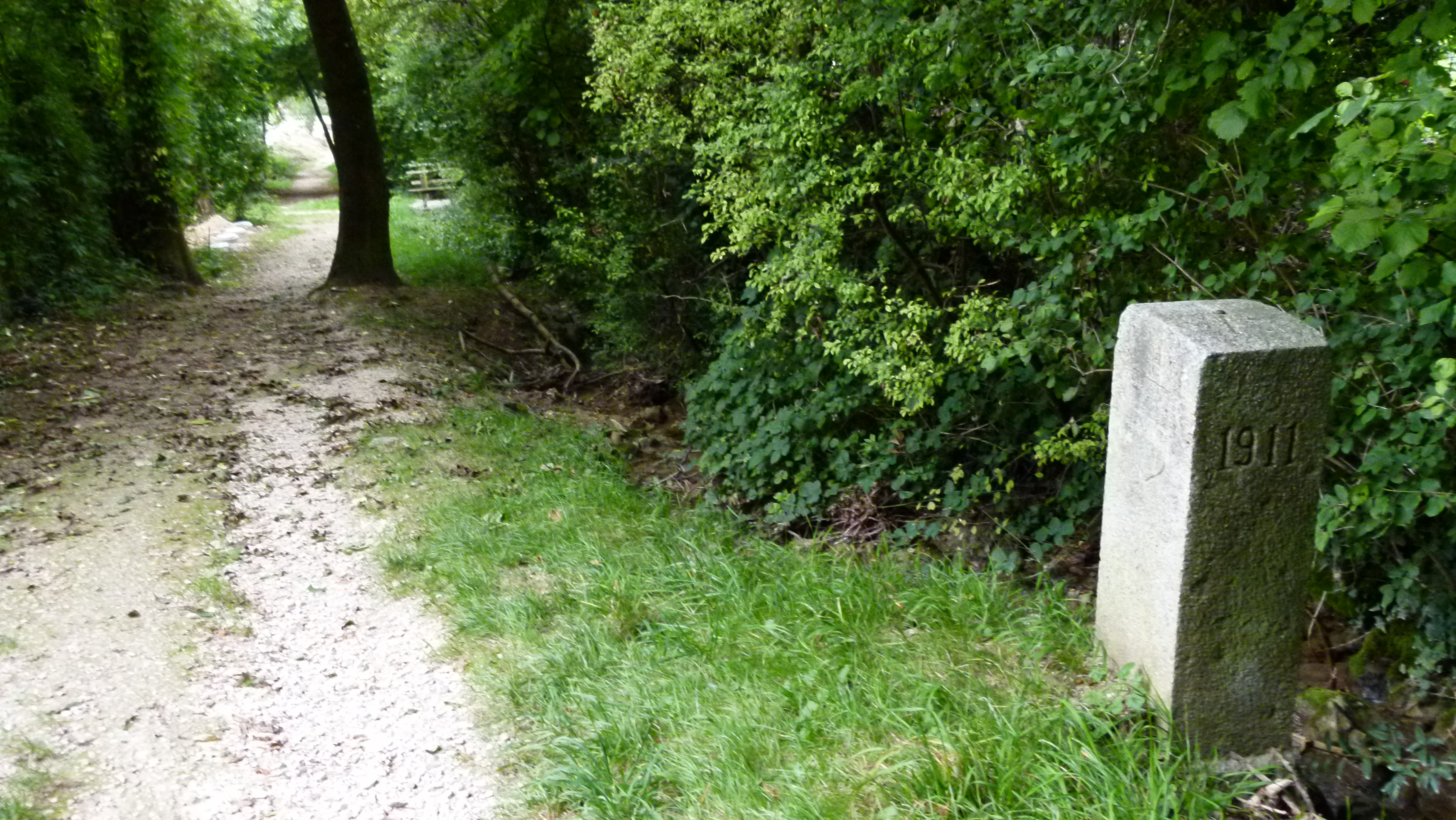
My friends from Austria stopped once in the restaurant Schlosshof close to the ruin Dorneck. From here, a steep and romantic trail is following the border between the two suburbs Arlesheim (belongs to the canton of Rural Basel) and Dornach (part of the canton Solothurn). The border stones are the proof that there is a border here.

P1060424

The Grenzweg is a quiet path along a creek. Bridges lead to the gardens of noble houses. Also birds are invited to live and breed here.

IMG_0798

In addition I am surprised by this unusal view of the Goethenaum from behind…

P1060434

… with its heating house (Heizhaus)…

IMG_0795

… and with its glass house (Glashaus).

IMG_0796

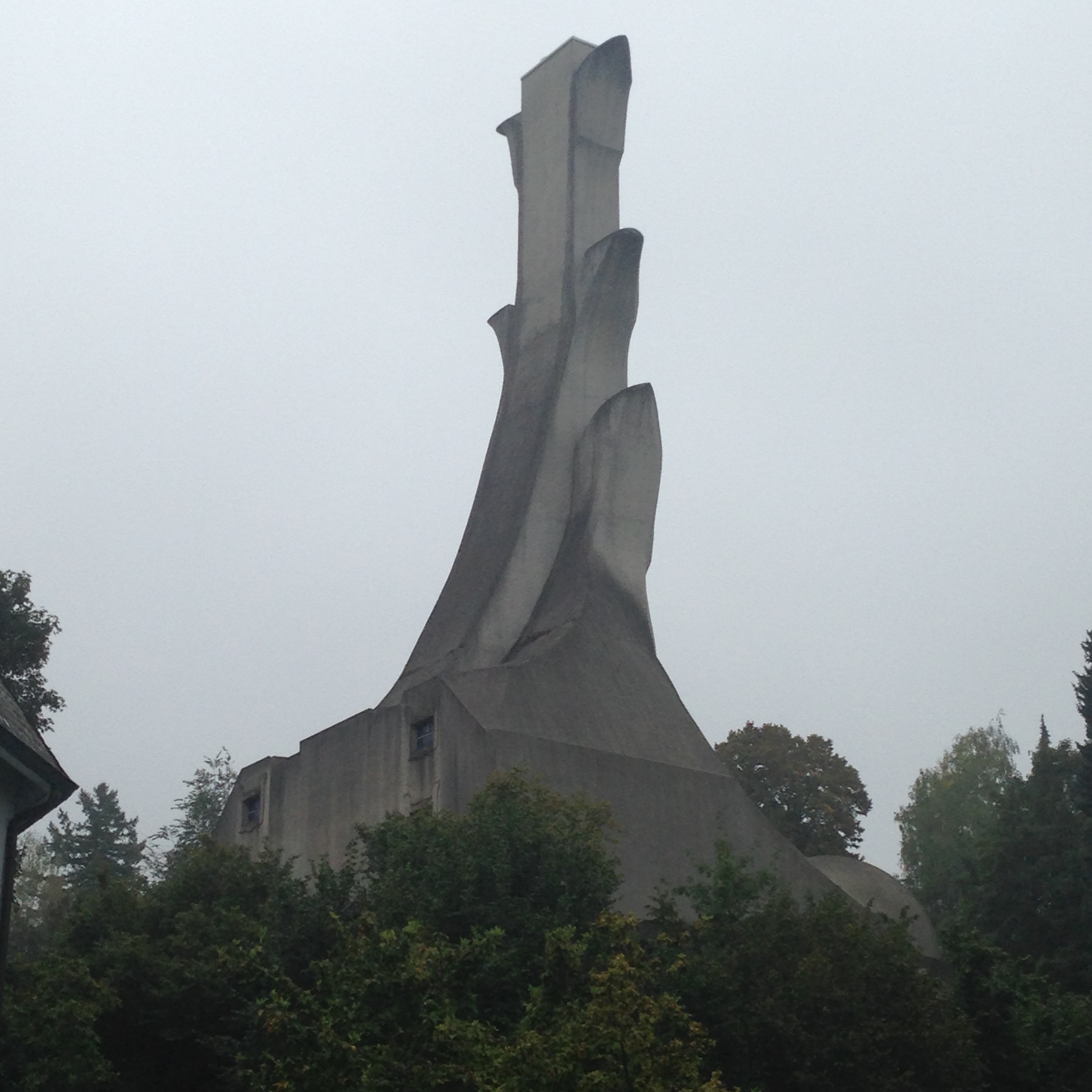
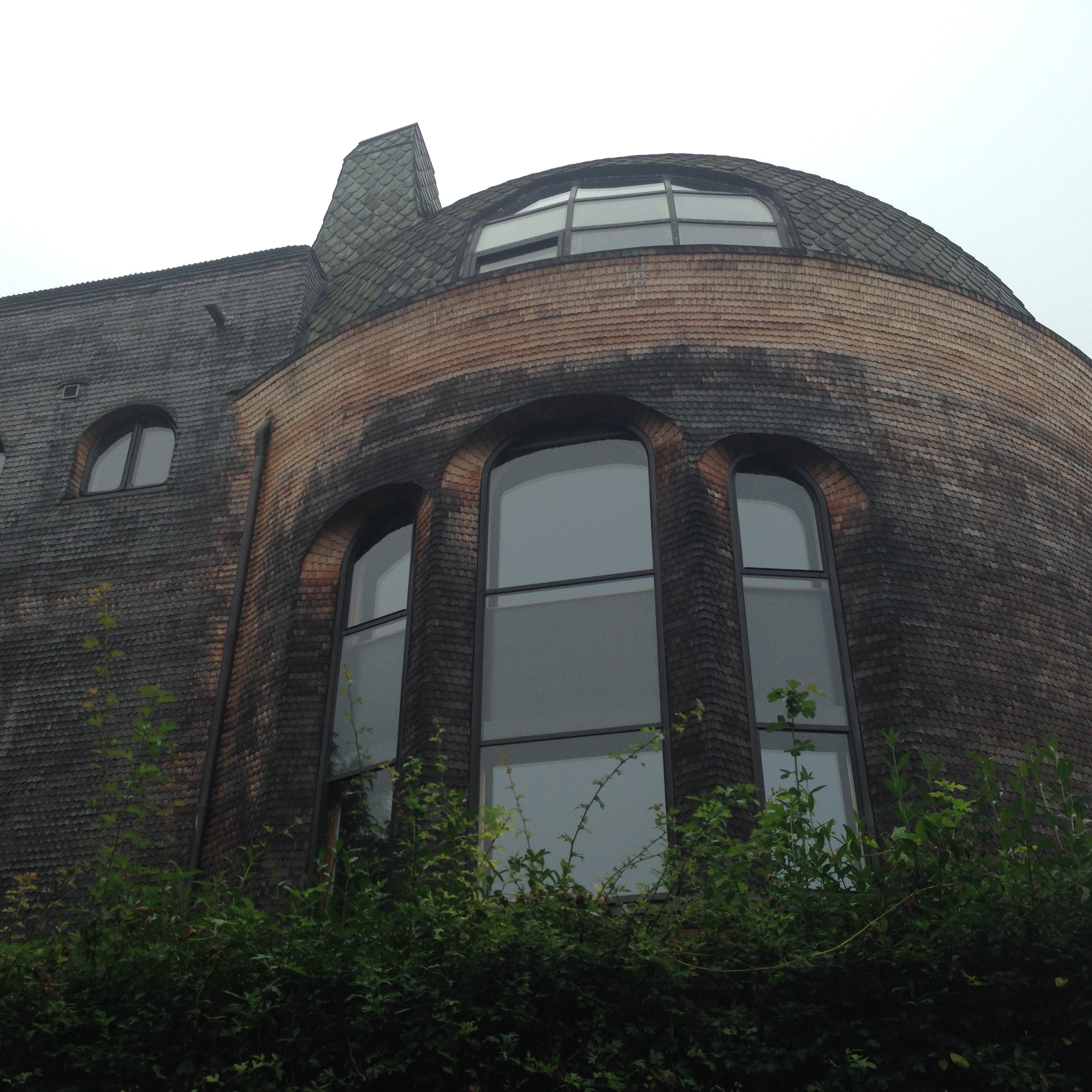
The name “Goetheanum” is derived from the German poet Goethe. Based on admiring Goethe for his Spiritual Science, Rudolf Steiner founded the Anthroposophical movement in the beginning of the 20th century. He made the Goetheanum their world center. The first Goetheanum was built in 1908. It was a harmonious wooden building  avoiding right angles – like most anthroposophical houses do here in Dornach. The first Goetheanum was destroyed by arson in 1922. My gran-ma lived in  Basel then and told me that the fire could be seen from far. She was sad, because she found the wooden Goetheanum was beautiful. For the second version of the Goetheanum, Rudolf Steiner selected concrete. Again avoiding right angles the second Goetheanum was completed in 1928.

The glass house (Glashaus) in the back garden was built to manufacture the stained glass windows for the first Goetheanum made out of wood. Also made out of wood, the glass house gives us an idea of what the wooden Goetheanum had looked like before the fire. The glass house has recently been renovated. It houses the school of Spiritual Sciences.

(see wikipedia and the Goetheanum homesite )

.

So many gems around Basel…

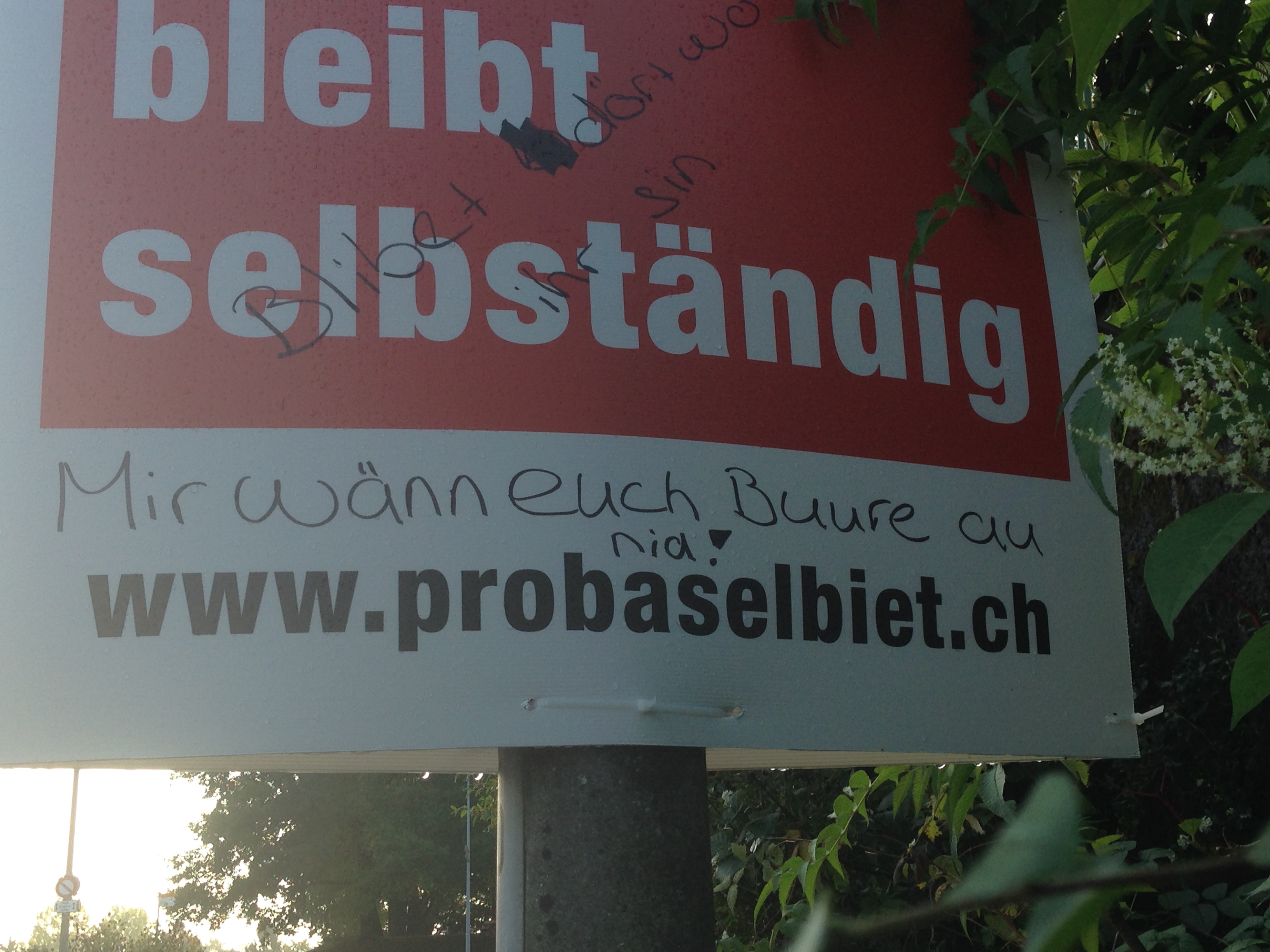
… to my opinion it is just a pity that the reunification of the two half cantons of Basel has been denied in September 2014. Before the voting weekend end, there were many posters in Rural Basel (or “Baselbiet”) proposing “no – we remain independent”. A frustrated citizen from Basel Town may have added the remark: “We also do not want you, farmers” (Mir wänn euch Buure au nid”).

IMG_0847

This makes me a little sad, as I have always loved both Basel Town and Rural Basel – and this year I was happy to benefit from the hiking options in front of my house door – in both half cantons.


On the road again – arriving in Berlin

Planning to visit my mother town

After having discovered so much around my home town Basel, I feel homesick for my mother town Berlin. Sabine has booked two rooms in the Hotel Villa Kastania. I look forward to strolling through Berlin – first alone, then on the weekend – with her.

.

Arriving in the old Berlin Schöneberg airport with S-Bahn on strike

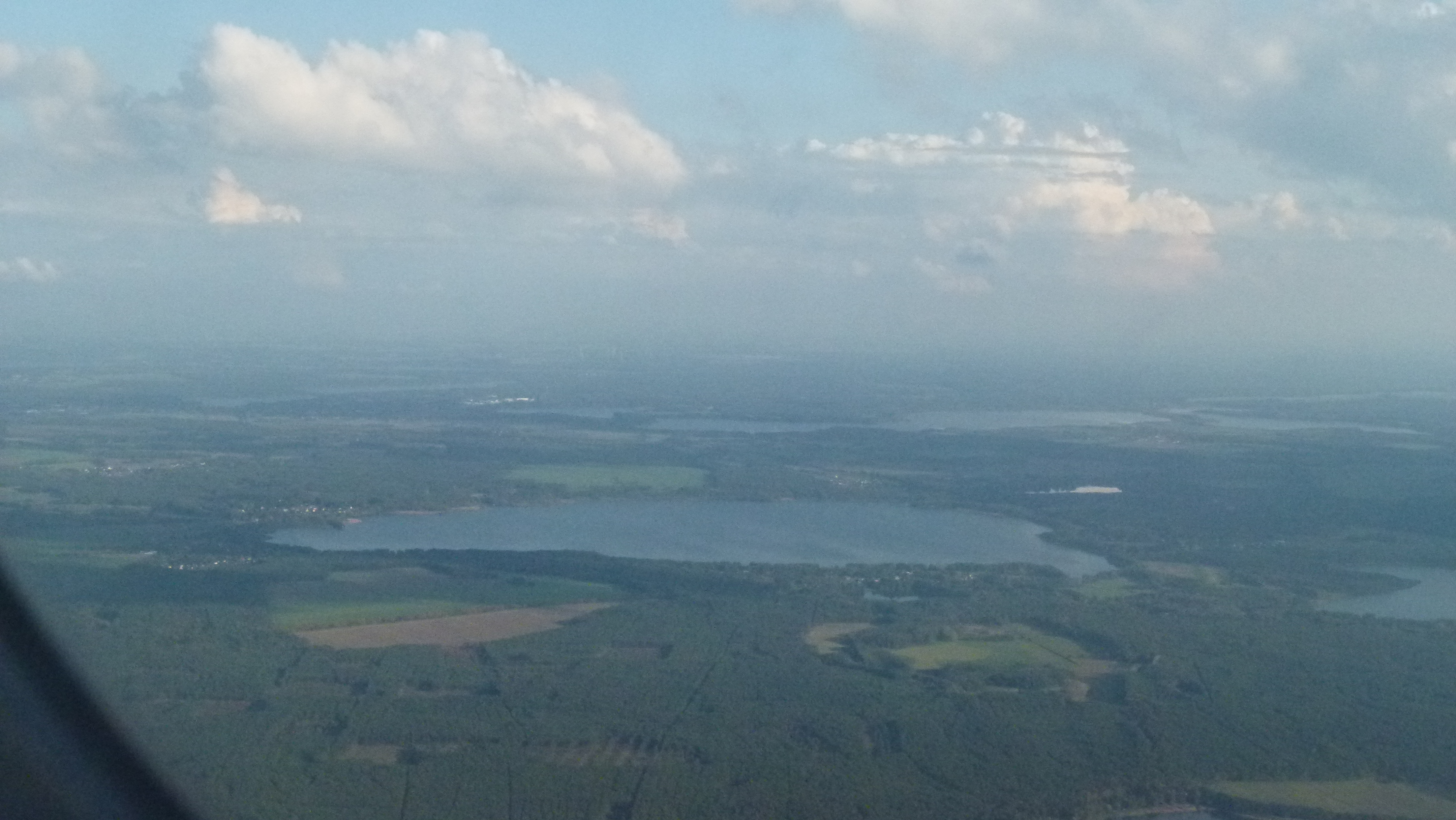
Easyjet loses height and the Müggelseen (lakes)  appear in the window.

P1060655

We land softly at the sober ex-GDR airport of Schönenberg in the far south east of Berlin. It is about five pm.  Immediately I notice that I am in a large town: Plates announce that the S-Bahn is not working due to strikes. Strikes – this is unknown in Switzerland. Shall I take a taxi? – Probably not a good idea. Instead I opt for the bus X7. Good decision. From the bus I can see traffic jams being announced. My bus quickly reaches the Rudow metro station.  The metro is packed with people that try to get home using alternatives to the S-Bahn. At Bismarckstrasse I switch to the Ruhleben metro  (I like this – Ruhleben means “quiet life”). I reach Theodor Heuss Platz about an hour after having landed.

.

The quiet and friendly Hotel Villa Kastania

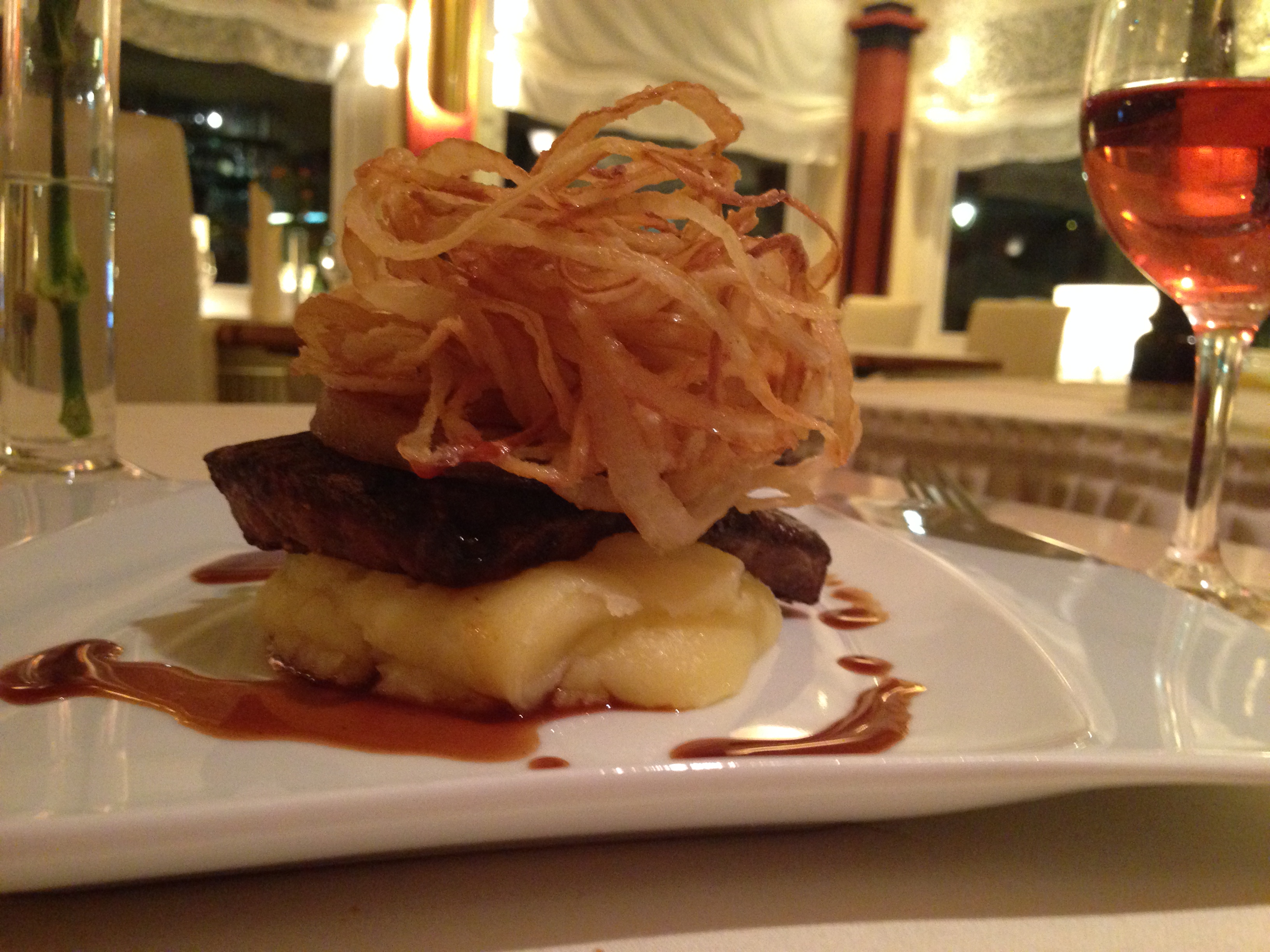
Just around the corner of Theodor Heuss Platz I find my Hotel Villa Kastania and settle in a quiet room. The restaurant looks welcoming. I take my dinner here: Liver cooked with apple and ognion – one of the dishes that my mum has brought me up with. Well, the hotel restaurant serves a “design version” of this common and delicious Berlin specialty.

IMG_0873

After having slept deeply in the quiet Kastanienallee, I take a swim in an Italian garden under a blue sky with a few cyrrhus clouds.

P1060725

Hungry I go to the breakfast room, and I am surprised by the morning buffet: It even includes fresh oranges and an orange squeezer. I have never had freshly pressed orange juice at a hotel breakfast buffet before.

After the delicious breakfast I leave to see my favorite spots in Berlin again.


On the road – discovering treasures around Basel: To the southeast VI (castles)

Castles – telling fairy tales from a long time ago – and there are so many of them around Basel

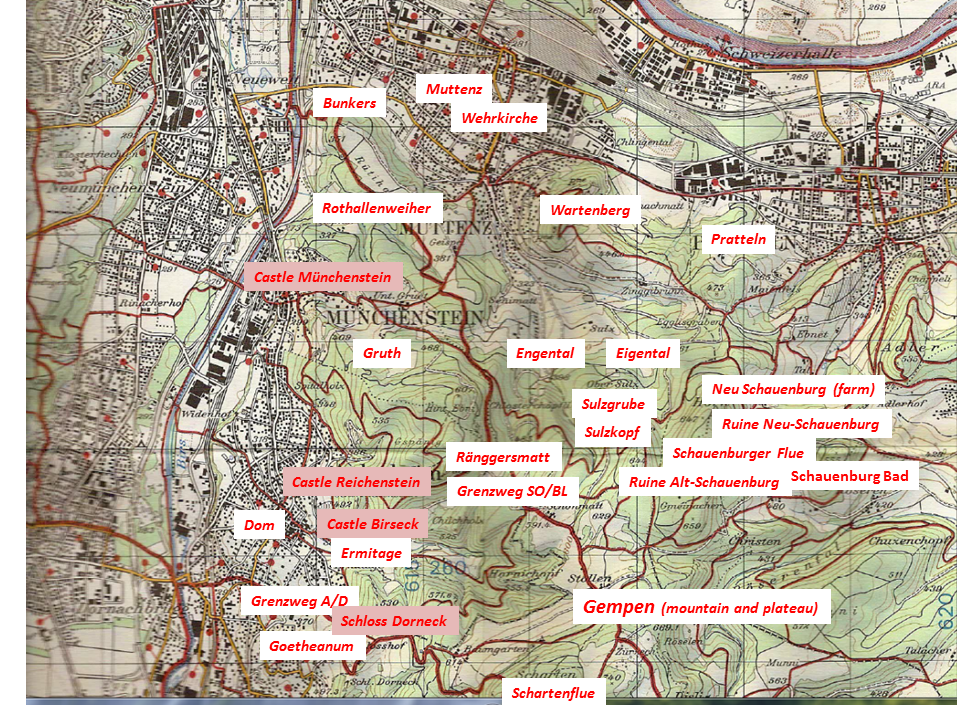
This is the map of the Gempen plateau. Three castles I always saw from the Bruderholz, when I grew up: Dorneck, Birseck and Reichenstein – and they seemed full of fairy tales. On the Gempen plateau, there are more castles such as Münchenstein, Schauenburg and Wartenberg. The region around Basel is full of castles.

Karten_castles

Source: Bundesamt für Landestopographie 213T – Basel

.

Why are there so many castles around Basel?

So many castles around Basel – I started to wonder why. So did our Burgenmeyer in 1981, when he edited Burgen der Schweiz – Band 7 (we call Werner Meyer just “Burgenmeyer” and we like his fresh style of teaching – I was fortunate to do my first steps in Latin with him). Also the “historischer Atlas der Region Basel” (edited by the Christoph Merian Stiftung in 2010) takes note of the large number of castles (p. 86). “Burgenmeyer” and the “Atlas” have been my primary sources, and sometimes I went back to wikipedia. Here is the summary of my conclusions. It may not satisfy scientific requirements, but may open our eyes, when walking in the area.

.

Until the tenth century – the area around Basel is not densely populated

About 400 A.D. the Roman empire breaks down. After the breakdown, the population is concentrated in the former Roman towns. The mountains with their valleys become empty woodlands. There is some prosperity in the Carolingian times (700-900), when Basel is part of High Burgundy (Hochburgund) and the center of the Basel Diocese. However, in the tenth century, Hungarians, Saracens (from Tunisia) and Vikings are invading the area and decimating the population again.

.

After the end of the tenth century – noble families colonize the empty spaces, build castles, develop the agriculture and favor the emergence of towns. At about 1500 the towns have deprived them of their power

In 962 Otto I creates the so-called Roman Empire of the German Nation that brings some stability. Noble families establish local lordships in the empty areas, cut the trees and build fortifications to protect their possessions. In the 11th to 13th century they continue with their colonization efforts. They now build stone castle, first in the valleys, then above the valleys on rocks. The families are changing – some are dying out, others are marrying and enlarging their possessions. Important names are Frohburg, Pfirt, Ramstein, Zähringer or Kyburg. In the 13th century it is the Habsburg family that gains most.

The cultivation techniques improve which allows the population to grow, to move to cities and to become craftsmen and merchants. Also the nobility founds towns (e.g. the Zähringer are well-known founders of towns). The craftsmen and merchants are getting wealthier and wealthier.

In the 14th century many towns become stronger and autonomous. They found town leagues and start to buy possessions from the nobility. In the great earthquake of 1356, 60 castles around Basel collapse, and not all are rebuilt. Many lords are already weakened.

In the 15th century Basel buys Liestal, Waldenburg and Homberg, then Thierstein-Falkenstein, then Münchenstein and Muttenz and last they acquire Farnsburg and the valley of Diegten. In the 16th century Basel adds Pratteln and Ramstein to their possessions and agrees to leave Dornach and the village of Gempen with Solothurn. Basel installs bailiffs in the former possessions of the lords and some of them reside in the renovated castles. Politically the rural part of Basel split off in the revolution of 1833 to become the canton of Baselland. People in Rural Basel still complain about the bailiffs – and they absolutely refuse a political reunification with Basel town; they voted clearly “no” end of this September.

Now, let us have a look at the castles of Dorneck, Birseck, Reichenstein and Münchenstein.

.

The castle of Dorneck

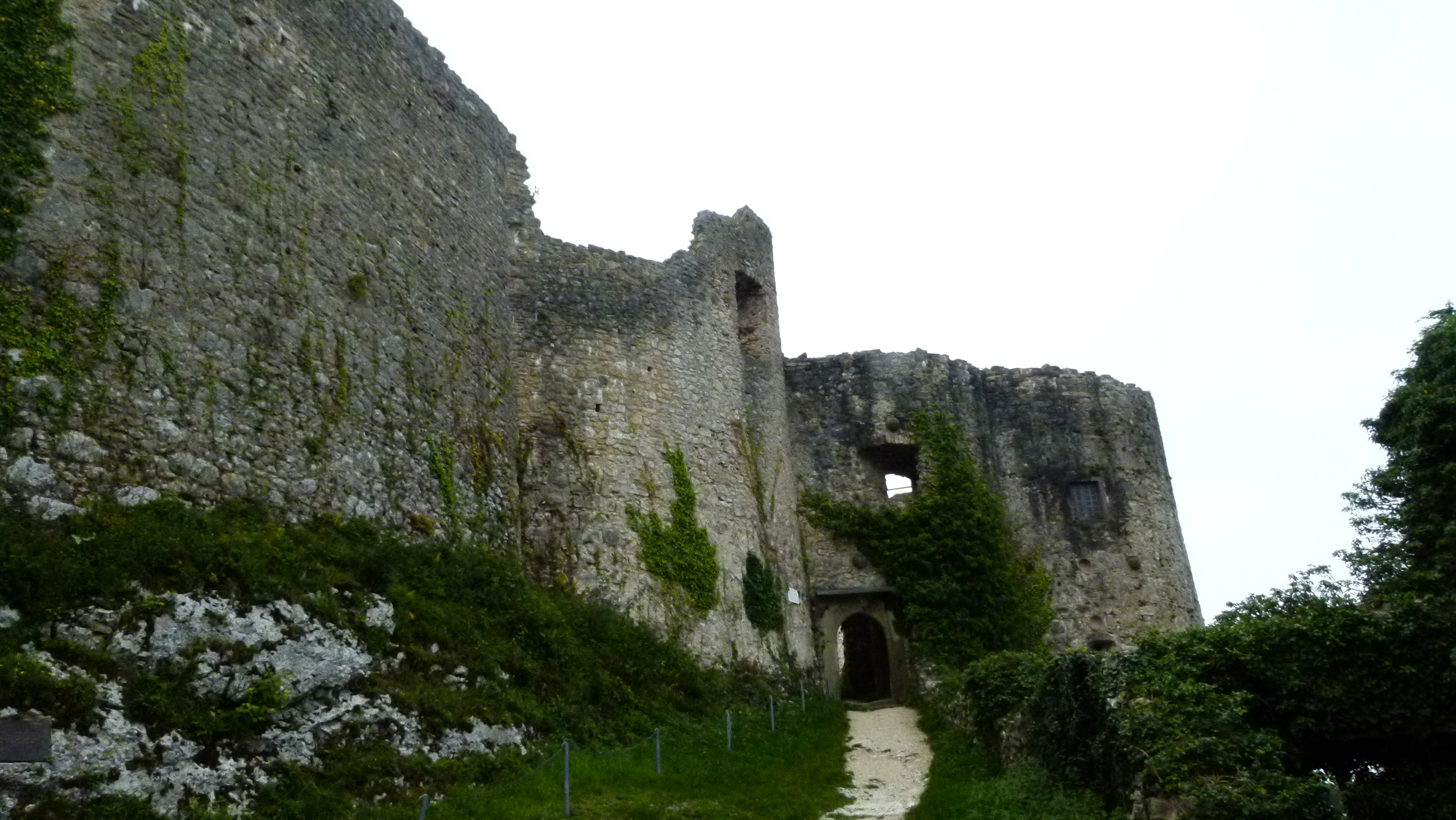
The construction of Dorneck above Dornach goes back to the 11th century. When acquiring Dornach in the 16th century, Solothurn delegated their bailiffs to Dorneck. The castle has been in use until 1792. The French destroyed it (source: wikipedia).

This is entrance to Dorneck.

P1060437

Above the yard there is the platform with the Swiss flag and the three huge oak trees ..

P1060488

… and from the platform, there is a superb view of the valley and the Jura.

P1060494

.

The castle of Reichenstein

For almost 600 years, the Reichenstein castle belonged to the family Reich von Reichenstein (1245 to 1813). The castle was a feud handed over by the bishop of Basel. In the 15th century the Reich family neglected the castle and it decayed. 1813 it was acquired by wealthy Basel citizens. After 1930, the citizens rebuilt part of the castle based on romantic ideas and used it as a summer residence. Today the castle can be rented for events of up to 50 people (source: wikipedia). About 15 years ago I attended the birthday party of a good friend of mine in the great hall – this was a very noble setting for the party and the view from the tower is gorgeous.

This is the castle of Reichensteinn with the Schartenfluh in the background…

IMG_0852

… and seen from the entrance below it is dizzily high.

P1060504

.

The castle of Birseck – on the romantic rock of the Ermitage

Just 500m away from Reichenstein is the fortification of Birseck with the integrated farm. The origins go back to the 12th century. Mid 13th century the bishop of Basel rebuilt the castle, used it as a residence and once even invited the pope. Until the 17th century the bailiff of the bishop lived here. In the 18th century the castle decayed and finally was burnt during the French revolution. It was renovated in new gothic (and not authentic) style around 1800. A recent renovation took place in 2005 (source: wikipedia).

The castle is integrated in the romantic English style garden “Ermitage” of Arlesheim.

P1060506

.

The castle of Münchenstein

In the middle of the suburb Münchenstein, there are the ruins of the castle of Münchenstein.

P1060527

The castle is a private property in Schlossgasse. Only between 7 am and 22 pm, access to the area behind the castle is allowed. I dare walk through a small passage that looks very private and find this romantic garden behind the ruins.

P1060533

The bricks of the ruins have been used to build this quiet residential area, not far from the main street. By car I have often driven through Münchenstein on the main street and never noticed the ruins. It had never ocurred to me to look for such a paradise so close to the busy traffic.

.

More castles…

I have already visited the three castles of the Wartenberg and I have done some scouting around the new Old-Schauenburg and the old New-Schauenburg. Interesting is also the Burgengratweg on the Blauen and, wherever we walk in the area of Basel, there is a castle that tells about the history between the 10th and the 15th century.

On the road – following the route of Mark Twain to Rigi Kulm

The Rigi Kulm – queen of the mountains

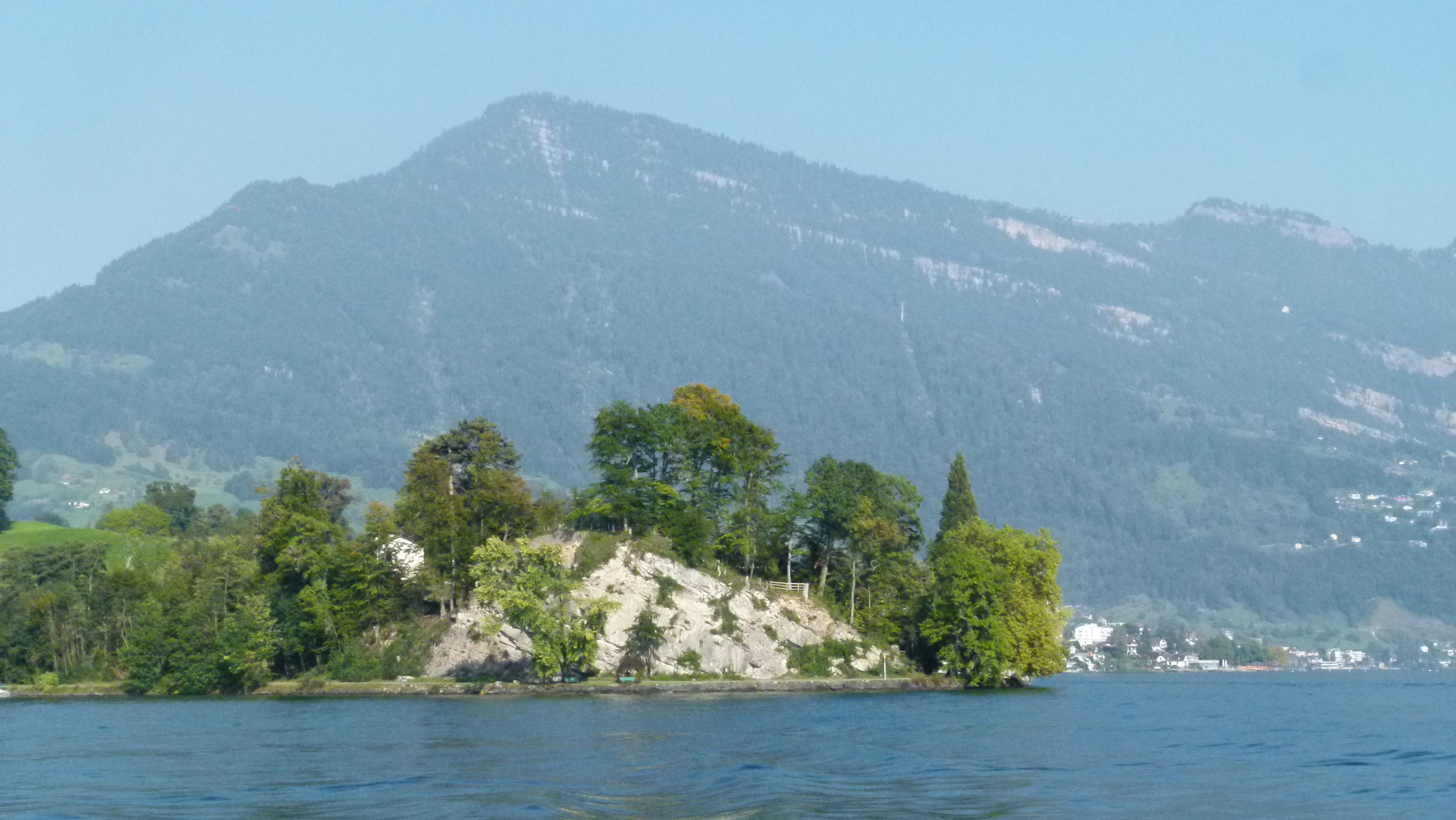
“The Rigi Kulm is an imposing Alpine mass, 6000 feet high which stands by itself and commands a mighty prospect of blue lakes, green valleys, and snowy mountains…” says Mark Twain (Samuel Langhorne Clemens)  in his book “A tramp abroad” in chapter XXVIII. He climbed the Rigi in 1897.

P1060595

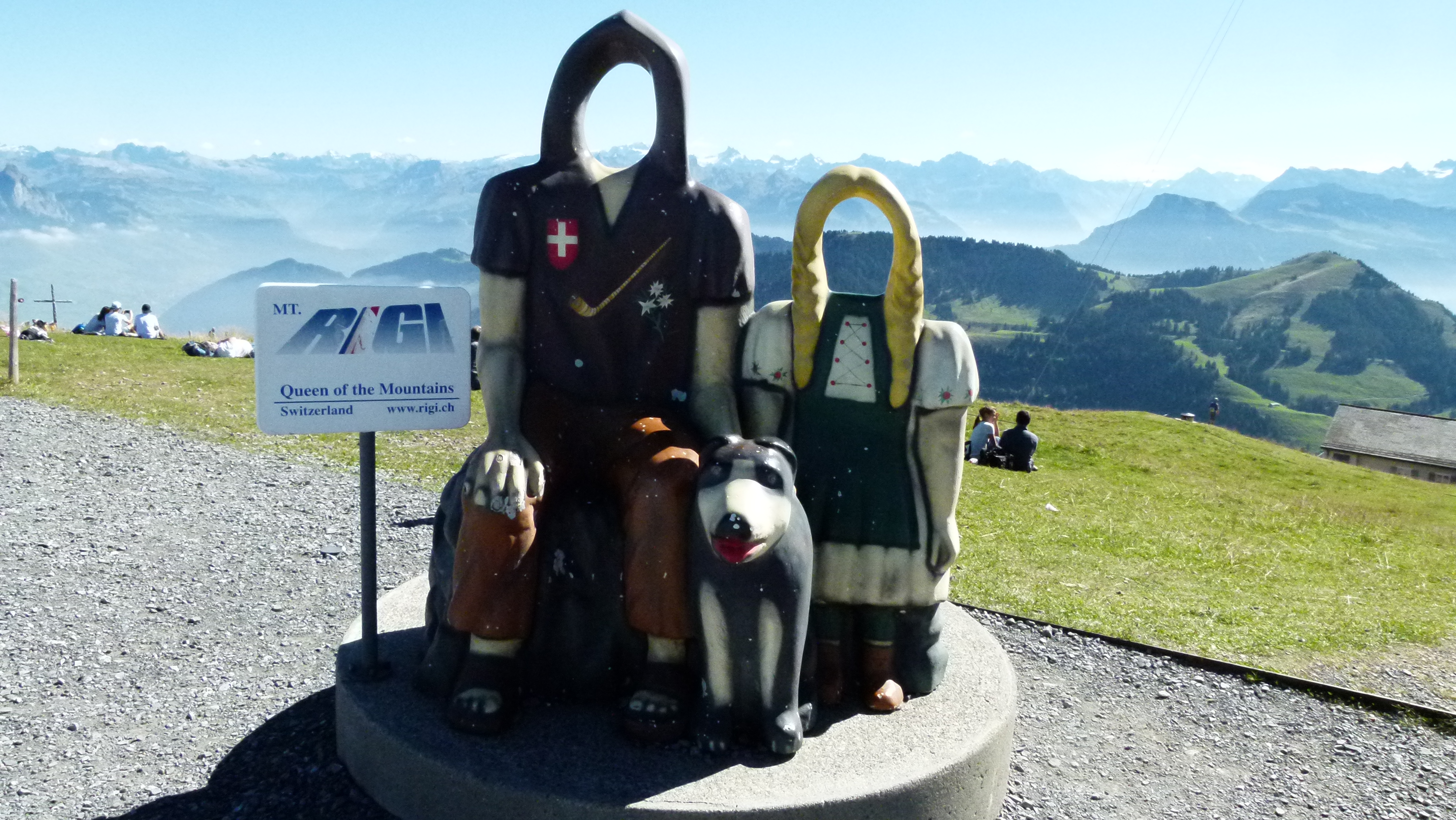
The tourist offices call the Rigi “the queen of the mountains“. On Rigi Kulm, tourists can even pretend to be real Swiss people from the mountains that do nothing else but look after their cows, sheep and goats, supported by their dogs – and they will always remember that they took this picture on the RIGI.

P1060576

Rigi Kulm – the very top – may be queen of the mountains for the gorgeous view. But the Rigi is not just one summit, it is a world of its own. It is a massif with several peaks: Rigi Hochfluh, Rigi Scheidegg and Rigi Dossen. My mum was a geologist and she made it clear to me that the Rigi massif is not part of the Alps, but it belongs to the Central Plateau of Switzerland (“Mittelland”).

.

A beautiful autumn day with bright air – just suited to walk up the Rigi on Mark Twain’s tracks

We have not been spoiled by Petrus this summer, but this Saturday end of September is exactly right for the Rigi, the queen that commands so many lakes and mountains. My friend from Hawai (now Swiss) bought a Swiss railway day ticket for two which was a bargain. We packed our daybags and took the seven o’clock train from Basel to Lucerne. With Mark Twain’s “A tramp abroad” and the map of the Themenweg in our hands.

Like Mark Twain, we went by boat from Lucerne to Weggis. “I and my agent panoplied ourselves in walking costume, one bright morning, and started down the lake on the steamboat; we got ashore at the village of Wäggis, three quartes of a distance from Lucerne. This village is at the foot of the mountain” (Mark Twain, Ch. XXVIII). I assume that they also carried “Alpenstocks”: “Most of the people… are in walking costume and carry alpenstocks. Evidently it is not safe to go about in Switzerland, even in town, without an alpenstock” (Chapter XV, Mark Twain observing tourists in the Hotel Schweizerhof in Lucerne). Today it seems that without two Nordic Walking sticks it is not safe to go about in Switzerland.

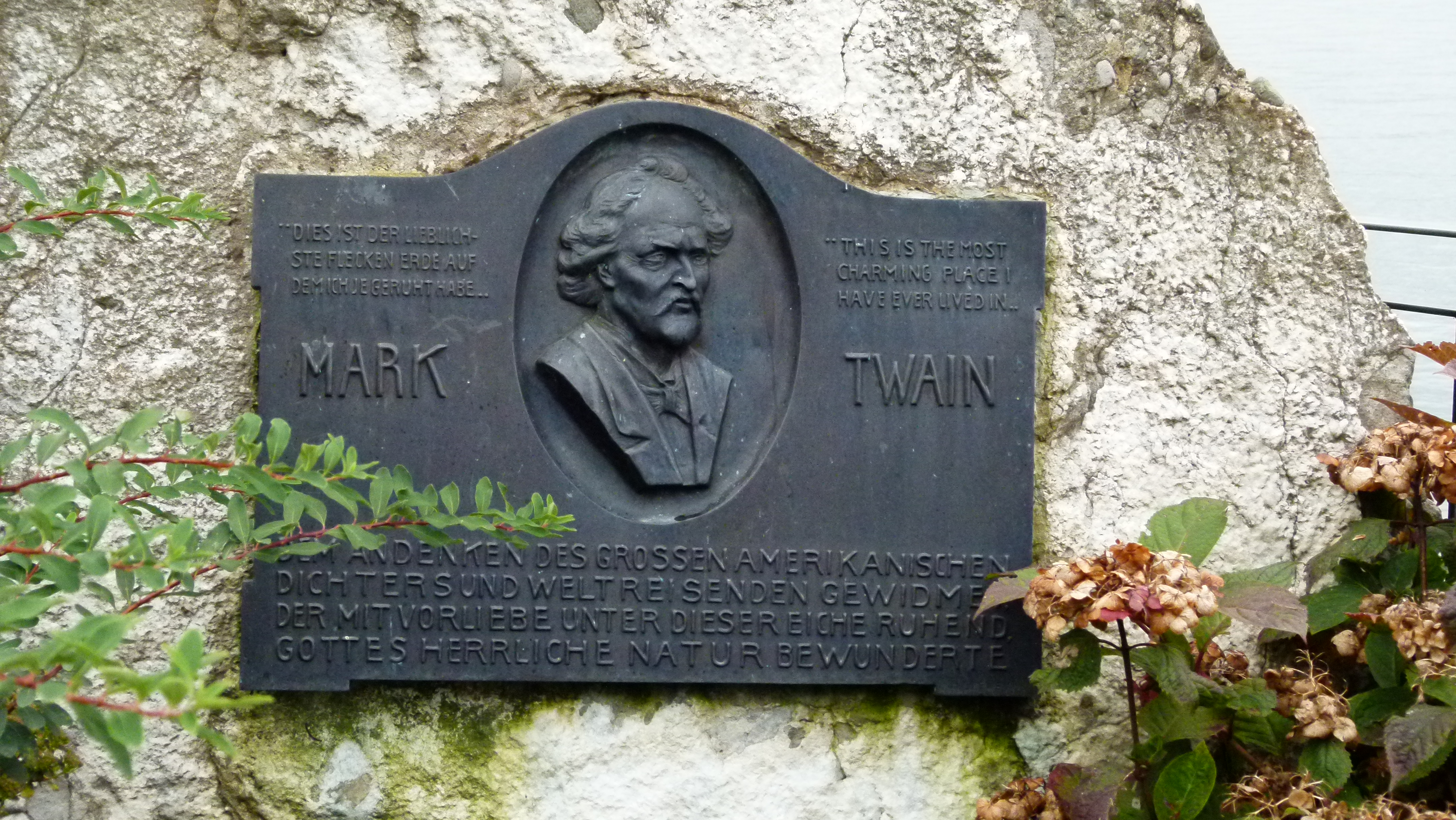
Weggis is very proud that Mark Twain called their village “the most charming place I have ever lived in.” They erected a memorial stone ; Mark Twain was said to have admired the view of the lake and the mountains from here. We started our hiking tour to the Rigi at Mark Twain’s memorial stone.

P1060546

.

To Säntimatt and Fromattberg

“The ascent is made by rail, or horseback, or on foot, as one may prefer” (Mark Twain, ch XXVIII).  The two of us start our ascent on foot at around 9:30 – in the grey autumn fog. “We were soon tramping leisurely up the leafy mule path… I suppose we must have stopped oftener to stretch out on the grass in the shade… we met a hot red faced man plunging down the mountain… he stopped… and asked how far it was to Weggis. I said three hours… “well”, said he, “I can’t stand another three hours…”. The red faced man was an Englishman. Mark Twain and the Englishman ended up in the nearby inn to have a nice dinner and spend the night there. When the Englishman left in the next morning, the landlady told him that her inn was about 500m above the lake level. Hearing this, the Englishman got very angry, and Mark Twain could not understand why.

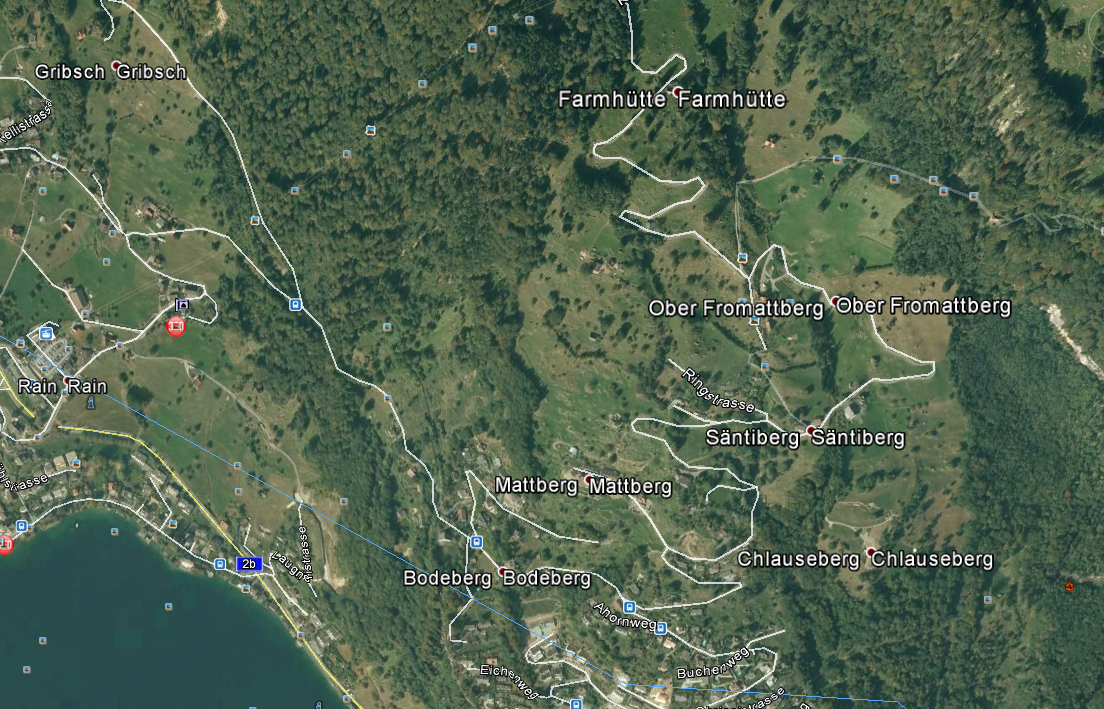
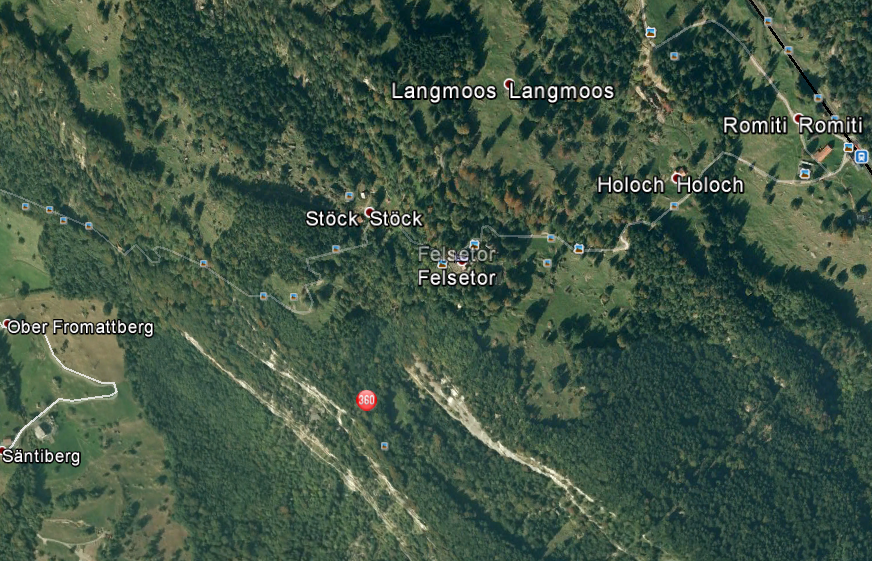
500m above sea level is somehwere between Säntiberg and Fromattberg. But the inn does no longer exist and the “Mark Twain path” only points to it 200m above the location of the inn. Anyway our clock is approaching eleven a.m. now – and there is no need to stay overnight here. The grey fog had not invited us to stop so far.

Sentimatt

Source: Google Earth

Mark Twain and his companion continued their hike the next day around noon. They walked about 200 yards and then “in the distance detected a long worm of black smoke crawling lazily up the steep mountain. Of course that was the locomotive. We propped ourselves on elbows at once, to gaze, for we had never seen a mountain railway yet” (ch XXVII). We could not figure out, where below the Felsentor they could see the railway to Vitznau. My friend mumbled: “Do you think that Mark Twain took notes while walking? How do you write a travel report?” Well, I continue to wonder, because I thought that Mark Twain is pretty precise with his facts though he ornates them with humor.

.

The fog clears up – a great moment that I enjoy even more intensely, because I have got my eye sight back

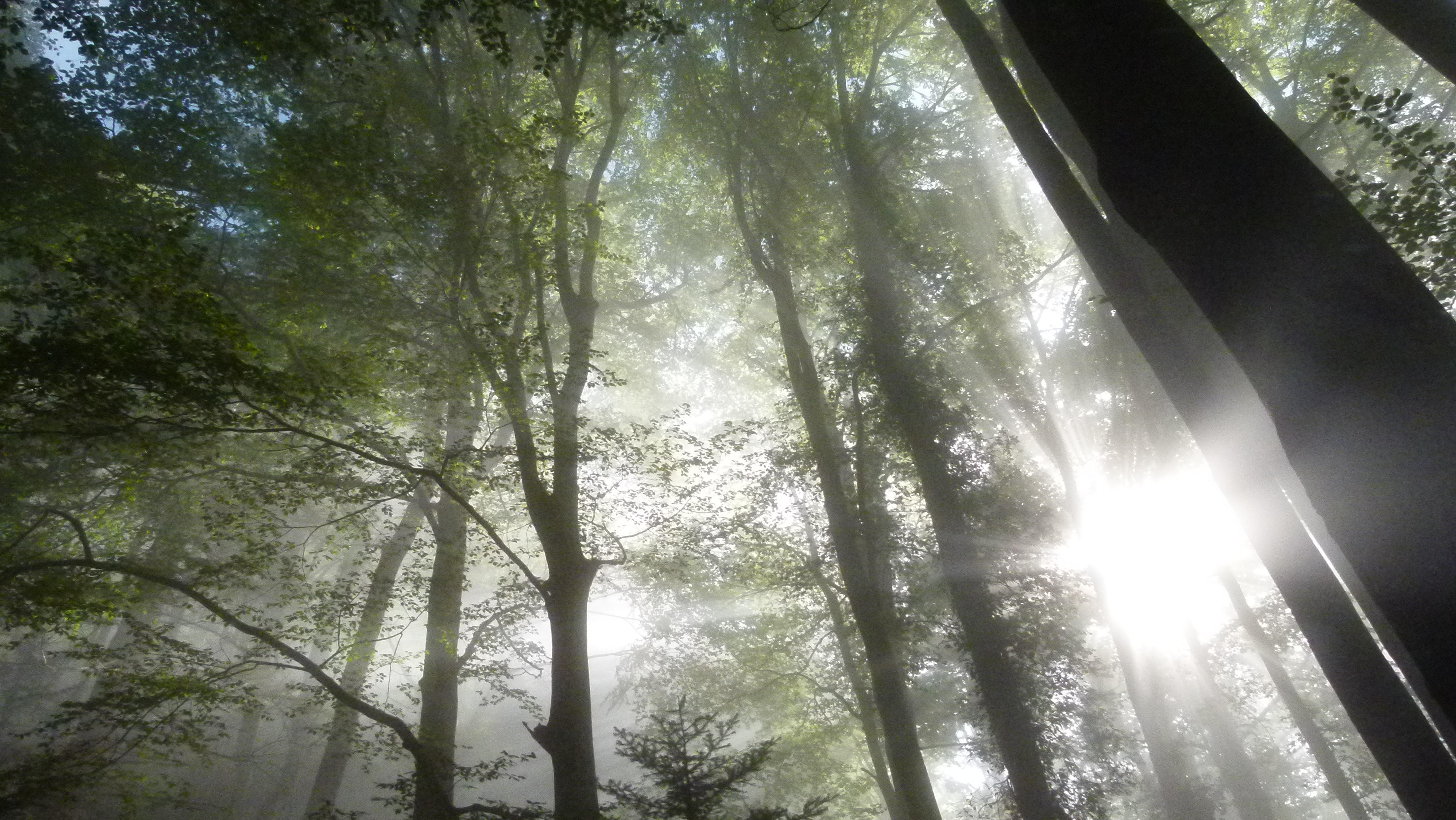
The chapel Heiligkreuz is closed.  Just above the chapel, sun rays are cutting into the forest…

P1060549

… while we are climbing the stairs along the rock that some prisoner-engineers had carved in the 19th century…

P1060554

… and  above the steps, there is a meadow. Was it here that Mark Twain encountered yodelling? He wrote: “…all at once our ears were startled with a melodious “Lul…i…i…lul-lul-lahee-o-o-o!” peeling joyously from a near but invisible source… now the jodler appeared – a shepherd boy of sixteen…” . They gave the jodler a franc to continue yodeling. More shepherd boys came and yodled earning half a franc, eight cents, six cents, a penny, then nothing, and eventually, Mark Twain gave a franc to stop the yodeling.

Felsentor

Source: Google Earth

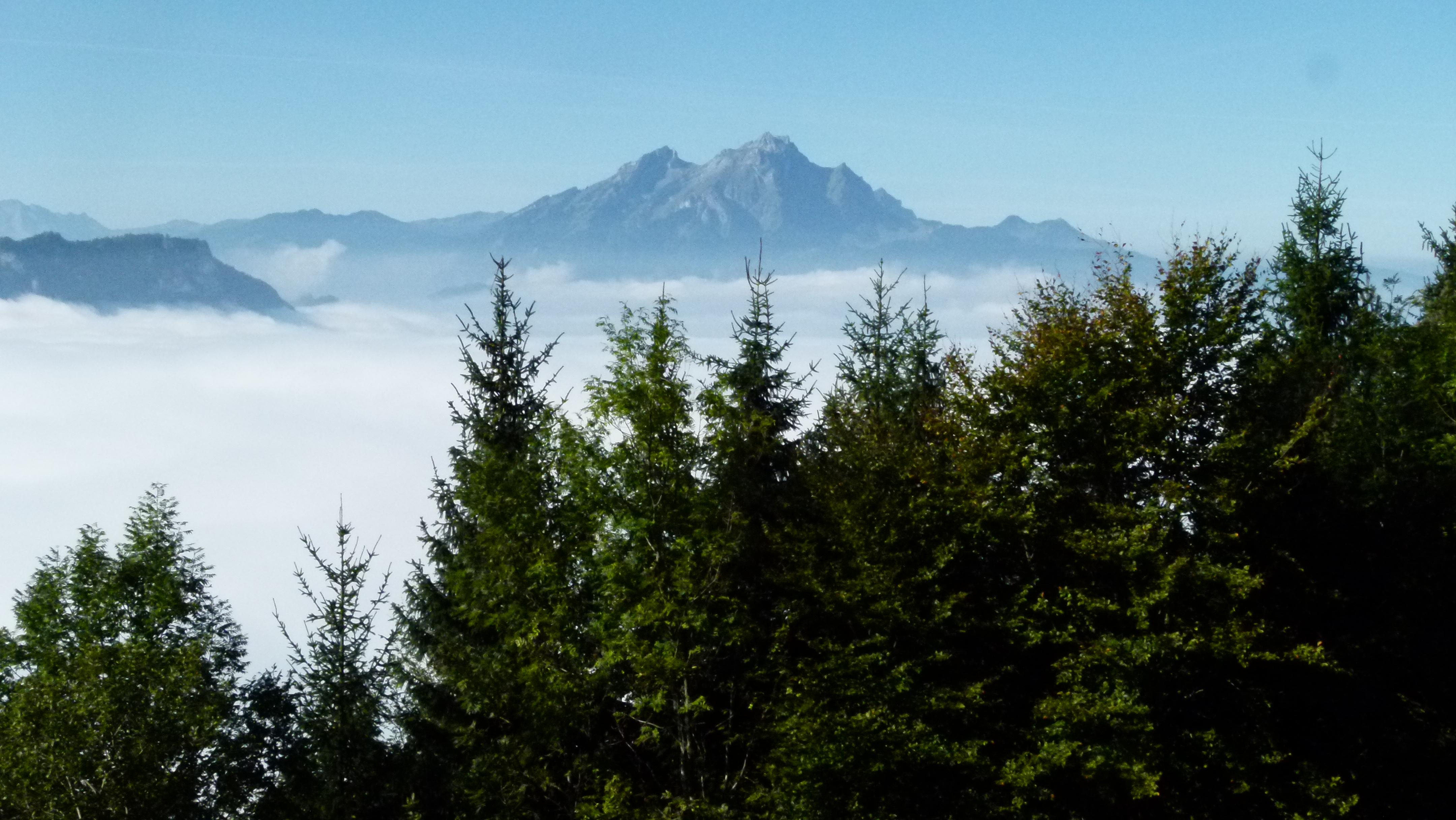
On the meadow above the steps we are at about 1000m and now above the fog. We enjoy the panorama… here is a picture with Pilatus and the Bürgenstock.

P1060557

.

The Felsentor

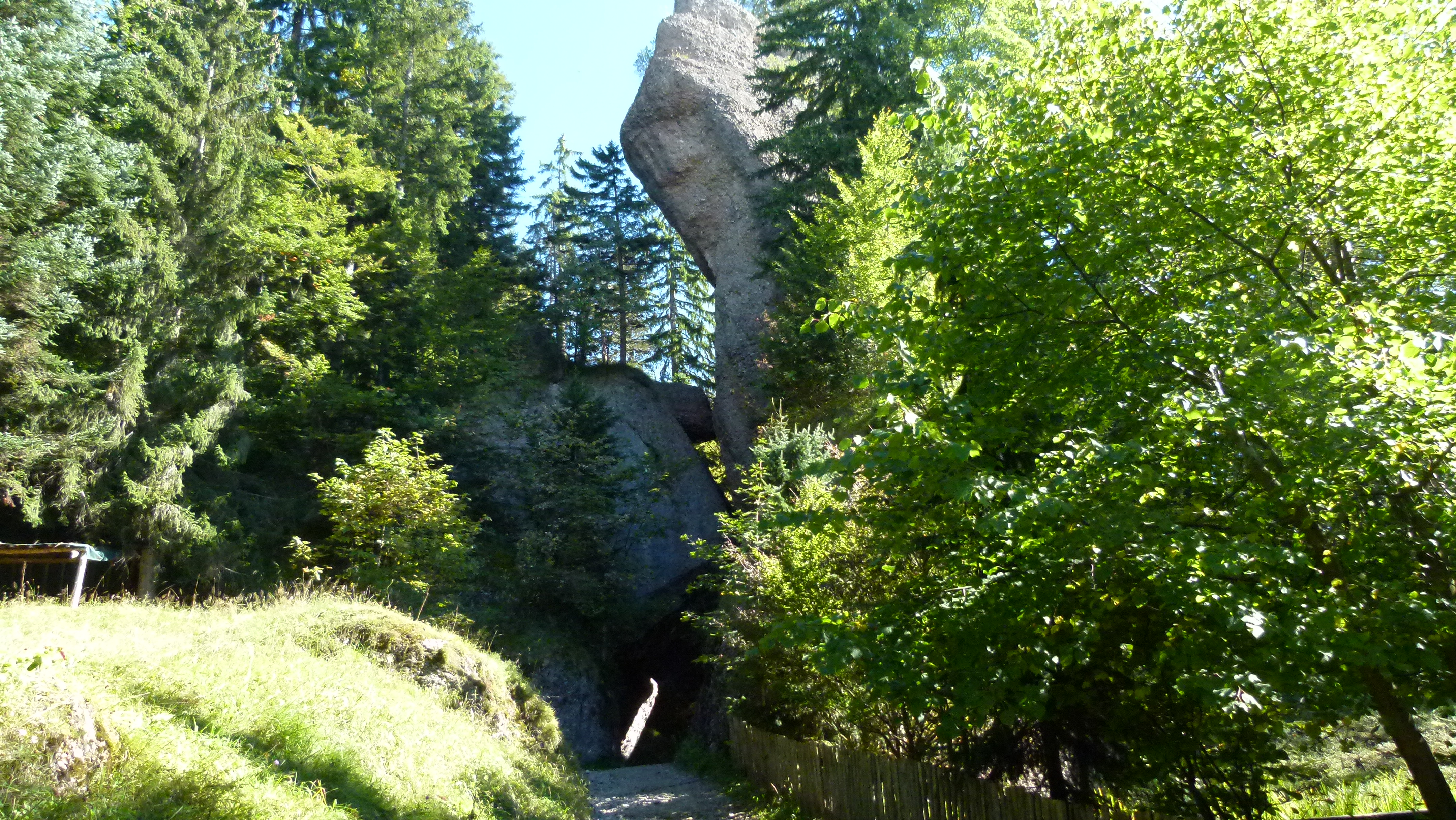
After the  yodeling experience, Mark Twain reaches the Felsentor at about 1100m: “… we passed through a prodigious natural gateway called the Felsenthor, formed by two enormous upright rocks with a third lying across the top…

P1060564

… There was a very attractive hotel close by, but our energies were not conquered yet, so we went on”, said Mark Twain.

P1060560

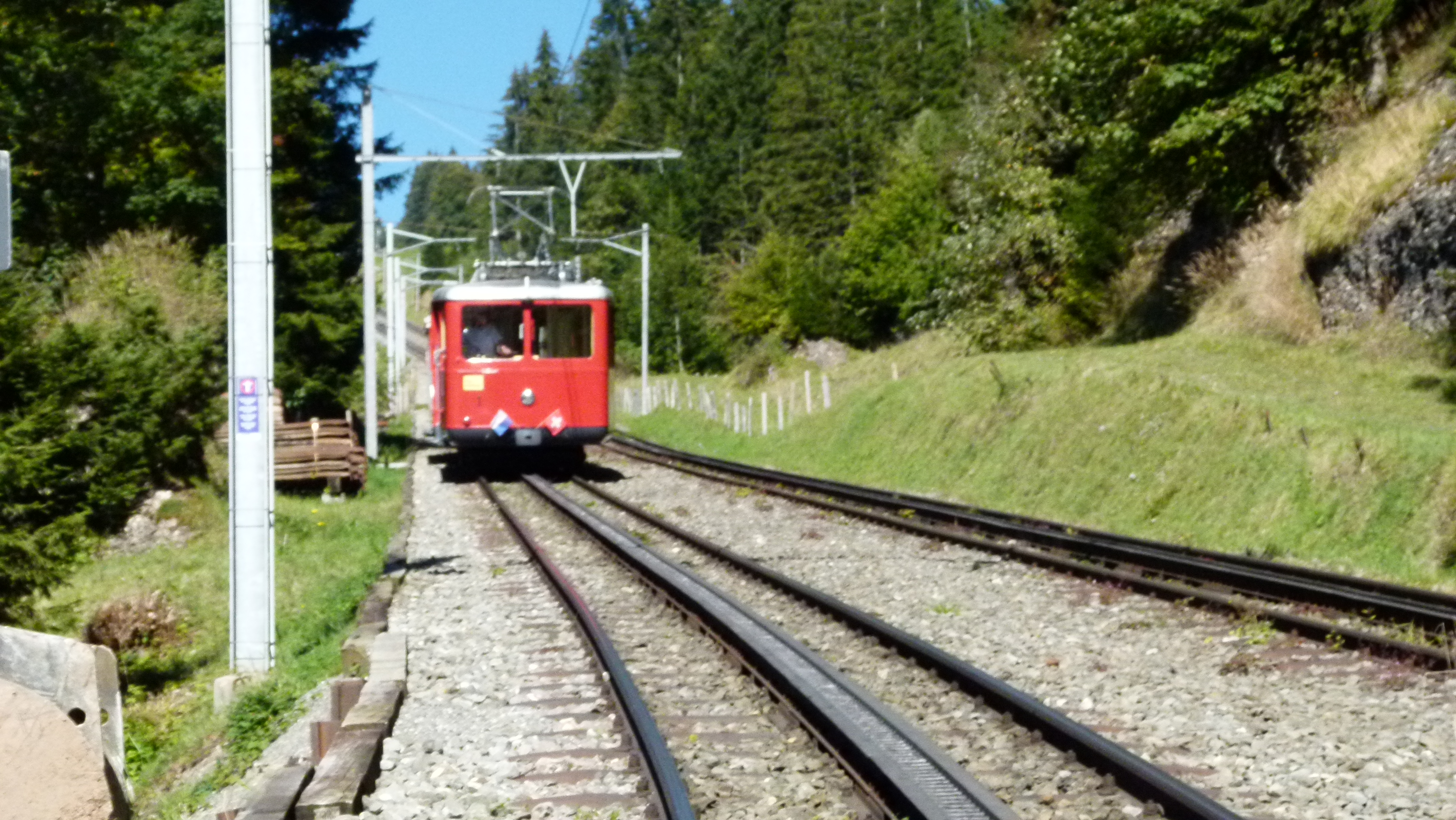
Also my friend and I go on… resisting to stop and have a beer at this inviting place with its wonderful view. We soon reach Romiti and take a picture of the train coming down from Kaltbad.

P1060569

This train route has been designed by Riggenbach around 1870. Lucerne accepted the design. The railway opened in 1871; it only went from Vitznau to Rigi Staffel about half a walking hour away from the top (Kulm). At Rigi Staffel, the canton of Lucerne ends and the canton of Schwyz begins. When the people from Schwyz heard about the project, they followed by constructing the Arth-Goldau to Rigi Kulm railway and extended the Rig-Vitznau rails to Kulm. They also hired Riggenbach and completed the railway in 1873 (Source: Wikipedia).

In 1897, when Mark Twain climbed the Rigi, the trains were already about 25 years old. They were the first mountain railways in Europe. This is how Mark Twain describes the Rigi railway: “There are three railway tracks; the central one is cogged; the “lantern wheel” of the engine grips its way along these cogs and pulls the train up the hill or retards its motion on the down trip… whether going up or down, the locomotive is always at the lower end of the train.”

Along the rails we walked up a steep path to Rigi Kaltbach which is at 1450m above sea level.

.

Rigi Kaltbad – many tourists in a “touristy” place

Mark Twain and his companion Harry stopped at Rigi Kaltbad to stay overnight again. After all it was already six pm, as Mark Twain explains: “At ten minutes past six we reached the Kaltbad station, where there is a spacious hotel with great verandahs…”. They miss the sunrise, as they get up too late (they keep on missing the sunrise…) and they are happy to be “…informed by the guide-book that we were now 3228 feet above the level of the lake – therefore full two thirds of our journey had been accomplished.”

The two of us do not stay at Rigi Kaltbad. To me it is a messy and touristy experience – big flat roof houses with terraces facing towards the Lake of Lucerne and the mountains. We continue to follow the route that Mark Twain had taken – to Rigi First and then- along the rails coming up from Goldau heading to Rigi Staffel.

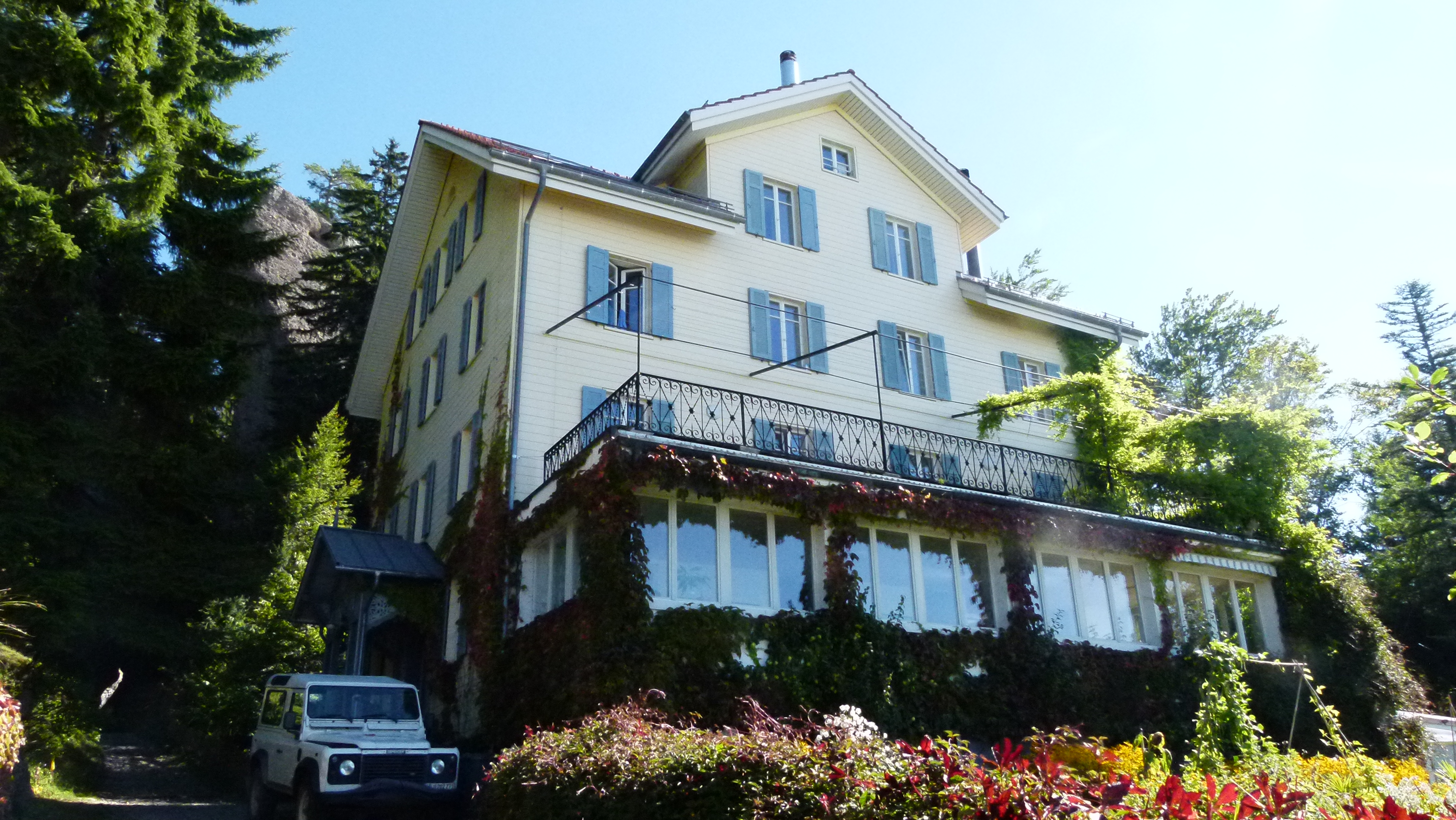
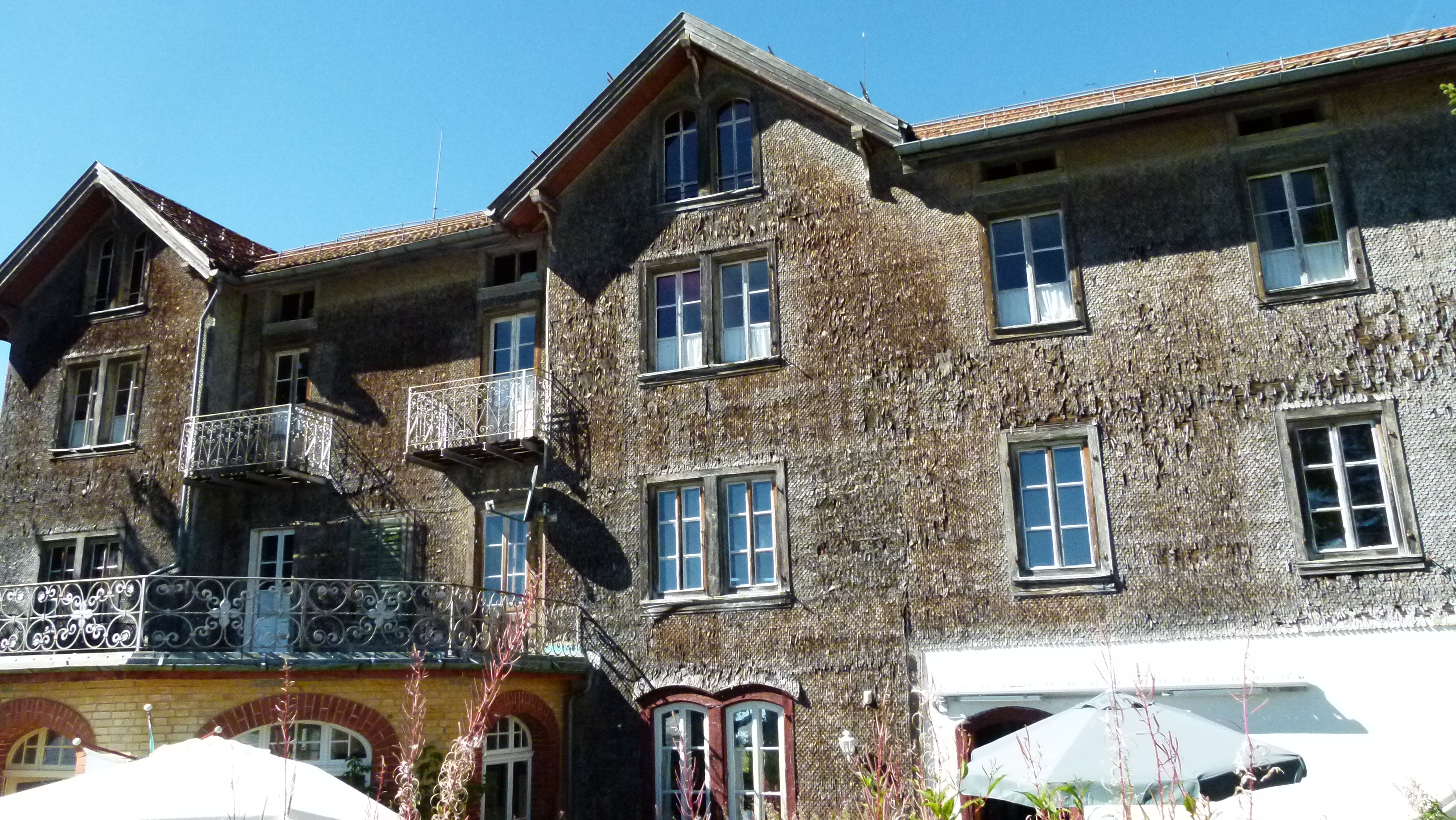
On Rigi Staffel, there is a hotel that might need some refurbishing.

P1060571

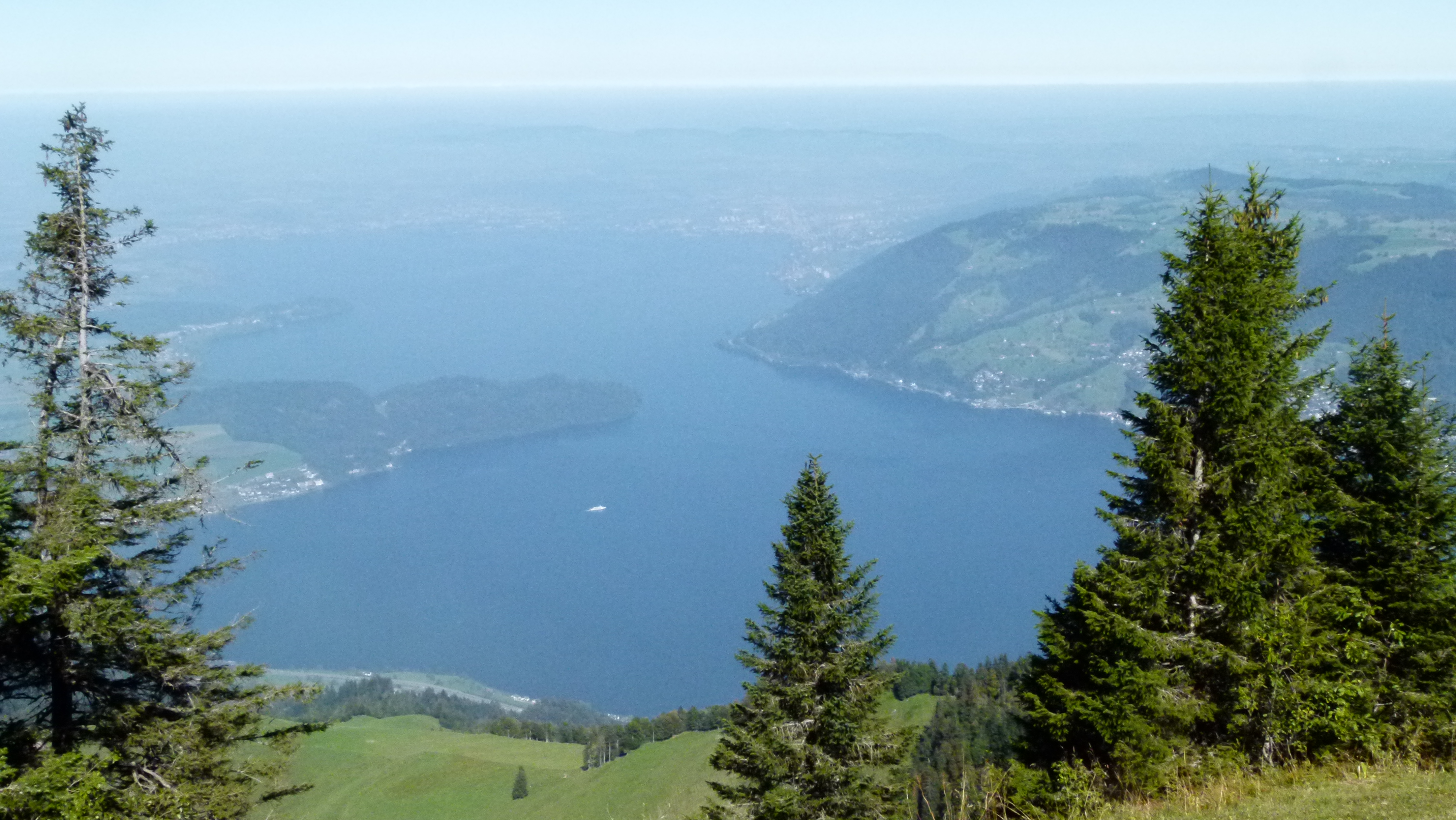
The path between the ridge and the rails offers a great view of the Lake of Zug. This is where Mark Twain and his friend had been caught by rain and fog: “It came on to rain, and it rained in dead earnest… Next a smoky fog of clouds covered the whole region densely, and we took to the railway ties to keep from getting lost…. by and by, when the fog blew aside a little, we were treading the rampart of a precipice, and that our left elbows were projecting over a perfectly boundless and bottomless vacancy, we gasped and jumped back for the ties again.” Well, Mark Twain may have overstated the precipice somewhat.

P1060575

Mark Twain and his friend were eventually “confronted with a vast body which showed itself vaguely for an instant, and in the next instant was smothered in the fog again.” They sat in the cold night, until an hour later, they discovered that this vast body was the Kulm hotel. They took their room, found their luggage (that had been carried up by a boy), changed to dry cloths and had dinner.

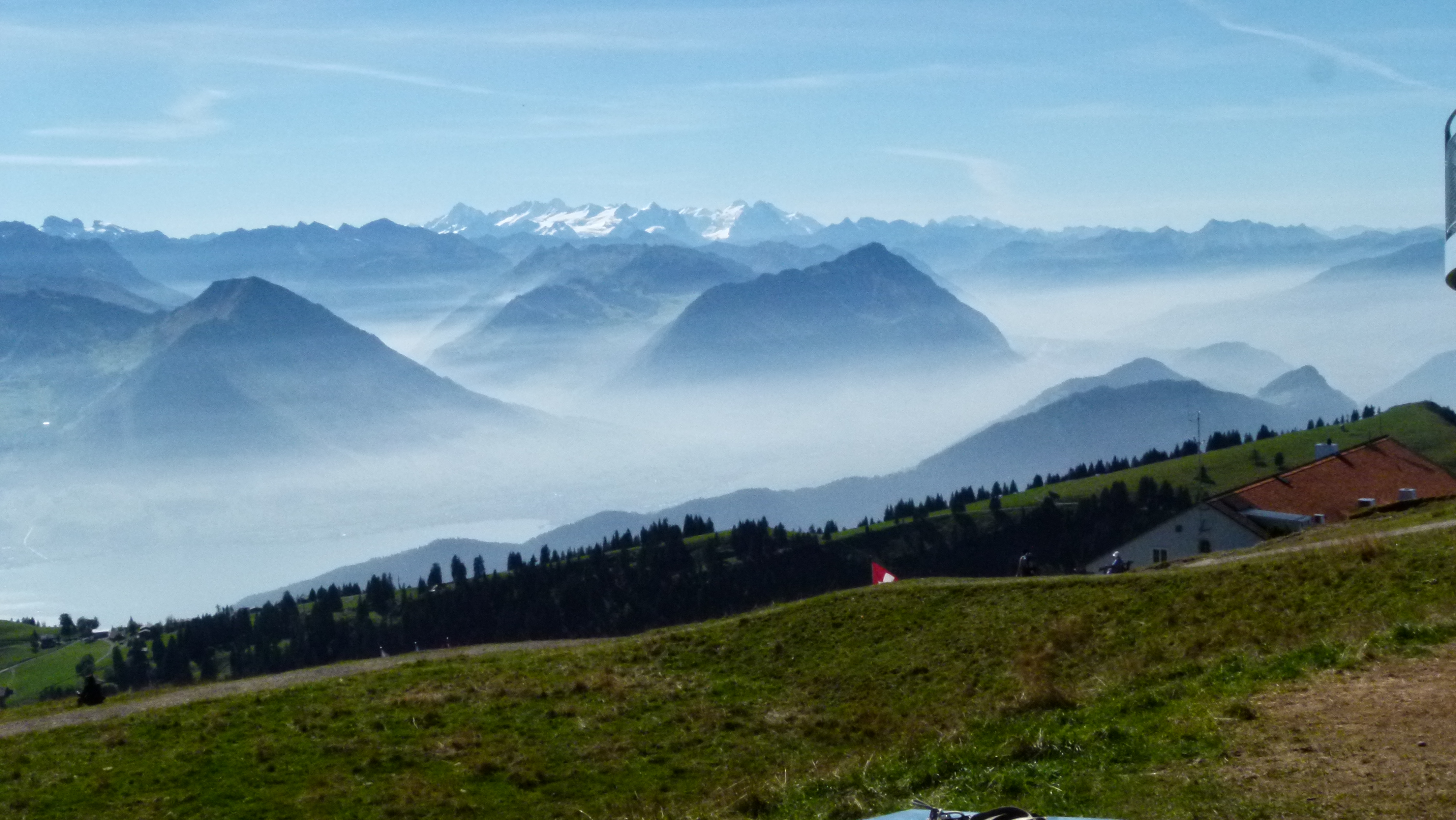
No fog for us today. A wonderful view of the Swiss plateau with the lakes and the jura  on one side and the mountains on the other side side. Here in the background closing off the white mountain chain is the wall of the Wetterhorn overlooking the Grosse Scheidegg near Grindelwald.

P1060582

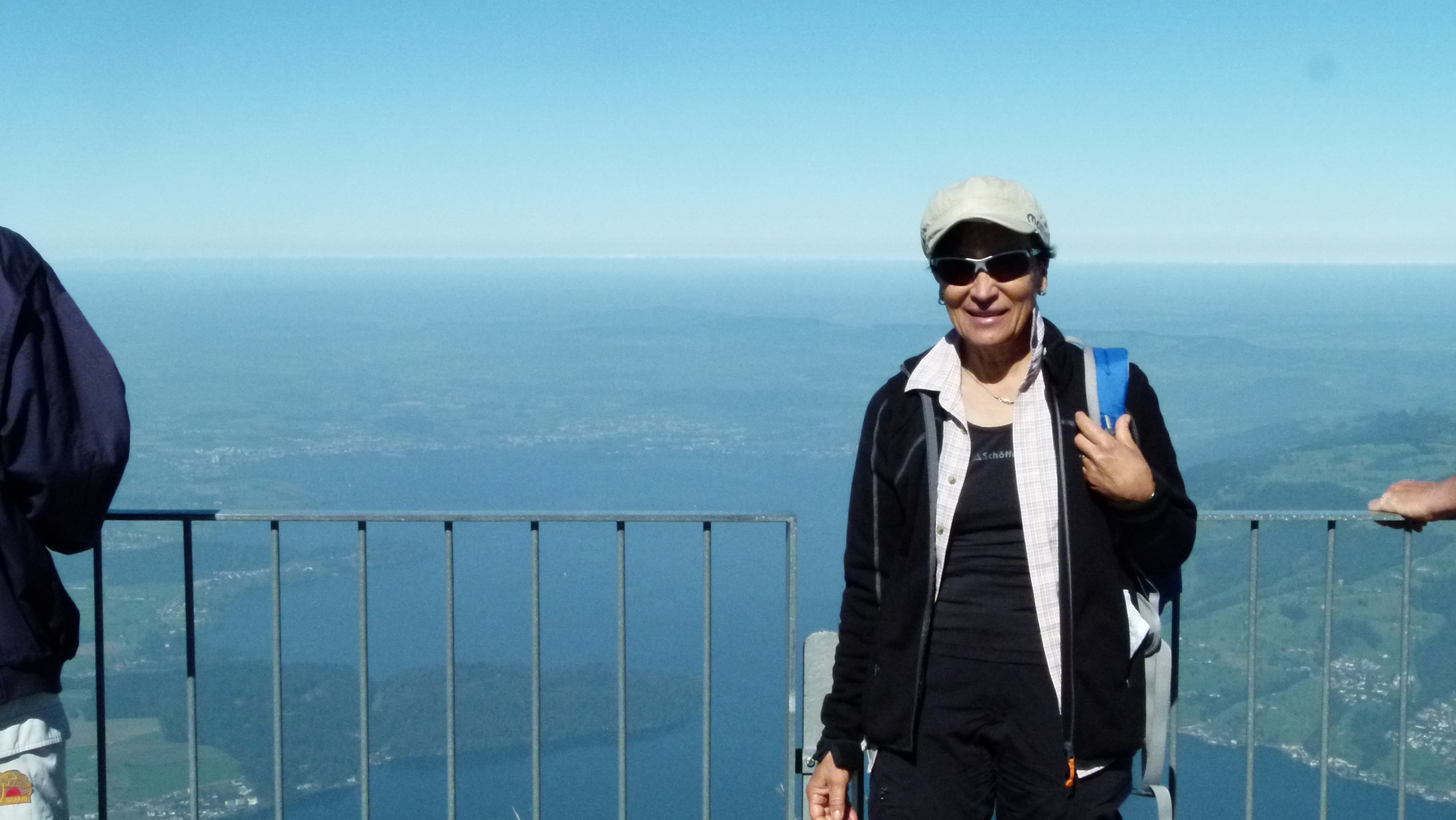
Yes, it was a suitable day to come up here. We are surrounded by tourists from all nations most of which had come up by train. Two young Chinese guests on their honey moon are taking fotos. “Do you want a foto of both of you?” I ask. They happily smile into their camera. Then they propose to take a picture of me – and here is the result. The young wife  apologizes, because a hand and a person had come into the way. I surprise them with all Chinese I know: “tsie-tsie” (thank you). I hope they keep Switzerland in good memory.

P1060583

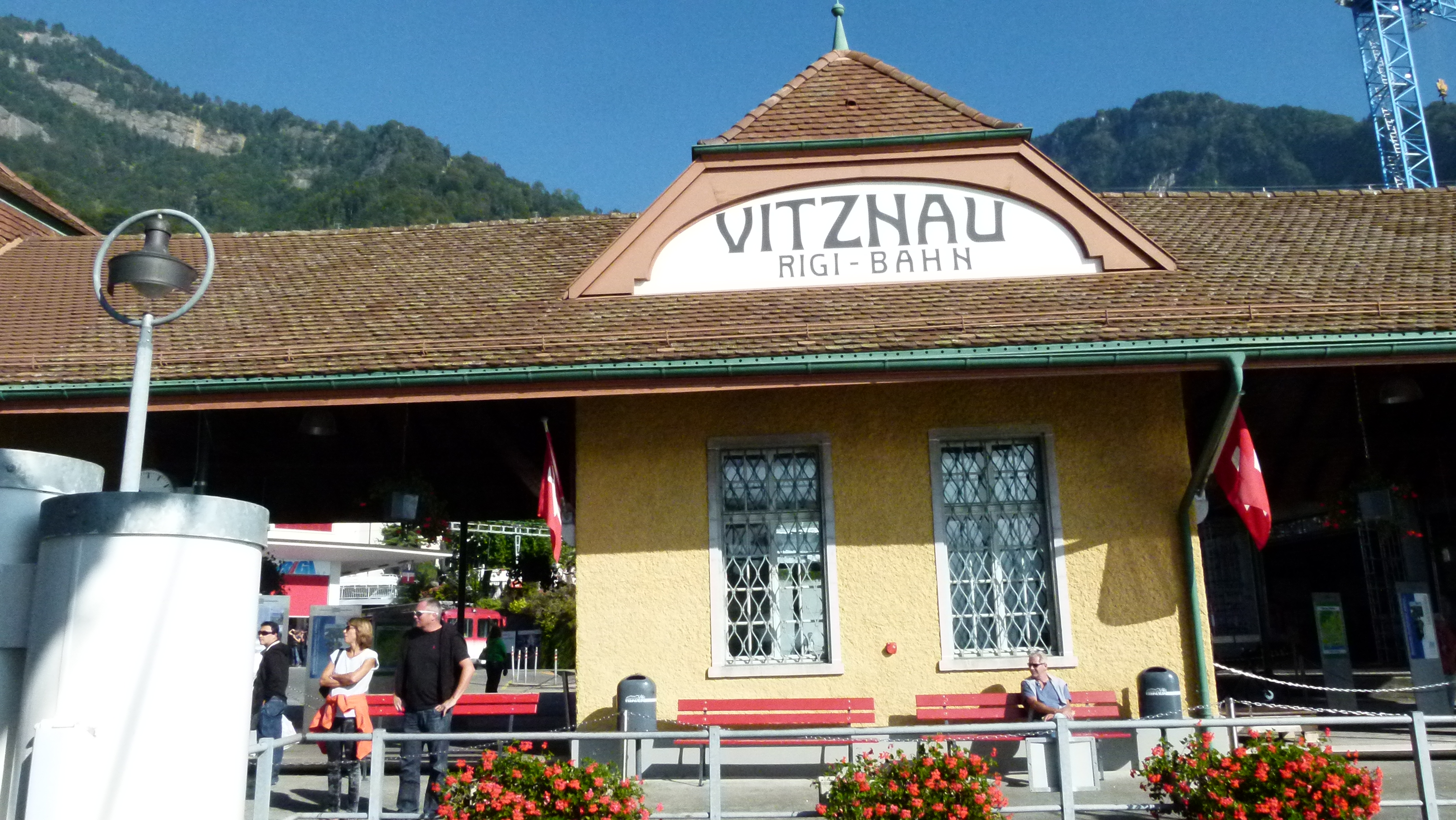
The train takes us down to Vitznau. Our train does even not stop on the way, though more tourists are waiting at the stations. Our train is just full. And the next trains have been booked by groups.

Mark Twain also drove down to Vitznau. “We got front seats, and while the train moved along about fifty yards on flat ground, I was not the least frightened; but now it started abruptly down stairs, and I caught my breath. And I, like my neighbors, unconsciously held back, all I could, and threw my weight to the rear… there was no level ground at the Kaltbad station; the railbed was as steep as a roof… the train came sliding down, and when it reached the right spot, it just stopped… by the time one reaches Kaltbad, he has acquired confidence in the railway, and he now ceases to try to ease the locomotive by holding back. Thence forward he smokes his pipe in serenity… However, to be exact, there is one place where the serenity lapses for a while; this is while one is crossing the Schnurrtobel Bridge…” (ch XXVIII).

P1060585

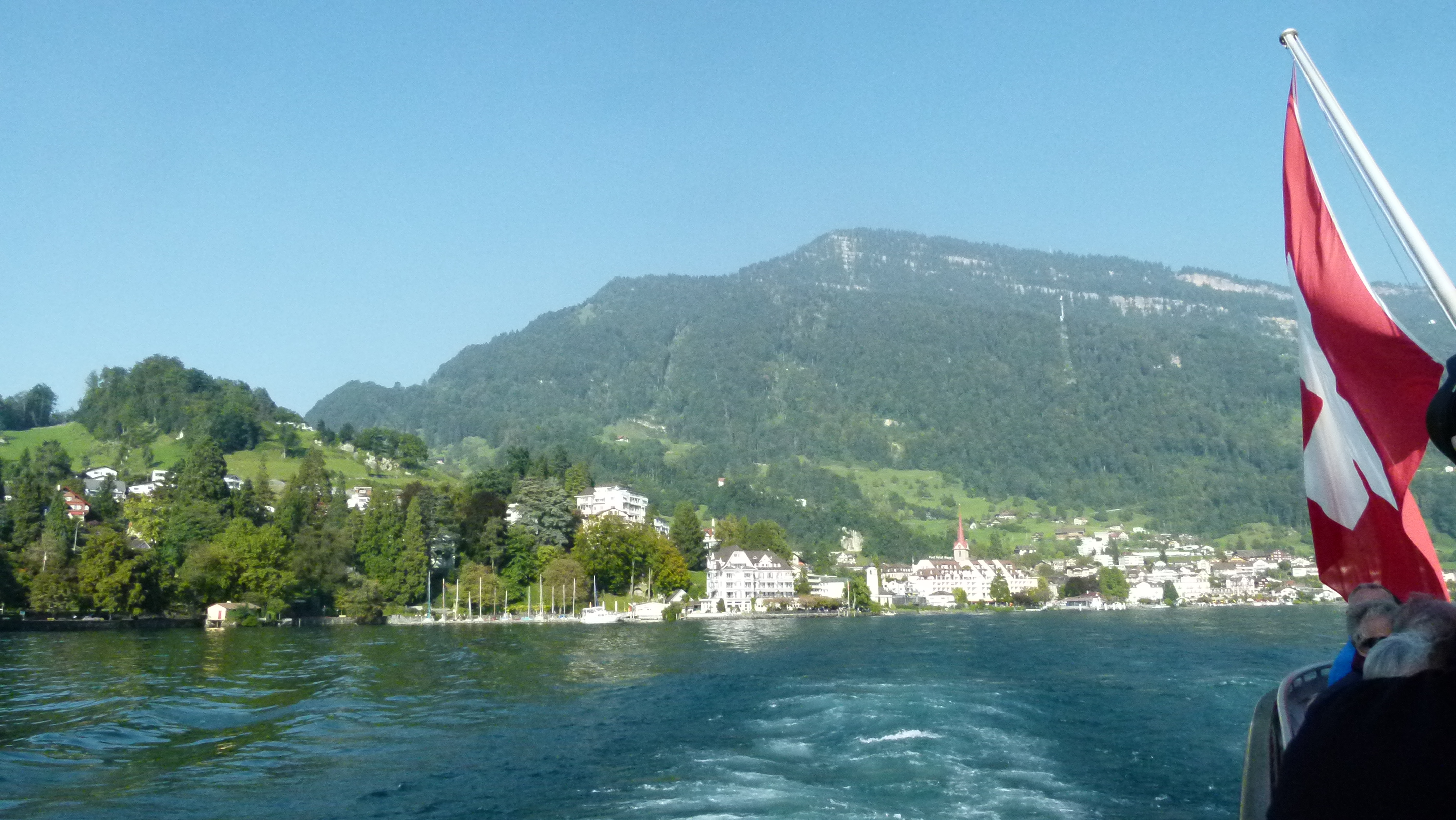
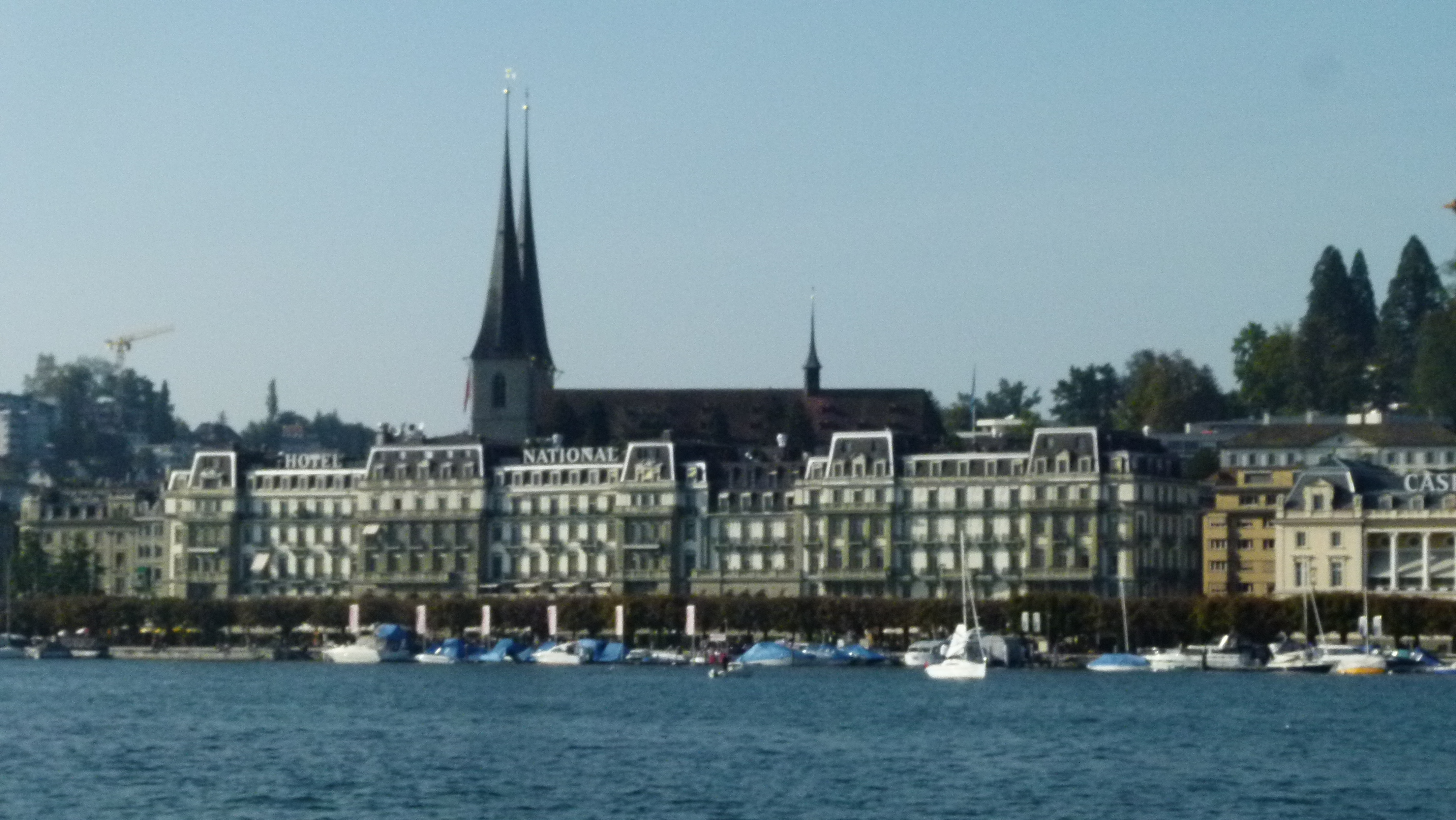
In Vitznau we take the steam boat back to Lucerne. It is the steam boat with the name “Lucerne”.

P1060591

The captain proudly introduces us to his boat. It had been ordered from Germany in 1928. When the boat arrived, the engine broke down and was replaced by a Swiss Sulzer engine in 1929. Since that year this steam boat has been operating on the Lake of Lucerne. It absorbs 1200 persons and is the largest boat here. Today the capacity of this boat has been used up – I am sure.

P1060607

“An hour’s sail brought us to Lucerne again. I judged it best to go to bed and rest for several days…” Mark Twain concludes his report of climbing the Rigi (A tramp abroad, ch. XXX).

P1060603

The two of us walk through the old and narrow streets of Lucerne and along the Reuss. All restaurants on the right hand shore are packed with people enjoying one of the few sunny days of this year. We go to the more quiet and less sunny left-hand shore and top the day with a wine and a goat cheese – both from the canton of Lucerne. And then one of the evening trains takes us back to Basel.


On the road – discovering treasures around Basel: To the southeast IV

Discovering treasures, while being forced to just walk around Basel

Now that I am able to drive again (how much I enjoy this!), I often park my car in Muttenz to explore the northern part of the Gempen plateau. My next target is the Schauenburg area with its Schauenburger Fluh (rock), its old and new castle (Neu/New-Schauenburg and Alt/Old-Schauenburg) and the related farm Neu/New Schauenburg).

The Schauenburger Fluh is easy to find; the border trail is marked clearly with the Swiss yellow rhombus and guides hikers safely to the Fluh (see my earlier blog). Also the way to Schauenburg Bad is clearly highlighted. But to find the ruins and understand which ruin is “new” and which is “old”, I had to come back several times.  Again and again I got lost, as the naming confused me and not all paths are on my map. My friends from Austria – the knowledgeable nordic walking guides – laughed and comforted me: “This happened to us as well – we always got lost, when we started exploring the Gempen plateau.”

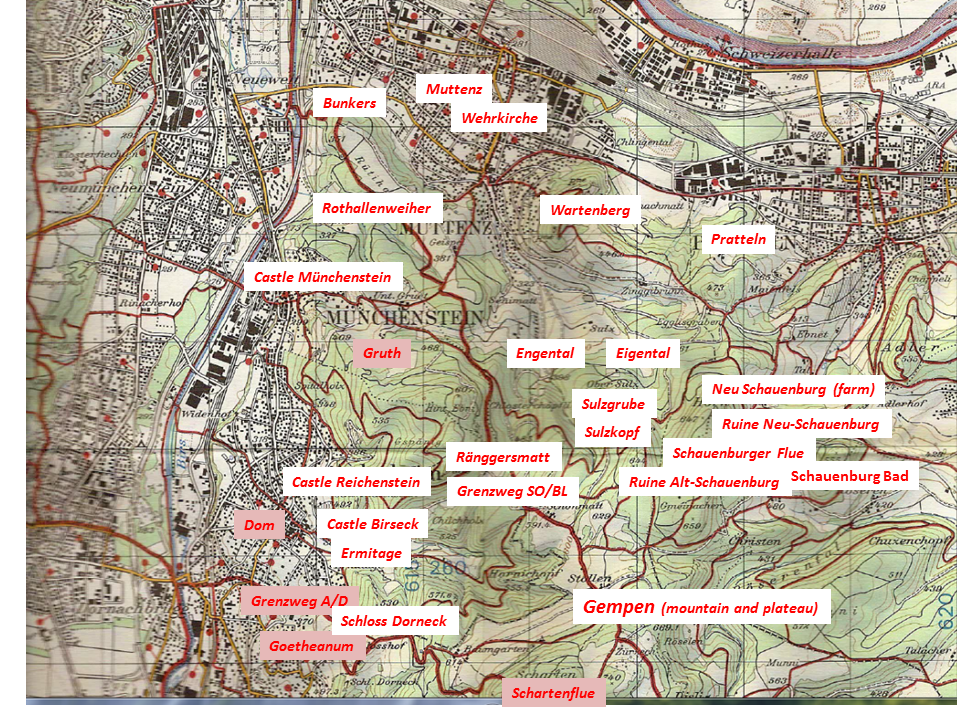
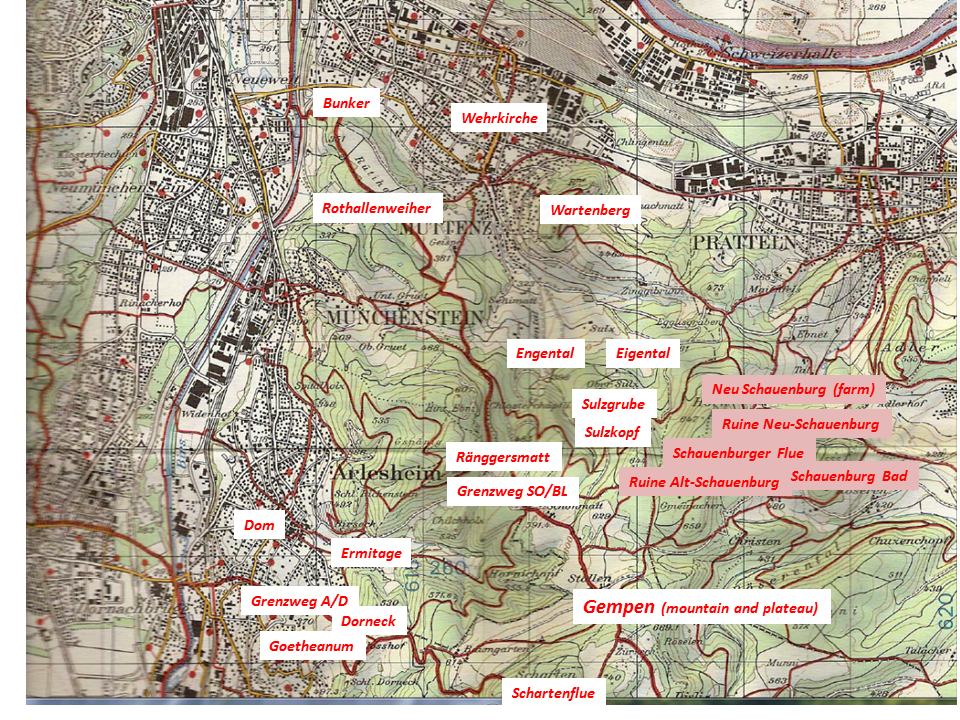
This is the map showing the Wartenberg mountain (between Muttenz and Pratteln) and the long stretched plateau of the Gempen (about 500m above the valleys). The Schauenburg area is highlighted. Kartene

Source: Bundesamt für Landestopographie 213T – Basel

.

Old Schauenburg is new and New Schauenburg is old – yes!
There are two Schauenburg castles: Neu-Schauenburg (New Schauenburg) and Alt-Schauenburg (Old Schauenburg). However, “Old Schauenburg” is newer than “New Schauenburg”: The family Schauenburg built “New Schauenburg” in the 11th or 12th century and, in the late 13th century, added “Old Schauenburg”. In the 1356 earth quake of Basel both castles were destroyed. The family Schauenburg abandoned the newer “old” castle and rebuilt the older castle that now was named “New Schauenburg”.  At the end of the 14th century, the Schauenburg family died out. Around 1500, also the castle Neu-Schauenburg was abandoned. In the following centuries, the owners of the Schauenburg possessions surrounding the ruins changed repeatedly.

.

These are the ruins of Neu/New Schauenburg

Neu/New Schauenburg sits strategically on a small pass below the Schauenburger Fluh ( rock).

P1060230

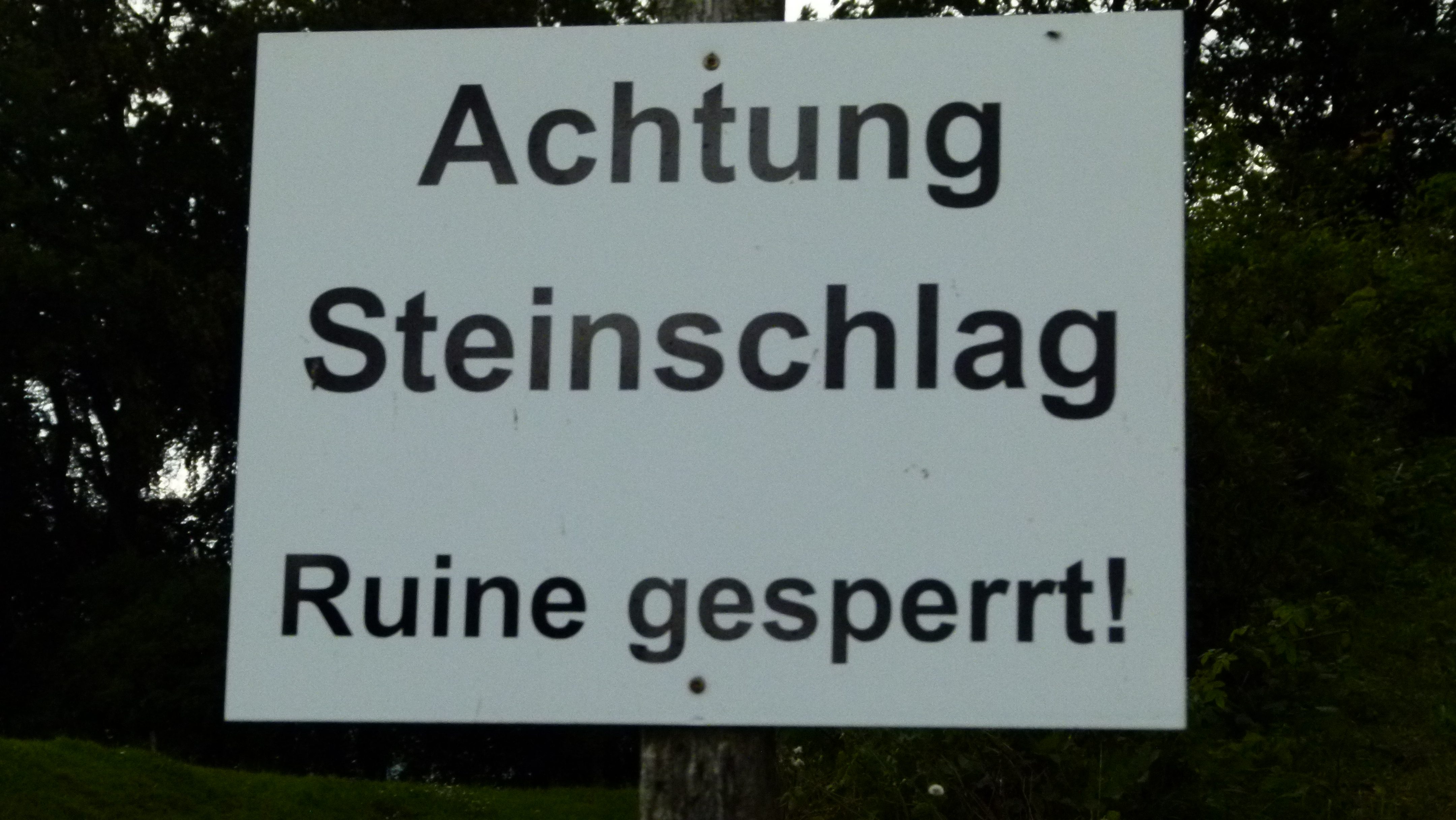
… and the ruins are not in a good state: “Attention: Falling Rocks. Ruin closed.” I think there is much left of this castle given the fact that it has not been inhabited for 500 years.

P1060236

.

These are the ruins of Alt/Old Schauenburg

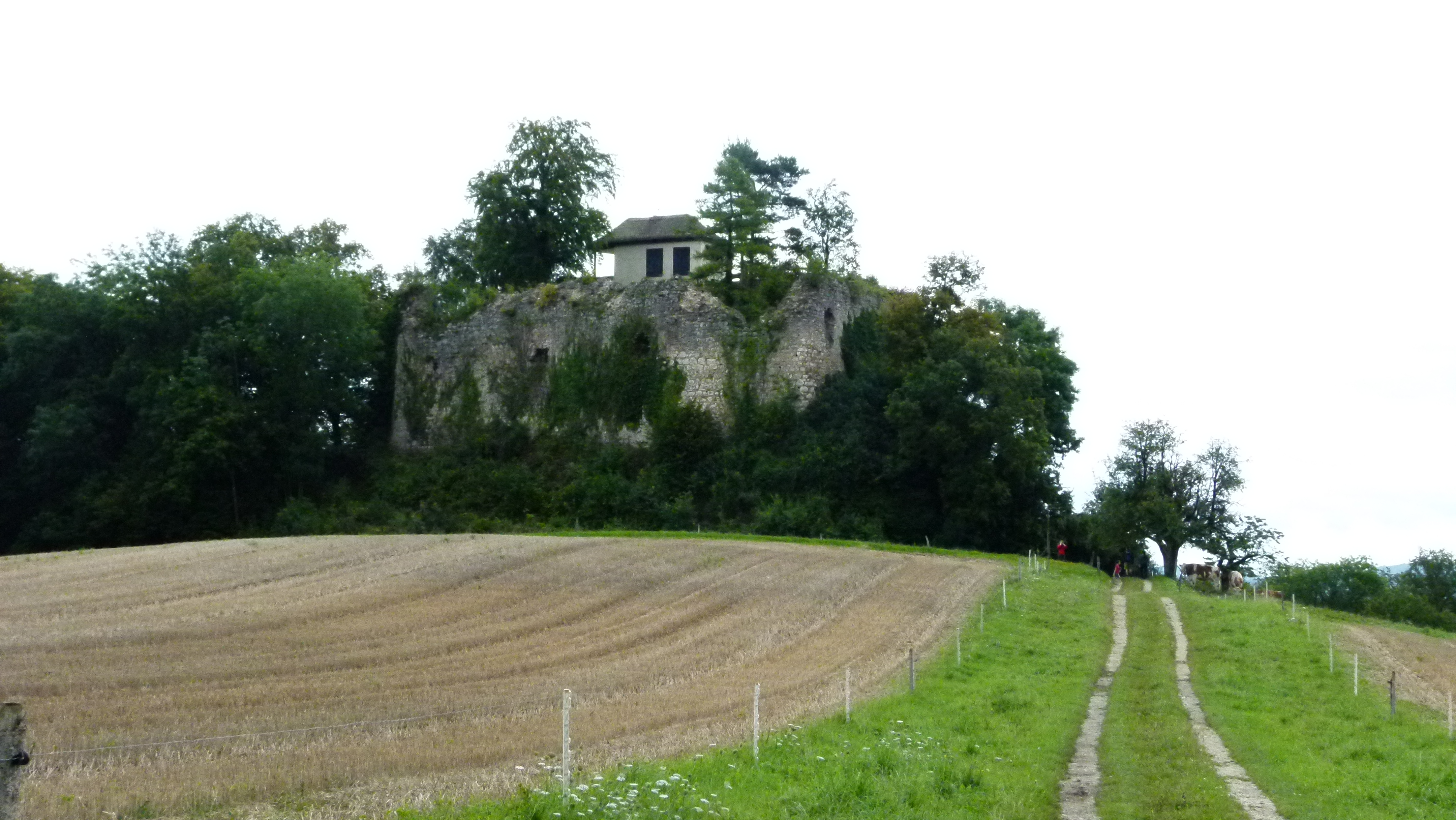
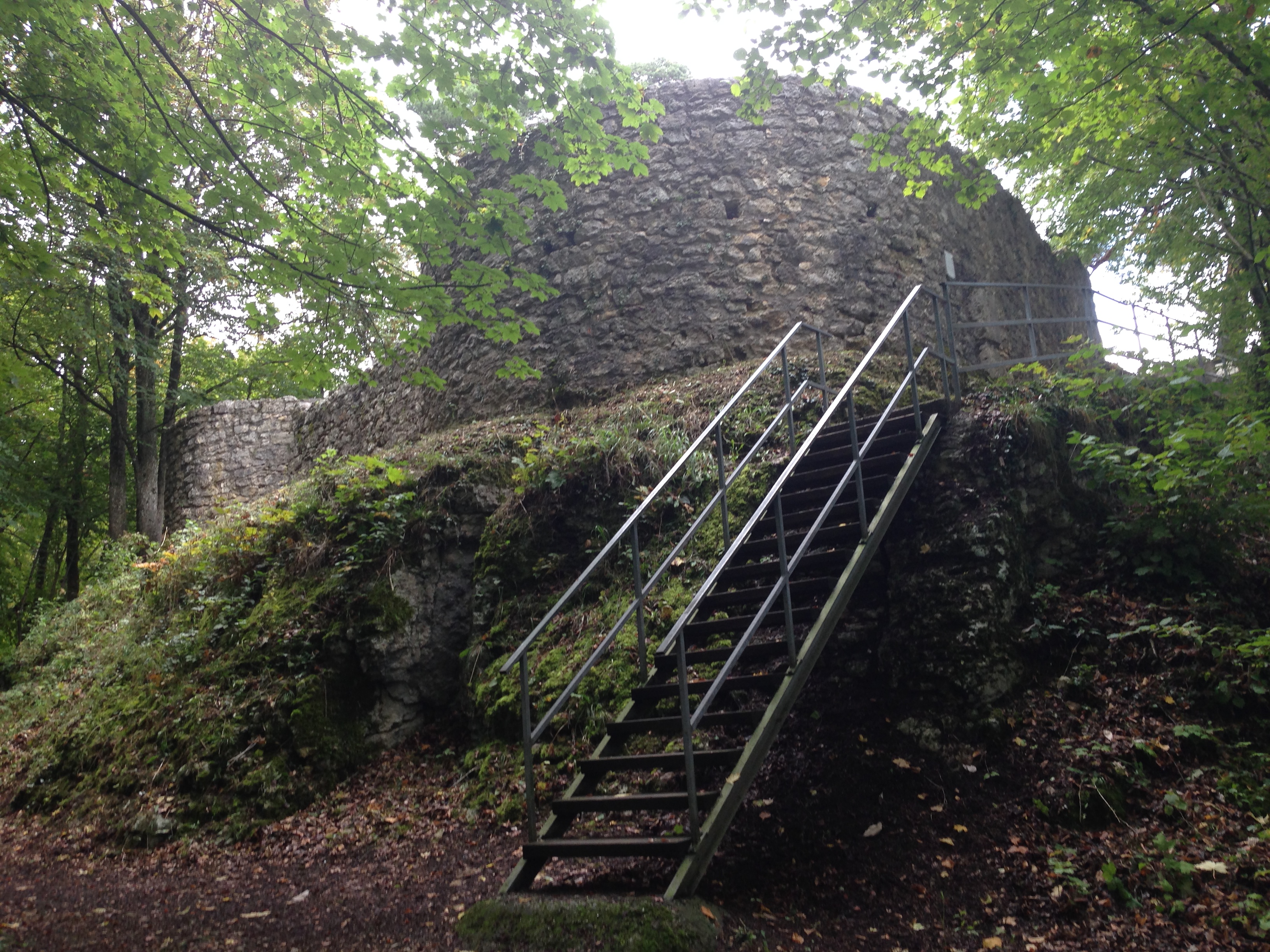
The ruins of Alt/Old Schauenburg are hidden in the forest on a rock called “Chleiflüeli” (literally translating to “little small rock”). It has not been inhabited since the 1356 earthquake of Basel and can be visited using the ladder – on our own risk.

IMG_0815

I climb the ladder to enter the ruin and enjoy the view. I look back to the Schauenburger Fluh (imagining it with the Roman temple – see my earlier blog). Below – facing the meadow – is a small white spot. This is Neu/New Schauenburg.

P1060456

From the north, there are two paths leading to “Alt/Old Schauenburg”, and both are unmarked: The first is a narrow footpath starting on Schauenburger Fluh and following the edge in the trees. The second is a road branching off earlier. Only with the hints of my friends from Austria I eventually found “Alt/Old Schauenburg”.

.

The farm “Neu Schauenburg” (Hof) – acquired by a “Wellness King

Below the ruins of Neu/New Schauenburg is the farm “Neu Schauenburg”.

P1060226

The origins of the farm go back to a monastery built in the 15th century. First monks lived here, and in 1502 nuns took over (Beguins or – in German – “Beginen”). After the reformation with Basel becoming protestant, the monastery became just a farm. The last farmer is now retiring. According to “Schweiz am Sonntag”, the farm “Neu/New Schauenburg” has recently been acquired by a “Wellness King”, in May 2014.  The Wellness King plans to build appartments for families that want to live with their grand parents. In addition he intends to reactivate the bath tradition by installing a sauna and a steam bath.

.

Bad Schauenburg

Below the Schauenbuger Fluh and the Chleiflühli is the hotel/restaurant Bad Schauenburg.

IMG_0499

Here I spent several trainings thirty years ago, when working for Ciba-Geigy and later for Hoffmann-La Roche. At that time I did a lot of jogging in the area. But when running, I did not notice the gems that I discovered now.

.

There are more gems just near Basel

The area around the Schartenfluh hides more gems on the Gempen plateau that I I will talk about later.