On the road – discovering so much around Basel (to the southwest)

Discovering treasures, while being forced to just walk around Basel

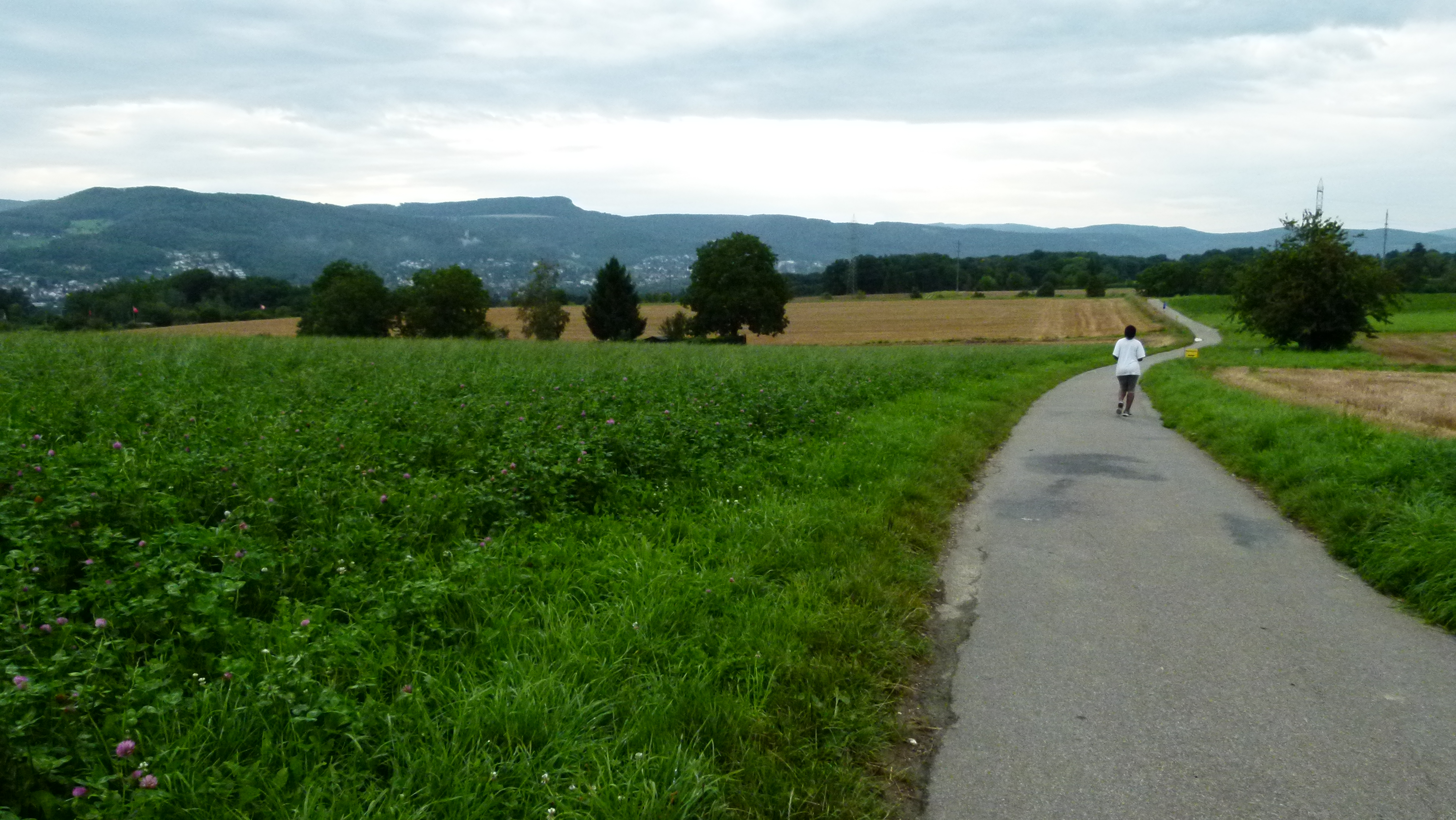
From April to August this year some surgeries forced me to stay at home. So I walked and walked and walked around my hometown Basel. Almost every day, I started at my house – alone, with a group of Nordic Walkers guided by two Austrians, with friends or with family members. Often it were foreigners that unveiled new treasures to me that I had not noticed before, though have lived in Basel since three years old.

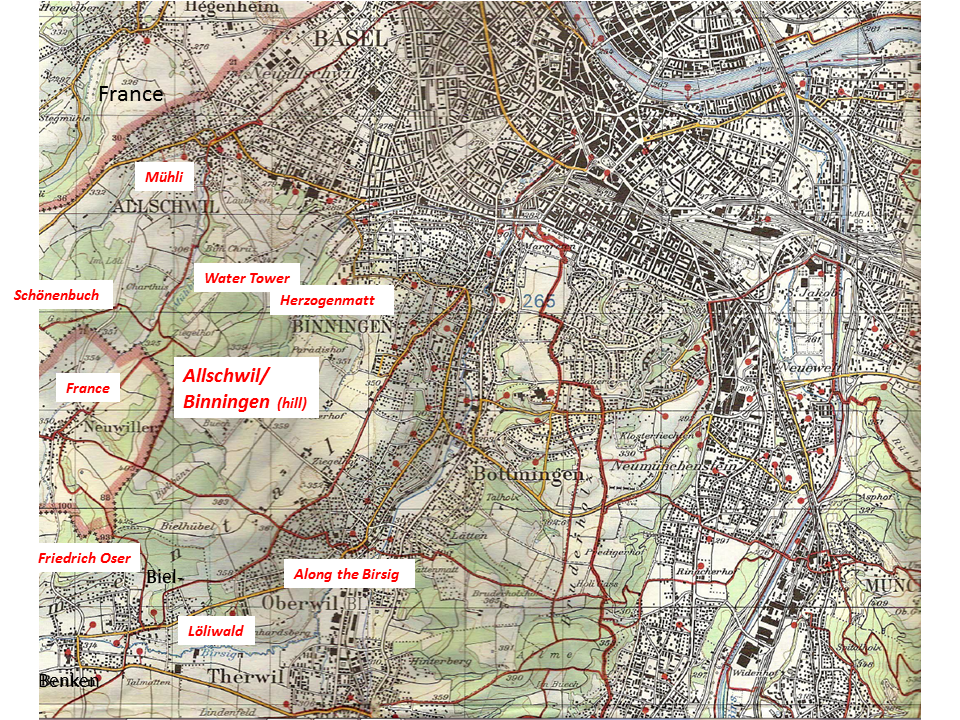
After having blogged about the treasures of the Bruderholz south of Basel, let me continue with the hill of Allschwil/Binningen and the creek “Birsig” in the southwest.

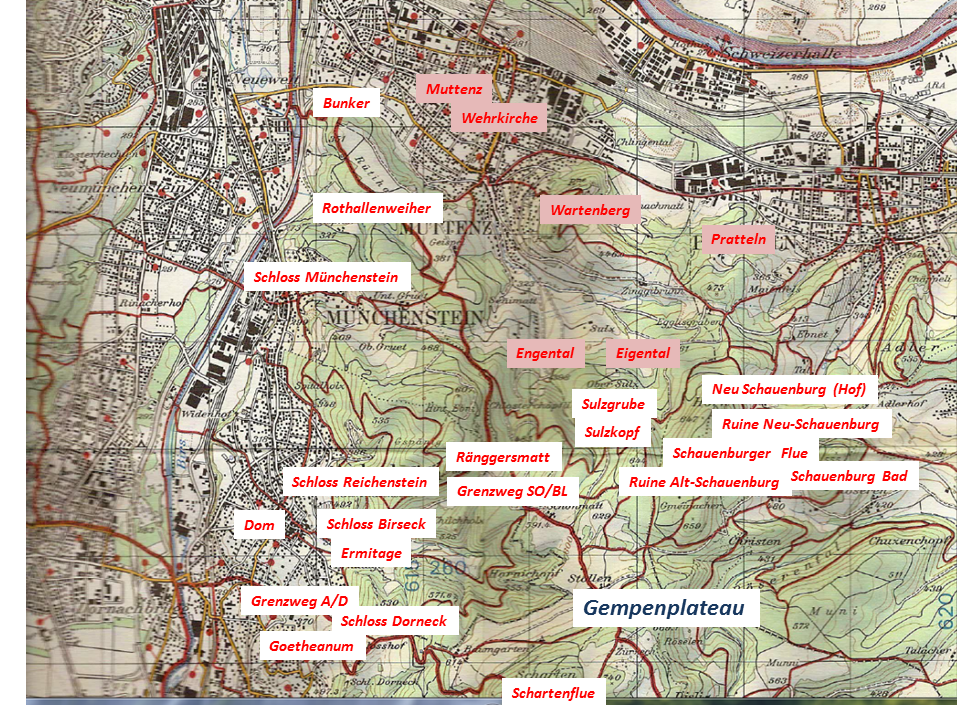
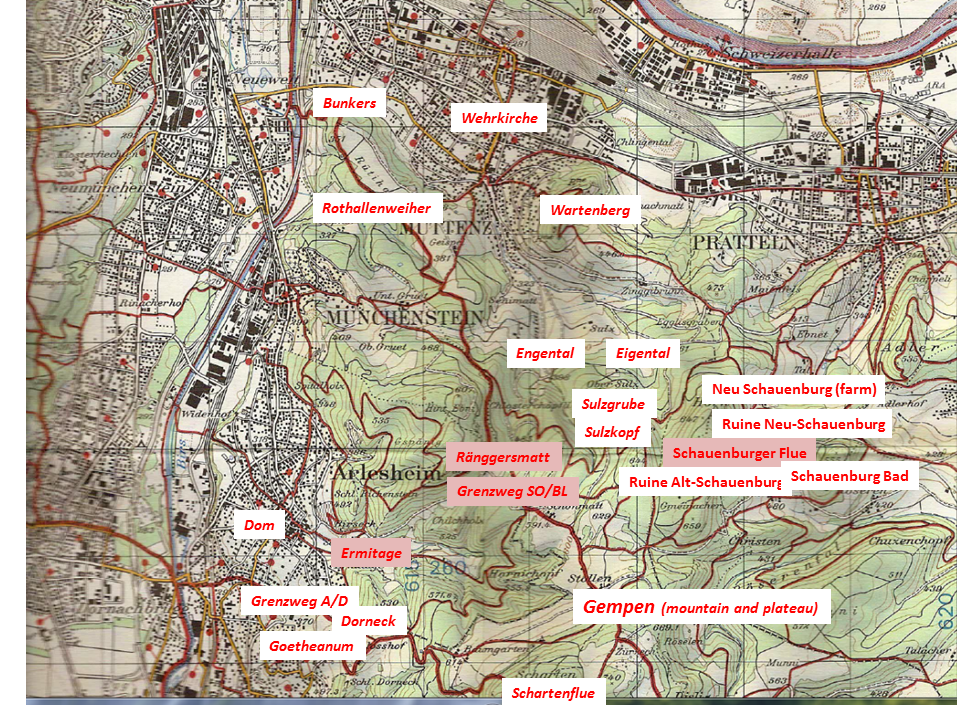
Kartenb

Source: Bundesamt für Landestopographie 213T Basel – 1:50’0000

.

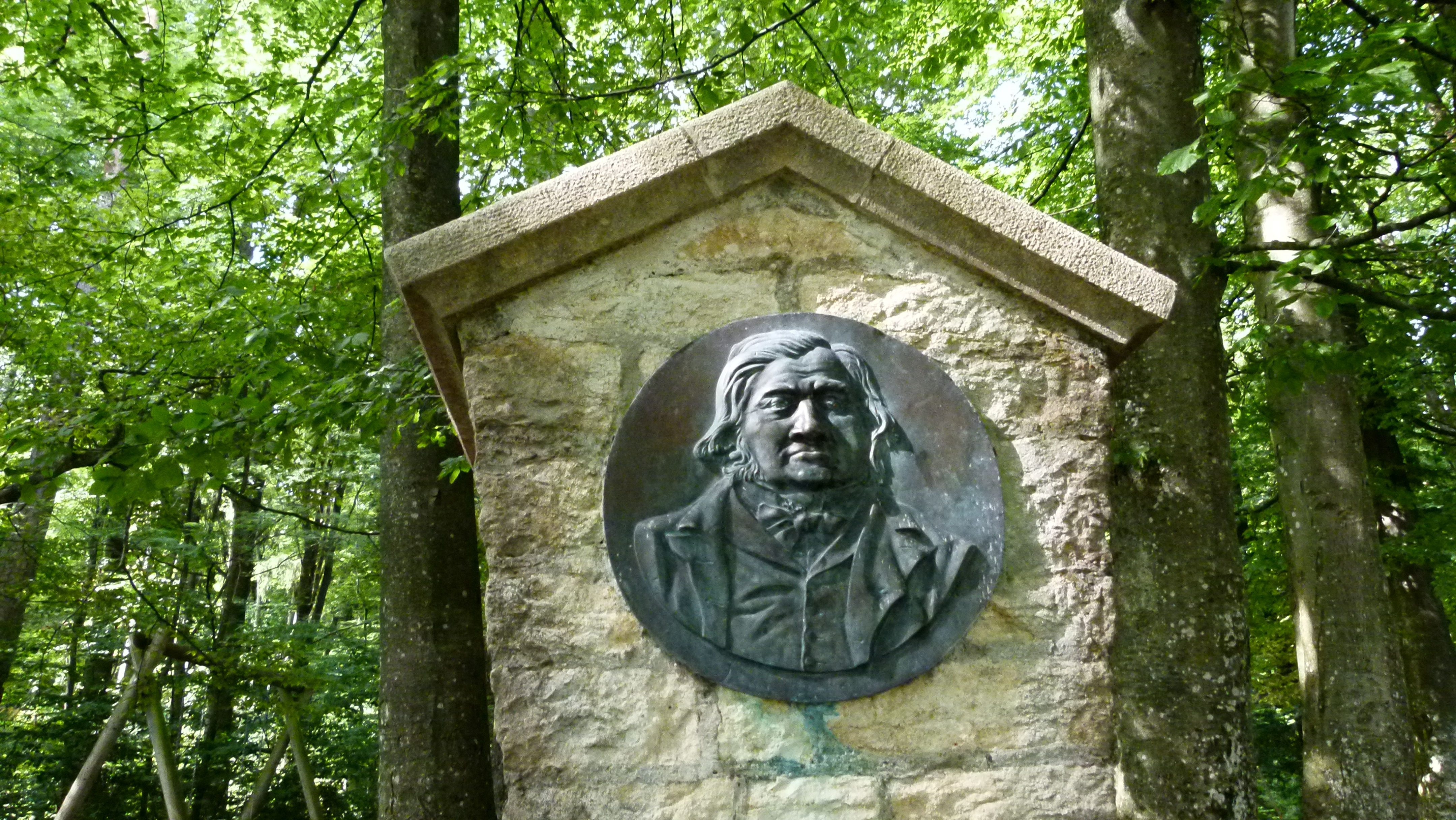
Friedrich Oser – a priest and a poet in Biel-Benken

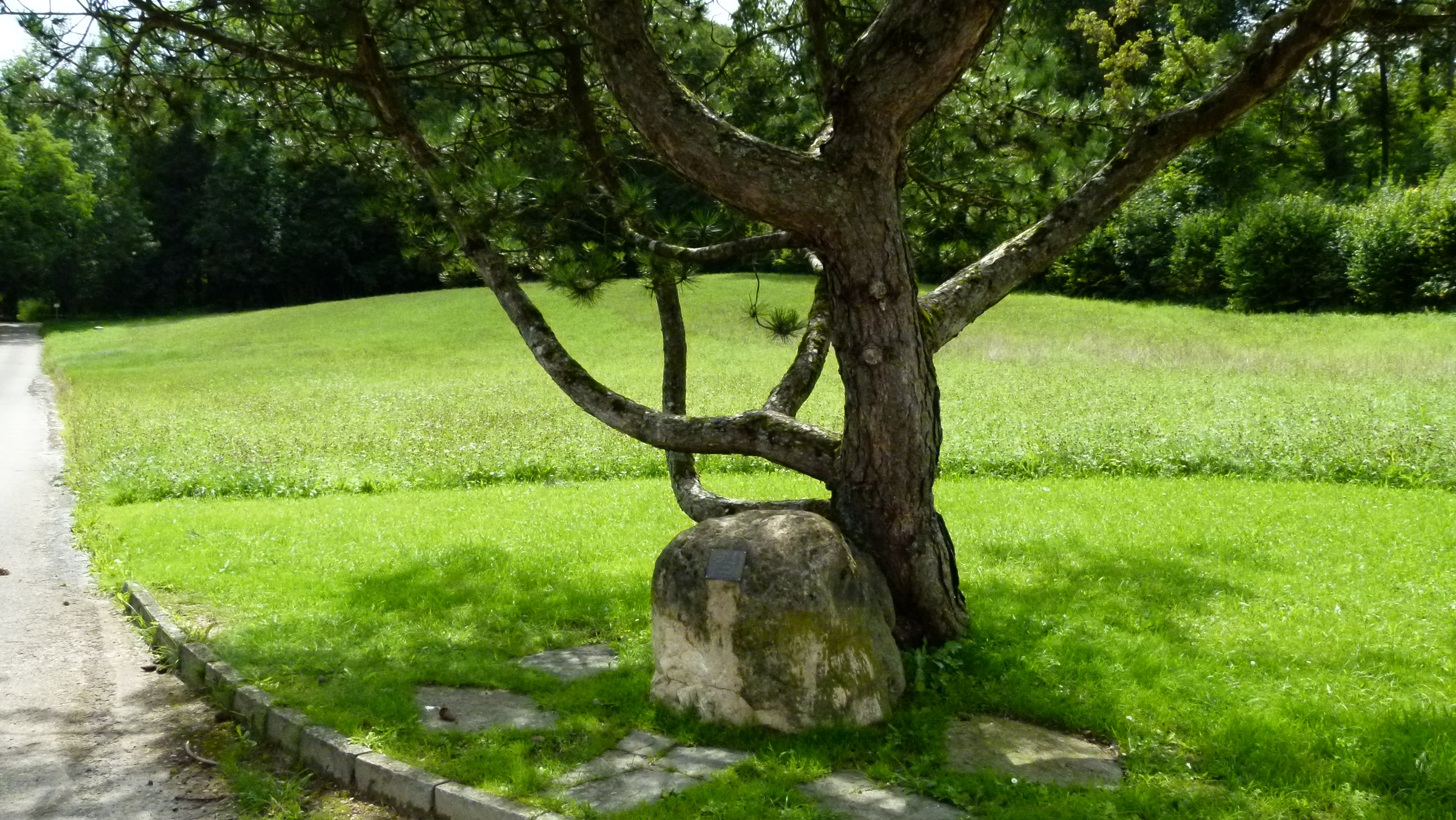
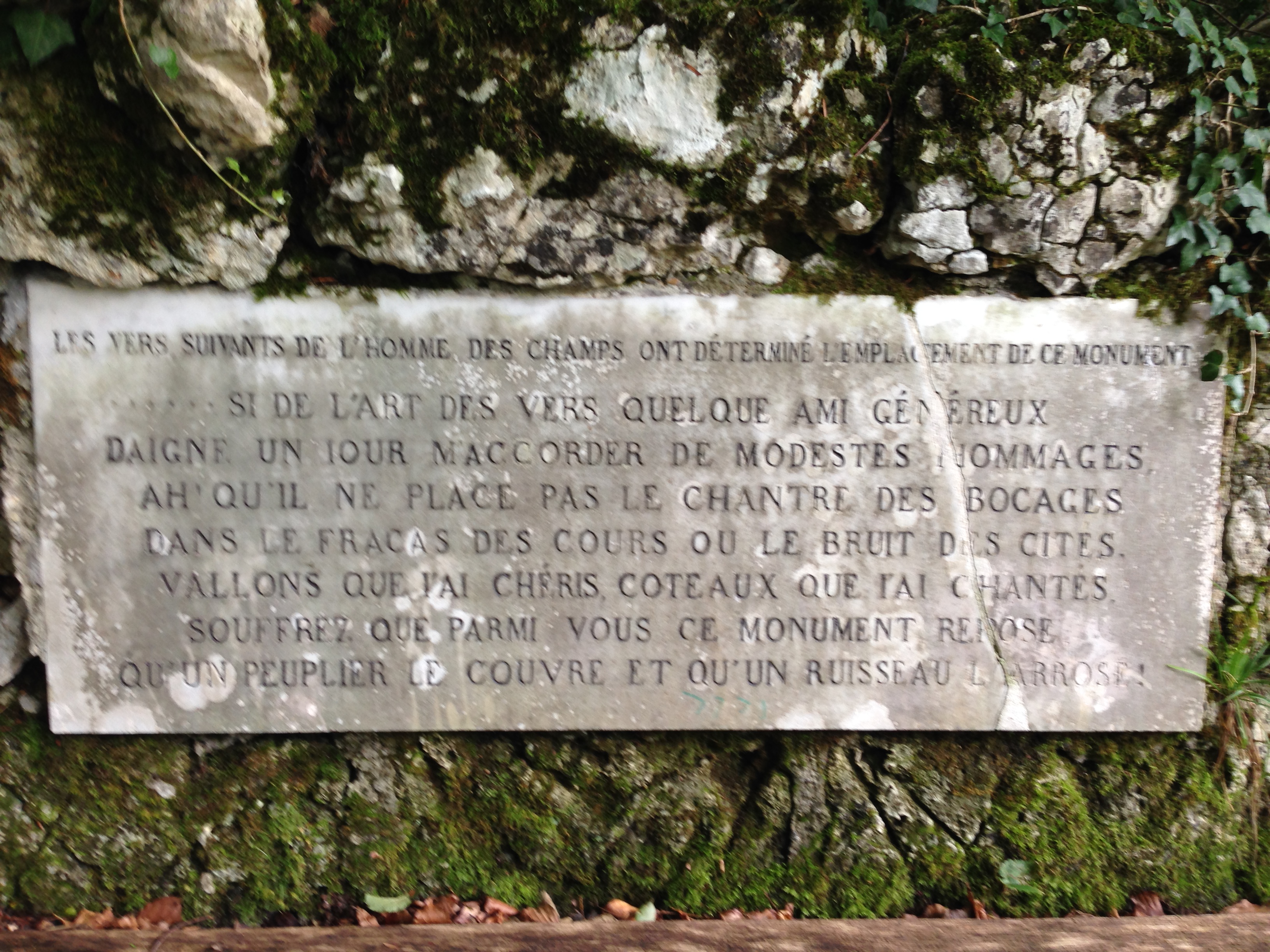
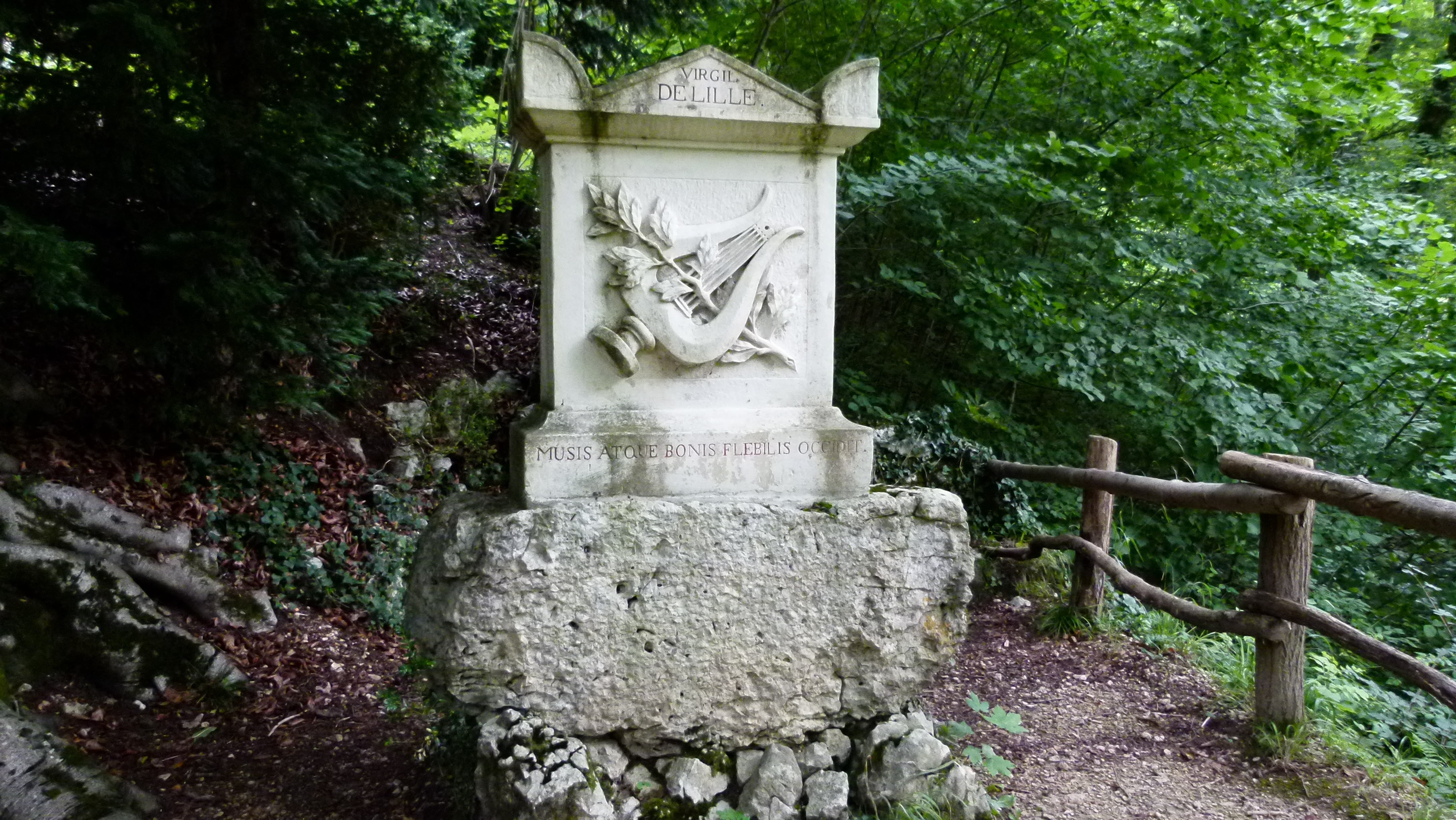
Just above Biel-Benken there is a memorial for Friedrich Oser who became a priest here in 1884. Friedrich Oser wrote poems that were set to music and are well-known with German speaking choirs. Friedrich Oser is a very local celebrity, and he has a memorial just above Benken…

P1060131

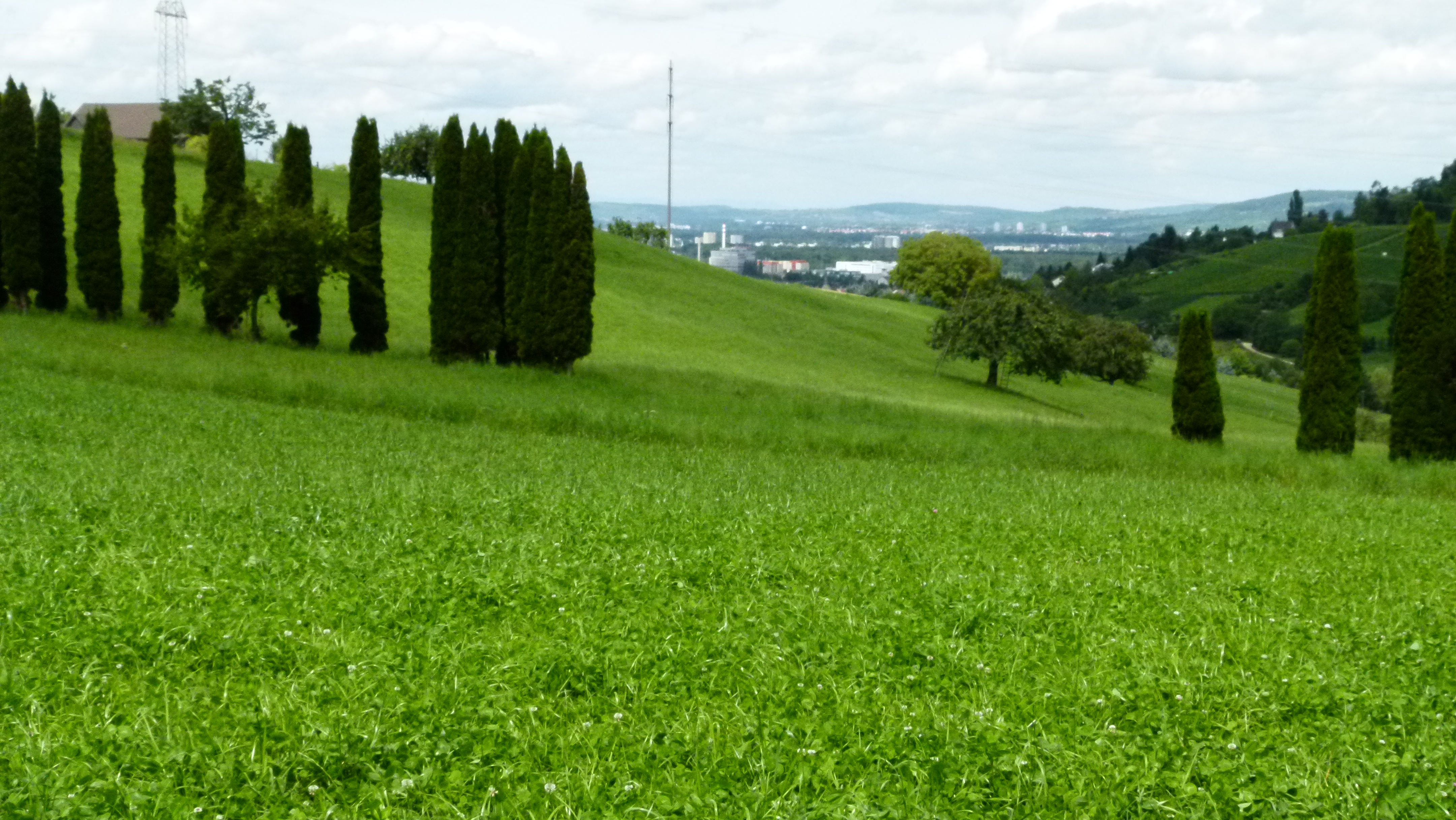
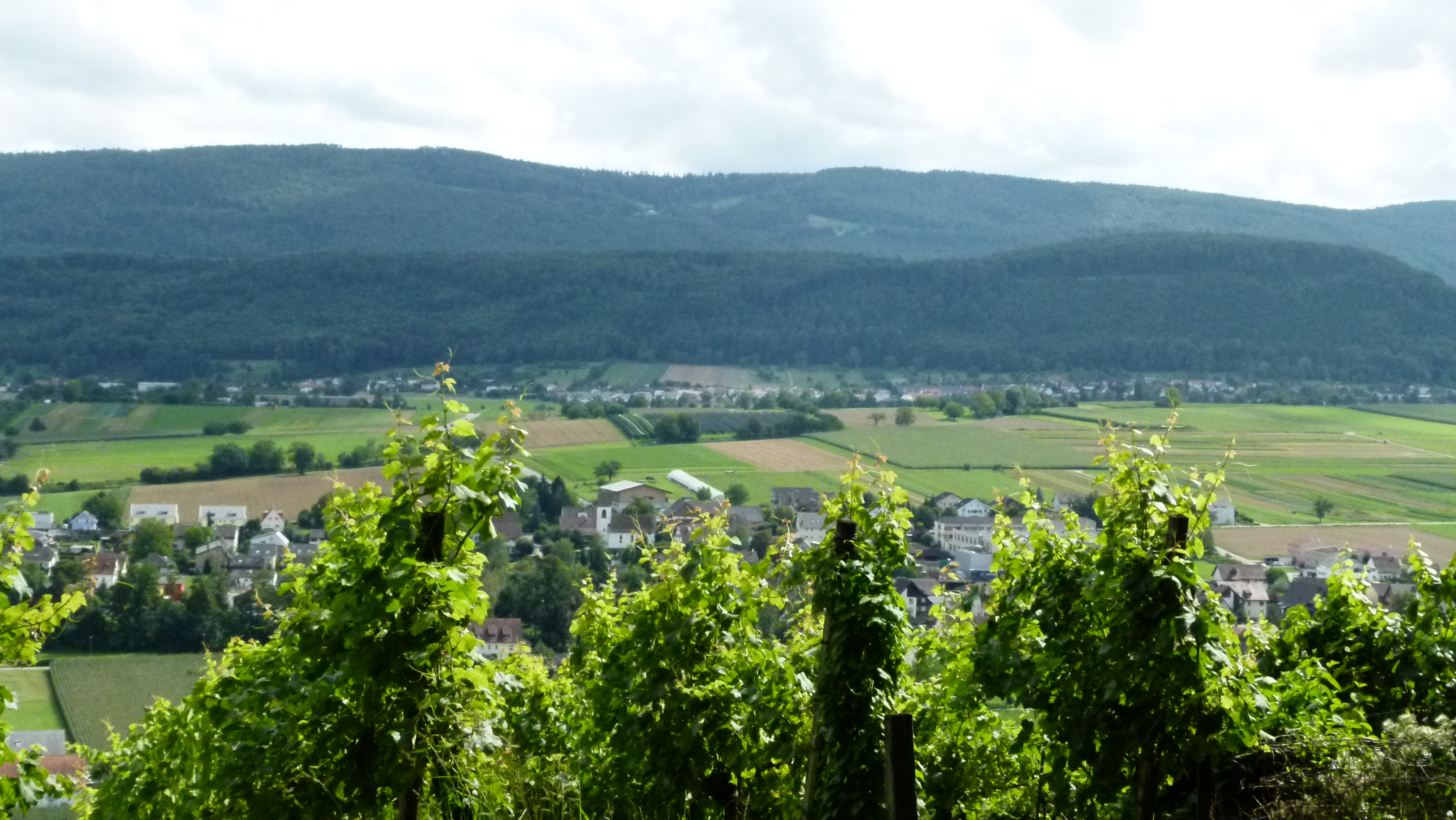
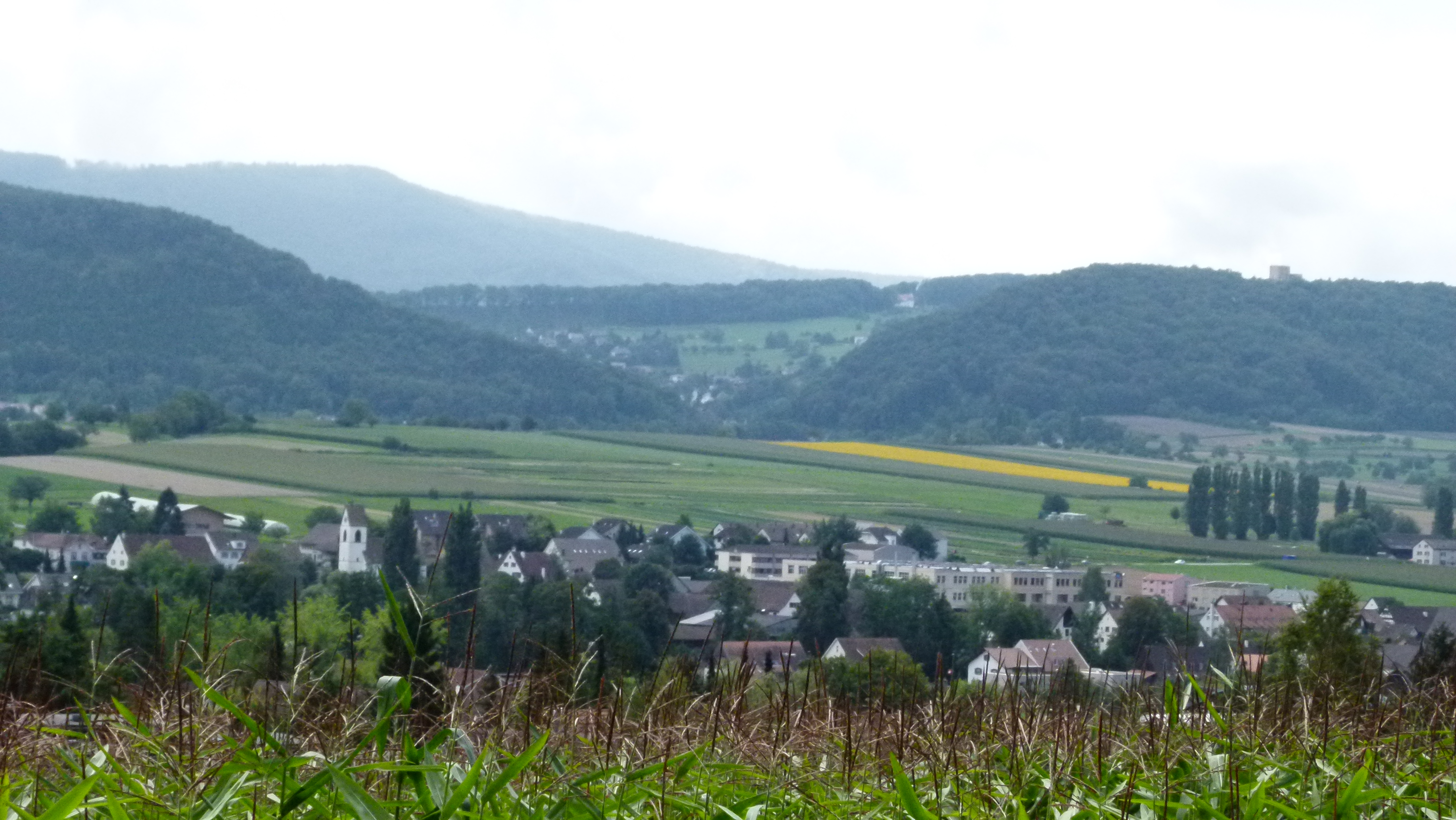
… with a great view of the Blauen, part of the “Faltenjura” or Jura mountain range with folded layers (as opposed to the “Tafeljura” or Jura consisting of plateaus, sometimes called “Tabular Jura”).

My friends from Austria showed to me that it takes just a 90 minutes to walk from my home to Biel-Benken, and they introduced me to Frîedrich Oser.

P1060134

Biel-Benken is a charming twin village (Biel and Benken) that has kept its rural character. There are two excellent restaurants, Heyer and Zihlmann. We shared an excellent lunch in the quiet and shady garden of Heyer.

.

The “Löliwald” or literally “dumbass forest” near Biel-Benken (then I find out “Löli” means “grove” and not “idiot”) 

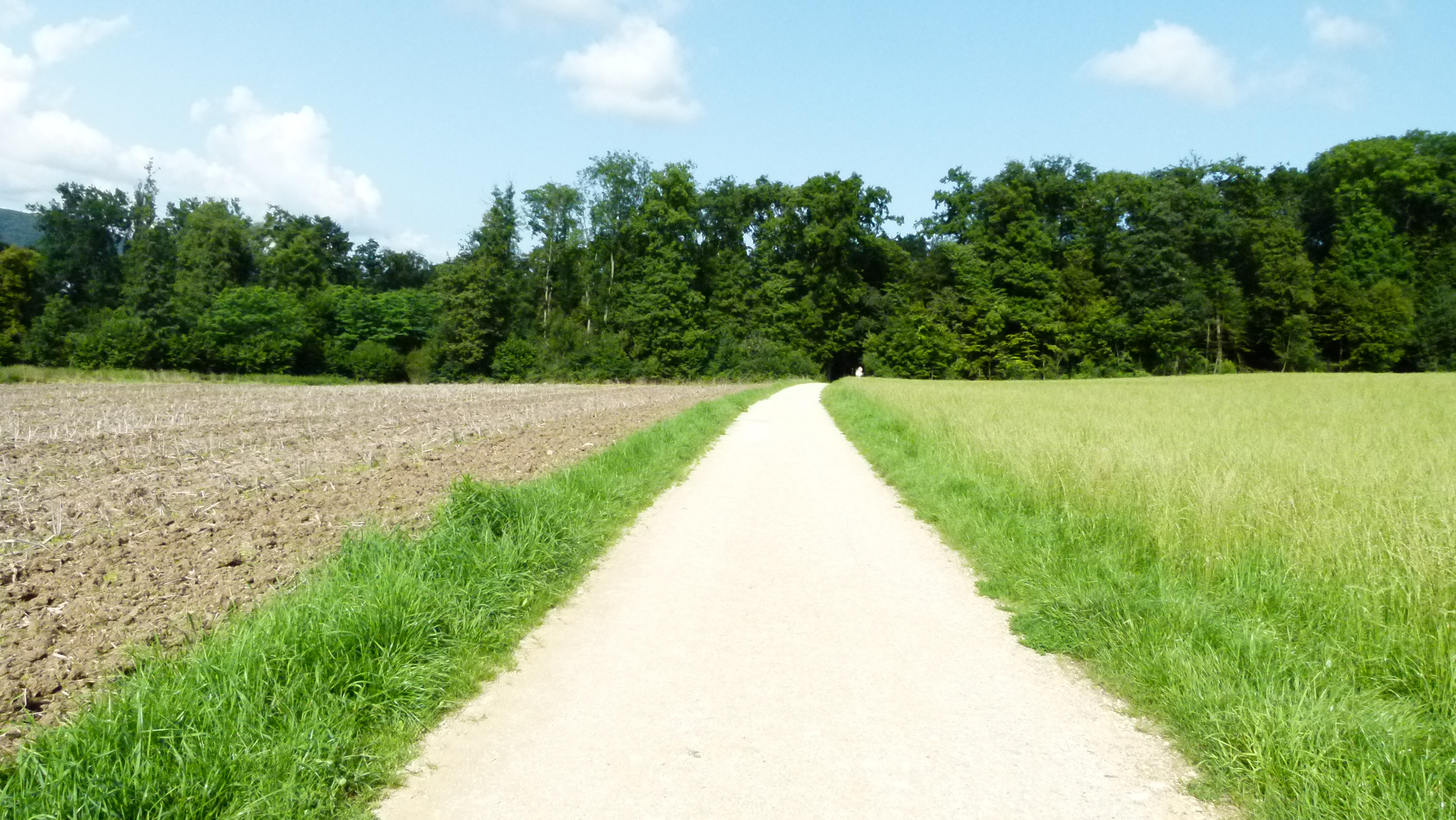
A friend from England, Adrian, invited me to walk from Oberwil to Biel-Benken – he knows a romantic path through the wheat and rape fields along the creek Birsig.

P1050964

The path crosses the Löliwald, and ends in Biel-Benken, where all streets are labeled “Löli”: Löliring or Lölimattweg etc.

P1050973

I laugh out  loudly. “What is so funny about “Löli”, what does it mean?”,  Adrian asks. “Hm, something like “idiot” or “dumbass””, I answer, “and “Löli” is different from “Glünggi” – do you not know the famous song of Mani Matter  “Schimpfwörter sy Glüggssach“.  Later I find the toponomastic reason for the name “Löli”: It is said to relate to “Loch” (German) or “Lucus” (Latin) =”Grove” (in German: “Hain”) describing a light forest of oak and beech trees. I also find a bleak story about a murder in the Löliwald that happened here in 1913. The Internet tells me, there are more “Löli”-forests in Switzerland, and they must all be groves – no, there is no congestion of Löli or idiots in them.

.

French lunch culture in a cosy garden in Neuwiller

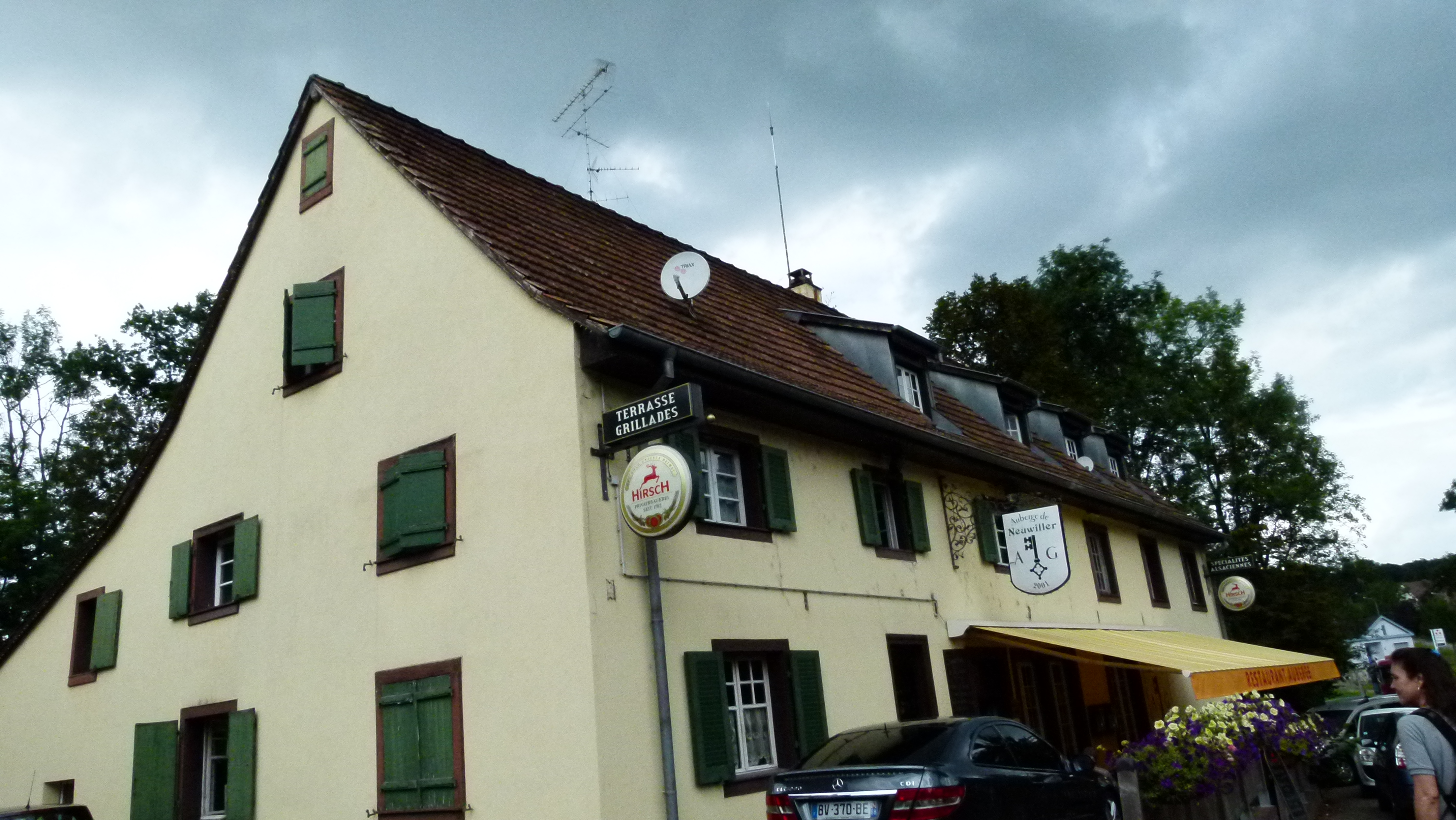
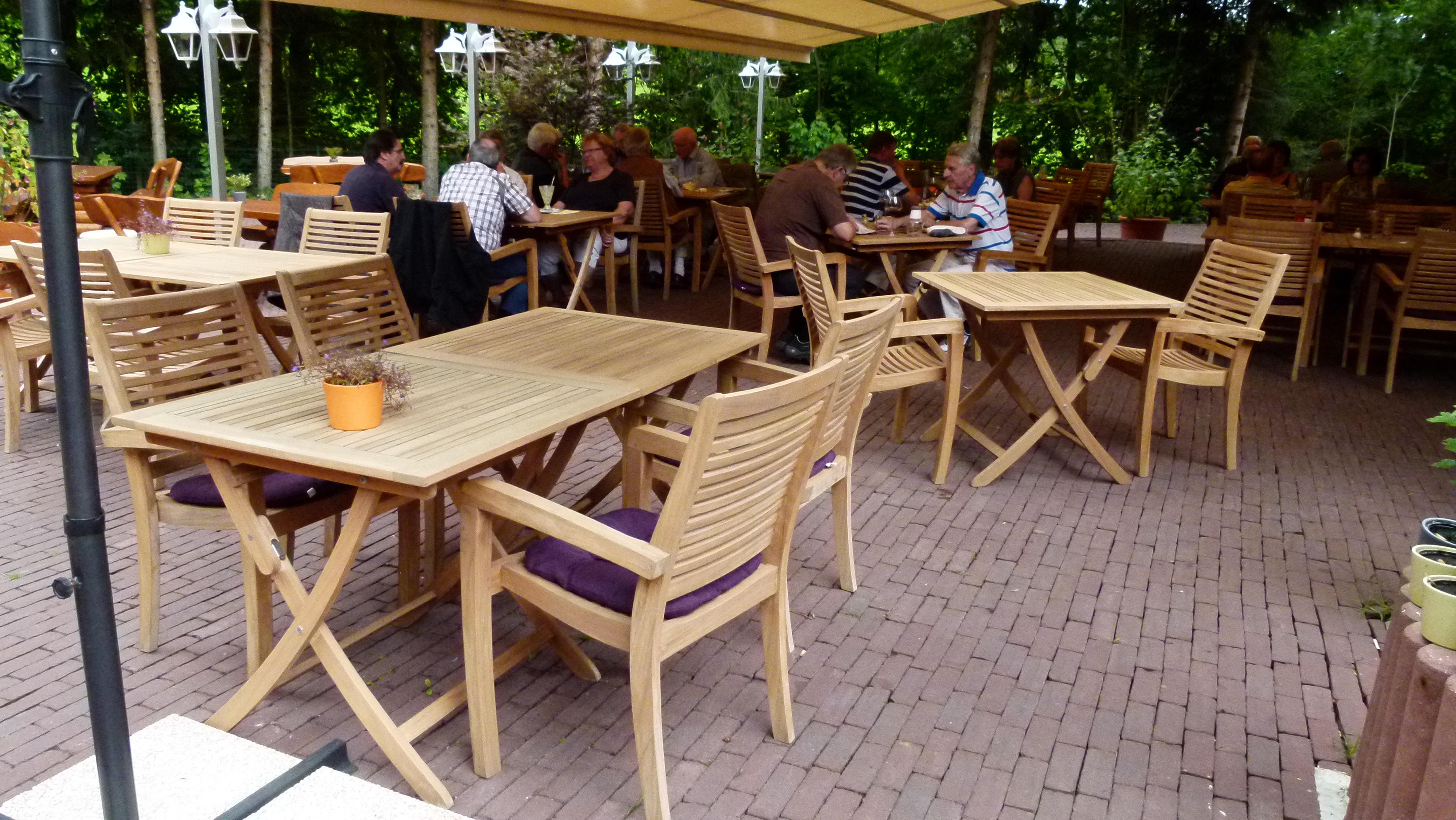
From Biel-Benken, Adrian and I continue our walk through the forest to France. On the French side, we oscillate on a muddy path that vanishes in a swampy meadow. Guided by two ladies with a mastiff, we eventually find the path that takes us to the village of Neuwiller. In the garden of  the Auberge de Neuwiller , we celebrate a great French lunch – three courses and  an Edelzwicker (blended white wine from the Alsace). I feel like being far, far away from Basel and Switzerland. And an hour later, we are back in Oberwil and in Switzerland – a straight hiking trail connects the two villages (no border check points here).

P1050996

P1050997

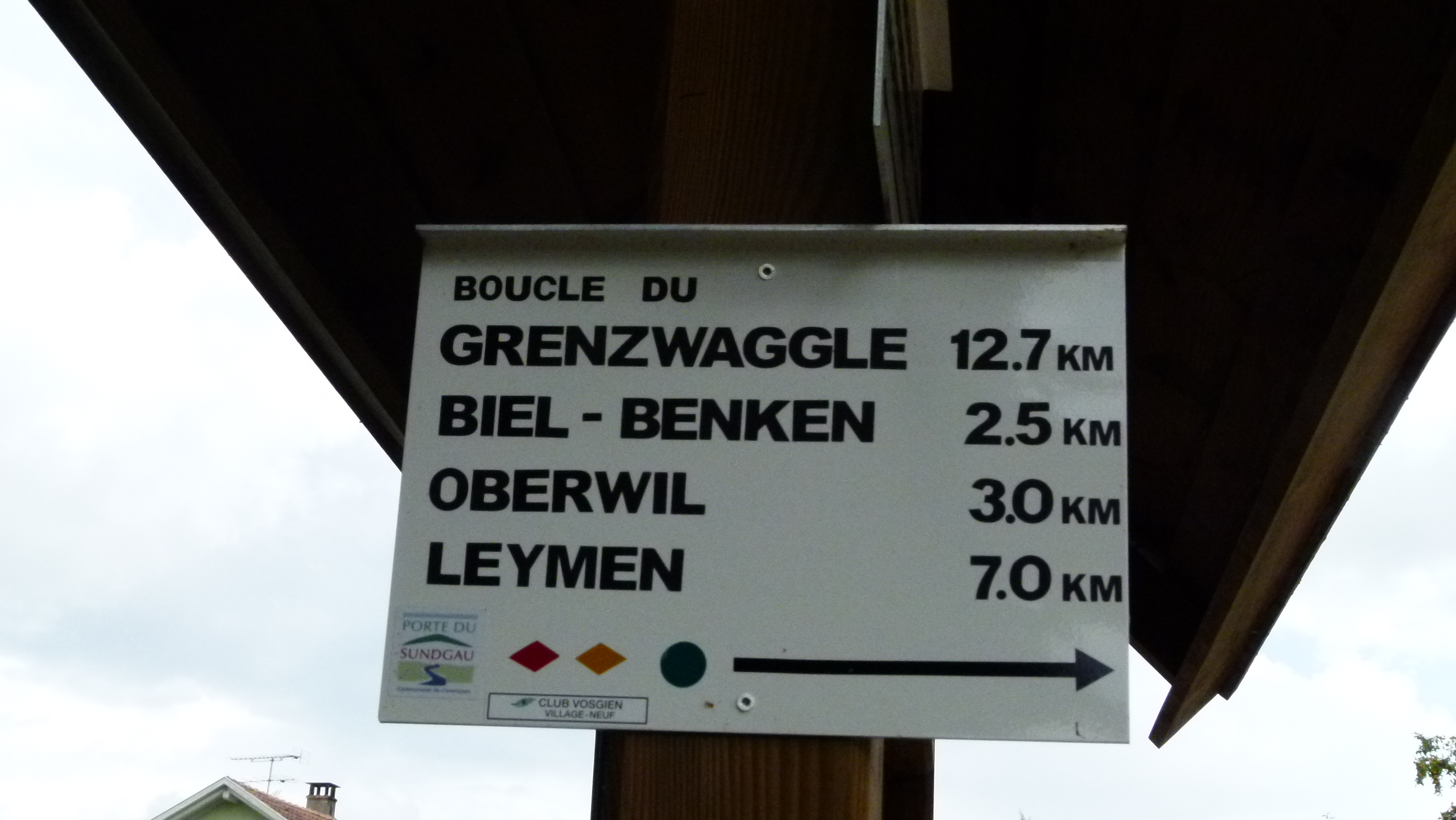
Later I come back to Neuwiller with Barbara, enjoying a lovely zander fish with Riesling sauce accompanied by a glass of Alsacian Riesling. We notice there is a “Grenzwaggle” (border walk) of 12km around Neuwiller that I might explore later.

P1050994

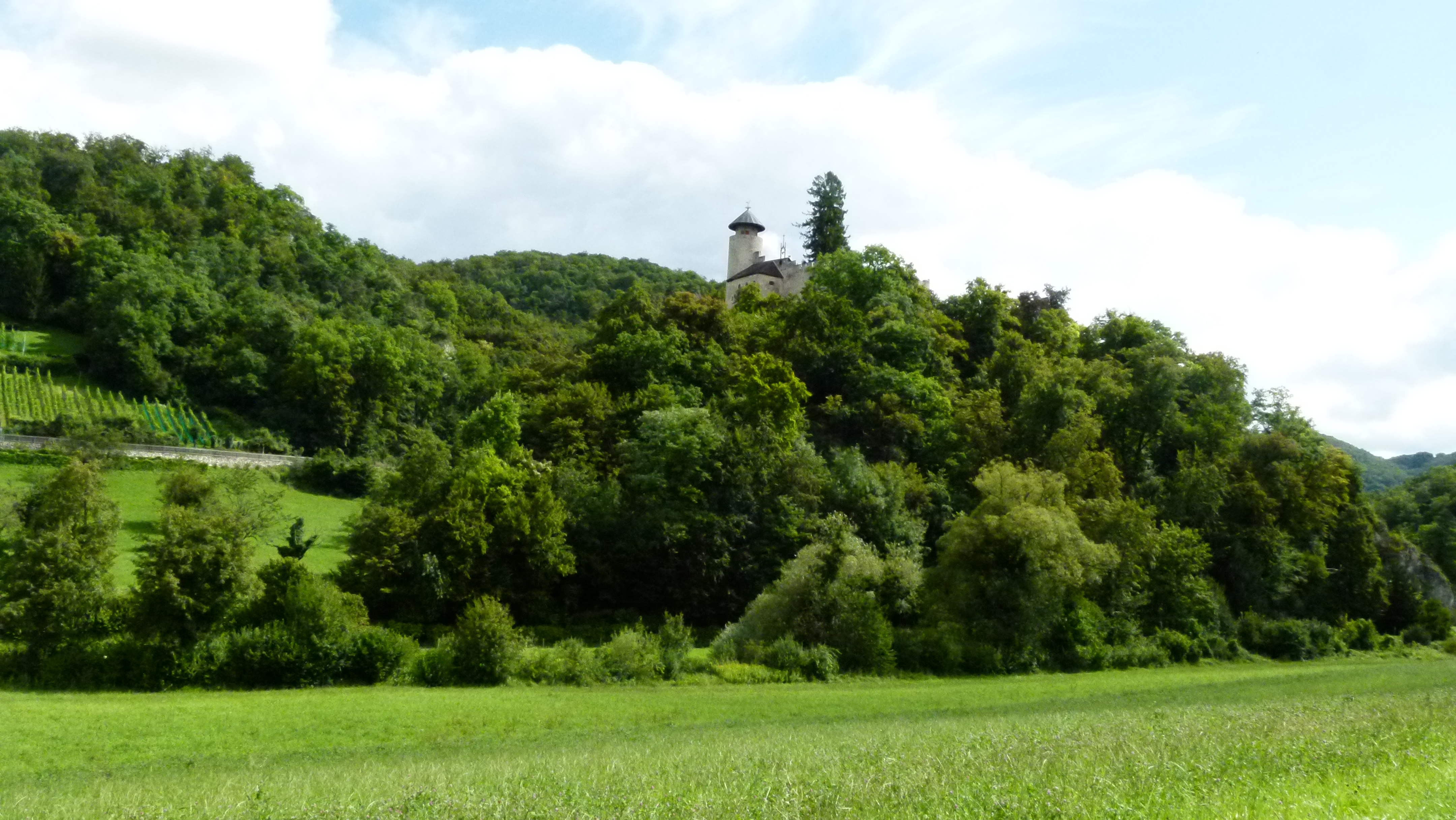
With Barbara I walk back the 2.5km from Neuwiller to Biel-Benken. Now I easily find the muddy path that vanishes in the swampy meadow and I guide a group of lost hikers through it. Half an hour later, we reach the hill above Biel-Benken and the lovely view of the mountain range Blauen and the ruin of Landskrone in the south.

P1050999

.

The nature reserve Herzogenmatt – a small gem

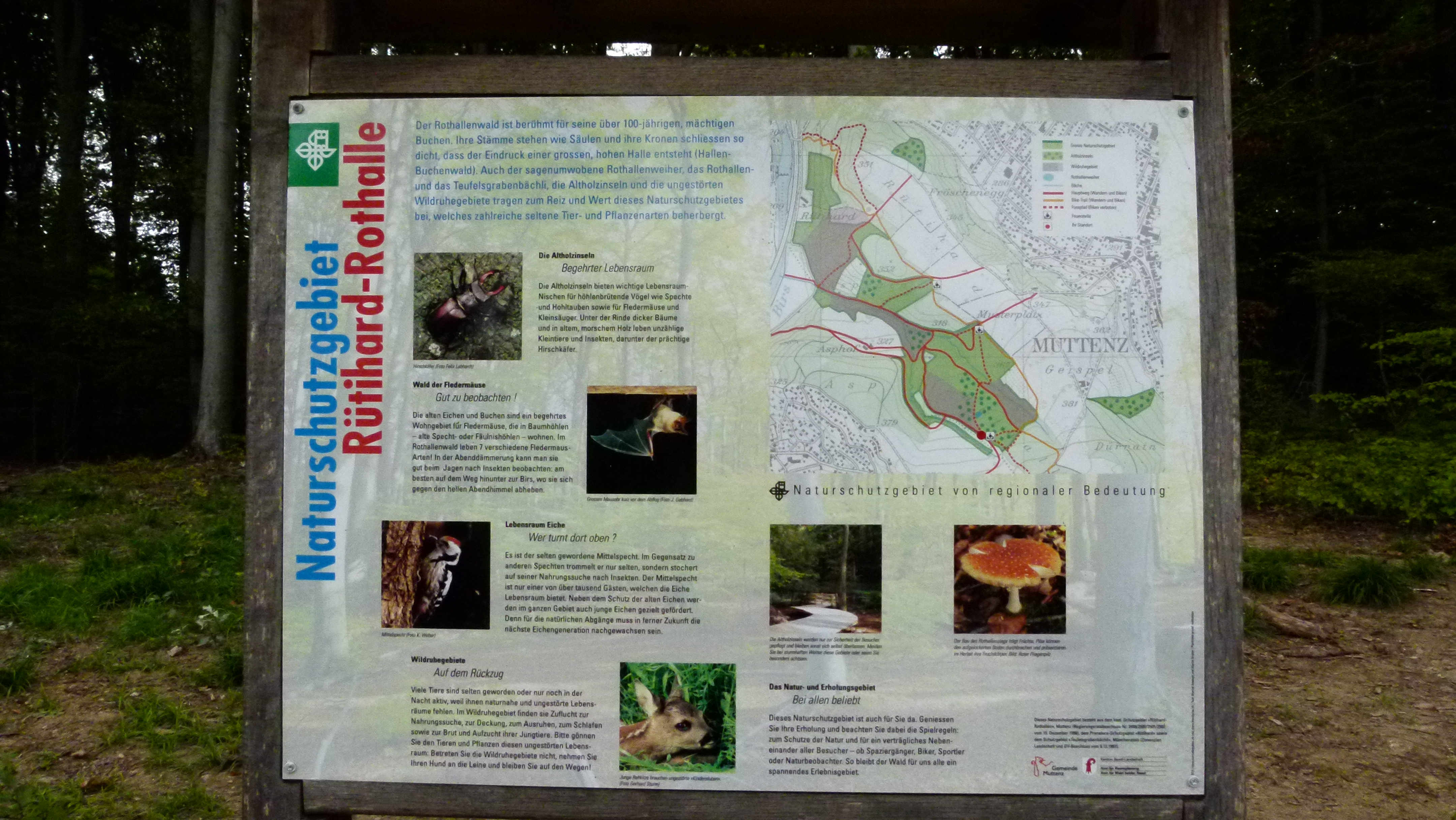
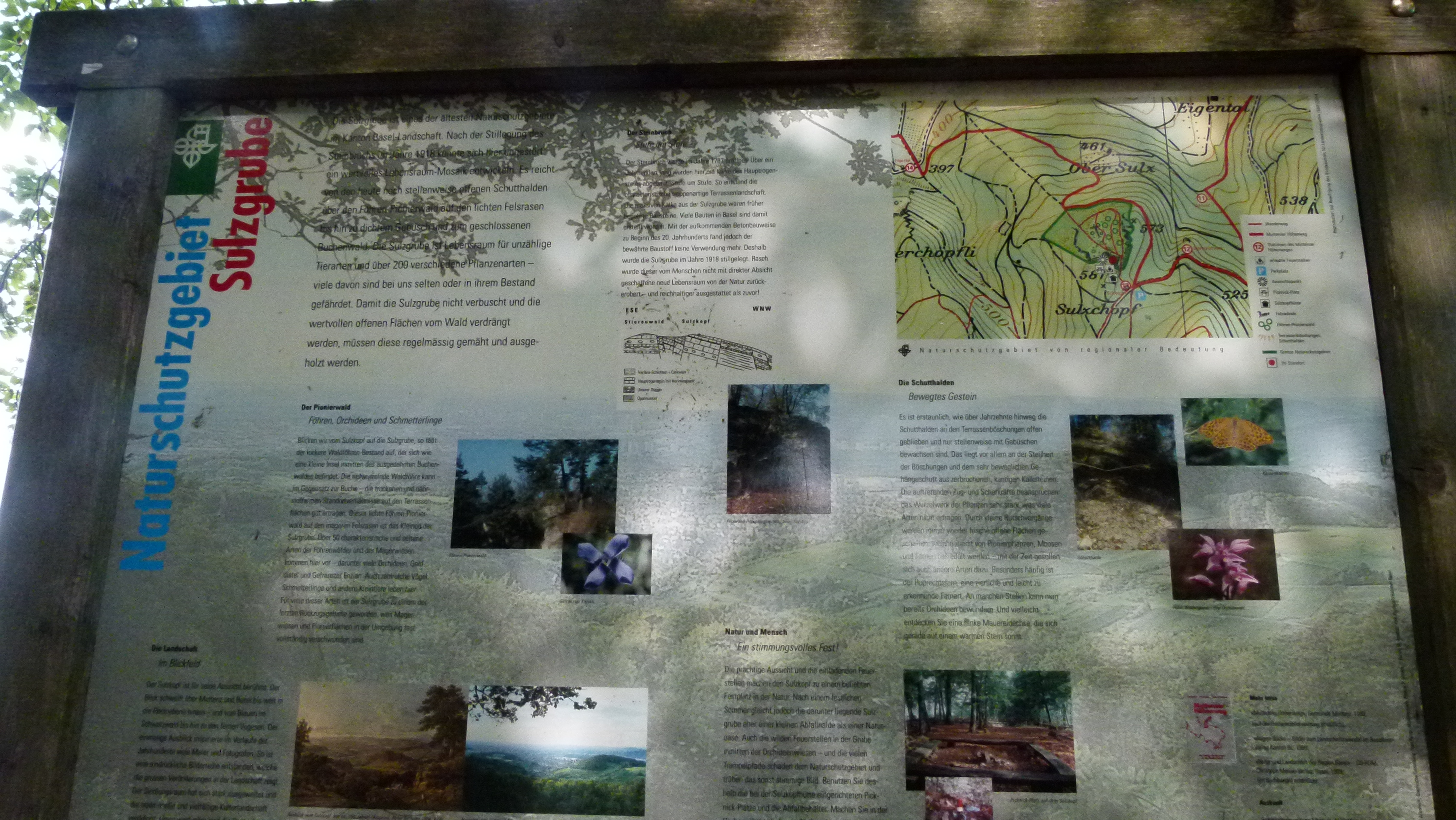
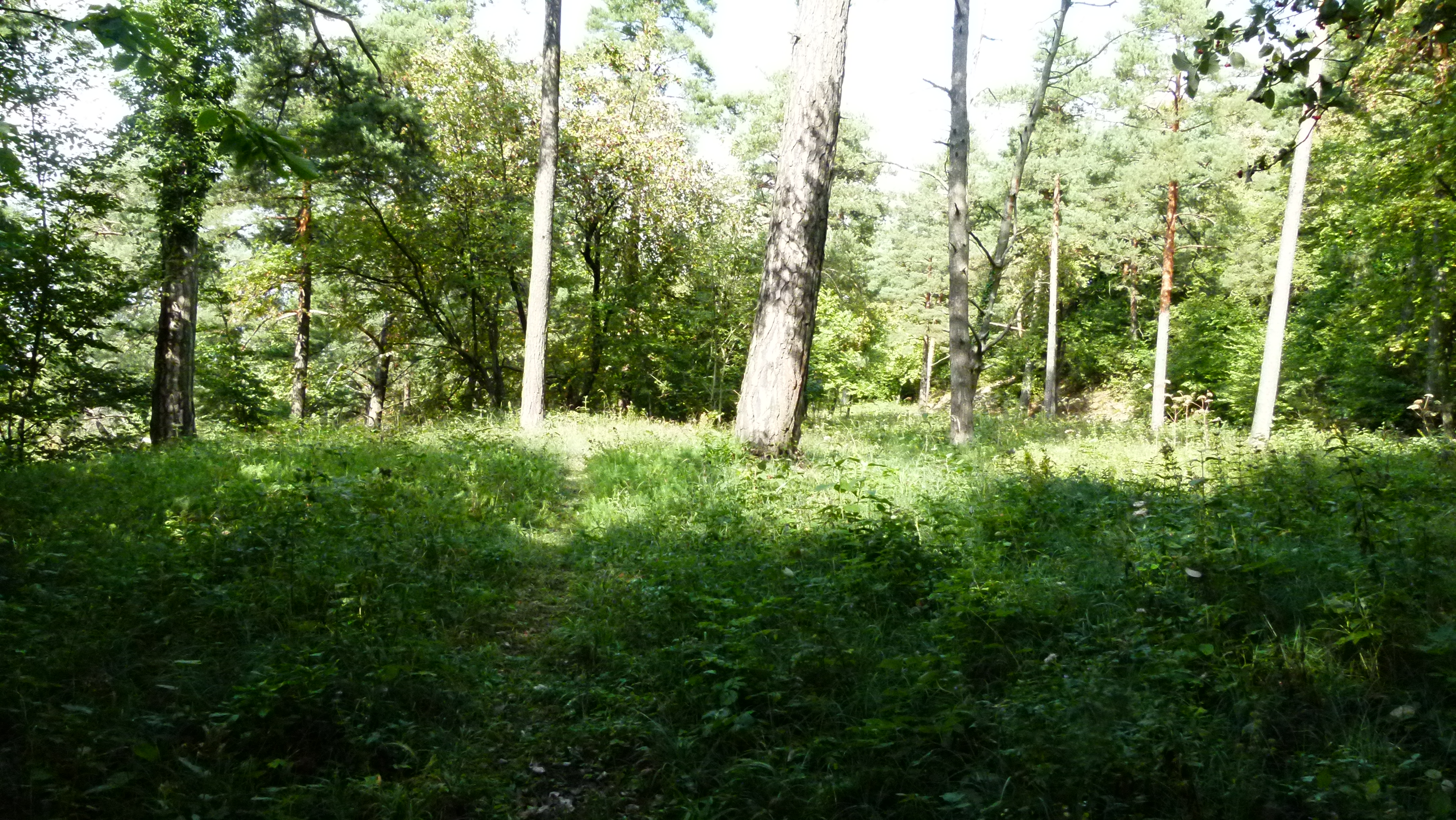
While walking on the hill of Allschwil/Binningen, I also came across the Herzogenmatt. This is a nature reserve close to Allschwil. The website tells proudly about the rare species of amphibians living here.

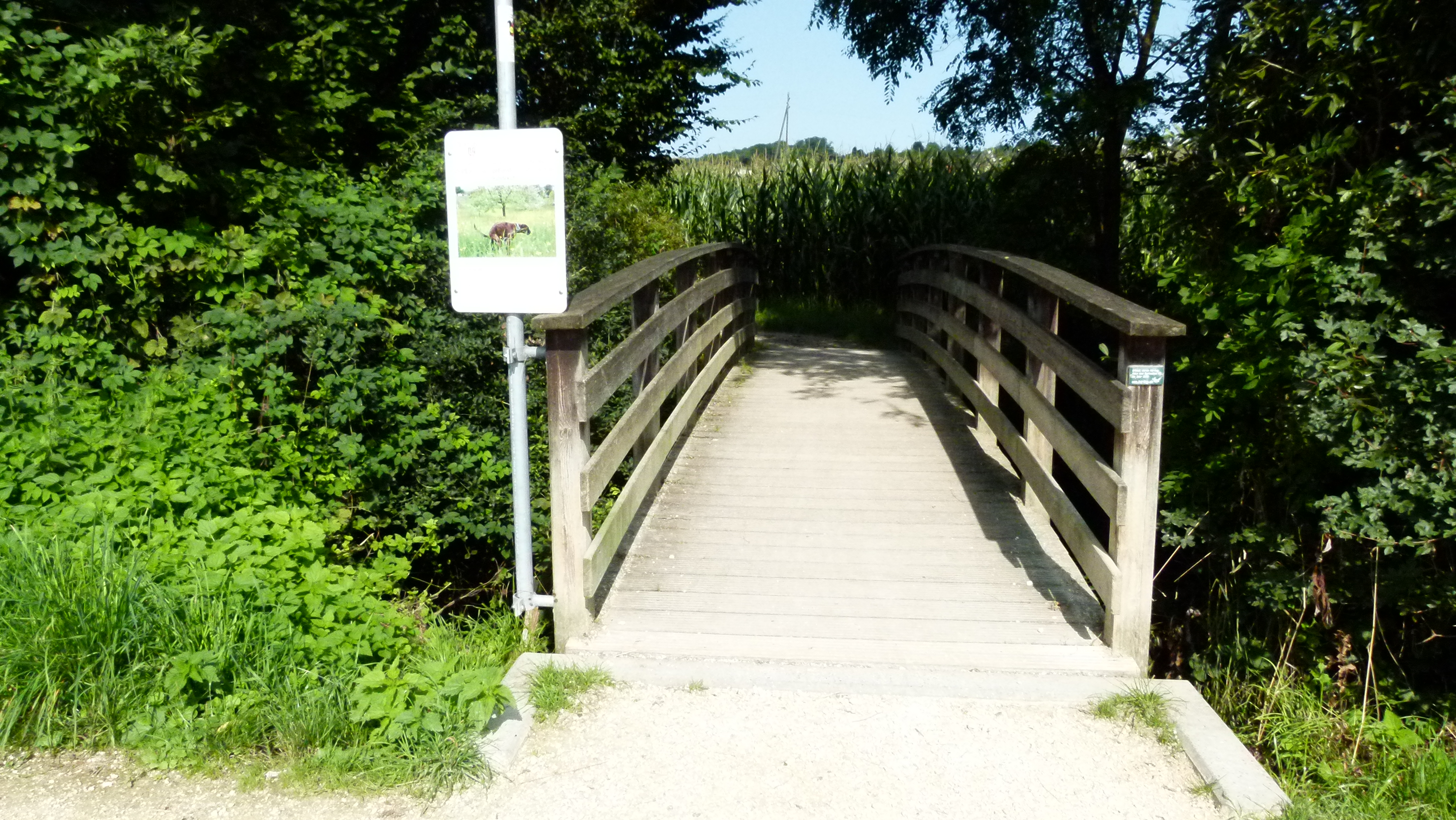
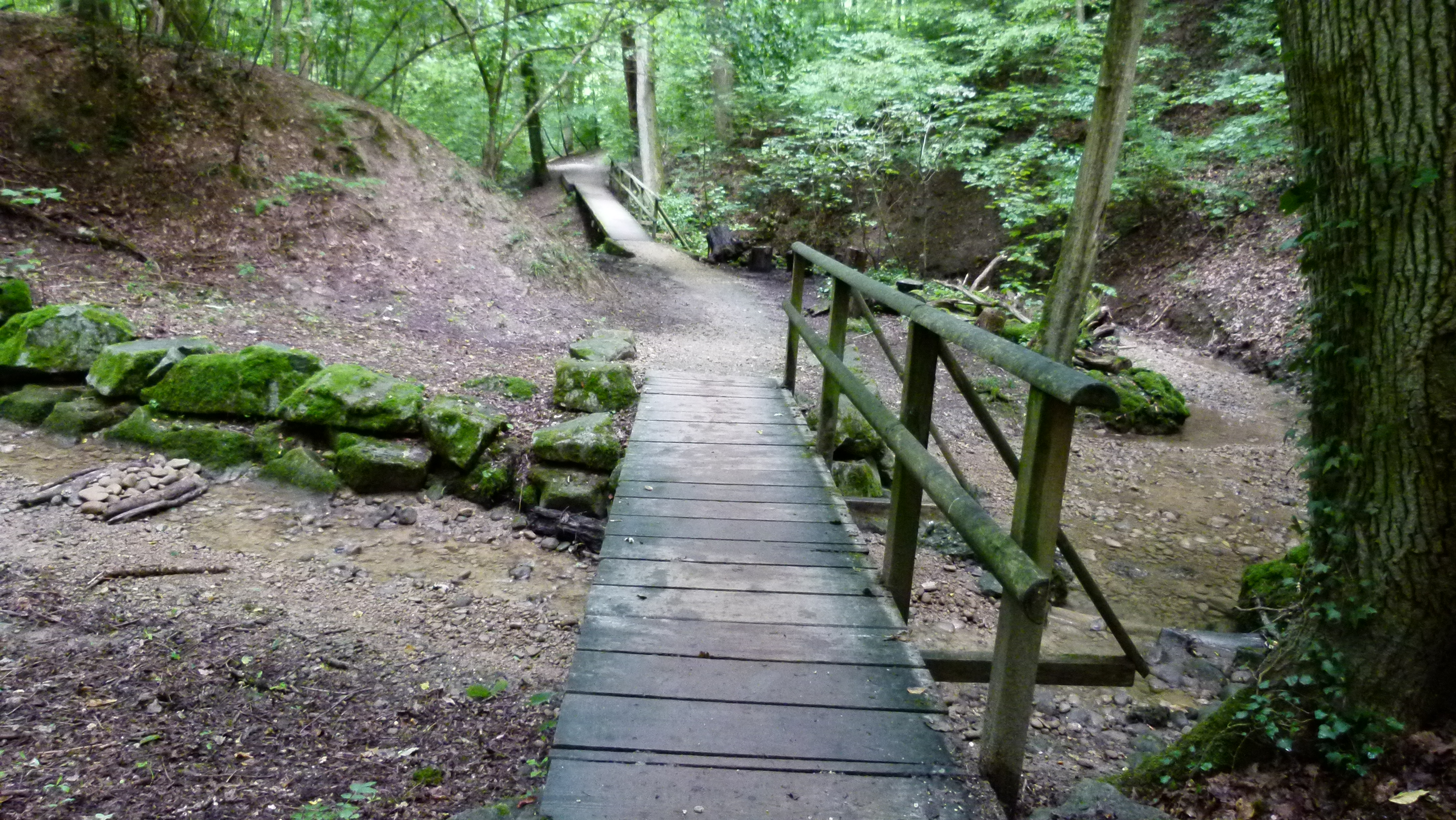
This romantic path leads through the nature reserve Herzogenmatt. We count seven wooden bridges crossing the creek.

P1050976

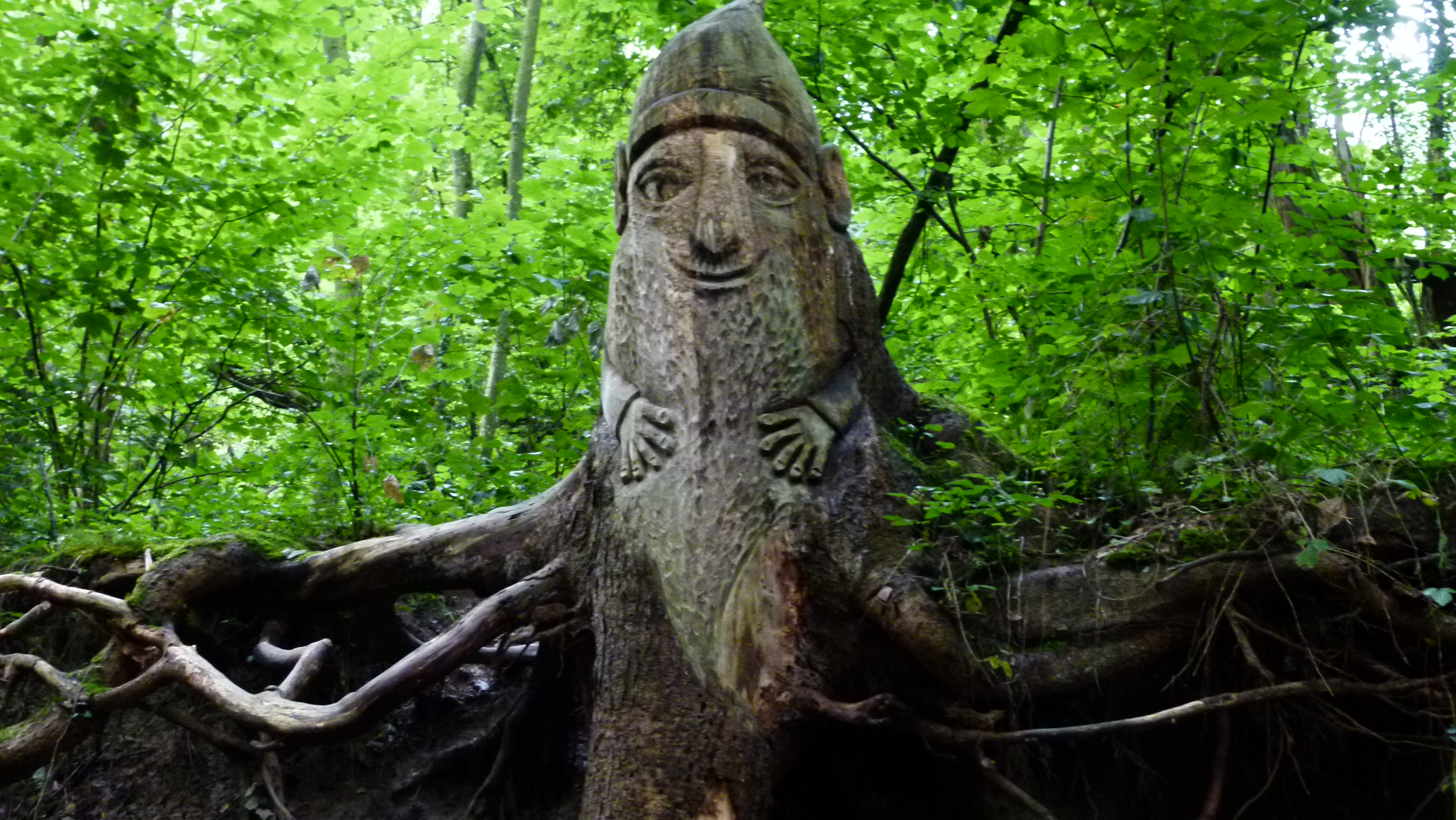
An artist has created this scuplture – maybe dwarfs are protected here as well?

P1050977

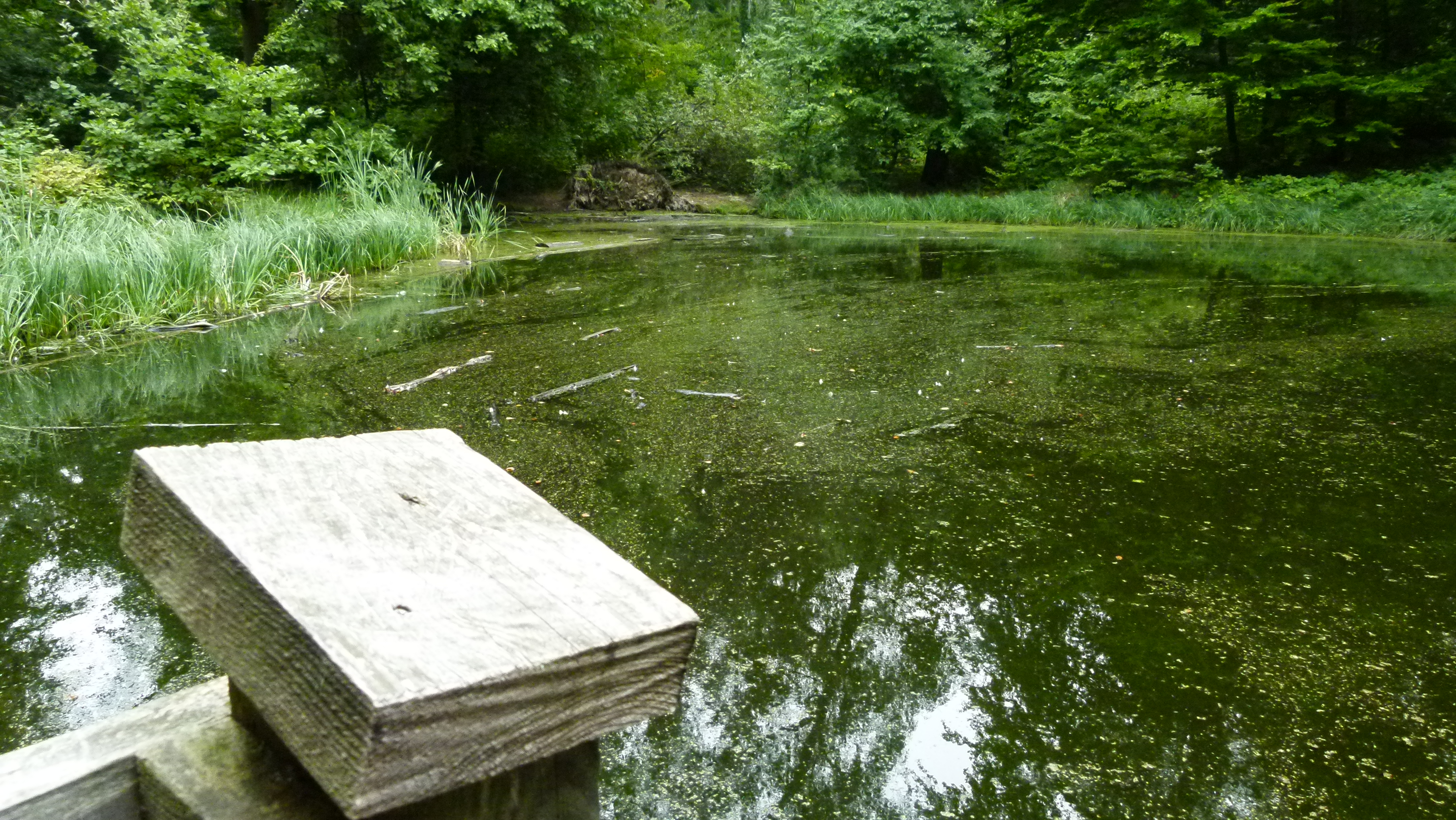
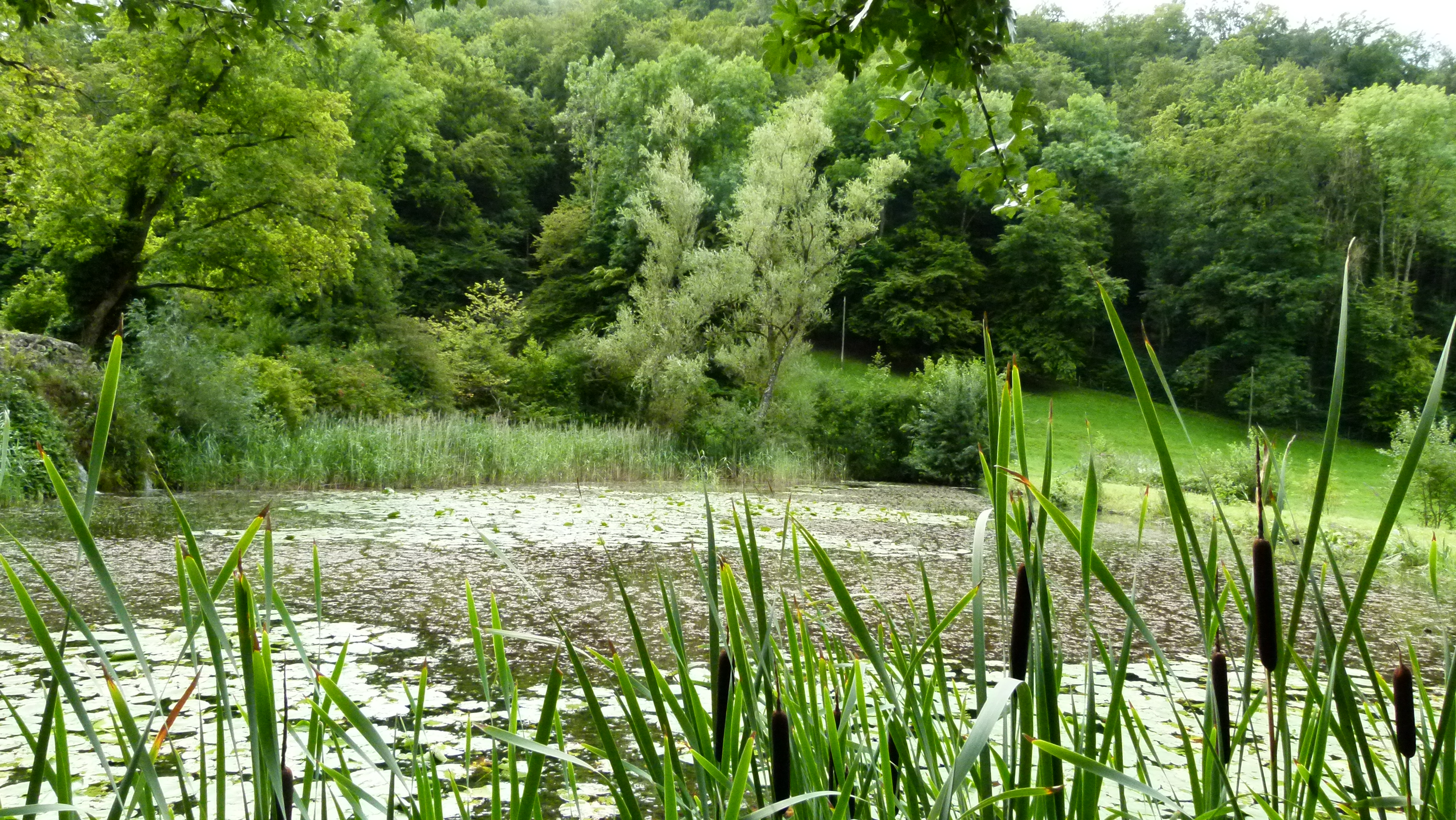
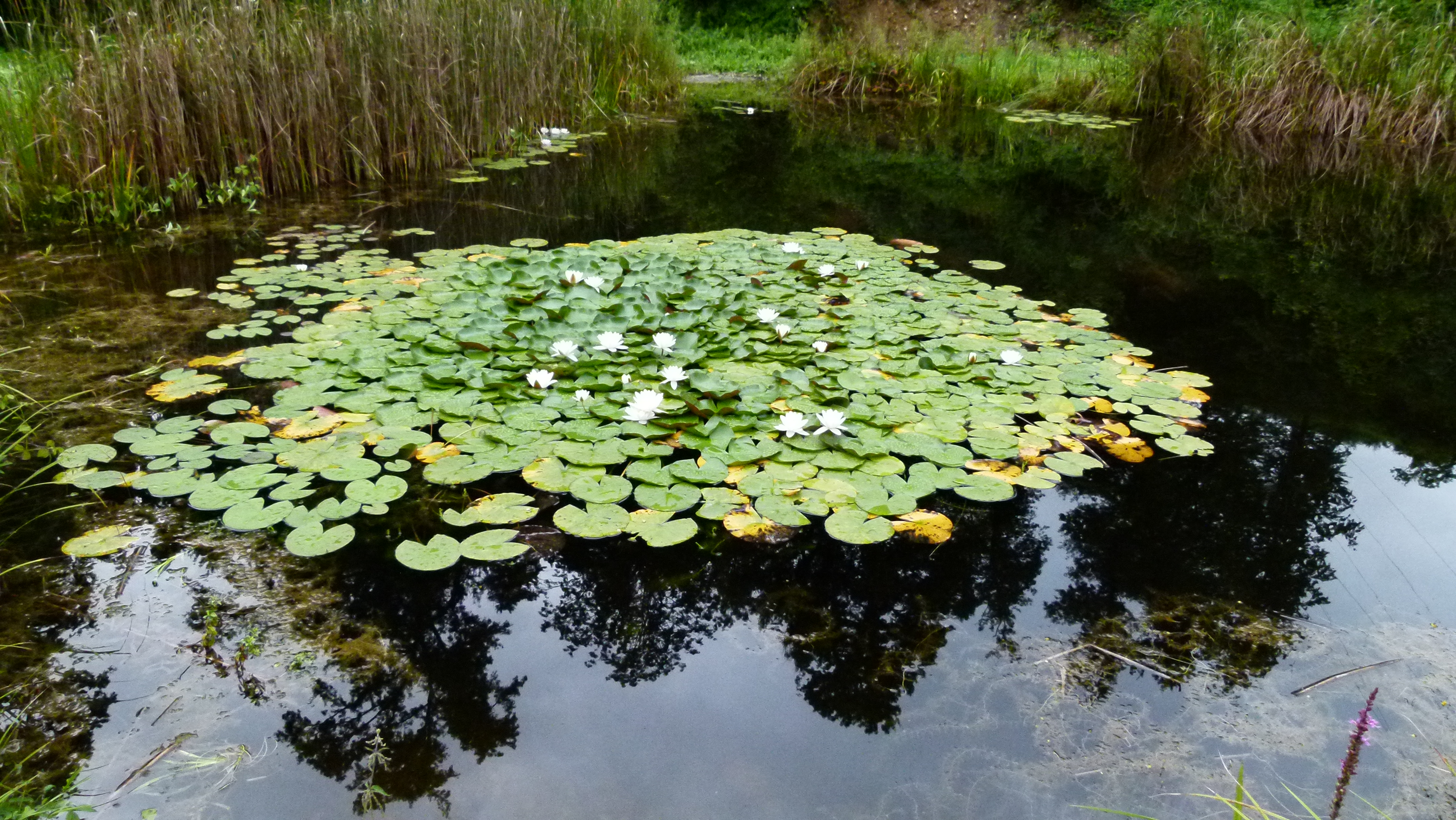
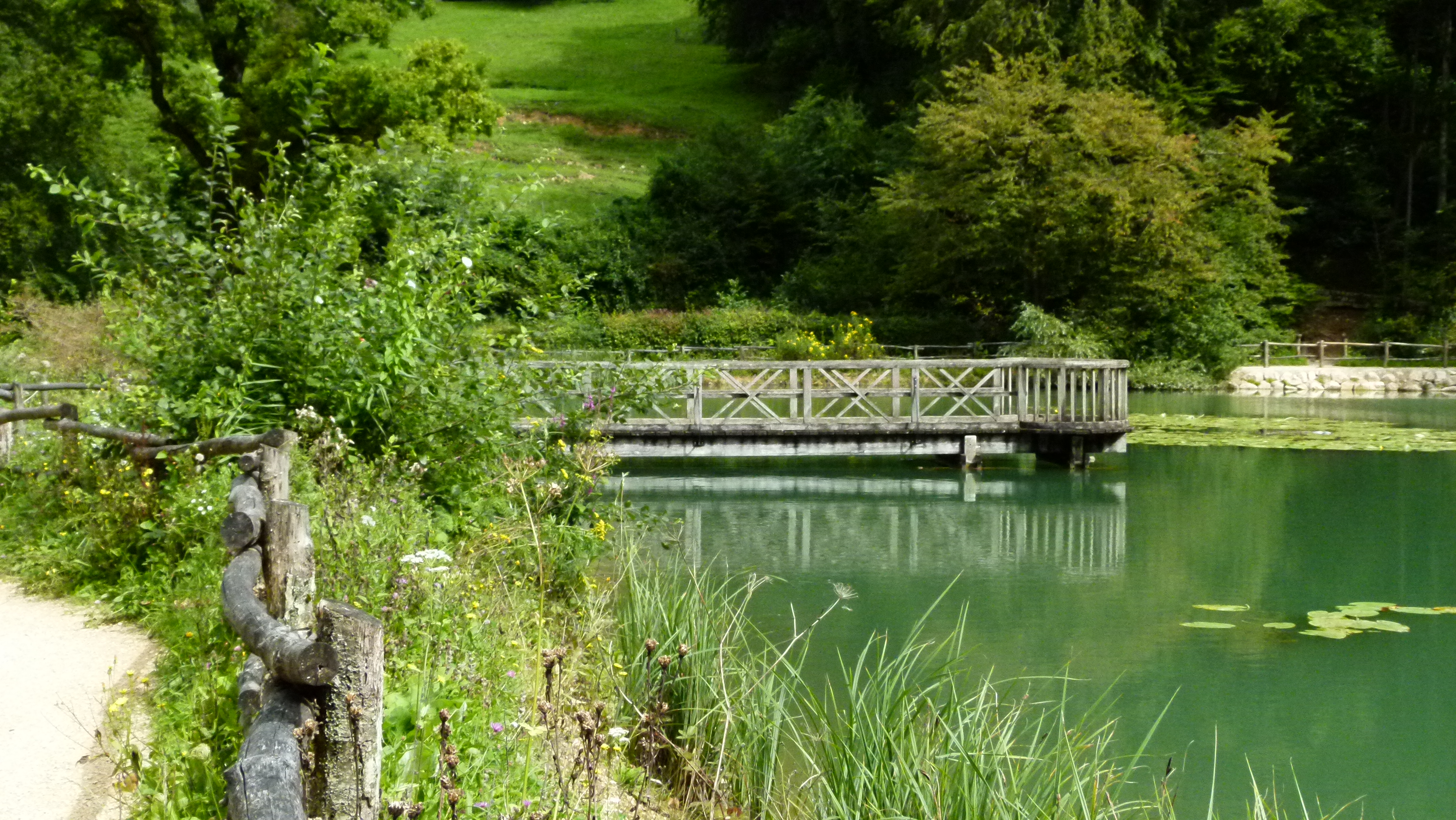
The path ends near this pond with white and pink water roses and with water lillies.

P1060084

The Herzogenmatt is a small gem just half an hour away from my home… and I only discover it this summer.

.

A short walk from Herzogenmatt to the water tower of Allschwil

From far, I had always admired the elegant water tower of Allschwil. With my 1:25’000 Swiss topo map, I find it tucked away in the forest. It is not far from Herzogenmatt. It was built in the 1970’s and is open in the afternoon on weekends .

IMG_0479

.

Vo Schönebuech bis Ammel

Vo Schönebuech bis Ammel ” – this is the song of the Baselbiet or “rural Basel” (Baselland). Schönenbuch is on one edge of it and Ammel is on the other edge (Rural Basel separated from Basel Town in 1833 – there was a revolution of the farmers against the patricians in town).

Schönenbuch is a two hours’ walk from my home and a short hour from the watertower of Allschwil.

P1050984

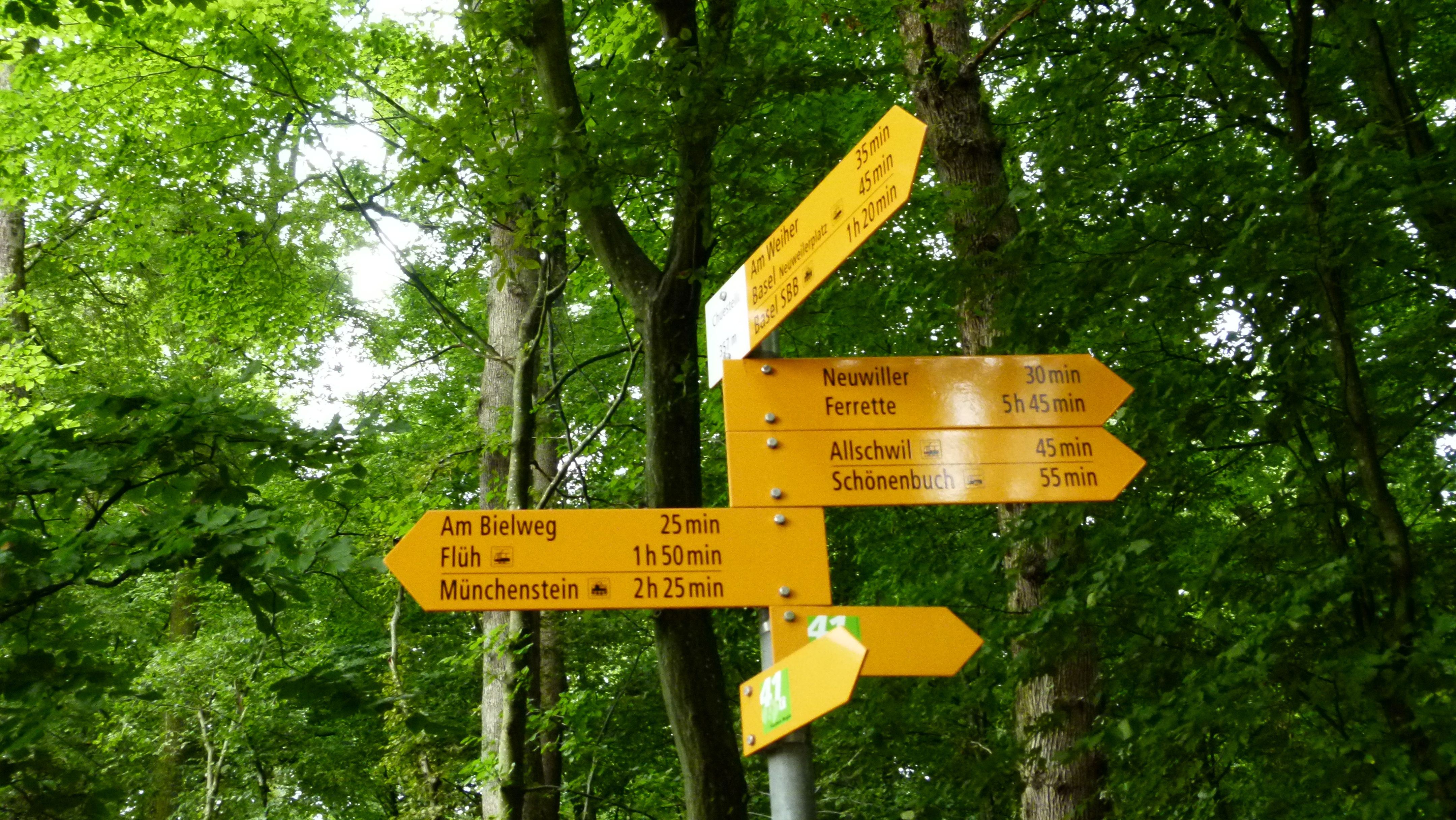
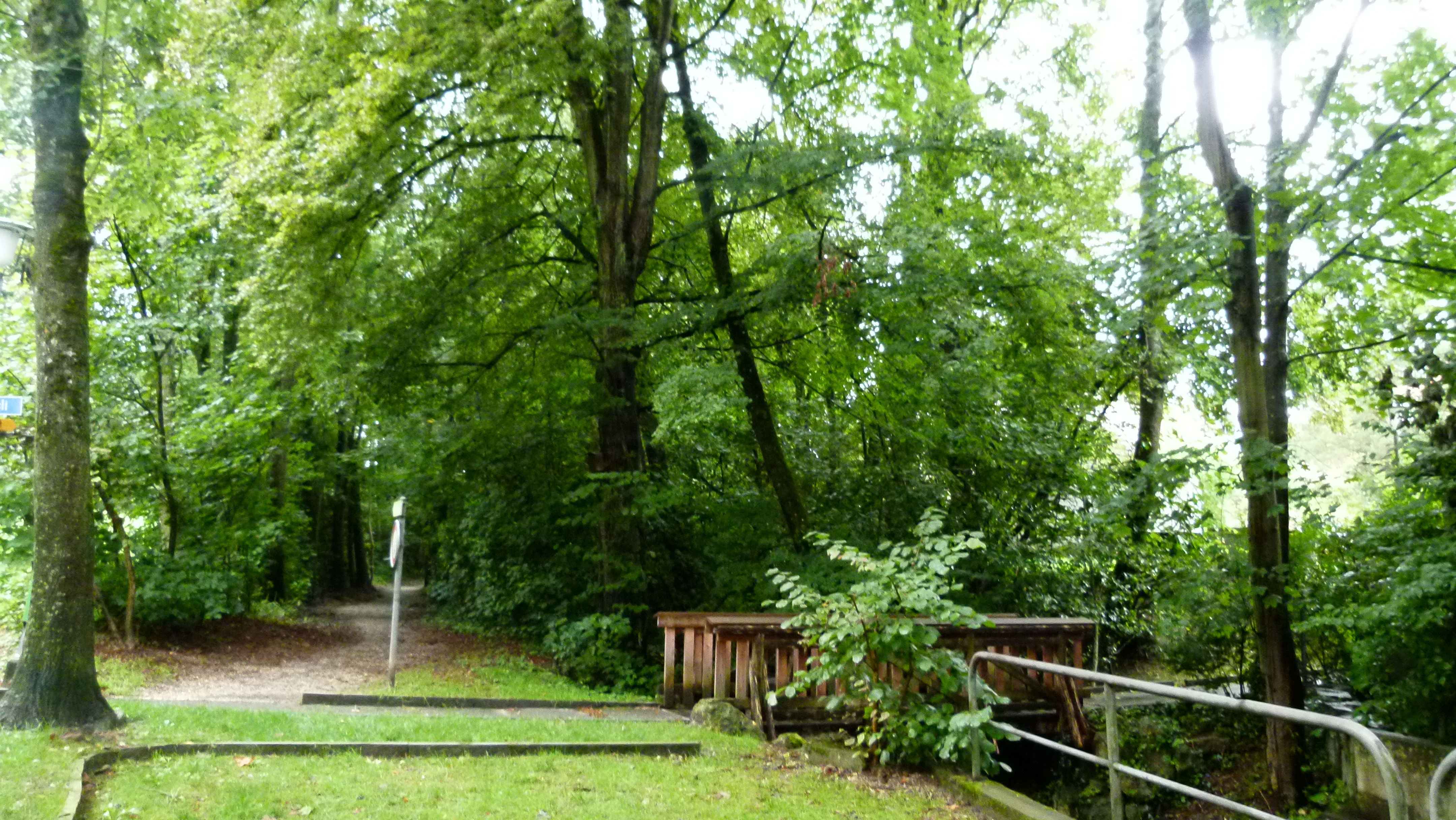
On the way to Schönenbuch (or in Swiss German “Schönebuech”), there is a romantic bridge across the Mühlebach. Note the yellow signs marking the official hiking trail. There is a dense network of well marked hiking trails in Switzerland.

P1050986

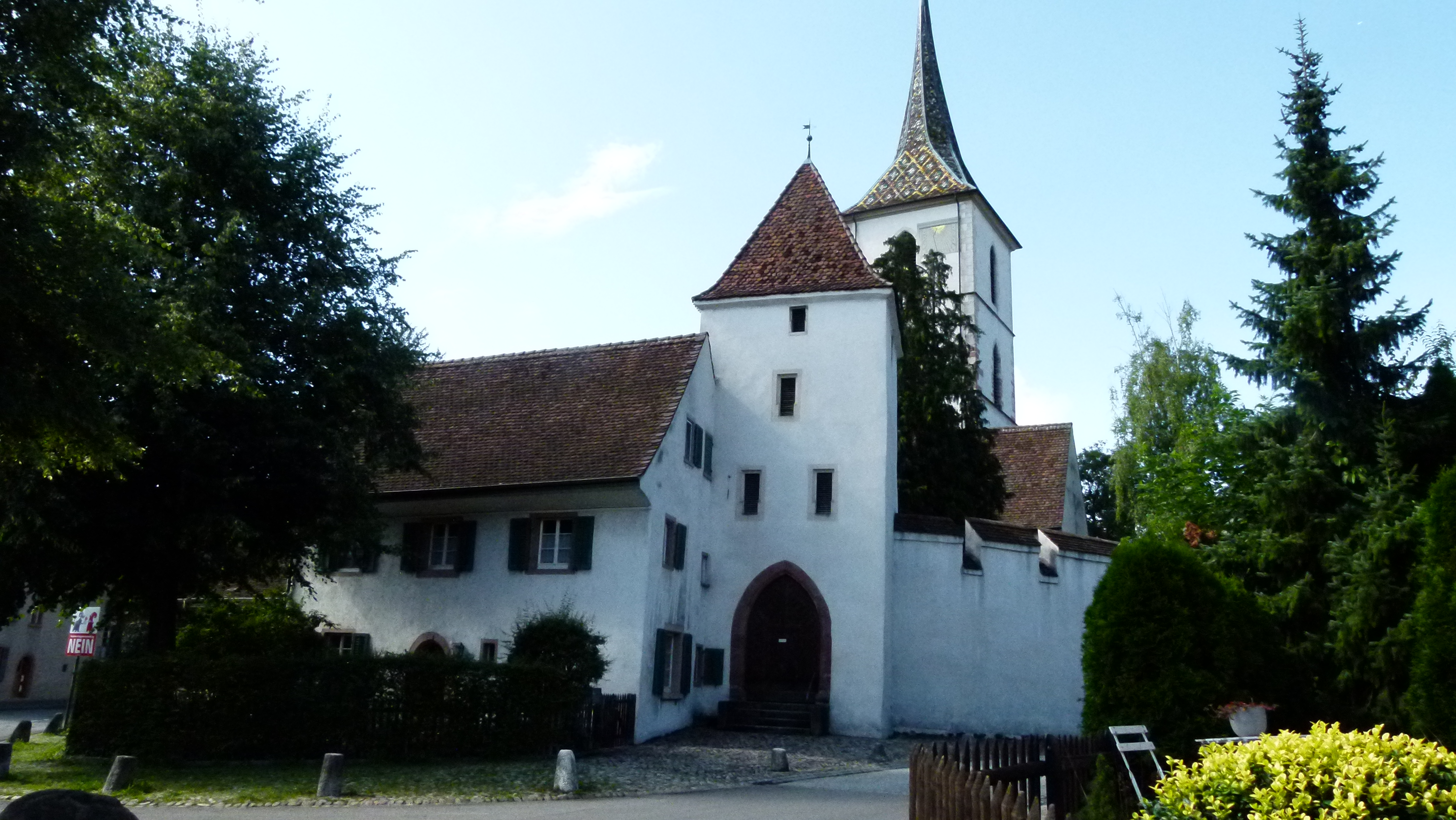
I have never been at Schönenbuch before. I find a quiet village on a hill. There are farms, mansions, family homes, a restaurant and a small church.

P1050993

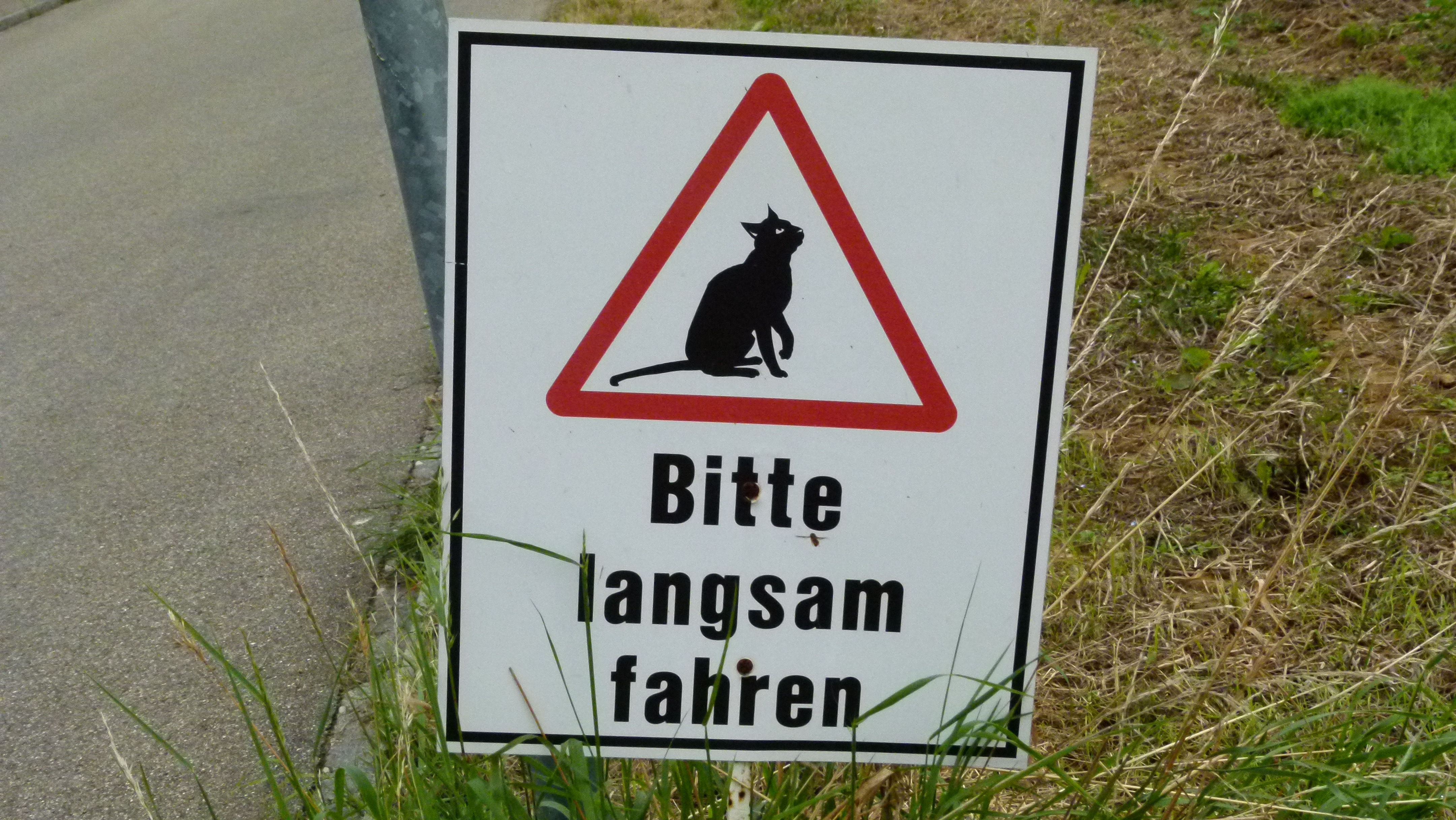
Watch out for cats in this idyllic village – please drive slowly, this road sign says.

P1050989

One of the farms sells freshly picked cherries. I buy some cherries and eat them sitting at the table in front of the farm.

P1050992

The green ordinary Basel town bus 33 connects Schönenbuch with Allschwil and Basel.

.

More treasures – the footpath along the Mühlebach (mill creek) leading to the Mühli in Allschwil

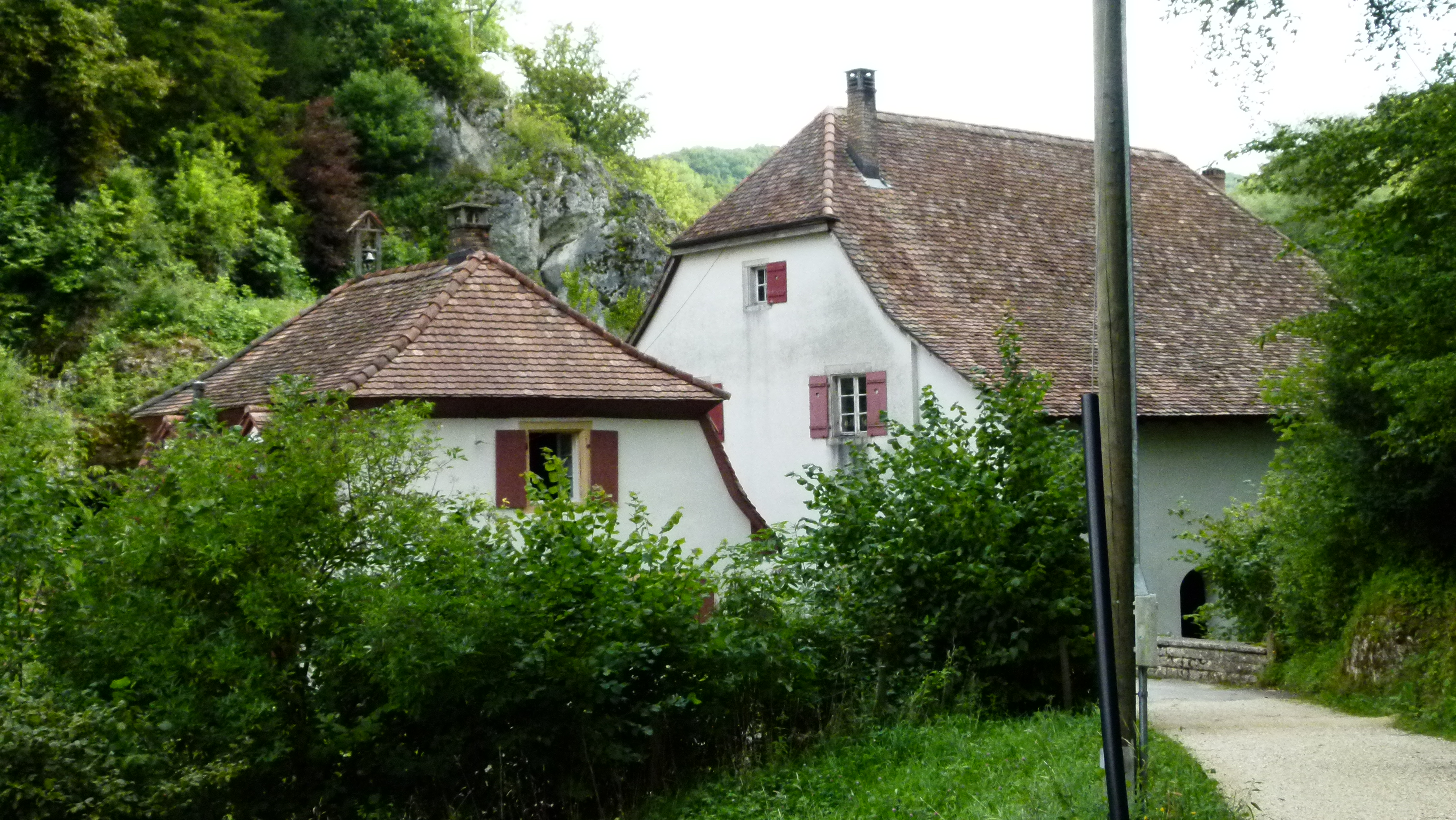
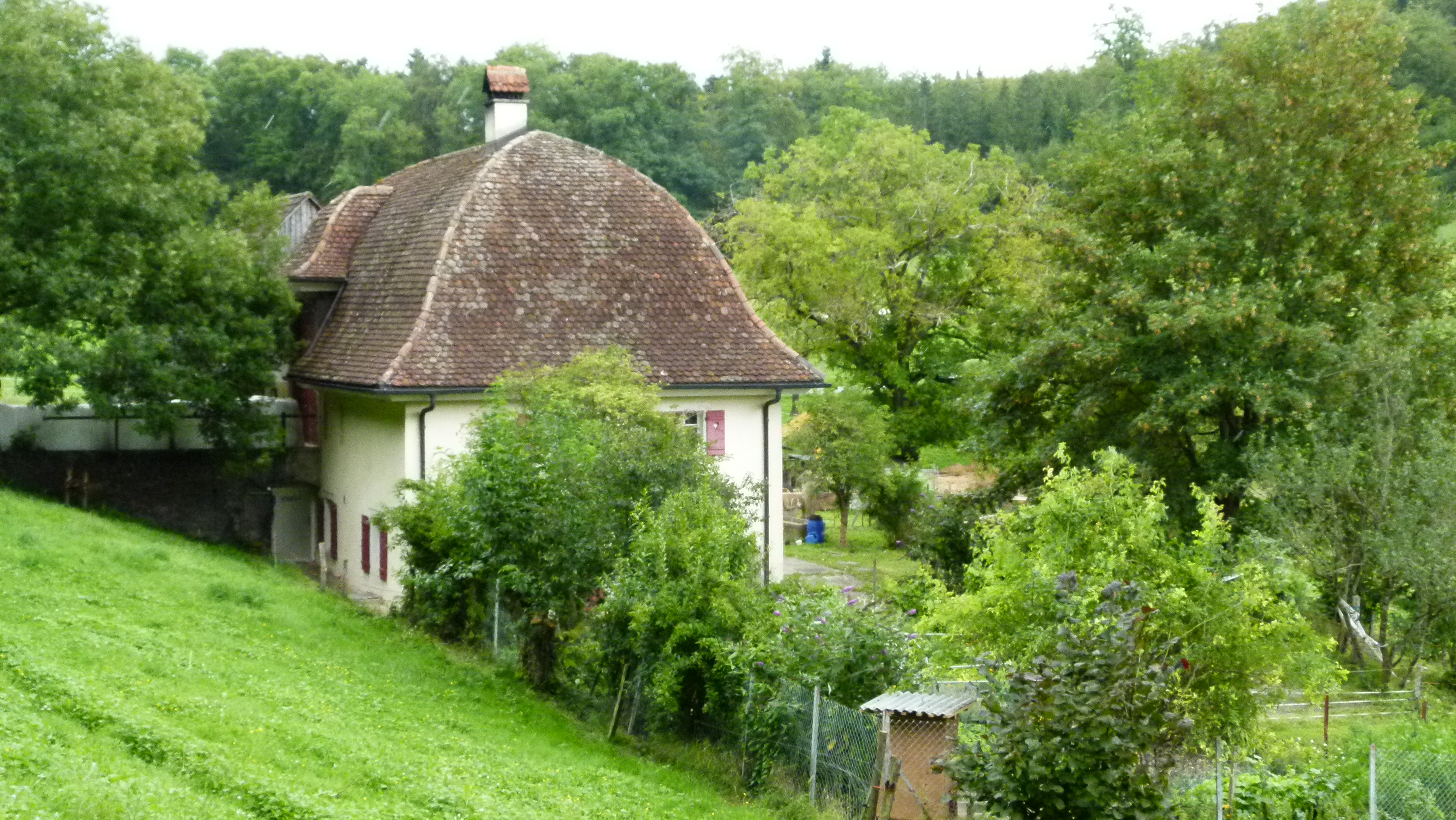
My friends from Austria unveil another secret to me. Not far from the Allschwil water tower there is a romantic footpath along the Mühlebach to the center of Allschwil. The Mühlebach is the creek that drove water mills.

P1060087

We reach the gorgeous village center of Allschwil with its timbered houses and the restaurant Mühli , where the millwheel is still turning. There is a garden behind the watermill. I remember that 13 years ago I had an excellent dinner in a restaurant near a watermill – this was in Homs in Syria where the watermills uplifted water to the fields high above the river. Are the mills of Homs still turning? Maybe I should plan a dinner in this garden, when the summer rainfalls of this year will stop to remember my evening in Homs and think of the people in Syria.

P1060089

Our target for lunch today is the Jägerstübli, one of the rustic restaurants at the center square (Dorfplatz) of Allschwil.

.

There are more walks around Basel…

These are some highlights I found on the hill of Binningen/Allschwil. I discovered more great places and treasures around Basel, and I will continue to tell about them.


On the road – discovering so much around Basel (to the south)

Discovering treasures, while being forced to just walk around Basel

From April to August this year some surgeries forced me to stay at home. I was allowed to walk and I walked and walked – starting with the Bruderholz. This is where I grew up in the fifties and sixties. As a child I strolled here with my parents, played in the woods, sledged or took my first efforts on skis. Now I rediscovered the treasures of the Bruderholz in more detail –  and I am telling about them. Now that I fell better, I started to take pictures to illustrate my stories.

.

The Bruderholz – south of Basel

The Bruderholz is an extension of the Alsacian/French hills called Sundgau. It is a plateau about 150m above Rhine level bordered by forests. On the plateau, loess enables agriculture. The farms sell their products. Legend says that the forest brothers  (or hermits) lived in the forests surrounding the plateau –  or perhaps there were just three hermits that lived near Klosterfichten – legends are never precise. The name “Bruderholz” is derived from the legend of the forest brothers (Bruder = brother, and Holz = wood) – perhaps.

Kartena

Source: Bundesamt für Landestopographie “Basel 213T” – 1:50’0000

.

St. Margarethenkirche – Saint Margarethe Church

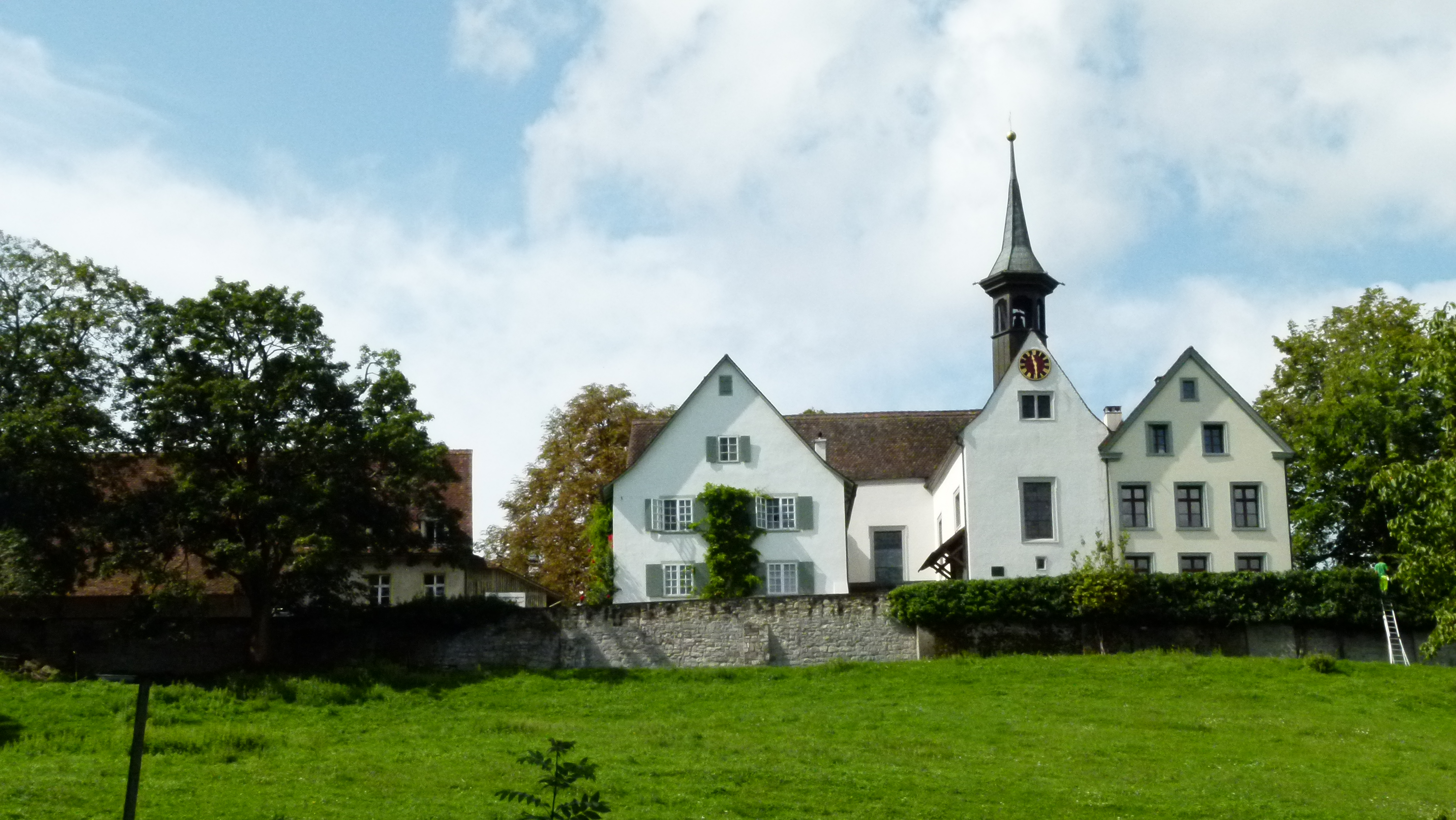
St. Margarethenkirche is a protestant church overlooking Basel. I like the terrace offering a great view of Basel, the Black Forest and the Vosges. I sometimes attend the service of the singing priest of Binningen, Tom Myhre. He sings his (down to earth) sermons and plays the guitar. When I was a child, my grand mother told me proudly that as a young girl she was allowed to play on the organ. This must have been the organ from 1884 that has been replaced later in 1964.

The origin of the St. Margarethenkirche is full of legends: Three sisters, Margarethe, Ottilie and Chrischona, built three houses of prayers in the 3rd or 4th century: Saint Margarethe on the Bruderholz, Saint Ottilie on the Tüllinger Hügel north across Basel and Saint Chrischona on Chrischona to the north east across Basel. At night their lamps burnt to greet one another and the people in the valley below them. Later these houses of prayer became churches.

The Margarethe church has been confirmed to exist in the 13th century. It has been renovated several times and has received the current right angle shape  (Winkelhakengrundriss) in the 17th century. A farmhouse is connected with the church. Cows graze on the meadow below Margarethen…

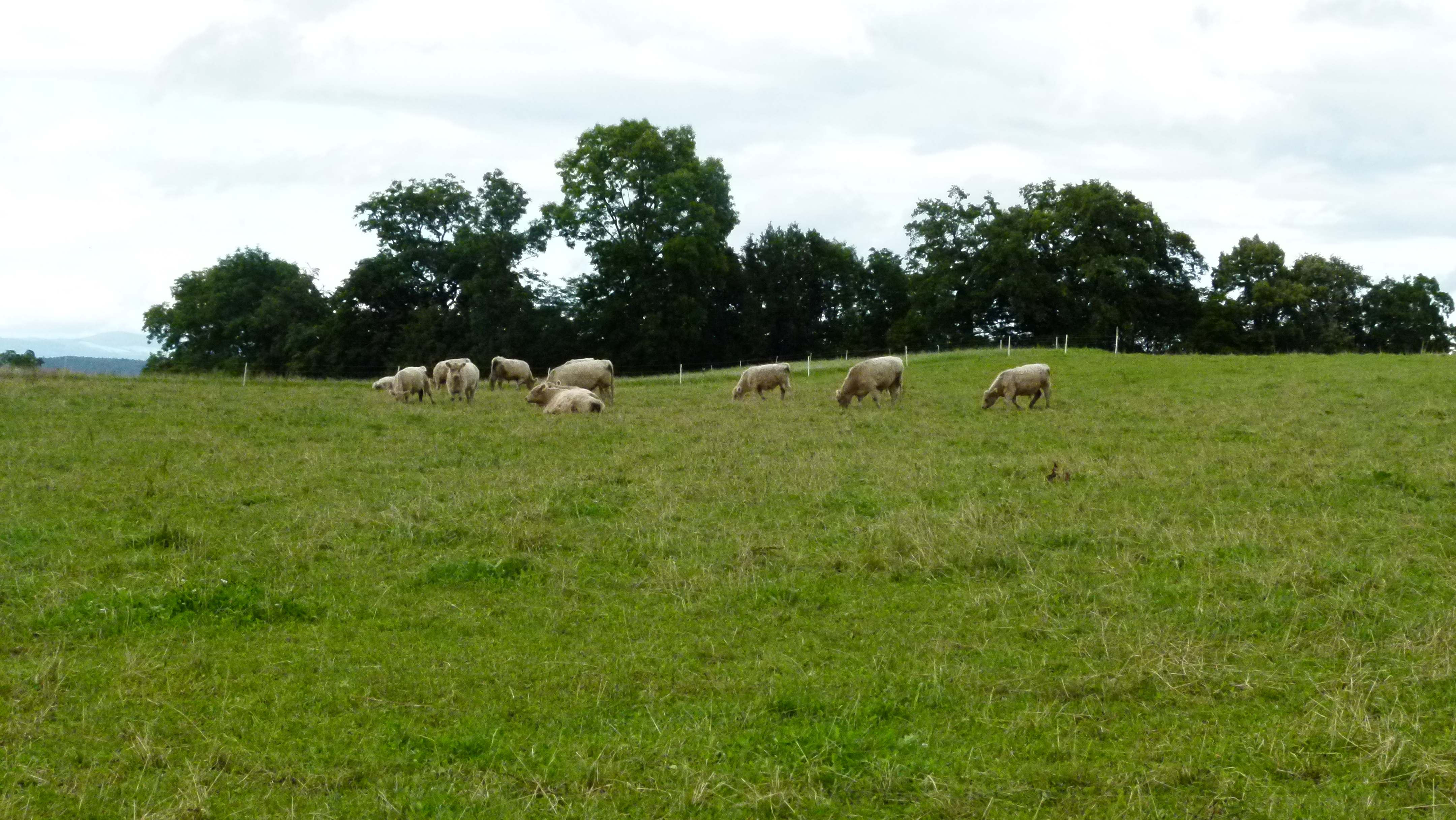
P1060121

… and there is also a vineyard of 2200 square meters on the west slope that gives 2500 half liter bottles. The wine can be tasted here in the restaurant Schällenursli located in the rick of the farm.

P1060124

.

The Battery built in 1815 to defend Basel

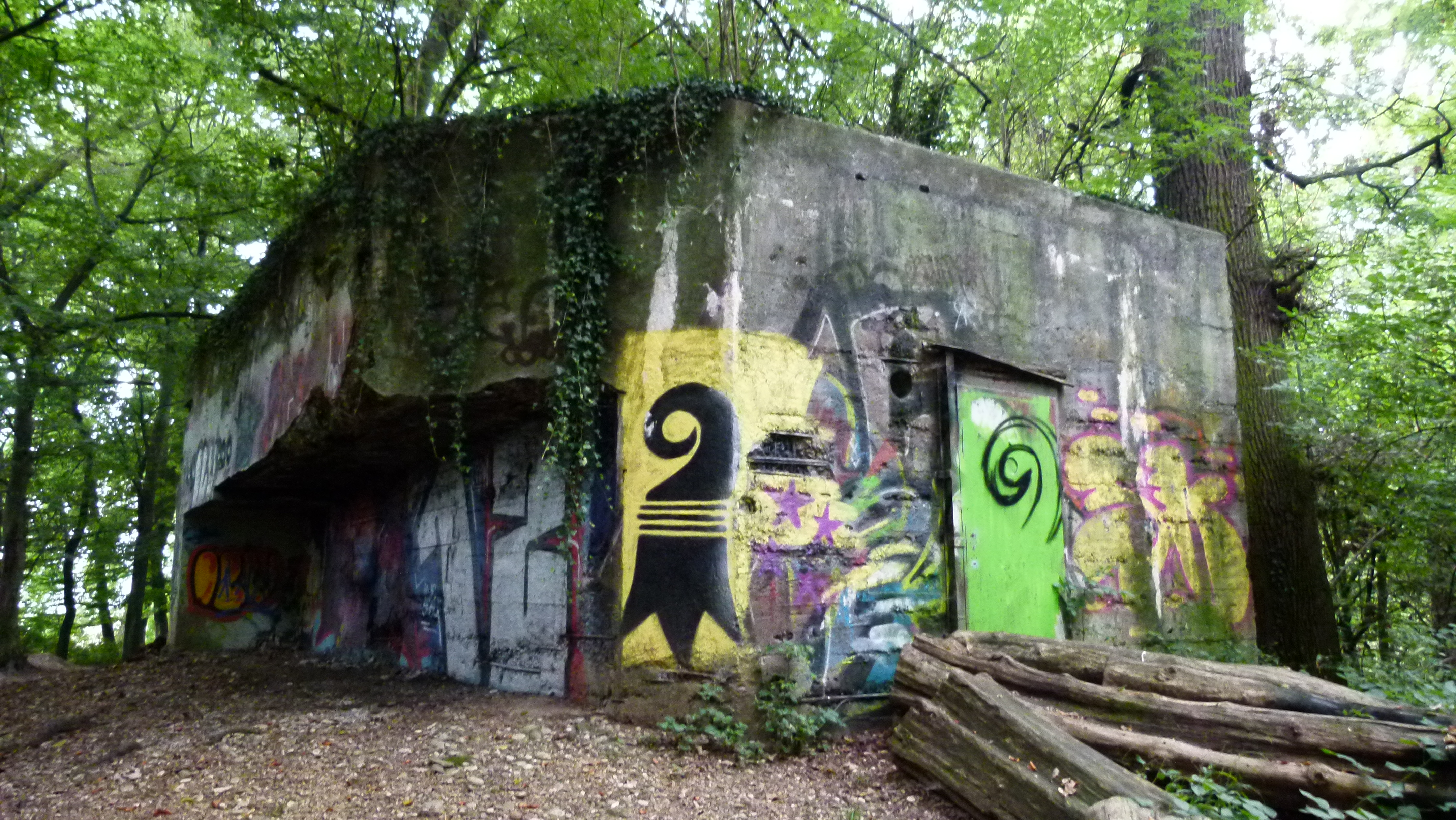
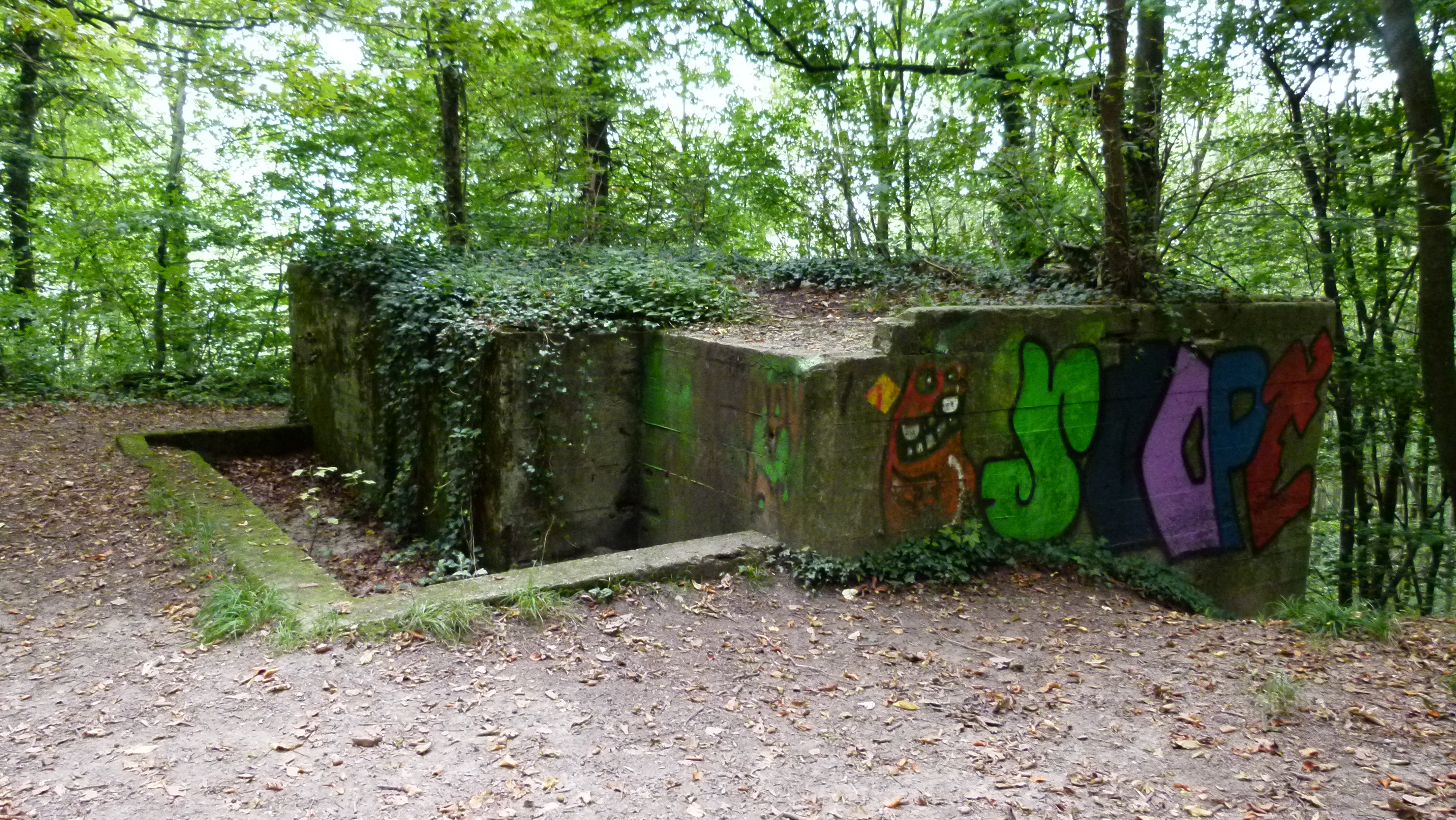
The Battery is a popular target for people taking their dogs out. As a child I wondered what the “Battery” has in common with electrical batteries. Dr. Google says about the Battery: Around 1815 Basel was being shot at from the fortification of Huningue (on the French frontier bordering the Rhine). Basel erected fortifications and one of them was our Battery located at 365m. It is a quadratic entrenchment for heavy canonry and was called “La Superbe”, and later “Battery”.

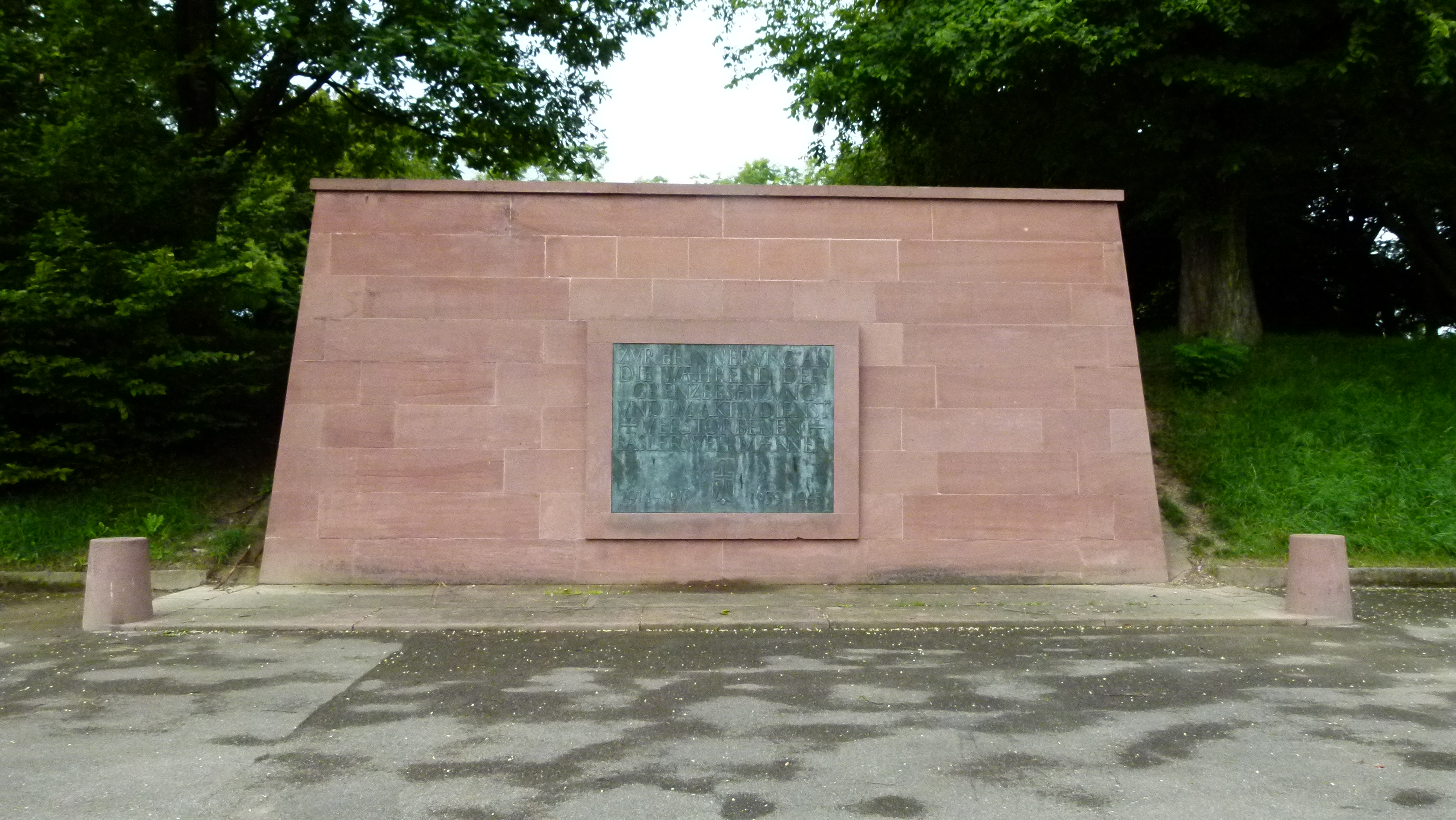
In the two World Wars 1914-1918 and 1939-1945, the Battery was used again to host the Swiss border troops. The “Wehrmännerdenkmal” (monument for the soldiers) was erected north of the Battery to commemorate that.
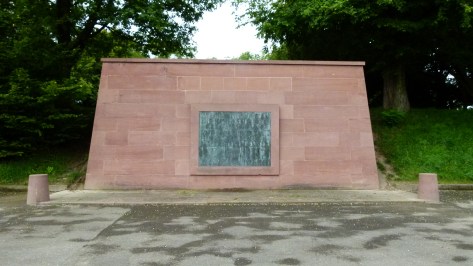
P1060010

The border between Basel town and the village of Bottmingen divided the Battery. When the revolution of 1833 had separated Basel town and rural Basel, Bottmingen also split off from Basel town to join rural Basel. The border between the two cantons of rural Basel and Basel town now divided the Battery. This odd situation was corrected in 1954 and since then the Battery has fully belonged to Basel town.

After 1945 trees have grown on the Battery. Since then children have come here to play – biking, hiding and running in summer and sledging in winter. I was one of those children in the 1950’s and 1960’s.
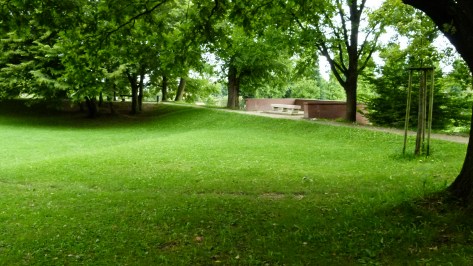
P1060012

Once per year there is a warlike scenario like before 1945: On first of August (the Swiss National Day), the giant Bruderholz firework is shot off from the Battery.

.

The Bruderholz water tower

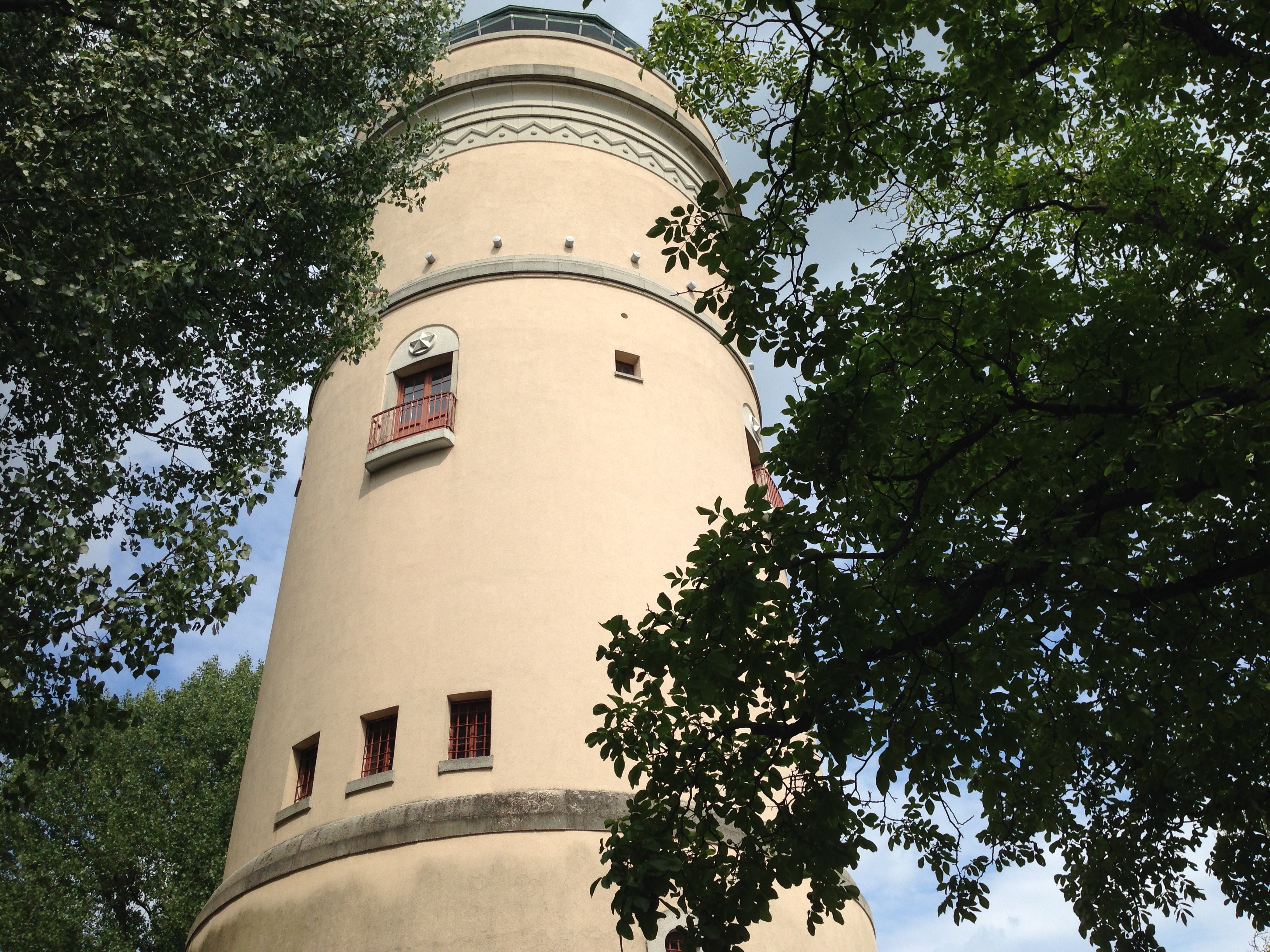
Not far from the Battery the water tower  offers a spectacular view from the top – over Basel to the Black Forest, the Jura, the Sundgau and the Vosges. The water tower was built in 1926. There are two parallel staircases leading to the middle level  (with the balconies) and from here one wooden staircase goes to the top. This was a wonderful playground for us; as children we used to play catch for hours. Four or five of us would fit into one compartment of the revolving door at the entrance (we had to drop 10 Rappen or .1 Franc to enter the tower).

IMG_0496

.

Some small ponds and nature reserves

The Bruderholz hides some small ponds and nature reserves. Here is one example: This pond is near the hospital (Bruderholzspital).
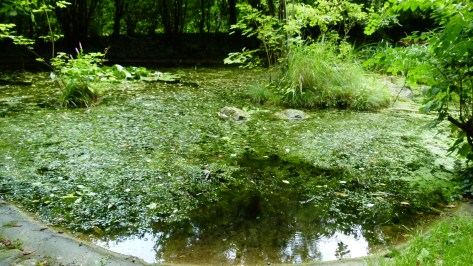
P1060066

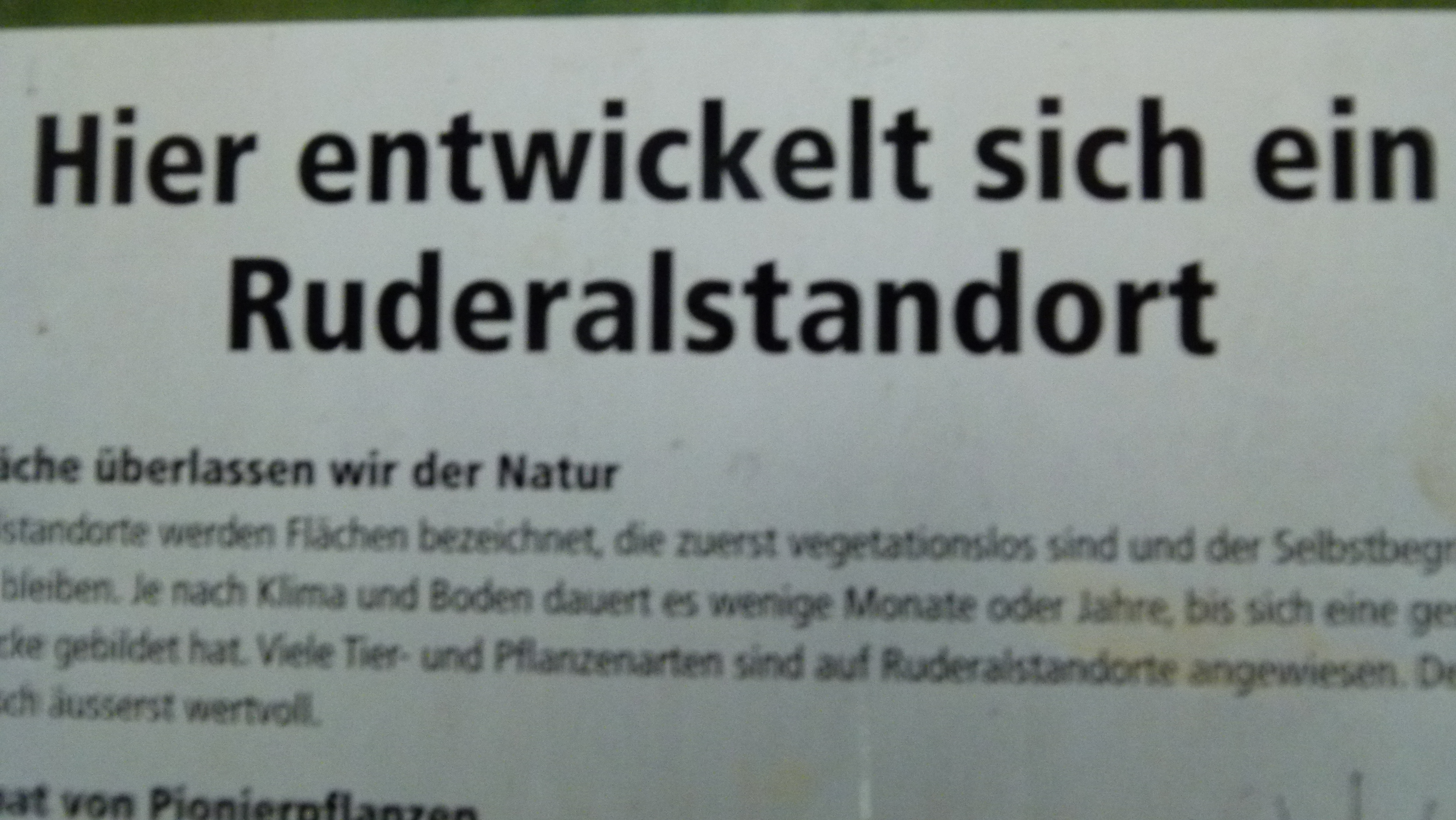
And this is another interesting example: On the roof of the Froloo reservoir it was decided to let nature take over the former reservoir construction place, with no further human intervention. This is called a “Ruderalstandort”  or “ruderal area“).
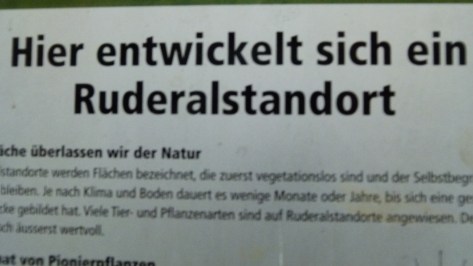
P1060048

These are the ruderal plants that have taken over so far  without any human intervention (the path may have needed some human intervention, nevertheless).
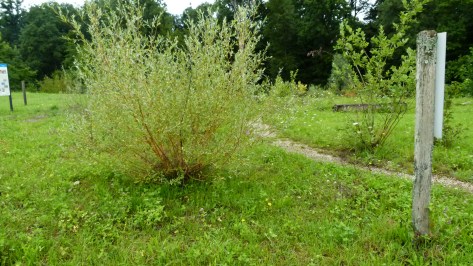
P1060049


On the plateau the loess is fertile and enables farming and garden centers

The rather flat plateau of the Bruderholz is fertile. There are wheat -, corn and vegetable fields as well as cherry and apple trees, overlooked by the Jura mountains (on this picture we can see the Gempen).
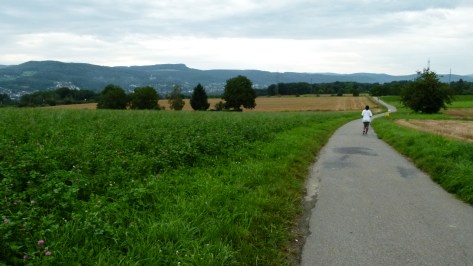
P1060017

The farms sell their products – for example the Bruderholzhof .
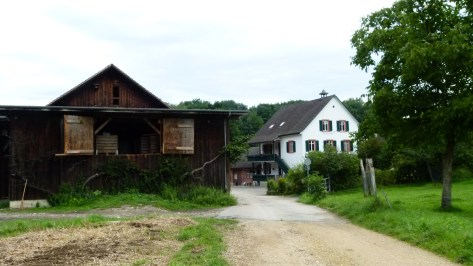
P1060053

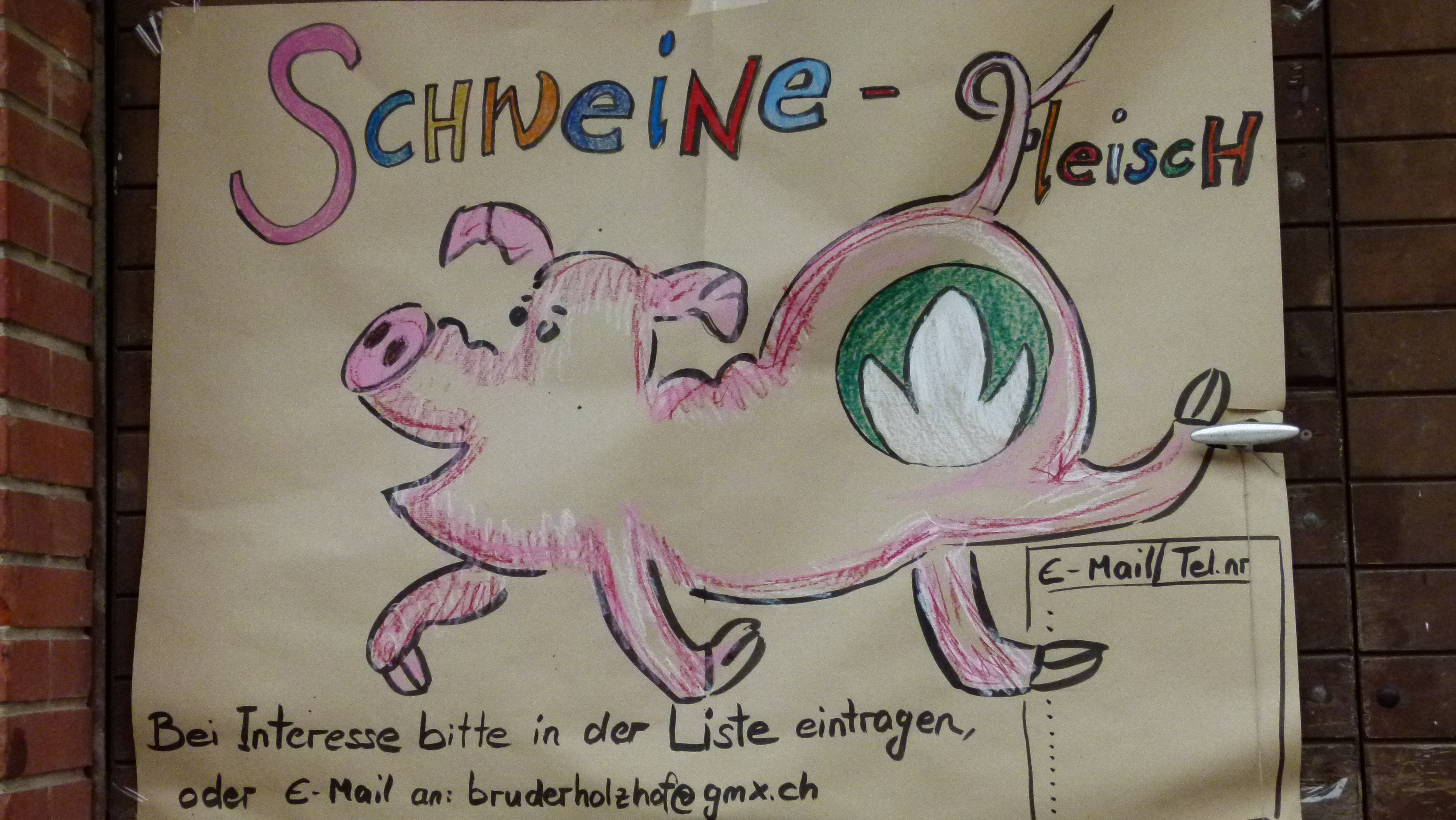
Among other things, the Bruderholzhof sells porc meat. Note the green and white Bio but – this is eco meat.
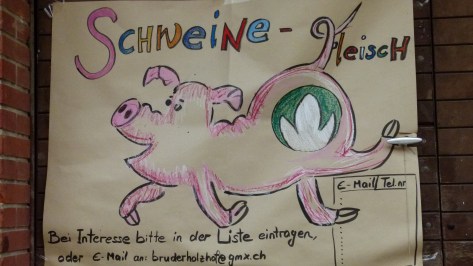
P1060057

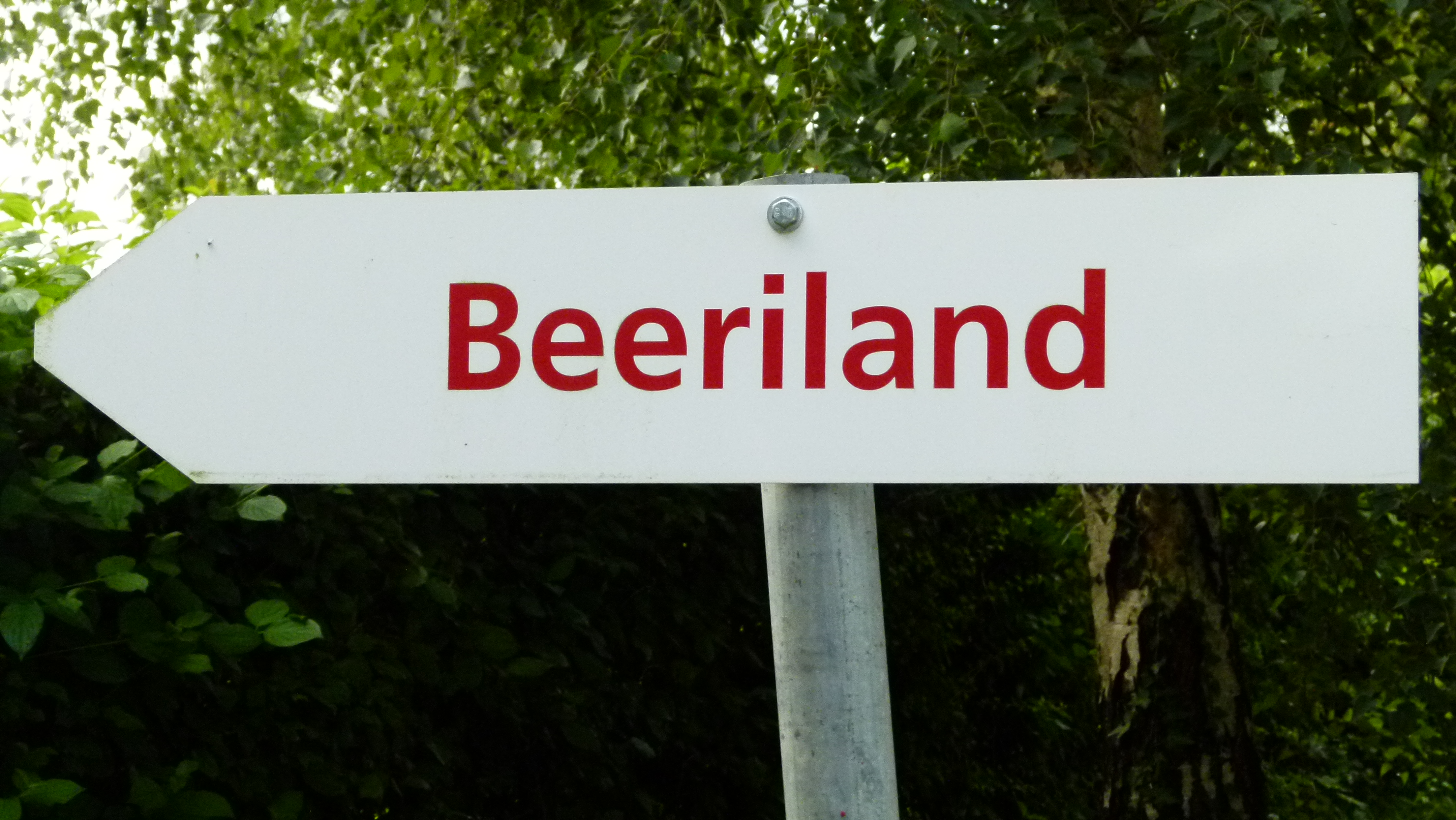
Some farms offer self picking berries – such as strawberries, blackberries or raspberries “Beeri” is what we Swiss say for “berries”).

P1060060

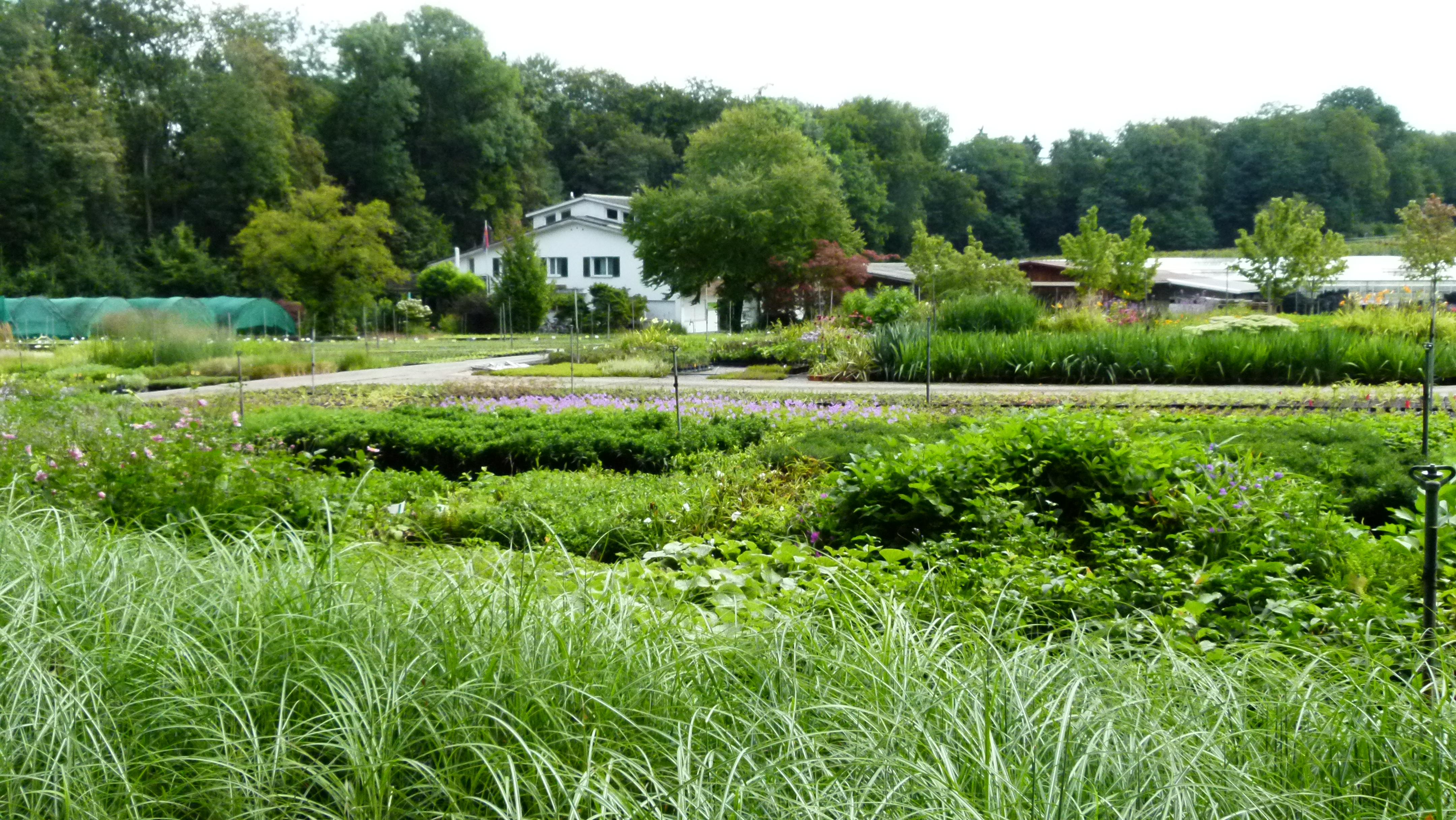
I often shop in the garden center “Bauer” that grows and sells flowers and trees on the Bruderholz plateau.

P1060061

.

Following the forest brothers on very hot summer days

On very hot summer days, I walk along the slopes of the Bruderholz plateau. The slopes are covered with forests that protect from the sun. This is where the forest brothers lived that are said to have given the Bruderholz its name.

I enter the forest near Münchenstein…
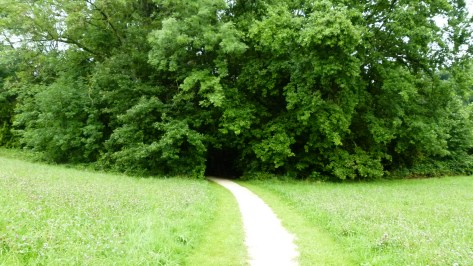
P1060019

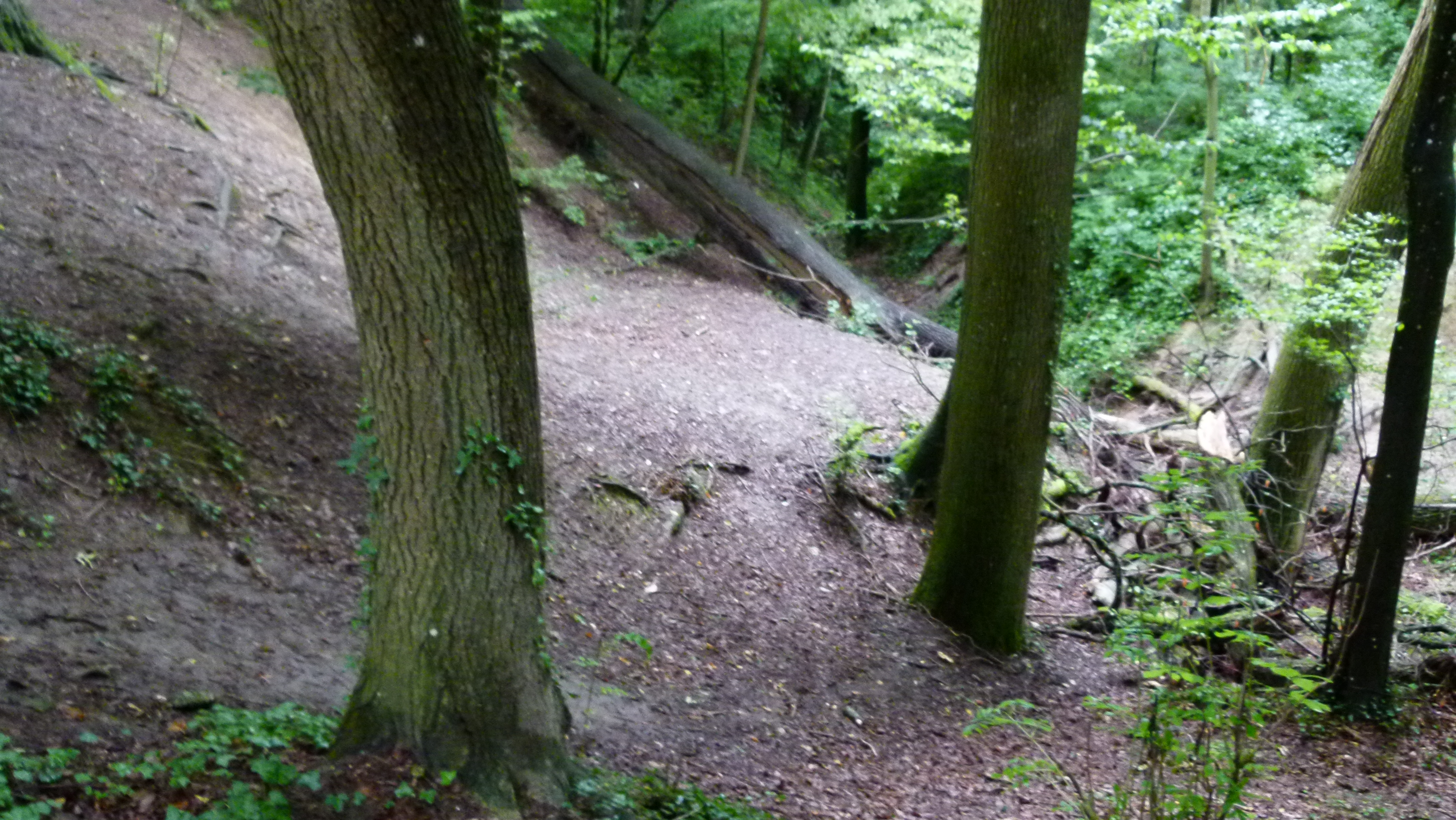
… I find romantic creeks along the steep slope…
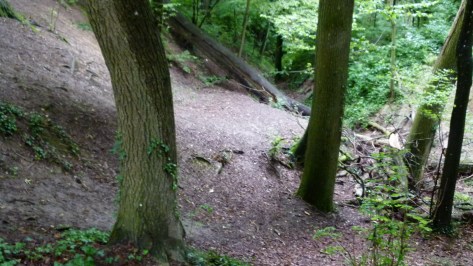
P1060021

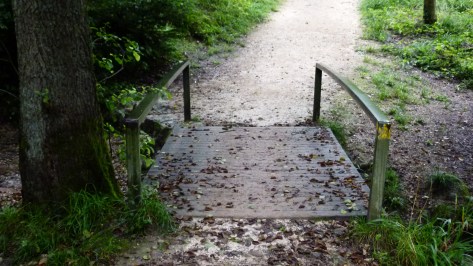
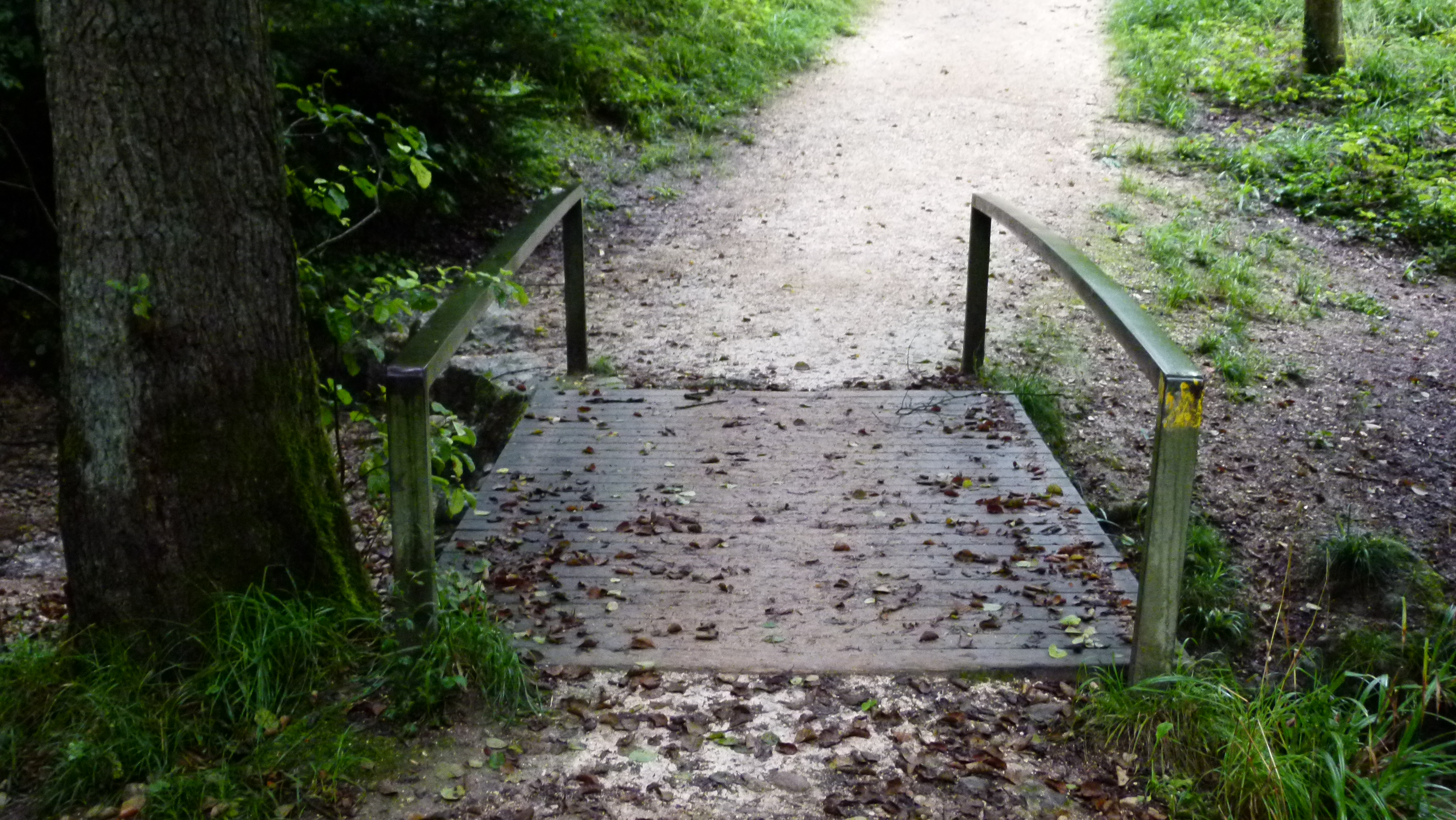
… and small bridges…

P1060030

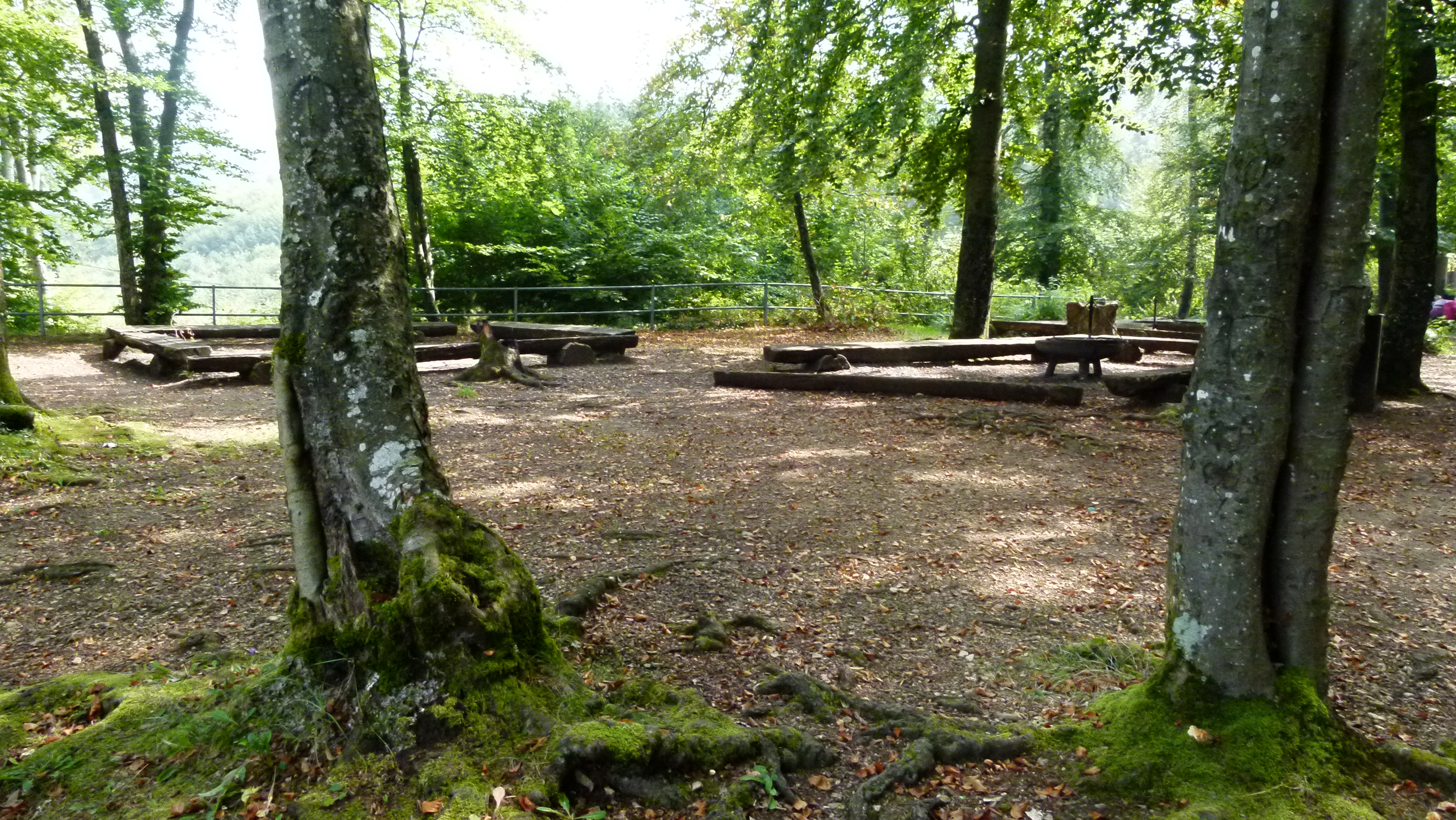
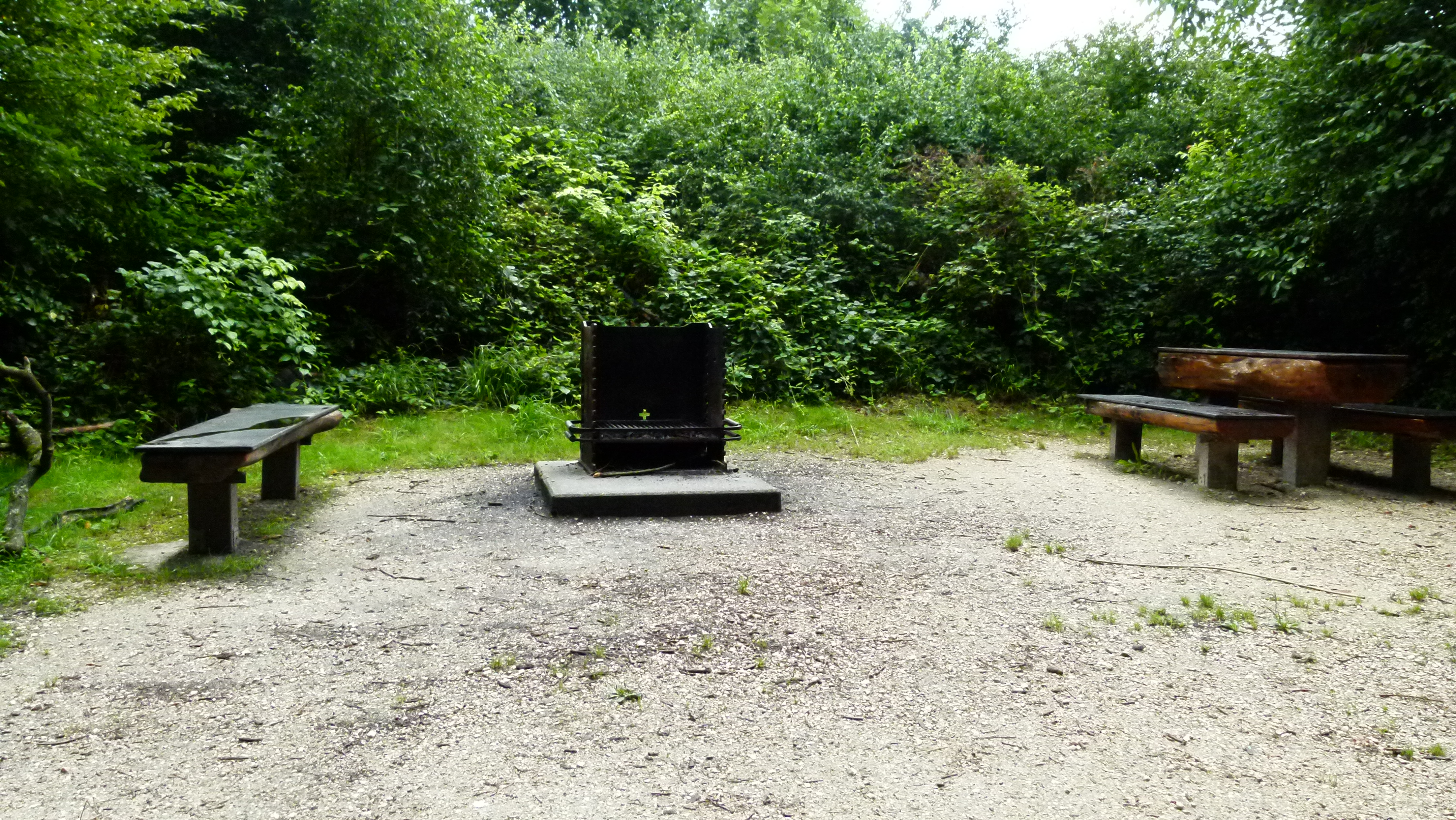
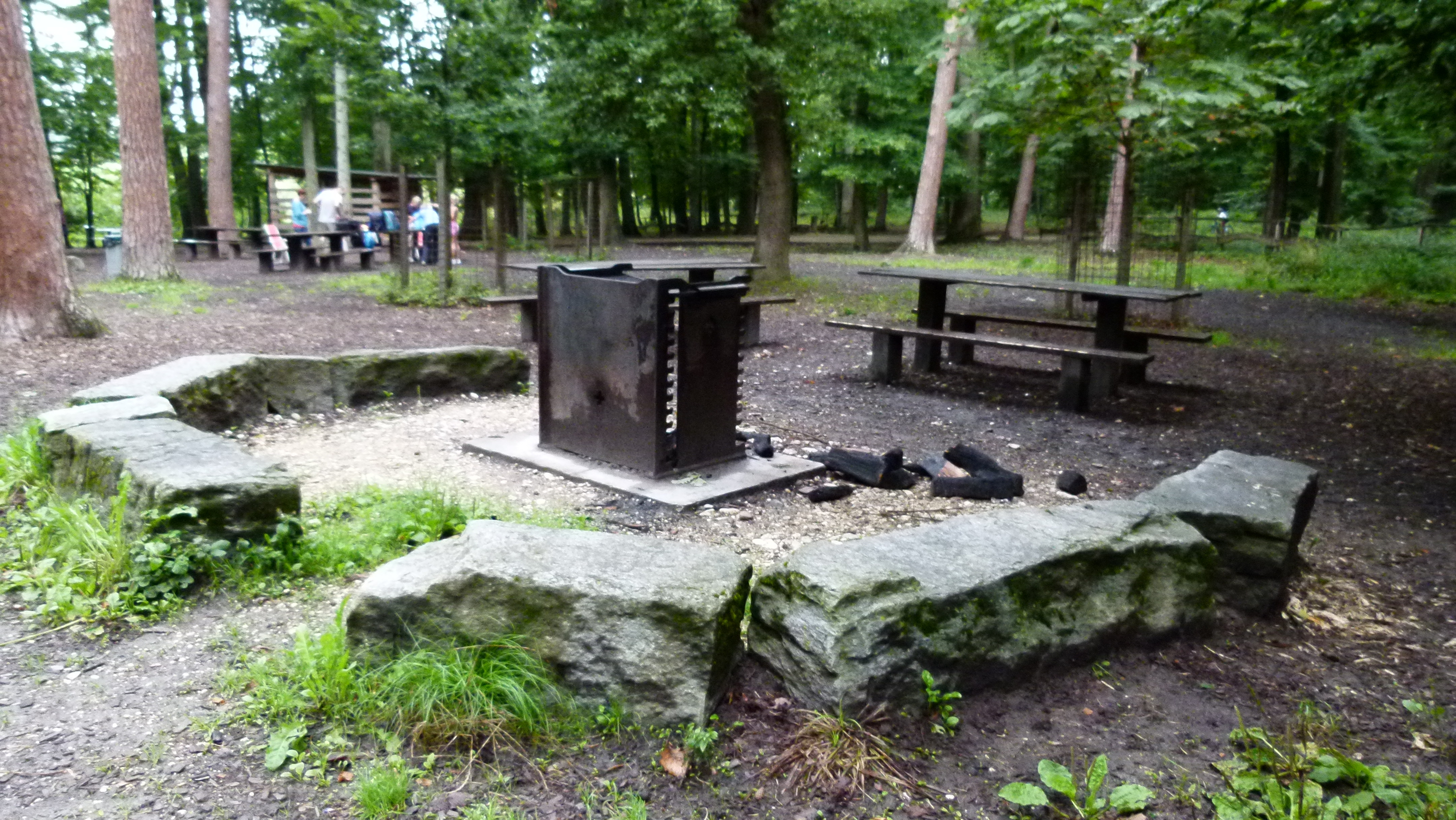
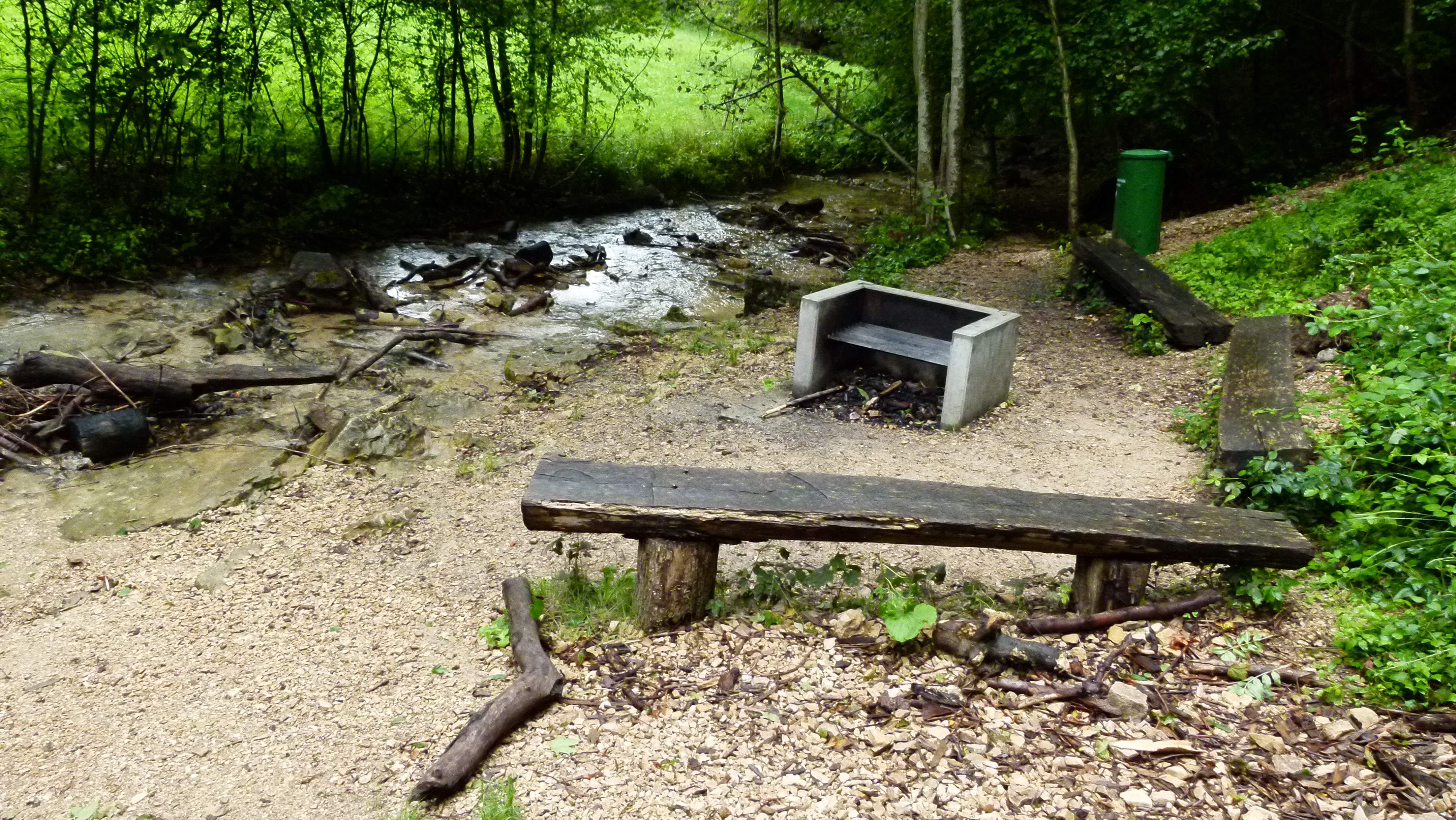
… and lots of picnic spots with elaborate barbecue grills…

P1060023

.

Battle of Bruderholz – 1499

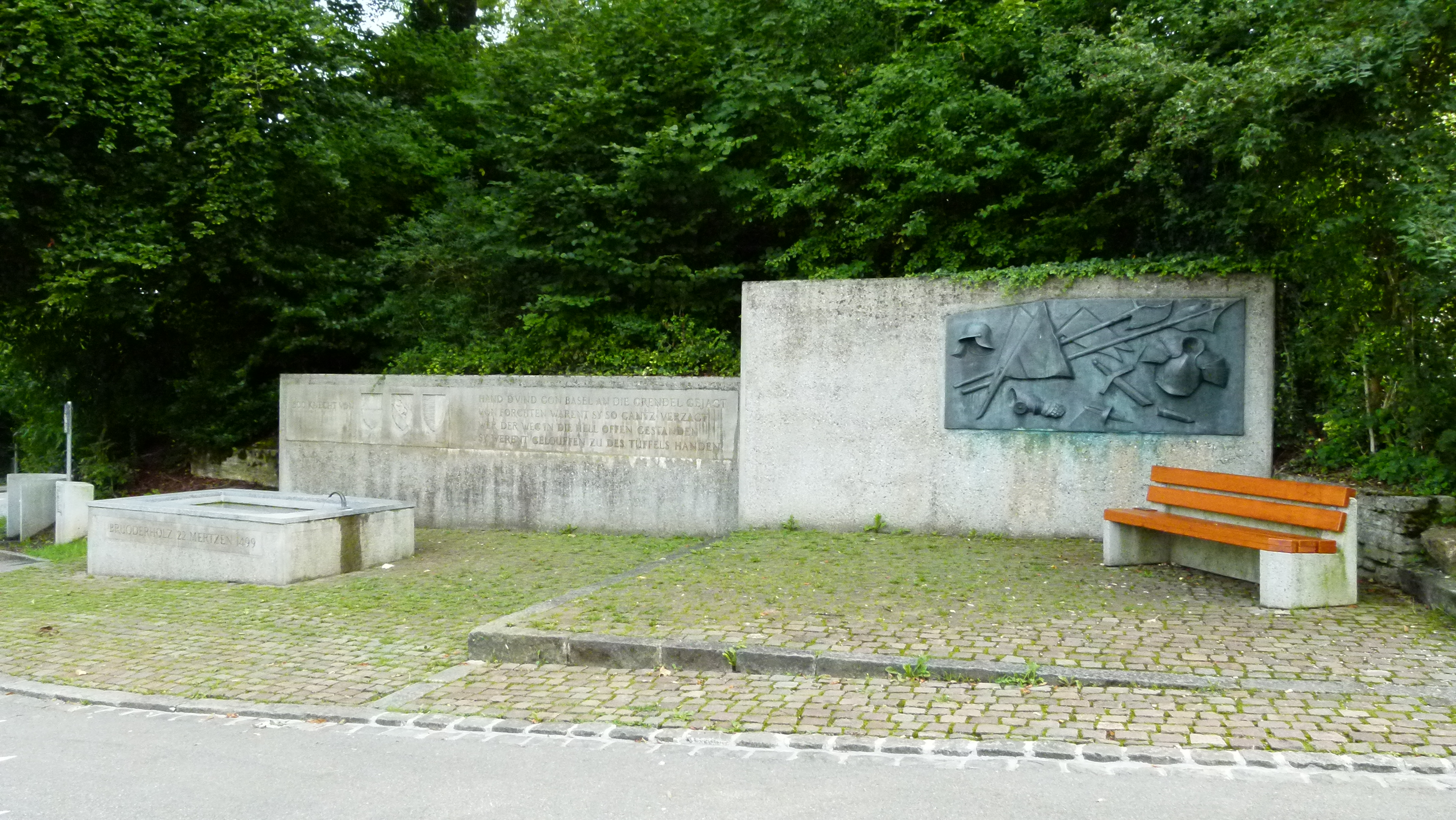
A small detour to Reinach takes me to the monument reminding of the Battle of Bruderholz.

P1060095

The Habsburgian rulers of the German empire intended to limit the freedom of the Swiss Confederacy (Eidgenossen). On March 22nd 1499 the Swiss defeated the German army at the Battle of Bruderholz during the Swabian War. Later in the same year the Swiss defeated the Swabian League again near Dornach. In the peace treaty signed in September in Basel, the Swiss Confederacy became largely independent from the German empire (ruled by Maximilian I of Habsburg) and Basel joined the Confederacy two years later in 1501.

.

Froloo – the electricity hub, the water reservoir and the picknick area

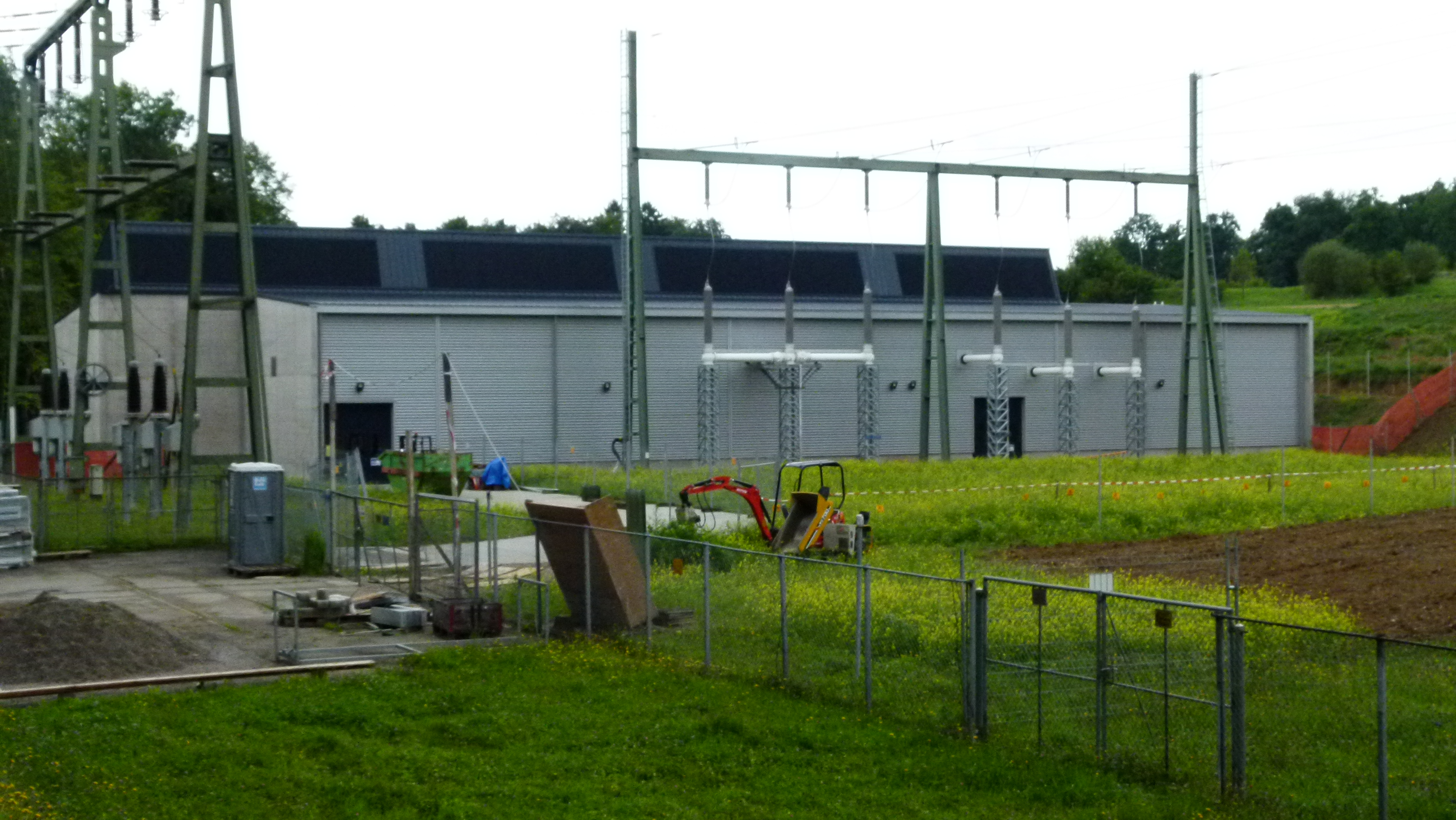
The Froloo disposes of an electricity hub, a water reservoir  and a huge picknick area with a barbecue grill and a cottage.

The electricity hub is one of the most important hubs in the North West region of Switzerland. It is being overhauled now. There will be a new transformer packed into a building which frees up 7000m2. Also some power supply lines will move underground.

P1060041

The water reservoir Froloo is one of four drinking water storage tanks in the area. They are fed by eight ground water fountains. The other three reservoirs are Rebberg, Hollen and Bielhübel.
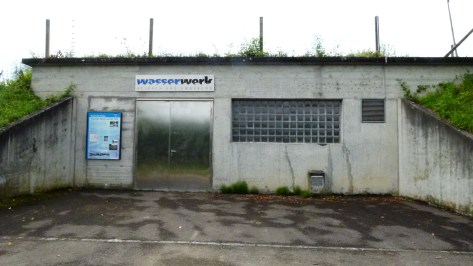
P1060042

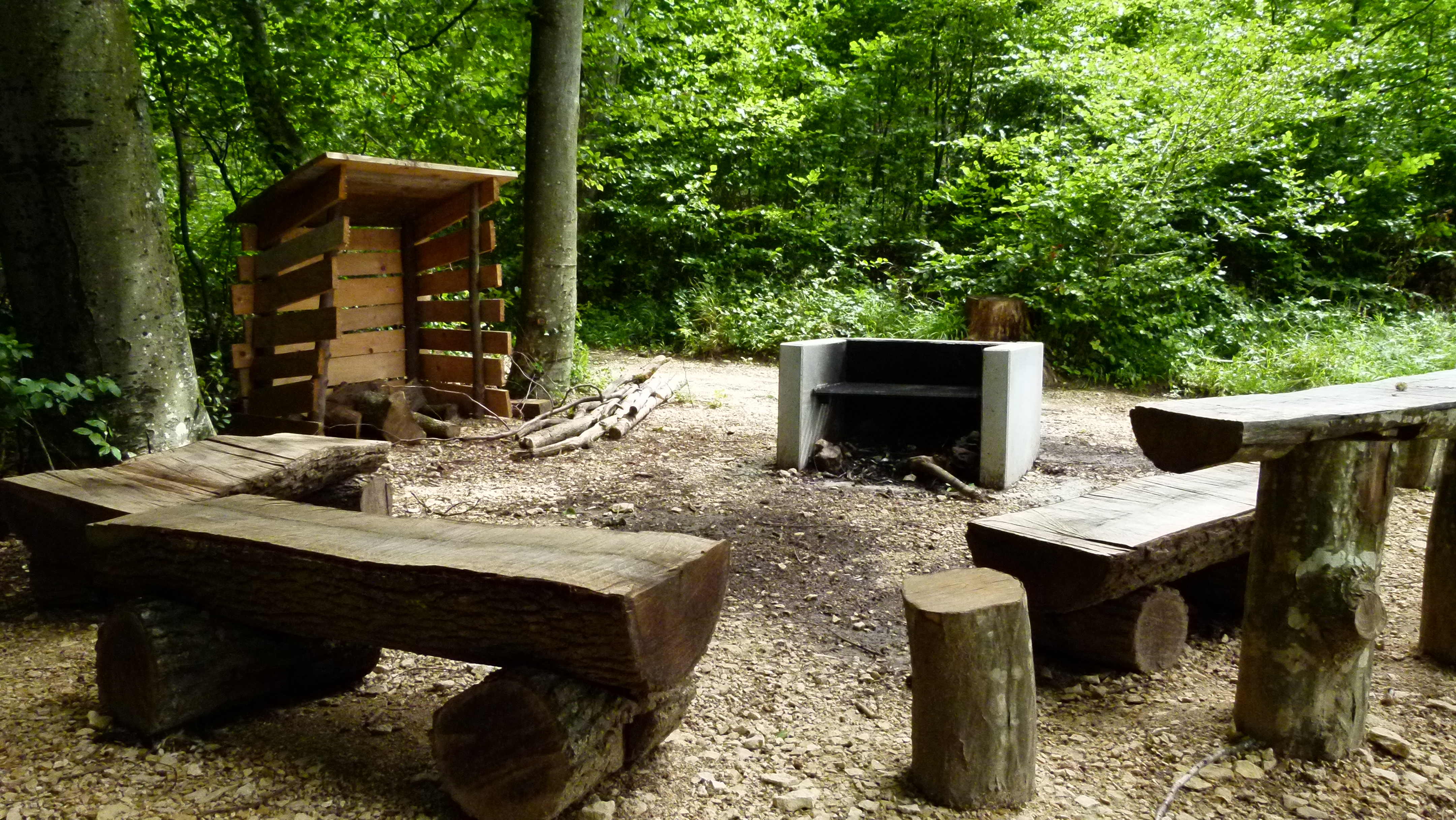
The picnic area is large and boasts of a luxury barbecue grill – like all barbecue spots on the Bruderholz.
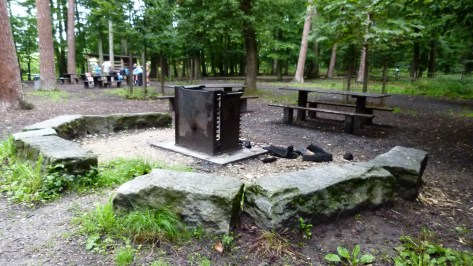
P1060034

.

Leywald – the nature amd sculpture trail

South of Reinach there is the Leywald. I wonder, what kind of forest the “Leywald” is, and Dr Google says “Ley” is a cliff or escarpment (Loreley in Germany is a dangerous cliff above the river Rhine). Hence I expect to find the Leywald-forest climbing up a hill. Understanding “Ley” makes it easier for me to find this forest, as I saw no signposts pointing to it.

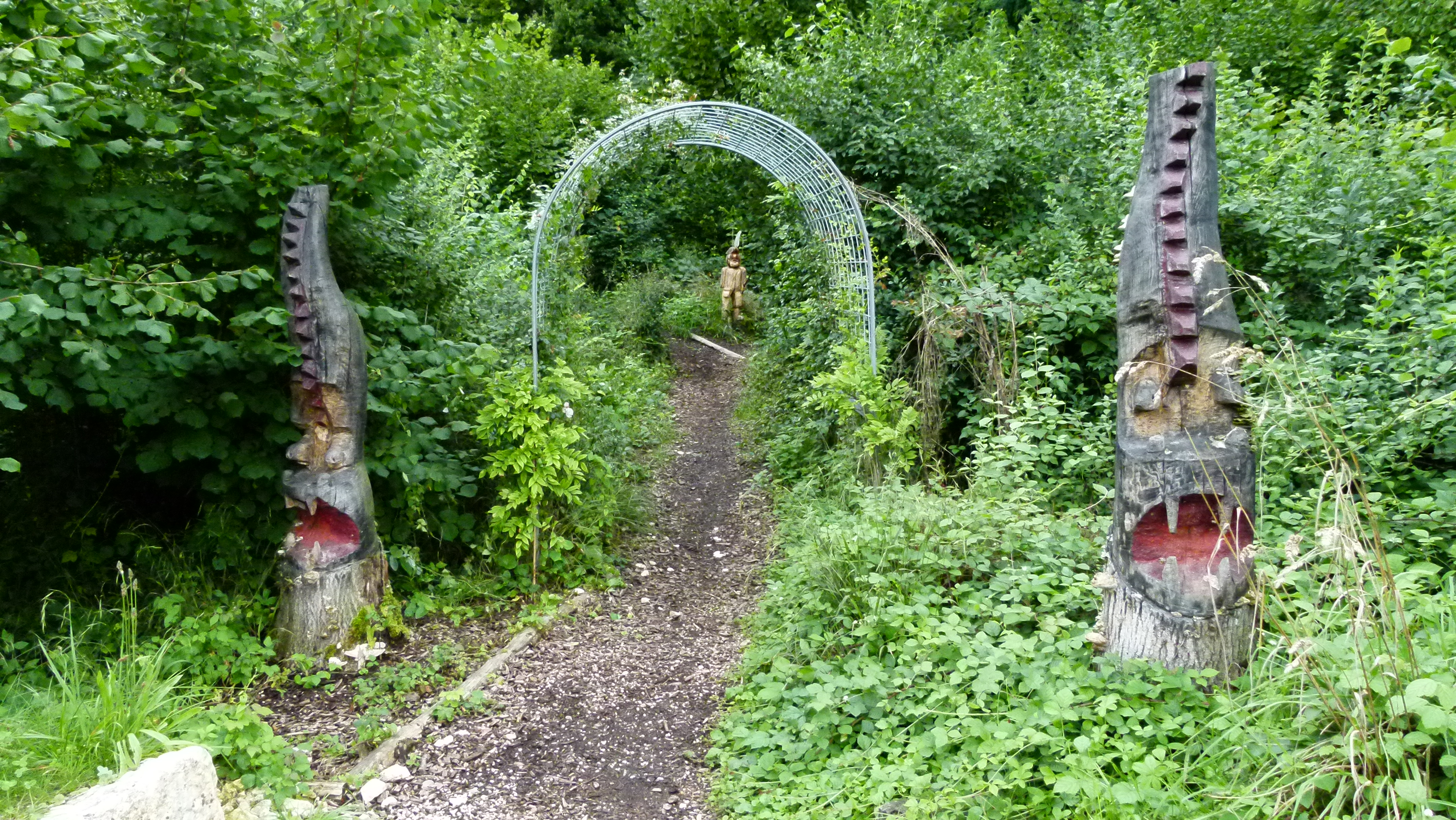
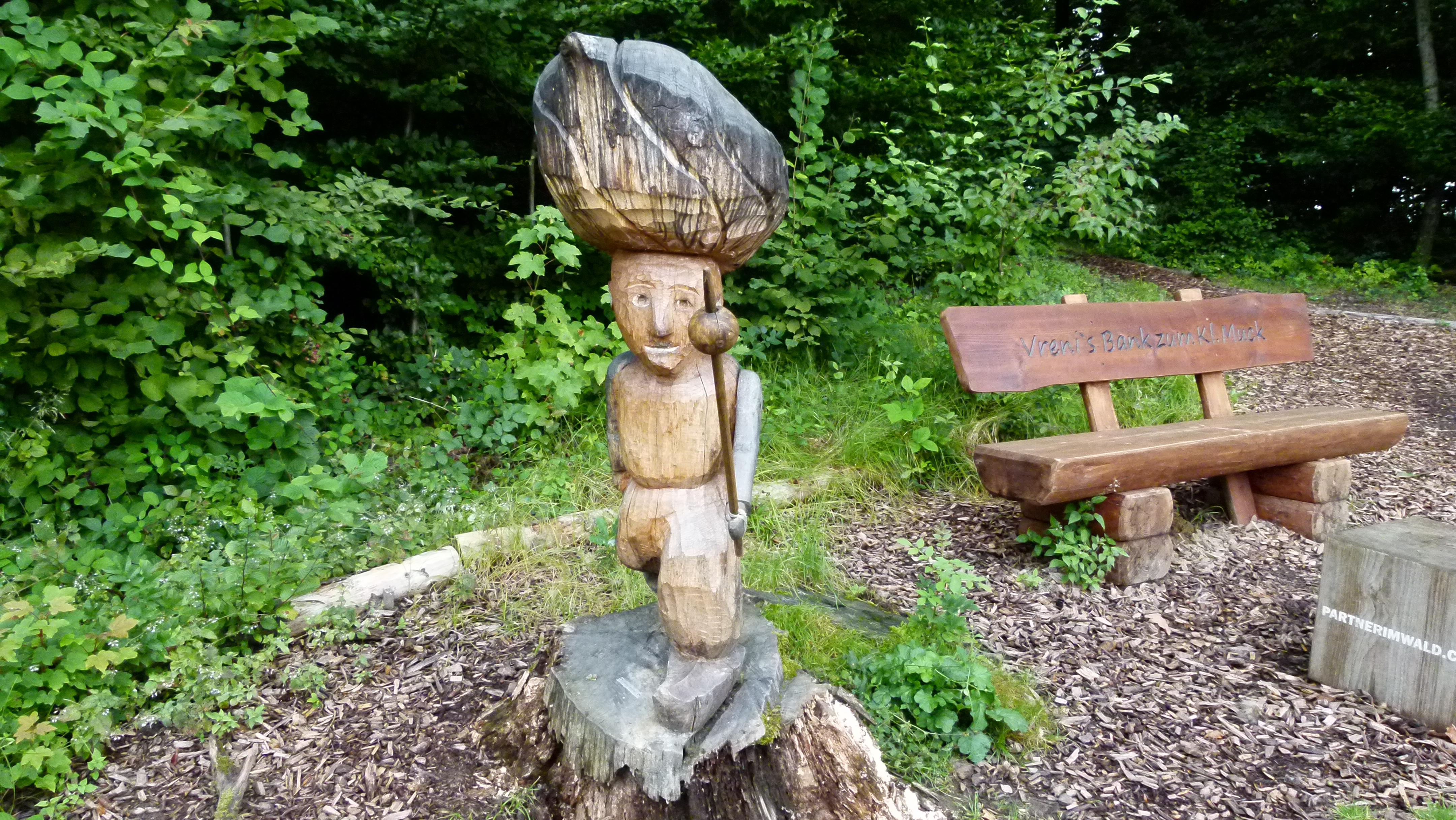
The Leywald hosts a trail that combines learning about the forest and wooden sculptures near a barbecue area .
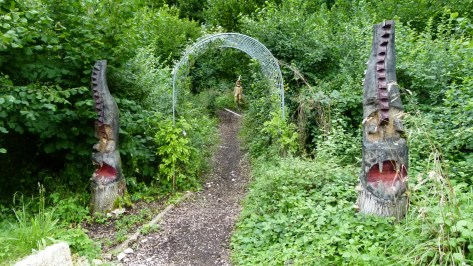
P1060101

I recognize fgures from fairy tales like “der kleine Muck” or “little Muck” (“Muck” is a name). The sculpture trail is a great place to visit with children. My Austrian friends take their grand-child here, and this is how I heard about the trail. Why is it always foreigners that know my country better than I do?
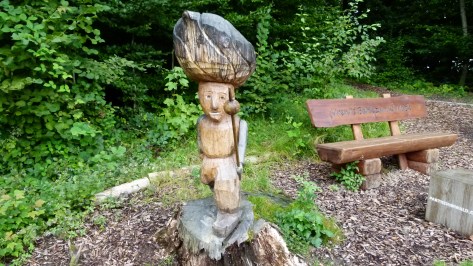
P1060107

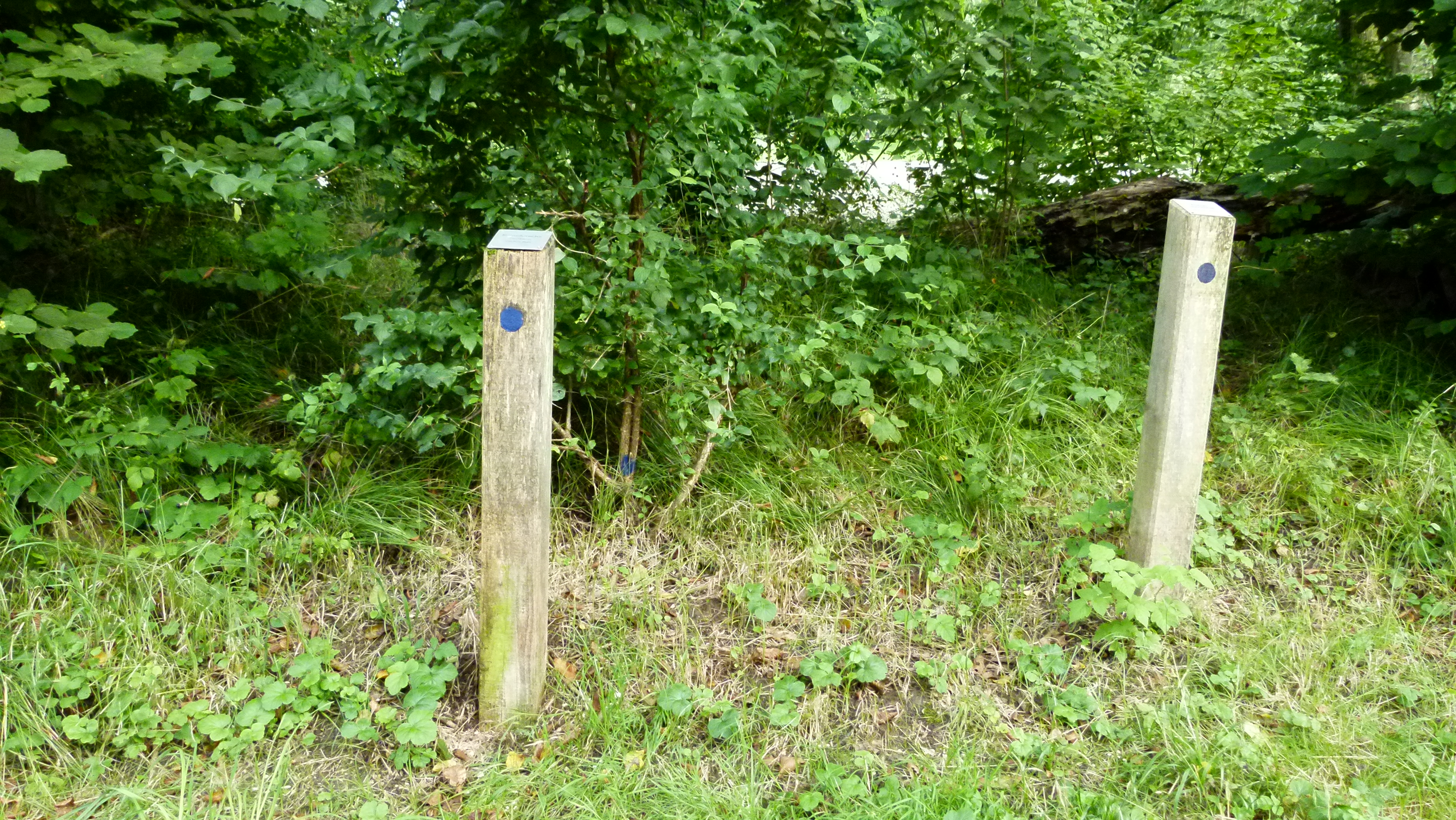
Because this is also a forest trail, bushes and trees are labeled. This is a great place to learn or teach about the forest.

P1060111

.

Orthography is a matter of luck – Orthografie ist Glückssache
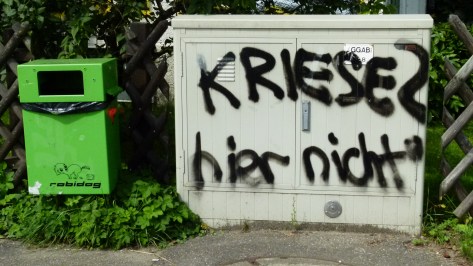
P1060125

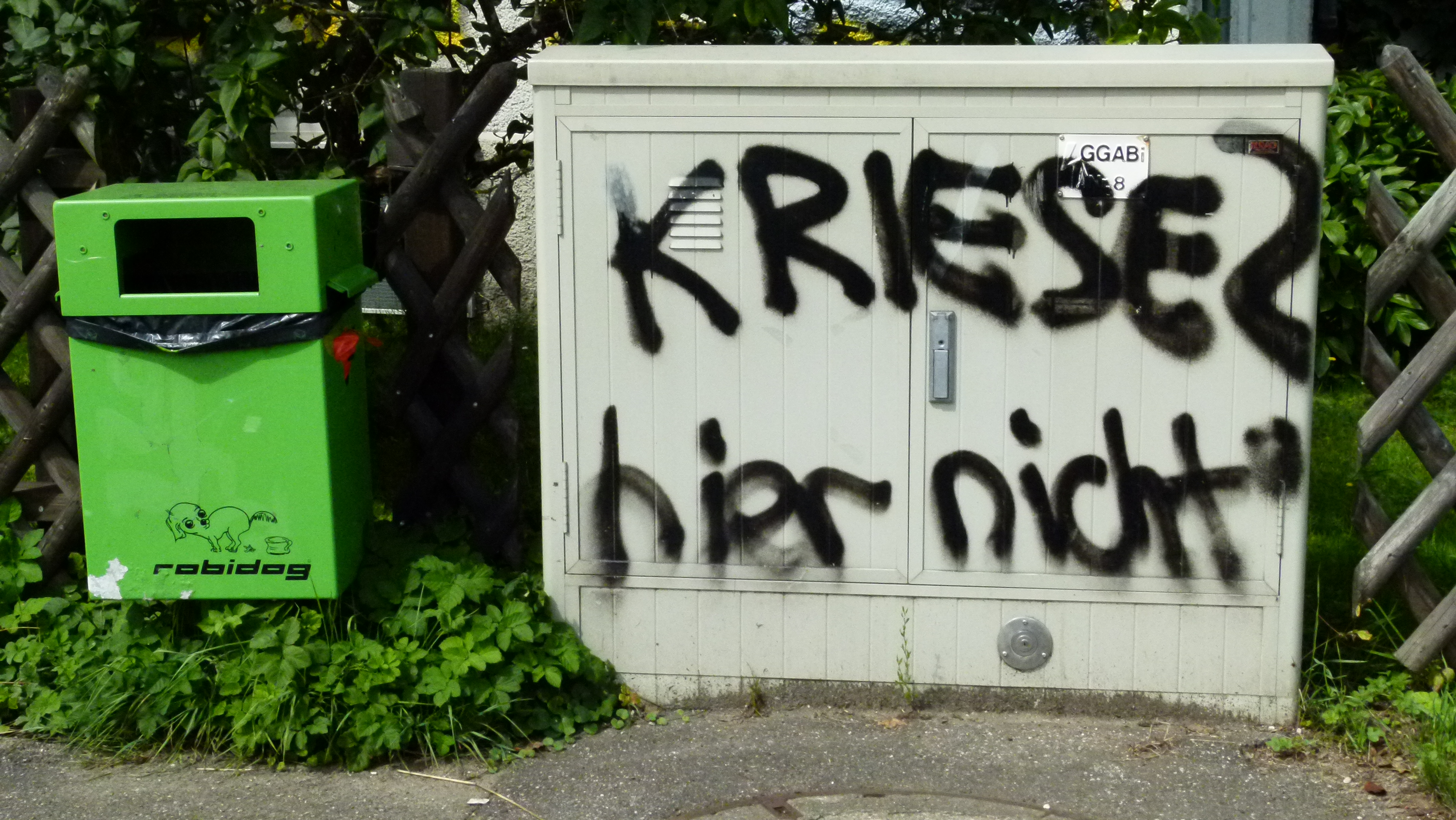
“Krise”=crisis and  “hier nicht”=not here. But someone wrote “Kriese” instead of “Krise”… yes, orthography is a matter of luck and I always smile, when I walk by this electricity hub.

Then – Switzerland tries to stay clean. People who take out their dogs have to retrieve little plastic bags at the “robidog” dispenser, pick up all the dog leaves on the way and throw away the small plastic bags after having tied them up carefully.  These dog toilets are called “robidog”, because it is Robi AG that has provided the box and the plastic bags. They even provide apps to find the robidog dispensers. Bravo is another provider that prevails in Basel town. Basel blyb suuber – Basel stay clean!

.

There are more treasures around Basel

These were some of the treasures south of Basel. As I extended my walks to the southwest, southeast and north of Basel, I will continue to write about what I discovered and rediscovered here.

 

On the road – a great Sunday trip from Basel to Zurich

Traveling abroad is out for me right now. However – from the point of view of Basel, we say that we go “abroad”, when we go to Zurich. This Sunday, Ursula invites me to come to Zurich and see the cartoons of Zen master Sengai.

Zen master Sengai in the museum Rietberg in Zurich

One of the finest museums of German speaking Switzerland is in Zurich. It is the Rietberg museum, founded in 1952 in an old villa located in a wonderful park and enlarged in 2007 by an underground building. I love to visit their special exhibitions of artworks from Asia or Africa. Right now, their special exhibition is about Sengai from Japan.

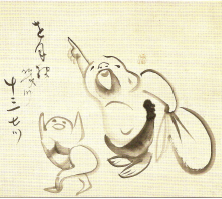
Sengai (1750-1837) was a monk and the abbot of a Zen momastery. After having retired, he produced modern looking ink sketchings full of humor and wisdom. One example: A small monk is reading the books, but does not understand what he is reading.  Sengai’s comment: “Holiness is without holiness and great wisdom is non-wisdom; he reads the sutras all day and does not understand their meaning.“ Another sketch shows a circle that can be the universe, and Sengai adds this comment: “Eat this and drink a cup of tea” poiniting to the fact that the circle could also be a cake that can be enjoyed with tea. His sketch of a frog is announcing the exhibition – the comment: If by sitting you become Buddha, then the frog would become Buddha as well. Another cartoon I very much liked was the old man pointing his finger to the moon; with a smile he hands over his wisdom to his young pupil.

Sengai Rietberg

“Dear moon, how old are you” is Sengai’s comment here. Source: Postcard bought in the Rietberg museum shop (there is a nice collection of post cards and also beautiful books and souvenirs in the shop).
On display there are more cartoons of grim looking teachers who use a whip or a stick to teach wisdom – a method not recommended by Sengai. A film shows the life of the Zen monks that get up at four in the morning to pray, sing and study. After having retired, Sengai taught his wisdom with the twinkling of an eye.

In the adjacent rooms the museum has arranged their treasures from China – bronze and pottery artwork from 3000 years ago – from the Shang and Shou dynasties and porcelain as well as sculptures from the Qin up to the Quing dynasties. I especially liked the the graciously dancing women (sleeves covering their hands) from the Tang period, the Buddhist sculptures from the 6th to the 9th century and the camel led by a Mongolian with his pointed hat.

A hearty welcome at Zurich

In the morning, I took the express train from Basel to Zurich. When arriving in Zurich after one hour, I found the train station packed with people. What attracted them was the underground renovations that had just been completed this weekend to transform the dead end Zurich train station into a through station for the major train and urban connections. The renovation was a great achievement: It had been completed on time and on budget.

While I walk through the town, a cyclist overtakes me and shouts in his broadest Zurich dialect: “Daas glaaub iich joo nüüd, by däre Hiz en Rukchsakch.” Sorry? To whom do you talk? Oh, he talks to me. He cannot believe (iich glaaub daas joo nüüd) that I carry a backbag (Rukchsakch) though it is very hot today. Hm. Yes, he is right I carry a tiny 10kg backbag instead of a handbag. I am tempted to answer, but then I refrain from that, because he would immediately understand that I am from Basel and would make more strange comments, as Basel and Zurich have a peculiar (but not seriously bad) relationship with one another ;-).

Ursula prepares a delicious light lunch with chicken wings, taboulet, and, as a dessert, baked peach slices with ham and rosemary needles. The baked peaches are a delicious surprise. I will remember them.

Yes, I had a hearty welcome in Zurich.

The river Limmat, the lake and the hiking trail

To get to the Rietberg museum, we take the Limmat boat at the railway station. The boat lies flat on the river to fit under the bridges crossing the Limmat. I stop to breathe to make sure we do not touch the bridge while sliding under it. Our boat enters the lake and drops us at Enge. Through the beautiful park we walk up to the Rietberg museum.

Coming back we take the hiking trail along the lake and the Schanzengraben that crosses the botanical garden. We are in the middle of busy Zurich, but completely off the traffic and amidst the Zurcher that enjoy their Sunday.

The best mezze in Switzerland

We complete our day in Le Cedre. This is a Libanese restaurant at Badener Strasse that serves the best mezze in Switzerland – they are as delicious as I remember them from Damaskus and Aleppo in Syria some ten years ago. The mezze are small plates with hummus (chickpea cream), smoked aubergine cream, falaffel, taboulet and secrets wrapped up in pastry. With the mezze we drink a mint tea made from fresh mint leaves. And we top it all with a libanese coffee.

Waaaaaaaaaaaaaaauuuuuuu

Waaauuuu, this is the roaring sound that we hear while walking to the main railway station. It is shortly before eight on June 15th. Right – the world championship – Switzerland and Ecuador… now we know for sure that Switzerland has won this game. Later I understand, the Swiss team scored the decisive goal in the very last minutes. The game ended 2 – 1.

Back to Basel in the train

There is a joke in Basel: The best place in Zurich is their railway station, because from here  you can return to Basel. Well, I like to return home. But – I enjoyed this Sunday in Zurich. And I envy Zurich for the Rietberg museum, the river Limmat, the lake and the hiking trail through the city center.

On the road to Belarus – while at home

On the road –  while at home?

Traveling has been and will be canceled for me for some time due to my eye operations. Instead inviting guests to my home is an opportunity to emulate being on the road…


Guests from Belarus

There is a wonderful opportunity: The Youth Choir Festival 2014 takes place in Basel end of May. I write down my name to host two members of the Student Choir of the Belarus State Academy of Music.


Belarus? I want to know more… and I look forward to welcoming my guests

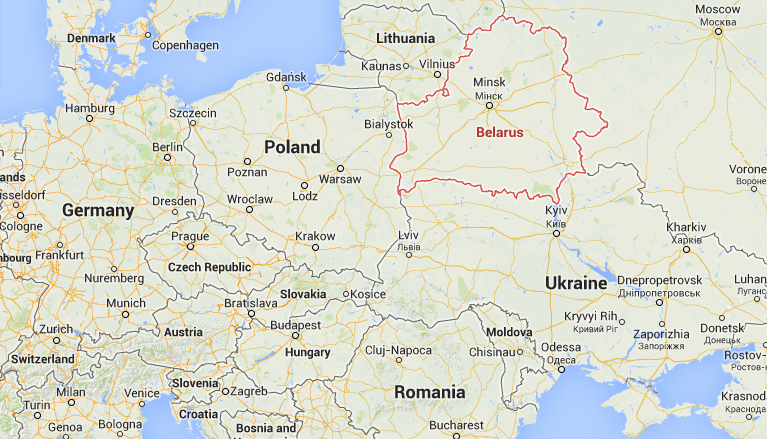
To make my guests feel welcome, I want to know more about Belarus. I read that it is a landlocked small country with about 9 million inhabitants. For centuries, the area has been tossed between Poland-Lithuania and Russia. The idea of an independent Belarussian nation emerges in the 19th century. In 1919 the Byelarussian Soviet Socialist Republic BSSR is founded. As Belarus, it declares independence in 1991. Minsk is the capital. This is a very young nation.


 Map_Belarus

Source: Google Maps

.

As a soviet republic and also now as an independent nation, Belarus is leaning towards Russia with Lukashenko as the current president (Source: Wikipedia).

.

The official languages are Russian and Belarussian, with Russian being dominant, also in education. Standard Belarussian is used by some intellectuals in towns, while a dialect mixed from Russian and Belarussian is spoken in rural areas (called Trasjanka). Belarussian uses the letter “i” (instead of Russian “и”) and an additional letter ” ў”. Like in Polish “yes/ no” are “tak/ne” (“так/не”) and “welcome” is “witaju/вiтаю” which reminds me of Polish “witam” (Source wikipedia and Omniglot).


27th of May – my guests arrive

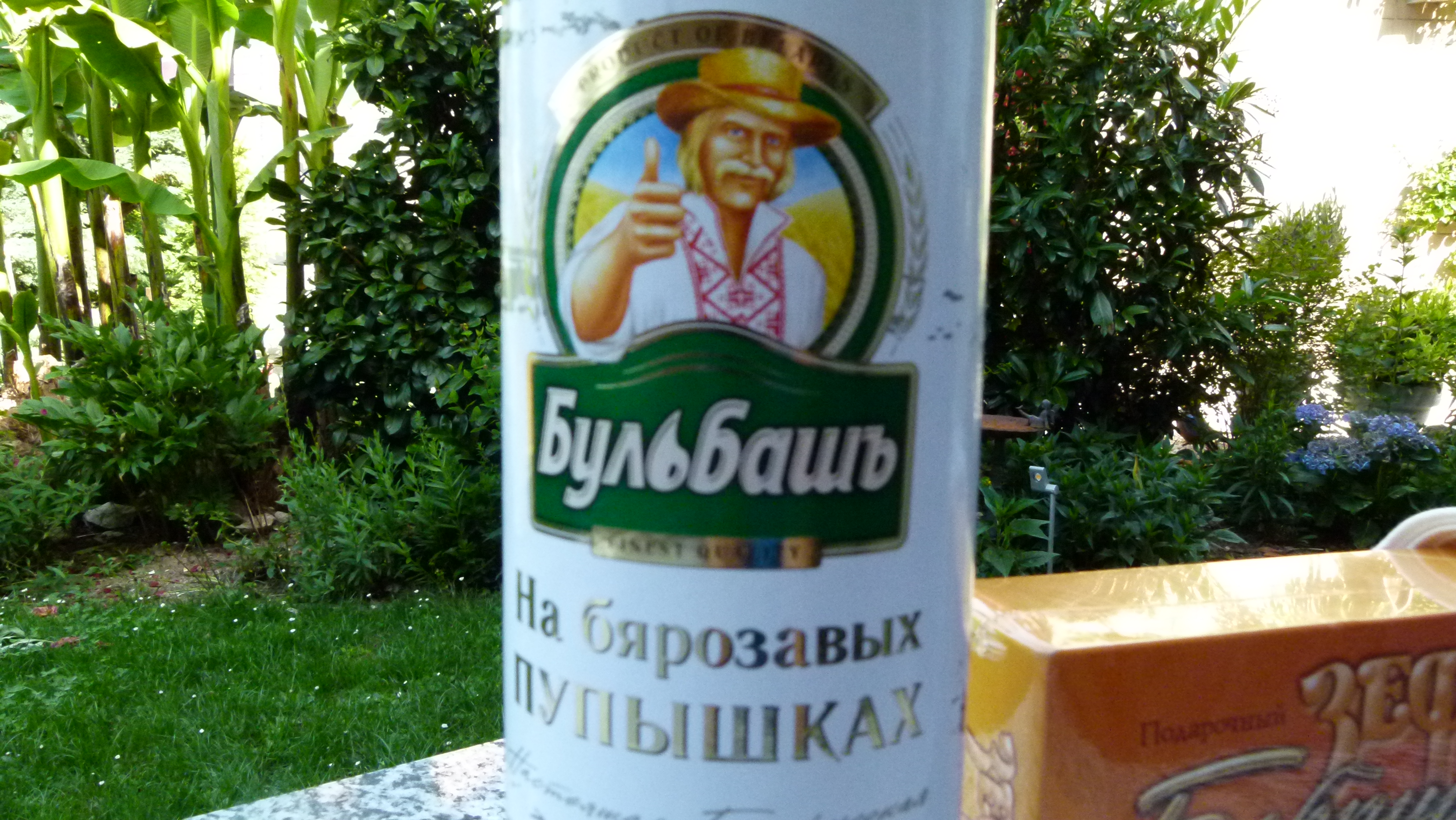
A huge two storey bus waits in front of the protestant church of Bottmingen, and about 40 students in their early twenties are waiting for their guest families. Two girls, Ira and Vera, will stay with me. “Здравствуйте, вы будете жить со мной?” (Welcome, you will live with me?), I ask. Ira and Vera shout out: “Нам повезло, вы говорите по-русски!” (We are lucky, you speak Russian). Yes, I can speak Russian, and we will become good friends in the next five days. With a Raclette, Ira and Vera recover from the long bus journey. While I introduced them to Basler Läckerli, they give me a box with Belarussian chocolate “Zefir” (“Зефир”, well, not only Switzerland has good chocolate…), a bottle of Belarussian wodka (“на бярозавых пупышках” or “on silver birch leaves”) and some towels with the typical Belarussian patterns:

P1050952P1050953P1050955


The festival lasts from 28th of May until 1st of June – a packed program for the choir from Belarus 

The festival program is packed with rehearsals, workshops and performances. I attend some of the concerts to see my guests and some of the other youth choirs on stage:

  • The opening concert in the protestant town church of Liestal. Inessa conducts the clear voices of the young ladies and the darker voices of the young men – outstanding. They sing “Gostok” which is about the birth of a child and Vdol po Piterskoj which is a traditional Russian song (this youtube registration is from the Leonhard church).  They also perform two songs jointly with the Ensemble Cantalon from Switzerland. For two hours I listen to the excellent choirs from Switzerland, the Czech Republic, England and Spain. My favorite performance is the joyful “Lambret Twist” by the Swiss children choir Coro Clairière from the Ticino.
  •  On ascension day, Thursday 29th of May, I attend the service in our protestant church which is accompanied by the choir from Belarus and which is then topped with a buffet served by the guest families or “parents” (“родители”), as the students call them gently. Later in the afternoon, the choir sings in the catholic church of Mariastein – every seat is taken. I particularly enjoy the choir from Island with their song about the lover in the red forest – while singing the members of the choir walk through the audience that now becomes a forest… and, as the song ends, they are all back on stage – just in time, clapping their feet to mark the end.
  • On May 30th the choirs run lunch concerts in various churches. The Belarussians sing in Leonhardskirche, and the whole performance is available on youtube. The great applause motivates Inessa to come back and have the choir sing one extra song. In the evening,  they sing in Theodorskirche.
  • On May 31st there are choir performances on stages set up in town – e.g. on Claraplatz and Rümmelinsplatz (“Singe uff dr Stroos”). In the evening, a perfomance takes place in Martinskirche – the concert ends with the festival song. The singers only return after midnight.
  • On Sunday, June 1st, the final concert takes place in the Basel theatre – and then the team takes their bus back to Belarus. They will arrive on Tuesday.

Yes, a packed program, and I discover a world that I had never thought about before – youth and children choirs from all over the world.

28th of May until 1st of June – also time to exchange with the students

Two guides from the area around Basel guide the choir from one place to the next (meals, rehearsals, performance stages or returning home) and solve all problems such as hiring baby sitters, roping in students lost on the way or organizing Swiss cheese etc. Both guides speak Russian. I join them from time to time.

There is not much leisure time for the students. After all this is a professional undertaking. For all participants there is a cruise on the Rhine River and an evening in the Grün 80 – a park in the outskirts of Basel.

On Thursday, Misa drives my car to take Vera and Ira to Augusta Raurica (the Romans never made it as far as Belarus…). We then take them to some places in Basel such as the old city gates and an overview of the city line along the Rhine with the cathedral, the old university and the white and blue houses of the silk ribbon manufacturers that became rich in the 19th century. Our highlight on the way to Mariastein is the meadow with sheep and the newly born lamb that the farmer kindly carries to the fence to be stroken by Vera and Ira – their cameras capture the moment.

The students would love to see the mountains (the real mountains in the Alps), as Belarus is flat. Four of them ask me, whether they would make it on to Pilatus and back in two and a half hours on Thursday. Well, no, this is impossible, I have to tell them, and then the weather is cloudy anyway, as the Webcam shows. Standing in clouds on Pilatus is no fun, there is no view of the mountains. They believe me. Later I comfort them with booklets about Pilatus from the tourist information in Basel.

On the last evening after the performances, we share a tea and have a long discussion about the plans of Vera and Ira. They will have to pass exams immediately after having returned home from the festival. Jobs that allow to earn a living are rare in their profession.  Nevertheless they love to sing and travel as they have done with the choir so far. They are confident and optimistic. I will keep my fingers crossed for your exams and for your future and hope to see you again next year!

Addendum: Two impressions that I took from Belarus two years ago

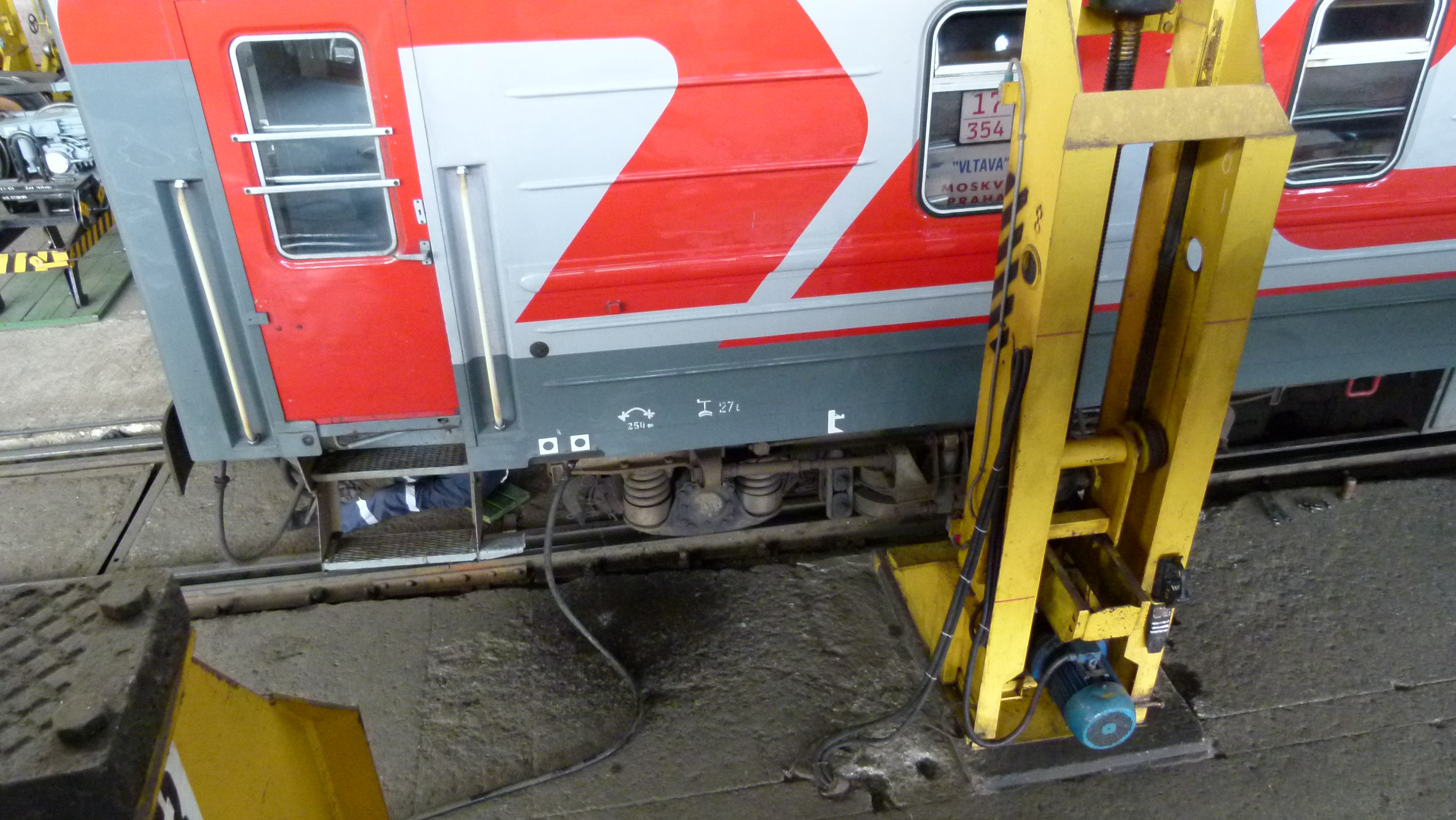
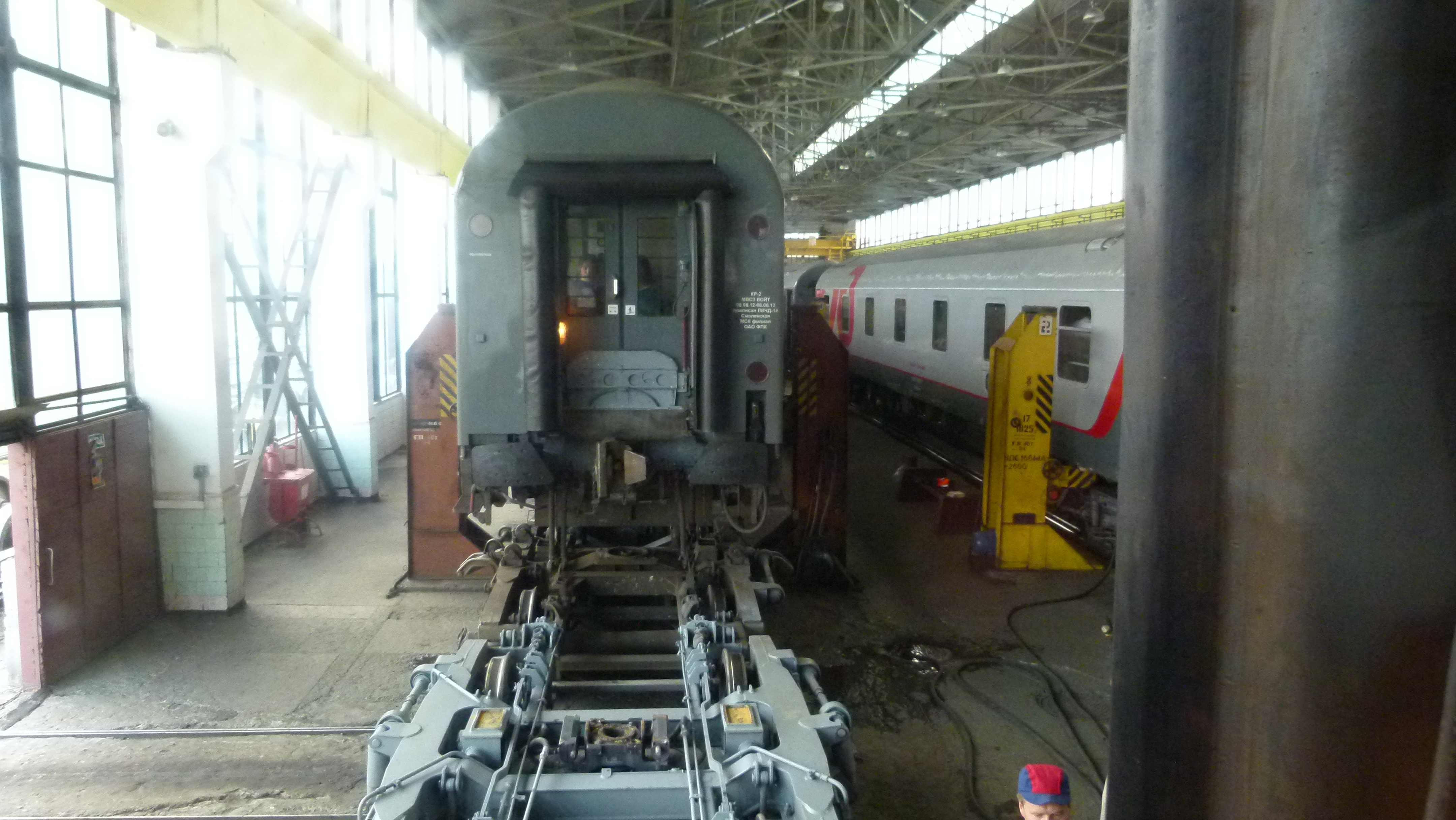
Two years ago I traveled by train from Basel to Moscow and we crossed Belarus. As Belarus was part of Russia in the 19th century, they have Russian rails which are narrower than the European rails. The solution made a huge impression on me: In Brest the bottom part of our wagons with the wheels were removed and replaced by the narrower wheels required in Russia.

P1010304 P1010306P1010308P1010309

And – we were also offered berries, when arriving in Brest, an opportunity for the locals to earn some additional money.

P1010303

No more memories from Belarus, as we were heading to Moscow in the night train. Perhaps I should visit this country one day? Provided my eyes will allow me to do so.


Consult & engage: Getting started with my own company

Do you feel like work after your retirement?

This is an email that I received from Thomas: “Do you feel like work after your retirement? I have a small task for you…. it is about optimizing the service desk in my company.” Oh yes, I do feel like work after my retirement. I have managed several service desks in my work life, I love to work with teams and find new ways of doing things. In addition I have known Thomas for more than twenty years. This is a wonderful opportunity.

We start the journey. With his teams, we develop a SWOT and we derive five actions in a two hour workshop, reviewing the process over a Gugi with coffee. I am confident that this service desk will end up being even more beneficial for the company of Thomas. And I will continue to engage to facilitate change, as much as I am asked for.

Have you read my mind? – I have always dreamt of founding my own company…

Thomas’ assignment came in well. I have always dreamt of founding my own company. At work I had loved to provide our research service as an enterprise within the enterprise – with our young team in Kraków. As a farewell for my retirement, the team gave me the book “Business Model You” by Tim Clark, Alexander Osterwalder and Yves Pigneur (campus 2012).

Yes, why not live my dream now?

Conceiving my company: What values do resonate with clients – and can I deliver?

This is the name of my new company: “consult & engage” (to conform to the legal requirements for registering a one man firm in Switzerland, the name has to be “Petra Peters Erb consult & engage”).

This is my value statement for consult & engage:

  • Find a facilitator for change and innovation
  • … leveraging my experience as a retired baby boomer,
  • … benefiting from my motivation to engage beyond consulting.

And this is where I can deliver:

  • Interests: Achieve results with teams of differing backgrounds. Have an open mind, discover new ground, analyze it, structure it, derive actions, engage to make things happen. (My blogs about traveling may illustrate my interest to discover, understand, structure and share).
  • Personality: Intrinsically self motivated and interested. I love to bring my “I” into teams and to support them achieving results.
  • Experience: Service management/operations (for IT and broader research service), sourcing and contract management, project management, agile management and development of international teams, business process management and managing/selling services as an enterprise in the enterprise.

(Basis: “Business Model Canvas” of Alexander Osterwalder  and “Business for You”, Tim Clark et alii).

Illustrating my value proposition with a motto

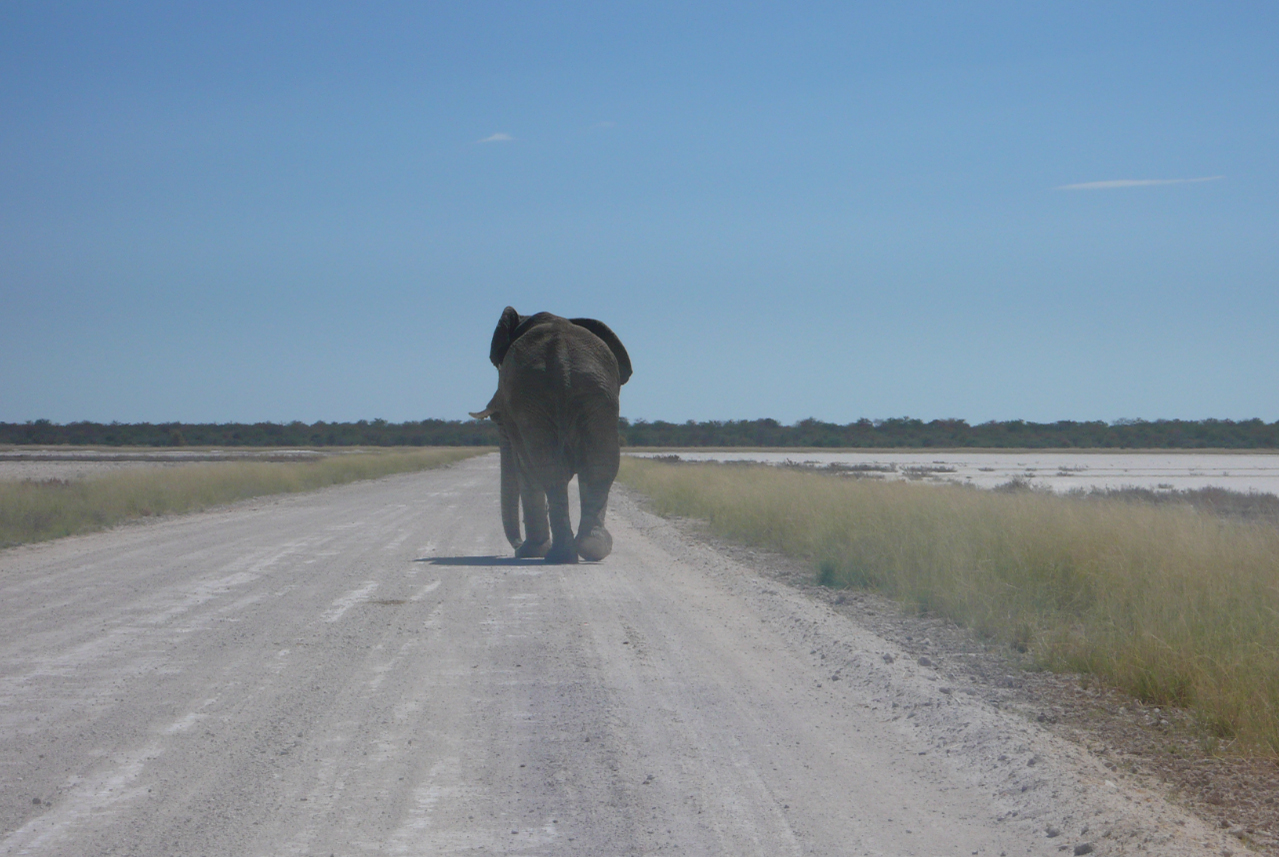
To illustrate my value proposition, I selected this elephant I came across in the Etosha Park, when traveling with my husband.

143564_elefant_etosha

This elephant may illustrate walking firmly towards new horizons leaving marks. And, the elephant surprised me. When coming closer to the scrubs, he ran off fast towards his destination proving that elephants are not only firm and solid, but also agile.

Kairos and serendipity – catching the moment of chance or the happy accident

You are twenty years old? Your life is ahead of you and it will offer moments of chance and happy accidents

You are reaching the age of 20? The whole life is ahead of you? Many moments of chance and many happy accidents are waiting for you. Keep an open mind and catch them.

There are two pictures that support me to continue keep an open mind discovering the world, learning from it, and reinventing my life: First KAIROS – he is the personification of the moment of chance – and second “serendipity” – this is “the happy accident”.

Let me explain why these two pictures are important to me, the baby boomer, and why they may be important for you as well.

KAIROS – he has a tuft of hair and is bold at the back of his head

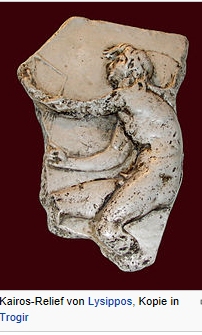
About 30 years ago, I visited the pretty fishing town of Trogir in Dalmatia. In the local museum I came across Kairos. He has wings and he flies around – fast. When we accidentally  come across him, we must immediately identify him as THE opportunity and snatch him at the curl of his forehead. If we do  not catch his tuft of hair, KAIROS flies by and we have missed THIS moment of chance. It is not possible to snatch KAIROS from behind, as the back of his head is bold. I was impressed and bought a copy of KAIROS engraved in stone. Later I gave it to friend that had given the name of “KAIROS” to his newly founded company.

Kairos Source: Wikipedia about Kairos

In March 15th 2013, my NZZ newspaper published an article entitled “Master KAIROS – trying to capture the moment of creativity”.  The article relates KAIROS with insights that often happen accidentally. In science, in art, in the career or when finding the perfectly matching house and partner in life. The lucky individuals just see the chance and catch the tuft of hair, when they happen to run into KAIROS.

There are opportunities, when we do not expect them. And because we do not expect them, it is difficult to see them. It needs an open mind, good observation and astuteness to recognize these short moments of chance and they can be easily missed. KAIROS is the personification of the good opportunity. In German we call this “Schicksalsmoment” which means “fateful turn of life”.

Three princes in the country of Serendip

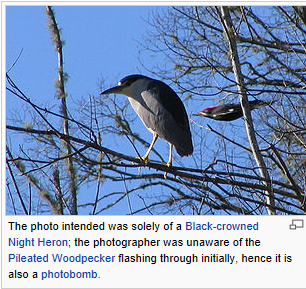
The NZZ article continues with an old Persian folktale. It is about the three princes of Serendip that “were always making discoveries, by accident and sagacity, of things they were not in quest of” (wikipedia for serendipity) – and this is where the term “serendipity” is based upon. In 1945, Robert K. Merton wrote the book “the travels and adventures of Serendipity. A study in sociological semantics and the sociology of science.” Wikipedia illustrates serendipity with the pileated woodpecker that the photographer did not notice, when taking the picture, but only afterwards, when looking at the foto.

serendipity Source: wikipedia for serendipity

Discoveries happen in a state of intuitive attention

The principles behind serendipity and KAIROS are the basis of some great discoveries in science. Discoveries such as Penicillin happened by accident or as a by product of research. They happened in a state of intuitive attention and after having worked at a topic for a longer time. They have not happened out of nothing. For these “productive sideways of creativity”, says the NZZ article, Alfred Jarry has created a new word and a new discipline: “Pataphysics” which is dedicated to researching exceptions. Jarry claims that the exceptions are an irregular space that follows its own roots. Pataphysics does think beyond “what is” and explores “what is not”. This is called the “sense of possibility” or in German “Möglichkeitssinn”.

I believe social platforms have the potential to support creativity and innovation

I think that KAIROS, serendipity and pataphysics are also related to the principle of “emergent collaboration” that McAfee identified for social platforms (coined “enterprise 2.0”) where relations and discussions take unexpected turns and lead to new findings. I experienced that on the enterprise internal social platform, when still working in a global company. And now that I am no longer part of that company, I observe this in the Internet, and also in the WordPress blogs that I am following. Of course, discipline and good filtering are needed in order to focus on relevant information.

Yes, you are twenty years old. Your life is ahead of you and I am confident that it will offer moments of chance and happy accidents

KAIROS and the princes of Serendip may support you to catch the right moments – for finding the right friends and the best partner of life, for finding the best matching formation and for setting out on a career path that creates satisfaction and acknowledgement (which I think has to do with remaining independent, social, open-minded for discoveries as well as creative and innovative).

When life hits back hard at you, look up, look ahead, and pay attention to KAIROS and the princes of Serendip that will offer new moments of chance and happy accidents.

Albania – Ismail Kadaré and his “chronicle in stone” – 1941 to 1943

Continuation… the second world war in Gjirokaster, seen with the eyes of the child that Ismail Kadaré was. In 1941 he was five years old and he wrote his memories down in the novel “chronicle in stone”.

Changing hosts in Ismail’s town – and the beautiful black plane is back – bombing at the boy

After the Italians have left, the town is without government for 40 hours. Then the Greeks take over. After 70 hours the Italians are back and stay for 30 hours. The same story repeats several times. The citizens stay in their houses. But then the Greeks have left and the Italians do not come back. The citizens come out of their houses. The cows are back on the airport grazing.  Then the Greeks take over in town again and for now they stay. Gjergj Pula changes his name from Giorgio Pulo to Jorgos Pulos. The boy looks at the dark skin of the Greeks and wonders, whether they are gipsies.

All of a sudden there are planes in the air. Amongst them the black plane that Ismail had loved so much. The people are in the streets and so is the boy with his friend Ilir. The black plane throws bombs at them. The boys lie down in the open street – scared. Ismail thinks he lost his ears and his eyes and he is dead. After a while, all is quiet again. Ismail and his friend cry. Ismail cannot understand, why the beautiful black plane did this to him.

Greece was defeated and as refugees they leave the town asking for “psomi” which is “bread” in Greek. They boys, Ismail and Ilir, reflect whether in Poland and France they also say “psomi” for bread, as these two countries have also been defeated. It is cold and there is snow – winter 1940/41. The Italians come back, and Gjergj Pula changes his name back to Giorgio Pulo.

The vaults are no longer good enough, and the citizens hide in the castle

An engineer in a black cape (he must be a German – I am convinced about that with my German roots mixed into my Swiss roots) tests the walls of the vault with a knife and says that it is not safe enough for air raids. All vaults in the town are now deemed not to be safe enough. The plate “Air raid shelter for 90 persons” that Ismail had been so proud of is elimimated from the house of the Kadarés. The number of air raids by the English is augmenting. The citizens move into the castle above the town. Only Grand-Ma Selfixhe stays in the house of the Kadarés. The boy is scared, but she is confident that nothing will happen to her. Well, Ismail’s Grand-Ma remembers me very much of my own (Swiss) Grand-Ma, who survived serious air raids in Karlsruhe in Germany and also felt this trust that nothing will happen to her. I remember that I always felt safe, when as a little girl I was close to her.

Partisans are becoming active. The leader Enver Hoxha emerges and violence is increasing

The townhall is burning. The people are shocked: “The cadasters are burning”. “What are cadasters”, the boy and his friend Ilir ask. Javer explains that cadasters are  documents that show who owns what land, what fields and what houses. More such townhalls should be burnt, Javer says. The boys do not understand this. Ismail dreams that the fields and houses freed from ownership start to move and bend. Several suspects are arrested. I believe that Javer has joined the partisans and was the incendiary, but he escapes for now.

After a long summer with his Grand-Papa – (the parents of Ismail’s mother that live in the outskirts of Gjirokaster), Ismail returns back home in autumn 1941 and discovers that his town is empty and the doors are closed. Except the door to his home. His parents are shocked that he returns exactly now, because violence has escalated and also Gjergj Pula has been wounded.

In winter 1941/42, flyers from the communist party appear in town. Ismail recognizes the handwriting of Javer. People that “were against it”, are being arrested and deported in trucks. The town falls asleep – presumably without those that “were against it”… but… in the morning there are more flyers “against it” in town. Ismail and his friend Ilir climb a roof “to talk against it” paying attention not to be heard. They are six years old now.

More and  more people join the partisans, even Ismail’s aunt. The boys Ismail and Ilir play in a ruin. In the ruin, they find a notice in two languages: “Wanted: The dangerous communist Enver Hoxha. He is about 30 years old and tall…”. “This ruin was his house”, Ilir whispers to Ismail. At home, Xhexho says: “A new kind of war has surged, I do not exactly know, they call it something like the war of classes. In this war the brother kills his brother and the son his father. The worst is ahead of us.”

Xhexho is right. While the boys are playing in the street, they hear shooting. The town commander has been murdered. And in the night, they knock at the neighbor’s door and arrest Isa, the son who will be hanged later. Javer is also searched for. He goes into the house of his uncle, claims to regret all, and then shoots him down. Dead bodies are transported on a cart under a cover. The town is swimming in blood. The world around the boys Ismail and Ilir starts to decompose. The winter is cold and white. The boy is afraid of the white color, because he sees one word written on this white color: “Terror”.

Italy has surrendered and the partisans take over Gjorkaster violence is increasing even more

Refugees again. Italy has surrendered (in September 1943) and the Italian soldiers are leaving Gjirokaster. The town is dirty from clay and sludge. The partisans invade Gjirokaster in four crews, each crew carrying a read flag. The boy is surprised: The crews are small and come with a few mules that carry some munition and wounded persons. The partisans take over the town. A one armed partisan looks for non partisans in the neighboring houses, shoots them and is then shot by his commander, because he has also shot a girl that was not on the list.

The German occupation of Gjirokaster

In 1943, the Germans invade Albania from the south. The citizens flee the town and stay in a nearby village for some time. Only Grand-Ma stays in the house of the Kadarés.  While the citizens are in the village, the Germans arrive in front of the town. The partisans resist for three hours, until one citizen manages to raise a white flag. Now the German tanks enter the town. From their village, the refugees watch the town which is silent and dark in the night. On the next day, the citizens return to town. Dead bodies on the way. Among them friends of the family that had stayed in town. Grand-Ma is waiting in the house of the Kadarés. The boy looks at the German flag above the castle. Life is back in this town – now under German rule. But the ecosystem of the boys Ismail and Ilir has decomposed. In a way, Ismail was lucky: His parents and his Grandma Selfixhe have survived.

Ismail comes back many years later

Many years later, Ismail Kadaré returns back into his immortal grey town made out of stone. He feels that the cobblestones recognize him. Ismail’s ecosystem of people – Grand-Mother Selfixhe, Xhexho, Aunt Xhemo, Grand-Mama and Mother Pino – they do no longer exist. But Ismail feels that their shades are engraved for ever in this town made out of stone.

I can understand Ismail Kadaré. Whenever I come to places that I have been with my grand-parents, with my parents, with my husband, with persons I loved… I feel that they are engraved there – still being present for me and talking to me. I was lucky in my life to not have experienced such a war, but while growing older, the feeling of such places full of memories is very similar.

They say that Ismail Kadaré may be nominated for the nobel prize in literature and that his “chronicle in stone” may be his best book. So far I have only read this one book of Ismail Kadaré and I have been deeply touched by it.

Albania – Ismail Kadaré and his “chronicle in stone” – 1940

Ismail Kadaré – a child of Gjirokaster in World War II 

Ismail Kadaré was born in Gjirokaster in 1936. In his “chronicle in stone” he describes the events of the years 1940 to 1943 with the eyes of a child. The years were dramatic:

  • 1940 (Ismail is 4): After having invaded  Albania in 1939, the Italians build a military airport near Gjirokaster. In October Italy attacks Greece, and in December Greece – with the support of England –  conquers Gjirokaster. Gjirokaster is bombarded and the citizens hide in their vaults.
  • 1941 (Ismail is 5): With the help of the Germans, the Italians return to Gjirokaster in spring. The partisans emerge lead by Enver Hoxha (born in Gjirokaster in 1908). From the air raids, the citizens now hide in the castle.
  • 1943 (Ismail is 7): After Italy’s capitulation in September the Germans take over in Gjirokaster. Ismail Kadarés memories end now.

After school, Ismail studied in Tirana and Moscow and became a writer – and for some time he also participated in Enver Hoxha’s politics. The “chronicle in stone” was published in 1977. Describing the events seen by the eyes of a child allowed him to present thoughts he could not present otherwise in Enver Hoxha’s Albania. In a subtle way he was not fully in line with the regime.

I read the German translation by Joachim Röhm (Fischer Taschenbuchverlag). Let us look at how I experience some of the pictures that Ismail draws using the eyes of the child – 3 to 7 years old, if my calculations are correct.

Gjirokaster is the town made of stone climbing towards its castle

In the introduction Ismail takes the view of an adult person. He explains that his town is very steep, perhaps the steepest town in the world… it could happen that the basement of one house touched the roof of another house. It was a town made of stone. Ismail says that it was not easy to be a child in this town. – No, it was not easy – I understand that after having read his book.

The child’s view of the cistern and of the hatred between the river, the bridge, the wind, the mountains…

The houses in the town made of stone have cisterns to collect rain water. In a dark and stormy night, the rain drops land on the roof of the house – not yet knowing about their fate. Their fate is to get caught in the drainspout and to be captivated in the dark cistern, until mum lifts some of them into a bucket to clean the floors in the house. During the stormy night, the cistern fills with water – too much water. The boy shouts “huuuh” into the cistern, but it is angry and does not reply. With the aid of their neighbors the parents empty the cistern that has become a danger for the house. Now the cistern answers again, when the boy shouts “huuuh”. In the morning the river is flooding the road below the town, after having tried to get rid of the bridge. The child sees hatred between the river, the bridge, the wind, the mountains and the creeks attacking from the mountains – and between all this hatred is the town – all lonesome – with their stone walls that the boy loves. In the morning the boy sees a rainbow that makes peace between the elements, but Ismail is convinced that this is only a temporary peace.

How right the boy is! In 1940, there will be the fights between Italy and Greece. And there will be more fights in the following years.

The child is proud of the plate at the house of the Kadarés

It is end summer (I understand it is now 1940). The boy watches that everyone sews curtains. The Italians in town ask for “oscuramento”. One morning the boy discovers a metallic plate next to the door of their house: “Air raid shelter for 90 persons”. Passerbies read the plate. The boy smiles proudly at them: “Look, this is a house, it is stronger than all the other houses, it is the only one with such a plate.” The adults do not notice him. The boy goes down into the vault and admires the thick walls. With the first air raids, the windows in the upper rooms burst, but the vaults do not take notice of what happens outside. The boy is proud of his house with the safe vault that now has become the center of the quarter, as neighbors, guests and passerbies look for shelter from the ongoing air raids. As I understand it, the bombers are from England that supports Greece which has been atacked by Italy. One plane is shot and the citizens find the arm of an Englishman with a gold ring at his finger.

Even 1001 nights do not suffice to create Albania – the child listens to the debates in the vault

In the vault, the people debate nations, kingdoms and governments. Sometimes they mention “Albania”. The boy listens carefully trying to understand what Albania really looks like. “Is Albania everything around me, the farms, the bread, the clouds, the words – or only part of that”, the boy reflects. The former artillerist Avdo Barbamo says that a Dervish wanted to know from him, what he prefers, his family or Albania. “Albania, this is evident”, the artillerist answered. His reasoning: You create a familiy over night, after having met a woman in a café. But Albania? You do no create Albania in a night, even 1001 nights do not suffice. – Yes, Albania is a complicated piece of history, the people in the vault agree.

The child’s view of the Italian airport below the town

Also in summer 1940 the Italians have built an airport below the town. The boy has observed the process. The cows have disappeared. One day, a huge fleet of airplanes arrives frightening the citizens that have seen so many planes throw bombs. But these planes do not throw bombs – not here. The citizens come out from their vaults and watch the planes land on the airport. The  boy admires the parade of white planes. He is proud that Gjirokaster now also has planes. One morning, a huge black bomber stands between the white planes. It becomes the boy’s favorite airplane – he thought of it like a big friend. He watches the planes go south and he is alaways happy to see them come back. He cannot understand, why his parents are angry at those planes and at him admiring them. It is autumn 1940 and the Italians are attacking Greece.
But beginning of November the Italians give up the airport. The beautiful planes disappear, all the white planes and also the big black plane. They boy is sad and cries. Grand-ma Selfixhe cannot understand him: “The boy cries because of the airp… I can even not pronounce the name of this thing.” Also his parents do not understand their now almost 5 year old son. And the boy is sad.

… Let us continue later with the years 1941 to 1943.

Personalities of Albania I: Skanderbeg

Outstanding characters helped shape Albania

When diving into the history of Albania, I discovered personalities that helped form the national consciousness of Albania – beginning with the early Illyrian kings (Agron, Teuta or Gent) and ending with leaders of modern Albania after 1990  such as Sali Berisha, Fatos Nano and Edi Rama. I would like to learn more – and here I start with one outstanding character, Skanderbeg or Gjergj Kastrioti who lived from 1405 to 1468.

Skanderbeg’s merit: He withstood the Ottomans for 25 years

In his book “From Ottoman captive to Albanian hero” (2005), Harry Hodgkison’s described that the Ottomans strived to master Albania as a stepping stone to conquer Rome. But in Albania, they were halted by Gjergj Kastrioti nicknamed Skanderbeg:

“His assets were meagre, a fortress that lay like an eagle’s nest on the sheer side of a mountain, never more than twenty thousand armed men… and these were enough to hold the mightiest army of the world at bay for a quarter of a century, saving not only his own country from defeat, but with it the peninsula of Italy… almost three hundred years after his death General Wolfe, the hero of Quebec could speak of him as a commander who excels all the officers, ancient and modern, in the conduct of a small defensive army.”

Their totem, Harry writes, was the eagle from the mountains and they called themselves “Shqiptars” or “Sons of the Eagle”.  Do the Albanians still today think of themselves as the sons of the eagle, as the black eagle on red has become their national flag? (see also Skanderberg in wikipedia).

The background: An Ottoman captive recceives military formation, has a notion of honor and good lobbying skills

Oliver Jens Schmitt  wrote the biography “der neue Alexander auf dem Balkan” (2009), and he tells us that Skanderbeg’s father, Gjon Kastrioti, had to give Gjergj and two more sons to the Ottoman Court in Istanbul. Gjergj converted to the islam. His courage and military skills attracted the attention of the Sultan. Then he also received the nickname Skanderbeg (Alexander). For the Sultan he did service in the Balkan area. But when his father was killed by the Ottomans, Skanderbeg deserted and converted back to the catholic church. Also driven by the need to revenge his father, he started to fight the Ottomans. In Lezhë he united Albanian princes and tribe leaders – despite their quarrels – creating the League of Lezhë under his guidance. He applied guerilla tactics and also collaborated with the Hungarian Johann Hunyadi. The League succeeded to defeat the Ottomans several tmes, though outnumbered by the Turkish army. He was also supported by Italy (Naples and Rome brought money and weapons, but Naples rivaling with Venezia also created problems).

In the end, Skanderbeg hands his notion of honor over to his son

In 1468 Skanderbeg was affected by malaria. According to Renate Ndarurinze (“Albanien”, Trescher Verlag 2013), he embraced his son (then 12 years old) and warned him to beware of the Turks. He says: “Avoid being caught alive by the Turks. I know them well – they try to reeducate every man to fight his own clan and to subjugate his country. Then honor has to give way to shame. When you get into trouble, take your mother and leave the country. When you are grown up, come back and continue fighting. Keep shame away from our clan, because shame is worse than death (rough translation from the German text).”

The long lasting impact of Skanderbeg

Already in the 15th century Skanderbeg counted as a hero. Not only in Western Europe, but also for the Ottomans. When they found his grave, they made amulets of his bones hoping to benefit from his courage.

Skanderbeg’s uniting several tribes under his flag helped shape the national consciousness which eventually ended in the creation of Albania in 1912. Numerous street names, places and statues remind of him. Albanian and international writers have been inspired by him such as Fan Noli, Naim Frashëri, Ismael Kadare, Lord Byron or Voltaire. Vivaldi composed an opera. And with Sowjet-Albanian collaboration the film “The Great Warrior Skanderbeg” was directed by Sergei Yutkevich winning a price in Cannes in 1954 (Великий Воин).
Why have I not heard of Skanderbeg before? I now ordered the biographies written by Ismail Kadare and by Oliver Jens Schmitt.

Planning of being on the road again in 2014 – Albania?

What about visiting Albania?

Ursula asks me, whether I would like to join her and visit Albania.

Albania?  This nation is a white spot on my map. So far I have only related three facts with it:

  • When 8 to 9 years old  I spent one night reading the “Red Zora” by Kurt Held. Zora was from Albania and emigrated to Croatia to escape blood-vengeance against her family. Albania must be a country with tough rules, I thought, and these rules shaped Zora’s will to fight that I admired (see also the NZZ article of 2008).
  • During the cold war, I perceived Albania as a locked garden somewhere on the Dalmatian coast.
  • After the fall of the iron curtain I watched the hooting of the Kosovo Albanians celebrating their new nation. This is a people with commnon roots, and I noticed their will to fight that I had admired  Zora for.

I believe, it is a good idea to visit Albania now, as it is on the verge of change and, if the Albanians make good use of their will, the country has good chances.

Map Google

Source: Google Maps

Diving into the history of Albania

To understand more of Albania, I dive into wikipedia  (Albania , history of Albania and Albian parliamentary election 2013). In addition I acquire the  book “Albanien” by Renate Ndarurinze (Trescher Verlag 2013). I discover that the nation of Albania has been founded in 1912 or just 101 years ago, in the same year that my father was born. On May 30th 1913, the Great Powers acknowledged Albania – and May 30th is my birthday. Why have I not known more about this country?

I always need structure, and this structure resonates with me: Prehistory, Antiquity, Middle Ages, Ottoman Rule ending with the first republic of Albania, World Wars and Interwar Period, Socialist Republic and Transformation towards Democracy. And these are the facts that I read from my sources.

Prehistory (until ca BC 800) – early development supported by natural resources

Early human traces were found in Albania, starting BC 100’000. Around BC 1000, there are  settlements of various Indo-European tribes including Illyrians that are claimed to be the ancestors of the Albanians (this is sometimes controversial). The Illyrians lived in fortified settlements, ran silver and copper mines, and traded.

Antiquity (ca BC 800 to AD 400) – flourishing Illyrian empires and Roman rule; border between Eastern and Western Rome dividing Albania

There are Greek colonies (from BC 600) and some flourishing Illyrian kingdoms from BC 500-200 (ruled e.g. by the kings Agron, Teuta or Gent). The Illyrians had agile galleys that threatened the Romans, and the Romans fought against them. Eventually emperor Augustus succeeded to integrate Illyria into the Roman empire (BC 27). The Via Egnatia becomes the shortest road to Byzantium.

When the Roman empire is divided up around 400 AD, the new border splits Albania, with the North going to the Western Roman and the South to the Byzantine Empire.
Middle Ages (5/6th – 15th century) – changing landlords and Albanians emerging as an ethnic group

Landlords in the Albanian territory are changing:

  • Until 1200 landlords are mainly Byzantine and Bulgaria, and there is also local Progon from Kruja who rules over the principality of Arbanon for about 20 years.
  • In 1054, the schisma divides Christianity into roman-catholic and orthodox. Northern Albania becomes roman-catholic and Southern Albania adopts the orthodox direction.
  • In 1204, the Fourth Cruisade results in Byzantine being expeled from Albania. There are new landlords: Sicily, Naples, Serbia and later Venezia. 1267 to 1272 Charles of Anjou from Naples calls himself “Rex Albania”.
  • After 1350, there are four family clans (the Ballsha, Topia, Muzakas und Zenebisht) leading their empires in Albania, Kosovo and parts of Epirus.  It is here and now, Wikipeda says, that the Albanian ethnic group seems to surge and become a majority, based on their nomadic culture and their shared language.
  • In 1398, the Ottomans win the Battle of Amselfeld in Kosovo and start to invade the Balkan (the Ottomans had crossed the Dardanelles in 1354 and then had steadily advanced through Greece towards the Balkan).
  • Skanderbeg withstands the Ottomans from 1443 to 1468. He is a national hero. His flag, the black eagle on red, will be the banner of modern Albania.

Flag

Source: Albian parliamentary election 2013

Ottoman rule – 1479 – 1912 (more than 400 years). In 1912, the republic of Albania is proclaimed

By 1479, all Albania is under Ottoman rule. Until 1800, there is peace in this Ottoman province called Sanjak. The districts are governed by local elites and governance is handed over within their families.  The Ottomans expect taxes and soldiers. In the 17th century, the Muslims are in majority, but they have a practical relation to religion: Some would go to the mosque and then to the church to be sure, they get it right (observation of Lord Byron in 1809).

After 1800, the Ottomans are “the sick man of the Bosphorus”. Two local families in Albania provide strong leaders. One of them, Ali Pasha in the south, becomes largely independent and develops the economy. The Ottomans hit back. In 1830, the commander of the Sultan in Albania invites the local leaders under the pretext to give them an award – and shoots them down. Excessive tax increases make the economy suffer. A new wave of emigration results.

After 1850, the Albanian national consciousness is surging – called “Rilindja” (ri-lindja=re-birth). Rilindja is driven by the elites and spiritual leaders. It surged despite the odds of social structures differing from North to South, the odds of the non existence of one religion supporting identification, the odds of the absence of a standard Albanian language with a standard alphabet and the odds of lackig schools teaching Albanian (90% of Albanians were illiterals). Amongst the elites, the brothers Frashëri stood out. After the Turkish-Russian War of 1878-81, parts of Albania are given to Bulgaria and Montenegro. Abdul Frashëri leads the League of Prizren. At the Congress of Berlin, he ask for an autonomous Albanian region within the Ottoman empire. As he is rejected by Bismarck, he fights and restablishes the Albanian province staying under Ottoman rule. But then the Ottomans destroy the league.
Around 1880, a standard Albanian script is emerging: Exil Albanians in Istanbul define “the Latin alphabet adapted to the Albanian language”. In 1887 the first school teaching in Albanian is founded and in 1908 the standard Albanian Latin script is agreed upon at the Congress of Manastir.

It is in 1899 that for the first time an independent Albanian nation is proclaimed by Sami Frashëri (Abdul’s brother). Sami publishes the politicial manifest Shqipëria: “ç’ka qenë, ç’është e ç’do të bëhet (Albania – what it was, what it is and what it will be)”. The third Frashëri brother, Naim, writes the biography of Skanderberg to strengthen the national consciousness of the Albanians.

After the first Balkan War (1912/13) the Ottomans are expeled from the Balkan. Albania is invaded by Montenegro, Serbia and Greece.  Under this pressure, Ismail Qemali and the leaders of the Albanian National Movement proclaim the republic of Albania in Vlora. The Great Powers accept Albania in May 1913, while assigning Kosovo to Serbia to please Russia and France.

World wars and interwar period – more landlords… Italy and Germany. Hoxha emerges

  • Already in 1914, Albania disappears from the map and then resurrects again in 1920.
  • Until 1939 it becomes more and more dependent on Italy and Mussolini. 1925-1939 Ahmet Zogu, later king Zog I of Albania, partially succeeds to modernize the country – with the help of Italy.
  • In 1939 the Italians occupy Albania and Zogu leaves the country.
  • In 1941 the Germans occupy Yugoslavia, Albania and Greece in their Balkan Campaign and create Great Albania (including Kosovo and parts of Macedonia and Montenegro). Resistence surges, led by the recently founded communist party under Enver Hoxha. He collaborates with Josip Broz Tito. In 1944 the Germans retreat from the Balkan.

Remarkable: In 1944 the Germans ask Albania to arrest and hand over Jews, but their government does not execute the orders for arrest and the population hides the Jews that are in danger. Religious tolerance prevails in Albania.

Socialist republic (1944-1990) – the long reign of Hoxha (40 years) with changing alliances

In 1944 Enver Hoxha and the communist party take over in Albania. Hoxha proclaims the Socialist Peoples Republic of Albania. The estates of the squires are distributed to the farmers.

  • 1944-1948 cooperation with Yugoslavia, until Stalin expels Yugoslavia from the Warsaw Pact membership.
  • 1948-1968 cooperation with the Soviet Union. These were the best years for Hoxha. With support of the Soviet Union, industry and water power stations are built and agriculture benefits from drying swamps and building irrigation. In 1967, Hoxha proclaims Albania to be the first atheistic nation of the world. After Stalin has died, Hoxha is not able to follow the reforms in the Soviet Union. Starting in 1961 there is less support from the Soviet Union and China’s support phases in.
  • 1968-1978 cooperation with China. Economy decays, as the investments of the Soviet Union can no longer be supported.
  • 1978-1990 Albanien’s solo. Hoxha is now paranoid and builds 700’000 bunkers to defend the country. In 1985, Hoxha dies and Ramiz Alia takes over.  With caution, he allows for more freedom.

Though Hoxha locked his country, installed his secrete police (Sigurimi), controled information, repeatedly killed whom he thought might be dangerous and installed cruel concentration camps, his achievements should also be mentioned: Forced education largely eliminated illiteracy, the university of Tirana was founded, public transportation was free (private cars were forbidden), health care improved and women’s rights were important to him. When cooperating with the Soviet Union, the economy advanced.

Transformation 1990 onwards – ziczacing towards democracy… and maturing on this path

Around 1990, the Albanians notice the changes in the Eastern Block and start to revolt – or ask for asylum in embassies.

  • Parties and elections start end 1990: As a second party, the Democratic Party of Albania (DPA) is founded, lead by the medical doctor Sali Berisha. More parties follow. In the first elections (1991), the Communists win again, in the second elections (1992) the DPA with Berisha is the winner. In 1997, the Socialist Party with Fatos Nano takes over, and after that it is again the DPA with Berisha, until 2009. Sometimes , the elections are reported to be fair, sometimes not. The elections of 2009 are very controversial. When in 2011 a video appears on youtube showing how the vice prime minister arranges a corrupt deal with the minister of economy, the situation explodes. There are uprisings in Tirana and other cities that end with violence. The next elections of 2013 are won by the Socialists Party with Edi Rama and Sali Berisha of the DPA accepts his defeat – a sign of growing democratic maturity in Albania.
  • Despite reforms, the economy does not really advance in the first years after 1990. In 1997 the situation explodes with the “pyramid scandal”: Investment banks had promised excessively high interest rates to the Albanians – and then went bankrupt. This leads to uprisings followed by new elections (at this point the Socialist Party takes over from the DPA). After having overcome the pyramid scandal, Albania has grown by 6 to 8% for several years.