A Swiss butterfly in Poland – Wilkowisko and around

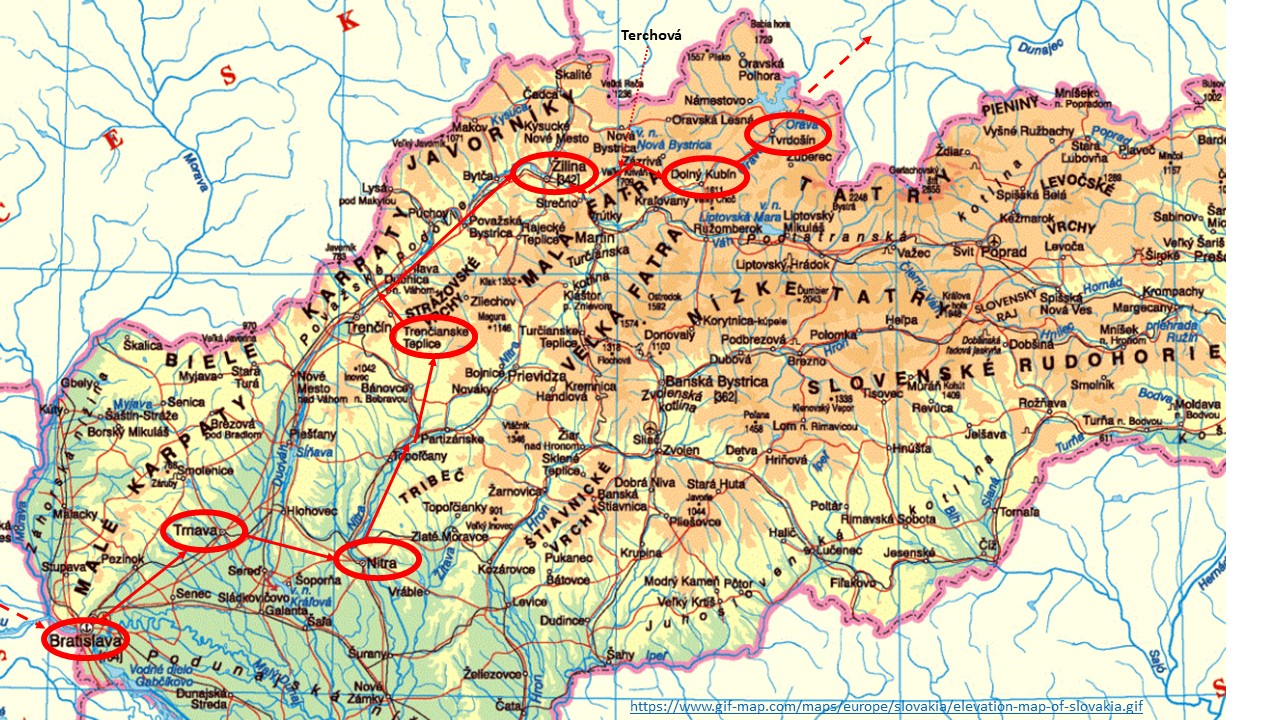
End of August 2021, I am on the road, to Berlin via Slovakia and Poland. My route: Munich, in Slovakia, Bratislava – Trnava – Nitra – Žilina – Strečno and TerchováDolny Kubin, Podbiel and Tvrdošín, then in Poland: Wilkowisko – Kraków – Szklarska Poręba – Wrocław, and finally Berlin.

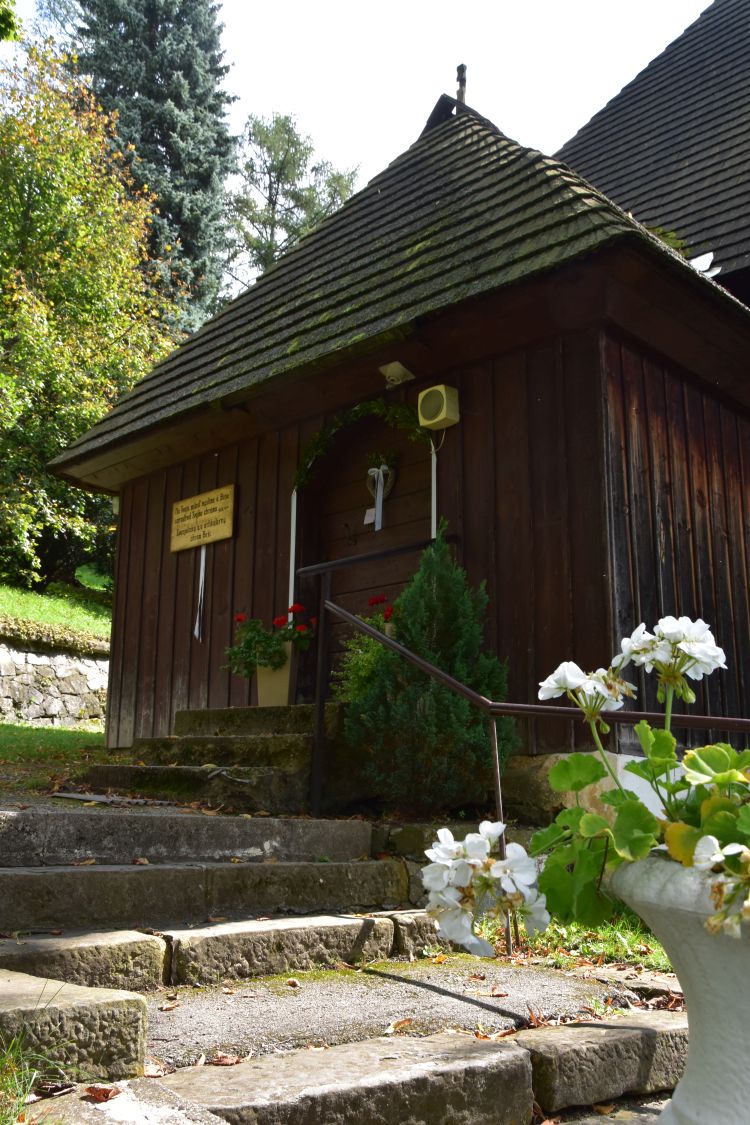
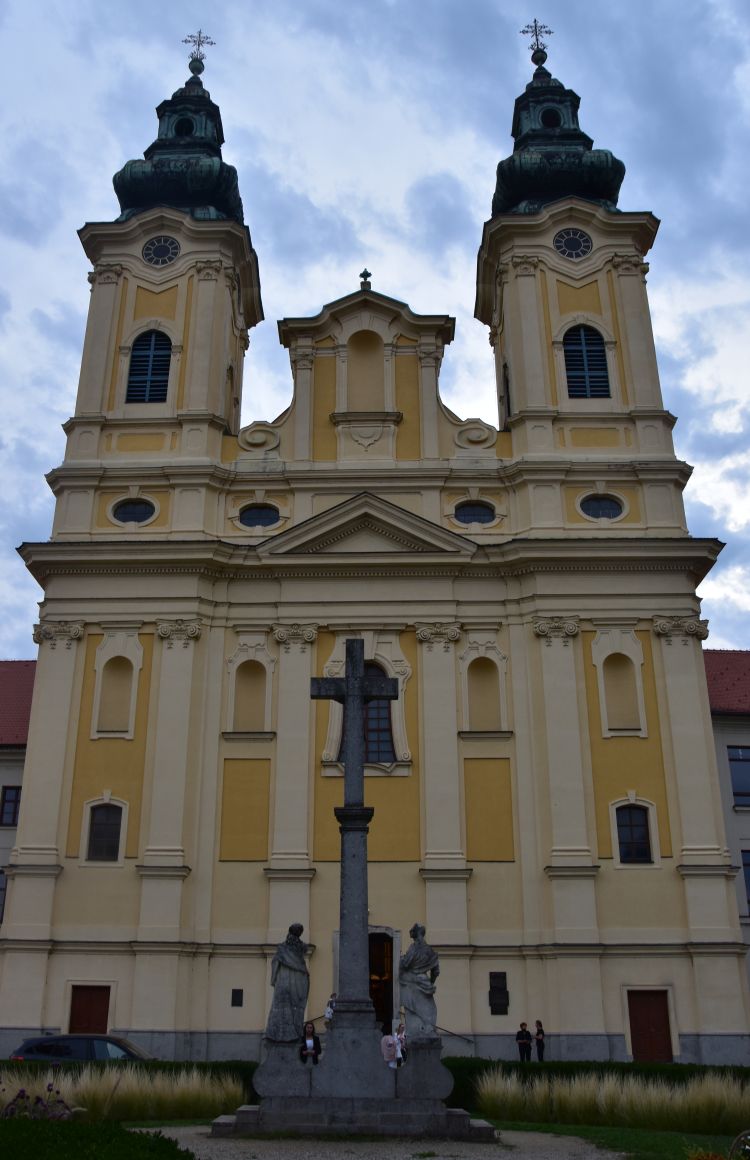
Just after having entered Poland from Slovakia, I come across another wooden church: This is the church of the Immaculate Conception at Spytkowice. 


It is one of many wooden churches in Southern Poland. It dates from the late 18th century and has been enhanced later. Inside are paintings and some 17th century artefacts, as the panel explains. I find the door closed and continue my way. 

This is my plan for travelling through Poland. My final destination is Berlin.
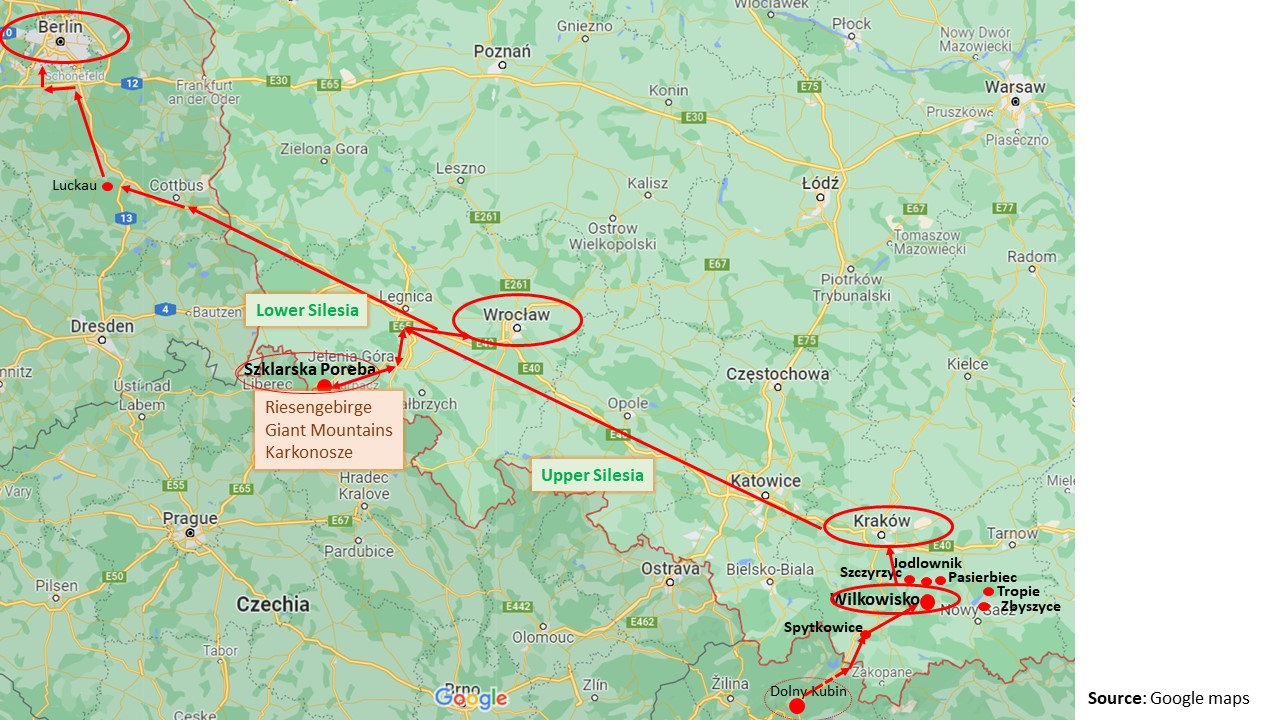
Today I plan to stay at Wilkowisko. 

After having travelled alone for four days, I look forward to staying with the family of Radosław. Along with his mother, his father and his brother, they give me a hearty welcome, they accommodate me with love, and they show me the area around their small village: the monastery Szczyrzyc, the wooden church at Jodłówka, the Sanctuary at Pasierbiec, Tropie with the Romanesque church and the hermit’s chapel and spring in the forest, and the winery Gródek (they grow wine in Poland, too).


The monastery Szczyrzyc

When trying to read “Szczyrzyc”, my tongue gets blocked. But then I think of it in Russian: Щижиць. Much easier for me. Now I can remember the name. The Polish way of combining “our” characters to form the Slavic sibilant sounds is logical, but it seems somewhat complicated to me: “szcz” is just “щ” in Cyrillic and “rz” is “ж”.

The monastery of Szczyrzyc  is a Cistercian Abbey. It was founded in 1234 and has been active since then, under the Austrians, under the Nazi, under the Soviets, always. The Abbey resisted the Nazis and, in 1945, received a medal for that.

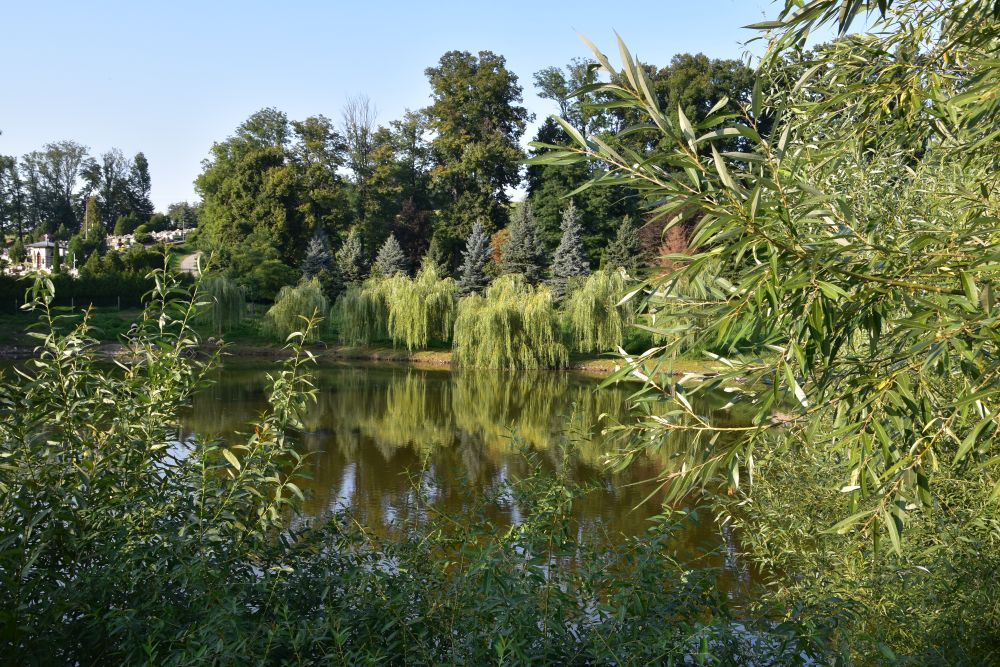
The monastery is economically active. They run a brewery, they have a farm with animals (even some friendly alpacas) and a romantic pond for fish.
The church from the 17th century has been reconstructed in the 19th century.
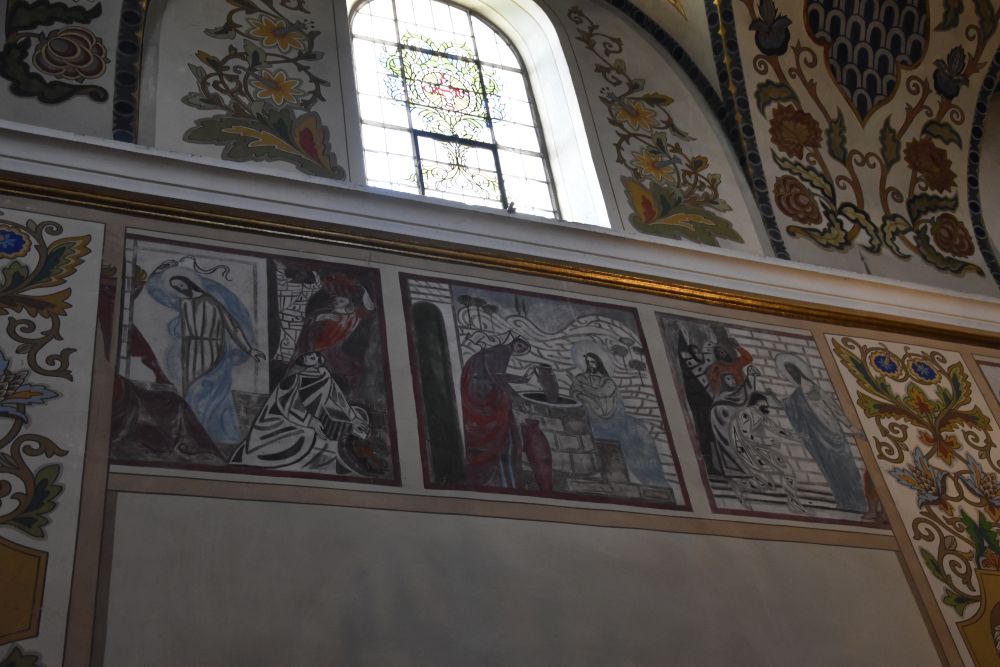
Behind the abbey there is this hill with a chapel.

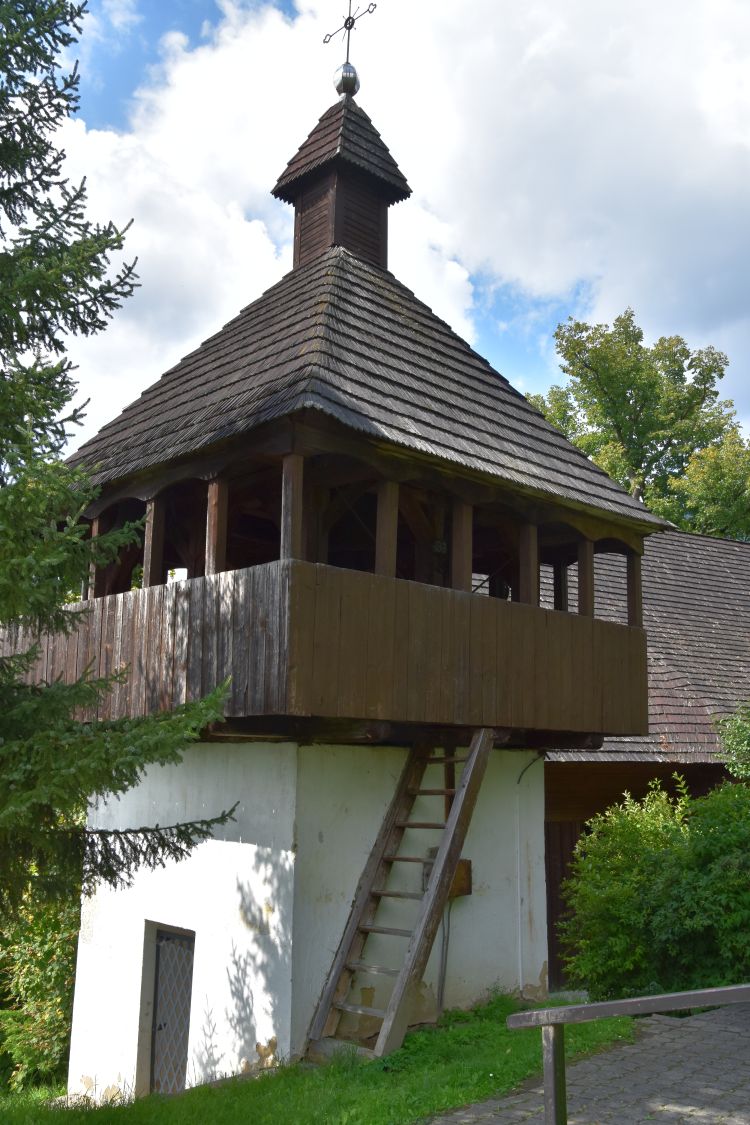
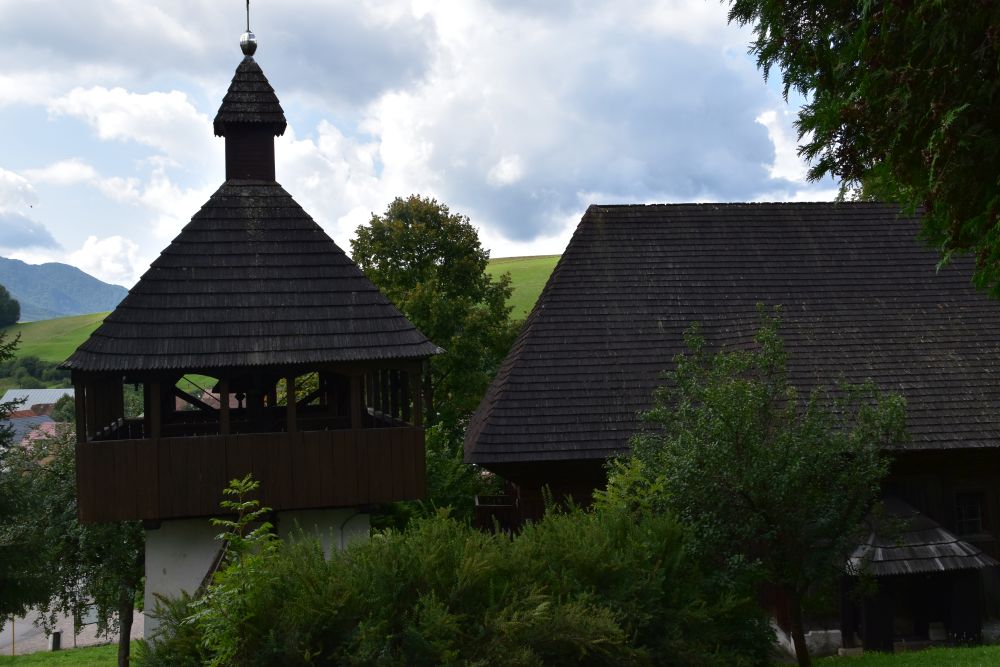
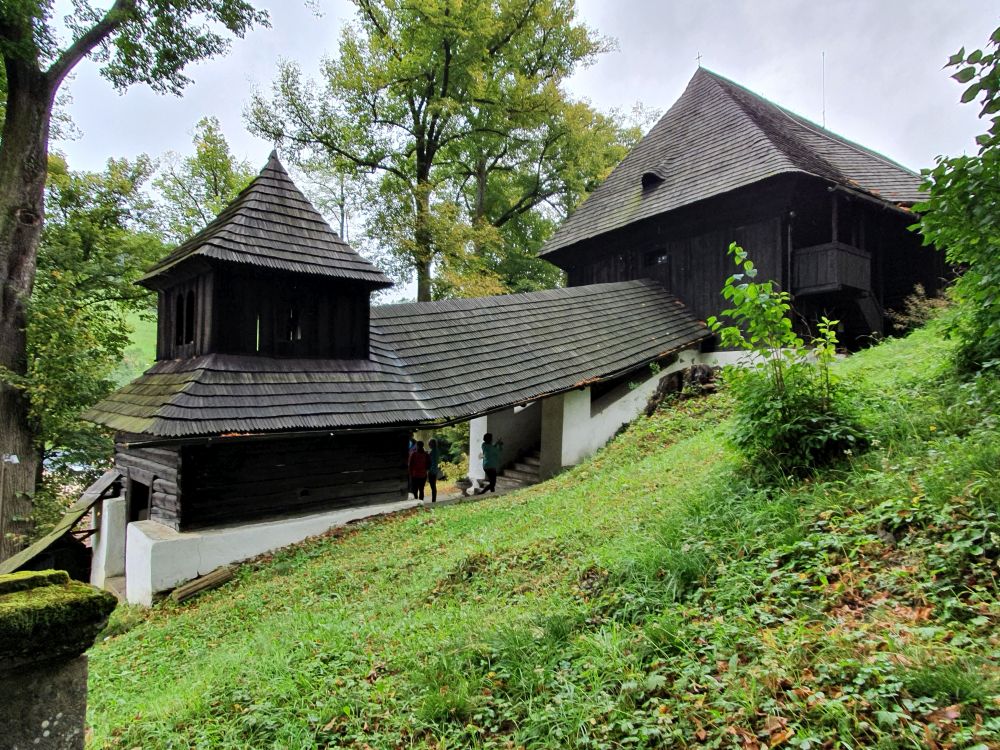
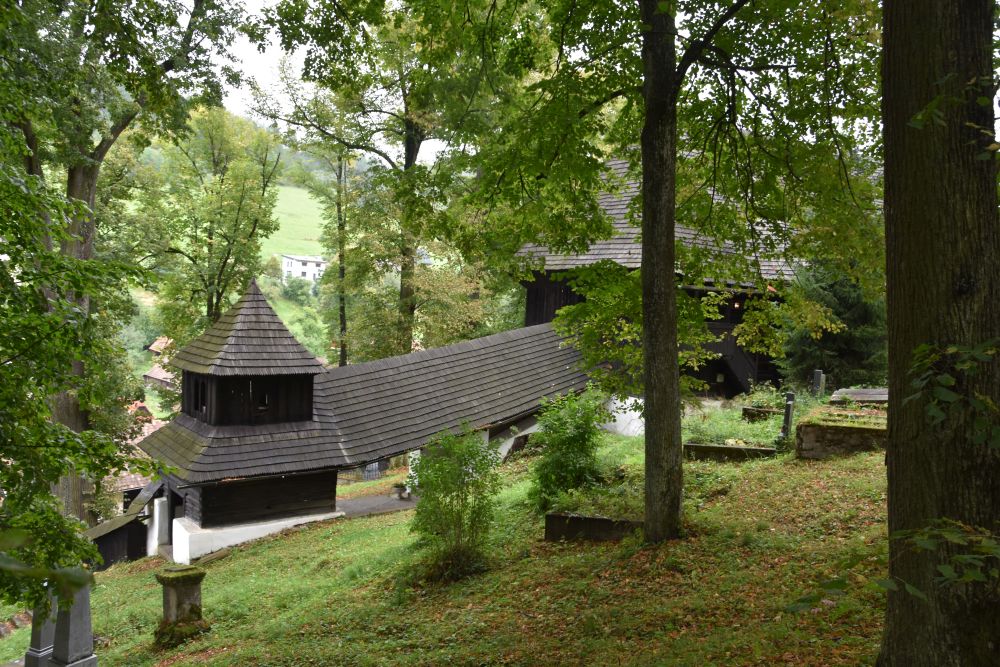
Here the belfry guards over the monastery. 
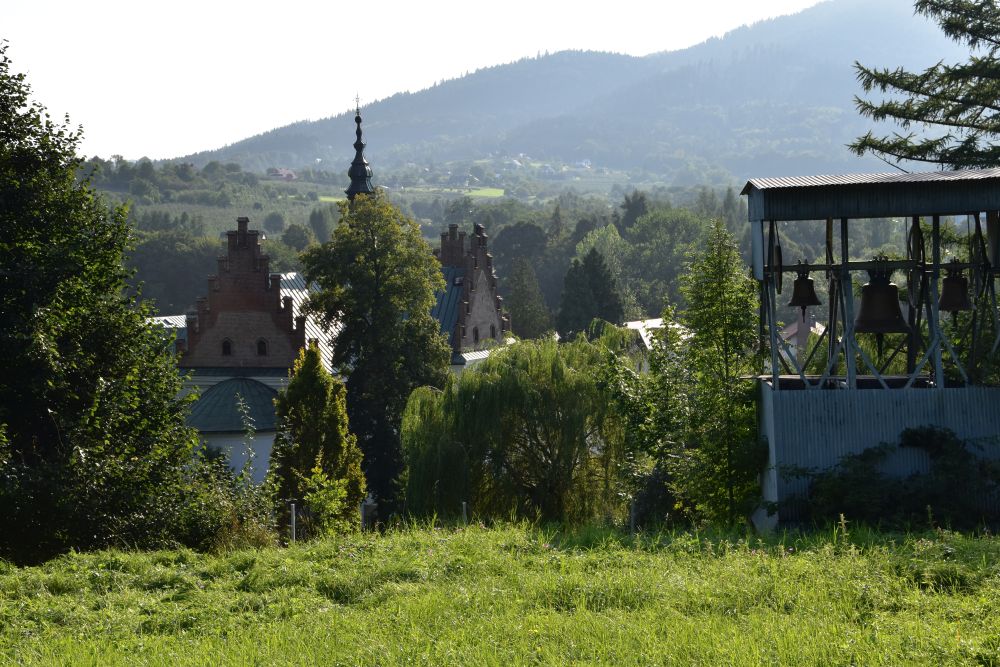
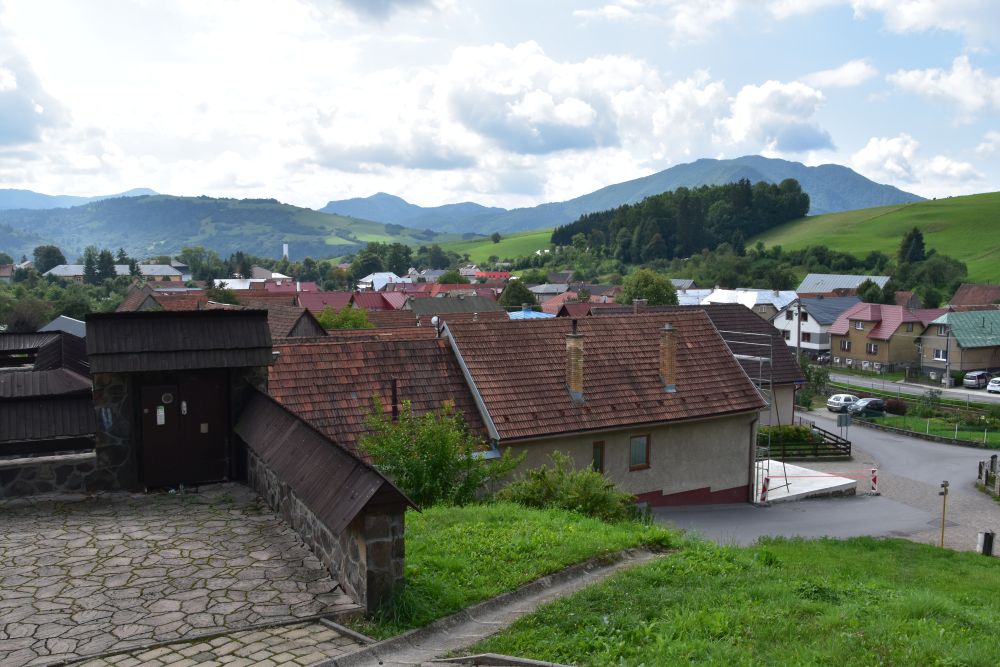
A wonderful setting in the hills.


The wooden church at Jodłówka

Our next stop is Jodłówka. There is a Parish named after Narodzenia Najświętszej Maryi Panny (Birth of the Blessed Virgin Mary) with a modern, new church and with the old wooden church. We look at the small wooden church.  

In 1585, it was built by the owner of the village. After his death, it was taken over by the Dominicans. Since the 18th century, the Cistercians have taken care of it. It served as the parish church, until the new church was inaugurated.

A Cistercian opens the church for us. The paintings on the ceiling and on the wall are from the 18th century and mostly relate to the Dominican order.  
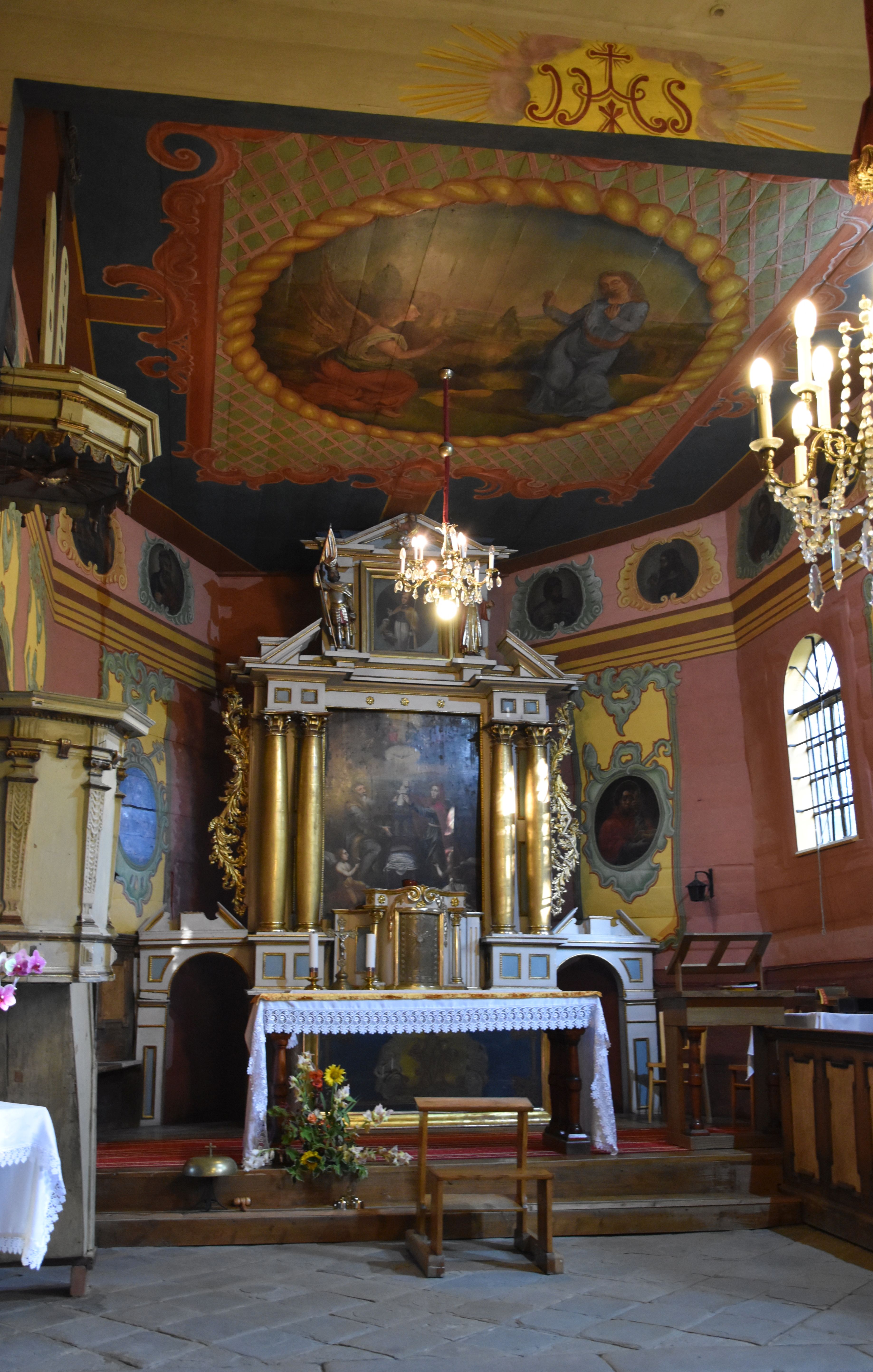
There are also older paintings from the 17th century. The original altar painting is now in the new church. 

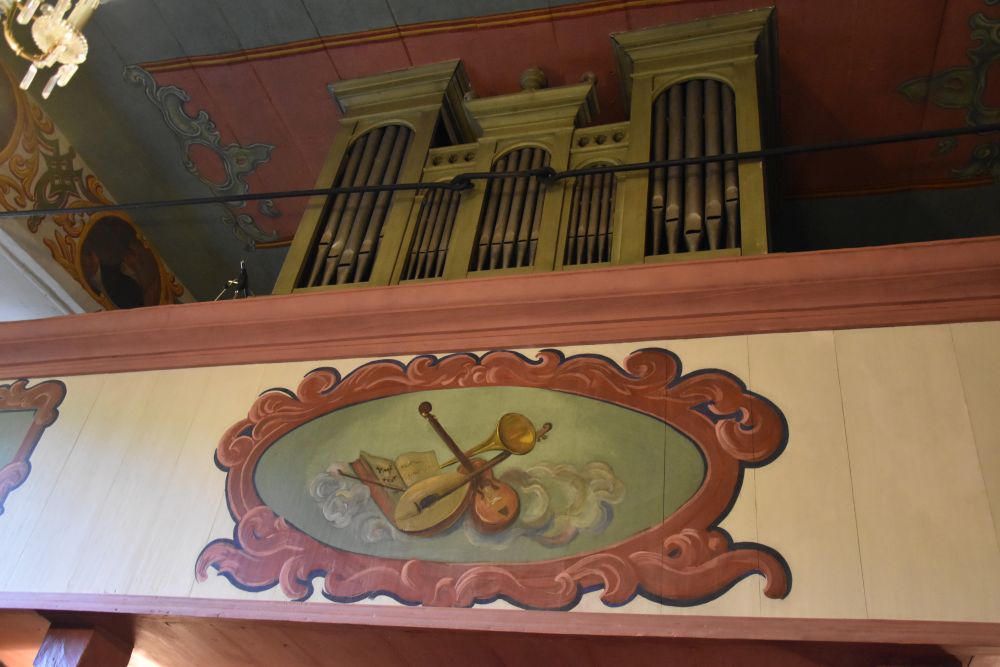
The joyful medallion below the organ alludes to music. 
I like the representation of the Ten Commandments above the pulpit. The pulpit is from the 16th century, built in Renaissance style.
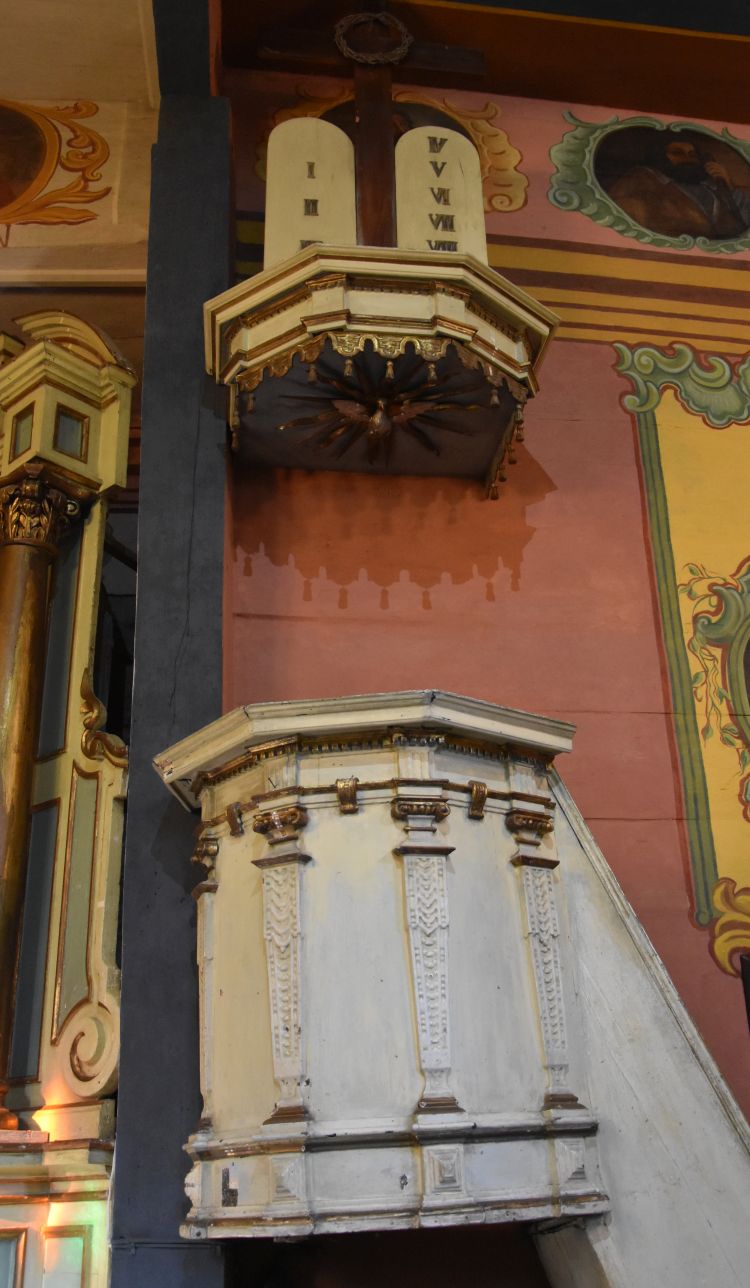
May the Holy Spirit, represented as a pigeon, guide the preacher well.

Later I learn from Wikpedia that this wooden church is on the Wooden Architecture Trail in Lesser Poland (Małopolska) which includes 253 objects on 1500km, some of which are UNESCO World Heritage Sites.


The Sanctuary Matki Bożej Pocieszenia at Pasierbiec

Above Pasierbiec we stop near this beautiful modern church dedicated to Our Lady of Consolation (Matki Bożej Pocieszenia).
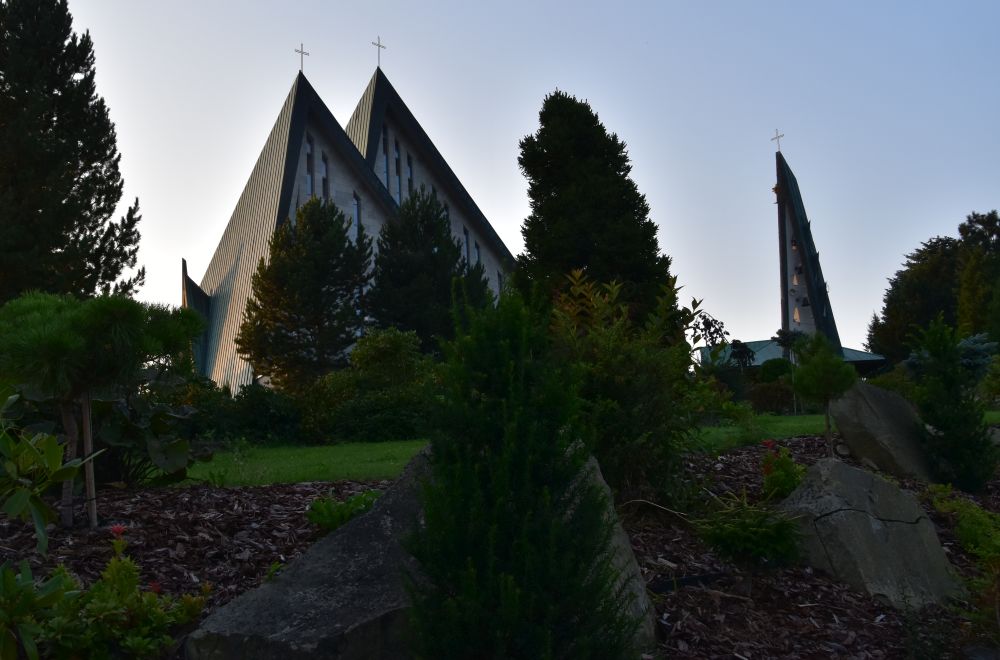
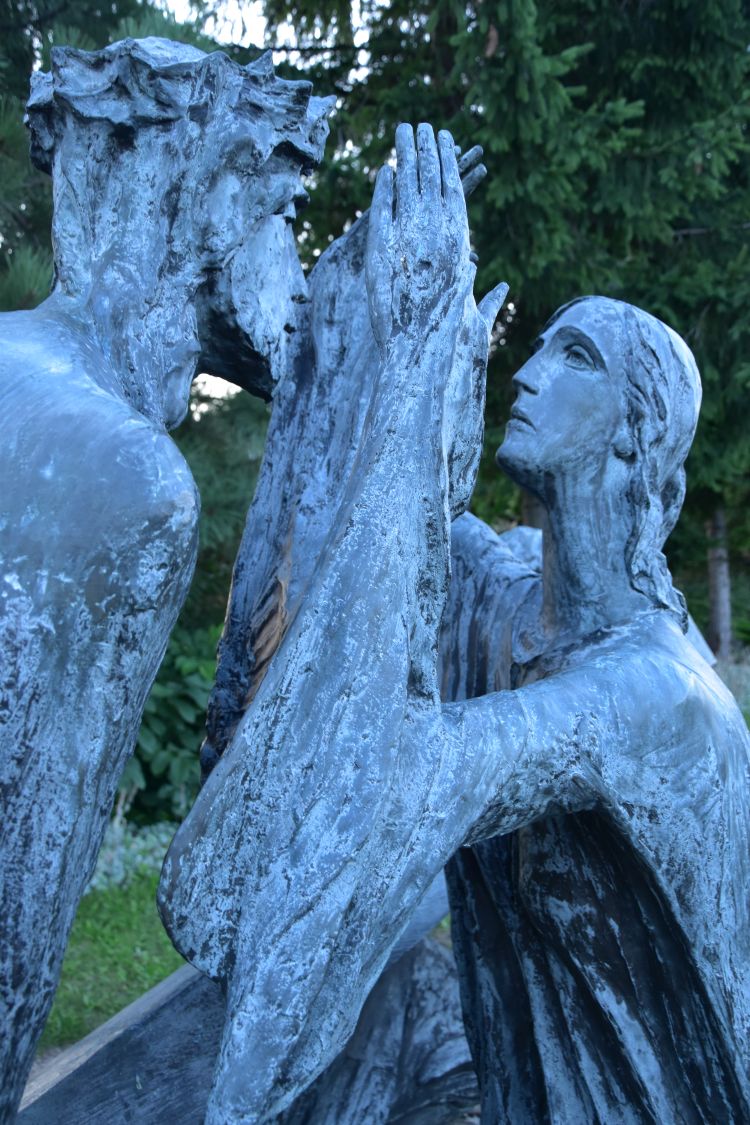
Behind the church, there are the Stations of the Cross. I look at the sculptures and ask, who made them, perhaps Bronisław Chromy?

Radosław ‘s mum is surprised: “You know Bronisław Chromy?” She tells me that he has designed the sculptures, but he was no longer able to accomplish his work before his death. 

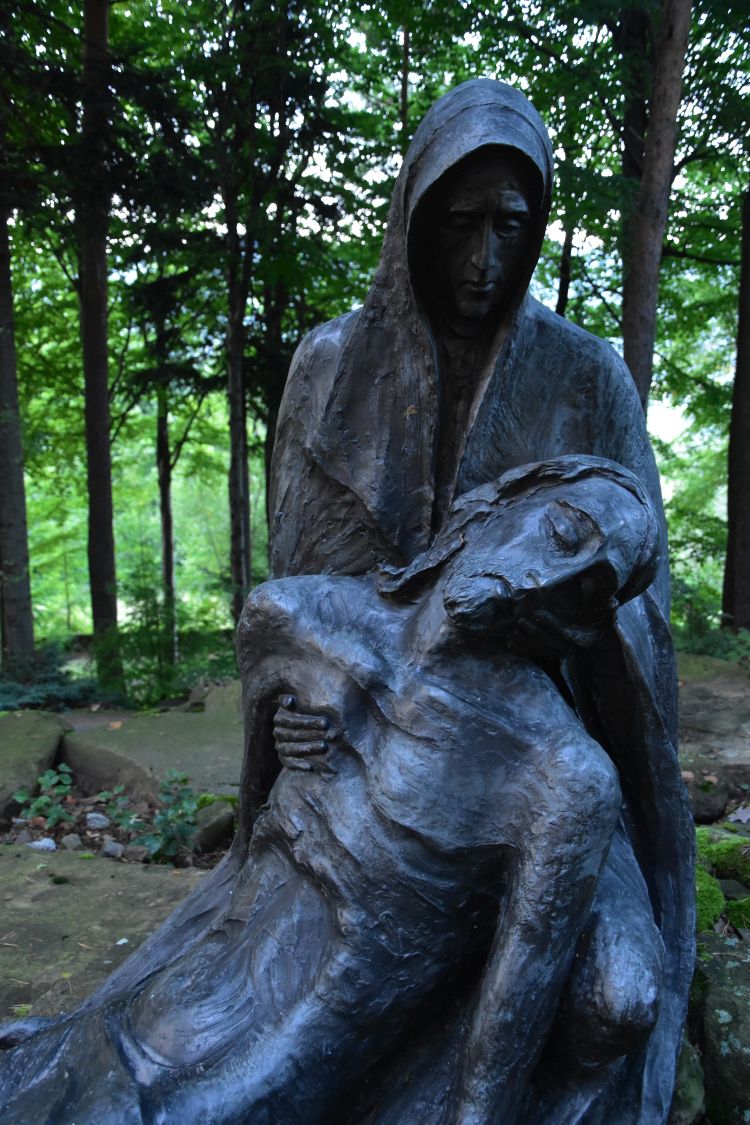
Beautiful, how the mother looks at her son suffering.
This is, how Bronisław Chromy interprets the Pietá.
Inside the church, angels are flying. 
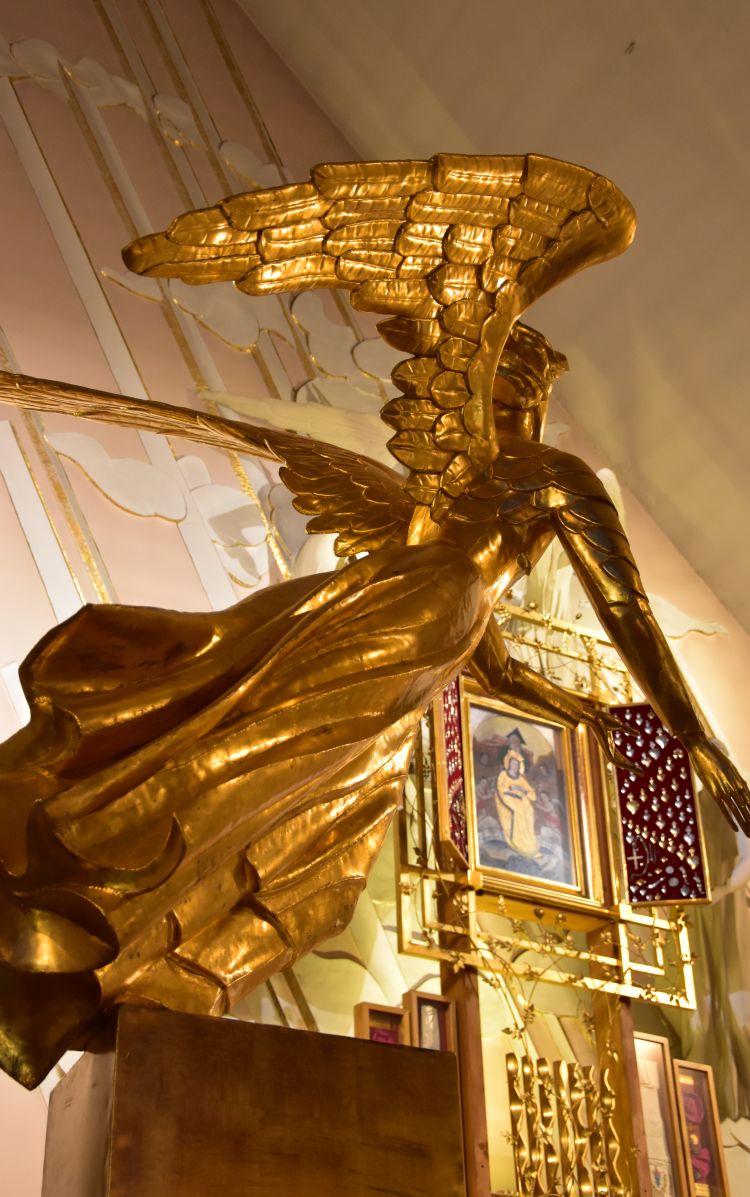
I remember Bronisław Chromy’s Christ at the church Arka Pana in Kraków (Nova Huta) that I once used as a Christmas card. Just beautiful. 

Bronisław Chromy has also made profane statues like Pies Dżok, the faithful dog; the dog waited at a road junction for his master that had died. The sculpture is near the Wawel at Kraków.

In addition, there are more of his sculptures in Kraków such as the owls in Planty, the fire spitting dragon below Wawel castle or the collection of statues integrated into Park Desjusza. 


Tropie with the Romanesque church, with the romantic chapels in the forest and with Zamek Tropsztyn across the lake

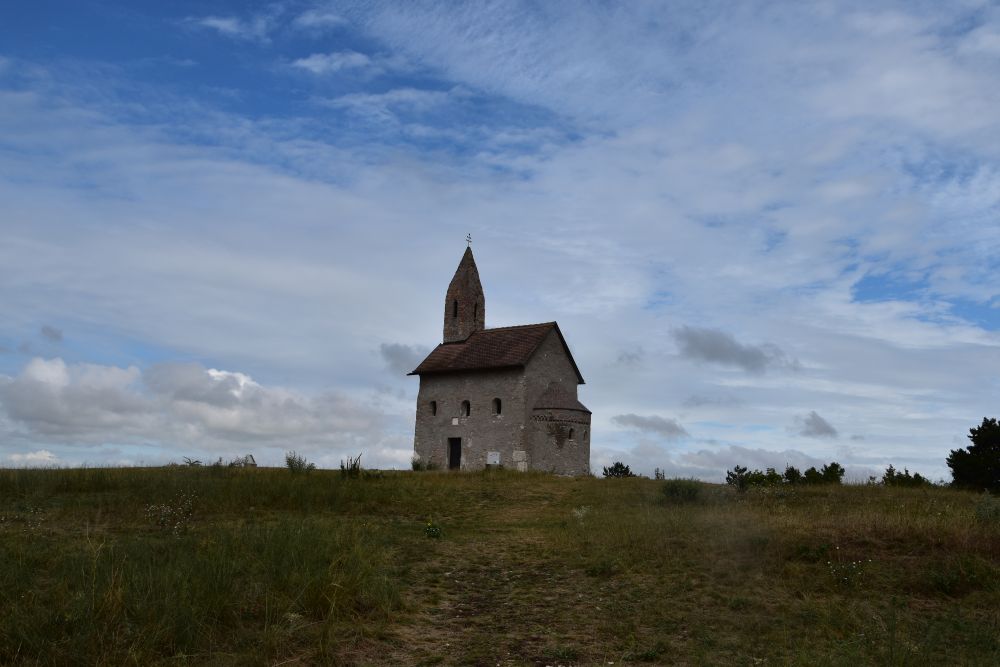
Above the Czchów Lake, we visit the church St. Andrew and St. Benedict (kościół parafialny p.w. Świętych Andrzeja Świerada i Benedykta) from the late 11th or early 12th century. The original Romanesque choir walls have been preserved, along with remains of Romanesque paintings inside.

Below the church, benches above the lake invite to an open air service, when it is raining less. 

Nearby, we find the Chapel “Hermitage St. Andrzej Świerad” in the rainy and swampy forest. St. Świerad was the Benedictine monk who retreated here in the 10/11th century which was the reason that the St. Andrew and St. Benedict church was built nearby. 
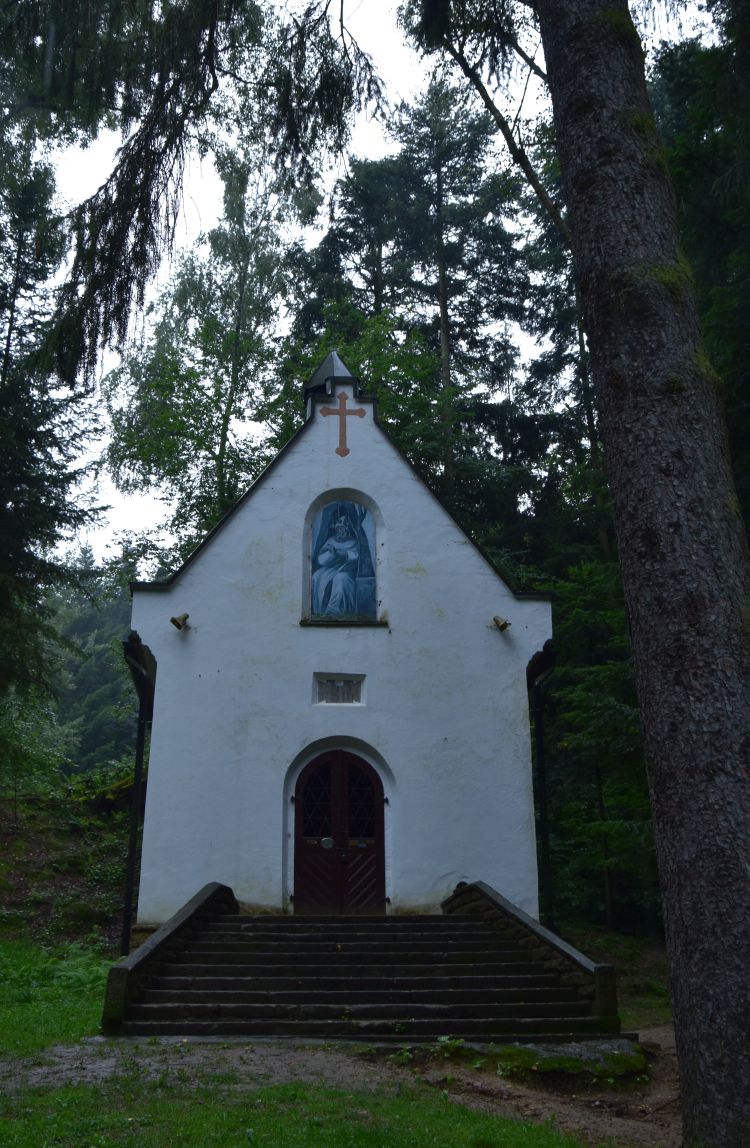
Also here, there are benches for an open air service. 

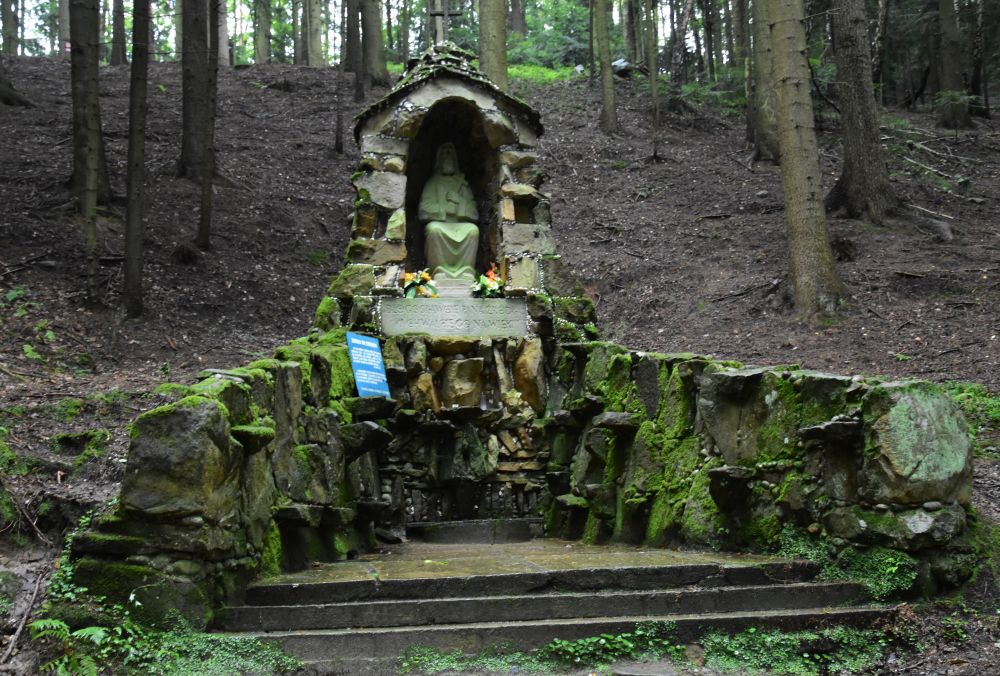
Above the chapel, there is a spring (źródło) with an altar showing St. Świerad. It is said that he used to pray here.
Across the lake, we see the Tropsztyn Castle (Zamek Tropsztyn).
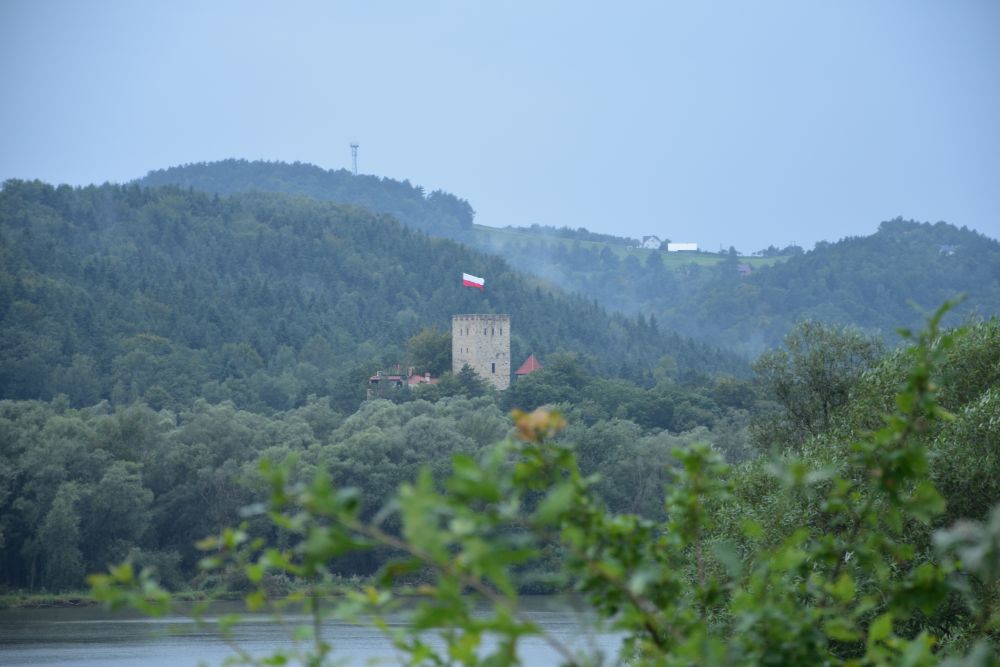
The castle (first built from wood) dates from the early 13th century, the tower is from the 14/15th century. The castle changed owners over the centuries. Already in 1608, it was described to be a ruin. After 1993, it was restored and opened to the public. Currently, it seems to be closed (see entry on google maps).


Winery Gródek

To round off our day, we visit the Winnica Gródek, founded in 2014. It is beautifully located in Zbyszyce above the river Dunajec and the Rożnowskie Lake.
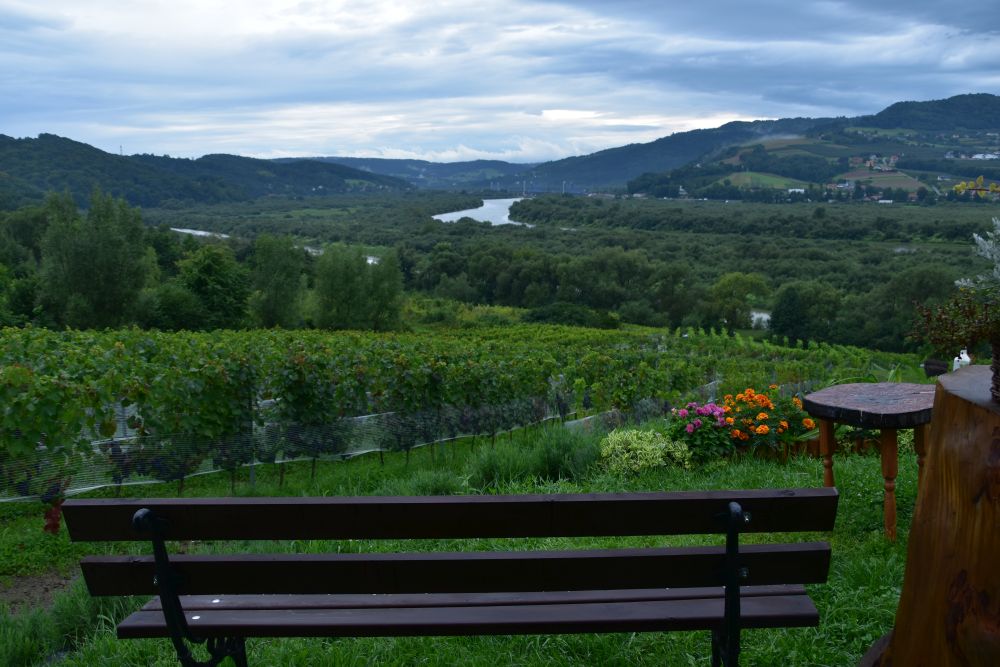
The vineyards comprising 7 ha face east and southwest. Some voices in the Internet attribute potential to this young winery.
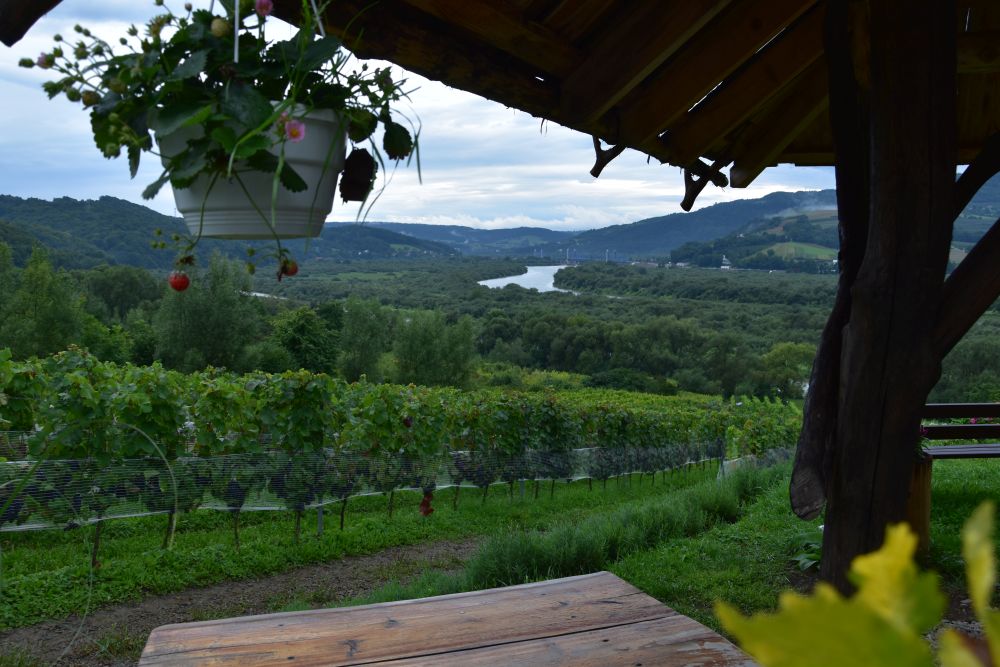
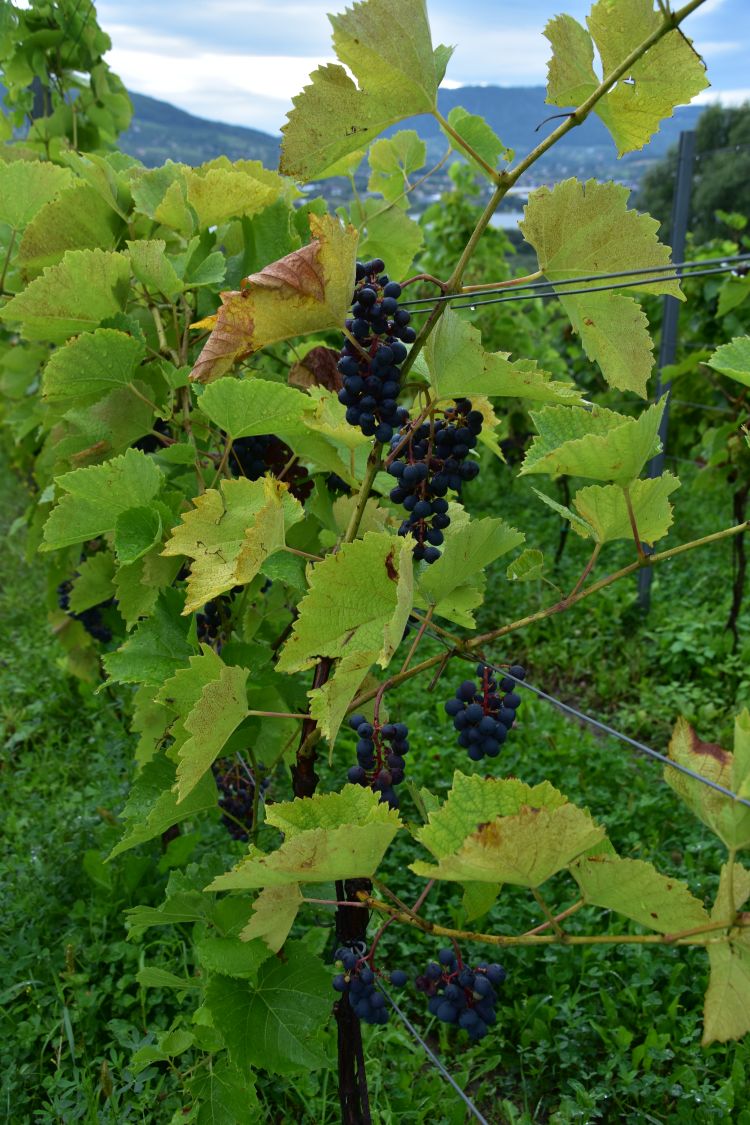
Yes, there are wineries in Poland. The grapes they grow are more resistant such as Solaris or Regent. 
We sit down on the balcony, wrapped up in blankets…
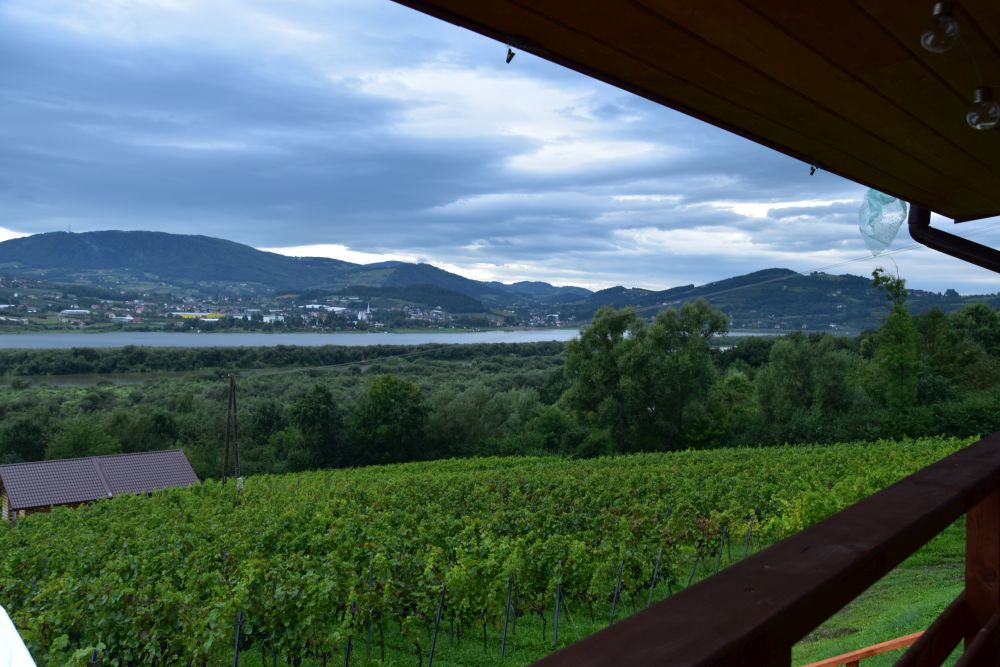
… and taste some of their wines that are offered with a small snack.
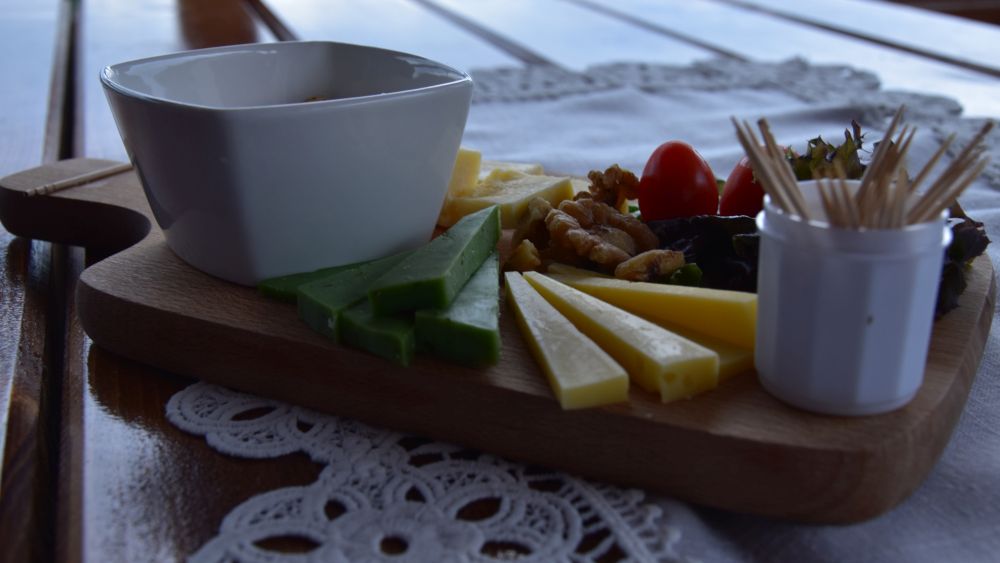
I like their Solaris offered and buy a bottle. I will try it with my neighbours, when back in Switzerland, and we enjoyed it. In addition I buy half a bottle of Riesling that I will share with a friend in Berlin. This Riesling, however, has room for improvement. May be, Poland is too far north, even for a Riesling that delivers its best results in Germany and in the Alsace. 


Good-bye Wilkowisko

My friend’s parents live in the small village Wilkowisko – a few houses scattered along one road. The name took me a long time to remember. What helped me: “Wilk” means “wolf” in Polish.

I do thank you for these two wonderful days. This corner of Europe offers so much to discover. And, now, back at home, I enjoy the delicious miód (honey) that your neighbours have produced.

My next destination will be Kraków. I look forward to “coming home”, as I have been in Kraków so many times, in pre-Covid times hopping over from Basel by Easyjet with the cheese for Fondue in my suitcase for my friends. This time I will prepare Röschti with cheese (for the vegetarians) or with thin strips of meat in a sauce (for the non vegetarians). 


Sources:

A Swiss butterfly in Slovakia: Podbiel and Tvrdošín

End of August 2021, I am on the road again, to Berlin via Slovakia and Poland. My route: Munich, in Slovakia: BratislavaTrnavaNitra – Žilina Strečno and TerchováDolny Kubin, then in Poland: Wilkowisko – Karków – Szklarska Poręba – Wroclaw, and finally Berlin. 

Today I will drive to Poland, with three stop overs in Slovakia, the first in Podbiel with its wooden houses, the second in Tvrdošín with its Gothic wooden church and a short third stop at the Orvina Lake (or Arwa Lake) near the border between Slovakia and Poland.


Podbiel with the traditional wooden houses, Slovakian Inheritage of local architecture

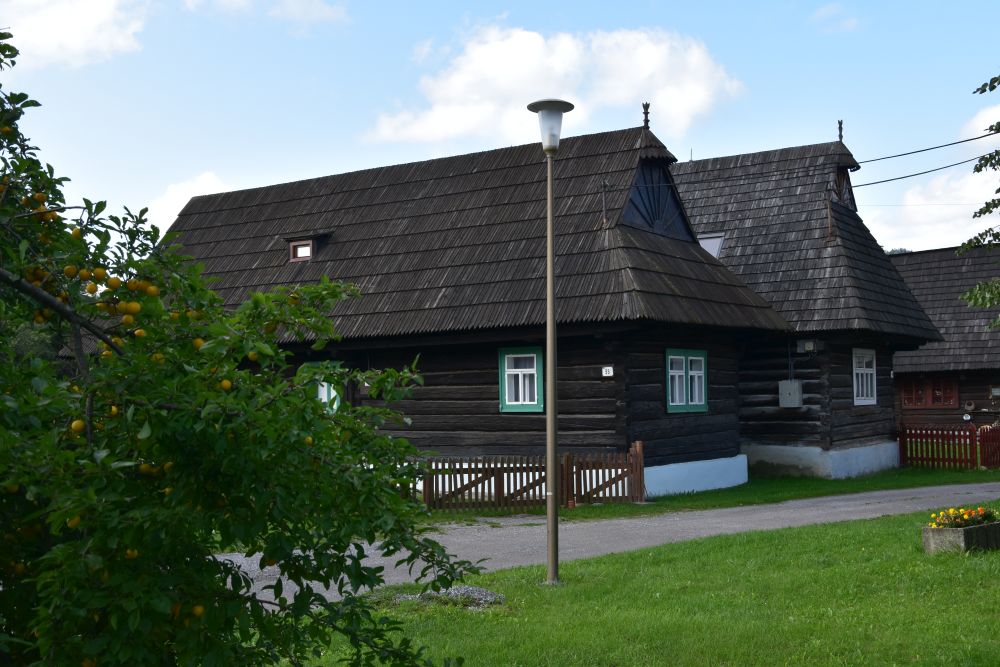
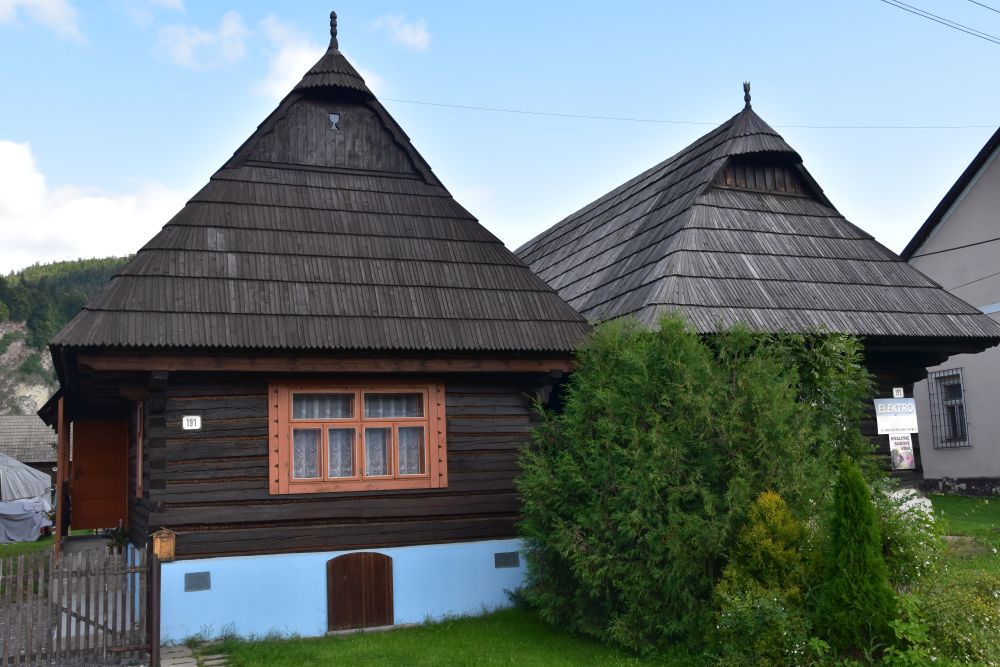
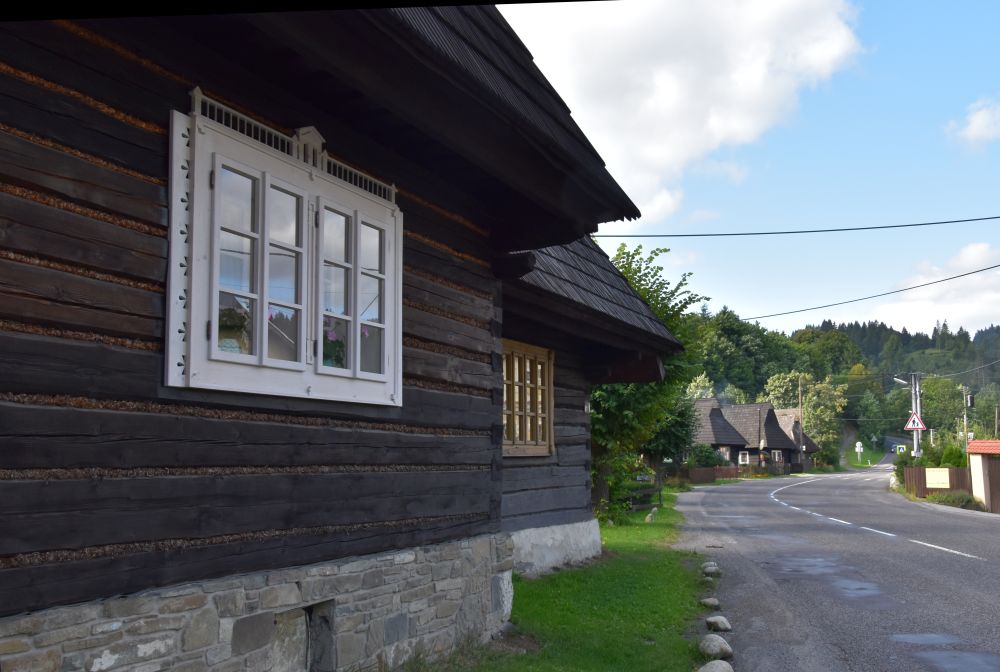
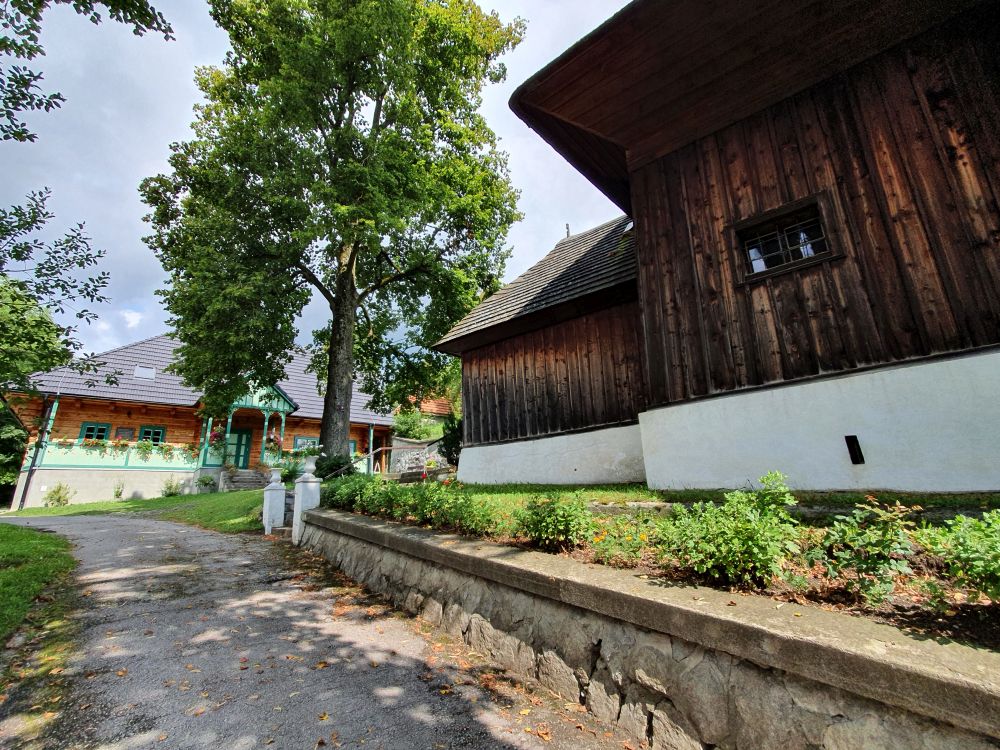
The village Podbiel, is located about half an hour north of Dolny Kubin. In the centre, an ensemble of traditional wooden houses has been preserved. The village is declared a Slovakian reservation of folk architecture.

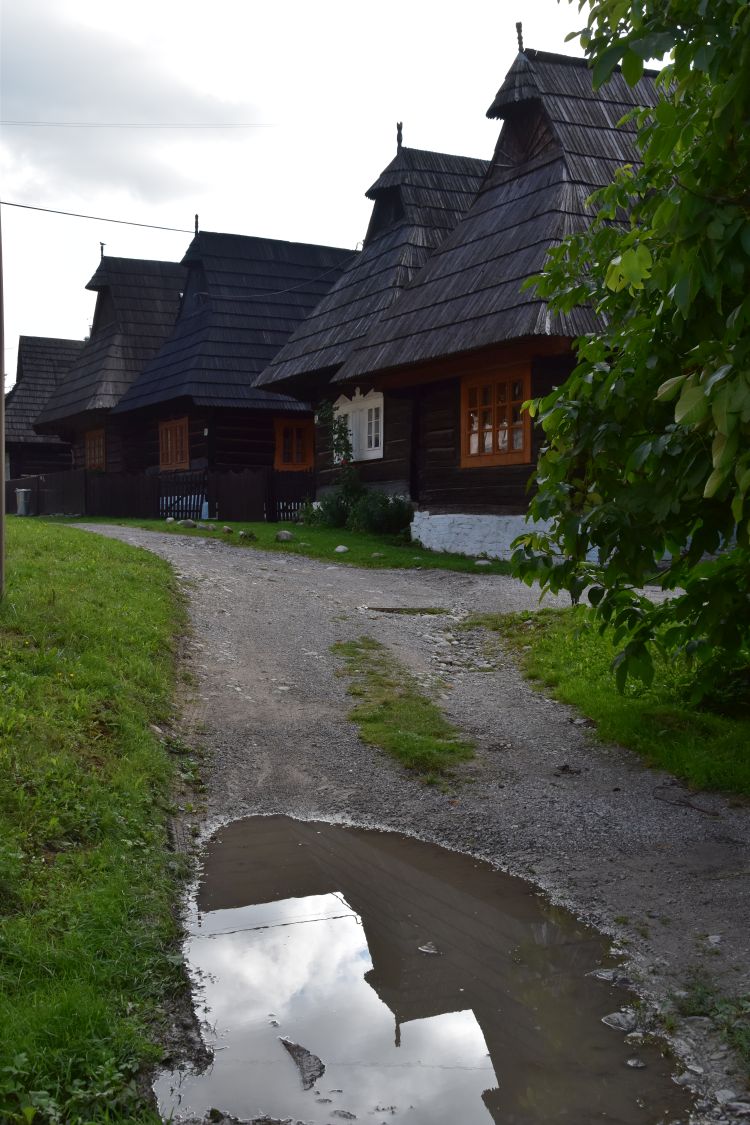
The atmosphere is cosy along the side street,…

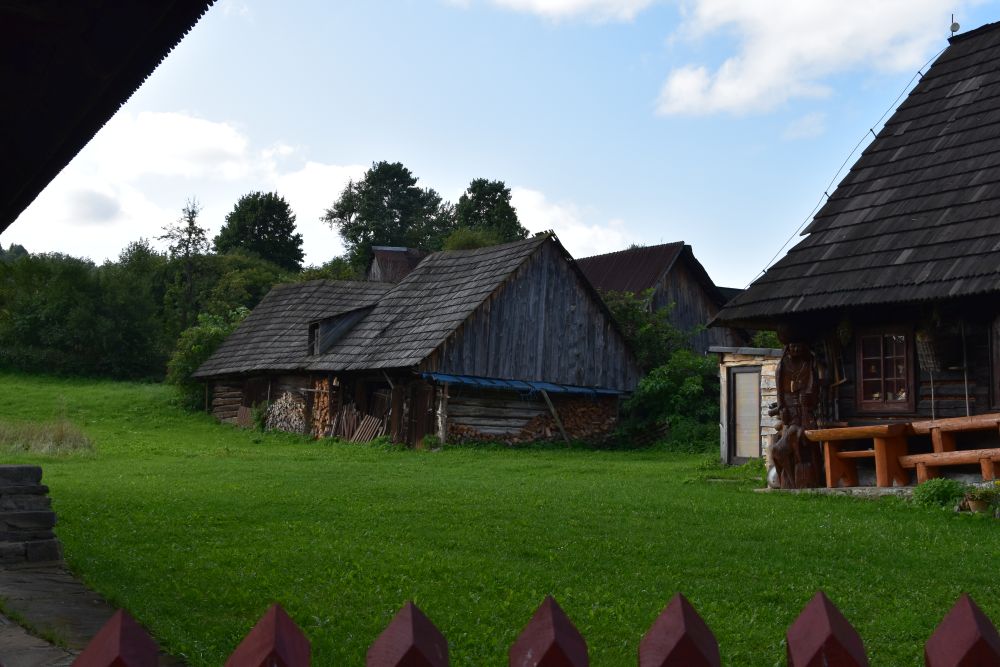
… with green meadows between the houses.

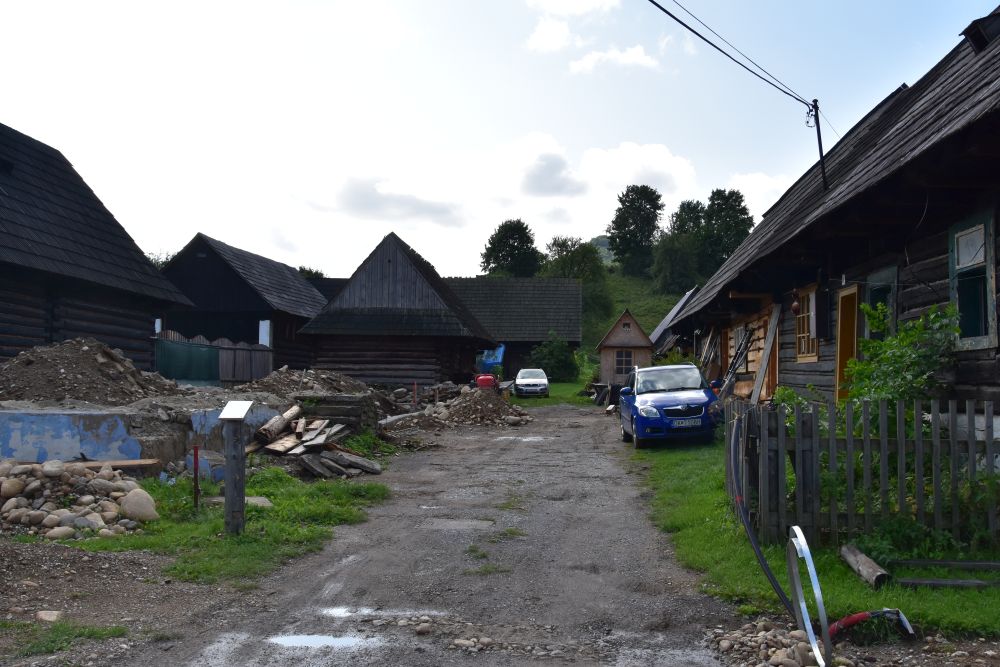
Tradition mixes up with modern times… cars are parked in front of the houses and construction work seems to be going on. 

In one of the houses the local electrician announces his business.

Sadly, most of the houses are bordering the busy main road, where many trucks pass by.

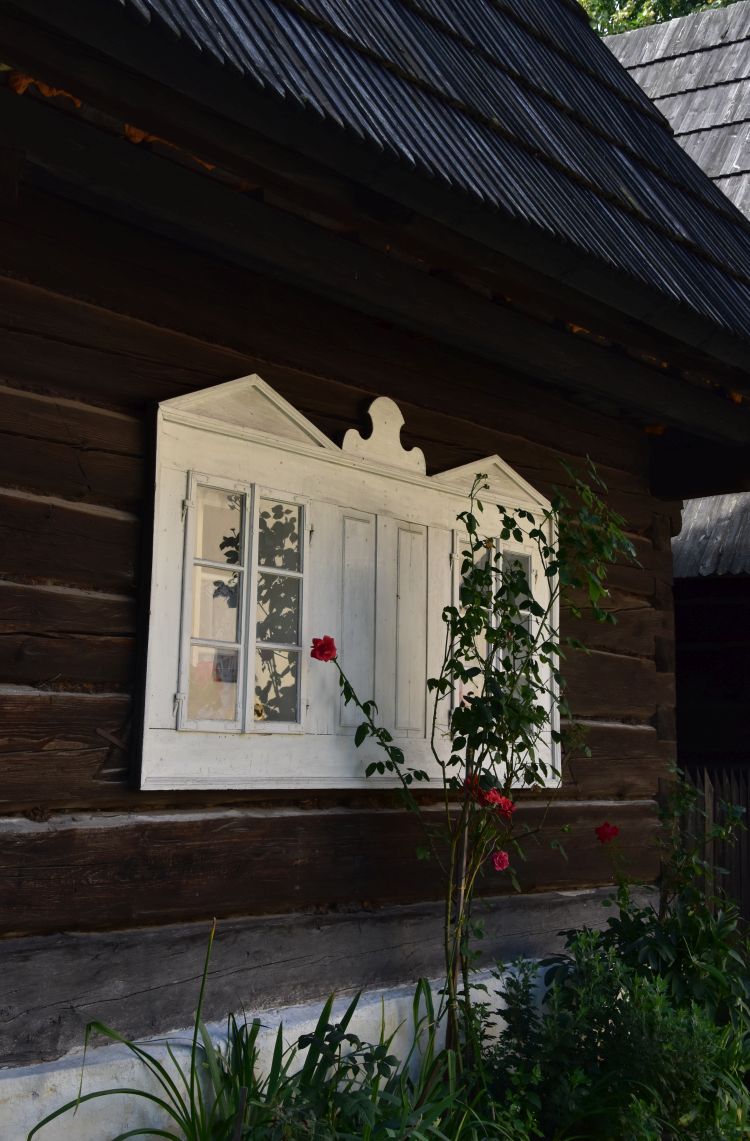
I return to the side street and enjoy looking at these two wooden houses, …

… where the white window frame contrasts nicely with the red colour of the rose bush.

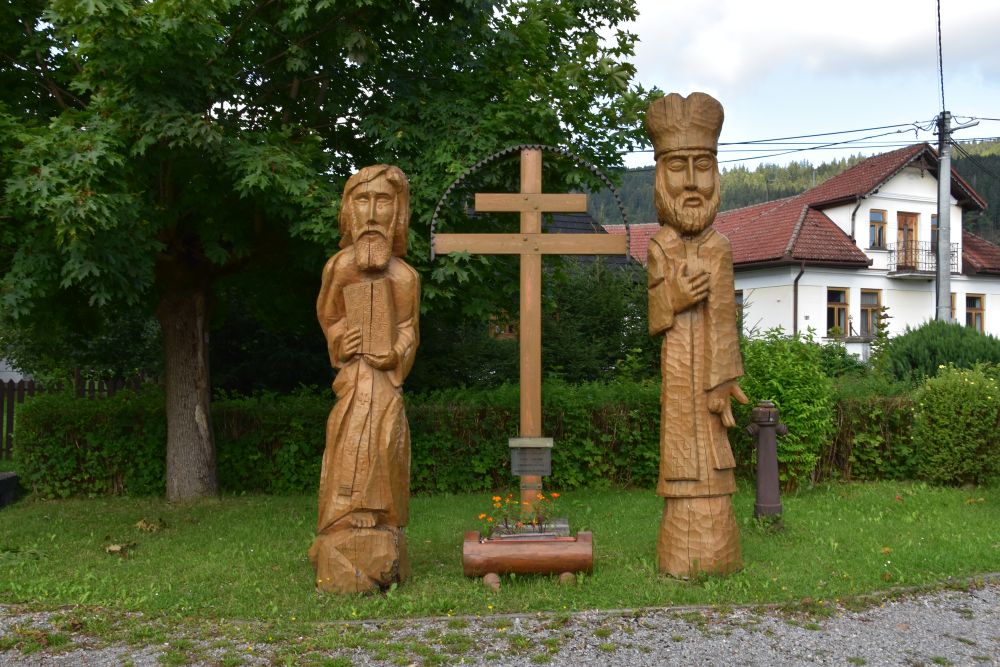
On the main square, I greet Cyril and Methodius with their orthodox cross…

… and then, I say good-bye to Podbiel. Within another ten minutes, I am at Tvrdošín.


Tvrdošín and the wooden Gothic church of All Saints, a national cultural monument

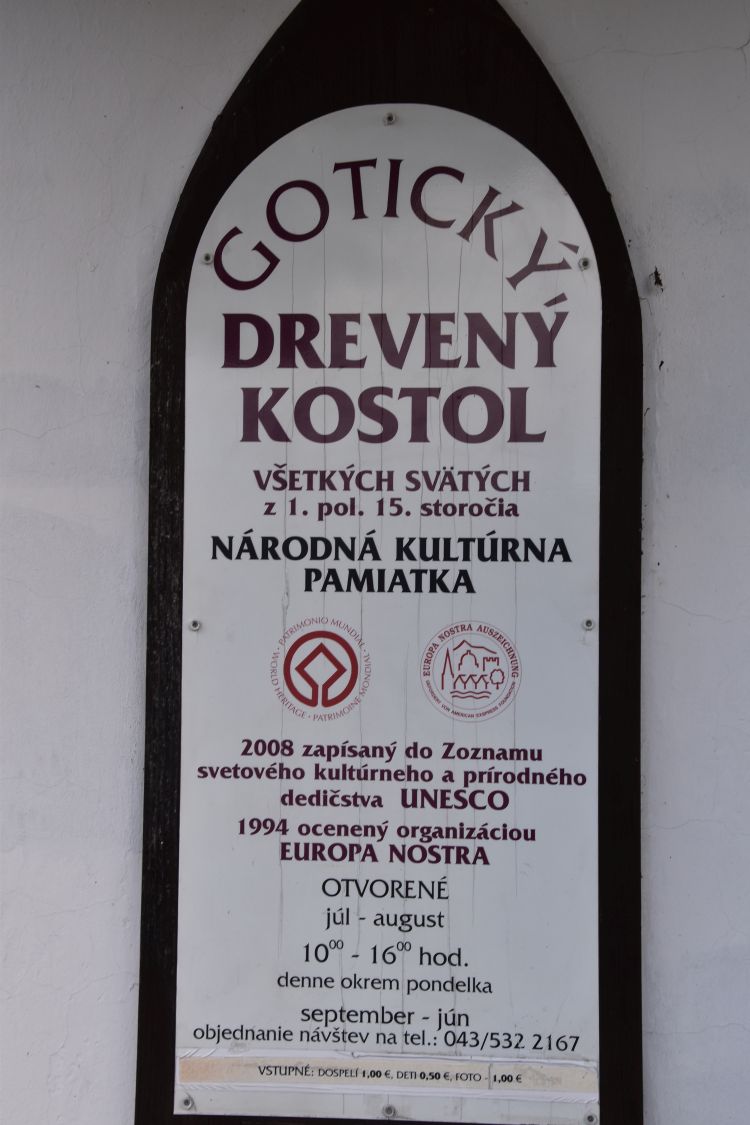
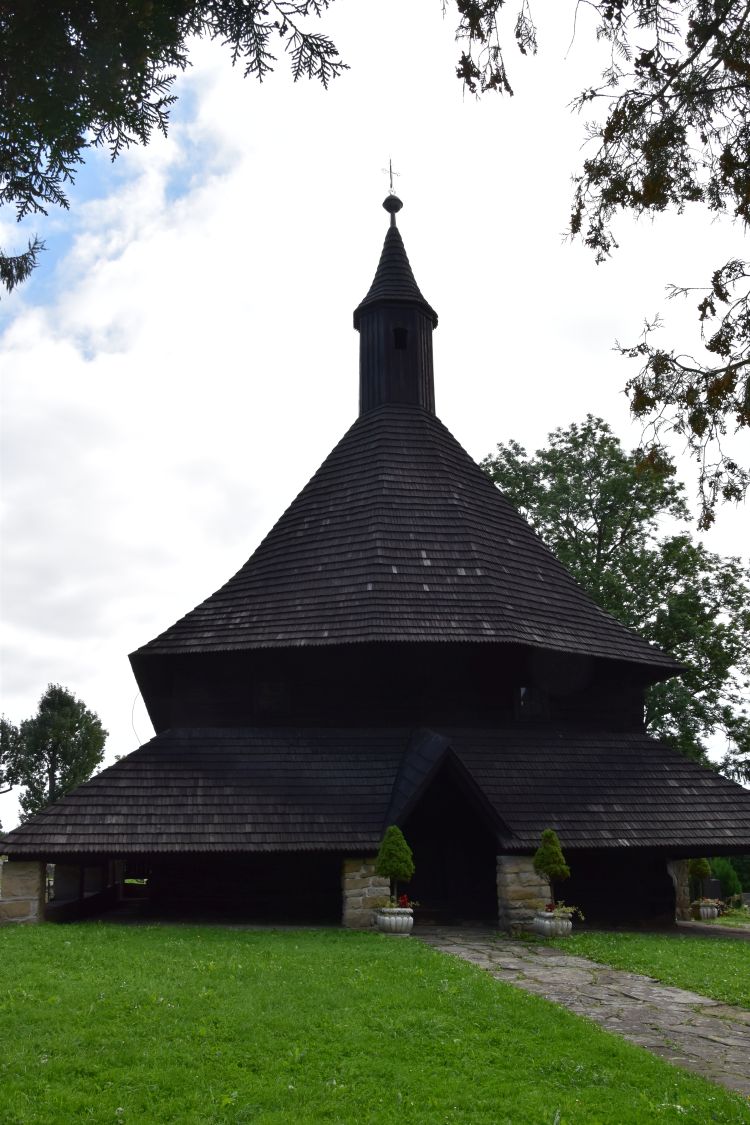
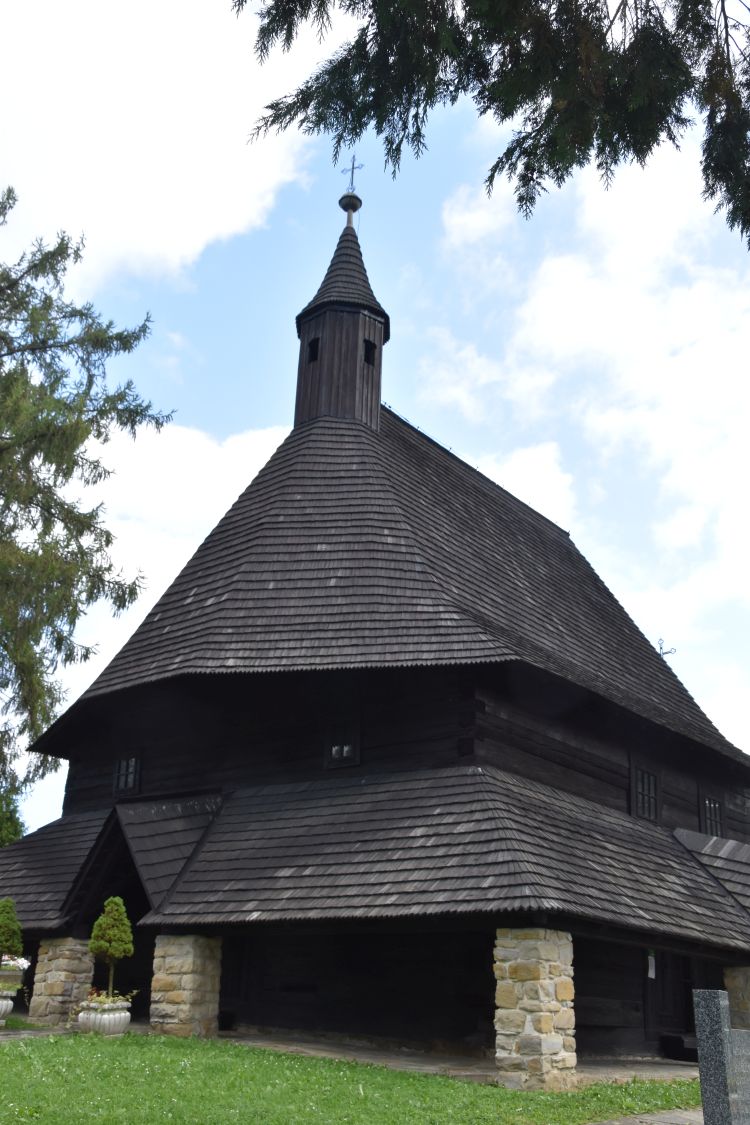
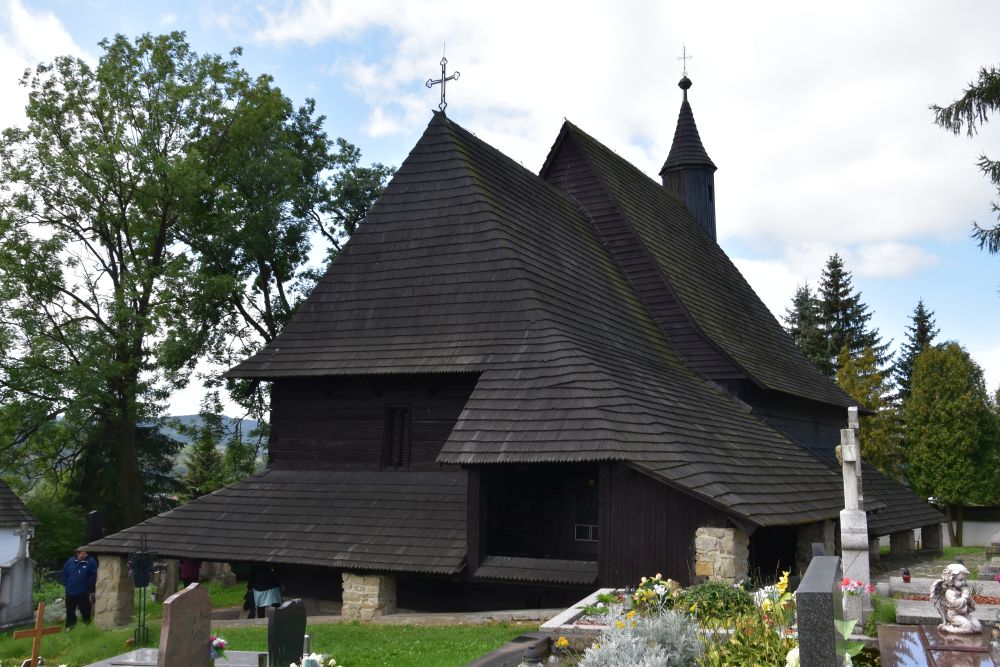
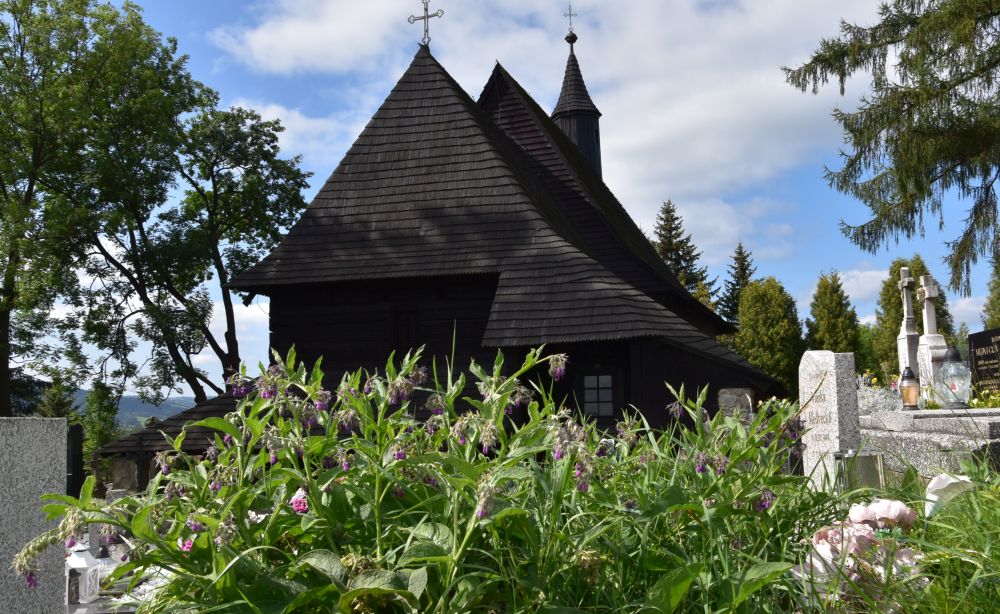
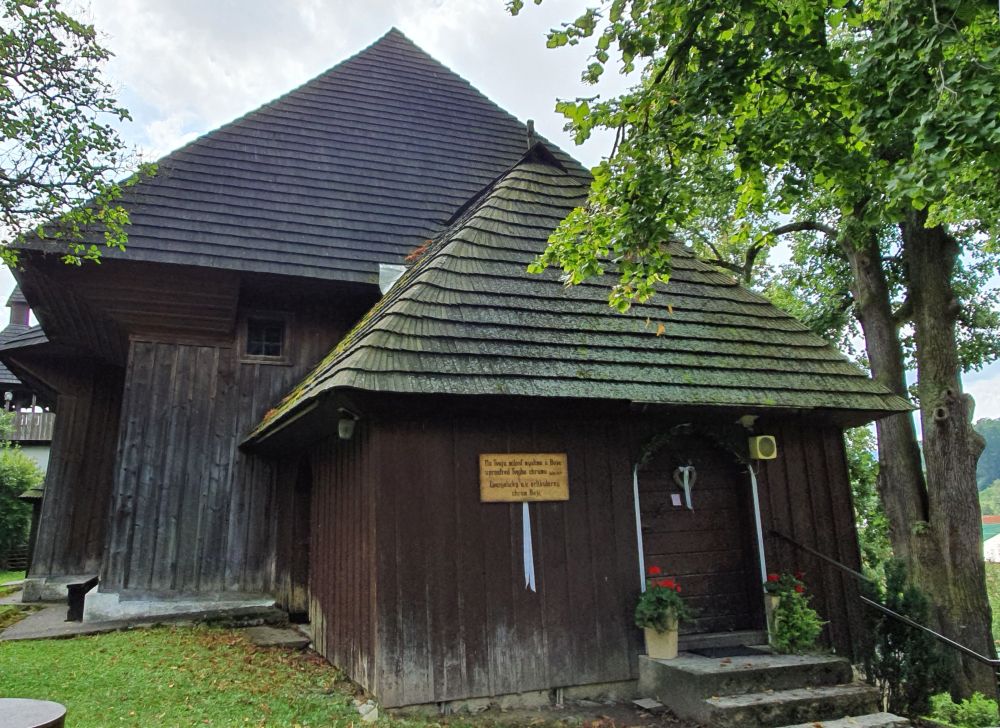
The wooden Gothic church of All Saints at Tvrdošín originates presumably from the late 15th century and was reconstructed in the 17th century. 

It is a national cultural monument, registered in the UNESCO list since 2008 . 

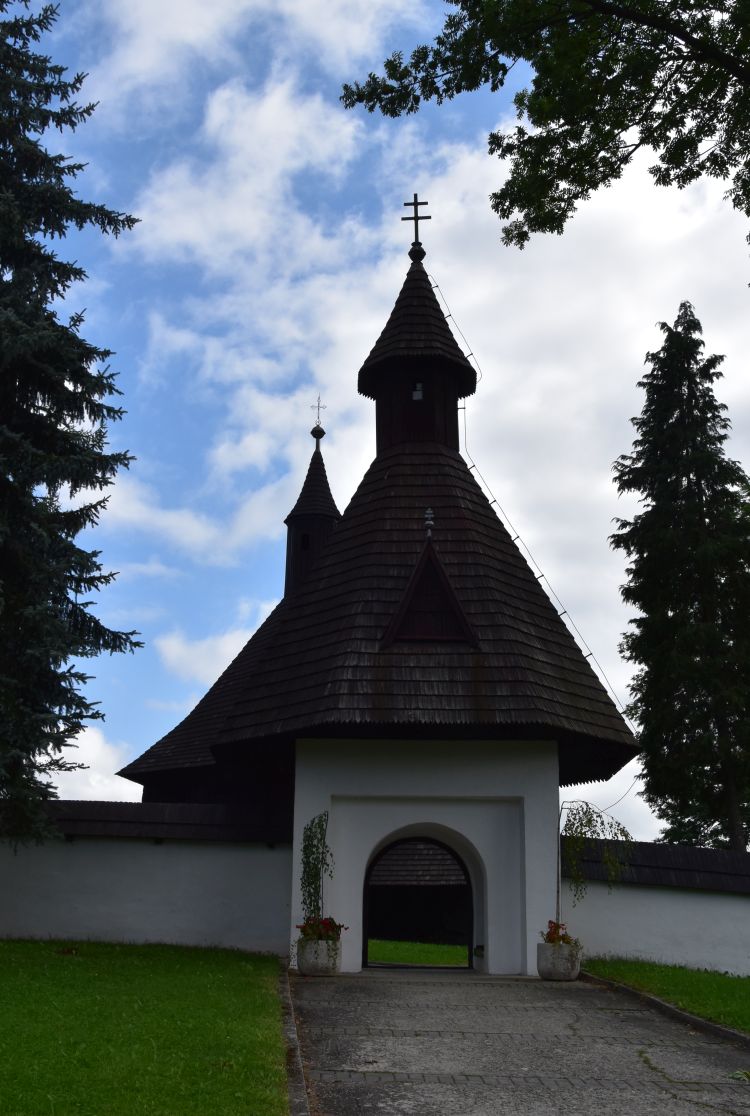
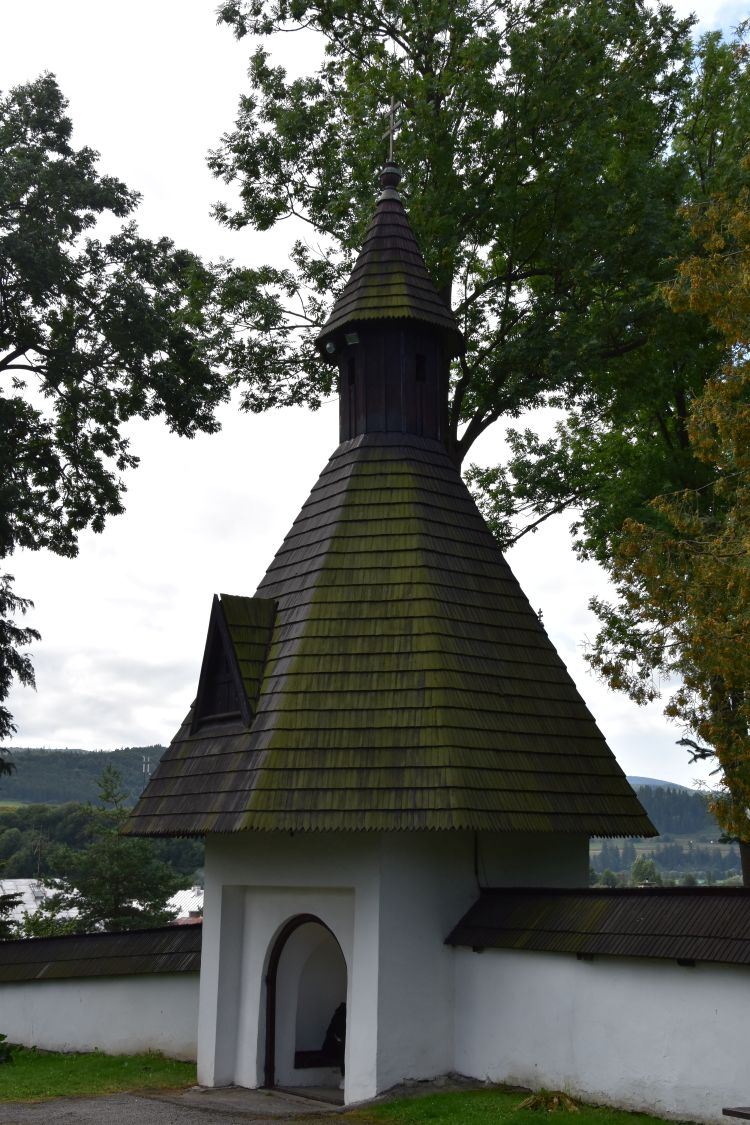
I park my car near the gate.

This is the view of the shingle roofs, after having passed through the gate.

I walk around the church…

… with the cemetery.

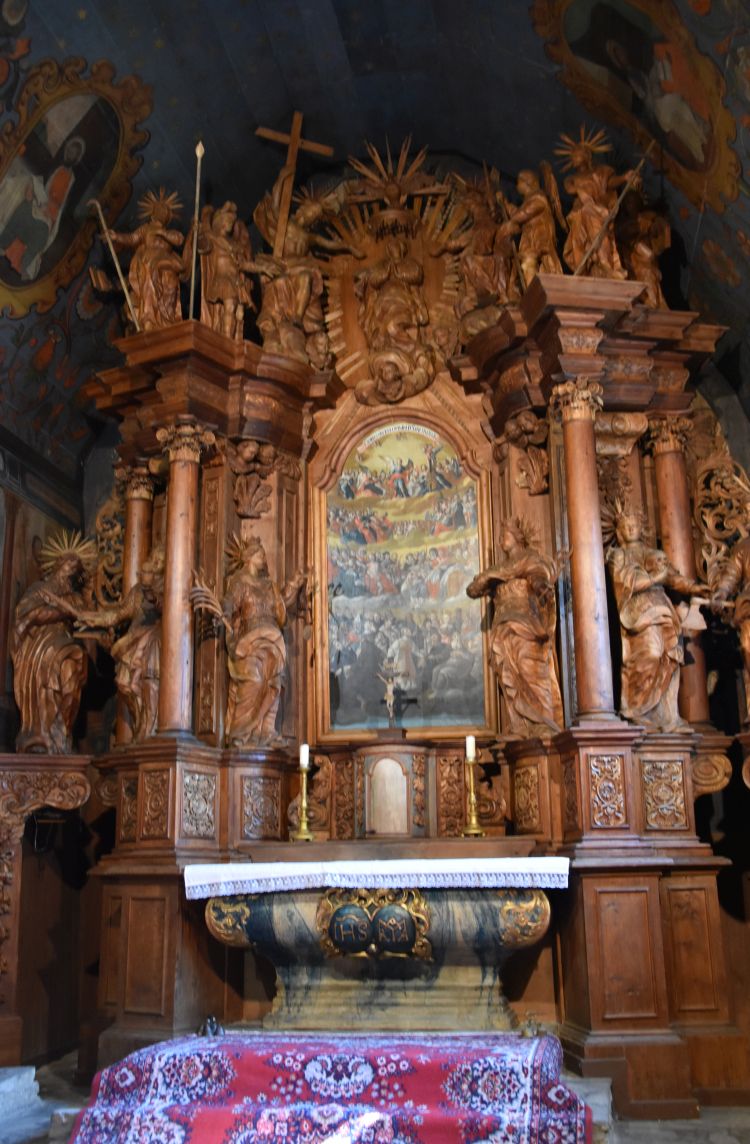
Inside, the altar is of Baroque style from the 17th century. The painting shows All Saints…

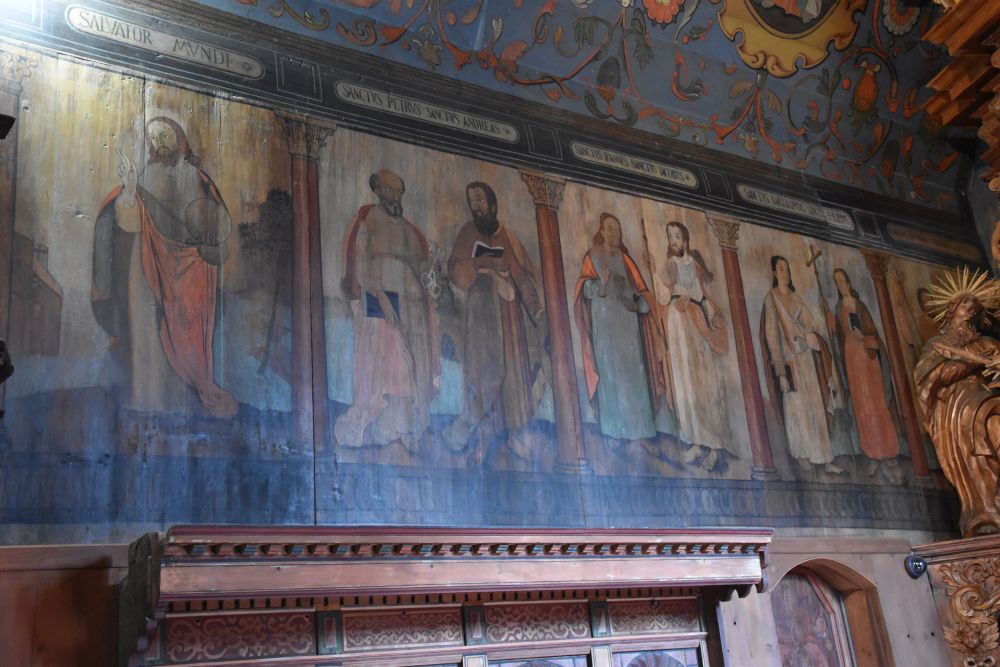
The walls were painted in the late 17th century. These are the apostles – Petrus has two keys in his hands.

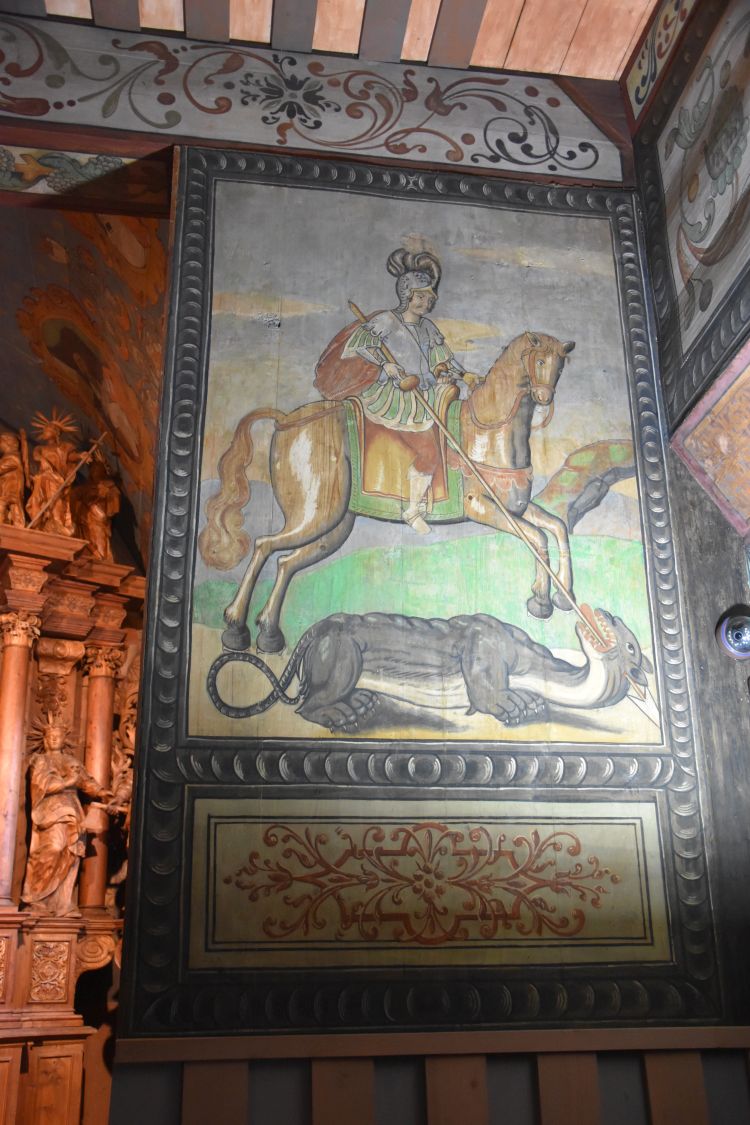
Saint George was also painted in the 17th century.

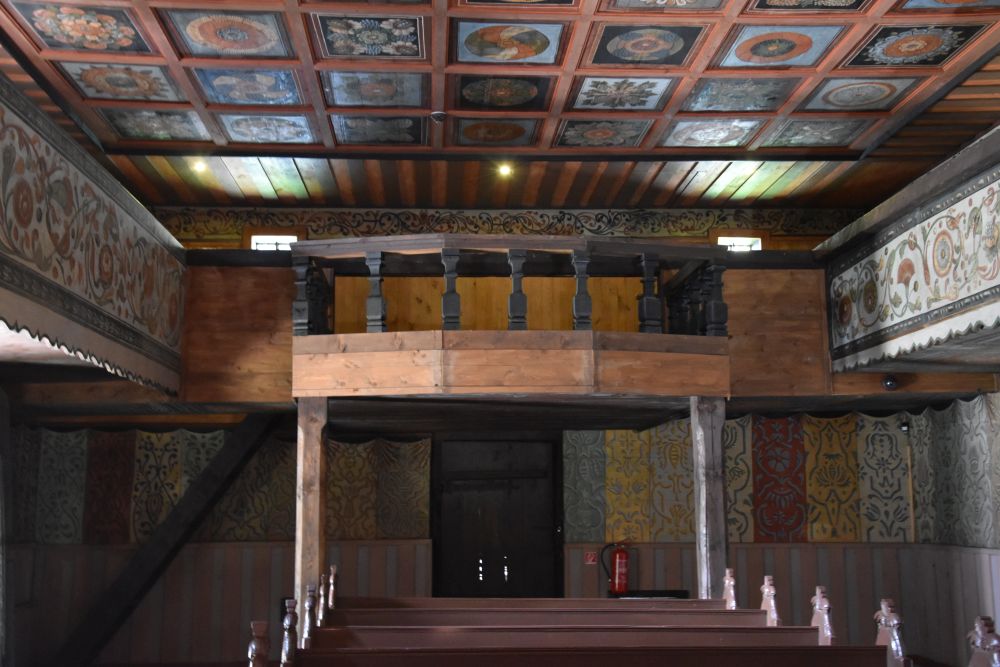
At the back, there is a balcony. 

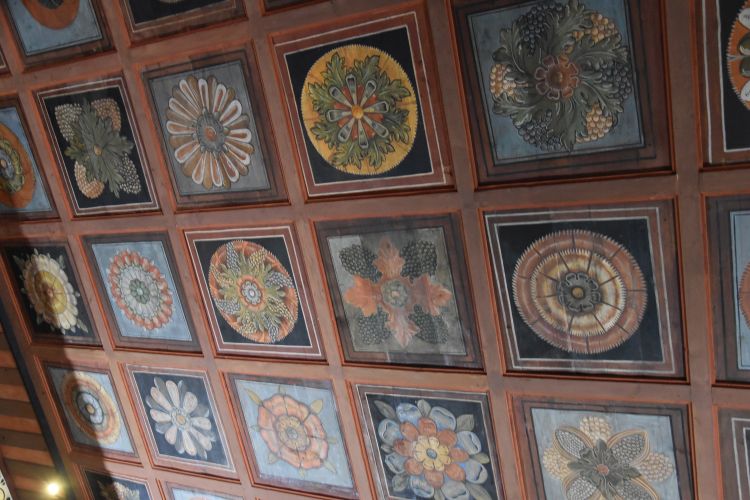
The ceiling is decorated with 49 roses.

I visit the cemetery once more. A wonderful atmosphere!

Then I leave the church – the roof of the gate matches the yellowish leaves.


Good-bye Slovakia and hello Poland

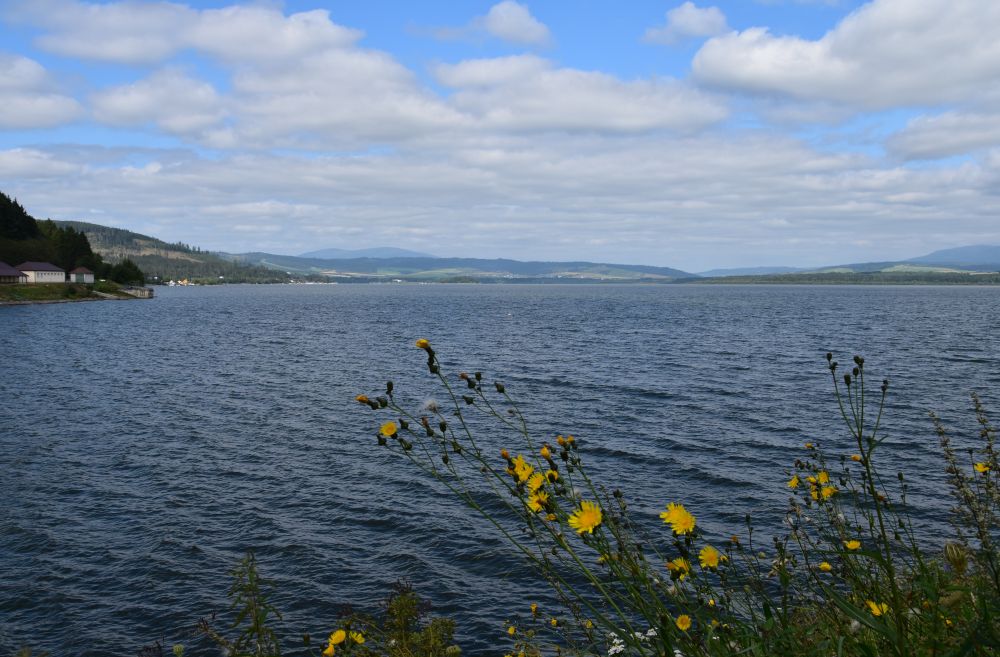
To complete my tour across Slovakia, I make a quick loop to the Lake Orvina.

Then I leave Slovakia crossing the border to Poland. No checks at the borders.

I have enjoyed Slovakia and I may return next year. 

Now I look forward to meeting my friends that are awaiting me in Wilkowisko. I will no longer travel alone.


To recapitulate: The map showing my butterfly tour across Slovakia

Today I was at Tvrdošín with the Gothic wooden church, after having crossed Podbiel with the wooden houses (not on the map, just a ten minutes drive south from Tvrdošín).

Now I will have to draw a new map for my visit in Poland.

Sources:


A Swiss butterfly in Slovakia: Around Dolny Kubin – wooden churches and the Orvina Castle

End of August 2021, I am on the road again, to Berlin via Slovakia and Poland. My route: Munich, in Slovakia: BratislavaTrnavaNitraŽilina Strečno and Terchová – Dolny Kubin, then in Poland: Wilkowisko – Cracow – Szlarska Poręba – Wroclaw, and finally Berlin. 

I stay one night at Dolny Kubin and visit two wooden articular churches and the Orvina castle known from Nosferatu.


Dolny Kubin – the centre of the Arwa valley – I sleep in a kitschy, very friendly and pricy hotel

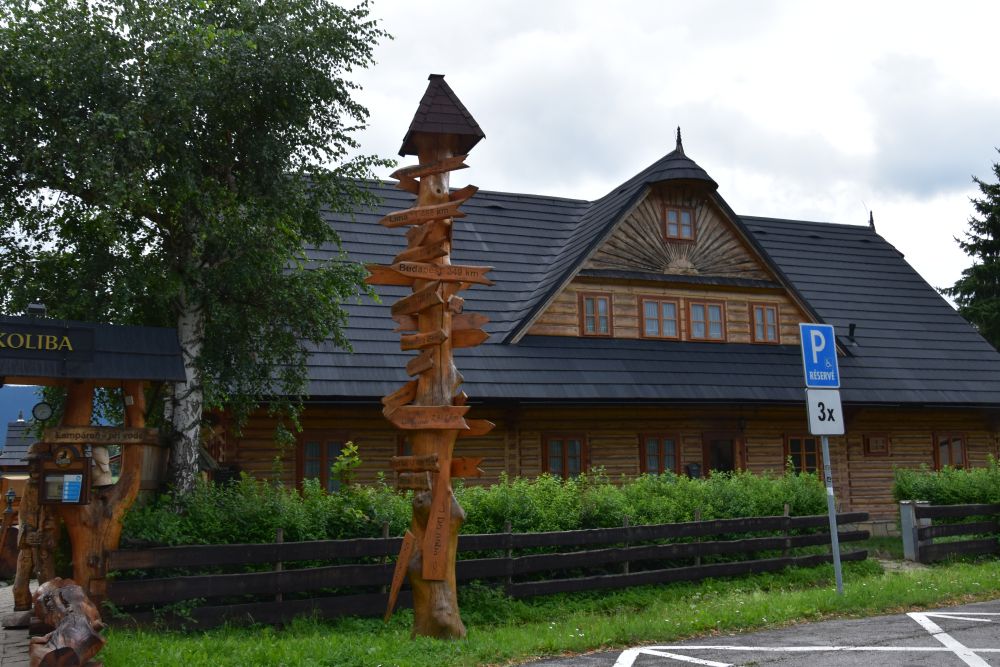
Dolny Kubin is the centre of the Arwa or Orvina valley. I stay in the Koliba blockhouse pension for 33 Euros including breakfast. In the evening I have a delicious salad with hot goat cheese.

This hotel must be a kids favourite. It is convenient for families that rent whole huts (isby) here. 

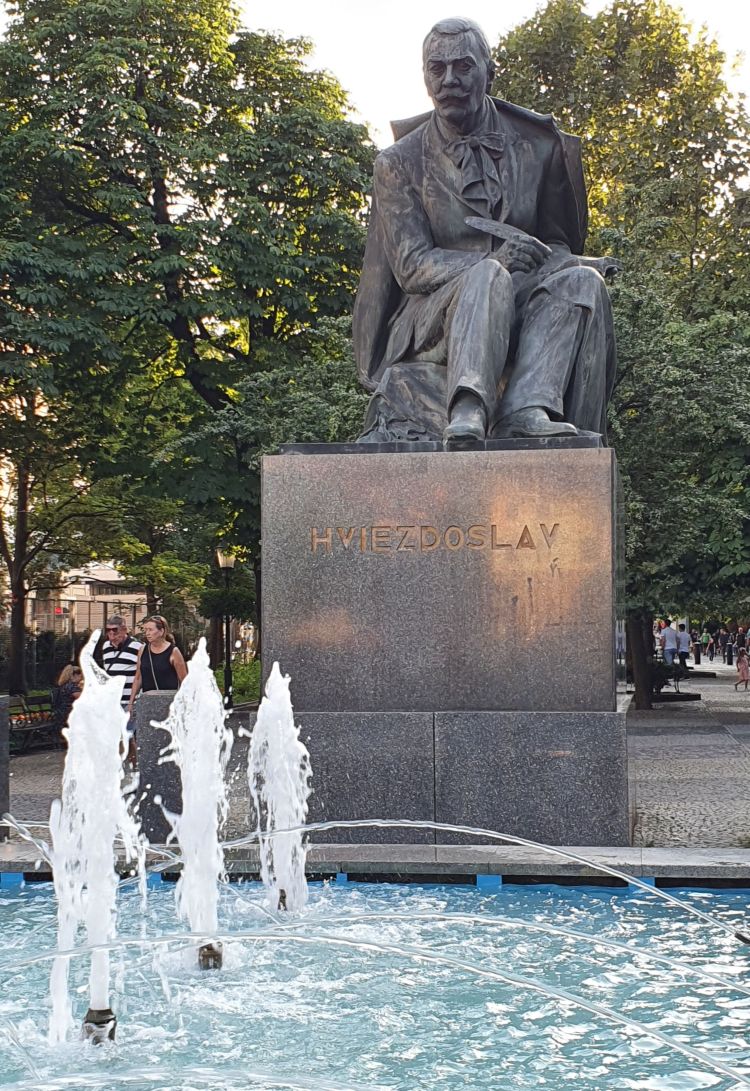
The central square of Dolny Kubin has been carefully set up as a pedestrian area. It is named after Hviezdoslav, as he was born here – I have met him before in Bratislava, where a beautiful square with many shady trees also carries his name. He was a poet and a translator of foreign literature.

This is the evangelic church dominating the main square. 

There are also museums here… it is a quiet and welcoming place. 


Around Dolny Kubin; two protestant wooden articular churches

Let us explore the two wooden articular churches near Dolny Kubin.

Articular churches are protestant churches. In 1681, the Habsburgian emperor Leopold I needed loyal protestants to contain the danger of attacks by the Turks. Therefore he allowed the protestants to build churches. However, they had to follow restrictive rules written down as “articles”. The articles defined that the protestants had to build their churches outside the cities and villages using wood, no metal, no stone base, and completing the work within 12 months (Müller, p. 274).
By the way,  Leopold assessed the looming danger correctly… the Turks attacked Vienna two years later, in 1683. The Turks could not cope with the heavy rainfalls and were defeated by the Polish king Sobieski at the Kahlenberg mountain.

There are two articular churches near Dolny Kubin, the first at Istebné and the second at Leštiny .


The articular church at Istebné

The articular church of Istebné, built in 1686, is located 5km west of Dolny Kubin.

The church is above the village. There is nothing but a footpath to access it.  

This is the main entry door…

… now zoomed in.

This articular church has a belfry, which is an exception, as belfries had been forbidden by the articles defined by Leopold I.

There is a platform above the church. I look back.

From the platform, I have a good view of the village Istebné and the Mala Fatra mountains.


The articular church at Leštiny

South east of Dolny Kubin, there is another articular church at Leštiny. In 2008, it has been included in the list of UNESCO heritages.

It takes me some time to find the church above the village. It is located on a hill behind trees. A small footpath leads to the gate. I enter the church area surrounded by a wooden wall. 

A gallery gives access to the church crouching on the hill.

The cemetery surrounds the church.

A small balcony leads to the door. It is is open.

I enter, and there is a service going on. I sit down quietly, watch the service and look at the paintings (of course I take no photos). One lady tells me angrily that this is a service. I continue to be quiet and to listen. The lady gets more and more angry. She says “yzas” which I understand from Russian: It must mean “terrible”. I do not know, what is so terrible about me and continue to listen. She says “yzas” again, gets up angrily and approaches the priest that continues with his service. She tries several times to talk to him, I believe to chase me out of this church. I feel very unwelcome, do not understand, why I cannot attend this service (presumably it is a protestant service, and I am protestant). I leave this beautiful and solemn place sadly. Something like that has never occurred to me in any church. I do not understand why attending a service should not permitted. 


The Orvina Castle – the background stage of Nosferatu

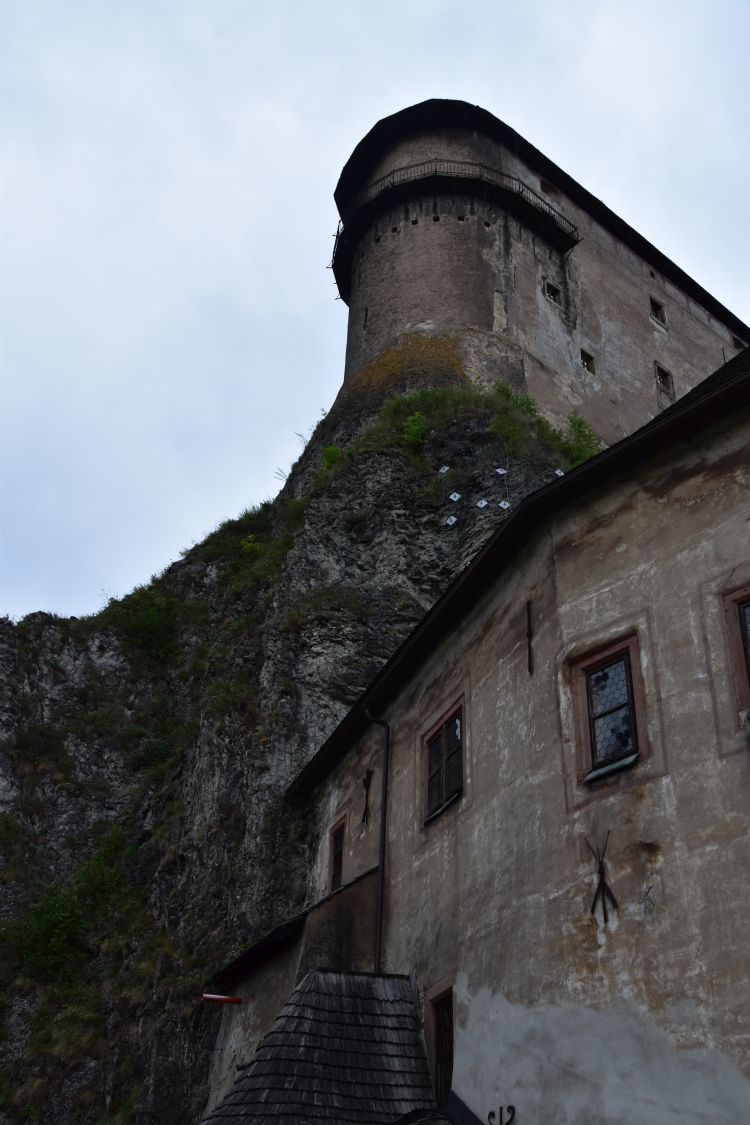
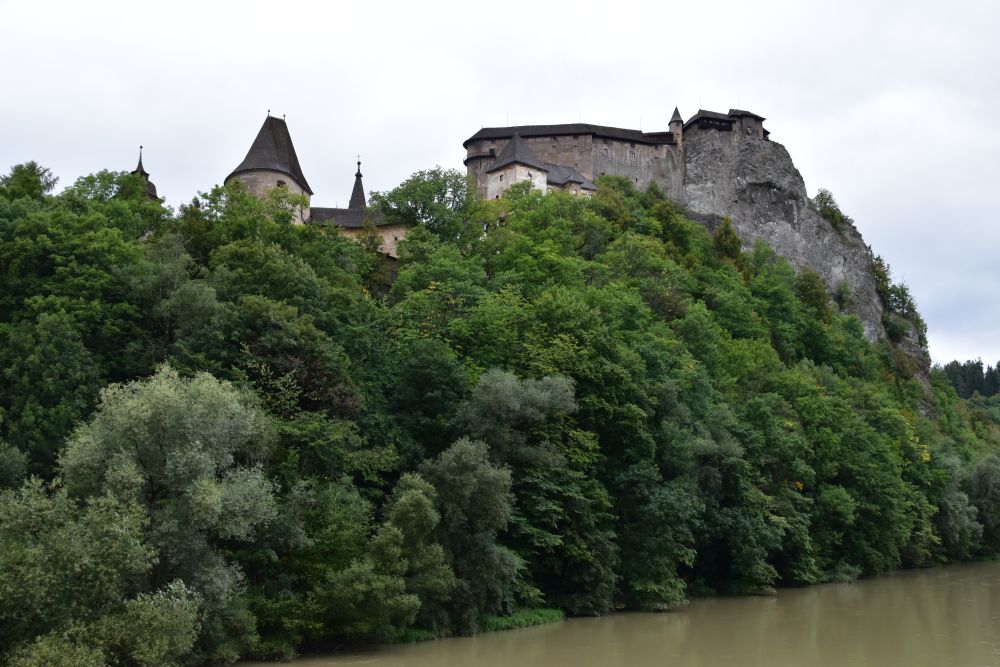
It is raining, when I get to the Orvina Castle. This is the view from the Orvina river. The top of the castle is more than 100m above the river. It is an impressive castle. 

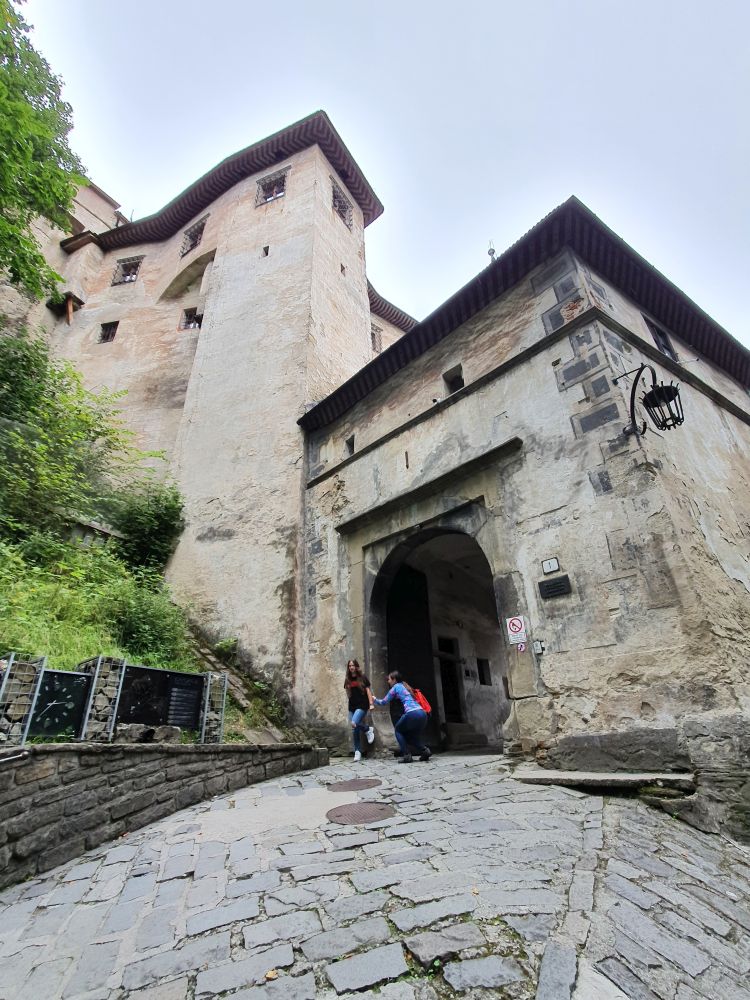
This is the entry. 

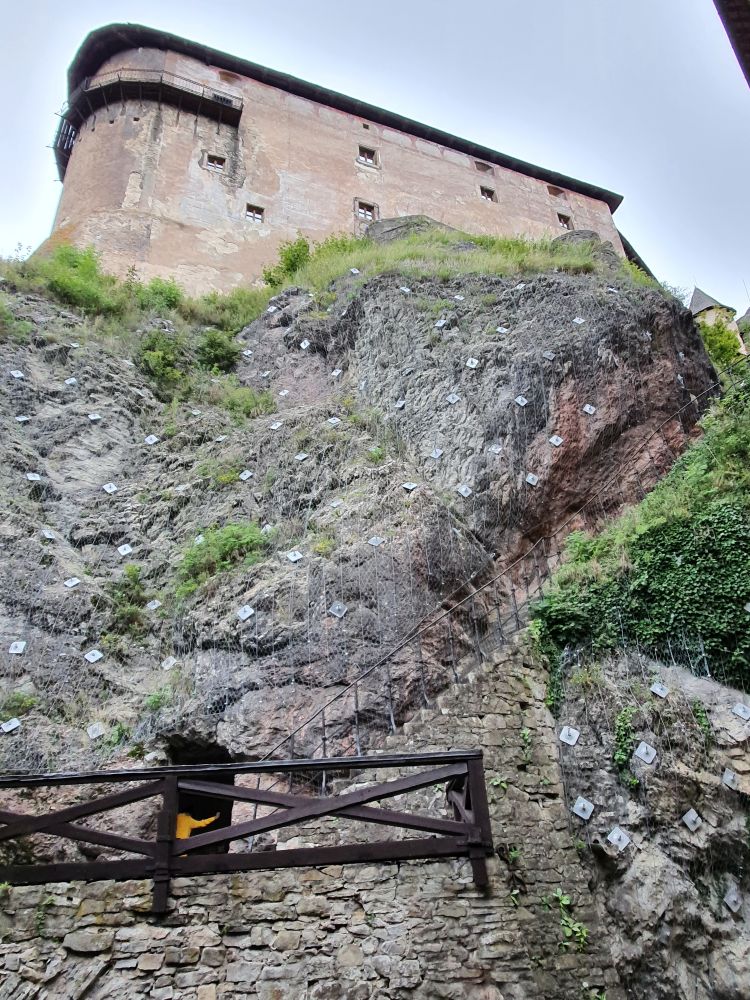
Looking upwards, I see countless storeys that crouch along the rock.

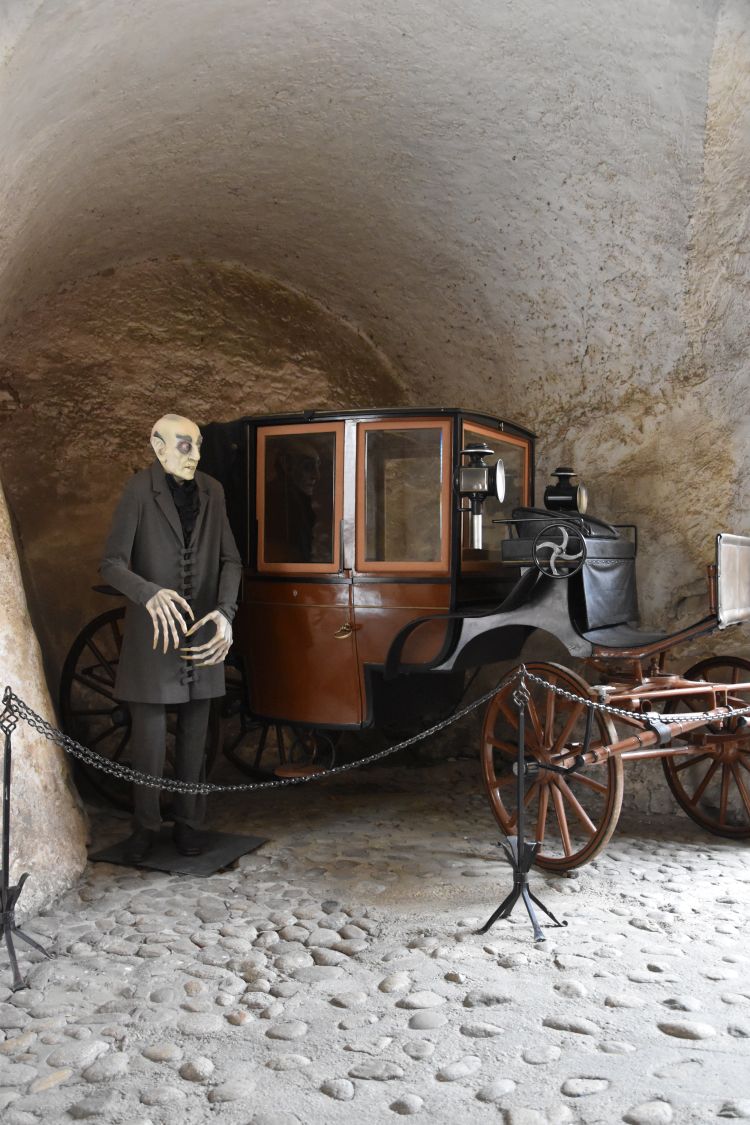
I enter the vaults. The Orvina (or Arwa) castle set the stage for the film Nosferatu in 1922.

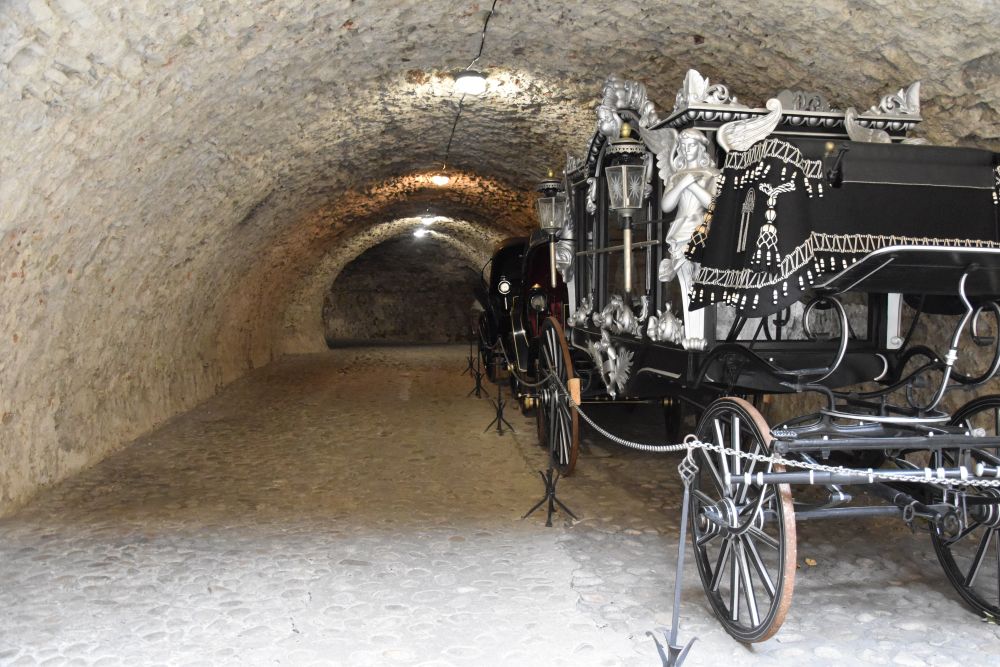
Coaches are here, and also Nosferatu welcomes the tourists. 

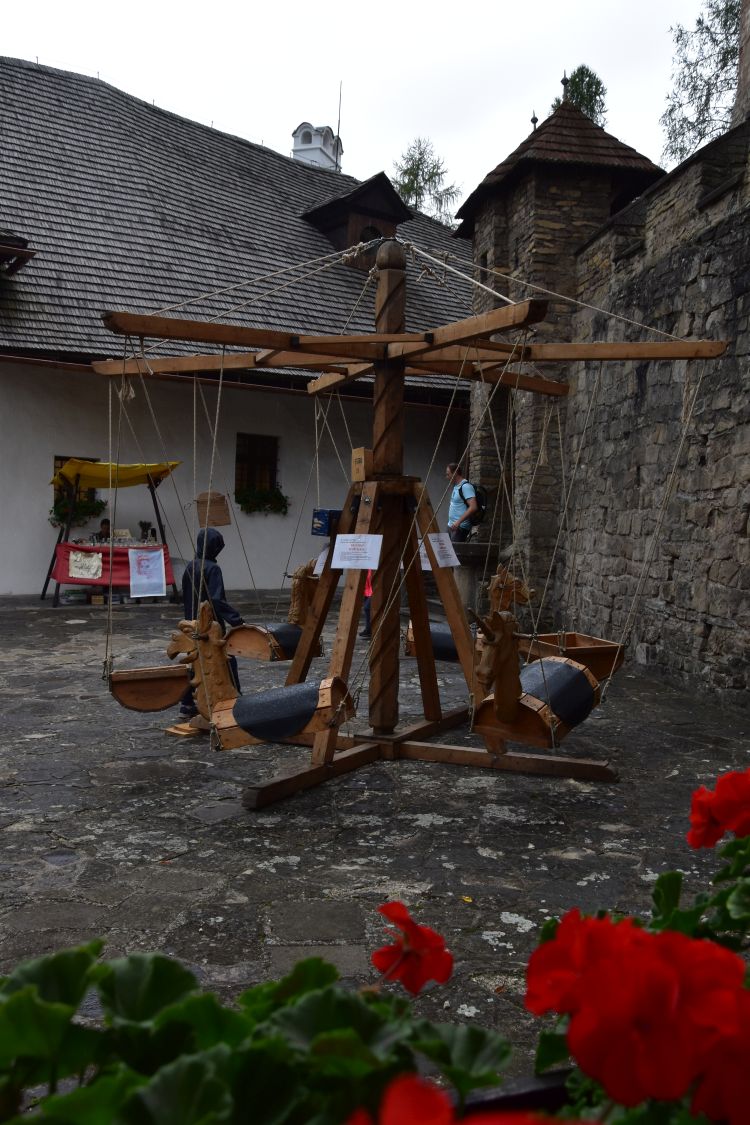
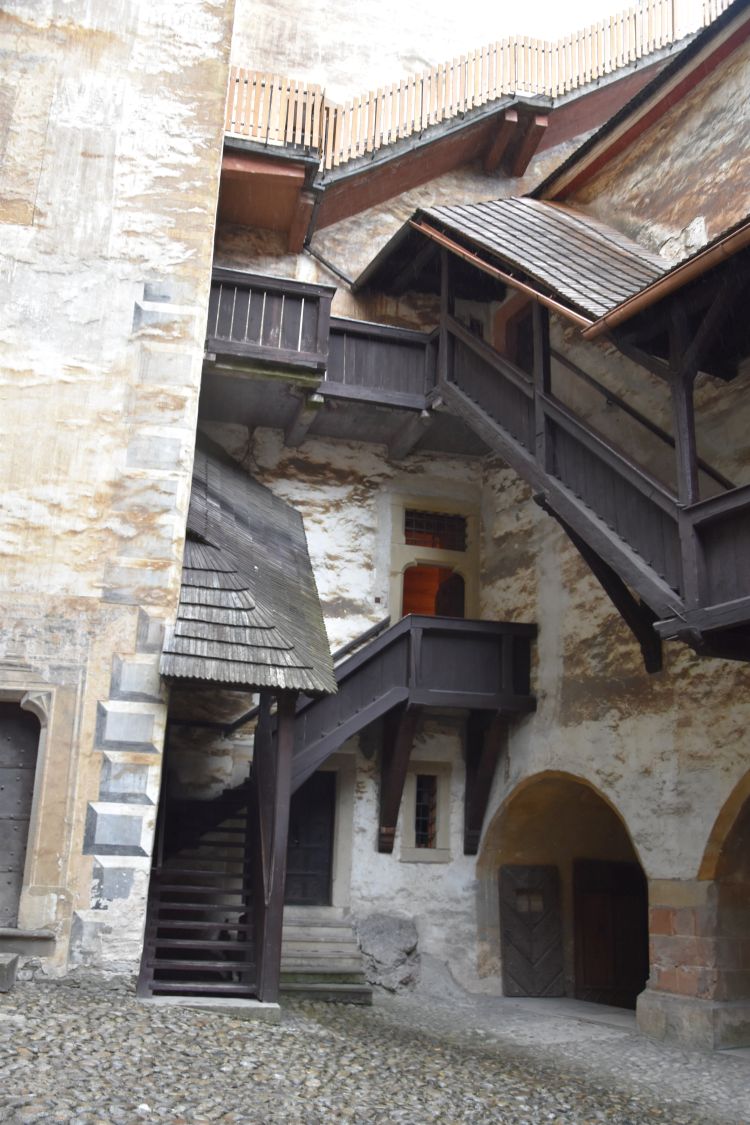
Through another gate, I enter the first courtyard. I can see that Slovakians must love children.

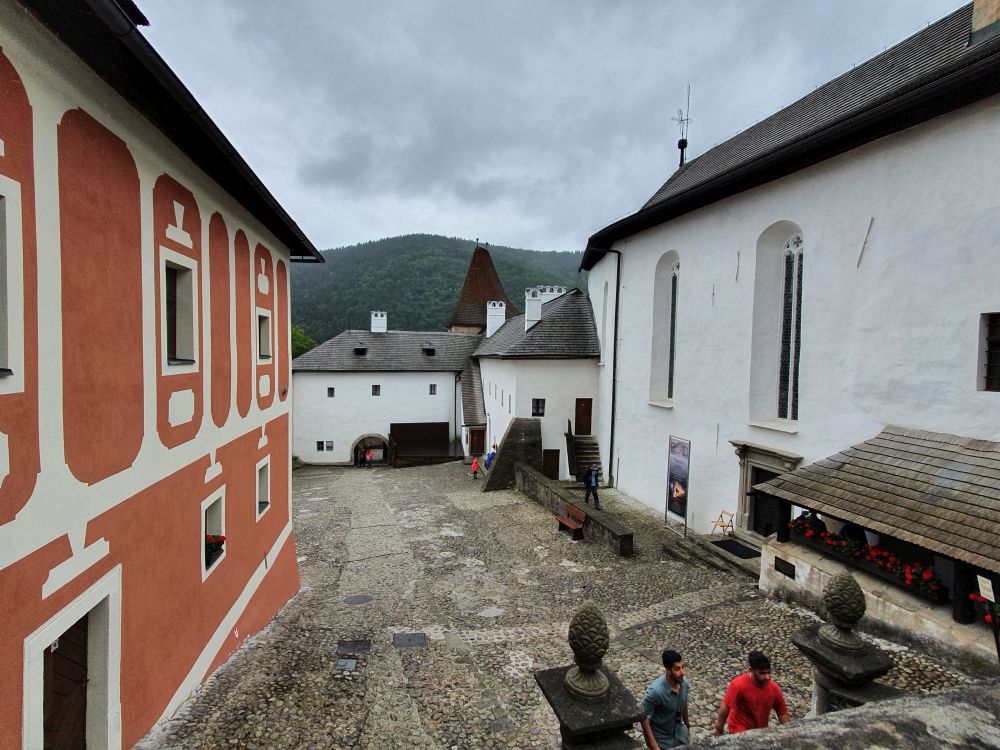
Now, I look back at this first courtyard.

Now I am one level higher and look back at the first and at the second courtyard.

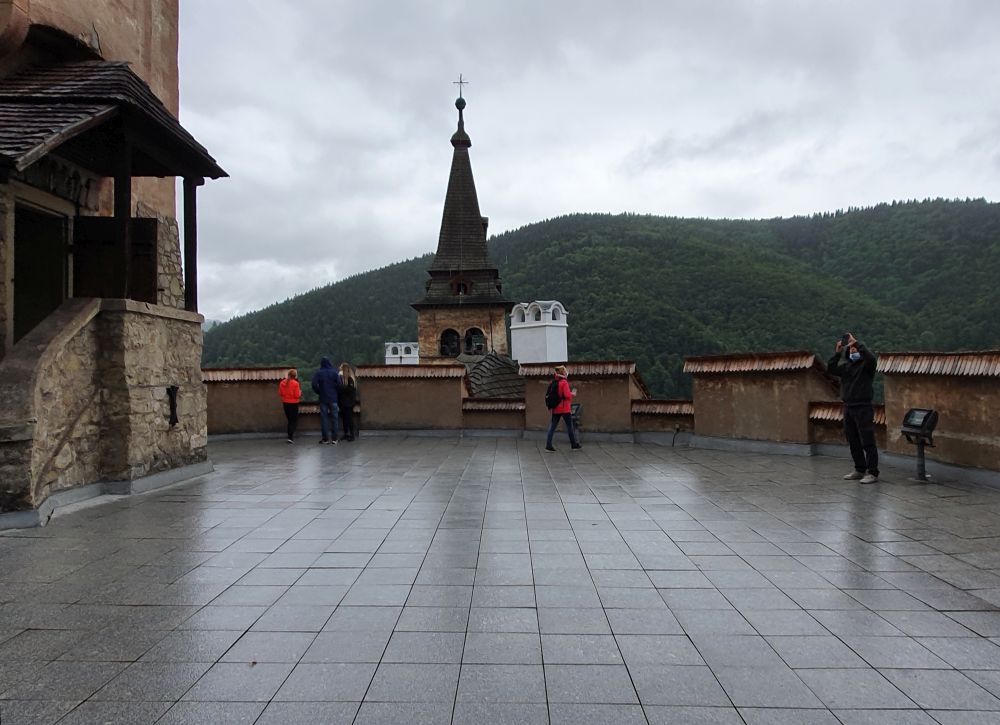
I climb various stairs and reach this balcony, wet from all the rain. I am in the middle part of the castle, where the Hungarian king Corvinus once lived. 

Still much to climb ahead of me.

Stairs – how did they construct this? 

This top building is the oldest part. The stairs lead along the rocks.

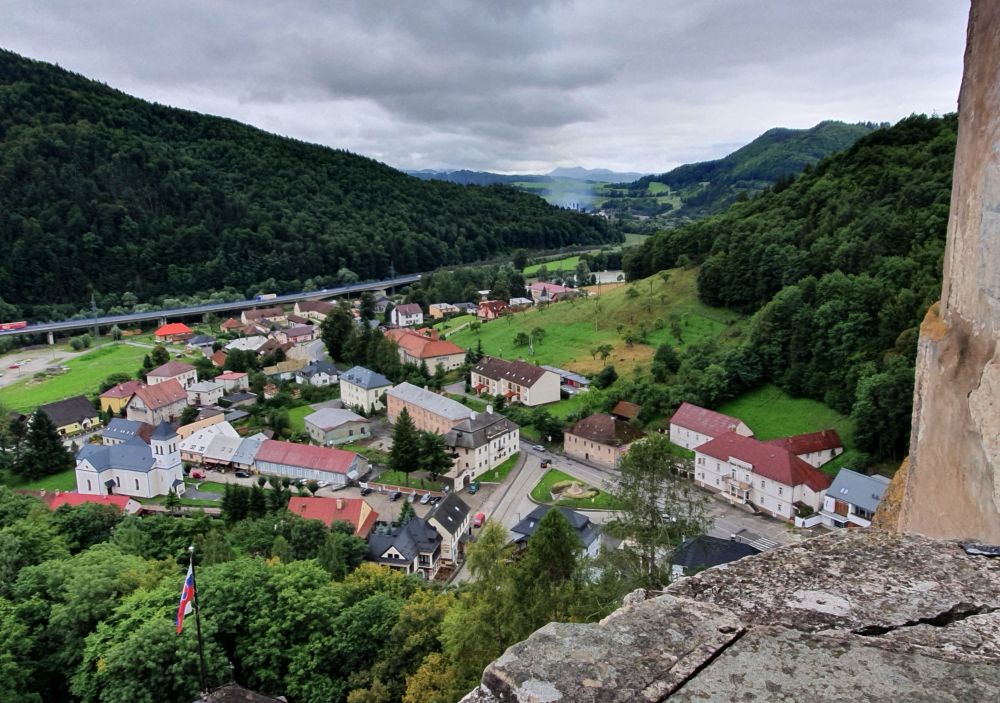
From the top, I have a wonderful view of the valley and the small village at the foot of the castle. It is called Oravsky Podzámok or “The Orava at the foot of the castle”. 

I did not really stay in the rooms, where king Corvinus lived (middle part) or where the noblemen Thurzo lived (lower part). There were just too many visitors and visitor groups inside which I prefer to avoid in these pandemic times. I ran up the stairs, from one level to the next, arriving at the top almost exhausted. An impressive fortification! I imagine, it was a wonderful stage for the horror film Nosferatu, but it must also have been frightening to create horror scenes – it is all too steep and exposed. I am not sure, whether I would have liked to be an actor in this film… 

I might have to return one day, when the pandemic will be over, to check out all the rooms and the church with the tombs in detail.

Sources:

  • André Micklitza, ” Slowakei”, Michael Müller Verlag 2019
  • Frieder Monzer, “Slowakei”, Trescher Verlag 2018

A Swiss butterfly in Slovakia: Strečno and Terchová

End of August 2021, I am on the road, to Berlin via Slovakia and Poland. My route: Munich, in Slovakia: BratislavaTrnava NitraŽilina – Strečno and Terchová – Dolny Kubin, then in Poland: Wilkowisko – Cracow – Szklarska Poręba – Wroclaw, and finally Berlin. 

It is raining, when I leave “my” Central Hotel at Žilina after a quiet night. I am heading north-east to the Mala Fatra mountains. After a few kilometers, I notice a signboard pointing to Strečno. I turn right and follow the signs.


The mysterious Strečno castle in the mist

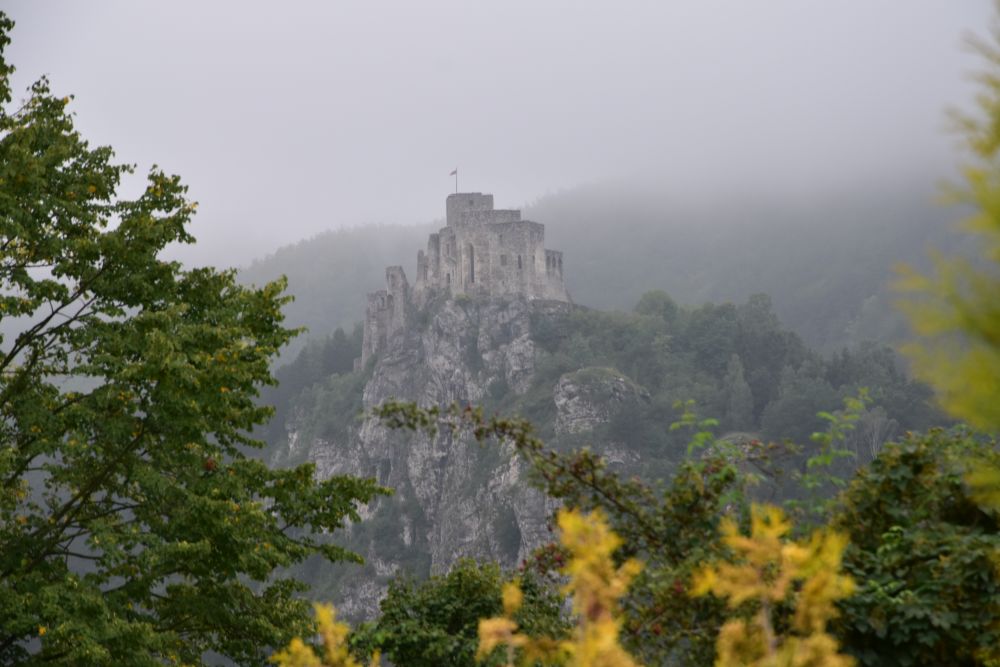
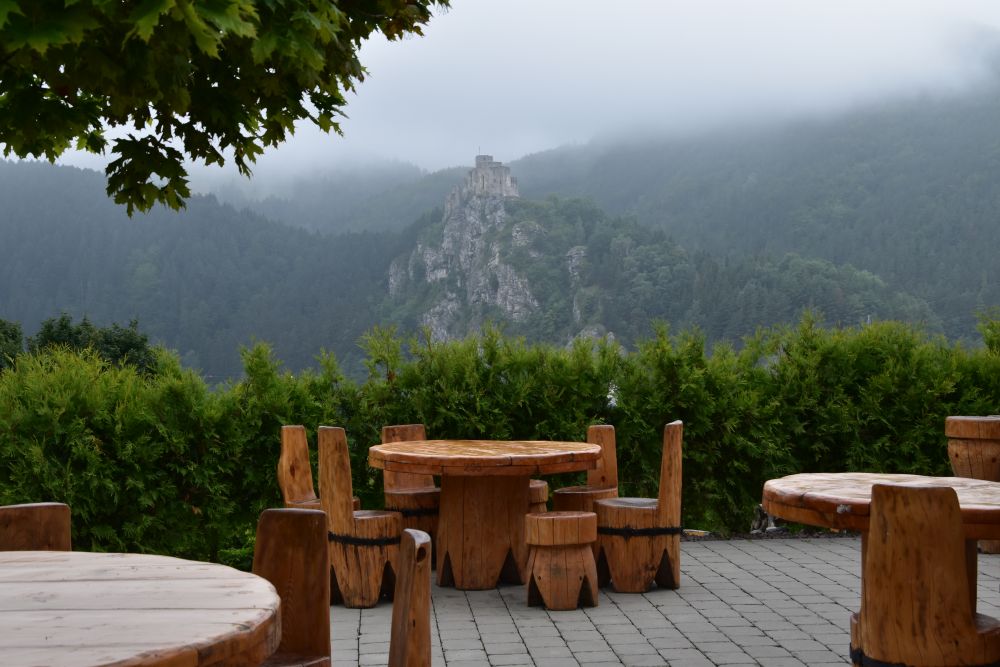
After some more kilometers another signpost points upwards and says: “panoramic view of the Strečno castle“. A narrow road takes me up into the hills. I reach a large parking area, leave my car here, walk to the panoramic view point and here it is, the Strečno castle surrounded by mist. 

The fortification is located 12km east of Žilina and was first mentioned in 1316. To beat the resistance of the locals, the Habsburgian emperor Leopold I destroyed Strečno in 1698. It was reconstructed after 1990 and opened as a museum in 1995.  

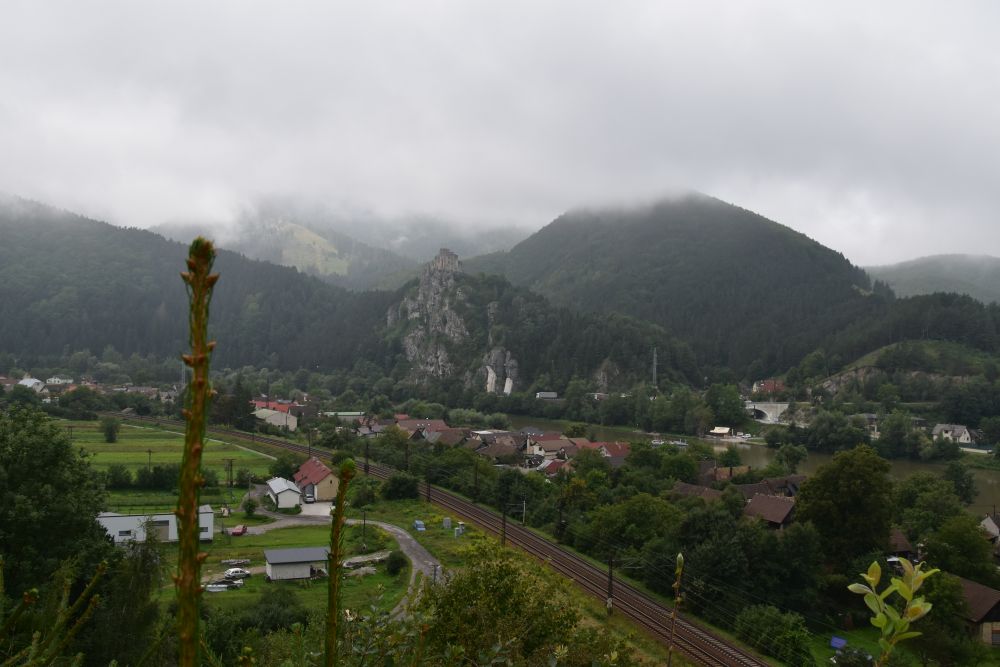
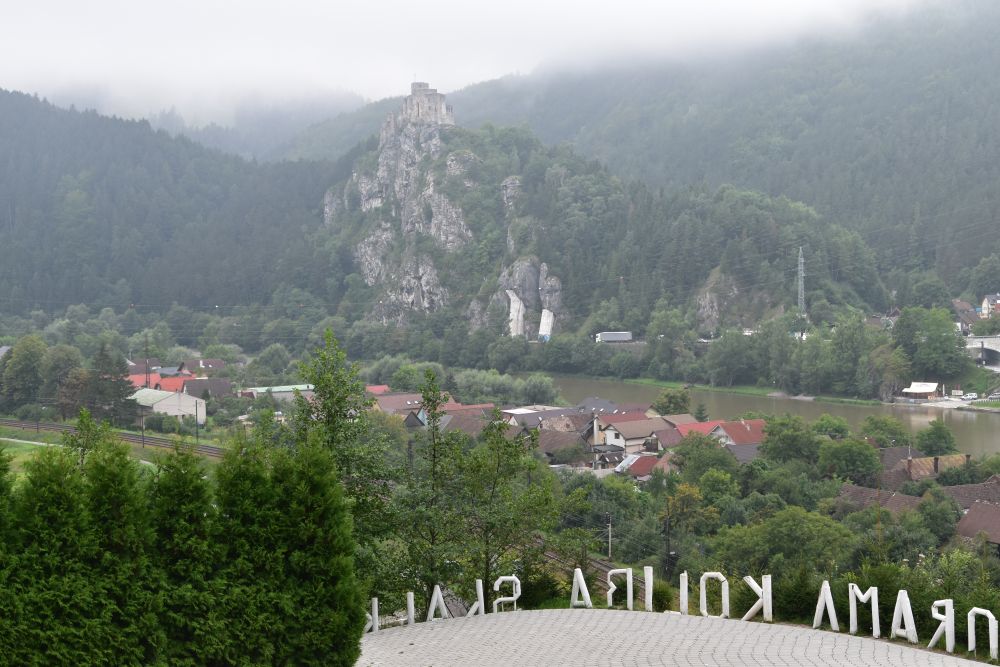
The Strečno castle sits on a steep cliff above the river Vah…

… and the village.

The viewpoint has been carefully set up…

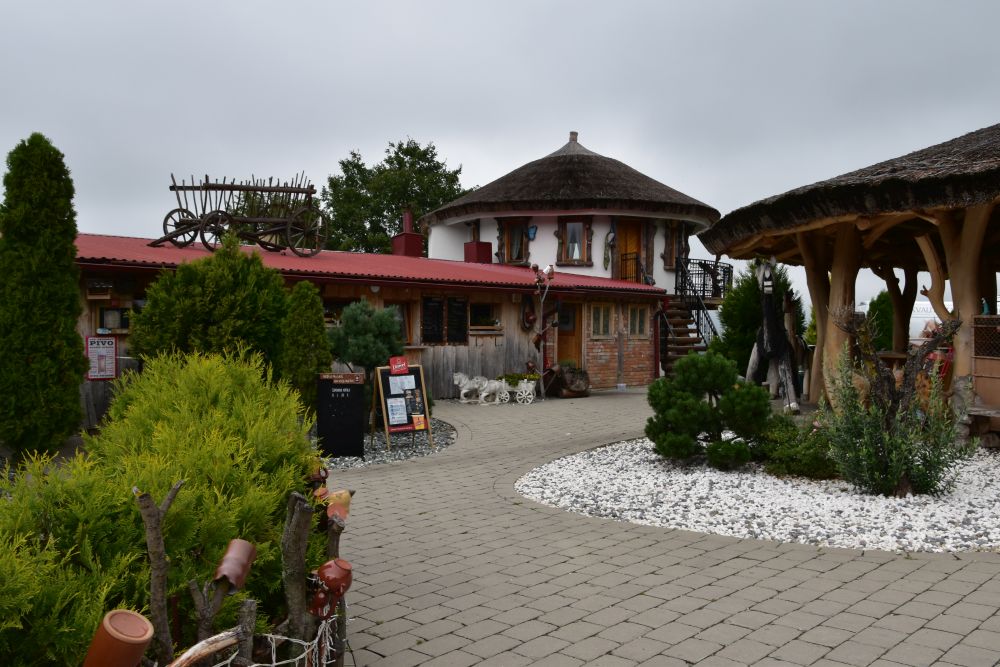
… with a small restaurant, where I have a coffee break.

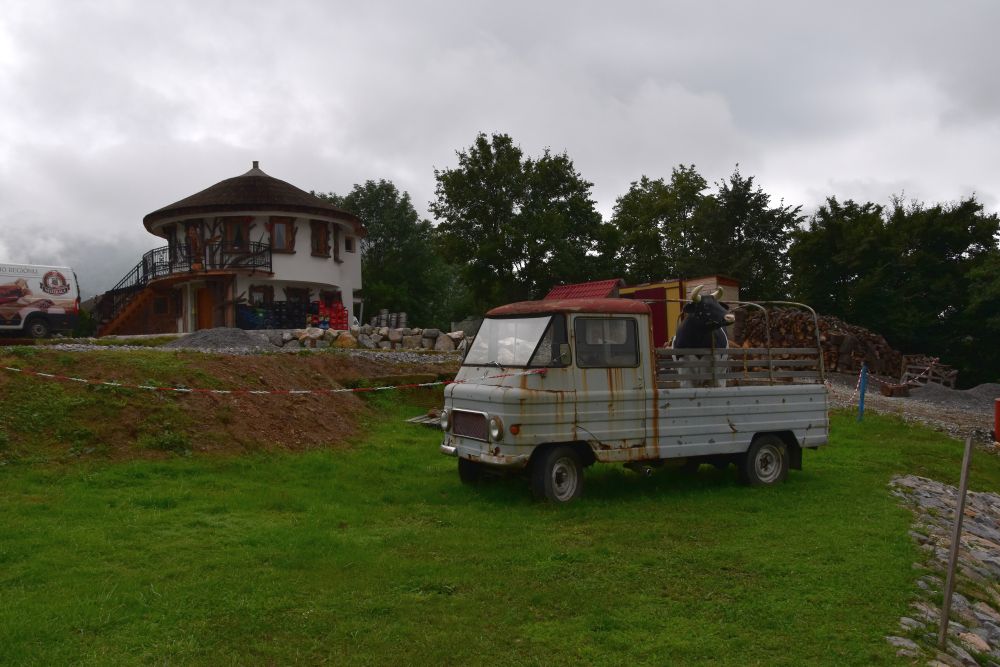
Kids must love this place with all the kitschy stuff and the playgrounds.

There is even a (plastic) cow on a rusty van. Well, I imagine crowds of families with kids spending a Saturday or a Sunday afternoon here.

After this wonderful break, I continue my way to Terchová.


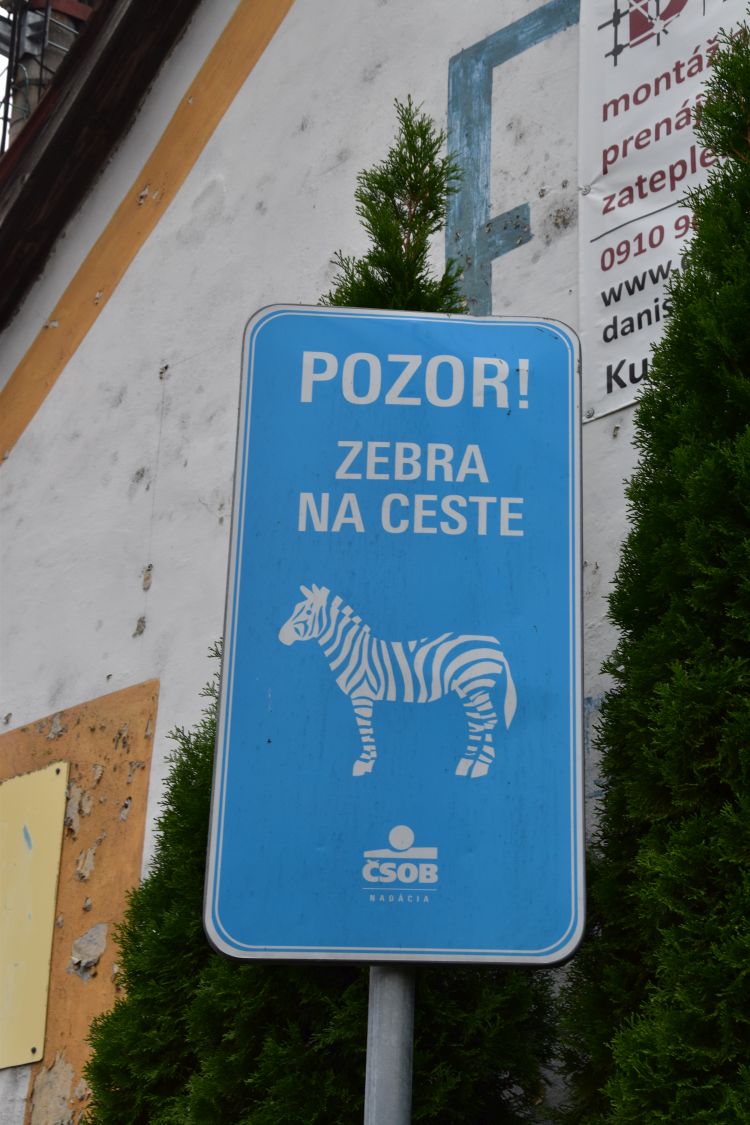
Pozor – zebra na ceste

Pozor means “watch out” and “na ceste” means “on the road”. 

Well, there is not exactly a “zebra” here. Just a pedestrian crossing. I do like this Slovakian humour.  

Nearby is this small hotel. I admire the adventurous cabling. 


Terchová – a mountain resort that venerates Jánošik born here

Juraj Jánošik was the Robin Hood of Slovakia (he is also venerated in Poland). The museum tells his story. 

Born in 1688, he participated in insurrections. When his father was killed by Habsburgian tax collectors for not having paid his taxes in time, Jánošik started to rob noblemen and merchants distributing the goods to the poor. He is said never to have applied violence. He was arrested and executed in 1711, though a good lawyer defended him claiming that he had never committed a murder and was driven by the wish to help the poor in the mountains (Müller, p. 220).

Terchová is a mountain resort that invites to hike in the area, even in the rain.

A wooden lookout is located above the village.

I return to my car and continue my way to Dolny Kubin.


Crossing the Mala Fatra

To cross the mountain range of the Mala Fatra, my car has to climb up to a pass. I look back, where Terchová is located between green meadows and soft hills.

Then I look westwards in the direction of Dolny Kubin. 

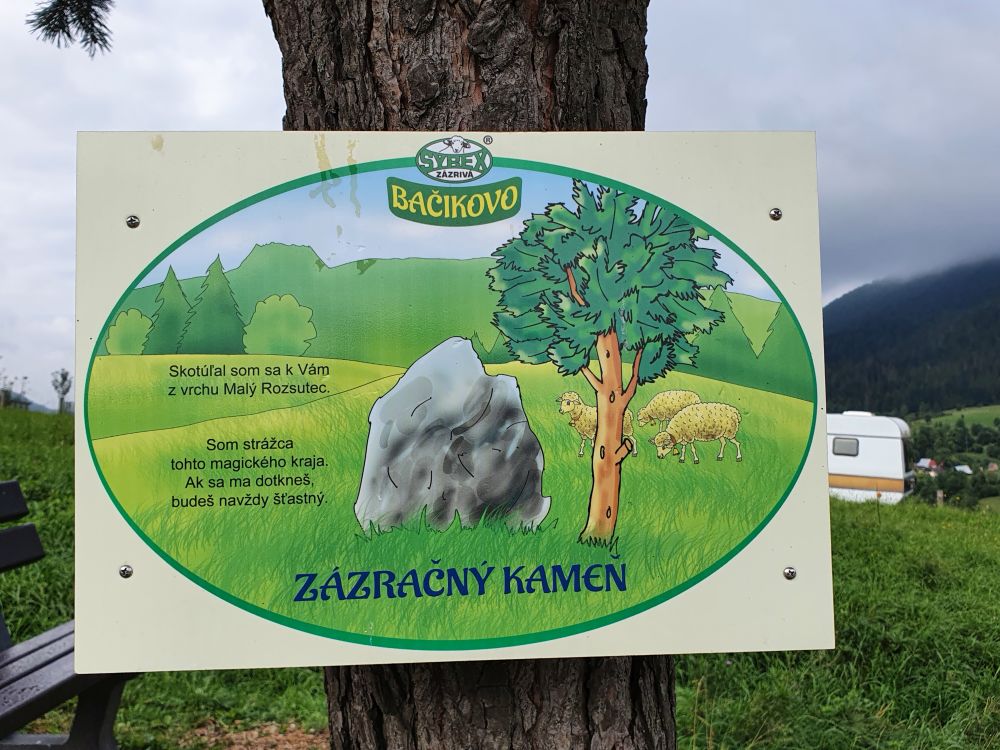
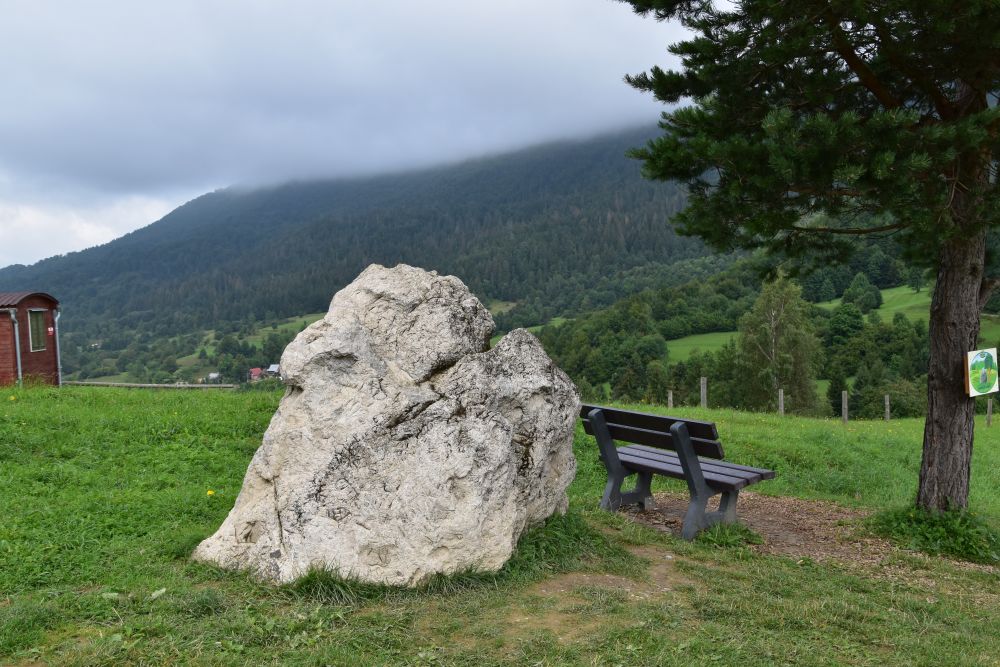
I understand that touching… 

… this wonderful stone will bring me luck. I do wish to continue my tour safely and to enjoy wonderful days with my friends in Poland.

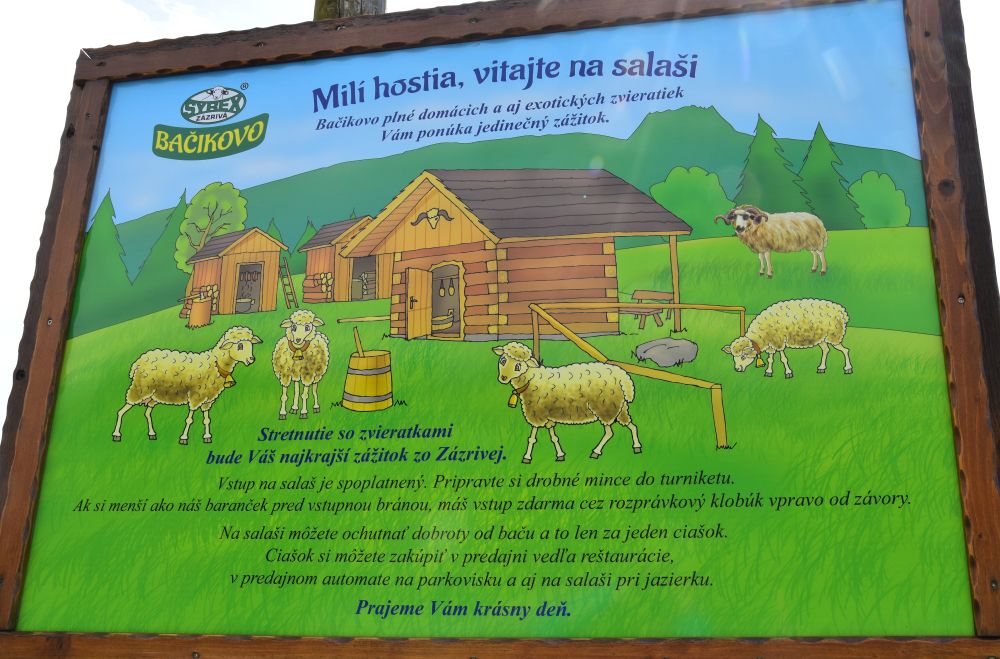
The nearby farm invites children to meet their animals. Nice.

The Mala Fatra seems to be a welcoming region inviting to relax and hike following the tracks of Jánošik, the local Robin Hood.


To recapitulate: This is my route through Slovakia

Today, I drive from Žilina to Dolny Kubin with two stop overs to see the castle Strečno and Jánošik’s village Terchová.


Sources:

  • André Micklitza, ” Slowakei”, Michael Müller Verlag 2019
  • Frieder Monzer, “Slowakei”, Trescher Verlag 2018

A Swiss butterfly in Slovakia: Trenčianske Teplice and Žilina

End of August 2021, I am on the road again, to Berlin via Slovakia and Poland. My route: Munich, next in Slovakia: BratislavaTrnavaNitra – Žilina – Dolny Kubin, then in Poland: Wilkowisko – Cracow – Szlarska Poreba – Wroclaw, and finally Berlin. 

Now I have a lunch stop at Trenčianske Teplice and then I stay overnight in Žilina. 


Lunch stop at Trenčianske Teplice

My friends have told me about Trenčianske Teplice, a health resort in the Strážovské Vrchy mountains. I cross the mountains and reach the shady valley of the Teplička that later flows into the Váh river. The village Trenčianske Teplice is a health resort with larger and smaller hotels and spas, surrounded by hills that promise nice hiking. 

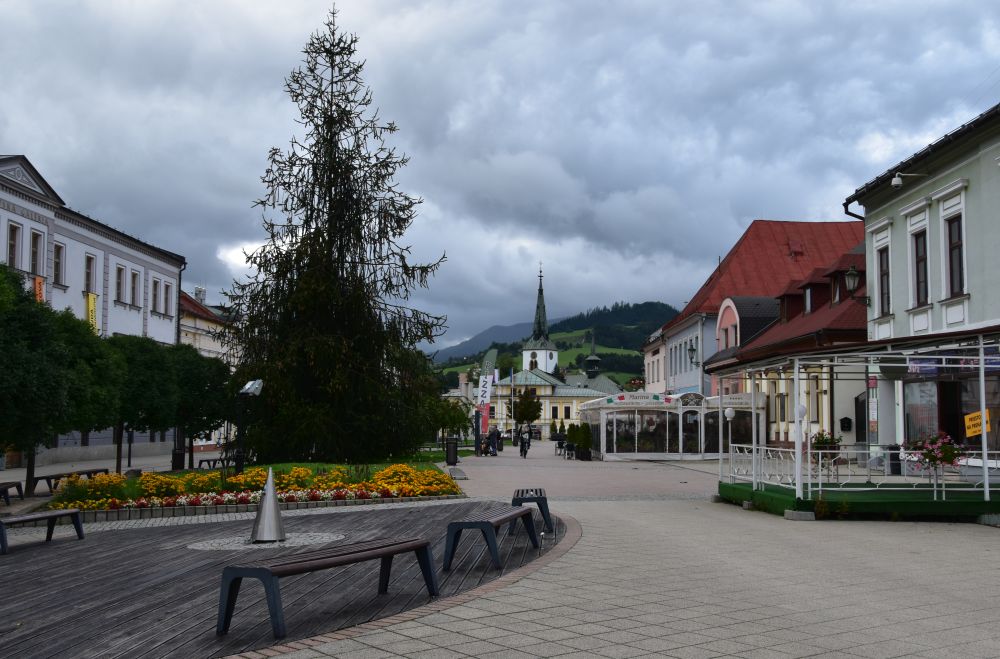
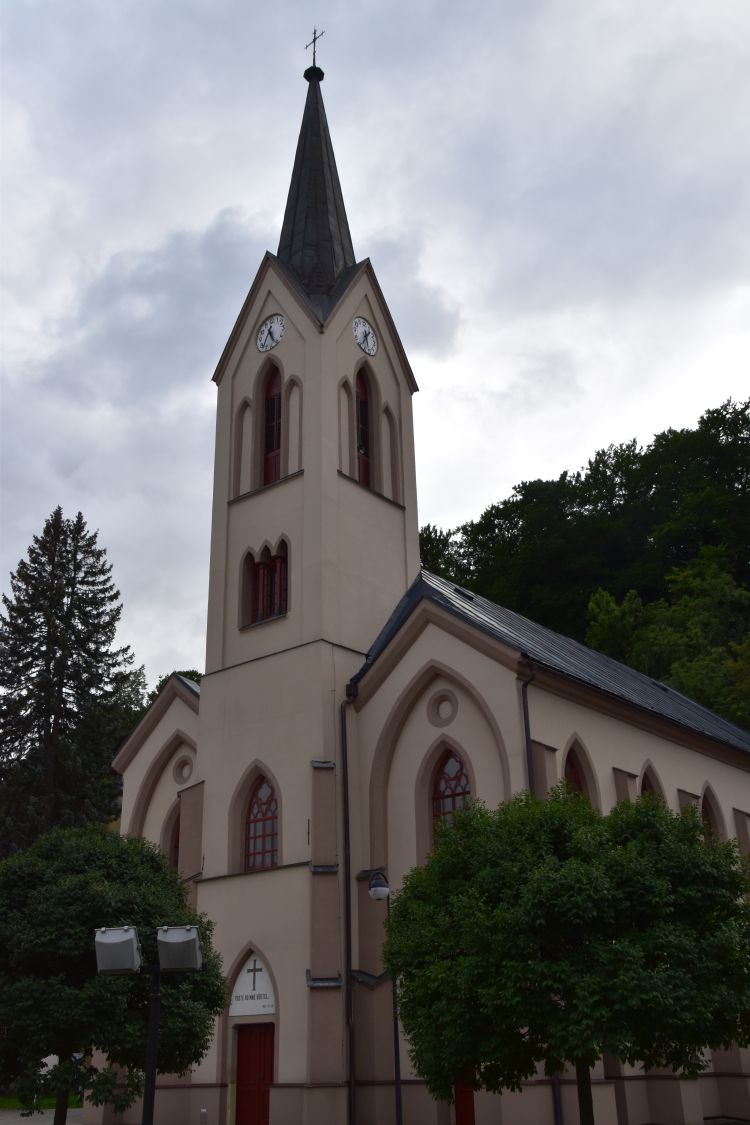
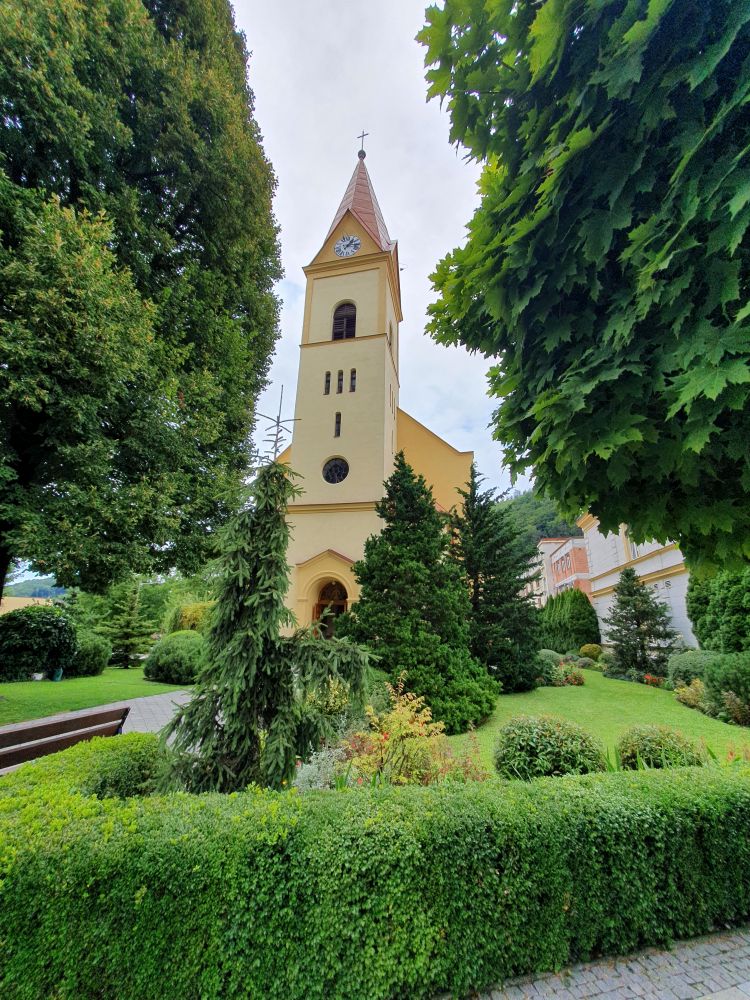
I park my car near the church.

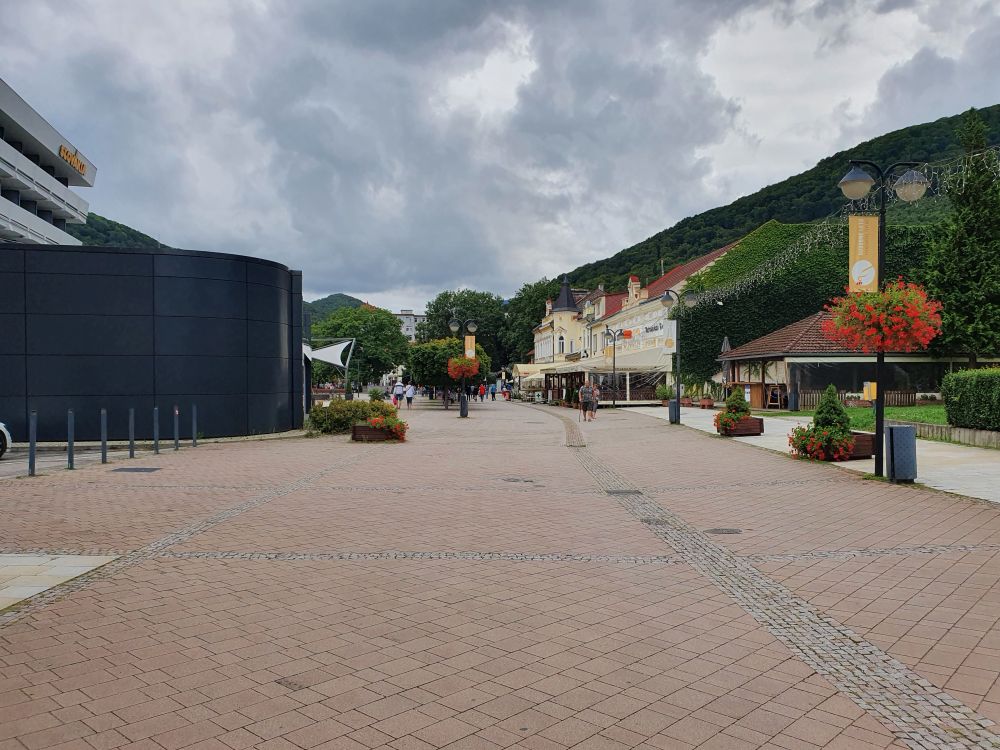
I stroll through the wide pedestrian area. I am hungry, it is lunch time.

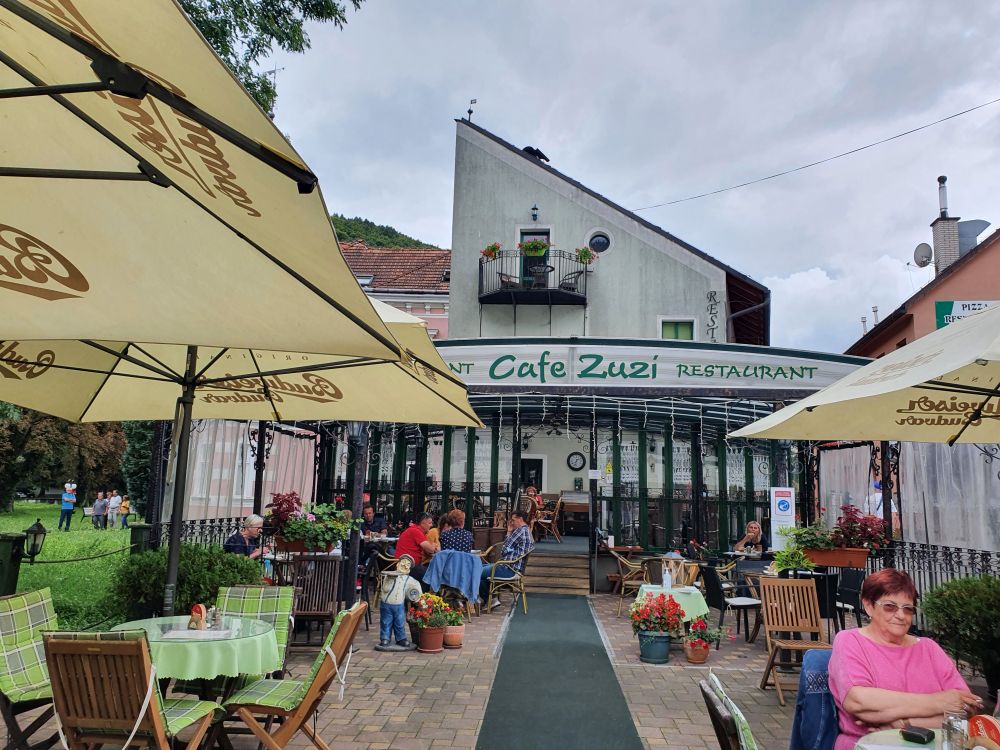
At Zuzi’s, I eat Bryndzové Halušky, the national dish of Slovakia. It is potato dumplings (a bit like gnocchi) with sheep cheese and bacon. It tastes interesting and after the meal, I am no longer hungry. However, I would not eat Bryndzové Halušky too often… my apologies, Stefan. 

Trenčianske Teplice is surely a  nice place to stay – I would love to hike in the surrounding hills (well, I am not the spa type of person). 

I enter my parking ticket – and the parking meter asks me to pay 50 Euros for about two hours. I cancel, ask in the restaurant nearby, the young waitor accompanies me and shows me the right button to press. Now I have to pay 50 cents. Much better. Thank you!

I leave Trenčianske Teplice and follow the Váh valley on the highway that connects Bratislava with Žilina. Near Žilina, the valley gets narrower. To reach the exit “Juh” (south), I have to drive through endless tunnels and have to cross one bridge after the next, until I reach the city.


One night at Žilina with some time to stroll through the city centre

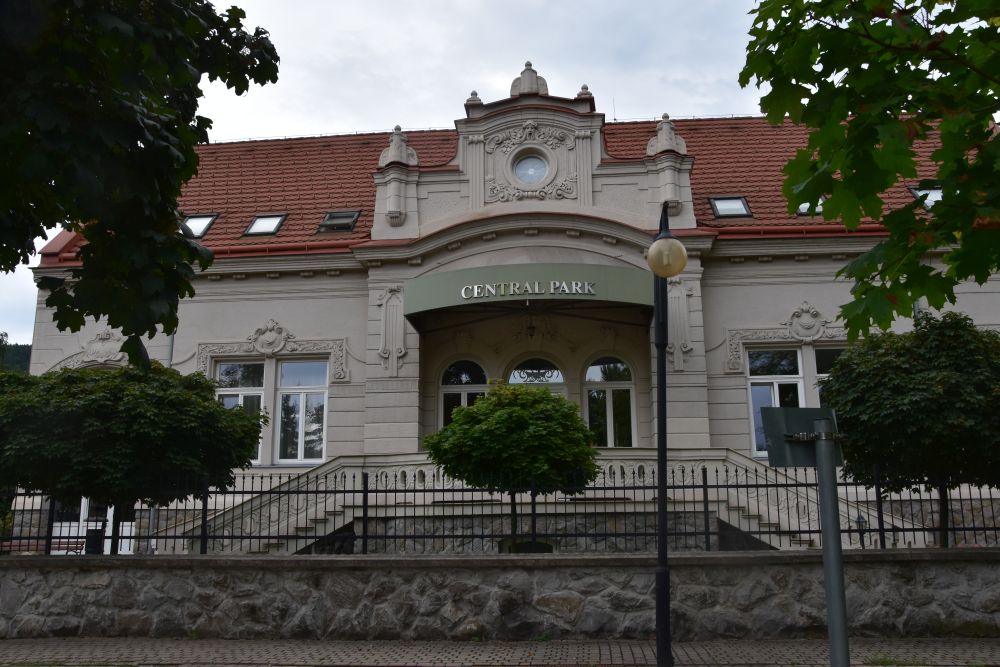
I have booked a room in the hotel Central Park on Sad SNP. I oscillate quite a bit, until I find the entry to the dead end street and to the hotel. Now I understand – “SNP Sad” means “SNP garden”. My hotel Central Park borders the “railway garden” or “railway park”  and is located on a dead end street. All very promising for a quiet night. 

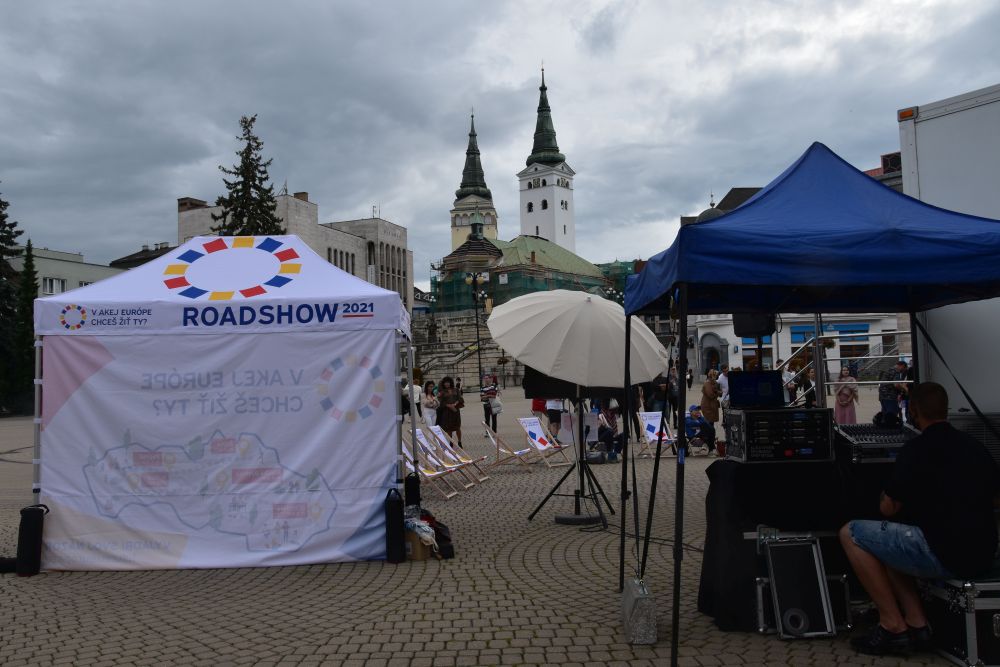
I walk through the park and reach the Andrej Hlinku square, where some political propaganda about Europe is going on.

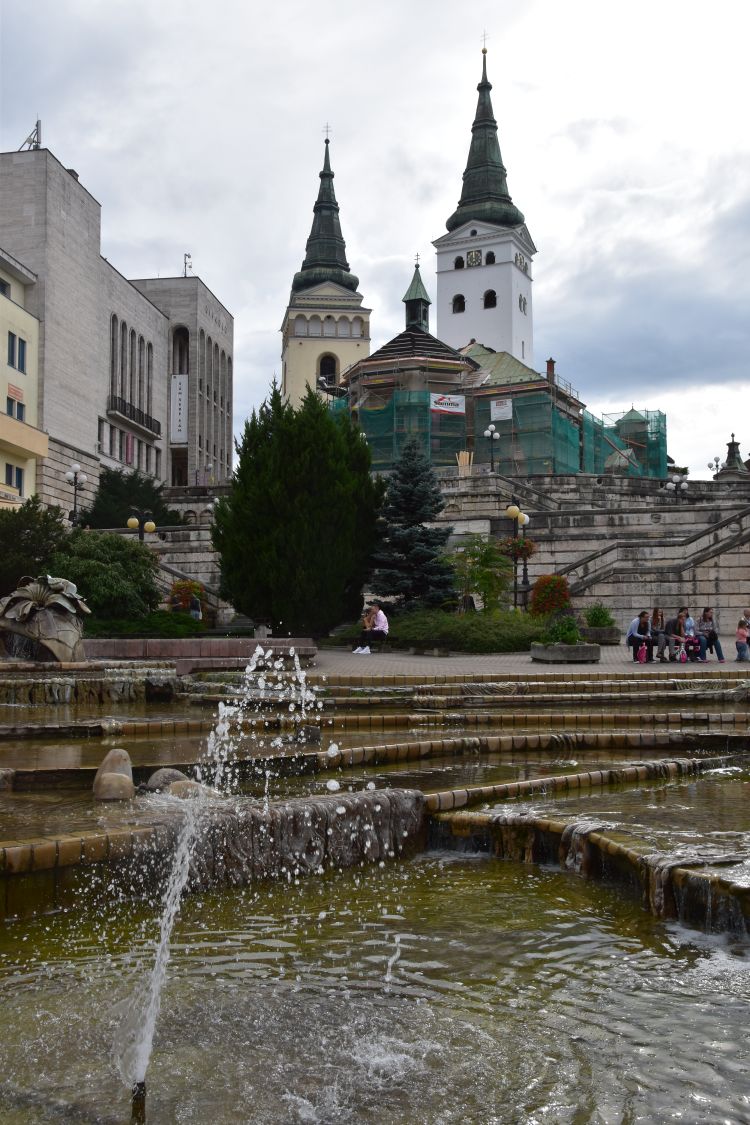
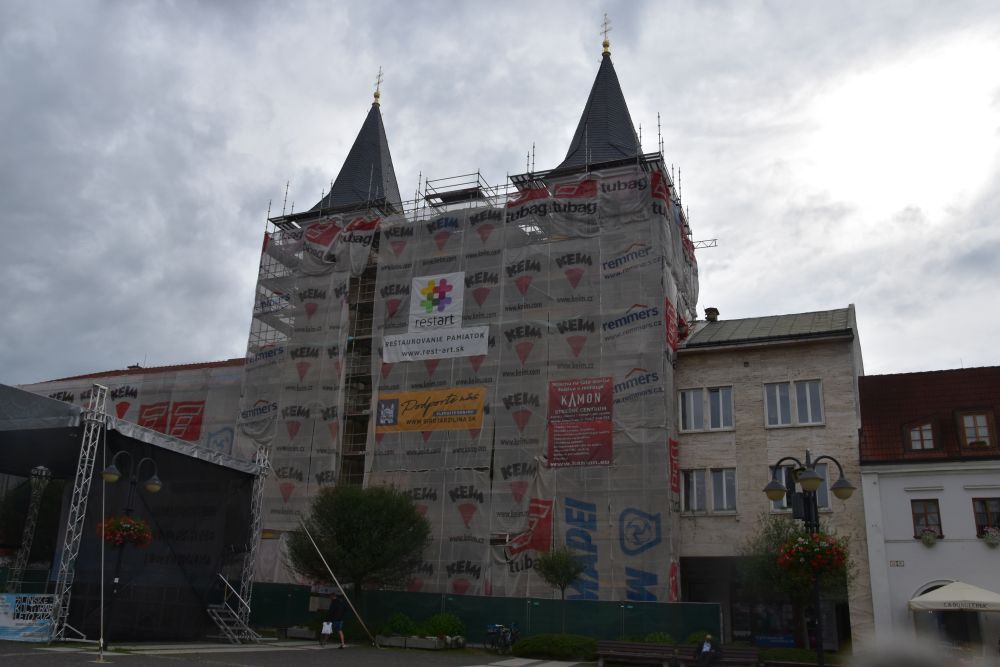
Above the square is the Trinity Cathedral, located on the hill. It is under restoration. It is dark inside, I cannot see anything. 

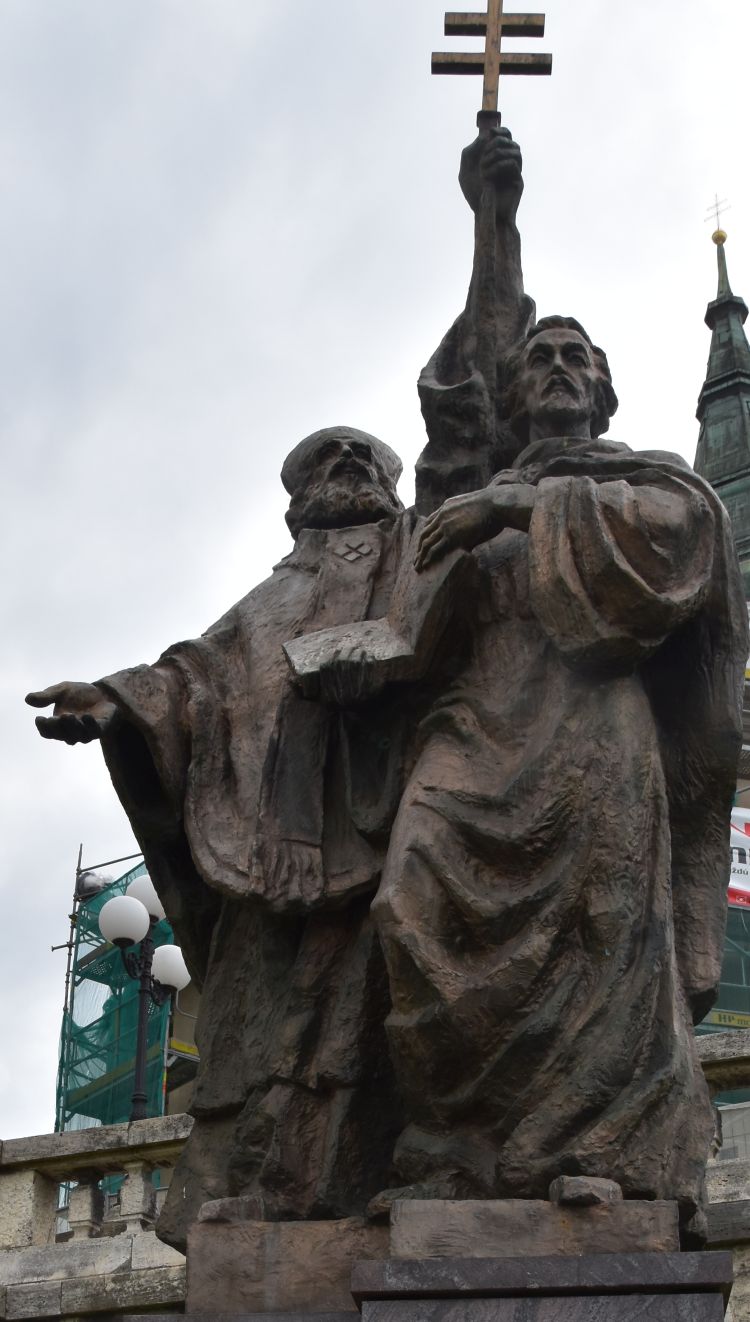
The statues of Methodius and Cyril with their orthodox cross greet me on the way up to the Cathedral. The Byzantine cross has decorated the coat of arms of Žilina since 1378, as I read on Wikipedia.

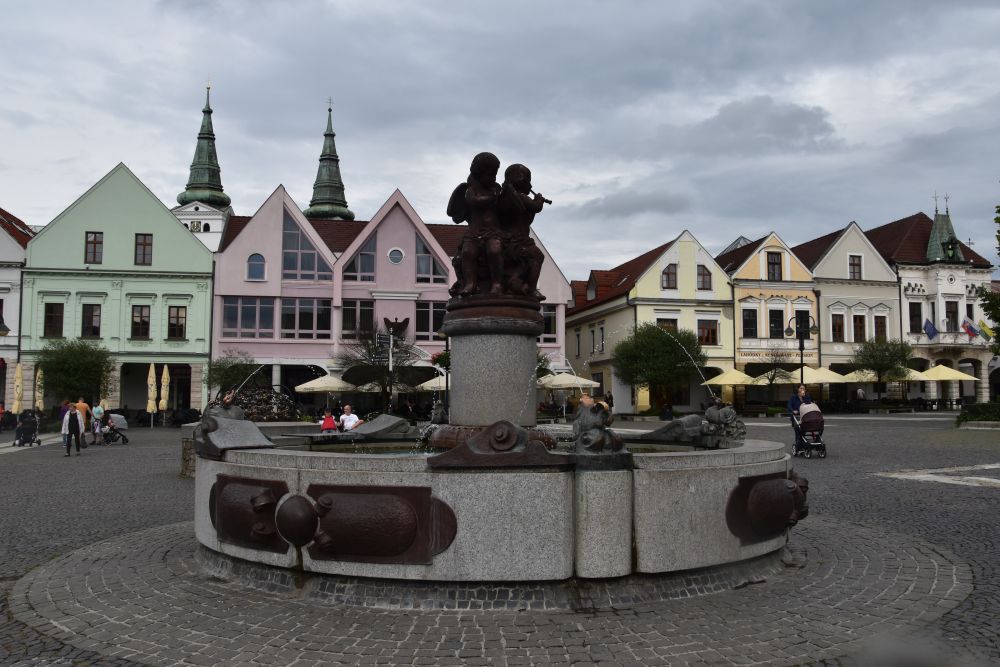
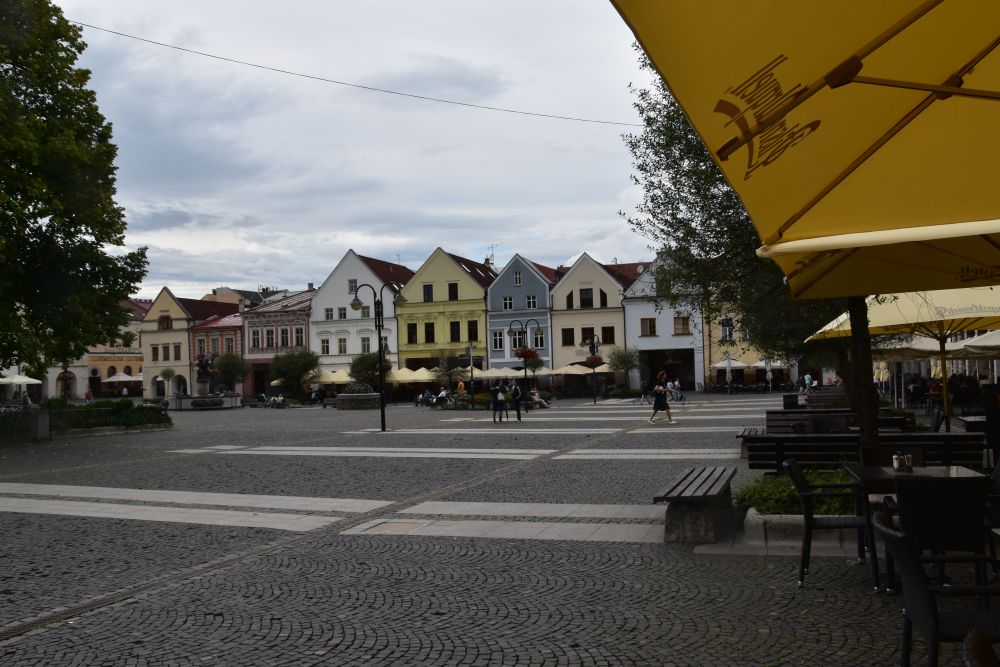
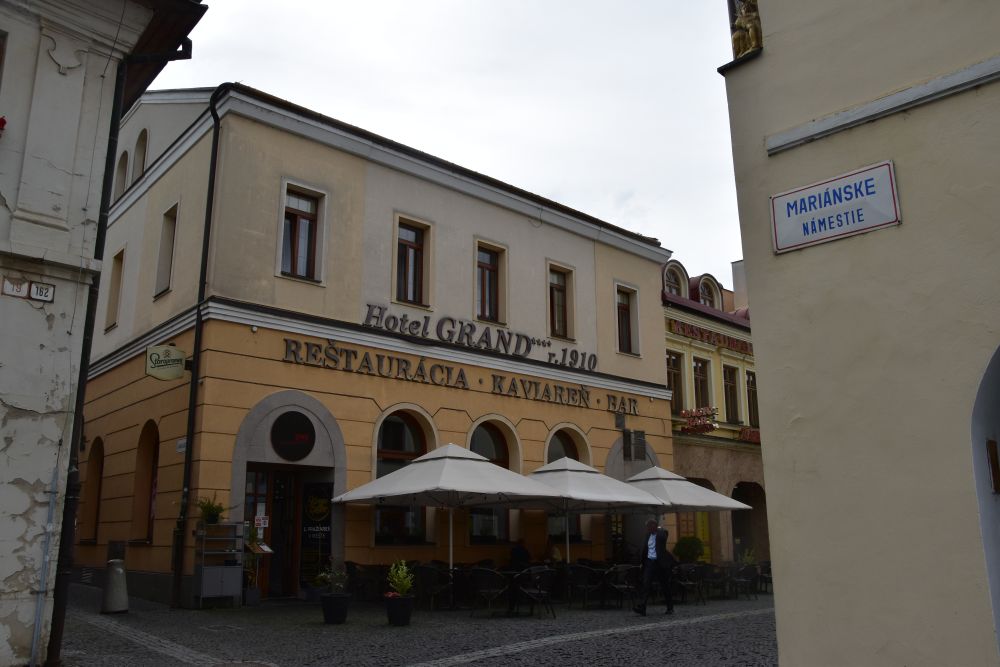
The gem of the pedestrian city centre is the Maria square. 

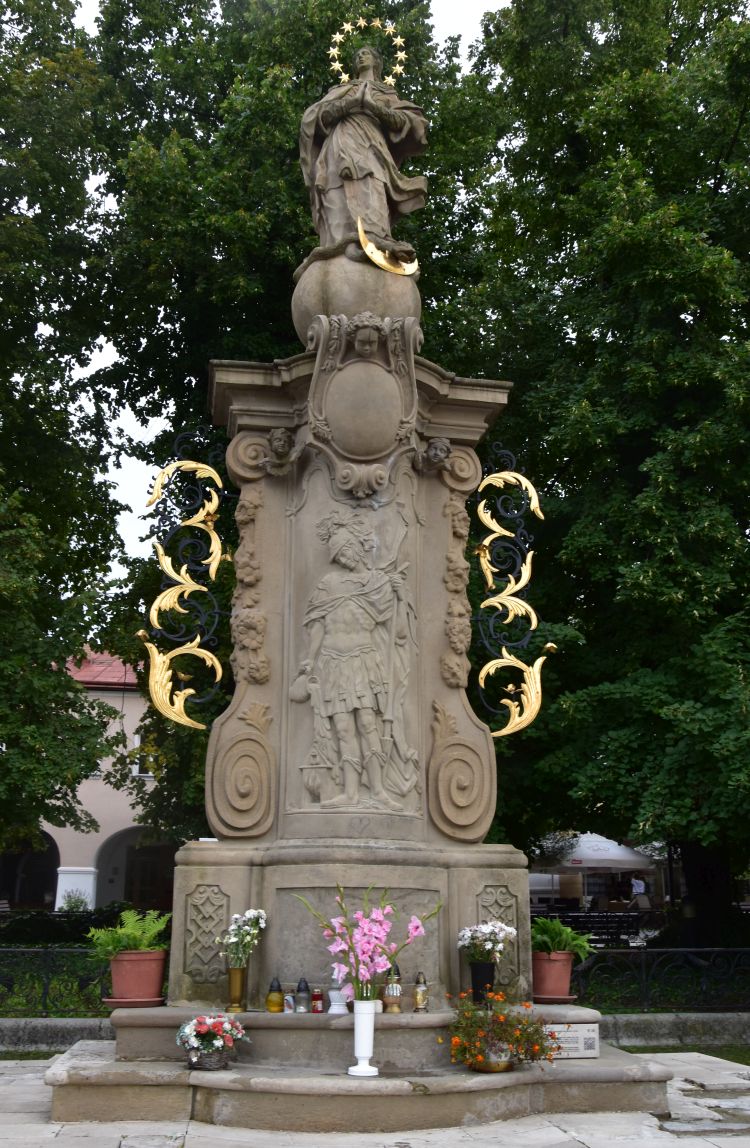
The statue of Maria dominates it.

Restaurants invite to sit down and have a drink or dinner. People enjoy walking around and sitting on the benches. I feel like in a Mediterranean country, though it is pretty chilly now. 

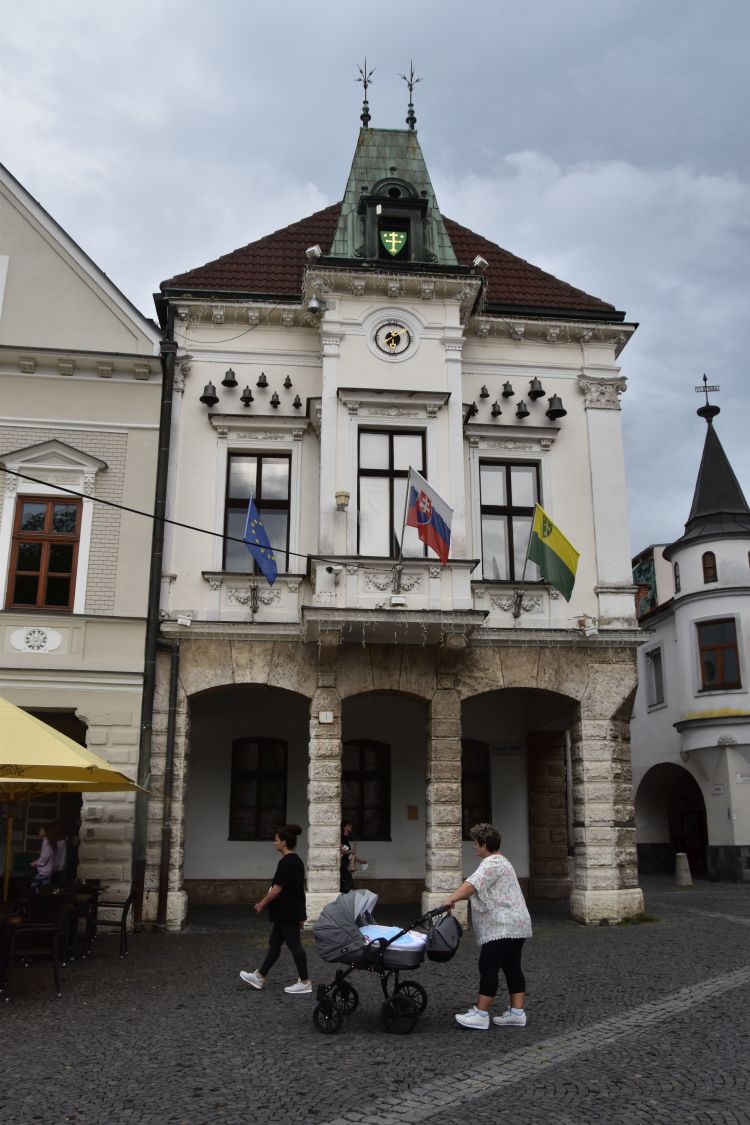
The pretty old town hall is still in use. The coat of arms decorates the roof. 

The church of St. Paul the Apostle is being renovated as well. 

Small streets lead away from the Maria square and invite me to stroll around.

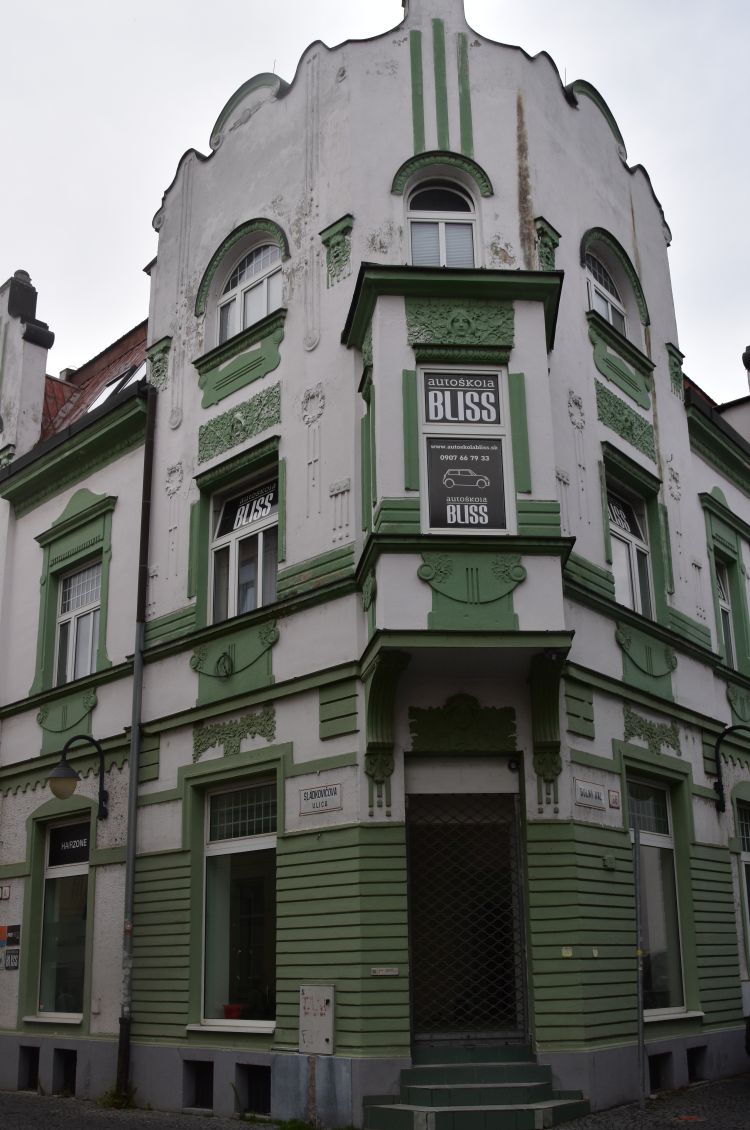
Some interesting Art Nouveau houses on the way. 

Nearby I find the New Synagogue, which is now a cultural centre. It was built in 1928-31.

Why is all this renovation work going on in Žilina? Later I find the answer: Žilina has been nominated for European Capital of Culture in 2026. This may be the reason. In 2026, the Holy Trinity Cathedral and Saint Paul church have to demonstrate that the city is worth the honour. Perhaps I should return in 2026 to explore these churches and to visit more sights at Žilina; I now read about the Romanesque Church of Saint Stephen the King from the early 13th century that is decorated with frescoes.  

I have dinner on the Maria square and return to my Central Park Hotel. It is quiet and I sleep well. An excellent choice!


A look at the map

From Nitra to Žilina I drove about 180km, along the Nitra river,across the Strážovské Vrchy mountains (which is a pleonasm, as “vrchy” means peaks or mountains) and then along the Váh river.

SourceElevation map of Slovakia

Sources:

  • André Micklitza, ” Slowakei”, Michael Müller Verlag 2019
  • Frieder Monzer, “Slowakei”, Trescher Verlag 2018

A Swiss butterfly in Slovakia: Nitra

End of August 2021, I am on the road again, to Berlin via Slovakia and Poland. My route: Munich, in Slovakia: BratislavaTrnava – Nitra – Žilina – Terchová – Dolny Kubin, then in Poland: Wilkowisko – Cracow – Szlarska Poreba – Wroclaw, and finally Berlin. 

Nitra is my next destination. It was here that during the Great Moravian Empire, Cyril and Methodius translated the bible to the Slavic language in the late 9th century. Their successors were expelled later and introduced the Slavic bible in Macedonia and Bulgaria. Cyril and Methodius are venerated in Slovakia, though the country is a Roman catholic country today. The orthodox cross is on the coat of arms of Slovakia.

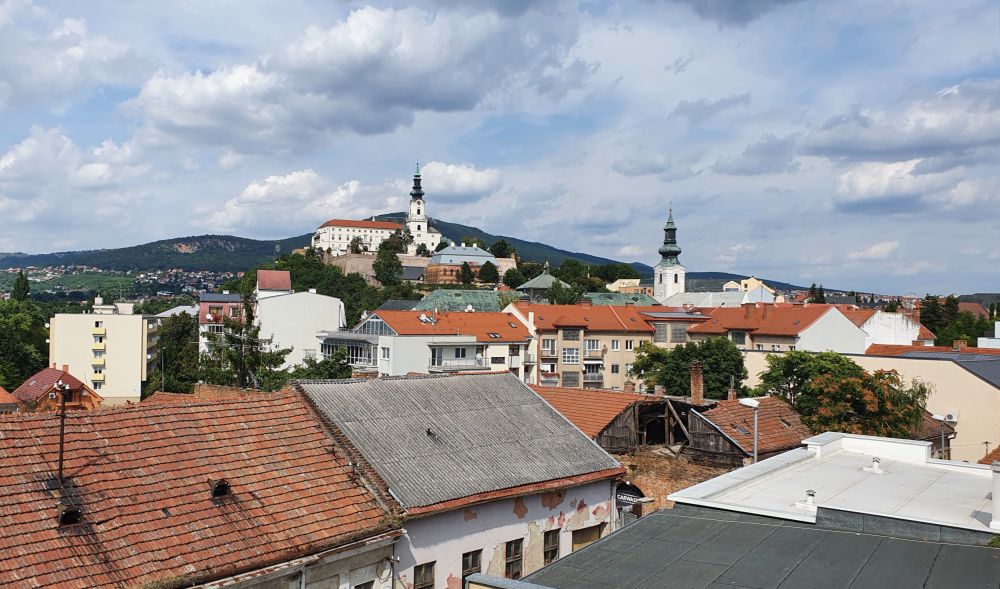
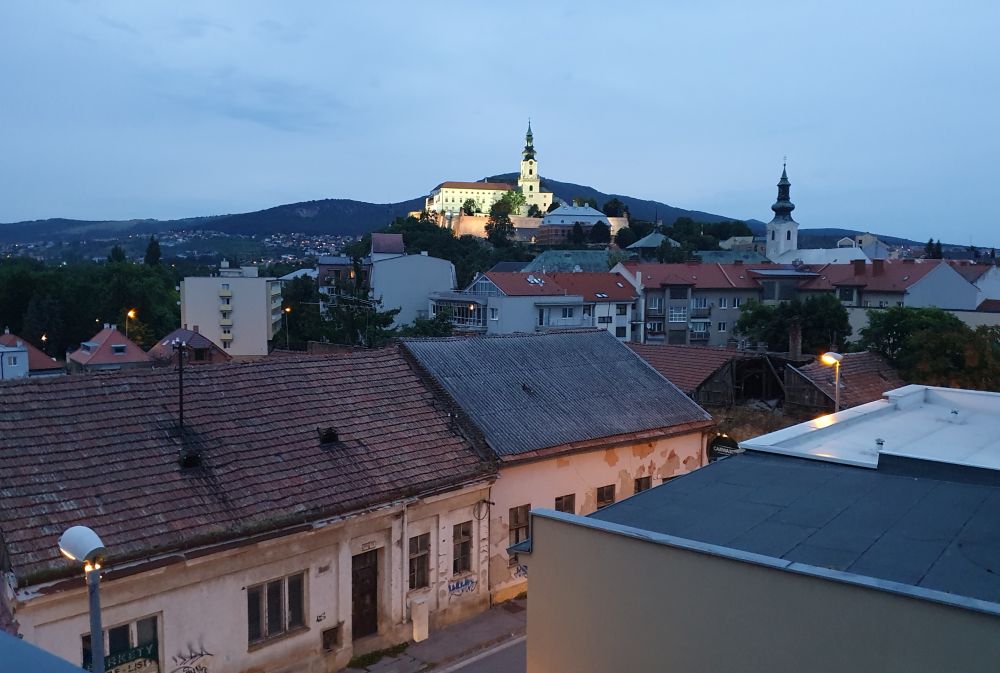
I had selected the hotel 11 because of the terrace with the view of the castle hill. Coming from Trnava, I settle and first have a coffee on the hotel terrace, enjoying the great view of the castle hill with the cathedral, the religious centre of Nitra.


Overview of my tour as a Swiss butterfly through Slovakia

Source: Elevation map of Slovakia


The historic castle hill of Nitra with St. Emmeram Cathedral

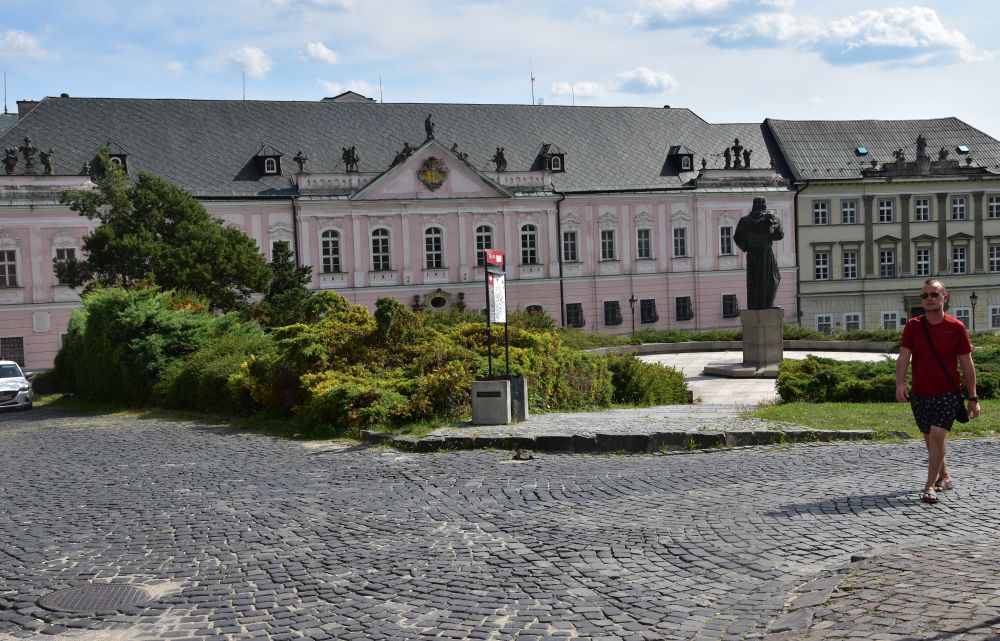
I climb up the castle hill using the Samova street and crossing the Pribina square with the Pribina statue and the beautiful baroque palaces.

Pribina is the first known ruler at Nitra that is of Slavic origin (around 860). 

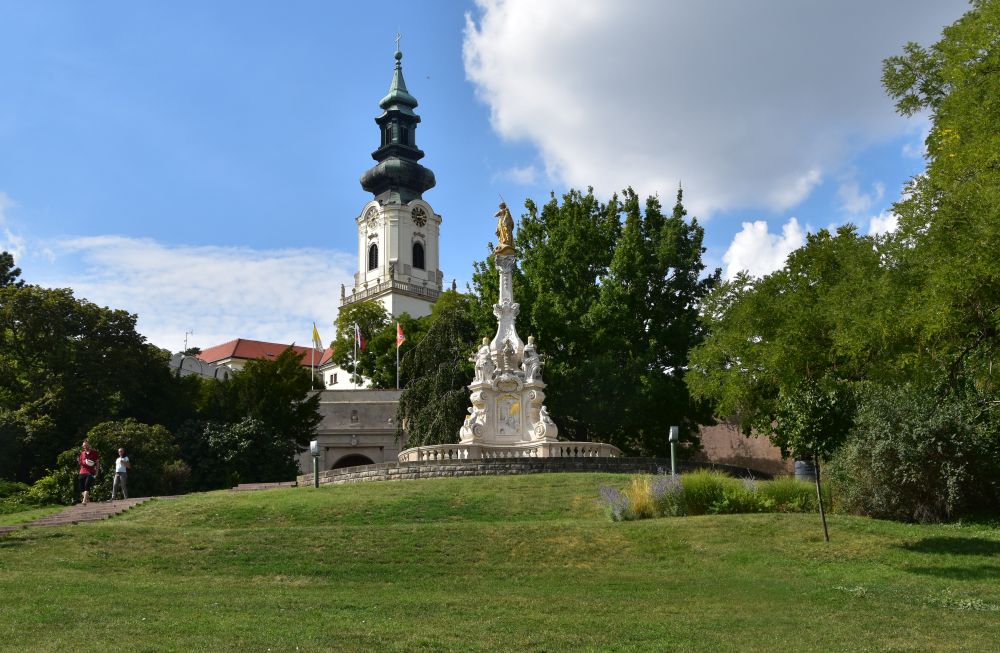
Passing the monument reminding of Cyryl and Methodius, I reach the Maria column that parallels the belfry of the cathedral.

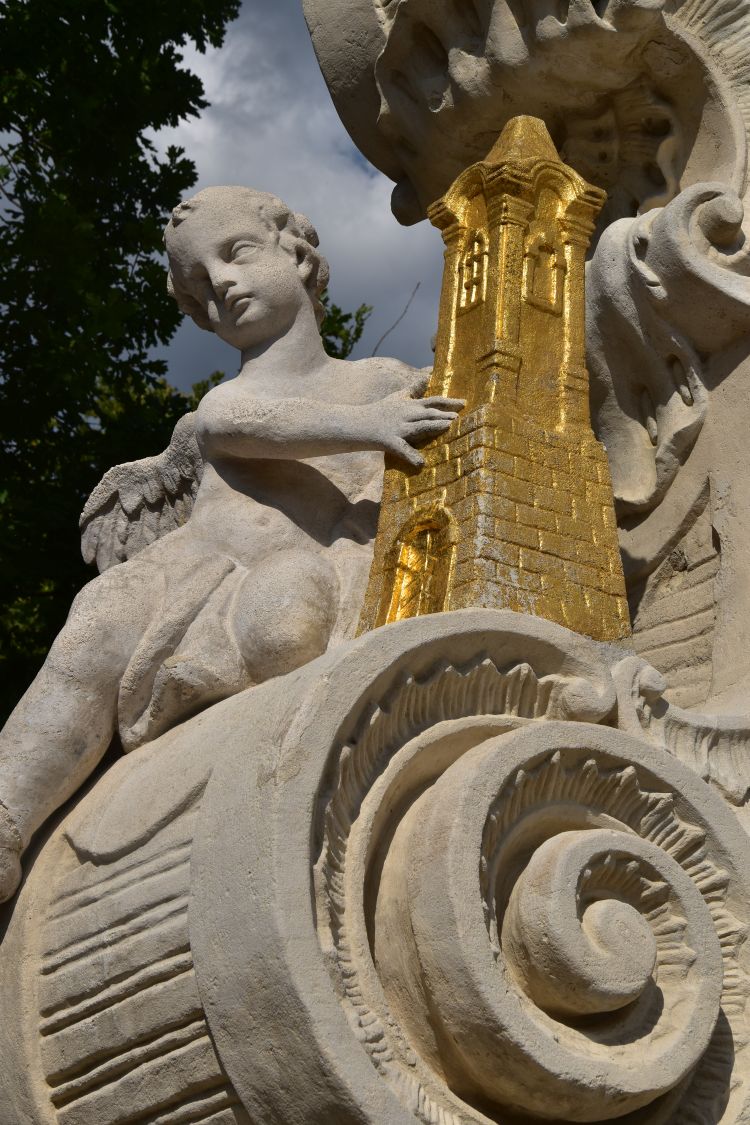
Graceful angels are surrounding Maria.

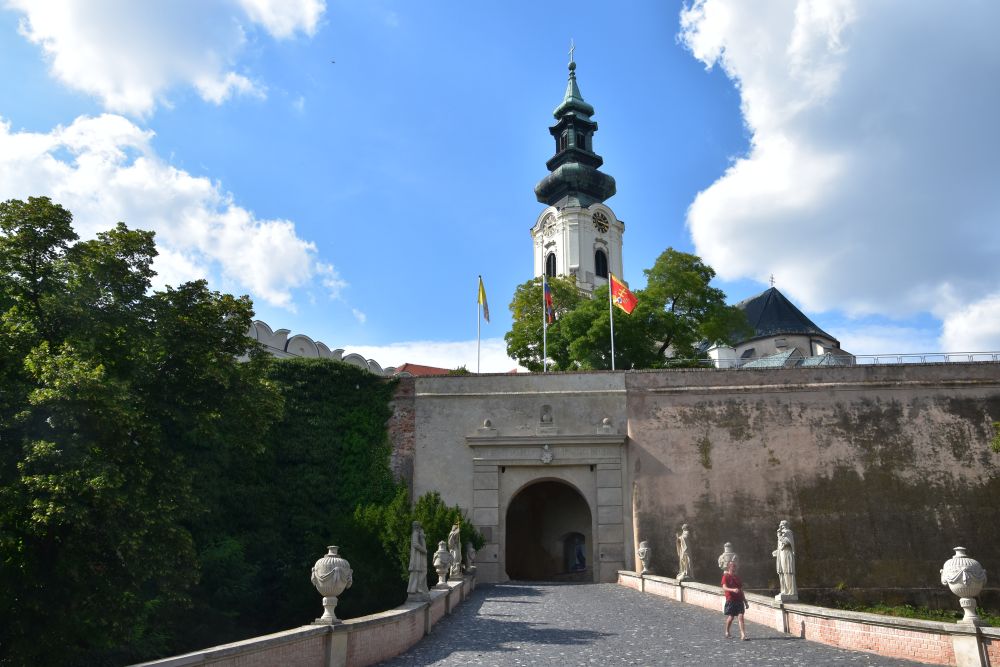
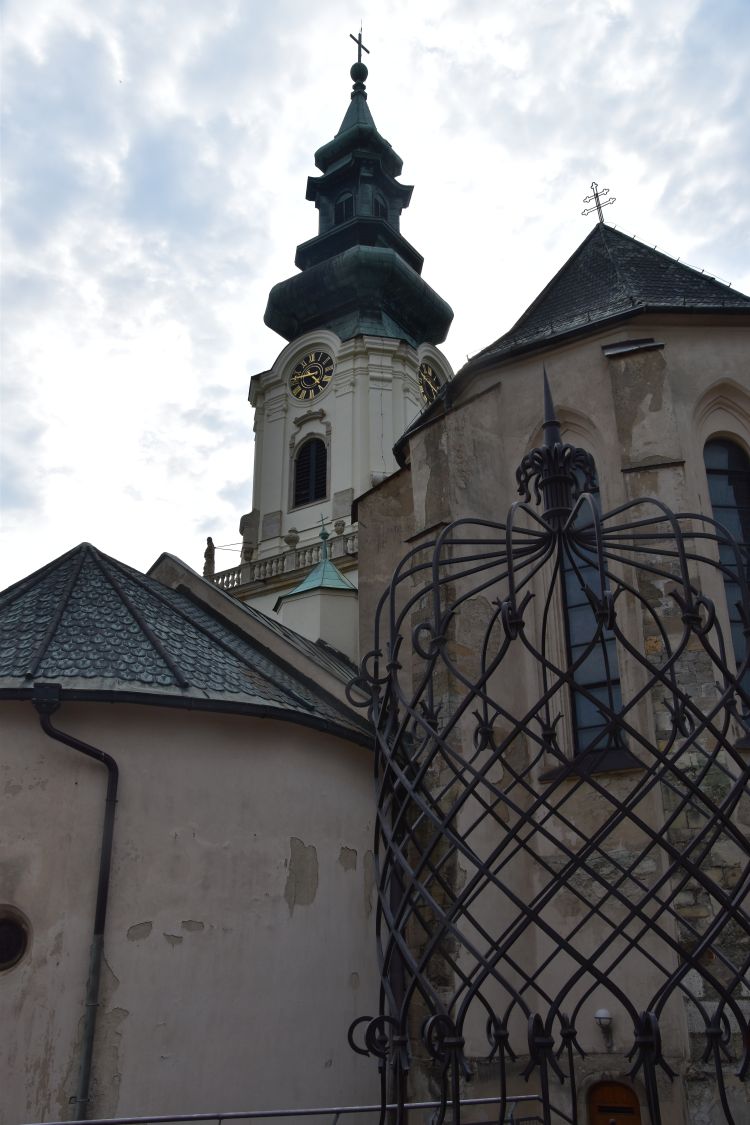
The cathedral is behind the fortification wall. 

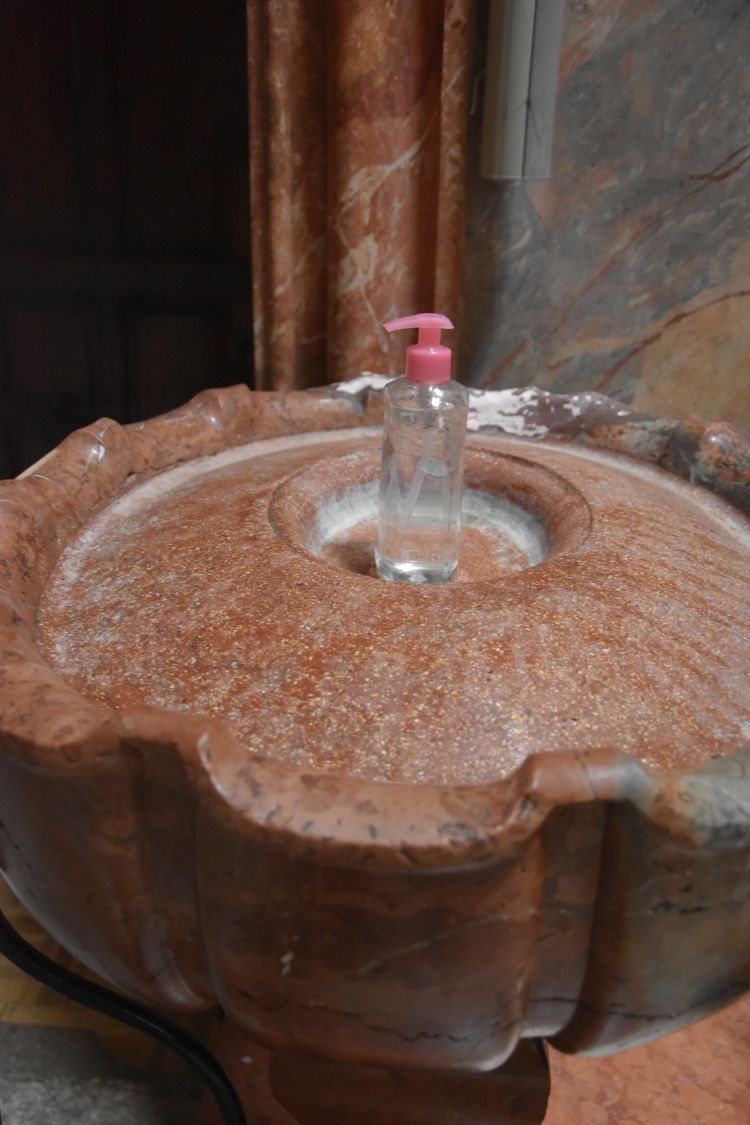
Inside the cathedral, I climb up the stairs – and I notice this new kind of holy water. 

Yes, we go through a pandemic right now and disinfectants are important.

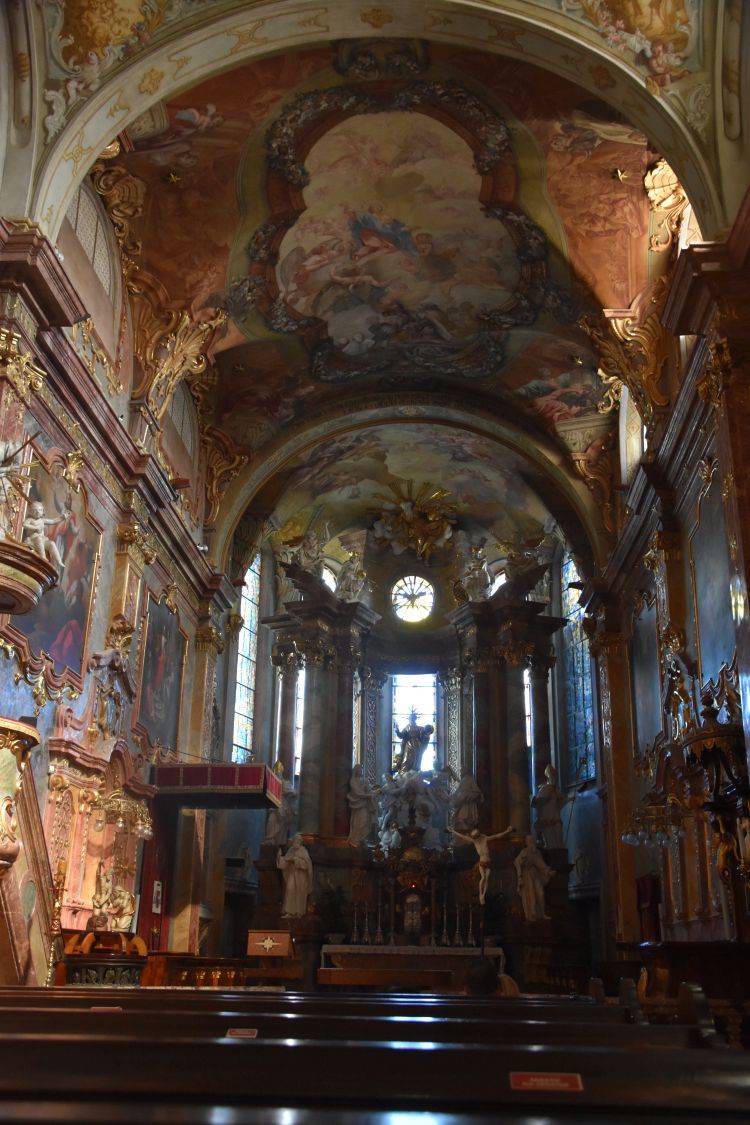
The cathedral consists out of three churches. At the highest point is the Baroque church.

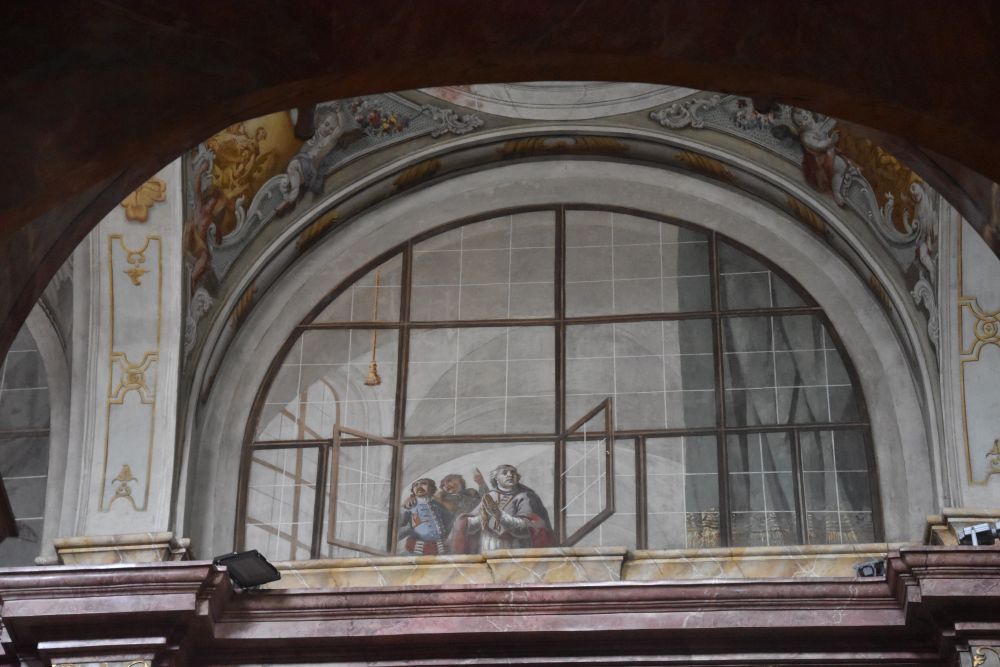
I like the trompe-oeuil painting with the people at the window. 

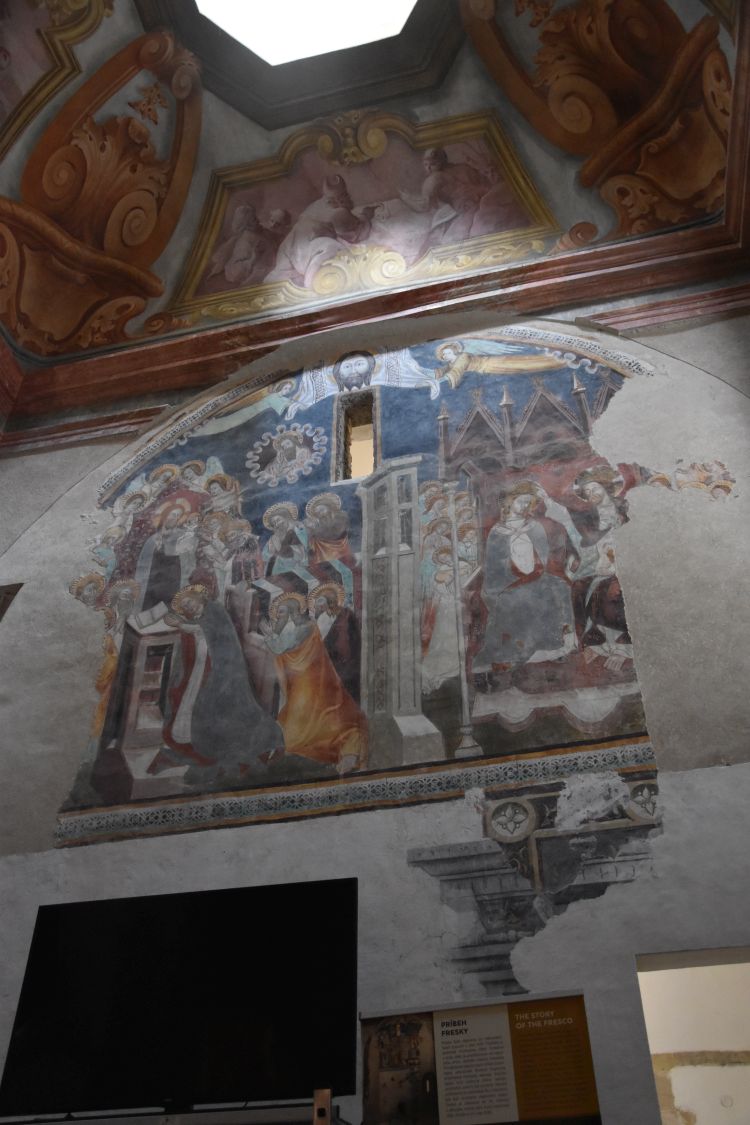
In the lower church, this beautiful Gothic fresco of the death and coronation of the Virgin Mary has been uncovered during the restoration works of 2005-2014. 

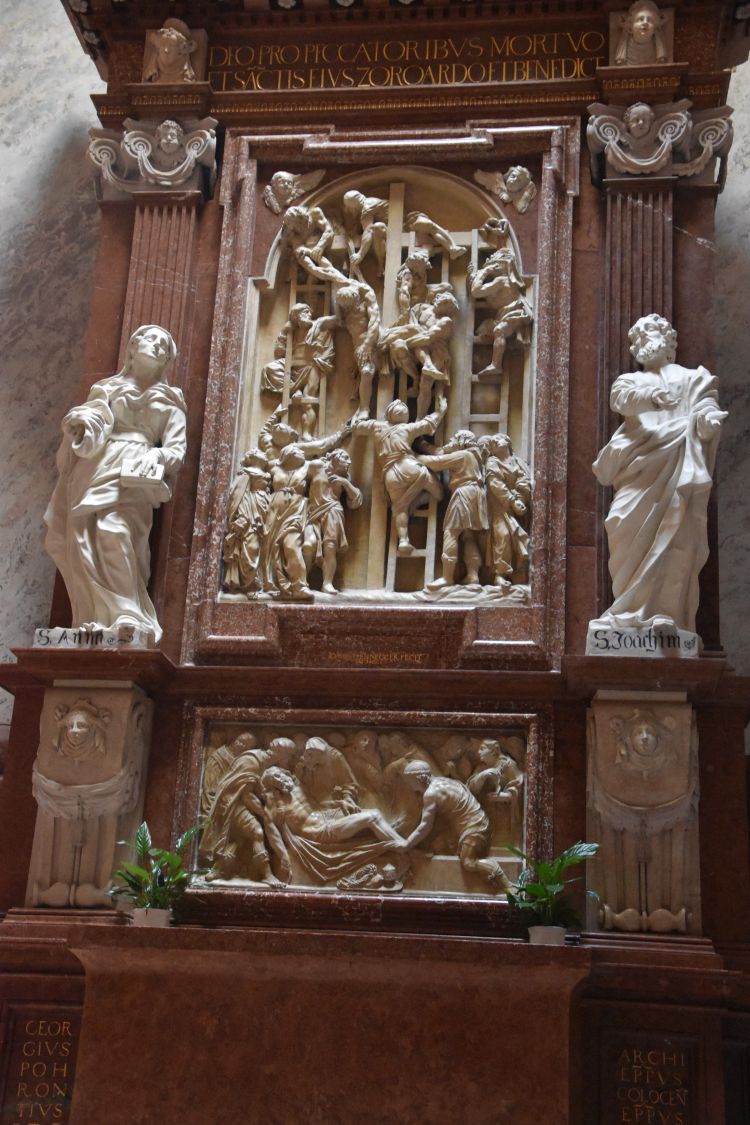
On the opposite side of the fresco, I admire the representation of the deposition from the cross and the burial of Christ (Johannes Pernegger, 1622).

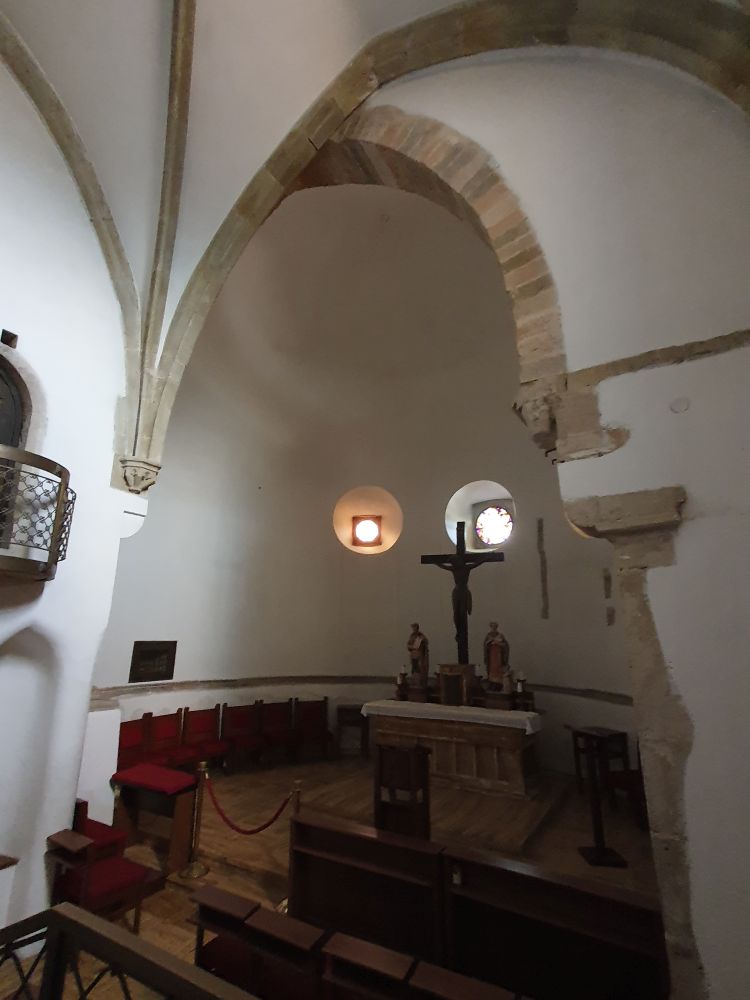
The third church hides behind the Gothic church. It is of Romanesque style, from the 12th century.

I look back at the cathedral from outside.

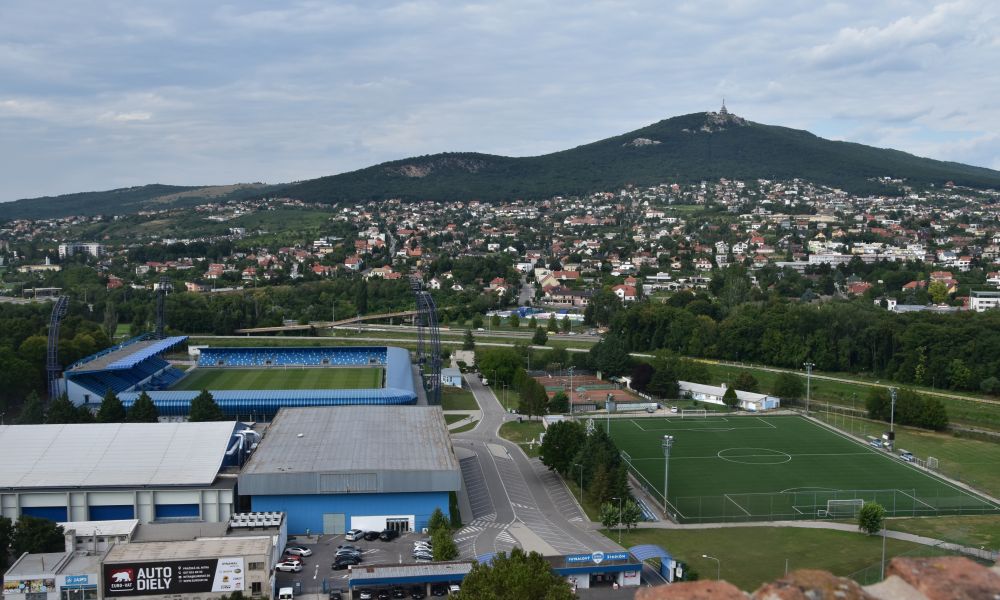
Behind the fortification walls, I find a bar with this beautiful view of the city and the mountain Zobor.


Strolling around in the pedestrian area in the lower city centre

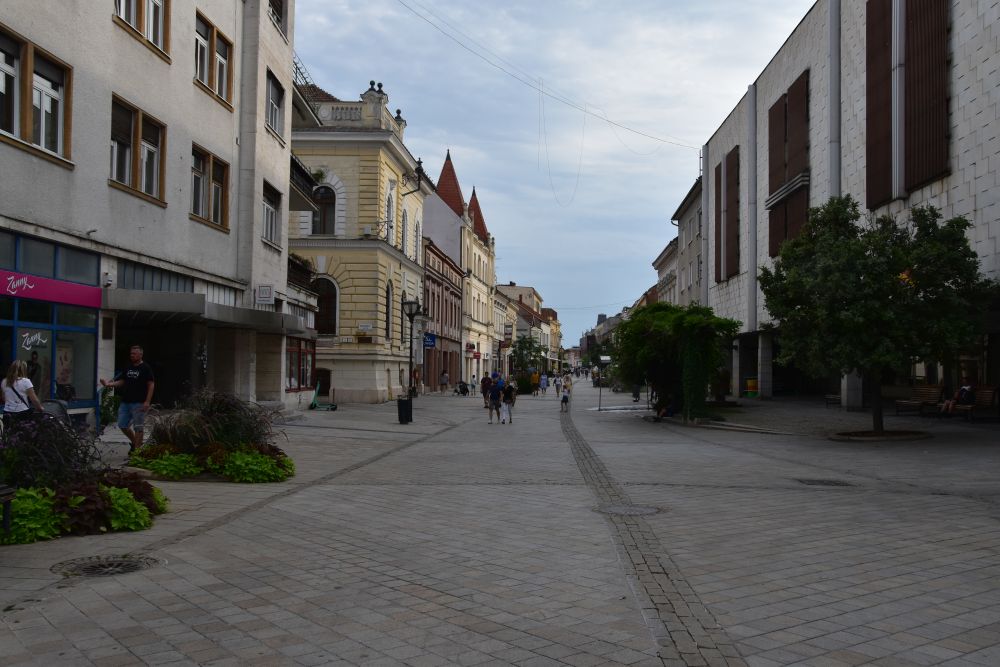
Nitra has set up its pedestrian area with care. You can shop here and restaurants invite to sit down.

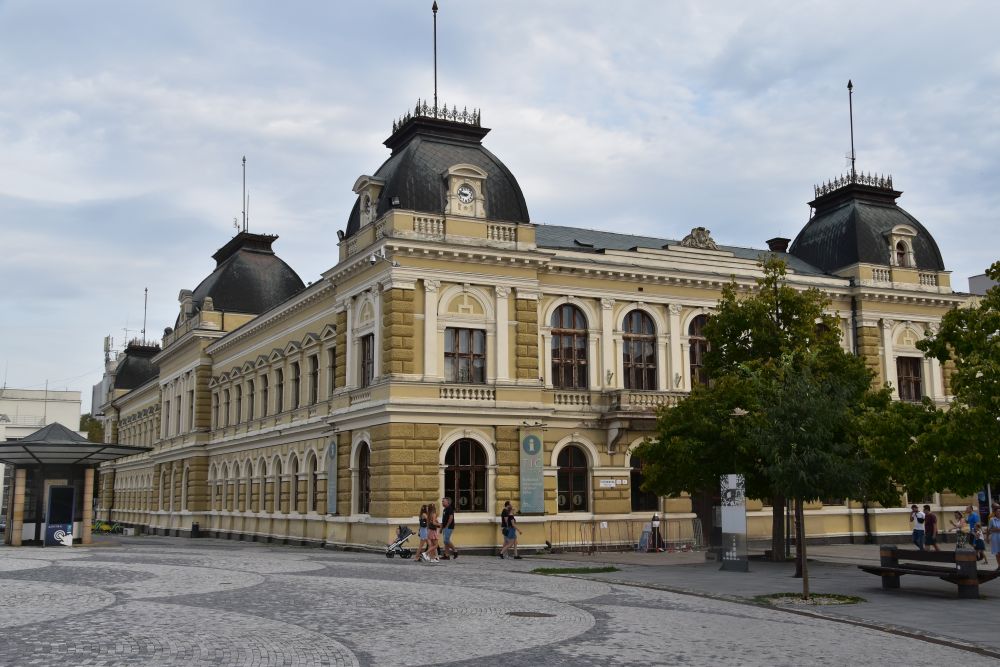
This Renaissance Revival building from around 1880 was the town hall and is now the regional museum. 

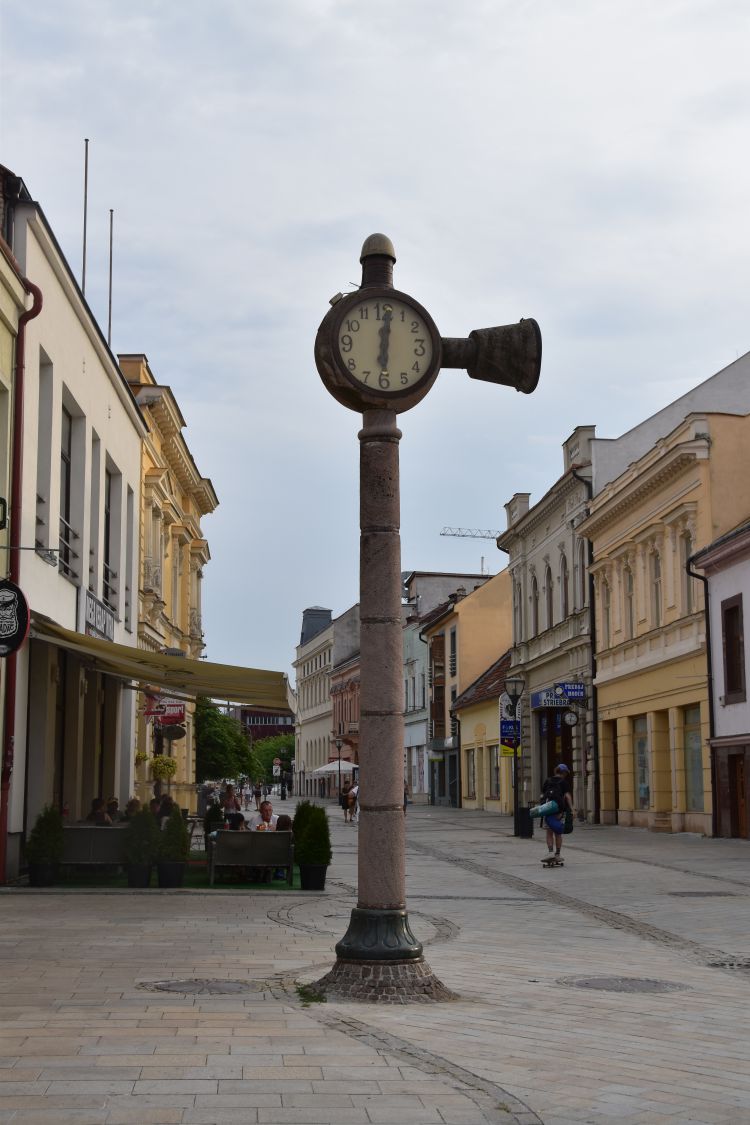
Nitra is proud of its singing clock. My Müller guidebook says that the melody plays at midday, but I heard it several times in the late afternoon, while having dinner.

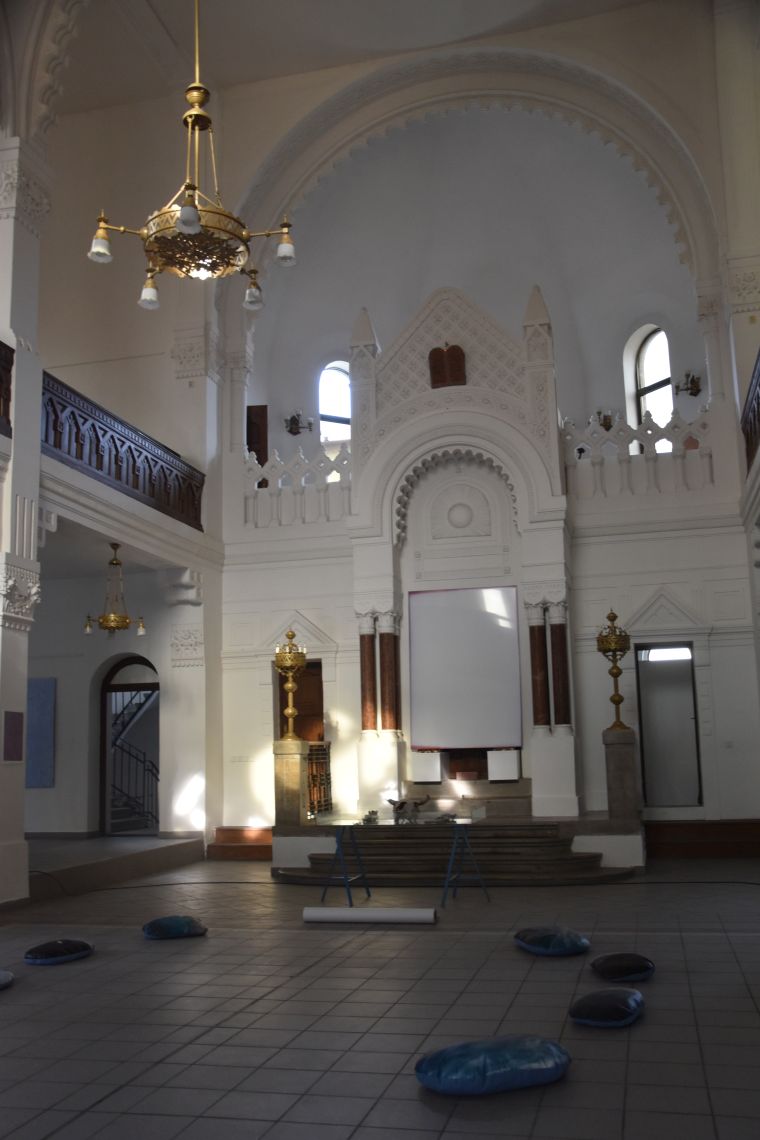
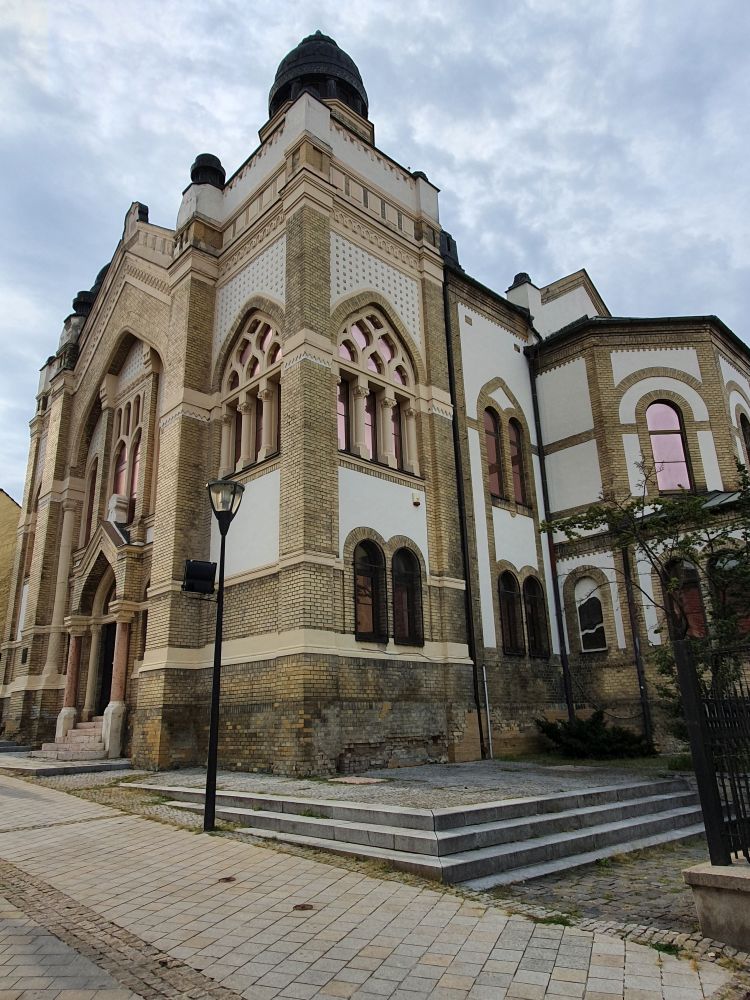
Near the pedestrian area, I visit the Synagogue built around 1910 combining Moorish, Byzantine and Jugendstil elements. 

I enter and admire the solemn atmosphere with the cushions on the floor that invite to pray. 

On the way to my hotel, I come across the Baroque Ladislaus church that is part of the Piarist monastery. The Piarists founded their catholic order in the early 17th century to teach children and youth. 


The warm summer evening on the terrace with the footballer’s wine and the view of the castle hill

I return to my hotel 11 to enjoy the warm summer evening on their terrace. At the reception bar, I select a wine from Hamšík winery. Hamšík is THE football player of Slovakia. While playing football in Italy, he learnt about wine and wineries and now, he sells his wine that is famous in Slovakia. What a great plan for his future, when he will no longer be a football star.

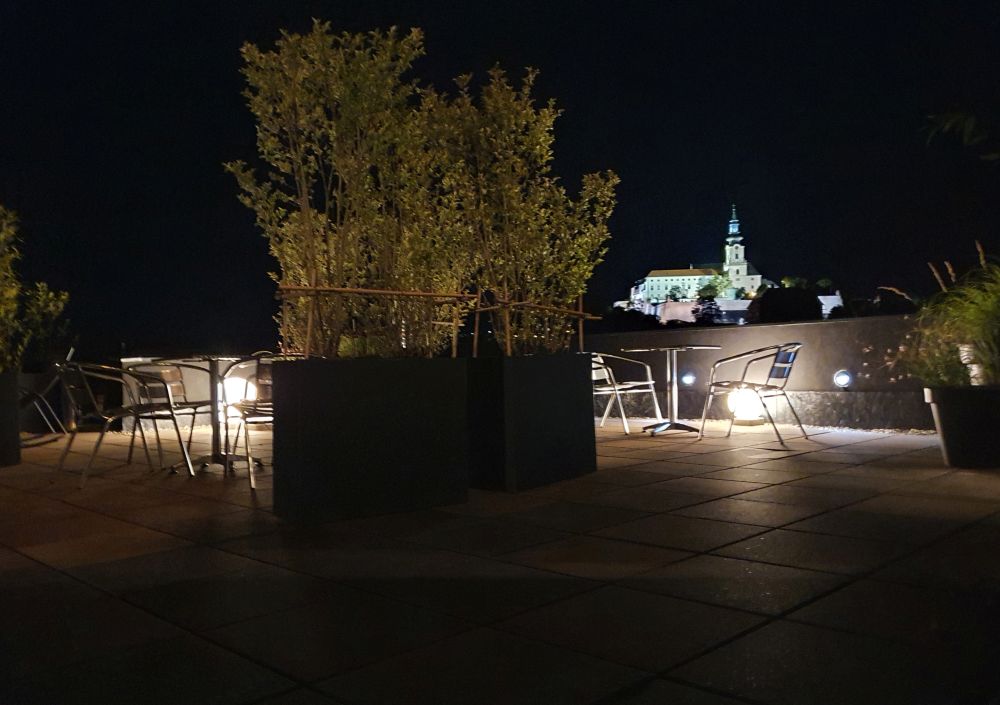
With my glass of wine I sit on the balcony of the hotel 11 and enjoy the view of the castle at twilight…

… and then at night. 

I stay here until midnight. I know, this is the last warm summer evening… rain is announced for the night. The ugly summer 2021 that I have experienced in Basel will catch up with me again now.


Drazovce – the pretty church Saint Michael north of Nitra on a hill

After a good breakfast at my hotel 11, I buy some Slovakian wine in the shop nearby. Then I leave the city in search of the small Romanesque church Saint Michael from the early 12th century at Drazovce. It turns out to be difficult to find the village and the church.

First, my GPS takes me south to another place called also Drazovce. I notice that after a few kilometers and return to Nitra. My GPS now guides me north on the express way to Drazovce-Nitra. However, the exit to Drazovce is closed due to construction work. It takes me quite some time to find the detour to the village. I park my car in the village, follow a small foot path and find this chapel full of atmosphere. It was worth the effort!

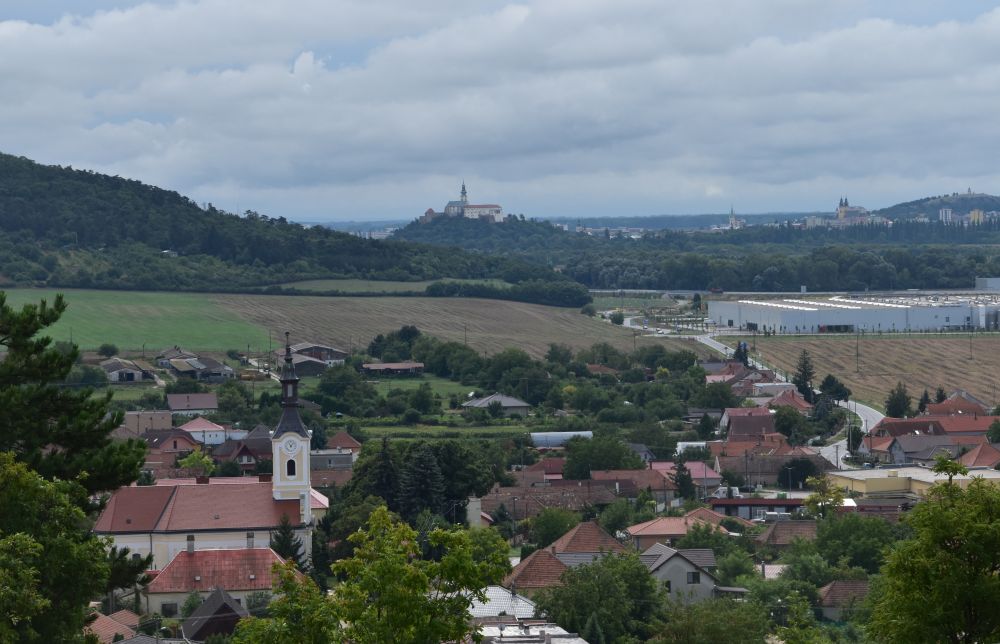
From here, I have a magnificent view south, to Nitra with the Castle hill and the Cathedral.

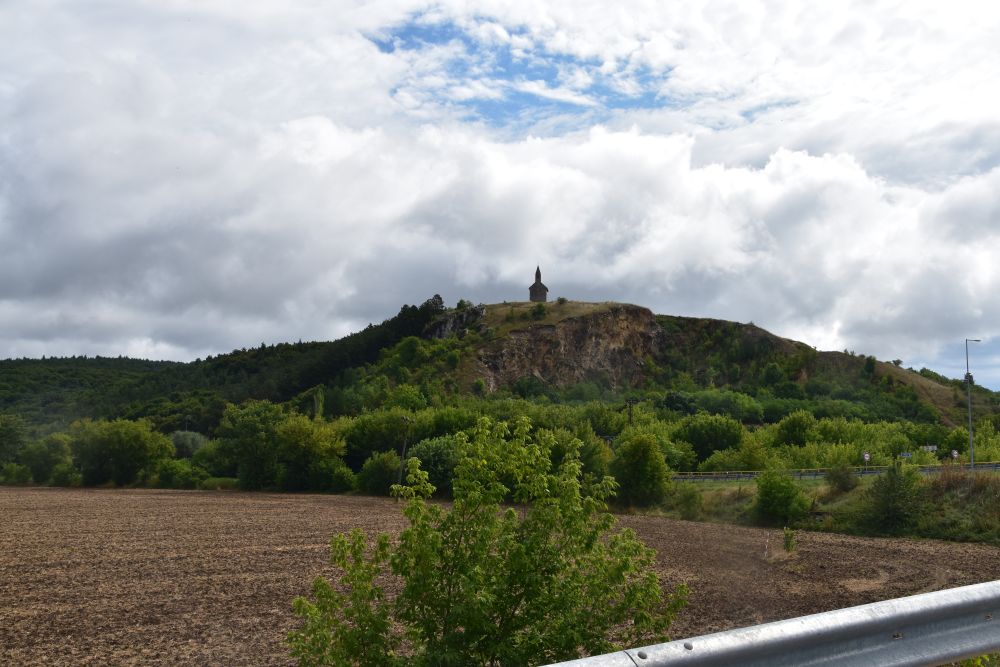
Before I drive north towards Teplice, I stop to take another photo of this marvellous church above the rock. 

Thank you, my Müller guidebook, for having pointed me to the chapel Saint Michael.

Perhaps I will return to Nitra one day to visit the castle hill with the cathedral once more, to climb the mountain Zobor and to taste wines at the vineyards around Nitra. 


Sources:

  • André Micklitza, ” Slowakei”, Michael Müller Verlag 2019
  • Frieder Monzer, “Slowakei”, Trescher Verlag 2018

A Swiss butterfly in Slovakia: Trnava

End of August 2021, I am on the road again, to Berlin via Slovakia and Poland. My route: Munich, in Slovakia: Bratislava – Trnava – Nitra – Zilina – Dolny Kubin, then in Poland: Wilkowisko – Cracow – Szlarska Poreba – Wroclaw, and finally Berlin. 

This blog is about Trnava.

I leave Bratislava on Sunday morning. On the motorway, it takes me about 45 minutes to Trnava.

I am interested in this small city of about 70’000 inhabitants, because for centuries it was the Christian centre of the Hungarian kingdom, from 1541 to 1820; actually the Turks had occupied most of Hungary and what was left of Hungary at that time was about the area of Slovakia.

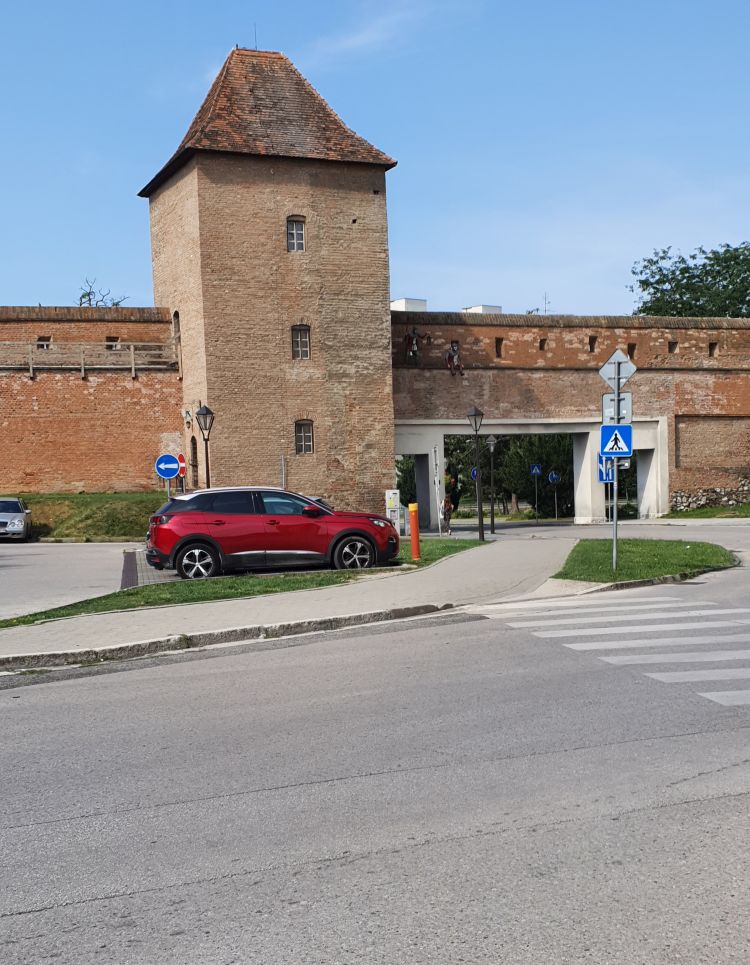
Furthermore Trnava has a nice pedestrian area and the city wall has been well preserved. 

I park my car near St. James church (belonging to the Franciscan monastery). It is Sunday and parking is free.

The loudspeaker transmits the service to the street; some guests listen to it outside the church. 

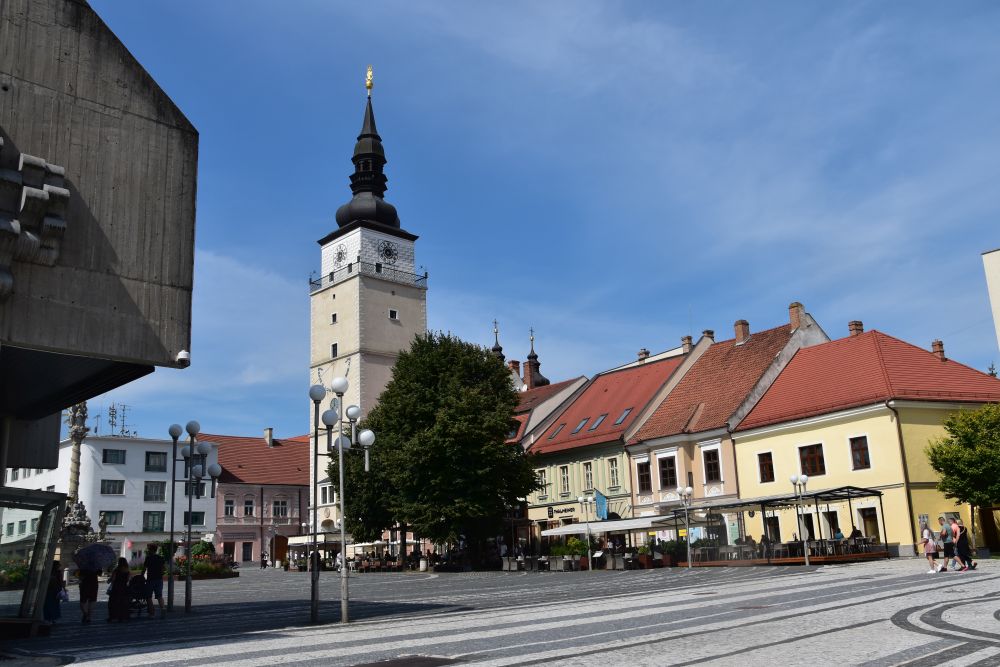
The Trinity Square is the focal point of Trnava city centre. It is dominated by the Renaissance town hall belfry from 1574. 

The Trinity church that gives it name to the square, is in the street nearby. It is a baroque church from 1729.

In addition, the elegant theatre built in 1831 borders the Trinity Square. It is the oldest theatre in Slovakia.

Numerous restaurants invite to sit down and enjoy the warm Sunday morning. The concrete block belongs to a shopping mall, not really my taste.

Pretty two storey houses and some palaces line the pedestrian streets. Here I am looking back at the Trinity Square and St. James church.

Turning 180 degrees, I can see Saint Nicolas church, the main church of Trnava, between the carefully restored palaces. 

Also here, the service is transmitted outside.

Once the service has finished, I enter Saint Nicolas church with its gothic appearance.

Saint Nicolas church was built in 1440 and served as the cathedral of the Hungarian archbishopric of Esztergom.

Behind Saint Nicolas church, the city wall has been restored with care and the park invites to sit down in the sun.

Amidst the beautifully restored houses, some are sorely decaying.

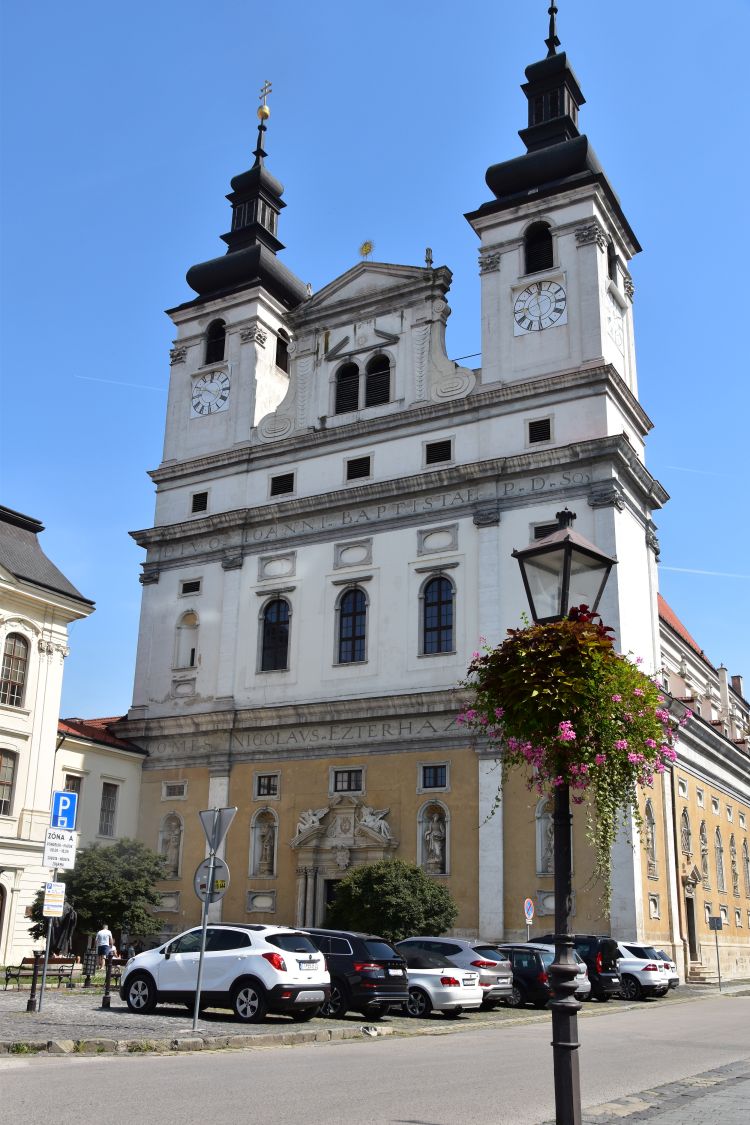
Not far from here I find Baroque Saint John’s Basilika, the church of the university of Trnava, built in the 17th century. 

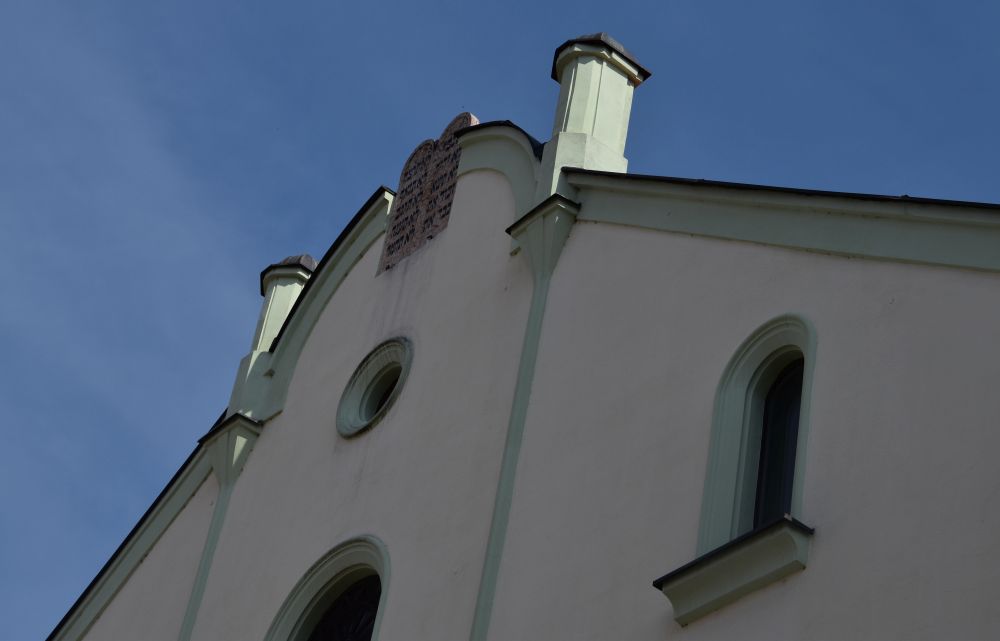
There is a Jewish centre with the Synagogue and a coffee place.

Trnava is a welcoming small city that I enjoyed to discover.

To round off my walk in Trnava, I have lunch in the restaurant right across Saint Nicolas church – salad with chicken – and then continue my way to Nitra. 

Sources:

  • André Micklitza, ” Slowakei”, Michael Müller Verlag 2019
  • Frieder Monzer, “Slowakei”, Trescher Verlag 2018

A Swiss butterfly in Slovakia: Bratislava

End of August 2021, I am on the road again, to Berlin via Slovakia and Poland. My route: Munich, in Slovakia: Bratislava – Nitra – Zilena – Dolny Kubin, then in Poland: Wilkowisko – Cracow – Szlarska Poreba – Wroclaw, and finally Berlin. 

After a wonderful day with my long year friend(almost sixty years) in Munich, I continue my way to Bratislava. On Friday night, August 20th, I park my car under the Opera in the city centre. Nearby, I have booked a room in the hotel Art William at Laurinska street. The hotel hides in the yellow building with the arcades – a lady speaking Russian (and enjoying it) helps me to find the entry.

The hotel  was good for sleeping quietly, as the windows open to a courtyard. However, I  had to live with the somewhat sloppy service (breakfast out  of plastic boxes, room not cleaned up). 


After having arrived in the evening, I explore the city centre, a pretty and busy pedestrian area

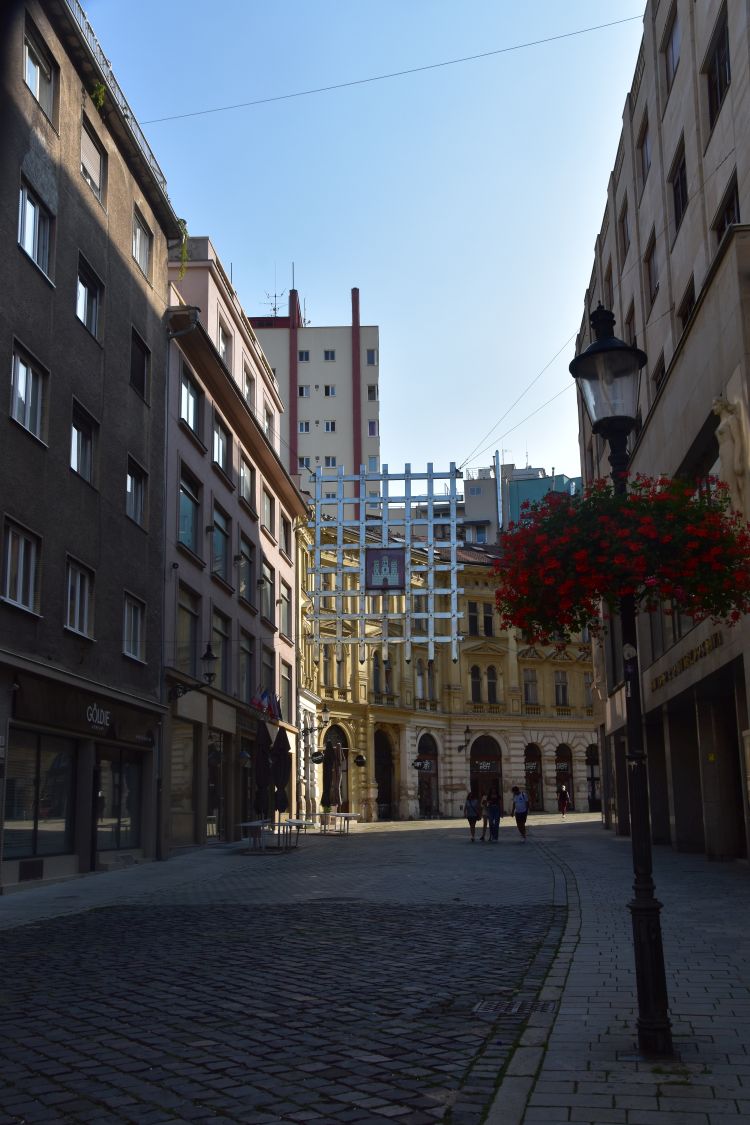
Leaving my hotel, I find myself in the middle of the pedestrian area of Bratislava. 

The Ulica Ursulinska is the first street branching off from Laurinska. 

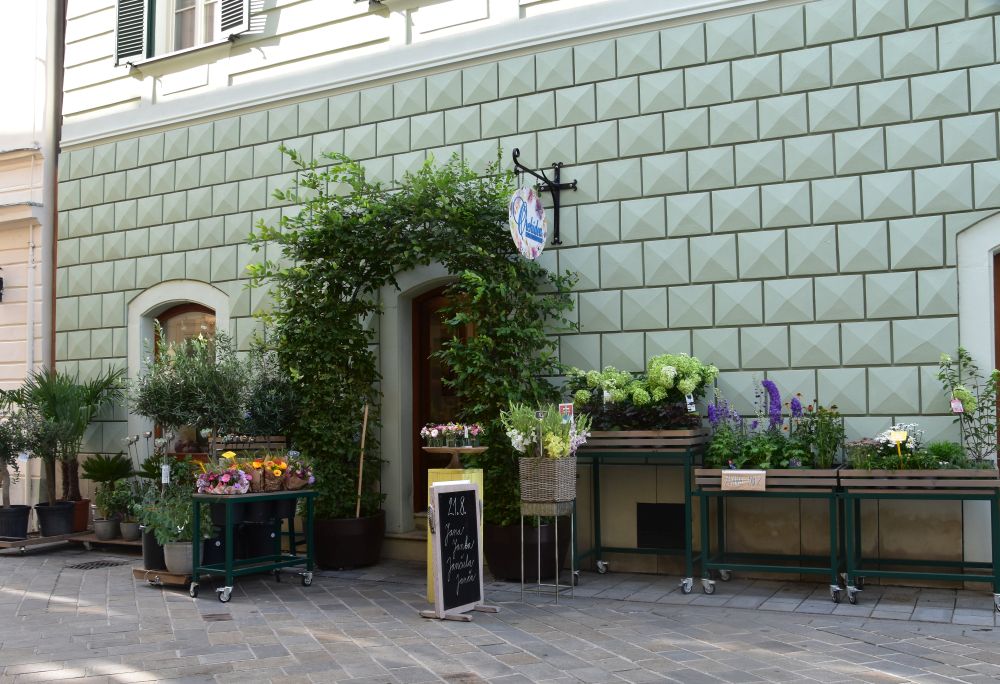
Here this shop invites me to buy flowers.

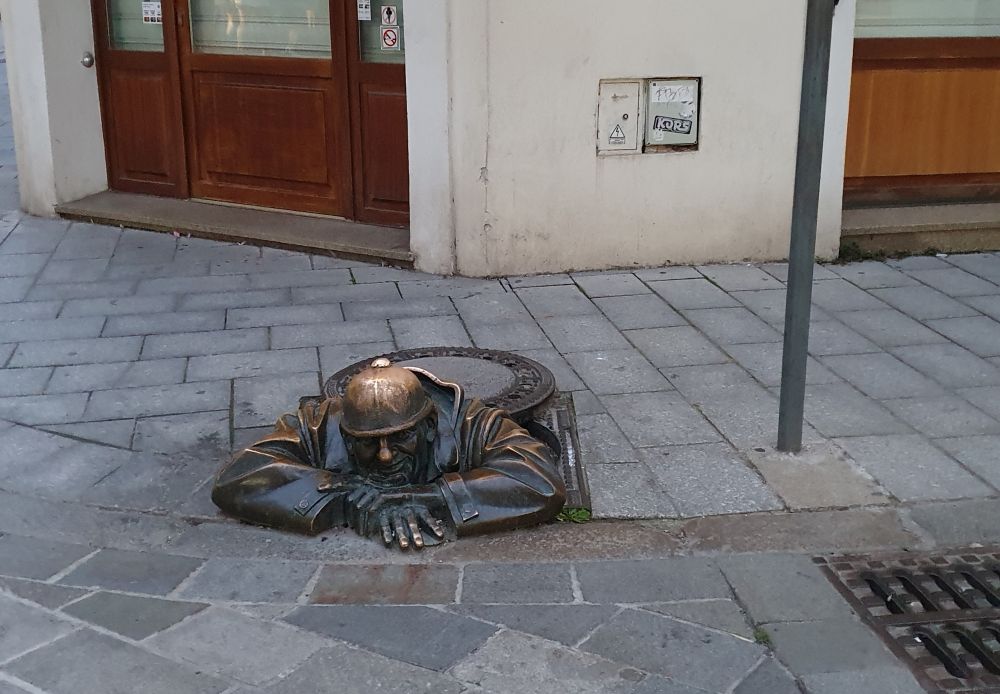
At the end of Laurinska, the “man at work” attracts tourists to make selfies. What a wonderful humour. 

There are many more such statues in the city centre.

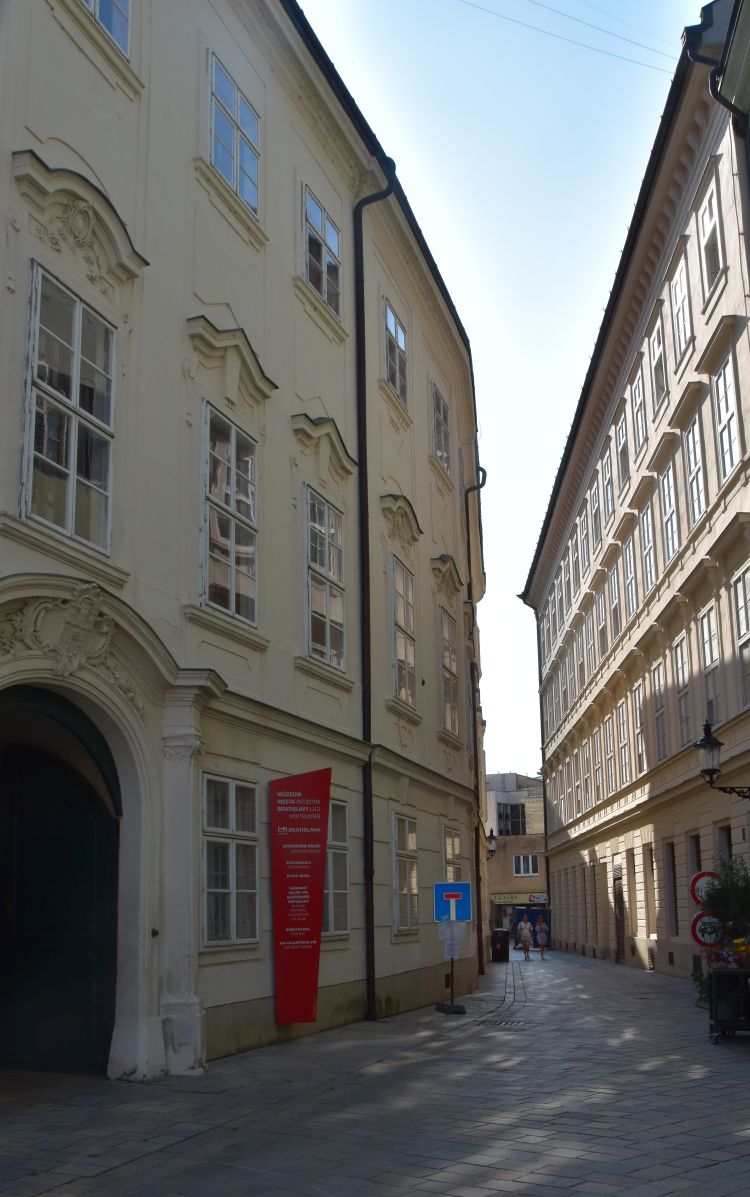
Beautiful palaces line the streets such as the Rokoko Mirbach palace near the main square.

The Hviezdoslavovo námestie borders the pedestrian area. The memorial commemorates the poet and literature translator Hviezdoslav (1849-1921) who helped shape the Slovak language.

The square looks more like an alley. The people enjoy the warm summer evening under the trees. Many restaurants are inviting for coffee with cake or for dinner.

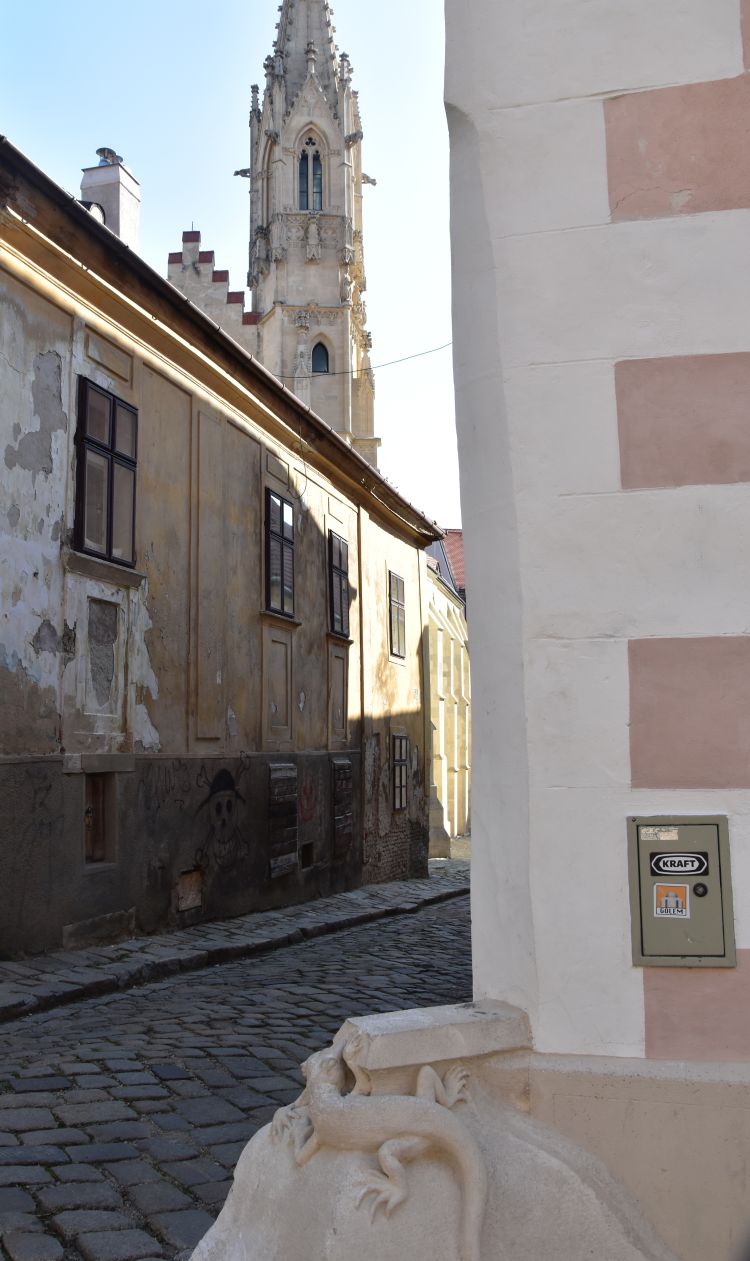
Now I am in Ulica Kapitulska and look into Farska, towards Kostol Pvysenia Svateho Kriza (Resurrection Church). I like the two lizards.

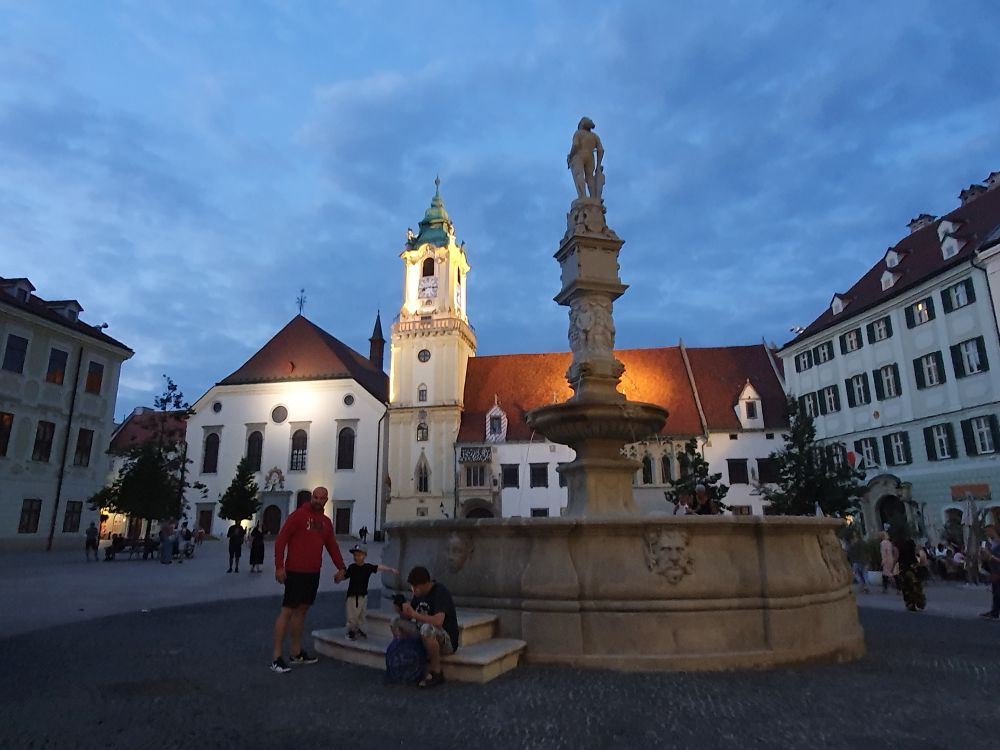
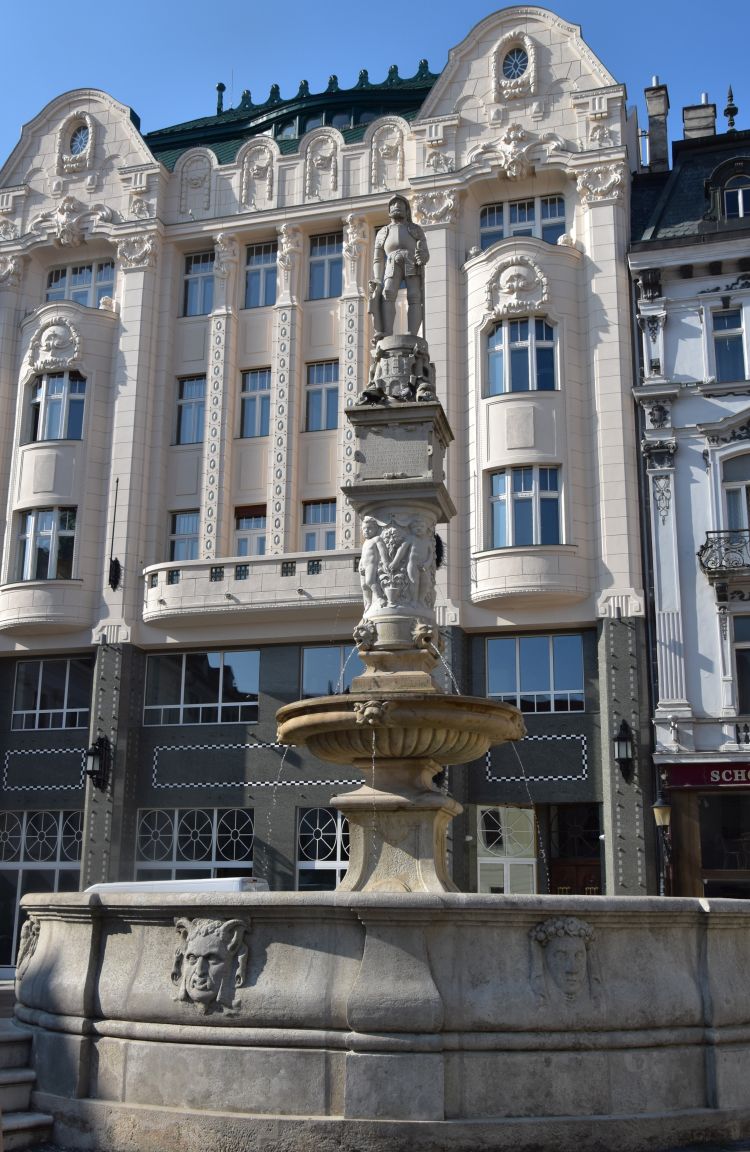
Night falls. I am at the main square (Hlavné Námestie) with the old city hall (the tower is from the 13th century). Just next to the city hall is the baroque church of the Jesuits. The Maximilian fountain (also called Roland fountain) has been constructed in 1572 by order of Maximilian II, king of Hungary.  
It is getting dark. The warm summer evening invites people to sit sit outside, which makes me believe that I am somewhere in Italy. 

In the dark, the network of streets confuse me. I discover this view of the city hall tower “from behind”. 

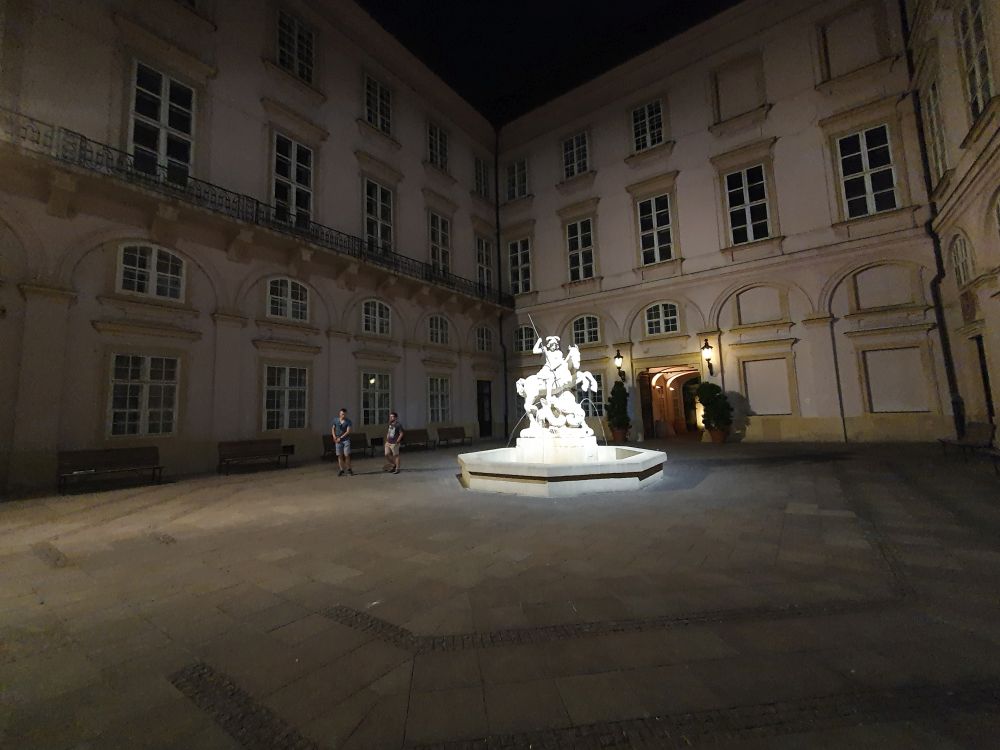
Then I find Saint George adorning this elegant courtyard.

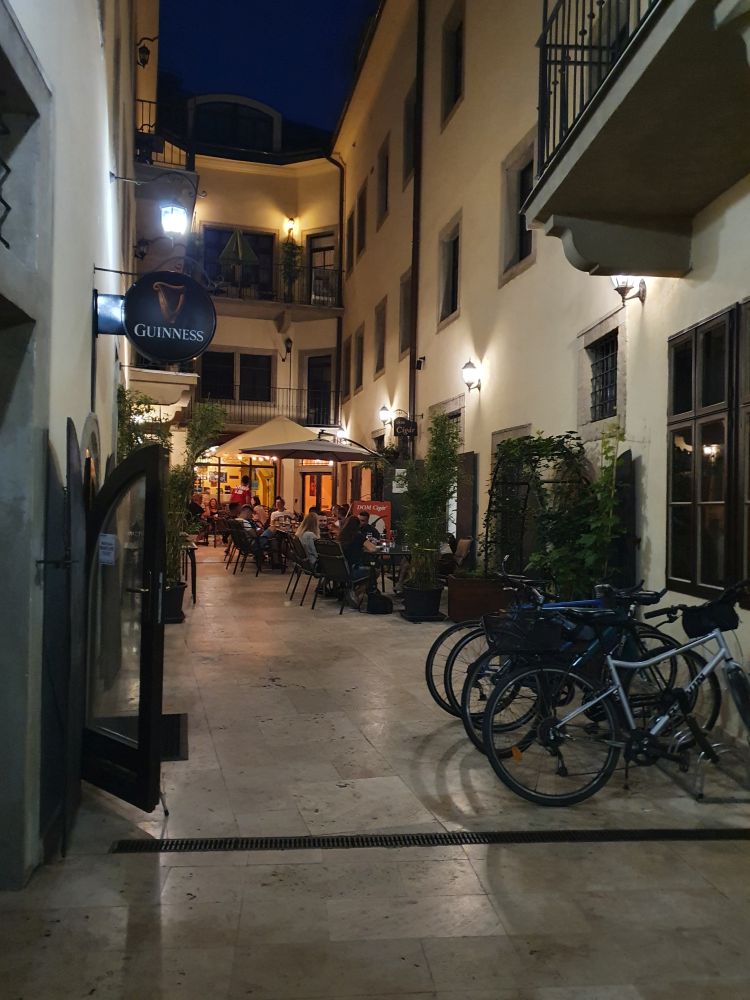
Back in Ursulinska, I have a cold drink in a cosy courtyard. 


Back in the city centre by daylight

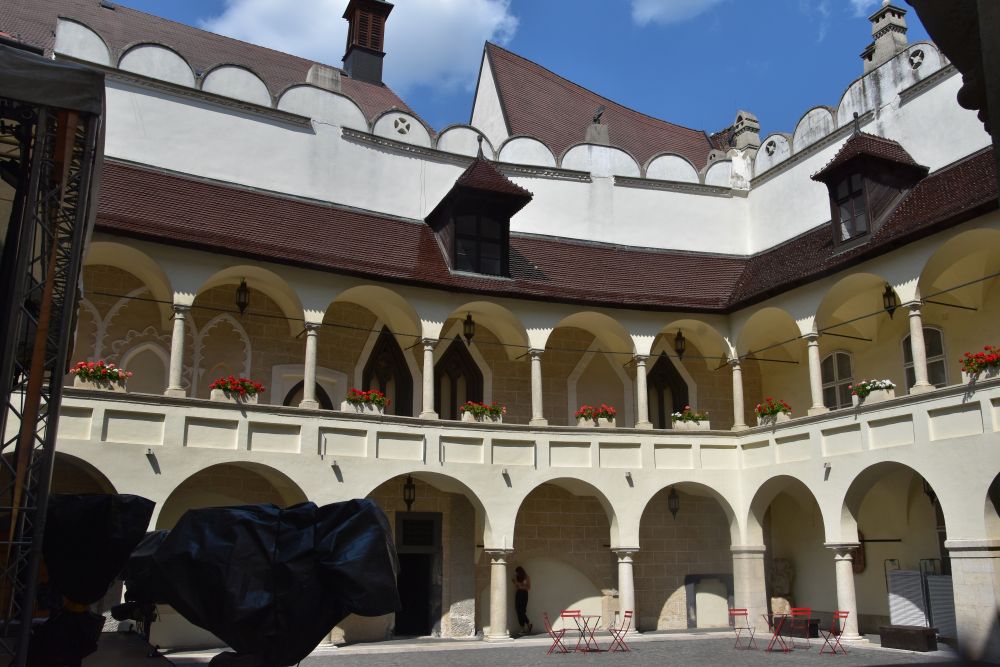
In the morning and at daylight, I return to the city hall approaching it from “behind” through the courtyard.

From here the city hall tower can also be seen. Some open air performance seems to take place.

Across the city hall is this art nouveau building; I took the photo with the Maximilian fountain in the foreground.

Also on the main square, Napoleon leans over the bench, cross-armed. Another one of the charming statues.

Michael’s gate is under restoration. The gate originates from the 14th century and was renovated by Maria Theresa in the 18th century. It is the only gate of the Bratislava fortification wall that remains today. 


Saint Martin’s Cathedral

Saint Martin’s Cathedral is bordering the city centre. The expressway, built in the 1970’s, cuts brutally between the old city centre and the castle hill. The relatively modest church was the place, where 18 kings of Hungary were crowned in three centuries, and therefore a copy of Stephan’s crown tops the belfry.  

The neighbourhood of Saint Martin’s Cathedral was the Jewish quarter with the Synagogue, all destroyed, when the expressway was built. The exhibition commemorates the former Jewish settlement. 

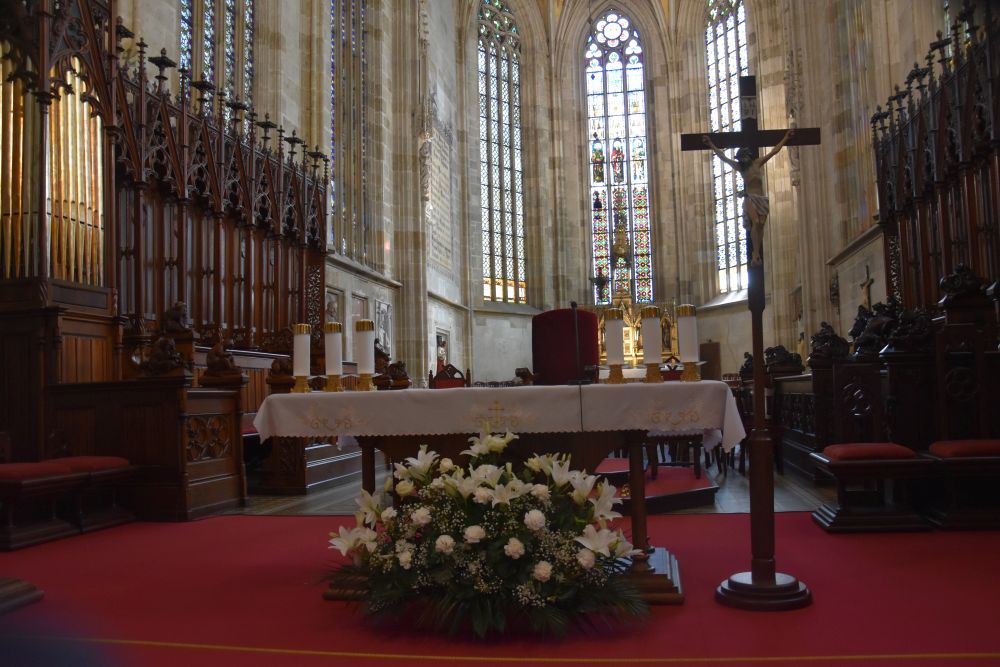
The church has an unostentatious appearance inside. As a protestant (used to unostentatious churches) I would say, the atmosphere invites to meditate.

The statue of  Saint Martin had once been part of the altar from the 17th century. The altar, including Saint Martin, was removed, when the cathedral was purified from baroque elements to appear in gothic style again. Later, the beautiful Saint Martin, dressed like a Hungarian hussar, returned to the church. He is cutting his coat to give half of it to the beggar.


Climbing the castle hill

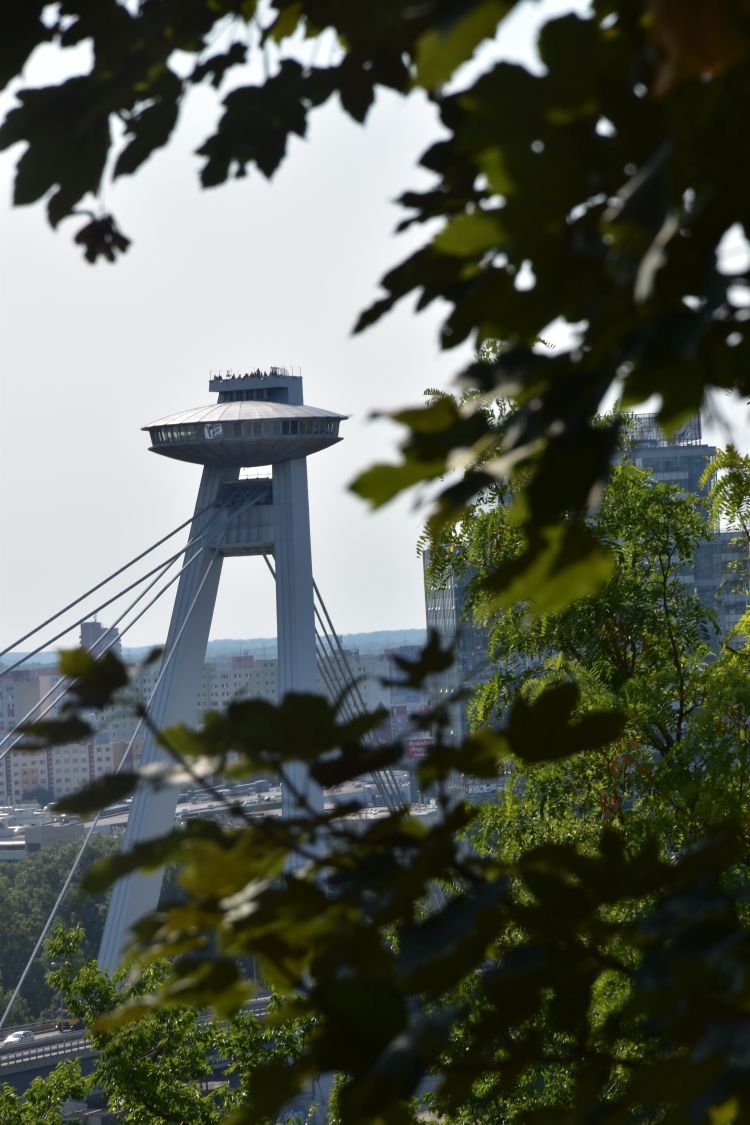
A tunnel allows to get to the castle hill. It is separated from the old town by the express way that leads to the hanging bridge with the “Ufo”, which is topped by the restaurant high above the Danube and above the busy traffic.  

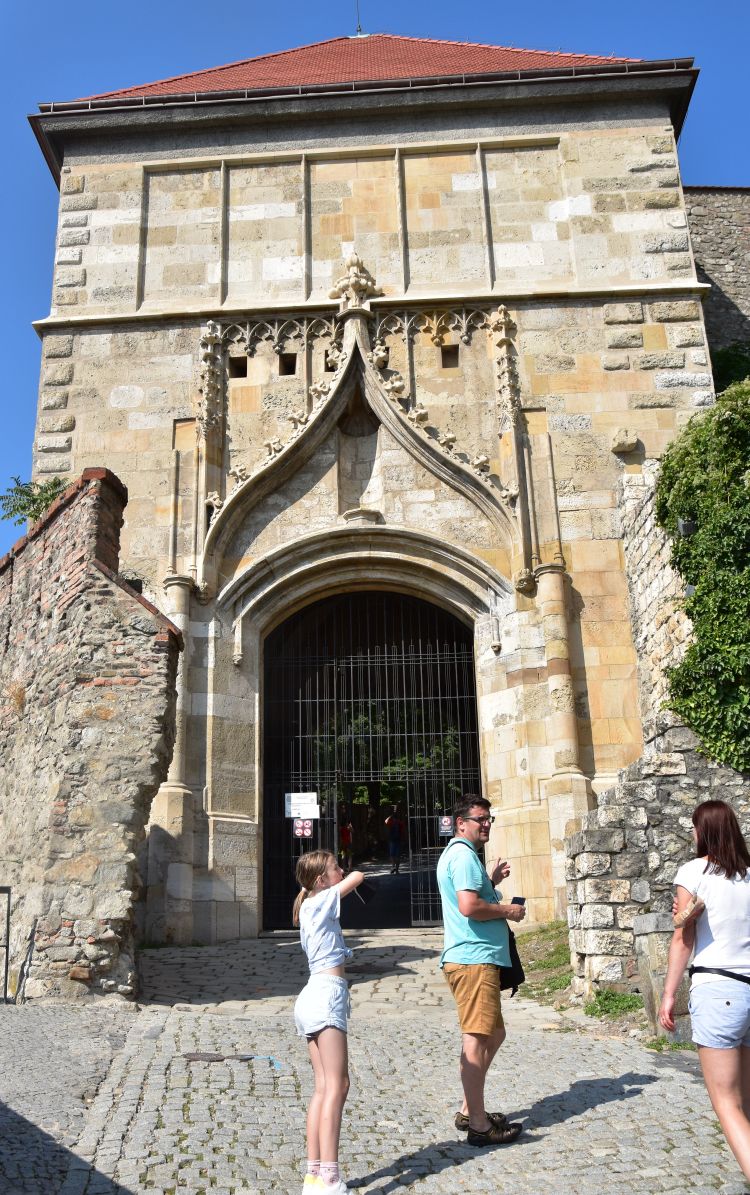
The entrance to the castle area is open.

From the terrace, I enjoy the view of the city centre of Bratislava with Saint Martins Cathedral and the Danube. You can see well, how the express way cuts into the heart of Bratislava.

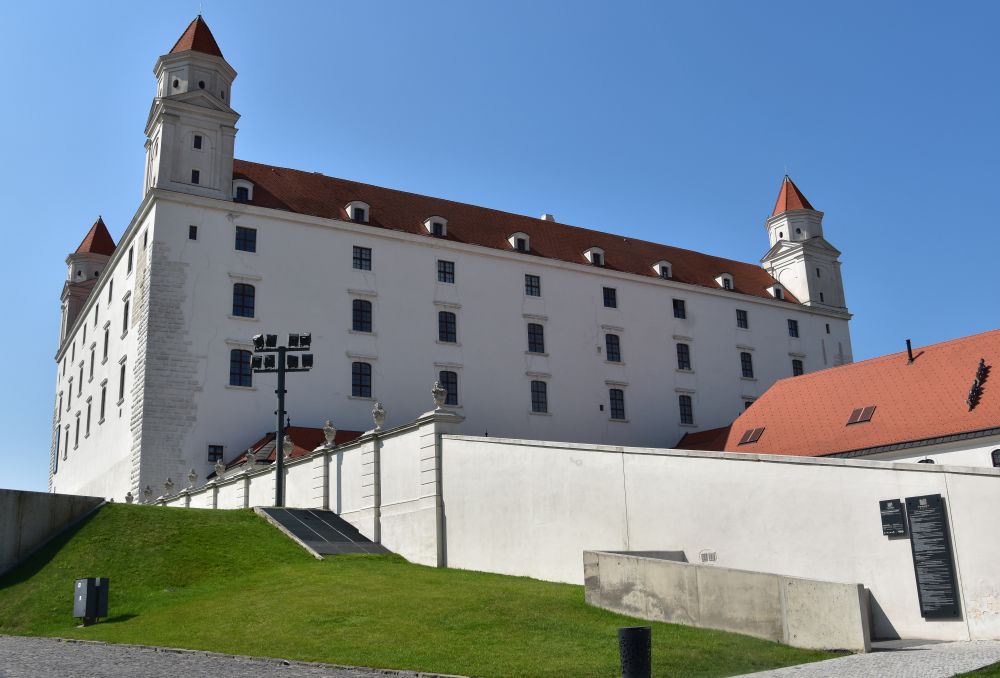
The castle hill has an old tradition. It had been used by the Romans. It withstood all attacks during medieval times and was restored by Maria Theresa for her son-in-law Albert von Sachsen-Teschen. Then the castle decayed. It was restored again after 1945, to the appearance of the 17th century.

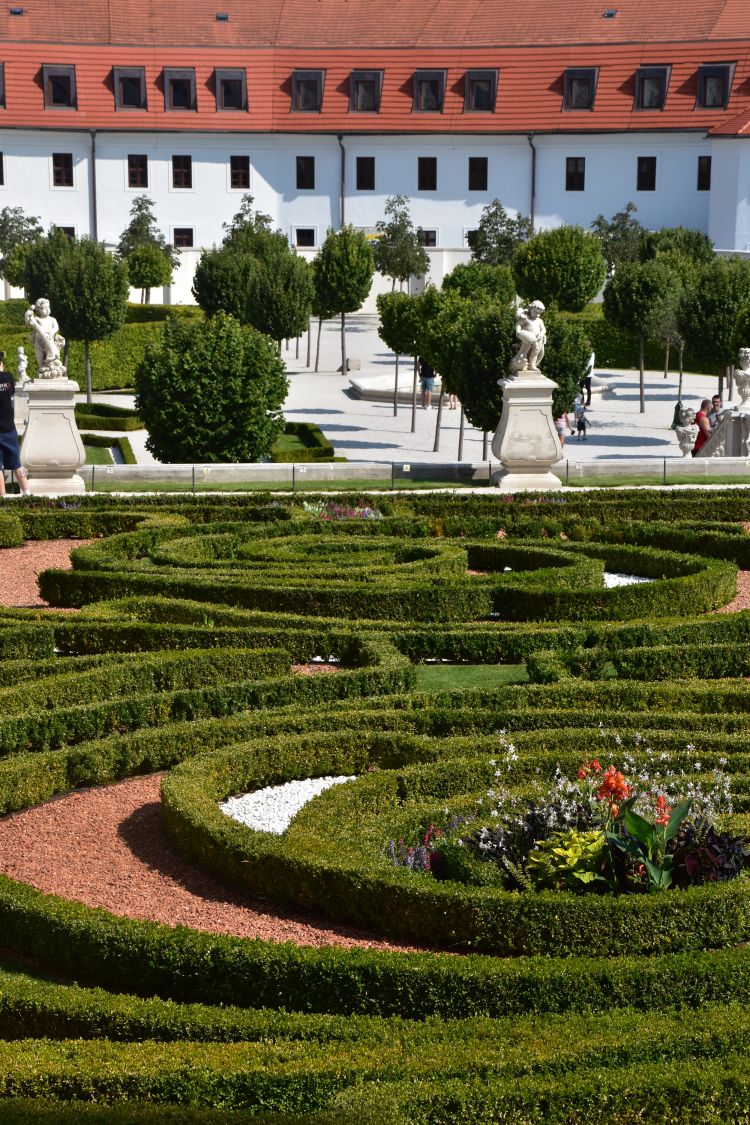
Behind the castle, the well-groomed baroque garden invites to sit down.

Another option for a rest are the “castle” chairs below the castle.

I leave out all the museums offered inside the castle to avoid being exposed to Covid. 

I find a cosy coffee place near the statue of the witch and then return to the city centre.


The Grassalkovich palace is where the president resides

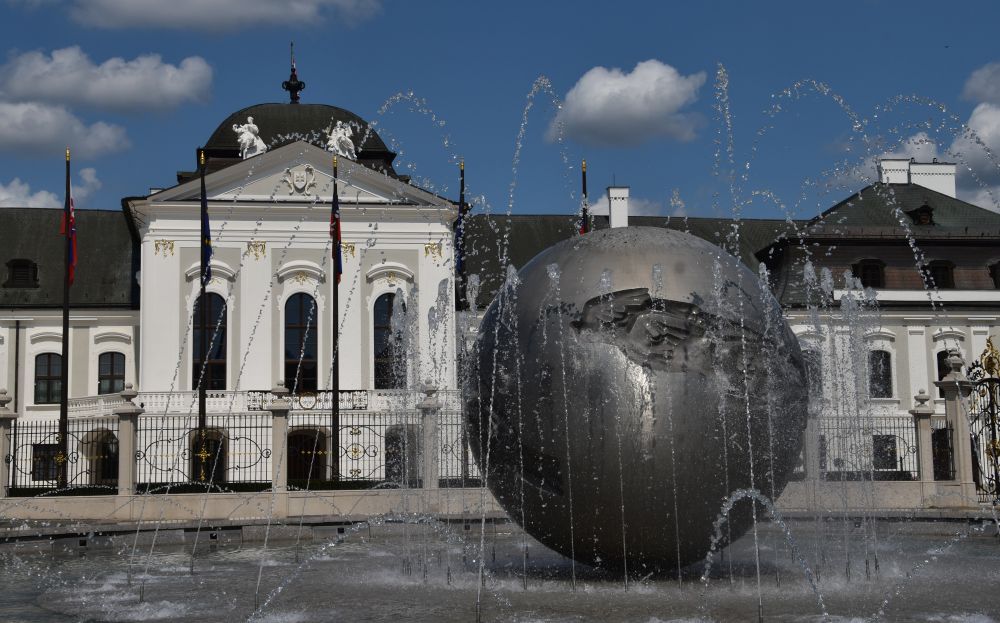
To the north of the city centre, the Grassalkovich palace has been beautifully restored to become the seat of Slovakia’s president.  

The park behind the palace is open to the public.

Maria Theresia is venerated here. Majestically she rides the horse.


The Elisabeth church, also called blue church: Joyful Jugendstil

My guidebook proposes to visit the Elisabeth church or “blue church” to the east of the city centre. 

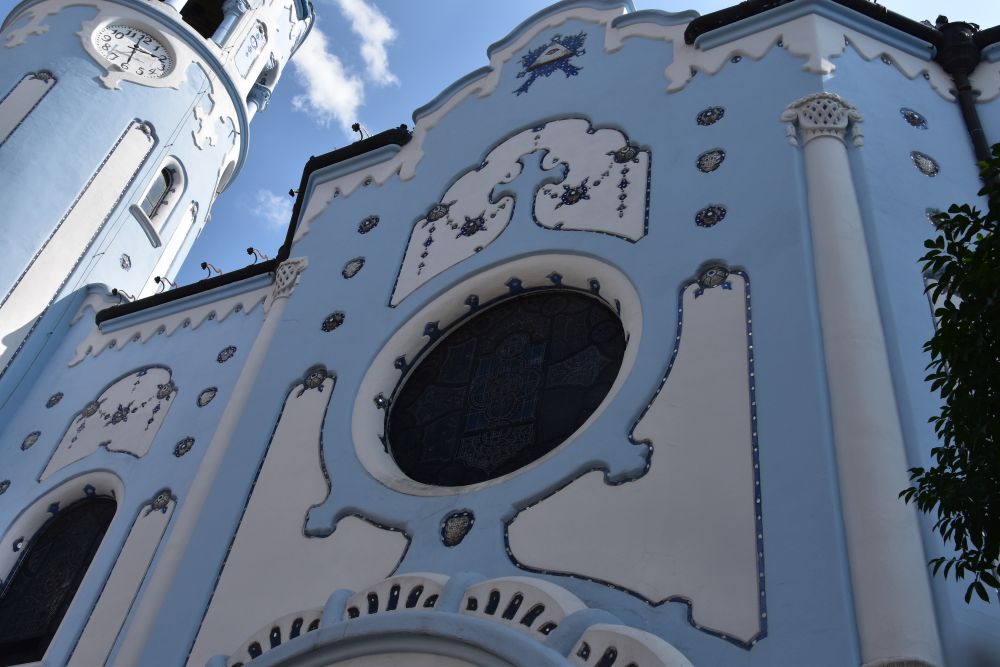
Built around 1910, it is a fine example of the Hungarian Jugendstil. 

It is not the only Jugendstil building in Bratislava, but it is said to be the most beautiful example – and I like it.


Good-bye Bratislava

After a delicious dinner with an excellent local Slovak wine of Miro Fondrk, I end my day in this small court yard in Ursulinska drinking a fruit juice made out of lemon and kiwi.

Stefan, your home town is marvellous! You must have missed it, after having left it in 1968. Great that you can visit it again.


Some background information about the history of Slovakia

Until 470 A.D.: Celts, Romans and Huns

  • 100 B.C.: Bratislava is a Celtic settlement at the so called amber trade route.
  • Until 370 A.D.: The Romans have temporary settlements in the area.
  • Until 455: The Huns invade the area.

Until 10th century: The Slavs arrive, are then ruled by the Avars, become independent (king Samo, Nitrava) and then part of the Great Moravia State. It is now that Cyril and Methodius, requested by Moravia from Byzantium, translate the Bible to Slavic. (Though Slovakia is a Roman catholic country today, the orthodox cross is part of the coat of arms. In addition Cyril and Methodius are venerated in the country).

  • 5th century: In the migration period, the Slavs arrive. There was a fortress at Bratislava.
  • 6th century: The Avars arrive and subdue the Slavs.
  • 623/24: The Slavs stand up, guided by the Franconian merchant Samo. Samo becomes king of the Slavs and rules until 658/58. After his death, there are no reported chronicles.
  • Around 800: Two major empires, Nitrava and Moravia, are reported.
  • 833: Moravia subdues Nitrava. The Great Moravian State is a Christian Empire that reports into Franconia and then reaches out to Byzantium. 
  • 864: Byzantium sends the brothers Cyril and Methodius to Nitra. They translate the Bible to Slavic to make it accessible for the population. The Pope approves Slavic for liturgy, along with Greek and Latin. Cyril dies in Rome and Methodius is appointed as the Moravian archbishop (870-885). After his death, the priests sticking to the Slavic liturgy are expelled. They move to Macedonia (Clement) and Bulgaria (here supported by tsar Boris I). 
  • The Great Moravian State exists until 906.

906-1918 Today’s Slovakia is part of Hungary and, after the defeat of Corvinus by the Turks, it is what remains from Hungary, inherited by Habsburg that step by step reconquers Hungary from the Turks

  • Around 900: The Hungarians immigrate and, in 906, conquer, what is Slovakia today.
  • 1241: The Mongolians invade and attack the fortress of Bratislava. It withstands their attacks. 
  • 13th century: Jews and Germans settle.
  • 1521: Slovakia switches to the protestant religion (and will move back to the catholic belief in the 17th century).
  • 1526: The Hungarian king Corvinus is defeated by the Turks.
  • 1536: The area of Slovakia is more or less all that remains from Hungary. By inheritance it belongs to the Habsburgians that make Bratislava the capital of Hungary. 
  • 1563-1830: The coronation of the (Habsburgian) kings takes place in Saint Martin’s church at Bratislava.
  • 18th century: Maria Theresa enjoys residing in Bratislava and promotes the city. Palaces in the city centre tell us about this. 
  • 1731: Emperor Joseph II moves the Hungarian capital back to Budapest and Bratislava is now a “suburb” of Vienna. 
  • The Slovak self confidence continues to exist. Several times, the Slovaks rise against the Habsburgians – without success. In 1787, Antony Bernolák creates a unified Slovak script. However, the Hungarian upper class enforces Hungarian as official language, also for schools. In September 1848 there is a major Slovak uprisin. 

1918-1992: For 70 years, Slovakia is part of Czechoslovakia, though being independent during the Second World War

  • 1918 Czechoslovakia is founded with Prague as the capital. Though part of this country, Bratislava feels more related to Austria or Hungary.
  • 1939-1945 Slovakia is independent, guided by president Josef Tiso.
  • 1945 Czechoslovakia is established by brutal force and Slovakia becomes a federative republic.
  • 1948 Slovakia loses the status as a federative republic.
  • 1990 Slovakia becomes a federative republic again within Czechoslovakia.

1992 – today: Since almost 30 years, Slovakia has been independent with the capital Bratislava. 

  • 1992 Slovakia becomes an independent state. 
  • 2004 Slovakia joins the Nato and the European Union.
  • 2009 Slovakia introduces the Euro.


Sources:

  • André Micklitza, ” Slowakei”, Michael Müller Verlag 2019
  • Frieder Monzer, “Slowakei”, Trescher Verlag 2018
  • Wikipedia entries about Slovakia, Great Moravia, and the Glagolitic Script

Around Basel: Augusta Raurica from the craft house to the temple of Grienmatt

So far we have explored the Roman city of Augusta Raurica, first its history and the city centre. Then we moved on to more “remote sights” and investigated the Roman Castrum and the show room under the church at Kaiseraugst.

Now, we visit the other more “remote” sights of Augusta Raurica, including the animal park.

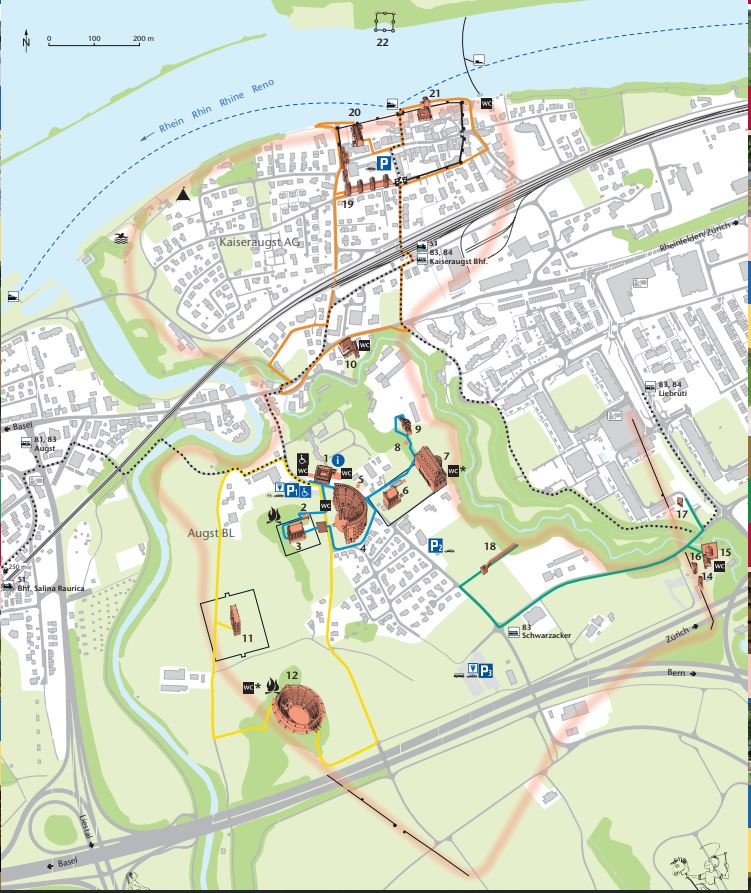
On the plan of the Roman remains, our next destinations are: 10 (craft house), 14-17 (brick manufacture, town wall, tomb, east gate, animal park), 18 (cloaca and cellar), 12 (outer amphitheatre) and 11 (Grienmatt temple). Further remains of the town wall can be seen south of (12) crossing the motorway.  
 

Source: Tourism map on homepage of Augusta Raurica


The craft house complex (Gewerbehaus, 10)

Next to the noisy main road (Kantonsstrasse), the ruins of three houses have been preserved, one being a former fullery (Tuchwalkerei) and one a former restaurant. Panels make the ruins come to life. This is what the craft house complex might have looked like in Roman times…

… and these are some of the ruins that remained from the restaurant.

The craft house complex was bordering the old Roman road connecting Rhaetia with Gaul. I start to dream of the passers-by that entered the restaurant here to have a beer (“cervisia” in Latin) and a meal.  


The brick manufacture (Ziegelei, 17)

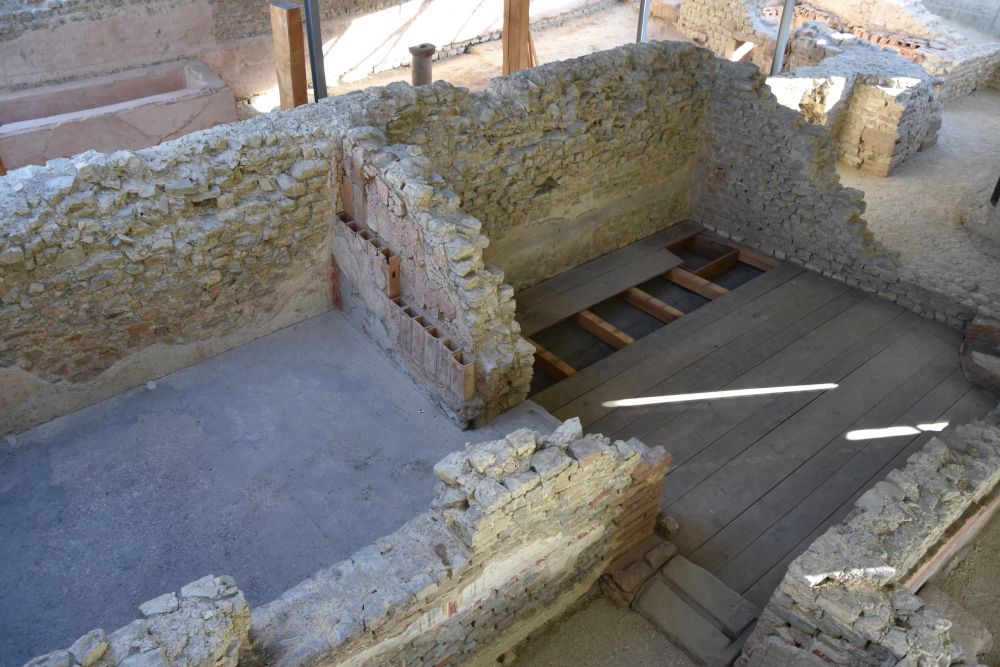
Ruins of a brick manufacture are in the residential area Liebrüti.

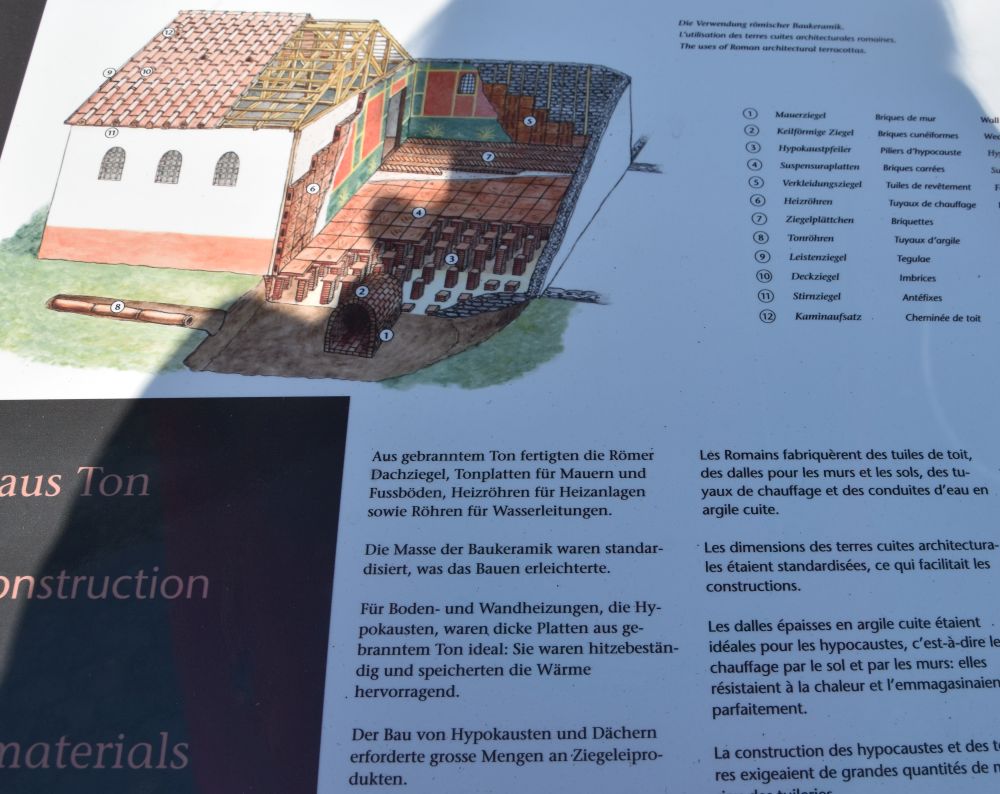
The Romans used baked clay for tiles and bricks. They were particularly useful for their heating installations. The Romans had standardized the production, as the explanatory panel explains.

The factory is closed. I look at the ruins through the mirroring glass.


The tomb (Grabmonument, 15)  

A few meters south from Liebrüti is the area with the tomb (15), the east gate (14) and the animal park (16).

These are the remains of the tomb.

As the panel explains, the tomb monument was round, about 5m high and covered, a bit like a tea kettle.

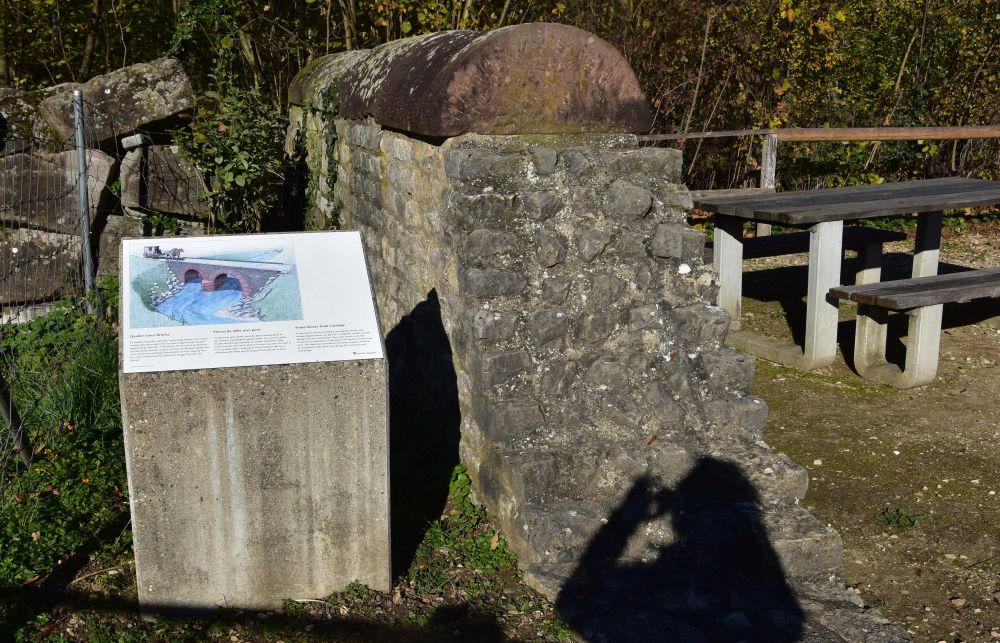
Next to the tomb I admire, how the Romans built their bridges. Some sandstone building blocks are on display.

Again, everything is documented carefully to bring the ruins to life.  


The east gate (Osttor, 14)

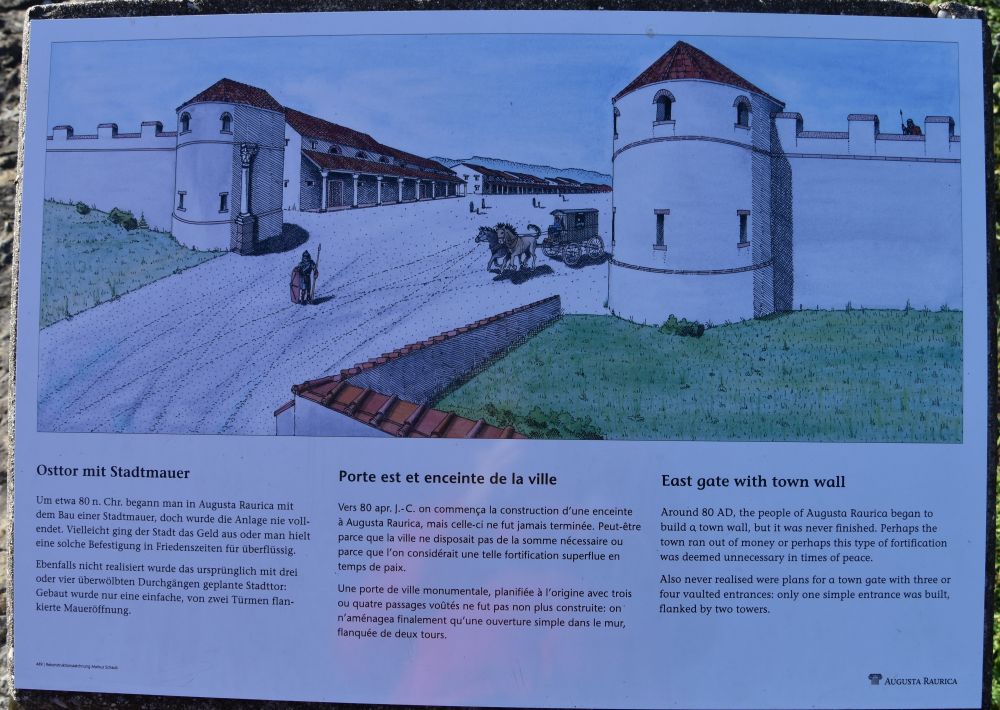
This is what the east gate once looked like. Constructing the defensive wall around Augusta Raurica had started in the late first century AD, but the walls had never been completed. Even the east gate was not really a gate, but just two towers.

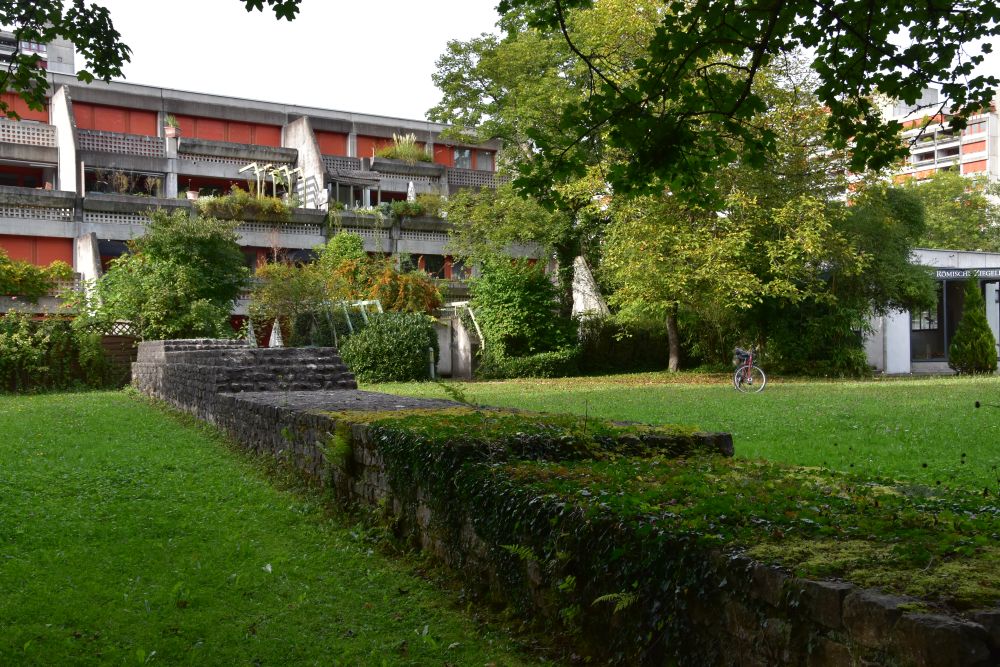
This is one of the two towers.


South of the residential area Liebrüti and close to the brick factory, part of the eastern fortification wall has been preserved.

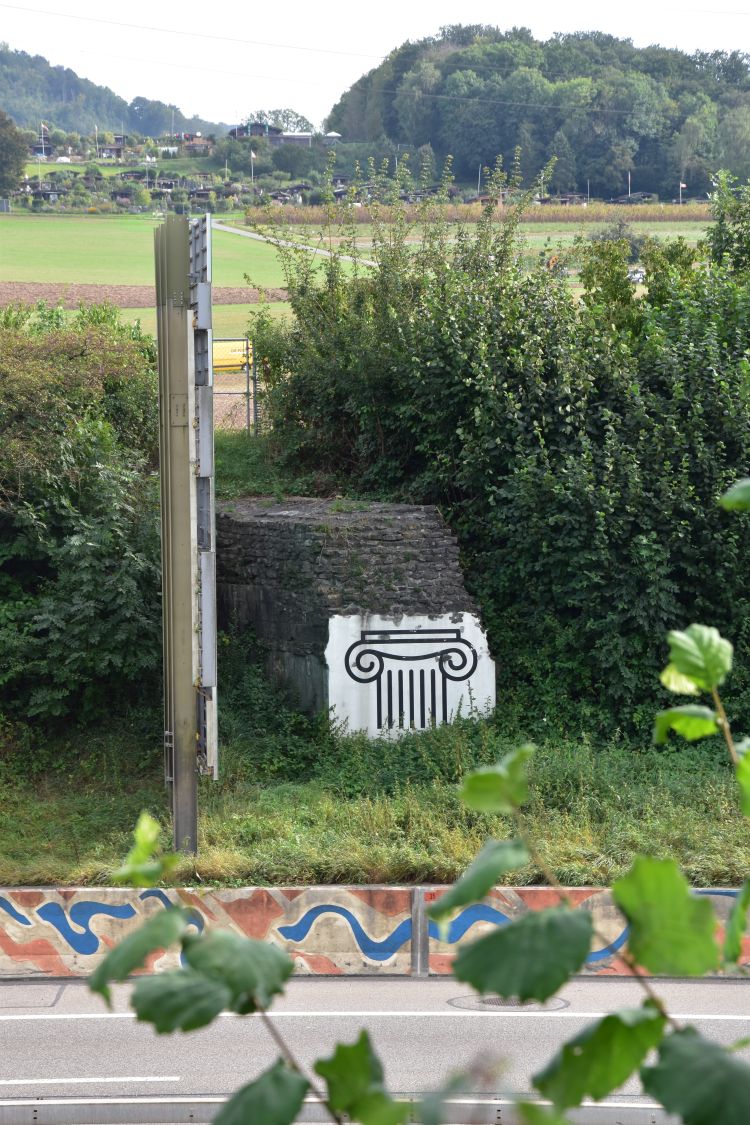
South of the amphitheatre (12) the motorway cuts through the town wall. On the southern bank of the motorway, one part of the fortification wall has been carefully marked, just in front of a traffic sign.  


I have to admit, it took me some time to identify the wall across the scrubs. Furthermore I have to admit that I must have passed by this historical monument hundreds of times in my car without noticing it. Again I am impressed, how well marked it is and how well explained it is on the panel that I now discovered on the way to the outer amphitheatre.


The animal park (14)

Near the east gate, the small animal park must be the kids favourite. It is a collection of ProSpecieRara animals that allude to the animals the Romans once had. The black pigs love the warm sun.

The geese walk around their pond, chattering at me. The Romans valued them much, because their chattering once saved Rome (387 B.C., when Celts tried to conquer the Capitoline Hill, the geese chattered and warned the citizens of Rome).

There are some Roux du Valais, a species of sheep that was saved from extinction thanks to ProSpecieRara. They look at me from behind the fence. 


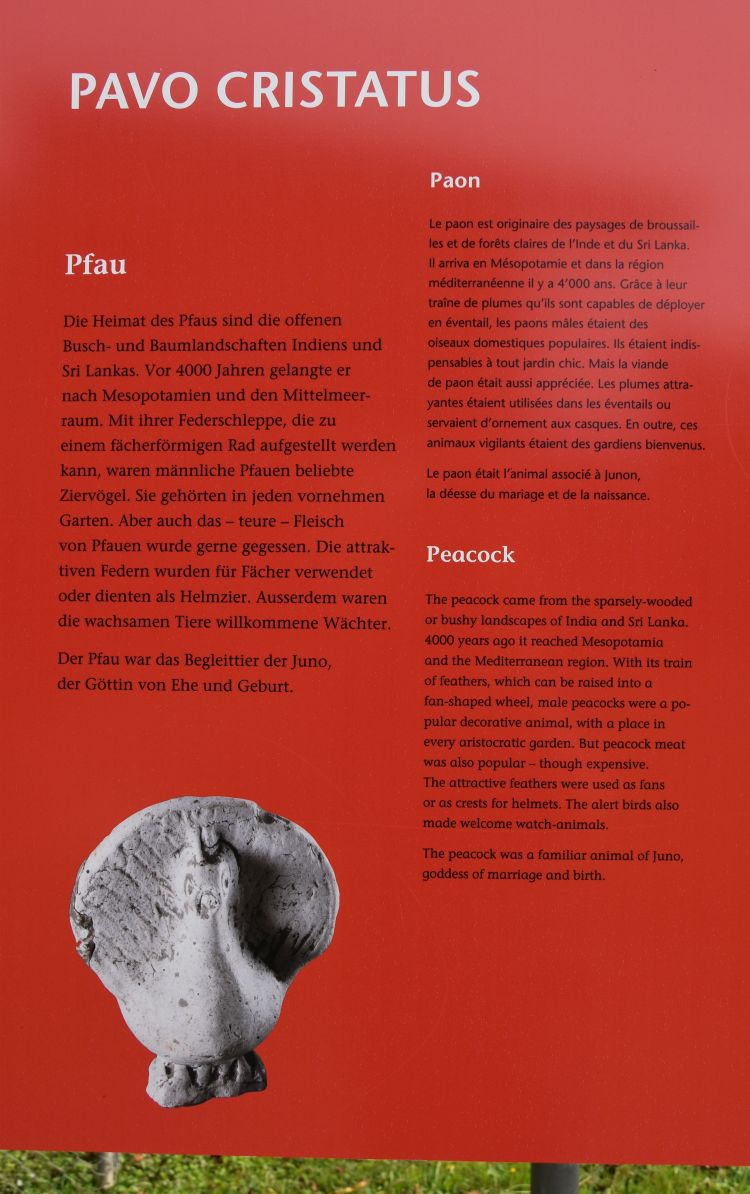
The peacock seems to have a nap. Pretty complicated to lie down with all these feathers.

I have visited this charming small animal park so many times. I have watched the kids admire the animals so many times. And only recently, I have discovered the pink panel that explains the origins and the use of the animals. For instance, rich Romans held a peacock in their garden, because it is a beautiful animal. They also liked to eat the meat and used the feathers as a fan or as decoration.


Yes, every time I return to Augusta Raurica, I discover something that I have not taken notice of so far. The archaeologists have done an encompassing job of documenting it all.

I meet the guardian looking after the animals. I ask him, whether he is an archaeologist that also looks after the animals (perhaps it is his hobby), and he answers: “No, no, there also “normal” people working for the Augusta Raurica Foundation, not only archaeologists.” Nice.


Water channel (cloaca) and cellar(18)

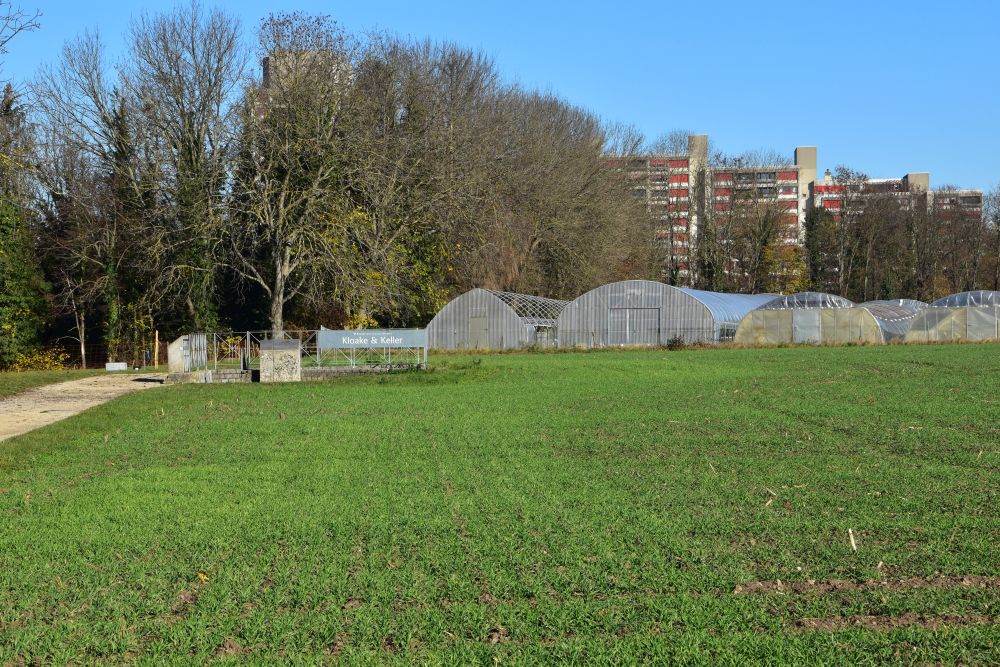
These panels in the middle of the open field point to the water channel (cloaca) and to the cellar under the former Roman baths in the upper city centre. In the background we see the modern residential area Liebrüti.

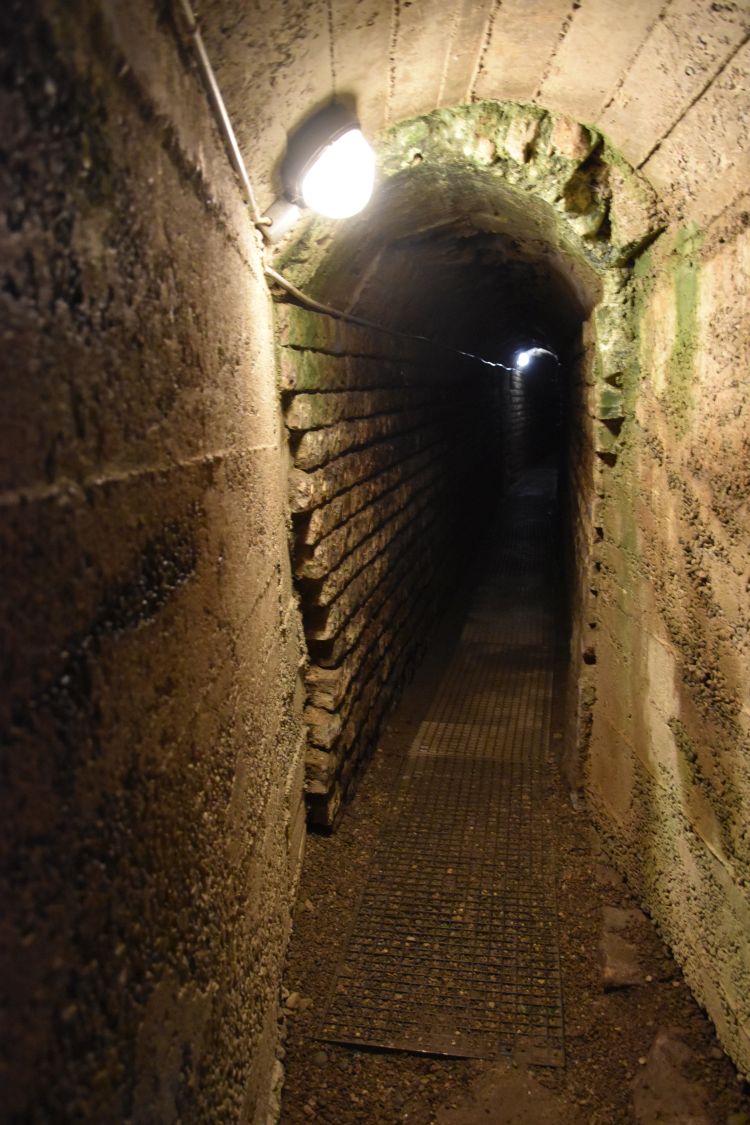
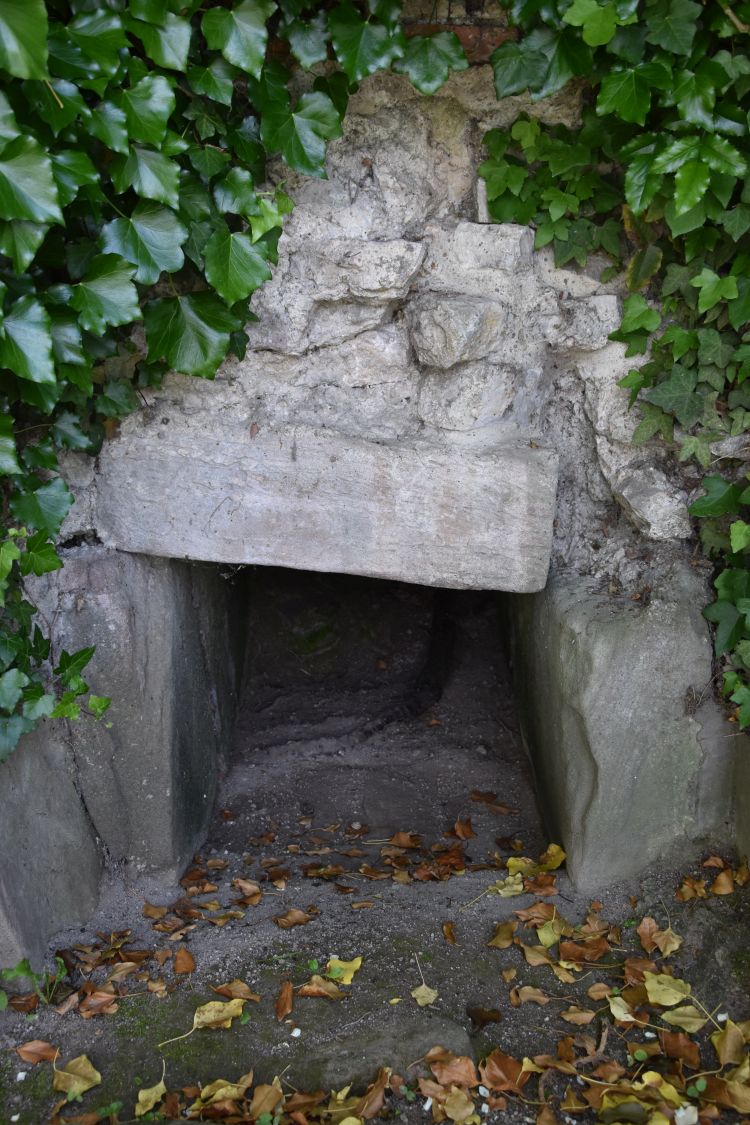
Not much is visible from the central baths built in the 1st century AD, only the channel that drained the water from the baths. The floor is made from sandstone and the walls are covered with limestone, as the panel explains.

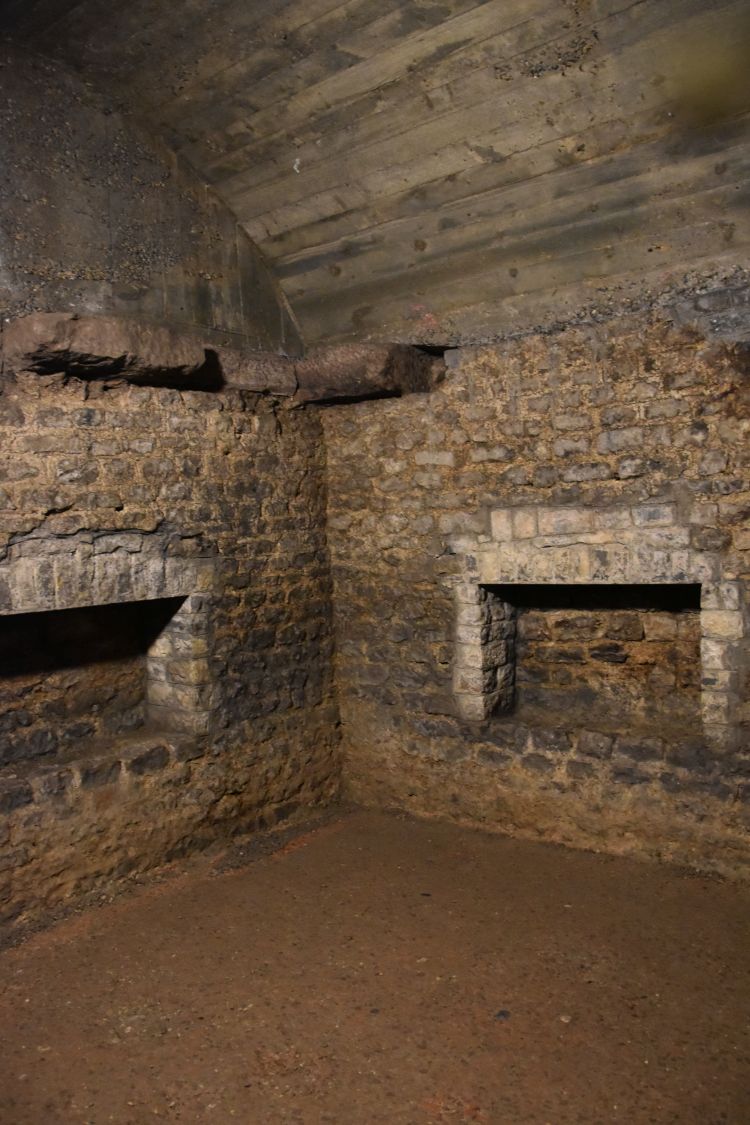
The cellar under the former baths belonged to a house that was here, before the baths were built. The niches were used to place goods.


History Path

Not far from the water channel and the cellar, I reach the Roman history path. I enter through the gate…

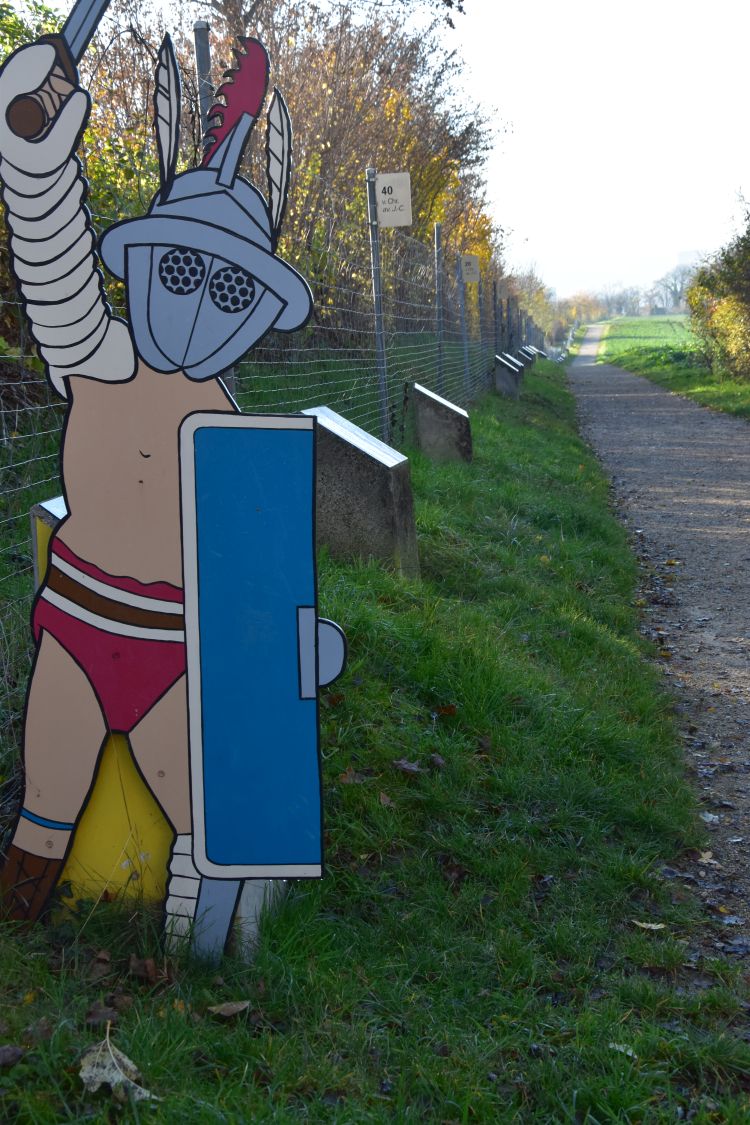
… and see a long, long path, lined with more than 30 panels laid out along a time line. The panels explain, how Augusta Raurica evolved as part of the Roman empire. 

To study the panels will be the focus of another visit. 


“New” amphitheatre outside of the city (12)

From the history path, it is not far to the amphitheatre that was built outside of the city centre of Augusta Raurica in the 2nd century AD.

There is a picnic place here – the archaeologists think beyond archaeology. I do not know of many amphitheatres with picnic places – this is unique. I took this photo on a sunny November day; I liked to observe the families with kids enjoying their barbecued sausages amidst the ancient ruins.


Temple Grienmatt (11)

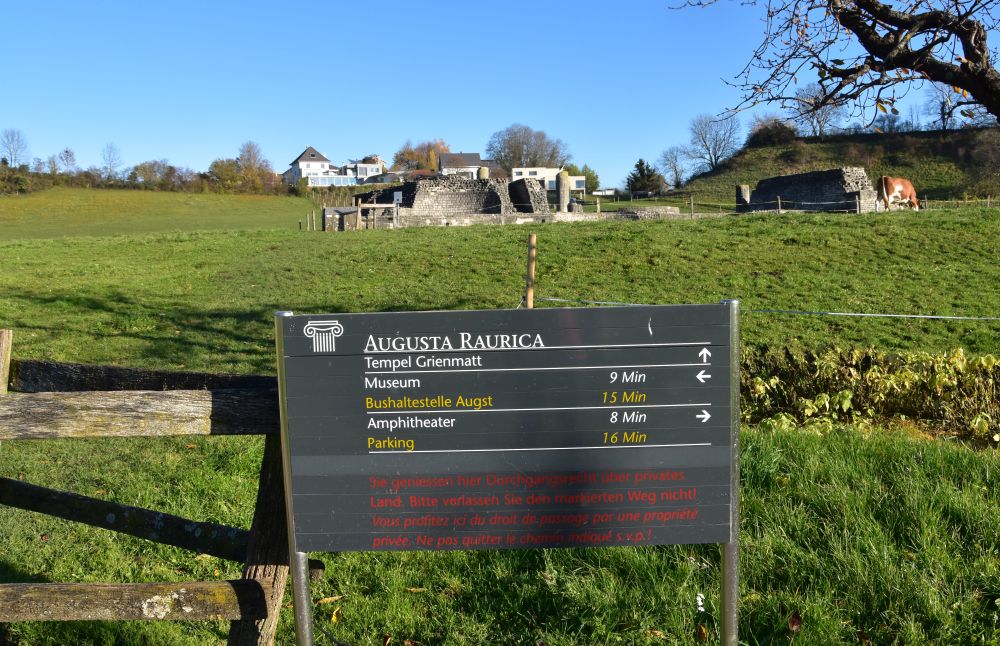
My last stop today is the “Temple Grienmatt”. Well, “Grienmatt” is not the Roman name. “Grienmatt” can be translated to “pebble meadow”, as “Grien” means “pebbles” in Swiss German.

The panel says that it is difficult to interpret this temple. It seems that the cows do not notice, how reputable their environment is.  


Thank you, Munatius Plancus, for having founded Augusta Raurica, and thank you, Augusta Raurica Foundation and archaeologists, for telling us about it

I now have looked at Augusta Raurica in five blogs:

I have to thank you, Lucius Munatius Plancus, for having founded Augusta Raurica (even, if it is not completely sure that you have founded it and even, if Roman warriors do not really wear pink leggings with golden laces, as presented in the city hall of Basel…).

Furthermore I thank all the members working for the Augusta Raurica Foundation that have made the ancient ruins come to life, carefully preserving them, documenting them, making them accessible to visitors, and – making them fun for visitors by setting up picnic places and organizing events for families, for children and for all those that are interested in our Roman ancestors. Not to forget the guardians that care for the animals in the small animal park which is certainly a kids favourite.


Sources:

Kaiseraugst again – the show room under the church St. Gallus

Whenever I return to Augusta Raurica, I find something that is new to  me. Recently I have discovered the Roman sewage channel and nearby the show room under the Church St. Gallus.

It was by looking at the brochure about treasure hunting for children, that I found out about the Roman sewage channel. 

Source: “Finde den Schatz – Schnitzeljagd im Kastell Kaiseraugst”, brochure for children acquired in the museum of Augusta Raurica

When I visited the sewage channel in June 2021, I also found the entry to the show room with the bath and rests of the church from late antiquity.


The Roman sewage channel

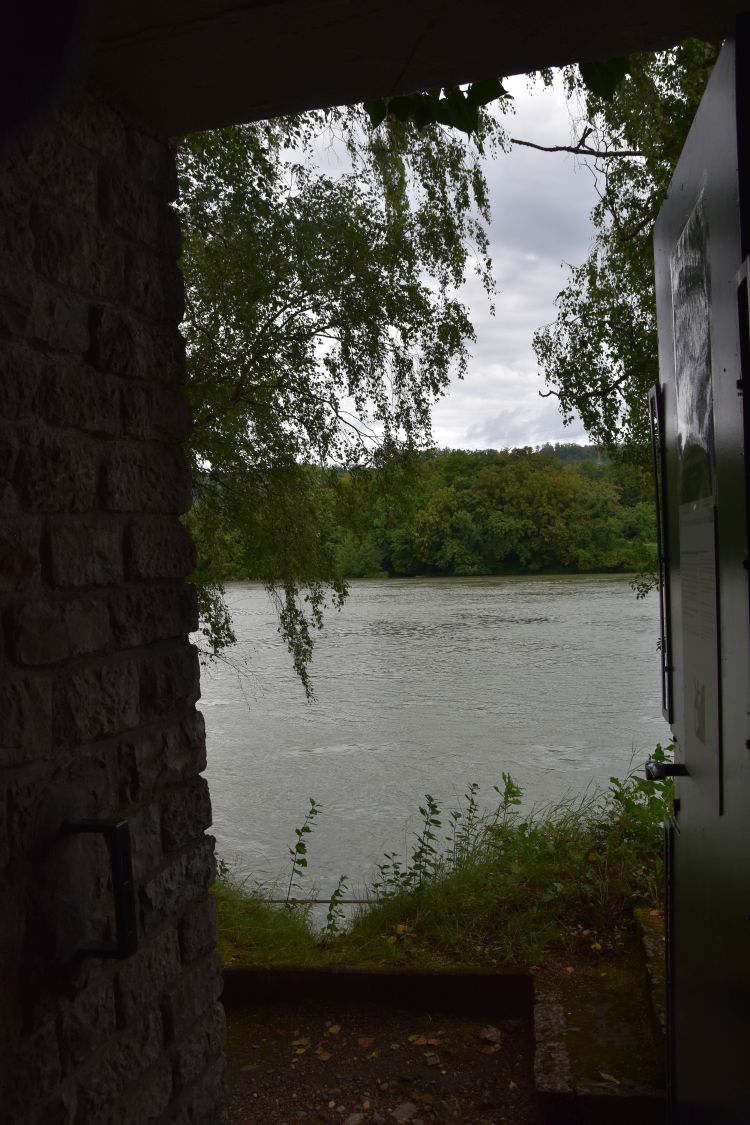
The sewage channel emerges from the fortification wall above the Rhine river, near the church.

Berger (p. 335) and the panels say that the sewage channel was built for the Roman Castrum in the late 3rd century AD.

In Roman times, the smell might not have been too welcoming  here.

Steps invite visitors. To the left of the sewage channel exit, I see a door. I enter and I am in the show room under the church and under the adjacent church garden.


Overview of the show room with bath and remains from early Christianity

On my first visit, I saw just ruins and heard Roman street noise and some church music. I returned later, after having read in Berger (p. 335ff). The following two on site panels help me understand best, what I see: The ground plan shows the area of the show room in faint pink, and the upright projection gives a perspective view of the ruins in front of the “reconstructed” model of the early Christian church from around 400 AD (late antiquity).  

Source: Two panels in the show room (it is amazing, how everything is documented carefully, take your time to go through it).

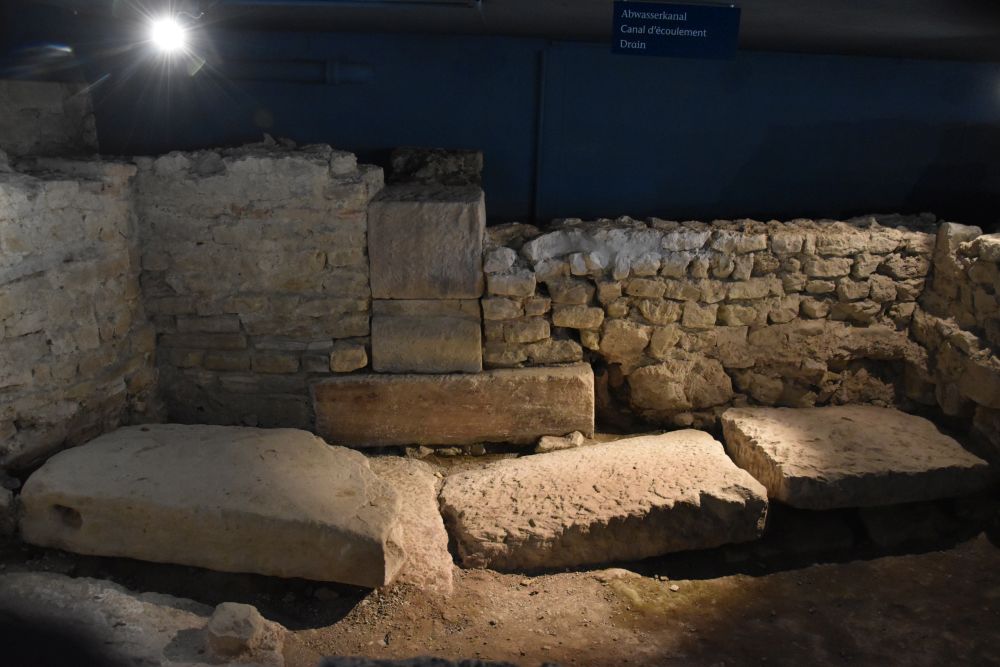
In the show room we see the private bath (black/red 1-4 and a,b,c) and remains related with the early Christian church St. Gallus and with Christianity (dark blue, 5,6, X; we do not see 7). The sewage channel (purple, 8) runs through the show room, before reaching the exit in the fortification wall.


The bath – the private bath of the bishop?

Why a bath, so close to the church? The panels explain that the bath has been built after 400 AD, when “normal” people could no longer afford a private bath. Perhaps it was the bath of the bishop and of the clergymen (see panel in the show room). This hypothesis is supported by the fact that the early Christian church St. Gallus from the late 4th century AD was large and hence important. If there was a bishop, he would have lived behind the fortification wall on the right hand (western) side of his bath. However, though some sources mention bishop Justinian around 400 AD, the first proven bishop is Ragnacharius around 600 AD (Facciani, p.173 and 178f); it might well be that he moved his seat from the Castrum to Basel. A lot of guessing. What seems pretty sure is that the pool (c) in the bath was not a baptismal font, as some archaeologists suggested earlier. Facciani rejects the hypothesis of a baptismal font based on plausible arguments (Berger, p.337f). For instance, there is no direct access from the church to the font, very impractical. 

This is room number 4. According to the panels it was a corridor; Berger (p.337) says, it could also have been the changing room of the bath, called Apodyterium.

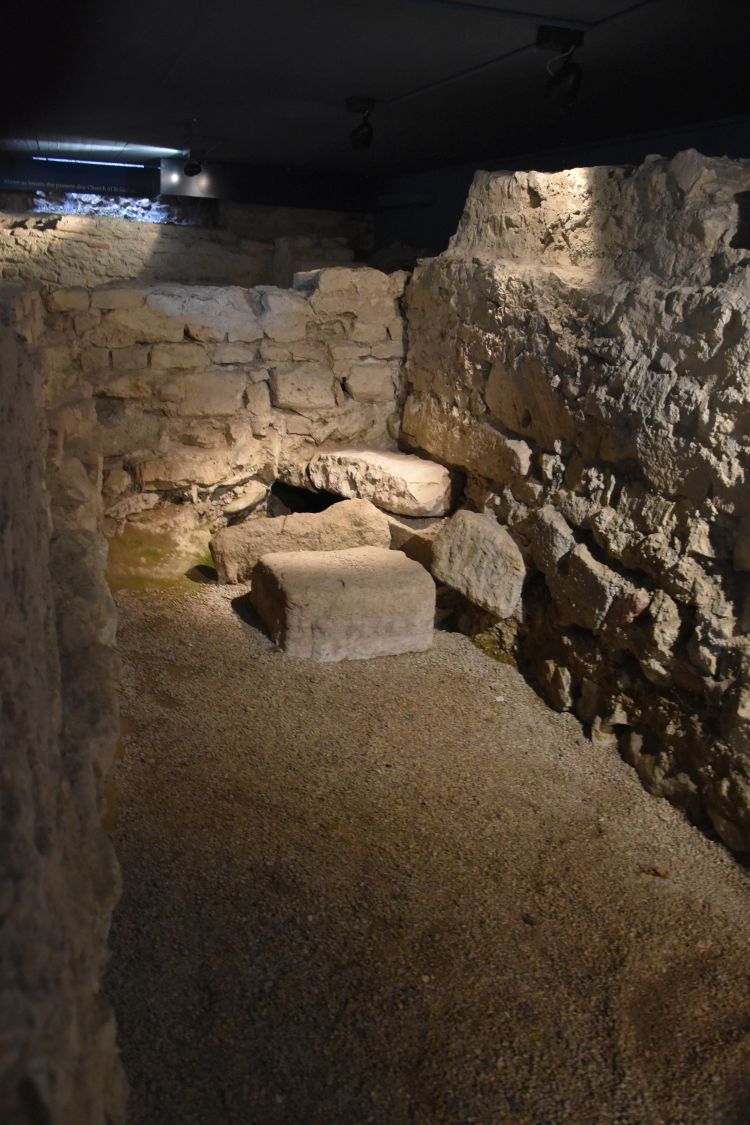
In the corner we can see the sewage water channel (8).

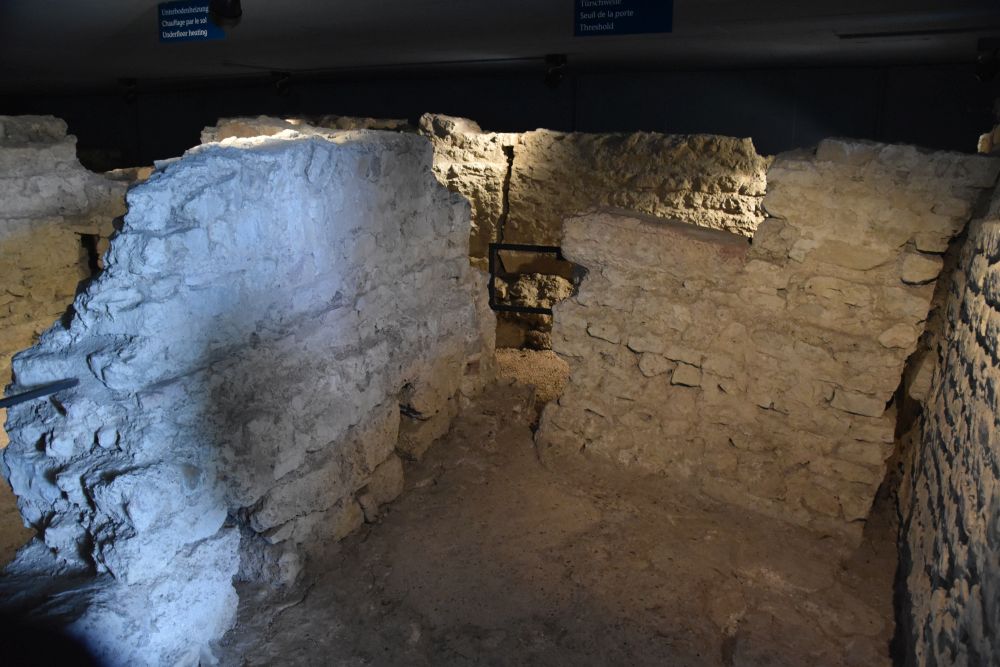
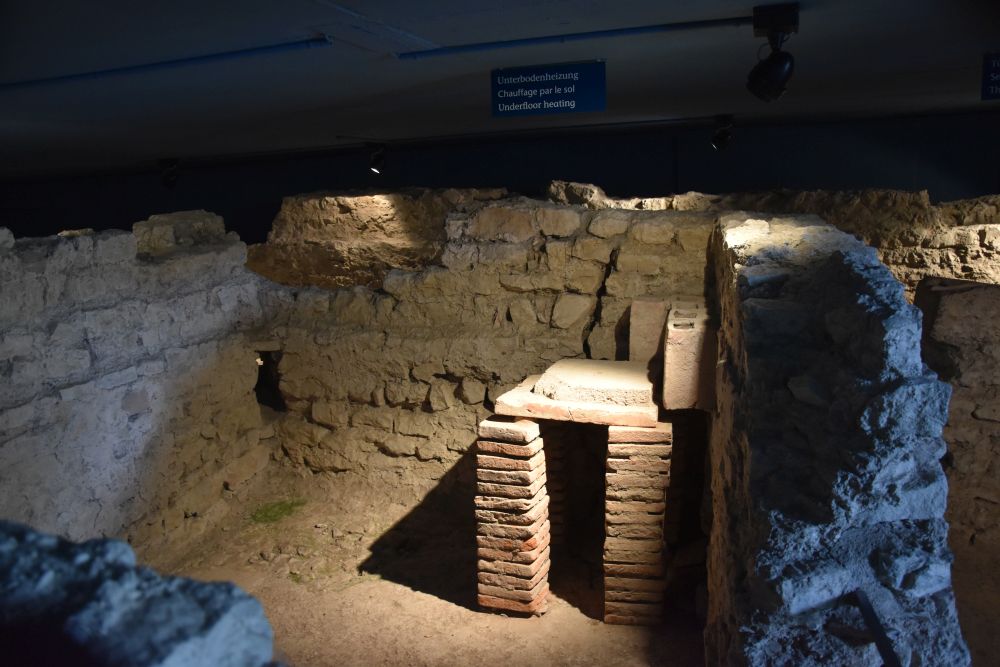
From the corridor (4) people entered the Tepidarium (warm room, 1) using the door marked by the black gate; the threshold (a) has been preserved. Very difficult for me to see the threshold, but I trust the archaeologists.

Next comes the Caldarium or hot room (2). Two columns and tubes of the floor heating remain in the right hand edge. As a matter of fact, we stand on the base of the floor heating today; the “real” floor was above the pile of tiles (pilae). 

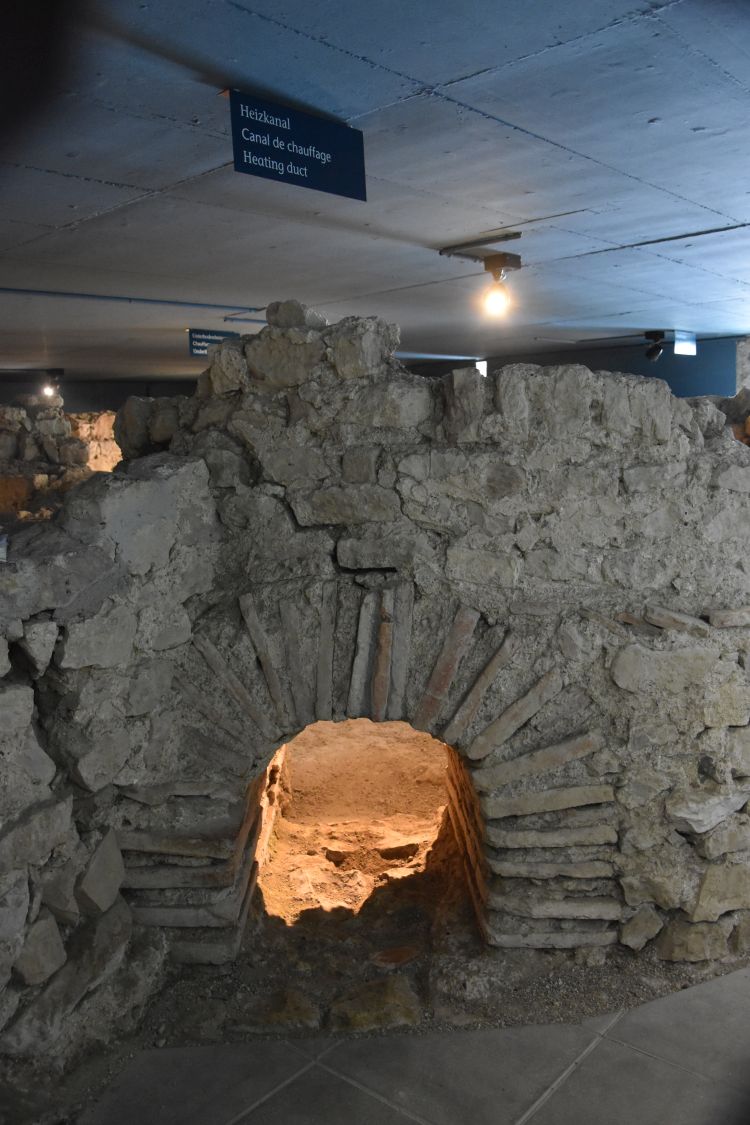
I am puzzled. Only now I notice the labels under the ceiling. So far, I had just looked at the ruins below me and not at the signs above me… 

As the label indicates, we see a wonderfully preserved duct (b) that takes heat from the heating room (Praefurnium) into the hot room (2). I stand, where the heating room must have been before. 

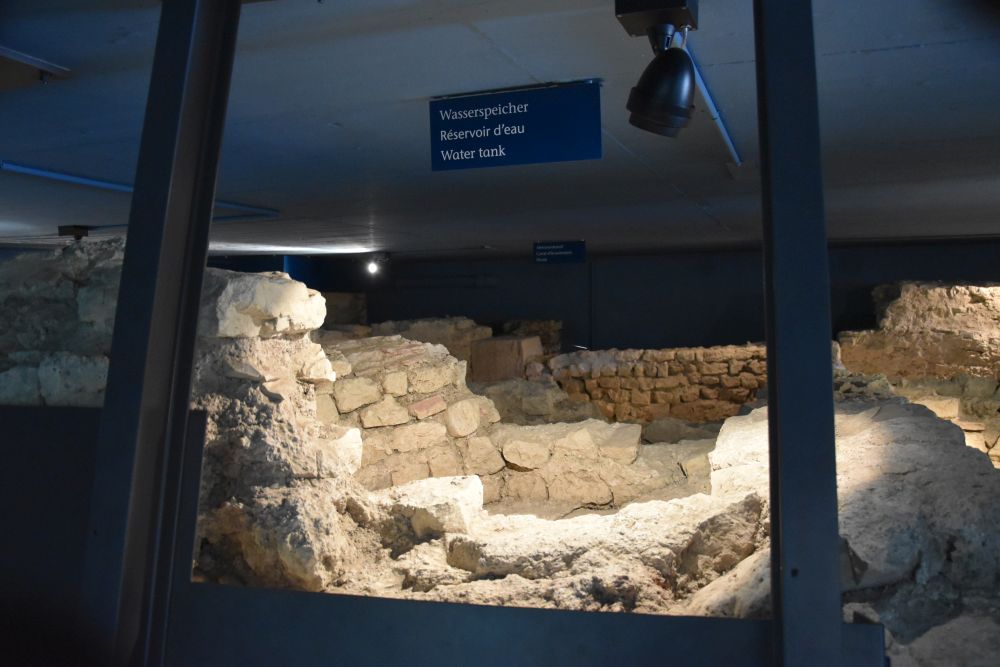
Behind the hot room (2) and the heating conduct (b), there is the water tank or pool (c). There have been debates about this pool that in the 1960-ies was identified as a baptismal font, but this hypothesis was rejected by Facciani later. 


The remains related with the early Christian church

The use of the site as an early Christian church started at the latest after 400 (as the panels say).

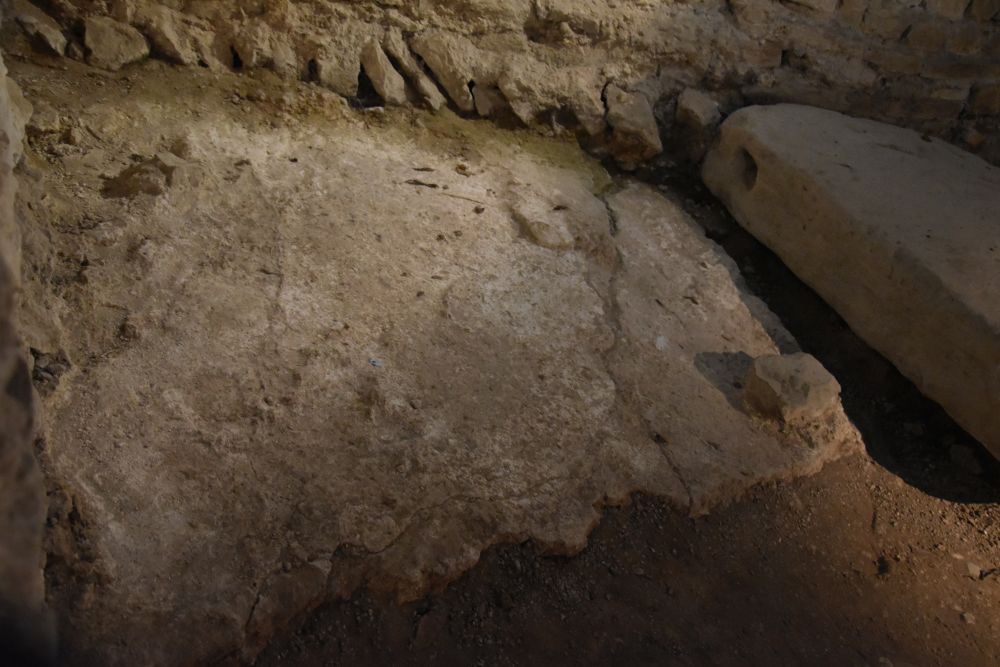
This is the northern annex to the apsis of the early Christian church (5). The sewage water channel (8) can be seen here as well. 

Part of the marl ground of the annex has been preserved (see above in the left hand lower corner and below).

From 700 AD onwards, people were buried next to the church. A grave from the 8th/9th century reaches into the show room.

Only now I notice the description on the left hand side. The curators of Augusta Raurica think of everything carefully.


The exhibition on the east wall of the bath (X)

The exhibition on the east wall of the show room explains the early days of Christianity, shows examples of tomb slabs from the necropolis outside the castrum and tools as well as jewellery from early Christianity.

A Christian community existed in the Castrum already in the 4th century AD (The Roman emperor Konstantin had legalised Christianity in 313 AD). Until about 700 AD, the people were buried in the necropolis outside the city. This is one example of a tomb slab from the 7th century, with a cross engraved.

The combined tooth picker and ear spoon with the sign for Christ belonged to a Roman officer (about 350 AD, part of the silver treasure of Augusta Raurica). I imagine him using this tool…


Good-bye Castrum for now

I leave the show room through the door, where the Rhine appears full of water after the heavy rain falls of this summer 2021. 

I feel like reading in Berger about what I have seen. I find a table in the restaurant Adler in the main street of Kaiseraugst. 

The crowned eagle of the Habsburgians decorates the entry, as Kaiseraugst has belonged to Vorderösterreich until the Congress of Vienna (1815).

The meal served at the restaurant Adler is delicious: Risotto with Taleggio cheese and pears and a Greek yoghurt with nuts, figs and honey. Sure, I will return to this restaurant and also to Kaiseraugst and the Castrum.   

We will visit more “remote” sights of Augusta Raurica in my next blog.

Sources:

  • Website of Augusta Raurica
  • “Salve – Plan”, Augusta Raurica 2019.
  • Guido Facciani et alii: “Die Dorfkirche St. Gallus in Kaiseraugst. Die bauliche Entwicklung vom römischen Profangebäude zur heutigen christkatholischen Gemeindekirche”, Forschungen in Augst, Band 42, Augst 2012.
  • Ludwig Berger (Editor), “Führer durch Augusta Raurica”, Schwabe Verlag Basel 2012; contributions by Thomas Hufschmid, Sandra Ammann, Ludwig Berger und Peter-A. Schwarz, Urs Brombach
  • Panels on site in the show room