A Swiss in Krakow – discovering an Art Nouveau church

The bus to Ojców? No one understands me…

I easily find the station, where the mini buses leave for all sorts of destinations around Kraków. But without speaking Polish, I am not able to find the bus that is supposed to take me to Ojców at 10:40. Every driver that I ask sends me to a different place. One driver directs me to the huge bus station behind the train station. Here I cannot find an information desk or an overview panel of the many buses ready to take off. After an hour I give up and turn to plan B.

Plan B – strolling along Ulica Kopernika in Wesola

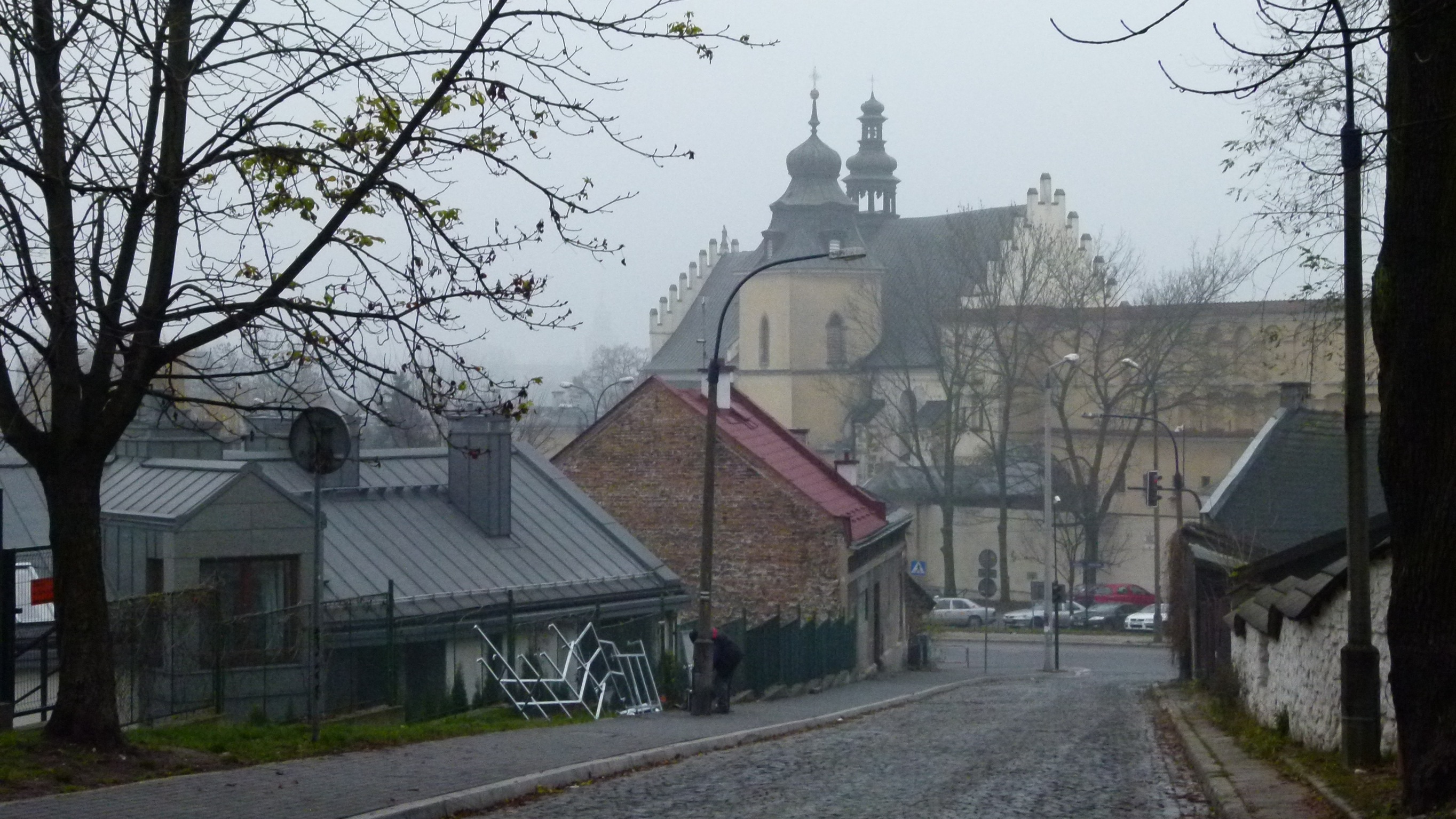
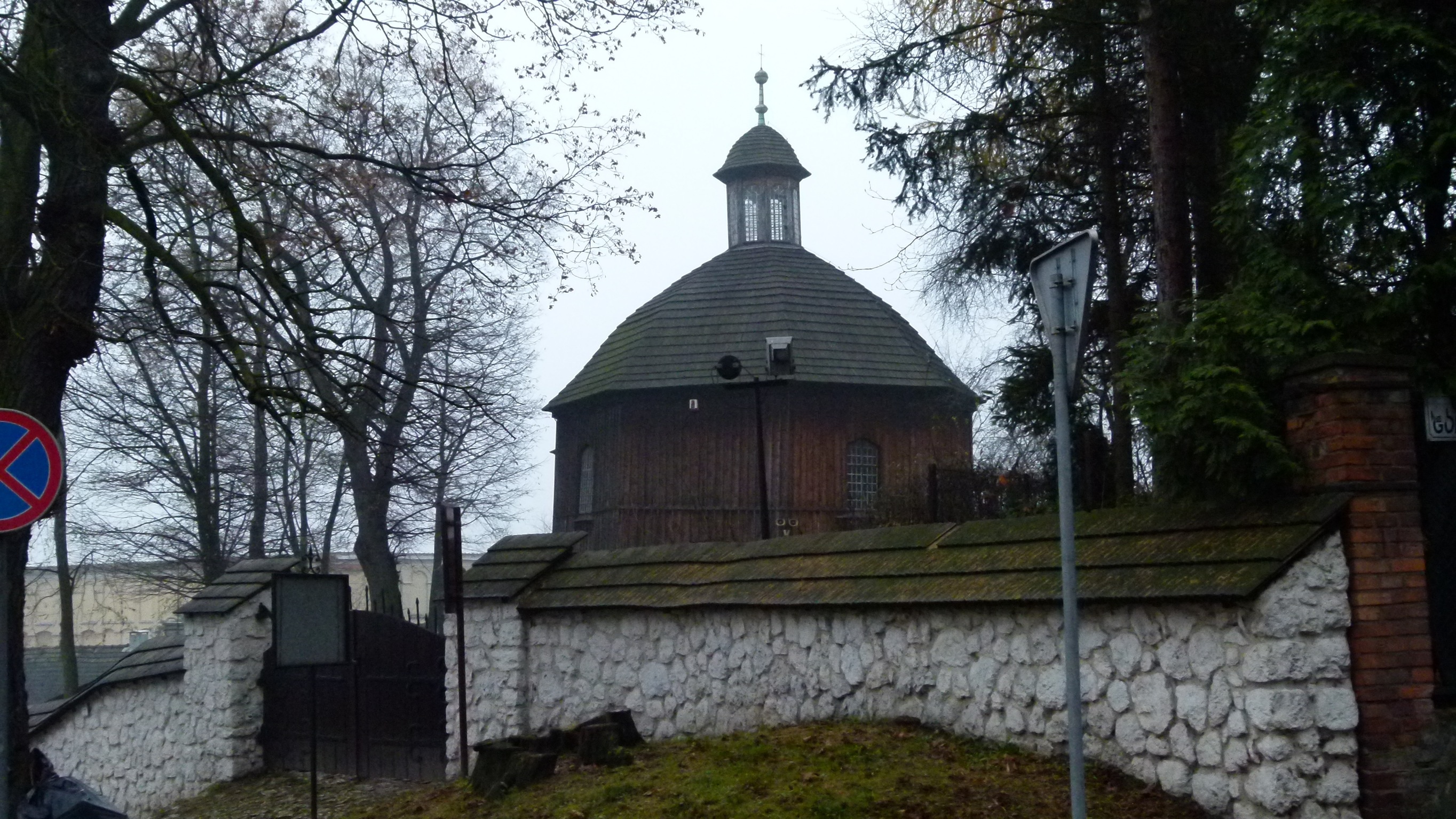
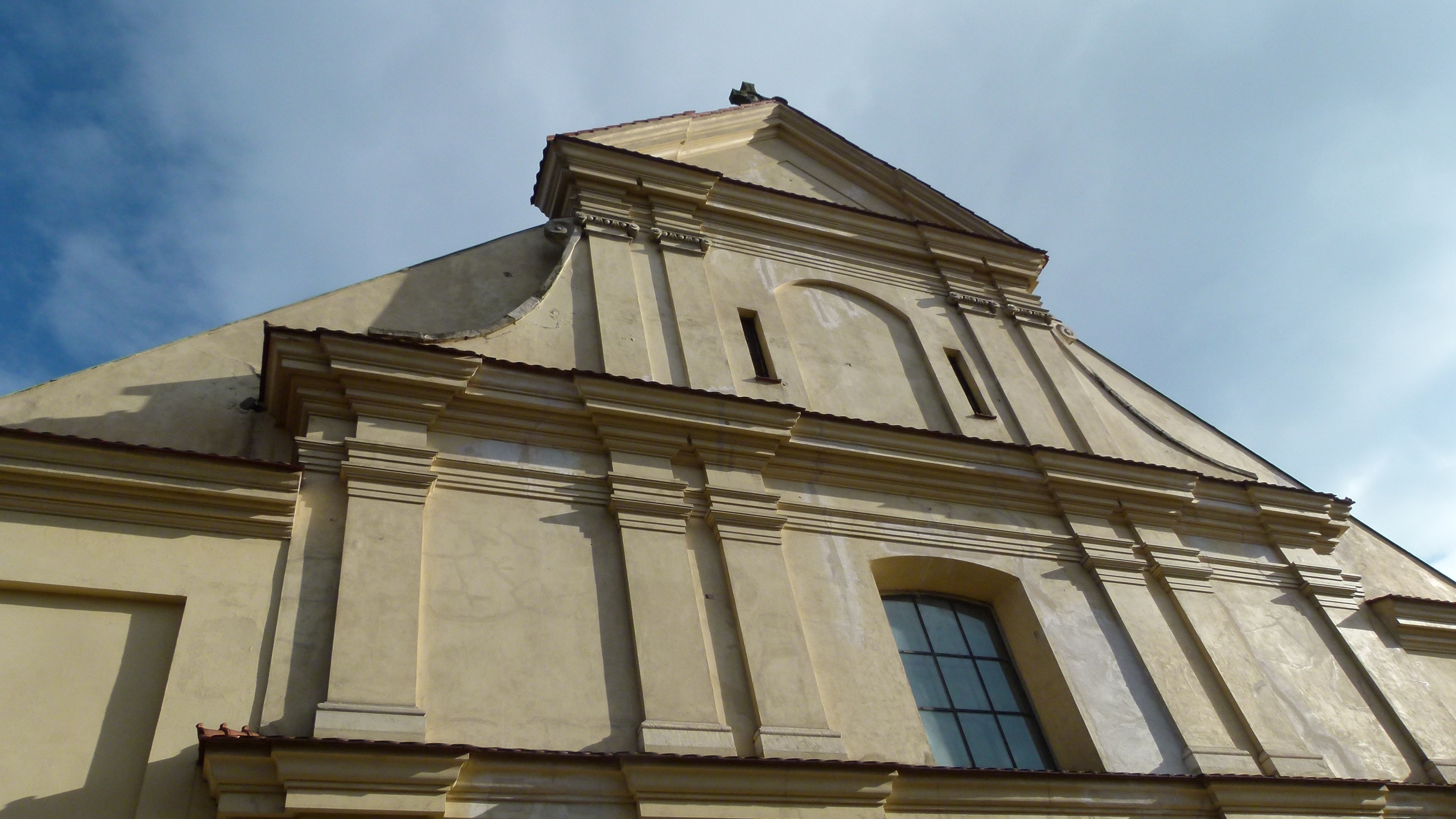
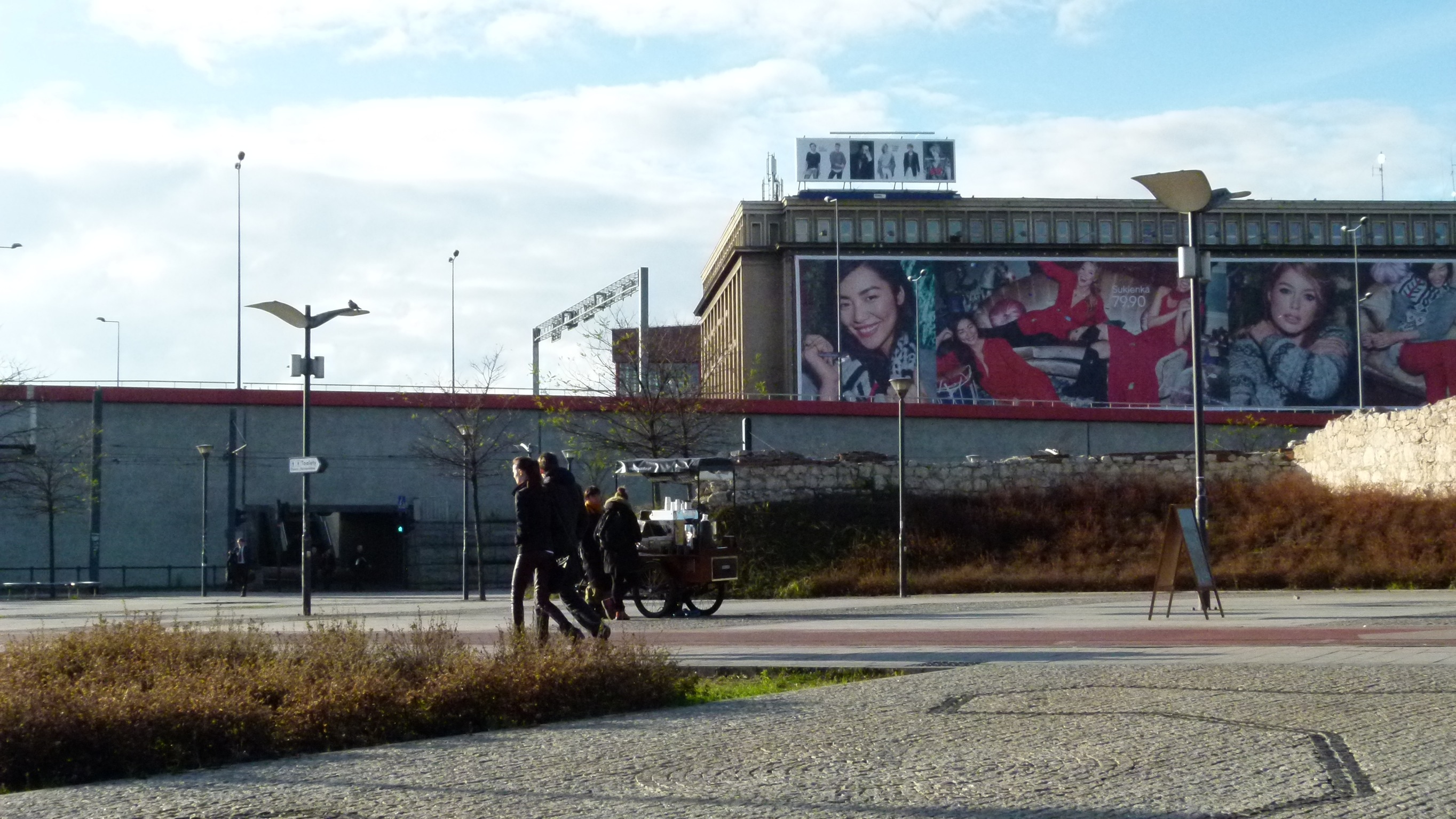
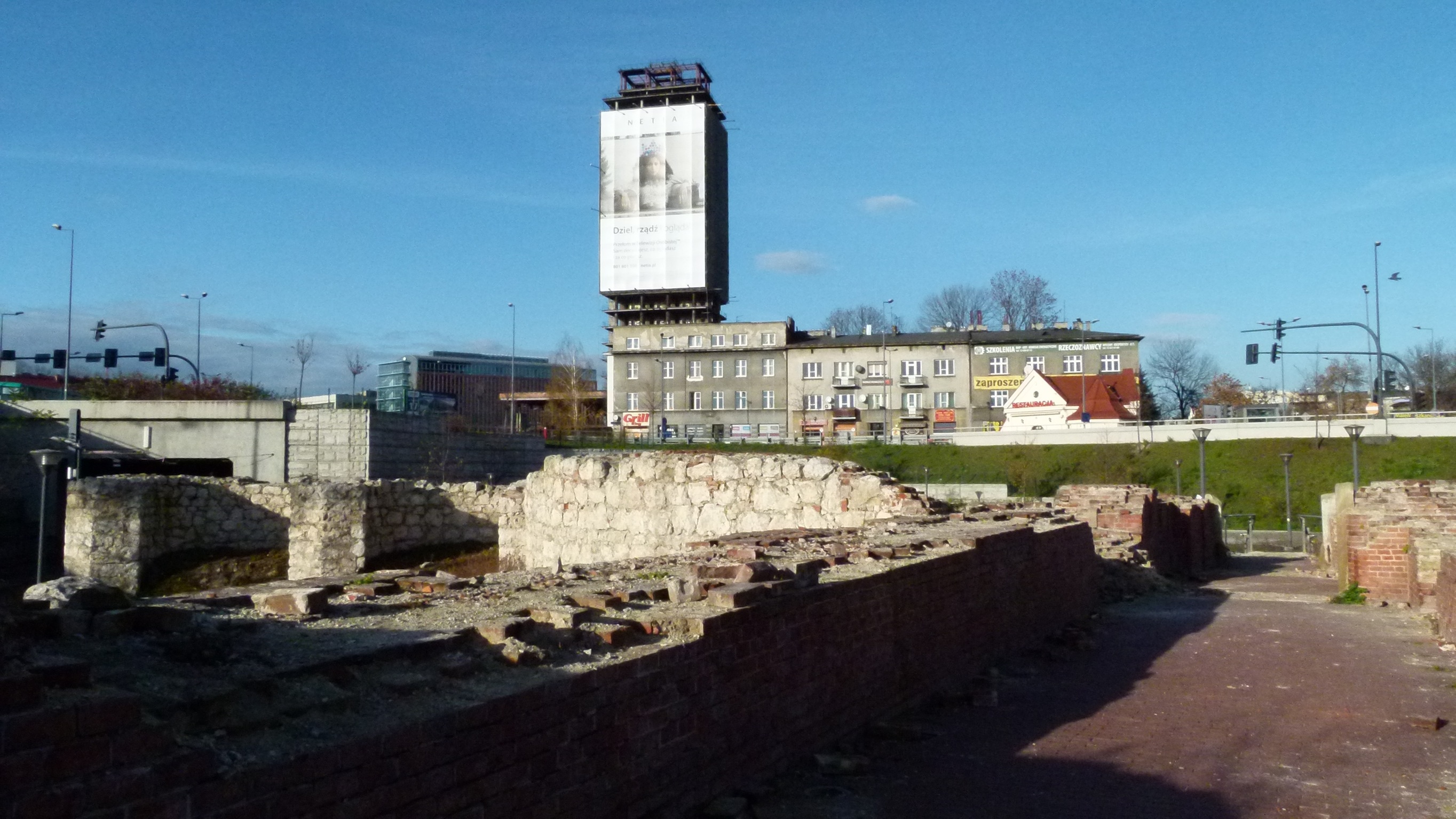
Wesola lies behind the main train station – eastwards. I follow the street Kopernica – named after the man who claimed that the earth is not the center of the universe. The street is ugly, cars drive by, and the first church promised by my guide book is closed for renovation. It is the St. Niklaus Church from the 12th century.

image

And then… the Bazylika Najsw. Serca Juzusa: A gem of  Art Nouveau

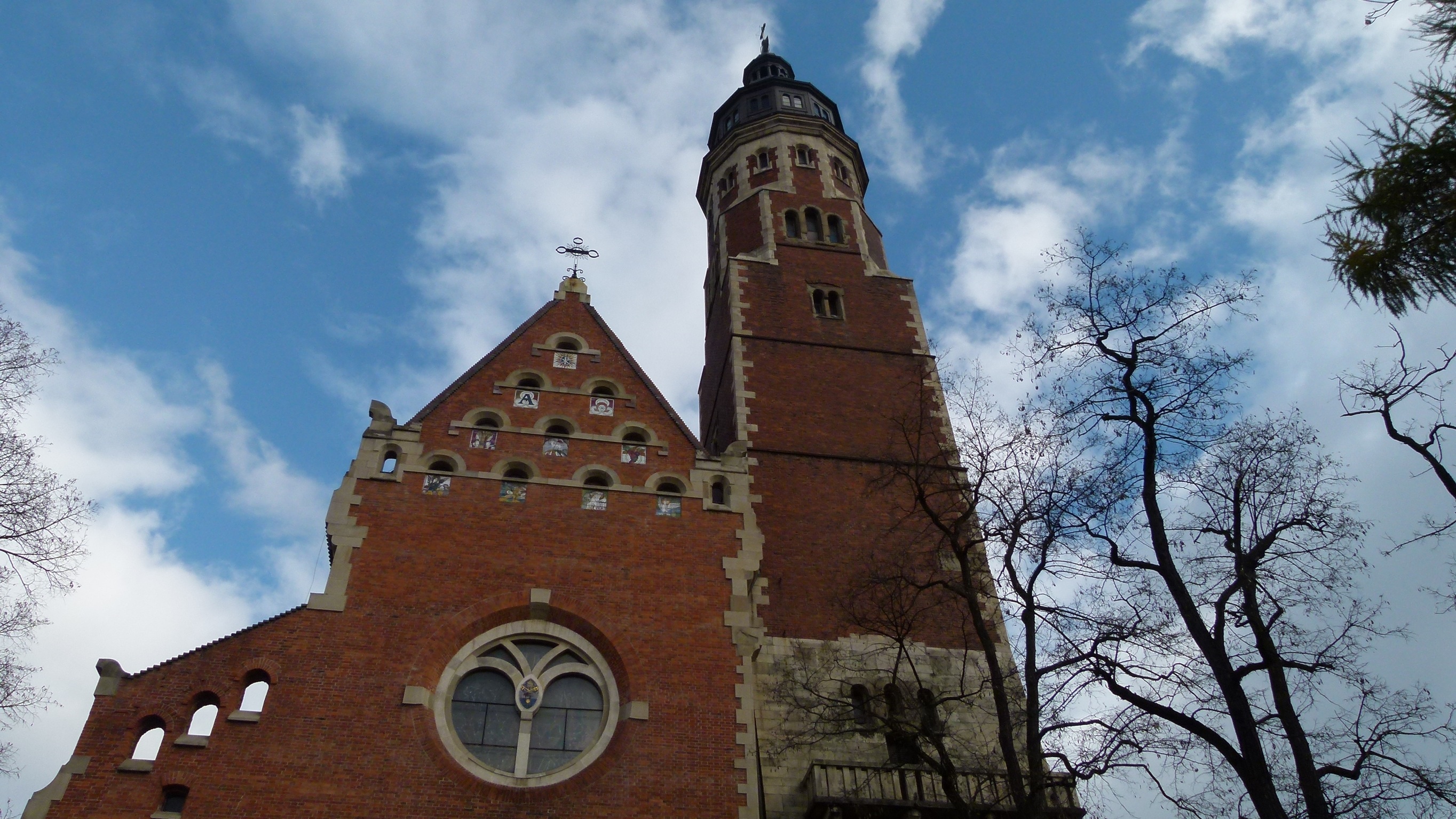
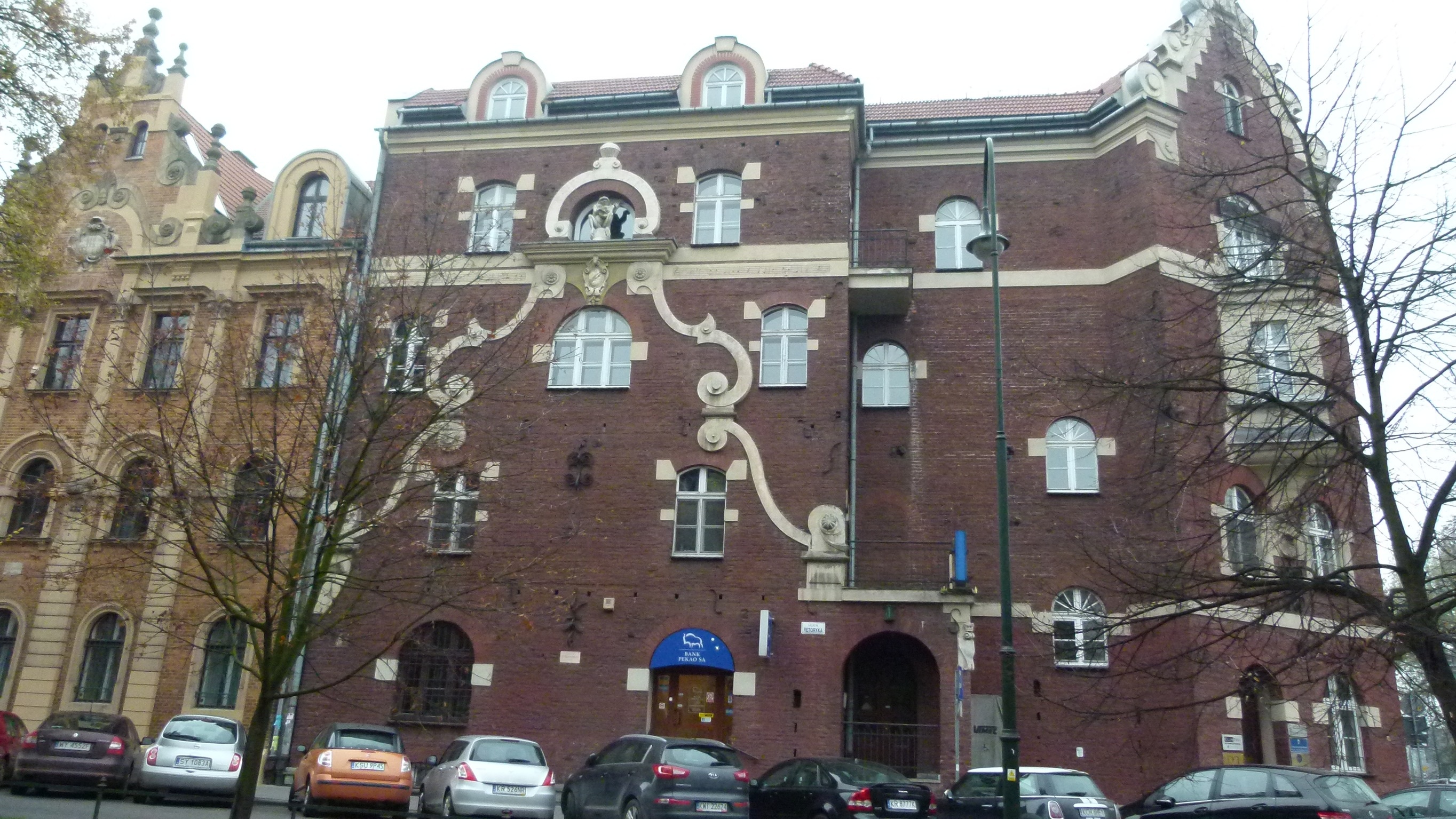
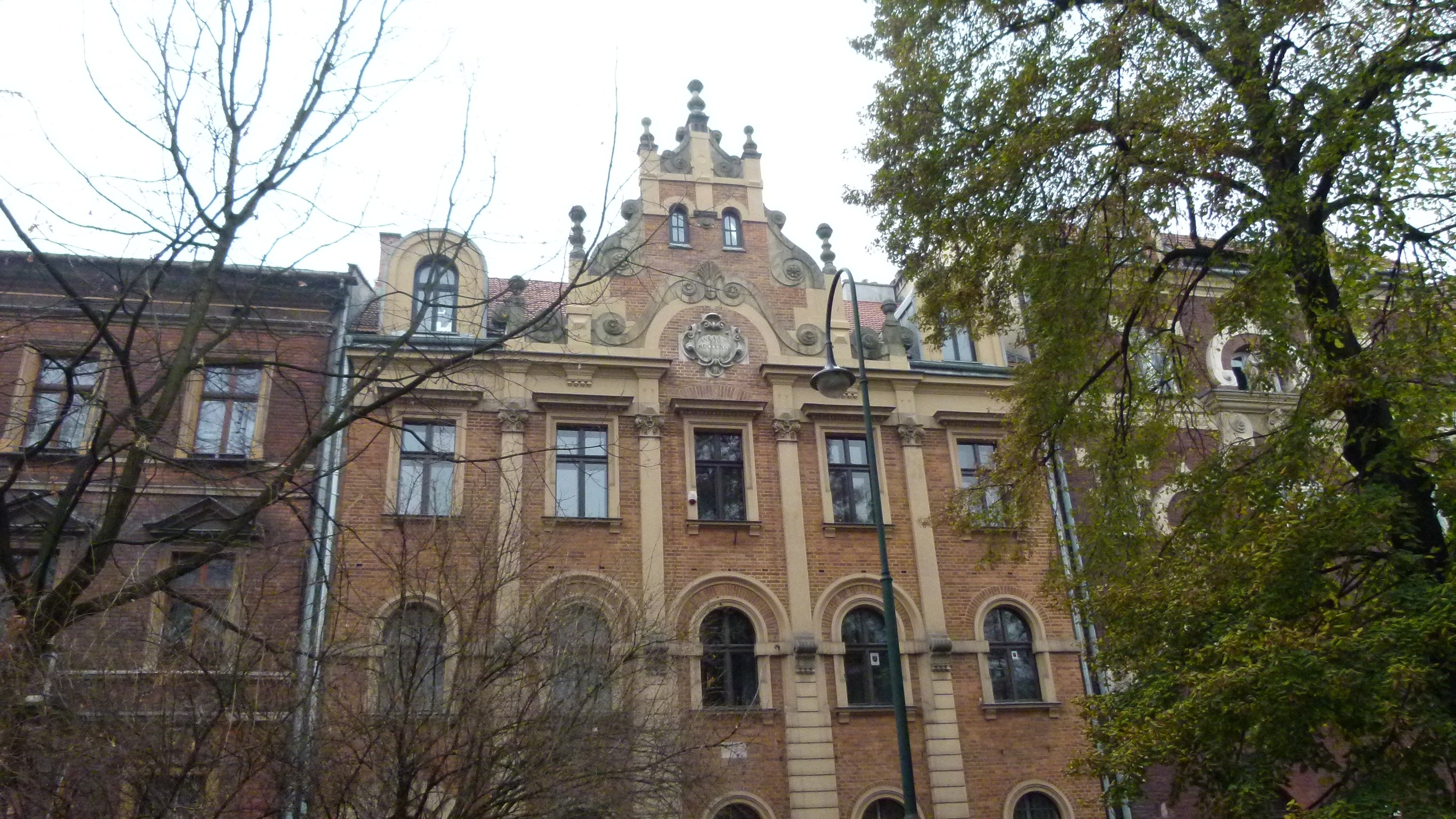
Between 1909 and 1912 Francisek Macynski built the basilika for the Jesuits. I like the brick construction from the outside.

image

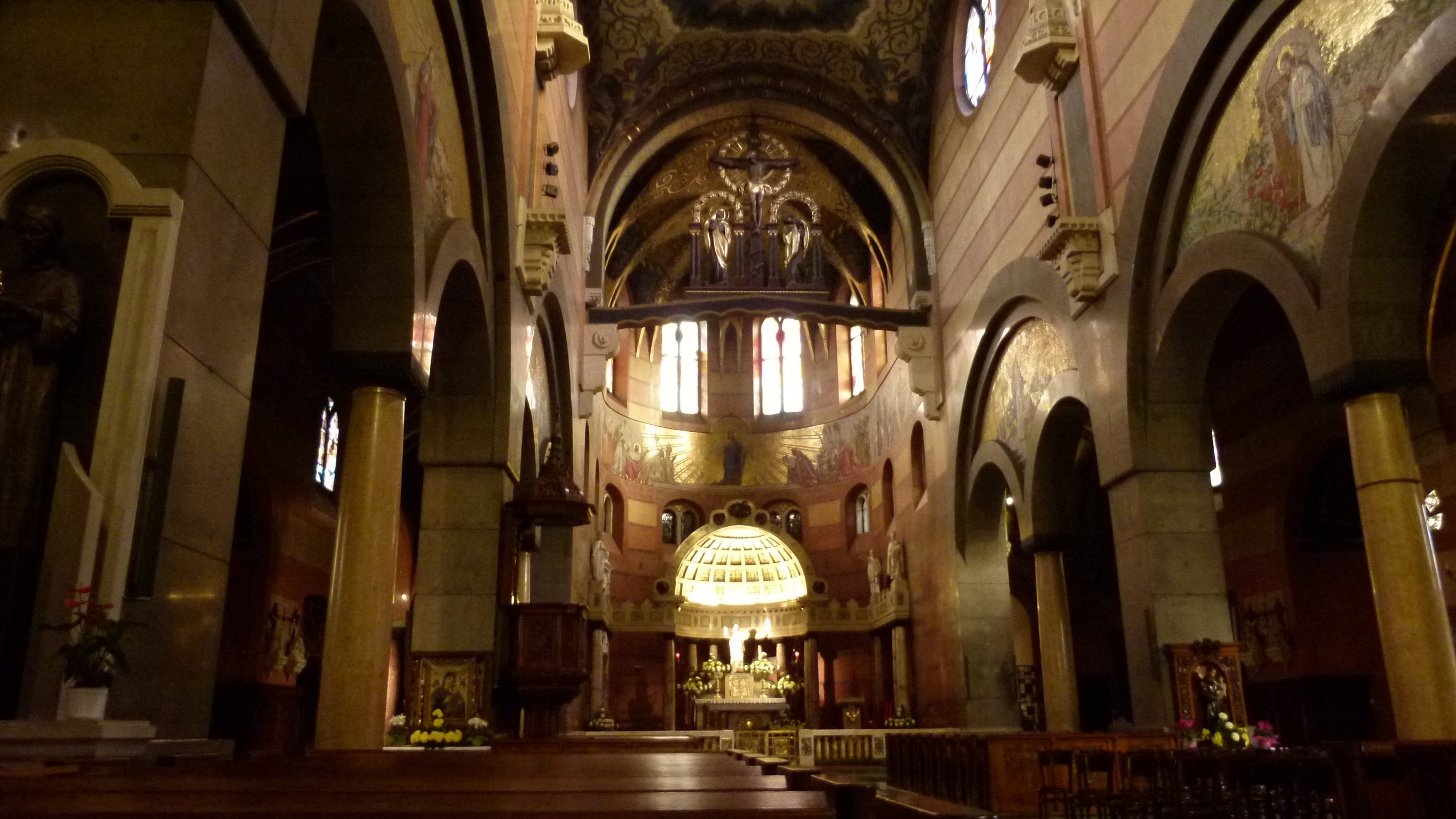
Inside, I dive into the atmosphere created by the colorful and modern windows. The room is dominated by the apsis with the hanging figures of Maria and Josef (?) with Christ above them.

image

image

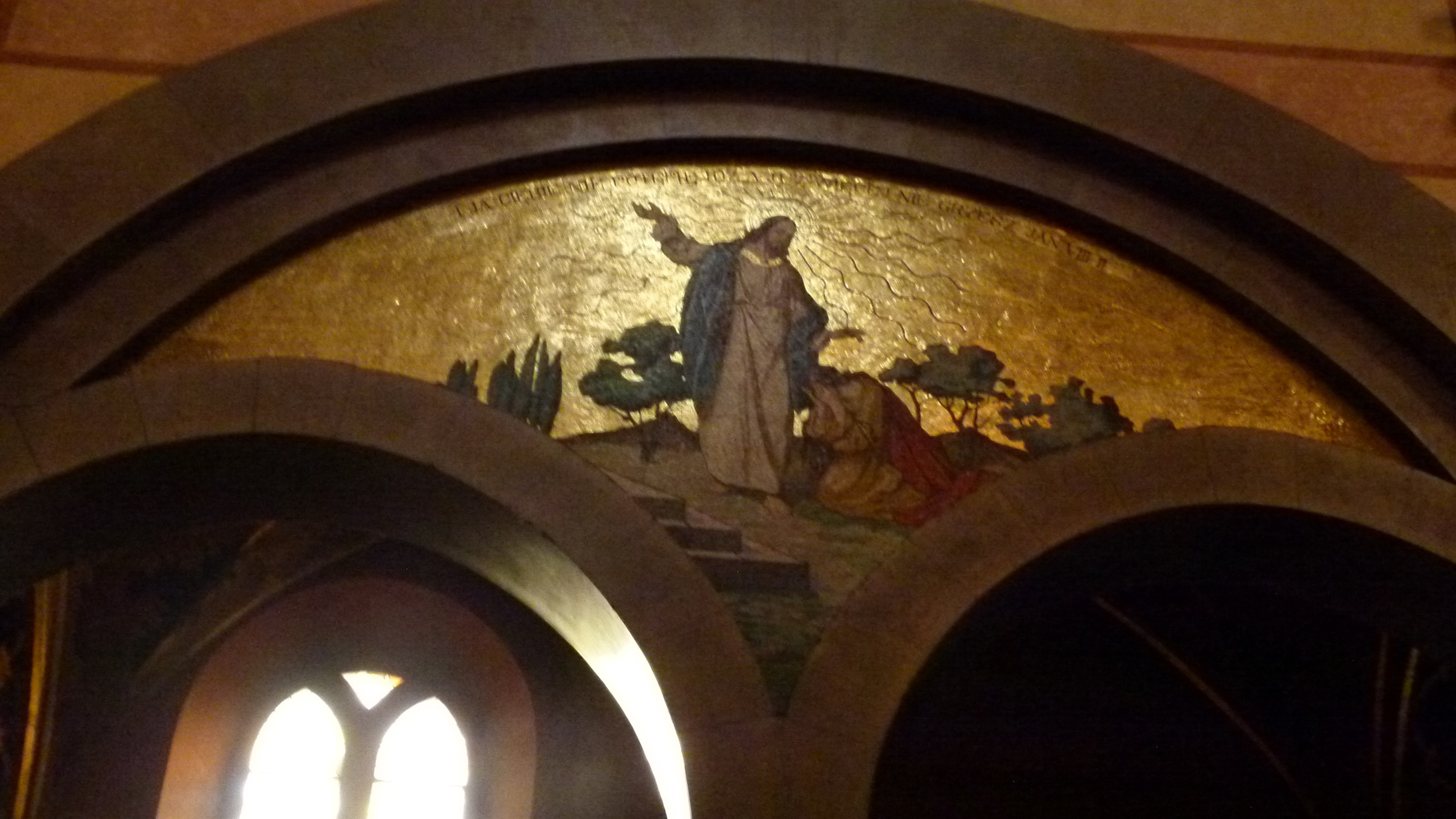
There are also golden mosaics along the walls that give this church almost a byzantine feeling.

image

A nun addresses me as “pani” and says something about light. Then she unlocks a gate and asks me to enter. I find myself in a beautiful modern chapel. The altar is an irregular metal oval with the sun in the middle. People are praying and adding candles on the shelf in front of the altar. I also add a candle. I think of Ernst who travels in my heart. I take no foto. The clicking would disturb the solemnity.

The botanical garden – accidently open

A botanical garden in November?  Well I like November gardens. The plants have retreated, only few flowers are left and nature is recovering to prosper again next spring.

image

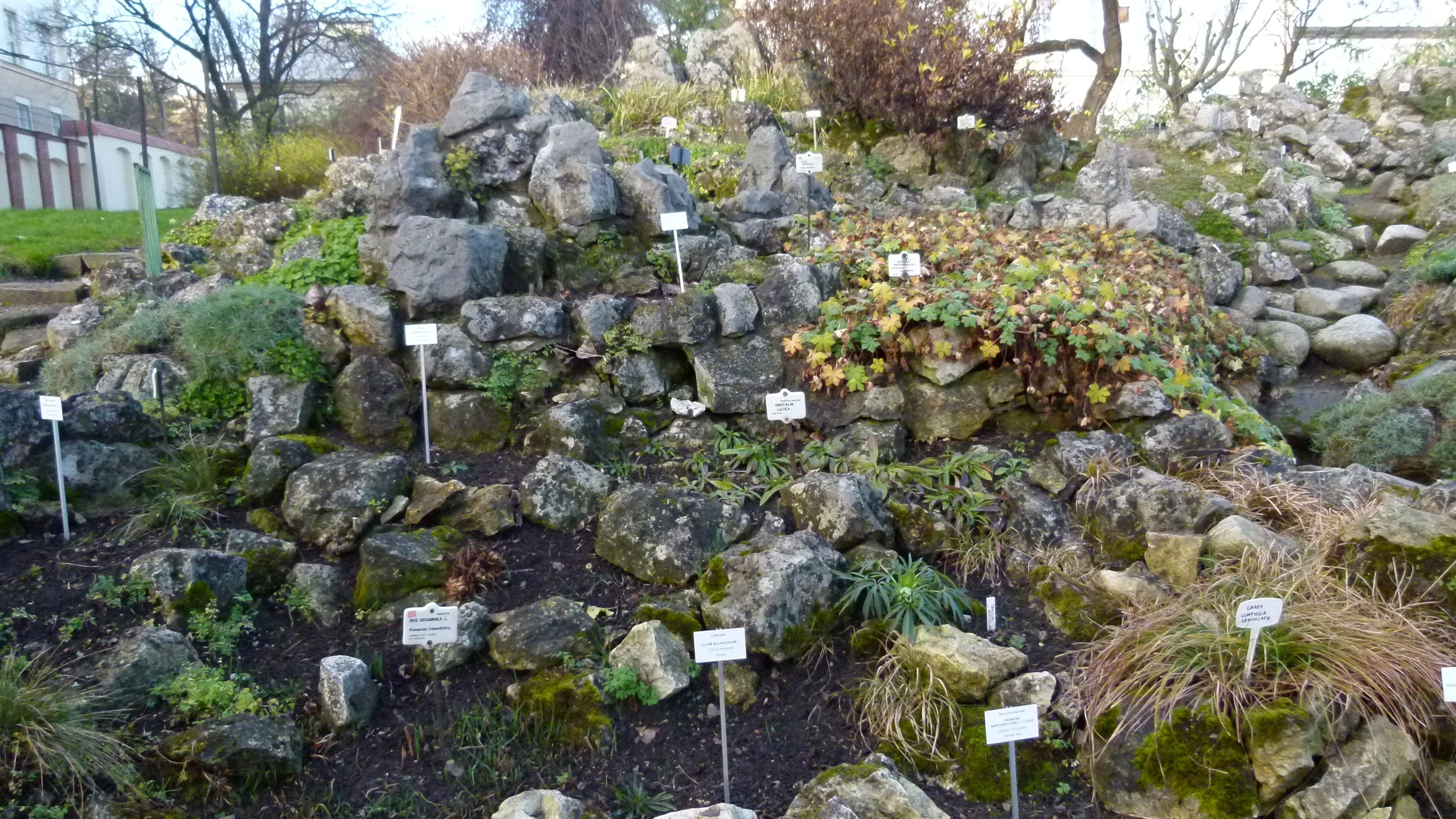
I can see, how carefully the plants from different regions are set up and labeled.

image

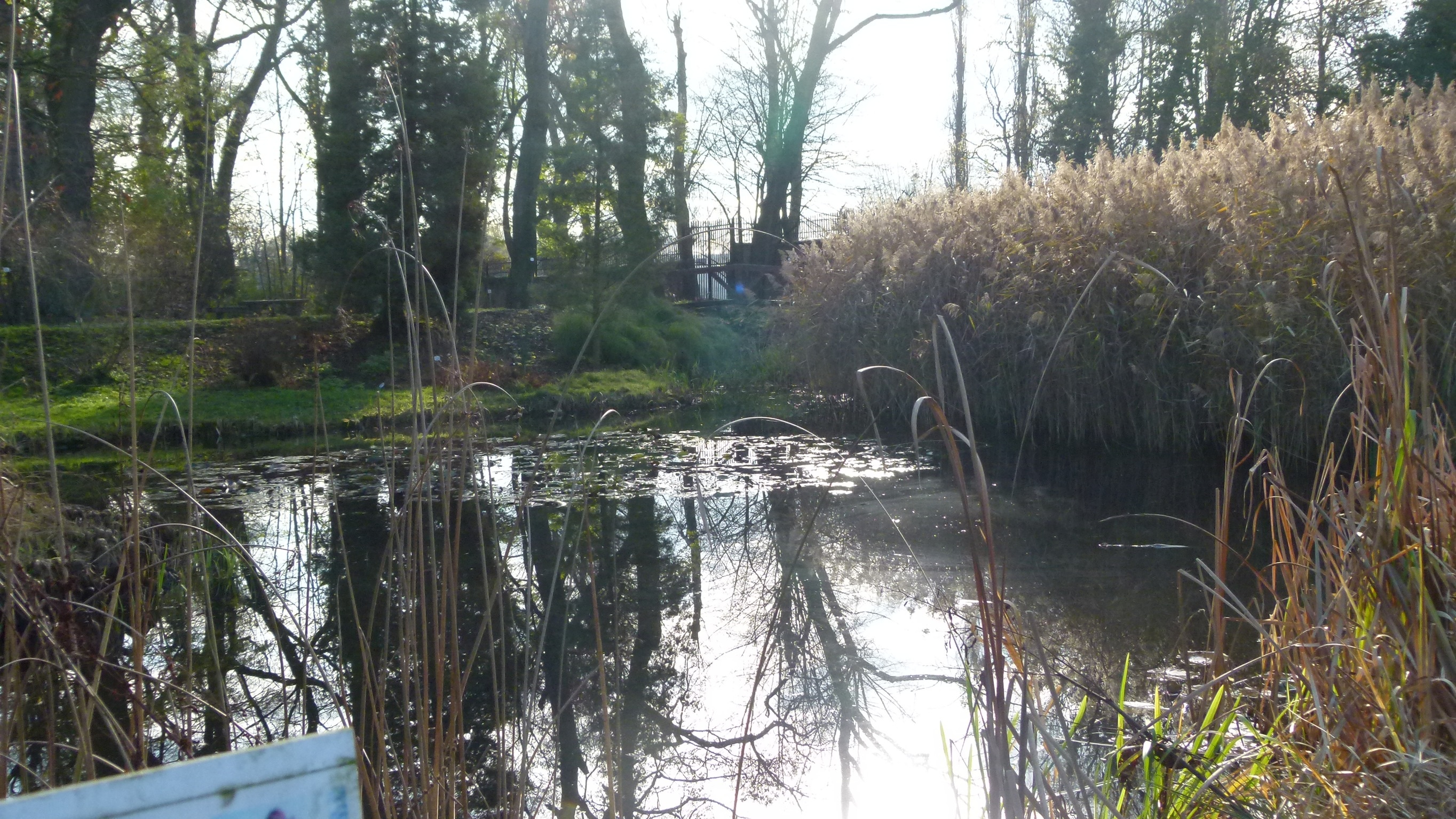
And I catch a few sad-romantic moments at the pond, where reed and trees are reflecting in the water.

image

But then, the gate is locked, when I want to leave. The gardener murmurs that this garden is closed and I understand the word “pokasac” (or similar, meaning “show”). We walk back to the gate and she shifts a small and hidden handle away to open the gate. Then she closes it. This garden is not open for tourists now.

Again – the Mongolians… a Rondo is named after them

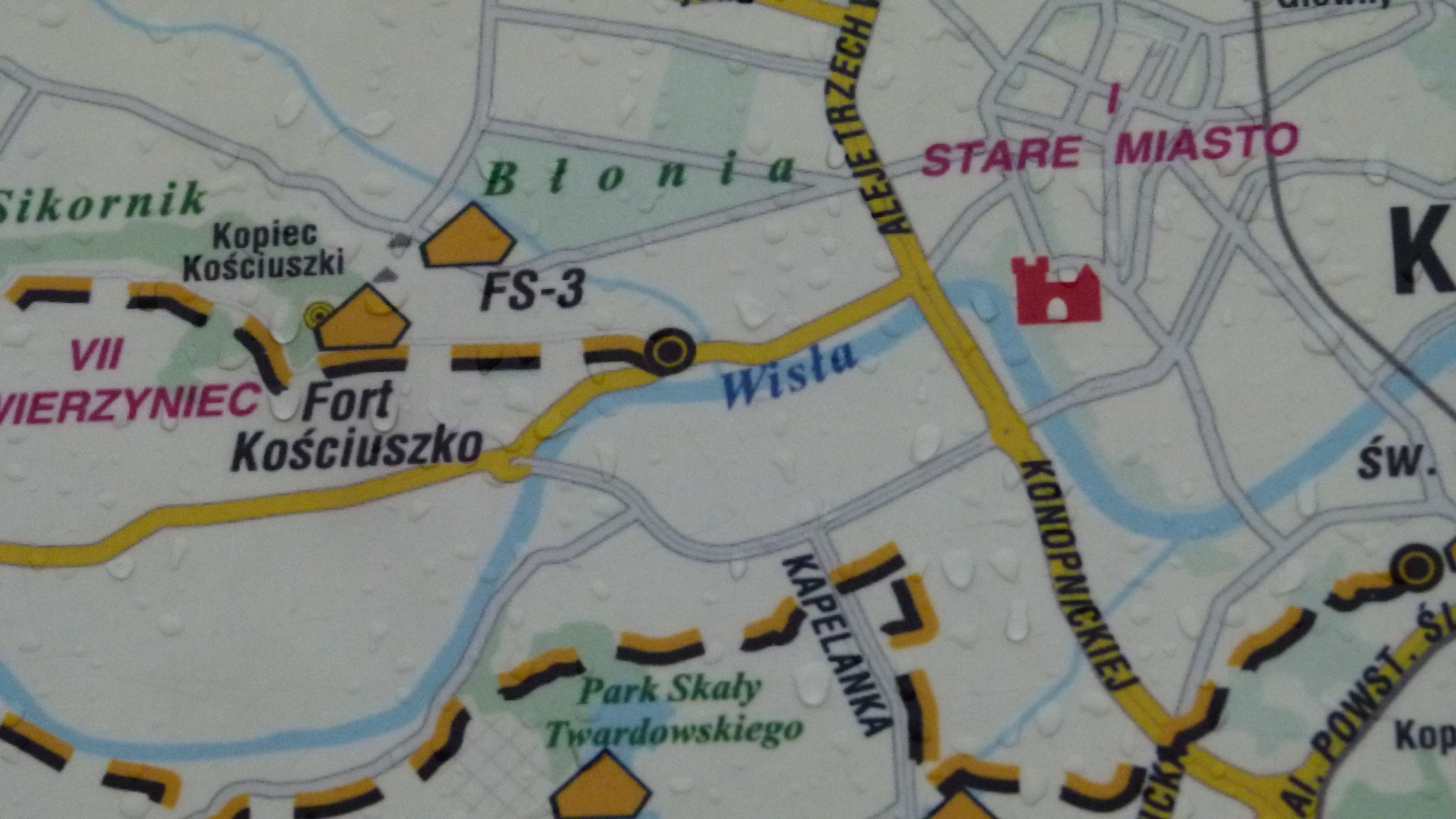
The memory of Mongolia, so far from here, seems to stay alife all over in Kraków, not only with the tune of the trumpeter that ends abruptly (as the Mongolians have killed him at this moment) or with the Lajkoniki that celebrate the victory in the 13th century (Kraków defeated the Mongolians much earlier than Moscow). The Krakówians also name a huge and busy Rondo after them, the Rondo Mogilskie. Trams are crossing in a large round pitch that is overlooked by the ugly silhouette of a building from the 80’s – then praised to be the beginning of a new Manhattan.

image

image

Ulica Topolowa and the garden of Strelecki

I flee the busy Rondo and the busy streets leading to it, and I head to the quiet Ulica Topolowa  and the garden of Strelecki.

image

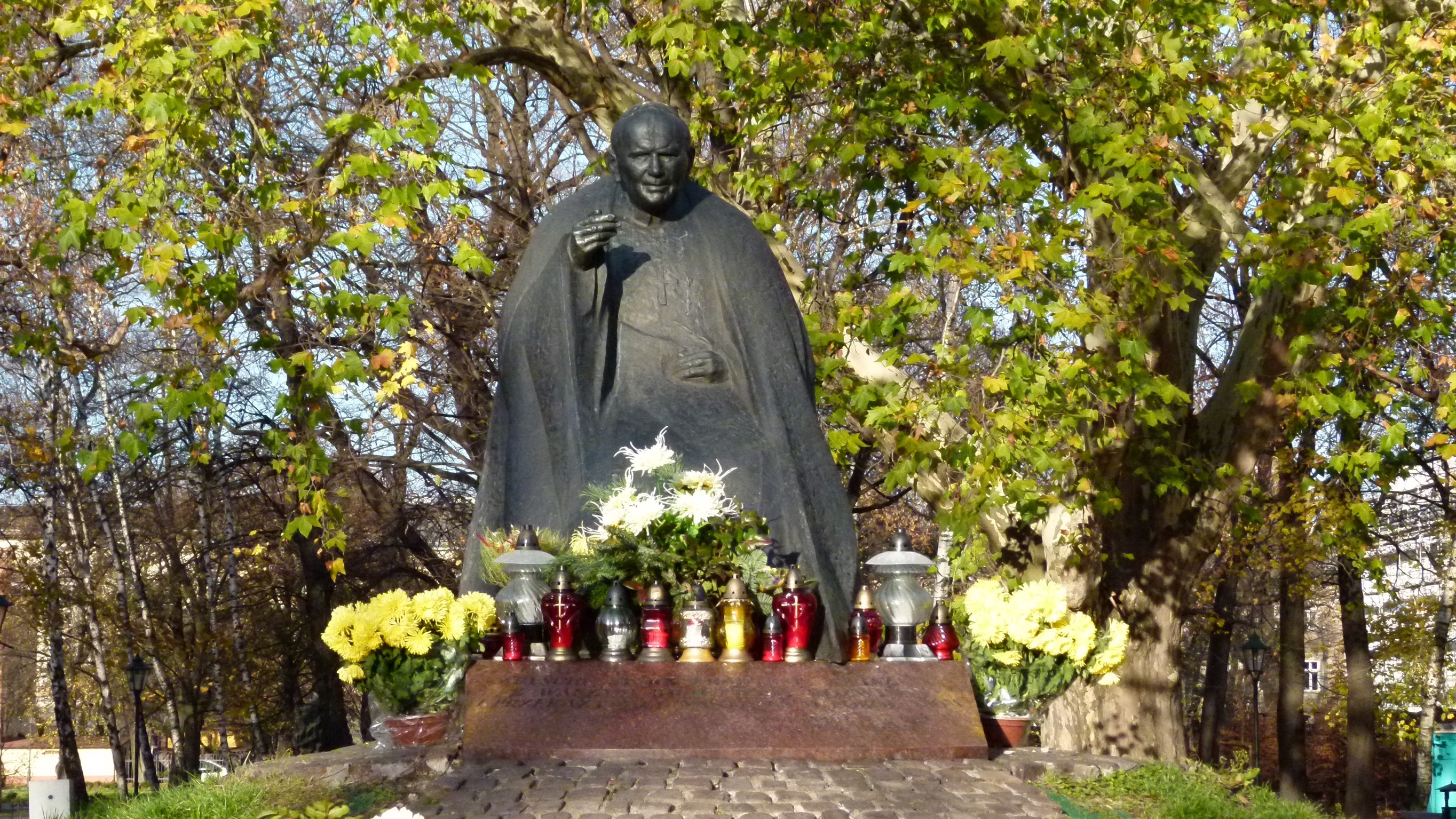
Here I can say hello to the Pope that came from Poland. He is venered, as the many flowers show. I can understand that.

image

Back to the Rynek, I enjoy a tomato soup in the friendly bar of the Hippolit museum and write my blog. The white and black cat of the house shares the table with me.

A Swiss in Krakow – visiting Kleparz and Patynowy

Kleparz welcomes me with the globe

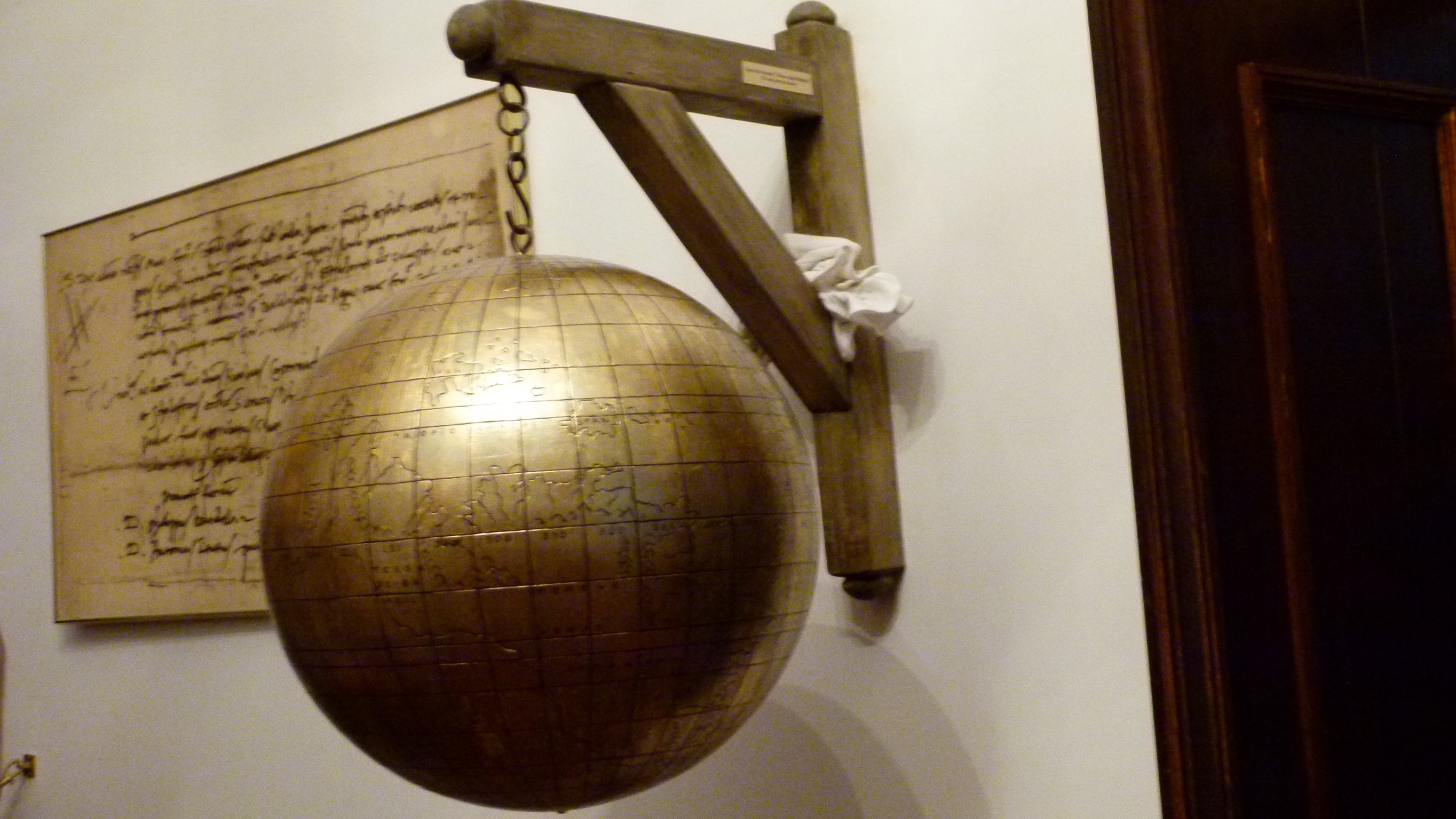
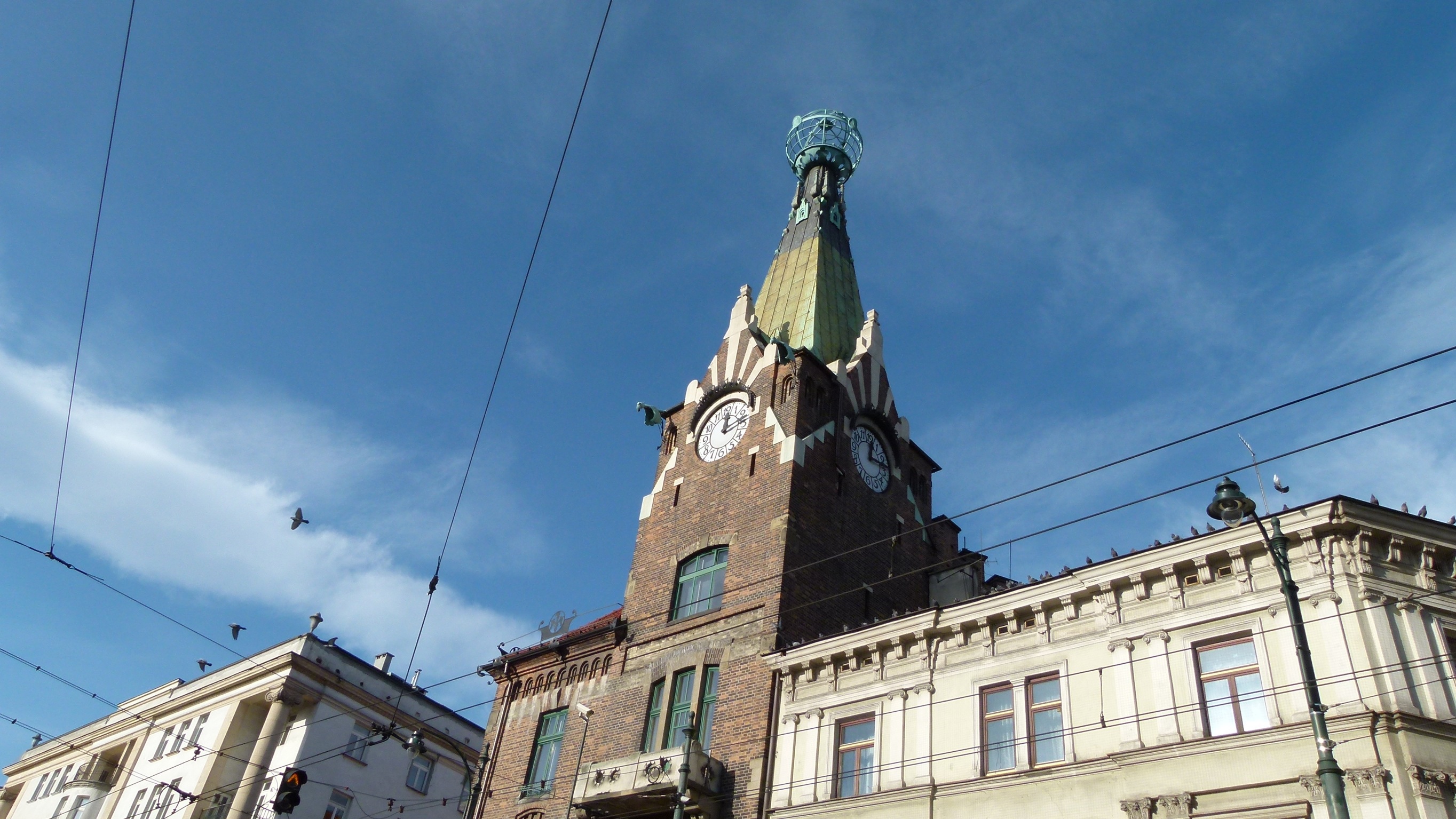
My guide book tells me that Kleparz once was called Florencja. It was a separate town next to Krakow. Many universitiy buildings are here. Coming from the Stare Miasto, I enter Kleparz under the globe of the Dom pod Globusem. (Guidebook: Krakau, Michael Müller Verlag, 2011).

image

image

Following the Ulica Dluga

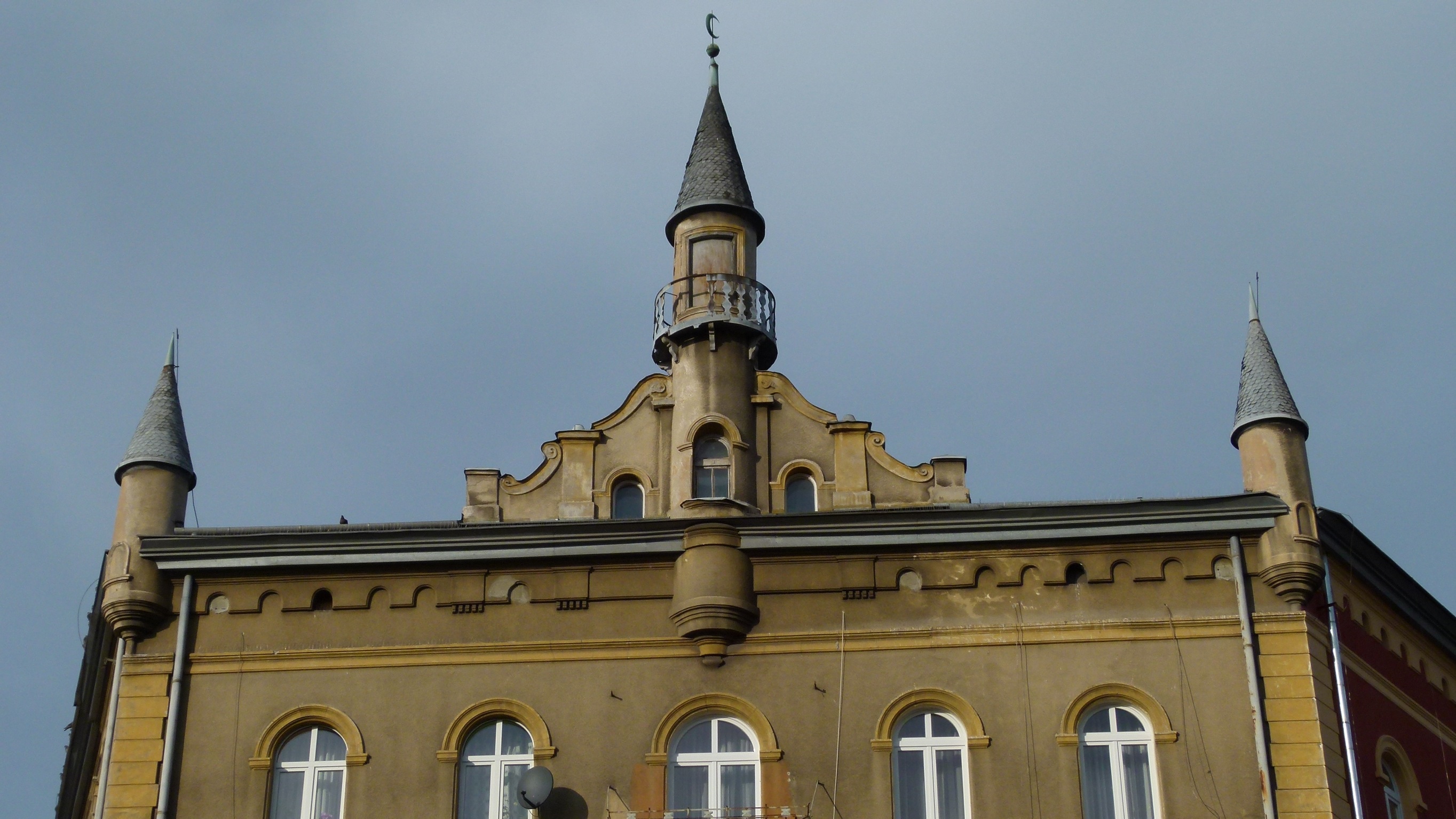
The Uilica Dluga is the nerve of Kleparz for me… with all its small (and less posh, but friendly looking) boutiques, and the shops offering romantic white wedding dresses make me dream. I stop in front of the Dom Turecki with its minarette like towers on the roof.

image

The market places of Kleparz

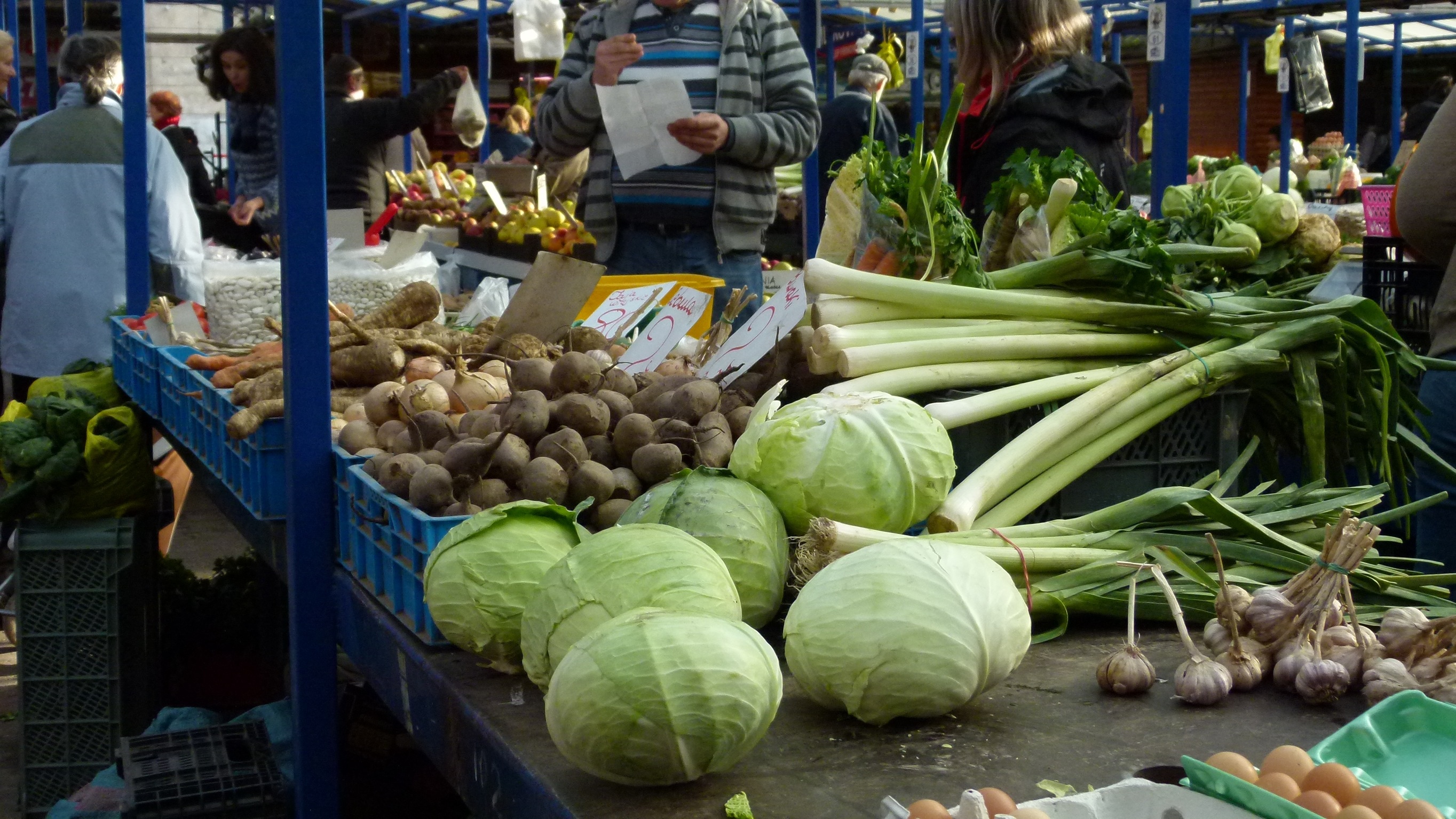
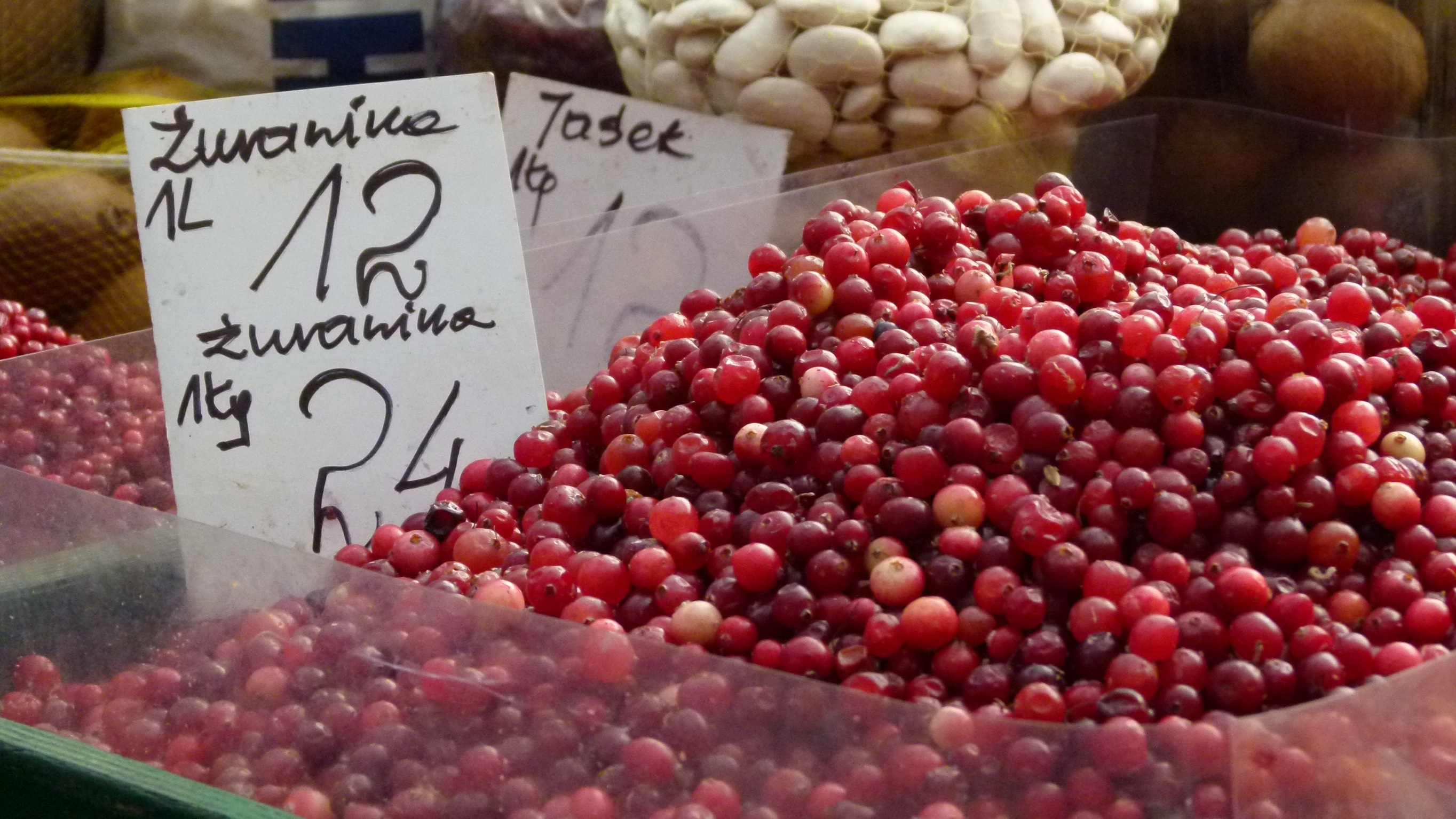
From the Turkish towers, I turn right to find the busy Rynek of Kleparz. It is like an open air super market. Vegetables, fruit, mushrooms, meat, fish, bread and cakes – everything looks fresh and enticing. I buy a sweet mak (poppy seed) roll and an apple roll.

image

image

image

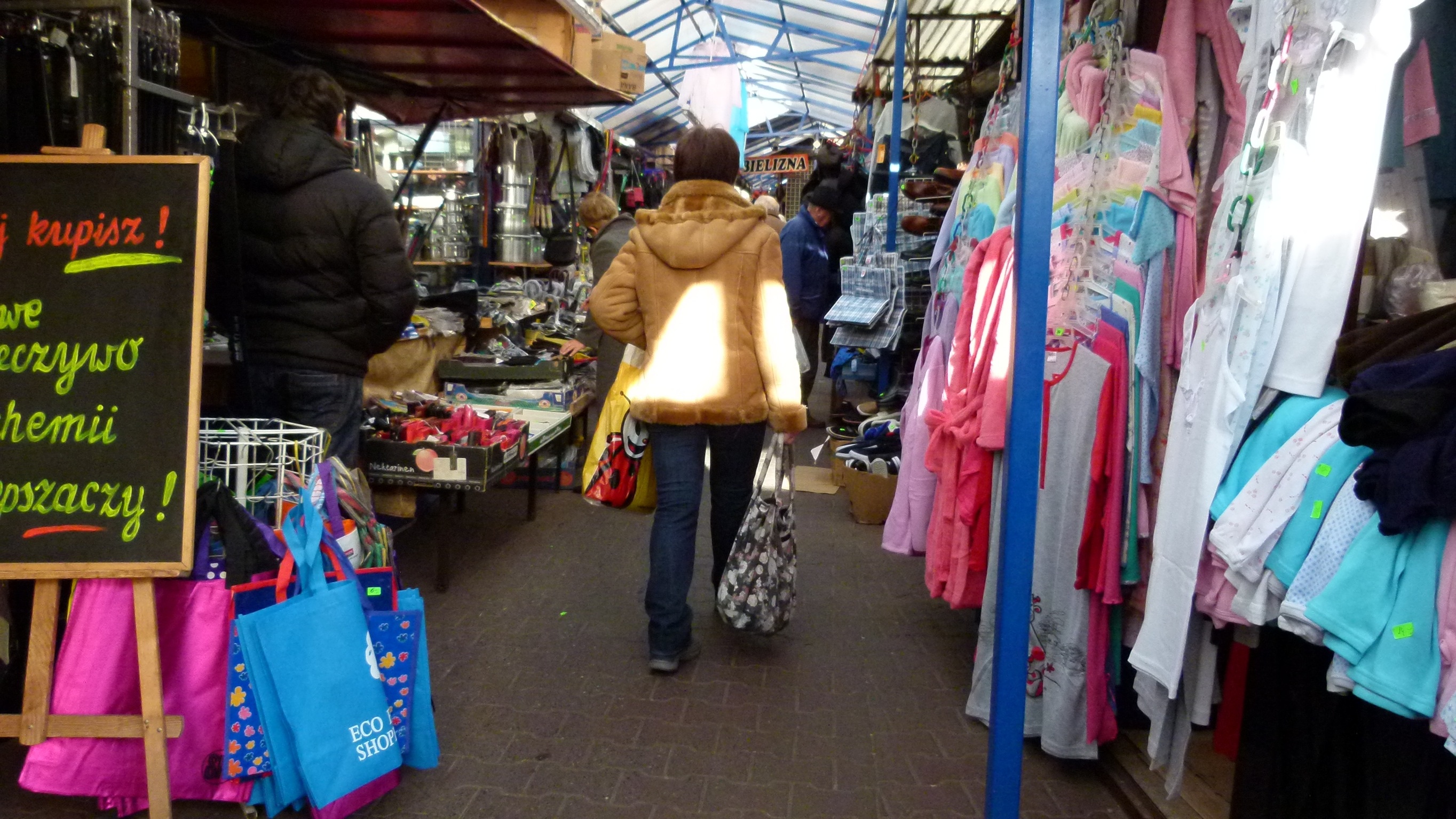
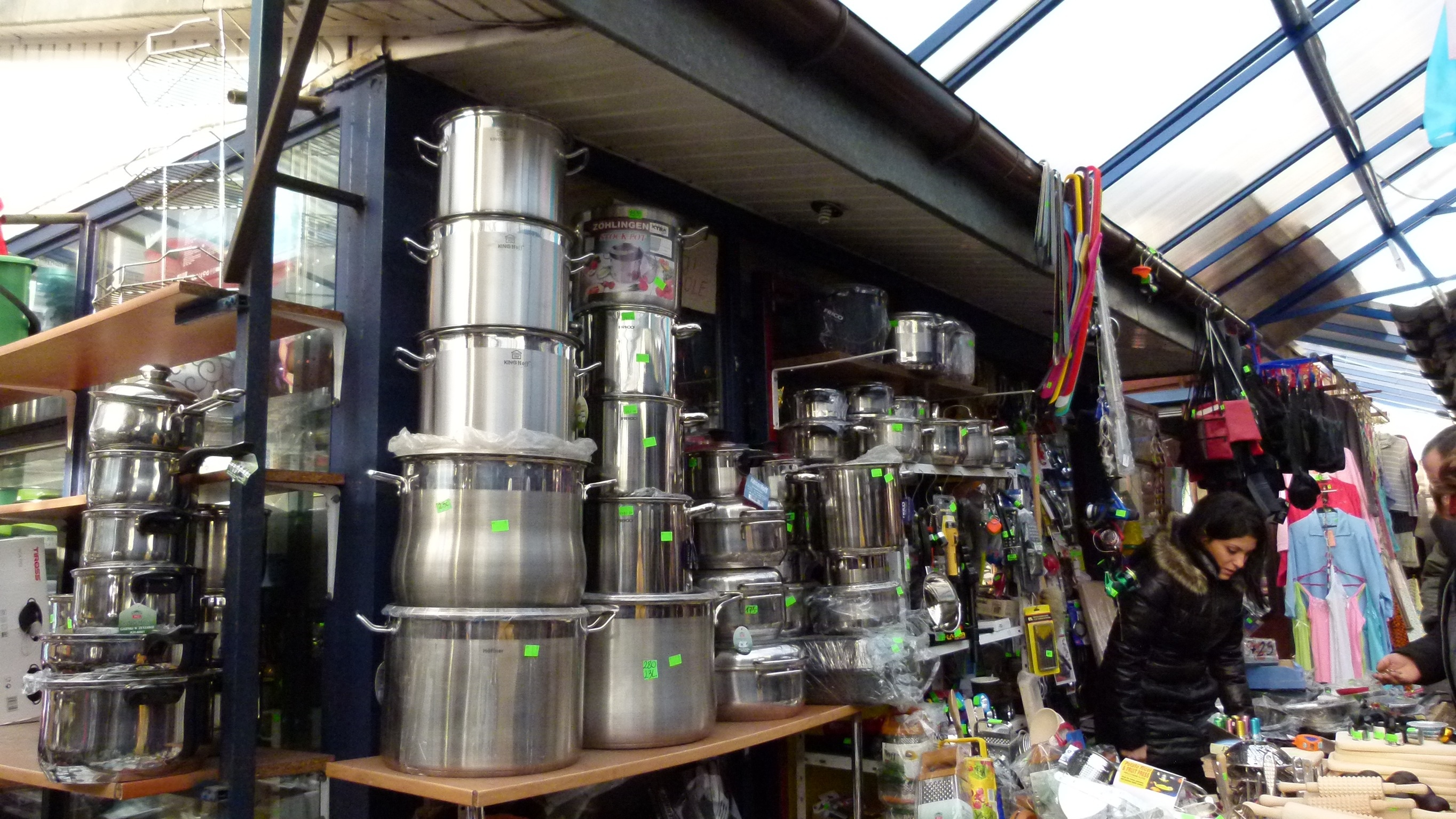
And then the Krakówians can get here whatever I may need for a household: Shoes, cloths, kitchen equipment or curtains etc.

image

image

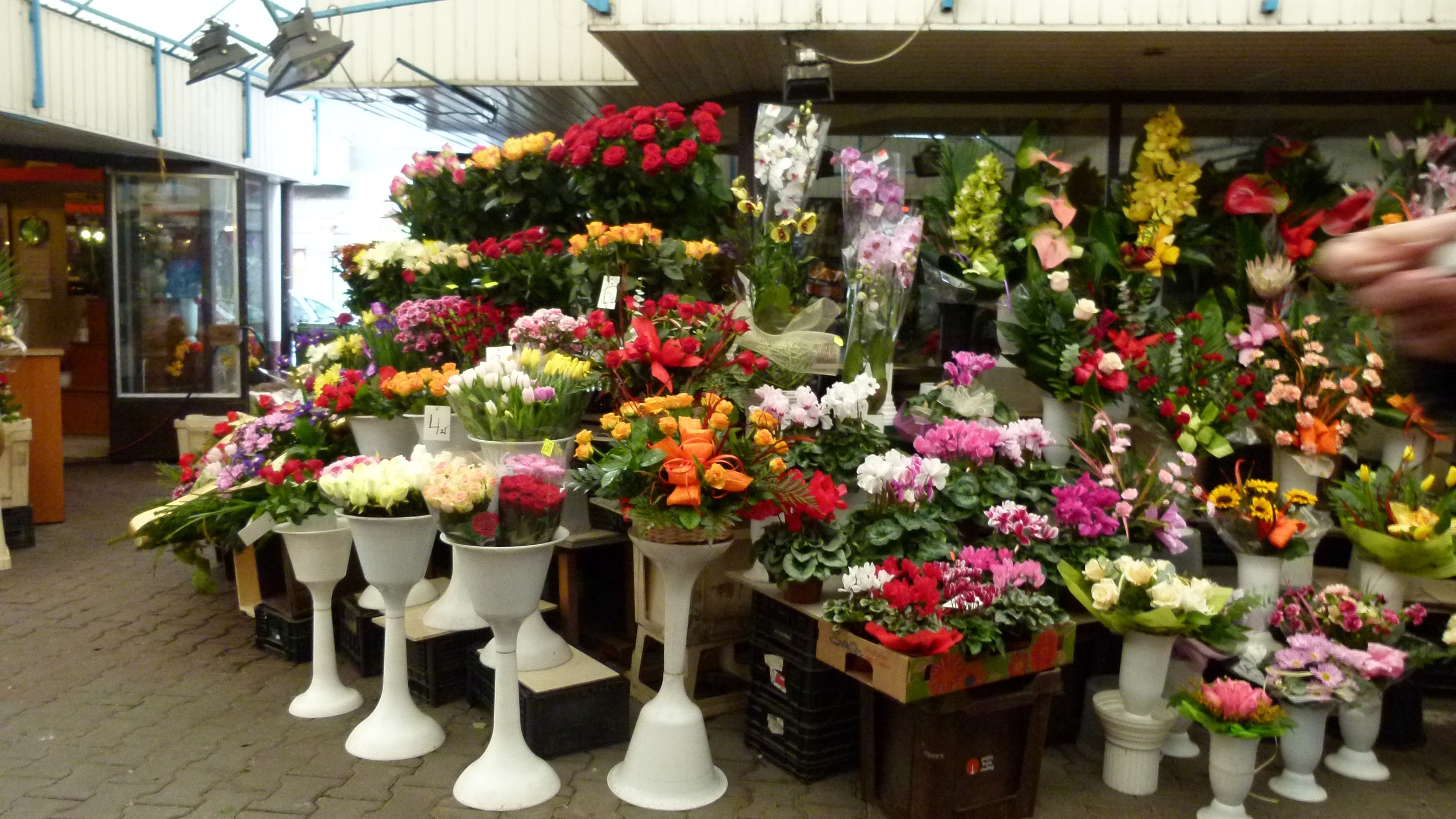
On the Plac Nowy there is a second busy market. In addition to all the basic material needed in a common household, it also sells beautiful flowers.

image

I buy three roses in my favorite color – dark red- for Monika.

North towards the industrial space along Ulica Kammienej

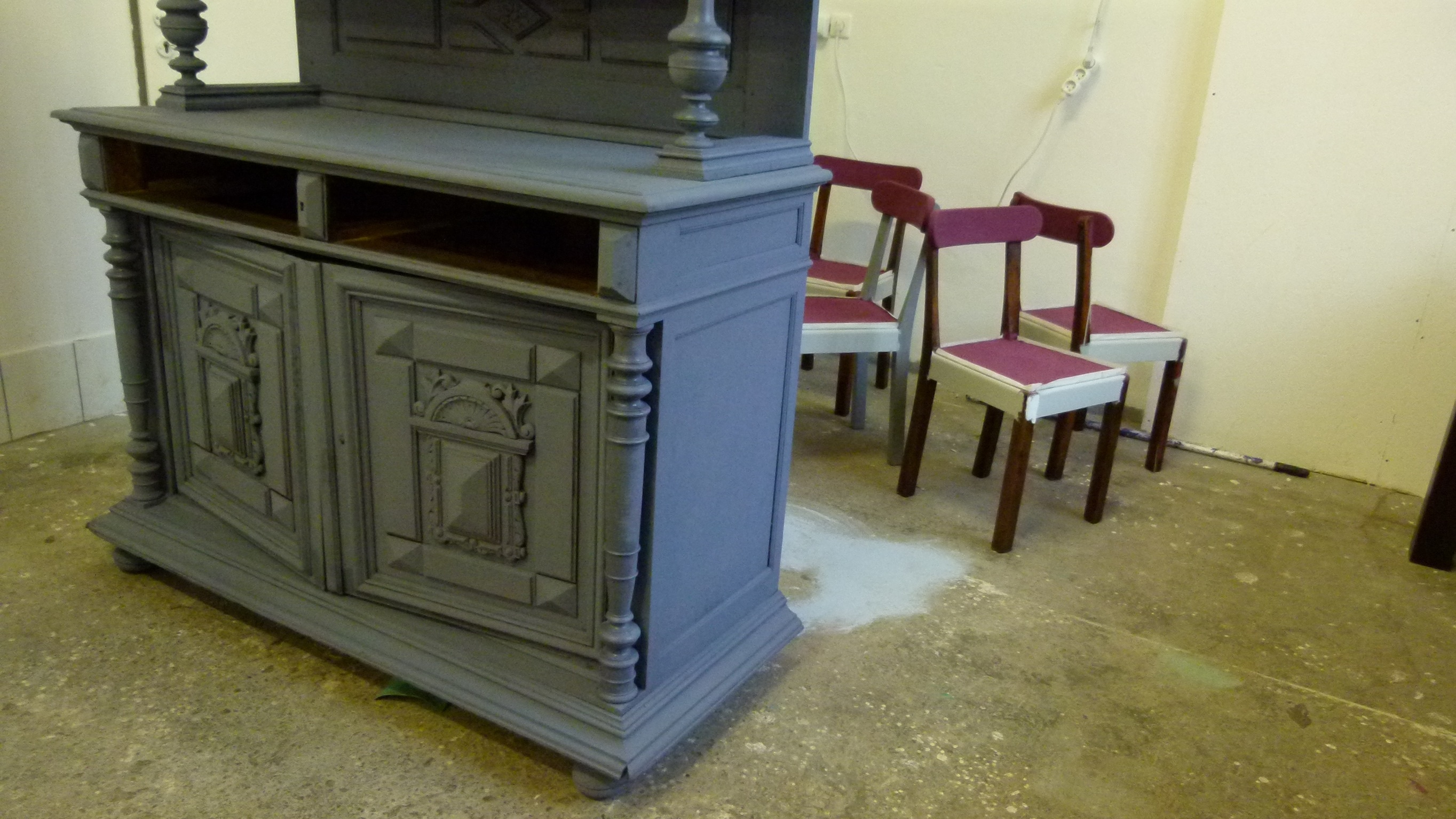
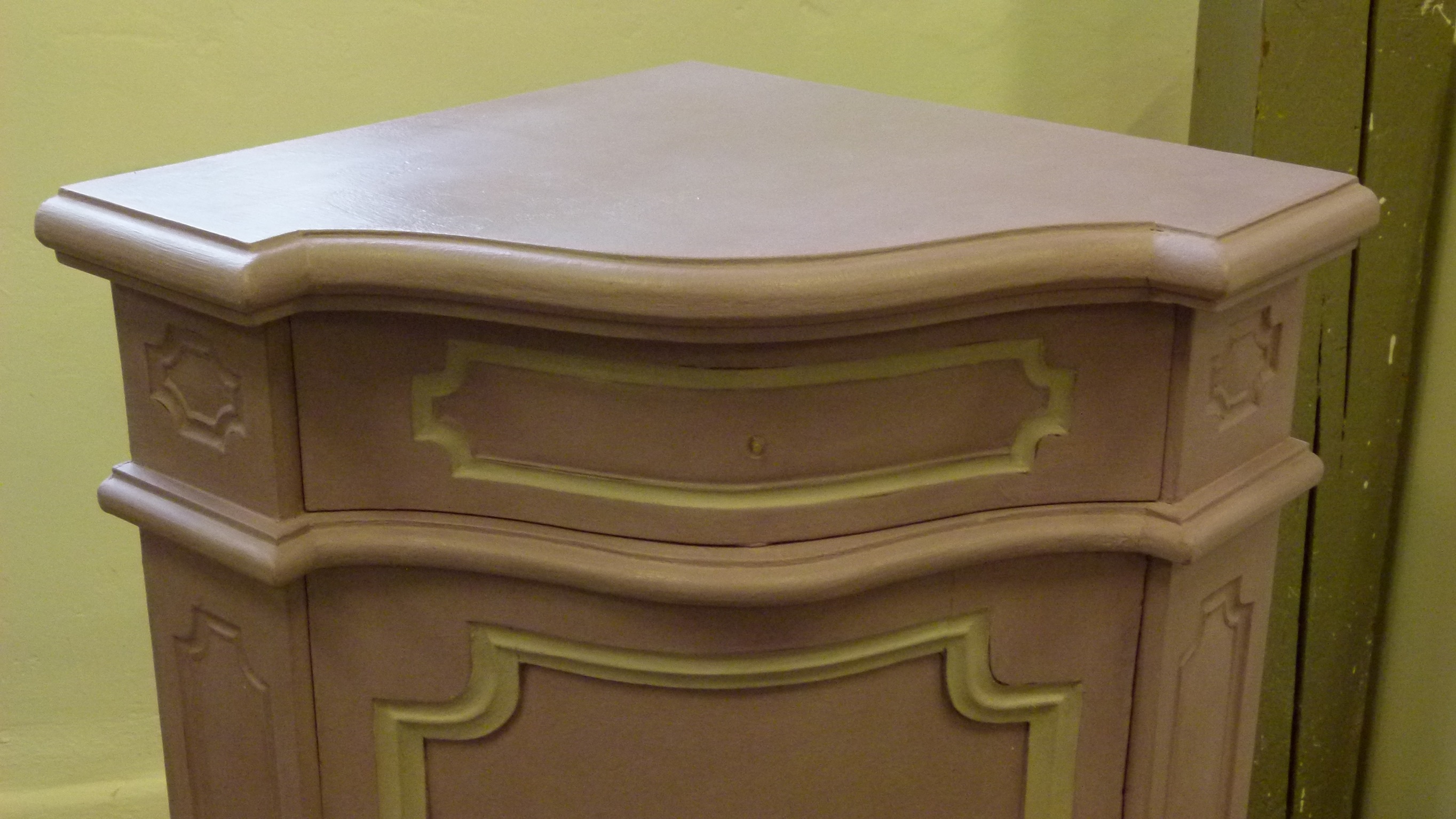
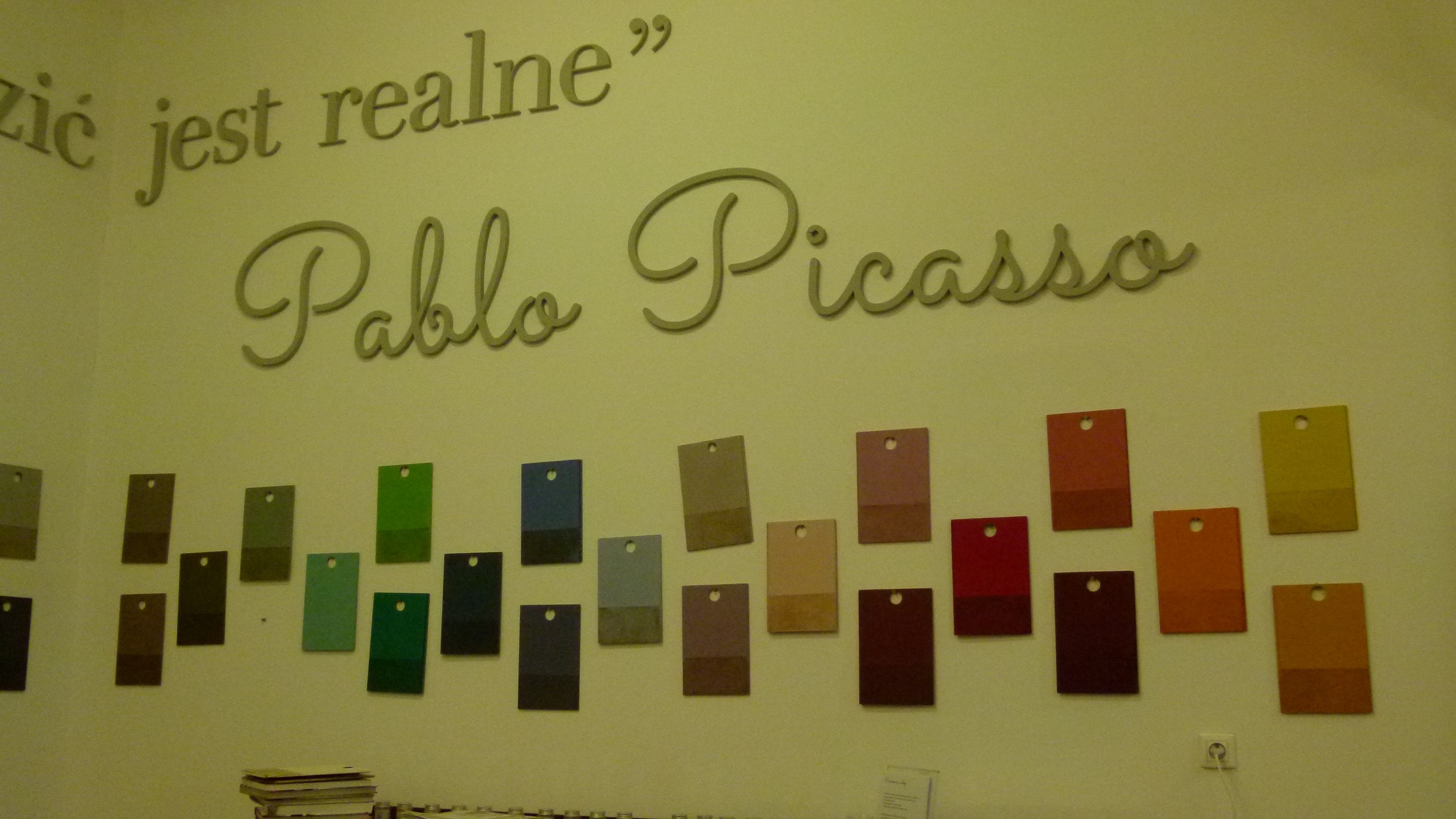
Now I am heading to the vast industrial area north situated between Kleparz and the Rakowsky cemetery, along Uliza Kammienej. Monika has installed her studio of Patynowy here. Monika gives me a hearty welcome. Her studio sells the Platynowy color palette to repaint furniture, giving it a slightly antique look. She also renovates and sells furniture.

image

image

image

image

The clients handover the door handle from one to the next, and the phone continues to ring. The colors and services of the newly founded studio are in demand. And the table in the middle of the room shows the signs of the latest workshop that  recently has taken place here. Wonderful that your business took off so well, Monika.

A Swiss in Krakow – back to Kazimierz

Kazimierz is the former Jewish quarter. Today, it presents memories of what should have never happened, and there is life in the streets and houses – charming shops, restaurants, galeries and museums.

The cosy Czajownia and the delicious lunch

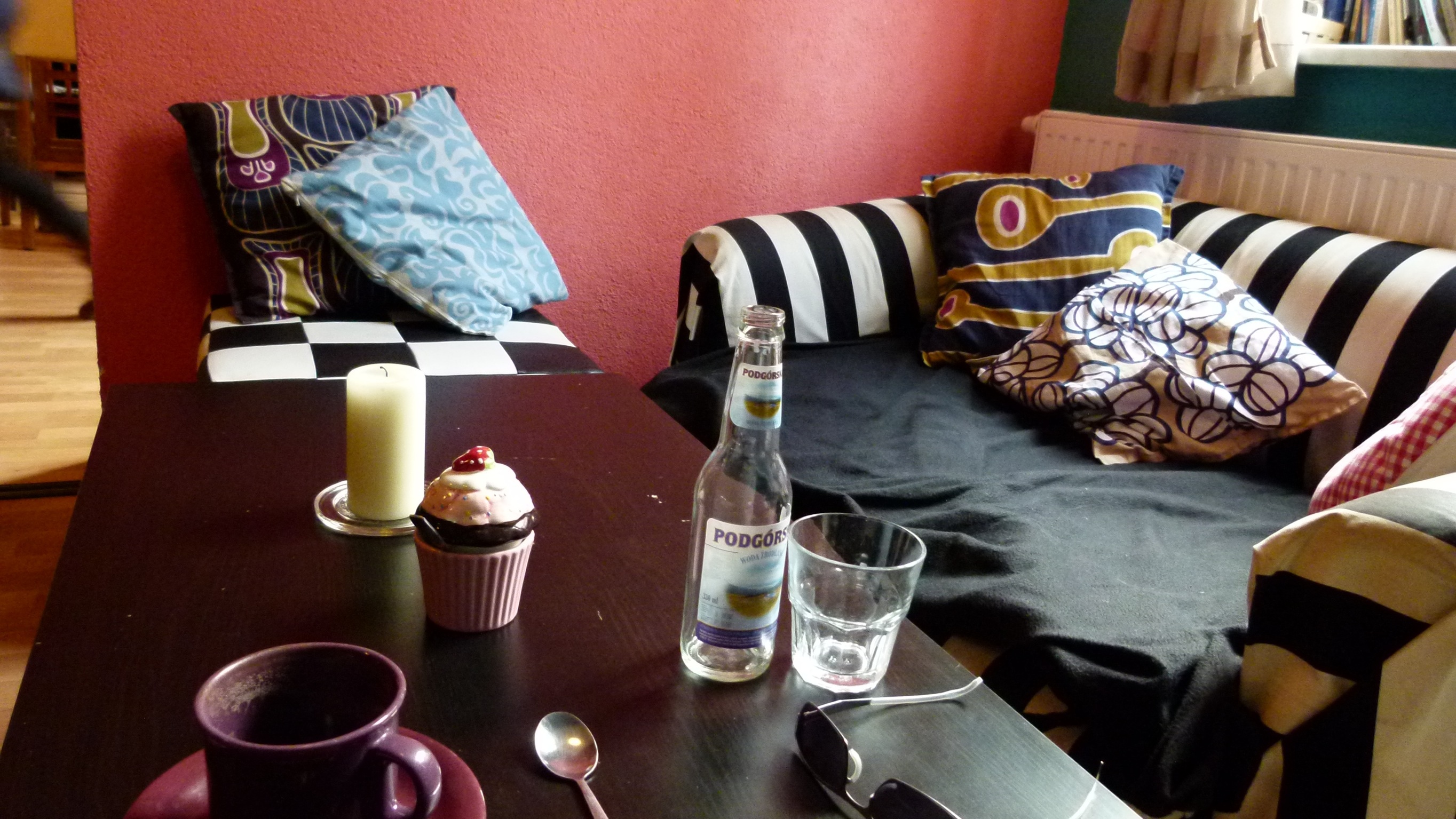
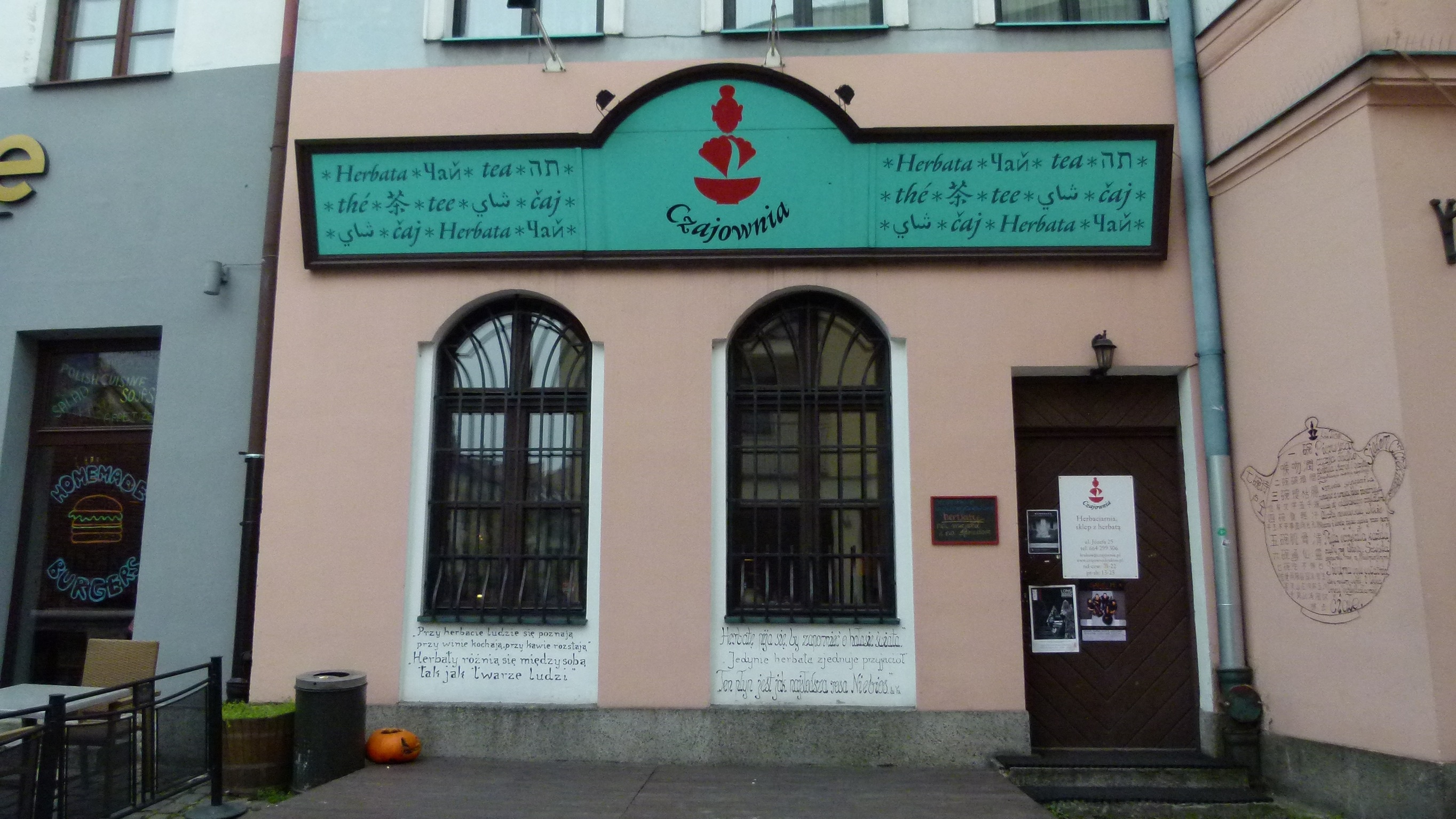
In the evening Radek takes me out to the  Czajownia that has a huge selection of green and black tea from Japan, India and China, served with small snacks such as rice bisquits. We seat in cosy sofas and forget the time.

image

The next day I come back to Kazimierz for lunch. Iwona takes me to a restaurant that serves three course menus for 39 slotys. We have a soufflè, coq au vin and crème brûlée.

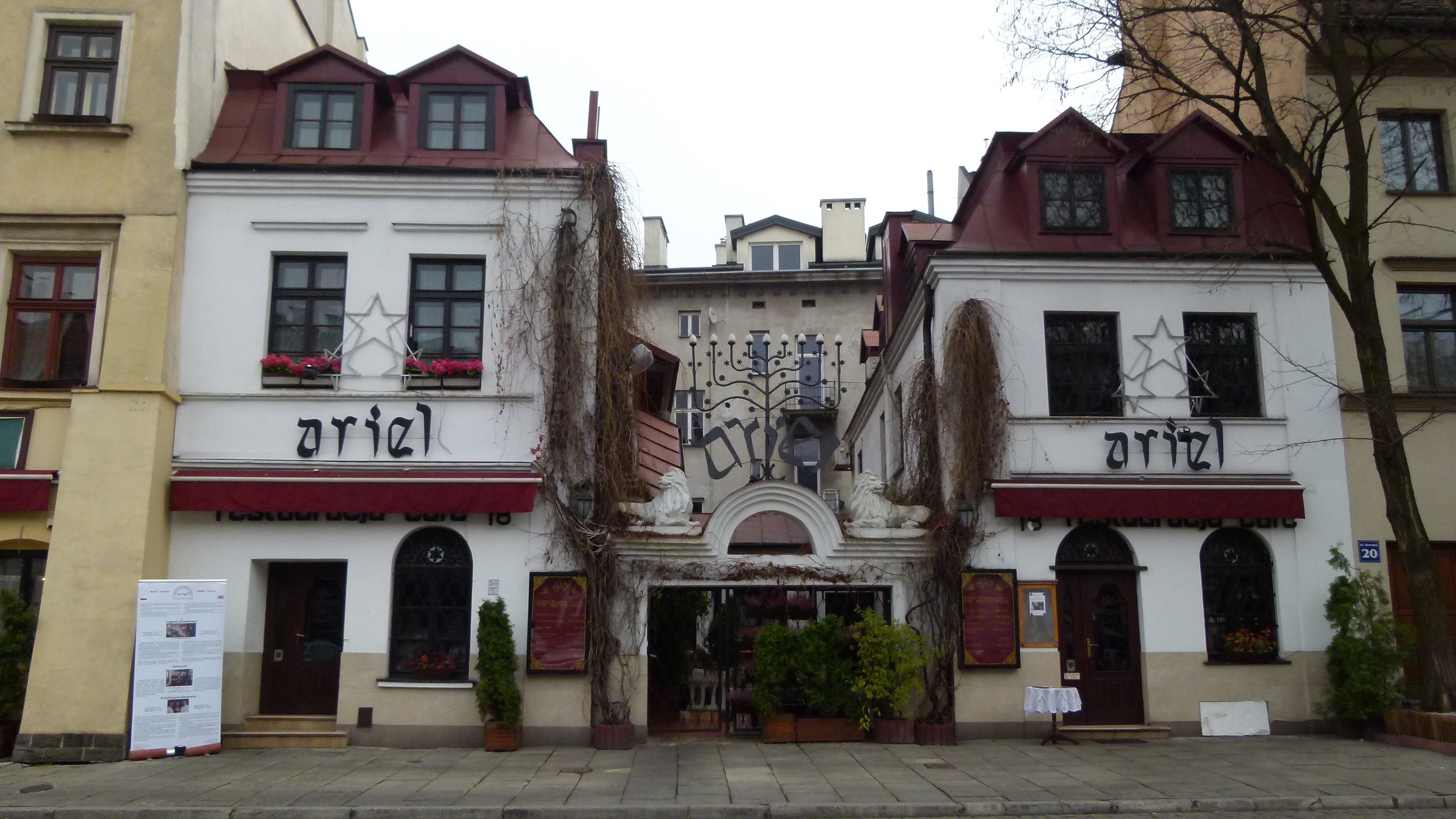
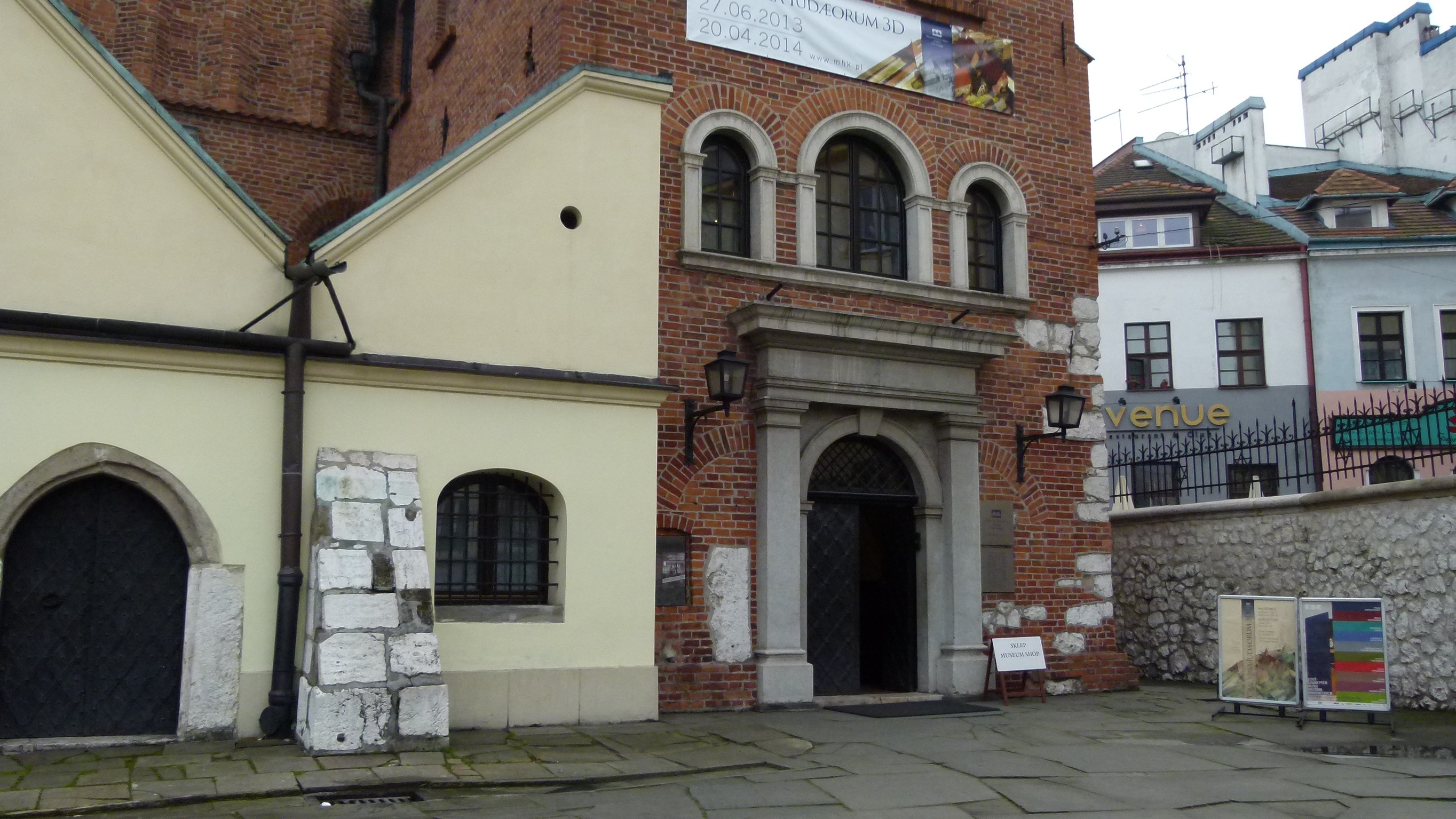
In front of the old synagogue there are many more inviting places, and the names of them remind us of the Jewish past – such as Ariel or Rubinstein.

image

image

image

Shops – I even come across Stöckli

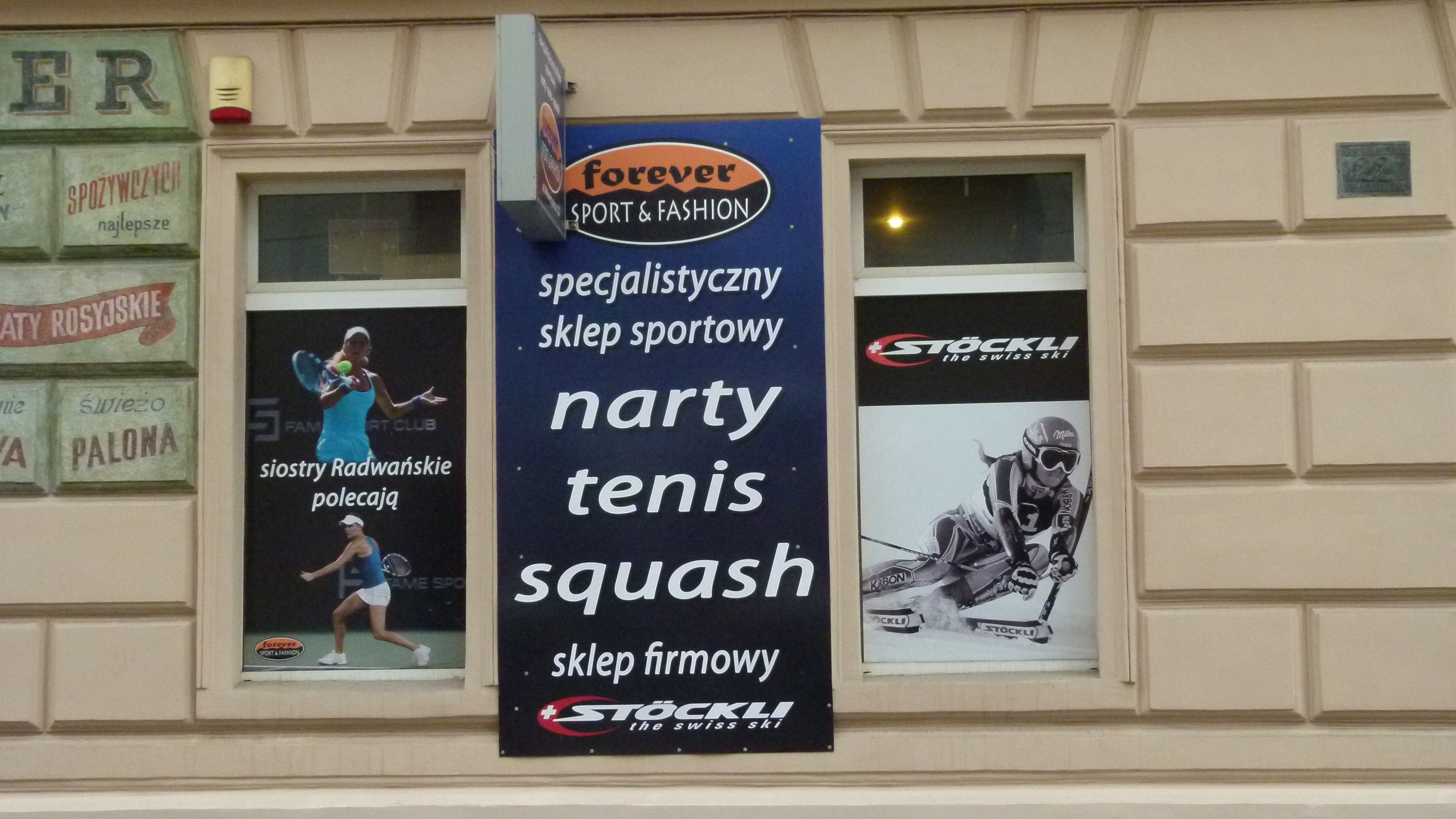
In the narrow streeets I find inviting shops – my favorite is the sports shop that sells Stöckli skis, the trade mark that is cult in Switzerland.

image

The engineering museum

Rails lead to the old tram depot that now hosts the engineering museum.

image

Memories of what should have never happened

It always hurts me to see the traces of what should not have happened, though it is important not to forget.

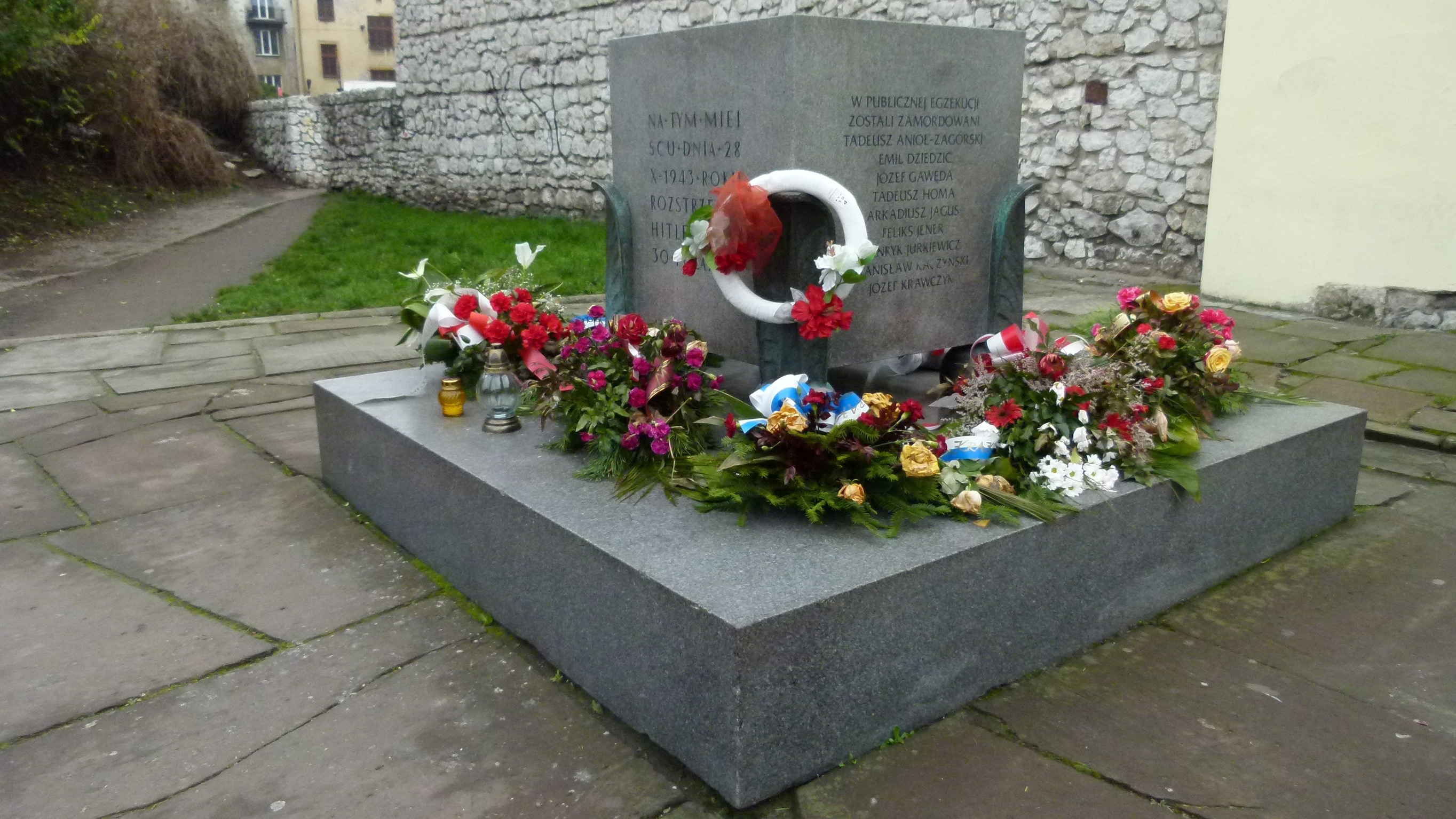
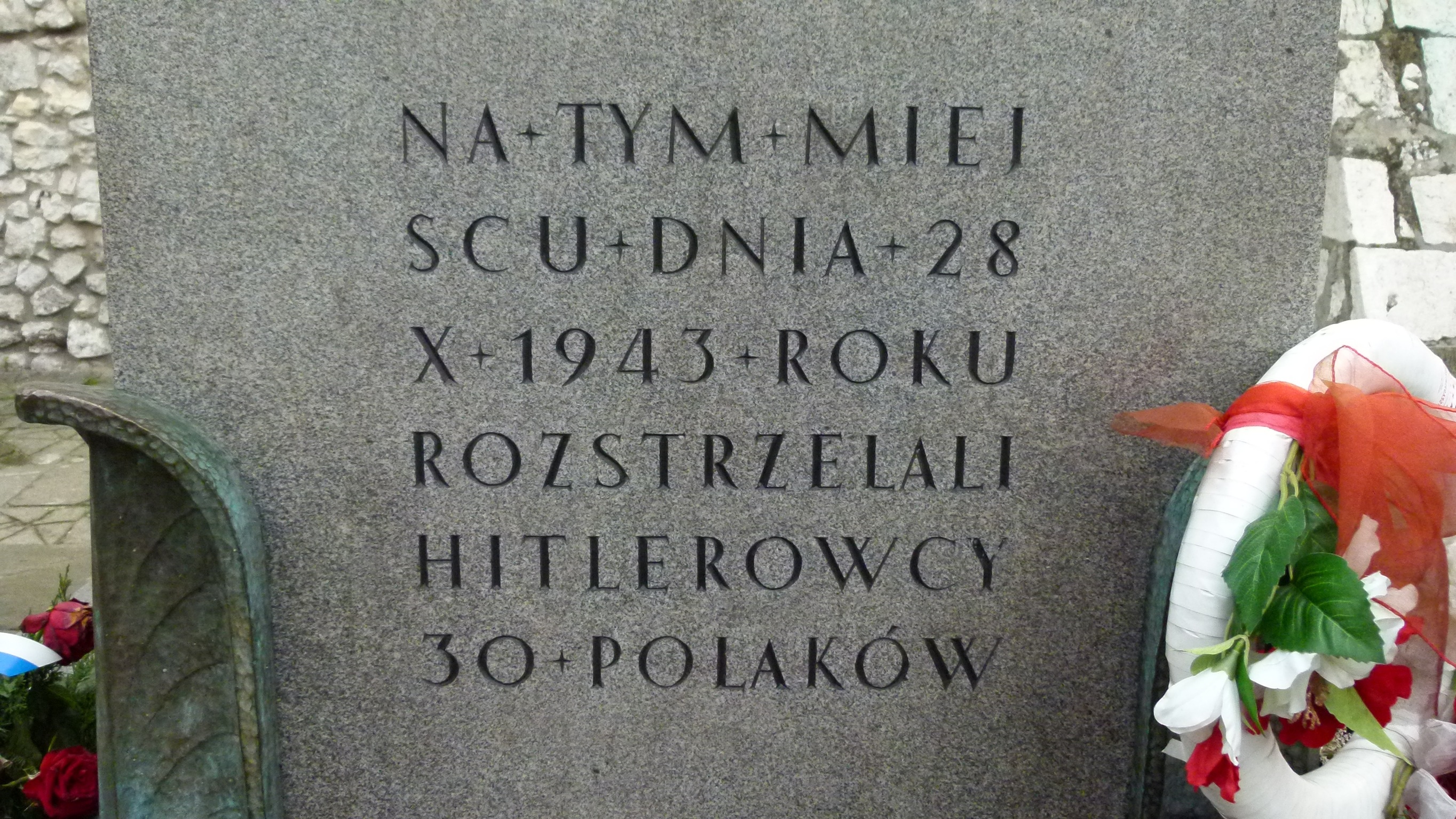
In front of the old synagogue, I find this memorial.

image

image

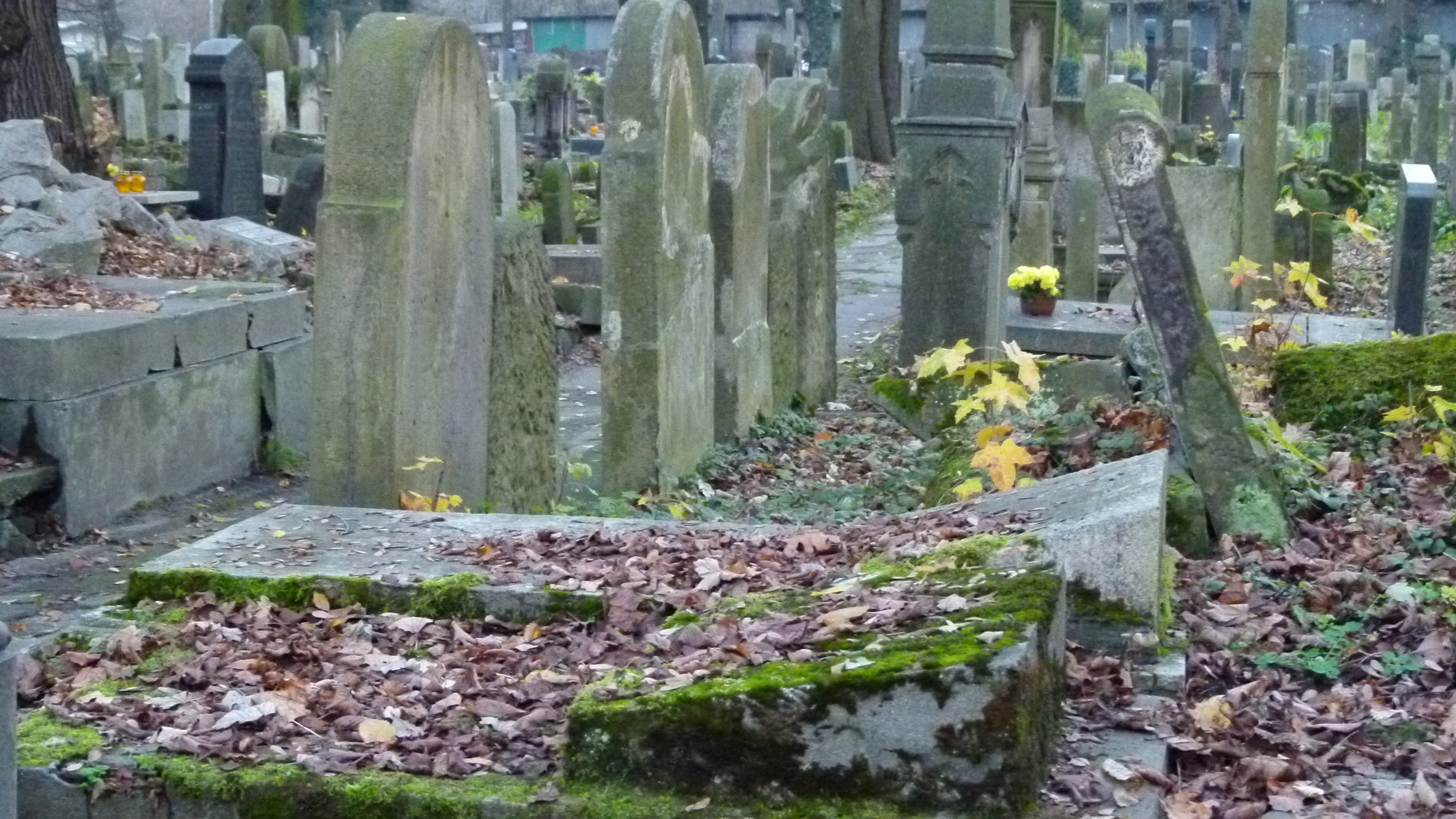
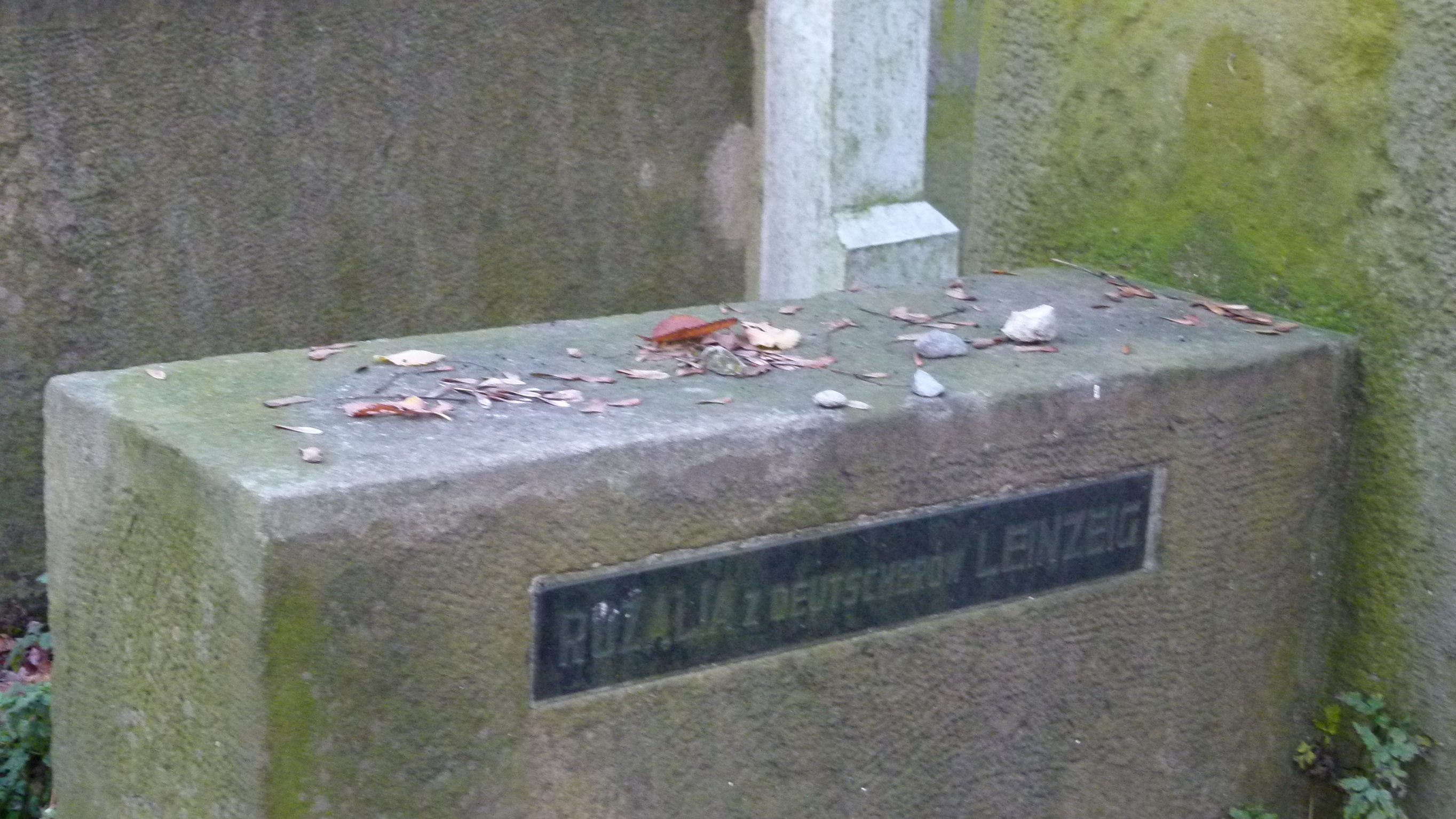
In the Jewish cemetery, very few tomb stones are decorated with flowers or stones. The relatives are no longer here in Kazimierz.
image

image

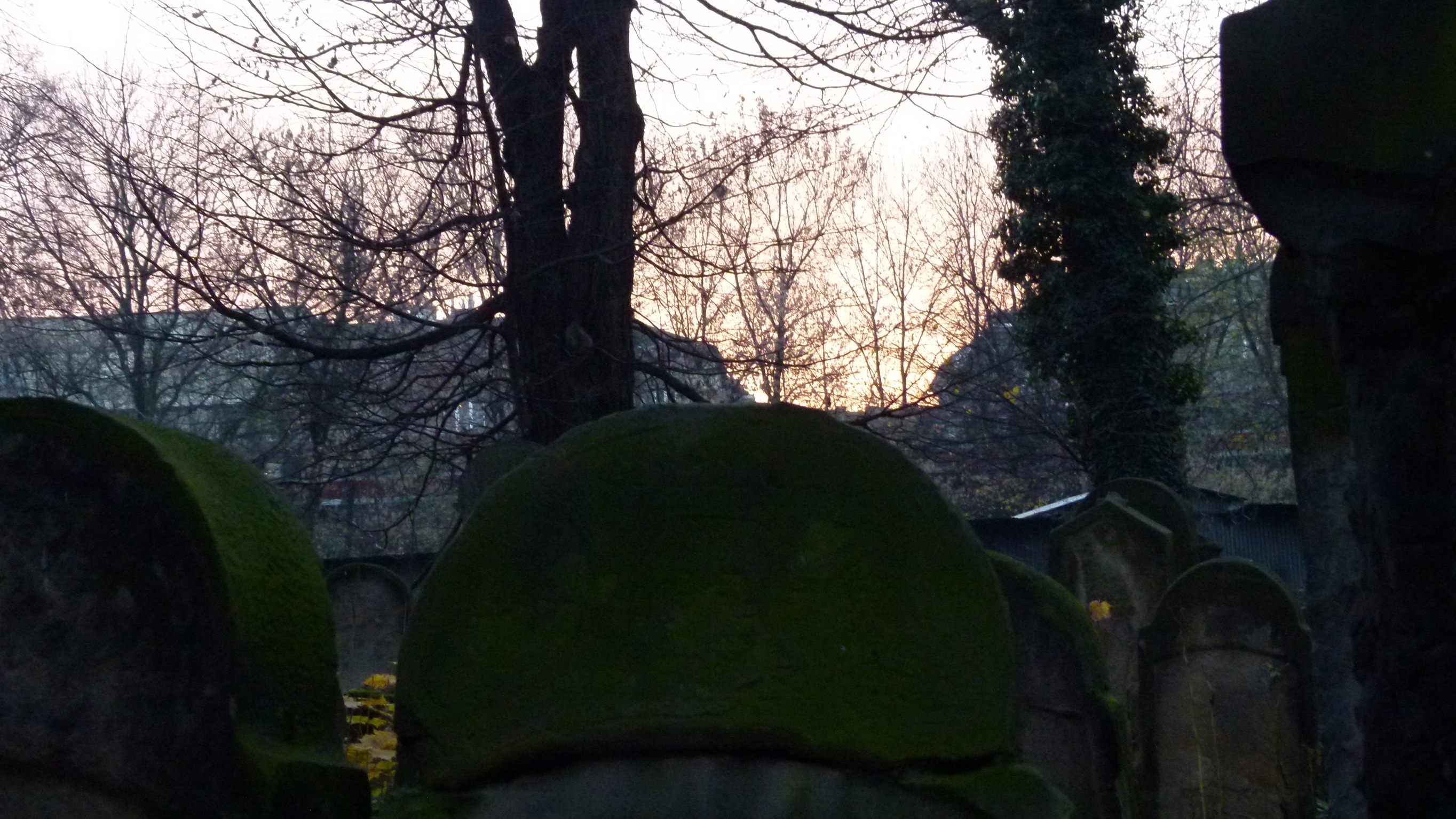
The sun is setting behind the cemetary.

image

The museum of Jewism in Galicia displays memories from Malo Polska

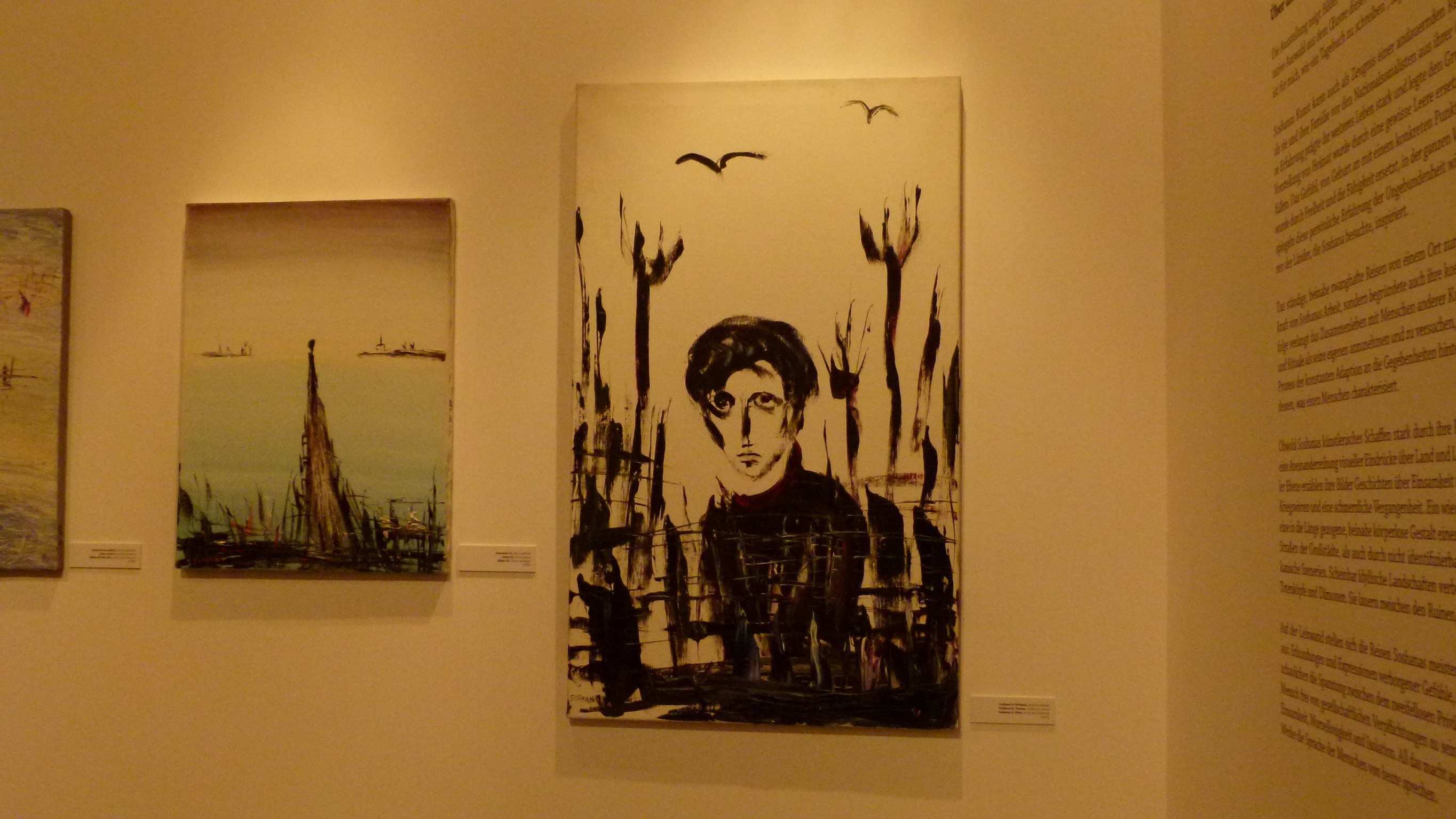
The exhibition starts with the daunting paintings of Soshana. As a child she had to leave Vienna and felt herself as a stranger in the world, wherever she was. Her paintings express this feeling of lonelyness, and some are very dark.
image

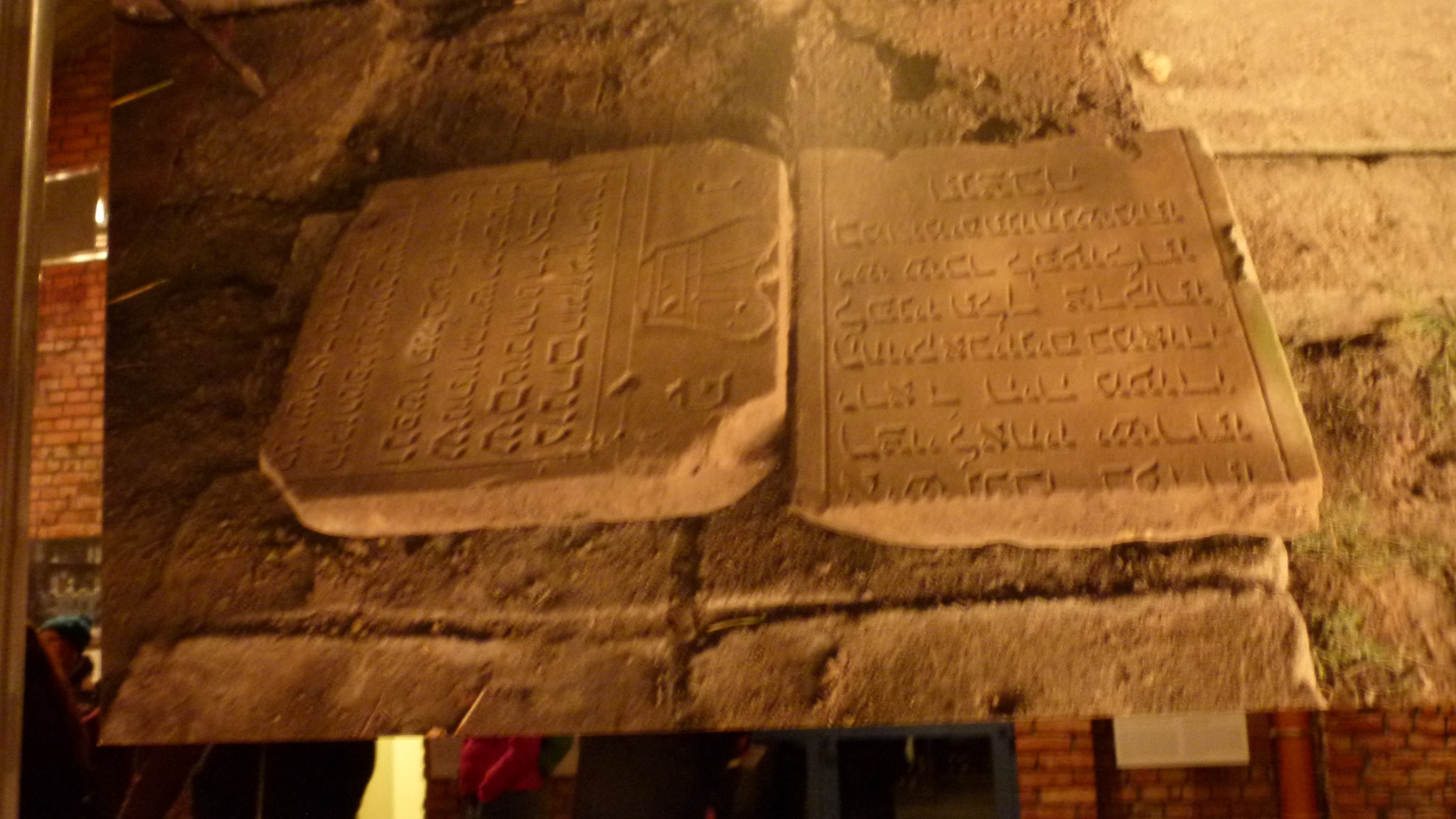
Then the exhibition shows fotos of reminiscents of Jewish life in today’s Polish Galicia (or Mala Polska). This includes ruins of Synagogues, small holes in door cases, where excerpts from the bible were kept or an inscription plate that has been split to serve as floor tiles.

image

And then there were fotos of Auschwitz which is not far from Krakow.

This makes me feel bad and guilty. Let me finish with the foto of the Old Synagogue  to remember the centuries long florishing Jewish life in Kazimierz and to show respect for it.

image

A Swiss in Krakow – Liking the Koniki

A Junteressli in the hotel

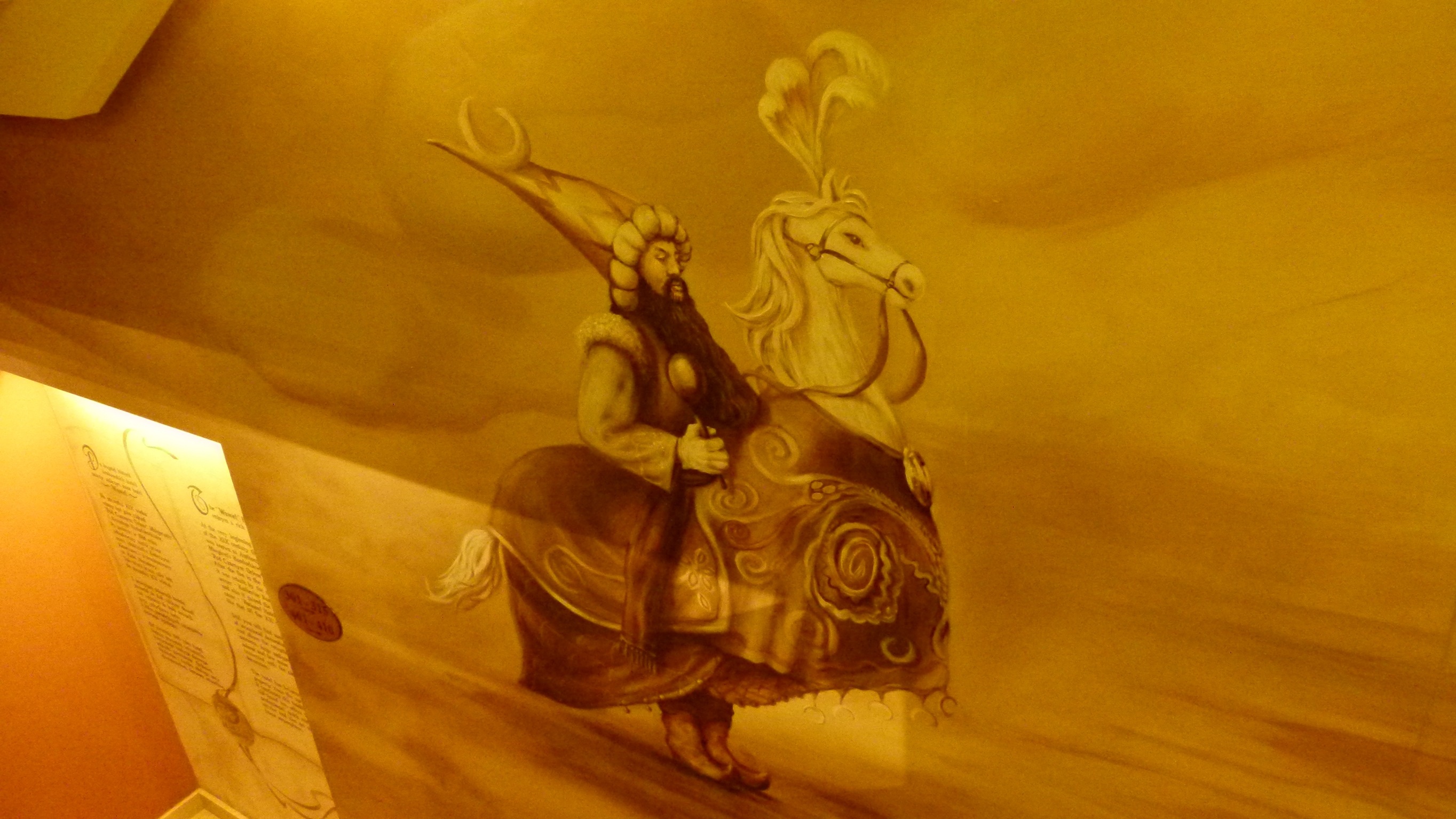
Along the stairs to the rooms of the cosy hotel Wawel, there are drawings of a man sitting on a horse, but actually he carries a wooden horse around his waist.

image

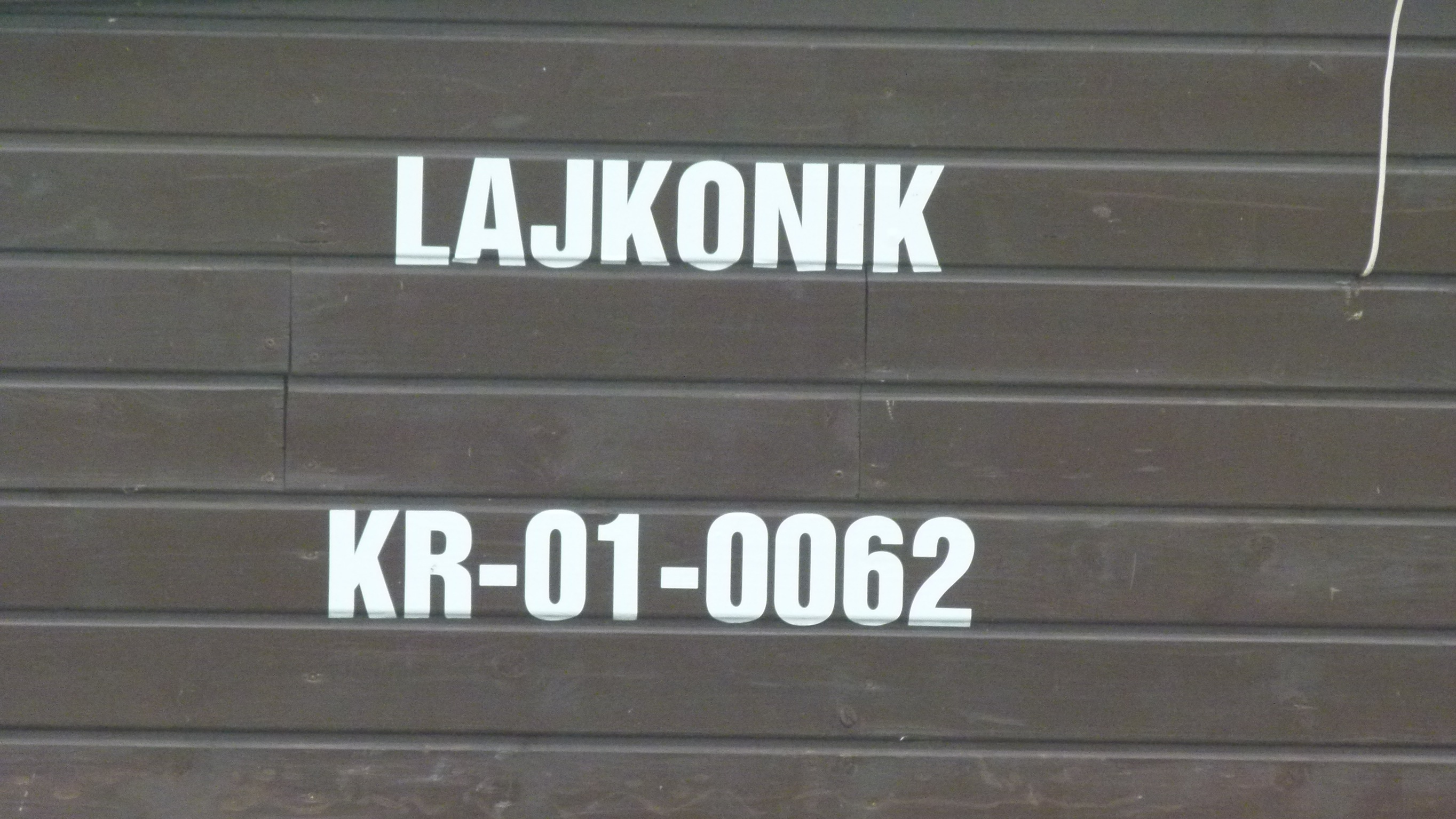
“Look”, I say to Radek, “this is a Junteressli.” “A what?” asks Radek, and adds, “we in Kraków call this man “Lajkonik”.”  I say that Junteressli (literally a horse as a skirt or “Junte”) are common at the Basel carneval (or better “Fasnacht”). Radek explains to me that the lajkonik represents a Tatar or a Mongolian and that the Lajkonik Festival takes place at the day of Corpus Christi (check out the wikipedia entry for this).

I like Koniki

Later Radek takes me to the tourist information desk not far from my hotel Wawel.  He bursts into a laughter. “Remember the lajkonik in your hotel? Look what it says here: Like Konik. They just tweaked the term lajkonik.”

image

All sorts of Krakówian symbols

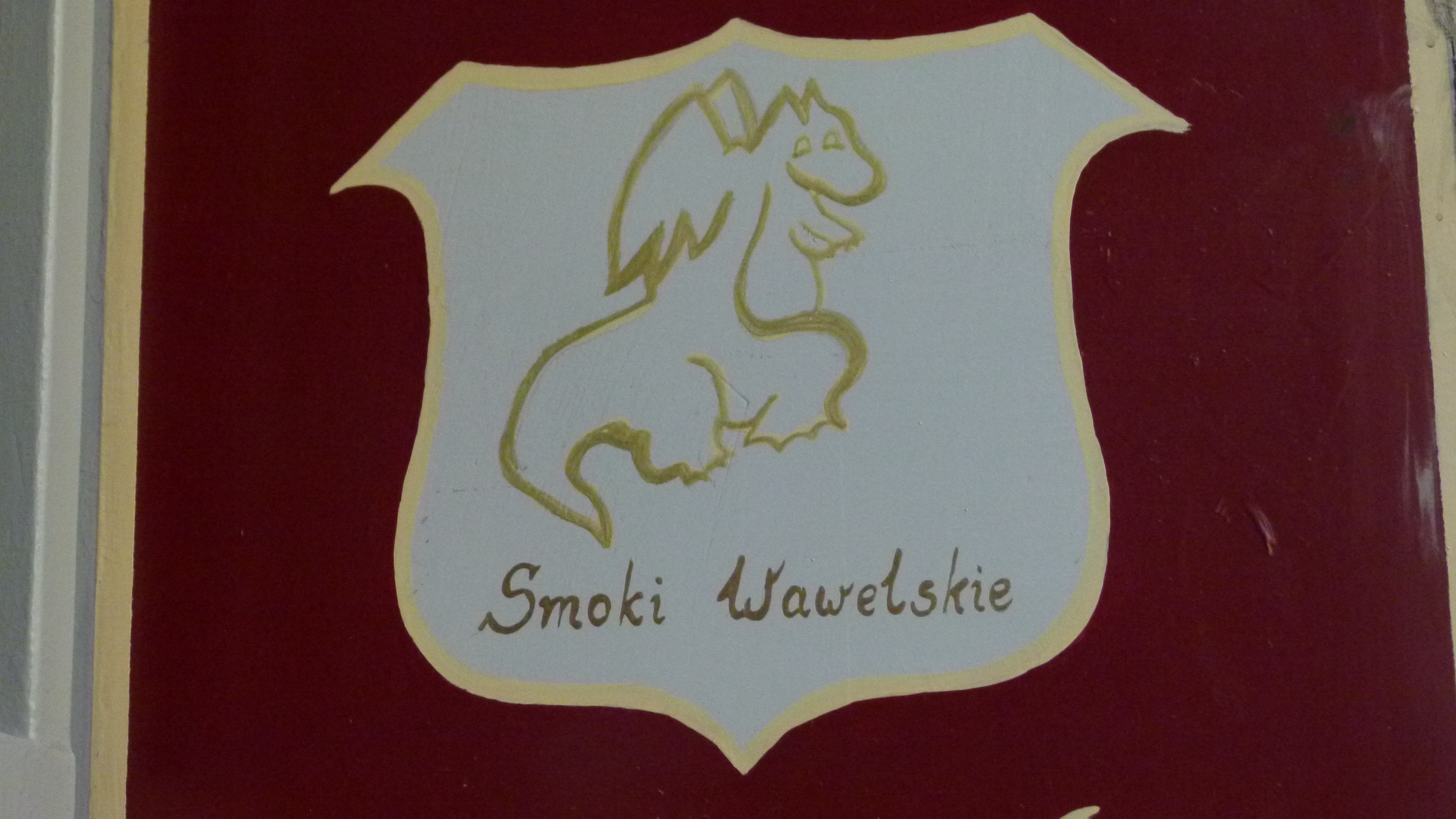
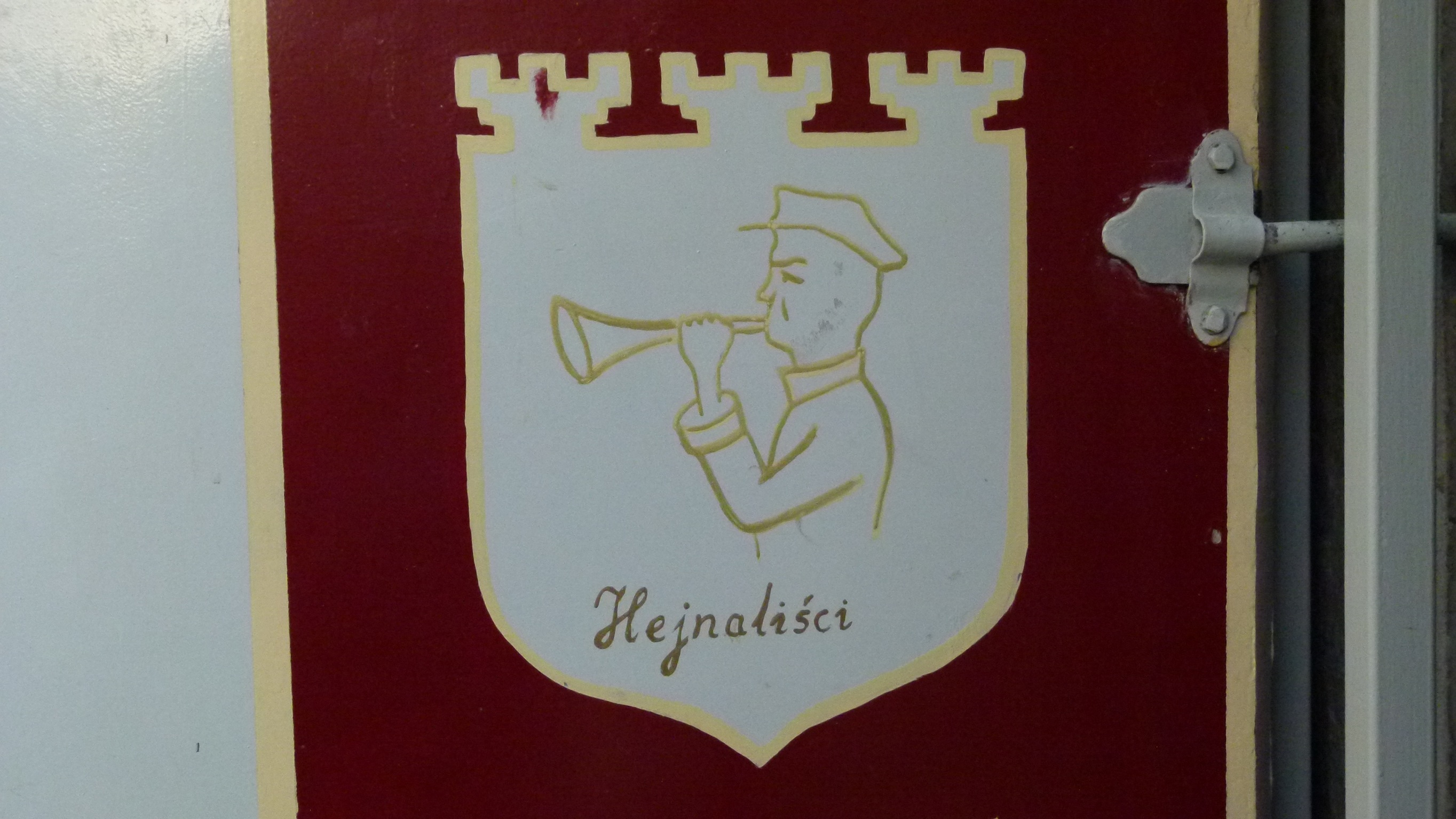
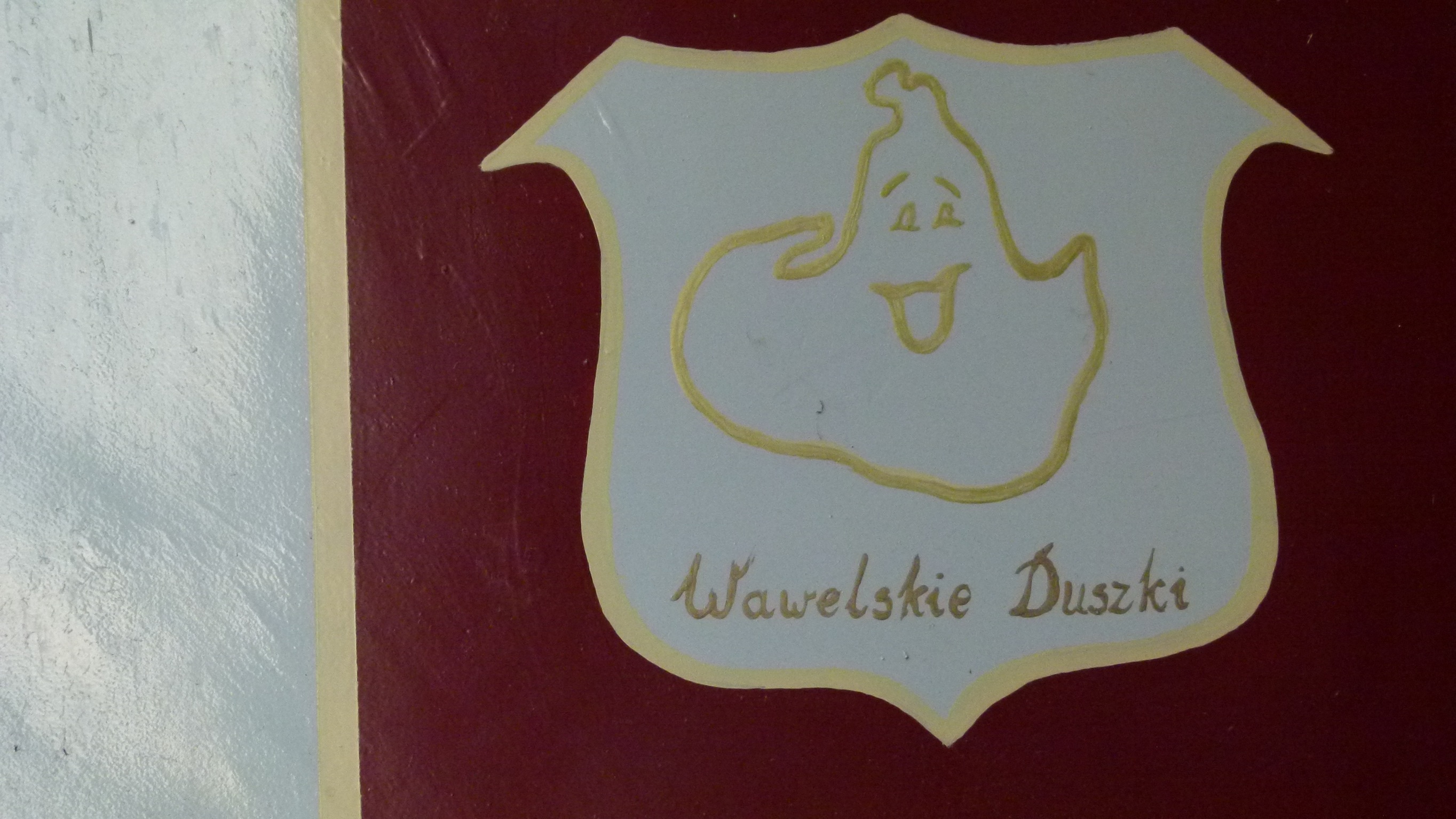
On my Art Nouveau walk, I come across this doorway displaying all sorts of Krakówian symbols.

image

image

There are the Smoki Wawelskie… the dragons spying smoke, and this is why they are called “smoki” in Polish… well, not really, but this is how I can remember the Polish word for “dragon”. Legend says that there was a dragon living at the foot of Wawel hill who devored maidens, until a cobbler fed the animal with a lamb stuffed with sulphur. The dragon ate it, became thirsty, drank water from the Vistula and exploded.

image

The Hejnalisci – the man blowing the tune on the tower of St. Mary’s church on the Rynek and then stopping  abruptly in the middle of the tune, because his predecessor was shot exactly at that moment, when the tatars invaded the town. This is what legend tells us refering to the Mongolian attacks from the 13th century.

image

Wawelskie Duszki – the Wawel phantoms. This must have been a friend of the “kleines Gespenst” or “mala duszka” from the mountains nearby (as described in the childrens book by Otfried Preussler).

image

And here it is again, the Lajkonik refering to the tatars.

Kraków is full of culture and science, and it also cultivates some charming traditions.

A Swiss in Krakow – looking for more Art Nouveau during daylight

Heading to Nowy Swiat on a foggy Sunday morning

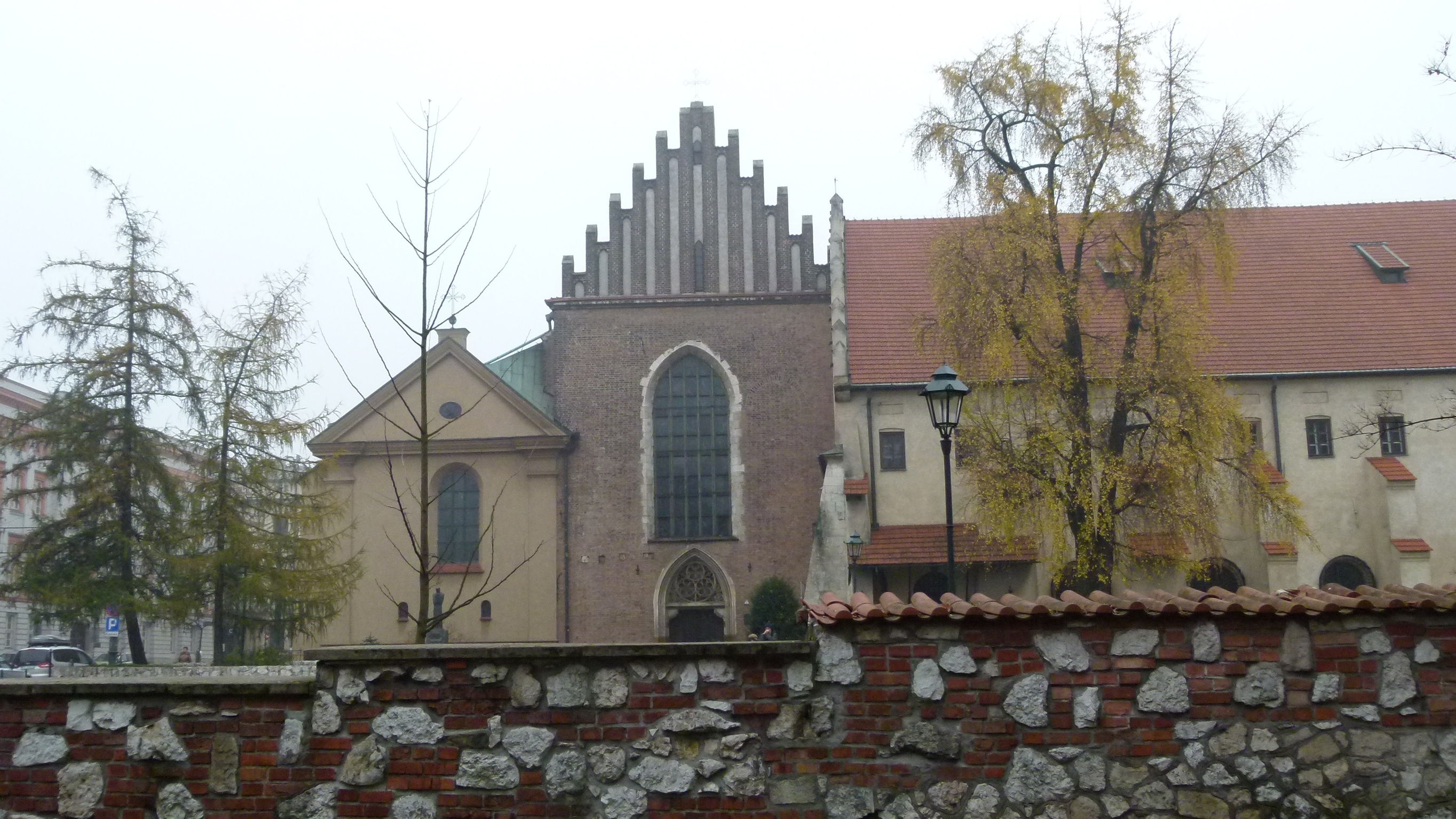
Fog hangs over Krakow on this quiet Sunday morning. I walk along Poselska uliza to the park surrounding the city. It is chilly. In front of St. Franciscan Basilika there is a lady guard stopping tourists to enter the church, as the Sunday mass is taking place. She wears a wollen cap. She seems worried, points to my head and I understand something like “schapotschka”. Very kind – yes, I am not wearing a cap… I feel so sorry that I do not speak Polish, the third most difficult language of the world.

image

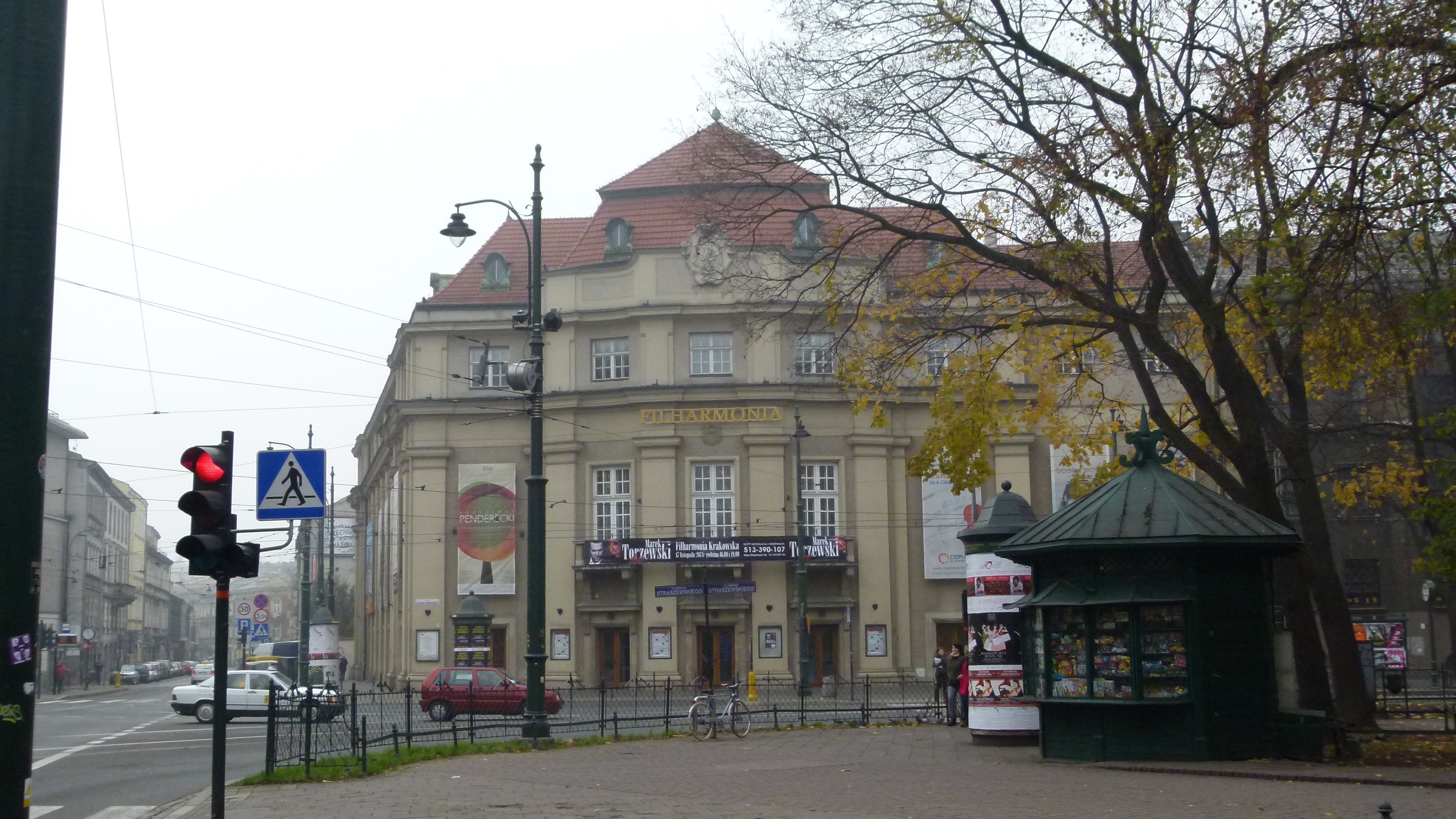
The philharmony

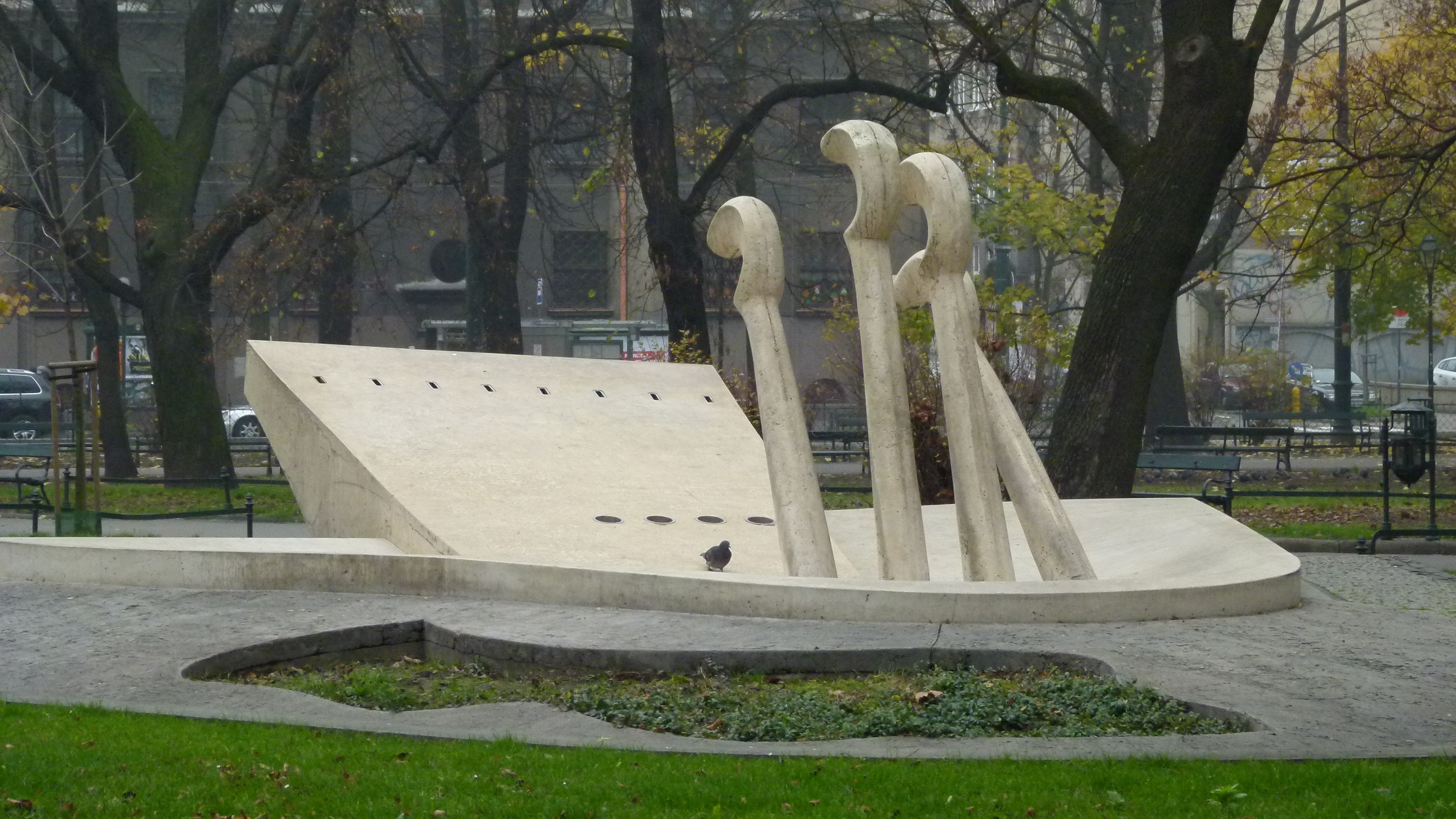
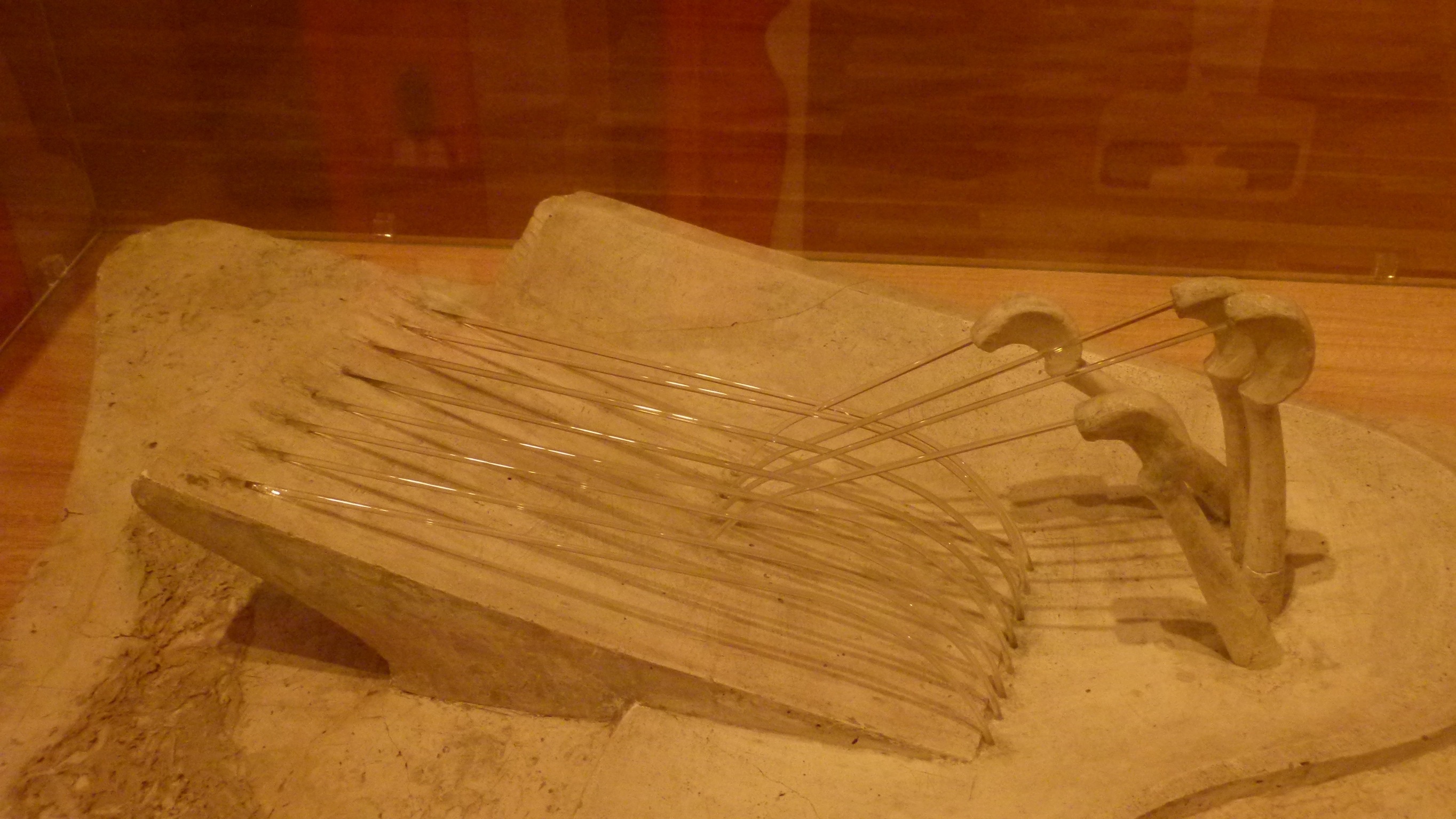
The philharmony was built in the 1920s. In front of it is a monument that looks like a piano without strings. Later, in the National Museum I understand that it commemorates Chopin, and the water adds the strings.

image

image

image

Three Art Nouveau houses along ul. J. Pilsudskiego

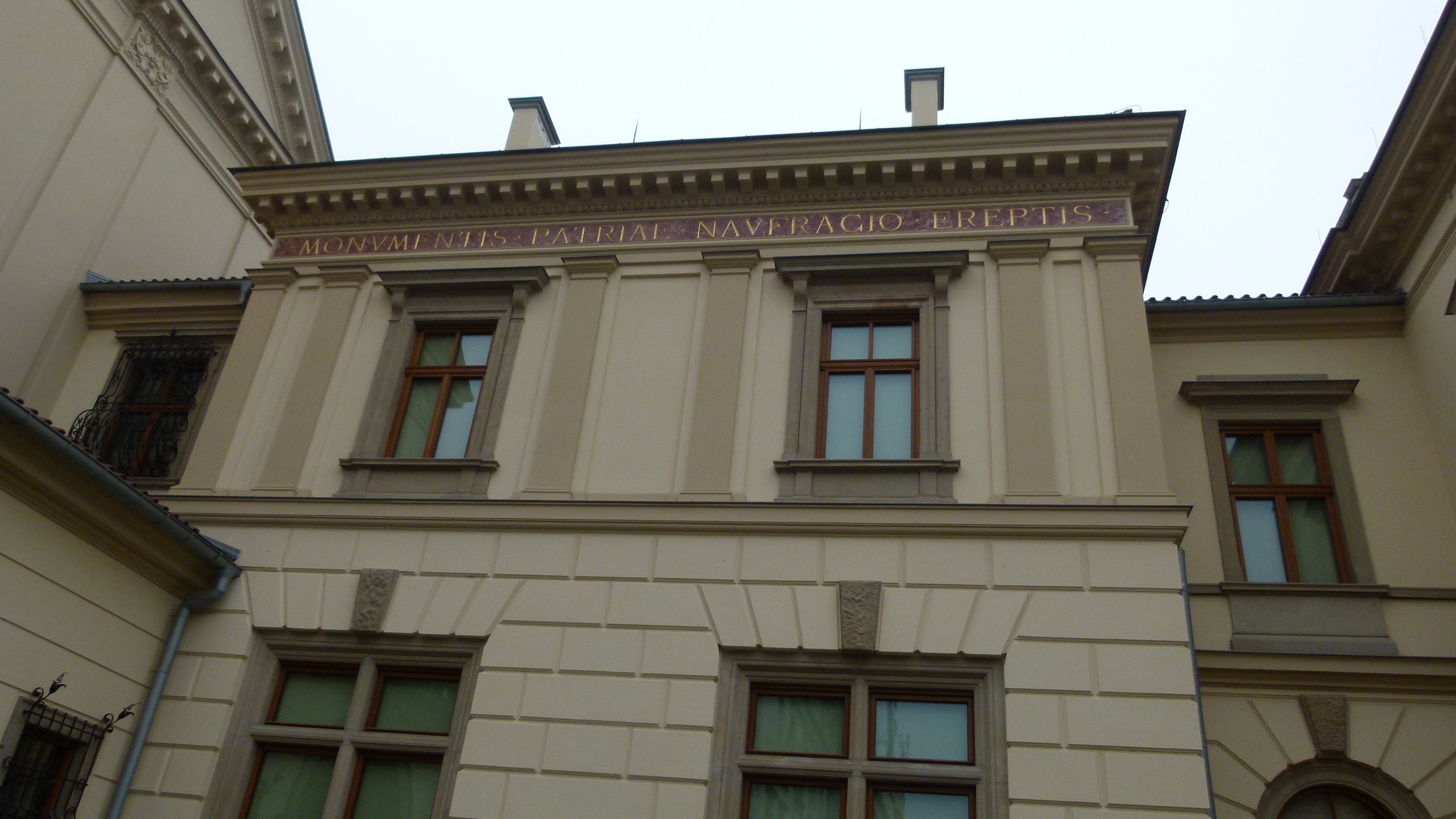
I come back to the straight lines of the Palac Hutten-Czapskich.

image

Then there is a series of houses starting with the singing frog which is the symbol of a music school. I have never related frogs with music and a guitar.

image

image

The frog house is part of a range of houses.

image

image

Yes, life is short and art lives for a long time.

image

… and all of us are responsible for our own fortune.

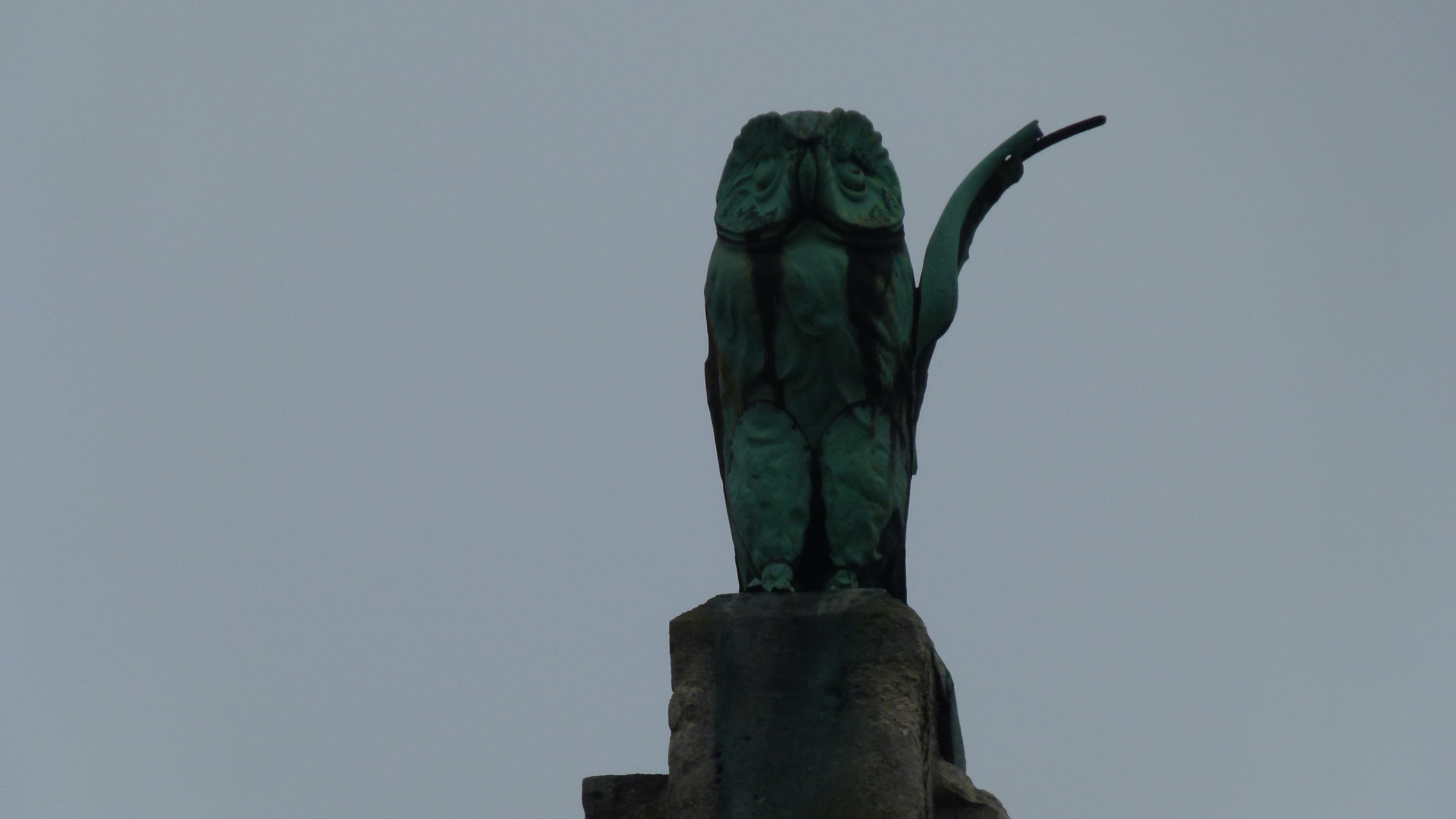
The house under the owl is a few blocks to walk from the frog.

image

image

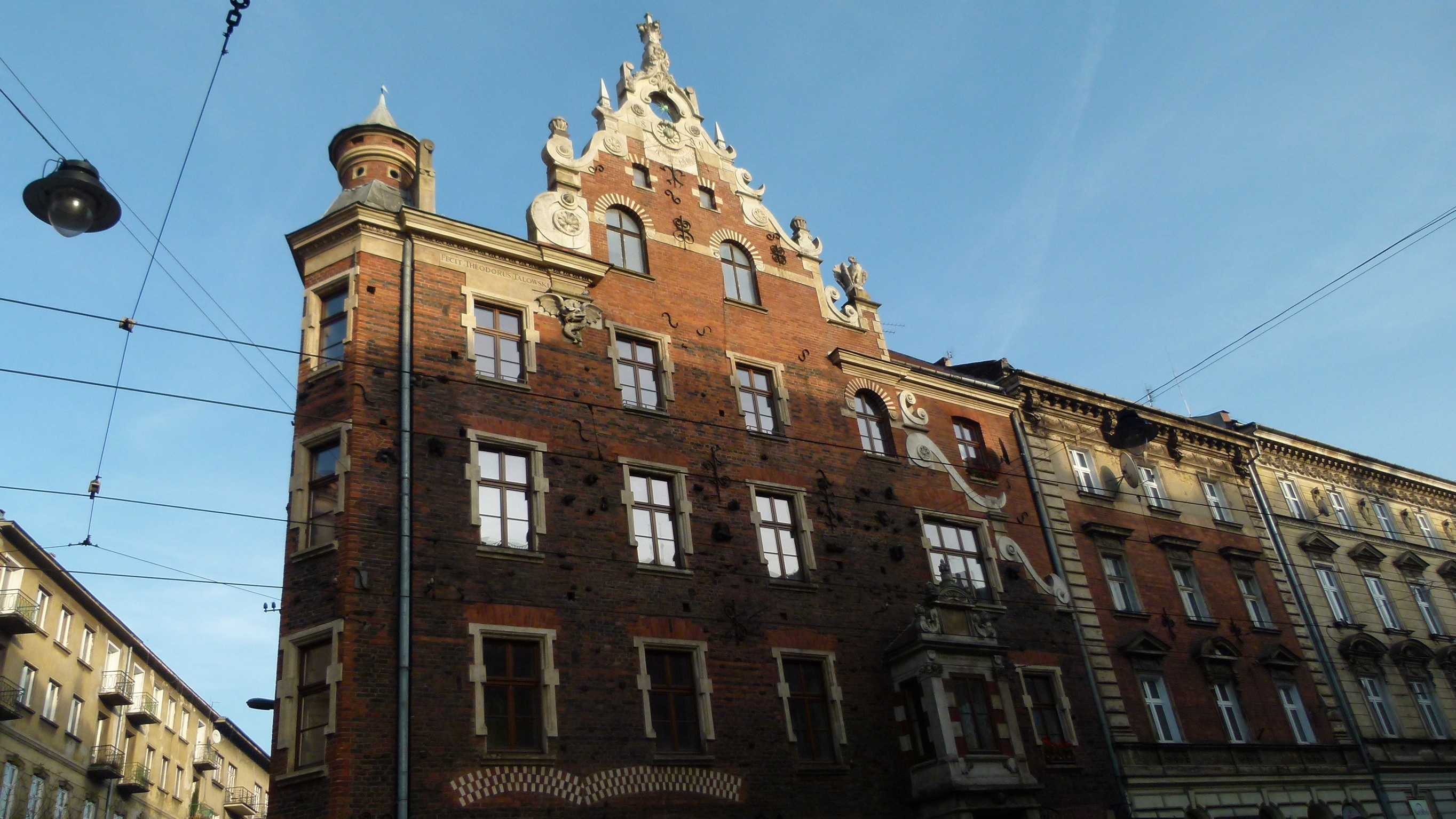
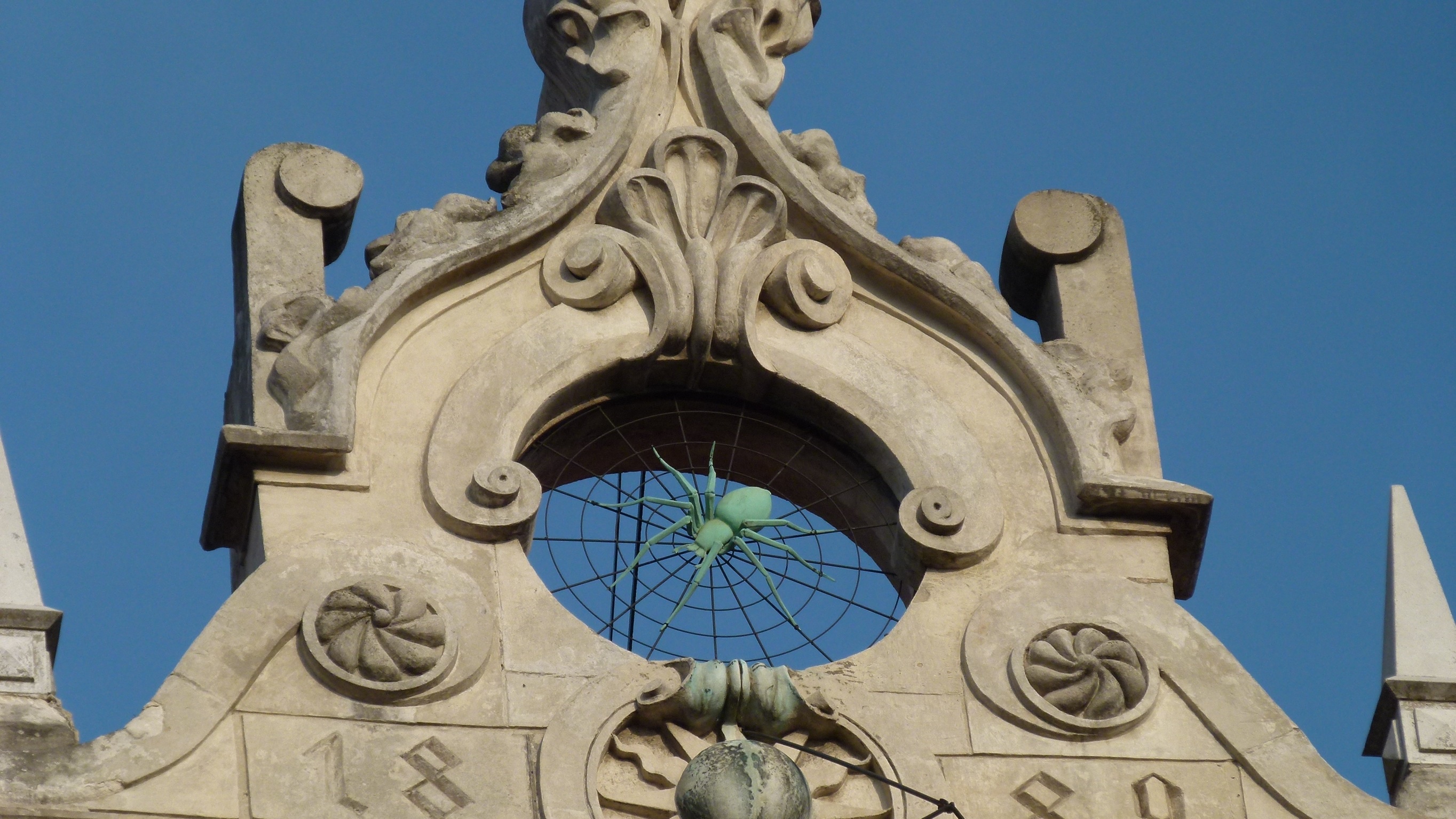
The house under the spider, a little bit farther north

image

image

My guidebook says that the spider is a symbol for creativity.

I do wish that Krakow continues to be creative with their culture, science and economy.

(Source: Krakau, Michael Müller Verlag, 2011)

A Swiss in Krakow – feeling comfortable in the Hotel Wawel

Booking hotels along with the flight

When booking the direct flight from Basel to Krakow, I checked out the hotels that Easyjet also offers. One hotel catches my attention: The hotel Wawel is located in a side street – Poselska uliza- in the old city center. It has great evaluations and it is not too expensive, breakfast included. I add the booking for the hotel to my flight.

A friendly welcome

When I arrive at the hotel shortly after ten in the morning, I am surprised by the friendly welcome. I am given my room so early in the day, and I receive a code to use Wifi without having to ask for it.

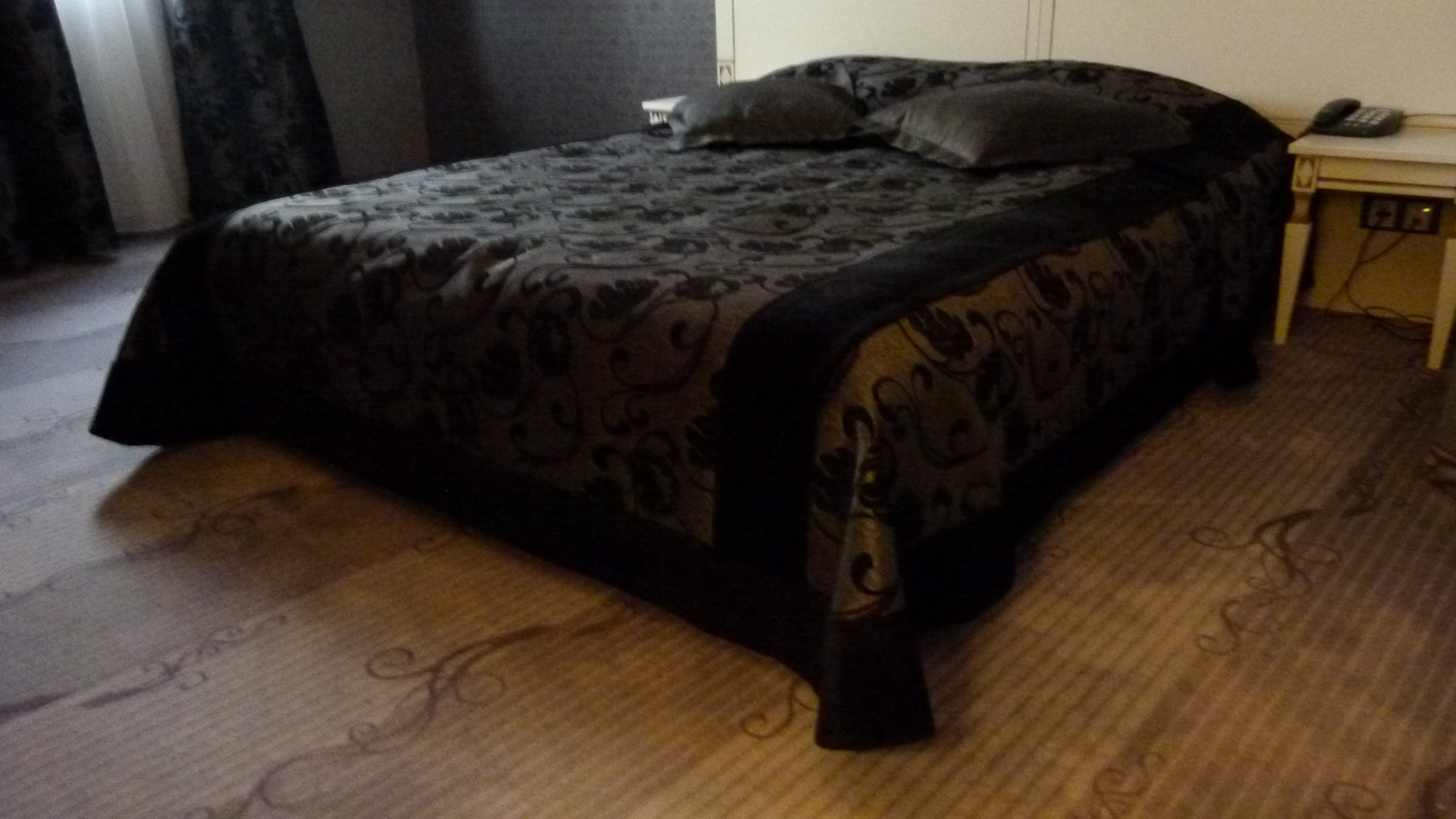
The hotel room under the roof

My room is under the roof. Furniture, carpet and curtains are perfectly matched. The bed stands on wheels… very clever. Such a bed can be pushed away easily to remove the dust also under it.

image

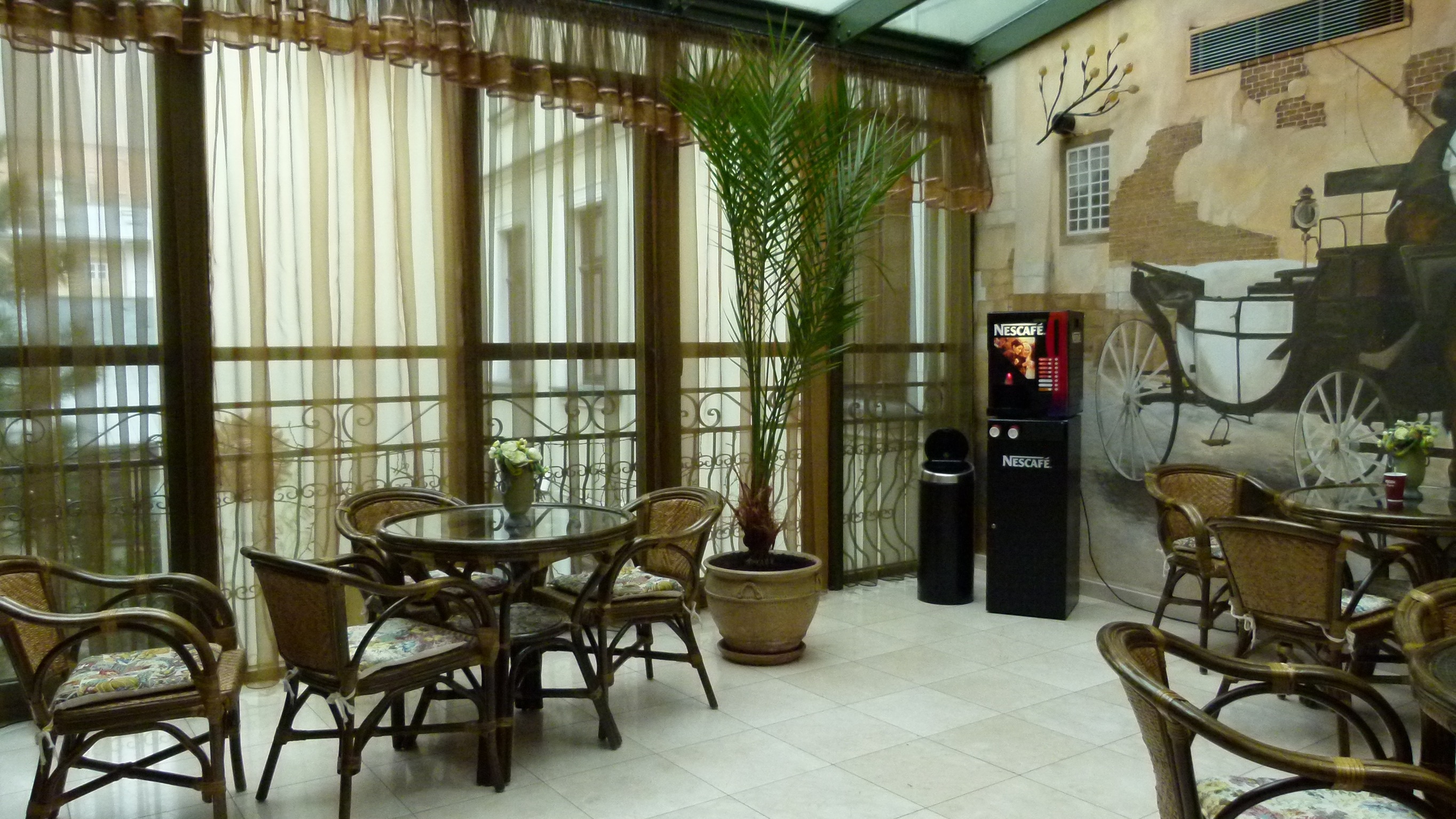
The orangerie on the first floor

On the first floor there is an “orangerie” looking into the courtyard of the house. Here guests can have a rest and drink a free coffee or tea from the machine. It is very inviting. Other guests join me. They frown at the Polish labels on the machine. As I translate, I meet a group that lives in Essex and has direct flights from their place to Kraków. I like to come back to the orangerie later with my friends.

image

The breakfast buffet

Breakfast is included in the price for the room. I find a large buffet with eggs, salad, sausages, cerials, yoghurt, cheese, ham, marmalade, honey and cake. Wifi also works here, in case I would like to check my social networks over breakfast. In summer, the hotel serves breakfast in the quiet courtyard. Now it is too chilly for that.

Yes, I can recommend the hotel Wawel.

A Swiss in Krakow – discovering Art Nouveau architecture

The Rynek and around – this is where I head to first

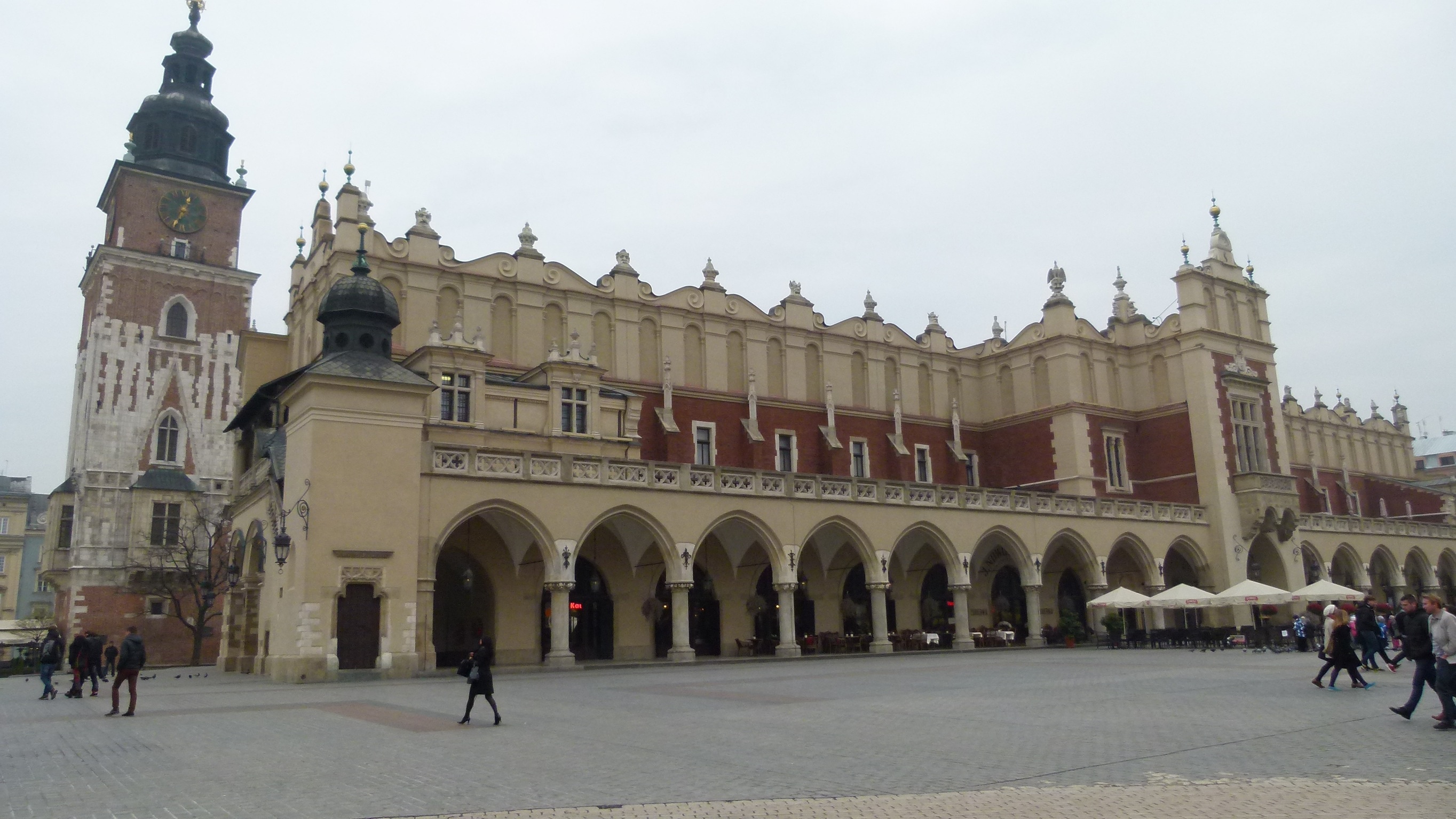
As always, when I come to Kraków, I stroll along the central market square, the Rynek, and the narrow streets around it.

image

But then… there are some more hidden gems: Art Nouveau achitecture

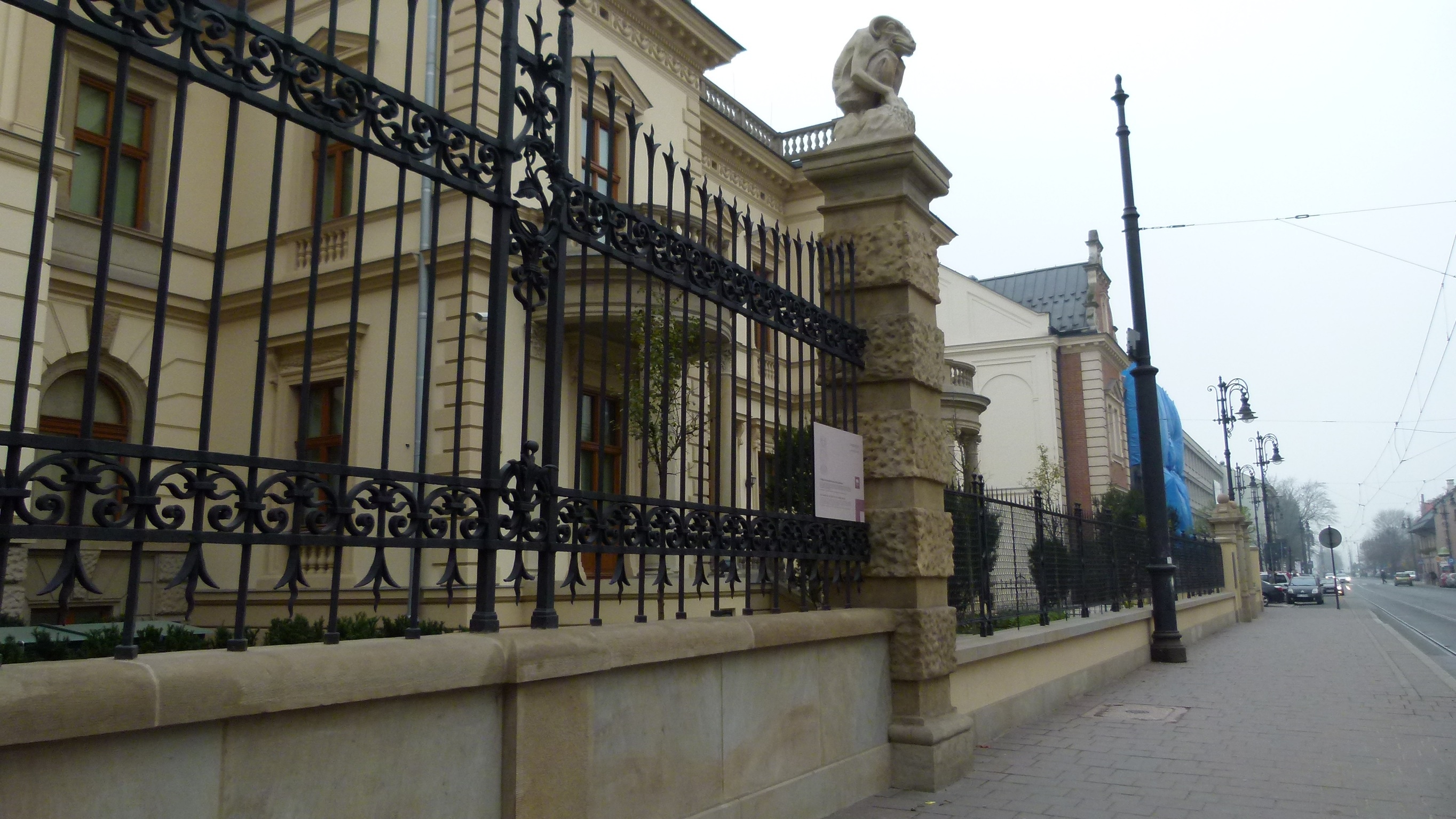
Adjoining the old city center there are two areas called Piasek and Nowy Swiat.  They boast some nice Art Nouveau architecture: Palaces from around 1900. With one of my Krakówian friends I start to discover this area. We look for the chimera of the Palac Hutten-Czapskich. There is a panel explaining it, but where is it? Stepping back helps. The chimera sits above the panel on a column. It looks like a monkey to me. I like the clear and elegant lines of the palace reminding me of an ancient classical building.

image

Next we search the frog on the House below the Singing Frog. At 4:30 pm it is already dark in Kraków – difficult to see the frog that for some odd reason was selected as the symbol for the music school that was here. The notes on the facade also point to music. Well, Kraków is two hours west of Basel, has the same time and it gets dark earlier. We decide to go back to the palac of the Hutten-Czapskich and check out their museum.

The collection of the Hutten-Czapskich

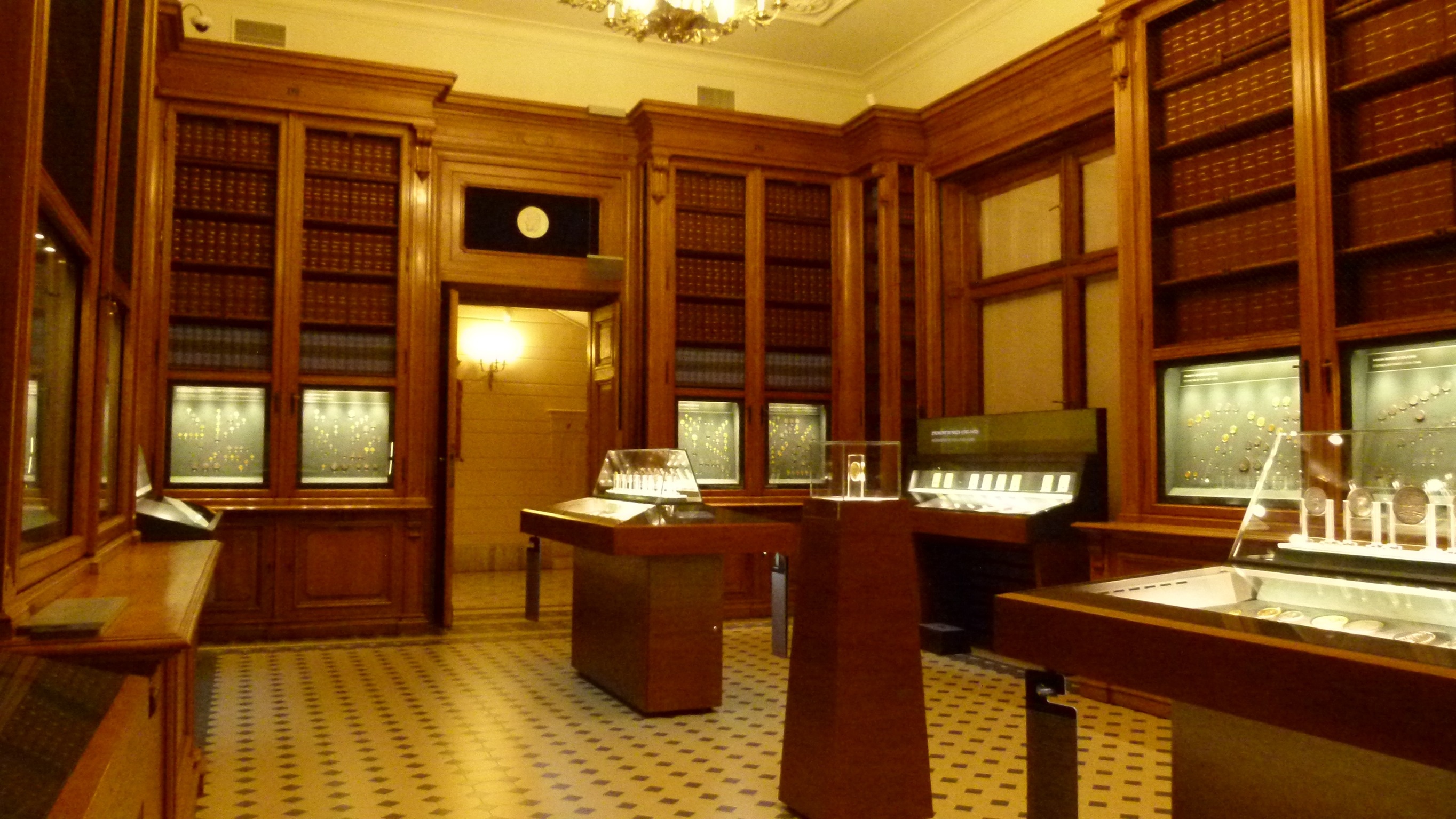
Hutten-Czapskich was an art collector. The museum has just opened recently. On display are his coins, books and some armament.  We are the only visitors. A lady guard follows us showing enthusiasm for her museum and suggesting the best sequence of visit.

Coins, coins and coins… room after room

On the second floor we find coins from the Black Sea, from Greece, from Rome, from all European countries in medieval times and above all from Poland. The vitrines are meticuously curated. Each coin has a number and a touch screen display explains the coin with its background. For instance there was a time in Poland, where one side of the coin showed the current king and the second side was used for political propaganda.  This must be an eldorado for a history teacher.

Then books and books and books

On the third floor we found books – the shelfs became the tapestry of the rooms.

image

The oldest books are from the 15th century, when book printing started. Will we produce any literature today that will be on display in museums in 500  years?

Piasek – I will come back next week before it is dark

This was just a small glance at Piasek. I will come back and take more photos with day light.

On the road again – to Kraków in Poland

Krakow – I would like to look for some memories

When still working, I closely cooperated with our office in Kraków. I made friends and I started to love this city with its huge market place, the Rynek. When Easyjet came up with direct flights from Basel to Kraków, I decided to go on the road again.

The flight – early in the morning and fully booked

At 6:50 and on time, onboarding goes on. I sit in the back and a nice lady in her 50ies with a perfect German accent joins me. A young  student follows with a joyful “bonjour” – also a perfect French accent. Around him friends that also speak French. I wonder, why they fly to Kraków. I also hear a lot of Polish on this chilly day in November.

With the photographer, we exchange about feeling like a stranger

With the lady next to me, I am soon entrenched in a deep conversation. She is a photographer, lives in Freiburg and flies to Poland for the funeral of her dad. This is sad. She has lived in Freiburg for 20 years now and her daughter studies cultural history. We both know, what living in a foreign country means. She has emigrated from Poland to Germany and has felt reluctance and being different. Also my parents have emigrated to Switzerland in the fifties – and yes, I did not feel welcome here as a German girl and adapted to speak High German like a Swiss. Even today, the Swiss are embarrassed, when I switch to my mother tongue which is Berlinese (the father tongue is the dialect of Basel, so no one notices this “defect”, until I switch languages).

Research on cement?

The young man sitting with us is a student. He writes a doctorate thesis on cement. Research about cement? I thought that cement is pretty well defined and there is nothing to change about the recipe. But there is… his task is to enhance one component from 30 to 50 percent to make it more durable. He is from Kraków and writes his thesis in Heidelberg and Lausanne. With his friends he plans to spend a weekend in Kraków.

Sharing photos from Mongolia

We talk about  traveling. “I would like to go to Mongolia”, the lady-photographer says – her name is Anna. “Well, if you do not mind the photos of an amateur…”, I say and take out my iPad with my photos from Mongolia. And together, the three of us travel virtually from Khövsgöl lake and the taiga all the way south to the desert of Gobi, while the plane  starts to lose height to land in the fog in Kraków.

Good-bye – our roads will now separate again

This was a great flight. I love unexpectedly making friends – I think that Anna and I will stay in touch. To the young student, I wish much success for the doctorate thesis. Our roads will now separate again. An hour later, I check in at the hotel Wawel, get my code to access the internet, and have a free coffee in the cosy orangerie to write this blog.

Two Swiss in Mongolia – Enjoying the food

The Lonely Planet warns that food is “more for survival than taste”

The authors of our guide books were not enthusiastic about the Mongolian food. Mutton, dairy products and nothing else. This might become boring when traveling for four weeks in Mongolia. Also, salted milk tea is something I cannot imagine to drink. Ursula and I decided to pack some crackers, some chocolate, some tea bags and some bouillon cubes to add a bit of variety to our diet. But… we did not need all this and we gave it away almost untouched, before returning home. We found the food not bad at all.

Yes – there IS a lot of mutton (and it is mutton, not lamb)

Mongolians love their animals though they eat a lot of meat. They try not to waste their lives and do not kill young lambs. They only slaughter older animals, and they do it very gently, as we could watch once. The man stroke the animal, cut into the abdominal wall (Bauchdecke) and then severed the artery to interrupt the blood supply to the brain. The mutton passed out within seconds (for a description in German see “wie ein Schaf in die Milchkanne kommt“).

P1030645

P1030647

The Mongolians prepare tasty meals with mutton like Khorkhog or various varieties of Ravioli

The most tasty mutton meal is Khorkhog. One of the two best Khorkhog meals was served to us at the Khövsgöl lake in the Deltur camp. The mutton simmered between hot stones in a metallic pot behind the house, while the gifted cooks prepared the side dishes on the small wooden oven in the kitchen.

P1030080

P1030083

The second great Khorkhog was served by the Hoyor Zagal camp – it was a luxury picknick in the Khögnö Khpaan mountains – a real surprise. We felt like Chinggis Khan (the name of the camp reminds of his two white horses – “the two white ones”).

P1030939

P1030947

P1030950

Another tasty mutton meal are dumplings: Bansh and buuz are small and steamed (they are of different shape), while Khushuur are bigger and fried (we had them sometimes for our picknicks). See Mongolian recipes.

P1030722

Besides mutton, we had beef (I believe, sometimes from Yak) and chicken (which is perhaps more a compromise for the tourists).

For four weeks, we had meat twice every day. After having returned to Switzerland, I did not eat any meat for about a week, and then I turned back to normal.

Dairy products

Dairy products are the second component of the Mongolian diet. We had yoghurt from Yak milk for breakfast and dessert. The nomadic families would always offer their cream and dried cheese made from Yak milk, when being visited.

P1040274

Airag is fermented milk of the female horse. We were told that in summer the nomads almost exclusively live on Airag which contains vitamins. Some of us liked the fermented milk that we were offered by one of the nomadic families we visited. It is in the big white pot and has to be stirred regularly with the wooden muddler.

P1040253

We also watched how the mares are milked: One person has to hold the foal back and the second person is milking the mare.

P1040291

Breakfast with bortzig and salted milk tea

Breakfast was often a hot meal. Most of the tourist camps we stayed in served eggs which are not part of the traditional Mongolian diet. What we liked most was the mutton noodle soup (shölte khool) – it warmed us up after a chilly morning in the ger. The salted milk tea tasted much better than I expected, but we were thankful that we tourists also had the choice of black tea. The absolute breakfast hit were the bortzig. They are fried unleavened bread cookies and reminded us of our Schänggeli (a Swiss cooky).

Mushrooms and vegetables are not for human beings

At the start of each meal, our Mongolian guide Jacqui would walk around with the salad plate asking “who can help me.” He had grown up in a nomadic family that had to withstand minus 40 degrees centograde in their ger in winter. All beyond meat and dairy products is just not nourishing enough to be efficient in that situation. Salad or vegetables are served to animals or to tourists and they are now on the menus of the restaurants in Ulan Baator. But a nomad guy simply cannot waste any energy to eat vegetables – this is food for the animals.

On the Khövsgöl lake my eyes would flow over from all the mushrooms there – I had to be careful not to step on to them. I could have collected mushrooms without having to search for them. It was the first time in my life that I saw the boletus with the red hat – and of course many more boletus. I could have cooked a tasty Risotto for an army every day. But the Mongolians do not bother to eat mushrooms. Not enough nutritive value. They dry some of them as a medicine for animals.

P1020889

P1030095

P1030099

Well, once I saw Pudje frown at a white mushroom on a meadow. And he was right. It was a death cap with the white lamellas. The Mongolians know their mushrooms, but they do not eat them.

Agile Mongolia

So, meat (above all mutton) and dairy products, this is the diet of the Mongolians. And it made them very agile fighters, when gathered by Chinggis Khan to conquer the world around 1200. They had the dried meat under their saddles and the mares’ milk was also with them. They had the basic food with them to nourish themselves while conquering the world. A mobile solution. The big baggage could follow later.

Experience gastronomy in Ulan Baator

Ulan Baator is becoming a world city with a lively restaurant culture.

With Aika, we had a Mongolian firepot in the Bull. We cooked the meat and vegetables in our personal cauldron of boiling broth.

Matthias and Jacqui took us into a castle in Ulan Baator’s small Disney Land, where we could dream of princesses and princes.

P1050038

And for lunch they selected this restaurant full of activity, where the guests have to select the ingredients and then watch, how the cooks prepare them on the cookig stove – acting a real performance.

P1050076

Yes, Mongolia is changing quickly. Already half of the population is no longer agile nomads, but people living in cities.

Two Swiss in Mongolia – trying to learn some Mongolian

We two Swiss like to contact people in their own language, when traveling, also in Mongolia

To learn some of the most important Mongolian words like “thank you” and “good-bye” and to acquire a basic understanding of the Mongolian language, Ursula acquires the “Kauderwelschführer” and loads their audit guide on to her iPod. After having browsed the appstore, I select the app “uTalk Mongolian” and I also find a PONS  dictionnary “German to Mongolian” (sorely Mongolian to German seems not to be available). We both dive into our material… and are soon confused, as…

Mongolian is spoken differently than it is written – and we can hardly discern the sounds

As I scan through the words, I expect to remember them easily, because Mongolian uses the cyrillic alphabet. Well, I experience an easy start – тийм (tijm) means “yes” and угуй (uguj) means “no”. It is exactly spoken as it is written. I move on to баярлалла (bajarlalla) – and the Mongolian voice of “uTalk Mongolian” says something like “bajrsa”. Hm… What about “good-bye”?  Again I am confused – баяртай (bajartaj) is pronounced something like “baijsta”. Some other words are again easier such as yc (us – Wasser), утас (utas – telephone), суу (su – milk) and шар арайг (schar ajrag – beer, whereby I learn later that people say пив or “piv”). I also find a word for “please” – ажаммуу (adjamy).

Aika, please explain this to us…

On the lake Khögsvöl, we share our language guidebooks with Aika, our local Mongolian guide and translator: “How can it be that “thank you” is written so differently from what it is pronounced.” Aika confirms that the pronounciation is correct and gently practices “thank you” over and over again with us: “Bajrla, bairla.” The “l/л” sounds almost like an “s”: Our tongues have to move forward and touch the teeth both for the “r” as well as for the “l-s”. Ursula with her language background from the Swiss canton of Berne soon gets this right, but my language background from Basel (with the French “r”) makes it hard on me. I think I never got it fully right, but I reached the level, where Mongolians gently understood me, when I was trying to say “bajrla” or “thank you”. They even answered, when I said өглөөний мэнд or “öglönij mend” for “good morning” and удшийн мэнд  or “udschijn mend” for “good evening”.

Then Aika tells us: Watch out the Mongolian word “us” is not equal to “us”!

More hurdles. I was so proud to be able to ask for water or “us”. Aika laughs: “Careful, you have just asked for “hair” and not for “water”. “Us” with a short and closed “u” is “hair”. To ask for water, you have to say “uos”. This is one of the two vowels that do not exist in the Russian alphabet. The second one is “ө”.” Okay, I will remember the “uo” and the “ө”. This “ө” seems to be close to our German “ö” which makes it easier to be pronounced by us.

And… frustration… “please” does not exist as a separate word in Mongolian

Aika frowns at my App uTalk: “Nobody says “adjamu” for “please” in Mongolian, this is old fashioned. “Please” is part of the verb that we ask for – we add “yy” (uu).” I give up on “please”, as I will never be able to learn so many verbs to be able to politely express “please” with each of them. I hope the Mongolians will forgive me for that. And why is this App “uTalk Mongolian” getting this wrong? I am disappointed about its wrong teachings.

Mongolian is very different – and more related with Hungarian/Finnish than with Turkish

On our Wikinger group tour, Matthias gives us an excellent introduction into Mongolian. He is our German guide with Mongolian roots and he is kindly assisted by Jacqui, our engaged and lively Mongolian guide.

Like Hungarian and Finnish, Matthias explains, Mongolian is an agglutinative language applying the harmony of vowels (only “harmonious” vowels are combined in one word… I remember the words with many “ö”and “ä” in Hungarian and Finnish). Also the grammar is related: Prepositions such as “with” are embedded into the noun. Verbs have an ending that makes them more or less “polite”. Mongolians even have a word for the question mark and say it explicitly.

By having been in touch with the Turkish culture, Mongolians also use some words related with Turkish, but Mongolian and Turkish grammar are different.

My Swiss newspaper NZZ (October 8th) underlines the relation between Finns and Mongolians from the opposite angle: In the 19th century, the German philosopher Ernst Häckel spread the stereotype that the Finns are Mongolians and differ from the Aryan race that the Swedes belong to and some Swedish researchers followed him. Racism is a sad background, but this fact shows that also the Finns (and their neighbors) are aware of their relation with the Mongolians.

Here is a list of bread and butter words – Matthias recommended: “Write them down, as you hear them!”

Matthias procedes with a list of the most important words that we might want to surprise Mongolians with. He asks us to write them down, as we hear them… and not to try to spell them correctly. I think, this is an excellent list:

Sain ban u = how are you? (сайн байна уу)
bajrla = thank you (баярлалла)
bairtä = good bye (баяртай)
saikhan holoroj = good evening
saikhan amraraj = good night
otschlarjai = sorry (уучлаарай)
bäkhguj = does not exist
tiim = yes (тийм)
uguj = no (угуй)
za = okay (за)
dzugerj = you are welcome
irul mindin tulo = cheers (эруул энхийн төлөө)

zaj = tea (цай)
kofe = coffee (кофе)
su = milk (суу)
uos = water (ус)
(us = hair)
piv = beer (schar ajrag proposed by my App seems not to be in use; piv comes from Russian “pivo/пивo”)
arkh = wodka (арх)
sachar = sugar (сахар)
zugin bal = honey (зөгийн бал)
talkh = bread (талх)
hool = meal (хоол)

haluon = hot (халоон)
khuiten = cold (хуйтэн)

nolinj zas = toilet paper (цаас=paper)
jamer untä vä = how much does it cost? (энэ ямер унэтэй вэ)
un = price (унэ)
tä (appended) = with
vä = question mark (вэ)

nolj = 0
nig  = 1 (нэг)
heuor = 2 (хоер (jo))
gurow = 3 (гурав)
duroe = 4 (дөрөв)
taov = 5 (тав)
dzuorgaa = 6 (зургаа)
dolloo = 7 (долоо)
fnaim = 8 (найм)
jüs = 9 (ес (jo))
arav = 10 (арав)
arav nig = 11 etc (арван нэг)
zoo = 100 (heuor zoo – зуу)
miang = 1000 (мянг)

nig zar = it is one o’clock (нэг цаг)

Bajrla – this is how we said farewell after two weeks of traveling with you, Matthias and Jacqui

Masch sakhen bailaa (it was great).
Ikh bajrla (thank you very much).
Darajil masch sain tschultschen ultschlere (have more nice tourists).

Matthias and Jacqui, why do you not create an App for tablets that has no mistakes, gives some background information and focuses on what is important? And, PONS, would you not also offer a dictionnary Mongolian to German (to English would also be okay) and sell it as an App?

In my blog I might not get everything right when trying to make some steps into Mongolian – I will be happy to learn and improve. Matthias told us that many who visited Mongolia came back again… and perhaps I will do so as well!