In Kraków – back again for a short visit and a Fondue with friends / II

At the start of December (2016), I was back in Kraków for a short visit. After my Friday sightseeing and Sushi with Radek, I now spend Saturday with some more sightseeing, some shopping and the Fondue evening with friends.

.

Visiting the Muzeum Narodowe with an exhibition of Rodin and Dunikowski

I enter the National Museum in the Szołayski House to learn more about Wispiansky, the multitalent of Kraków in the beginning of the twentieth century. I am told that the exhibition is closed for renovation. Instead I see the juxtaposing of sculptures from Rodin and Dunikowski. The exhibition is called “visions of women”. I learn that Dunikowski admired Rodin, that he is one of the most renowned Polish artists of the 20th century and that he has survived Auschwitz. I like his powerful sculptures.
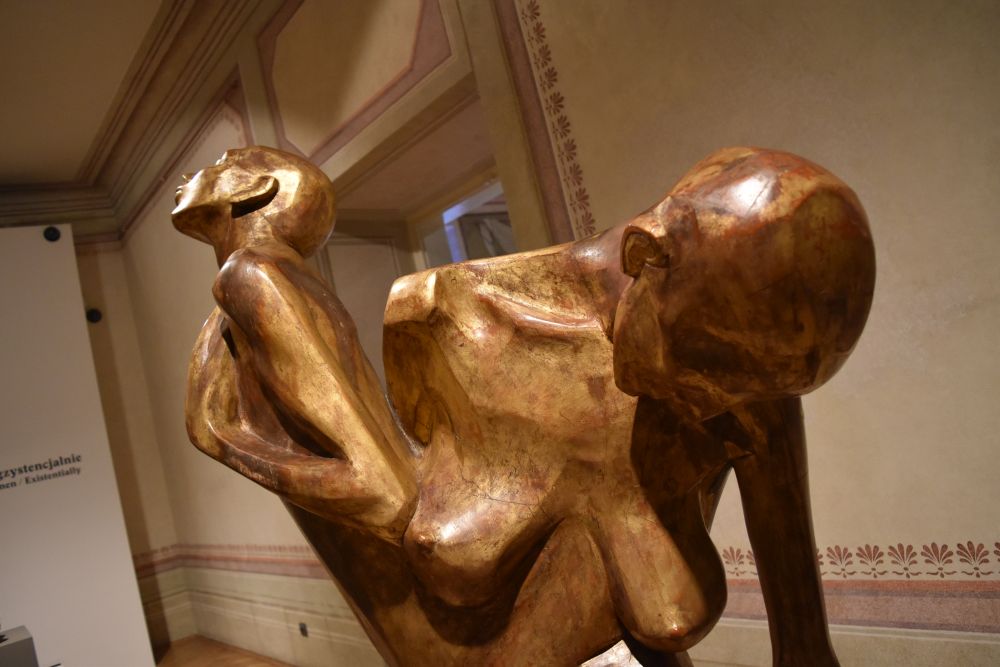
aaa_0672-small

The Szołayski House with its decorated walls is worth a visit in itself.
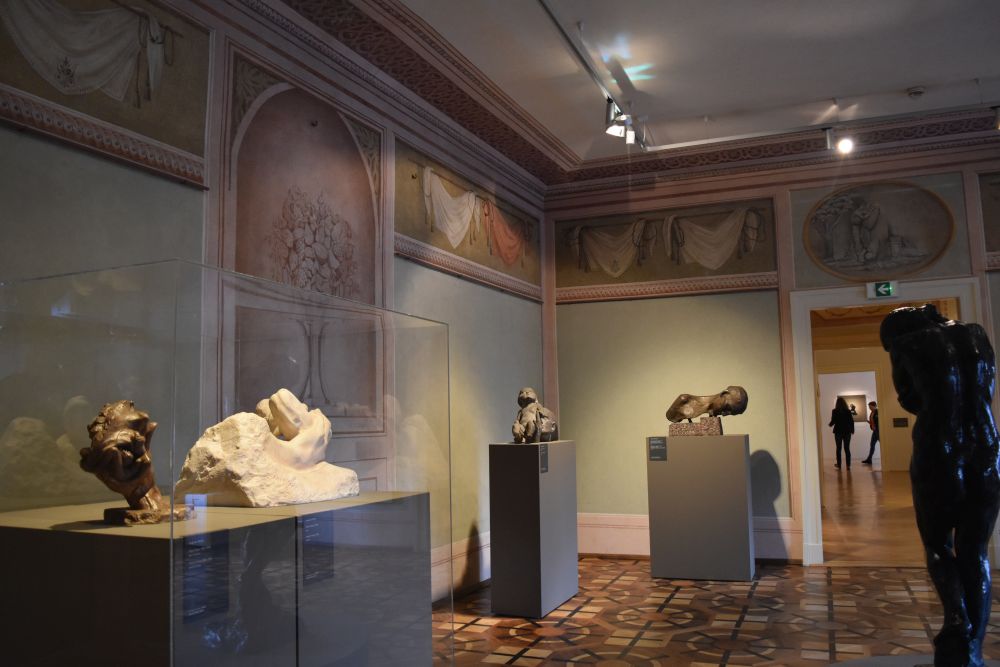
aaa_0669-small

.

Shopping at Tatuum

Tatuum is a small shop on the Rynek. I see a warm padded coat in blue color in the window, enter and leave the shop again with the padded coat, three sweaters, a pair of trousers and a knitted dress. I love to go shopping in Krakow – and it is less expensive than in Switzerland.

.

Young choirs singing in the Peter and Paul Church

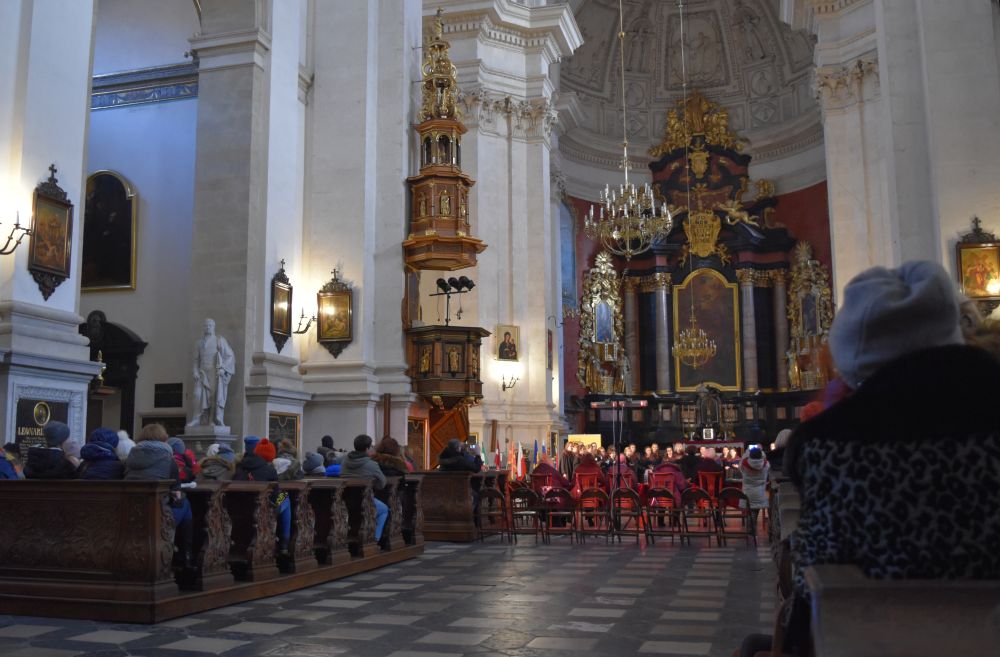
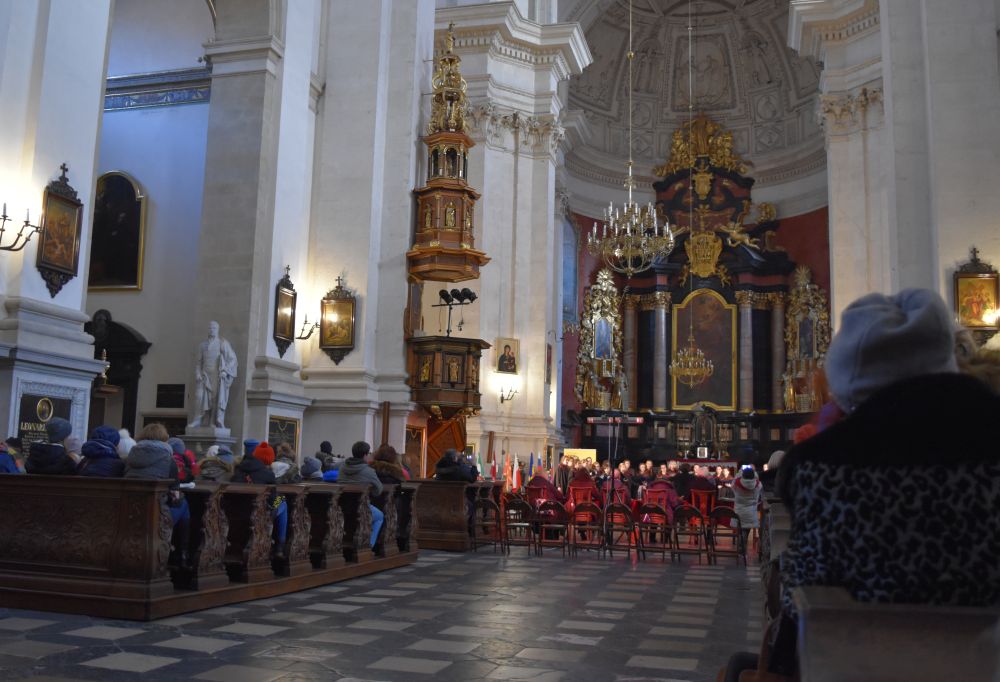
The Peter and Paul Church has always surprised me. Today I observe a group of girls singing and entering the church through the backdoor. Something must go on inside. I enter. The church is full. Entry is free. And one choir after the next is singing. It is the Advent and Christmas Choir Festival that lasts from December 2nd to 24th.
aaa_0680-small2

I stay for a while and listen to the beautiful young voices.

.

Taco: Mexican dishes prepared and served by Poles

Just next door to my hotel Wawel we have a late lunch in the Taco that serves Mexican food. I order an Aztec Soup (they call it “Taco soup” here) and a home made drink made from elder. Though the personnel is entirely Polish, my soup is pretty authentic and tasty.

.

Dry wine needed – Wina Szlachetne

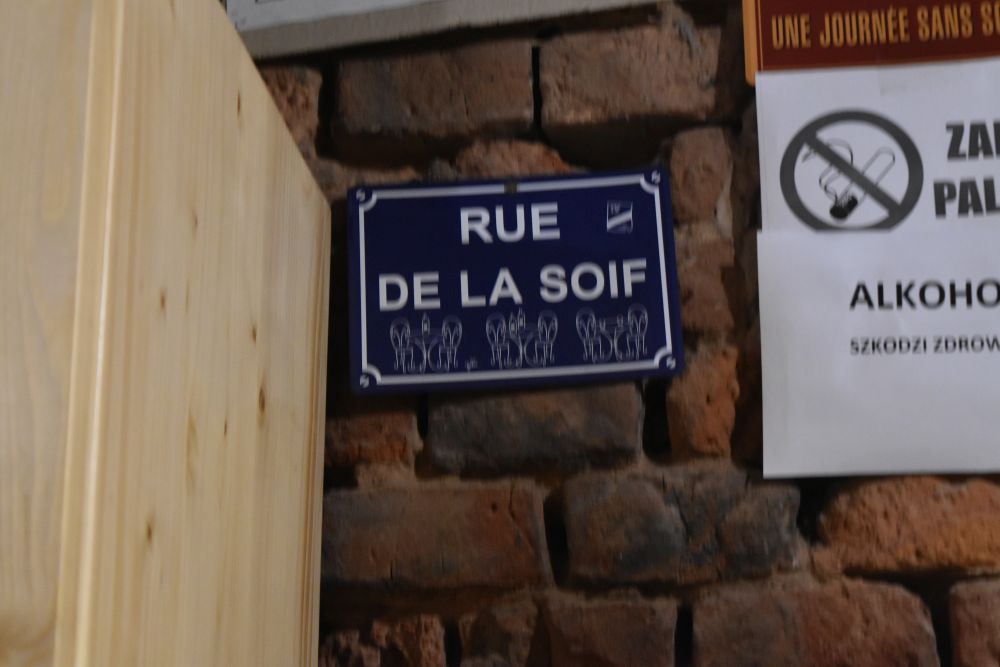
For the Fondue tonight, we need some more dry wine. The shop of Maryla Piskorska, Wina Szlachetne  or “Noble Wines” is always a great place for buying wine. We are in the “rue de la soif” (street of thirst), as the plate says.
aaa_0683-small

For our Fondue, we select a dry Sylvaner from Rheinhessen. Maryla Piskorska has started to offer wine from the Georgian republic made in amphores. I am curious about this wine, but I cannot take it from here in my hand luggage.

.

The fondue evening – always a challenge and a great pleasure

At Dominik’s place I take a large saucepan to prepare the fondue (for lack of a caquelon). When my fondue is ready, Radek refuses to come, because he is playing football with the son of the house. I insist that the fondue has to be eaten immediately – everyone to the table, please. We dip our bread cubes. The stove we use to keep the fondue warm is designed for chocolate fondue and is to weak for cheese fondue. I have to heat up our cheese fondue several times, as it started to disintegrate. We had a great time, thank you Dominik for inviting us to your home. Back in Basel I bought a good cheese fondue stove that I will take with me in 2017 to ease fondue cooking and eating in Kraków.

.

It is a sunny Sunday – and I say good-bye to Kraków

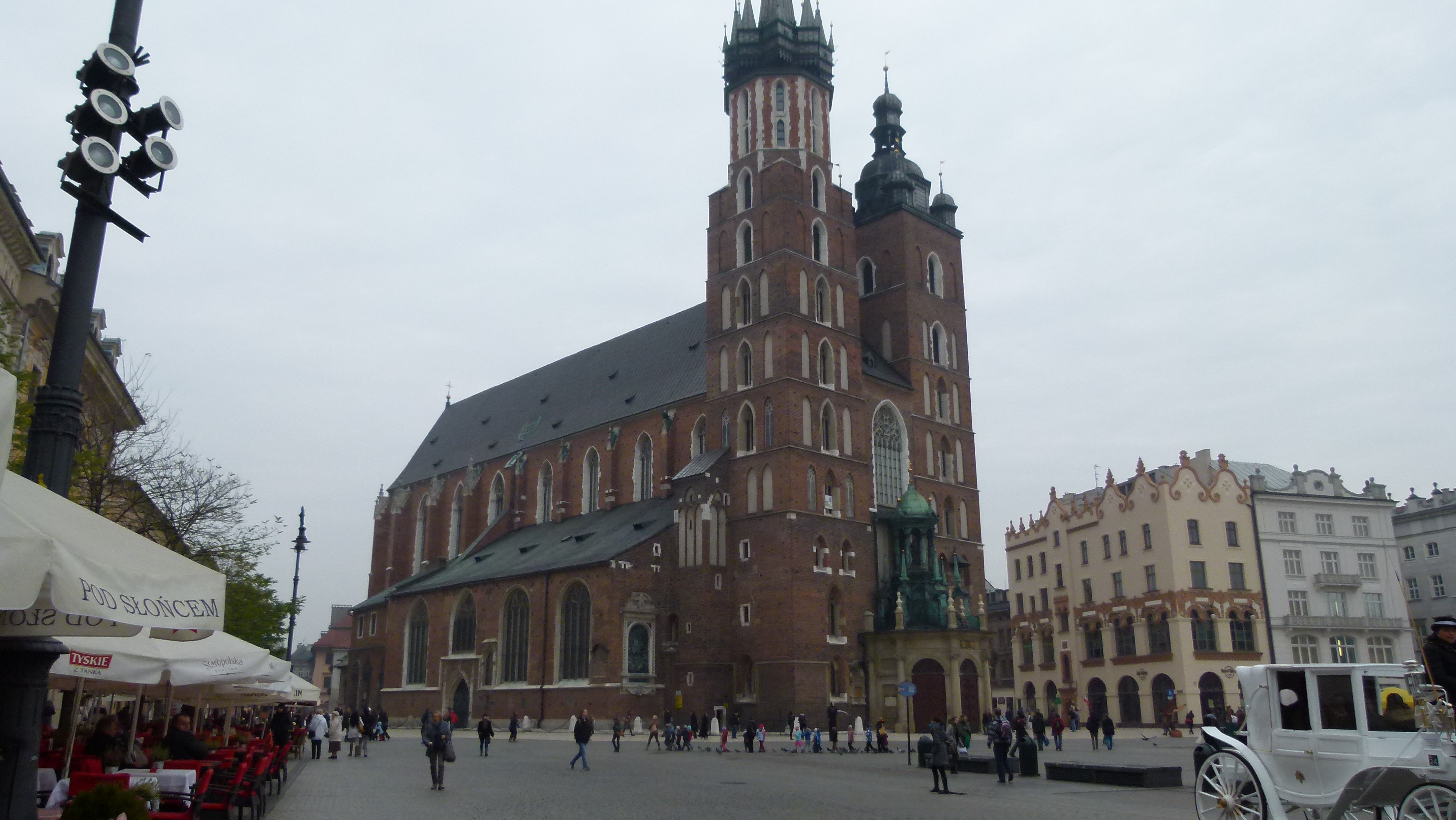
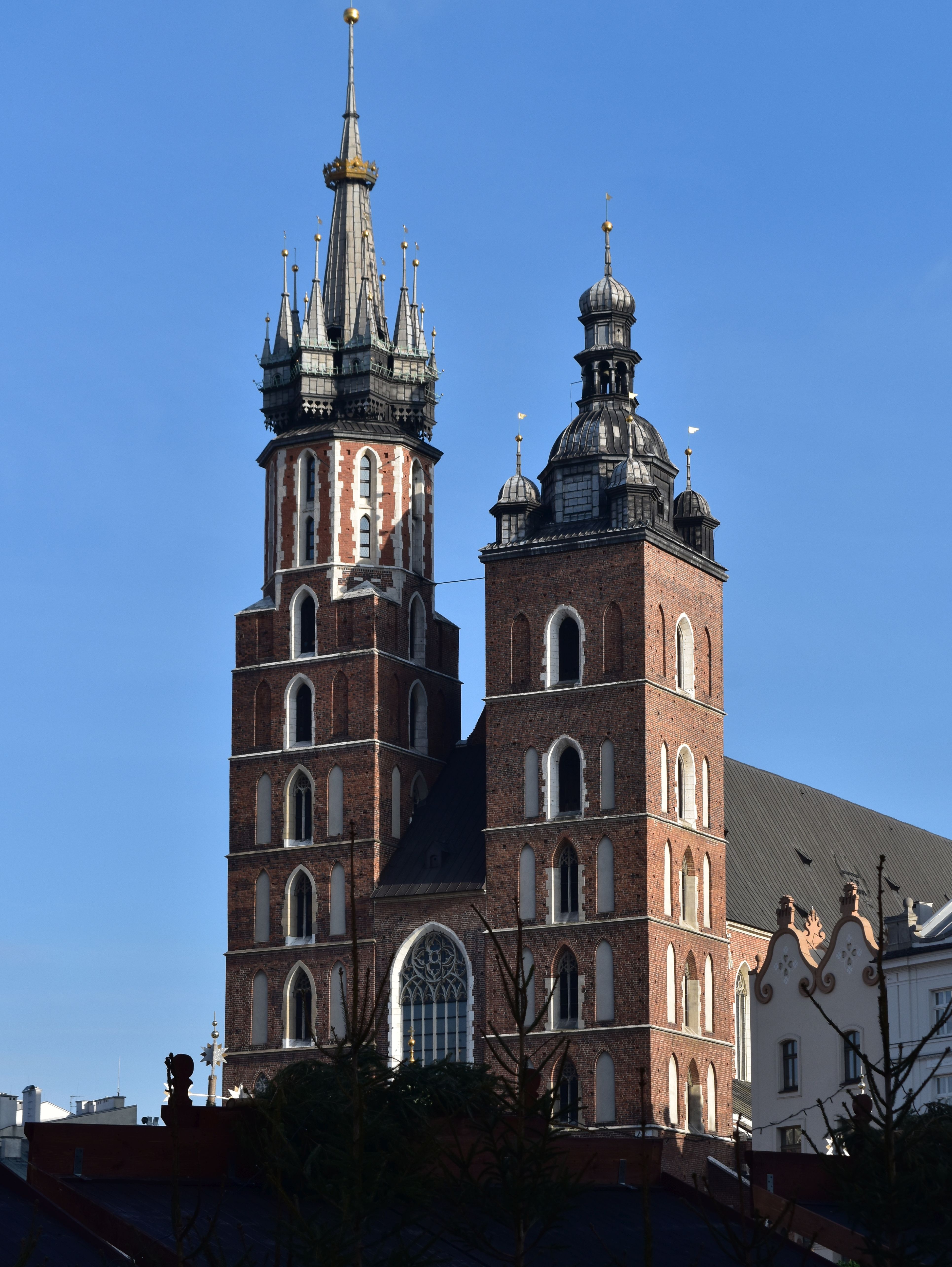
After having met some more friends on Sunday morning, I quickly visit the Rynek (market square) to say good-bye. The sky is deeply blue today and contrasts with the red bricks of St. Mary’s Church.
aaa_0685-small

With EasyJet the flight home to Basel takes something more than an hour. And already for dinner I find myself at the table of my neighbors enjoying a delicious Risotto.
 

In Kraków – back again for a short visit and a Fondue with friends

Also this year I am flying to Kraków, just for two days. I want to see my friends and share a cheese fondue with them. I also intend to visit some of my favorite places.

.

Friday morning – 4 am – this IS early

The alarm clock wakes me up at 4am. This IS early. The taxi driver talks about the philosophy of the Dervishes and about how much he wished tolerance between religions in this world – he is from Konya. I agree with him.

Shortly after 9 am my plane lands in Kraków airport. The new airport is now in use – there is much space and all is modern. Perhaps Berlin should come and learn from the Krakówians, how to complete building an airport… An hour later I am already in the city center.

.

The yoghurt with nuts and honey in the Magia Coffee Bar strengthens me

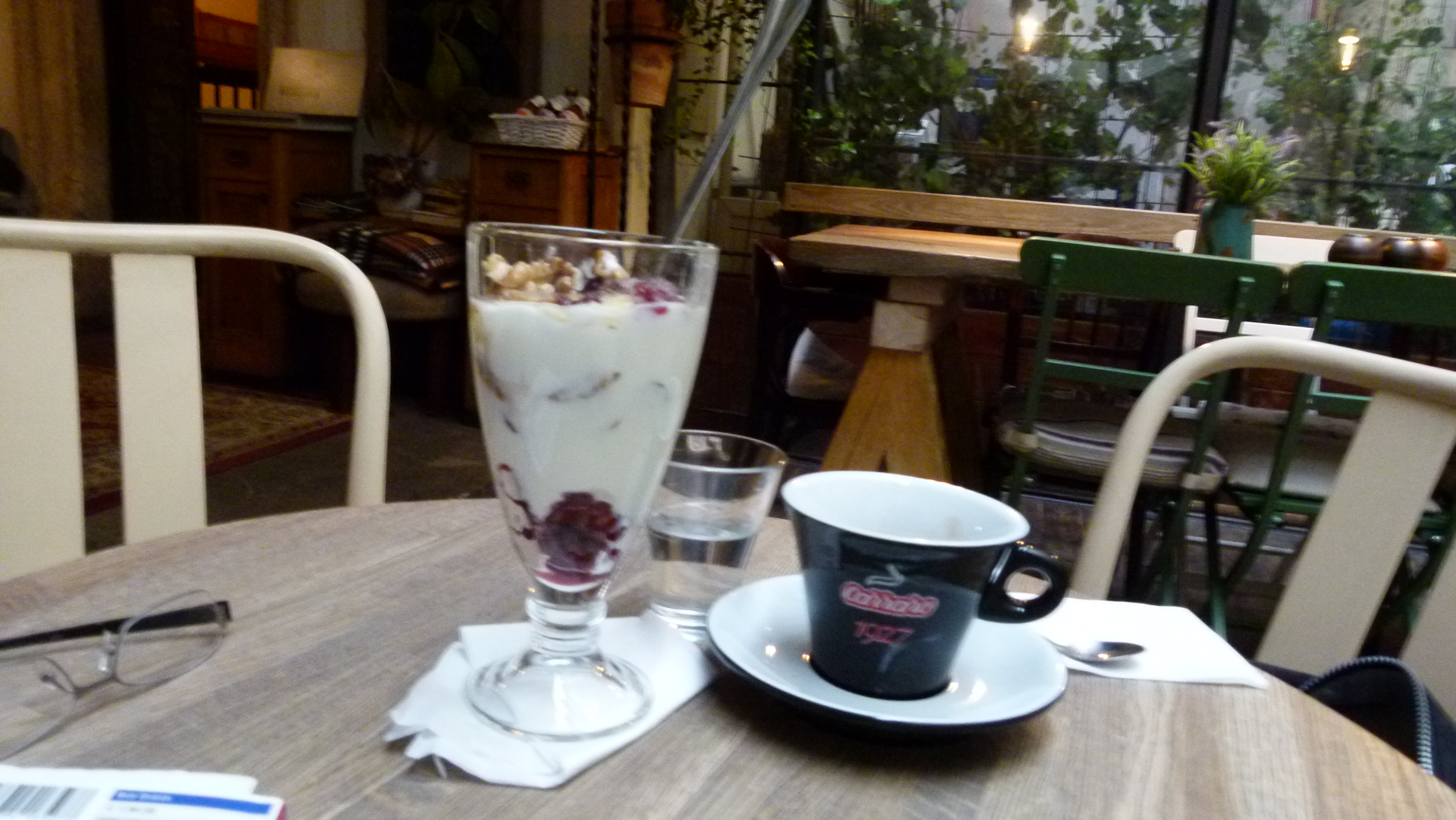
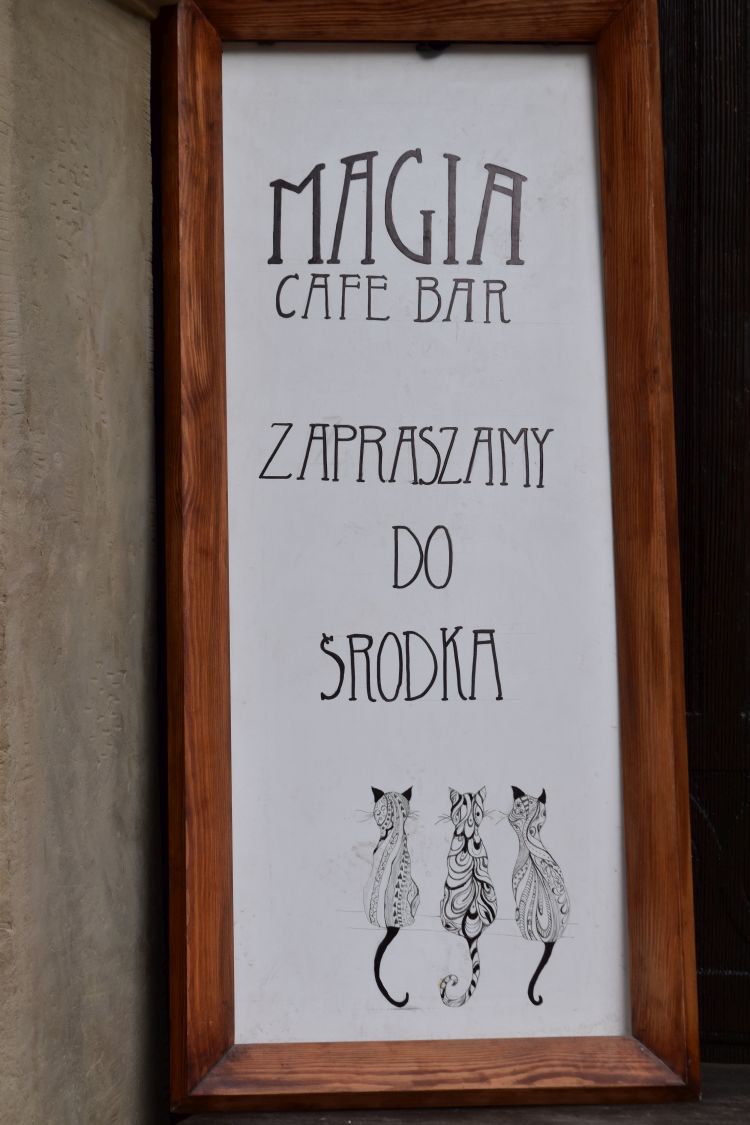
The Magia is one of my favorite coffee bars in Kraków. The internet welcomes me immediately. I am hungry and order the yoghurt with nuts and honey – delicious as always. I feel better after my early flight.

aaa_0613-small

.

The Christmas market on the Rynek

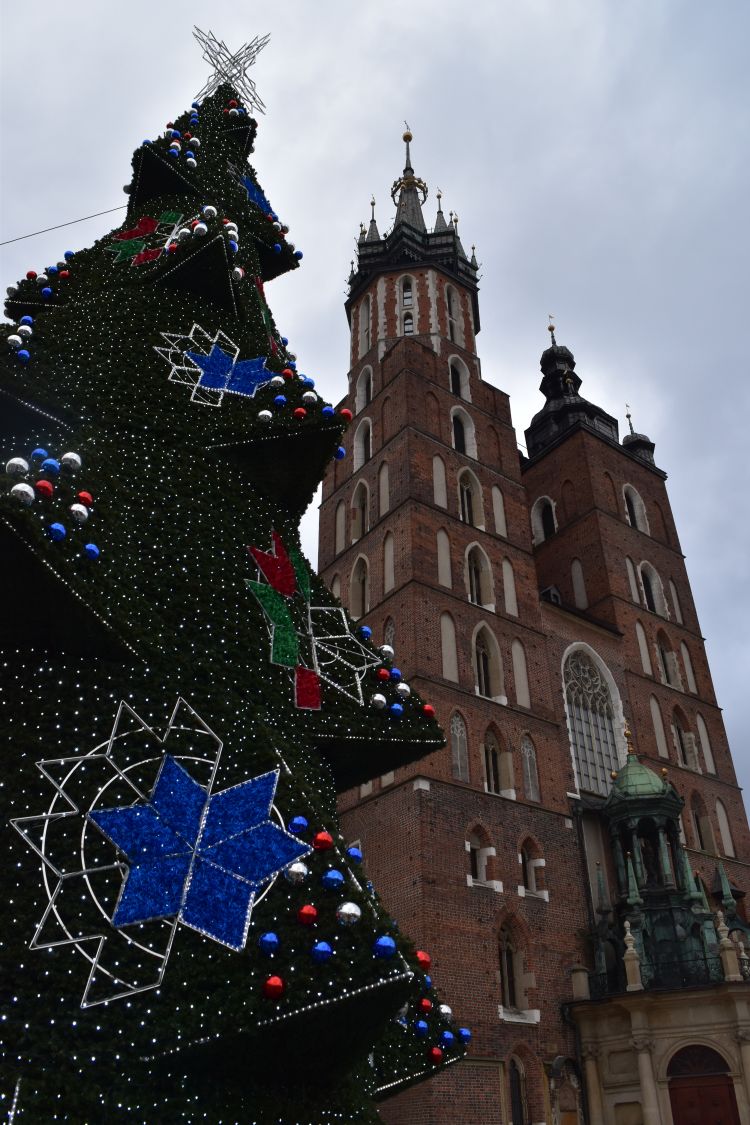
The Christmas market is busy. The Krakówians have set up a colorful Christmas tree in front of St. Mary’s cathedral.

aaa_0622-small

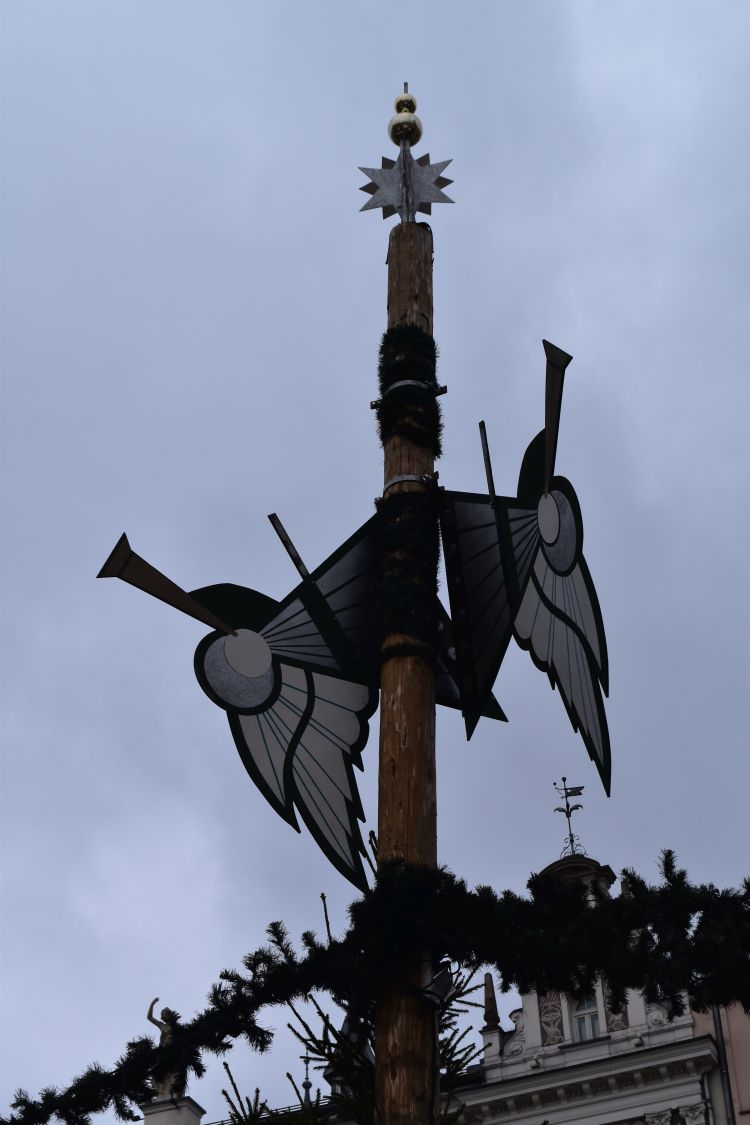
The weather must have been very windy – some of the angels are hanging heads down.

aaa_0626-small

I stroll amidst tourists. The dragon or smok of Kraków is omnipresent, in all colors. I did not know that dragons can be black and pink and even purple as well… are dragons not green “in reality”?

aaa_0630-small

It is chilly and I take a Zurek (a sour rye flour soup) to warm me up.

aaa_0632-small

.

Saying hello to some of my favorite places in Stare Miasto

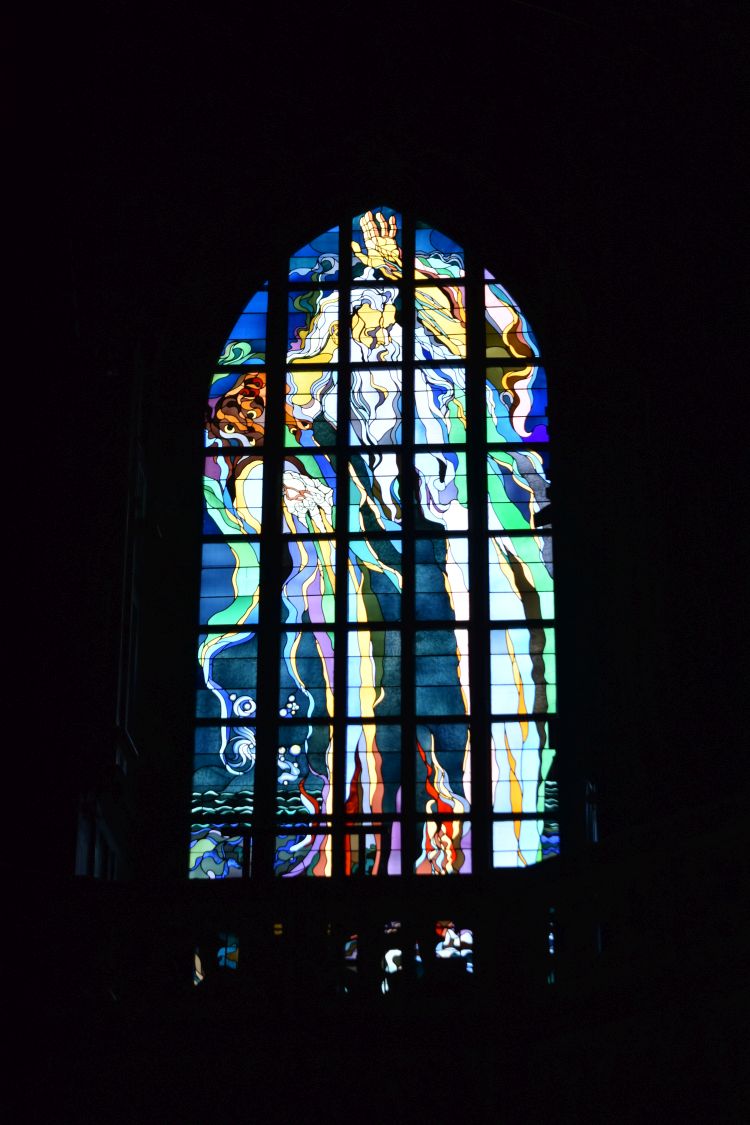
I enter St. Mary’s Church for a short moment of reflection, slender through the Sukiennice (Cloth Hall from Renaissance times) and sadly look at the tower that remained from the old 14th century townhall (Ferdinand of Vienna and Habsburg, why did you destroy this town hall in 1820?). I move on to the old university of 1364 (Collegium Maius). Then I stop in the solemnity of the gothic Franciscan church and admire the gorgeous modern art window “Become” by Wyspianski.

aaa_0641-small

The baroque Peter and Paul Church is being renovated. There is a youth choir festival in Kraków and young groups are singing in this church.

aaa_0680-small

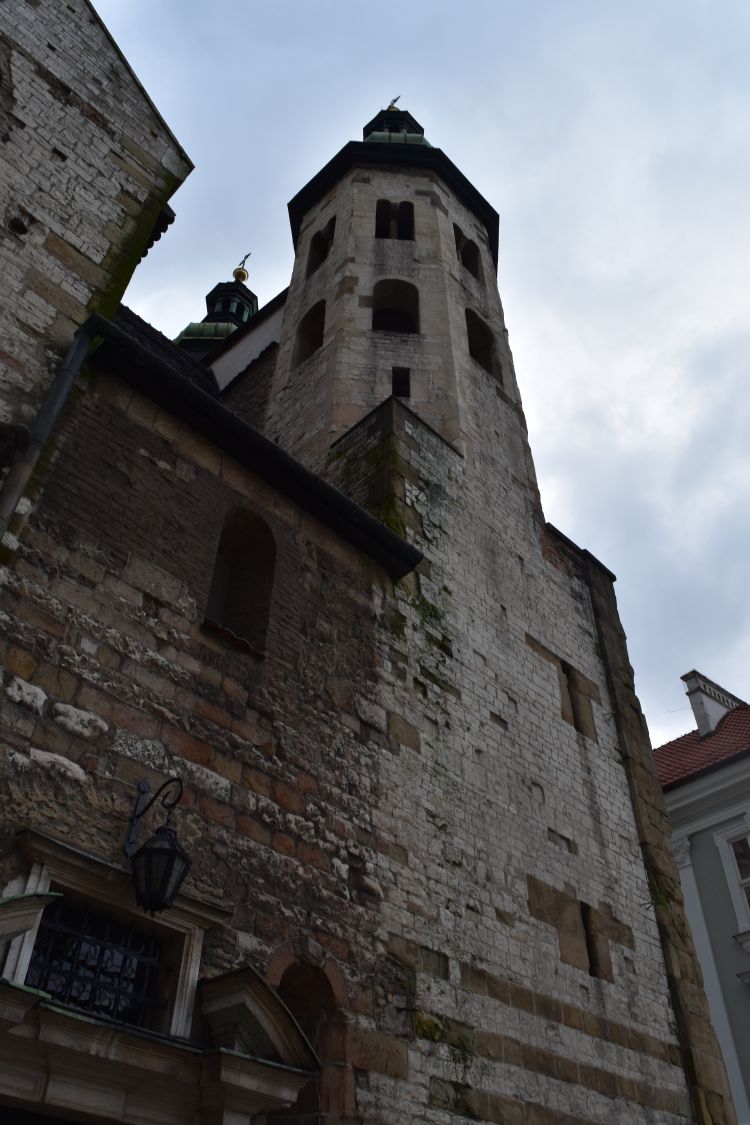
The romanesque Saint Andrews Church is next to St. Peter and Paul’s church.

aaa_0645-small

.

Continuing to Kazimierz, the former Jewish quarter

Walking by the Wawel castle I enter Kazimierz, the former Jewish city. I reflect woefully what I had read in my faithful guide book, when eating my yoghurt with nuts this morning: Former Kraków was a tolerant city. Christians (from catholic and orthodox belief), Muslims and Jews lived together peacefully, and later, also protestants joined. Poland guaranteed the freedom of belief in 1573 (Source: M. Niedzielska and Jan Szurmant:”Krakau”, Michael Müller Verlag 2011). Then in 1697, a hundred years later, August the Strong from Saxony converted to catholism, when he was elected king of Poland. Today we perceive Poland as being a Roman catholic country. And here in Kazimierz I am reminded of what has happened to the Jewish community in the 1930s and 1940s. I always feel guilty for that.

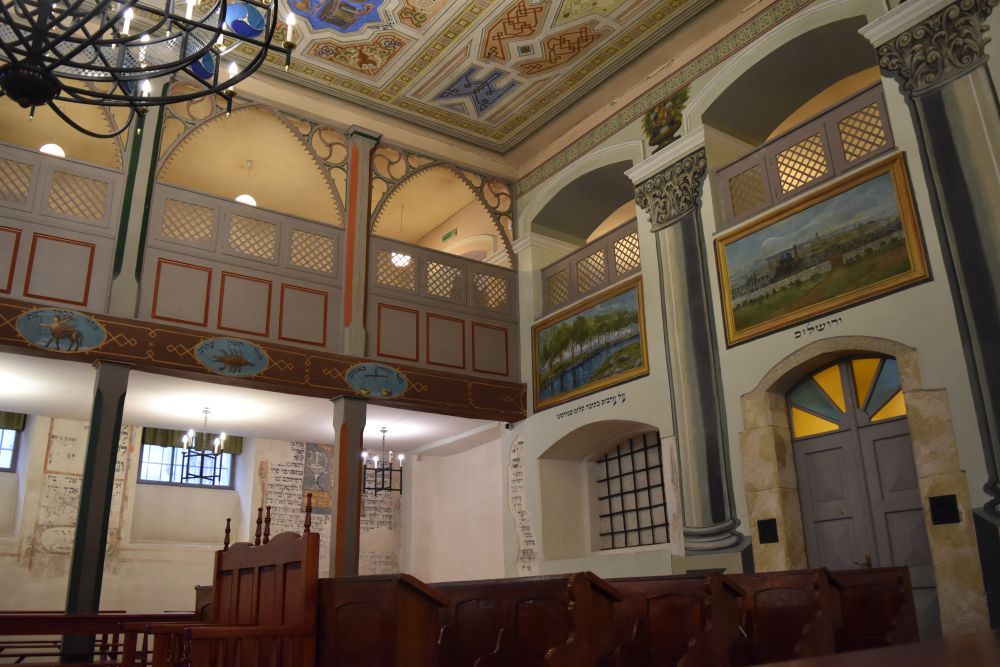
Today, I discover Jewish life again: The Kupa Synagogue has been reopened, and visitors are invited. I have never been in a synagogue before and enter respectfully.

aaa_0646-small

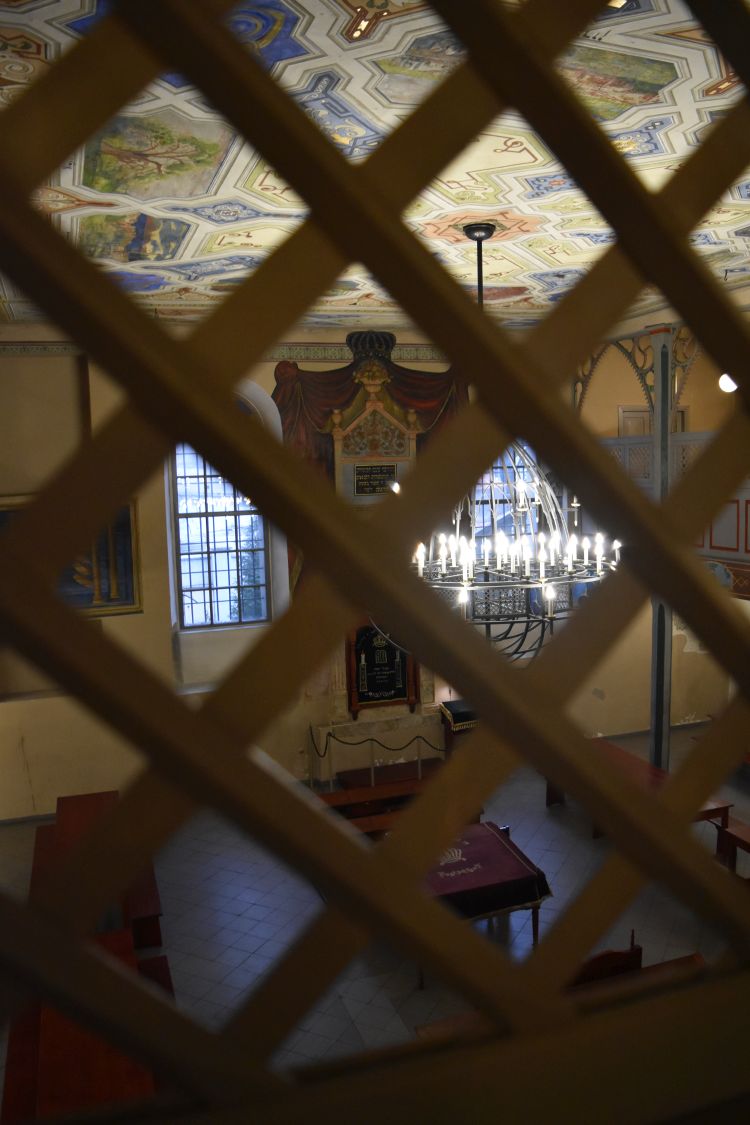
This is the view from the second floor where the women pray.

aaa_0651-small

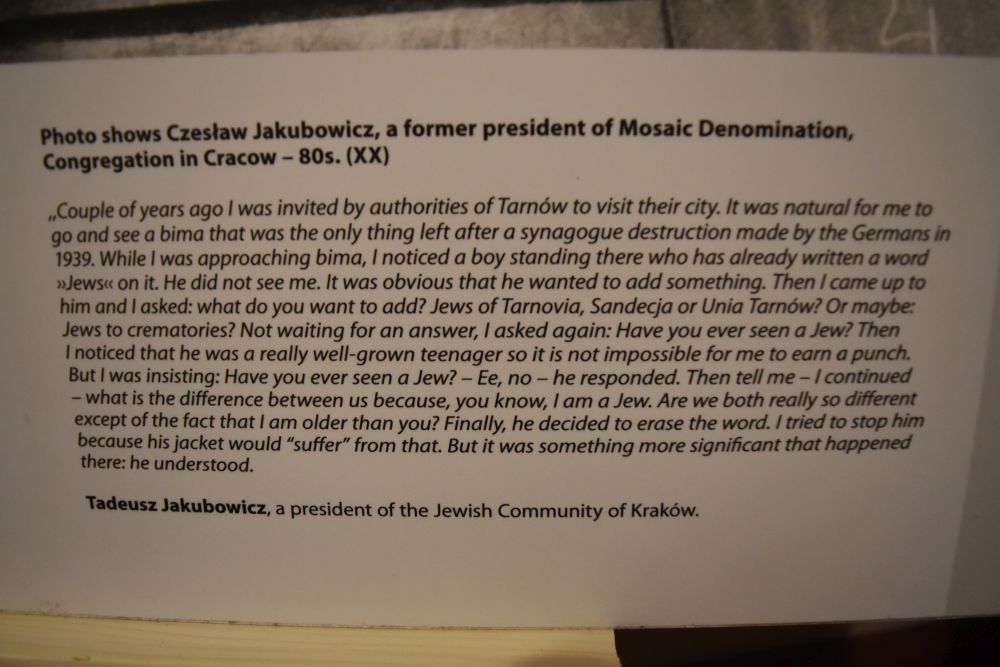
There is a photo exhibition here. I am impressd by this statement:

aaa_0655-small

I wish we would find back to tolerance –  as wished my taxi driver from Konya early this morning. Happily I say good-bye to this small synagogue that I hope will be another sustainable start for tolerance, not only in Poland, but also in this world. And I do hope that especially Poland might find back to its earlier roots, when people with various religions and from various countries lived together here. And when it was a center of European culture and education.

.

Tea in the Czajowina and a walk along the Wisla

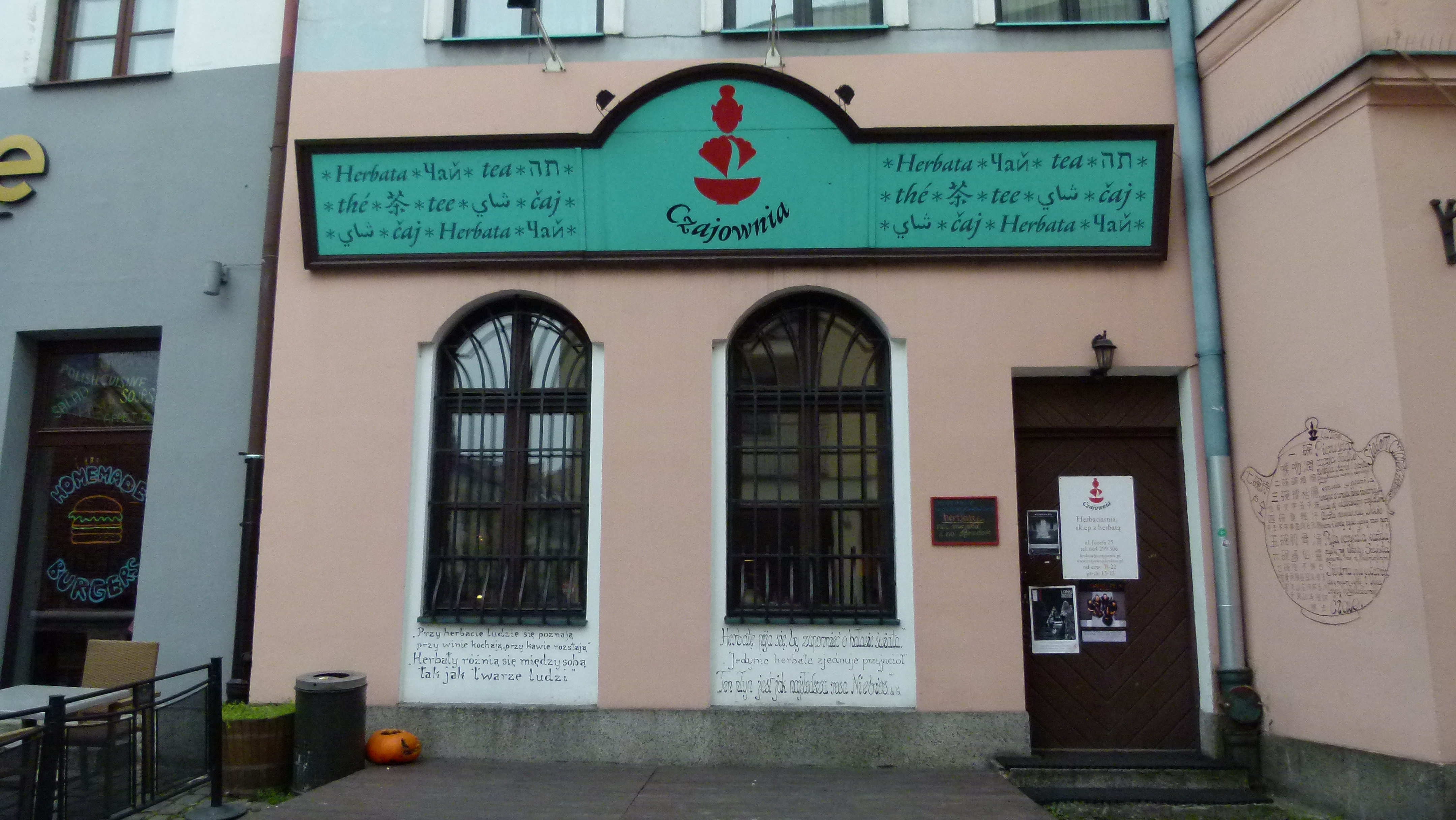
It is chilly and I need to warm up again. I have an Assam tea in the cosy Czajowina in Józefa street. There are so many cosy coffee and tea places in Kraków and this is one of my favorite.

aaa_0661-small

At four pm it is already dark. I walk down to the Wisla and follow it. The white Stanislaus church on the rock shines in the dark.

aaa_0662-small

I walk around the Wawel hill to catch up with Kanonicza street. This morning I had also learnt that the last years of the golden age of Kraków happened during Renaissance and that king Sigismund I had taken his wife from the Sforza family in Milano. She hired Italian architects and consequently the Kanonicza street with its Renaissance palaces could be located in Italy, but no, we are in Kraków right now.
aaa_0664-small

The history of towns is present in their architecture, and I always discover more of the history of Kraków, when I return.

With Radek, I close the day in the Sushi restaurant Zen near the Rynek. We have not seen one another for a year, there is a lot to chat. I look forward to another day in Kraków and our fondue evening.


On the road – a chilly November weekend in Kraków – the finale: Lufthansa on strike

All seems okay and I get ready to leave for Munich -on Monday  with Lufthansa…

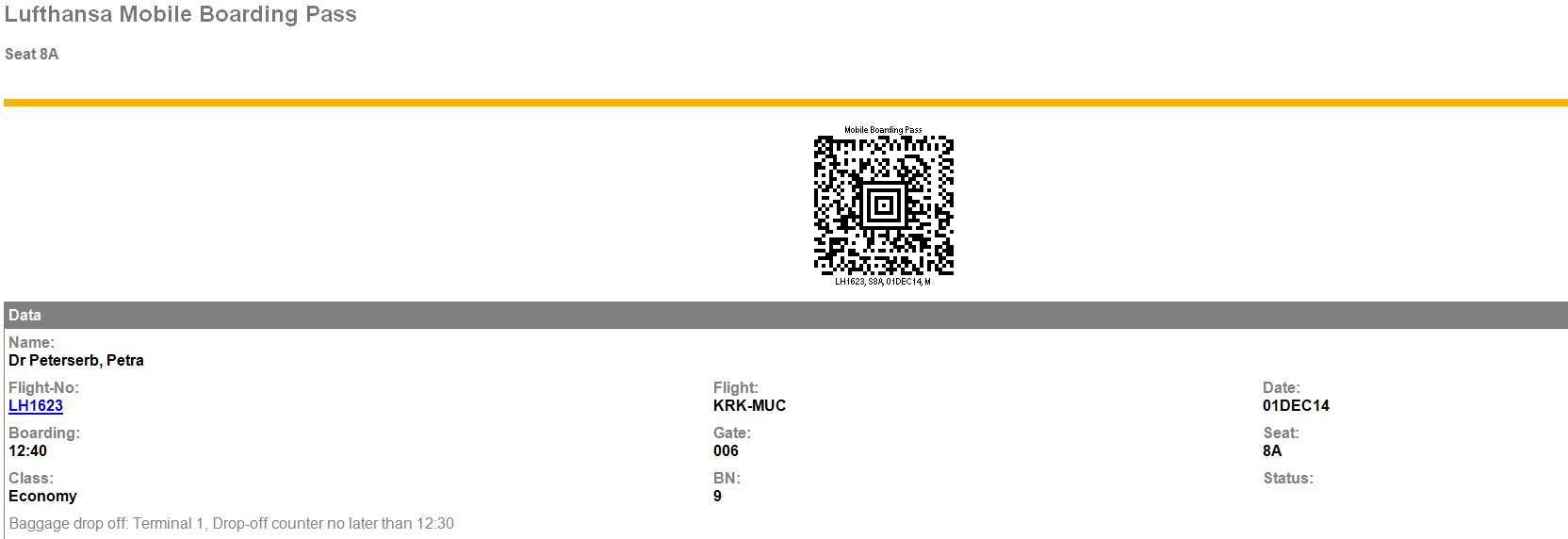
On Sunday, I have received my boarding pass for my Monday flight.

Boardingpass

Around 9 pm on Sunday an email confirms my flight with Lufthansa.

.

Then: Flight canceled

At 9:17 pm on Sunday I receive this SMS:

“We apologize that your flight LH623 KRK-MUC 01Dec 01:10 PM has been cancelled. Further information is available on https//m.lh.com/MjAzNTk3blFmMQ”.

Wonderful. What now? I find out that the pilots will be on strike from 12:00 PM on Monday until midnight on Tuesday. I also find a link that says “your flight has been rescheduled to 6:35 am.” Wonderful. I pay for my hotel room immediately and order a taxi for 4:30 in the  morning. This will be a morning without breakfast.

.

On standby at the gate 7 on Kraków airport

On Monday 1st of December, shortly before five a.m., I stand in front of the Lufthansa check-in desk at the airport. “No,”, the lady at the counter says, “you are not on the list. Please go to the ticket office over there and stand in line to buy another ticket.” I refuse to stand in line and buy another ticket. She walks over angrily and comes back with a standby ticket. She tells me that the flight has been overbooked and my chances are not good to catch the flight, but I could give it a try. Wonderful.

I wait at the gate – I wait for an hour. At six, a friendly clergyman comes and he looks much more optimistic. A few minutes later, check-in has closed. I understand why he was more optimistic – he knew better. He gives me a boarding pass for business class, but without the right to have breakfast. We are about 4 passengers with such standby boarding cards for business class.

.

Now in business class

The business class area is half empty – even with the standby passengers that are escaping the Lufthansa strike. The plane takes off. The stewardess serves breakfast. She passes me a tray. “No – thank you”, I say, “I am not allowed to have breakfast.” “Of course, you can have breakfast,” she says. The world brightens up and I enjoy my business class breakfast with a good cup of coffee.

.

And then – recovering in Munich

At eight we land in  Munich. Around ten I have a second breakfast in the house of my friends… and then I go to sleep for another hour.

Why are these Lufthansa pilots constantly on strike? I later read in my newspaper NZZ that the business model of Lufthansa will change. They plan to have luxury services with the label “Lufthansa” and cheaper flights with the label “wings” (NZZ 4.12.2014, “Lufthansa setzt weiter auf Hochpreissegment”). I do hope that the label “Lufthansa” has not been damaged too much due to the repeated strikes. I fear that the brand “Lufthansa” does no longer stand for “very reliable” and no one wants to pay a luxury price for flying with them…

.

Well, this was a happy end

Great, I have just managed to get to Munich before the great chaos. Kraków, no need to hold me back by asking the Lufthansa pilots to go on strike – I will come back for sure next year!


On the road – a chilly November weekend in Kraków – looking for warm places

Let me continue sharing memories from Kraków. Under an intransparent grey sky cover, Kraków was chilly and windy. I was freezing. It is great that Kraków has so many comfy tea/coffee houses and restaurants, often hidden in basements. Thank you, Radek, Iwona, Agata and Asia for warming me up at great places.

.

The restaurants that we visited for lunch or dinner

Deterzer: Iwona takes me to this small restaurant in Bracka south of the Rynek. I like the atmosphere and my mushroom salad. Iwona has a hot pot with mushrooms. (see also Tripadvisor ).

IMG_1212

Miodowa: Radek takes me to the Miodowa that has just recently opened. I have trout (pstrąg) with butter and a local wine – very good (rated superb in Tripadvisor).

No 7  is located in a cellar behind the Rynek. I have delicious Bigos Małopolski. This is stewed meat with sour cabbage, a Polish meal that Radek’s mum cooks when she has a lot of guests (see Tripadvisor ).

IMG_1223

Wesele: Wesele means “marriage” suggesting that marrying is a joyful event (wesoły).  This is not my favorite restaurant, because it is a little “touristy”. But Iwona and I feel too cold to look for another place. We have goose with redbeet, dumplings and tasty tiny apples – and  it was excellent. Tripadvisor also gives good reviews.

.

The tea and coffee houses that warmed us up

Kraków has a very welcoming tea and coffee culture. We spend hours here.

Cupcake in Bracka – south of the Rynek: This is Asia’s favorite place. We escape from the cold temperatures to warm up with hot chocolate and one of their delicious sweet bakeries (see Tripadvisor)

Magia: Iwona has introduced me to the Magia a year ago. I loved to come back for breakfast after having arrived early in the morning. I have a delicious yoghurt with honey, walnuts and berries (see Tripadvisor).

P1070062

Czajownia: Over a pot of green tea I had a chat with Agata and Radek. The menu of teas is huge and the atmosphere is homelike… I always come back to this place.

P1050402

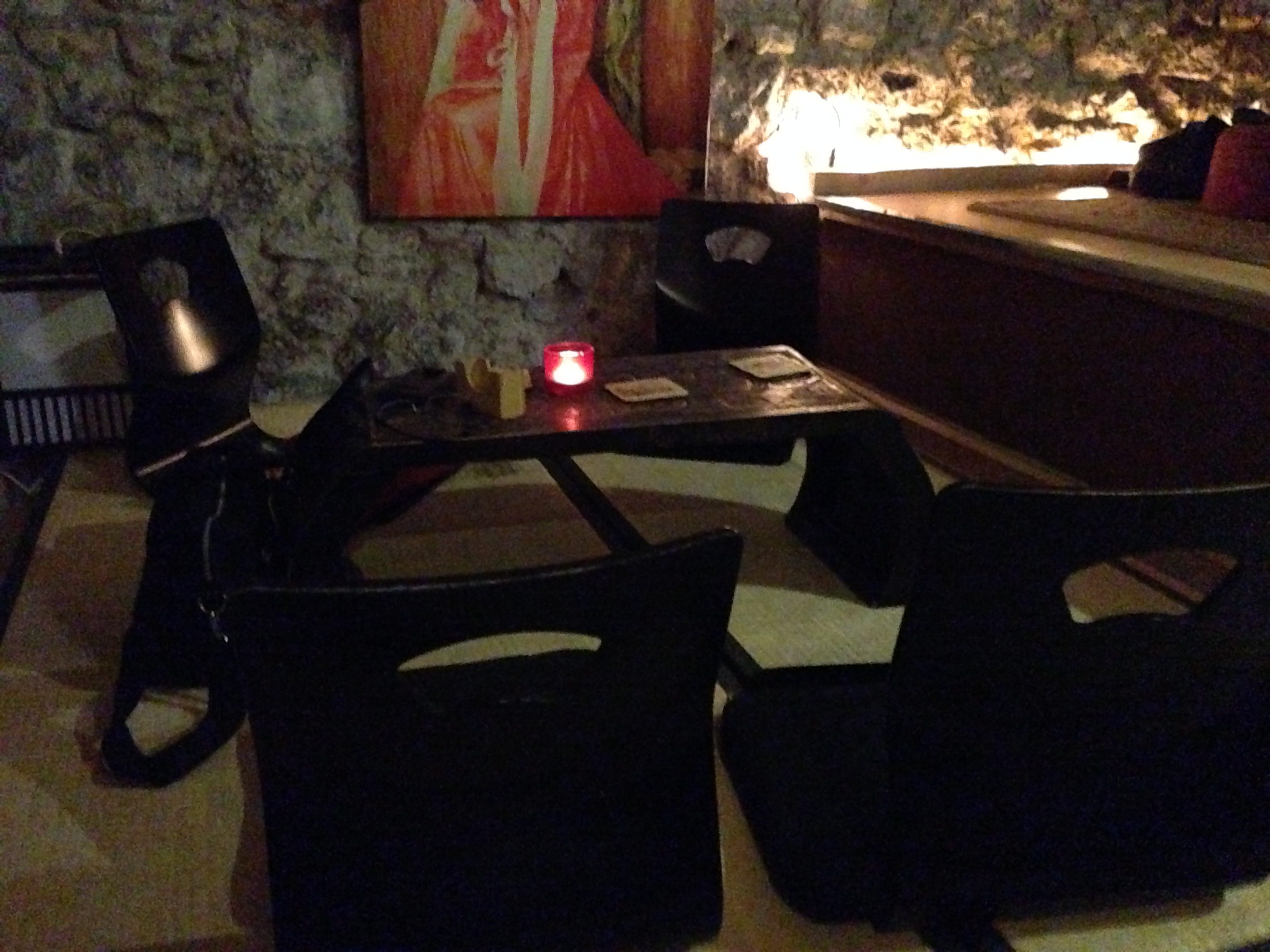
Czarka: To warm me up, Radek takes me to this small tea house in Florianska street. It is in the cellar and not easy to find. Students sit here and learn in groups. I enhance the average age considerably and have a green tea from Vietnam. This tea house is new for me, and I will surely come back.

IMG_1228

.

I only spent three days in Kraków and I only stayed in the city center. I could stay here for much longer and find many more welcoming coffee or tea houses and restaurants. Here are some more places spotted by locals. Also Tripadvisor has a long list of places to go.


On the road – a chilly November weekend in Kraków – some sightseeing

Let me continue sharing memories, now about the sights I visited: I said hello to some churches, to the Art Nouveau around Uliza Retoryka, to the Wisla and to the Wawel castle, learnt about Galicia, discovered an excellent small wine shop and found a pretty book about Krakówian legends.

.

Sightseeing – saying hello to some churches, Art Nouveau around Uliza Retoryka, the Wisla and the Wawel

Kraków is the town of churches. Most visible is the gothic Saint Marie’s church on the Rynek where the hejnal signals the hours with his trumpet (I found him on youtube, he stops in the middle of the tune, because his colleague-hejnal was shot by a Mongolian arrow about 800 years ago – exactly at this moment the tune stops, as legend says)…

P1050272

… also on the Rynek are the Saint Barbara’s church (same age as the Saint Maria church) and the romanesque small Saint Adalbert church. On Gródski, I like the baroque Saint Peter and Paul’s church with the adjacent romanesque Saint Andrew’s church – and there are many, many more churches. I join the prayers and stand still for a moment to meditate – on Friday to welcome Kraków and on Sunday to warm up in a double sense (my heart and my body temperature). I am particularly impressed how the Saint Peter and Paul’s church changes – sometimes there are concerts, on Thursdays, they demonstrate the Foucault pendulum – and now the priest reads his sermon with solemnity.

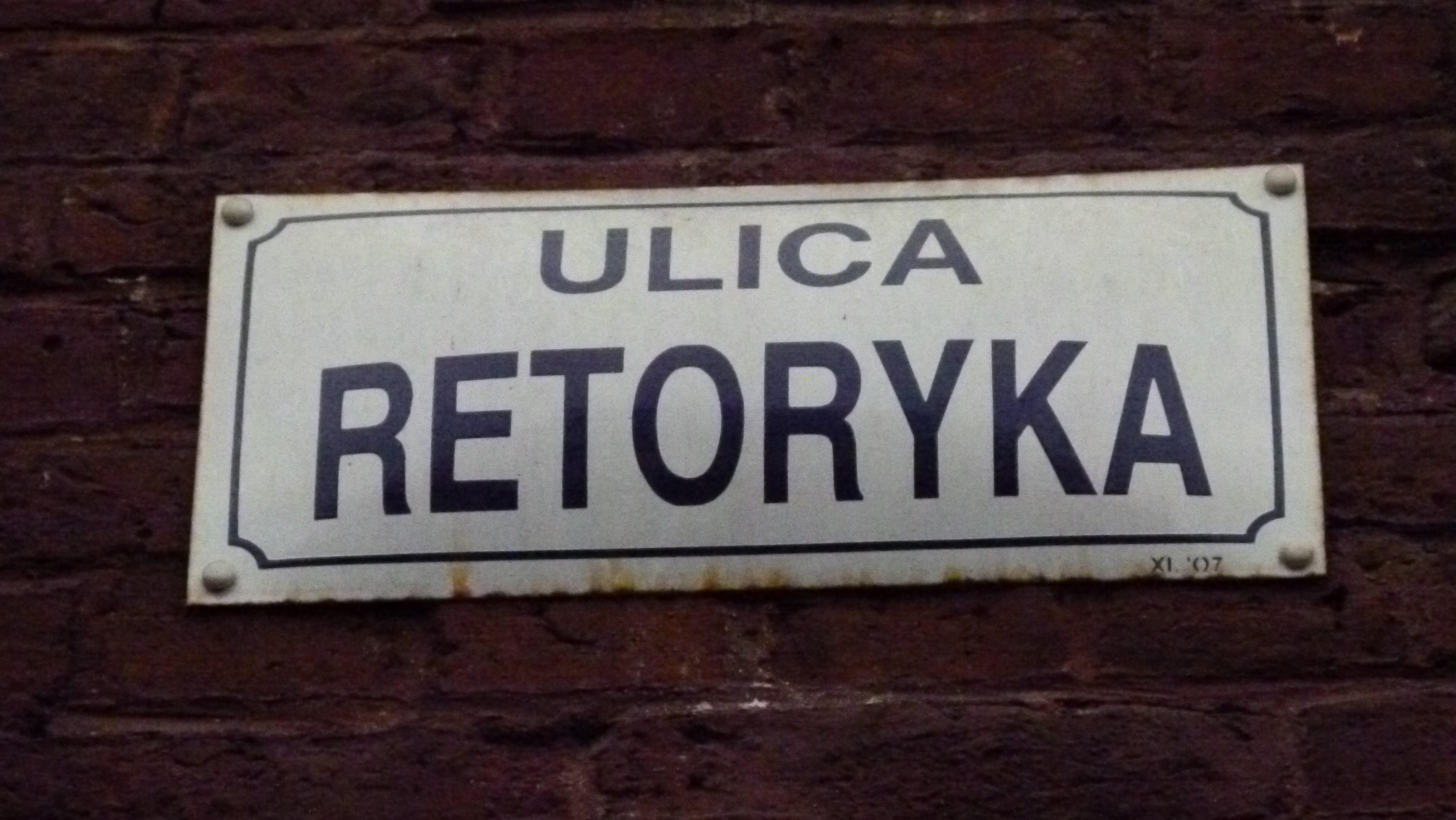
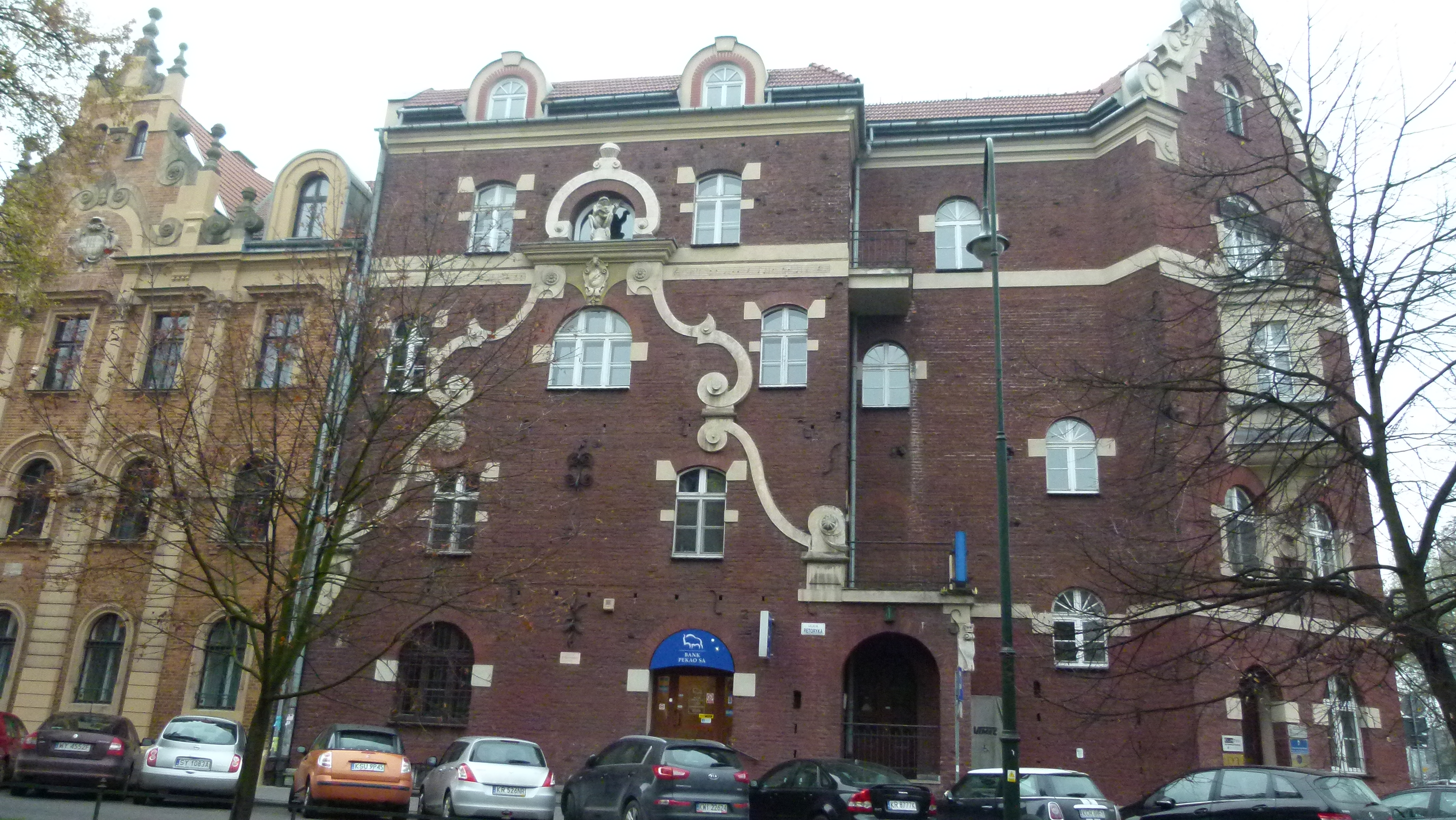
Art Nouveau can be found beyond the boundaries of the old city center (Stare Miasto). I say hello to some of the Art Nouveau houses around Uliza Retoryka in Piasek. The fact that this town has an “Ulica Retoryka” indicates that it is really a traditional university town – the Kraków university was founded in 1364.

P1070103

The houses I say hello to are the Hutten-Czapskich Palace, the house under the Owl and the house under the Singing Frog which is part of a whole block of Art Nouveau buildings.

P1050326

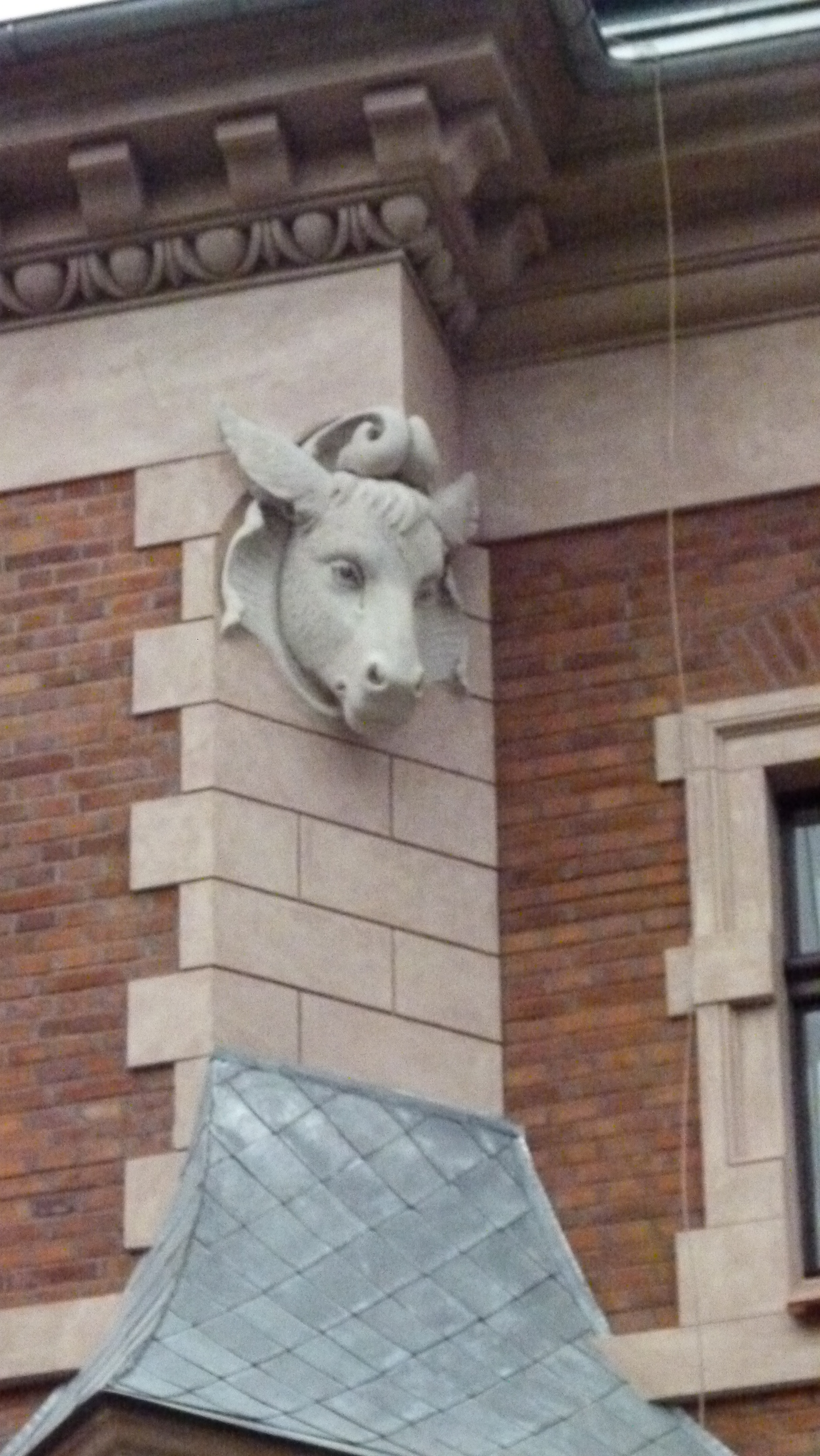
I discover details that I had not noticed before, such as this horse head…

P1070104

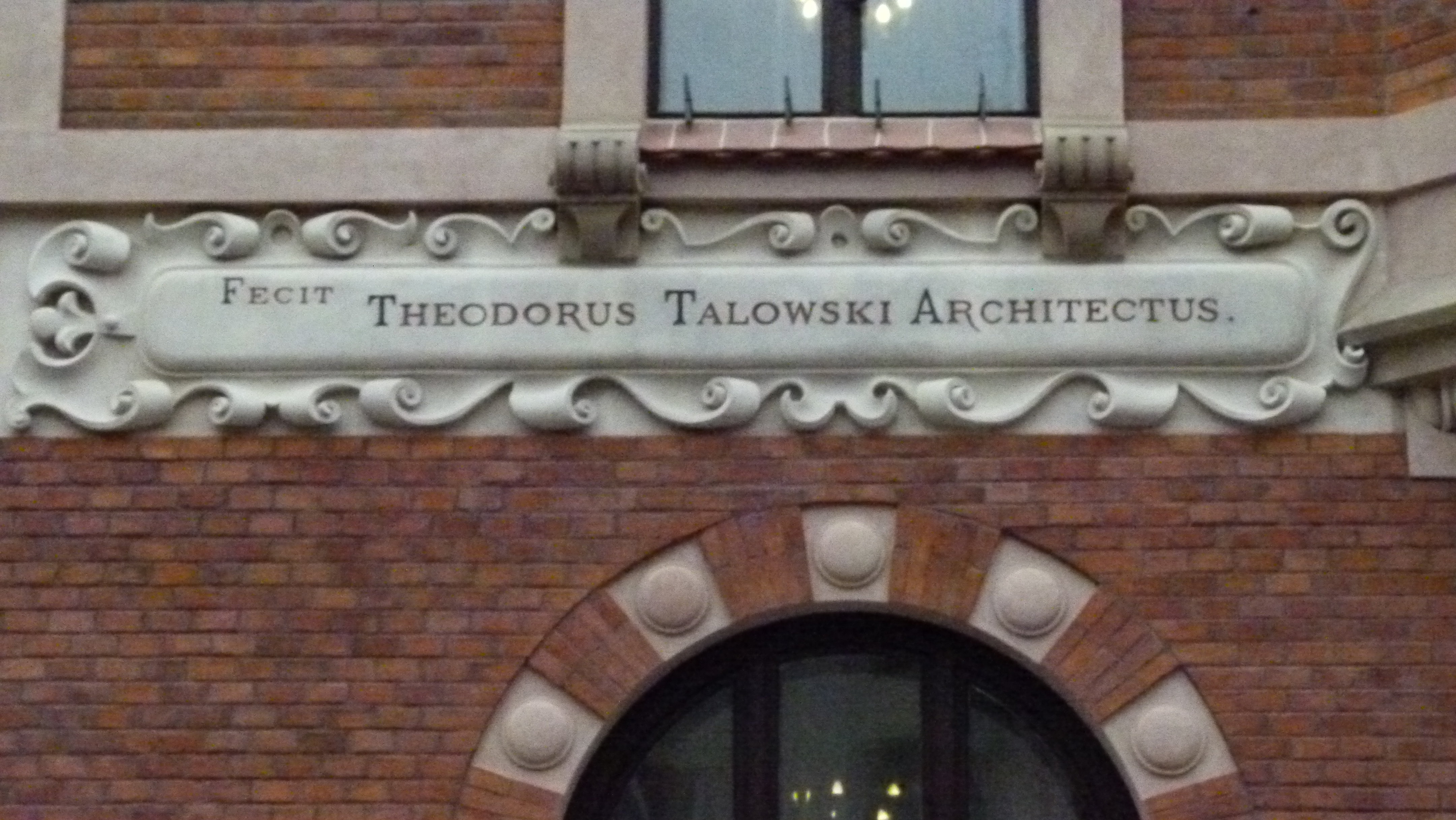
… or the inscription of the architect: “Fecit Theodorus Talowski Architectus”… the Architect Theodorus Talowski made it.

P1070106

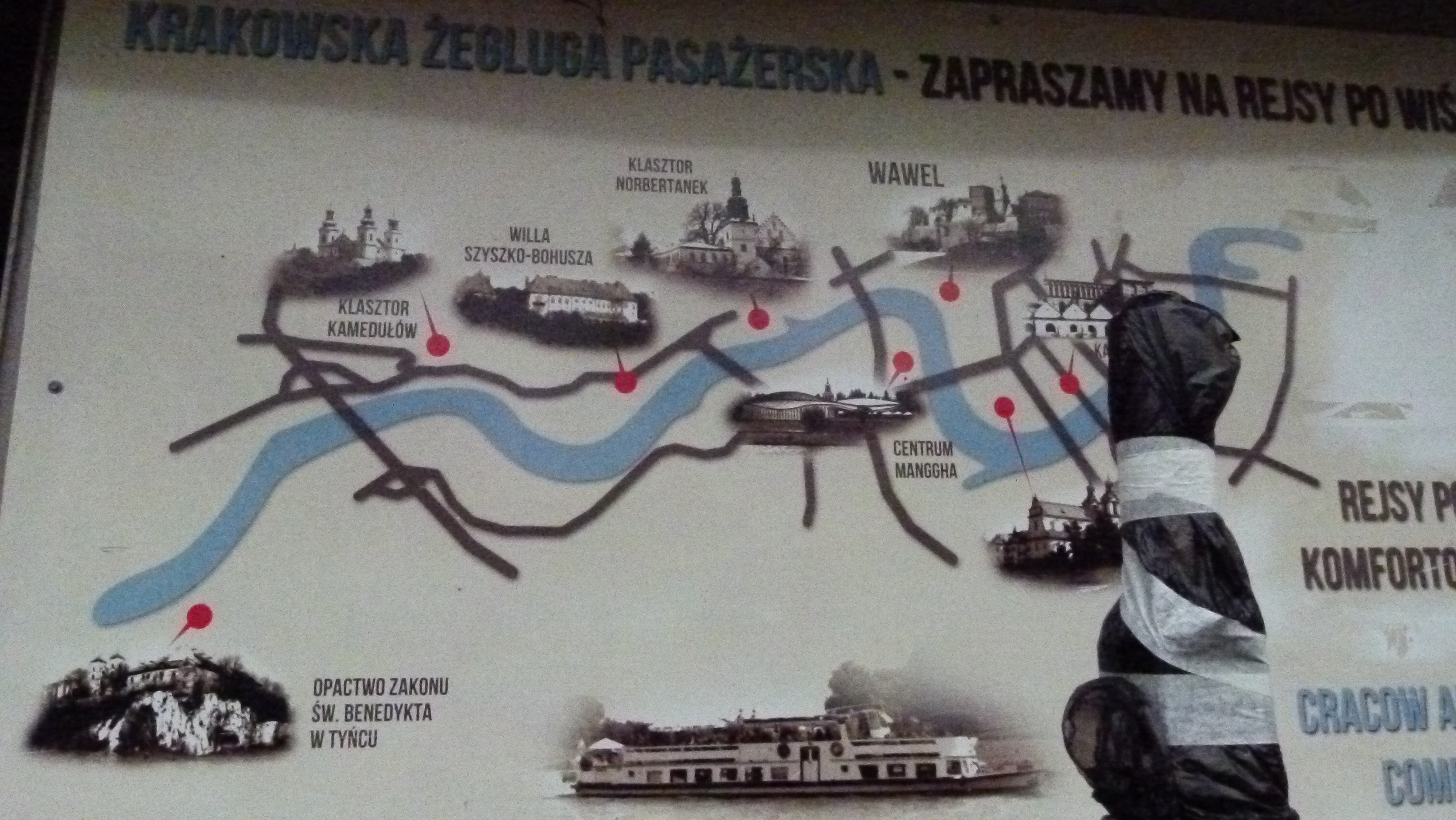
Uliza Retoryka ends at the Wisla. This is the river that connects up Kraków and Warszawa.  I might book this boat tour when I come back in summer.

P1070108

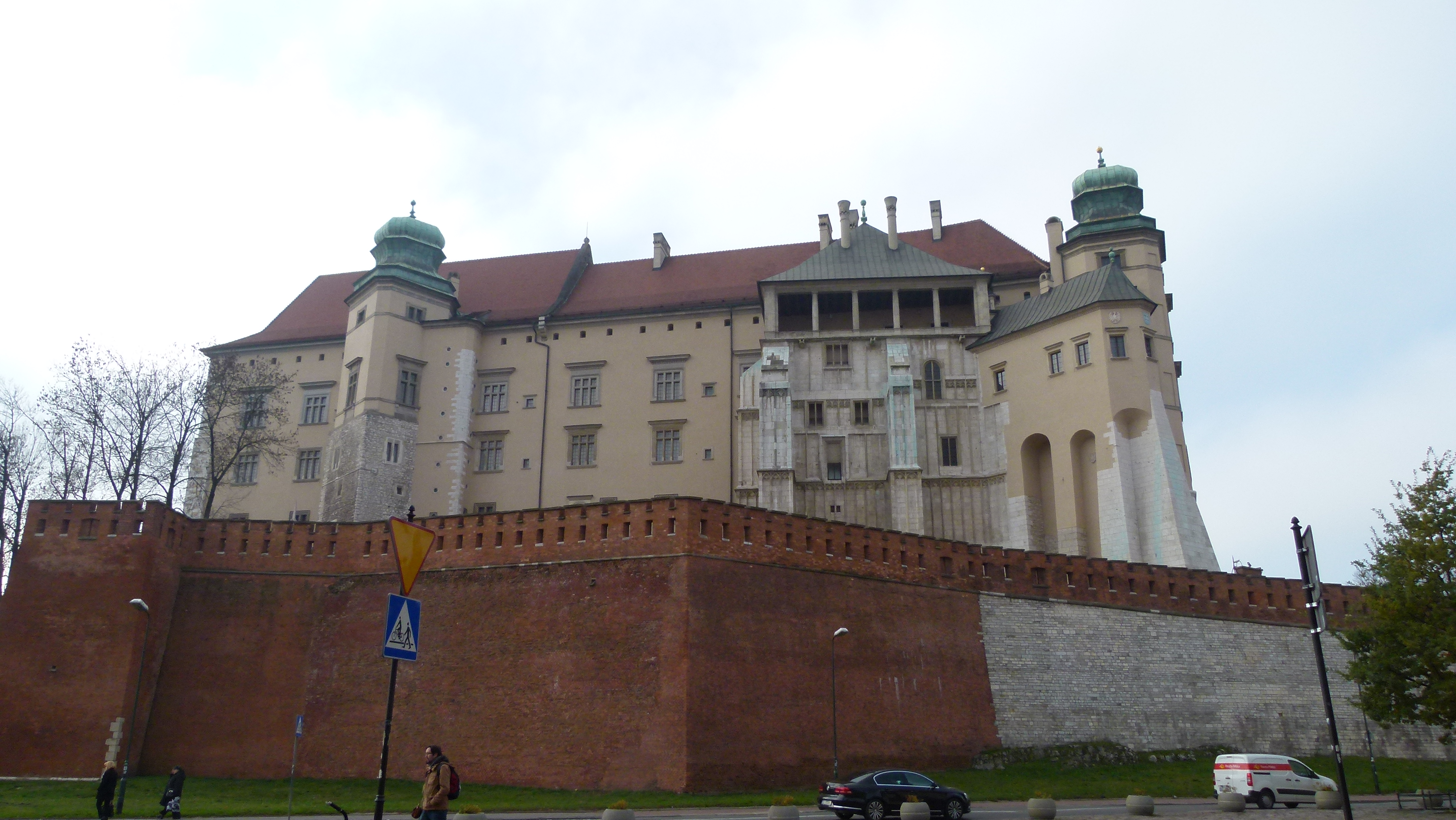
Crossing the Wawel hill with the castle I return to my hotel. Radek waits for me to take me out for lunch. But first he proposes some culture in a warm place – the exhibition about Galicia.

P1050425

.

Some more sightseeing: Learning about Galicia

The International Cultural Center on Rynek has curated an excellent exhibiton about the myth of Galicia.  This is the motto of the exhibition: “Galicia no longer exists. It disappeared from the map of Europe in 1918 together with the Austrian-Hungarian Empire, whose province it had been. Yet, it still lives as a imagined space in the collective imagination and memory. The Krakow exhibition seeks to answer the question about the source and contemporary condition of the myth, trying to find out why literature, visual arts, and film still refer to it, while Galicia itself is used as an attractive brand.” The exhibiton displays art works, archive materials, and artefacts and places them in the historical context. The first part shows how the myth of the multinational region emerged in the Polish, Ukrainian and Jewish perspective. At the end of the 18th century, Poland was divided up and Galicia (with Krakow) became a province of Austria, for roughly 150 years. The detection of oil reservoirs and the construction of railways helped develop the economy of this poor and remote province of Austria-Hungary. In 1918 the province of Galicia ceased to exist. It was divided up and Kraków with Malopolska became part of Poland.

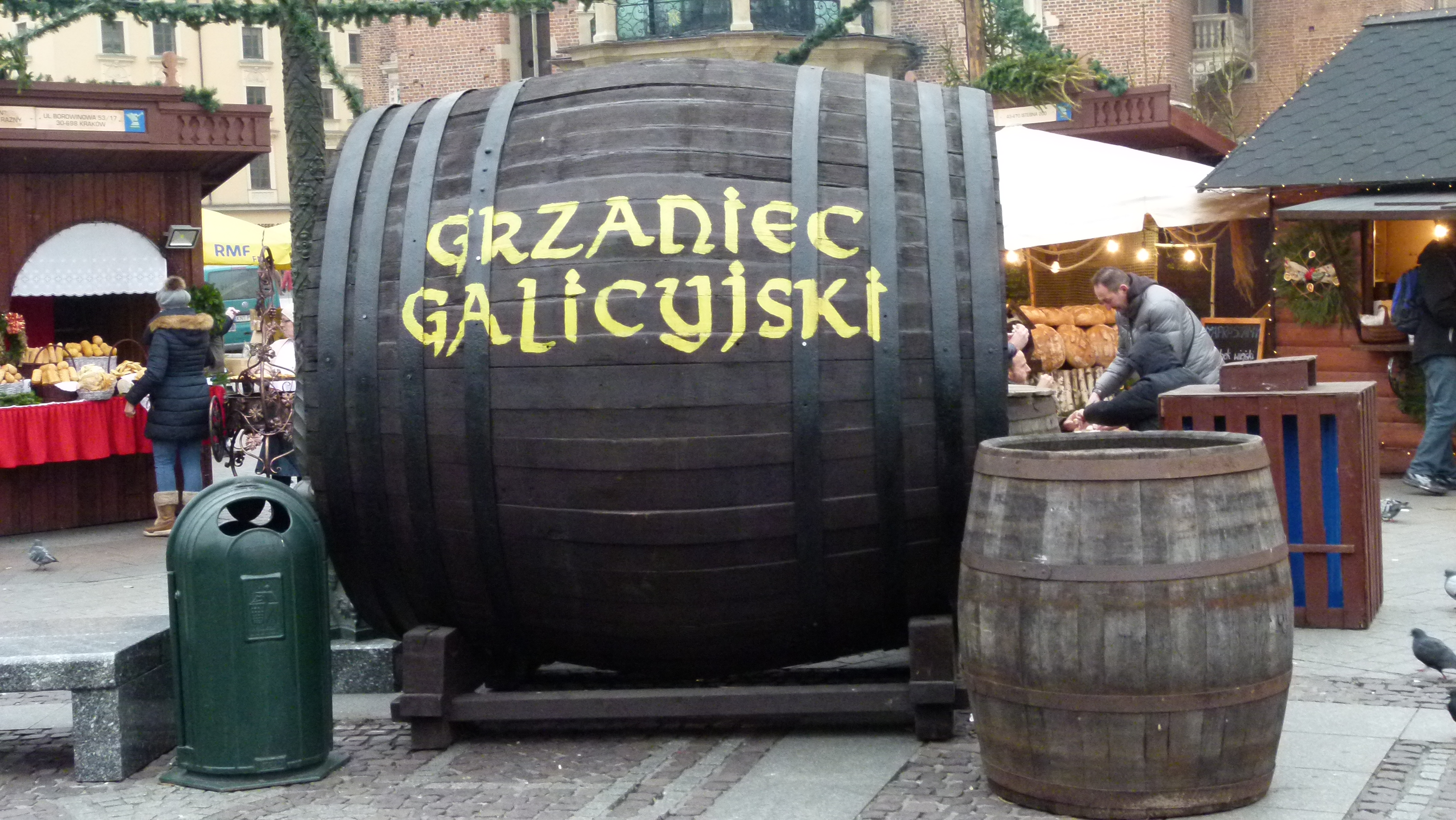
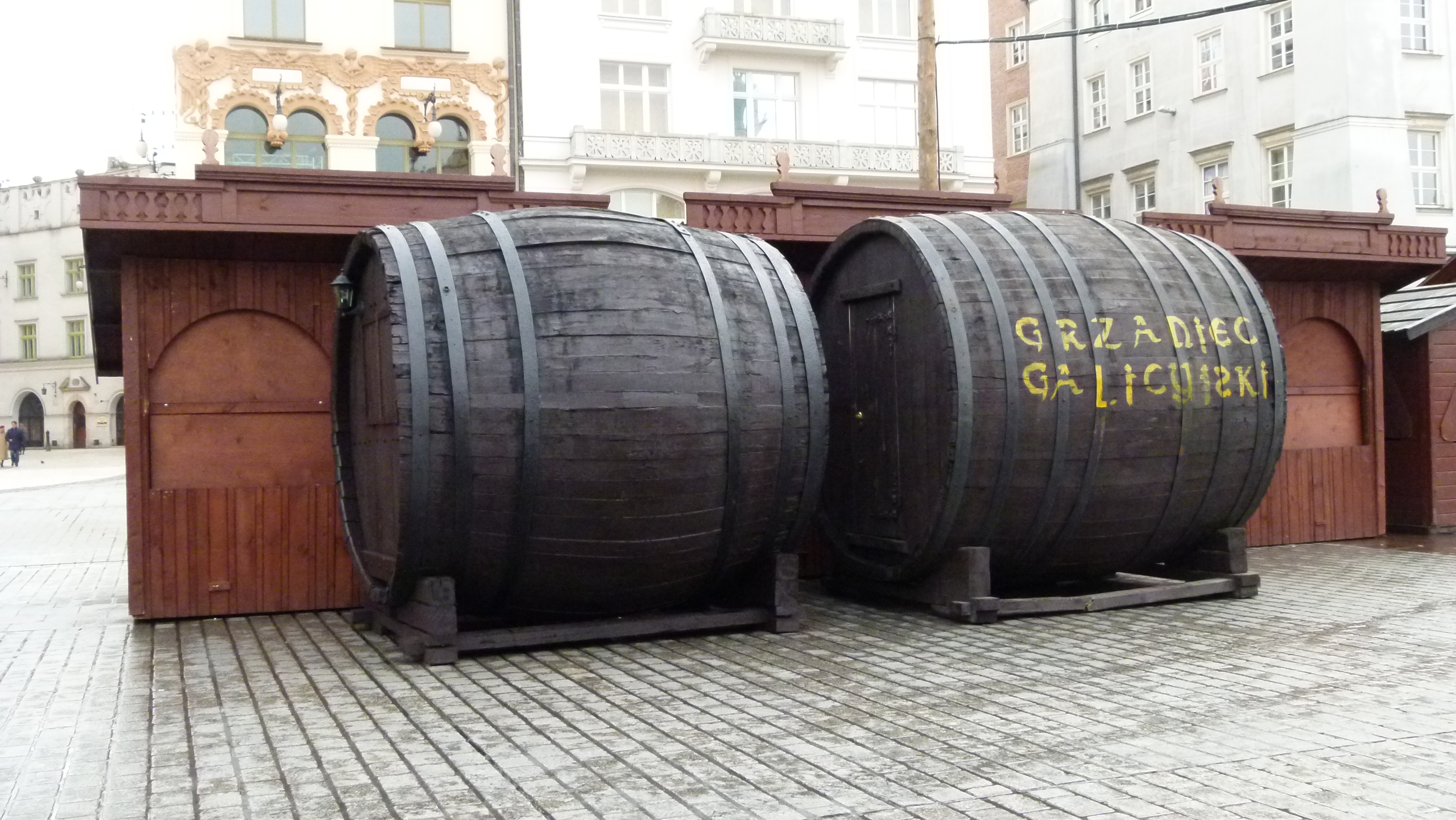
Well, in a way Galicia still exists as a label – remember the Grzaniec Galicyjski or Galician hot wine from the barrels on the Christmas market?

P1070071

Great experience, thank you, Radek for this food for thought before having food for our stomachs.

.

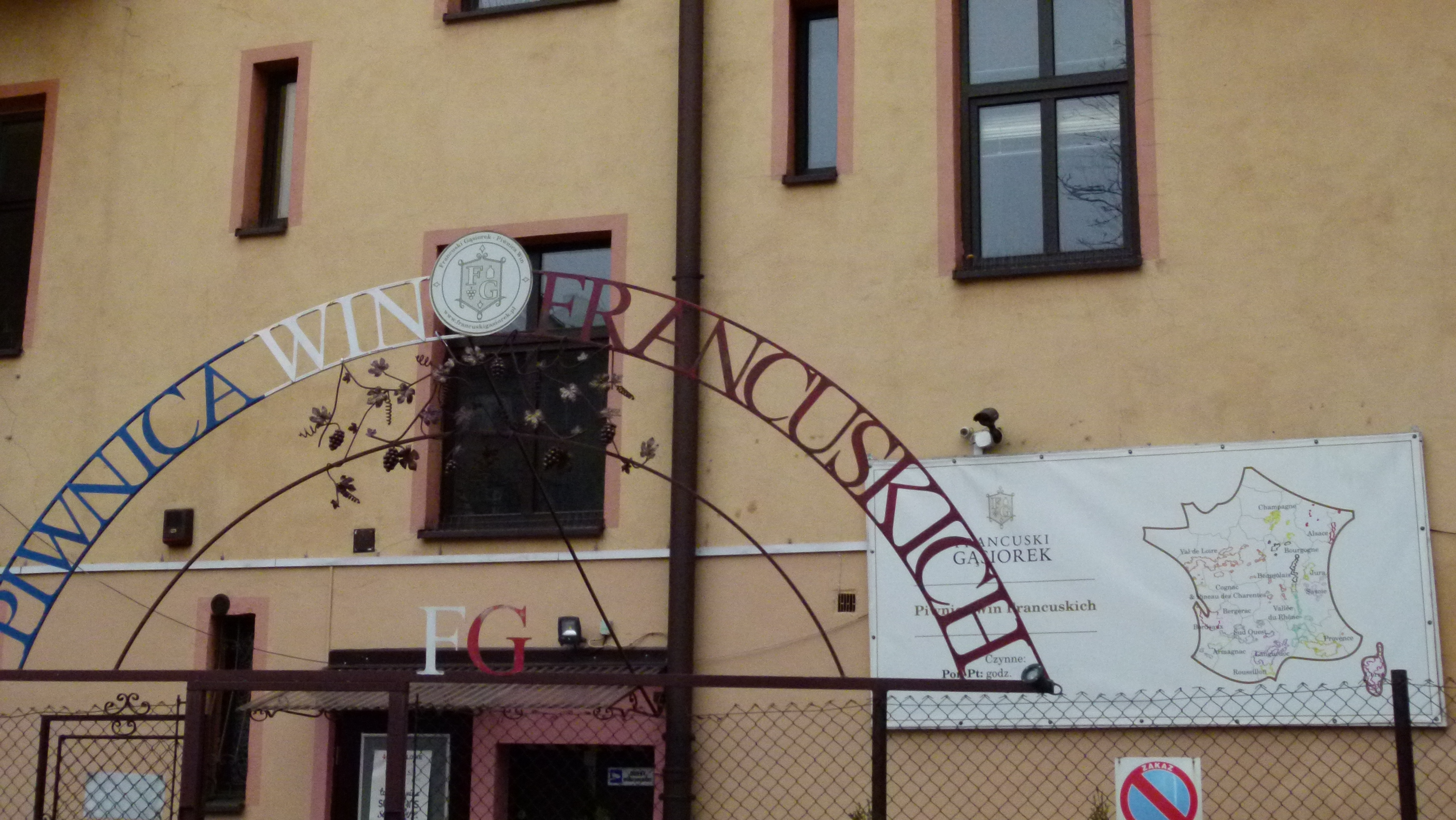
Discovering the excellent wineshop “Francuski Gąsiorek”

As we expect more guests for the Fondue party than first planned, Radek takes me to the Francuski Gąsiorek to buy a bottle of crispy wine. We stand in the cold wind in front of the locked gate.

P1070088

The shop opens at twelve. A young man comes and unlocks the gate. We enter with him and find an excellent selection of wine in the cellar: French wines from Burgundy, the Loire Valley, the Rhone Valley, Languedoc and the Alscace. Just having come back from Burgundy, I feel tempted to buy the Appelation Village de Savigny-Les-Beaune (not possible in the hand luggage, when flying back). He has nice Chablis 1er Crus from Côte de Léchet and Beauroy. In addition, gems from Germany are on sale, from Franconia (Silvaner in Boxbeutel bottle) and Rheinhessen (I see Gewürztraminer and Riesling). The young wine dealer is proud of his wine cellar and knows what he has. He explains that his Gewürztraminer from the Alsace differs from the Gewürztraminer in Rheinhessen. The first has residual sugar, the second is much drier. Yes, I have experienced that as well. His eyes shine happily, when I discover the Boxbeutel; he points to the right most Boxbeutel bottle which he prefers. He proposes a Viognier from Languedoc for our Fondue and I buy his last bottle of Crémant d’Alsace for Piotrek’s new apartment.

Back home I find out that “gasiorek” means “male goose”, but here it means demijohn (in German Ballonflasche). What does a male goose have in common with huge bottles?

I find a blog about this new wine shop (in Polish). Great shop – I will surely come back.

.

The Collegium Maius – and legends of Kraków

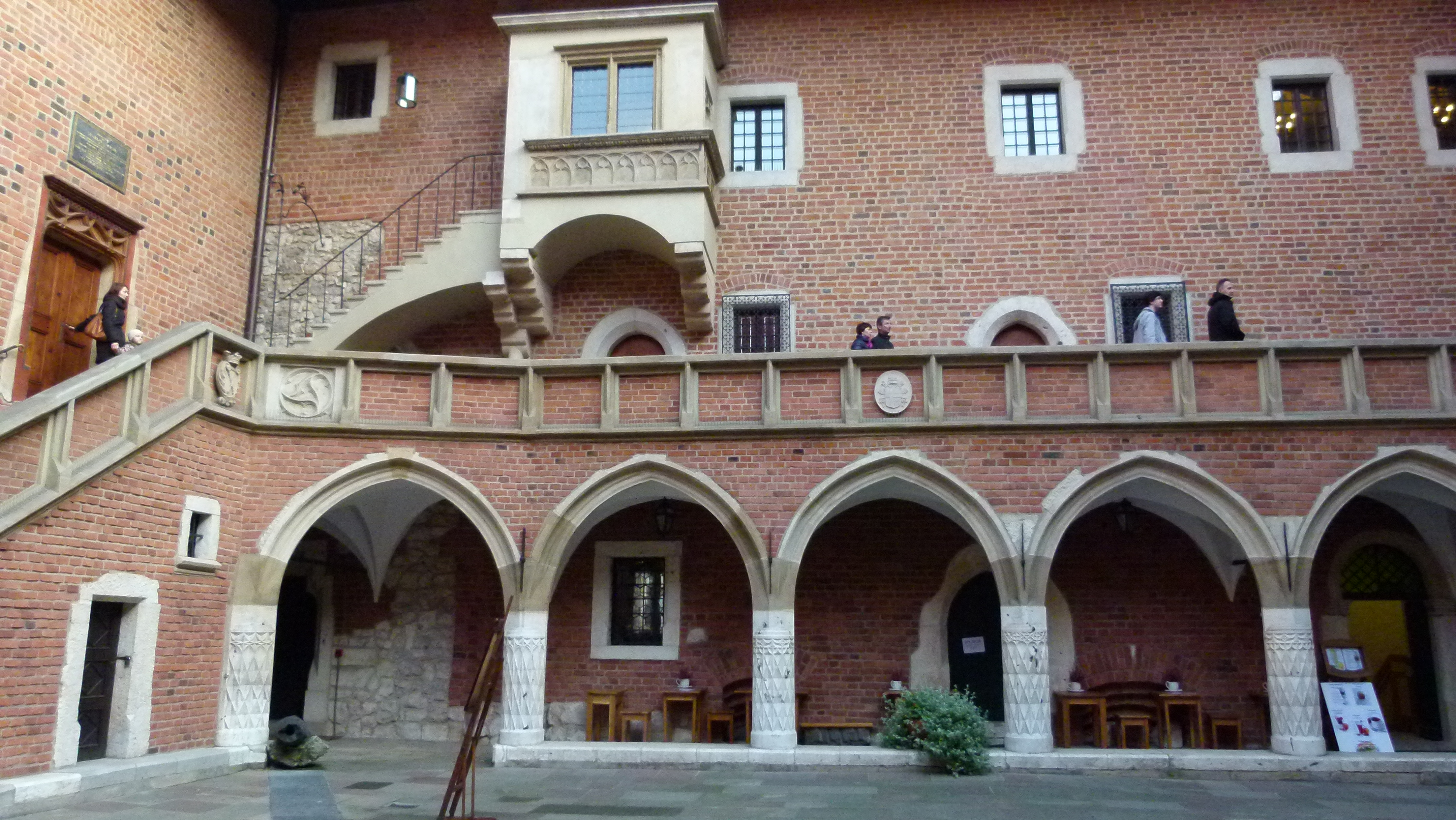
I stop by in the courtyard of the venerable Collegium Maius, the university from the 14th century. A group of tourists listen to their guide – shifting from one foot to the other. Yes, it is cold.

P1050388

The museum shop is open. I enter it (it is warmer here) and find a pretty small book about legends from Kraków or “Krakauer Legenden”. On the cover is the Lajkonik (the Krakówians make fun of the Mongolians that could not conquer their city).

Krakauer Legenden Titelblatt

The book contains ten legends that are nicely illustrated, among them the legend about the trumpeter of Saint Marie’s church, the Hejnal, and the legend about the towers of Saint Marie’s church (why they are not the same size, the reason is envy between two brothers). Kraków is full of legends. This book will accompany me on my next visit.

On the road – a chilly November weekend in Kraków – the Christmas market

The tradition – a Fondue from Switzerland in Kraków

It has become a tradition that I travel to Kraków in late autumn to meet my friends walking and talking in town as well as sharing a Fondue at Dominik’s place.  This time Asia and her husband also invite me to their tastefully decorated new apartment. Thank you all for your wonderful hospitality.

I would like to share some of the memories that I take back from your town: I enjoyed the lively Christmas market on Rynek, said hello to some churches, to the Art Nouveau around Uliza Retoryka, to the Wisla and to the Wawel castle, escaped the chilly wind to warm up in tea houses and restaurants, learnt about Galicia and discovered an excellent small wine shop. Perhaps Kraków did not want to let me go and asked the Lufthansa pilots to go on strike from Monday 12:00, exactly when my flight to Munich was scheduled.

Let us start with the Christmas market.

.

The lively Christmas market on Rynek

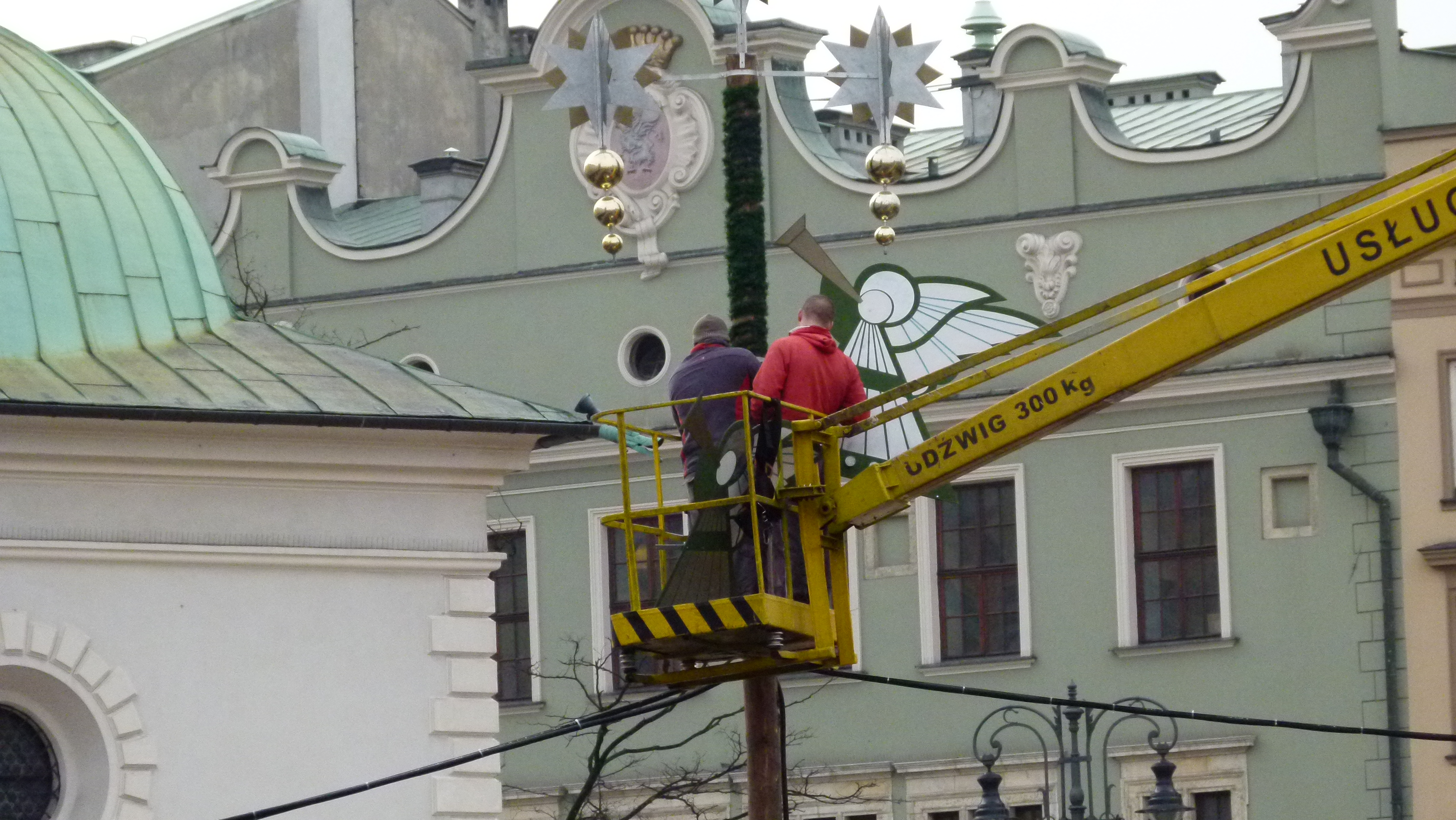
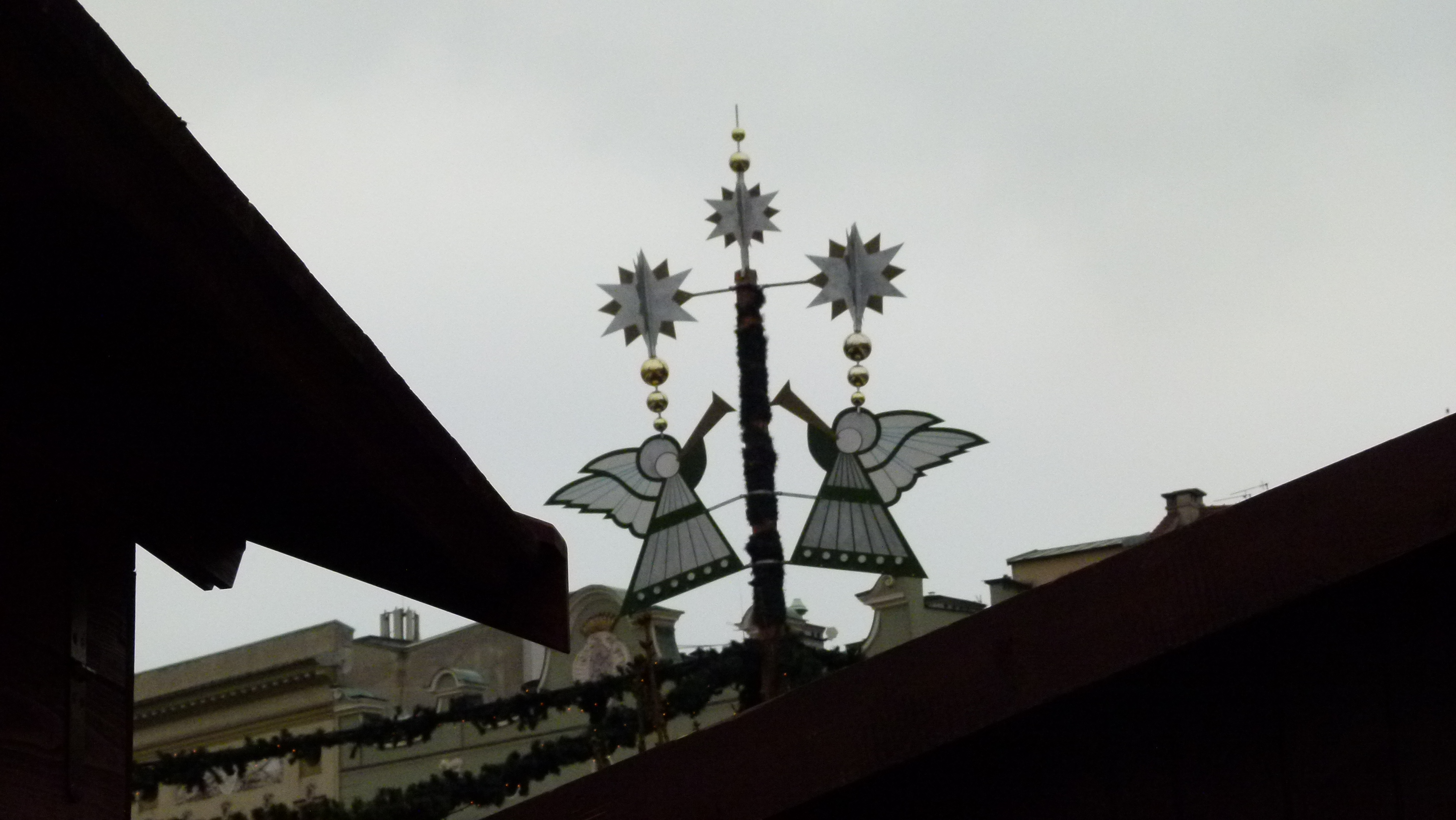
Last year I observed angels being installed above the Rynek, two mysterious huge barrels being dropped and wooden stands emerging on the Rynek.

P1050619

P1050617

These were the preparations for the Christmas market.

This year I am here right in time for the Christmas market. The angels above the Rynek are again hanging above the stands and looking down at the busy activity.

P1070070

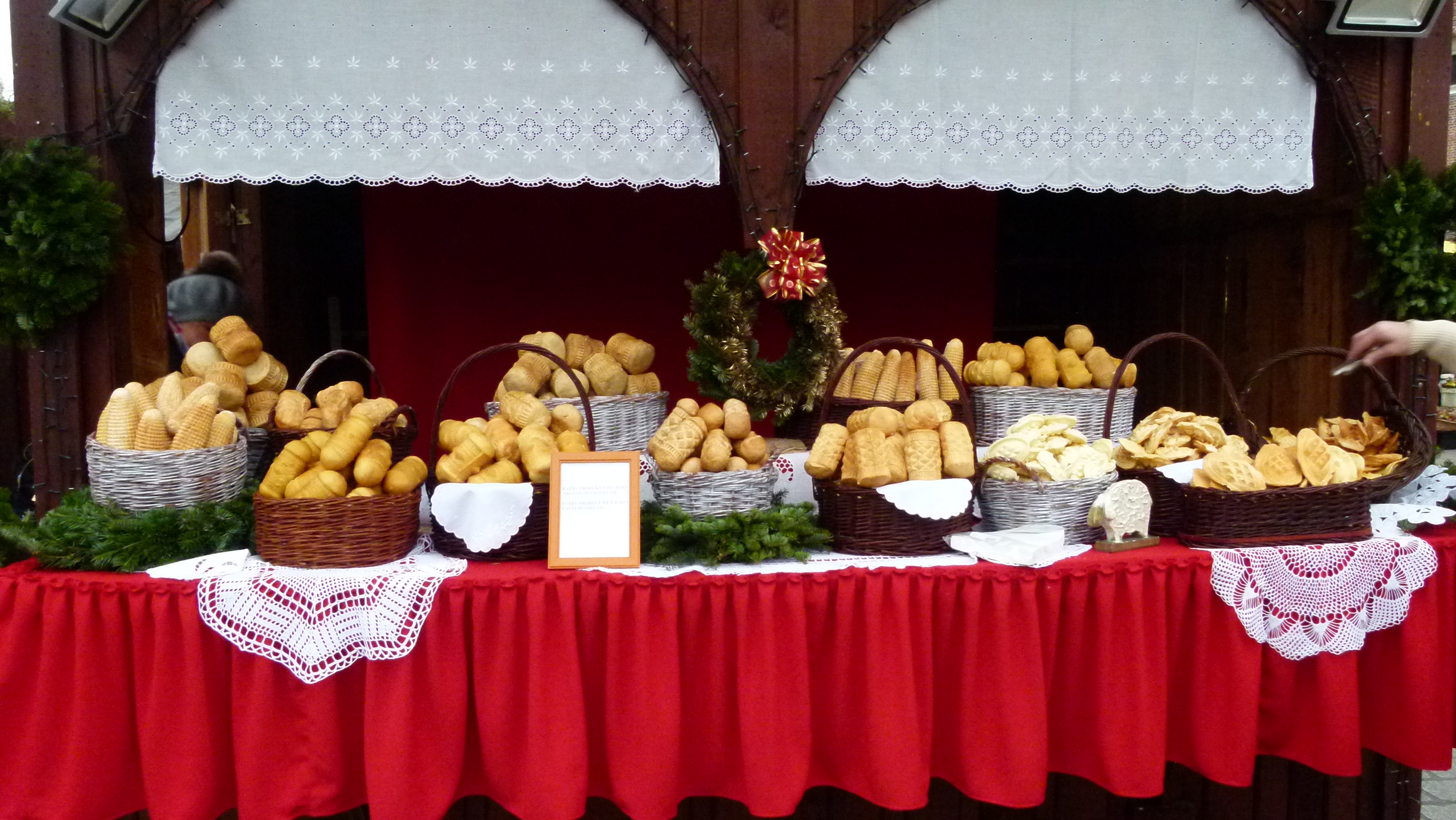
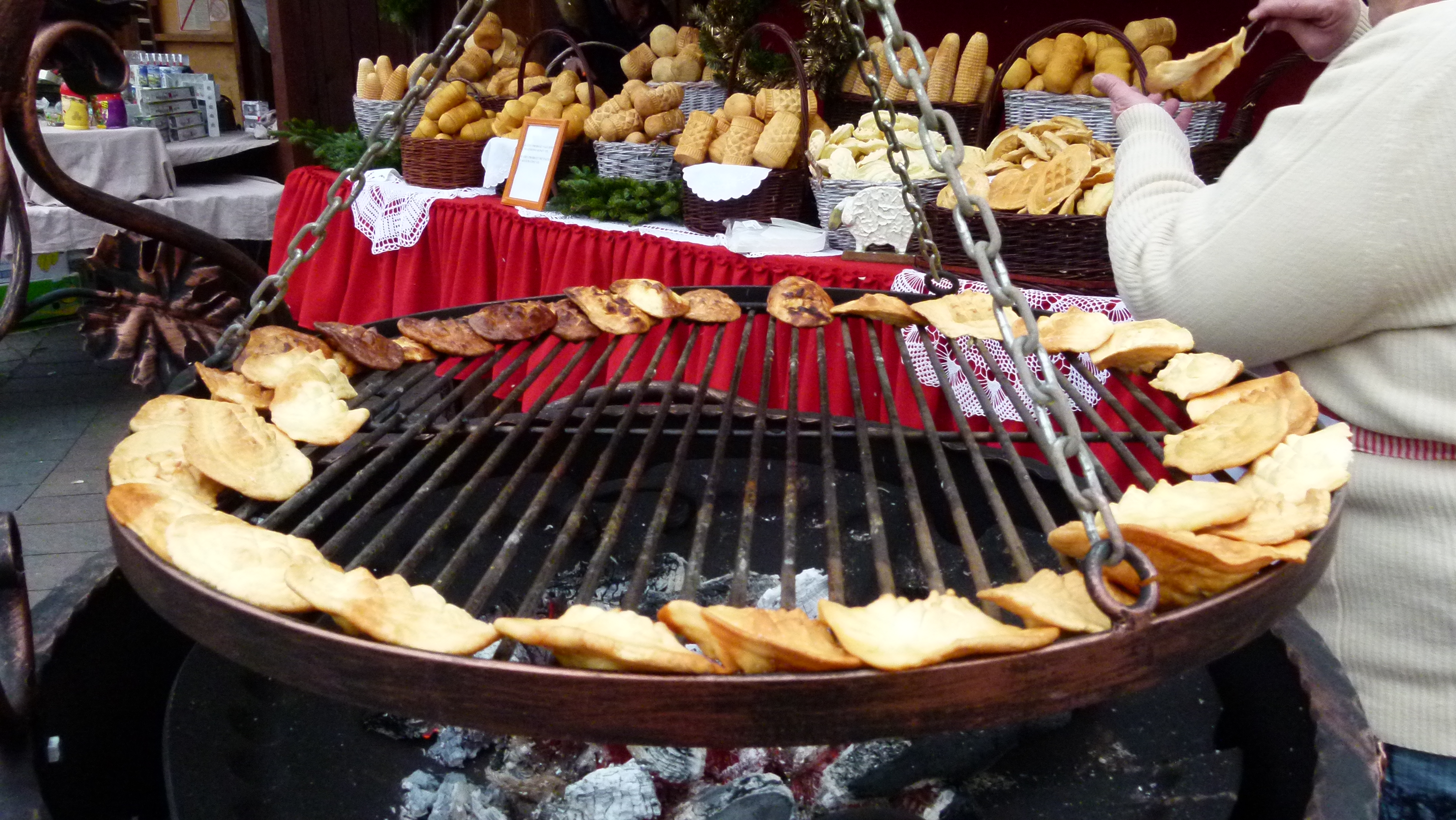
Local products such as Oscypek (sheep cheese) are on sale.

P1070069

This cheese is being grilled and served with cranberries. I try it and it tastes quite good – though perhaps for me somewhat interesting.

P1070068

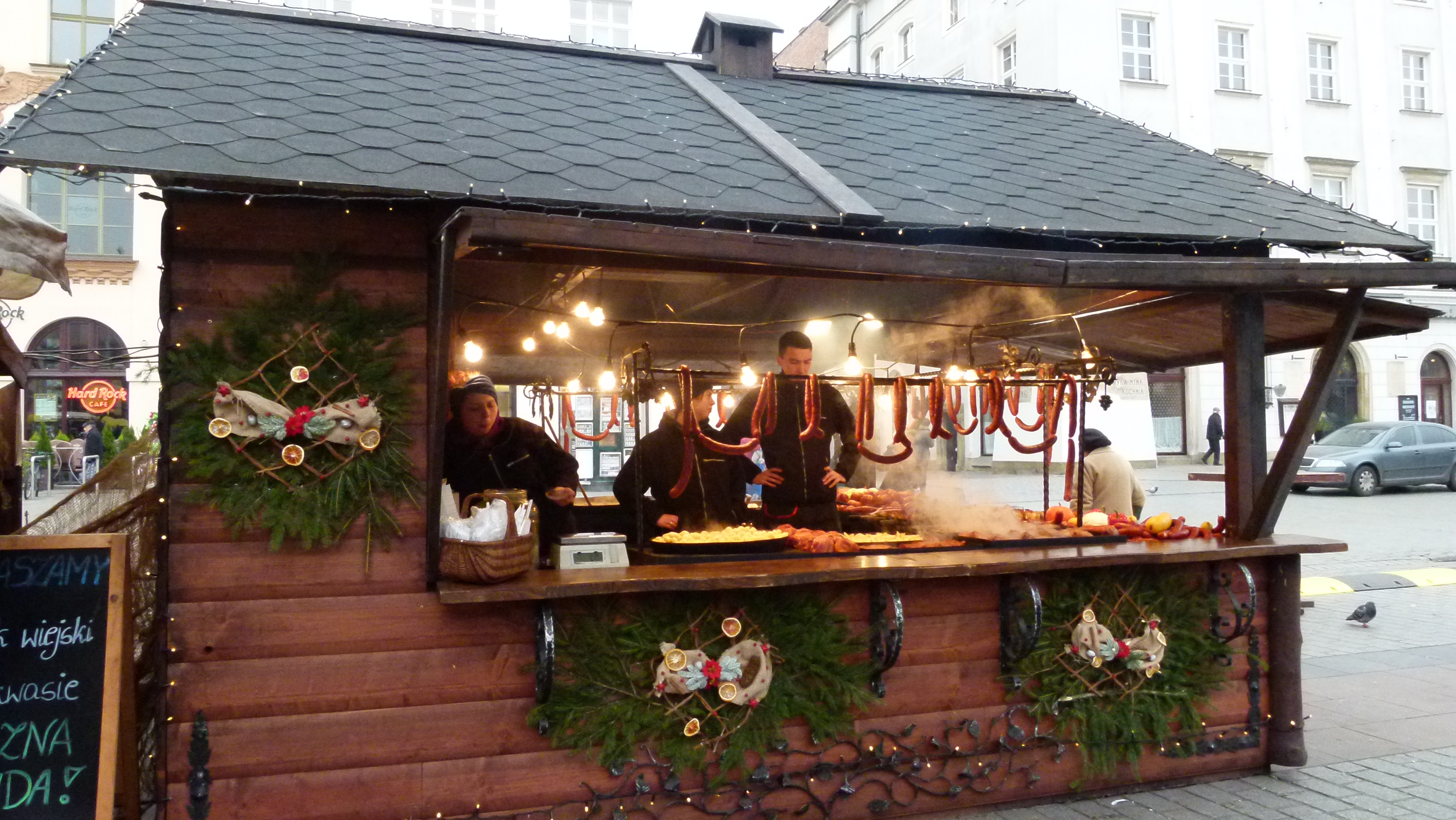
There are stands that produce a lot of smoke: Barbecued maxi sausages, pork knuckles, giant meat skewers and potatoes are on offer.

P1070065

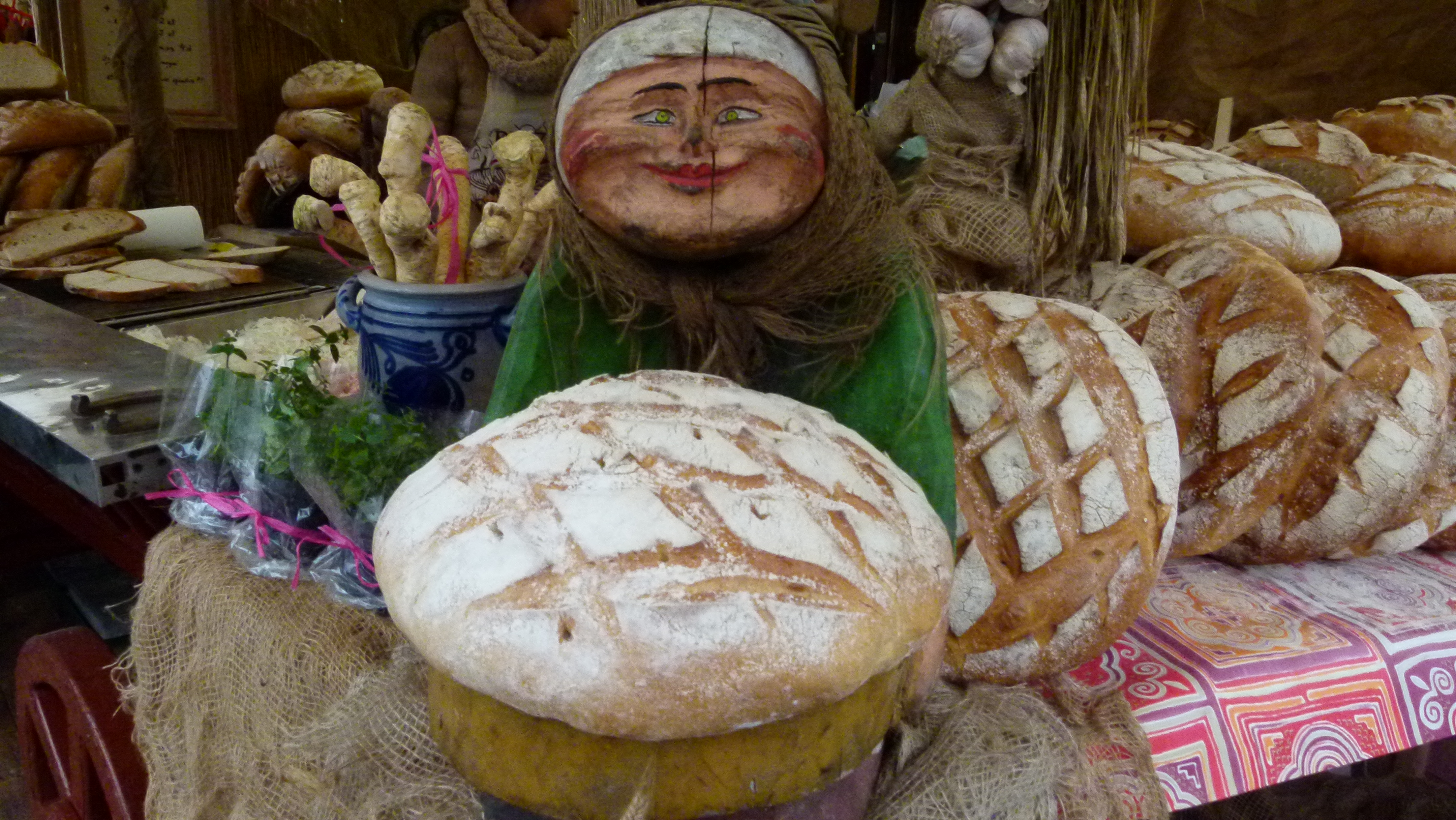
On sale are also beautiful loaves of bread…

P1070078

… and the Polish cream toffees – krówki. Krówki are made from cream that comes from cows, and this is why they are called “krówki”. I followed the instruction for self service and bought some.

P1070075

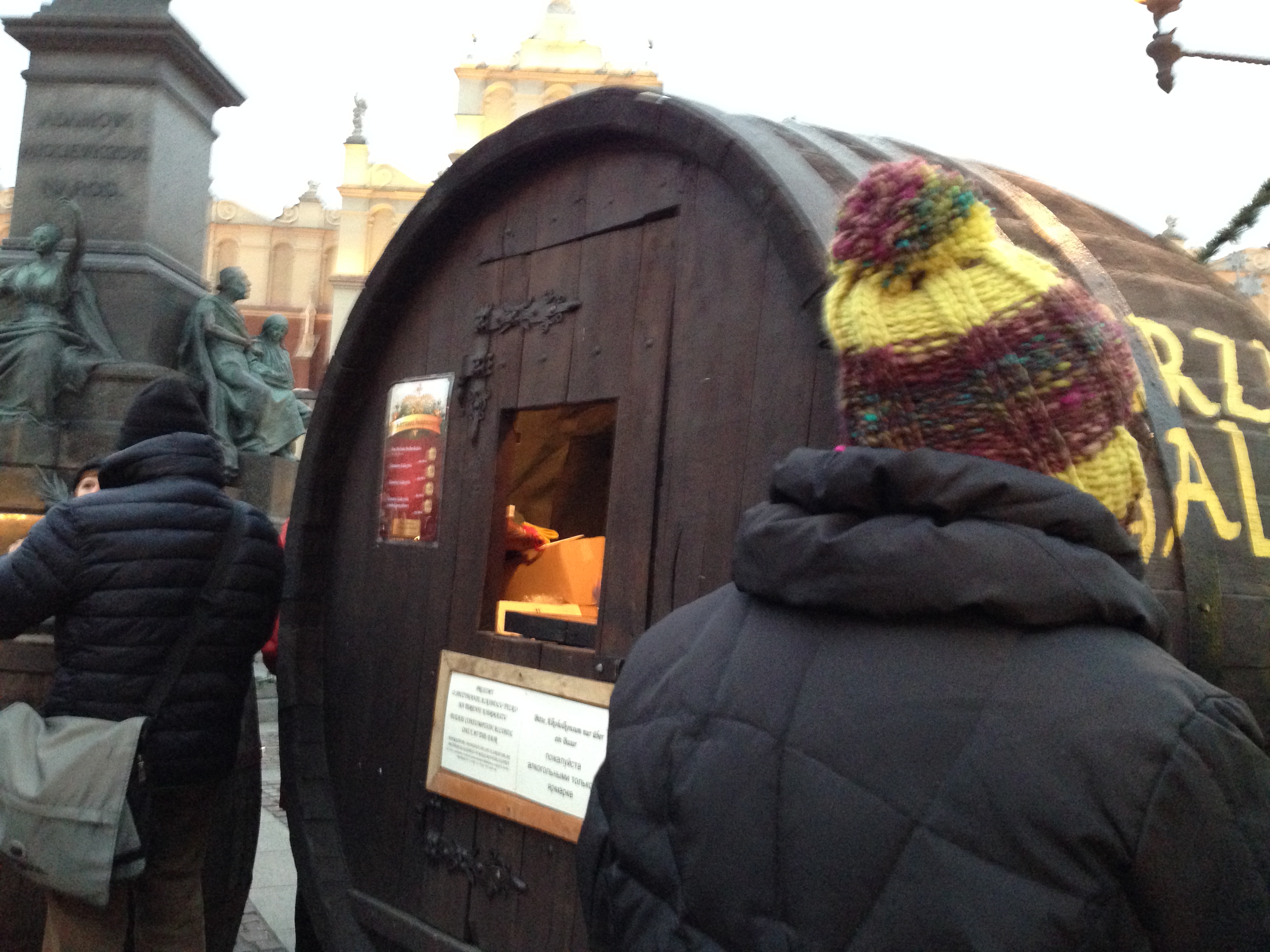
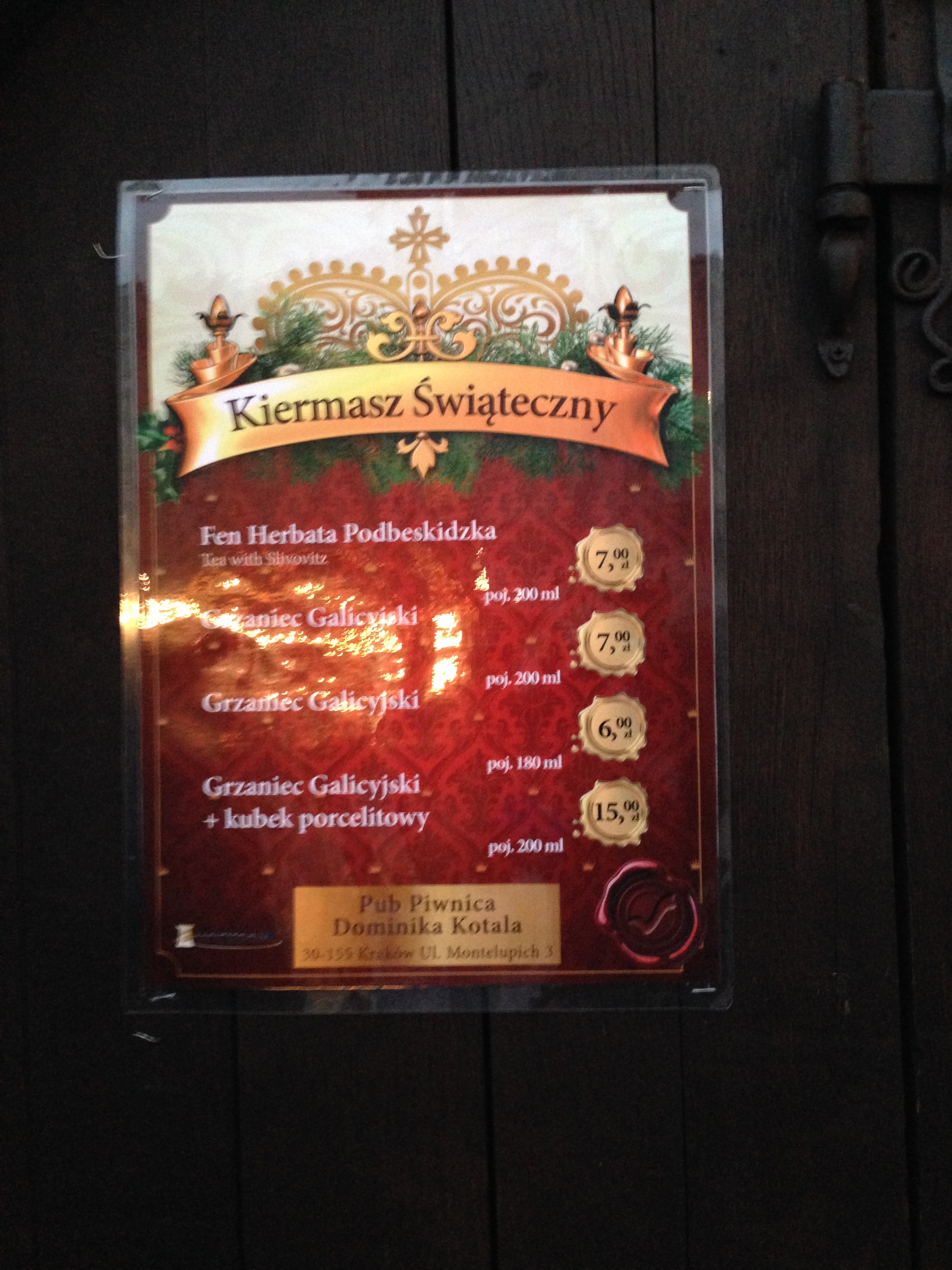
The “barrels” with the mysterious inscription are also back. Radek explains to me that they sell hot wine galician style or “grzaniec galicyjski” (literally “hot Galician”).

P1070071

The barrels open later. Their hot wine is in demand – people stand in line for it. I also buy a cup to warm me up from the chilly wind.

IMG_1216

This plate says what types of hot wine you get at the barrel window of the Christmas market (kiermasz świąteczny).

IMG_1219

There is also local handicraft such as woodware and embroidery on sale.

Around me I hear a lot of Swiss German, UK English, Russian and even some French. This charming Christmas market is a valued tourist destination. I can understand that. I love to linger around here – this market has a special charm with its products from Poland and the Rynek – one of the most beautiful market squares in Europe – makes a great setting for it.

.

Let me continue with some more memories of Kraków later.

A Swiss in Krakow – some language insights with the twinkling of an eye

Polish – the third most difficult language in the world?

When flying to Poland, my neighbor told me that a recent evaluation rated Polish to be the third most difficult language in the world.

I could not find that ranking. I found this quote: “Polish grammar has more exceptions than language rules… Furthermore Polish people rarely hear foreigners speak their language, so… pronunciation must be exact or they will have no idea what you are talking about” (most difficult language to learn).

Is really everything so difficult?

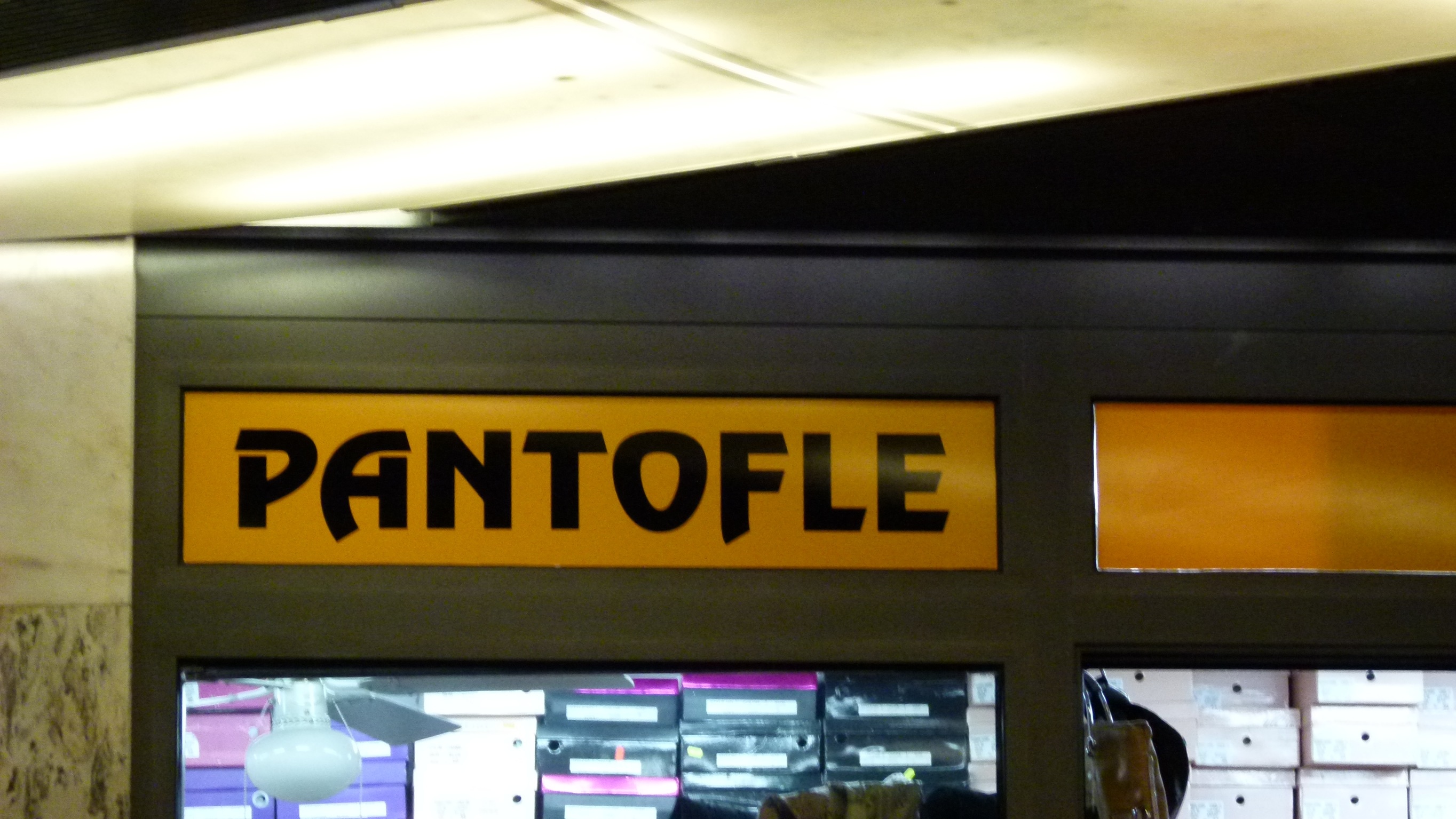
What about pantofle? A German speaking Swiss easily recognizes “Bantoffle” and people of French mother tongue understand “pantoufles”. These are slippers.

image

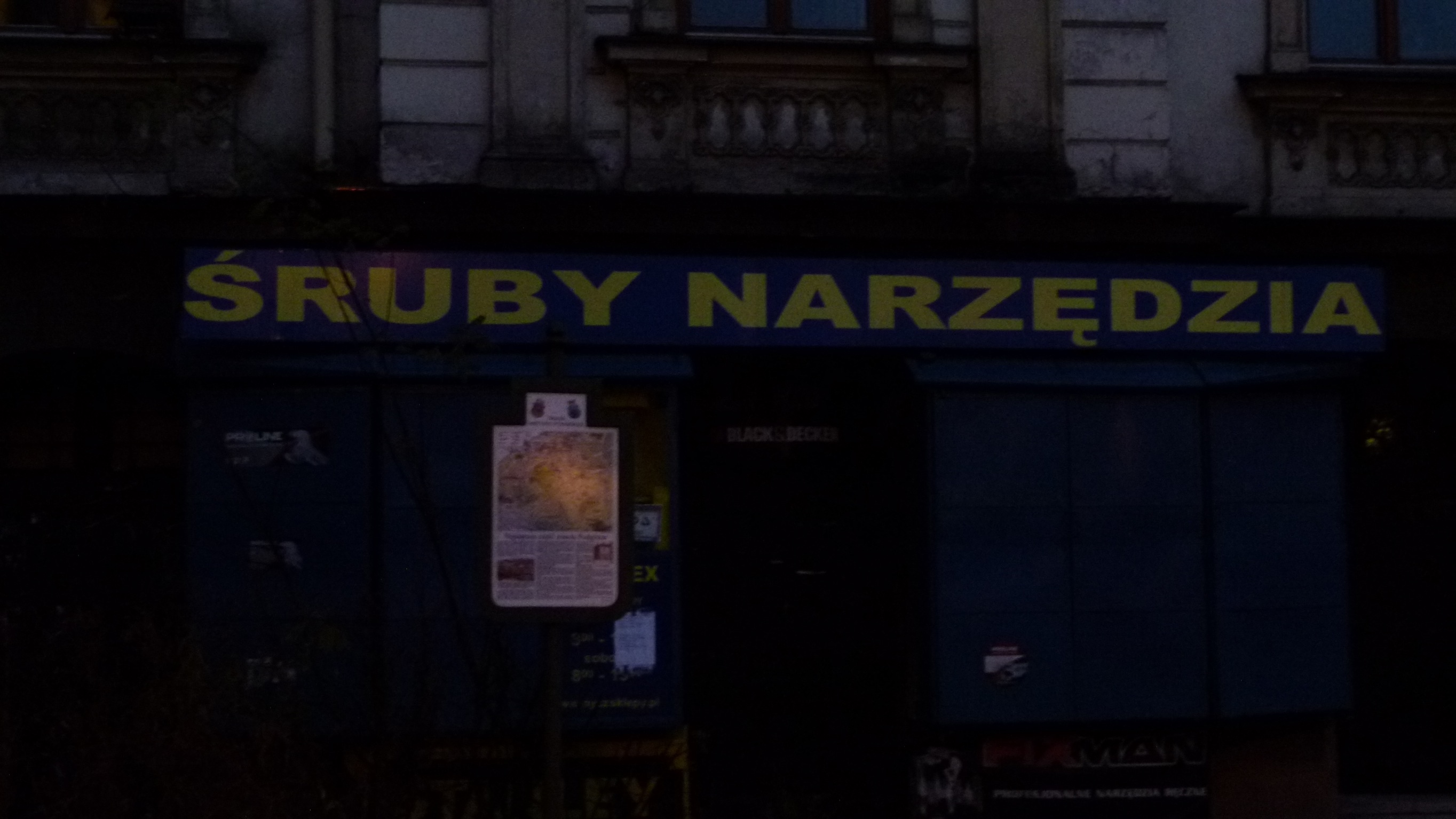
Or what about “sruby”? Absolutely clear to anyone from The German speaking part of Switzerland: These are Schruube (screws) and in the Bernese Alps they are called exactly like in Polish… Schruubi.

image

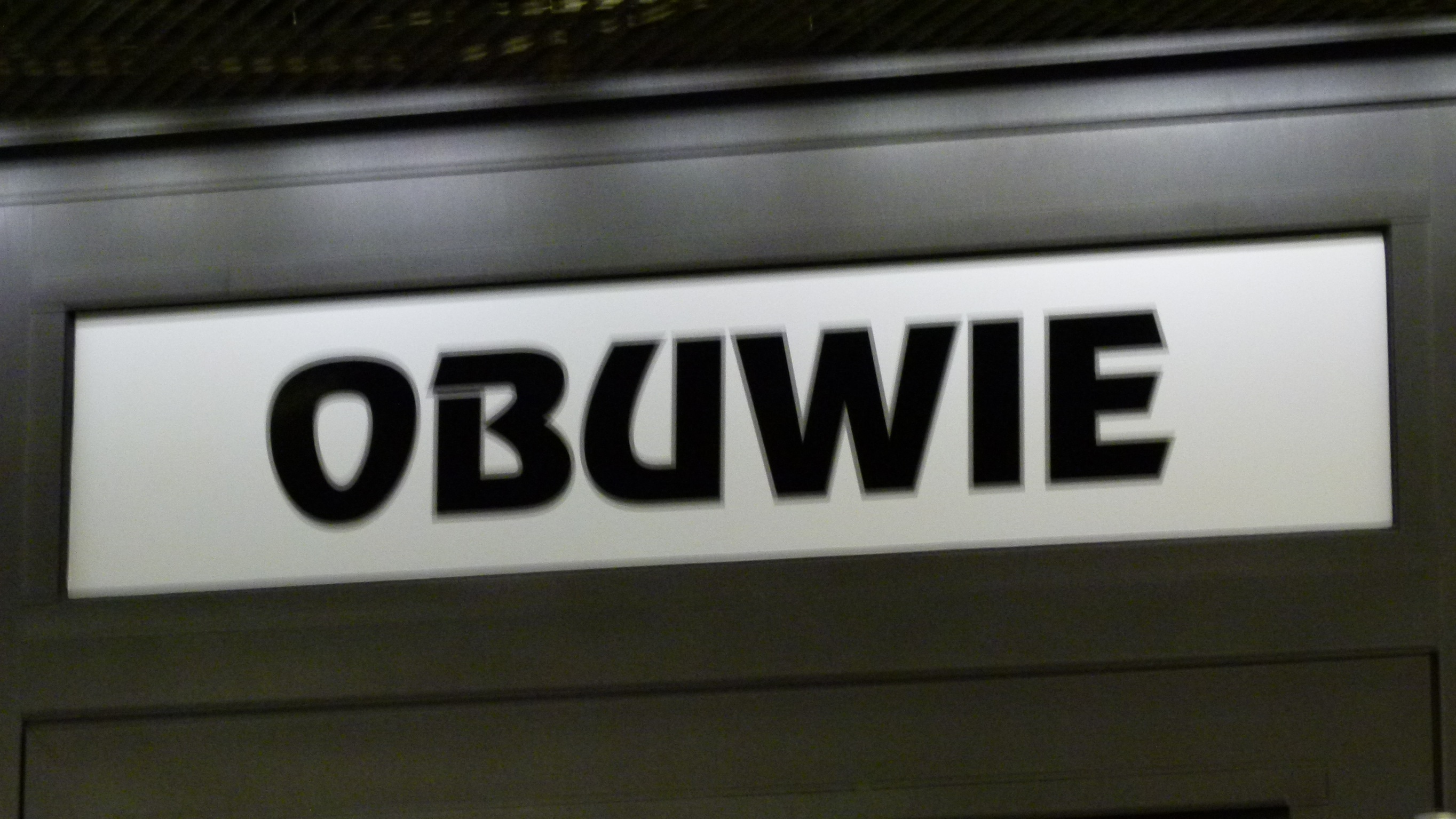
And what about “obuwie”? Any Russian understands, what he can buy here… обувь or shoes.

image

But most Polish words look frightening – can this be pronounced at all?

My Kauderwelschführer “Polnisch” (Reise Know How) asks: “Polnisch – unaussprechbar?” (Polish – unpronouncable?).

A friend of mine is of Russian origin. He sighed contending that the Polish language would be much easier to read, if they used cyrillic letters. I agree, cyrillic letters would make the hissing sounds such as “szcz” and the soft consonants such as “ń” easier to read, but what about the nasal sounds (ą or ę) and the “ł” that reminds me of the “uu” in the Swiss Bernese dialect – they do not exist in the cyrillic alphabet.

Polish uses breathtaking combinations of the Roman alphabet to express their many hissings, soft consonants and nasals. When I see such congestions of consonants such as szcz or rz, I have to stop and translate them into something known to me (in this case щ and ж). I have to be careful to recognize the consonant combinations that make up a hissing sound. I try not to miss the little nasal tails added to vowels and I always get stuck, when the “ł” (uu) appears between two vowels.

Here are some examples of words that I find hard to read:

  • I often forget to spell “rz” as ж: warzywa (vegetables), pieprz (pepper), and in Mongolia I came across the Przewalski horses.
  • The “ł” between vowels:  ołówek (pen), południe (midday)
  • Congestion of combined letters such as rz, szcz or ści, in particular when combined with the nasal ą or ę: chrząsczc (beetle), rzeczywiście (really),  wewnątrz (inside), mężcyzna (man) or część (part).

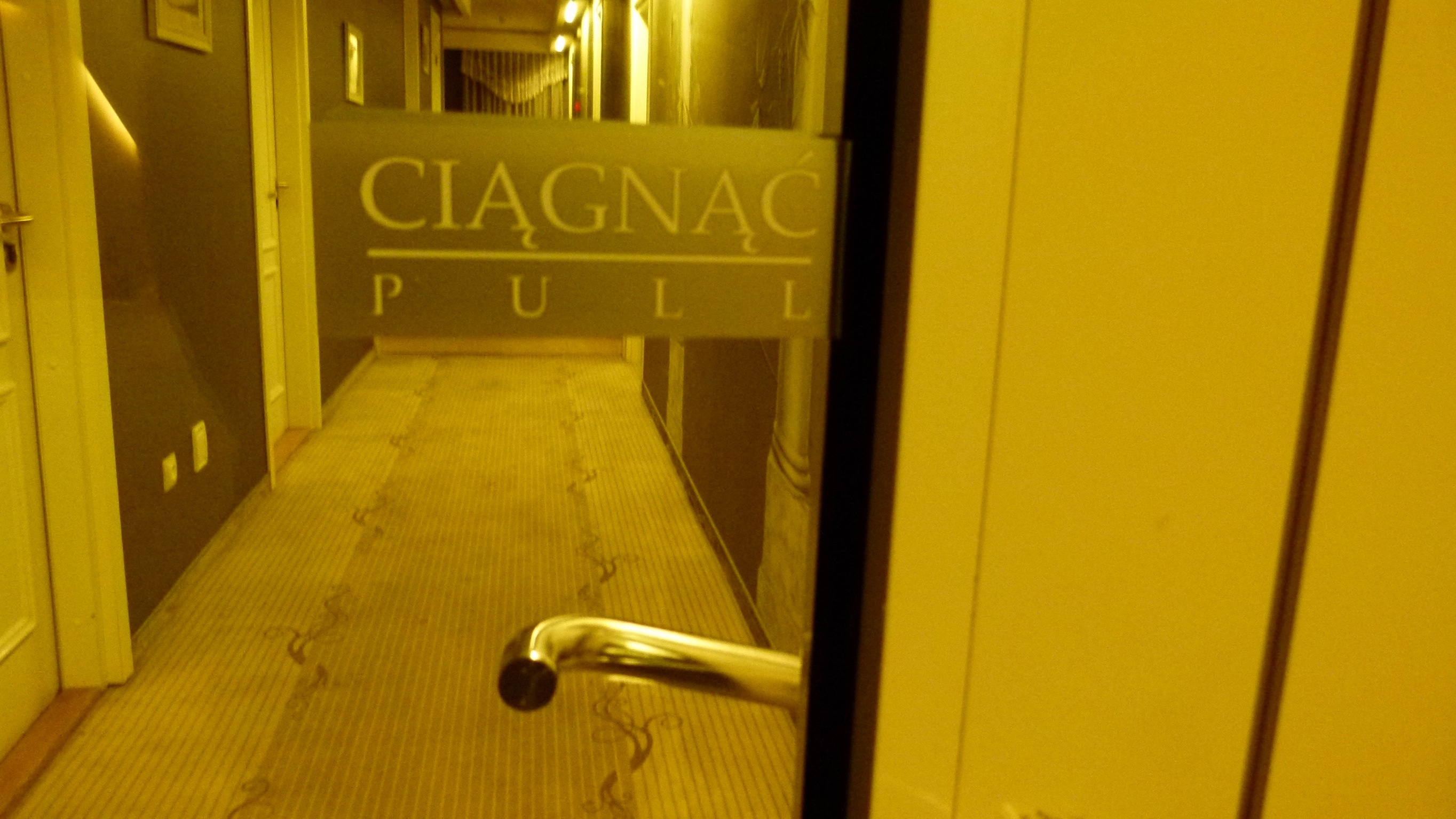
and here is the frightening Polish word for “pull” that sounds soft and perfectly flowing, when Radek pronounces it, while I keep on stumbling over it.

image

In addition Polish causes all the problems of Slawic languages for Western European speakers

What I find most difficult in Russian also holds for Polish. It is the concepts of verbs, with the perfect and imperfect action modes, overlayed by the modes of movement and the slawic  variation of the gerund. When I tell my Polish friends that I struggle with the difference between приходила (she came and left again) and пришла (she came and is now waiting here), they do not understand the problem and the difference is clear to them. In German, we would say: “Sie war da und ist wieder gegangen” (in English “she was here and left again” – an imperfect action) and “sie ist gekommen und wartet hier” (“she has come and is waiting here” – a perfect action). We simply do not have the notion of using different verbs for an imperfect (or canceled) and a perfect action. What makes it even more difficult is the fact that there is no rule to derive the perfect from the imperfect verb or vice versa – often they are two completely different words. An example for Polish is the verb “see“: widzieć (imperfect) and zobaczyć (perfect).

And to complicate things even more, the basic forms of the verbs of movement describe an imperfect action, but differentiate it by the direction (“one direction”: идти versus “back and forth or around”: ходить – and then there are many more details to remember to use the verbs of motion correctly and not be misunderstood).

Another difficulty of slawic languages is that the numbers are declined which can become complicated for composed numbers.

Yes, Polish is not easy to learn for us Western Europeans, but for my ear it is one of the most sonorous languages that I know.

A Swiss in Krakow – discovering Podgórze

No, I do not feel like visiting Podgórze

No, I do not feel like visiting Podgórze. Because this is the place where too much happened seventy years ago. I know that in Podgórze, Schindler composed his famous list and saved the lives of some lucky. I know that the concentration camp was here that became the scene of Spielberg’s film “Schindler’s list”. I saw that film some years ago, and then could not sleep for several nights. I had also visited the Schindler factory with the team a year ago, which made me also suffer. No, I do not feel like visiting Podgórze.

But then I am taught better

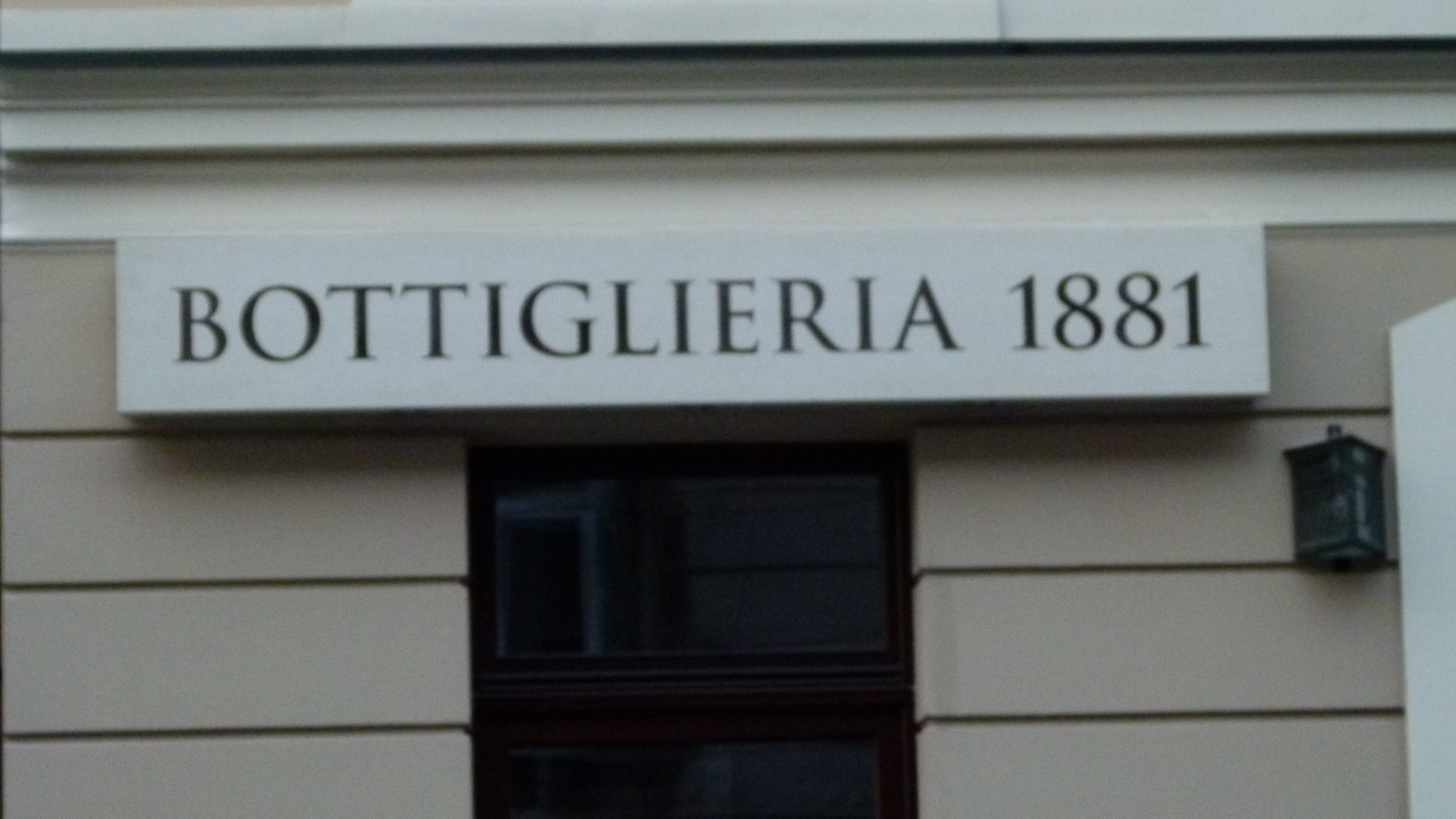
But then, Piotr tells me that this area of the town is his favorite. On Sunday, Radek and Agata take me to Podgórze, after an excellent meal and wine in Kazimierz, in the Bottiglieria 1881.

image

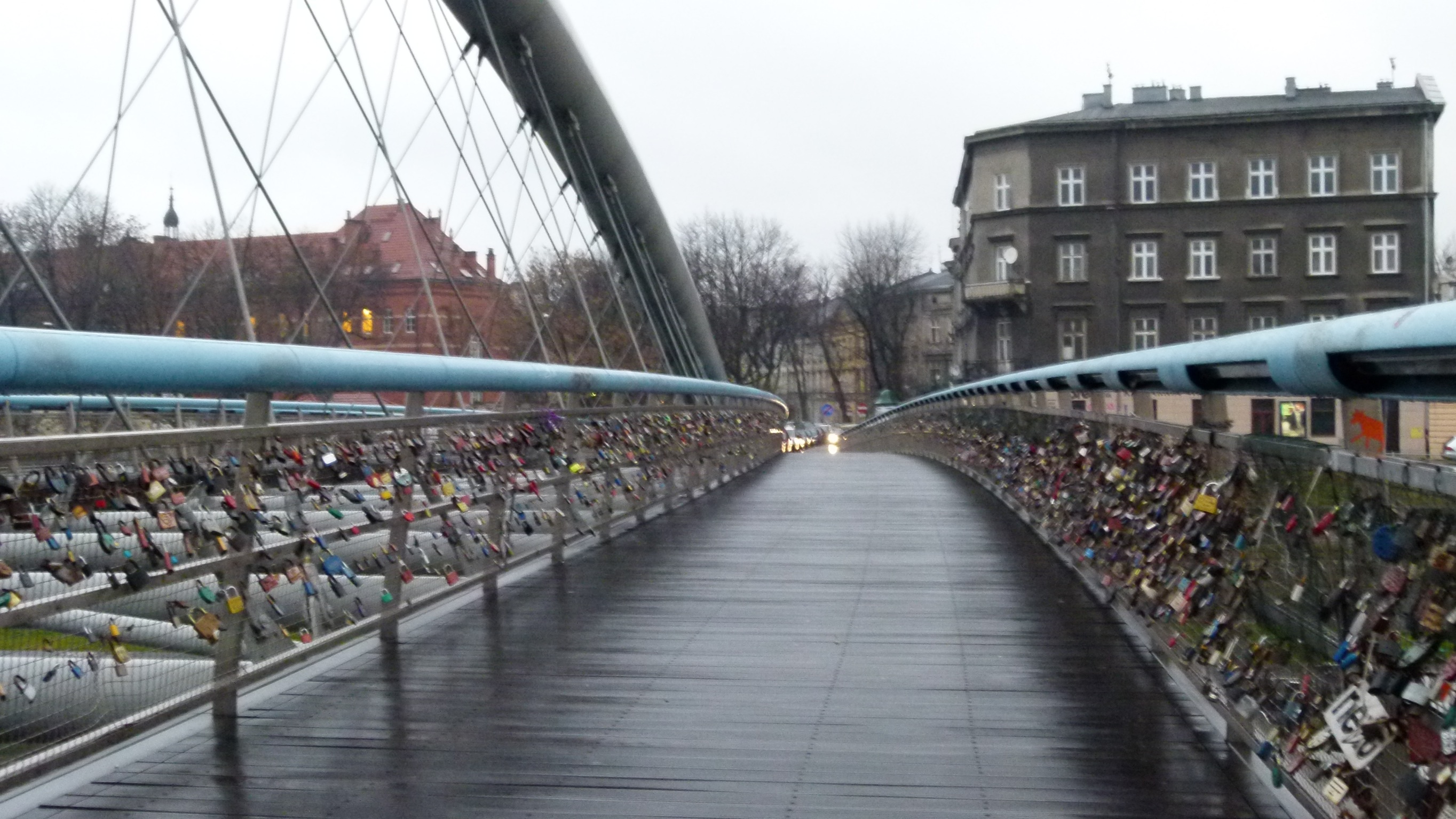
After the meal, we cross the Wisla to Podgórze using the footbridge full of locks symbolizing the marriages of hundreds of Krakówians – if only my lock would hang here as well… and I wish that you will mount your locks at some point in time.

image

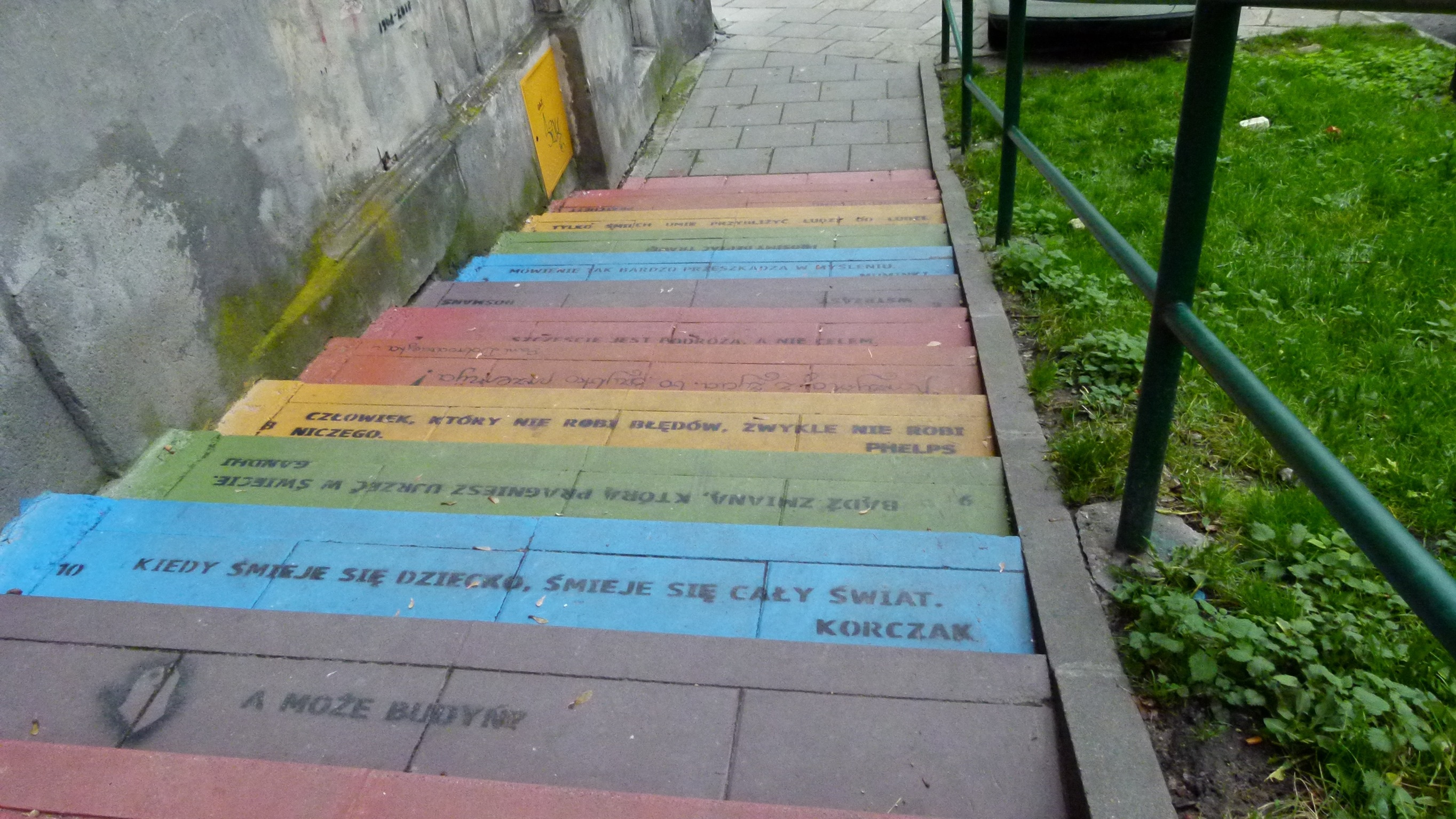
Next we step up the stairs with all the philosophical thoughts – written in Polish. Agata and Radek translate for me…  I like the thoughts and forget the statements again.

image

Back the next day to visit Krak and the scene of Schindler’s list

My guide book proposes a walk through Podgórze to the tomb of Krak and to the stone quarry with the site of Plaszów (my guidebook: Krakau, Michael Müller Verlag, 2011).

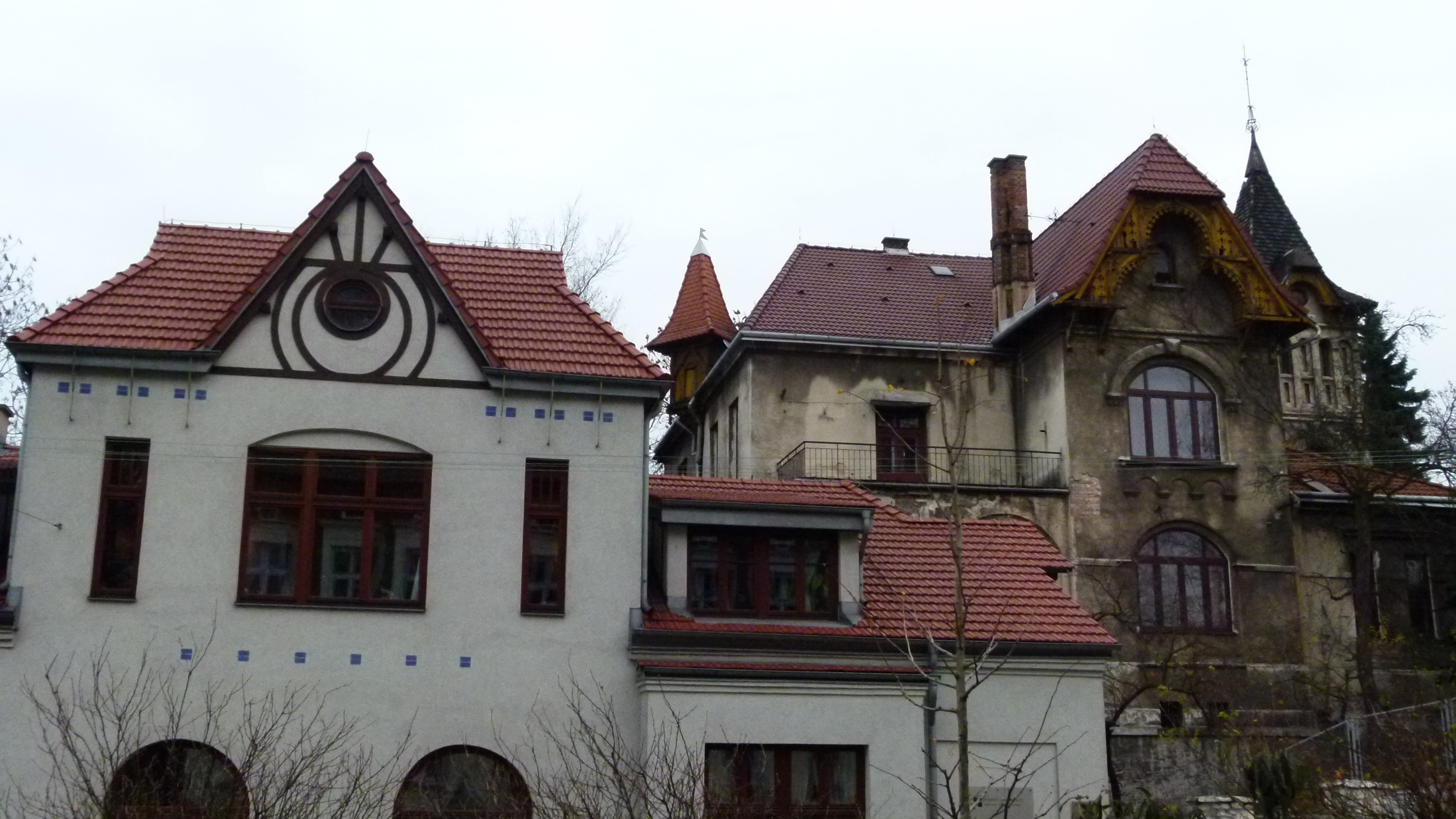
From the Rynek I walk uphill taking a foto of two elegant houses (though one of them would need some renovation – the Willa Mira with its wooden decoration).

image

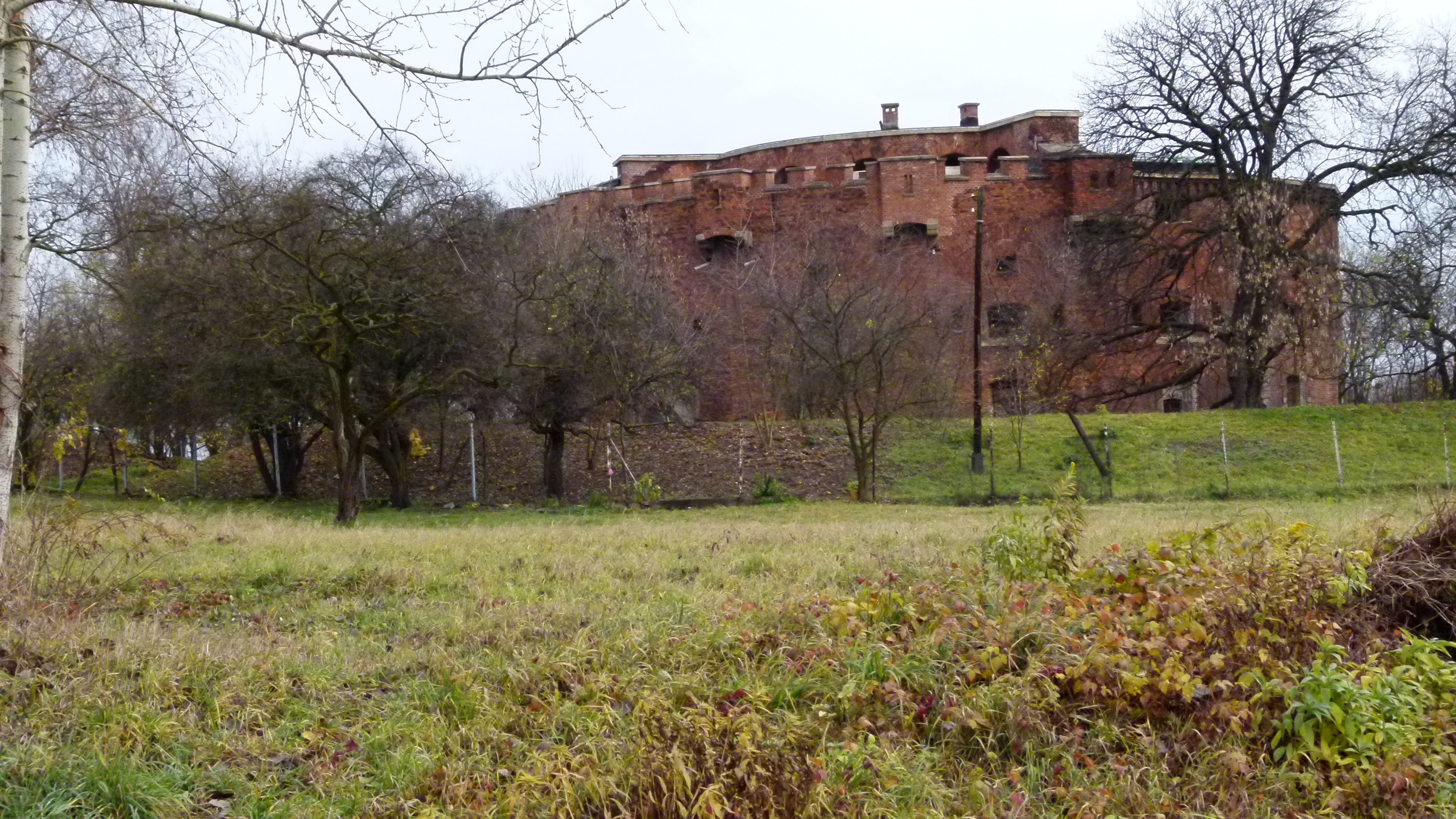
Next, I find the Benedykt church and another fort built by the Austrians, when Galicia belonged to them (I had also come across an Austrian fort in Zwierzyniec).

image

image

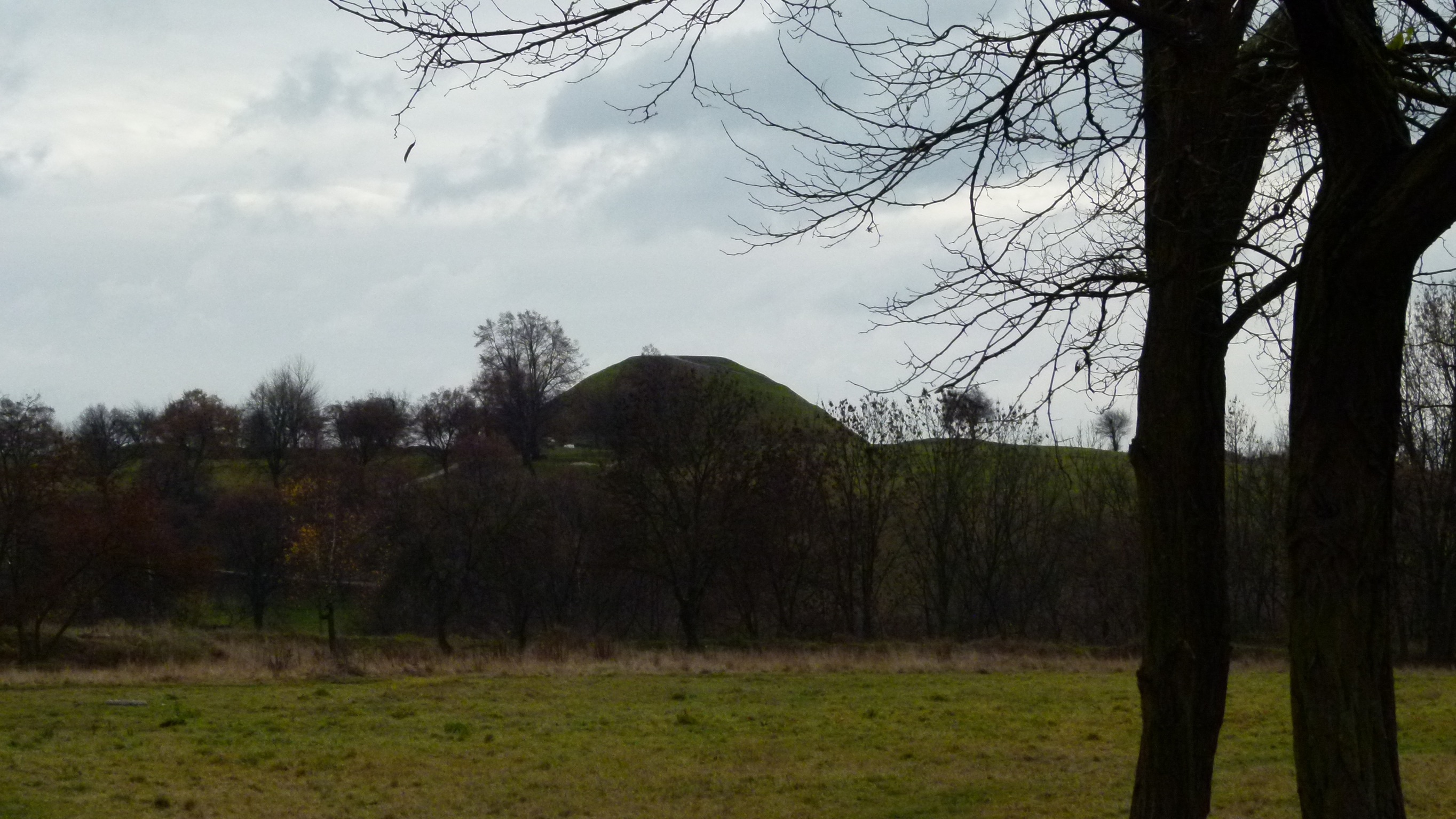
And in front of me is my next target, the tomb of Krak (Kopiec Krakusa). Krak was the first king of Poland. He also made Kraków his capital.

image

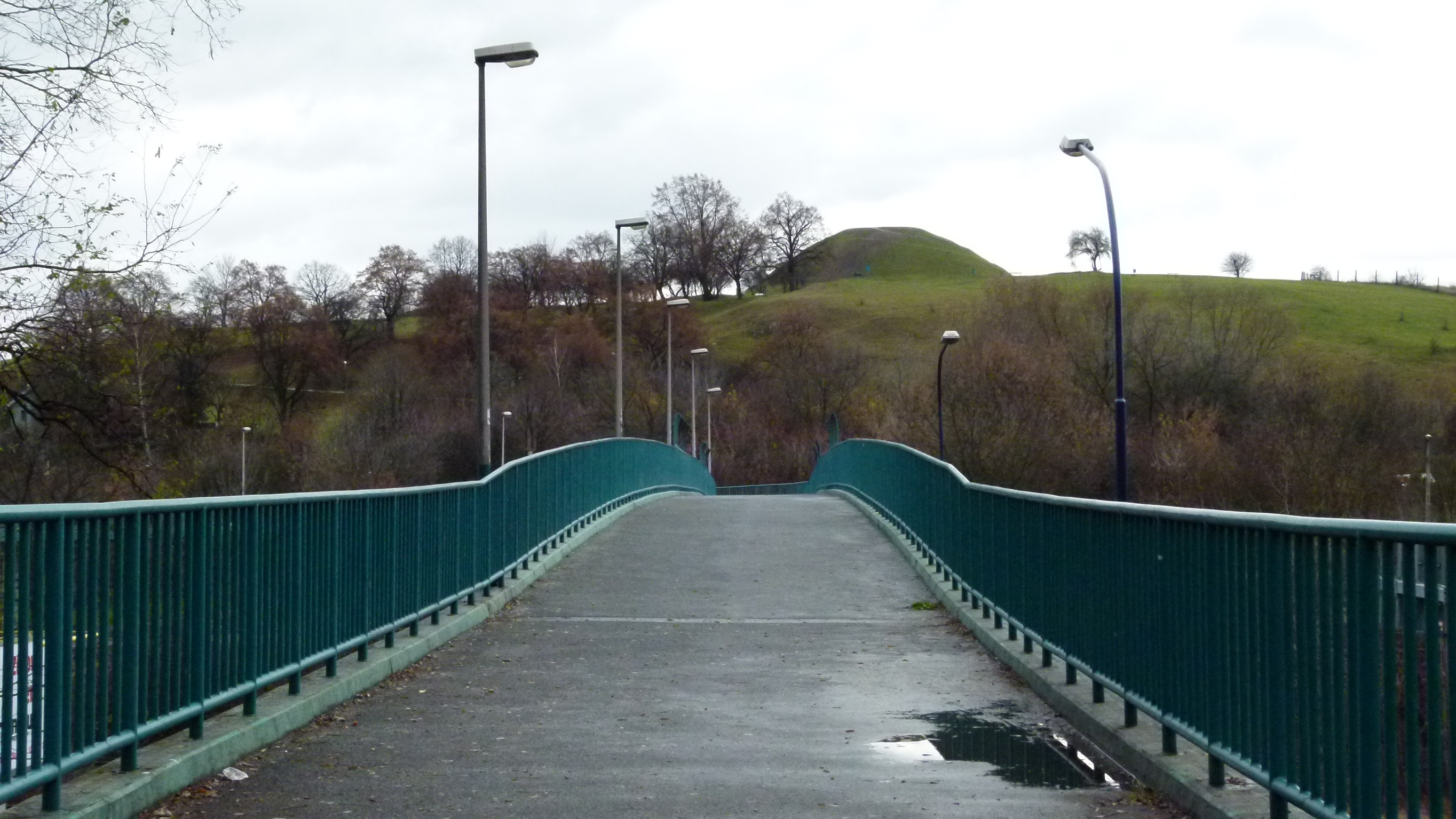
A street with heavy traffic separates me from the tomb. I oscillate a bit to find this footbridge.

image

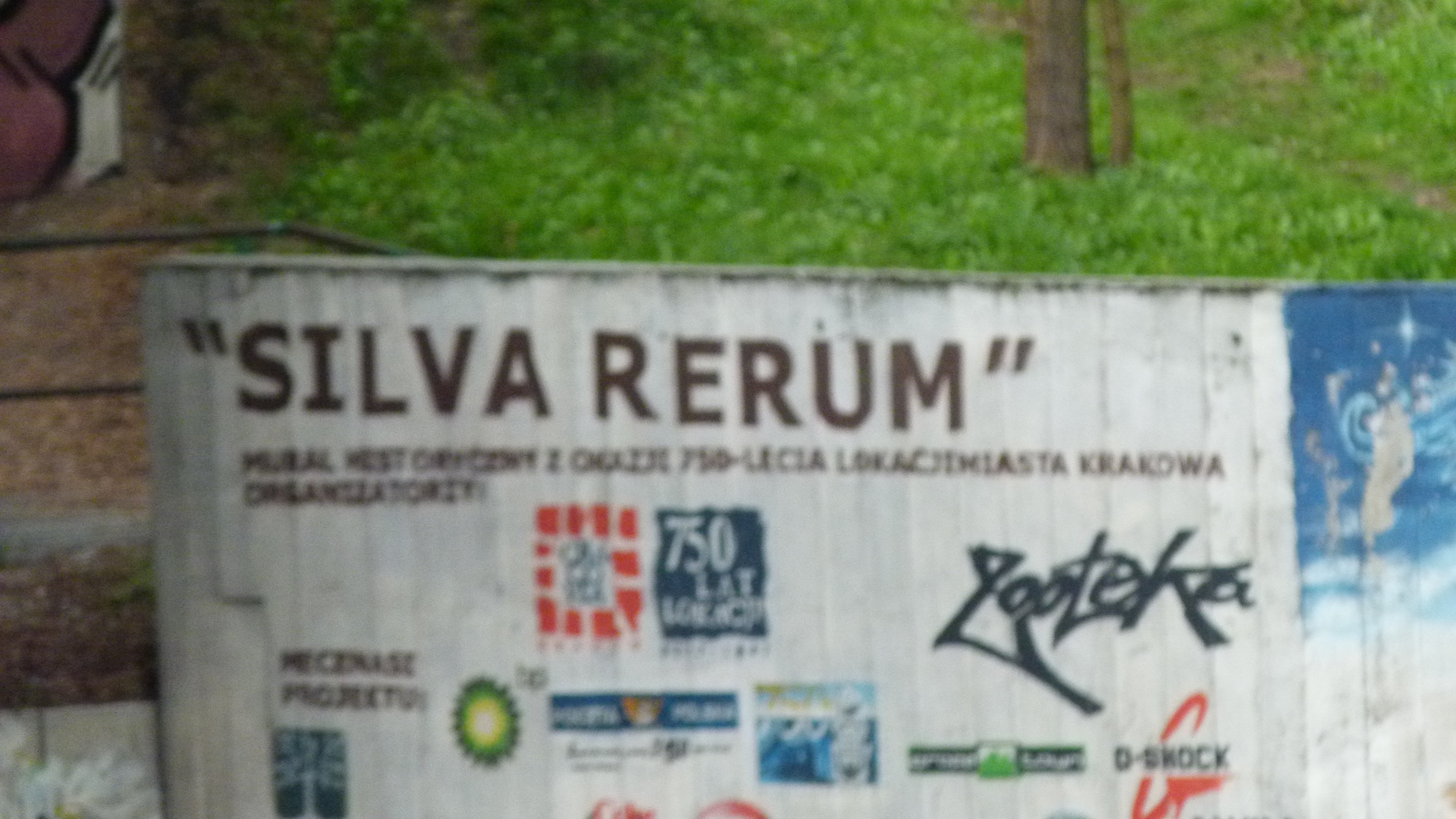
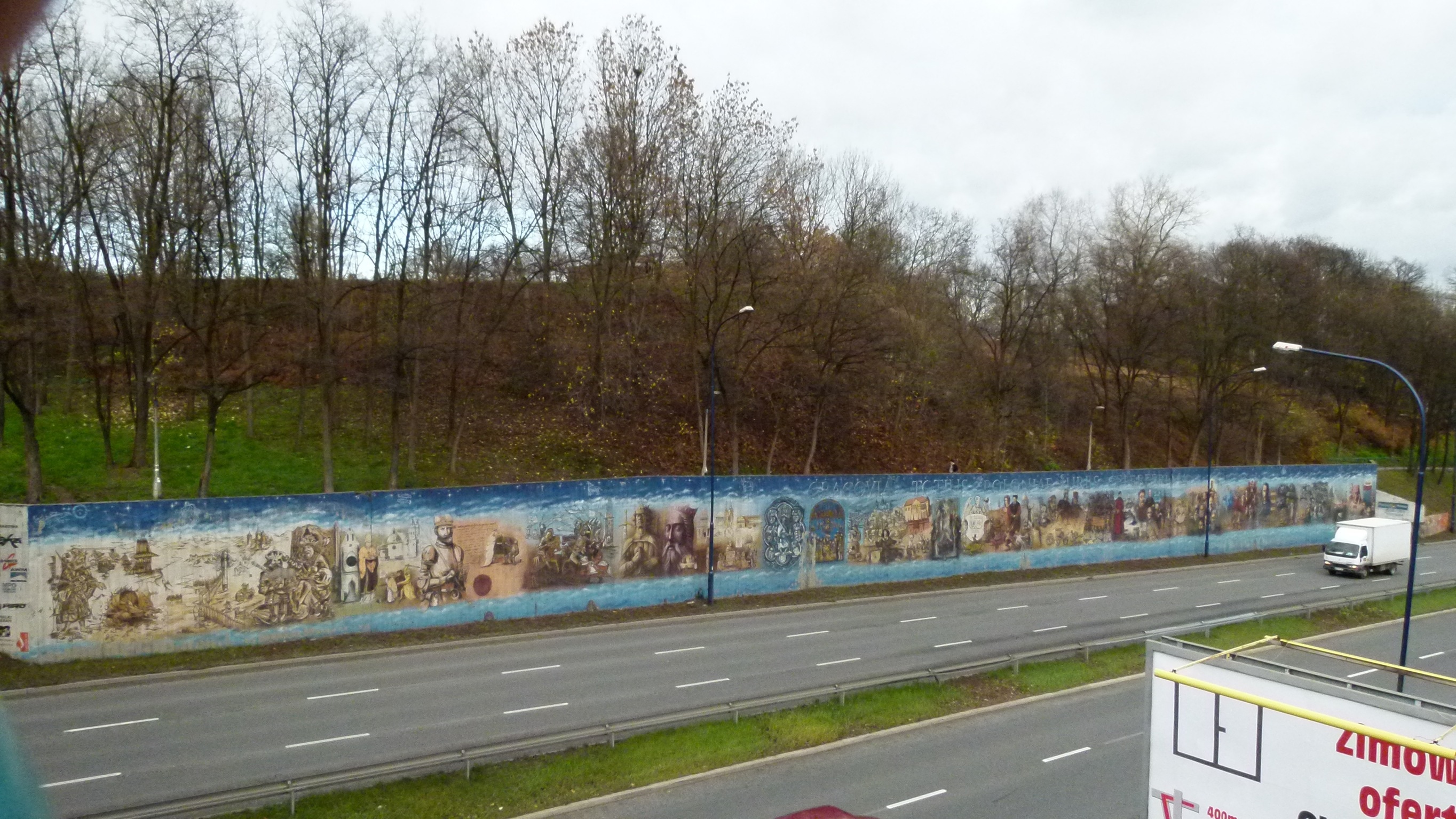
And now I understand, what “silva rerum” stands for… it is a wall with graffiti describing the history of Kraków from Krak and his smok to pope Johannes-Paul II. It can be seen from the footbridge.

image

image

And yes, the pope belongs to the history of Kraków. He was a courageous priest here, before going to Rome.

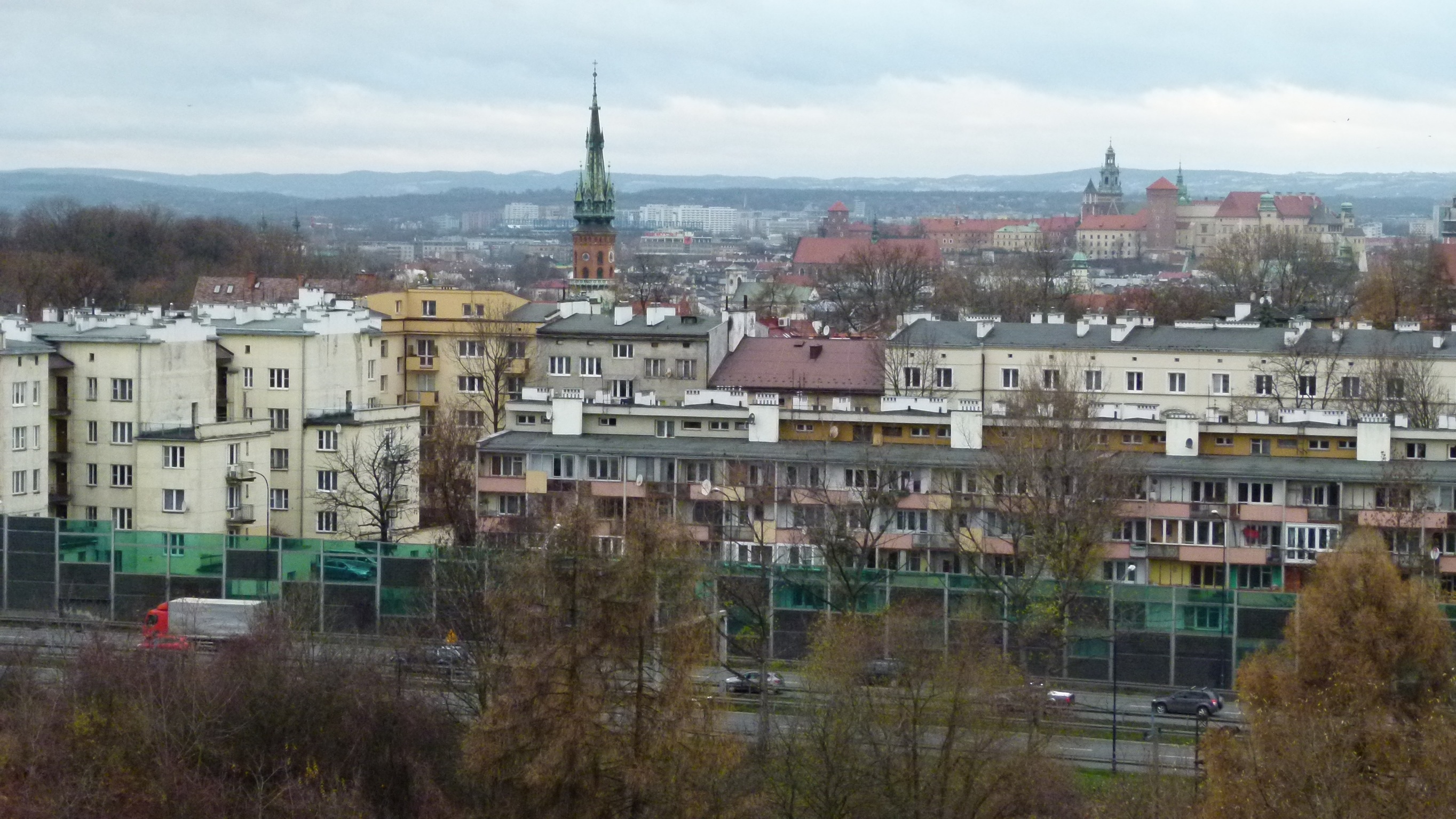
The path is wet and dirty leading up to the tomb of Krak. Here I have a view of the city center of Kraków.

image

Through the mud I continue my way to the cemetary and the stone quarry Liban with the strange engine that also appears in the film.

image

I enter the space of the former concentration camp…. and almost get lost in an open space. There is not much left of the camp, but being here made me sense that the prisoners could turn up behind the trees and bushes.

image

I return back to Krak’s tomb and then to the Rynek of Podgórze. Now I know, why Podgórze is called “Pod-Górze”. It lies at the foot of a hill and grows along its slopes.

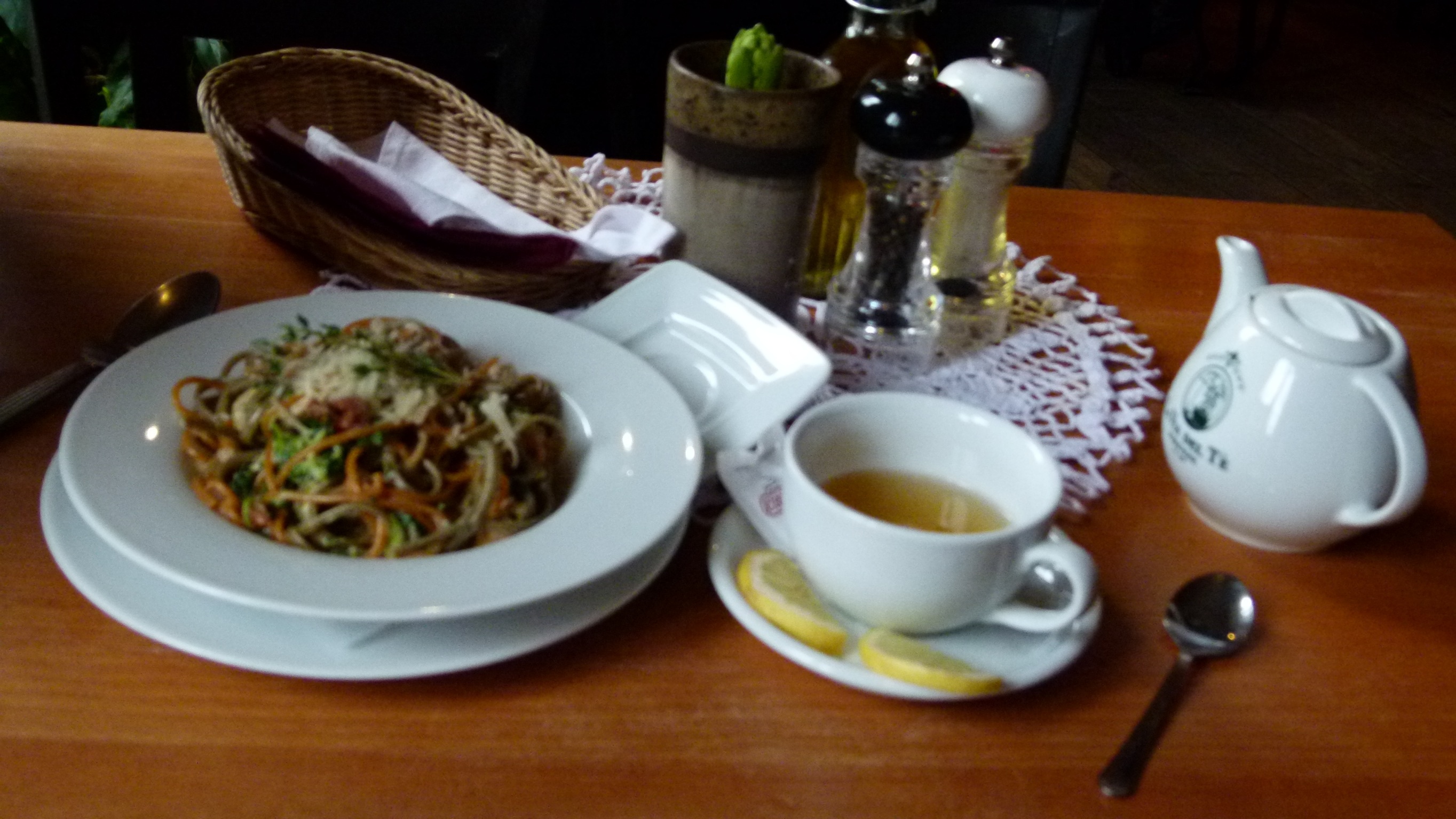
In the sweet little restaurant Makaroniarna, I have some delicious spaghetti and a fresh mint tea to warm me up.

image

On Plac Bohaterow, I find the pharmacy “Pod Orlem”. Today it is not as welcoming as it was for the Jews of the ghetto seventy years ago. To visit the museum, reservation has to be made three days ahead (even, when already here).

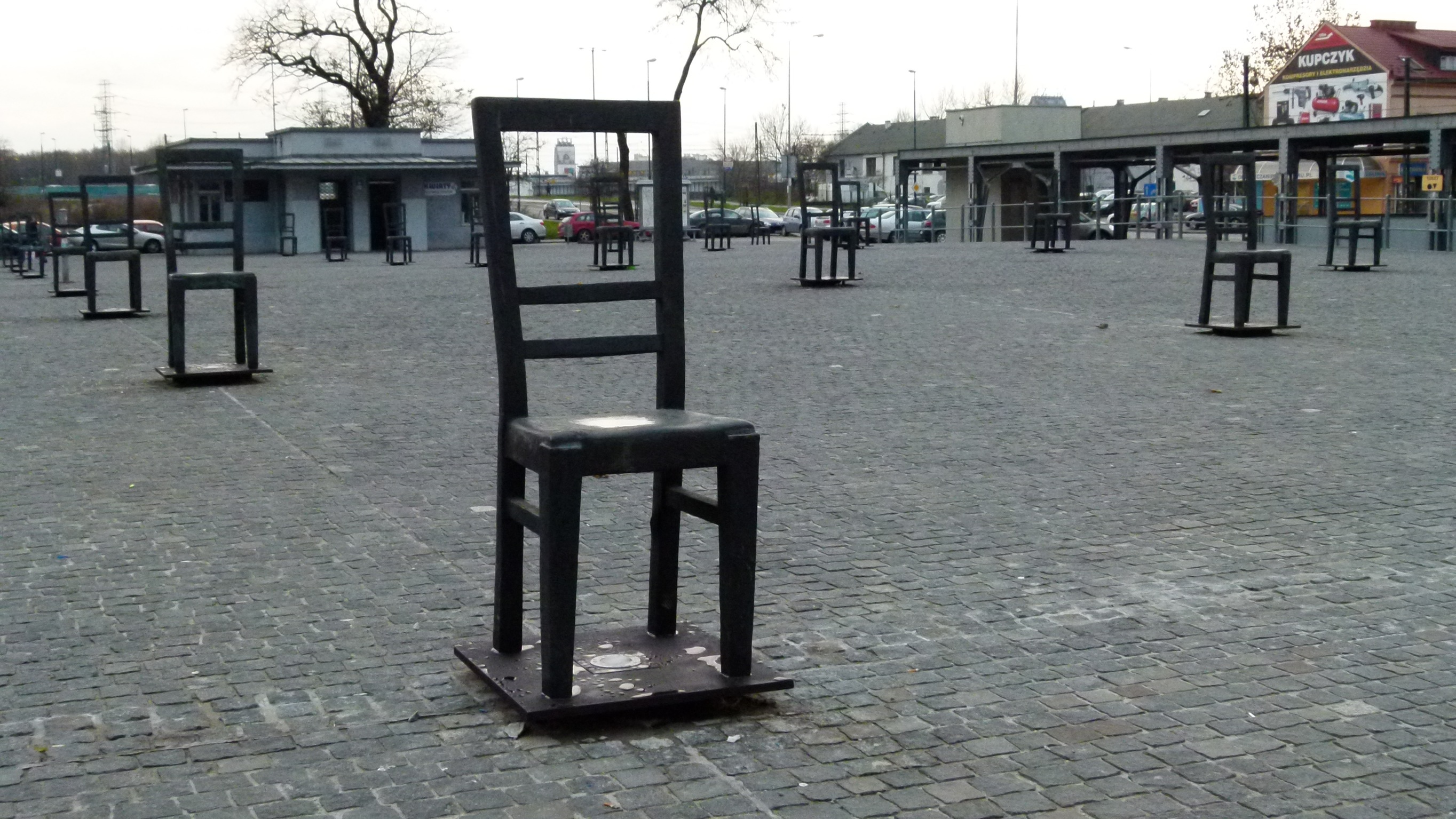
I like the monument of the chairs spread over the open square and also along the tram station, inviting people to sit down, while waiting.

image

image

The main entrance to the ghetto was here… and these chairs now invite to sit down, reflect and link up with the past and with this charming area of Kraków.

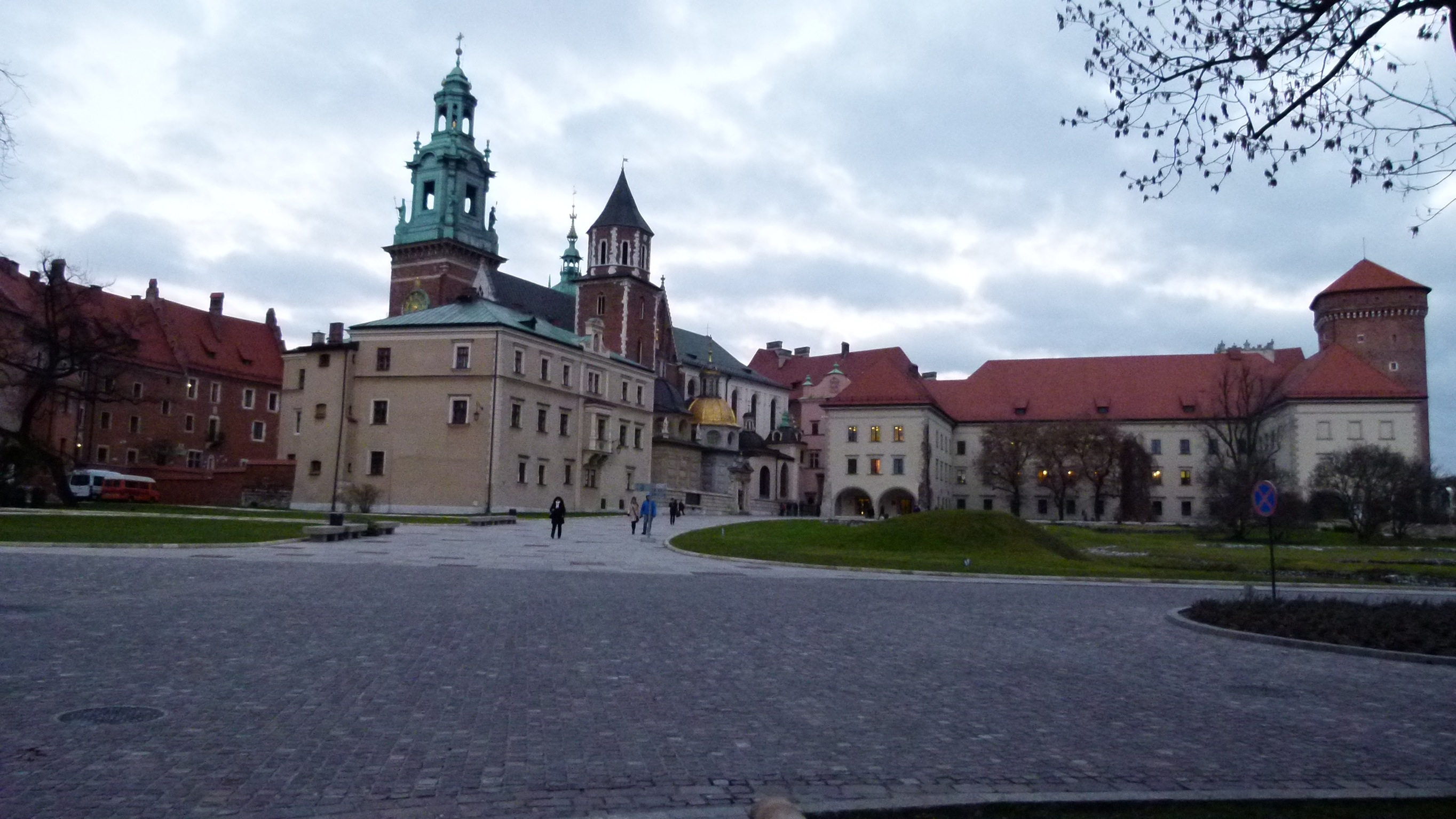
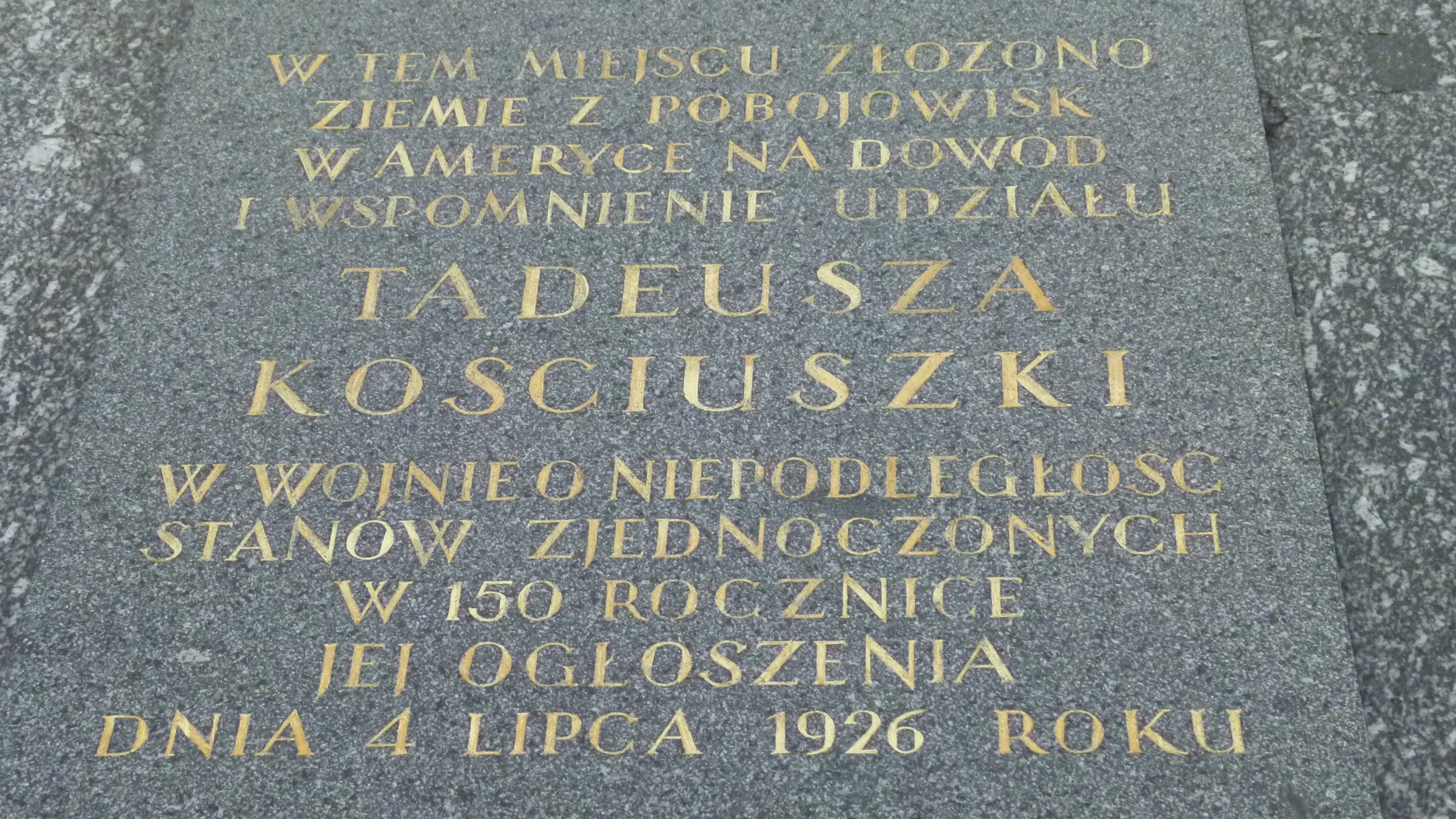
Slowly I walk back to the city center. I climb up to the Wawel castle and take a picture of the tomb of Tadeusz Kosciuszko that I had visited some days ago in the thickest fog. Hence I would have been able to see the Wawel from there…

image

It needs a lot of phantasy to imagine what the Wawel looked like before it has been destroyed. I keep great memories of having visited the cathedral with Bibi a year ago.

image

Now I walk to the Main Rynek to say good-bye and get ready to flying home. It was a great time in Kraków. I am very happy to have met friends… a great thank you for everything.

A Swiss in Krakow – visiting Bochnia

45 minutes by train to Bochnia

We meet in front of the train station to catch the 9:55 train to Bochnia. On the way to the platform I come across another Lajkonik. This time, it is a book about them. It is waiting for buyers on the shelf of a small book stand.

image

Through the grey November day the train takes us to Bochnia to the east of Krakow.

Family day 

I am invited to a wonderful lunch with the family. I feel welcome and enjoy the salmon with vegetables and a tasty Chardonnay. And I enjoy the conversations trying to catch more and more of the Polish language spoken at the table, next to English that makes me feel comfortable.

Visiting the Bochnia salt mines – it is a great multimedia show

Bochnia is a town of about 30’000 inhabitants with a historical salt mine (wikipedia says that it is the oldest mine in Poland). We have a reservation for a guided tour in English. It is just the three of us that follow the young guide presenting his mine with a lot of enthusiasm. We dive 200m deep underground using a squeeky metallic elevator. A baby cries, but some Swiss German makes it feel less scary.

Fotos are forbidden around this antique elevator.  Interesting… what technology innovation could a foto take away from here? Our guide laughs – he does not understand this either, and he is proud: “This elevator is antique, but it works perfectly fine, no need to replace it.”

This is how travel.poland announces the tour to the mines on their Website: “Numerous historical stagings, presented in holograms, interactive projections or … recordings, is located along 1.5 km route, 180 m under the earth’s surface. Beside historical performances, the exhibition consists of multimedia shows picturing the harsh reality of mining work such as marsh gas explosion or underground flood.”

A small train takes us about 1km into the mine, rattling loudly. We follow the historical presentations of the Polish kings from the foundation under Wladislaw to the first industrialization efforts under Kazimierz. While Kazimierz – with the twinkling of an eye – prefers to be called Kazimierz III instead of “the Great”, two Italian trade men explain the positive impact that dividing tasks in the mine had on the budget of Kazimierz and Poland – they speak with an Italian accent.

image

And last comes King Auguste the Strong from Saxony who switched to the catholic faith to take over the Polish throne in the early 18th century. He had a heavy German accent and further optimized productivity in the mines.

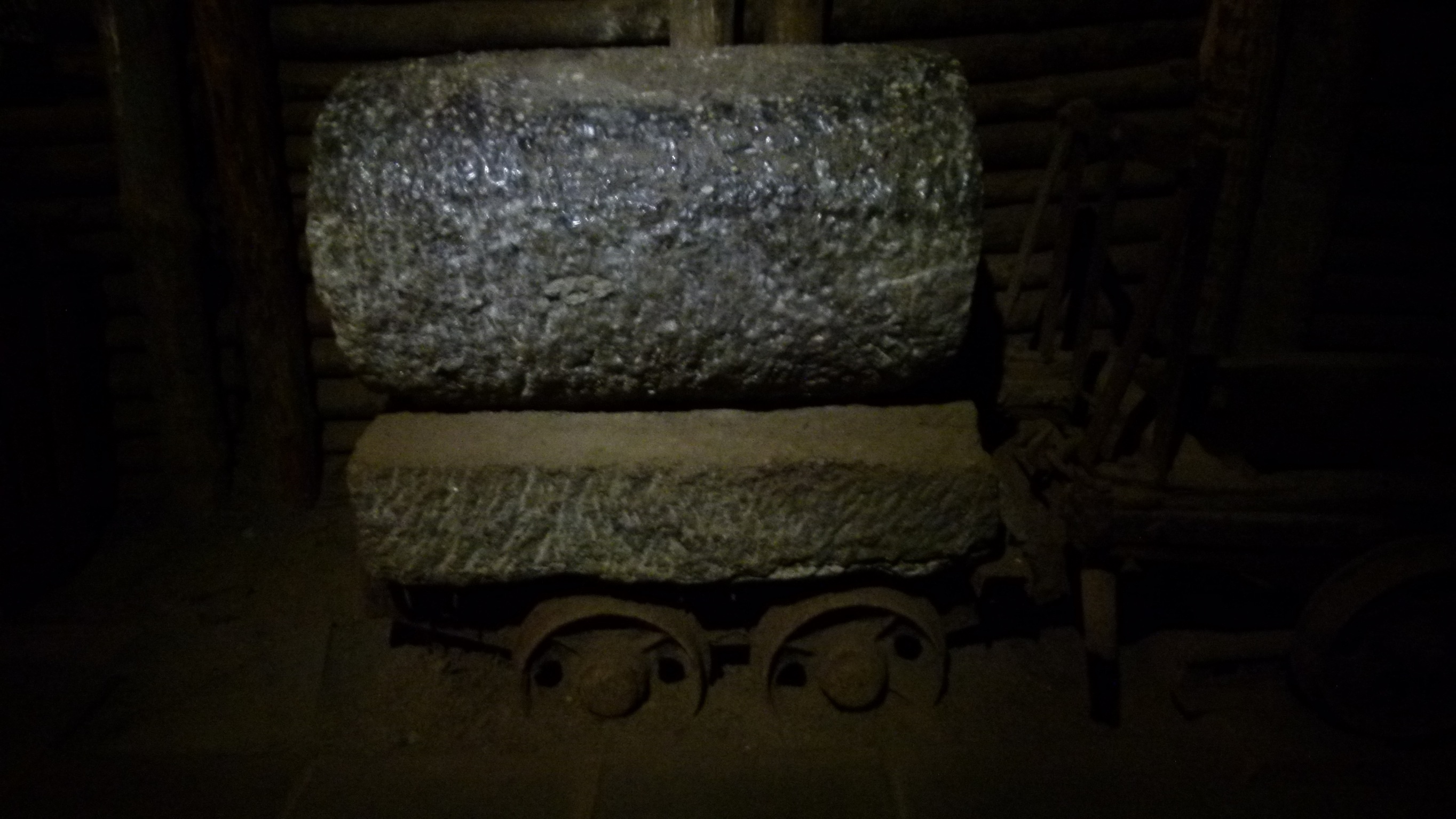
Then there were the multimedia shows on how it all worked underground – cutting off the salty pieces from the rock, transporting the pieces of rock, detecting and eliminating methan, turning the engines that brought oxygene into the mine…. and yes, some of these scenes were frightening and noisy. Nevertheless working here was a privilege and the job was often handed over from father to son. The miners were paid in salt which was very valuable. It could be exchanged against gold. Grey salt is even more valuable than white salt, our guide says.

image

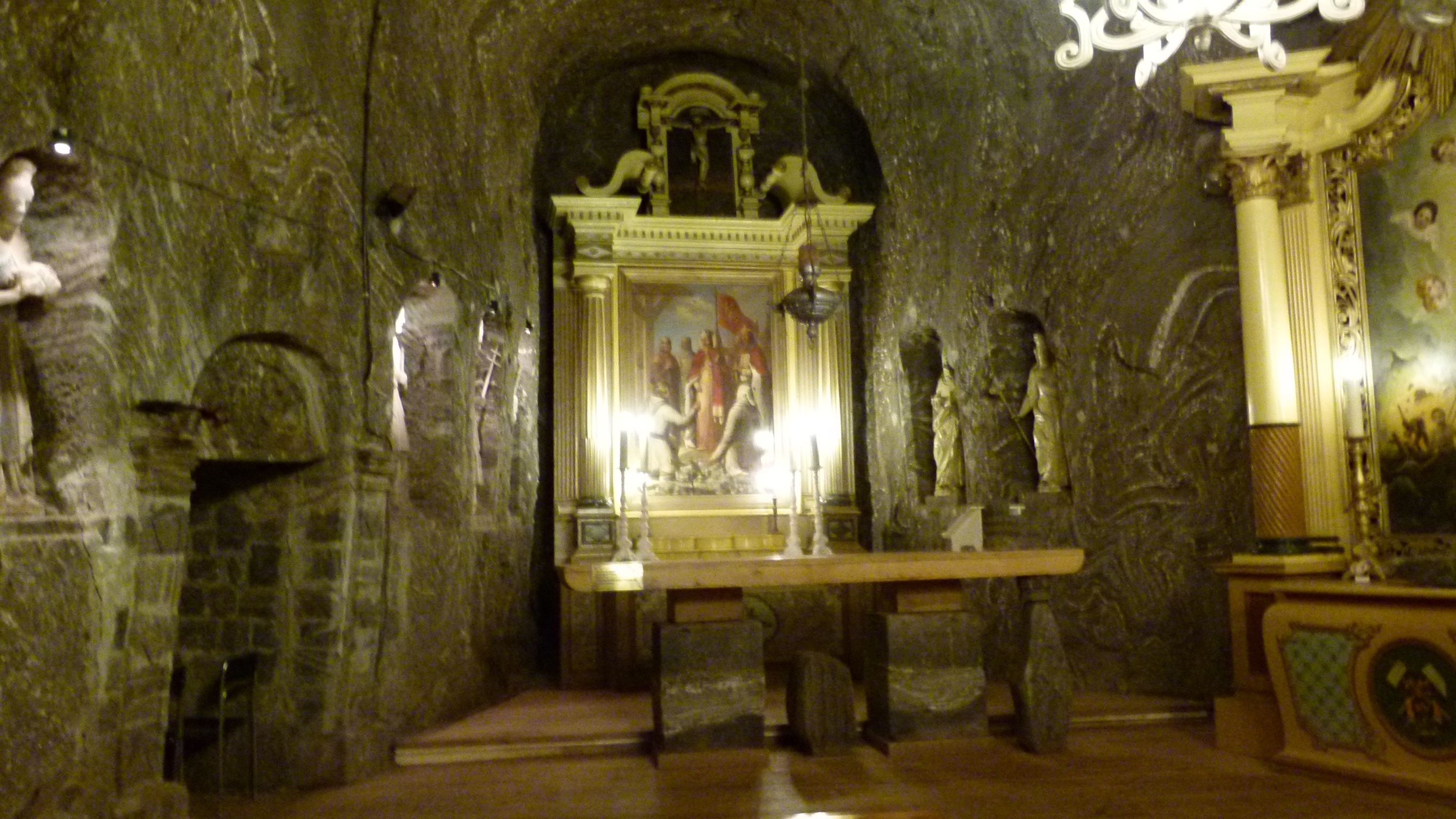
The chapel rounds off the experience.

image

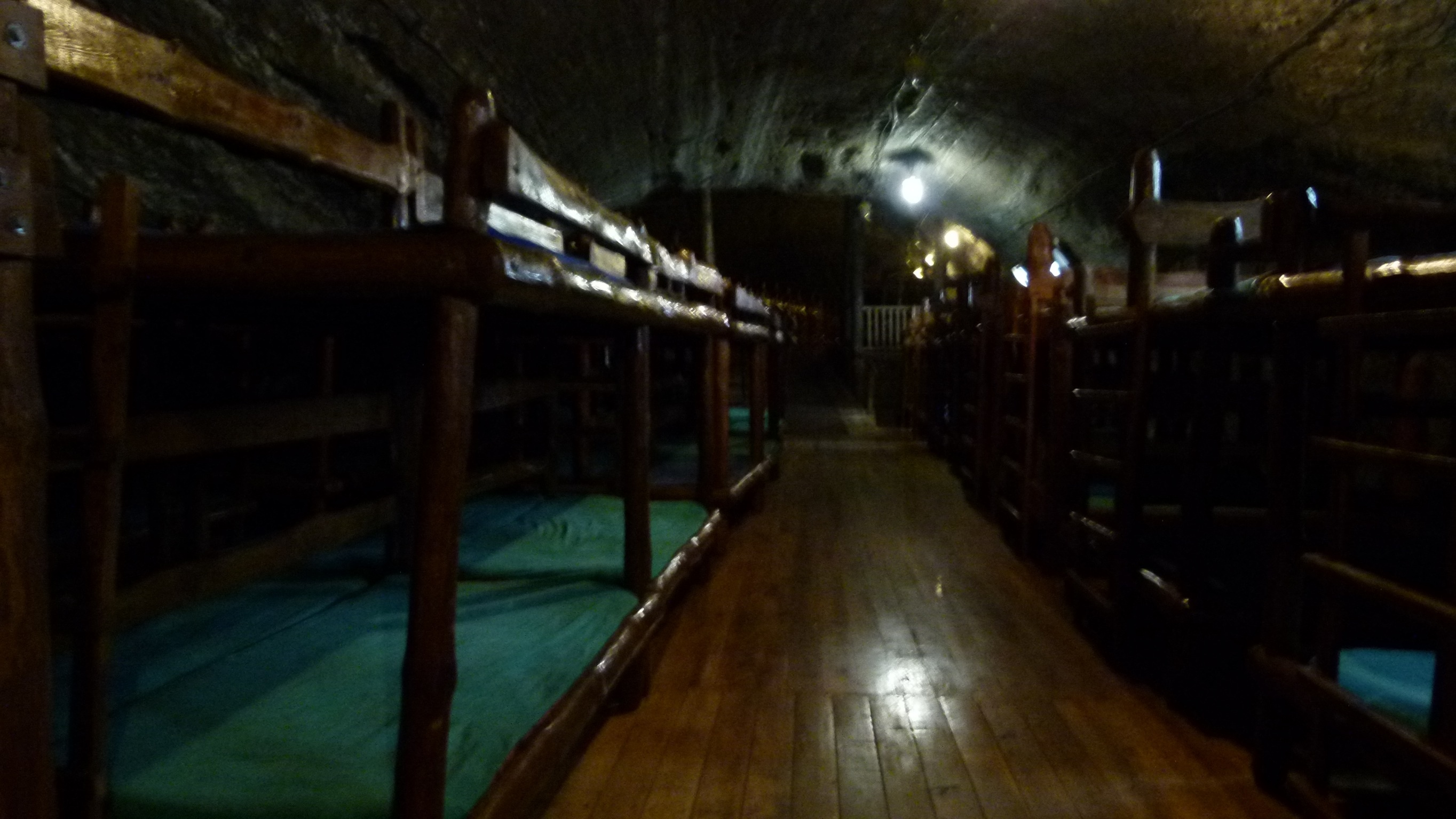
And eventually, we walk down a few levels to see the huge restaurant, the playing grounds, and the dormitories –  some two hundred guests are expected tonight.

image

After about 2 to 3 km we take the elevator again. The reception hall is full of  the guests and their kids that intend to spend the night in the mine. The place seems to be popular, and rightly so!

This salt mine is surely worth visiting. Why could I not find it in the Lonely Planet?

A Swiss in Krakow – on the tracks of Tadeusz Kosciuszko

On foot along the Wisla

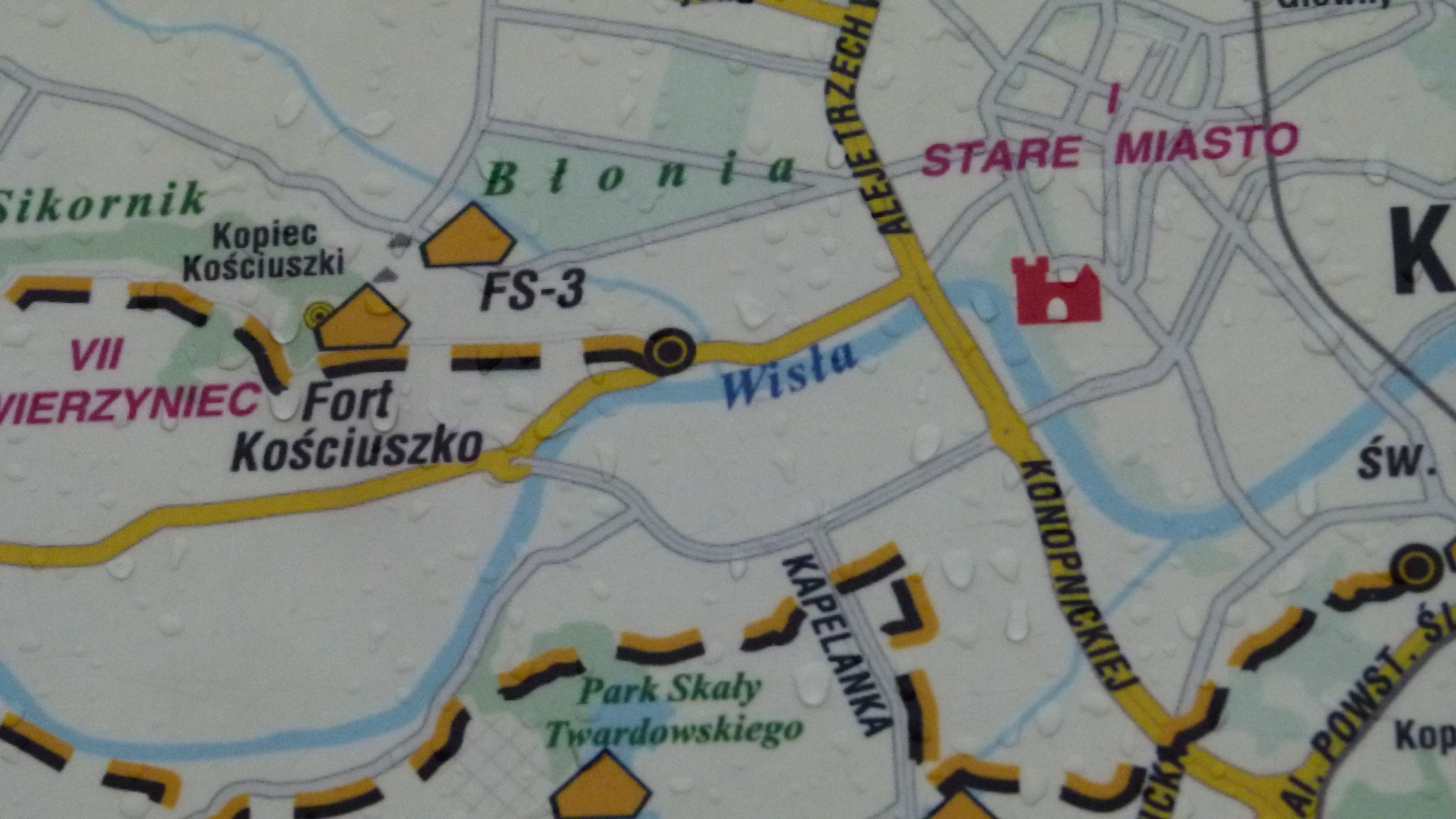
Today I find my way to Zwiercyniec by staying north of the Wawel and  then walking along the Wisla. My targets are the small hill built for Tadeusz Kosciuszko and some churches on the way.

image

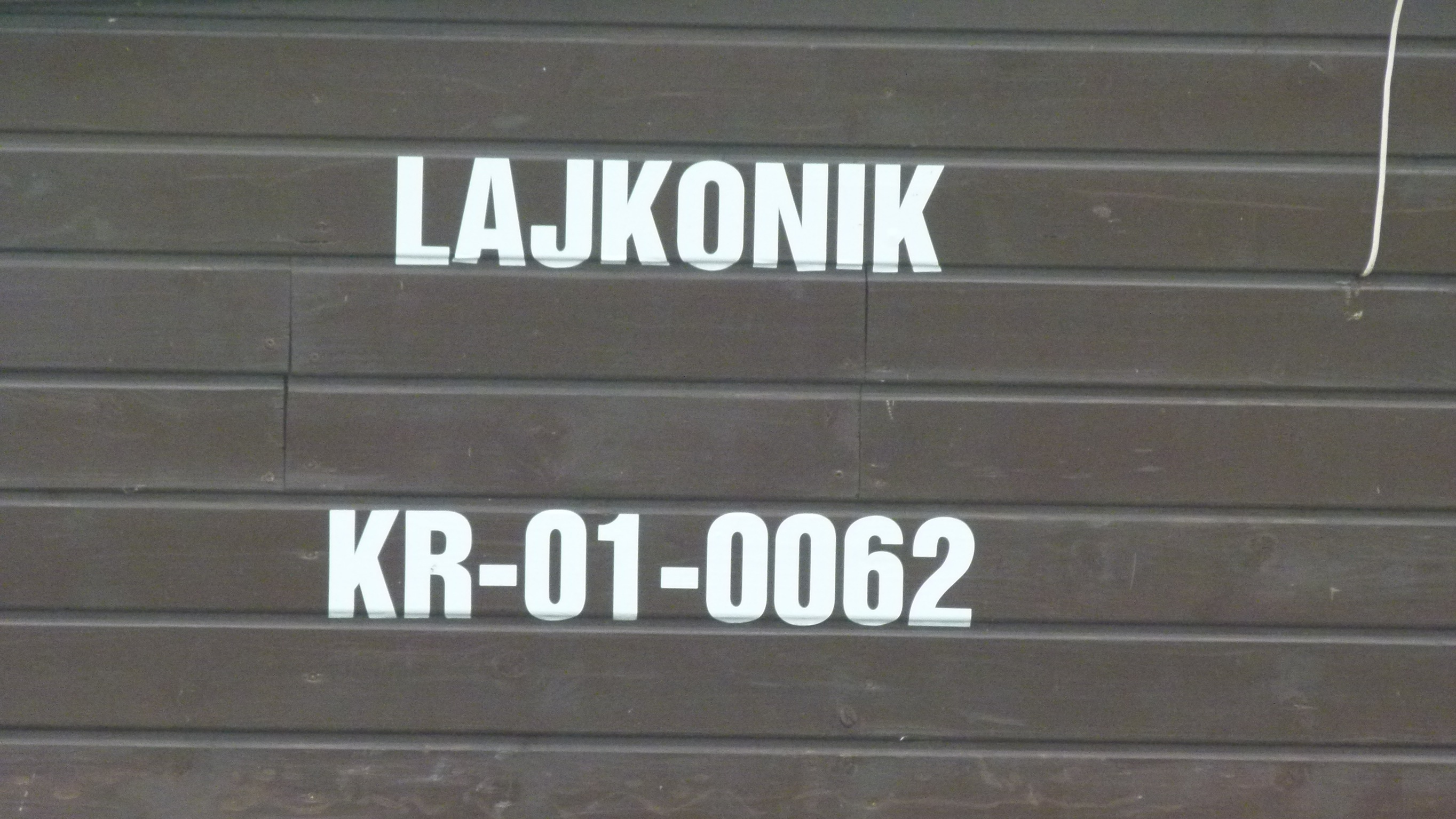
 On the way I come across more Lajkoniki – adorning a boat

image

image

Mongolia keeps on greeting me here in Krakow.

The posh hotel Niebeleski

The hotel Nibeleski has a great view of the Wisla and the Wawel.

image

image

Well, today the Wawel looks mysterious in the fog.

Steeply uphill through a residential area

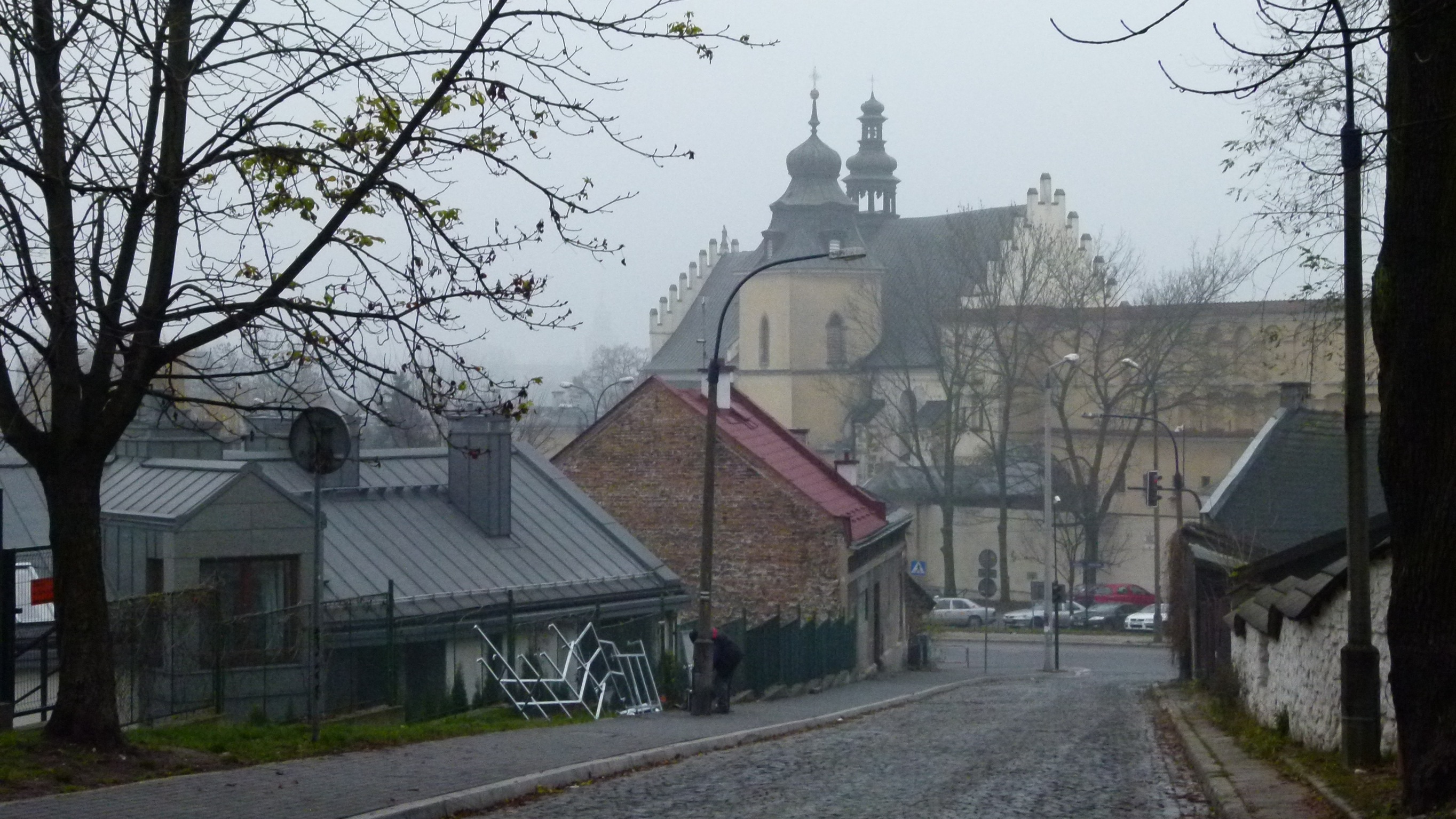
After the first steps uphill I look back at the monastery of  Norbertanek.

image

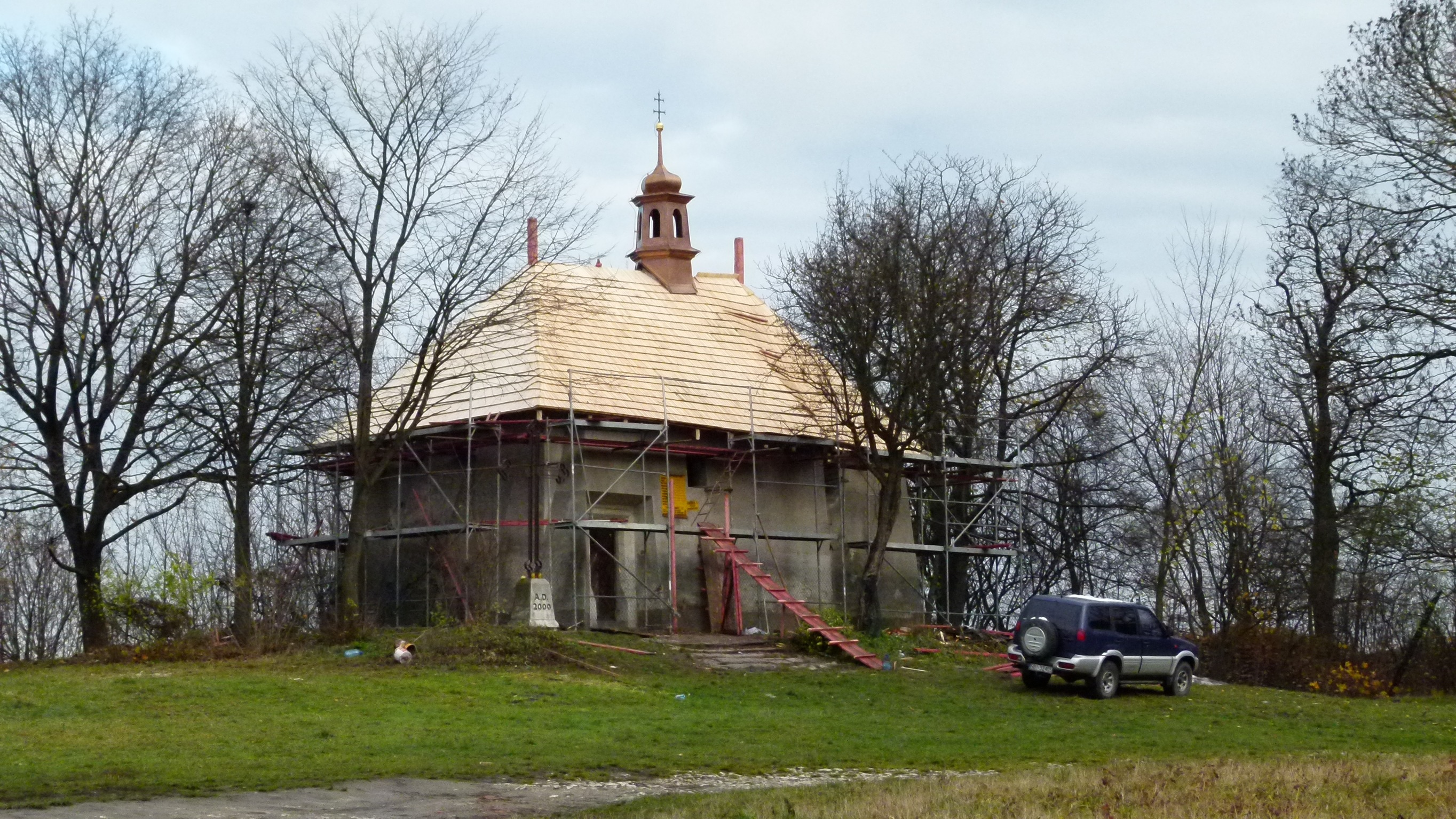
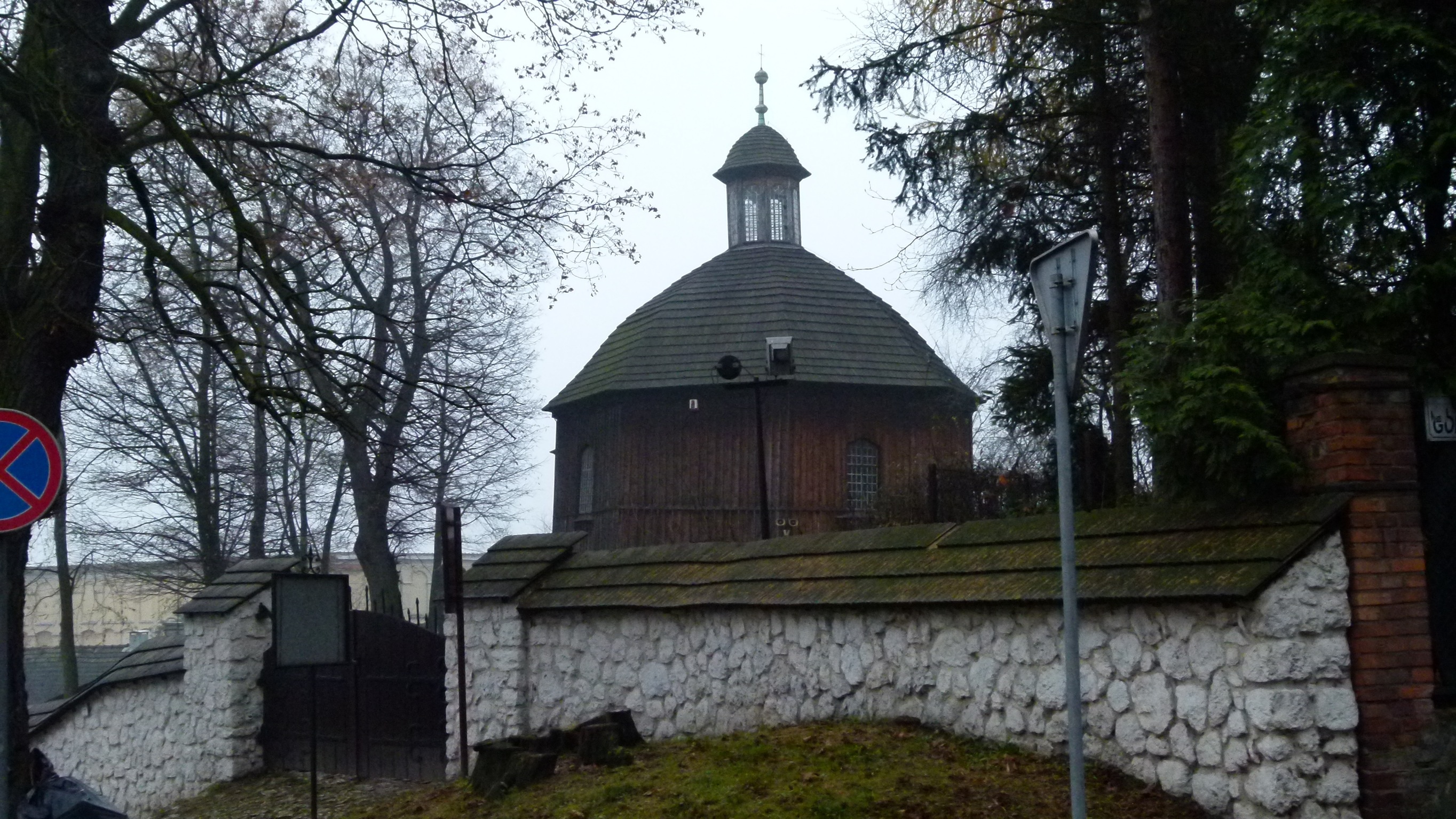
To the left is the charming small wooden chapel built for Malgorzata. My guidebook tells me that it has been rebuilt several times, because it had burnt down repeatedly. It originates from the 16th century and was built for those who died during the plague.

image

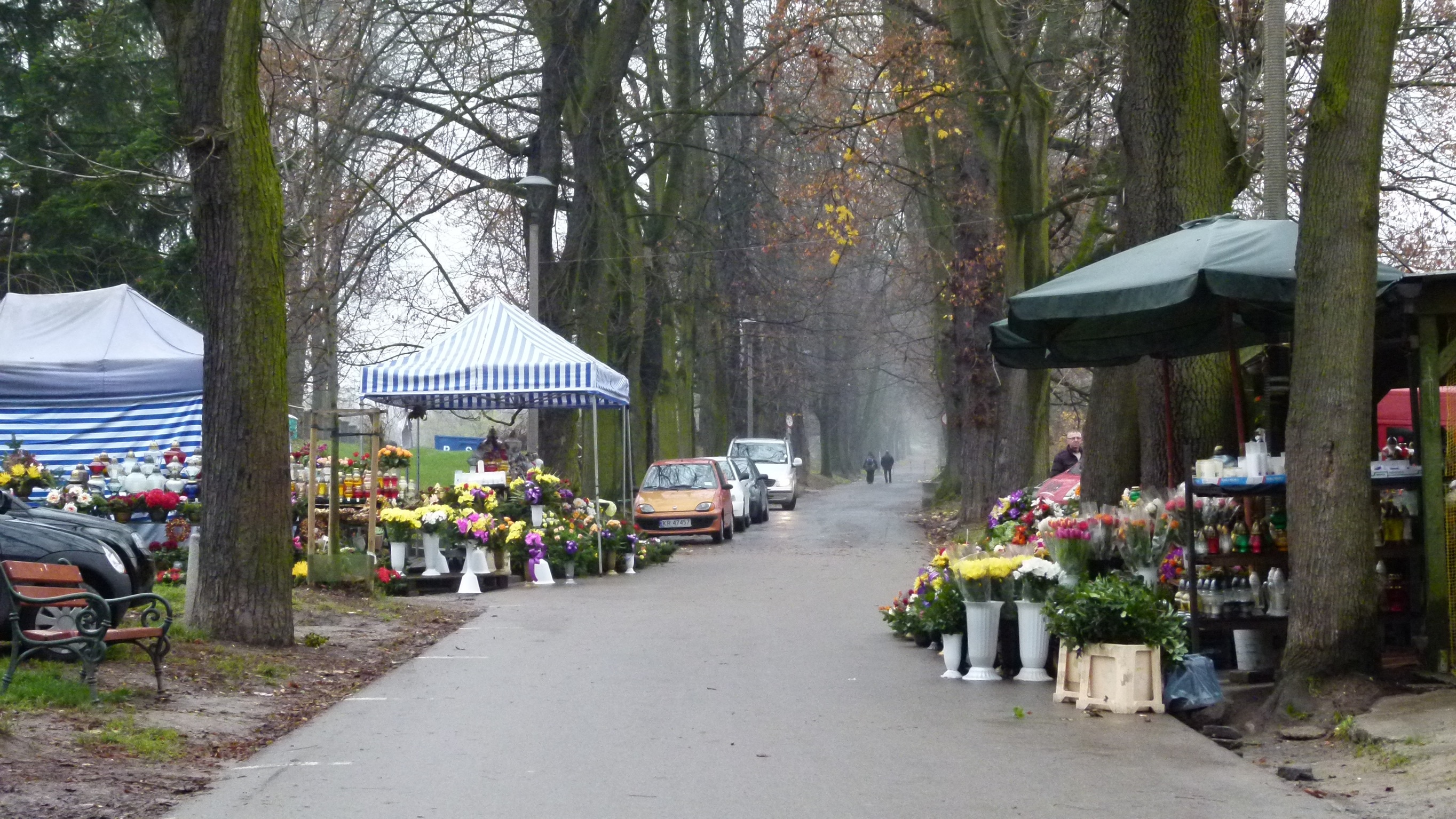
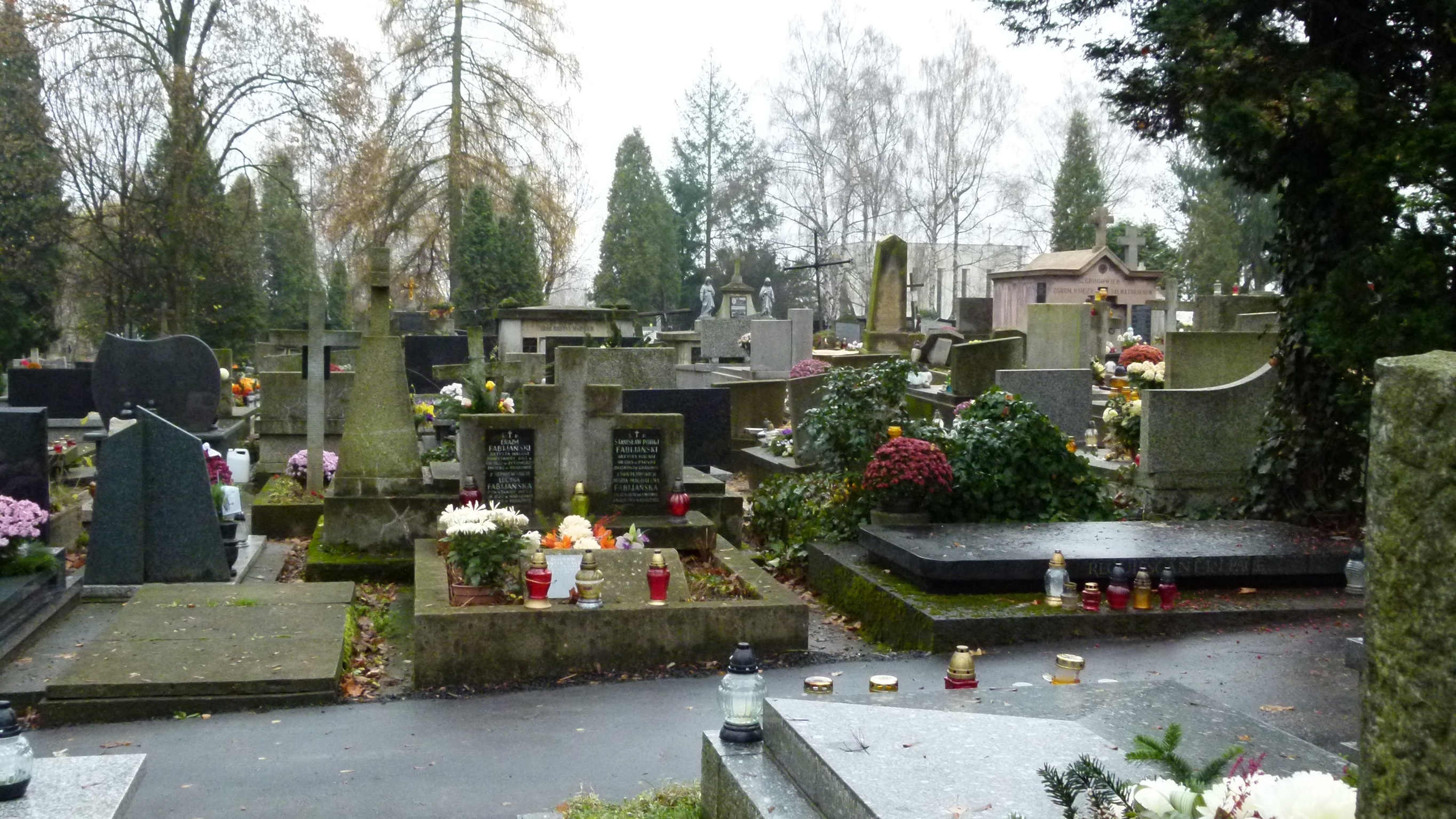
To the right is the church of the Savior or Salwator behind a locked gate. Legend says that here was the first Christian church of Poland. The hill, the cemetary and the tram end station are called Salwator as well. Flowers are announcing the cemetary.

image

image

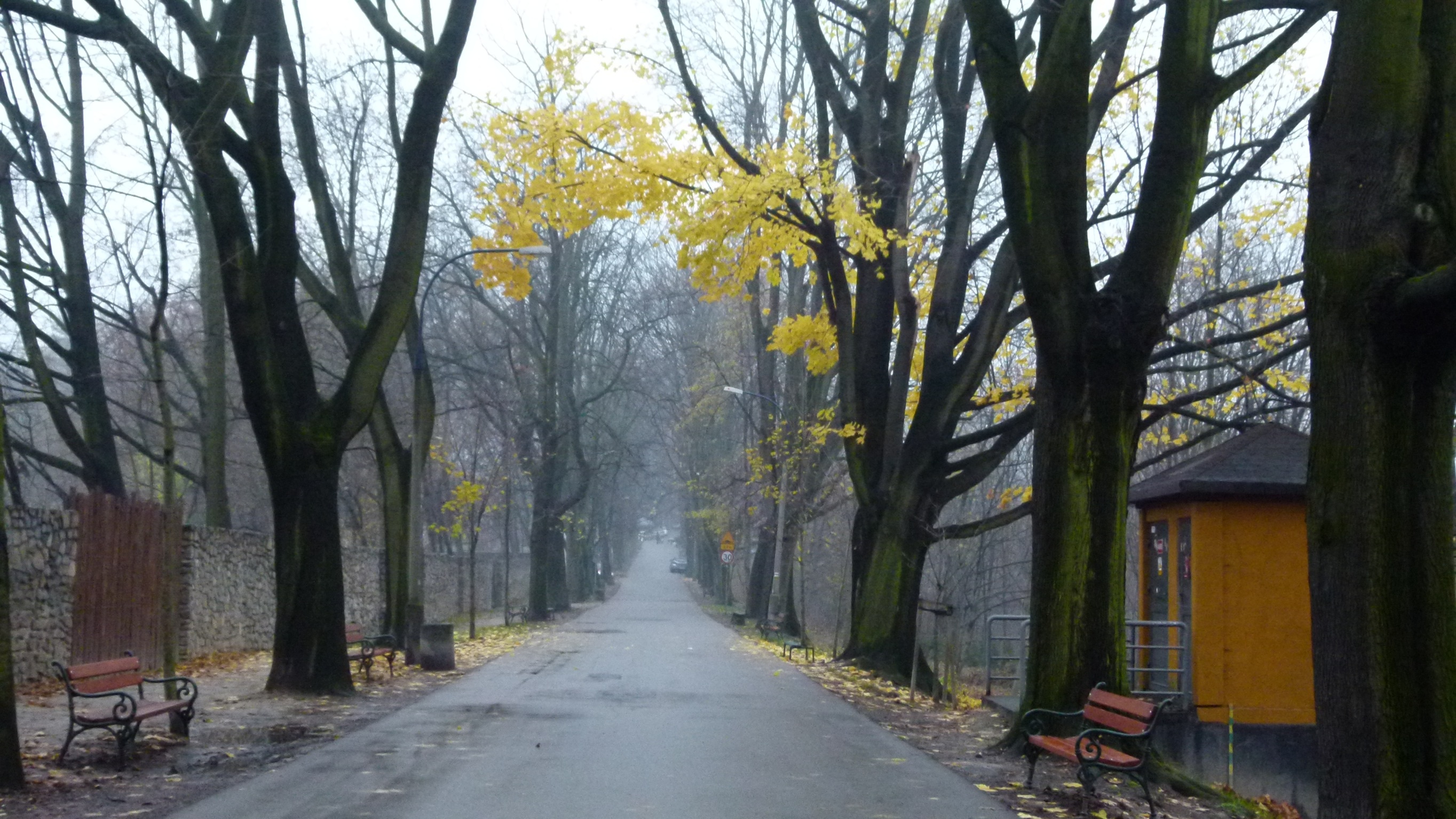
It is late November on the alley leading to the fort of the Austrians and the Kopiec Kosciuszki.

image

 Joggers are overtaking me.

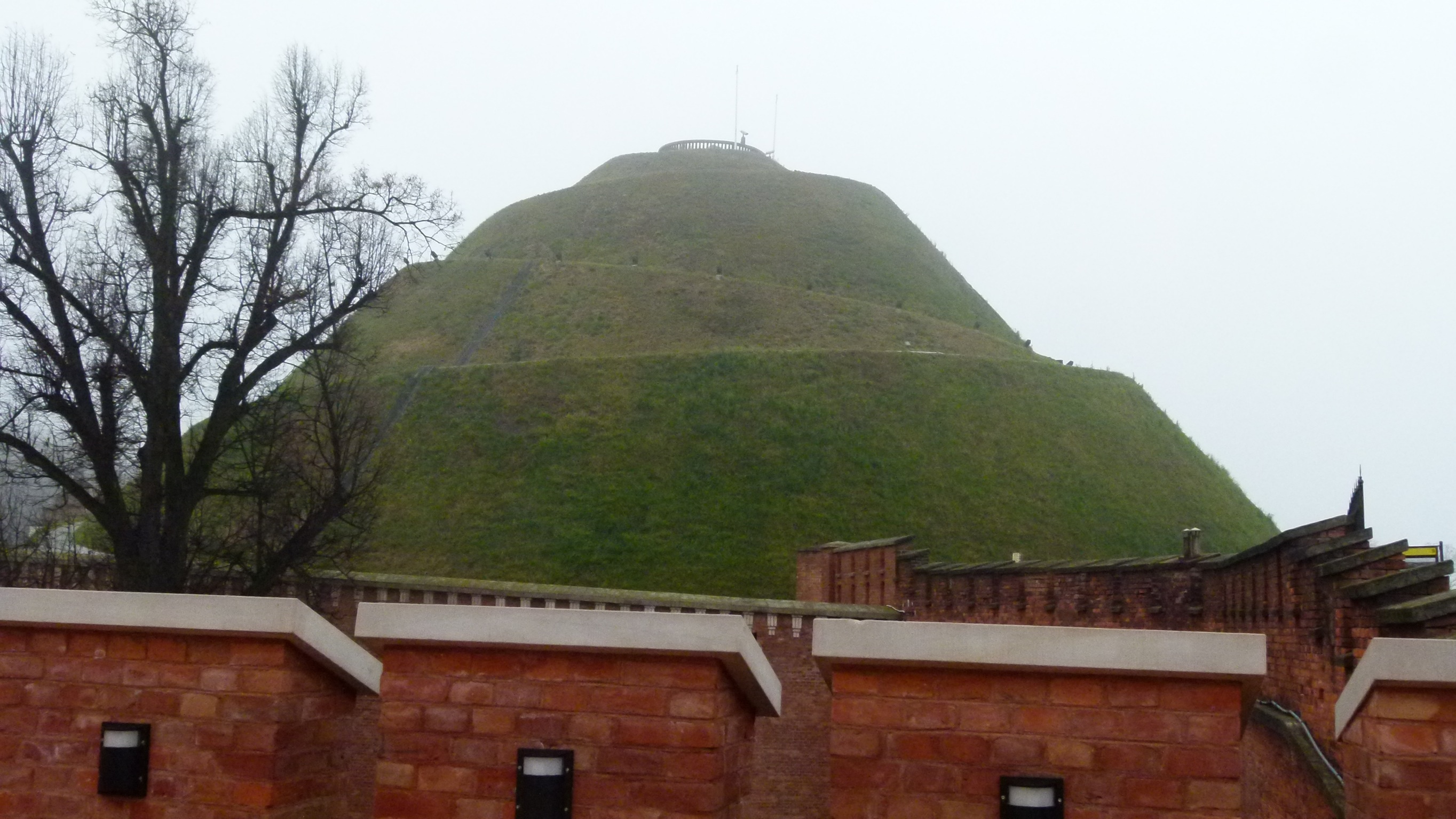
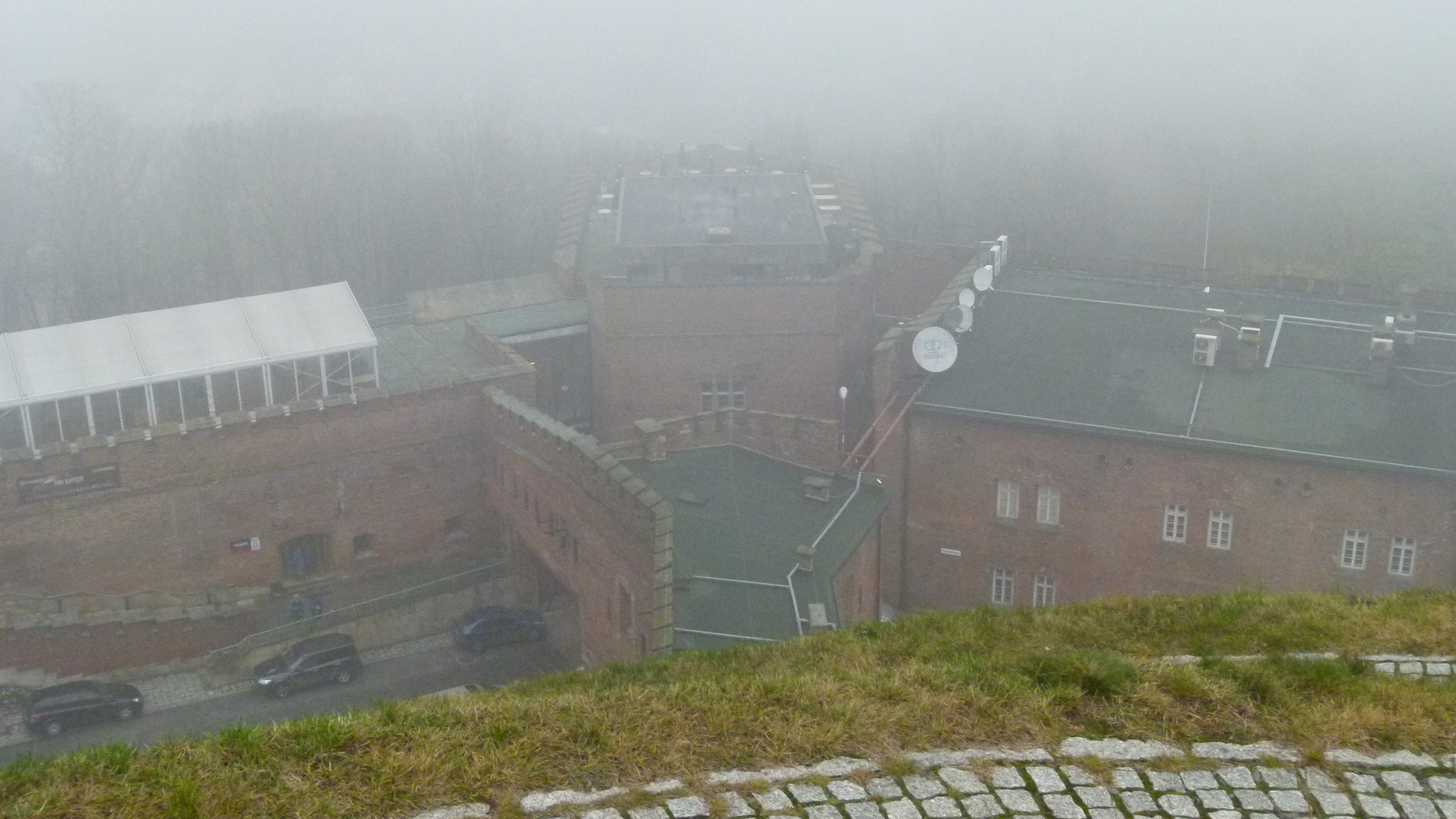
The hill of Kosciuszko is in the middle of a fort built by the Austrians

image

To climb the hill of Tadeusz Kosciuszko I have to pay eleven Zloty. The paved path leads almost flat around the hill – I feel dizzy, when I arrive on top. A panel reminds of Tadeusz. Around 1800 he courageously tried to free Poland that had been erased from the maps. I admire how much Poland fought for freedom, achieved it in 1919 and was the source of the dramatic changes in 1990.

image

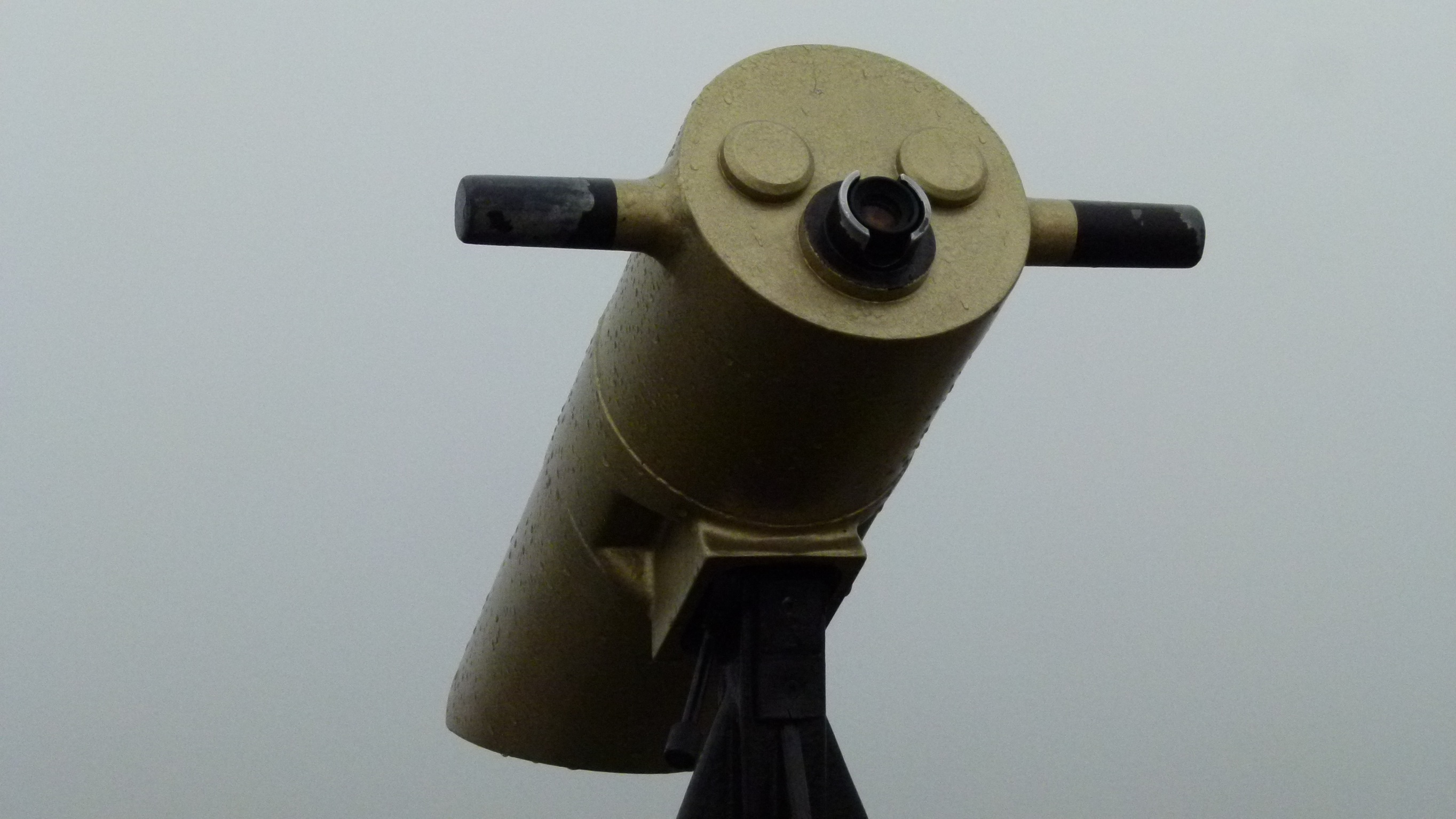
On this hill, there is a telescope. I assume, there must be a great view of Krakow, but I just viewed the mist and missed the view…

image

image

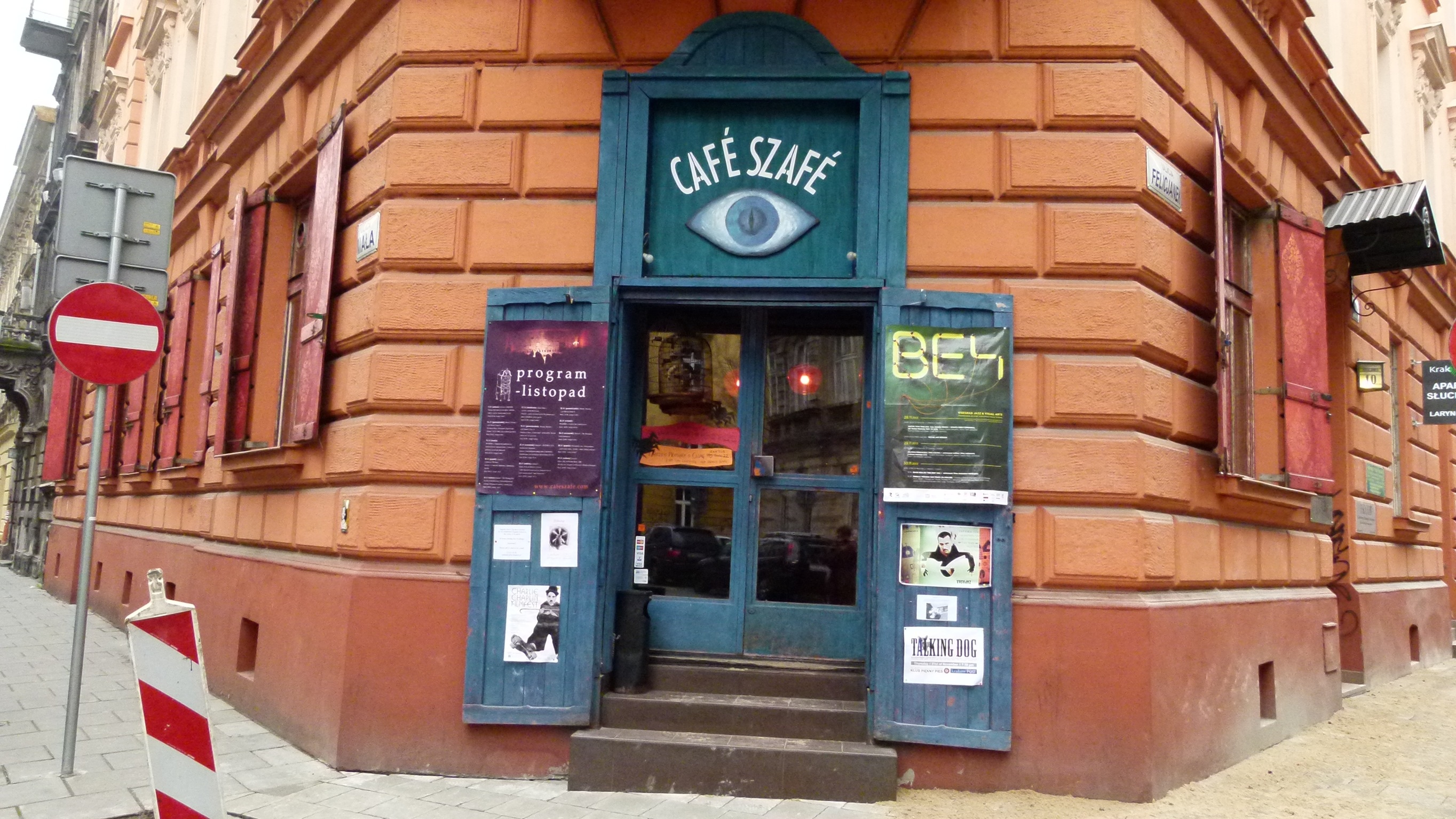
Back to town and to the small Cafe Szafe

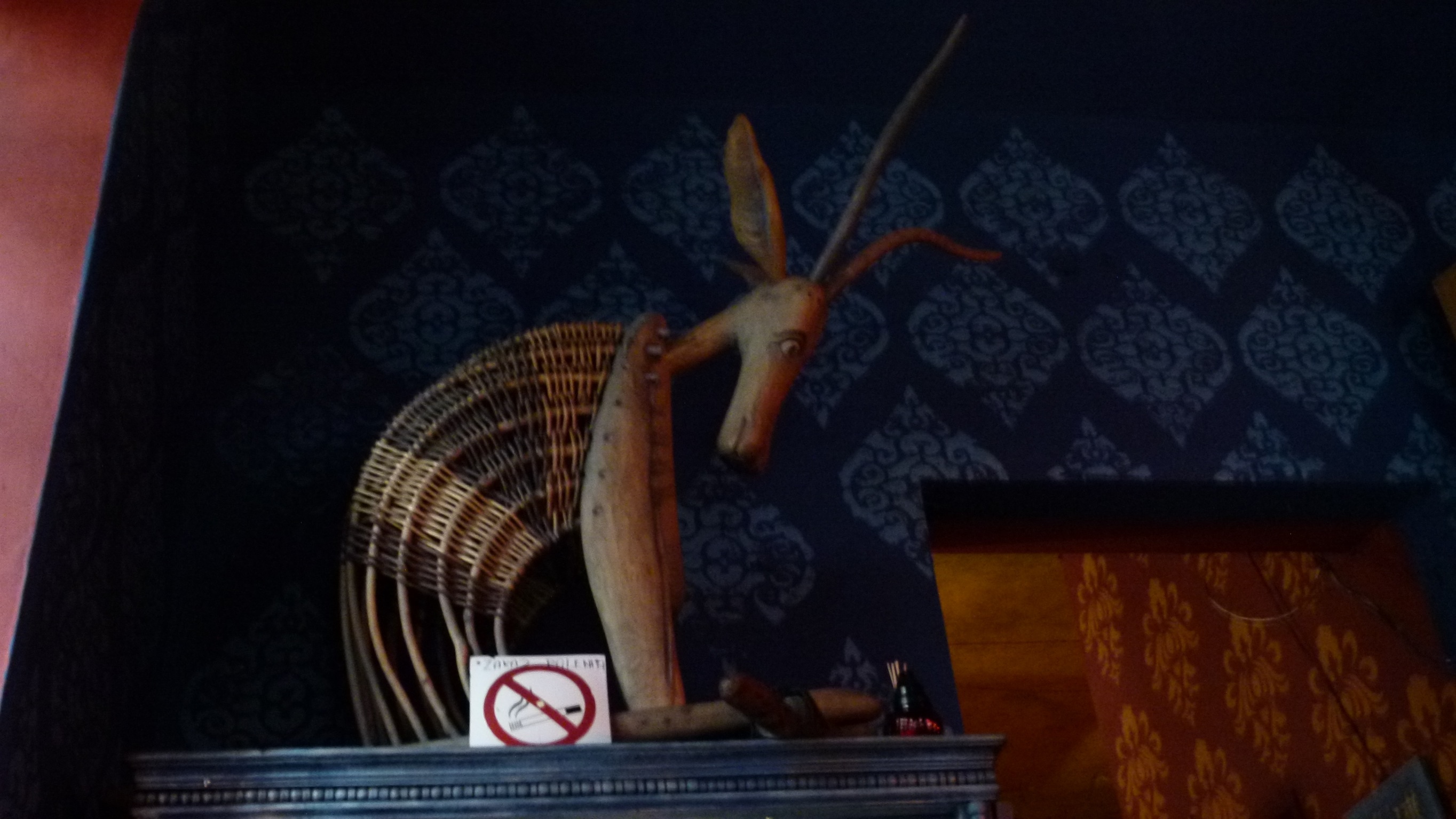
Back in Piasek I oscillate to find the cosy coffee place Szafe. I share a coffee and a piece of cake with the goat and the black cat above the red sofa.

image

image

image

The university museum

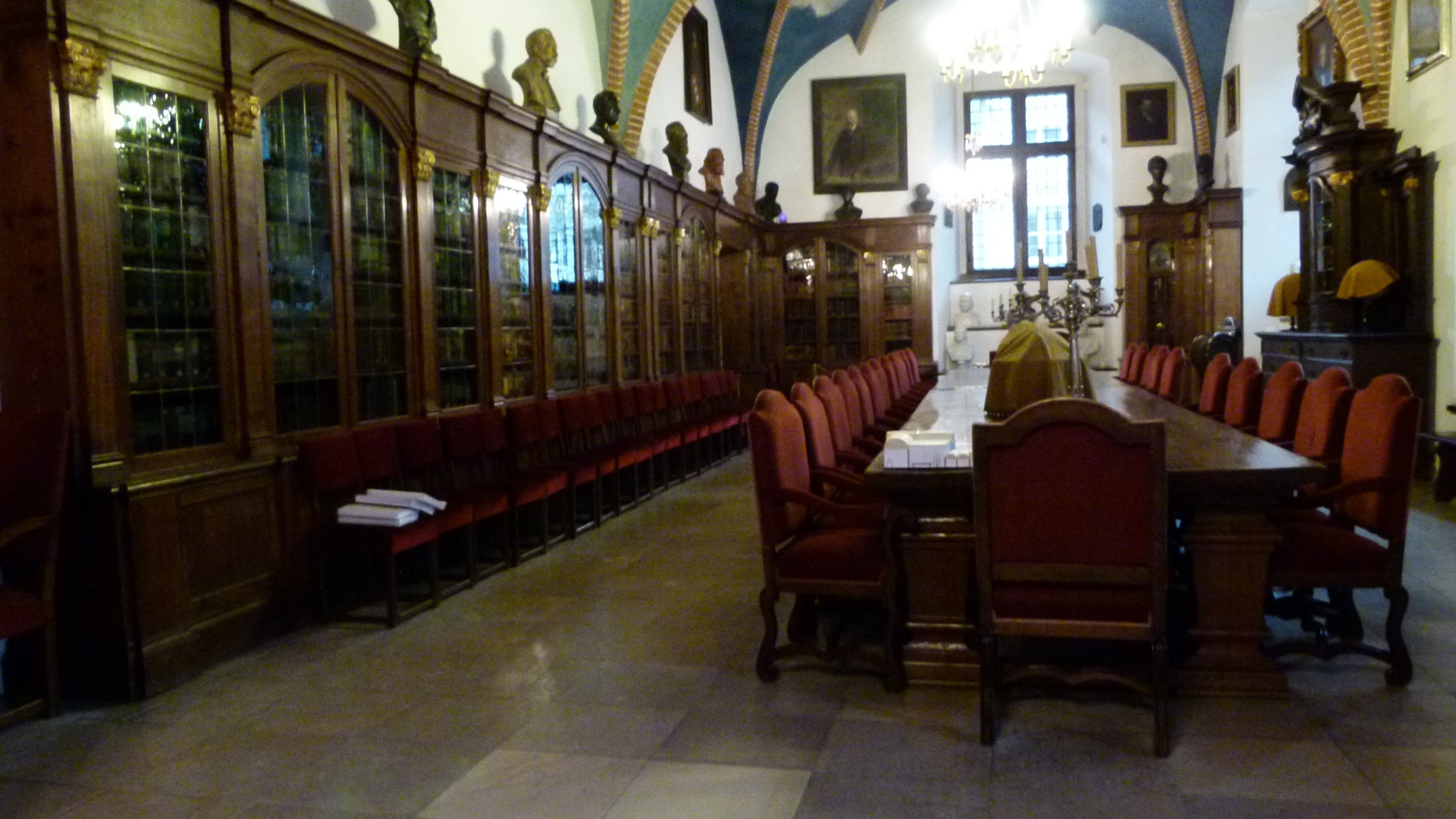
Now I head to the Collegium Maius. Visits to the museum are only allowed in guided groups. I have to wait until shortly before three. A very eloquent young lady then takes us round. Kraków has one of the oldest universities in Europe, founded in 1360. This is 100 years earlier than the university of Basel. We see the hall where the directors of the university meet and

image

the rooms where the professors lived (but, says the lady, they were monks and lived in much simpler conditions. In addition, the rooms had open windows and where damp and moldy).

image

The auditorium is the place where doctors and professors are honoured. On the walls there are portraits of the professors in several centuries and of the only lady allowed in the collegium until the end of the 19th century, queen Jadwiga, the wife of king Yagiello.

image

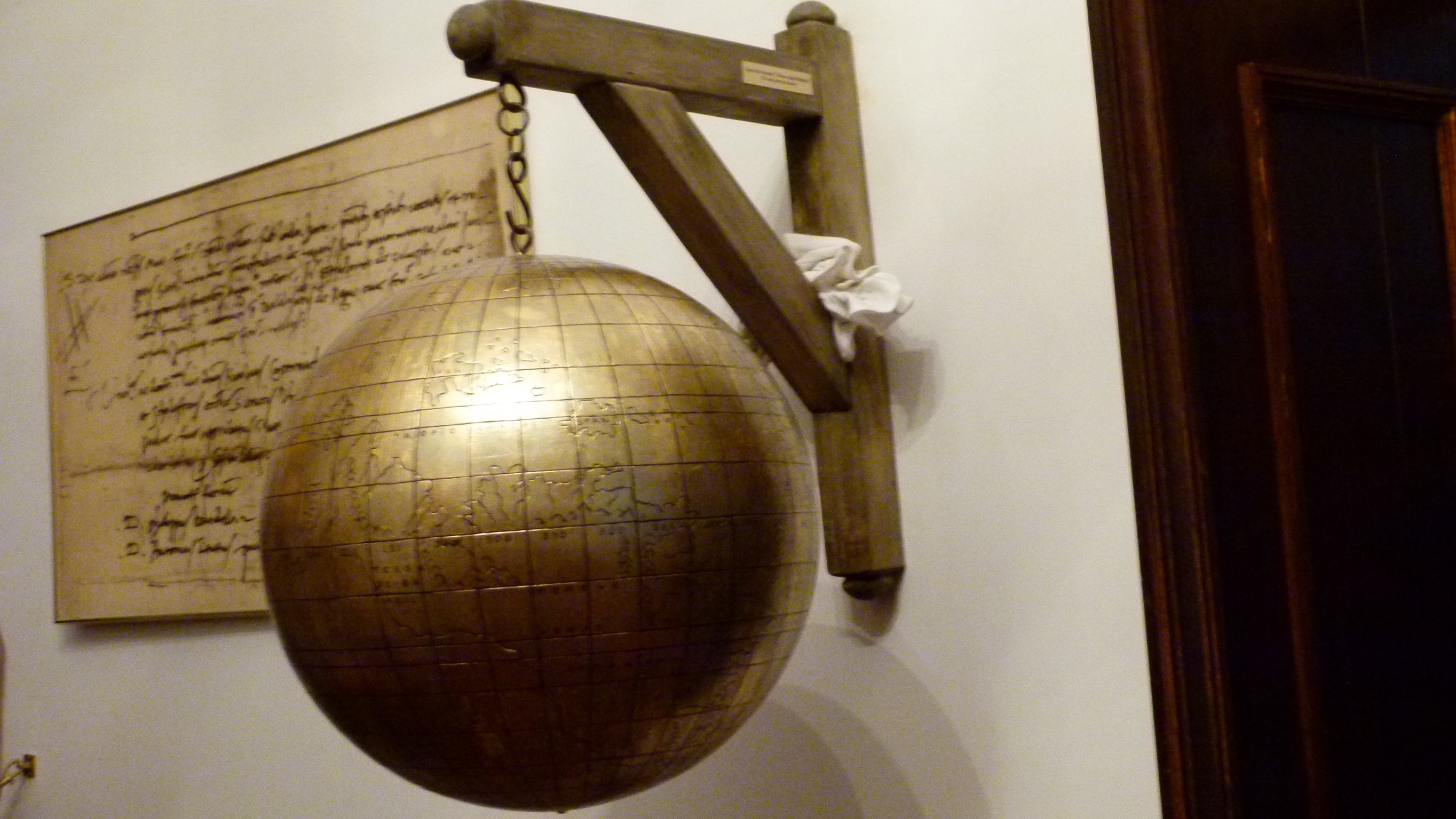
The university is proud that Kopernikus was here. They show the list of students with his name on it (and, yes, he has paid the fees). Also on display are his tools and the globe from 1521,  which already shows America on it.

image

Rounding off the day with a borschtsch and a concert

I round off the day with a borschtsch and salmon in the Smak Ukrainski and with a concert in the St. Peter and Paul’s Church. This is my second concert… I was already in the St. Adalbert Church. I just wonder, how Kraków will warm up their churches, when the temperature will be far below zero. The concerts are well worth listening to, but after an hour I need a hot drink, even with November temperatures.