A Swiss in Krakow – Liking the Koniki

A Junteressli in the hotel

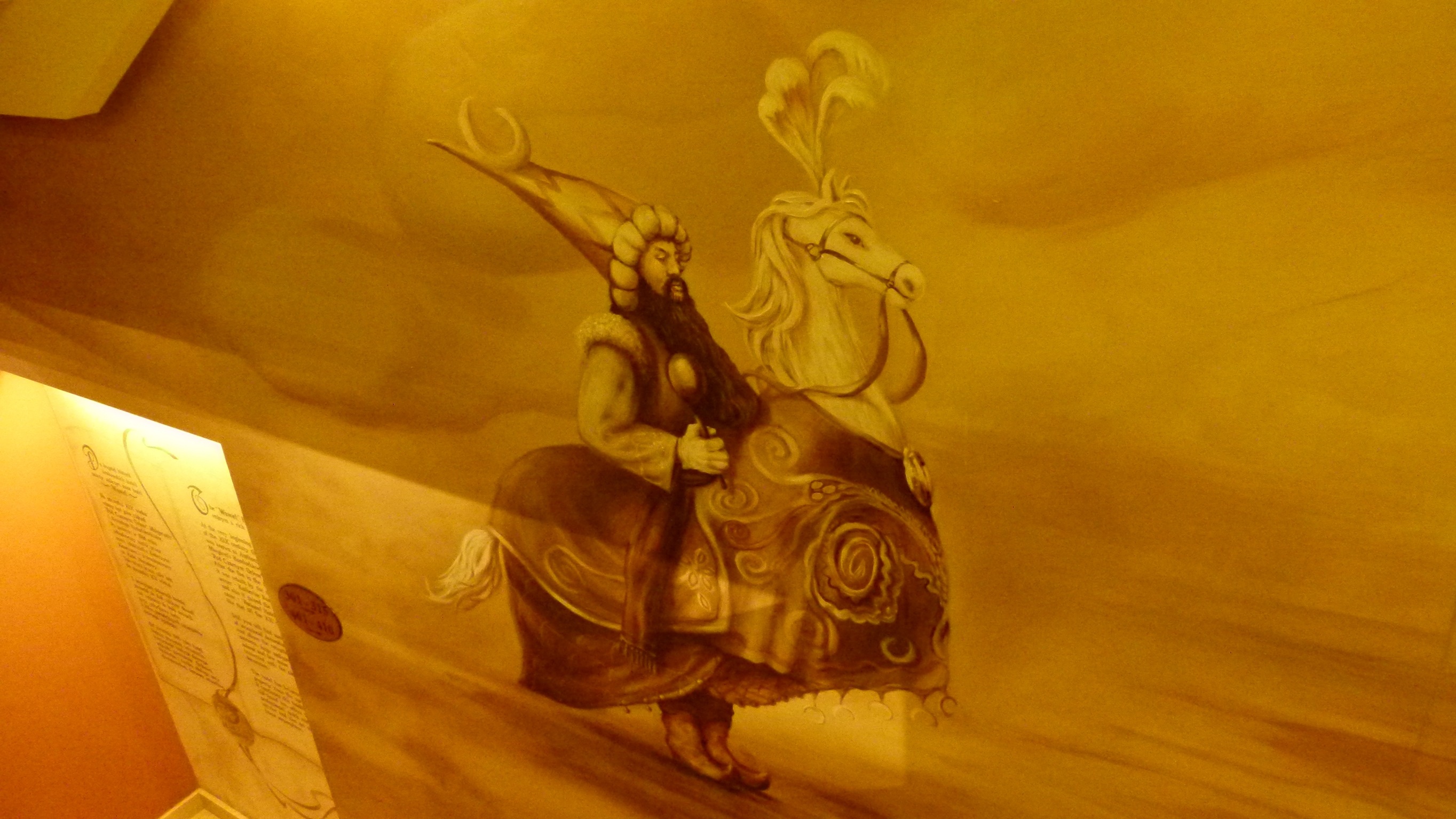
Along the stairs to the rooms of the cosy hotel Wawel, there are drawings of a man sitting on a horse, but actually he carries a wooden horse around his waist.
image

“Look”, I say to Radek, “this is a Junteressli.” “A what?” asks Radek, and adds, “we in Kraków call this man “Lajkonik”.”  I say that Junteressli (literally a horse as a skirt or “Junte”) are common at the Basel carneval (or better “Fasnacht”). Radek explains to me that the lajkonik represents a Tatar or a Mongolian and that the Lajkonik Festival takes place at the day of Corpus Christi (check out the wikipedia entry for this).

I like Koniki

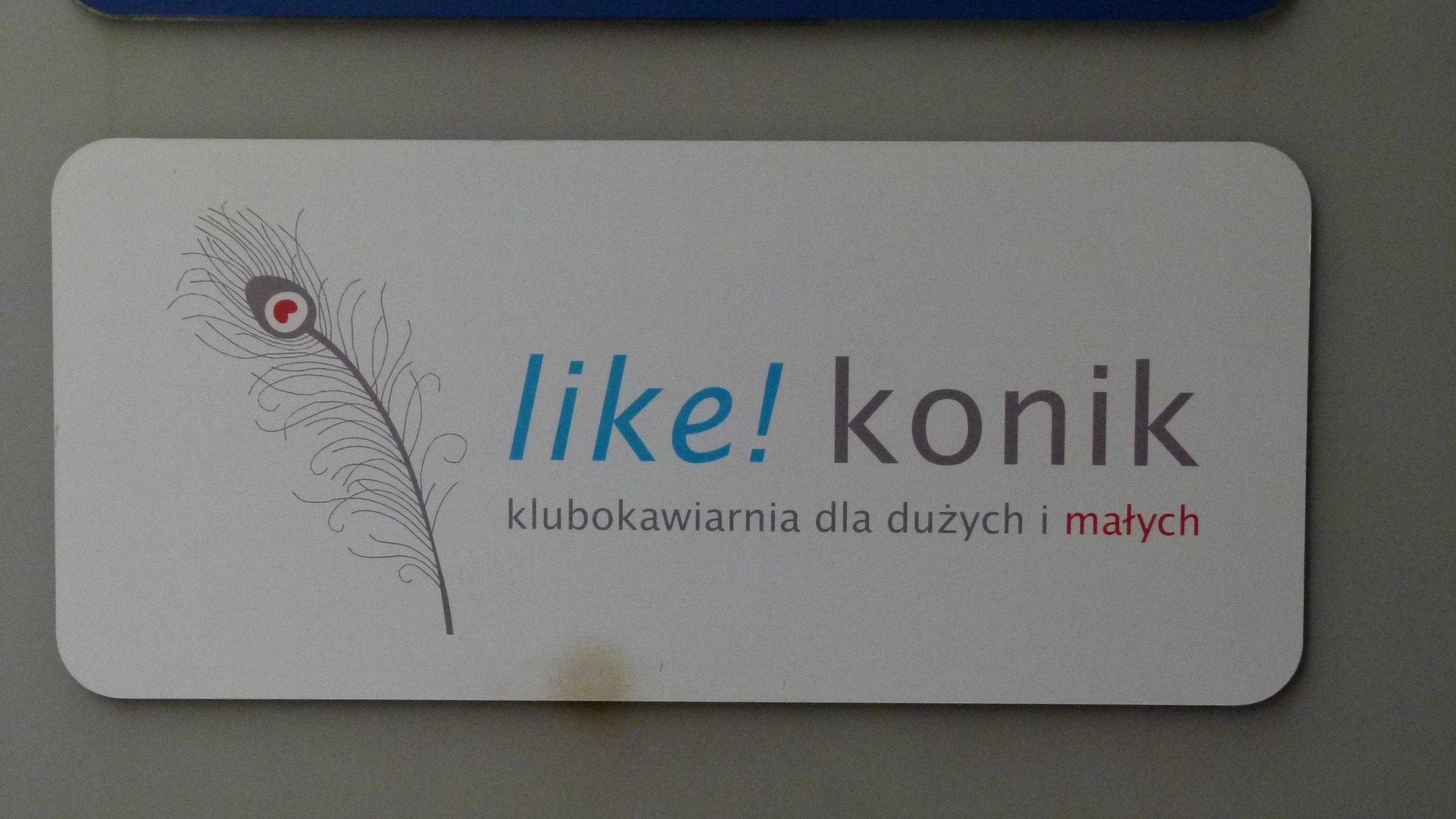
Later Radek takes me to the tourist information desk not far from my hotel Wawel.  He bursts into a laughter. “Remember the lajkonik in your hotel? Look what it says here: Like Konik. They just tweaked the term lajkonik.”
image

All sorts of Krakówian symbols

On my Art Nouveau walk, I come across this doorway displaying all sorts of Krakówian symbols.

image

image

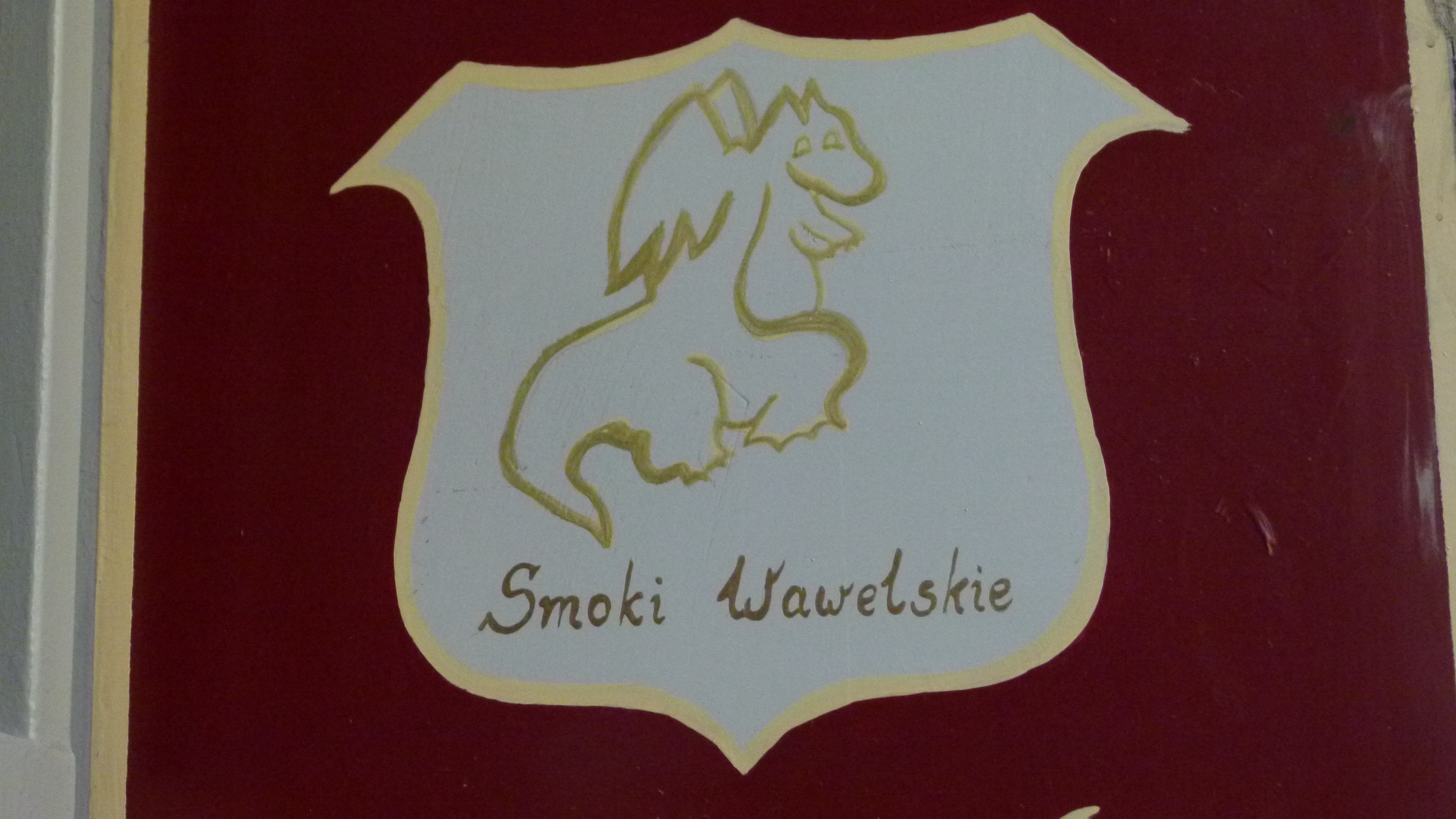
There are the Smoki Wawelskie… the dragons spying smoke, and this is why they are called “smoki” in Polish… well, not really, but this is how I can remember the Polish word for “dragon”. Legend says that there was a dragon living at the foot of Wawel hill who devored maidens, until a cobbler fed the animal with a lamb stuffed with sulphur. The dragon ate it, became thirsty, drank water from the Vistula and exploded.
image

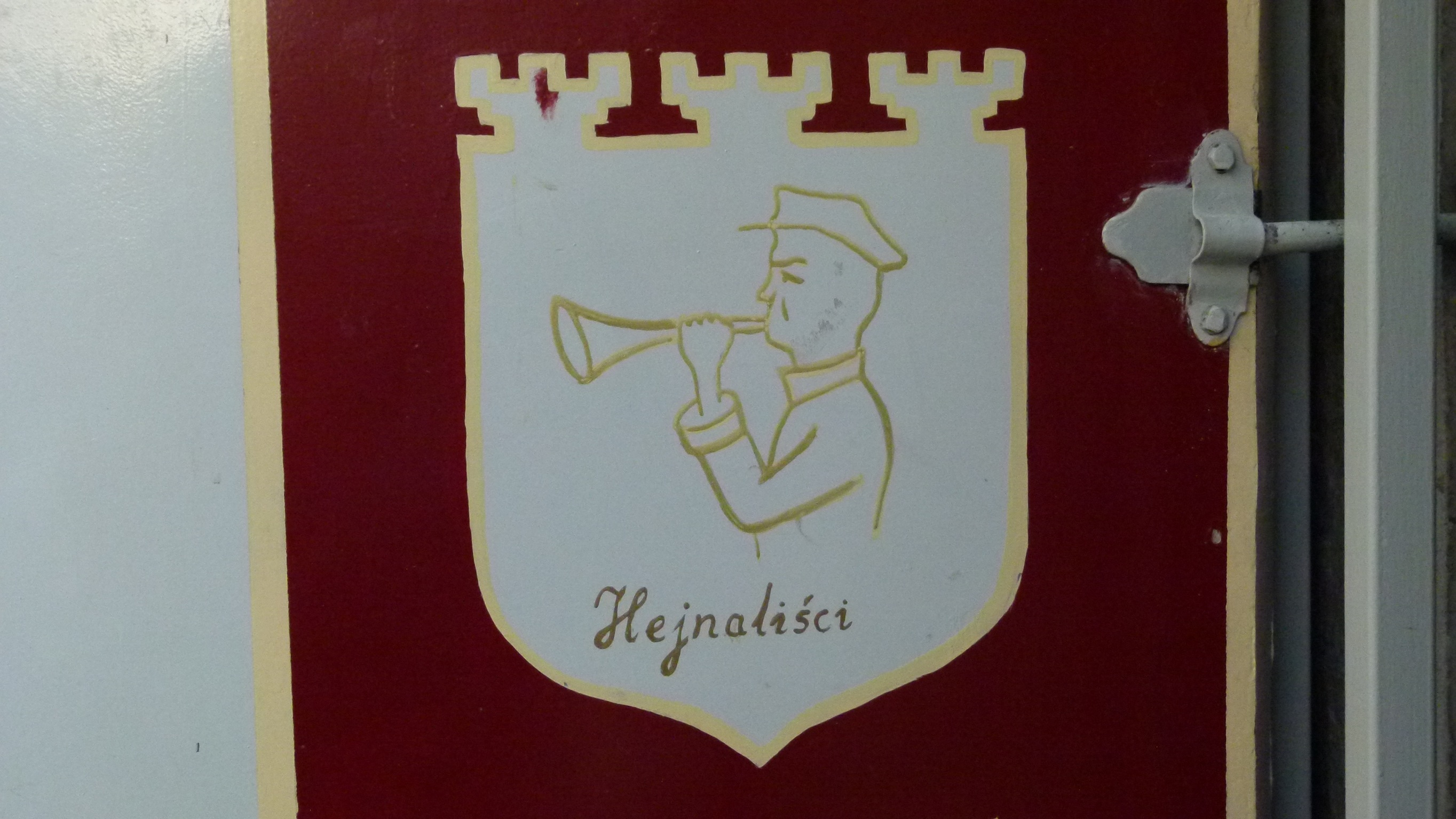
The Hejnalisci – the man blowing the tune on the tower of St. Mary’s church on the Rynek and then stopping  abruptly in the middle of the tune, because his predecessor was shot exactly at that moment, when the tatars invaded the town. This is what legend tells us refering to the Mongolian attacks from the 13th century.
image

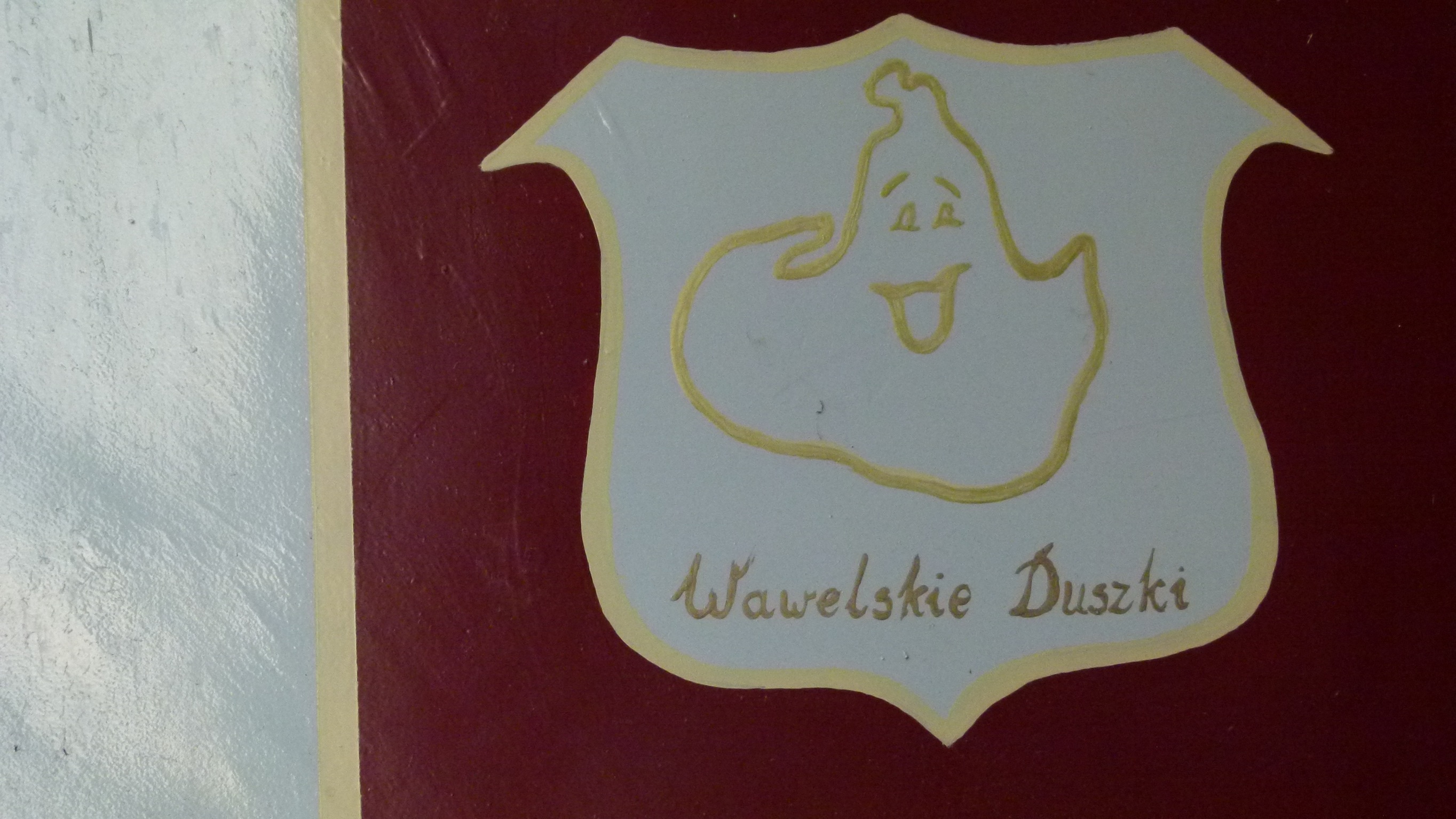
Wawelskie Duszki – the Wawel phantoms. This must have been a friend of the “kleines Gespenst” or “mala duszka” from the mountains nearby (as described in the childrens book by Otfried Preussler).

image

And here it is again, the Lajkonik refering to the tatars.

Kraków is full of culture and science, and it also cultivates some charming traditions.
A Swiss in Krakow – looking for more Art Nouveau during daylight

Heading to Nowy Swiat on a foggy Sunday morning

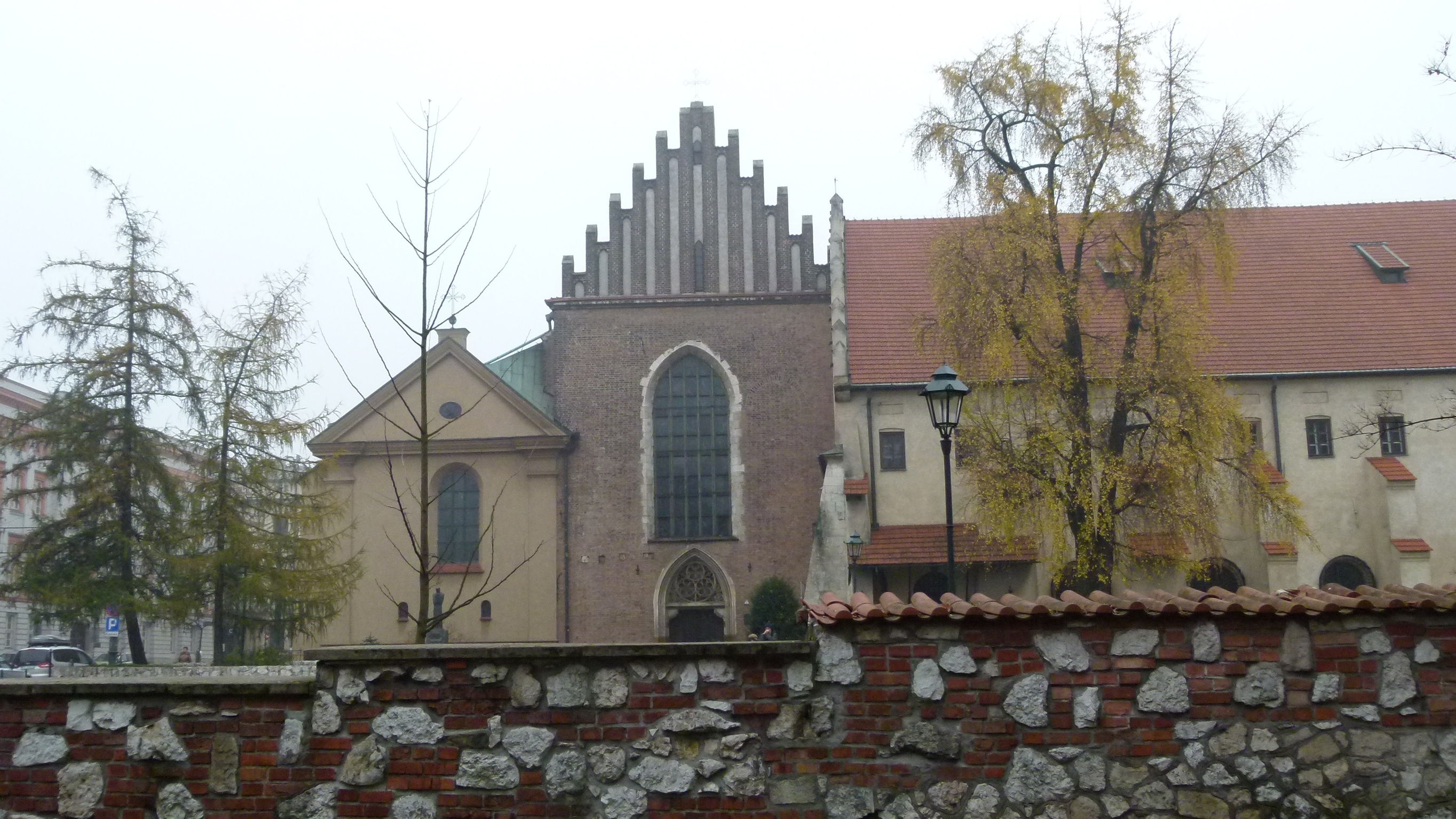
Fog hangs over Krakow on this quiet Sunday morning. I walk along Poselska uliza to the park surrounding the city. It is chilly. In front of St. Franciscan Basilika there is a lady guard stopping tourists to enter the church, as the Sunday mass is taking place. She wears a wollen cap. She seems worried, points to my head and I understand something like “schapotschka”. Very kind – yes, I am not wearing a cap… I feel so sorry that I do not speak Polish, the third most difficult language of the world.

image

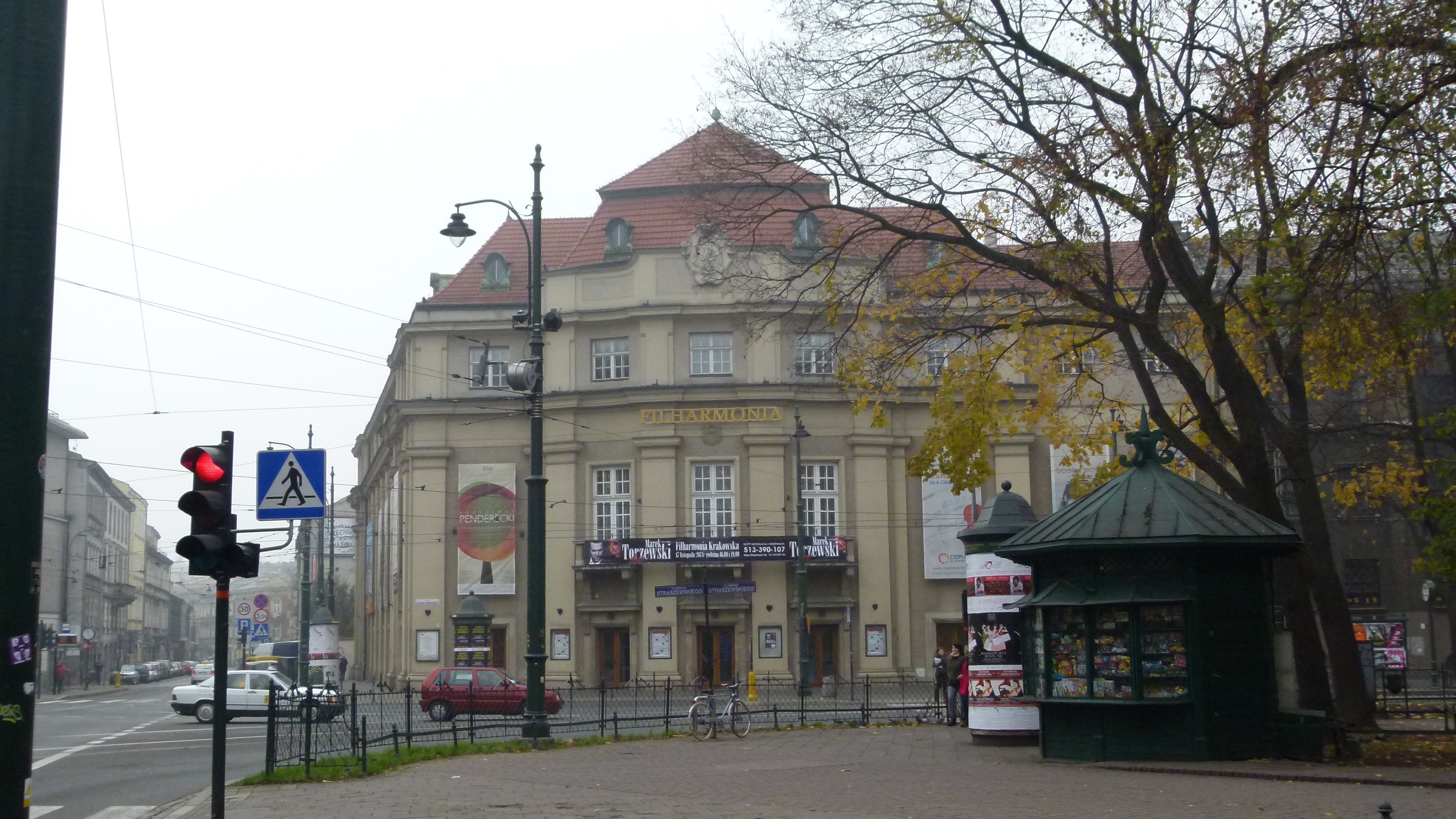
The philharmony

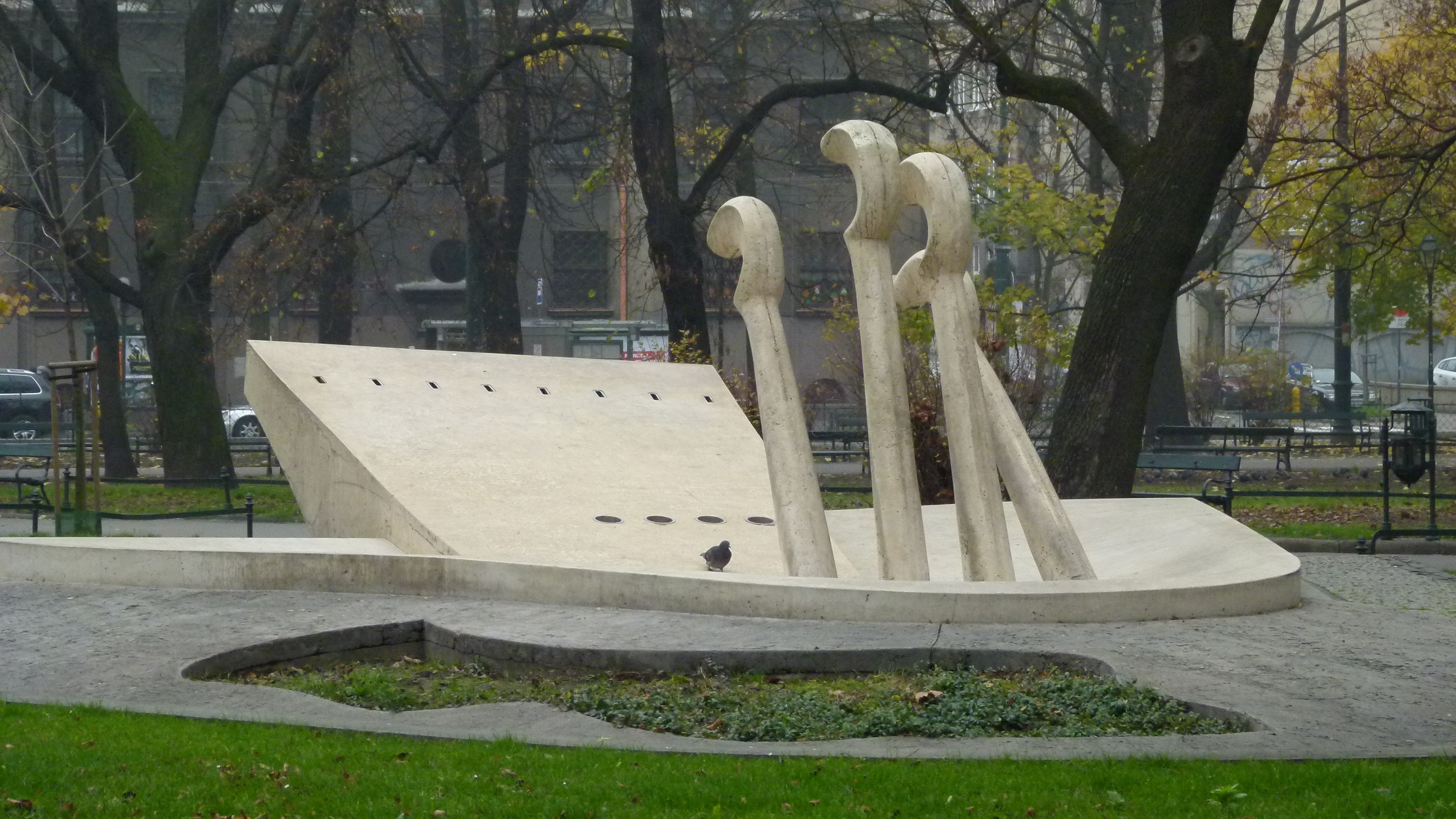
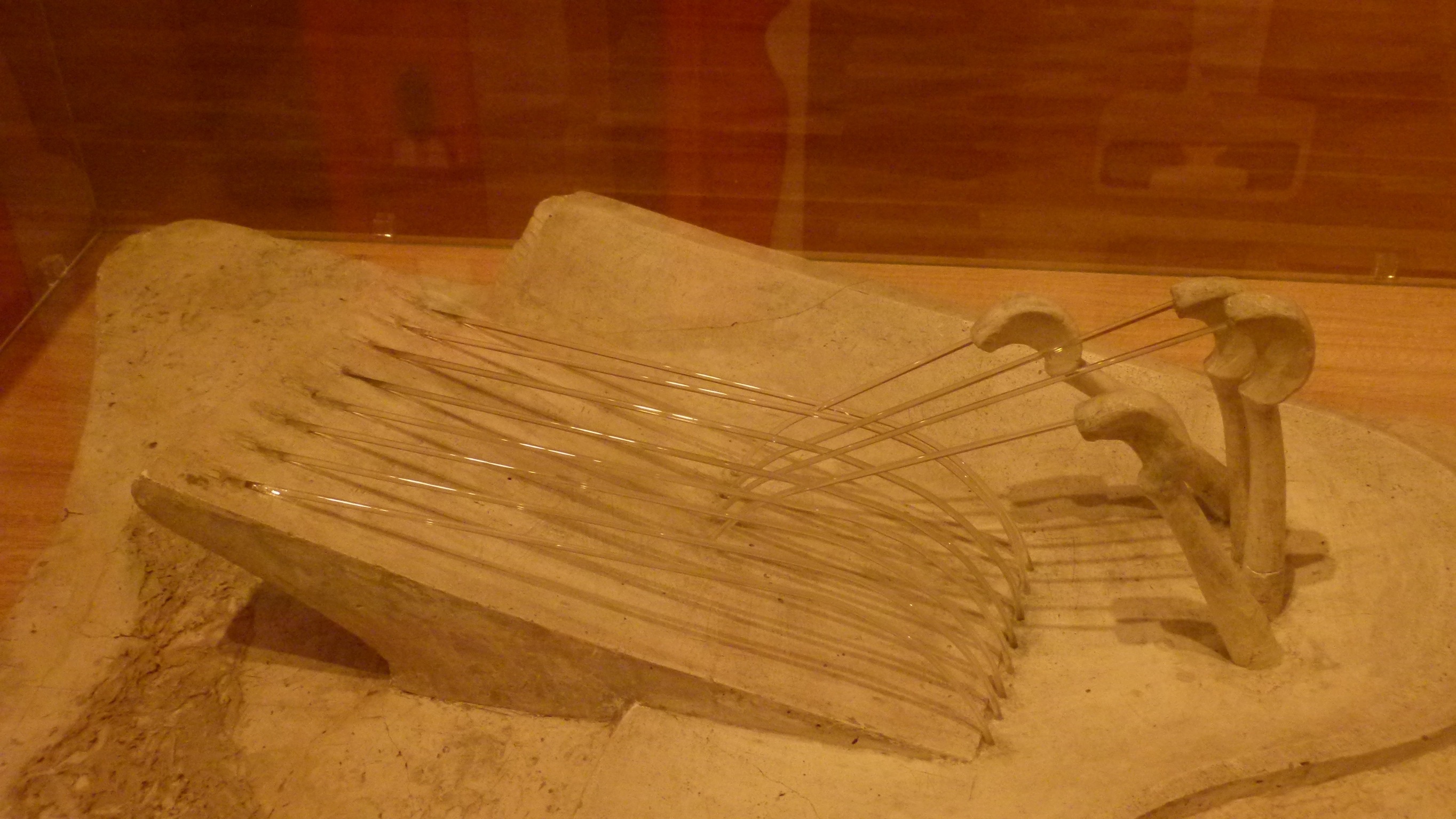
The philharmony was built in the 1920s. In front of it is a monument that looks like a piano without strings. Later, in the National Museum I understand that it commemorates Chopin, and the water adds the strings.

image

image

image

Three Art Nouveau houses along ul. J. Pilsudskiego

I come back to the straight lines of the Palac Hutten-Czapskich.

image

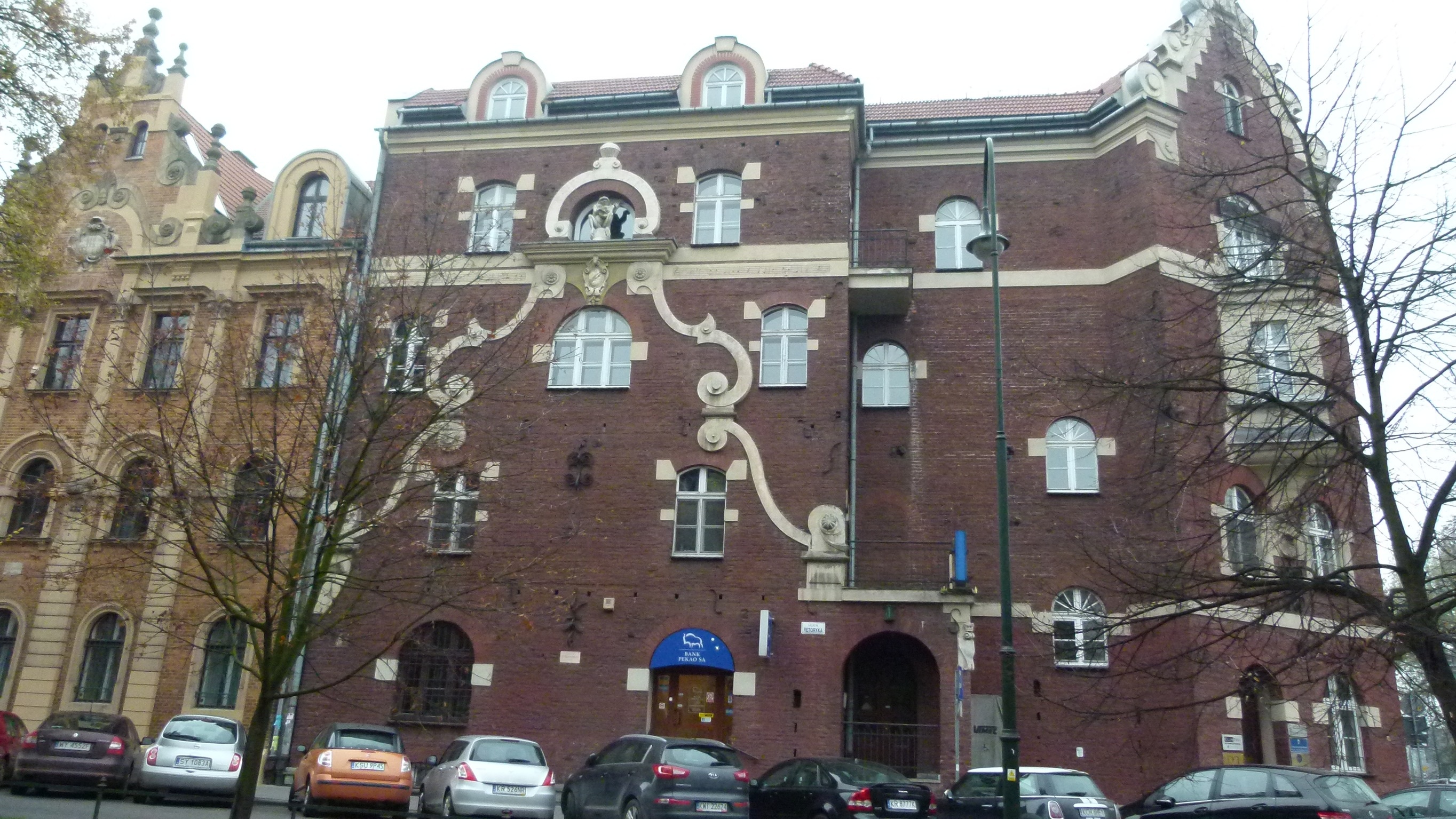
Then there is a series of houses starting with the singing frog which is the symbol of a music school. I have never related frogs with music and a guitar.

image

image

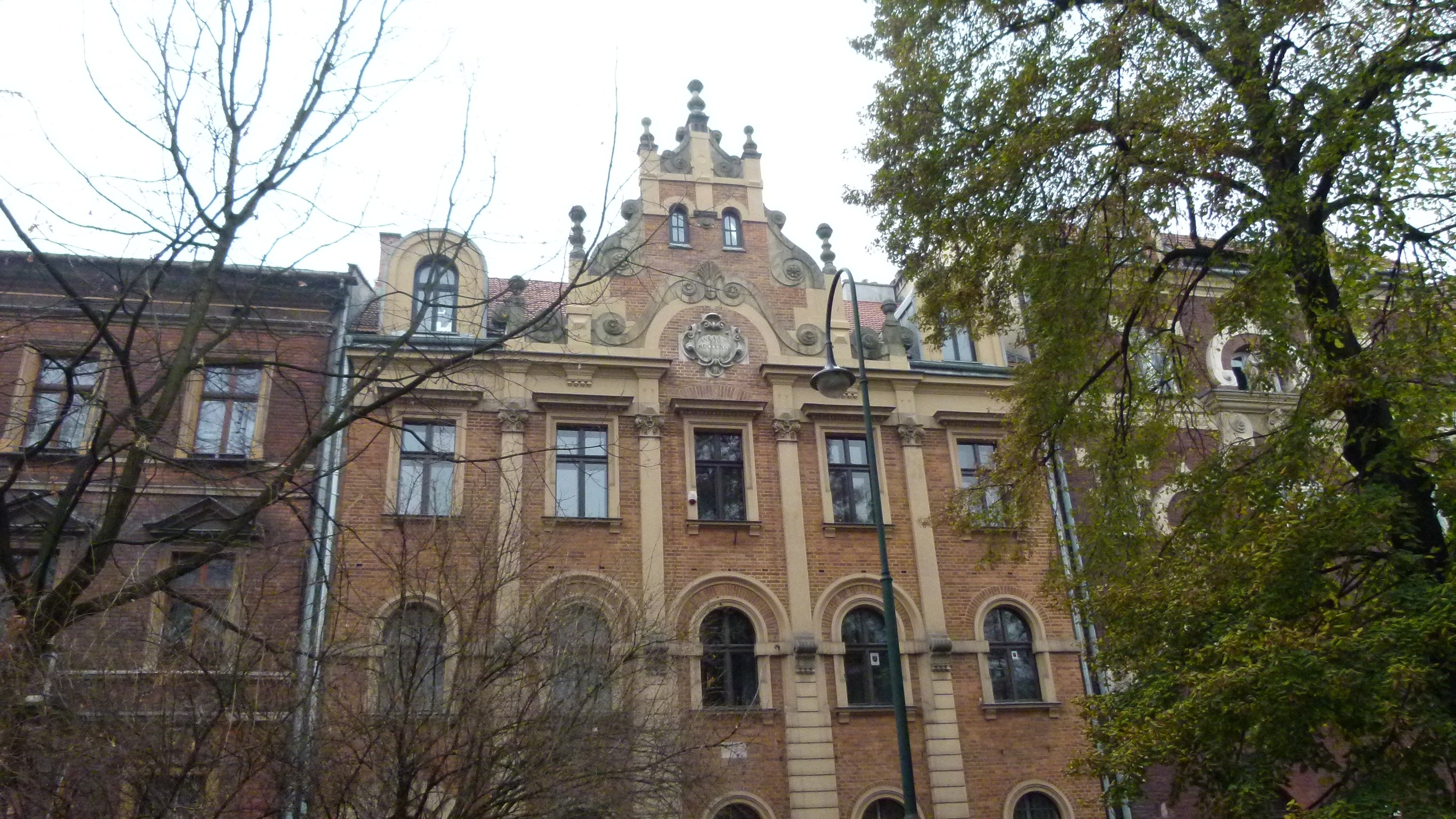
The frog house is part of a range of houses.

image

image

Yes, life is short and art lives for a long time.

image

… and all of us are responsible for our own fortune.

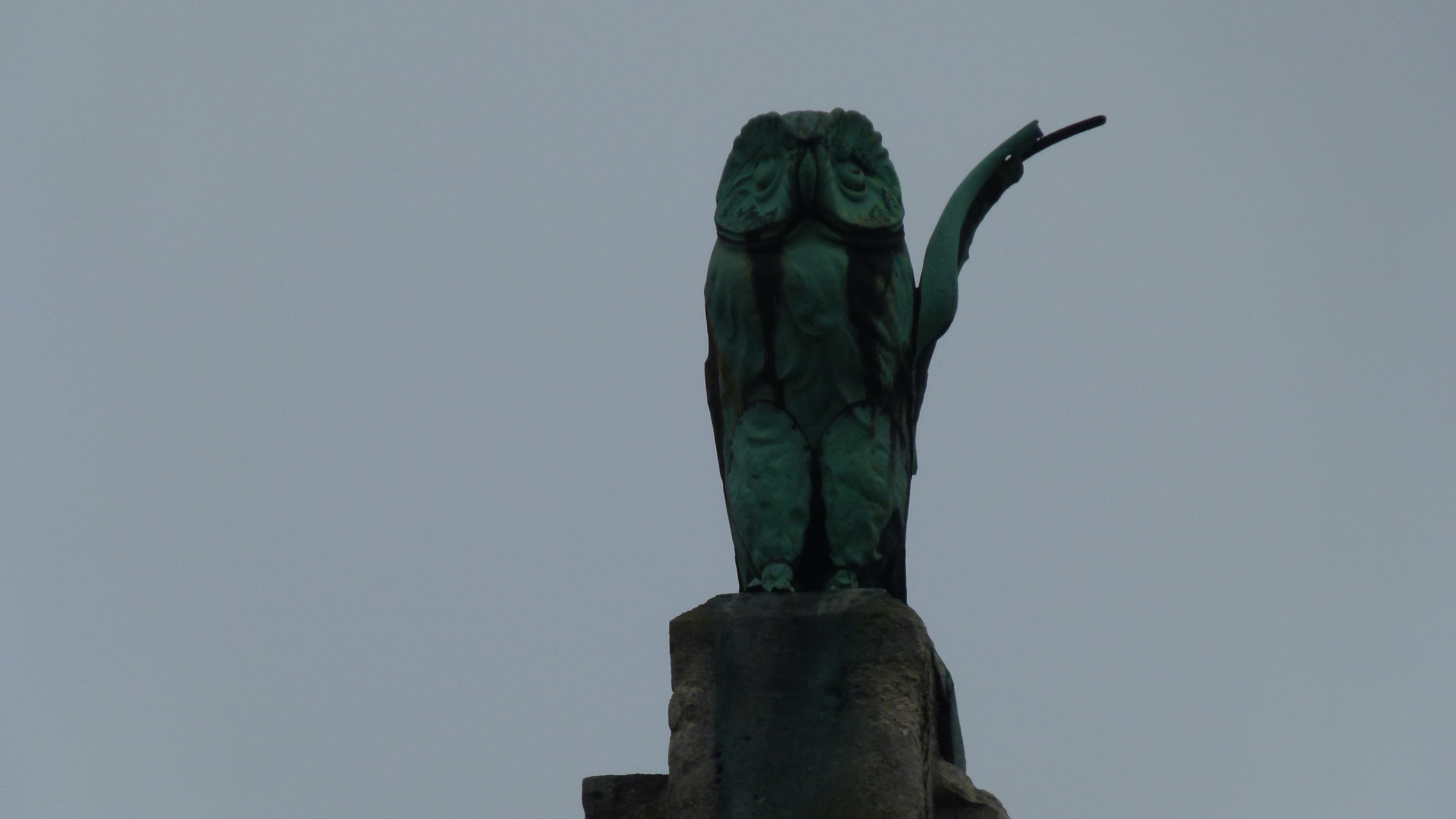
The house under the owl is a few blocks to walk from the frog.

image

image

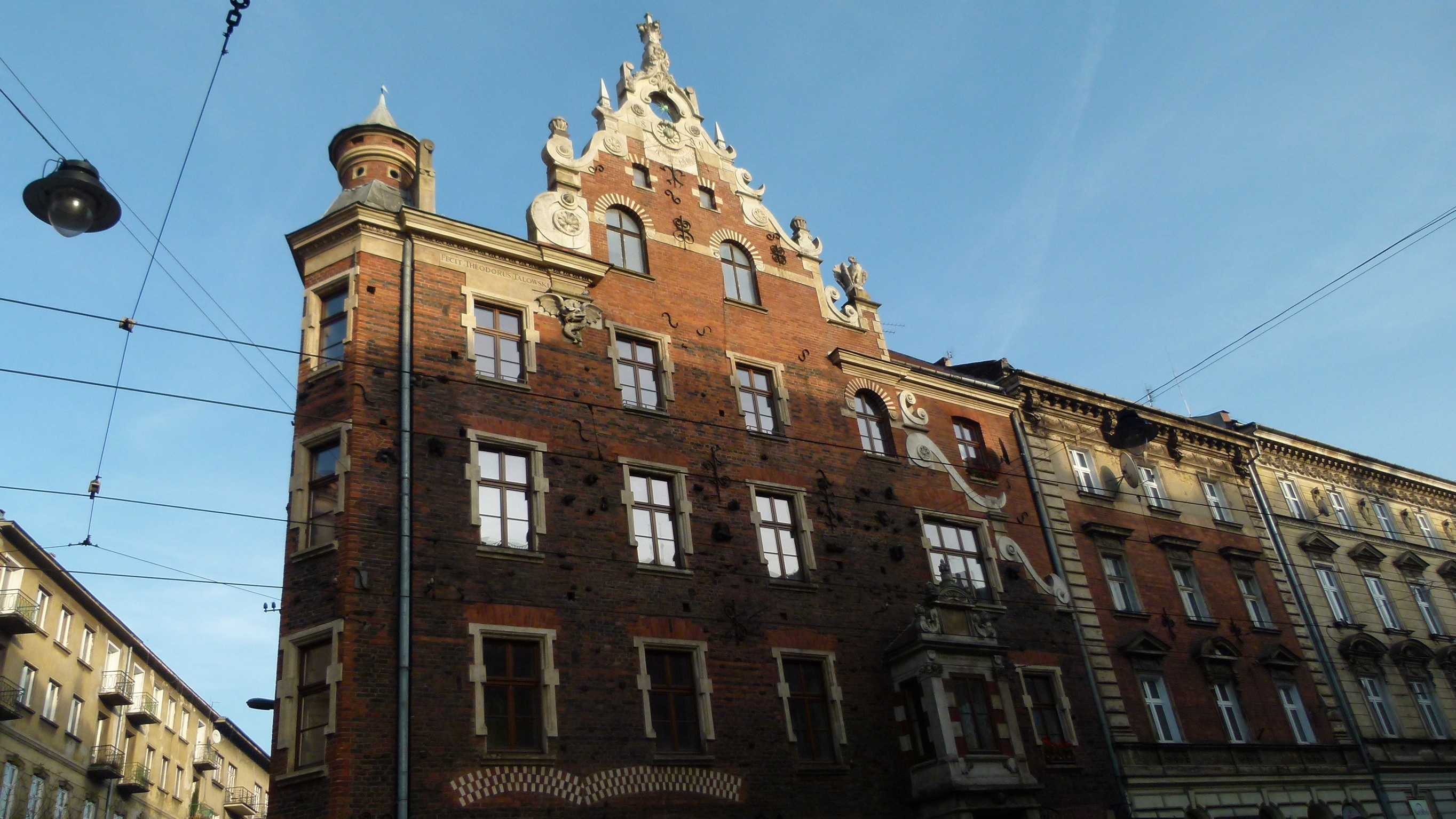
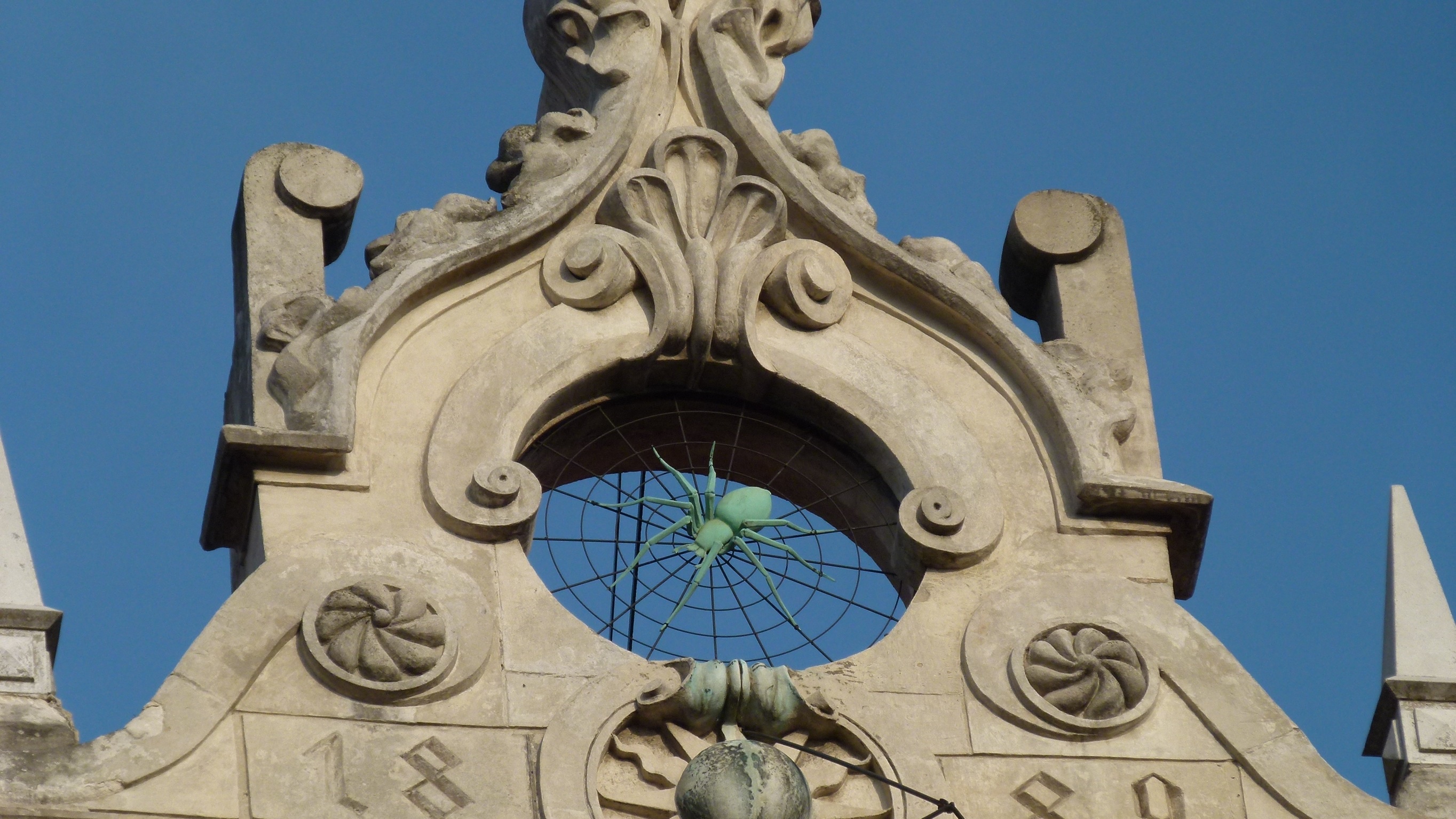
The house under the spider, a little bit farther north

image

image

My guidebook says that the spider is a symbol for creativity.

I do wish that Krakow continues to be creative with their culture, science and economy.

(Source: Krakau, Michael Müller Verlag, 2011)

A Swiss in Krakow – feeling comfortable in the Hotel Wawel

Booking hotels along with the flight

When booking the direct flight from Basel to Krakow, I checked out the hotels that Easyjet also offers. One hotel catches my attention: The hotel Wawel is located in a side street – Poselska uliza- in the old city center. It has great evaluations and it is not too expensive, breakfast included. I add the booking for the hotel to my flight.

A friendly welcome

When I arrive at the hotel shortly after ten in the morning, I am surprised by the friendly welcome. I am given my room so early in the day, and I receive a code to use Wifi without having to ask for it.

The hotel room under the roof

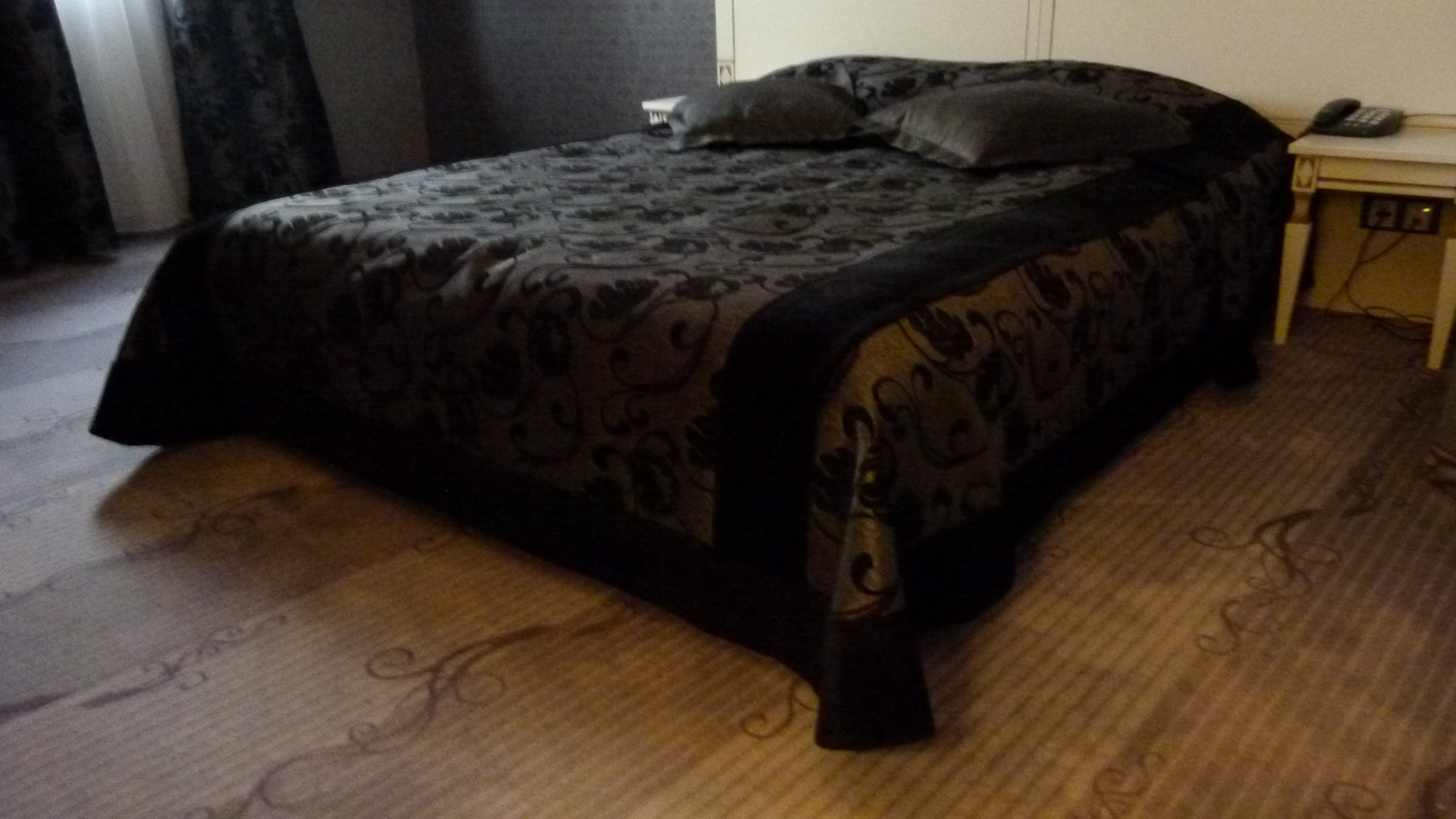
My room is under the roof. Furniture, carpet and curtains are perfectly matched. The bed stands on wheels… very clever. Such a bed can be pushed away easily to remove the dust also under it.

image

The orangerie on the first floor

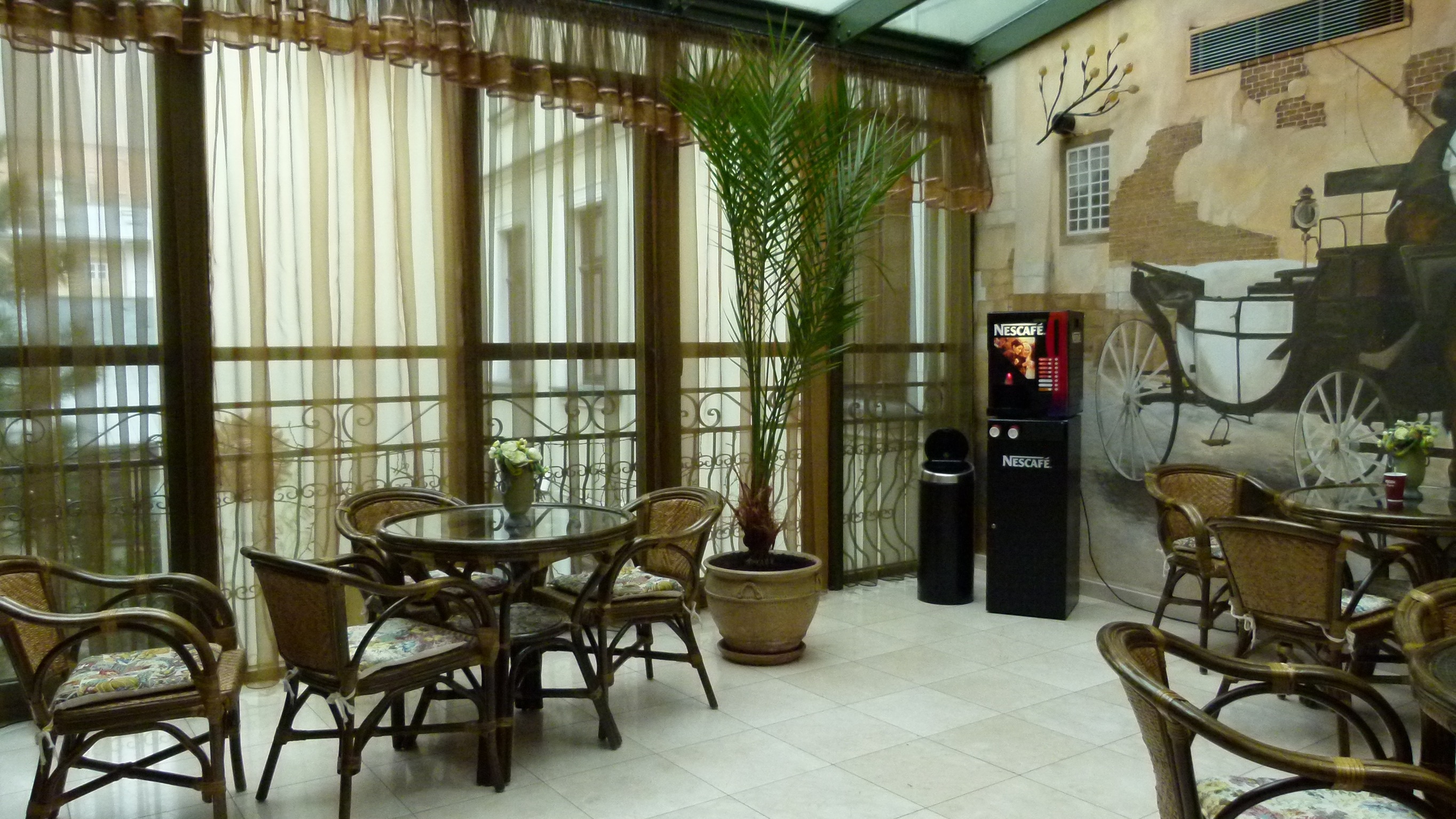
On the first floor there is an “orangerie” looking into the courtyard of the house. Here guests can have a rest and drink a free coffee or tea from the machine. It is very inviting. Other guests join me. They frown at the Polish labels on the machine. As I translate, I meet a group that lives in Essex and has direct flights from their place to Kraków. I like to come back to the orangerie later with my friends.

image

The breakfast buffet

Breakfast is included in the price for the room. I find a large buffet with eggs, salad, sausages, cerials, yoghurt, cheese, ham, marmalade, honey and cake. Wifi also works here, in case I would like to check my social networks over breakfast. In summer, the hotel serves breakfast in the quiet courtyard. Now it is too chilly for that.

Yes, I can recommend the hotel Wawel.

A Swiss in Krakow – discovering Art Nouveau architecture

The Rynek and around – this is where I head to first

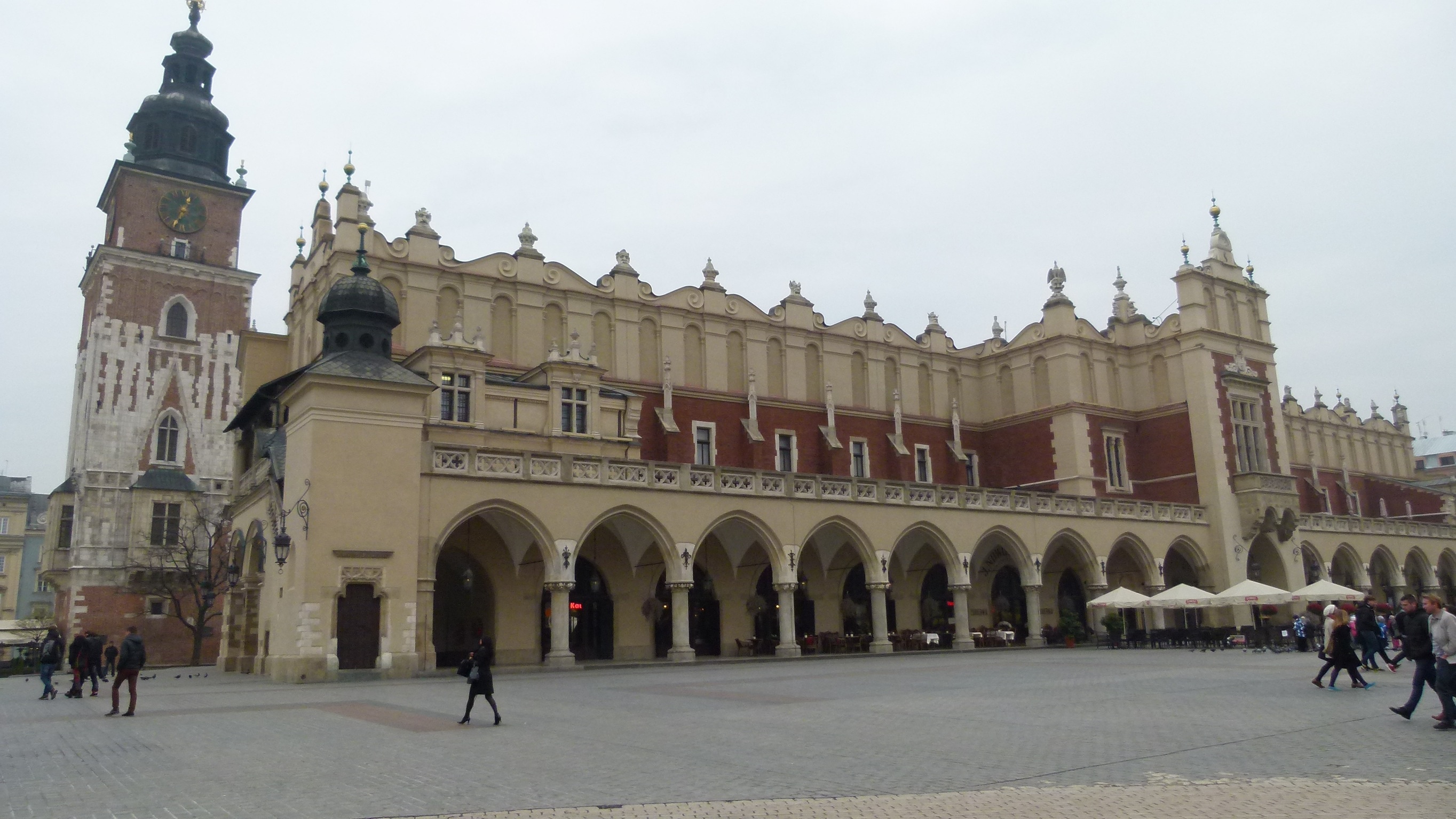
As always, when I come to Kraków, I stroll along the central market square, the Rynek, and the narrow streets around it.

image

But then… there are some more hidden gems: Art Nouveau achitecture

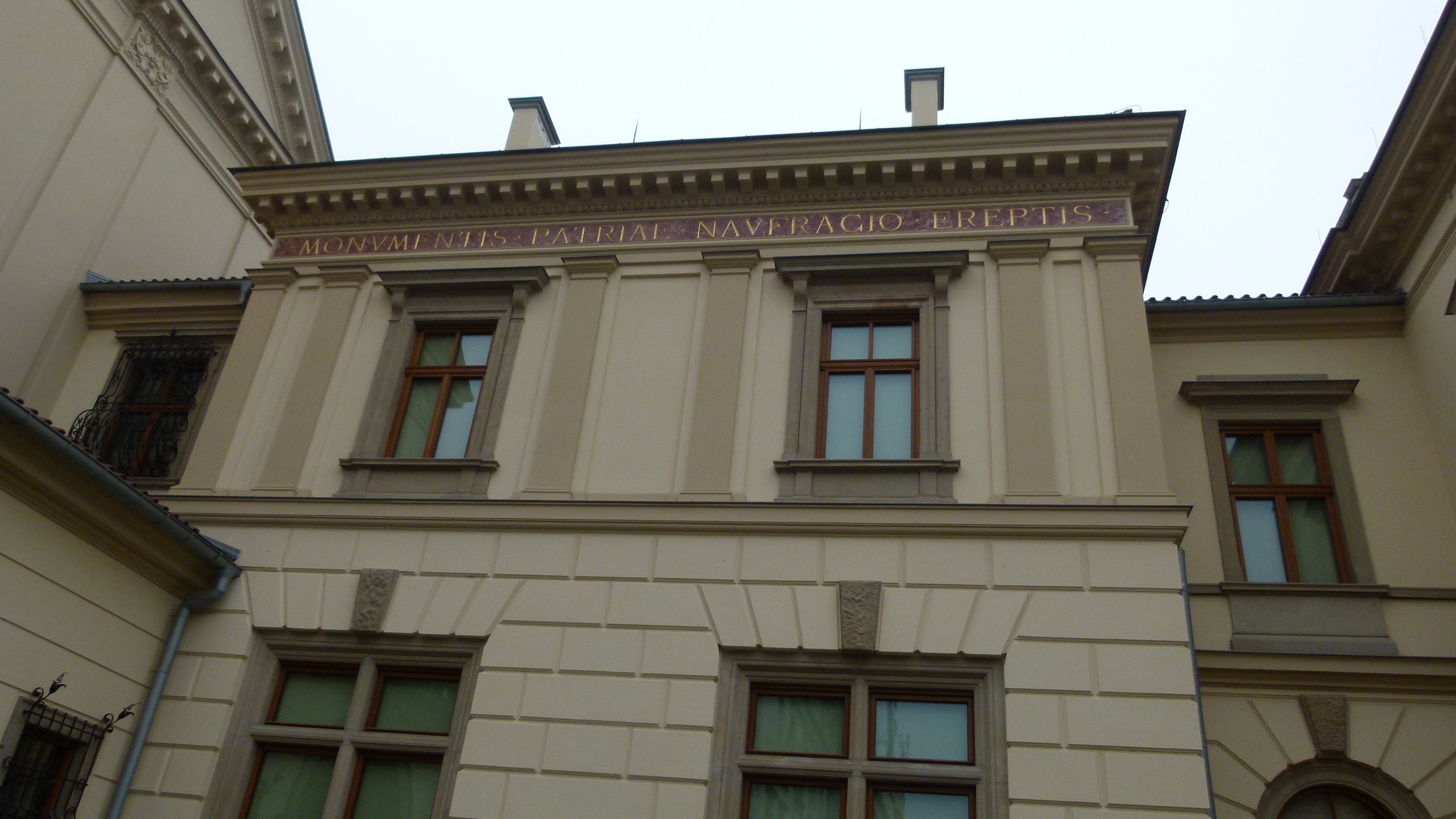
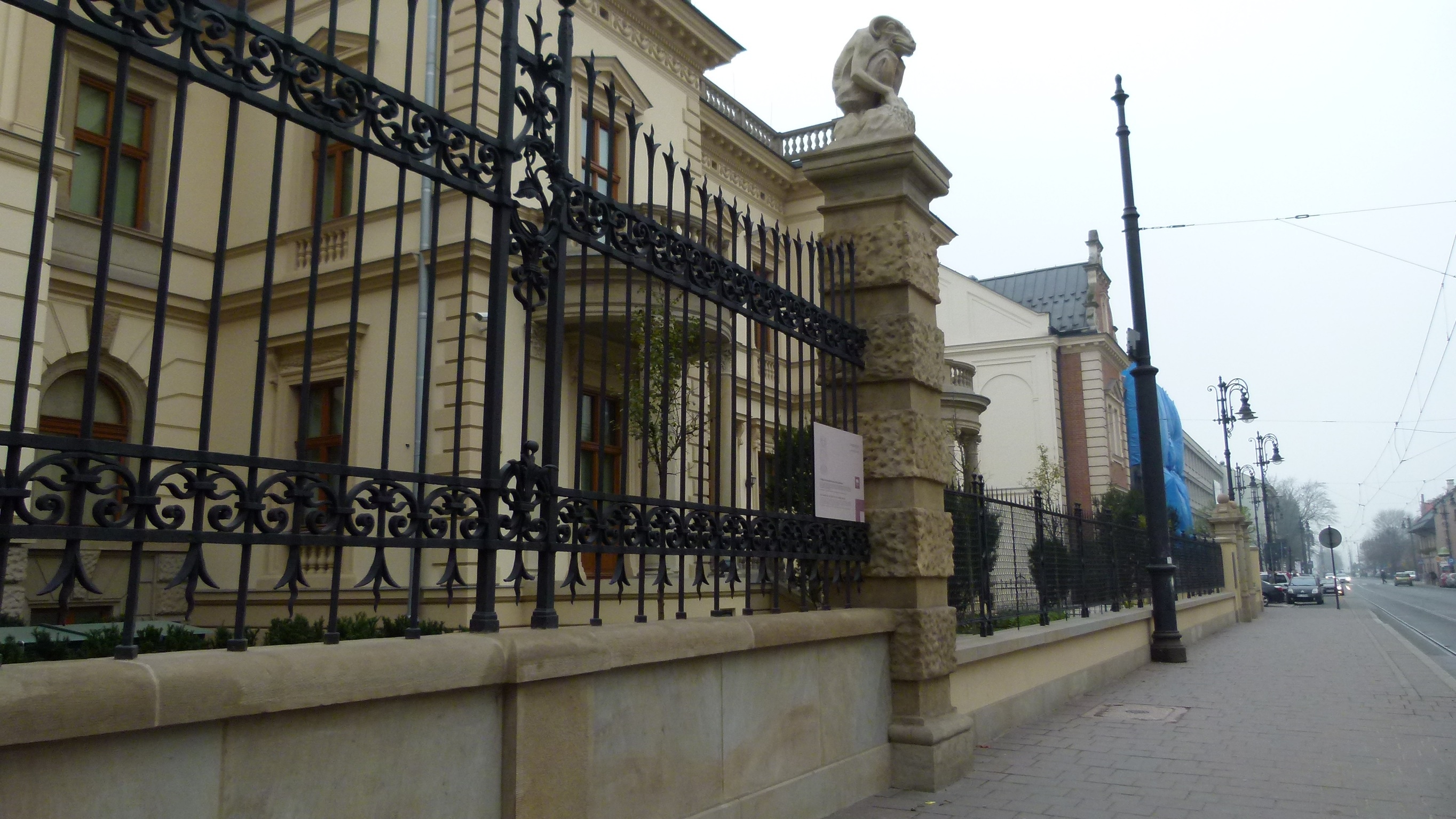
Adjoining the old city center there are two areas called Piasek and Nowy Swiat.  They boast some nice Art Nouveau architecture: Palaces from around 1900. With one of my Krakówian friends I start to discover this area. We look for the chimera of the Palac Hutten-Czapskich. There is a panel explaining it, but where is it? Stepping back helps. The chimera sits above the panel on a column. It looks like a monkey to me. I like the clear and elegant lines of the palace reminding me of an ancient classical building.

image

Next we search the frog on the House below the Singing Frog. At 4:30 pm it is already dark in Kraków – difficult to see the frog that for some odd reason was selected as the symbol for the music school that was here. The notes on the facade also point to music. Well, Kraków is two hours west of Basel, has the same time and it gets dark earlier. We decide to go back to the palac of the Hutten-Czapskich and check out their museum.

The collection of the Hutten-Czapskich

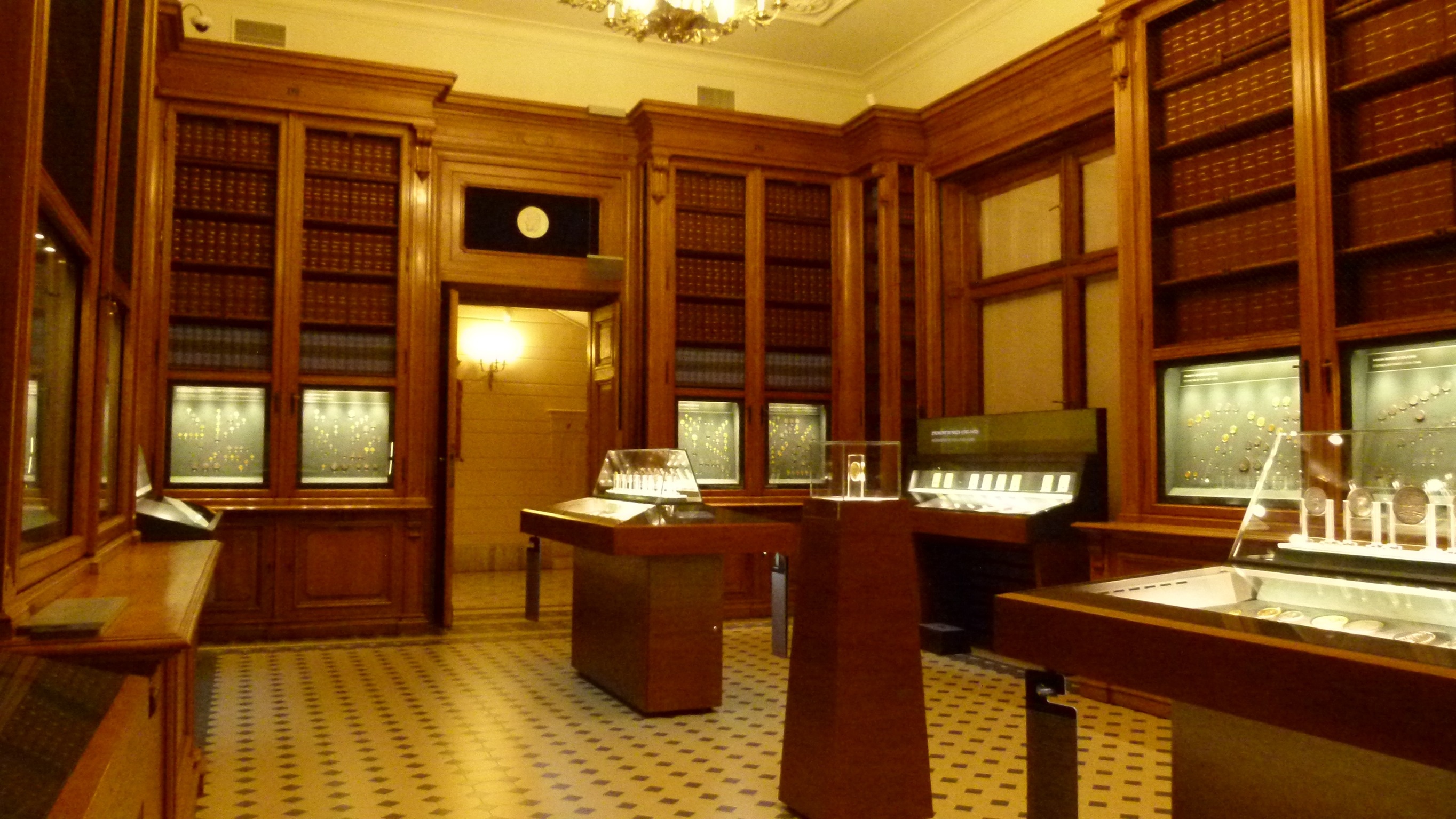
Hutten-Czapskich was an art collector. The museum has just opened recently. On display are his coins, books and some armament.  We are the only visitors. A lady guard follows us showing enthusiasm for her museum and suggesting the best sequence of visit.

Coins, coins and coins… room after room

On the second floor we find coins from the Black Sea, from Greece, from Rome, from all European countries in medieval times and above all from Poland. The vitrines are meticuously curated. Each coin has a number and a touch screen display explains the coin with its background. For instance there was a time in Poland, where one side of the coin showed the current king and the second side was used for political propaganda.  This must be an eldorado for a history teacher.

Then books and books and books

On the third floor we found books – the shelfs became the tapestry of the rooms.

image

The oldest books are from the 15th century, when book printing started. Will we produce any literature today that will be on display in museums in 500  years?

Piasek – I will come back next week before it is dark

This was just a small glance at Piasek. I will come back and take more photos with day light.

On the road again – to Kraków in Poland

Krakow – I would like to look for some memories

When still working, I closely cooperated with our office in Kraków. I made friends and I started to love this city with its huge market place, the Rynek. When Easyjet came up with direct flights from Basel to Kraków, I decided to go on the road again.

The flight – early in the morning and fully booked

At 6:50 and on time, onboarding goes on. I sit in the back and a nice lady in her 50ies with a perfect German accent joins me. A young  student follows with a joyful “bonjour” – also a perfect French accent. Around him friends that also speak French. I wonder, why they fly to Kraków. I also hear a lot of Polish on this chilly day in November.

With the photographer, we exchange about feeling like a stranger

With the lady next to me, I am soon entrenched in a deep conversation. She is a photographer, lives in Freiburg and flies to Poland for the funeral of her dad. This is sad. She has lived in Freiburg for 20 years now and her daughter studies cultural history. We both know, what living in a foreign country means. She has emigrated from Poland to Germany and has felt reluctance and being different. Also my parents have emigrated to Switzerland in the fifties – and yes, I did not feel welcome here as a German girl and adapted to speak High German like a Swiss. Even today, the Swiss are embarrassed, when I switch to my mother tongue which is Berlinese (the father tongue is the dialect of Basel, so no one notices this “defect”, until I switch languages).

Research on cement?

The young man sitting with us is a student. He writes a doctorate thesis on cement. Research about cement? I thought that cement is pretty well defined and there is nothing to change about the recipe. But there is… his task is to enhance one component from 30 to 50 percent to make it more durable. He is from Kraków and writes his thesis in Heidelberg and Lausanne. With his friends he plans to spend a weekend in Kraków.

Sharing photos from Mongolia

We talk about  traveling. “I would like to go to Mongolia”, the lady-photographer says – her name is Anna. “Well, if you do not mind the photos of an amateur…”, I say and take out my iPad with my photos from Mongolia. And together, the three of us travel virtually from Khövsgöl lake and the taiga all the way south to the desert of Gobi, while the plane  starts to lose height to land in the fog in Kraków.

Good-bye – our roads will now separate again

This was a great flight. I love unexpectedly making friends – I think that Anna and I will stay in touch. To the young student, I wish much success for the doctorate thesis. Our roads will now separate again. An hour later, I check in at the hotel Wawel, get my code to access the internet, and have a free coffee in the cosy orangerie to write this blog.