The Ebro – the delta with rice fields and Tortosa

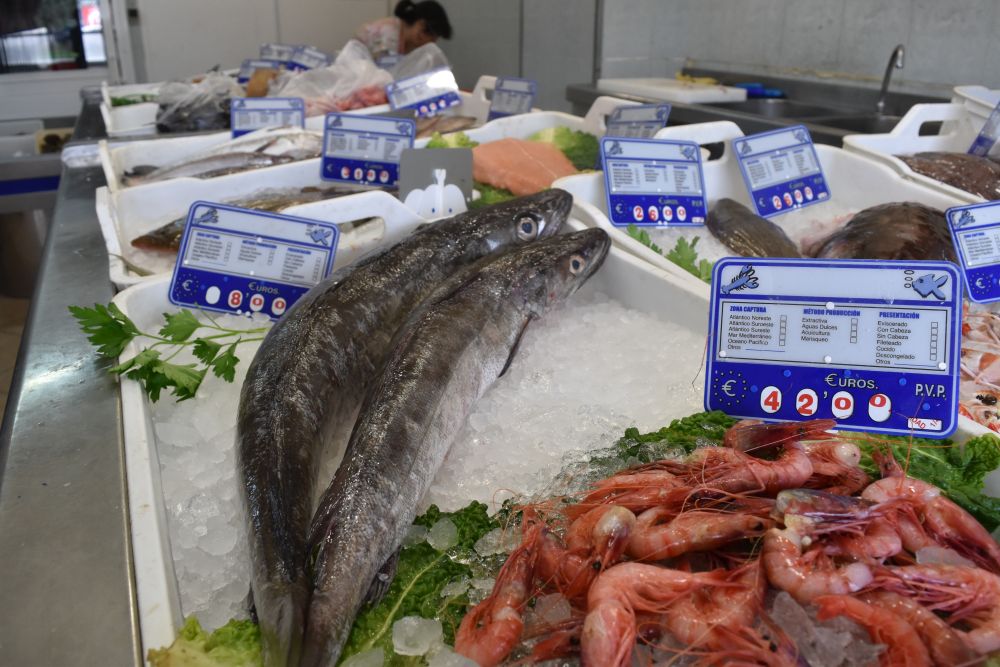
Tuesday – we head off about 50km south to explore the last kilometers of the Ebro on its way to the Mediterranean sea. The delta and – more towards the mountains – the town Tortosa are our target.

.

Rice – omnipresent in the Ebro delta

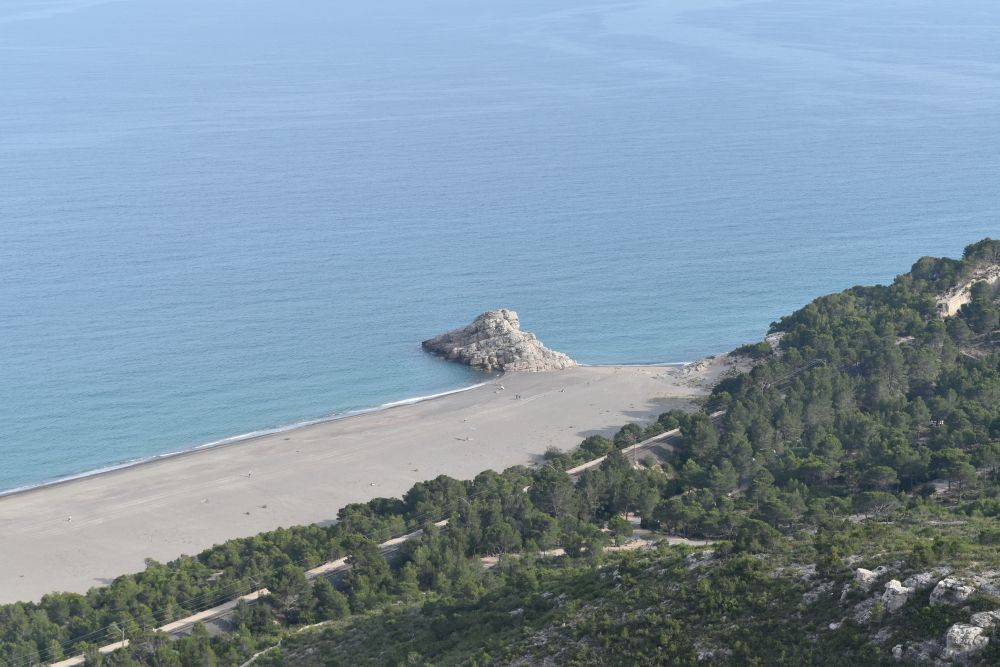
The Ebro delta looks like the hook of an anchor: In the middle there is the river branching into arms with lagoons. Two sandy spits go off to the north and south. The Ebro delta is one of the largest in the Mediterrenean. It has developed in the last eight centuries due to the deforestation which made the Ebro carry soil down to the Mediterranean sea.

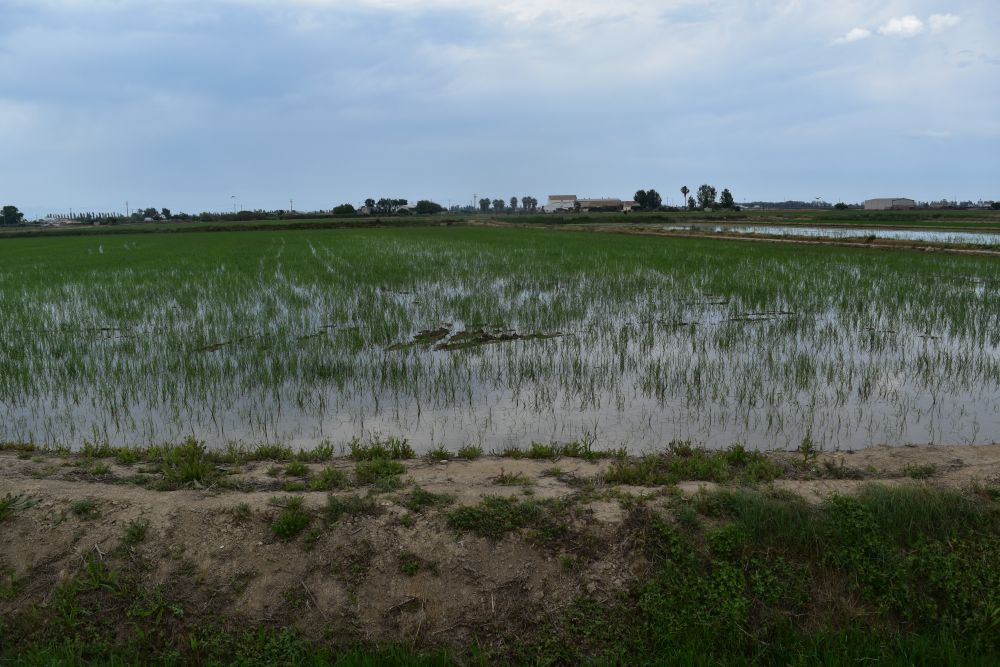
In the delta rice fields under water dominate the scenery, among them a few villages.

DSC_0269 small

Black and white egrets walk here on their long legs. A large part of the delta is a natural reserve, also visited by migratory birds – great for bird observers.

In Deltebre we buy some rice products – rice “as such” and licor d’arròs amb herbes (rice licor with herbs). They even sell rice beer (not for me, I am not a beer drinker…).

.

Adventurous track on the sandy narrow spit going south

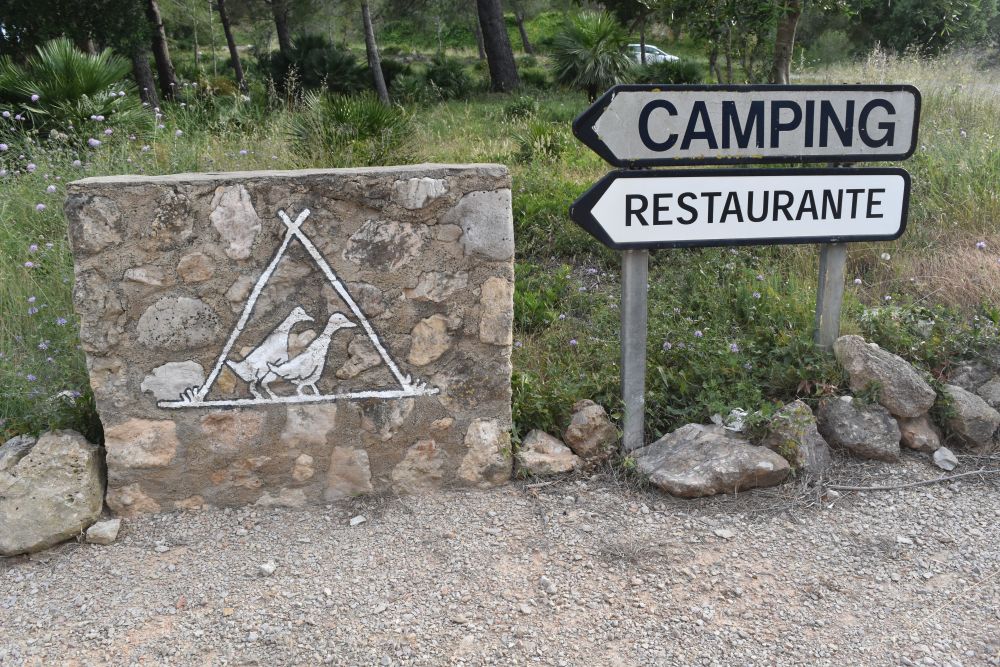
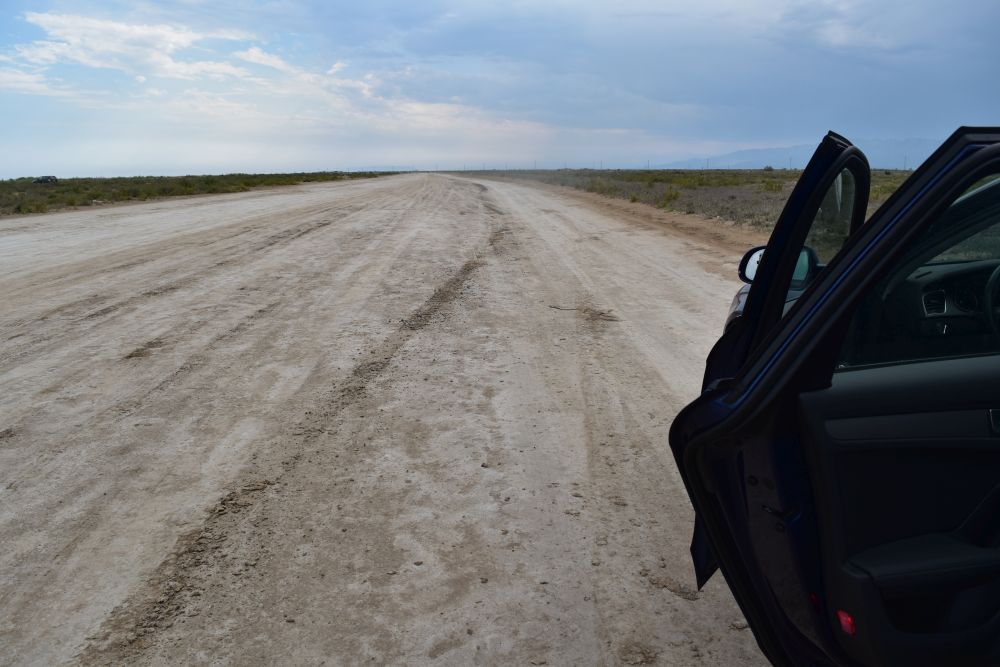
We continue to El Muntells and the Camping Eucalyptus. Here we find tracks that lead on to the sand. We follow them going south. Ever once in a while, we come across another car. It is a wild and lonesome scenery.

DSC_0272 small

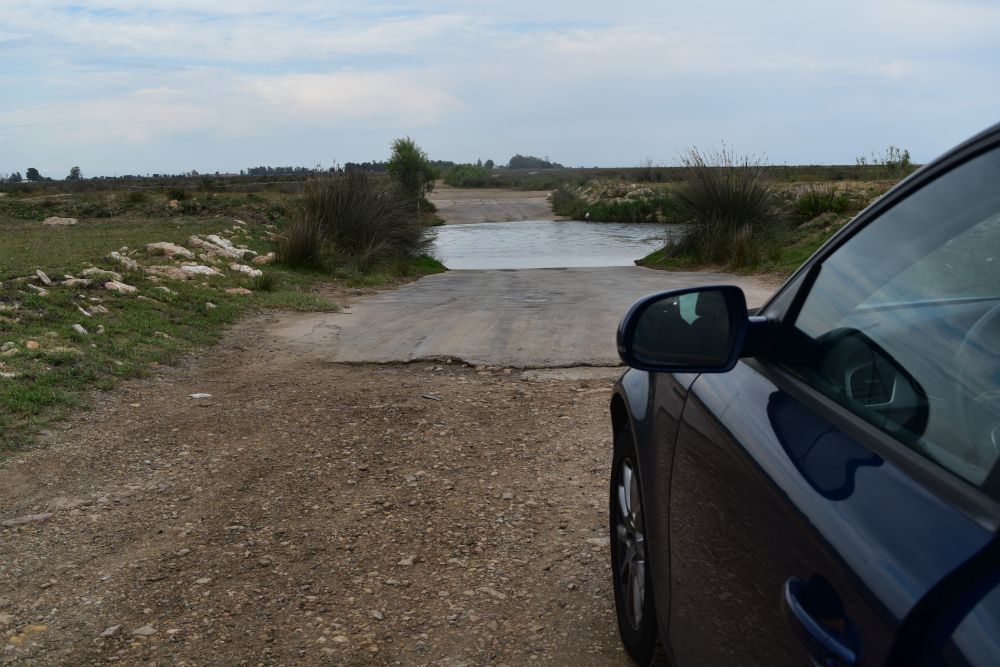
We cross this water passage…

DSC_0279 small

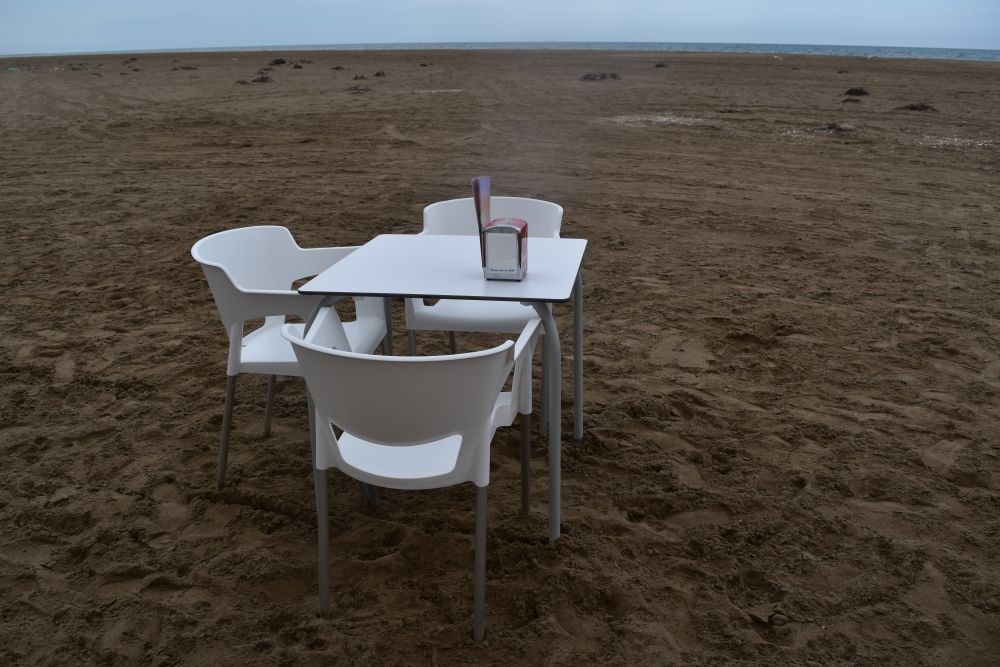
… and stop at a small xiringuito (beach bar) with a large selection of drinks and food.

DSC_0276 small

We join four Germans with four dogs of varying size – from “calf” to “guinea pig” – all four the color of sand – the smallest, the “guinea pig” barking loudly.

It is very windy. My credit card, identity card and driving license fly out of my wallet and start to hop away on the sand. I run to catch two of them, but the driving license has disappeared. Finally we find it under the wooden beams of the xiringuito where the wind had carried it to. Uff.

We continue to drive south, until Ursula shouts: “stop, see, we are here, on the spit. This goes nowhere…”. Right. And our car cannot swim, once we have reached the end of the spit. We drive back to the Camping Eucalyptus and then follow the Ebro to Tortosa.

.

Tortosa  – a brave Catalunyan city

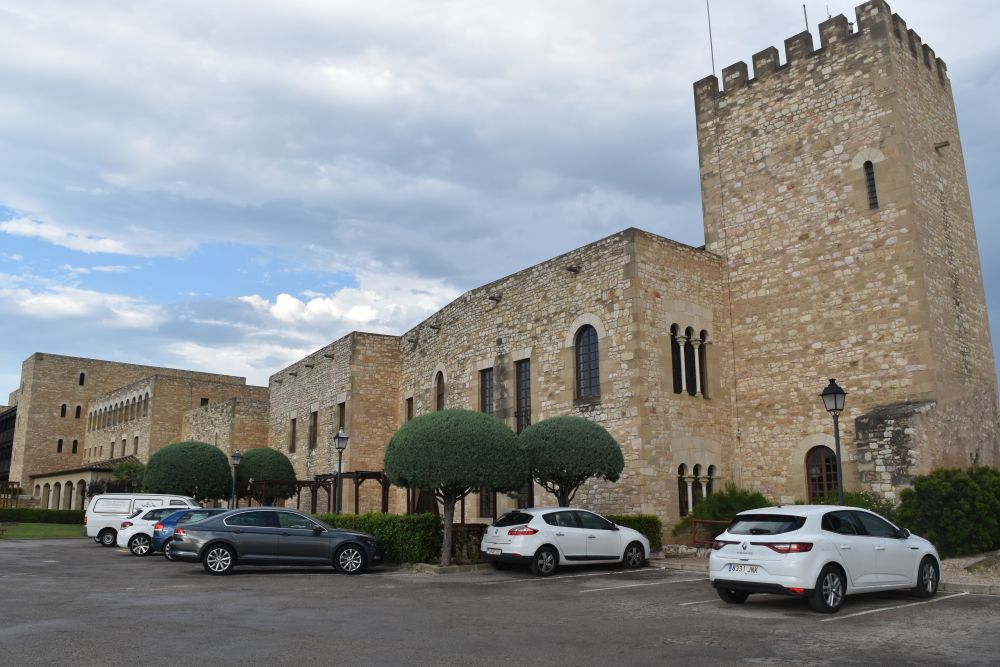
Tortosa, founded by the Iberians, then taken over by the Carthaginians and the Romans, was liberated from the moors in 1148. Highlights are the old city, the cathedral and the fortress that is now a parador.

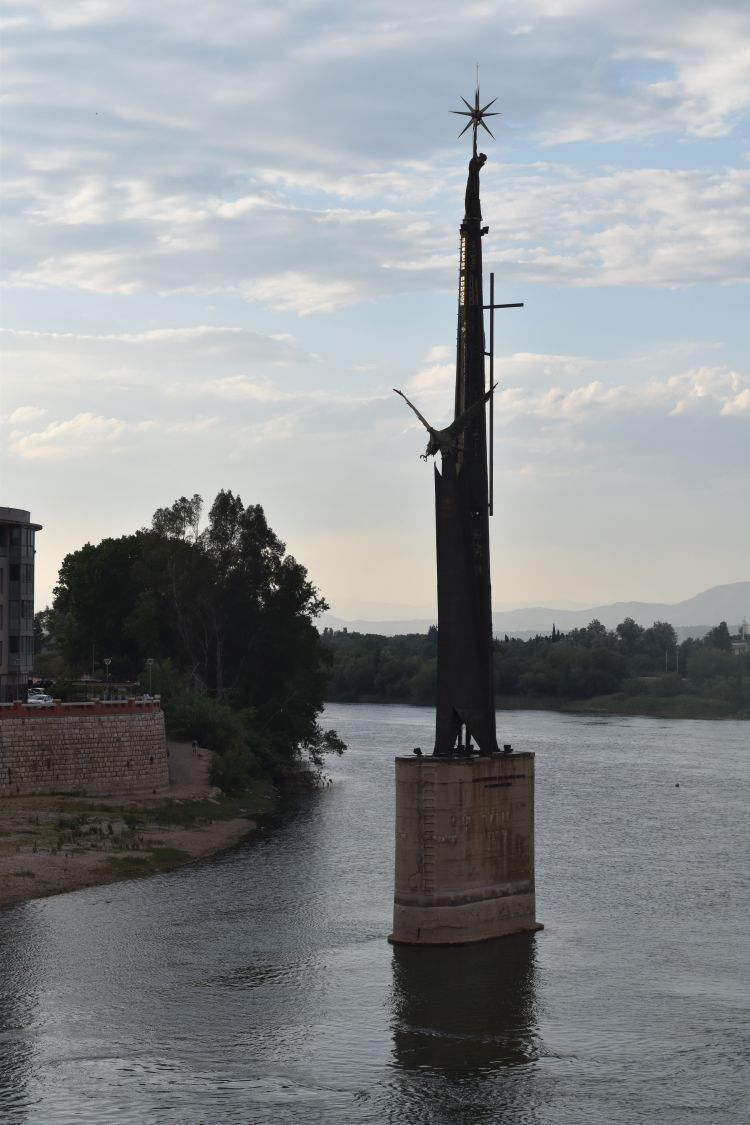
We find a “blue” parking slot in the old town. I set my blue parking card to 7pm and we walk across the bridge to the old city center. In the middle of the river Ebro we see this monument:

DSC_0327 small

Franco has erected it to commemorate his victory of 1938 – over the republicans, and the Catalans had supported the republicans. 70’000 soldiers were killed here. A sad memory.

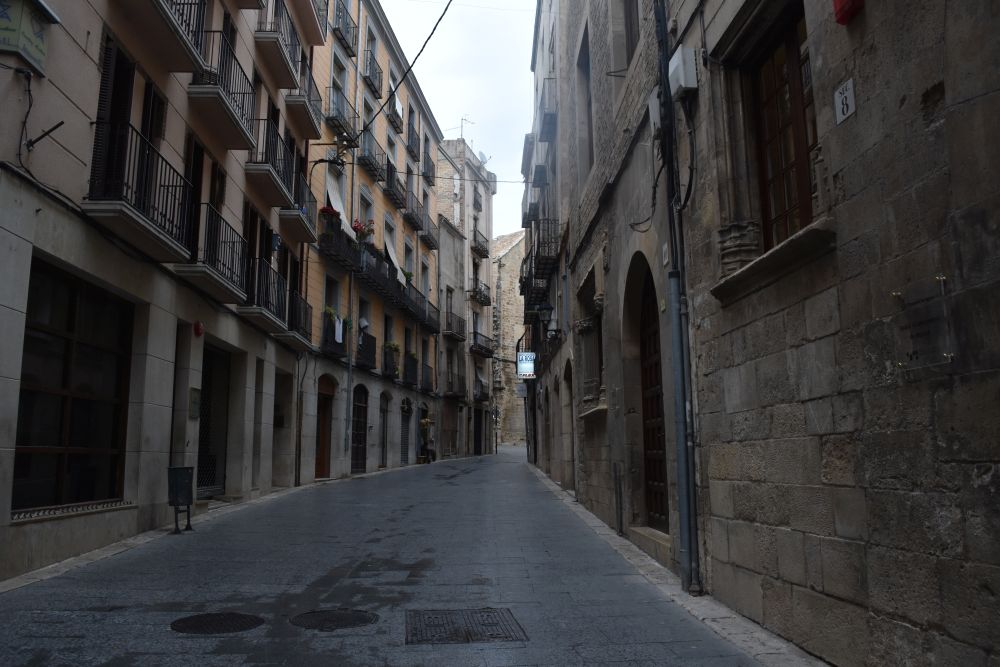
We stroll along the narrow streets…

DSC_0284 small

… and then walk around the fortress hill, and walk and walk and walk, until we finally reach the gate. This is the fortress which is now a parador…

DSC_0313 small

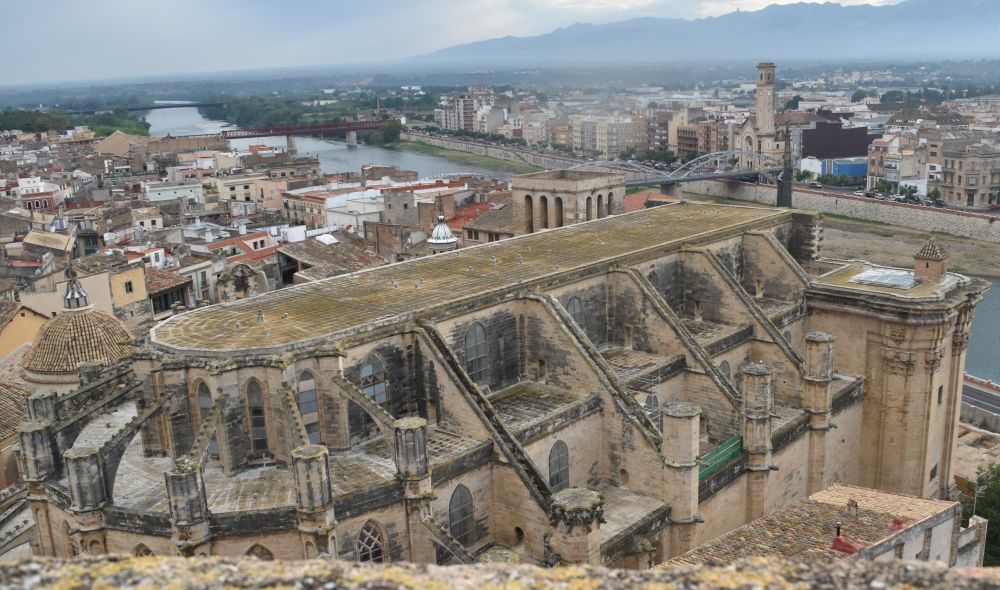
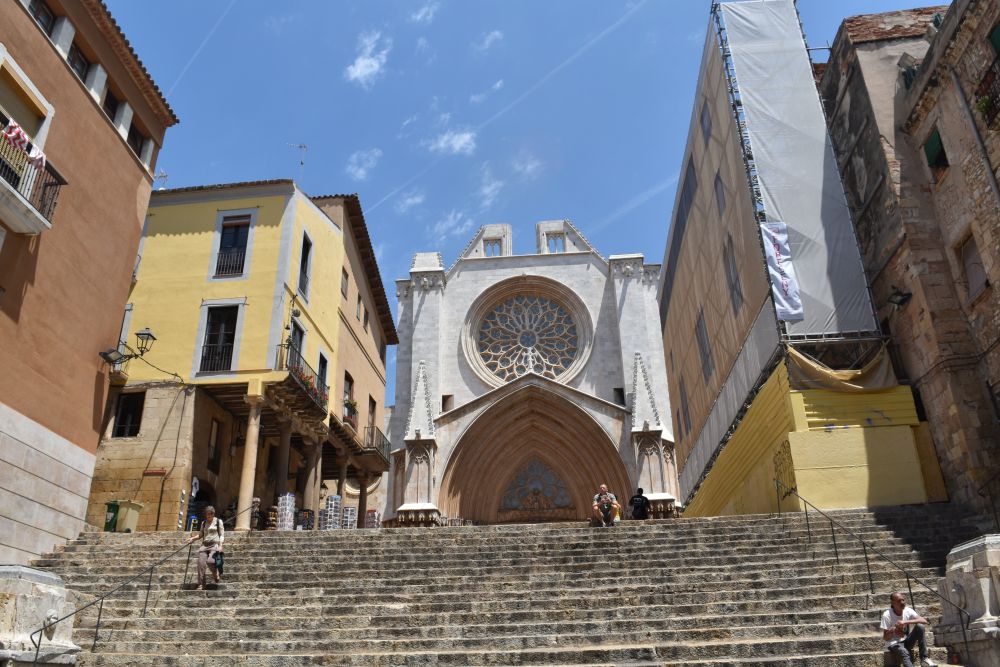
… with the view of the gothic cathedral (closed after seven pm and uncompleted, as many such churches are here).

DSC_0311 small

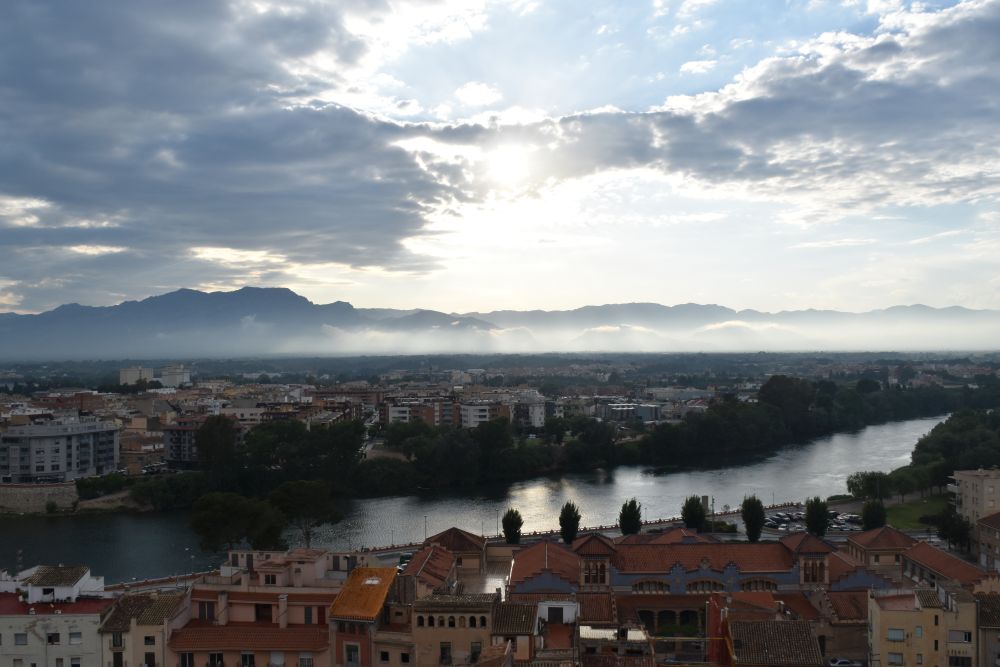
This is the view of the mountains, just after the rain.

DSC_0316 small

.

Lesson learned: Blue zone in Spain is not equal to blue zone in Switzerland

Coming back to our car we find a fine of 40 Euros. Hm. Pretty expensive. Only later we understand that in Spain, blue zone means that you have to buy a ticket and place it under the front window. This is different from Switzerland or Germany where “blue zone” means “set your blue card to “show your time of arrival” and get back in one and a half hours”. Okay, the fine is, what we call “Lehrgeld”, meaning “paying for a lesson learned”.

.

Dinner at the Petit Normand back in l’Hospitalet

We return to l’Hospitalet shortly after 9pm which is still early for Spaniards to have dinner. The “Olla” on Via Augusta 40 has changed its name to “Le Petit Normand”. I have a delicious rabbit with a glass of Granatxa from Montsant and Ursula enjoys duck. Excellent place. The owner is from the Normandie and has lived here for twelve years.

Another beautiful sightseeing day to remember îs ending.

Beyond the Costa Daurada – Montsant, monasteries and the Roman aqueduct

A round trip to the montains with two monasteries and to the aqueduct near Tarragona, this is our plan for a hot and sunny Thursday.

.

The impressive rocks of Montsant 

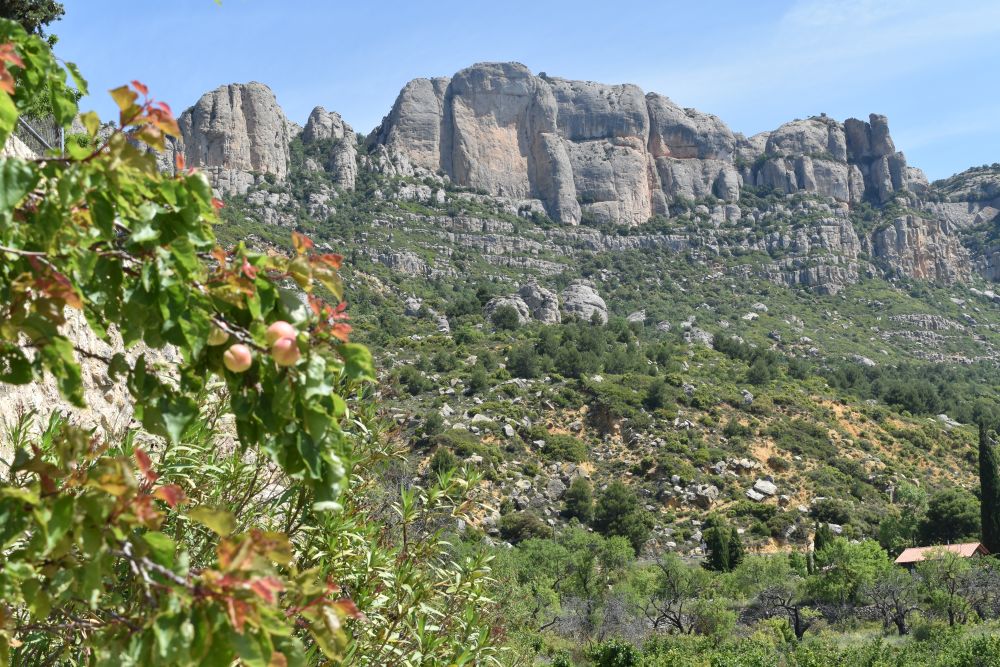
From the golden coast line (Costa Daurada) we cross the mountains behind Cambrils to Falset and enter the Priorat area approaching the rocks of the Montsant…

DSC_0462 small

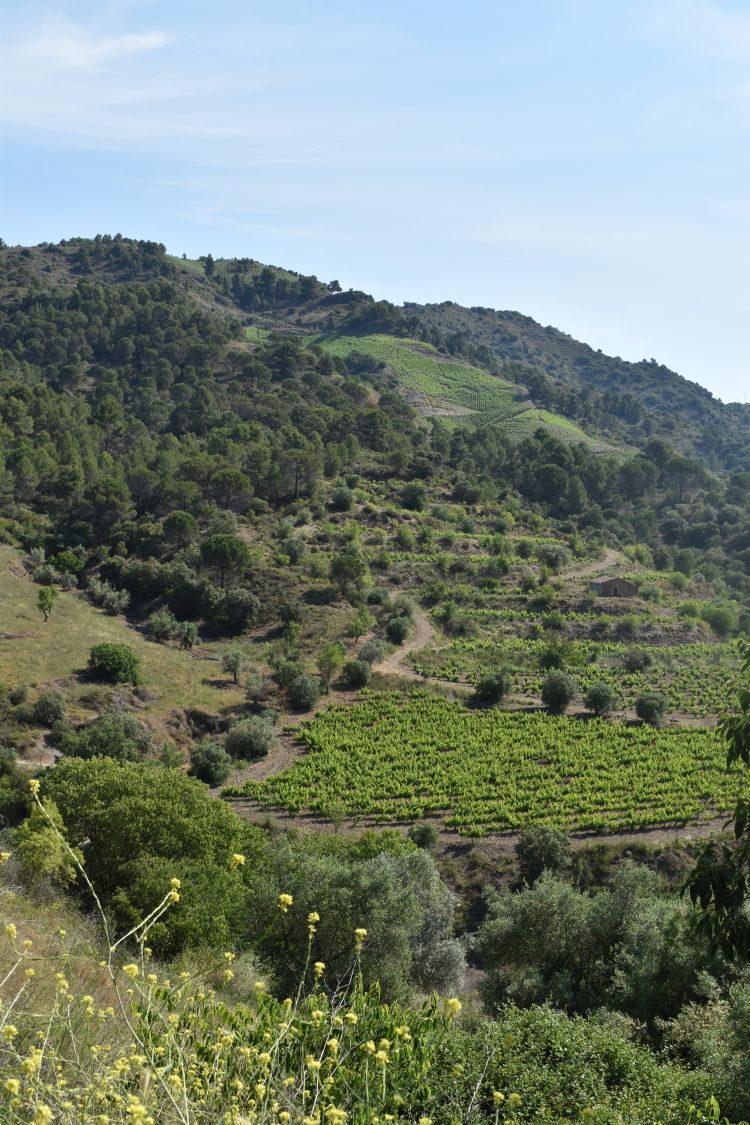
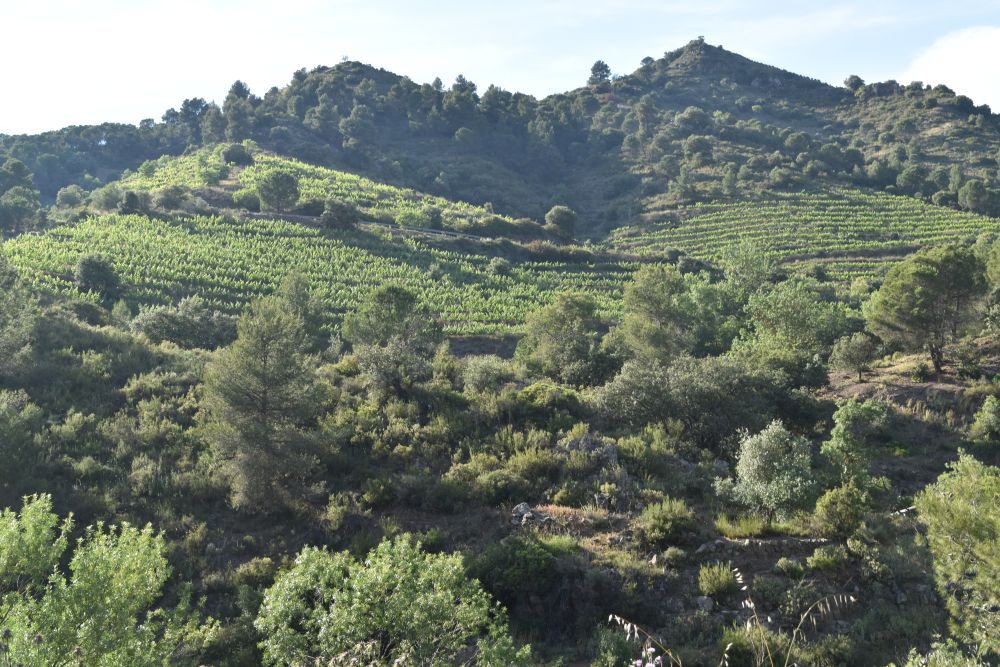
with the vineyards hanging on the steep slopes.

DSC_0455

We reach the small village of La Morera just under the rocks of the mountain Montsant – with its fruit gardens,

DSC_0476 small

There is a great view of the mountains we have just crossed coming from the coast.

DSC_0475 small

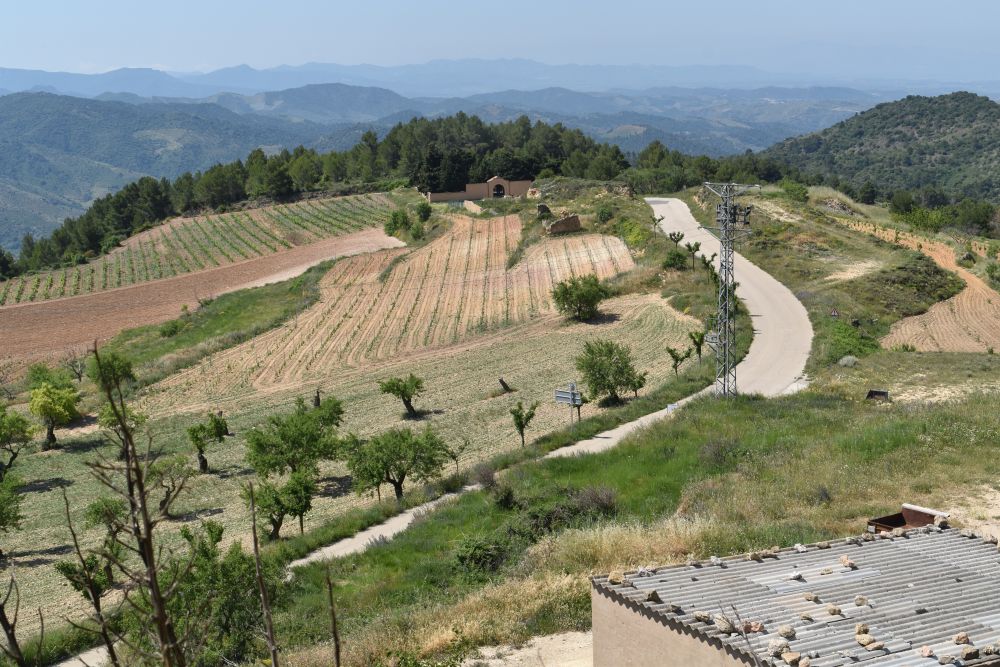
There are more vineyards here… they surely are producing high quality wine given the low density of vines.

.

The Montsant rocks watch over the monastery Scala Dei

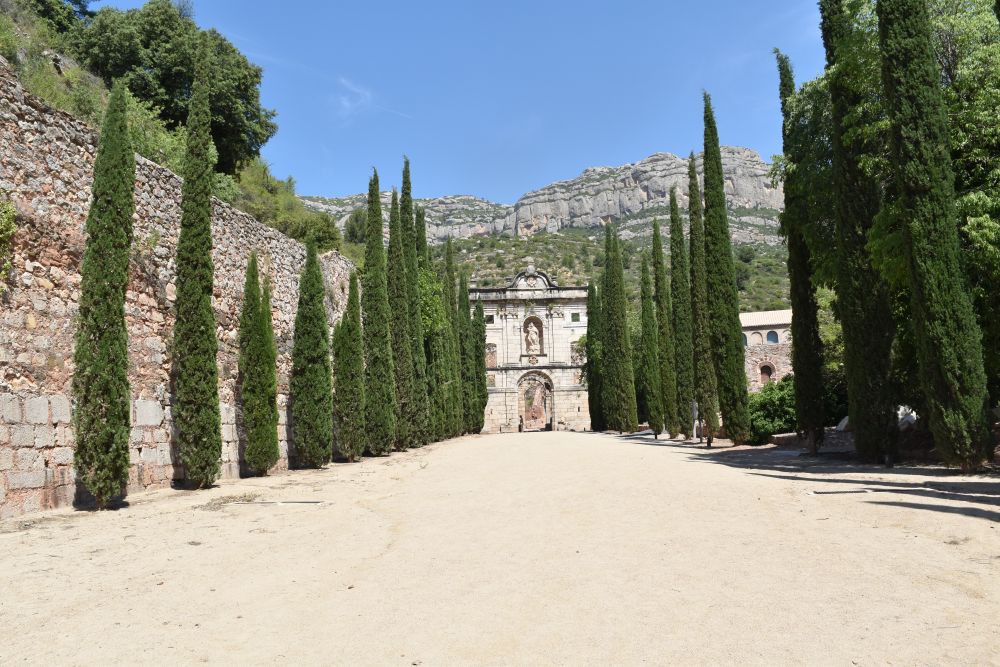
The impressive mountain Montsant protects the monastery of Scala Dei or literally the “staircase to God”.

DSC_0492 small

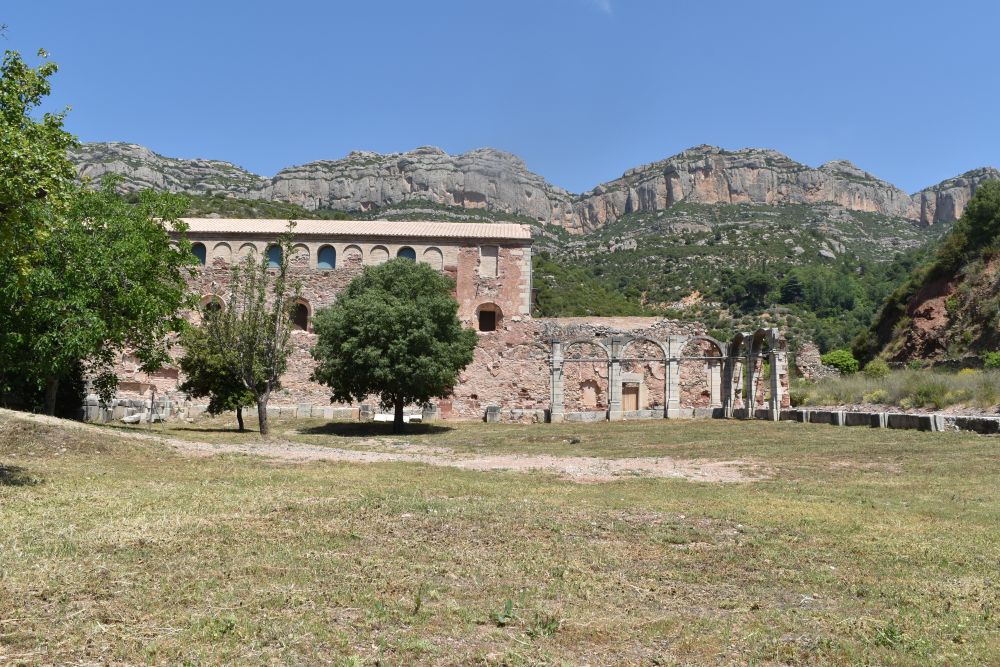
This Carthusian monastery was founded in the 12th century, after the Moors had been expelled from the area. Backed up by the king, it became a powerful monastery with large land possessions. In 1835 the monasteries in Spain were expropriated. The peasants having felt oppressed for centuries destroyed it.

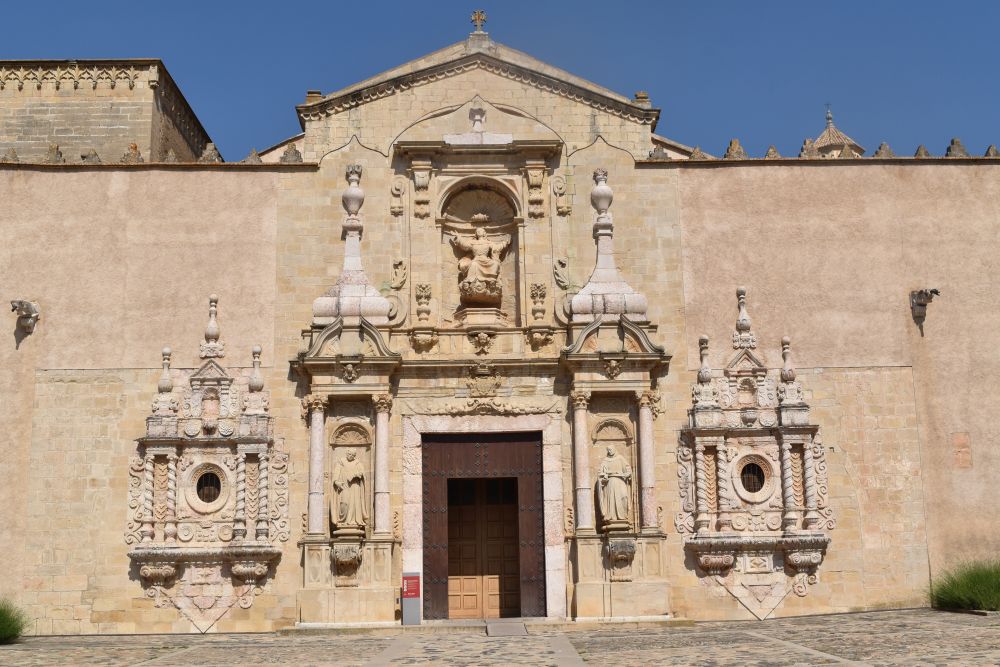
We enter the ruins through the main gate with a statue of Maria decorating it.

DSC_0480 small

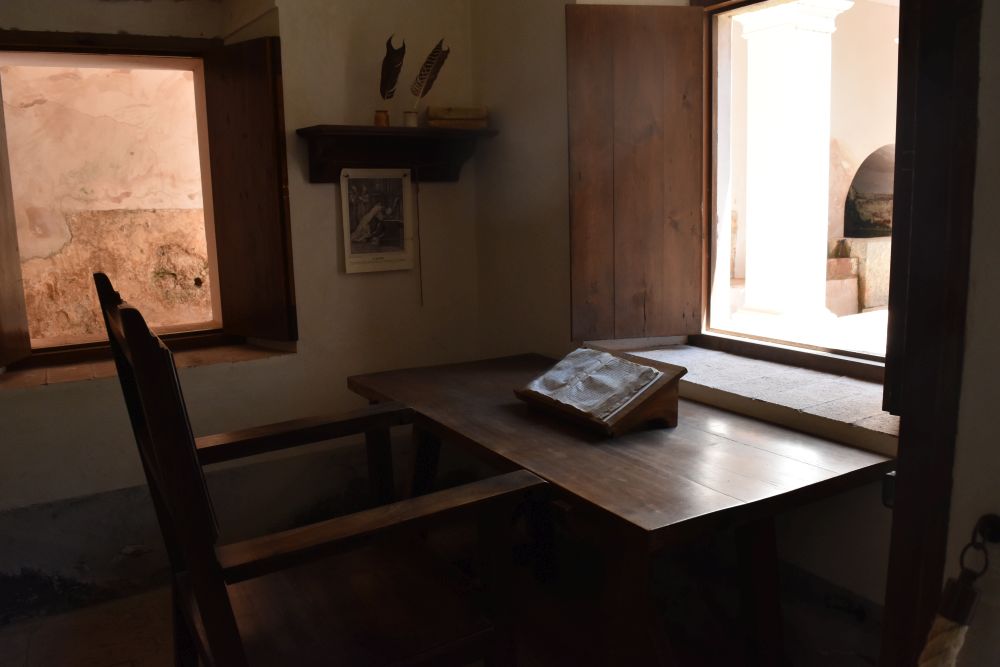
To understand how the monks lived, a cell with courtyard, kitchen, bedroom and work areas has been reconstructed. This is where the monks sat and read the bible.

DSC_0485 small

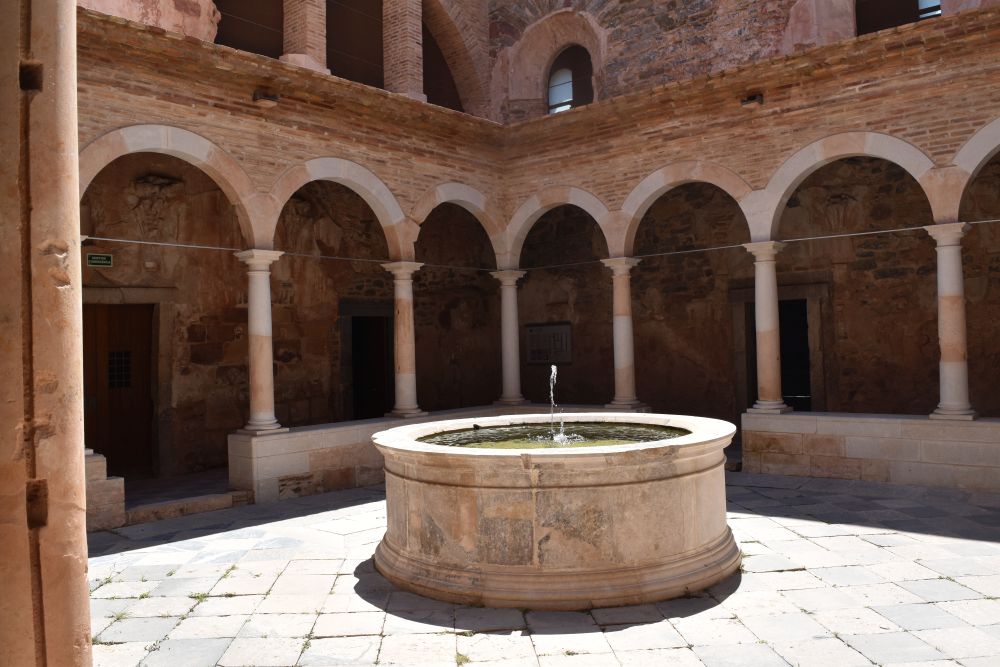
Also the cloister has been carefully reconstructed reusing parts from the ruins.

DSC_0493 small

.

A delicious trout with a jar of wine

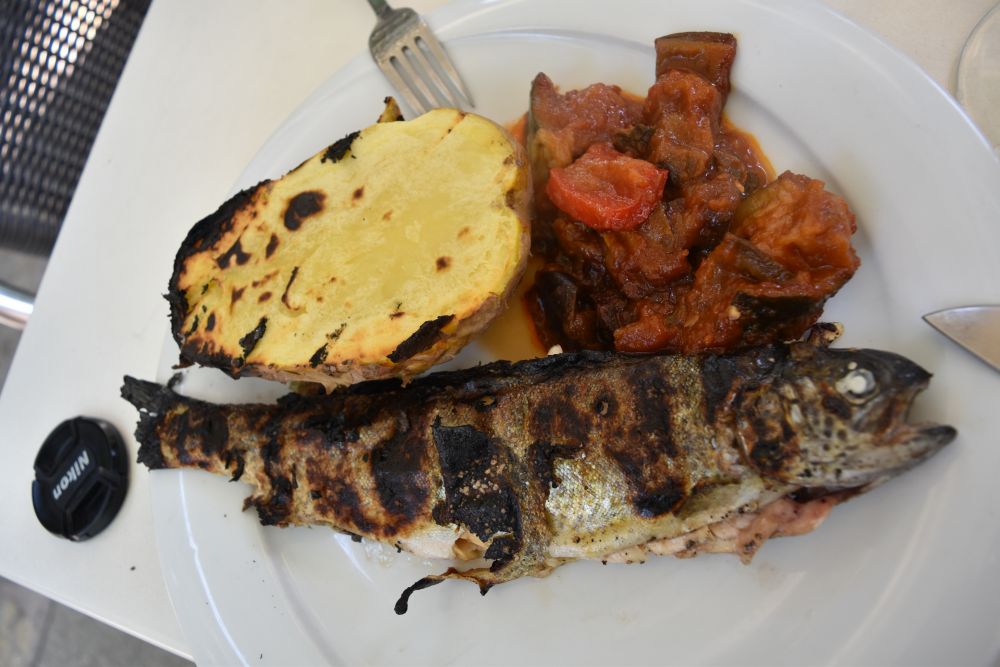
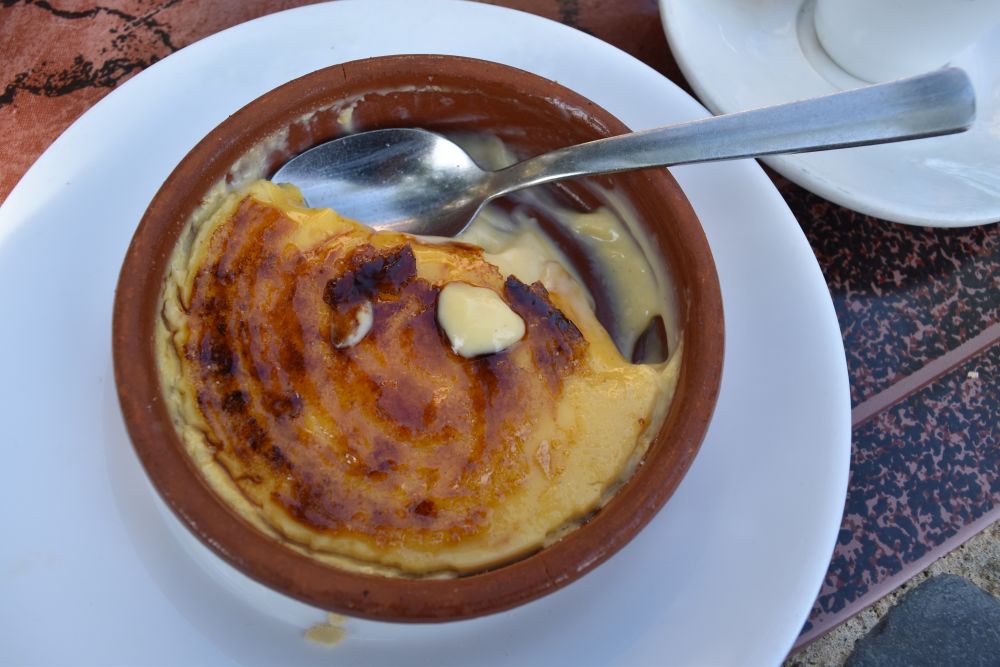
Near the monastery we find a nice small restaurant, where we eat a full menu with salad and products from the area. The trout from the rivers has been cooked in the oven. A crema Catalana  and a crema limón top our menu.

DSC_0504 small

The price of 15 Euros includes a jar of country wine – I can just take a mouthful (as I am driving). Some cyclists from Norway join us here and later a group of about 20 very noisy motor cyclists.

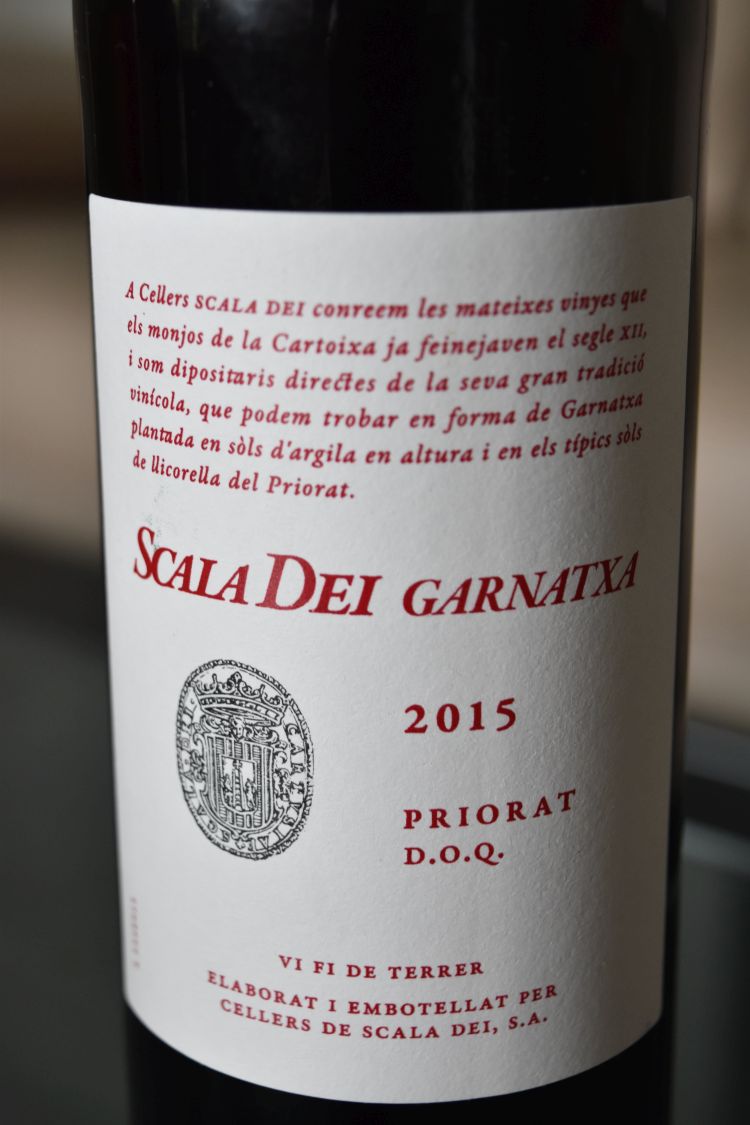
I later buy some wine from the Scala Dei cellar. It is a Garnatxa or – in French – Grenache.

DSC_1120 small

.

Across the mountains to our next monastery: Poblet

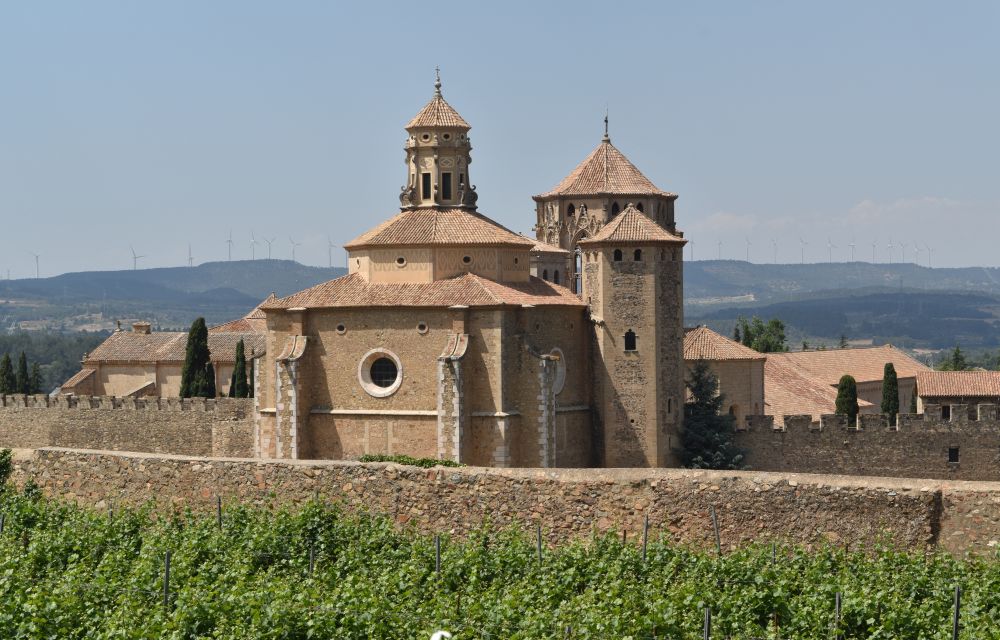
We take a road that winds along a mountain ridge and then down to the monastery of Poblet. This monastery is large (the walls surrounding it measure 1.5km) and is located amidst vineyards.

DSC_0507 small

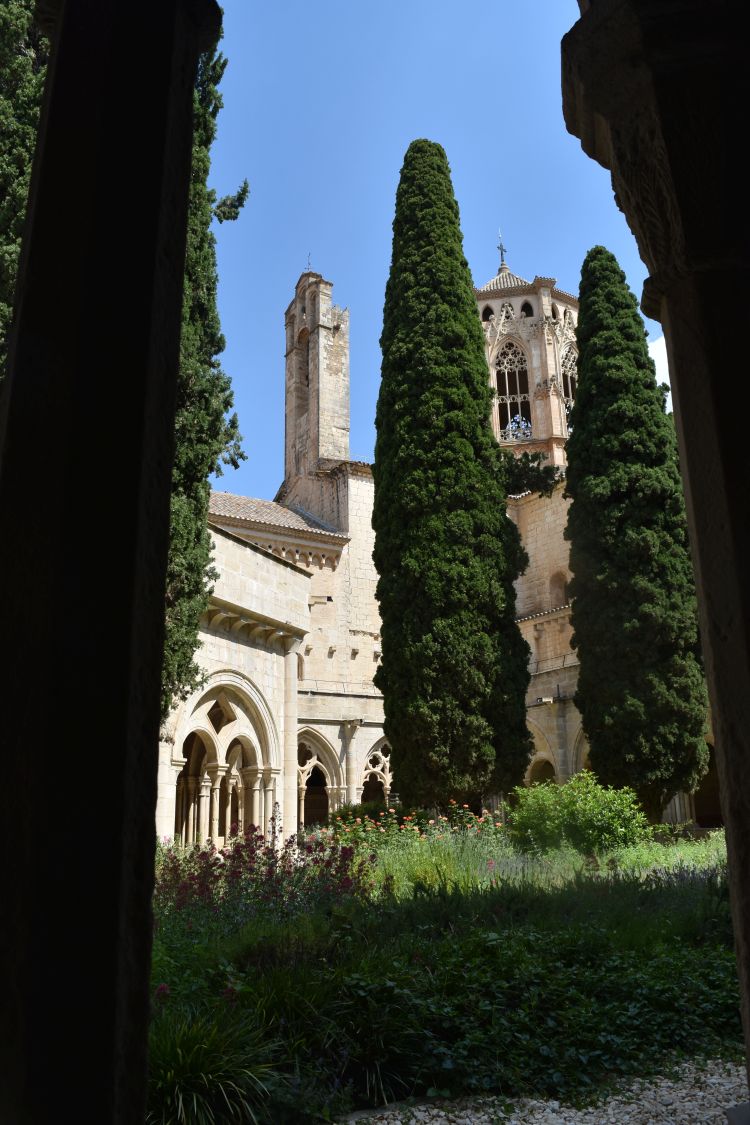
Like Sacala Dei, this Cistercian monastery was also founded in the 12th century and it has also been expropriated and destroyed in 1835. However, it has been rebuilt reusing what could be reused from the old monastery and now has a living community of monks.  This is the cloister with the cypress trees and the fountain.

DSC_0511 small

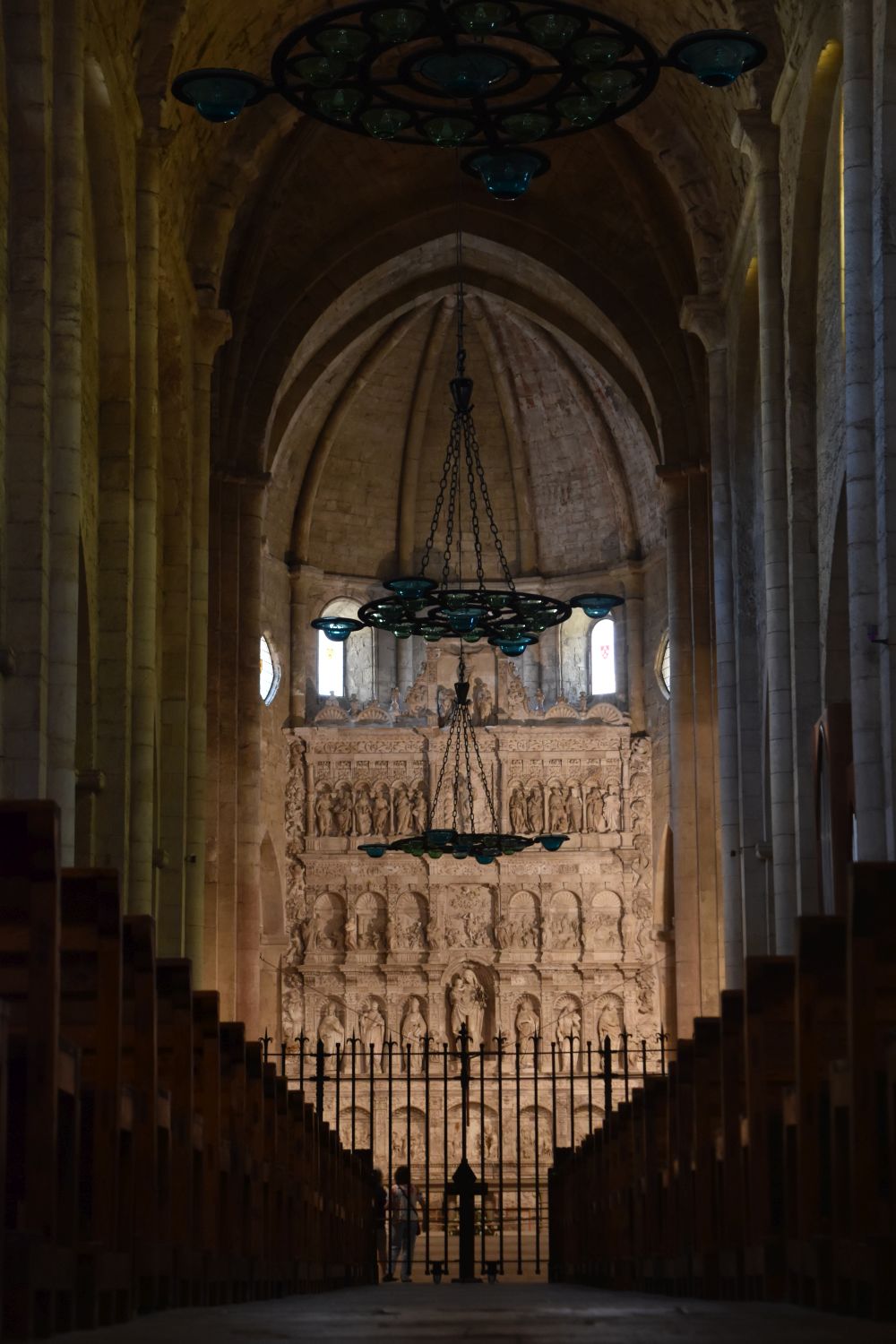
From the cloister we enter the main church with the renaissance altar made from alabaster.

DSC_0538 small

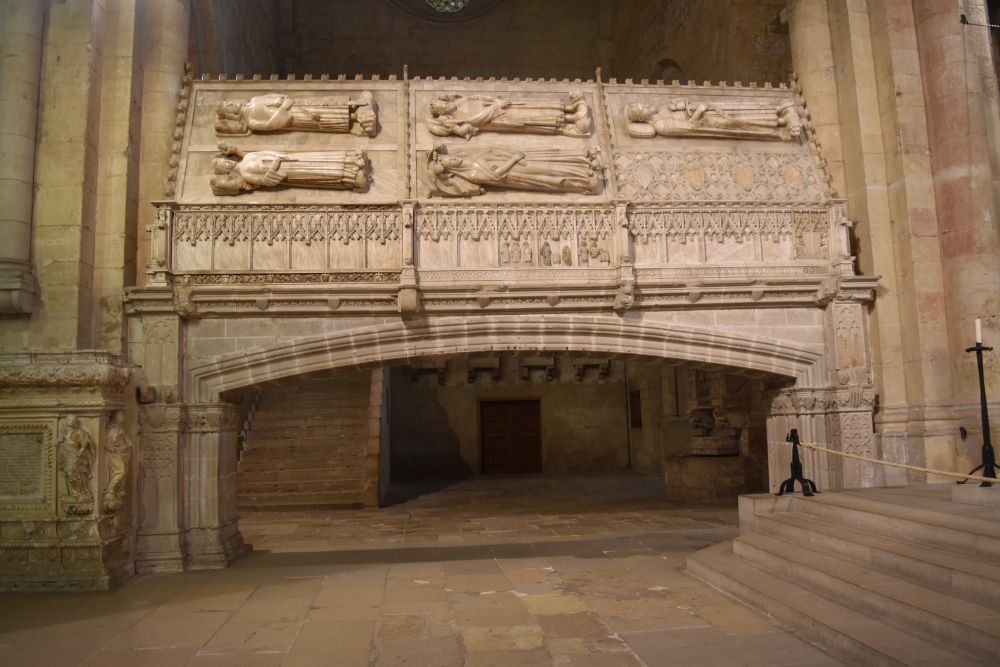
The kings of Aragon have been buried in these coffins hanging in front of the choir.

DSC_0522 small

We say good-bye to this impressive place.

DSC_0540 small

.

Stop over in the small town Montblanc – and why is it called “white”?

Yes, here in Spain, we find a small town called Montblanc. Why is it called “Montblanc“? Perhaps the rocks are white? The guard of the church only can say that there is a mountain nearby also called Montblanc. Well, may be a small brother of “our” Alpine Mont Blanc covered with ice and snow?

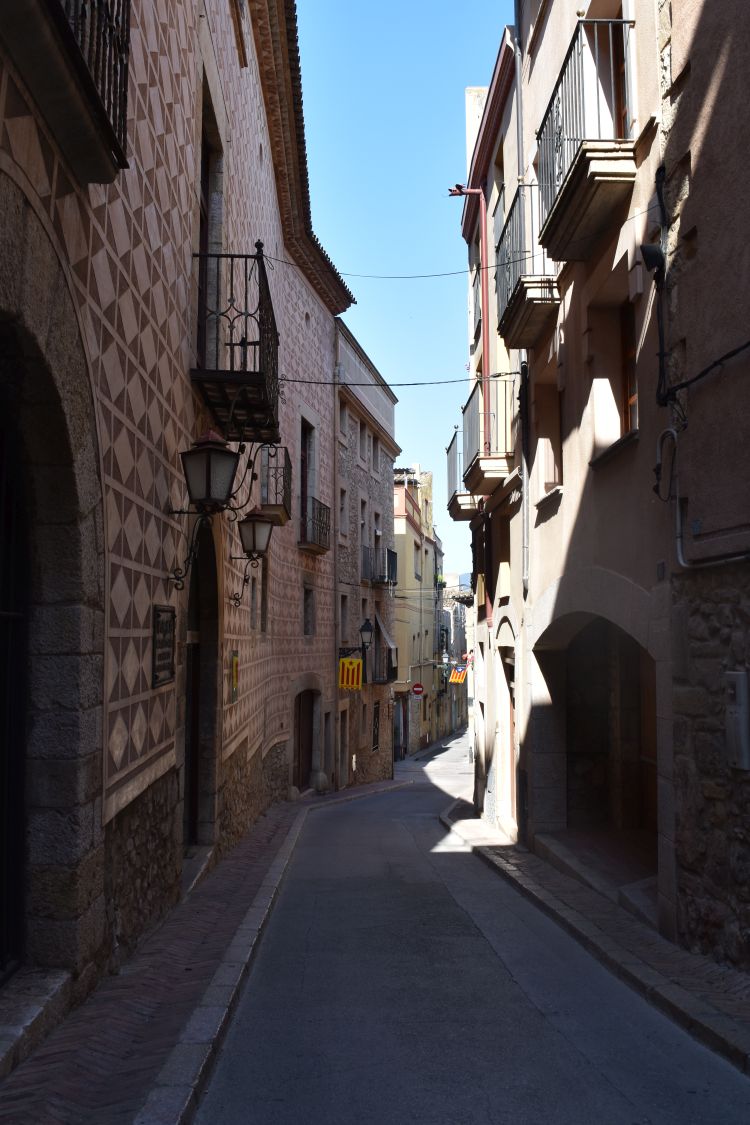
Through narrow streets…

DSC_0544 small

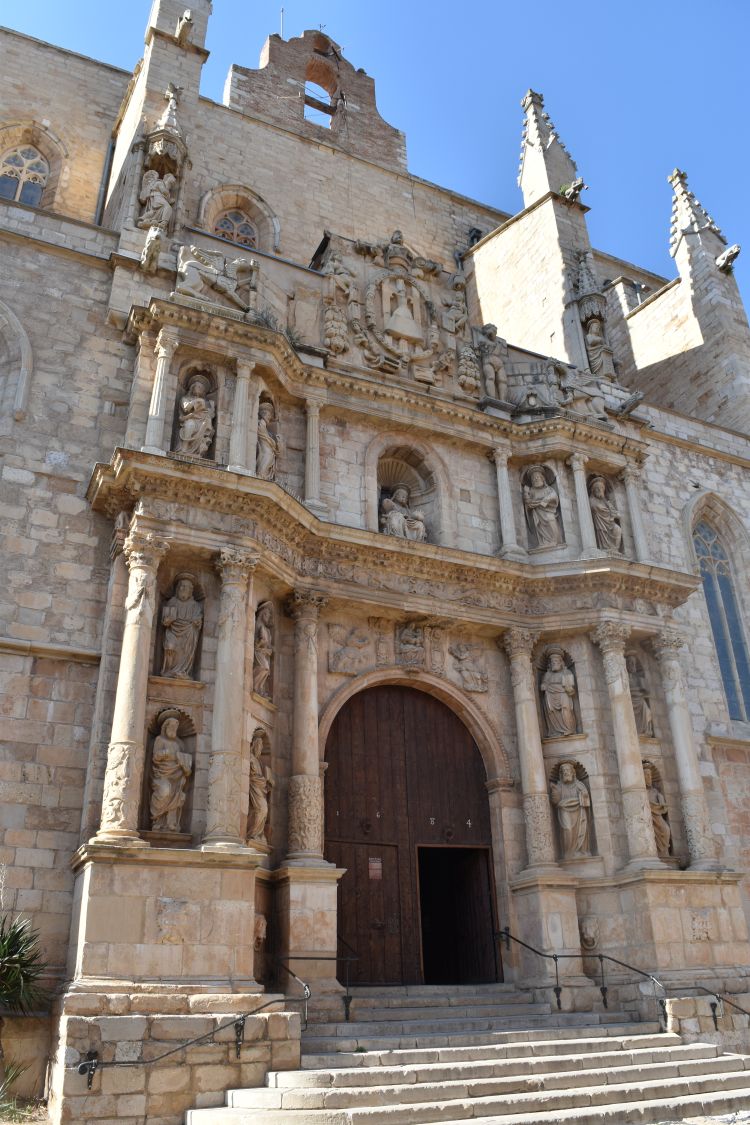
… we walk to the cathedral sitting on the top of the hill.

DSC_0545 small

A beautiful atmosphere inside.

DSC_0546 small

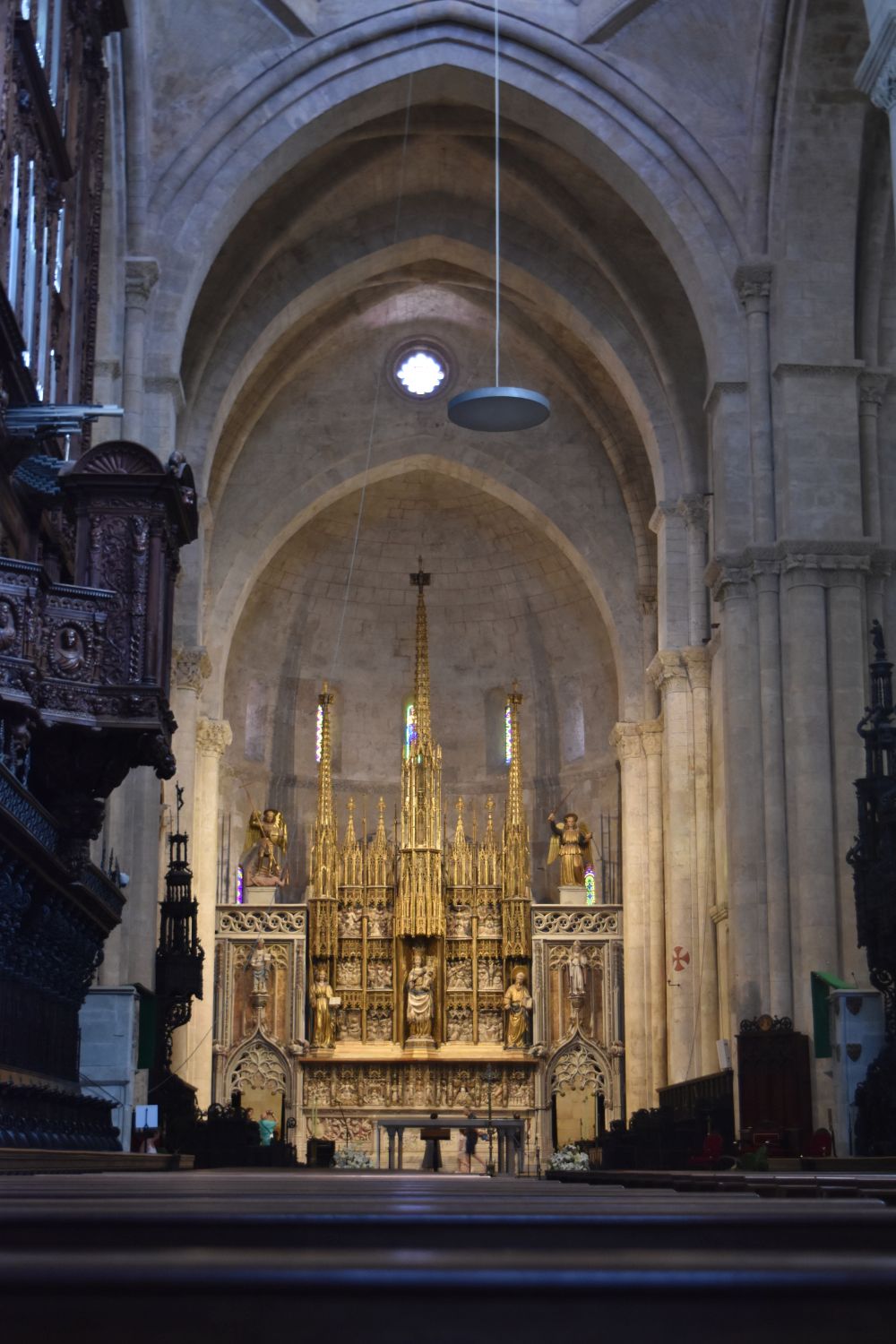
The guard explains to us that this gothic church has not been completed. Right – the nave ends abruptly somewhat in the middle and there is also no tower. We climb to the roof and enjoy the view.

.

Our next target: The Roman aqueduct

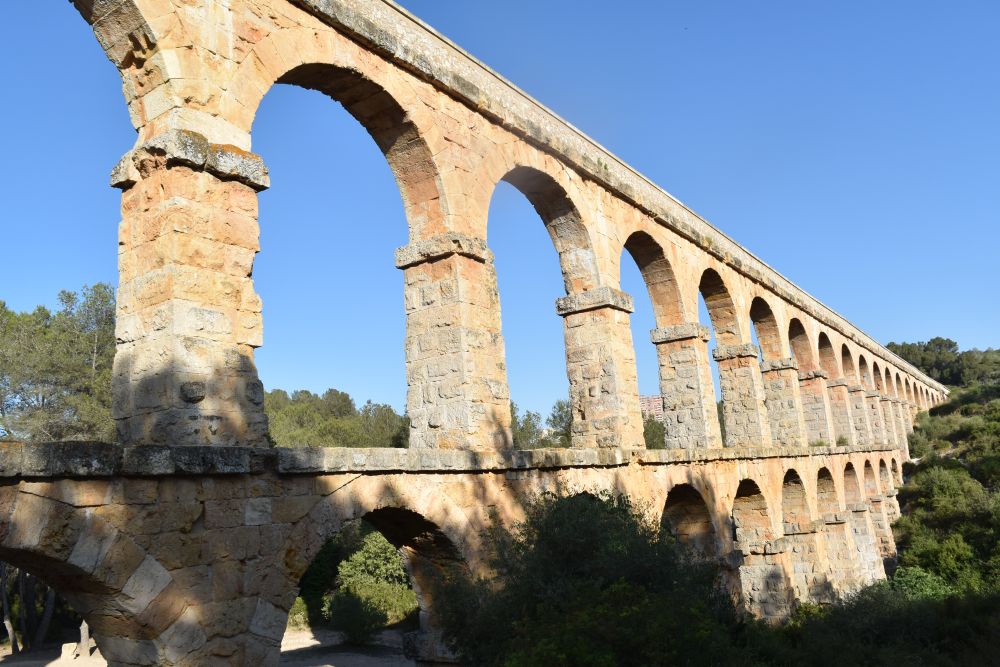
Our next target is the Roman aqueduct built to supply water to Tarraco. We find the access from the N240 shortly before entering Tarragona. Here it is crossing the valley.

DSC_0559 small

This aqueduct can also be seen from the motorway – there is a platform providing the view of it – for those travellers that are in a hurry.

.

Along the street canyons of Salou and Cambrils

We cross Tarragona and follow the street canyons of Salou and Cambrils. No, we would not like to stay in one of these skyscrapers with beehive apartments. But – Ursula has found the excellent restaurant Les Barques here, where we have some delicious seafood before returning to our apartment in Hospitalet – yes, we enjoy the relaxed atmosphere and the great view of the pine trees and the sea from our spacy balcony.


Priorat – the DOC wine area amidst steep hills

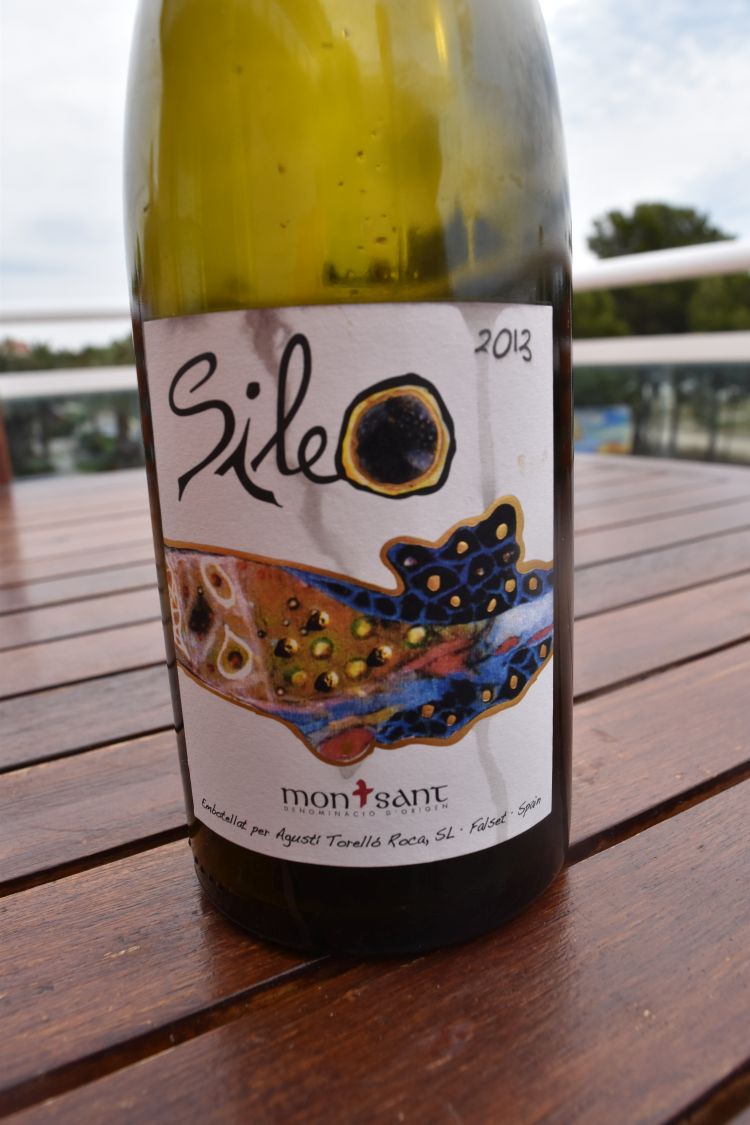
Just 30km away from Hospitalet – this is what we discover on the map – there is the small town Falset (‘Falset – accent on the first syllable) which is the gateway to the DOC wine region Priorat and the adjacent DO region Montsant . On the map we select a round tour from Falset to Gratallops and back to Falset. Later we will return to explore the Montsant region with Escaladei (literally staircase to God).

.

Falset – a charming small country town

Falset is a charming small country town located in a friendly broad valley with olive trees, fruit trees and vineyards. There are many wine cellars, the most known one being the Cooperativa Scala Dei. Falset also hosts an enology school and a wine technology institute called Vitec that allows the local wine growers to analyze and optimize their wine production. I found this in Miquel Hudin: “Vinologue Montsant”, Liberdúplex 2004.

The town is quiet on this Sunday, the restaurants are full with people eating around three in the afternoon (the normal time for lunch in Spain).

.

Continuing through steep hills to Gratallops

We continue north towards Gratallops. Our road climbs and meanders through steep and rocky hills. No vineyards. I am surprised. Where are the Priorat wines? We have a coffee and a crema Catalana in the restaurant “La Cassola del Priorat”.

DSC_0224 small

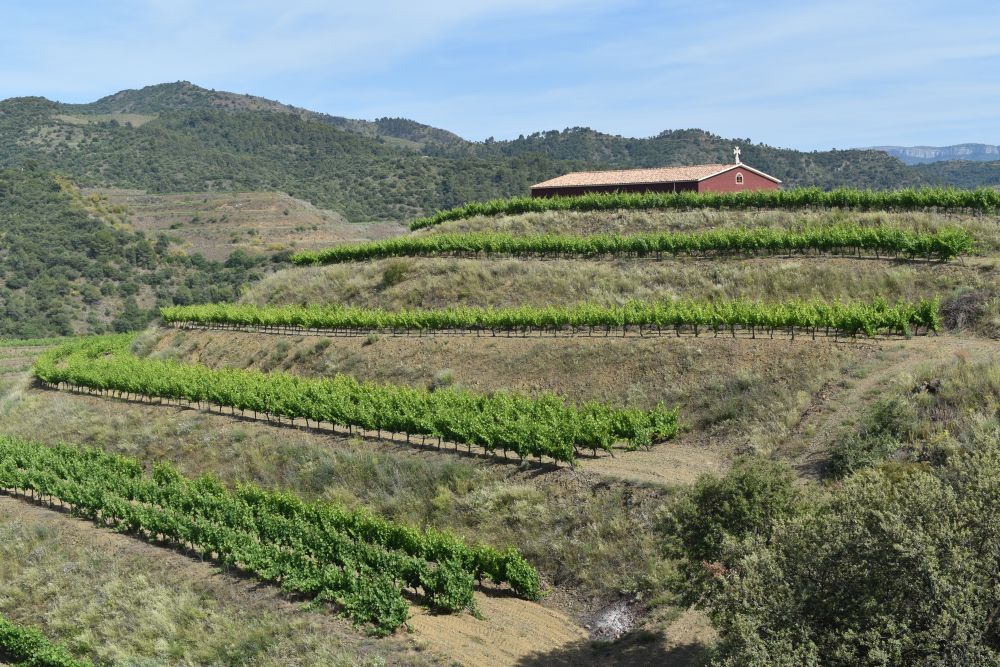
Around this place we can see the first vineyards, terrassed on steep hills.

DSC_0219 small

The vines are loosely arranged, it must be hard to grow wine here.

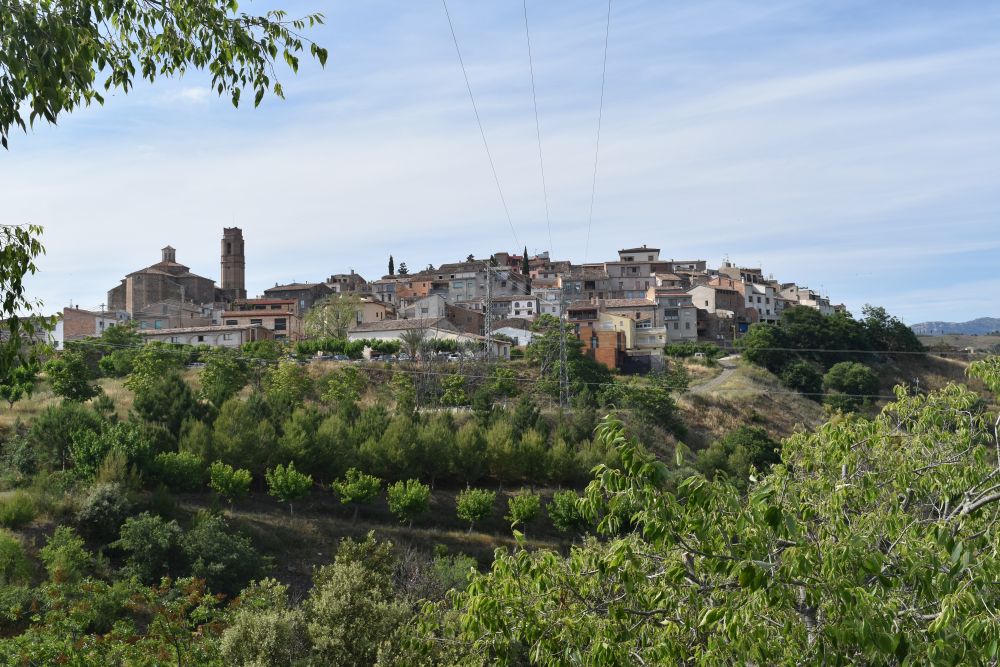
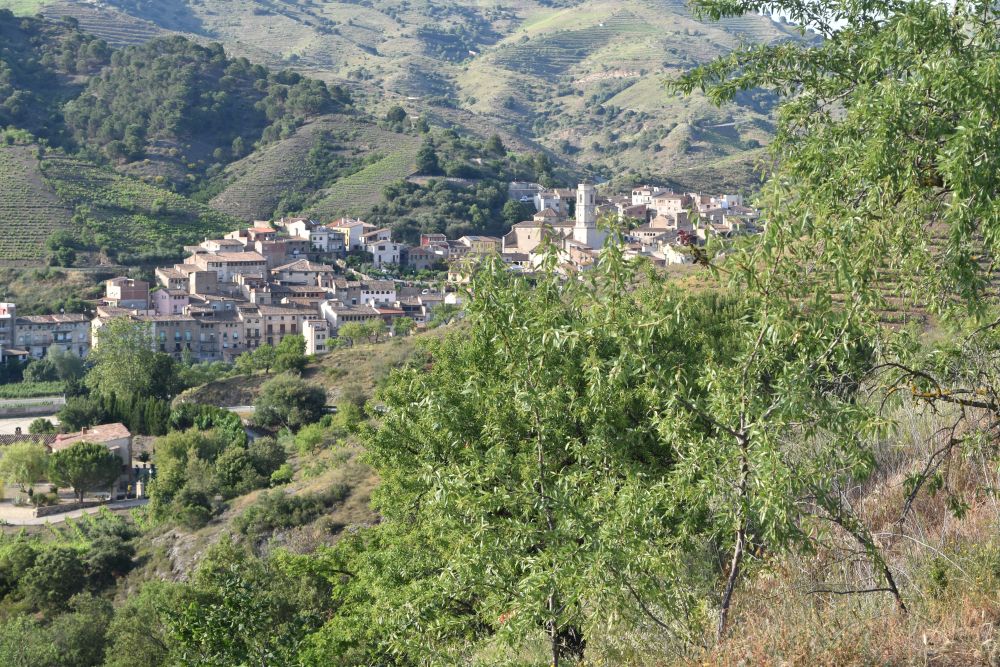
Behind the next hill appears this gorgeous village perched on a hill. This is Gratallops.

DSC_0225 small

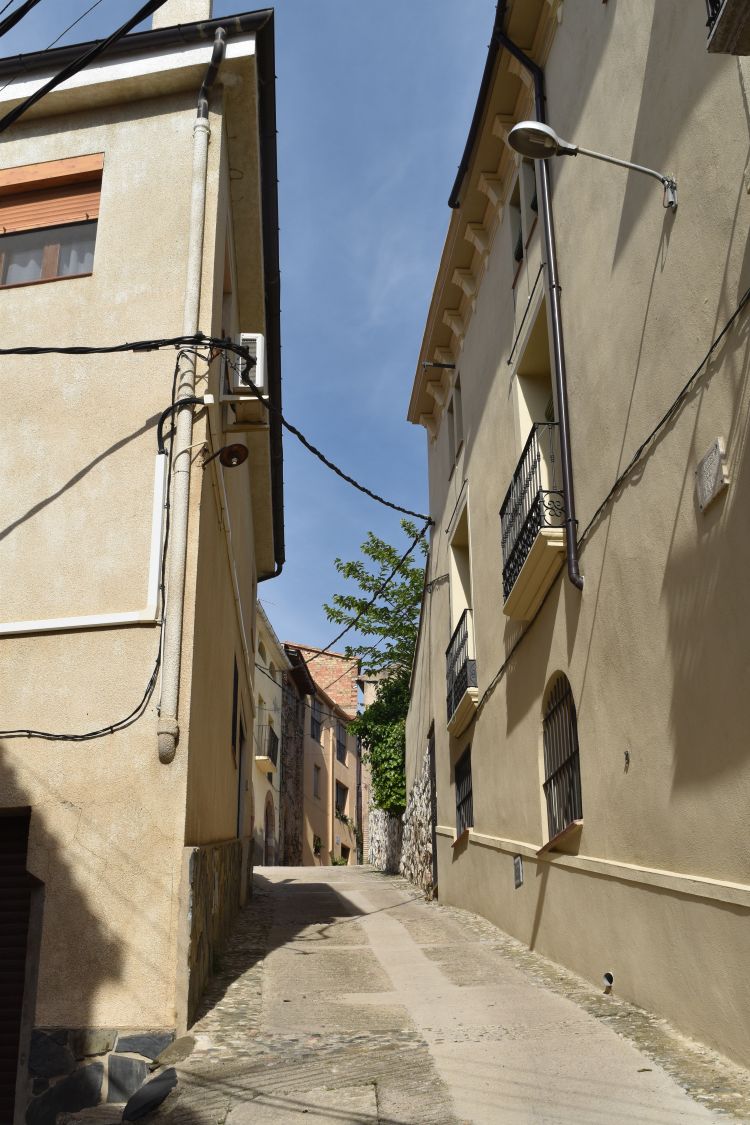
We enter the village. Narrow streets…

DSC_0231 small

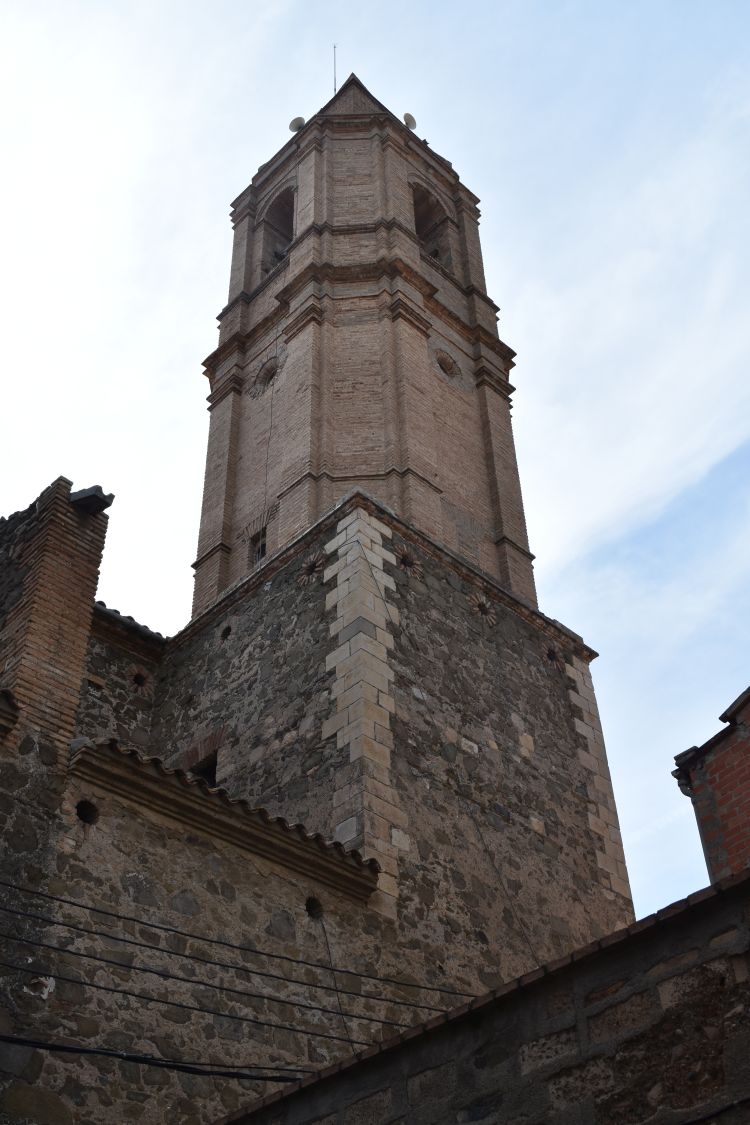
… a church,…

DSC_0227 small

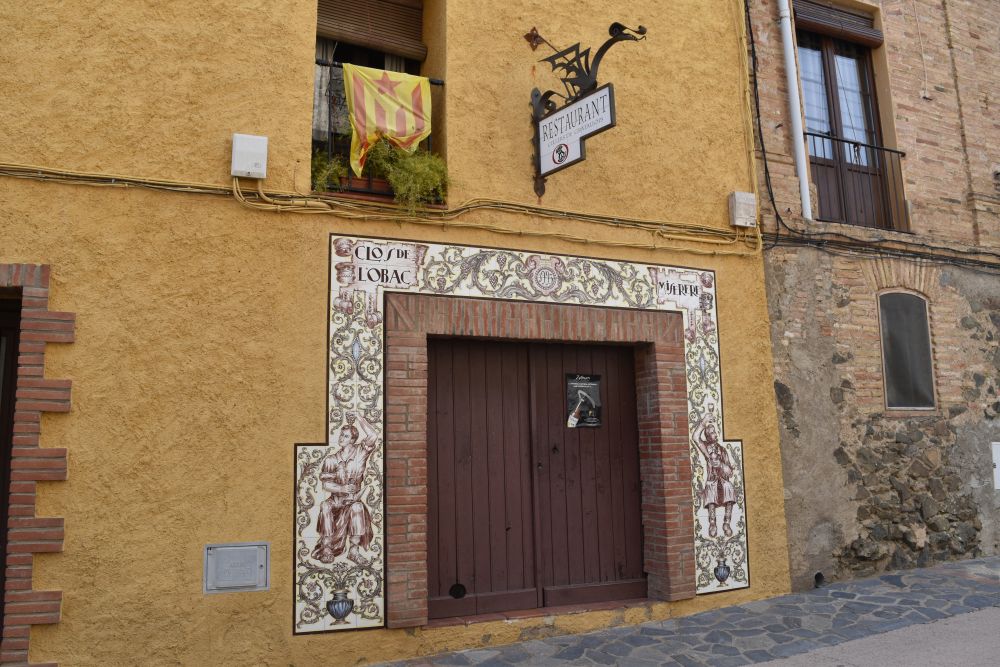
and a restaurant closed right now, on Sunday.

DSC_0239 small

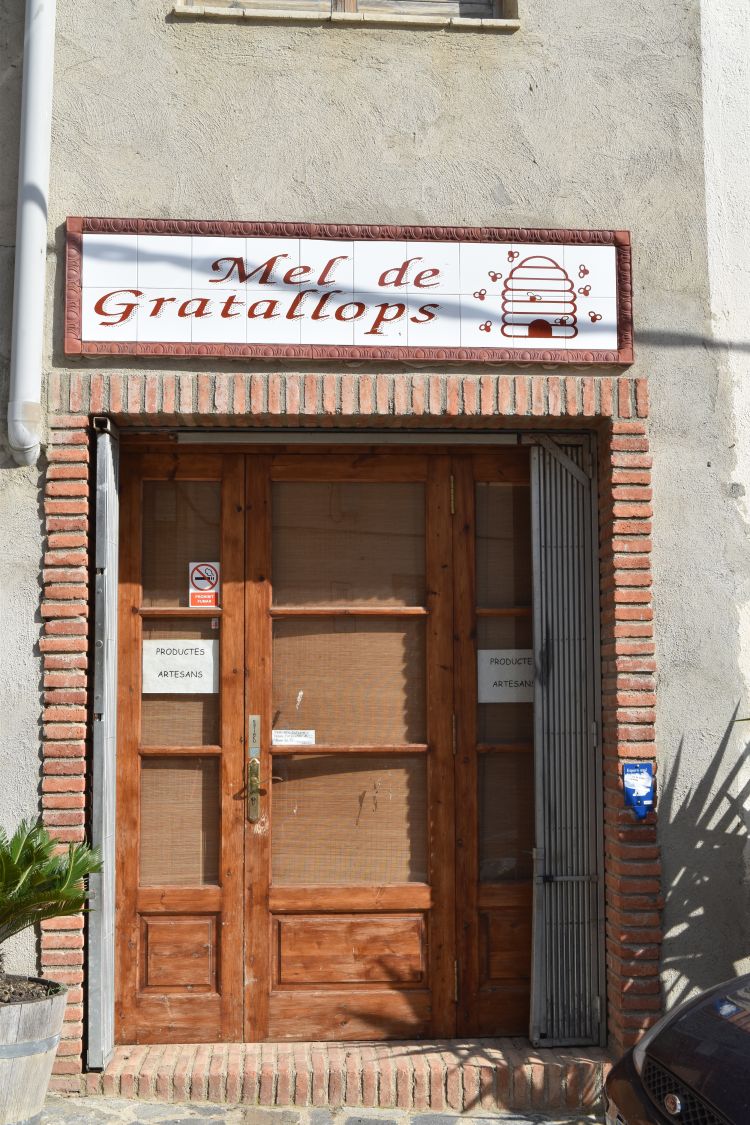
Also the shop selling honey is closed today.

DSC_0241 small

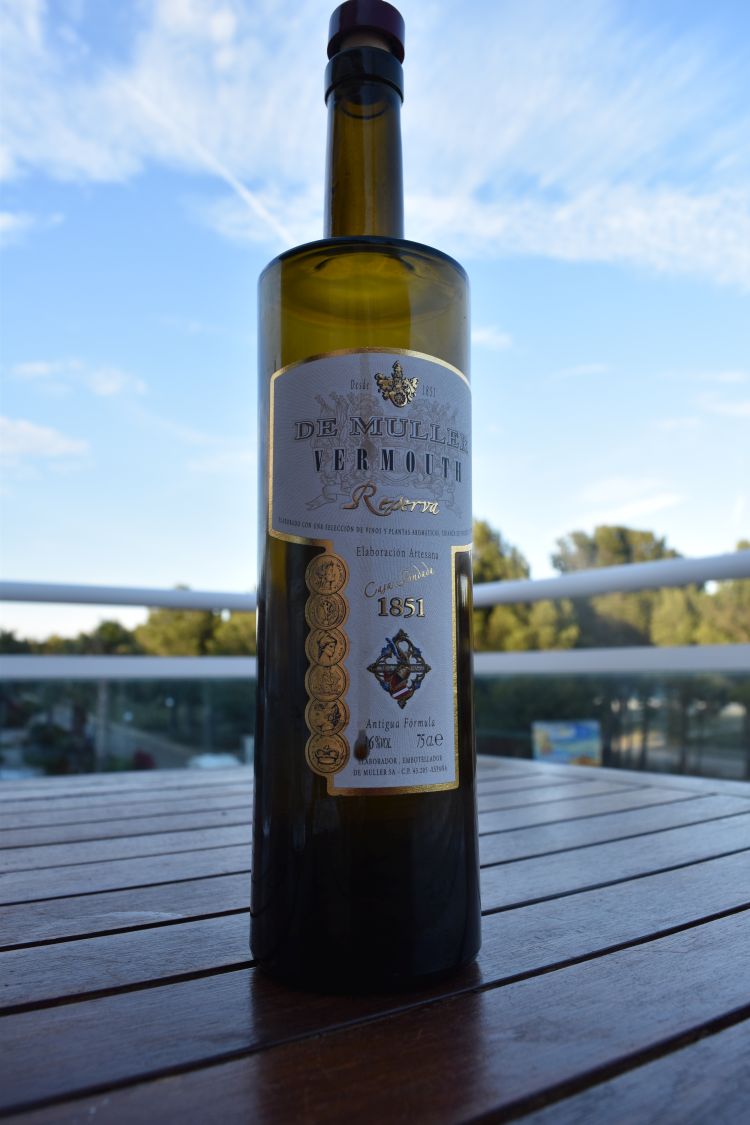
One shop is open. We buy some wine – Garnatxa red (Lluna Vella) and white (l’Udol), a bottle of  Vermouth by de Muller, some local marmalade and the guide to the Montsant wines by Miquel Hudin. Three innovative wine growers have their cellars just outside of Gratallops: Alvaro Palacios, René Barbier and Carlos Pastrana. This is for some other time… I would have had to call them beforehand.

We continue our way along a narrow street above the Siurana river. Around us the steep vine gardens of the Priorat.

DSC_0251 small

Torroja of Priorat is just above the river Siurana.

DSC_0257 small

The road winds uphill with vineyards and olive groves on steep slopes. I had not imagined Priorat being so precipituous. In the “Vinologue Montsant” I read that in the DOC area of Priorat, 90% of the vines grow on llicorella slate (slate mixed with quartz), while DO Montsant has many different soils which also makes it interesting, as winegrowers start to produce wines exploiting the variety of the terroir.

.

Montsant – I am curious and will go back to Priorat

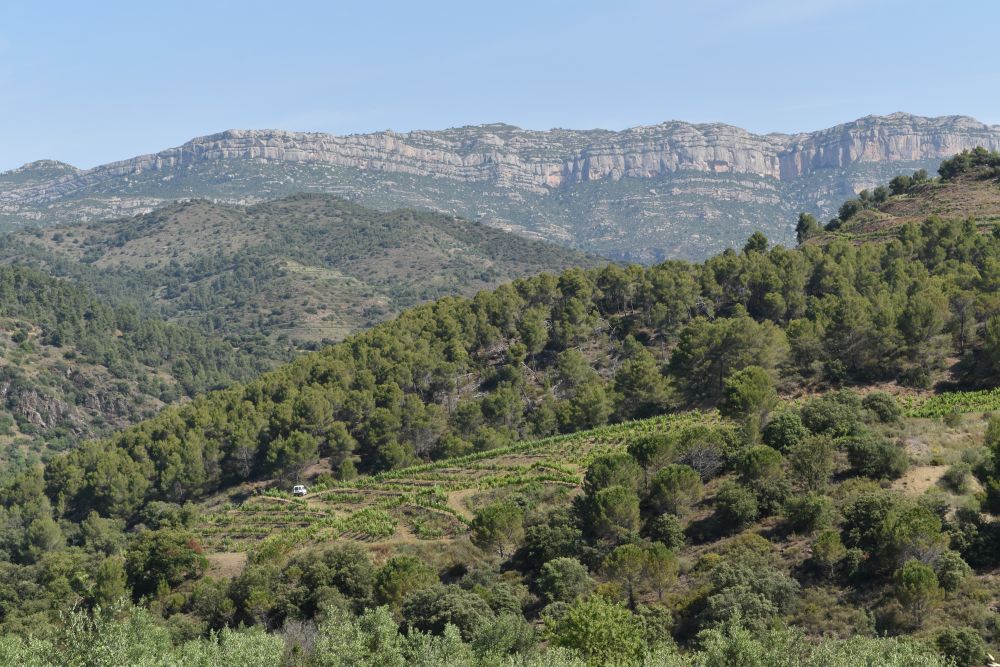
In the background we see the rocks of Montsant.

DSC_0456 small

Prices for wines are not as high as in the Priorat region, where prices reach even several 100 Euros. The Canadian Miquel Hudin fell in love with Monsant and wrote his book “Vinologue Monsant”.

While already the Romans had grown wine here, this tradition was interrupted during the Moorish reign, until 1153. Then the “Cartoixa de Santa Maria d’Escaladei” was  founded as the first Carthusian monastery in today’s Spain. A shepherd had a vision here: Angels climbed a staircase to heaven. Hence the name “scala dei” or “staircase to god”. The monastery owned the land that subsequently was called “Priorat”. In 1835 the ecclesial possessions were abolished and the farmers destroyed the monastery.

After reading this book and having seen the rocks, I am curious and decide go back to the Montsant area of Priorat with its staircase to God (Escaladei)


Exploring the surroundings of Hospitalet – Vandellòs and its charming oil mill

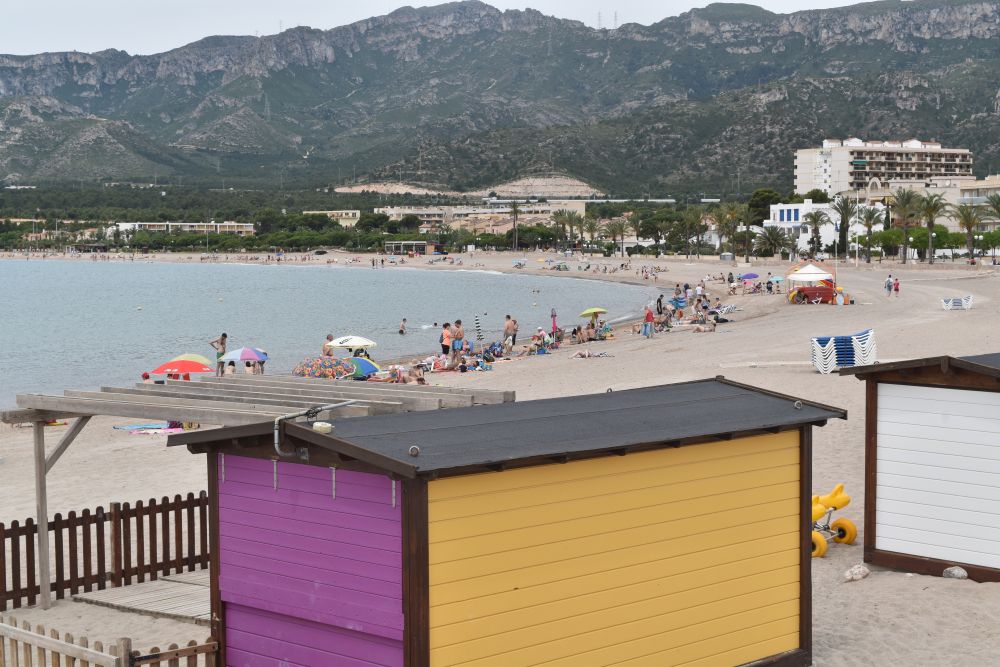
A friend of ours owns a small apartment in L’Hospitalet de l’Infant south of Tarragona. We find an unpretentious small town with great sand beaches that are still quiet in the beginning of June. Most holiday apartment houses are not more than three storeys high, no construction “sins” here. Our apartment is modern and has a large balcony from which we can see and hear the Mediterrenean Sea. Quite a large swimming pool belongs to our house. We will stay here for about ten days relaxing, enjoying the local fish and wine and exploring the area.

Our first excursion takes us to Vandellòs in the mountains.

.

Vandellòs and its oil mill

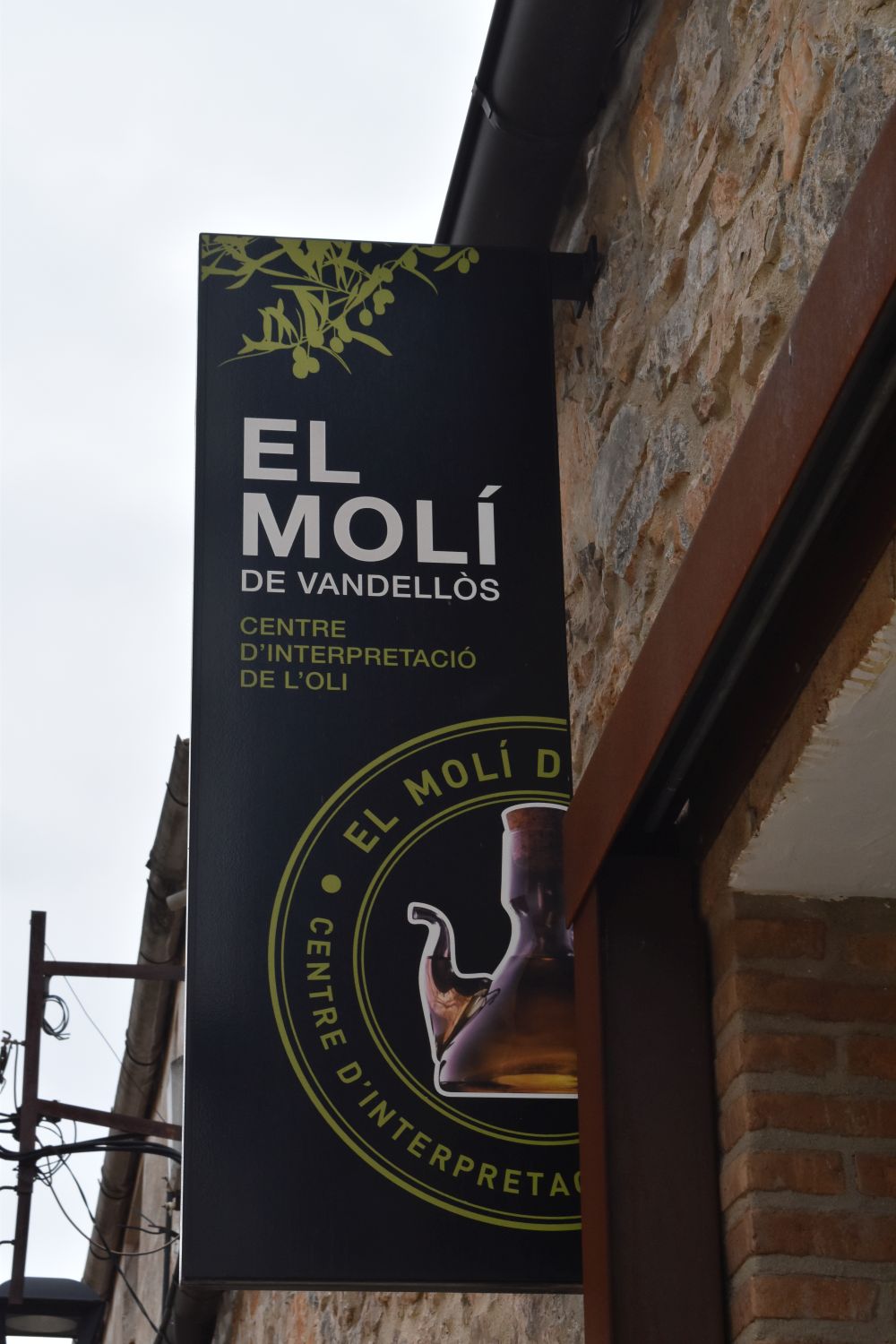
We drive some ten kilometers into the mountains and reach Vandellòs. El Molí, the oil mill, is open.

DSC_0153 smaller

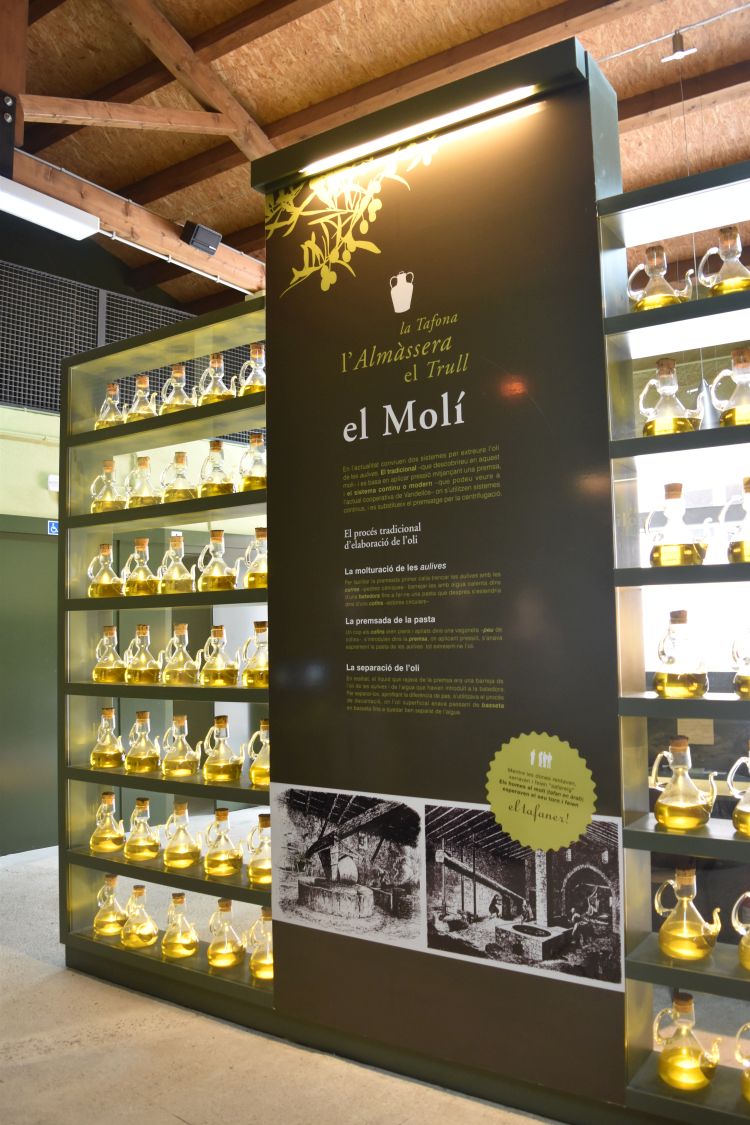
We enter. There is a huge shelf with oil carafes.

DSC_0138 small

A group of people has just finished a guided tour. The group leaves and the manager looks at us. “You have not reserved – you should have reserved – do you speak castellán?” Yes, we do, and the manager spontaneously decides to show his mill to us – also without us having reserved.

We are in the old cooperative oil mill that has been built in the 1920’s. It operated until early this century and is now a museum. The new mill is just next door.

The manager explains the oil making process to us.

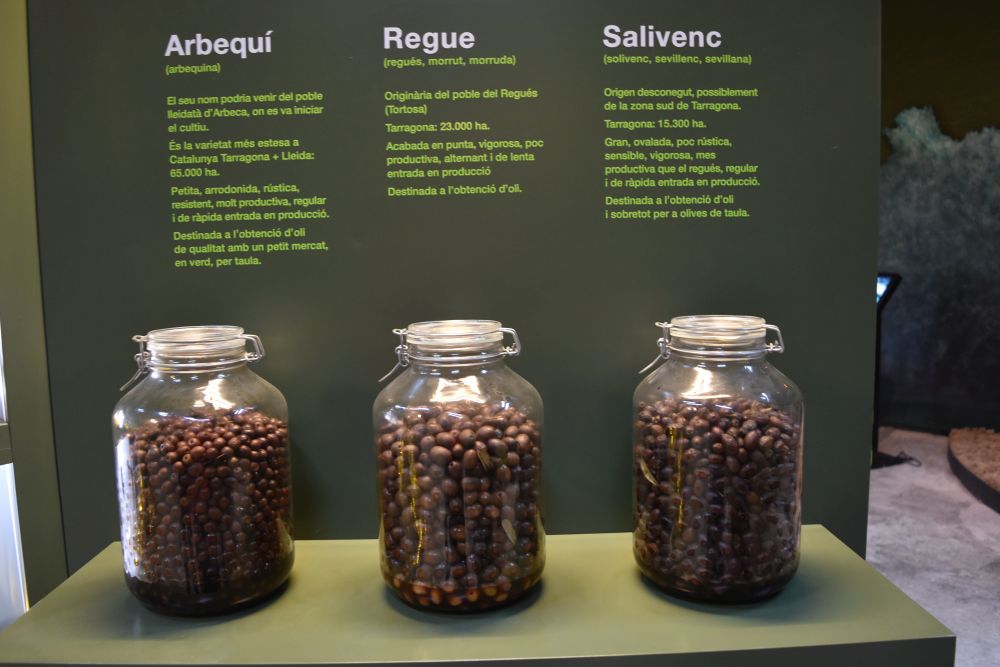
The olive trees growing in the region are called Arbequí, Regue and Salivenc.

DSC_0139 small

Arbequí is the main olive – the olives are very small.

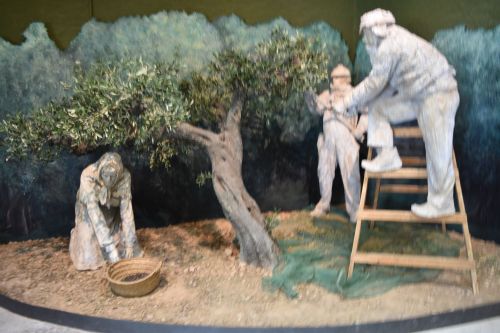
The trees are about two meters high. The men used to collect the olives standing on small ladders while the women picked the olives that had fallen on to the ground.

DSC_0135 small

Today, the olives are taken directly from the trees. The mornings are reserved to collect the olives and in the afternoon they are immediately processed.

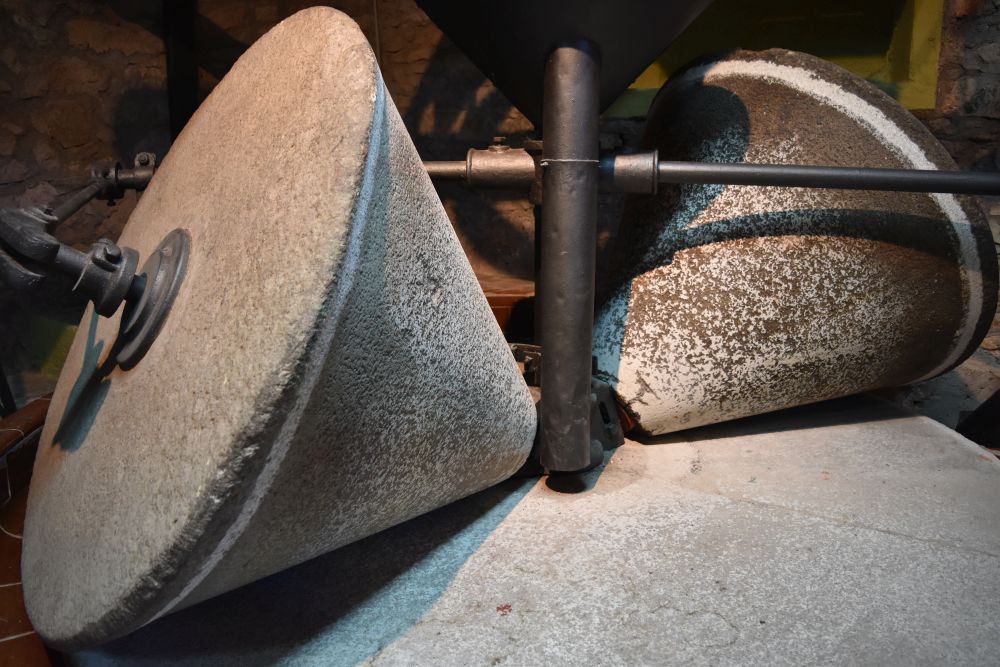
Olives with bones and branches are smashed in the mill.

DSC_0146 small

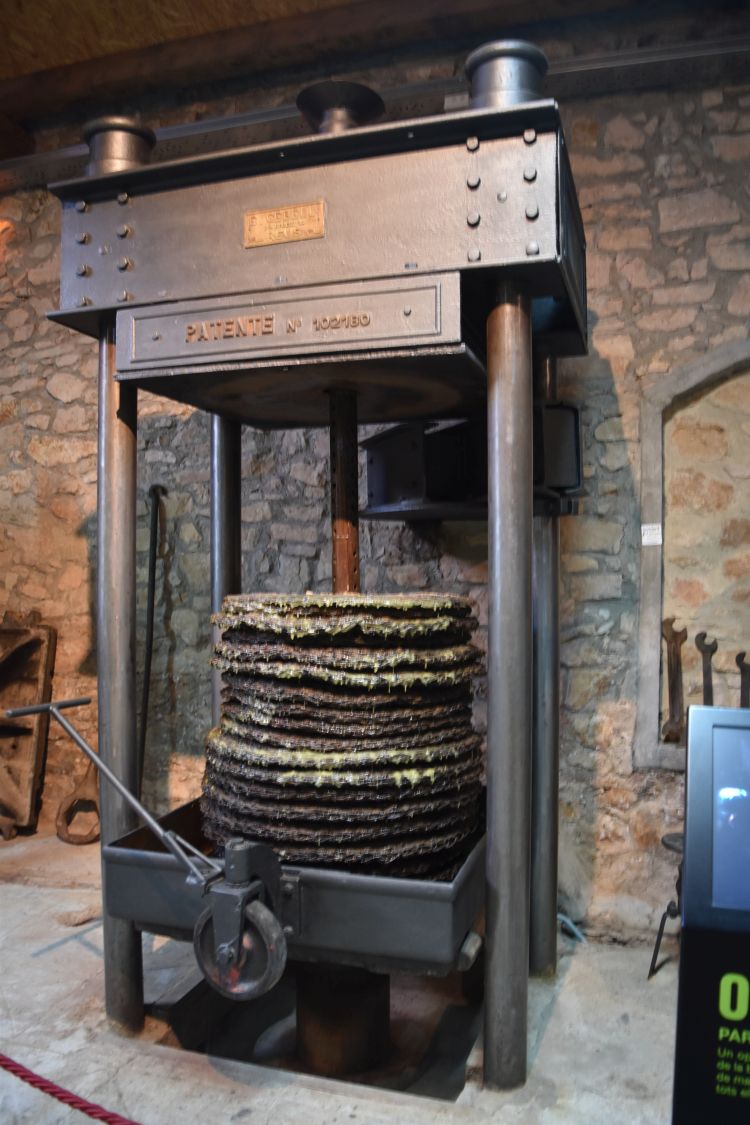
The smashed mass is then packed into flat baskets. The baskets are piled on top of one another forming a tower that is pressed to extract the liquid. Pressing occurs once to extract extra virgin oil.

DSC_0142 small

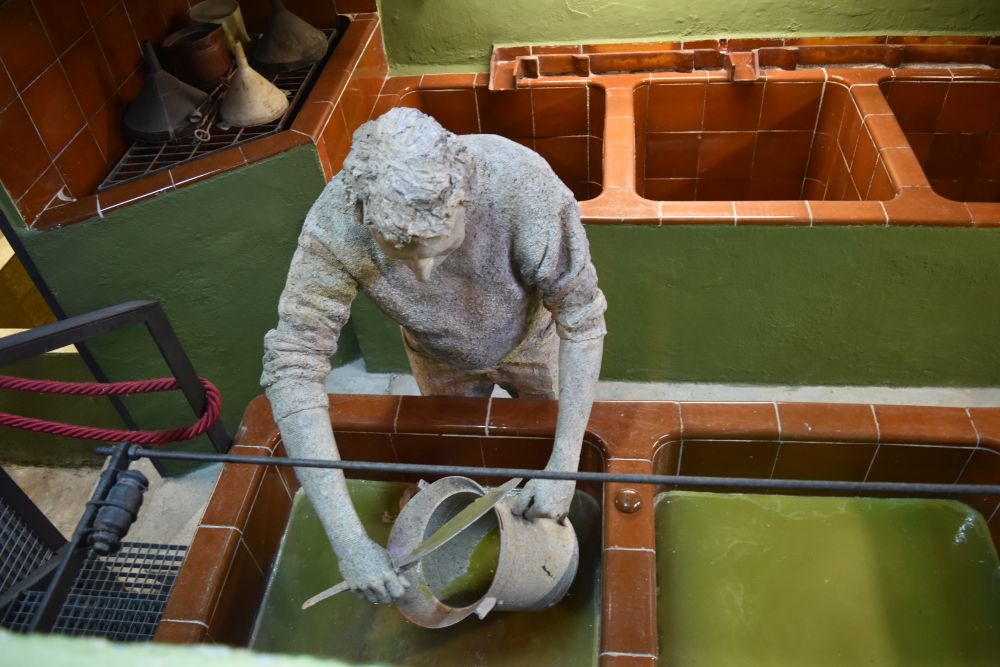
The resulting liquid is a blend of water (at the bottom) and oil (on the surface). The oil needs to be skimmed using a spatula.

DSC_0143 small

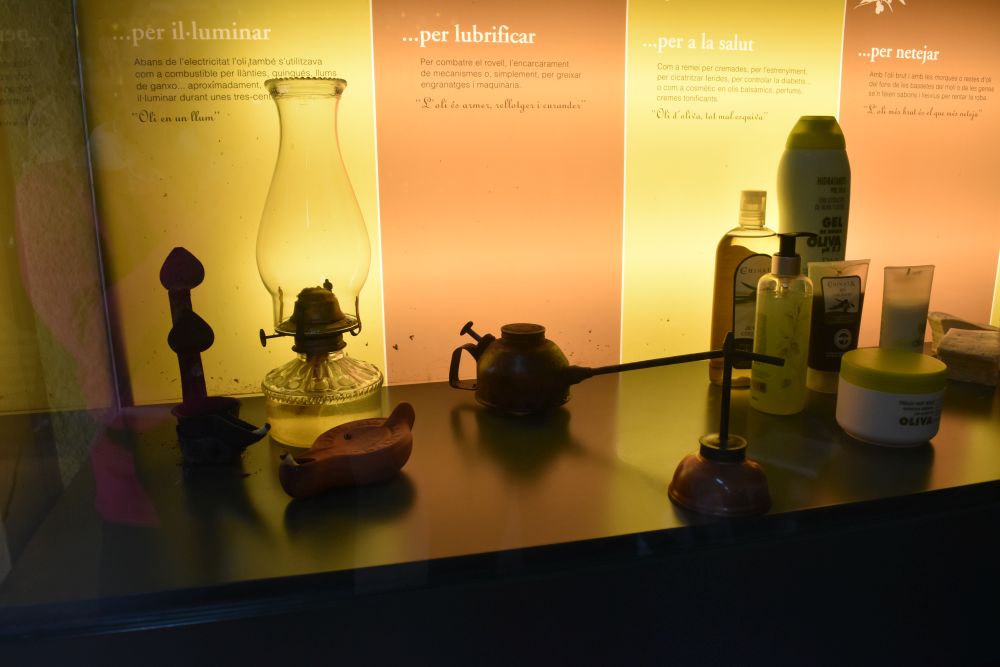
Olive oil is versatile. It is used in the kitchen, but also for health products and for cleaning – and even for lamps.

DSC_0149 small

To round off our tour, the manager offers us a piece of bread with olive oil. Delicious.

There is a shop next door, where we buy some olive oil from Vallendòs and some more local products like honey and jam. This will be some nice presents for the neighbours back home.

.

Auvergne – France at its best

There we are on the road again… Our target is the North of Spain near Tarragona. Ursula has a friend that owns an appartment near Tarragona. We drive to Martigny first to get the key and then we drive through France with an overnight stop.

.

 Martigny is worth a visit, with the Fondation Giannada and its chapels

Ursula joins me in Zurich. We drive to Martigny in the Valais to see the exhibition of Zao Wuu Ki in the Fondation Giannada. Beautiful, I like his abstract paintings – each of them reminding us of a landscape – a sun rise, a salar lake or a sea shore with waves in the background.

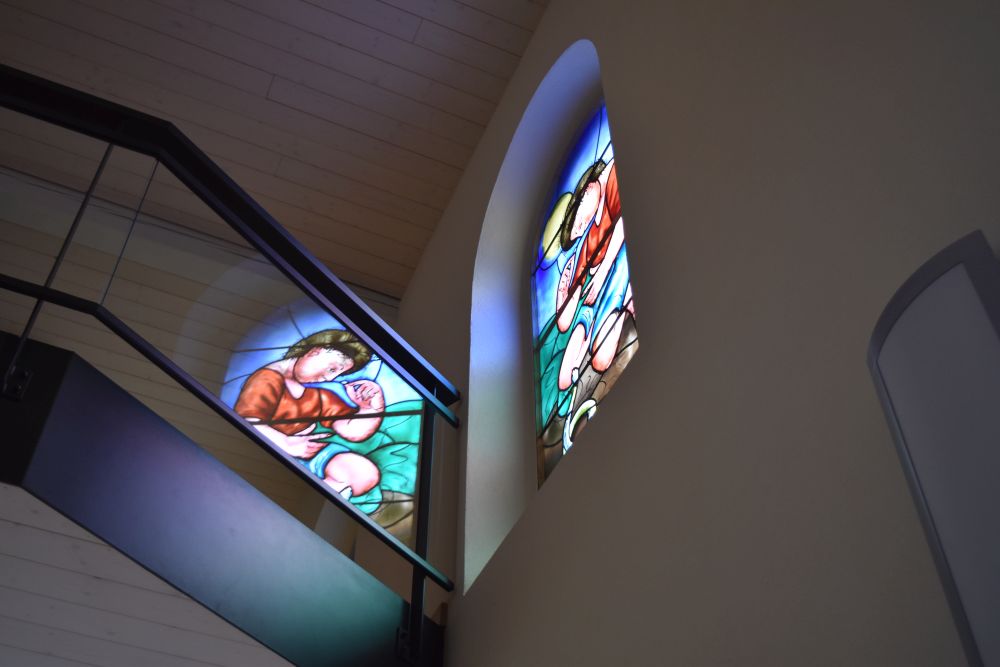
Then I show Ursula the windows in the protestant chapel painted by Hans Erni, when he was 103 years old.

DSC_0015 small

We read about the other catholic chapel and the paintings of the monk Kim en Joong.  Ursula sees that he has also made the windows of the Basilica St. Julien in Brioude in the Auvergne. This is about half way to Tarragona. We decide to stay overnight at Brioude.

.

On the road to Brioude

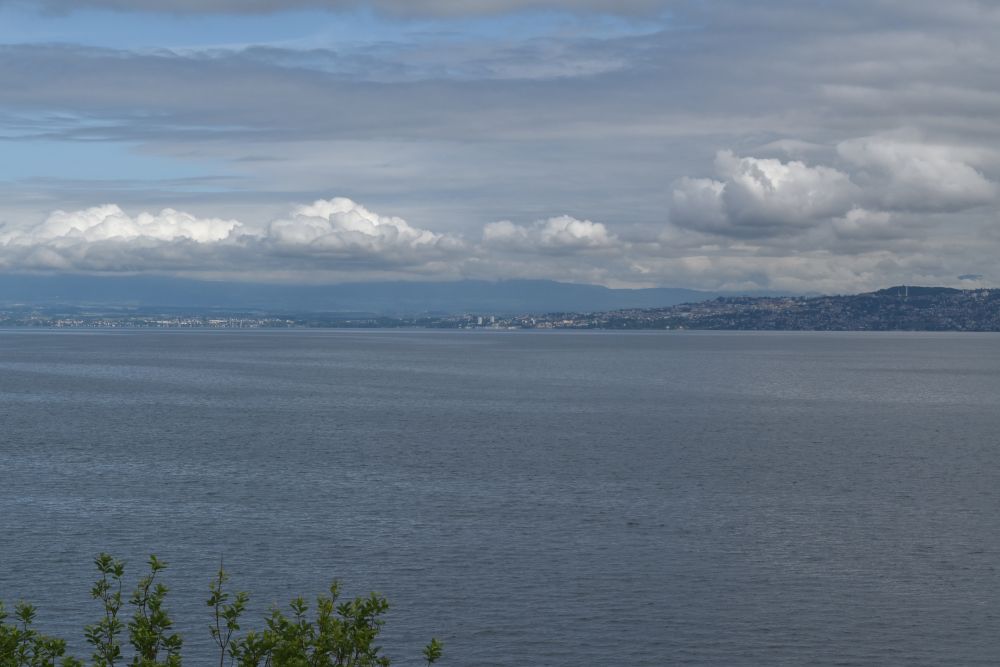
We drive along the lake of Geneva in France. This is the view of the Swiss side of the lake.

DSC_0017 small

Then we head to Bourg-en-Bresse and the Auvergne, crossing one valley after the next on the motorways… up and down… up and down.

.

Brioude – a charming French town with the hotel de la Poste

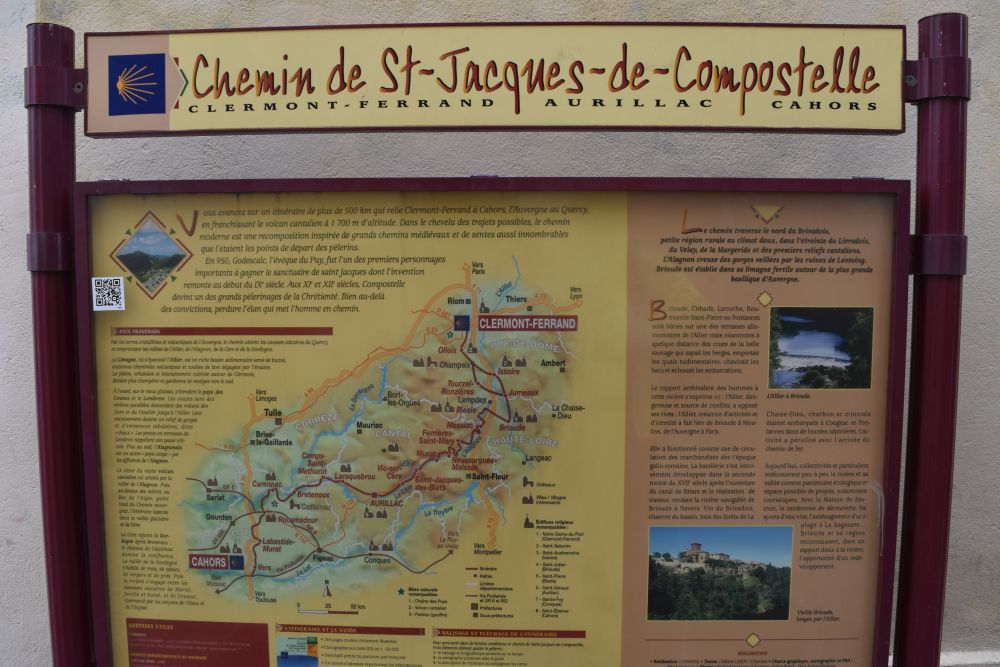
Brioude is located on the St. Jacob’s pilgrimage route.

DSC_0027 small

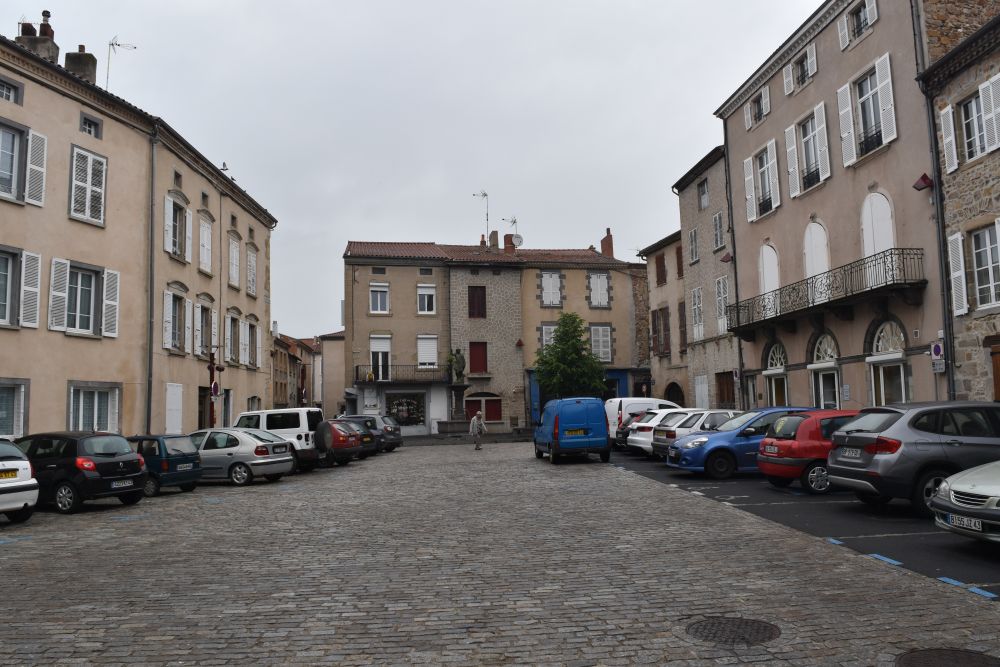
It is one of these cosy and quiet country towns that I love France for.

DSC_0028 small

The tourist office shows us the hotels… and seems to recommend the Hotel de la Poste. “Two stars, but very good,” she says. How true. We find a friendly reception and a comfortable room in the annexe.

DSC_0093 small

.

The Basilika of St. Julien on the site where he was murdered

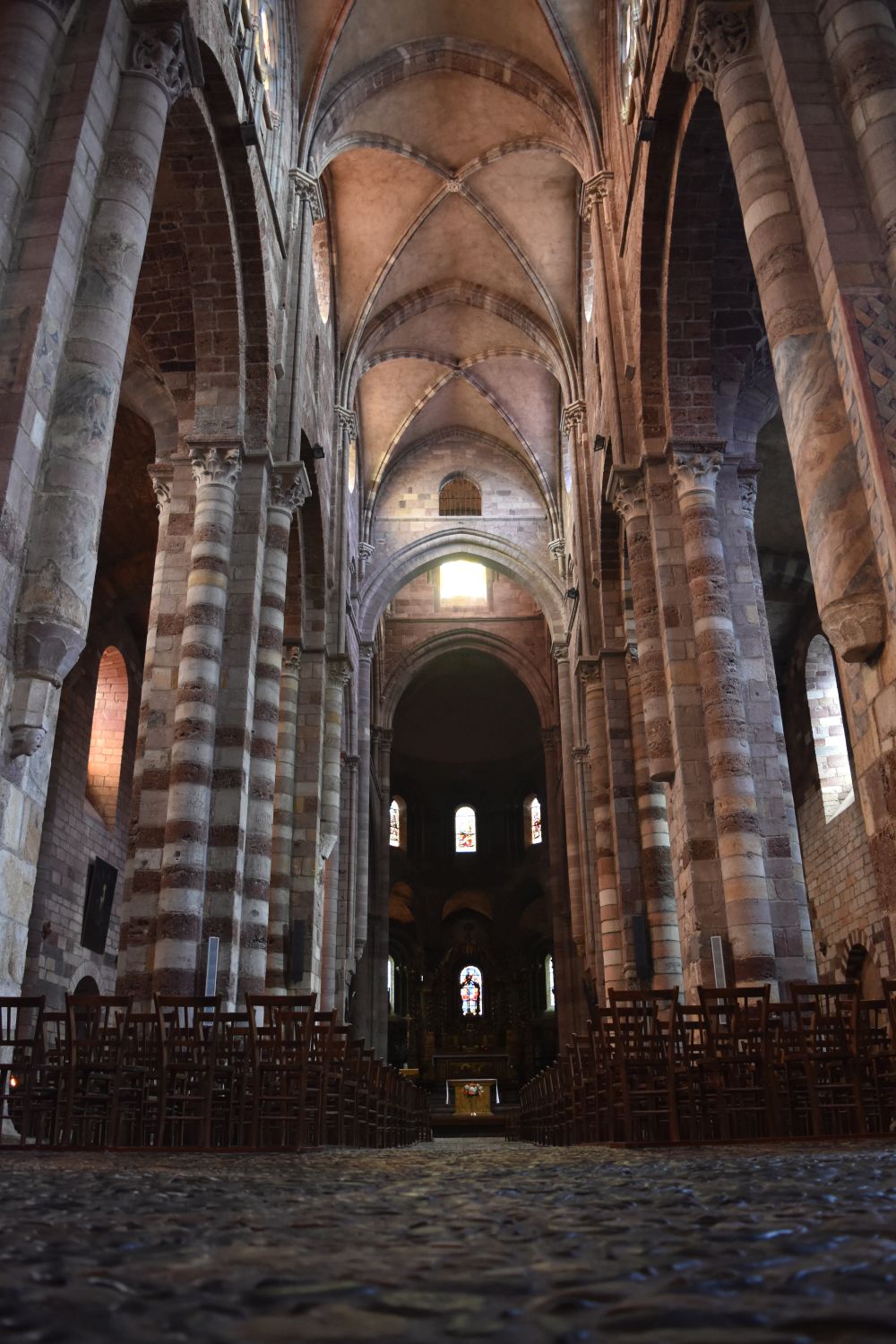
The center of Brioude is the Basilika St. Julien from the 11th century built at the place where Julien had been decapitated by Roman soldiers. The style is  Romanesque. This is the view from outside with the tower of 56m.

image

The nave…

DSC_0045 small

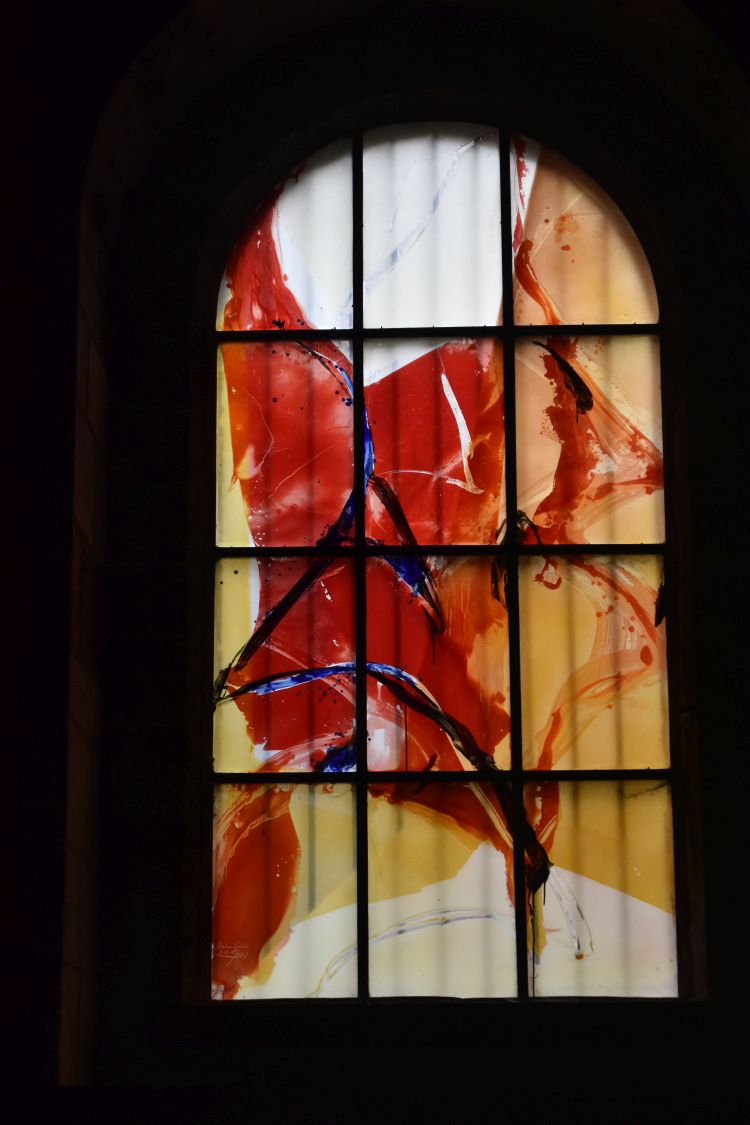
… and one of the 37 windows made by Kim en Joong in 2008. They give a solemn atmosphere to the inside of the church. We would like to visit the catholic chapel with his windows in Martigny, when back.

DSC_0050 small

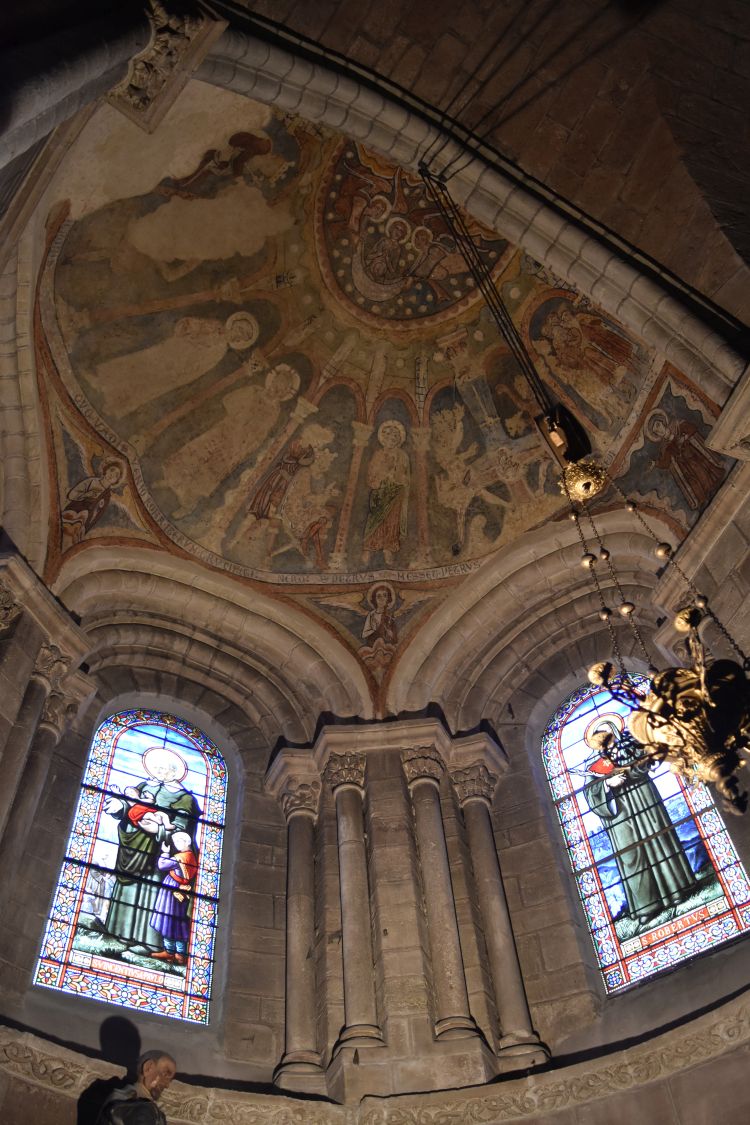
There are old frescoes on the columns and in the chapels of the choir.

DSC_0067 small

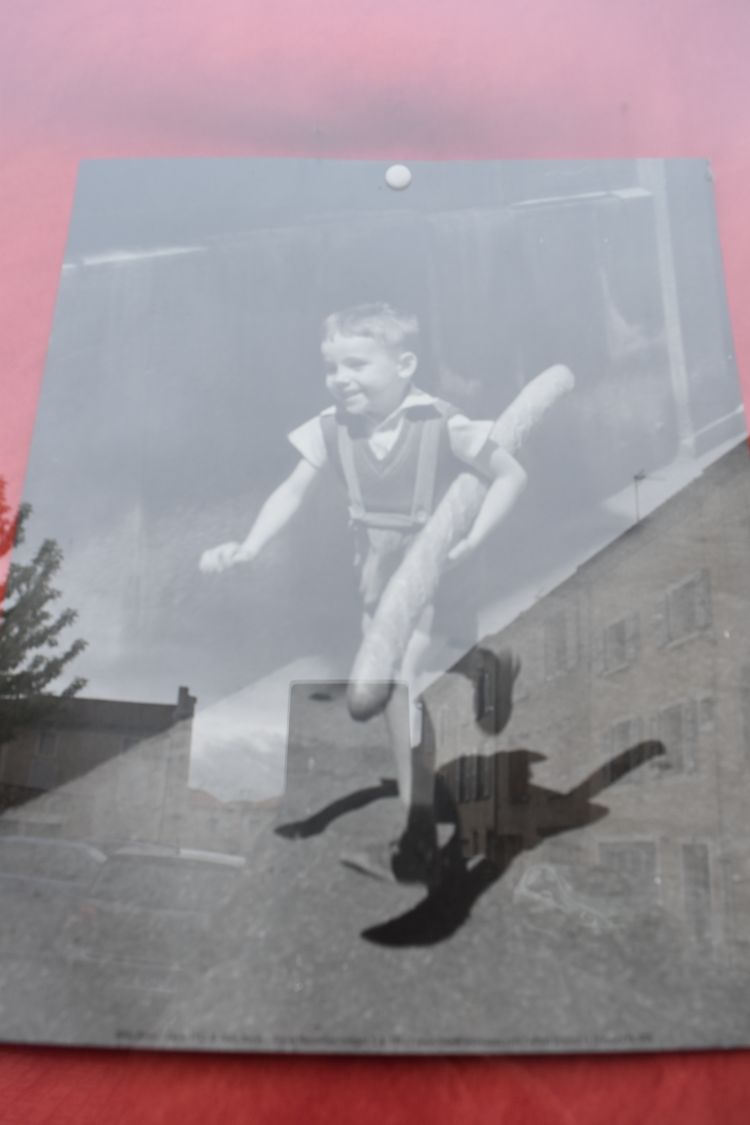
Returning to our hotel we come across a bakery with this very French foto of the fifties or sixties in the last century. Very French… and welcoming.

DSC_0088 small

.

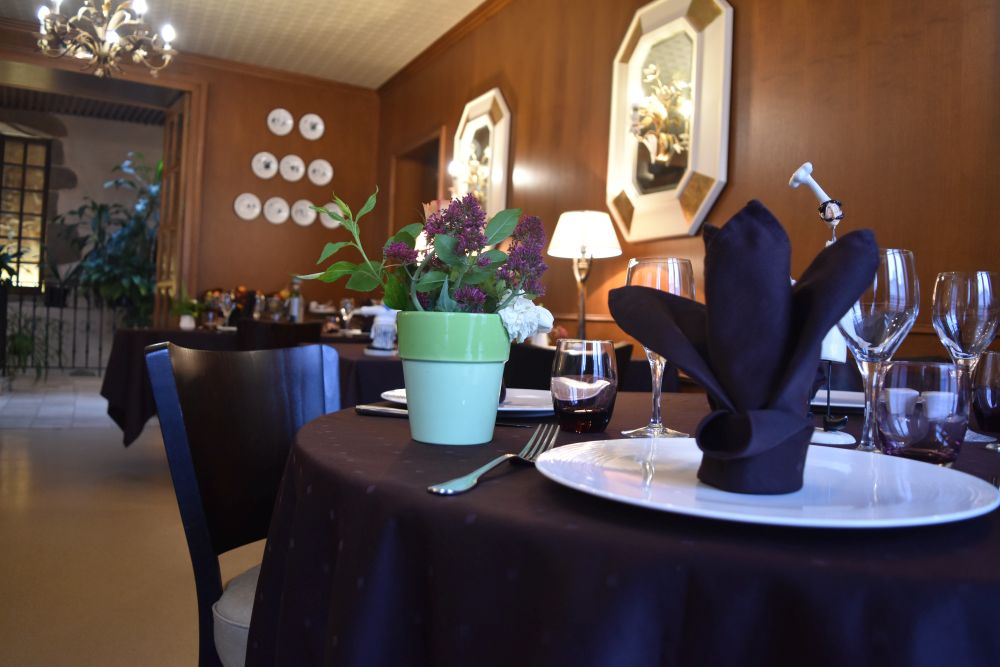
The superbe dinner in the cosy restaurant of the Hotel de la Poste

The hotel is a gem. In it, we find one of these home like restaurants that I only know from France.

DSC_0094 small

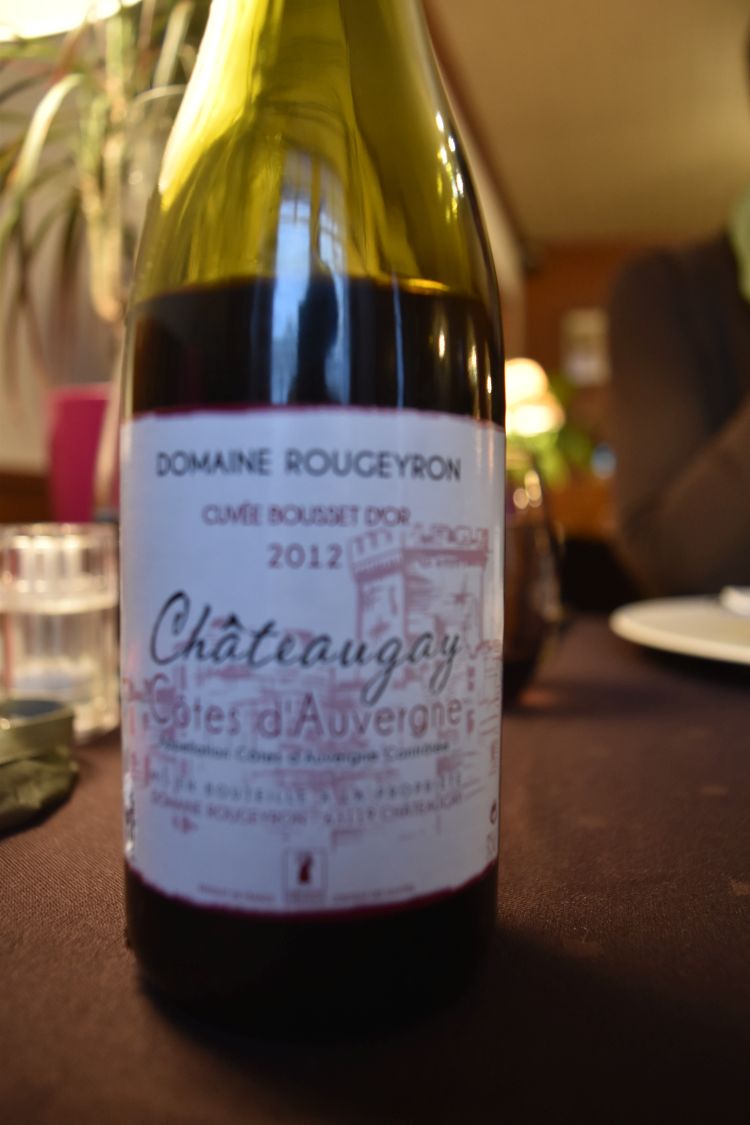
Ursula feels like the menu with two main courses, and I join her. I order this local Gamay from the region of Auvergne – it is a perfect match with the regional meal.

DSC_0095 small

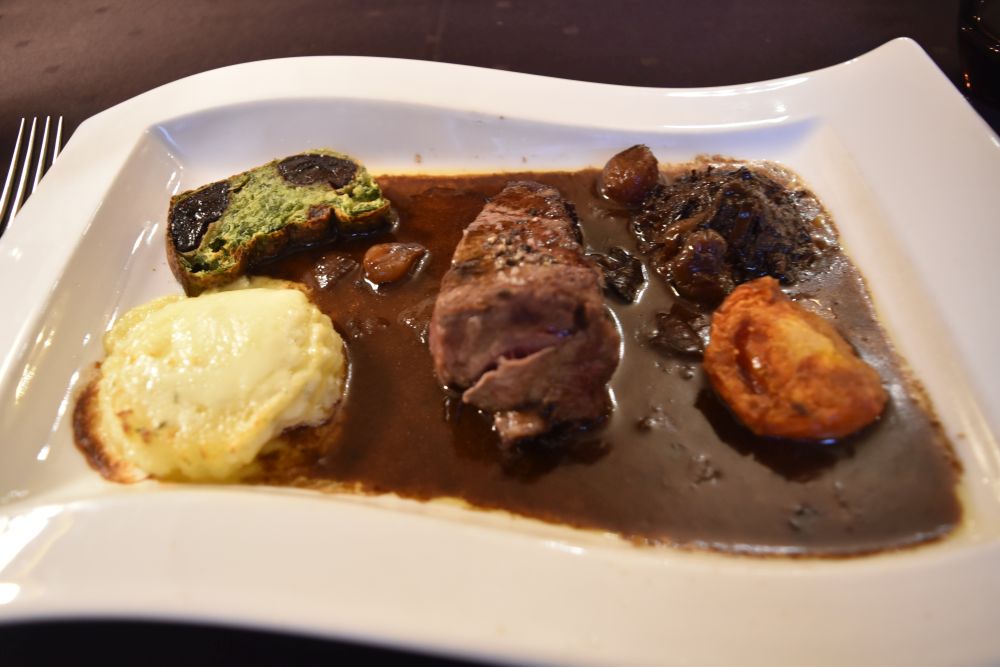
The first dish is poultry terrine. Our main course is beef with potatoes au gratin and a spinach pie. Delicious.

DSC_0098 small

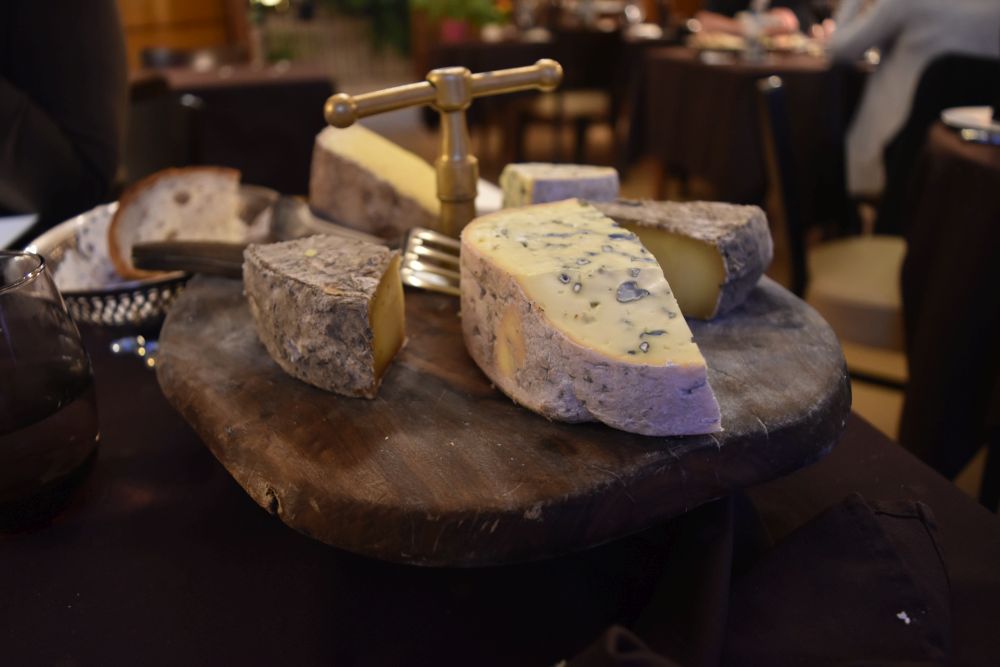
The selection of local cheese like Bleu d’Auvergne or Saint Néctar are also a good match with the Gamay.

DSC_0099 small

A rhubarber cake – lightly made – with a ball of coconut ice cream top our meal. “This is a “trouvaille””, Ursula says, “one of the best meals I have had in France.”

We sleep well in our quiet and comfy annexe and in the morning enjoy breakfast buffet prepared with care and love – all fresh regional products of the Auvergne.

Some more Tico specialties: Coffee making, refrescos, regulations and watchdogs

While waiting at the airport, I found a good internet connection. Here are some more impressions that I took with me from Costa Rica, some more Tico specialties.

.

Coffee making – the traditional method with filters

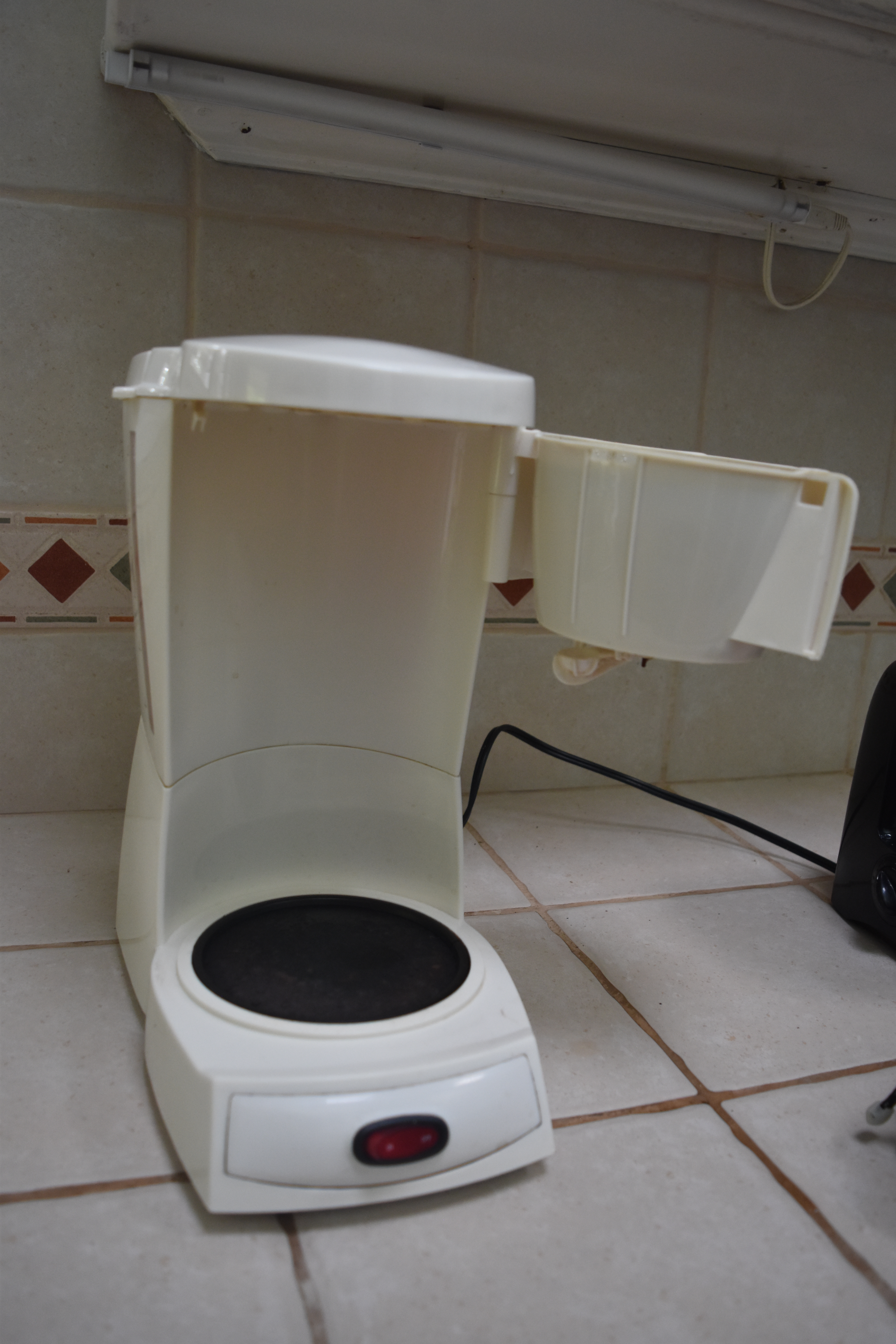
The Costarricenses prepare their coffee using filter machines. Ths is the machine we found in our cottage house in Cahuite, and they are omnipresent.

image

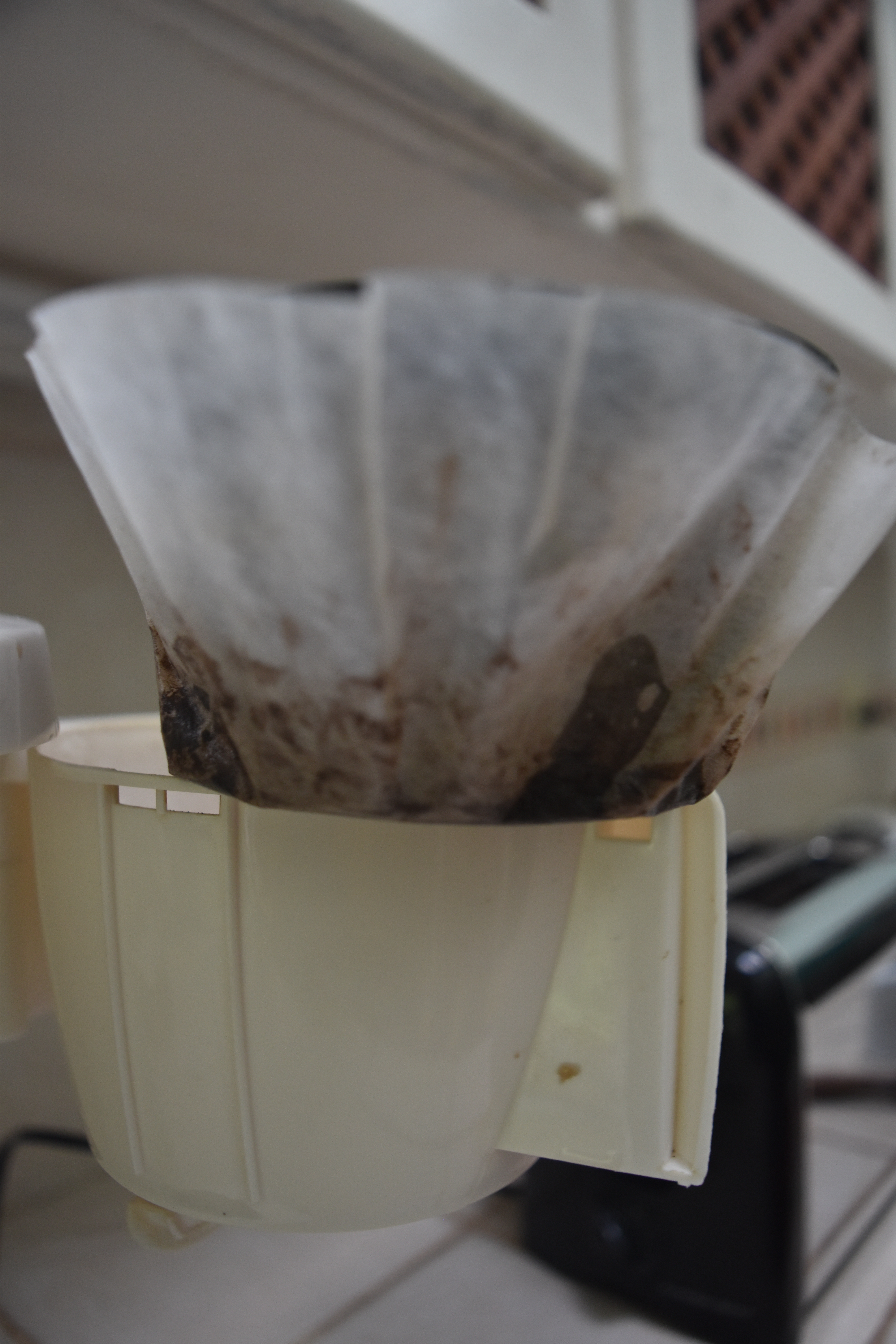
In the filter compartment, there is a filter basked that is to wrapped into filter paper. Here is the filter paper wrapping up the basket.

image

Our homestay family washed the filter paper to reuse it once or twice. A good idea that we adopted, when preparing our coffee in hotel rooms of Costa Rica.

Only once we noticed a Britt espresso engine that looked like a Nespresso machine. I guess for export the Costarricenses have to produce coffee in capsules as well now.

.

Refrescoes naturales – every small place serves them – delicious

We really loved the fruit juices or refrescoes naturales that we could order everywhere in Costa Rica. Every restaurant and every housewife owns a “licuidora” (which is a mixer) to produce them. Our homestay mum would prepare a fresh juice to accompany our meals. We also ordered them in every restaurant – they are even sometimes included in the almuerzos (or lunch plates) of the day. Fresh ananas, mango, strawberries, blackberries, papaya or the sourish cas, alone or mixed – the licuidora rattles for a moment, and then the healthy and refreshing “refresco natural” is ready. As Costa Rica is a clean country, we never had problems to drink the fresh fruit juices mixed with water.
image

.

Regulations may be regulations, but they have to make sense

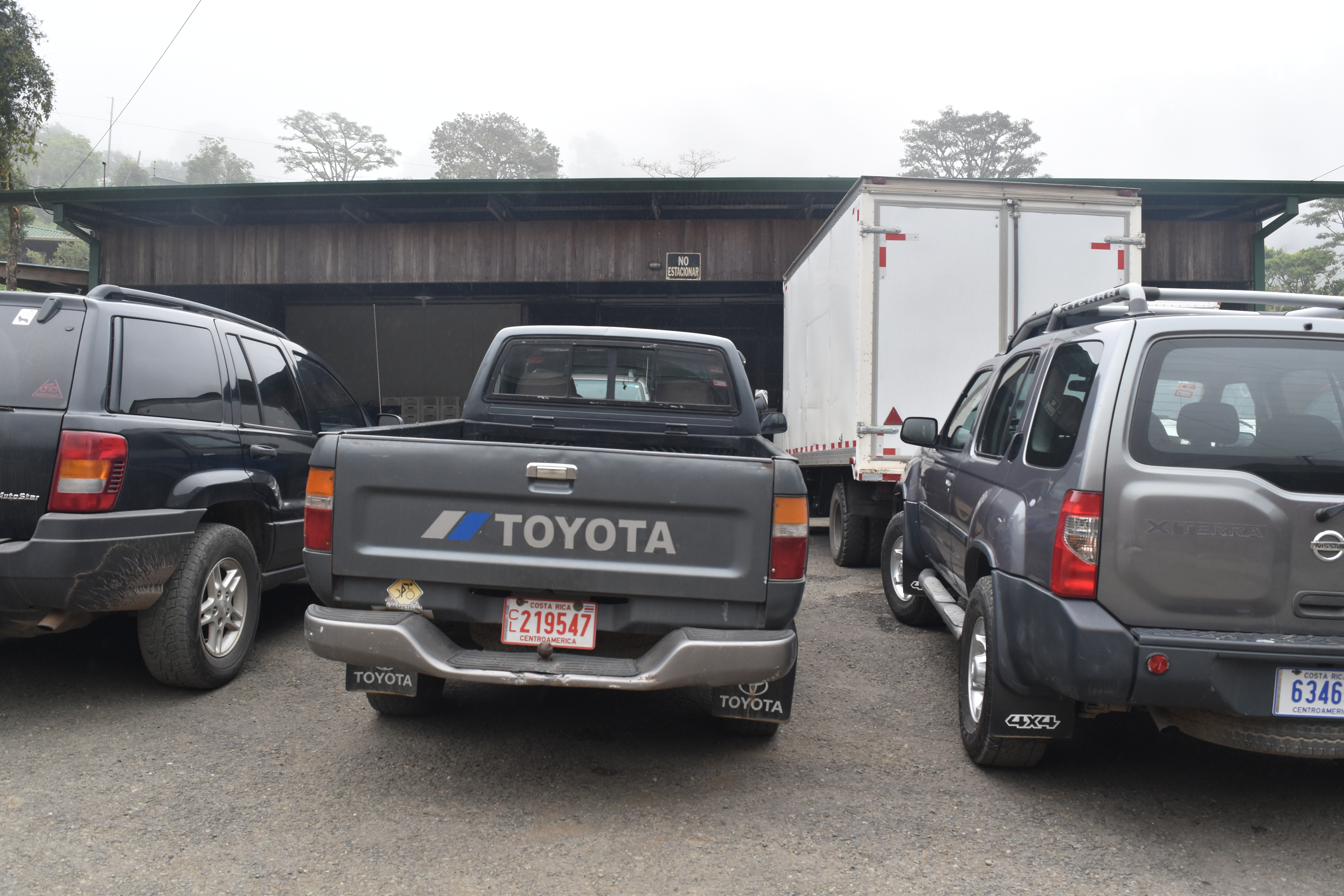
Driving in Costa Rica is an intersting experience. The Costarricenses live up to regulations only, when they make sense. No one stops at an “alto” sign, when there is no traffic. Overtaking in the right hand lane is not allowed, but often, slow cars drive left, and the others overtake them on the right hand lane. And here, the sign says “no estacionar” and see, how many cars are parked here quietly.

image

.

Small watchdogs barking loudly and angrily

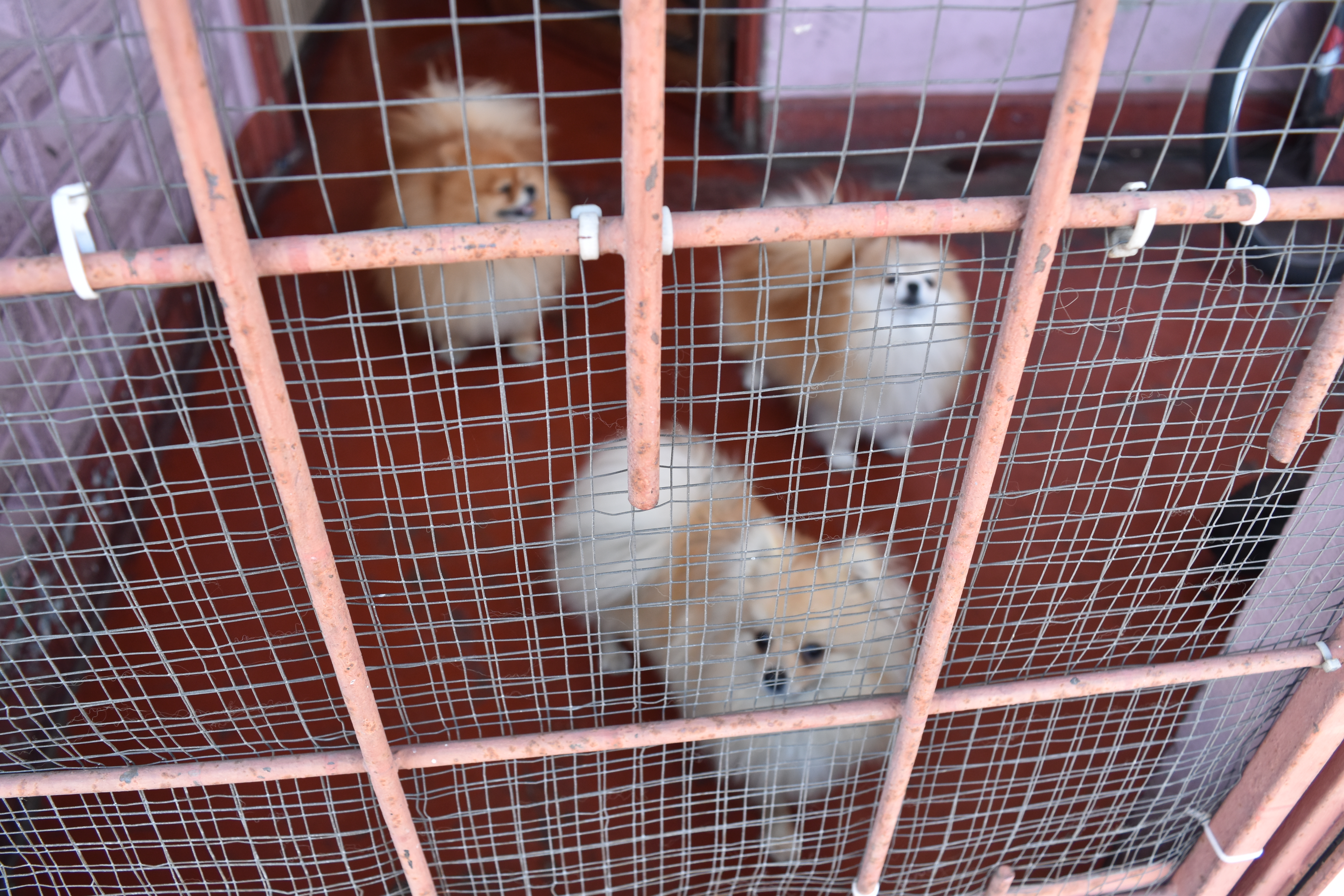
Big dogs like shepherd dogs are rare in Costa Rica. Most dogs are small or tiny. Also our homestay family had a teckle. The small dogs are attentive watchdogs, nevertheless, and bark loudly, jumping behind the fences that protect the Tico houses. Here are three small white dogs that bark at me loudly, as I am taking a picture of them.

image

When walking in the streets, the loud barking of small dogs would always accompany us. And the smaller the dog, the louder the barking.


Snorkelling in Cahuita and driving back to San José

Thursday, May 5th, is our last day on the Caribbean beach

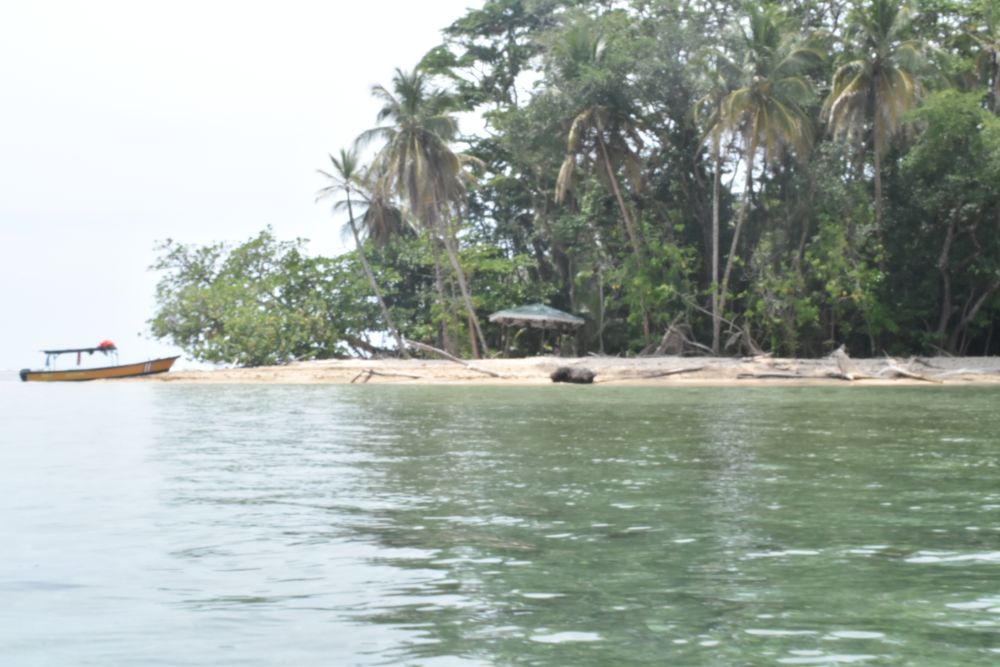
Today we feel like a day of leisure at the Caribbean beach in Cahuita and in the beautiful garden of our Playa Negra guesthouse. In the morning, I go for a snorkelling tour with Willie’s. For 25 Dollars. We leave in a wooden blue boat (like the one on the foto) with a couple from Munich, a couple from Madrid and a mother with two daughters from Paris. Not far from here, from the Cape of Cahuita, we have two snorkeling excursions.

DSC_0093 small

Again I love to watch the world below me: I float above colorful reefs as well as larger and smaller fish, some in shining violet, some in blue, some in grey and some with yellow stripes. There are also sharks – harmless sharks, as our boat captain says. The chap from Munich has an underwater camera; he comes across a shark. This was great, but there was a small disappointment: To complete the tour nicely and with a social touch, Willie had promised some fruit salad. But we receive no fruit salad. Hmmm, Willie?

It is very, very hot here in the Caribbean. In the afternoon we use the pool of our hotel extensively, and as soon as we get out of the water, we are sweating again… the best is to go back into the pool again.

.

On the terrace of the restaurant “Sobre las Olas” – Ceviche

We finish the day with Ceviche in the restaurant Sobre Las Olas. Ceviche is slices of meagre fish (corvina) served raw in lemon juice. Excellent. And the breeze above the waves of the Caribbean sea (literally sobre las olas) is welcome. Pura Vida. Well, the cook had oversalted the Ceviche of Ursula, but the waitor immediately brought her a new plate, with a lot of apologies. The Sobre las Olas is a place we like.

.

Good-bye Cahuita

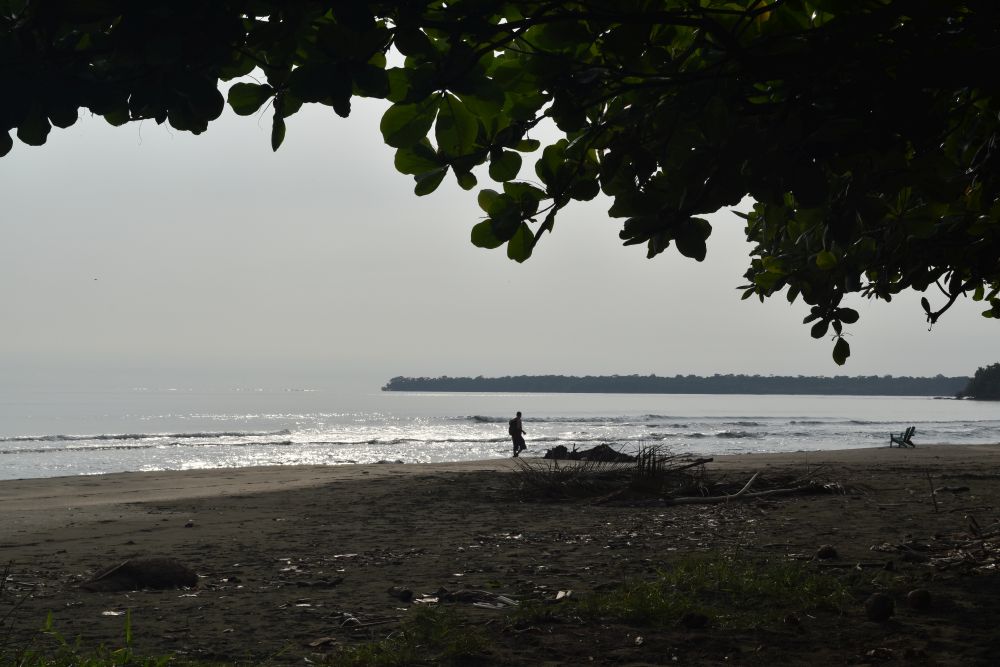
Howler monkeys somewhere nearby wake us up at five in the morning. The agoutis say hello and the colibri nip at the heliconia in front of our veranda, where we have our last Caribbean breakfast. We catch some early morning impressions from the beach across the road with a view of the Cape Cahuita.

DSC_0109 small

Yes, a beach vacation in Costa Rica is a great option, be it here on the Caribbean side or on the other Pacific side. But be aware – it IS hot here! You will be forced to relax and go back to the water often, in the pool or in the sea.

.

Quick visit at Limón

We leave Cahuita around seven in the morning  – and get caught in a traffic jam on the road to Limón. “Our” traffic jam going north holds us back about a quarter of an hour, but the standing line of cars going south is several kilometers long and not moving at all. Good that we are going north now.

We quickly visit Limón, the port town founded around 1850 and connected with the Central Valley and with San José via a railway. It is quite nice with its pedestrian zone in the center, lined up with colonial houses,

DSC_0115 small

Palm trees give shade in the central park. There are various statues – this is the statue of a family and an old man.

DSC_0117 small

Sad that the traditional Black Star Line building has burnt down just a few days ago.

.

Back to San José through the Park Braulio Carrillo

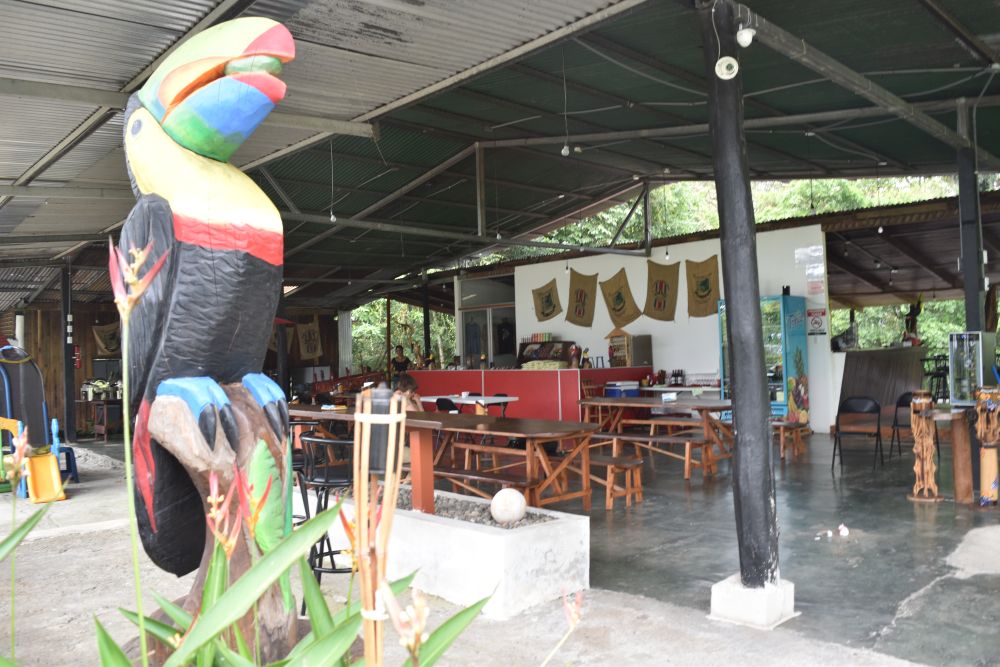
Now we head north on the main road to San José. We move forward quickly, with a short coffee break in the restaurant La Costa near Guapiles – yes, this Tucan statue is eating an avocado fruit which also in “real life” is the Tucan’s favorite diet.

DSC_0119 small

While driving uphill through the Braulio Carrillo park, we brush up memories of our tours with Jorge, the driver of our Don Quijote school (the boat trip in Sarapiquí, the teleférico in the rain forest). And at midday exactly the guard of the Bougainvillea hotel opens the gate smiling and waving at us. Leticia greets us – she is the good soul that has organized so much for us. It is like coming home. We give our faithful Terios car back to Thrifty. Kenneth finds the gifts from Sarchí under the seat… no, no, I should not forget them once more! I already had to go back to Sarchí a second time to pick them up with my bag labeled “bolsa olvidada”. Thank you, Kenneth.

We take room number 302 with the gorgeous view of the tropical garden.

DSC_0120 small

We will rest here for another day, meet my cousin and enjoy the pool, before flying back to Switzerland on Sunday.
 

From San Gerardo de Dota to Cahuita on the Caribbean coast

Good-bye Dantica Lodge in San Gerardo

We wake up with this great view of the forested hills partially hidden in the mist. This is the view from our sleeping room.

DSC_0030 small

Yes, this place “vaut le détour”, as a Swiss guest had written in the guest book.

.

Around Cartago and through fertile hills to the Caribbean coast line.

The Interamericana takes us along the ridge of the Talamanca mountains. The weather has cleared up and we can almost see the Pacific Ocean.  The route around Cartago is easy today. The GPS guides us through Tejar to Paraiso. From here we drive up and down and up and down through fertile hills with coffee and sugar cane plantations as well as with large green  houses. We have a small rest in Cervantes. A coffee and a tortilla with cream refresh us, while we observe the kitchy fountain with the copy of the black madonna from the Basilica in Cartago on top. It must be romantic at night, when the blue lights are on.
DSC_0038 small

.

Many, many, many lorries in Moin

It goes up and down and up and down… all in all for about 200km, until we reach the coastal planes of the Caribbean. Banana plantations and palm trees along the road. And many, many lorries on the road. More and more, the closer we come to Moin, the main port of Costa Rica. What we see in Moin are piles and piles of containers labeled “Chiquita”‘, “Del Monte” or “Hamburg Süd”.

.

To Cahuita and the guest house Playa Grande with a GPS detour

Happy to have overcome this busy port of Moin, we already see our target, Cahuita, in in our minds, but then the GPS goes crazy and directs us around Limón (which we like) and finally to a shaky railway bridge (!) and behind this we are in a dead end street. No, this must be wrong… I do not like this railway bridge, but I have to drive over it again to get back. Ursula switches to navigating with the map. About half an hour later, we ring at the door bell of the guest house Playa Negra in Cahuita and are welcomed in French Québecois. We settle in a cosy and spacy cottage with this veranda looking into a beautiful tropical garden.

image

It is hot and we immediately jump into the pool.

With seafood in the nearby Reggae restaurant we end our day, amidst tourists taking a rest here in Cahuita… most of them decorated with tattoos.

.

A day on the beach of Cahuita with its national park

We wake up early and enjoy the beautiful garden, together with some agoutis, with colibris and with a black bird with a red back (must be the Cacicus Uropygialis or in English scarlet-rumped cassique and German Scharlachbürzelkassike – I have never heard of this bird). The red cat of the house also joins us.

DSC_0046 small

After a refreshing swim (it is already hot in the morning), we go for a walk in the Cahuita National Park. The path is in the shade – good –

DSC_0063 small

and gives a view of the beach.

DSC_0065 small

We see an iguana high up in the trees and a herd of white face monkeys joggling in the branches and eating.

DSC_0072 small

While watching this monkey, I hear someone say in Berndeutsch: “Look, it wastes half of its food…”

An animal is screaming angrily… it was this rancoon. It still looks angry and I do not go too close.

DSC_0076 small

We have lunch in the restaurant “Sobre Olas”, in their shady garden above the waves (olas) hitting a stony beach with palm trees.

DSC_0079 small

After more swimming and relaxing in “our” garden, we have dinner in Ricki’s restaurant in Cahuita center. The place is full of tourist life. I notice, how many black people are here, totally different from the rest of the country. They came here to work for the construction of the railways and to work in the fields. Only after the Civil War (1948), they received the right to vote and the right to move freely in the country. A long story of suffering.
 

More quetzals and cloud forests around San Gerardo de Dota

The “long” four hour birdwatch tour with Carlos

With Carlos, we have booked a long birdwatch tour. We drive some 400m down to the Savegre Lodge, then up again on a rough road (need 4 wheel drive for the first time) and do the round tour “La Roble” through the cloud forest with oak trees, yew trees, fern trees, some few palm trees and many, many bromelias.

DSC_1334 small

Carlos attracts the birds either by playing the sounds from his birds’ app or by singing the birds’ songs himself. He identifies about 50 birds, from flycatchers, thrushes, warblers, tanagers, parakeets, woodcreepers, woodpeckers, vultures, robins, finches and also hummingbirds. I am happy to see some of these birds, but they are all so high in the trees…

We are walking with a couple from Australia that has routine in bird watching and also carries the right camera. They give me this foto of a scintillant hummingbird – thank you.

image

The song of one bird is omnipresent. Ursula says, this bird sounds like a garden gate that needs oiling. Right, I can hear that as well. Carlos explains that the bird that sings like a sqeaking garden gate is called black faced solitaire (or Solitario Carinegro in Spanish).

.

Our new bungalow with the view of the valley 

Today we move to a cabin that is closer to the reception/restaurant area of our Dantica lodge and has a view of the valley. This is the morning from the living room.

DSC_1363 small

As temperatures are chilly, we have an oven that works with methylated spirit like the fondue rechaud in Switzerland.

DSC_1349 small

.

The early morning quetzal tour – so many quetzals in the avocado trees

At half past five, we start the early morning quetzal tour with Carlos. We drive down into the valley and stop on the road between avocado trees. The quetzal loves the small avocado fruit that fits into its beak. We are lucky and see about five quetzal birds, the male with the long tail and the female with the shorter tail. Sometimes I even see them with the naked eye. On this foto there is the double line of the tail on the second bundle of branches from below… this is how you have to spot the birds.

DSC_1356 small

Not easy to see. But Carlos uses his Swarowsky. And here it is, a male quetzal.

image

and another male quetzal.

image

Carlos explains that  Quetzals can live up to twenty years and that the Tucancillo steals his eggs.

Happy we return around seven to have breakfast, and then start with Carlos for another tour to understand more about the cloud forest.

.

The excursion to the cloud forests – The “normal”, the “premontana” and the “páramo”

Carlos shows us the type of cloud forest that prevails around the Cerro de la Muerte above 3000m. The two types of cloud forests here are called “premontana” or “pre-mountain” (smaller trees and bushes) and “páramo” (more shrubby). Páramo is higher than pre-mountain, but also less humid. On the ridge of the Cerro the Caribbean side is more humid with pre-mountain trees and the Pacific side has the páramo vegetation. They meet on the ridge.

Carlos shows us small gems like the dwarf bamboo, bromelia (on the trees, but also on the ground, where they can survive, when landing upright), Verbena, Hypericum Costarricense (with yellow flowers), Lady’s slippers, “soap plants”, thistles, moss (black) versus lichen (white), Erika plants, relatives of the blueberries, this Bomarea Acutifolia,

DSC_1416 small

the tiny orichds called Telipogon Storkii

DSC_1389 small

or this tiny Montbrecia.

DSC_0005 small

We also see some birds: The volcano junco and the black billed nightingale thrush.

Here we stand on one of the summits on about 3400m. The clouds are coming from both sides today. The plants take the moisture mostly from the clouds, supported by the moss and lichen that retain the water – ths is a symbiotic relationship. Carlos shows us that most plants have stiff leaves to resist to freezing temperatures and some plants with softer leaves are hairy to protect themselves.
image

On a clear day we could see the Caribbean and the Pacific Ocean from here. Now we just see the clouds and start to dream about fantoms that creep and fly along the hills.

.

The walk to the cataratas near the Savegre Lodge

The steep San Gerardo valley is also full of waterfalls. Near the Savegre Lodge there is the sign “2km to the cataratas”. We expect an easy walk on a cloud forest path that starts here, where the Savegre river looks quite harmless.

DSC_1341 small

But after one kilometer the path gets rough. Ropes support us and sometimes also metallic ladders that would need to be repaired.

DSC_0023 small

A slippery climb down to the river leads to this waterfall..

DSC_0018 small

The cloud forest is now covered with clouds and it is drizzling. Our hair become wet. We feel like lichens in the cloud forest. When we arrive at our car, Ursula sighs: “Well, one and a half hours for 4kms… I had expected an easier path”. After a shower we have our last dinner in the Dantica Lodge, fresh trout with vegetables. Tomorrow we will continue to the Caribbean Sea.

From Playa Grande to Sarchí and to San Gerardo de Dota

 Good-bye Pacific Ocean

It is a hot Friday morning, 29th of April 2016, in Playa Grande. Before leaving, we take a dip in the pool. It is so hot that we have to cool down at eight in the morning. The last crabs nibble at my foot. And then we say good-bye to the heat. We leave Playa Grande, head back to Liberia, drive south on the Interamericana, have a coffee and a budin on the way (I will have to make those delicious budins out of old bread at home) and have lunch in the “Caballo Blanco” with a view of the Gulf of Nicoya.

DSC_1256 small

We drive uphill into the mountains north of the Central Valley, sometimes caught behind slow trucks (or lorries).  Around two pm we already drive up the steep street in Sarchí Sur.

.

The souvenir shop has stored my gifts for me

We enter the souvenir shop  behind the large painted wooden wheel. The shopkeeper immediately knows which bag I am asking for. It is the bag labeled “Peters” that contains the presents that I had forgotten here two weeks ago – oh dear! The shopkeeper then asks me: “Do you know Ronaldo Peters?” “Yes, I know him. He is my cousin. I have met him seven years ago”, and I show her the foto in my diary. I buy some children’s books with nice drawings, as I always need material for fairy tales over skype and soon also for my godchild.

DSC_0010 small

Ursula feels like an ice cream. The shop across the street sells ice cream made by Dos Piños, by whom else in Costa Rica. We call Rainer, the German owner of the Paraiso Rio Verde, and he meets us at the big char near the church painted all green, almost too much green.

DSC_1284 small

.

The Paraiso Rio Verde with the great volcano view

We move into one of the cosy bungalows of the Paraiso Rio Verde, in a nice garden amidst coffee plantations above Sarchí. It is pouring with rain. “Yes”, says Rainer, “the raining season has started a week ago.”

DSC_1261 small

In the morning we get up early. Cash, the nineteen year old cat is also waking up.

DSC_1269 small

From the garden there is a great view of the coffee plantations, to the volcanoes Poas and Barva, to San José, and an idea of the Irazu, now hidden in the clouds.

Early in the morning, shortly after five, we wake up. We watch the sun rise and the birds around us.

DSC_1274 small

Over our breakfast with German bread we have a chat with Rainer and his wife. Rainer also has a coffee plantation here in Sarchí, one hectar. He is about to turn his lodge into a place for elderly people that stay longer – a change from the business with tourists. He knows “Los Peters” as well, some ladies of the family had visited him once, he says. We say good-bye to Rainer, to his wife and to the cats Cash and Mieze.

.

Crossing San José to San Gerardo de Dota

Easily we reach Heredia, turn left at “our” MacDonalds in Santo Domingo (not far from our former homestay), cross the bridge to Tibas that we have so often crossed in a bus taking us to San José, find our way to Tres Rios… and then… “Himmel Schimmel”, I hear Ursula sigh. She has prepared carfeully, where I have to turn right to the Interamericana, but the reality looks different from the map and the GPS. We twice miss the turn to the Interamericana leading to the mountains. Our GPS lady directs us to a bridge to reach the Interamericano later. But we end up in a dead end – bridge under construction. We can see the Interamericana from here. “Himmel Schimmel”, I hear Ursula say. We track back and get stuck in more traffic jams that are not moving at all. Our GPS says “turn left”, but a long-long lorry was stuck to the left. We have to drive around the block. And then – finally we reach the crossing where we had missed the Interamericano twice. I do not like the traffic jams around San José and am happy to be in the Talamanca mountains. Ursula murmurs: “Calma, calma…”
.

The Dantica Lodge with the suite in the forest

We make a small stop at the intersection to San Gerardo to have a coffee. In front of the bar there is a sign that forbids to pick flowers from the garden and under this sign, a sheep is calmly  eating those flowers…

After another four kilometers steeply downhill, we reach the Dantica Lodge or lodge of the small tapir. We move into the suite in the forest, some 150m away from the reception. This is the view from our balcony.
DSC_1290 small

It is more chilly here on 2600m and I put on my warm fleece jacket. We take a rest after all these traffic jams. We watch the colibri rushing back and forth around the nectar station of our balcony and the squirrel eat oat flakes.
DSC_1300 small

In the evening we eat trout (fresh from the valley) and I have a glass of Sauvignon Blanc with it.