Tarragona – From Roman Tarraco to lively Catalan town

Another Tuesday in June 2016. Today we visit Tarragona, the Roman capital of Hispania Citerior (then called Tarraco), the medieval town with its Romanesque-Gothic cathedral and the relaxed Ramblas Nuevas of today’s lively Catalan city.

.

Train from L’Hospitalet de L ‘Infant to Tarragona – just one left out

The train leaves L’Hospitalet at 8:27, in theory. The next train would leave at 8:55, and this is, when we actually leave. I believe they have just skipped one train. This must be Spain and trains.

.

Just a few stairs from the train station to the Ramblas Nuevas

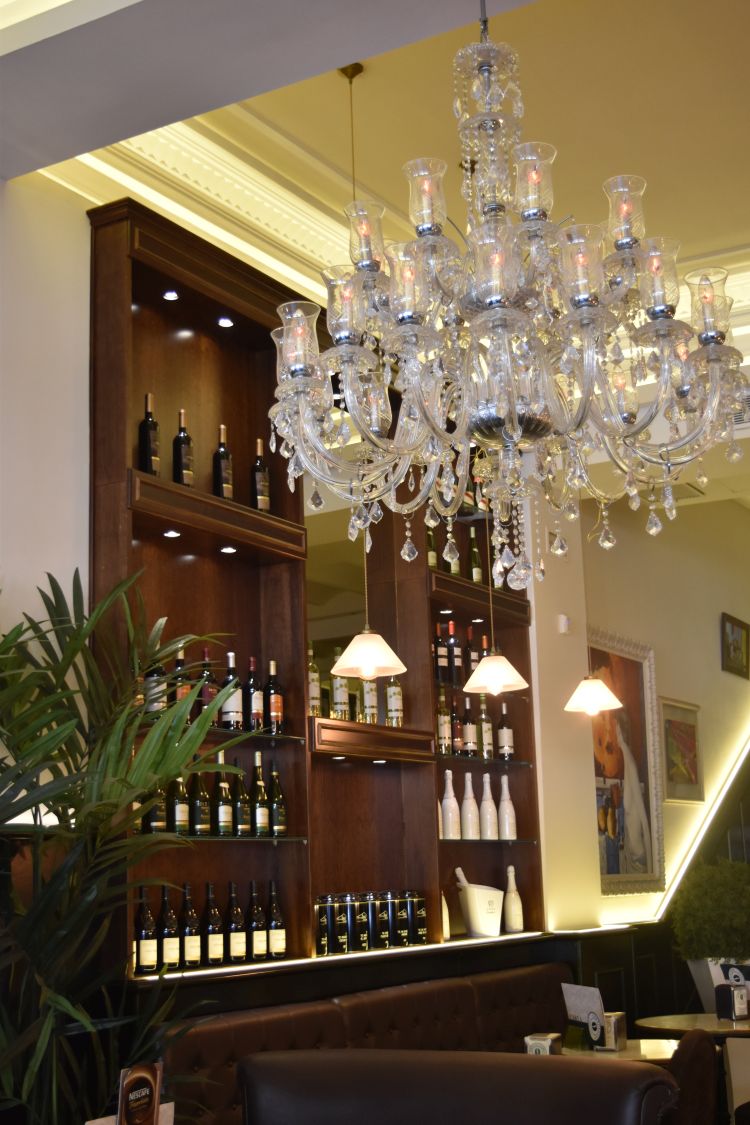
It is just a few stairs from the train station to the Ramblas Nuevas. We have an espresso in this nice bar…
DSC_0334 small

… and then stroll along the Ramblas. There is a market. Cloths, handbags and shoes are on sale. I buy a blue beach dress for 5 Euro.

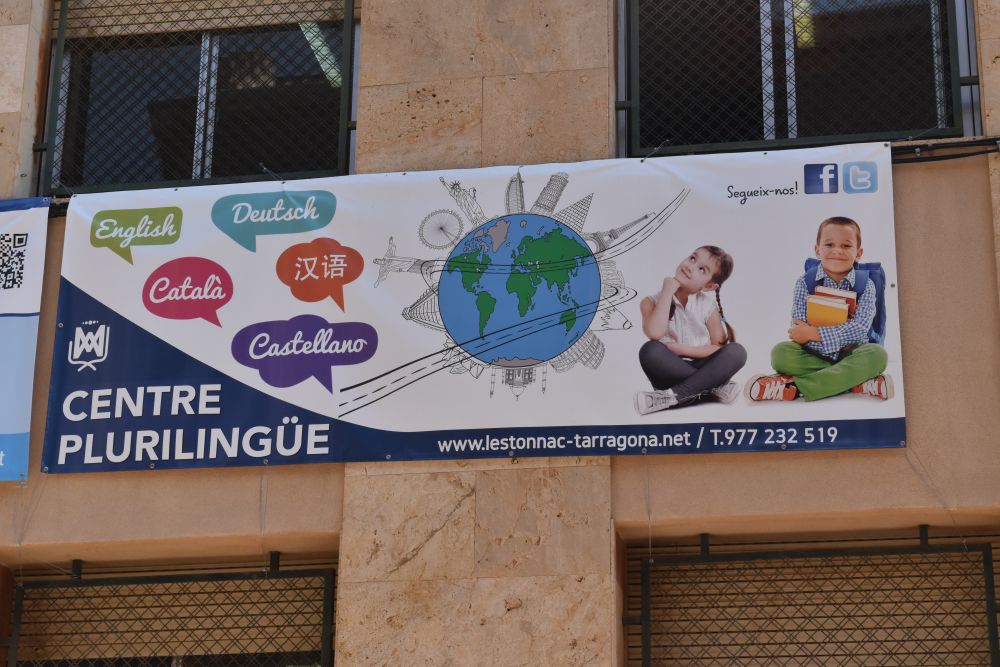
Then we head to the old upper town. I notice that there are many multlingual schools in Tarragona.
DSC_0361 small

No wonder, Catalans already are bilingual to begin with and hence are more open to multilinguality. As compared to earlier visits I have noticed that  the Catalan language is much more present – signs in the town are all in Catalan now – just that and practically no Spanish.

.

The walk along the Roman wall (Passeig Arqueológic)

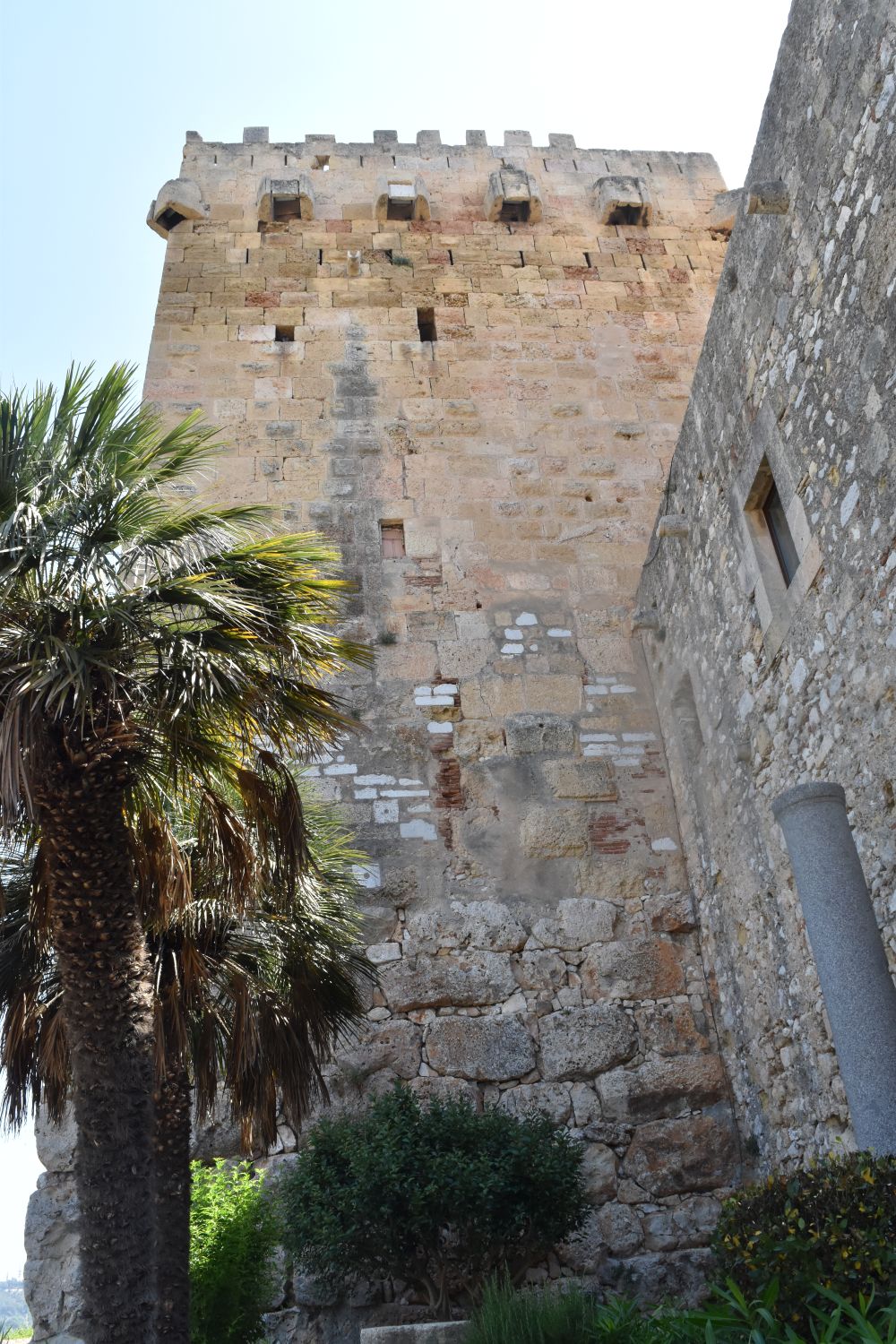
About one kilometer of the old city wall has been preserved. This makes up the Passeig Arqueológic. We walk along the wall, together with many school classes that are learning about their history. The base of the wall is Iberan – these are the rough blocks of stone. The more elaborated stones have been added by the Romans…
DSC_0345 small

… and some towers have later been fortified to resist gunfires.

.

The cathedral of Tarragona – a gem showing the transition from Romanesque to Gothic

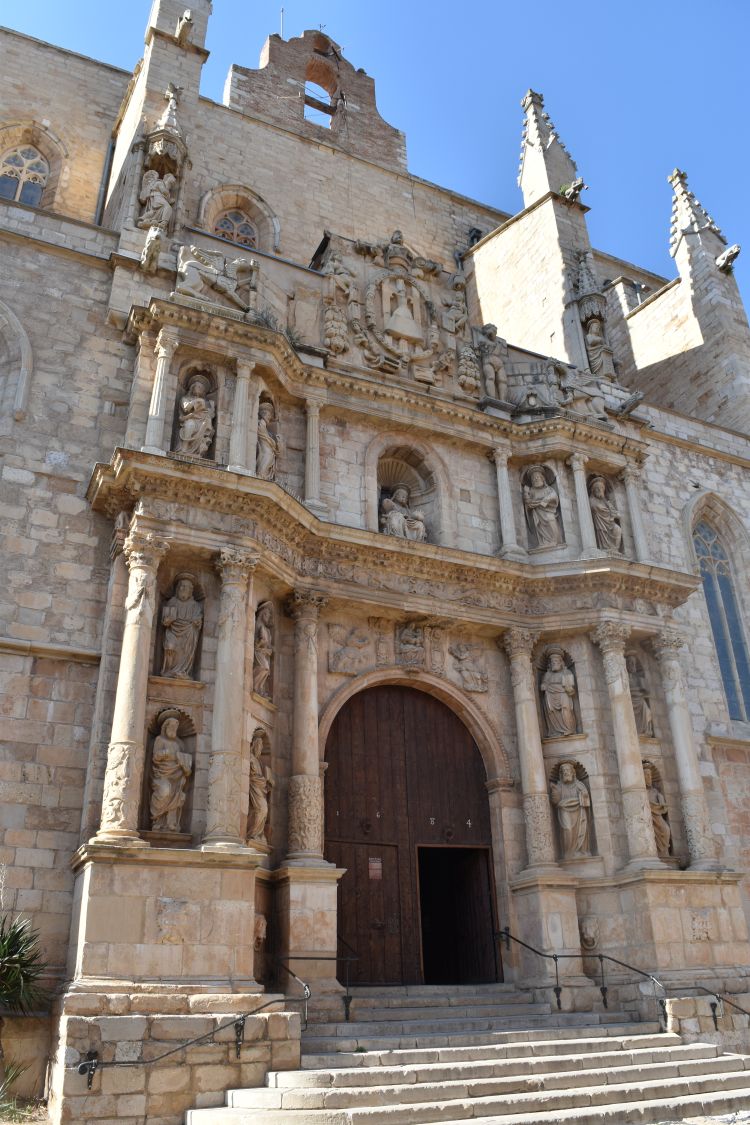
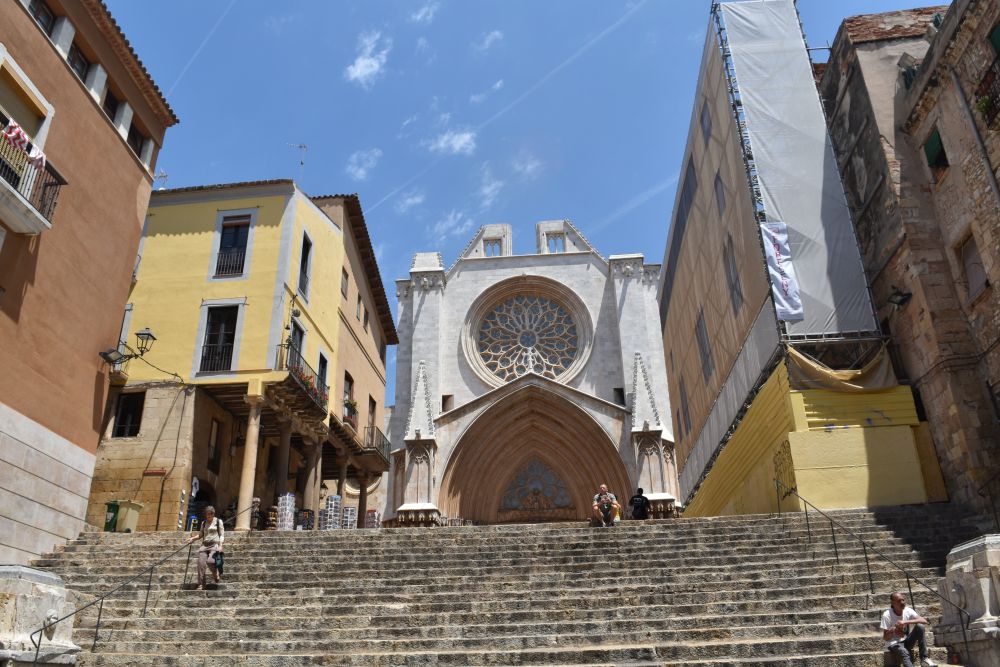
Built from 1171 to 1331, the Catedral de Santa Maria demonstrates the transition from Romanesque to Gothic. This is the main facade.
DSC_0405 small

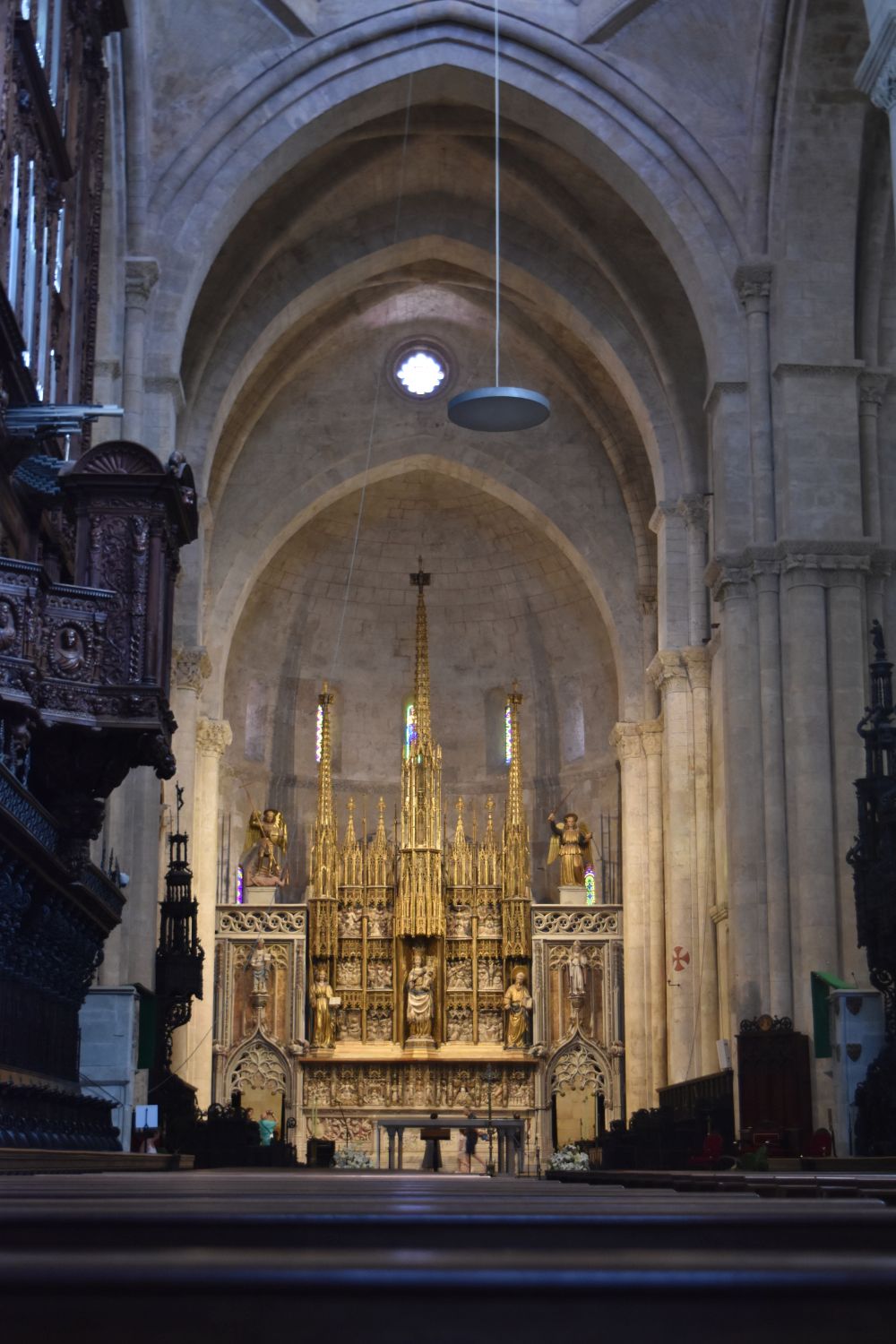
Inside visitors are allowed to explore all details, also around the choir. This is the nave with the altar.
DSC_0373 small

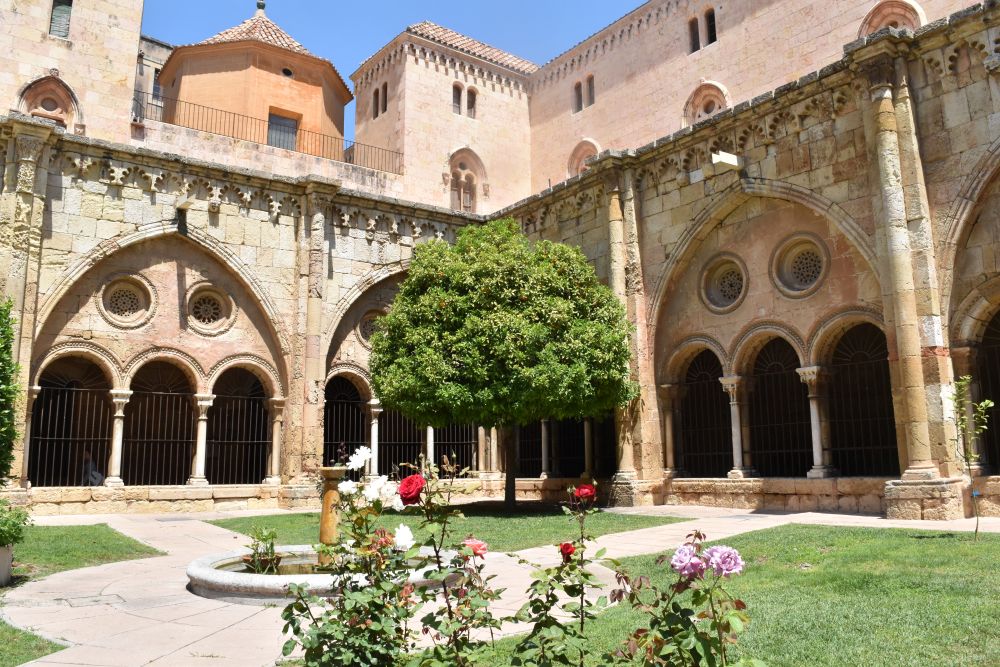
The cloister is a place to pray…

DSC_0391 small

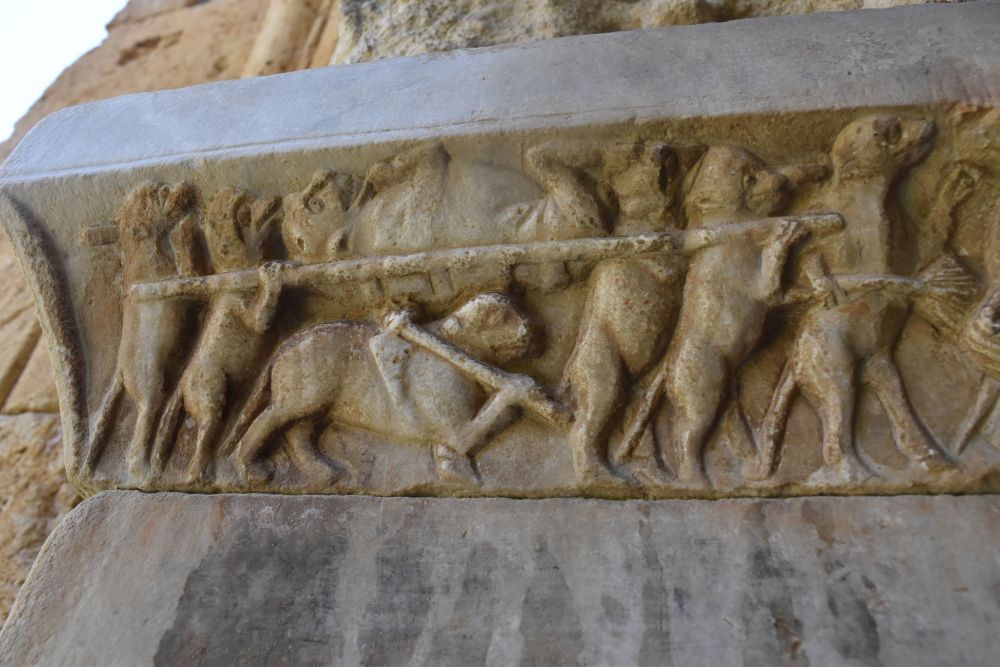
… and also a place to smile at the humor of the sculptor who carved the procession of the rats that carry the dead cat.
DSC_0397 small

.

More Roman reminsiscents: The museum, the circ and the amphitheatre

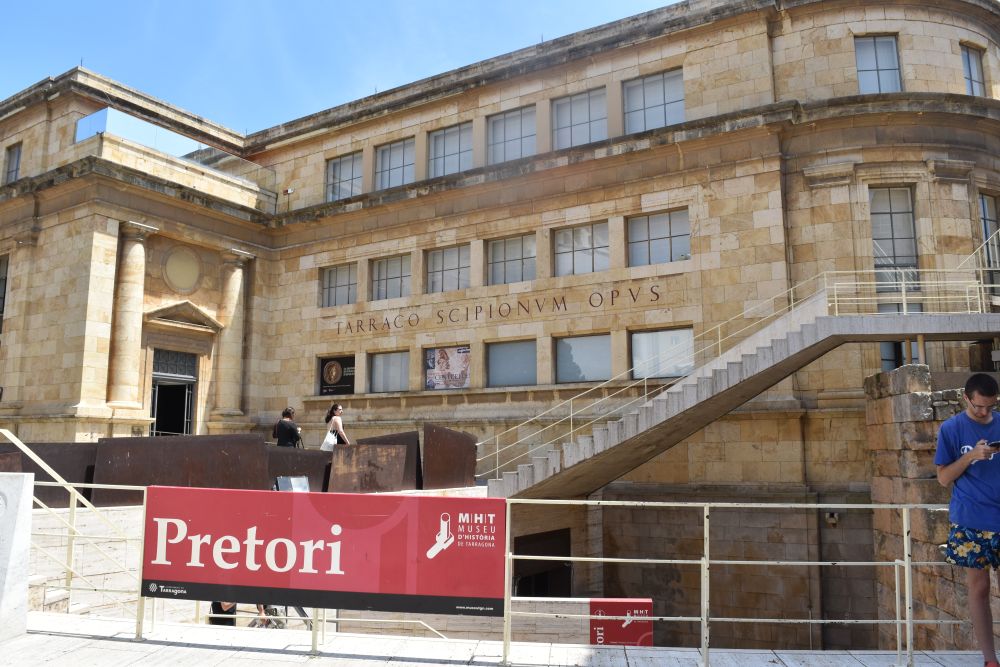
After some tapas we visit the Archaeological Museum.
DSC_0407 small

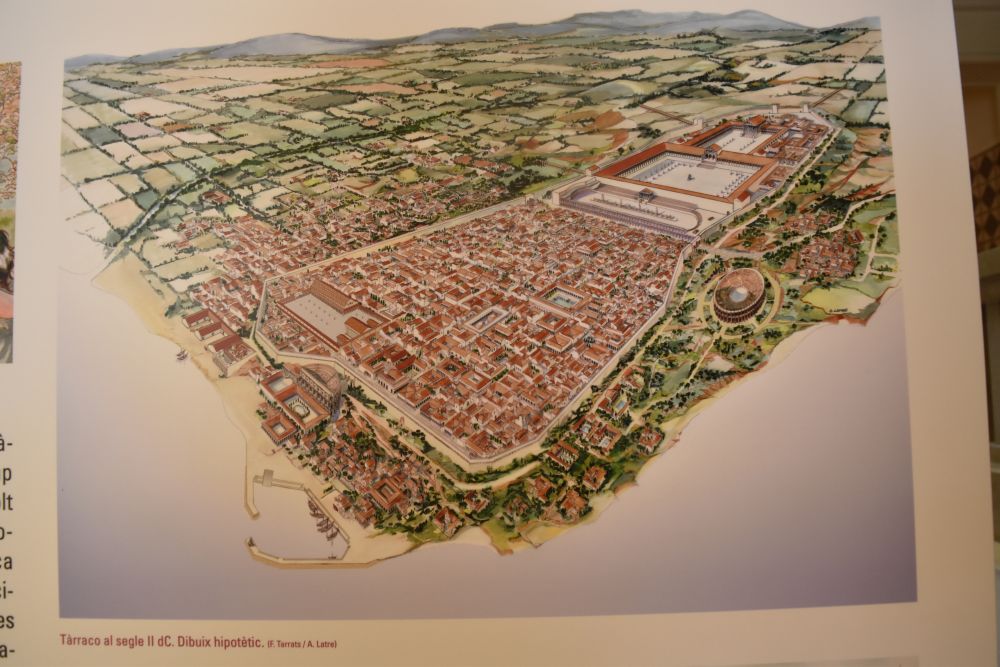
Yes, Roman Tarraco has been founded by Scipio Calvus. This is what the town looked like in Roman times.
DSC_0411 small

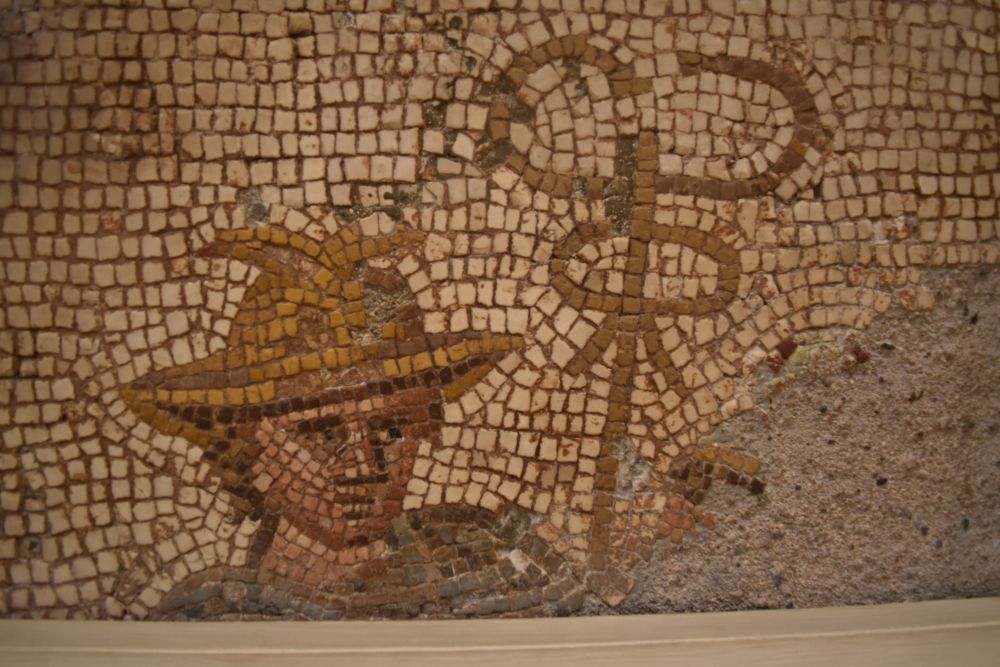
The museum has been constructed around the old Roman town wall – the wall became part of the exhibition. What I like most are the mosaics.
DSC_0416 small

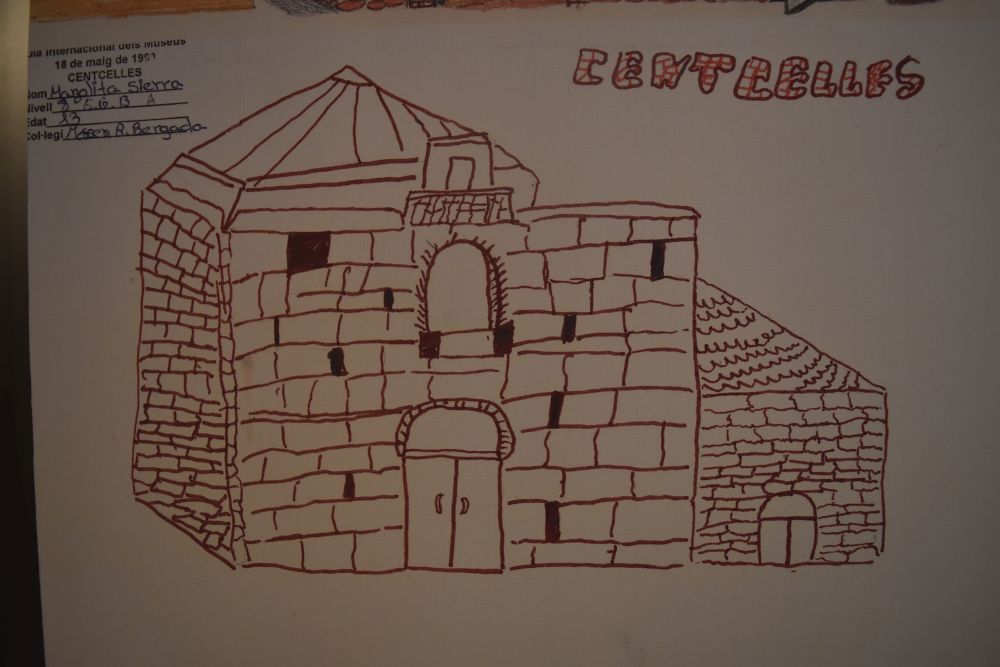
Cute is the special exhibition about the villa Centcelles with children’s drawings.
DSC_0412 small

Below the archaological museum is the entrance to the old circus.
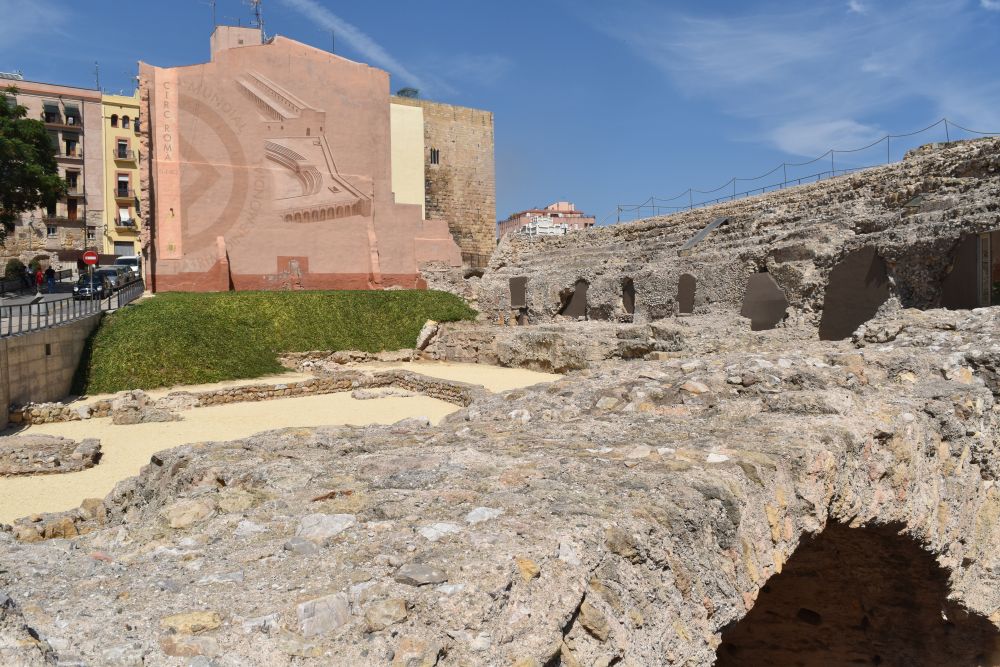
DSC_0432 small

After having dived into the Roman past, we take a quick step back to medieval times on the Plaça de la Font,…
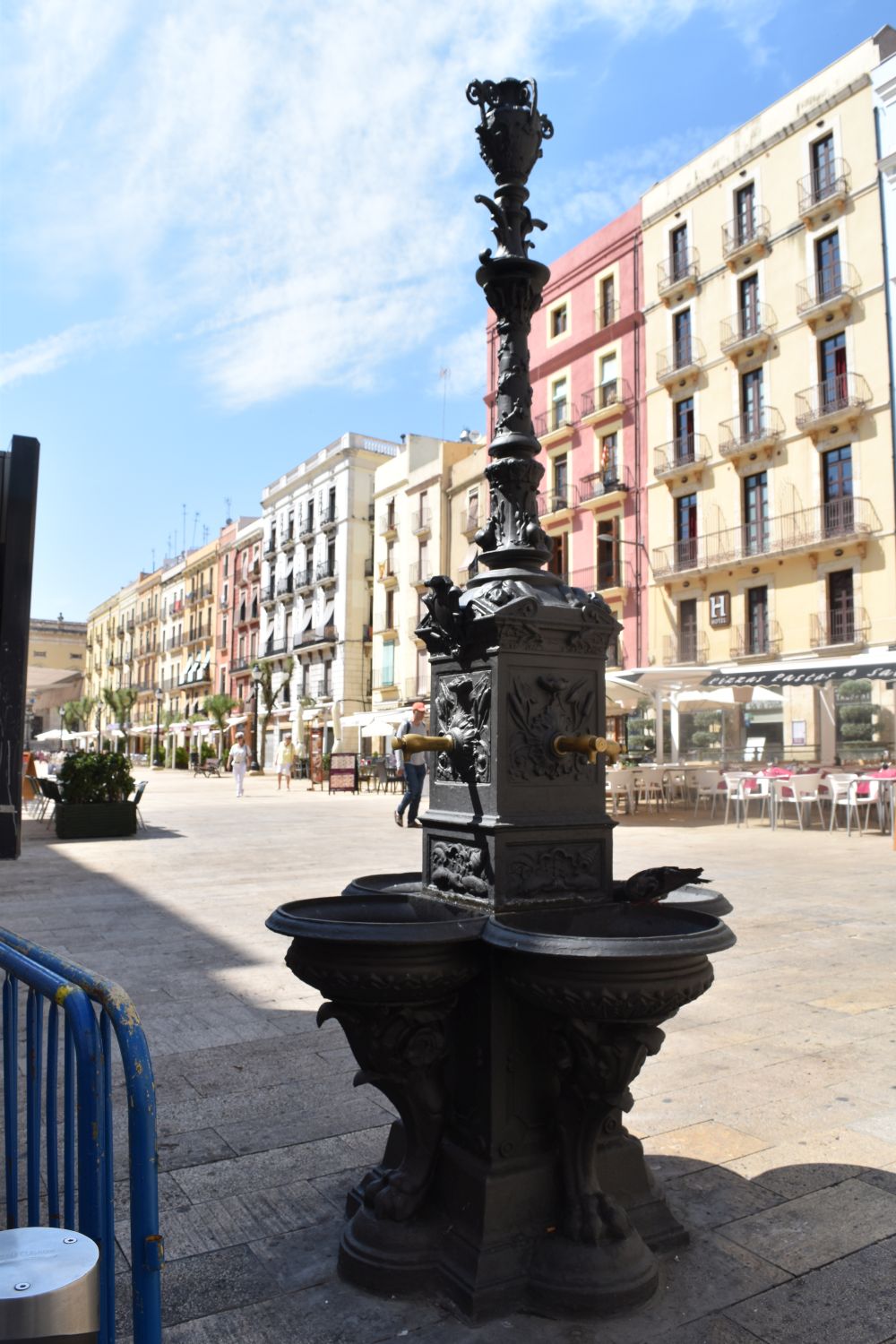
DSC_0431 small

… and then we visit the Roman amphitheatre with its gorgeous view of the sea.
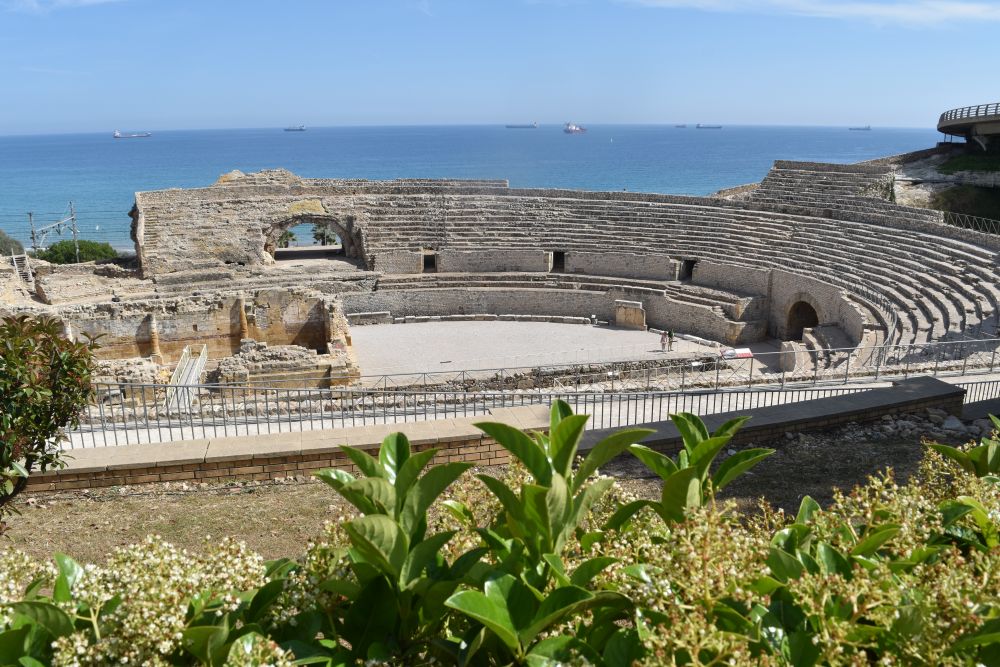
DSC_0435 small

.

Back to the Ramblas Nuevas and the tower of people

We return to the Ramblas Nuevas to see the statue of the tower of people (castell). The habit to build such towers is said to demonstrate the will and sprit of the Catalans to cooperate.
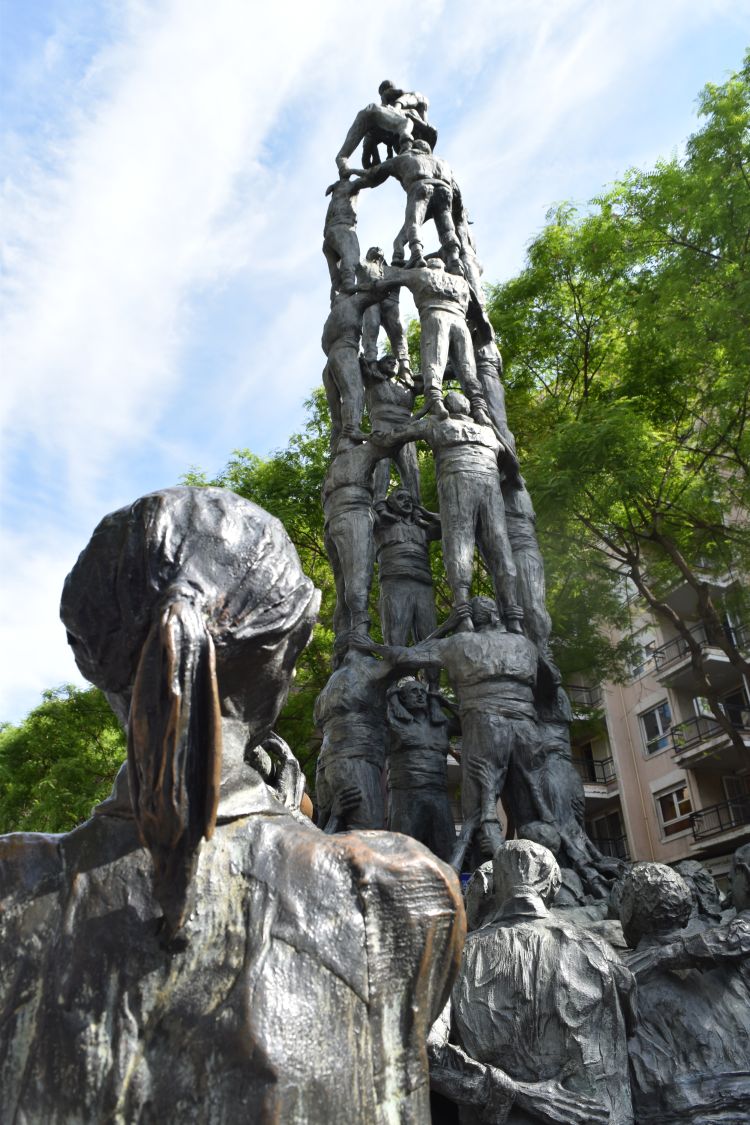
DSC_0450 small

.

The finale: More than three hours for a half hour journey in train

Our train of 19:09 arrives just a few minutes late to take us back home to L’Hospitalet. We leave, we arrive at Salou, we leave Salou, and then we stand… stand… stand… finally we hear this message: “There was an incident ahead, we apologize”…. We continue to Cambrils and stand… and stand… and stand. It is very cold in this train… we stand… and stand… and around ten at night the doors close and the train continues slowly, but pretty steadily. Shortly before 10:30 we jump on to the platform at L’Hospitalet, find our car and drive back to the apartment. Uff. Will I ever again take a train in Spain? Well later I read that today Zurich had similar problems after someone had set a fire to the SBB railway cabling. Perhaps this delay has happened out of compassion with Zurich? But, more than three hours for a half hour train journey is quite a bit a record for me.

Well subtracting the train incident, our excursion to Tarragona was a wonderful experience.
 

The Ebro – the delta with rice fields and Tortosa

Tuesday – we head off about 50km south to explore the last kilometers of the Ebro on its way to the Mediterranean sea. The delta and – more towards the mountains – the town Tortosa are our target.

.

Rice – omnipresent in the Ebro delta

The Ebro delta looks like the hook of an anchor: In the middle there is the river branching into arms with lagoons. Two sandy spits go off to the north and south. The Ebro delta is one of the largest in the Mediterrenean. It has developed in the last eight centuries due to the deforestation which made the Ebro carry soil down to the Mediterranean sea.

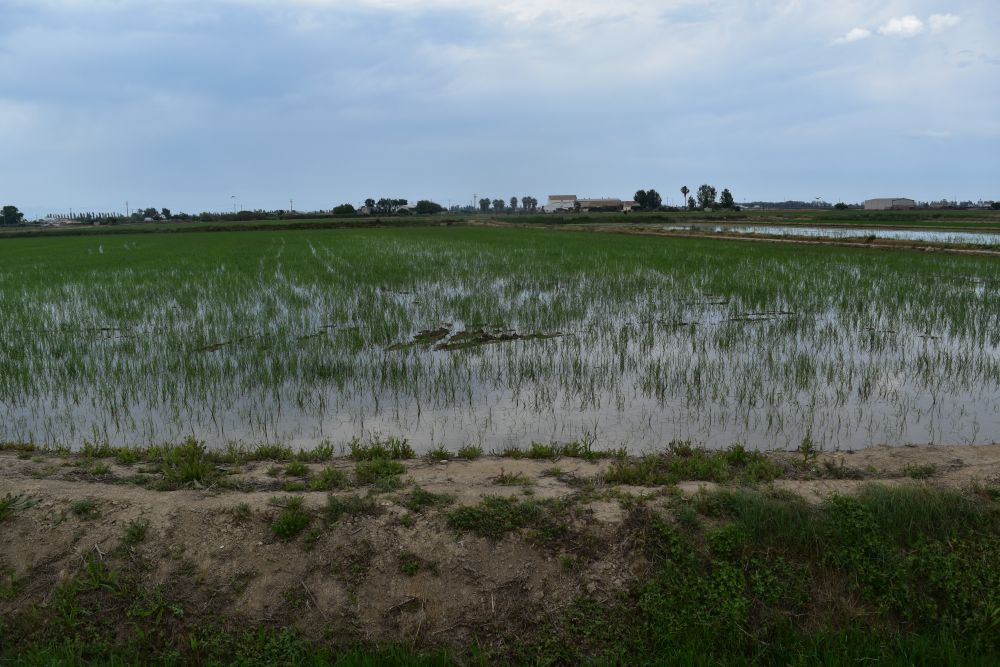
In the delta rice fields under water dominate the scenery, among them a few villages.

DSC_0269 small

Black and white egrets walk here on their long legs. A large part of the delta is a natural reserve, also visited by migratory birds – great for bird observers.

In Deltebre we buy some rice products – rice “as such” and licor d’arròs amb herbes (rice licor with herbs). They even sell rice beer (not for me, I am not a beer drinker…).

.

Adventurous track on the sandy narrow spit going south

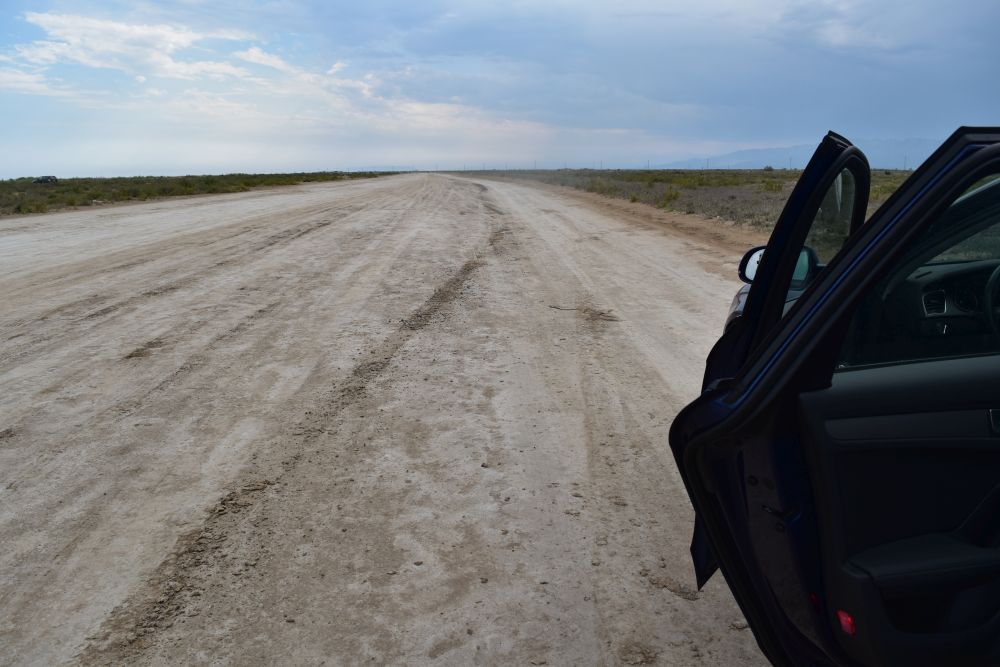
We continue to El Muntells and the Camping Eucalyptus. Here we find tracks that lead on to the sand. We follow them going south. Ever once in a while, we come across another car. It is a wild and lonesome scenery.

DSC_0272 small

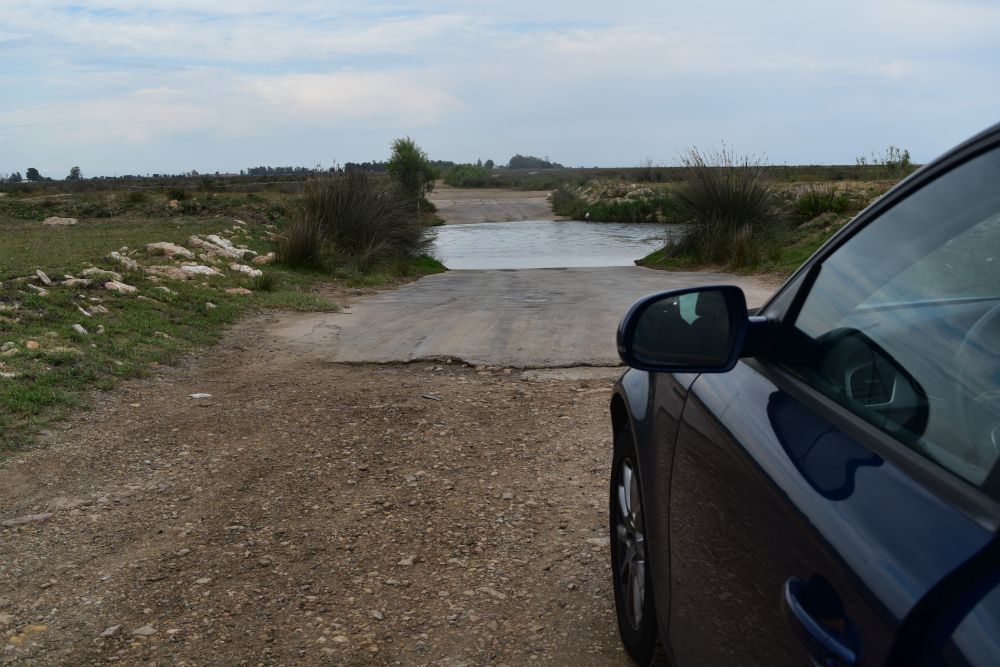
We cross this water passage…

DSC_0279 small

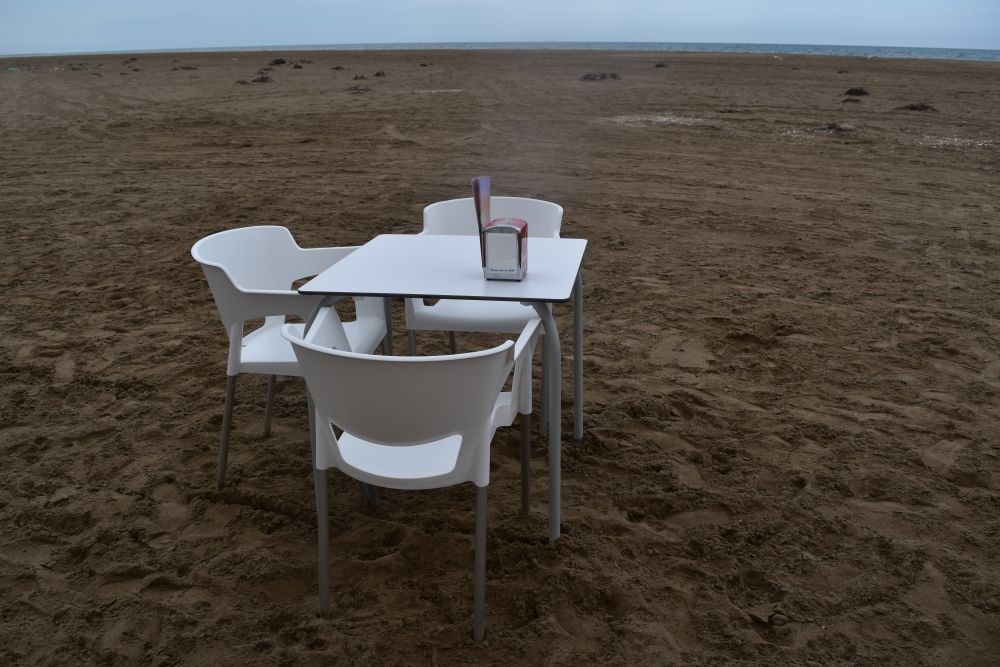
… and stop at a small xiringuito (beach bar) with a large selection of drinks and food.

DSC_0276 small

We join four Germans with four dogs of varying size – from “calf” to “guinea pig” – all four the color of sand – the smallest, the “guinea pig” barking loudly.

It is very windy. My credit card, identity card and driving license fly out of my wallet and start to hop away on the sand. I run to catch two of them, but the driving license has disappeared. Finally we find it under the wooden beams of the xiringuito where the wind had carried it to. Uff.

We continue to drive south, until Ursula shouts: “stop, see, we are here, on the spit. This goes nowhere…”. Right. And our car cannot swim, once we have reached the end of the spit. We drive back to the Camping Eucalyptus and then follow the Ebro to Tortosa.

.

Tortosa  – a brave Catalunyan city

Tortosa, founded by the Iberians, then taken over by the Carthaginians and the Romans, was liberated from the moors in 1148. Highlights are the old city, the cathedral and the fortress that is now a parador.

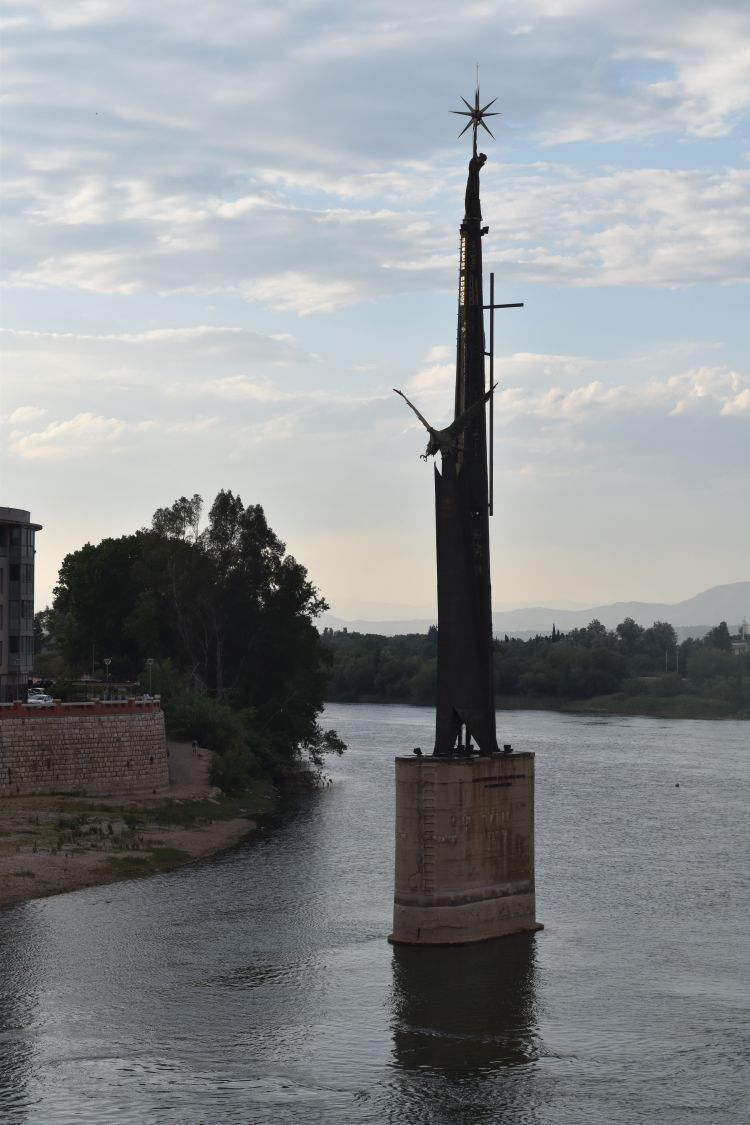
We find a “blue” parking slot in the old town. I set my blue parking card to 7pm and we walk across the bridge to the old city center. In the middle of the river Ebro we see this monument:

DSC_0327 small

Franco has erected it to commemorate his victory of 1938 – over the republicans, and the Catalans had supported the republicans. 70’000 soldiers were killed here. A sad memory.

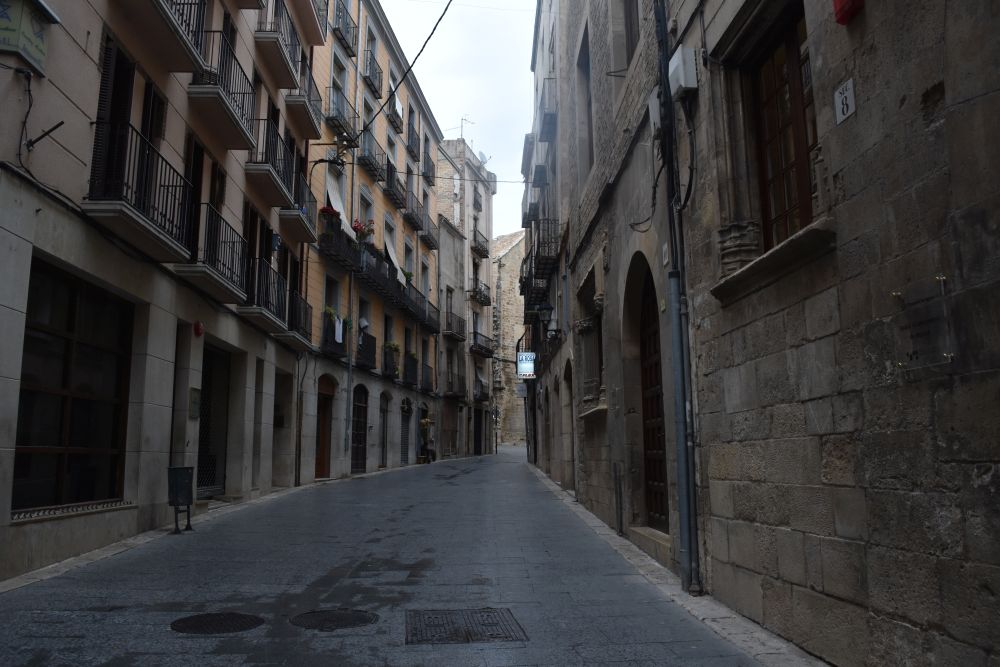
We stroll along the narrow streets…

DSC_0284 small

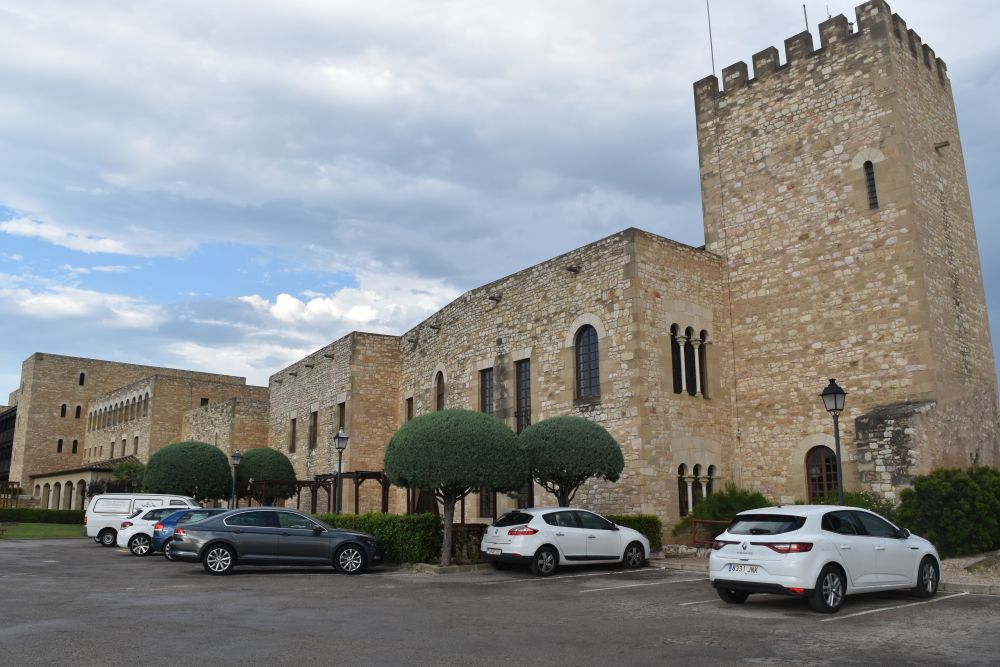
… and then walk around the fortress hill, and walk and walk and walk, until we finally reach the gate. This is the fortress which is now a parador…

DSC_0313 small

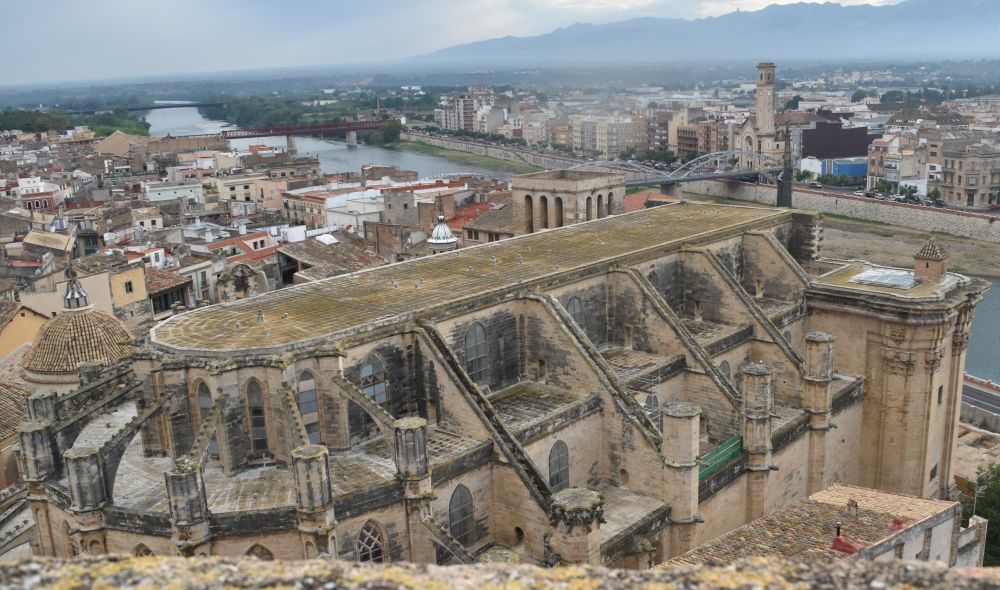
… with the view of the gothic cathedral (closed after seven pm and uncompleted, as many such churches are here).

DSC_0311 small

This is the view of the mountains, just after the rain.

DSC_0316 small

.

Lesson learned: Blue zone in Spain is not equal to blue zone in Switzerland

Coming back to our car we find a fine of 40 Euros. Hm. Pretty expensive. Only later we understand that in Spain, blue zone means that you have to buy a ticket and place it under the front window. This is different from Switzerland or Germany where “blue zone” means “set your blue card to “show your time of arrival” and get back in one and a half hours”. Okay, the fine is, what we call “Lehrgeld”, meaning “paying for a lesson learned”.

.

Dinner at the Petit Normand back in l’Hospitalet

We return to l’Hospitalet shortly after 9pm which is still early for Spaniards to have dinner. The “Olla” on Via Augusta 40 has changed its name to “Le Petit Normand”. I have a delicious rabbit with a glass of Granatxa from Montsant and Ursula enjoys duck. Excellent place. The owner is from the Normandie and has lived here for twelve years.
Another beautiful sightseeing day to remember îs ending.

Beyond the Costa Daurada – Montsant, monasteries and the Roman aqueduct

A round trip to the montains with two monasteries and to the aqueduct near Tarragona, this is our plan for a hot and sunny Thursday.

.

The impressive rocks of Montsant 

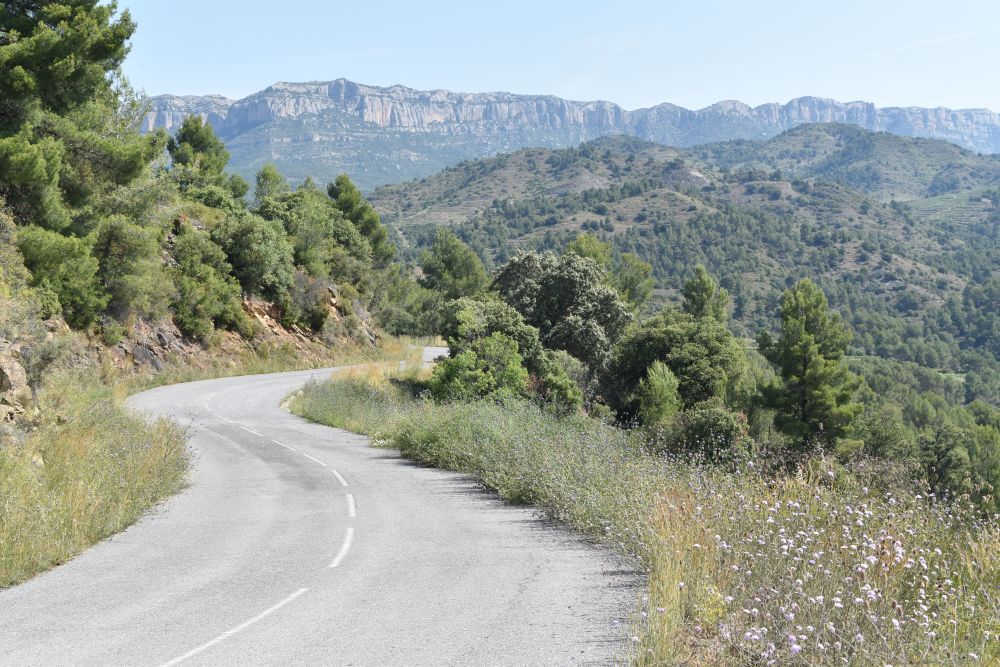
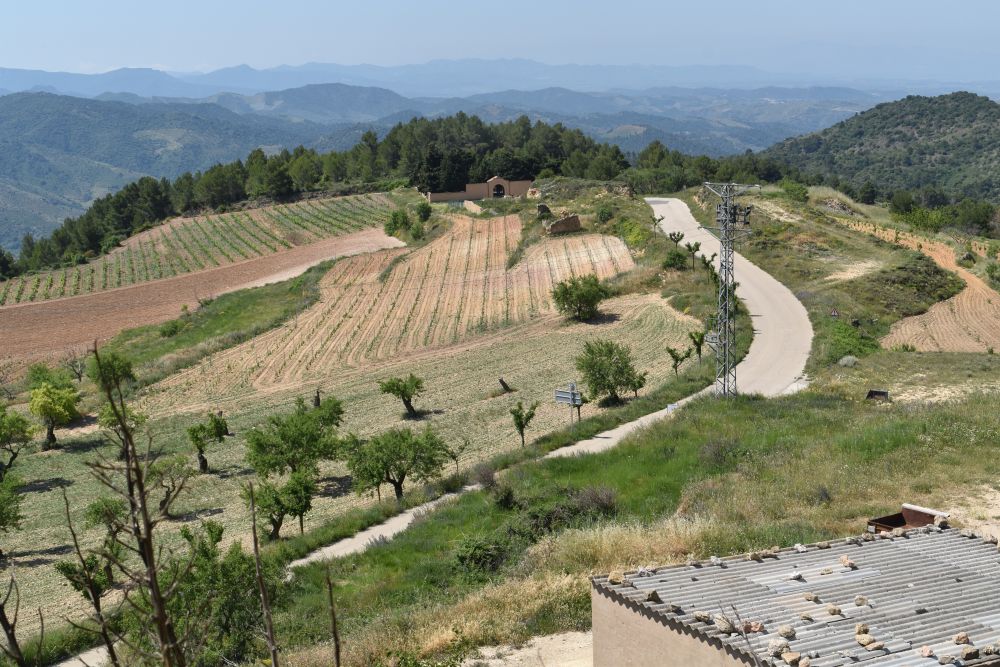
From the golden coast line (Costa Daurada) we cross the mountains behind Cambrils to Falset and enter the Priorat area approaching the rocks of the Montsant…

DSC_0462 small

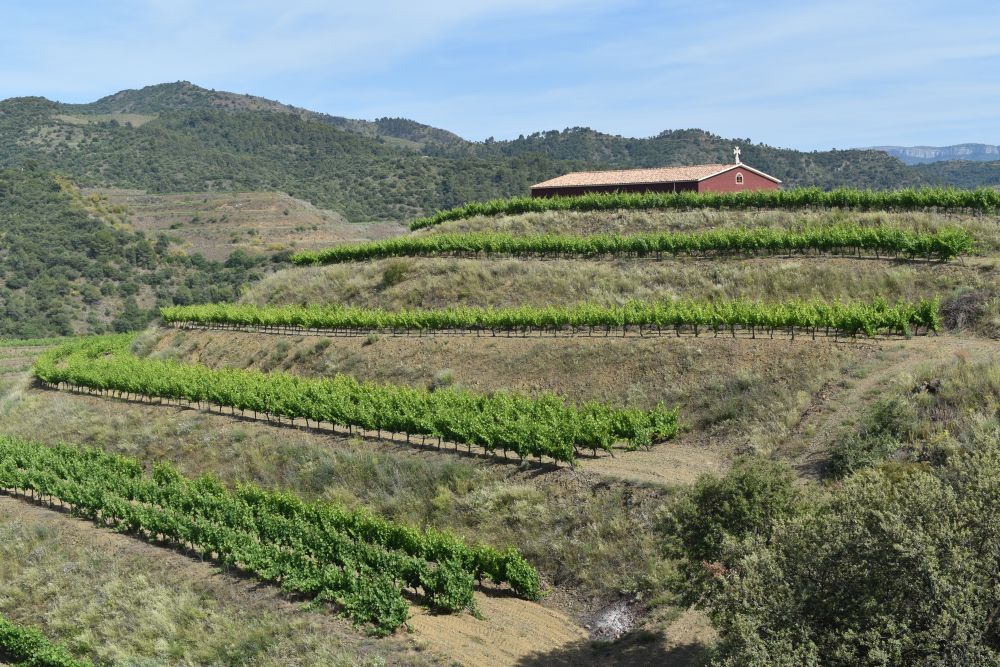
with the vineyards hanging on the steep slopes.

DSC_0455

We reach the small village of La Morera just under the rocks of the mountain Montsant – with its fruit gardens,

DSC_0476 small

There is a great view of the mountains we have just crossed coming from the coast.

DSC_0475 small

There are more vineyards here… they surely are producing high quality wine given the low density of vines.

.

The Montsant rocks watch over the monastery Scala Dei

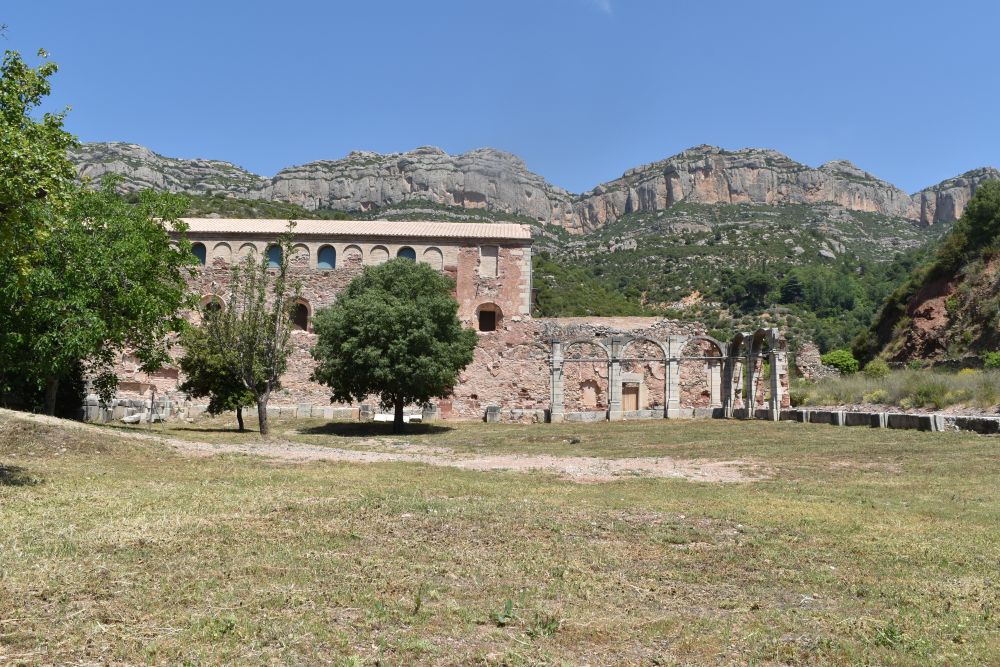
The impressive mountain Montsant protects the monastery of Scala Dei or literally the “staircase to God”.

DSC_0492 small

This Carthusian monastery was founded in the 12th century, after the Moors had been expelled from the area. Backed up by the king, it became a powerful monastery with large land possessions. In 1835 the monasteries in Spain were expropriated. The peasants having felt oppressed for centuries destroyed it.

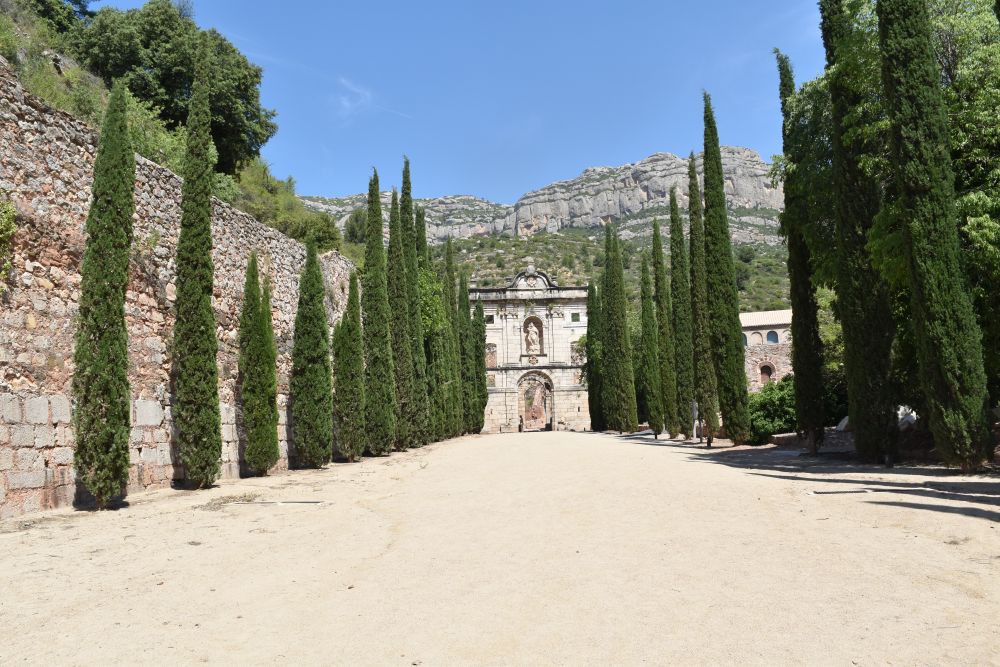
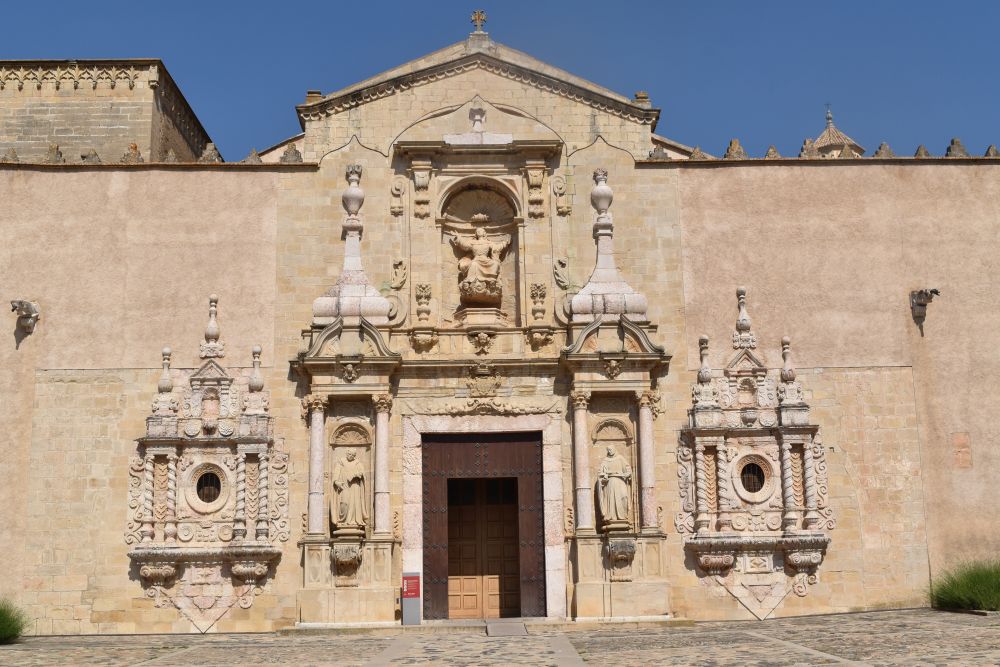
We enter the ruins through the main gate with a statue of Maria decorating it.

DSC_0480 small

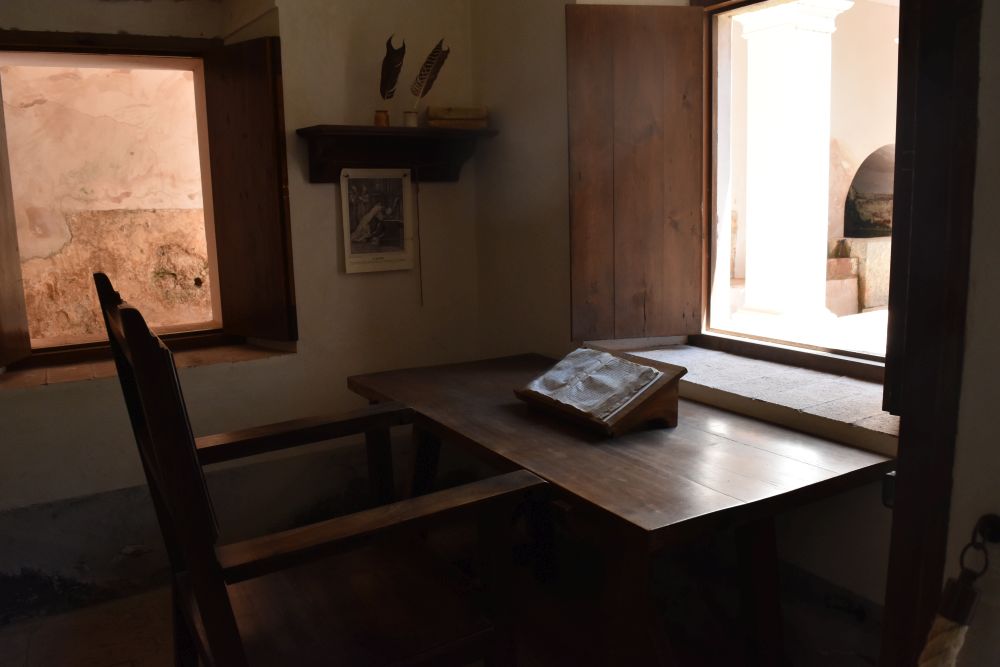
To understand how the monks lived, a cell with courtyard, kitchen, bedroom and work areas has been reconstructed. This is where the monks sat and read the bible.
DSC_0485 small

Also the cloister has been carefully reconstructed reusing parts from the ruins.
DSC_0493 small

.

A delicious trout with a jar of wine

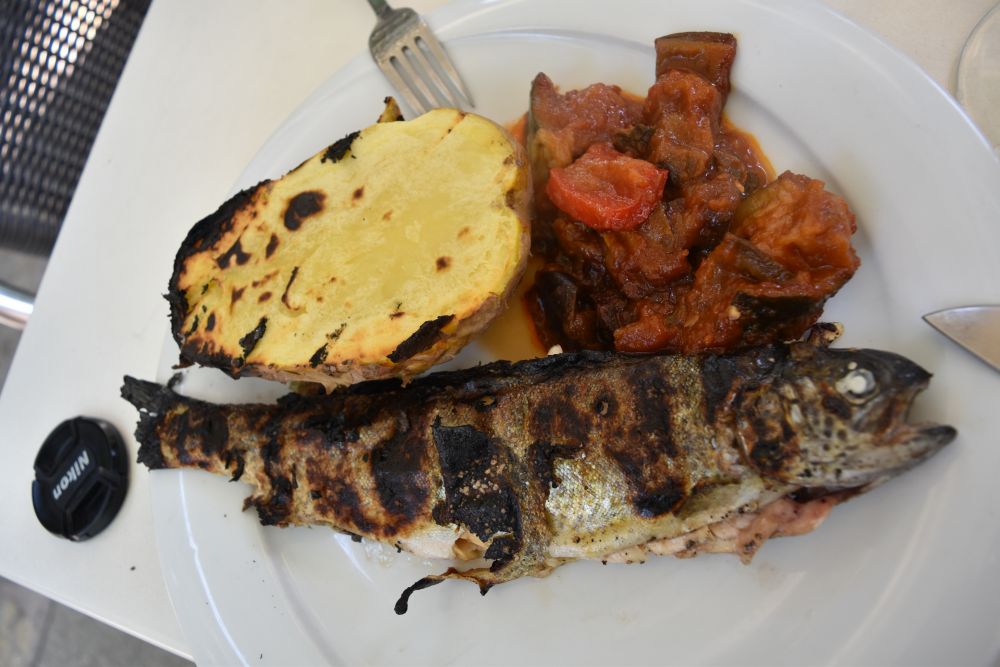
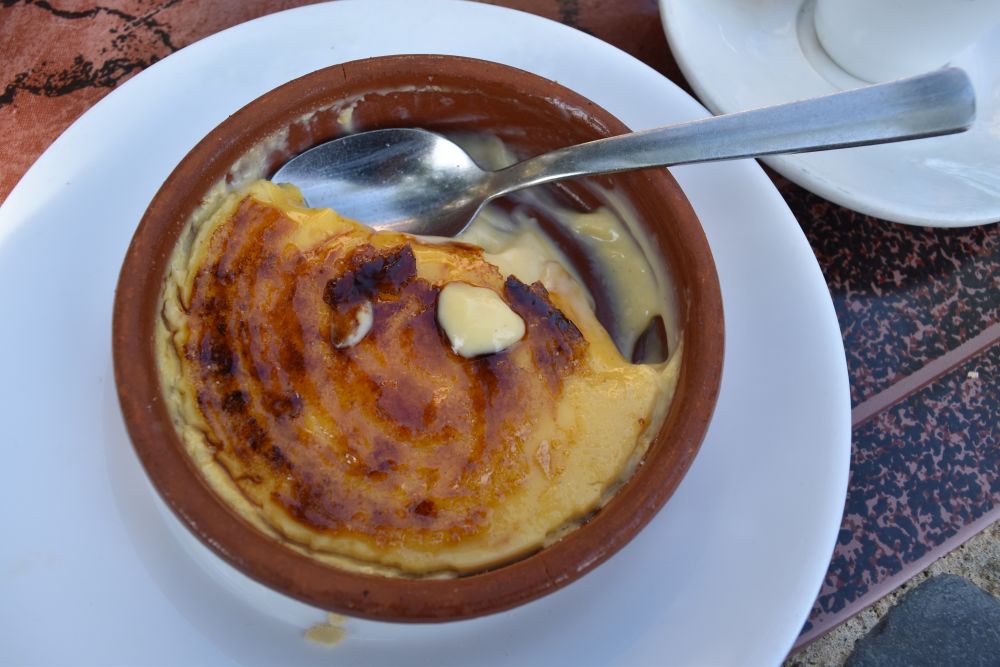
Near the monastery we find a nice small restaurant, where we eat a full menu with salad and products from the area. The trout from the rivers has been cooked in the oven. A crema Catalana  and a crema limón top our menu.

DSC_0504 small

The price of 15 Euros includes a jar of country wine – I can just take a mouthful (as I am driving). Some cyclists from Norway join us here and later a group of about 20 very noisy motor cyclists.

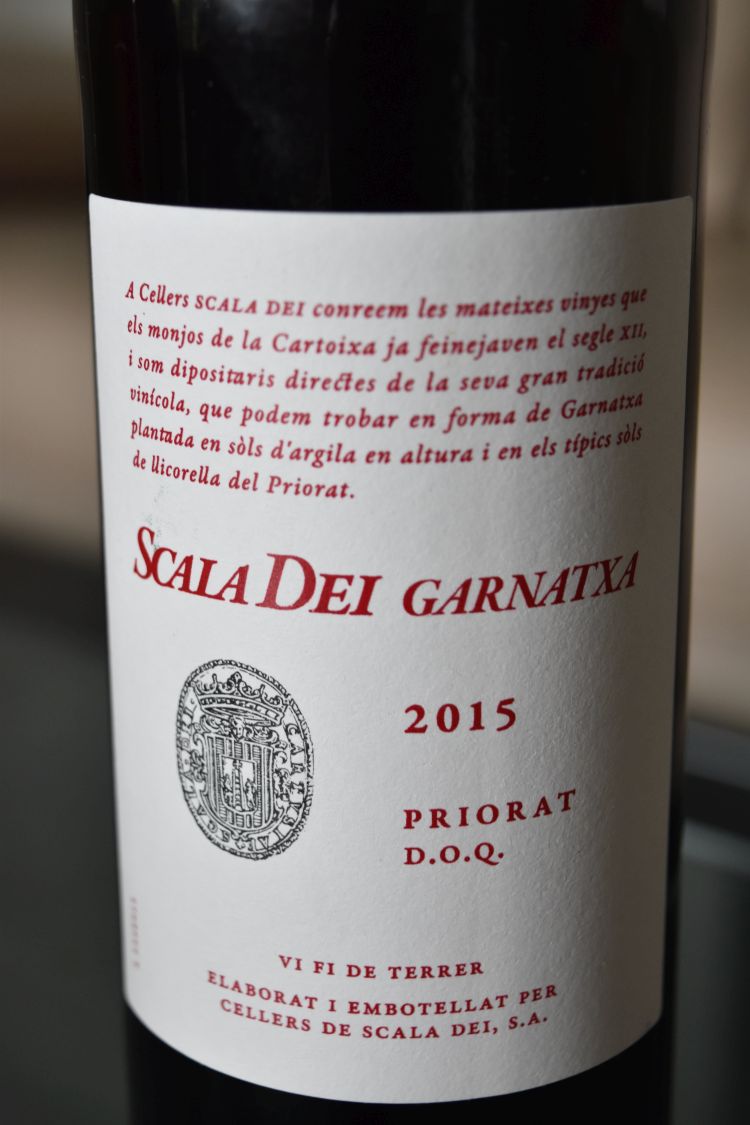
I later buy some wine from the Scala Dei cellar. It is a Garnatxa or – in French – Grenache.

DSC_1120 small

.

Across the mountains to our next monastery: Poblet

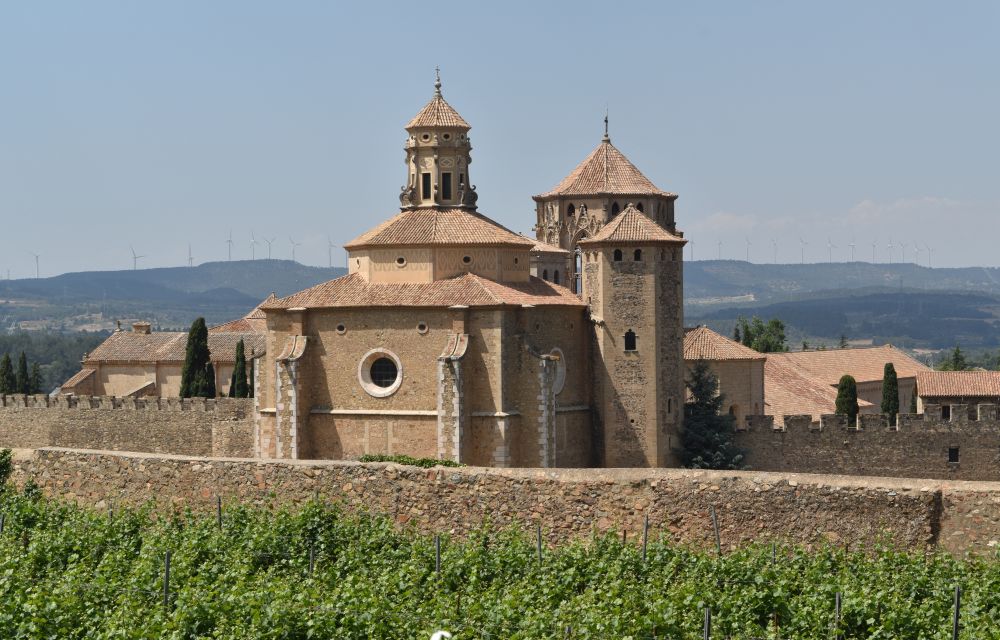
We take a road that winds along a mountain ridge and then down to the monastery of Poblet. This monastery is large (the walls surrounding it measure 1.5km) and is located amidst vineyards.

DSC_0507 small

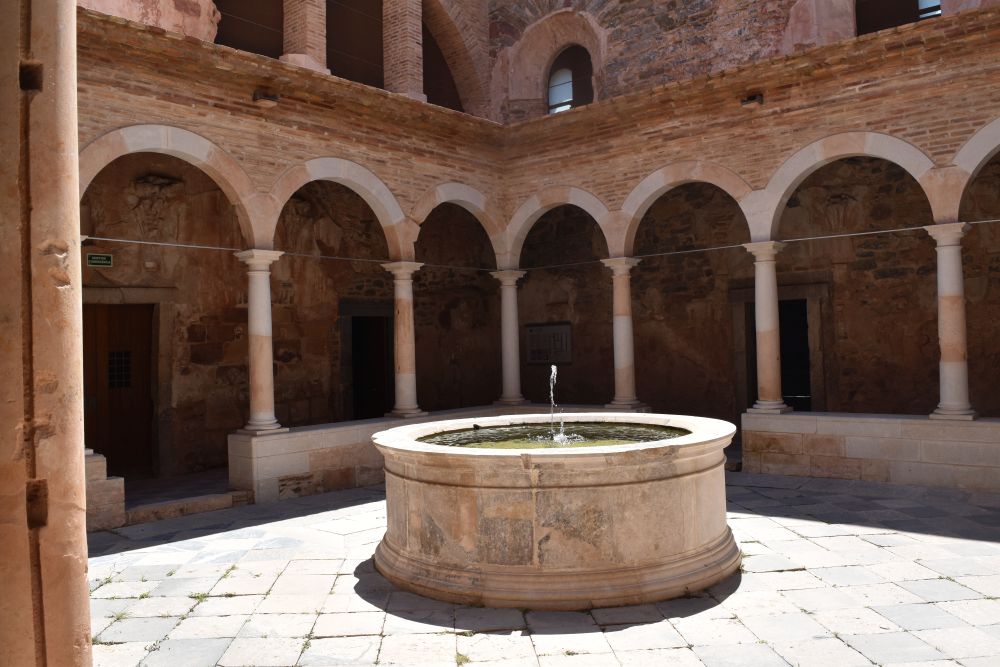
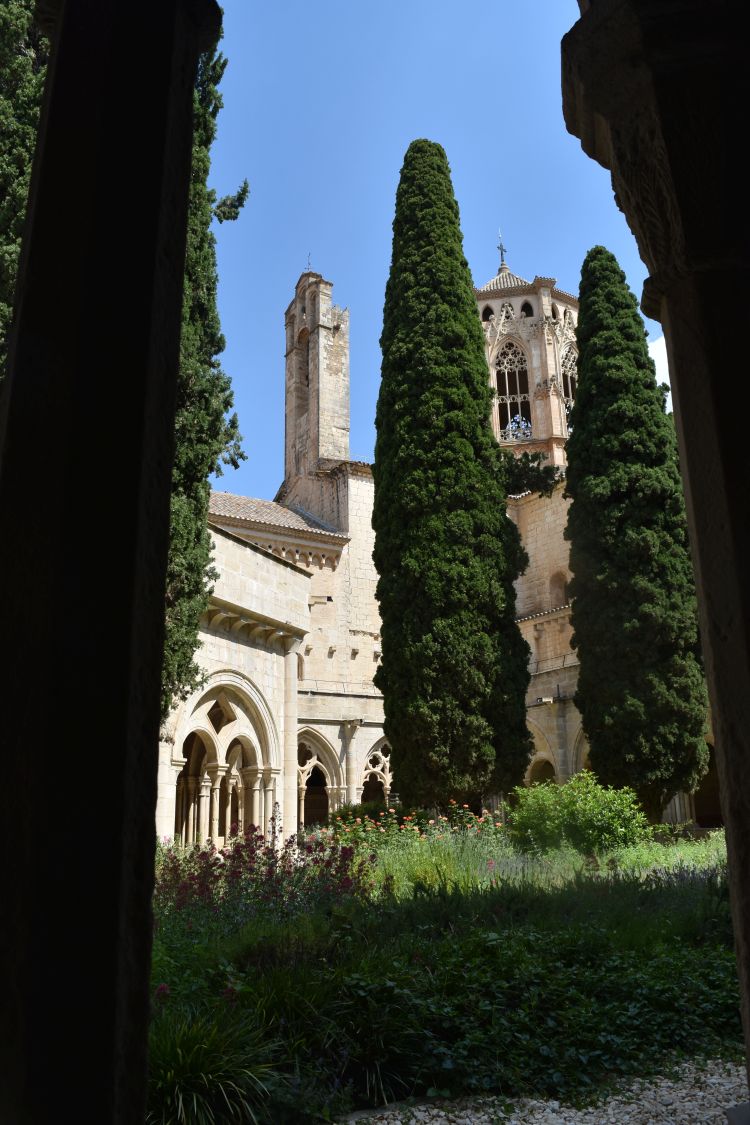
Like Sacala Dei, this Cistercian monastery was also founded in the 12th century and it has also been expropriated and destroyed in 1835. However, it has been rebuilt reusing what could be reused from the old monastery and now has a living community of monks.  This is the cloister with the cypress trees and the fountain.

DSC_0511 small

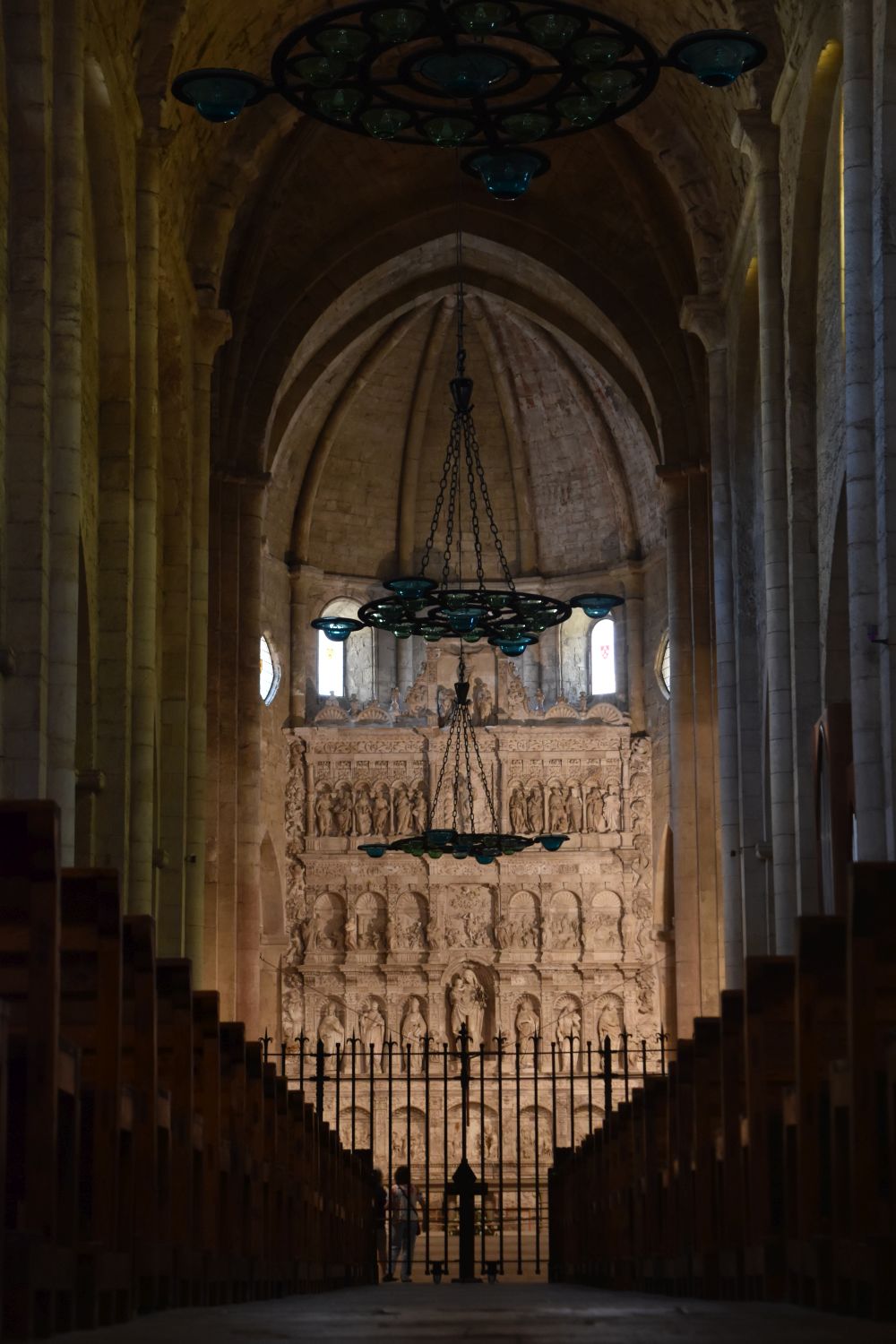
From the cloister we enter the main church with the renaissance altar made from alabaster.

DSC_0538 small

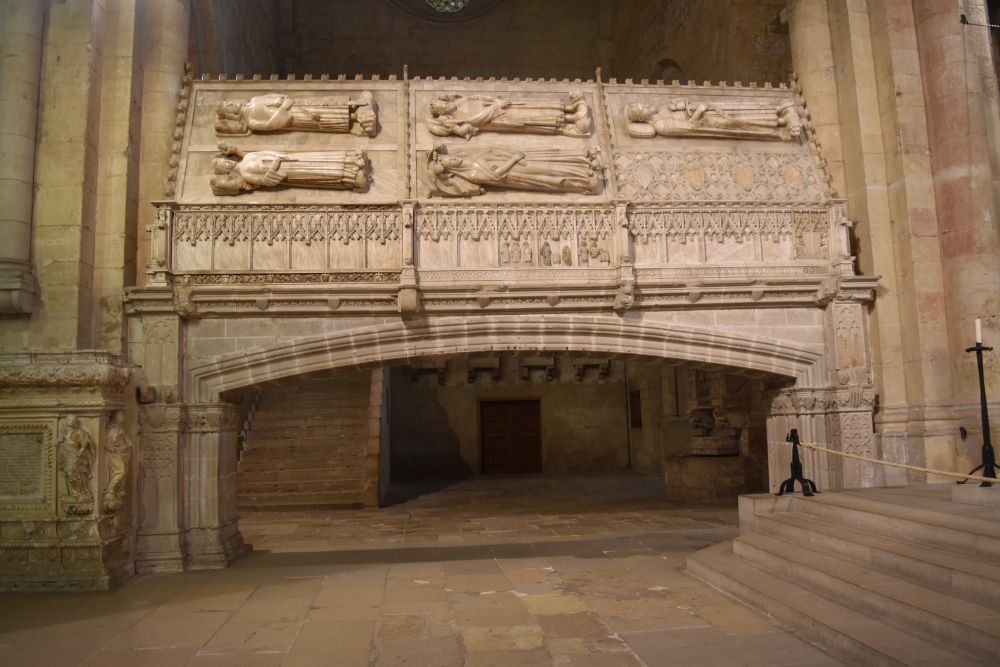
The kings of Aragon have been buried in these coffins hanging in front of the choir.

DSC_0522 small

We say good-bye to this impressive place.

DSC_0540 small

.

Stop over in the small town Montblanc – and why is it called “white”?

Yes, here in Spain, we find a small town called Montblanc. Why is it called “Montblanc“? Perhaps the rocks are white? The guard of the church only can say that there is a mountain nearby also called Montblanc. Well, may be a small brother of “our” Alpine Mont Blanc covered with ice and snow?

Through narrow streets…

DSC_0544 small

… we walk to the cathedral sitting on the top of the hill.

DSC_0545 small

A beautiful atmosphere inside.

DSC_0546 small

The guard explains to us that this gothic church has not been completed. Right – the nave ends abruptly somewhat in the middle and there is also no tower. We climb to the roof and enjoy the view.

.

Our next target: The Roman aqueduct

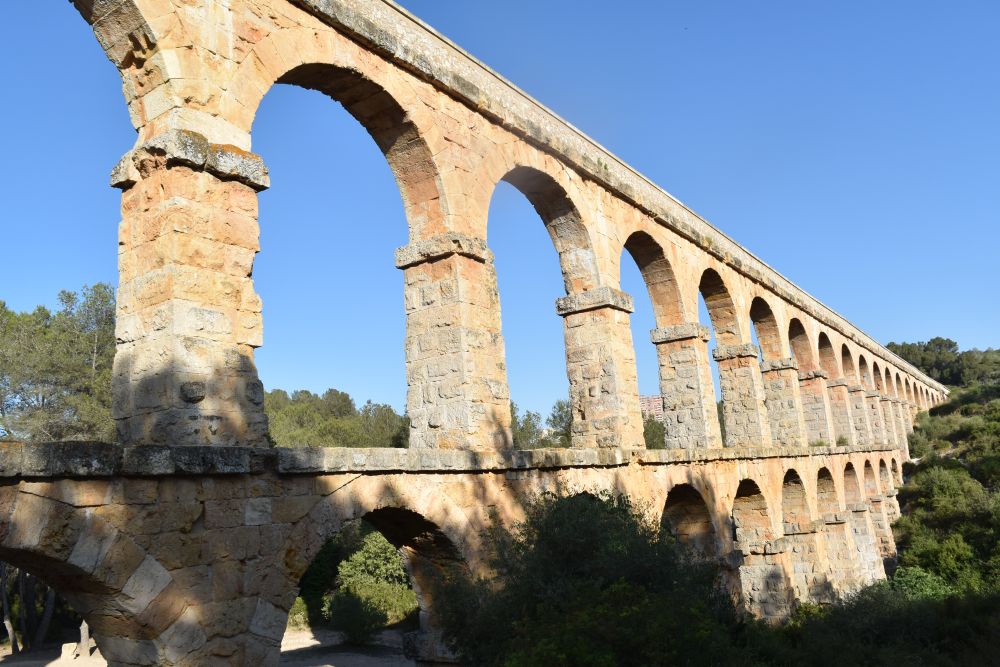
Our next target is the Roman aqueduct built to supply water to Tarraco. We find the access from the N240 shortly before entering Tarragona. Here it is crossing the valley.

DSC_0559 small

This aqueduct can also be seen from the motorway – there is a platform providing the view of it – for those travellers that are in a hurry.

.

Along the street canyons of Salou and Cambrils

We cross Tarragona and follow the street canyons of Salou and Cambrils. No, we would not like to stay in one of these skyscrapers with beehive apartments. But – Ursula has found the excellent restaurant Les Barques here, where we have some delicious seafood before returning to our apartment in Hospitalet – yes, we enjoy the relaxed atmosphere and the great view of the pine trees and the sea from our spacy balcony.


Priorat – the DOC wine area amidst steep hills

Just 30km away from Hospitalet – this is what we discover on the map – there is the small town Falset (‘Falset – accent on the first syllable) which is the gateway to the DOC wine region Priorat and the adjacent DO region Montsant . On the map we select a round tour from Falset to Gratallops and back to Falset. Later we will return to explore the Montsant region with Escaladei (literally staircase to God).

.

Falset – a charming small country town

Falset is a charming small country town located in a friendly broad valley with olive trees, fruit trees and vineyards. There are many wine cellars, the most known one being the Cooperativa Scala Dei. Falset also hosts an enology school and a wine technology institute called Vitec that allows the local wine growers to analyze and optimize their wine production. I found this in Miquel Hudin: “Vinologue Montsant”, Liberdúplex 2004.

The town is quiet on this Sunday, the restaurants are full with people eating around three in the afternoon (the normal time for lunch in Spain).

.

Continuing through steep hills to Gratallops

We continue north towards Gratallops. Our road climbs and meanders through steep and rocky hills. No vineyards. I am surprised. Where are the Priorat wines? We have a coffee and a crema Catalana in the restaurant “La Cassola del Priorat”.

DSC_0224 small

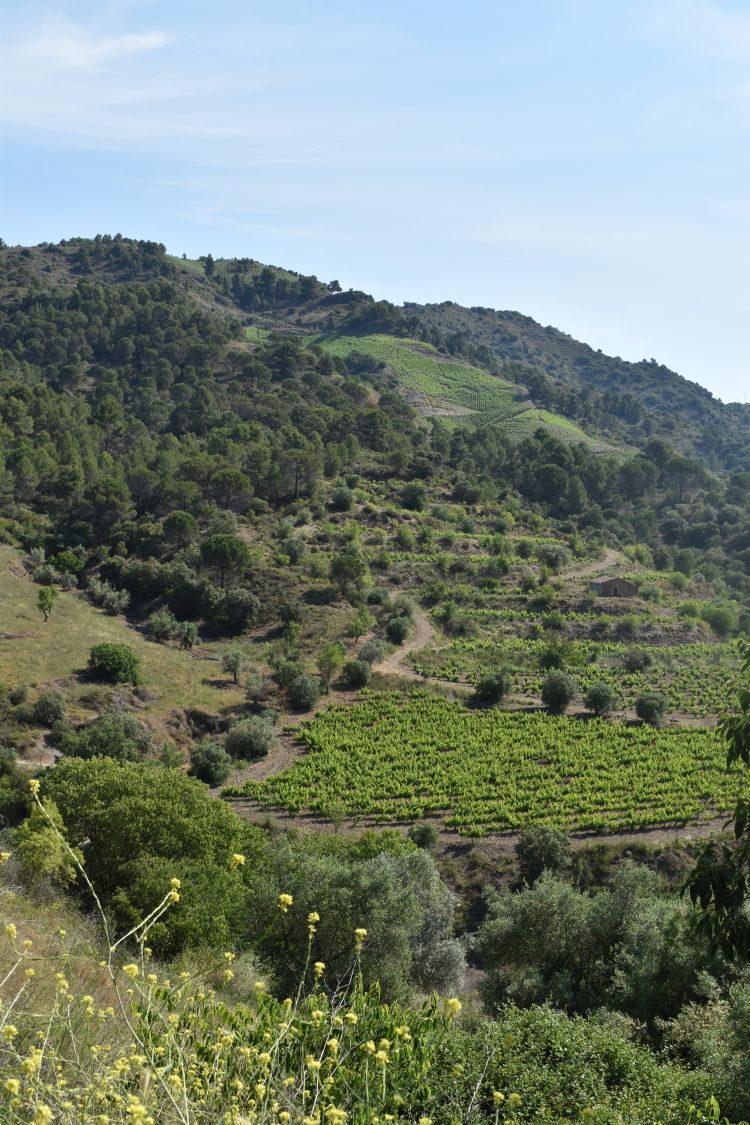
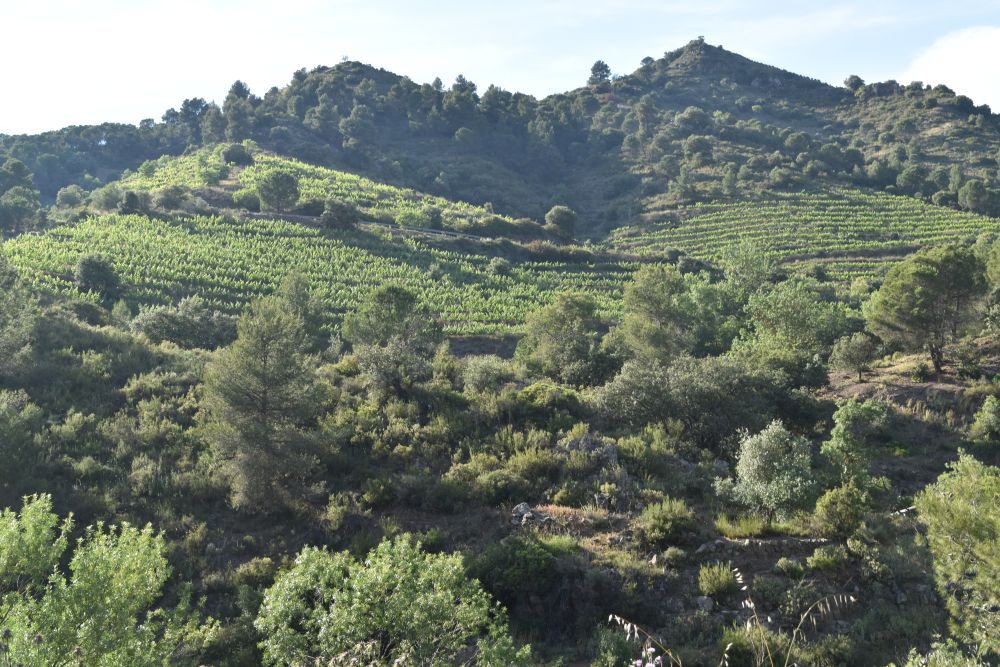
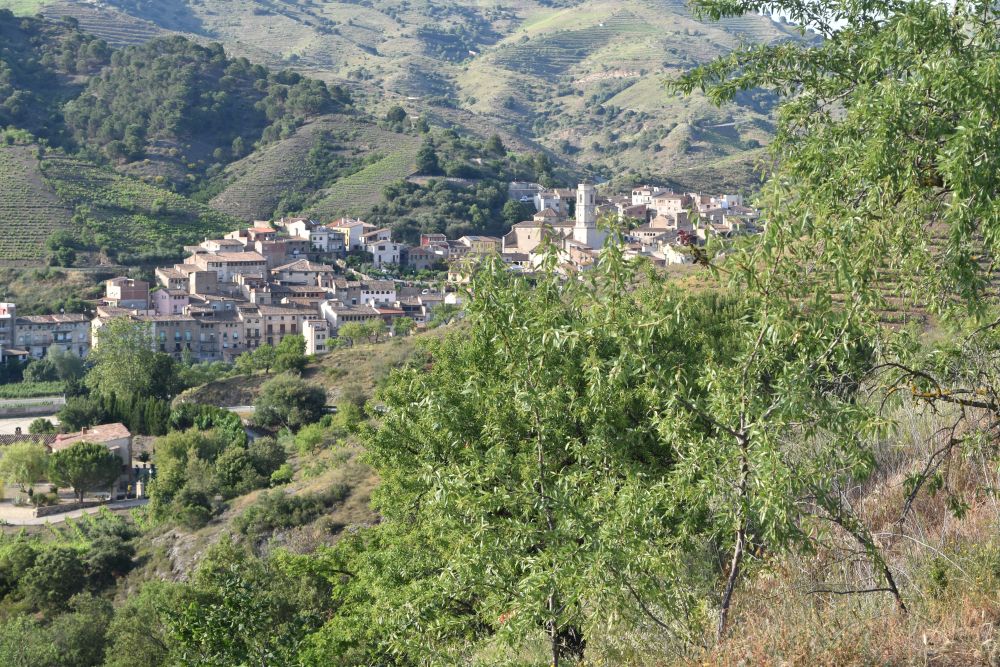
Around this place we can see the first vineyards, terrassed on steep hills.

DSC_0219 small

The vines are loosely arranged, it must be hard to grow wine here.

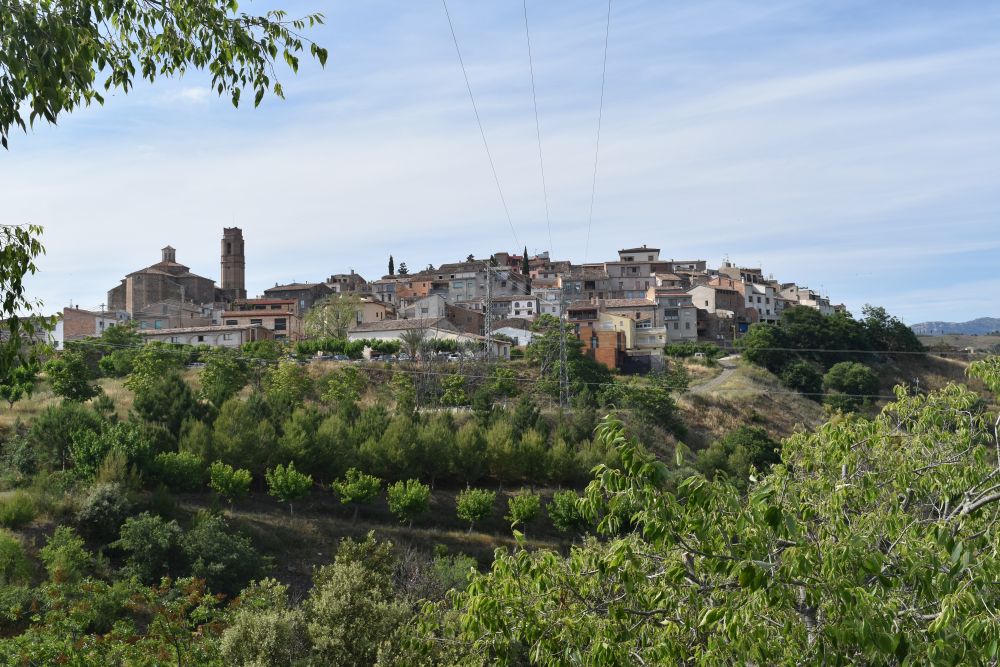
Behind the next hill appears this gorgeous village perched on a hill. This is Gratallops.

DSC_0225 small

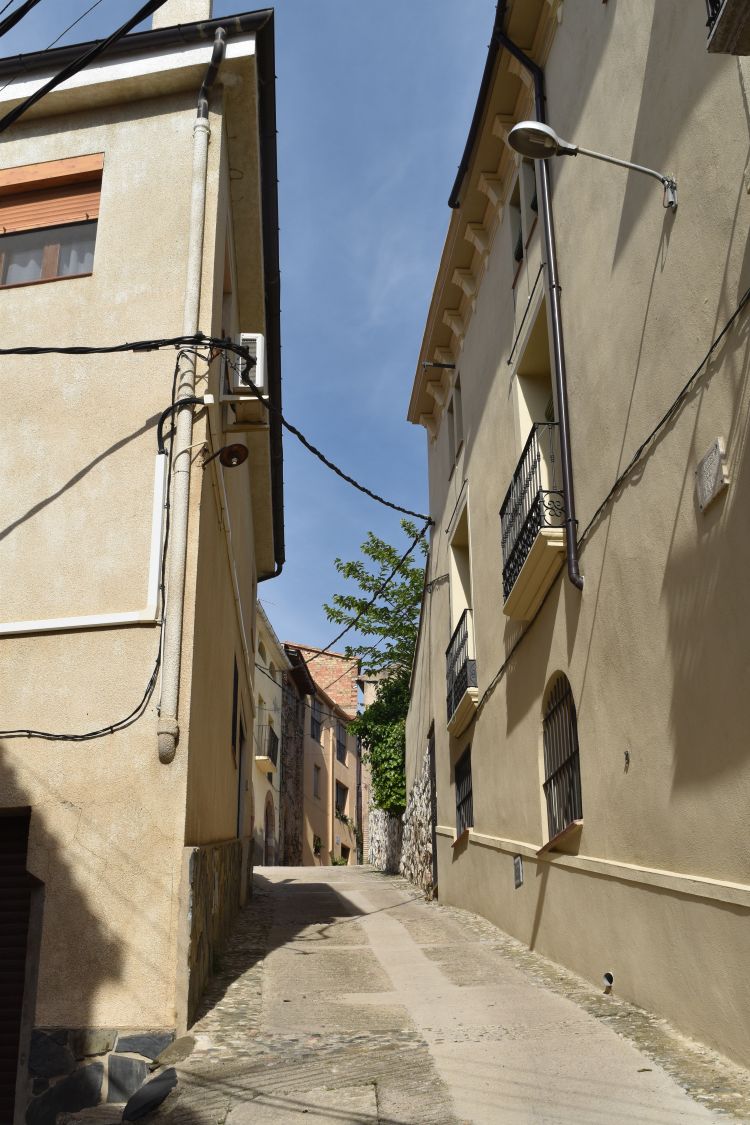
We enter the village. Narrow streets…

DSC_0231 small

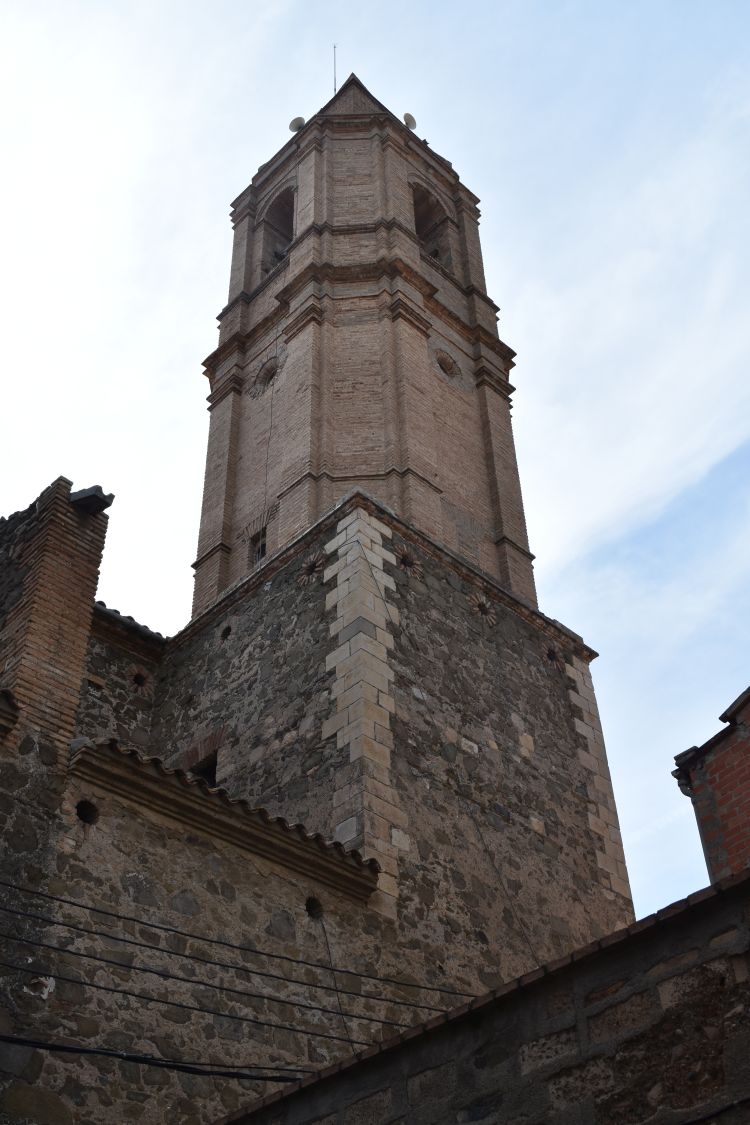
… a church,…

DSC_0227 small

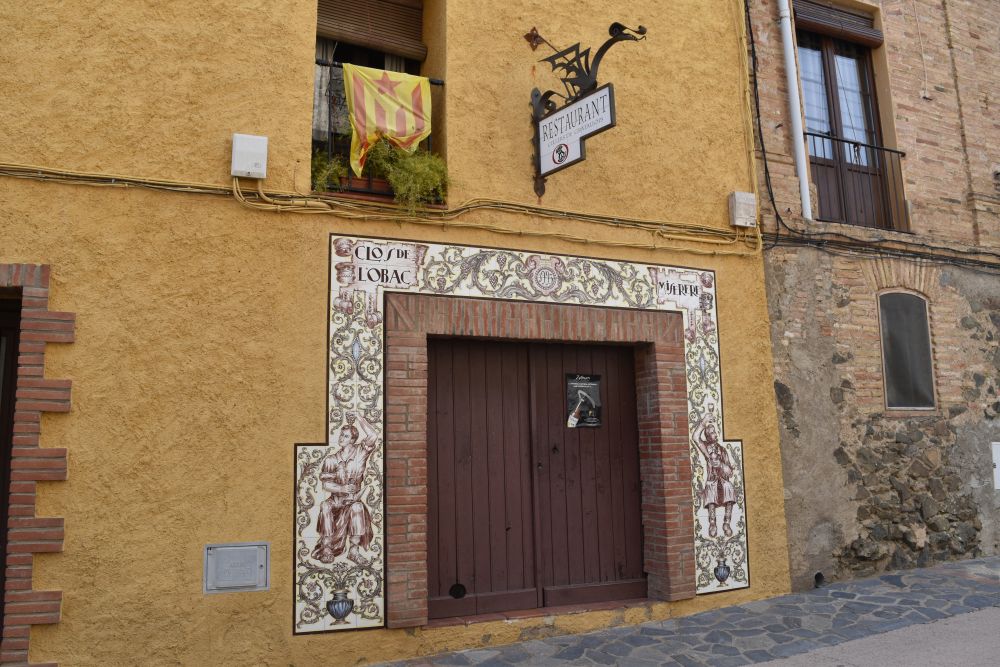
and a restaurant closed right now, on Sunday.

DSC_0239 small

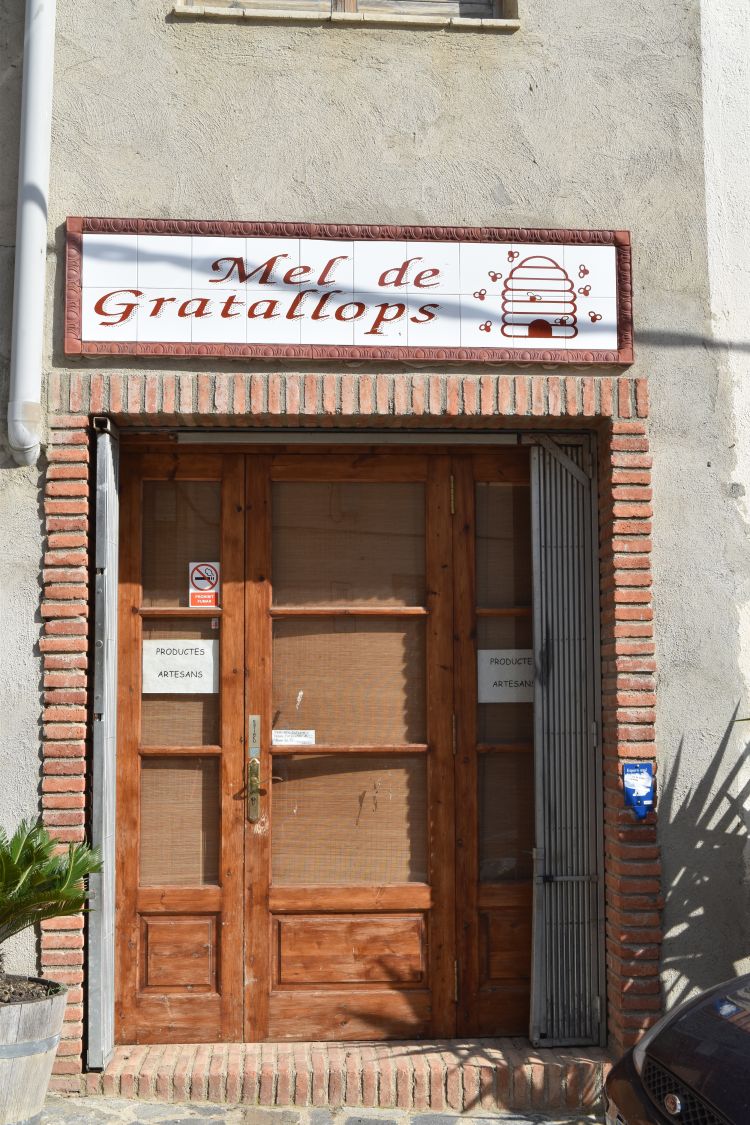
Also the shop selling honey is closed today.

DSC_0241 small

One shop is open. We buy some wine – Garnatxa red (Lluna Vella) and white (l’Udol), a bottle of  Vermouth by de Muller, some local marmalade and the guide to the Montsant wines by Miquel Hudin. Three innovative wine growers have their cellars just outside of Gratallops: Alvaro Palacios, René Barbier and Carlos Pastrana. This is for some other time… I would have had to call them beforehand.

We continue our way along a narrow street above the Siurana river. Around us the steep vine gardens of the Priorat.

DSC_0251 small

Torroja of Priorat is just above the river Siurana.

DSC_0257 small

The road winds uphill with vineyards and olive groves on steep slopes. I had not imagined Priorat being so precipituous. In the “Vinologue Montsant” I read that in the DOC area of Priorat, 90% of the vines grow on llicorella slate (slate mixed with quartz), while DO Montsant has many different soils which also makes it interesting, as winegrowers start to produce wines exploiting the variety of the terroir.

.

Montsant – I am curious and will go back to Priorat

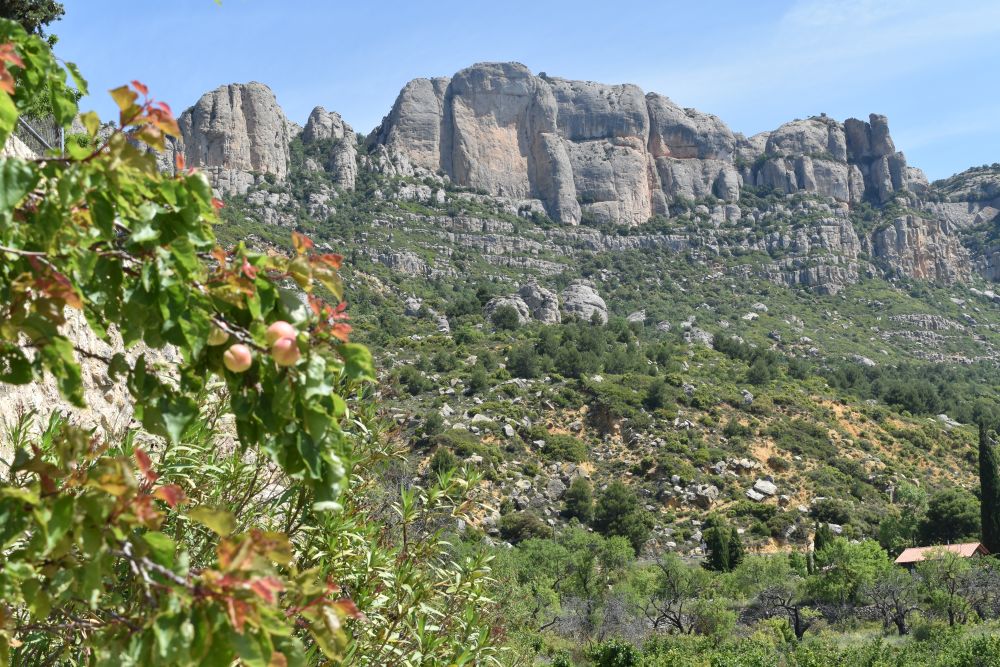
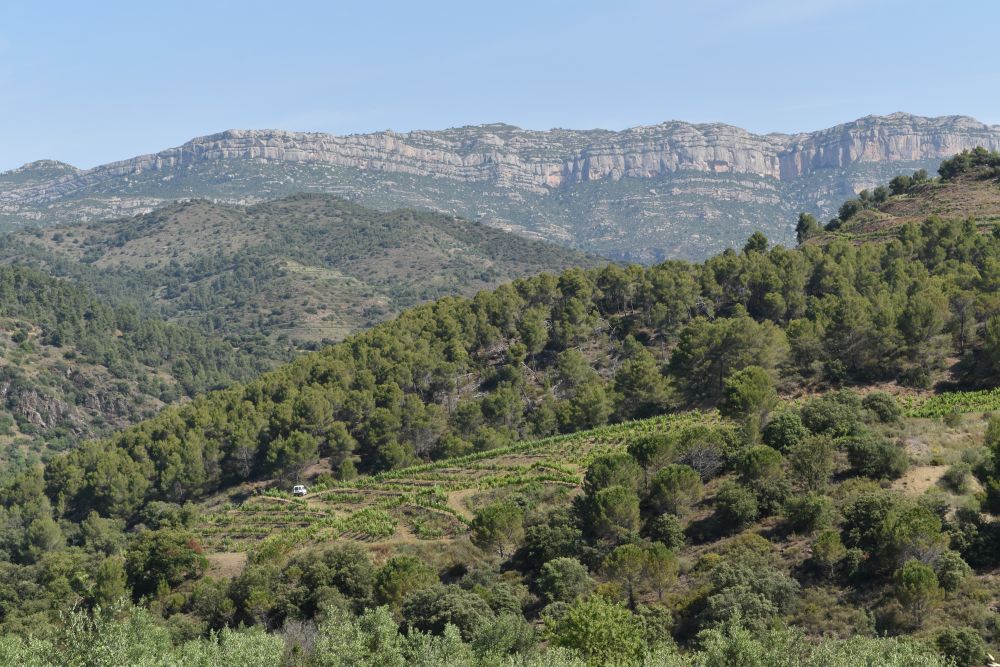
In the background we see the rocks of Montsant.

DSC_0456 small

Prices for wines are not as high as in the Priorat region, where prices reach even several 100 Euros. The Canadian Miquel Hudin fell in love with Monsant and wrote his book “Vinologue Monsant”.

While already the Romans had grown wine here, this tradition was interrupted during the Moorish reign, until 1153. Then the “Cartoixa de Santa Maria d’Escaladei” was  founded as the first Carthusian monastery in today’s Spain. A shepherd had a vision here: Angels climbed a staircase to heaven. Hence the name “scala dei” or “staircase to god”. The monastery owned the land that subsequently was called “Priorat”. In 1835 the ecclesial possessions were abolished and the farmers destroyed the monastery.

After reading this book and having seen the rocks, I am curious and decide go back to the Montsant area of Priorat with its staircase to God (Escaladei)


Exploring the surroundings of Hospitalet – Vandellòs and its charming oil mill

A friend of ours owns a small apartment in L’Hospitalet de l’Infant south of Tarragona. We find an unpretentious small town with great sand beaches that are still quiet in the beginning of June. Most holiday apartment houses are not more than three storeys high, no construction “sins” here. Our apartment is modern and has a large balcony from which we can see and hear the Mediterrenean Sea. Quite a large swimming pool belongs to our house. We will stay here for about ten days relaxing, enjoying the local fish and wine and exploring the area.

Our first excursion takes us to Vandellòs in the mountains.

.

Vandellòs and its oil mill

We drive some ten kilometers into the mountains and reach Vandellòs. El Molí, the oil mill, is open.

DSC_0153 smaller

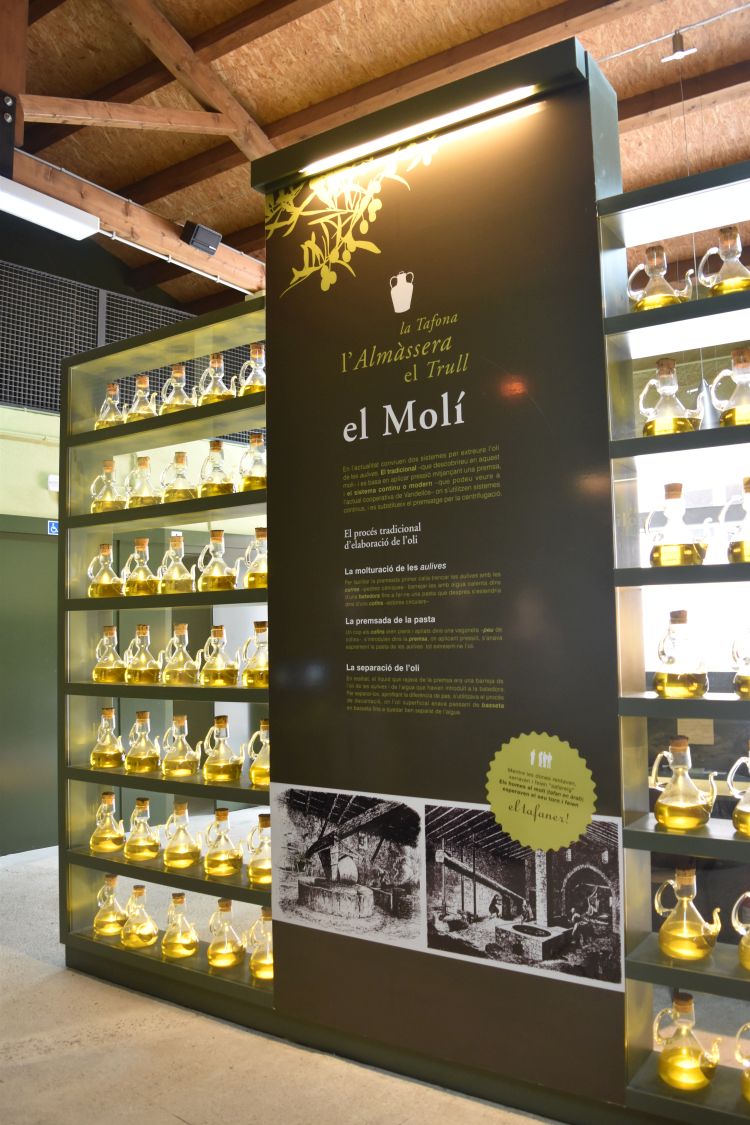
We enter. There is a huge shelf with oil carafes.

DSC_0138 small

A group of people has just finished a guided tour. The group leaves and the manager looks at us. “You have not reserved – you should have reserved – do you speak castellán?” Yes, we do, and the manager spontaneously decides to show his mill to us – also without us having reserved.

We are in the old cooperative oil mill that has been built in the 1920’s. It operated until early this century and is now a museum. The new mill is just next door.

The manager explains the oil making process to us.

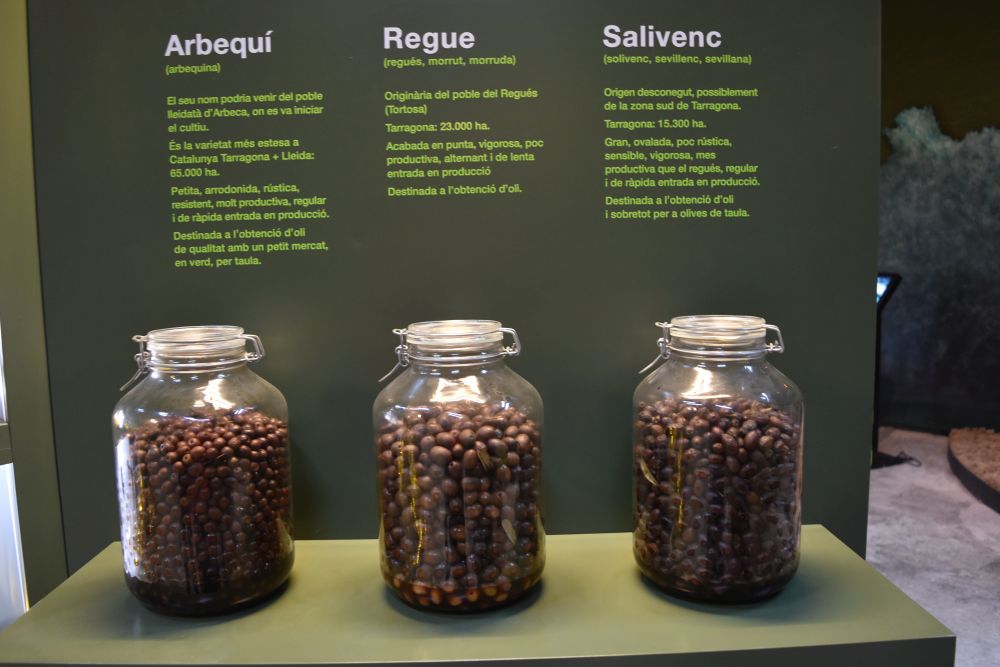
The olive trees growing in the region are called Arbequí, Regue and Salivenc.

DSC_0139 small

Arbequí is the main olive – the olives are very small.

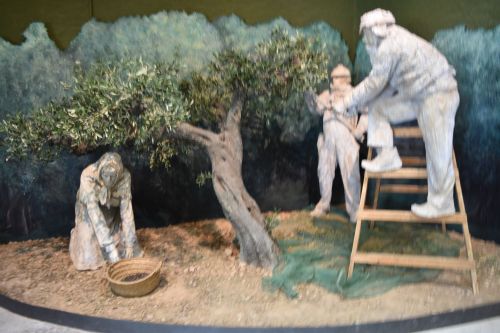
The trees are about two meters high. The men used to collect the olives standing on small ladders while the women picked the olives that had fallen on to the ground.

DSC_0135 small

Today, the olives are taken directly from the trees. The mornings are reserved to collect the olives and in the afternoon they are immediately processed.

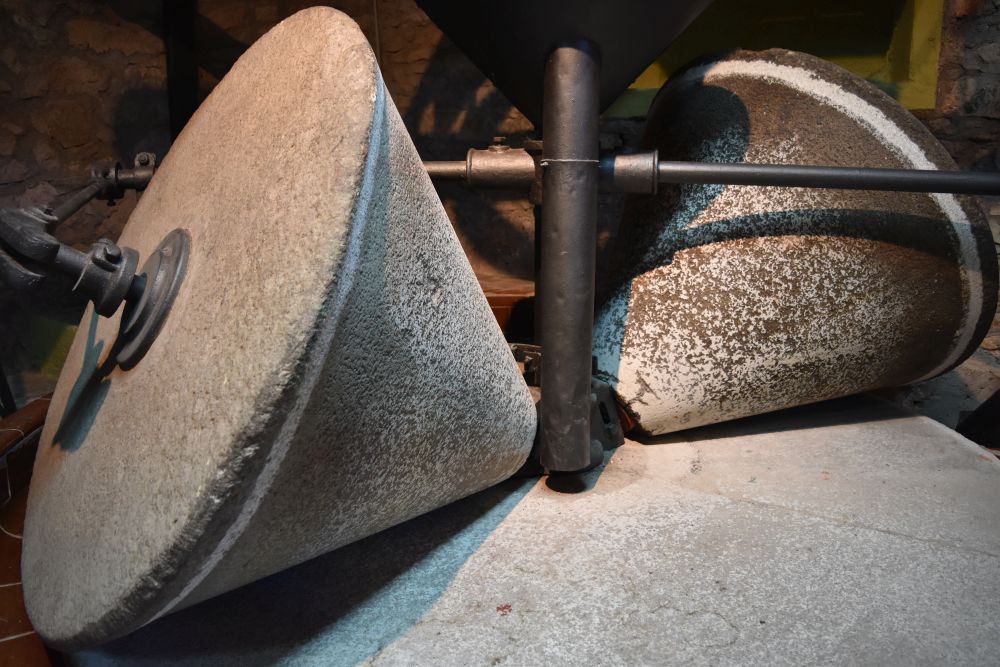
Olives with bones and branches are smashed in the mill.

DSC_0146 small

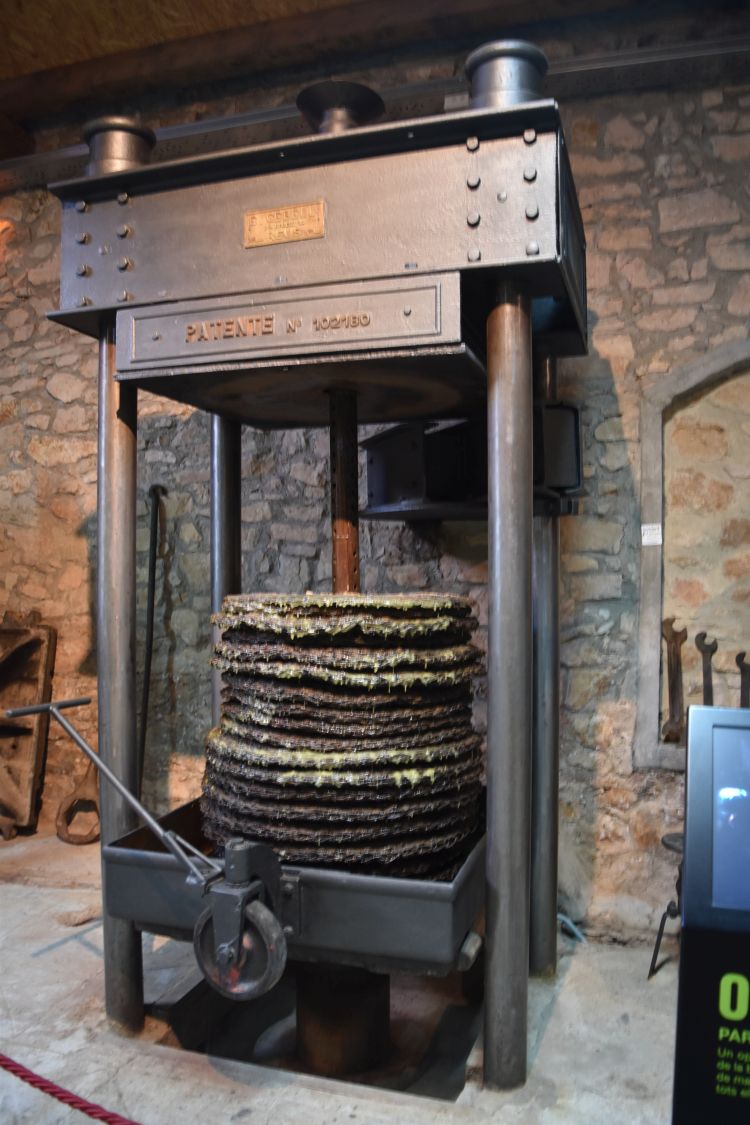
The smashed mass is then packed into flat baskets. The baskets are piled on top of one another forming a tower that is pressed to extract the liquid. Pressing occurs once to extract extra virgin oil.

DSC_0142 small

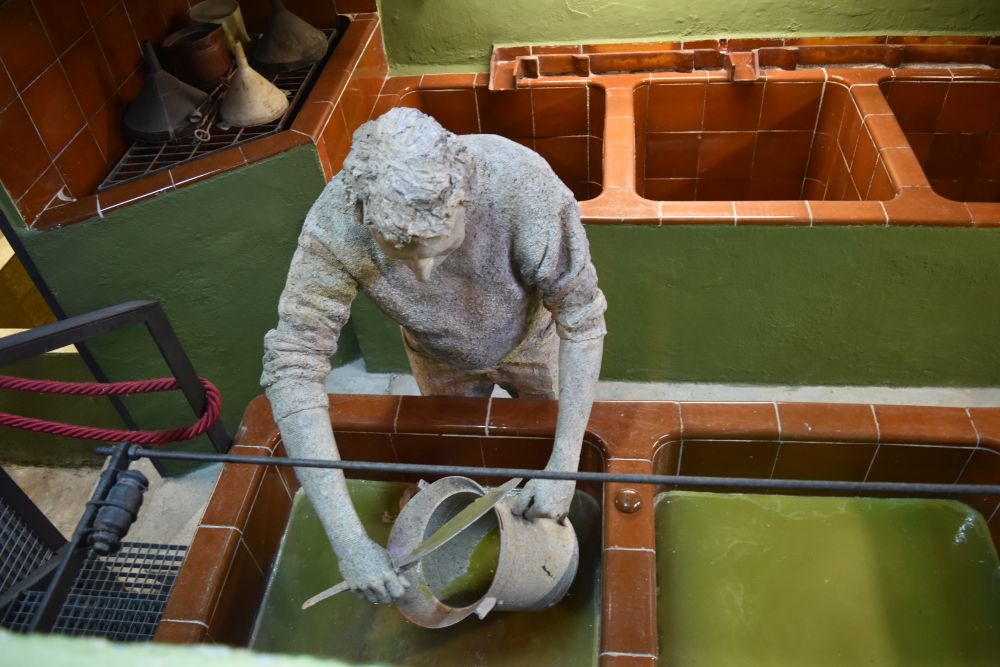
The resulting liquid is a blend of water (at the bottom) and oil (on the surface). The oil needs to be skimmed using a spatula.

DSC_0143 small

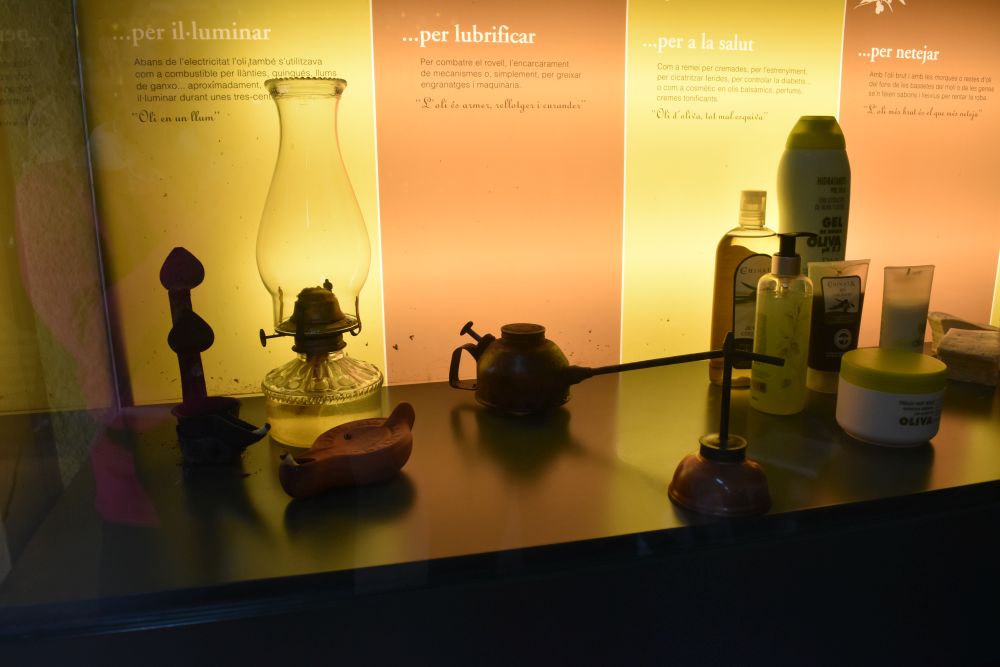
Olive oil is versatile. It is used in the kitchen, but also for health products and for cleaning – and even for lamps.

DSC_0149 small

To round off our tour, the manager offers us a piece of bread with olive oil. Delicious.

There is a shop next door, where we buy some olive oil from Vallendòs and some more local products like honey and jam. This will be some nice presents for the neighbours back home.

.