On the road – our Sunday tastings in Chablis: William Fèvre and La Chablisienne

Our first day in Chablis was a Sunday. A  few wine making places are open on Sundays, amongst them the boutiques of La Chablisienne and of William Fèvre. No reservations are needed. Great.

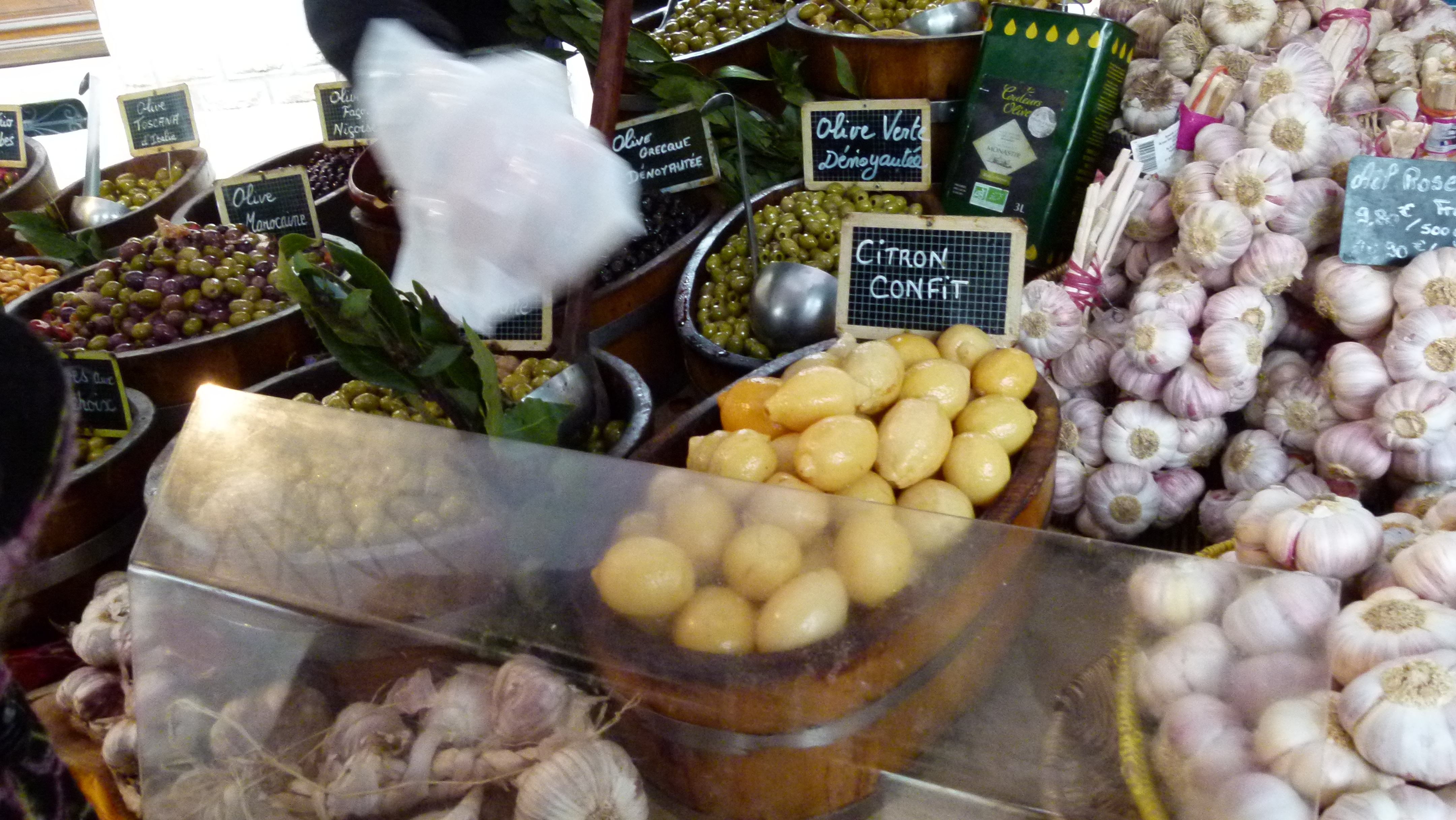
On that Sunday, we also visited the Chablis market…

P1060802

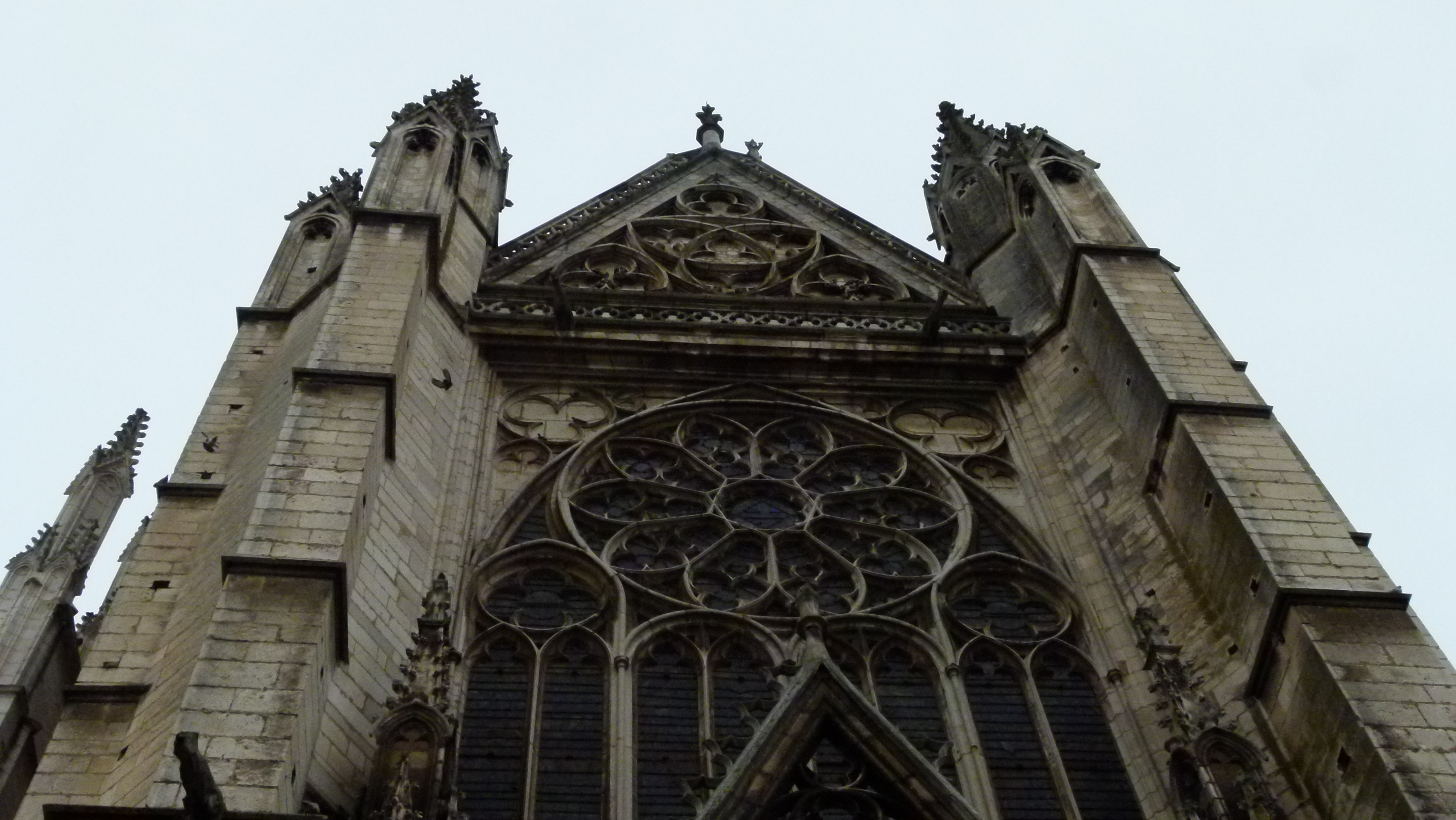
… and Auxerre with its beautiful gothic church of St. Etienne.

P1060822

.

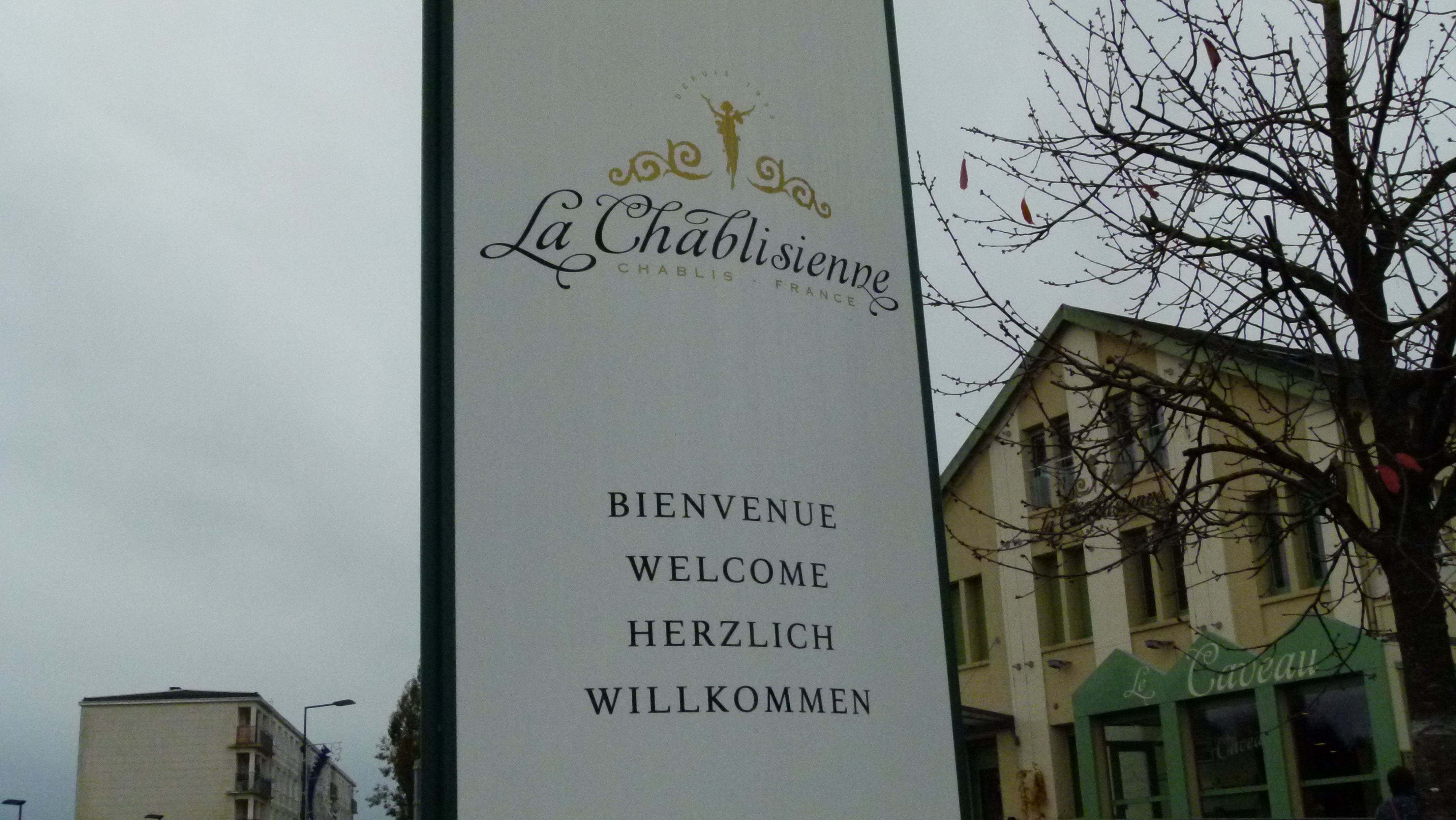
La Chablisienne – valued in Pocket Johnson and surely worth visiting with its broad selection of wines

P1060810

P1060816

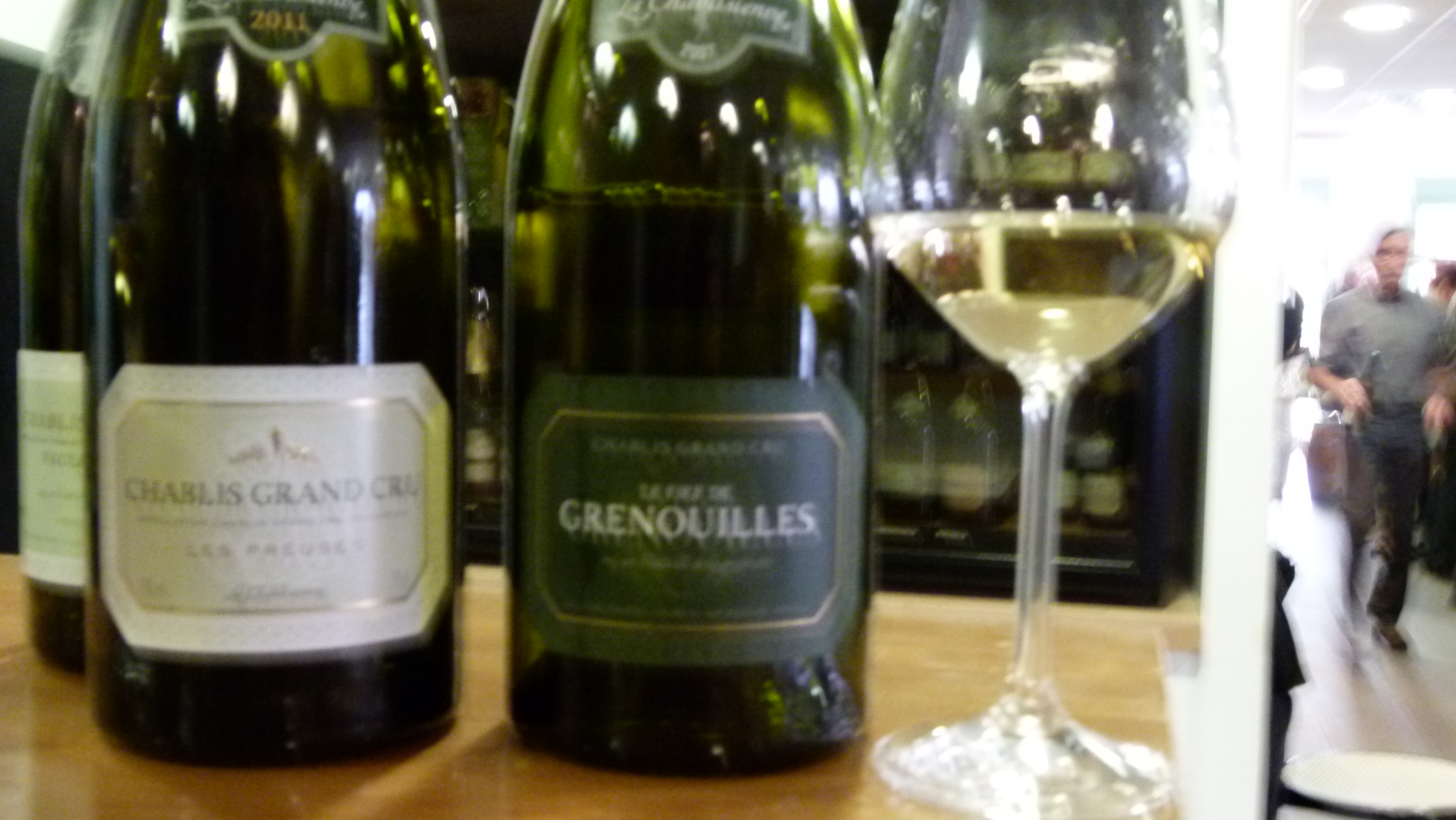
La Chablisienne is a Cooperative that makes wines for about 300 wine growers. They are the largest wine maker in Chablis. They offer wines from a broad variety of climats (about 30 different Chablis wines), and they own the Château Grand Cru “Grenouilles”, the smallest of the seven Grands Crus terroirs (they acquired the quasi-monopole of Grenouilles in 1999).

Jean-Michel guides us through our tasting – with a lot of charm – listening and reacting, e.g. by bringing another Grenouilles from a different year… This is what we tasted:

  • Beauroy 1er Cru: Fruity – perhaps quince. Nose is more pronounced than taste.
  • Vaulorent 1er Cru : Fruity – perhaps quince and nuts. Nose also stronger than taste.
  • Fourchaume 1er Cru 2013: Young, fruity – orange, both nose and taste. Would like it with shellfish. Liked it and bought a bottle.
  • Montmains 1er Cru 2009: Liked it and bought a bottle.
  • Les Preuses Grand Cru 2011: More yellow than 1er Cru, less acidity, flowery, can imagine it with Asian food. Can age more.
  • Les Grenouilles Grand Cru 2007: Ready to drink, salty, mineral note, but somewhat ponderous (on “heavy feet” or “schwerfüssig”). 2010 is fresher than 2007.

It is surely worth visiting La Chablisienne with its broad selection. On  our Sunday they also hosted a cheese tasting event. Unfortunately, the cheese tasting lady was a little grumpy.

.

William Fèvre – “three stars” in Pocket Johnson and a lot of enthusiasm in the boutique – for me my second tasting highlight in Chablis

William Fèvre has three stars in the “Pocket Johnson”. For lack of family heirs, he sold his business to Henriot in 1998. He has the largest Grand Crus possessions in Chablis.

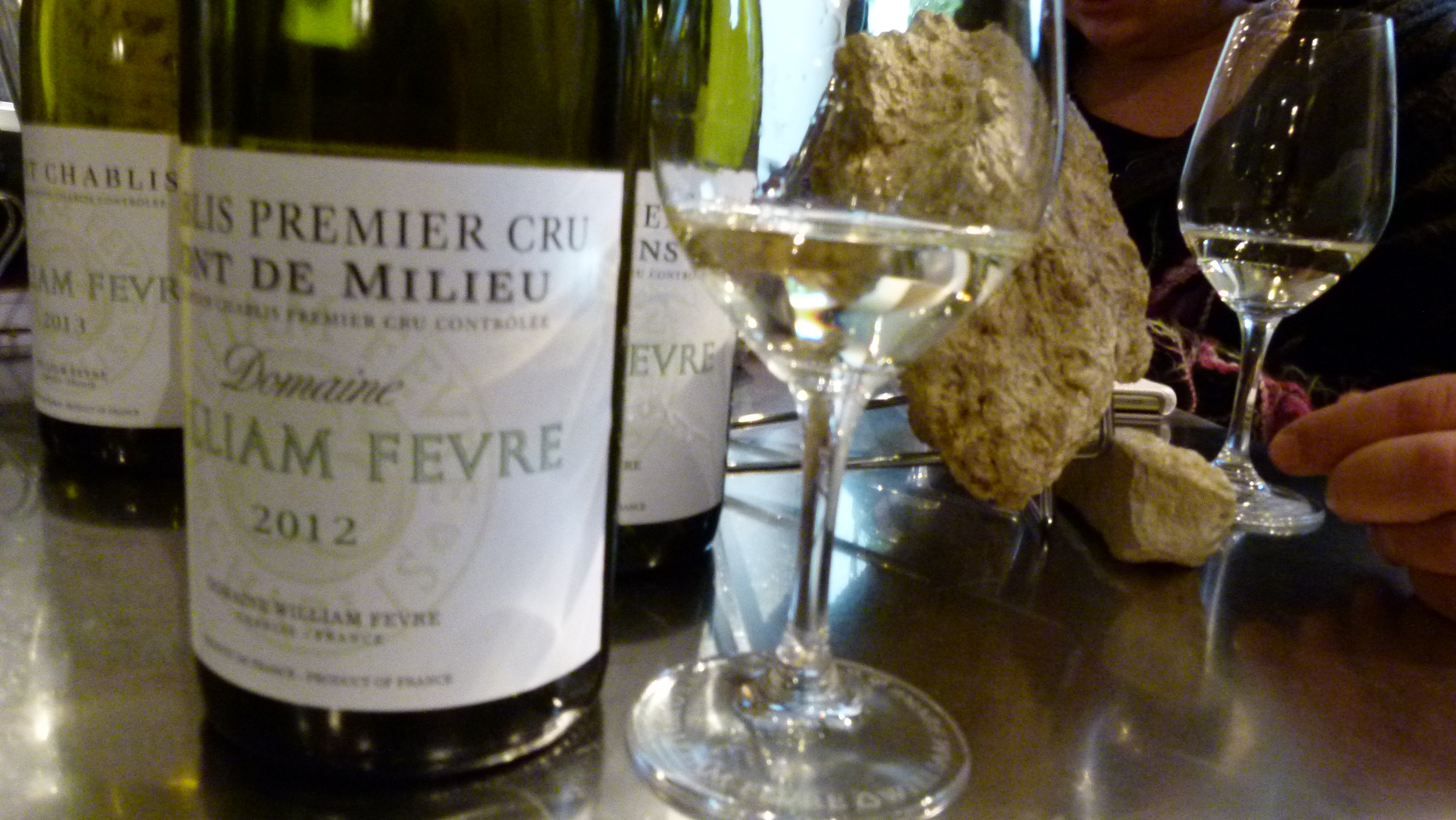
His boutique is nicely set up. To illustrate the terroir, there are brochures and samples of the Kimmeridgian soil. I enjoy the enthusiasm that the boutique assistant shows when explaining the Kimmeridgian stone samples to us. I ask him why William Fèvre is called “William”, though the family has long lived in Chablis – no Anglosaxon background. He smiles. And then tells me the story: When William was born, his parents could not agree on his name. After three days, the mayor reset the date of birth and gave him the name “William”. The assistant sees the “Pocket Johnson” in my hands. “May I see, what Johnson has written about us, I have not checked this out recently”, he says and then adds: “I have met Johnson once, he is an impressive person.”

This is what we tasted:

  • Petit Chablis 2013: Fresh, brisk, on “light feet” (“leichtfüssig”)
  • “Plain” Chablis: Almost no nose, a little more dense than the Petit Chablis
  • Chablis 1er Cru 2012, Montmains:  Round and crispy, I liked it again (liked it already at Chablisienne)
  • Chablis 1er Cru 2012, Mont de Milieu: Mineral taste, I like it less than Montmains.
  • Grand Cru Les Preuses: They assemble the wine from two vineyards in this climat, the one having more sun in the morning, the other more in the evening.
  • Grand Cru Les Clos: Touch of peach, sold out, but still some half bottles from 2010 left .

P1060833

I buy a half bottle of Petit Chablis (great for an apéritif in summer), a half bottle of Les Clos and a bottle of  Montmains. The assistant packs my buyings carefully into boxes, whereby he fixes the half bottles with a “collar” to prevent them from bouncing in the box. I like these details. To me it shows that the winemaker is caring about his wines and his clients.

On the road – my Chablis tasting highlight: Patrick Piuze

Finding Patrick Piuze

When doing my research about Chablis, I came across Patrick Piuze . The “Pocket Johnson” mentioned him and on the Internet there were great comments.

Larissa was also impressed. I wrote an email to Patrick referring to the comments found. And the next day, I called. Patrick and his partner were very welcoming and we arranged a tasting for Wednesday morning, our last day in Chablis.

This is Patrick’s address: 25, rue Emile Zola in Chablis. We have found the address, but there are no signs, and no plates – nothing. Eventually, we see the label on the letter box: “Patrick Piuze”, in small letters. That is all. I ring the bell, and Patrick opens the gate. He gives us a friendly welcome and makes things clear right away: “You cannot buy any wine – I am sold out for 2014, but for the tasting, there is no problem.” And later he adds: “Usually, I do not make wine tastings for private people, but Petra was really insisting by writing and calling…”

Patrick has an interesting background – and I think that explains also his approach to winemaking. In a way he is an outsider in Chablis. He grew up in Canada, did not like school and traveled – working, when he needed money. He learnt about the wine growing business in Australia, South Africa and then came to Chablis, where he worked for Brocard.

Some years ago, Patrick started his own business buying grapes (often harvesting them himself) and producing his own wine. One of his specialties are (plain) Chablis wines from one terrain to bring them to a higher level. And he makes also 1er and Grand Cru selections. Patrick sells his wine to wholesalers in 30 countries.

.

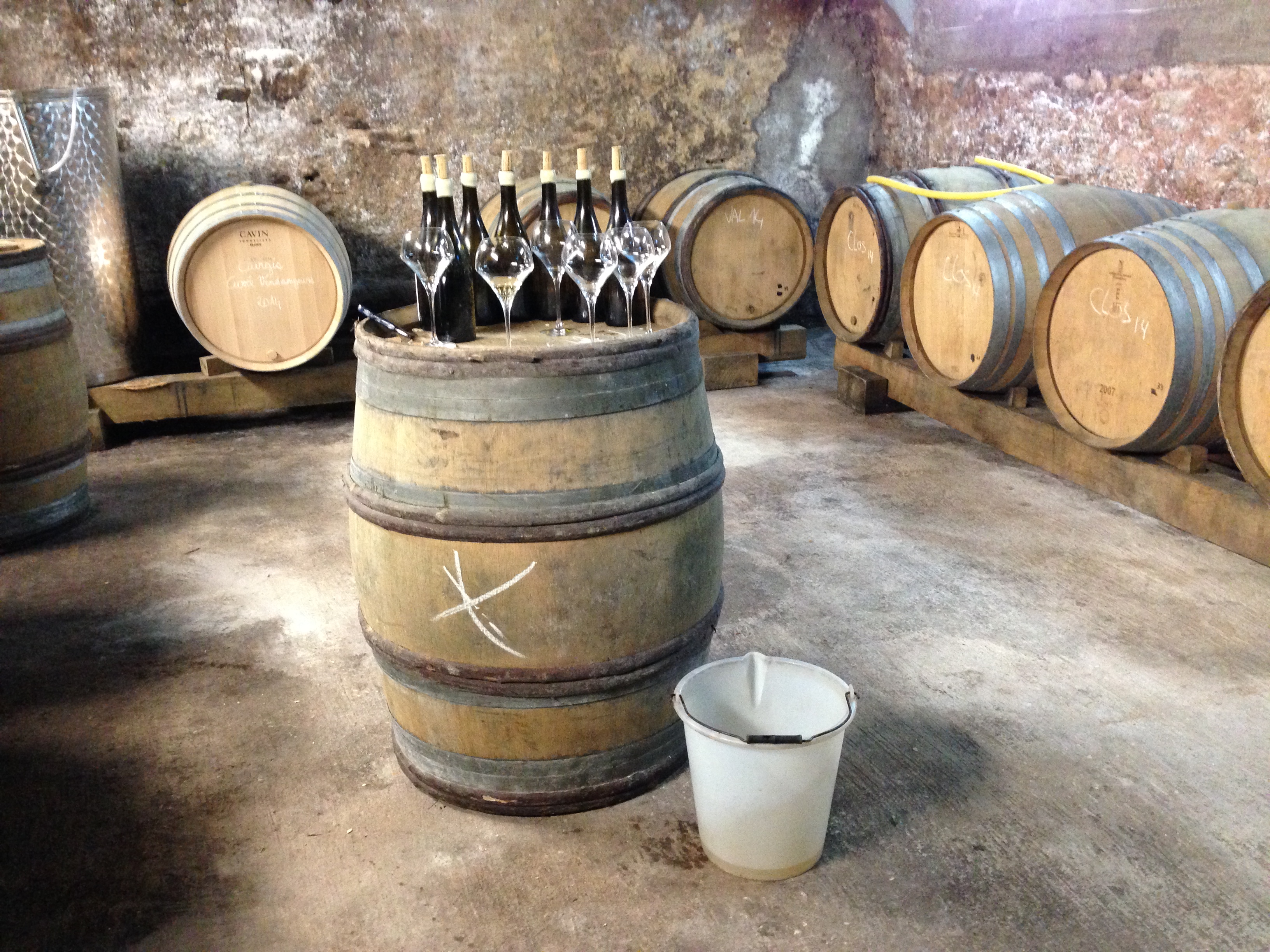
The tasting: Patrick has prepared this “barrel” table for us

IMG_0942

These were the wines we tasted (with my own personal impressions):

  • Terroir de Fye 2012,  2010 (“plain” Chablis from one climat): Round, herbs, acidity.
  • Vaillons, Melinots, 2010 (“plain” Chablis from one climat, warmest corner of Chablisienne with clay): more fruity.
  • Vaucoupin 2009 (1er Cru – slope exposed to the west, as I remember from the explanations): Flowery, metallic, “round”.
  • Bougros (Grand Cru): Rich, dense, fruity, good for aging.
  • Les Clos, 2012 (Grand Cru): fruity, “more heavy legs” (“schwerfüssiger”), for ageing.

I am overly happy to see my friends smile, when tasting the wines of Patrick. They never frown. For each glass they try I see a nodding compliment.

Patrick explained that he does not look for specific tastes such as lychees and quinces for “fruity” or violets and roses for “flowery”. He is just interested in the texture and whether he finds fruit, flowers, herbs or acidity. This makes him down to earth for me, and his honest modesty might also be part of his success. Modesty also speaks from Patrick’s Website: “Je tiens par-dessus tout à respecter le travail des ancêtres qui ont dessiné ce terroir, et j’essaie de trouver avec humilité mon identité de vigneron dans la splendeur et la diversité du terroir de Chablis.” (It is most important for me to respect the work of our ancestors that have shaped this terroir and I aspire  humbly to find my identity as a winemaker in the shine and diversity of the Chablis terroir).

.

Where to get Patrick’s wines

Back at home I searched who sells the wines of Patrick in Basel and found that DuBonVin has them. I will surely visit this shop very soon to have some of his wines in my cellar.

On the road – The jurassic Kimmeridgian is the secret of my favorite Chardonnay, the Chablis wines

After thirty years it was great to be back in Chablis in 2014 and to reexperience my favorite Chardonnay that grows on the rocks from jurassic times called Kimmeridgian.

.

My memories of Chablis from 30 years ago – an unplanned happy event

In the 1980’s and in my thirties, we visited Chablis on a Sunday. Only the bakery was open. There was a long queue – the French do not forgo their baguette on Sundays. We asked, whether it would be possible to taste wine today. “Yes”, one of the men standing in line says, “my cousin is a winegrower. He has 1er Cru wines, not here in Chablis, but nearby in Milly. I can take you there right now.” “No, no, we have enough time, please buy your Sunday baguette first and then we will follow your car”, we answer happily. He buys his baguette and then we follow him to Milly. Henri Coulaudin opens the door, welcomes us by taking his hat off and bowing down, as if we were the king of France. We follow him to his cellar and taste his wines. I liked the clean crispiness of his 1er Cru. For years I had his 1er Crus Côte de Léchet and Côte de Tonnerre in my cellar and we exchanged wonderful letters (French is a beautiful language). Then we lost one another out of sight. As I am now in my sixties, he must be in his seventies. I keep this great memory of our visit to Chablis that we experienced thirty years ago…

.

Now I am back in Chablis with my Russian friends – the town has become more organized

Now I am back and notice that Chablis has received this pretty plate announcing “la Ville de Chablis” (the town of Chablis)…

P1060860

… and that the streets have become calmer – there is “zone 30”.

P1060856

.

What is Chablis? It is Chardonnay wine growing on jurassic rocks

This is the map of the wines around the town of Chablis, as shown by Johnson. The Grands Crus are dark purple. Les Clos is the largest climat. The 1er Cru climats are light purple with terrain names. Without terrain labels the wines are Chablis or Petit Chablis.

Karte_Johnson

Source: Hugh Johnson and Jancis Robinson: “The World Atalas of Wine”, Mitchell Beazley, 2005

The soil of the Grand Cru and (most) 1er Cru wines is the older jurassic Kimmeridgian formation consisting of limestone, clay and fossiles, while Chablis and Petit Chablis grow on the younger (also jurassic) Portlandian sediment (both named after places in England). It is said that the organic fossiles create the mineral/flintstone character of the Chablis wines. Typically their color is yellow-green.  (Sources: Wikipedia, “Johnson World Atlas”, “Pocket Johnson” and Laure Casparotto: “L’Atlas des Vins de France”, Editions de Monza 2012).

To get an overview of the vineyards, Katja drives our car to the Grand Crus climats. Some few grapes are still hanging on the wines. We know that nobody is going to pick them – it is November now. Hence we dare taste them. They are deliciously sweet!

P1060808

.

 “Chablis” sometimes means “cheap wine” – perhaps this is better for us

Larissa tells us that in the US “Chablis” means “cheap wine”. I came across that in Ushuaia (Argentina) as well. I found “Chablis” on the menu of a small restaurant, asked the waitor, whether this was Chardonnay from Chablis, and was not understood: “This is just “Chablis””, was all the explanation I could get from him. I ordered that Chablis wine and was disappointed. Now I know why. Wikipedia says that the Chablis trademark is not recognized across the world, but often means “almost any white wine”. Perhaps we should not change this and keep Chablis as a secret for us.

.

Our tasting plan

Larissa has planned our wine tastings carefully. Our sources were Larissa’s friend-sommelière, Alina, the “Pocket Johnson 2014” and the Internet. We came up with this list of domains to see: Règnard, Brocard, LaRoche, La Chablisienne (cooperative making almost one third of all Chablis wines), William Fèvre (“three stars” in Johnson) and Patrick Piuze (a newcomer, sometimes compared with the top rated Davissaut and Ravenaud). This is just a small selection of domains, but we could not fit more into two and a half days.

.

Result of the tastings – Chablis confirms to be my favorite Chardonnay

30 years ago, Chardonnay from Chablis became my favorite Chardonnay, and I found this confirmed now. I will come back sooner than in another thirty years – for sure!

Let me summarize my highlights and impressions from the tastings in the next blogs.


On the road – a quiet day in Noyers-sur-Sérein

While my friends drive to Champagne early in the morning, I decide to stay in Noyers-sur-Sérein to recover from my cough. I sleep in the morning, get some medicine and some honey toffees from the local pharmacy and then I set out to discover Noyers-sur-Sérein.

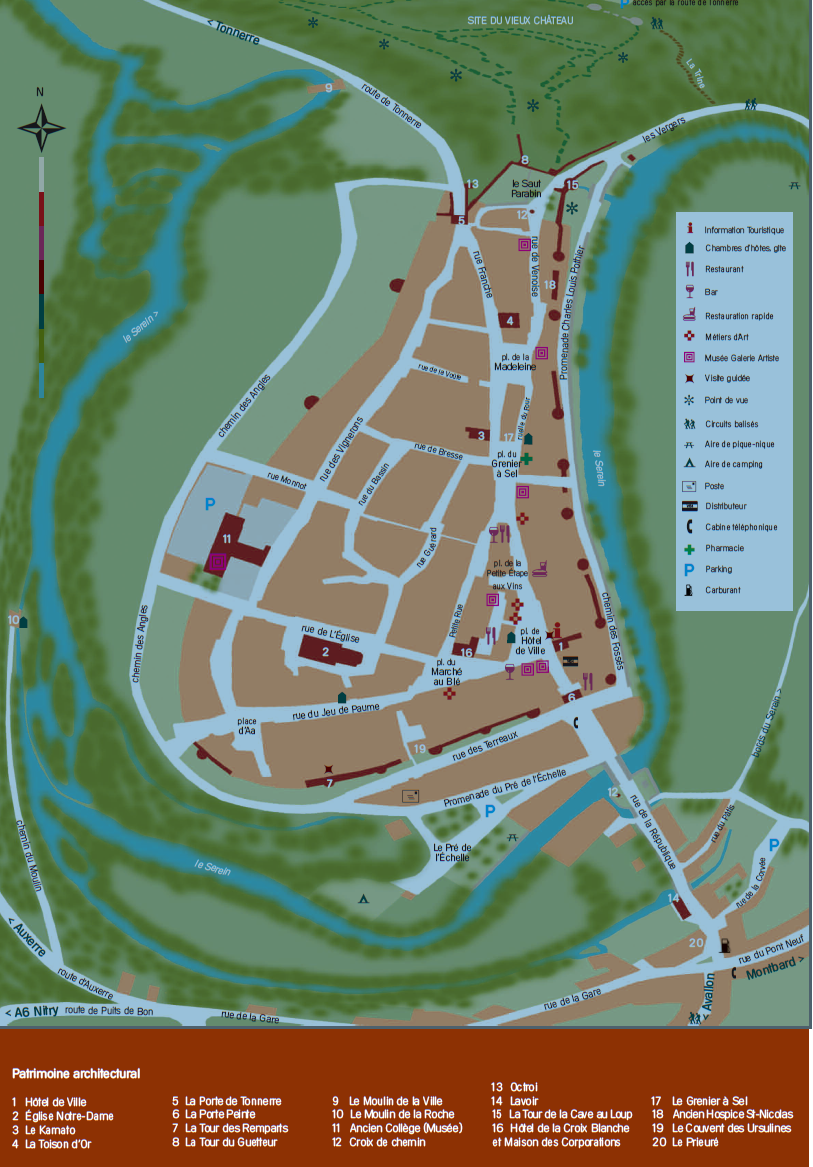
This is the town map. Noyers is surrounded by the river Serein. There are remains of the town wall with the gates.

stadplan noyers

Source: Noyers-sur-Serein

.

Noyers-sur-Serein is a gorgeous medieval town

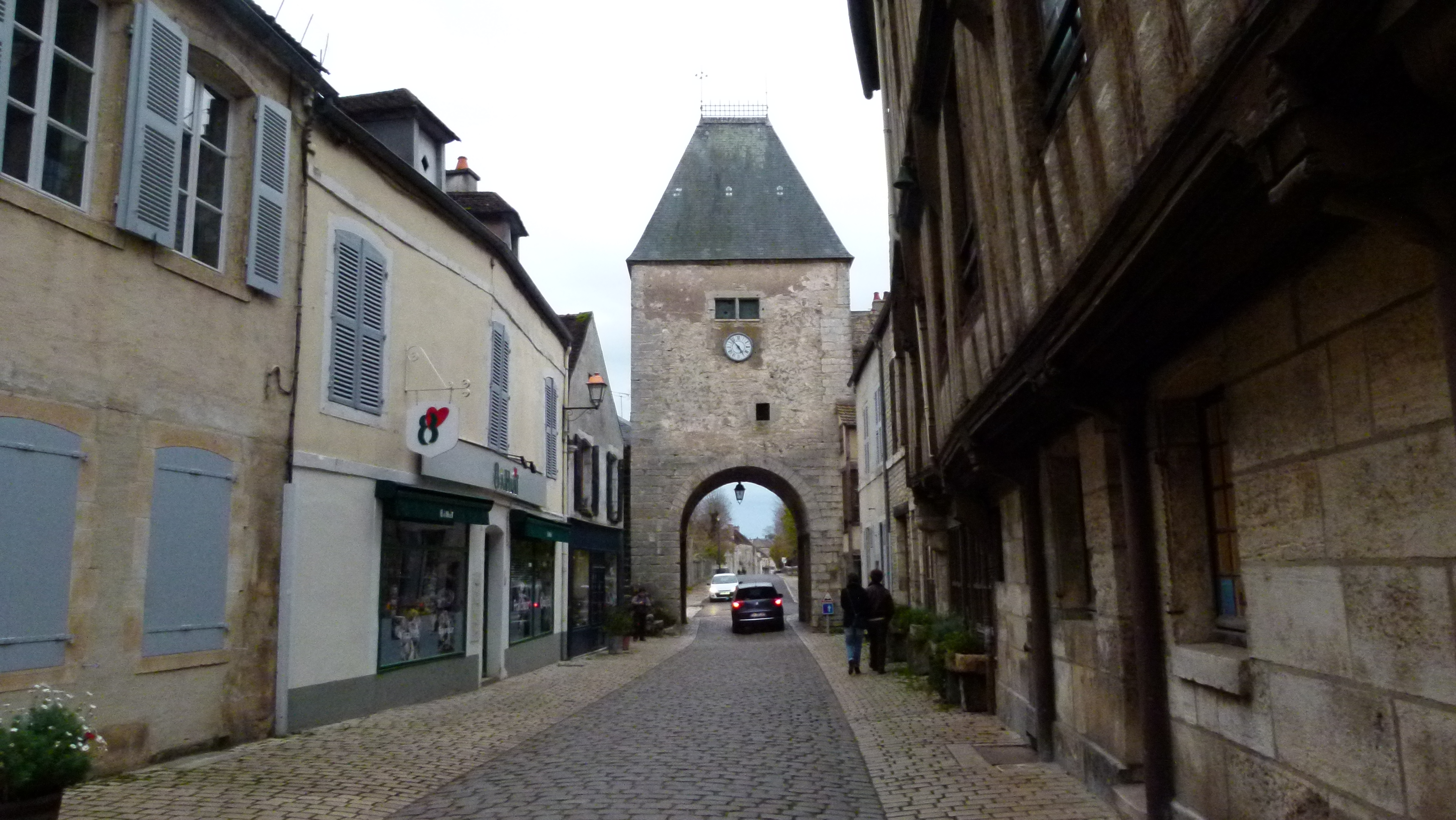
This is the southern gate, called “la Porte Peinte”.

P1060834

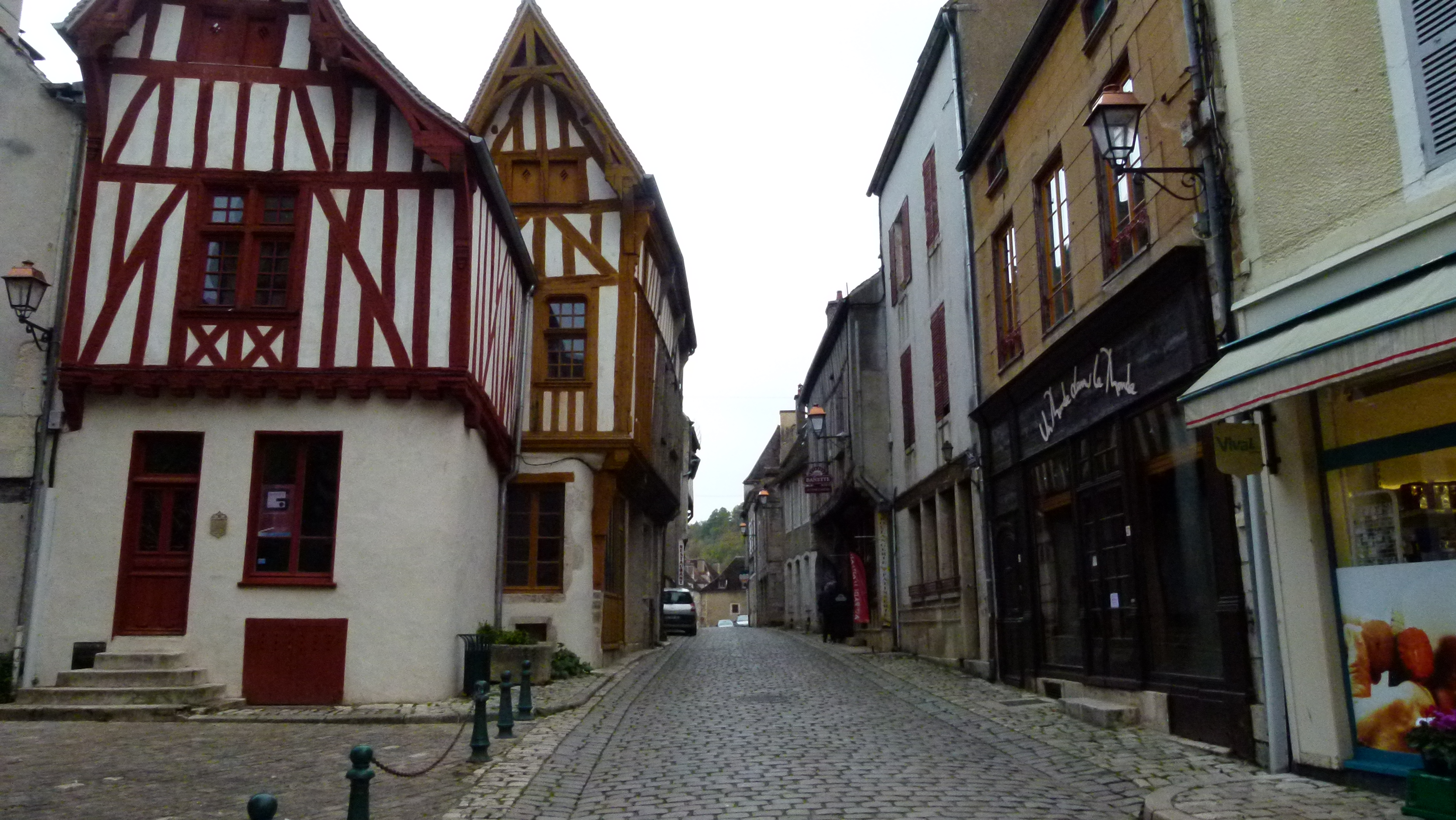
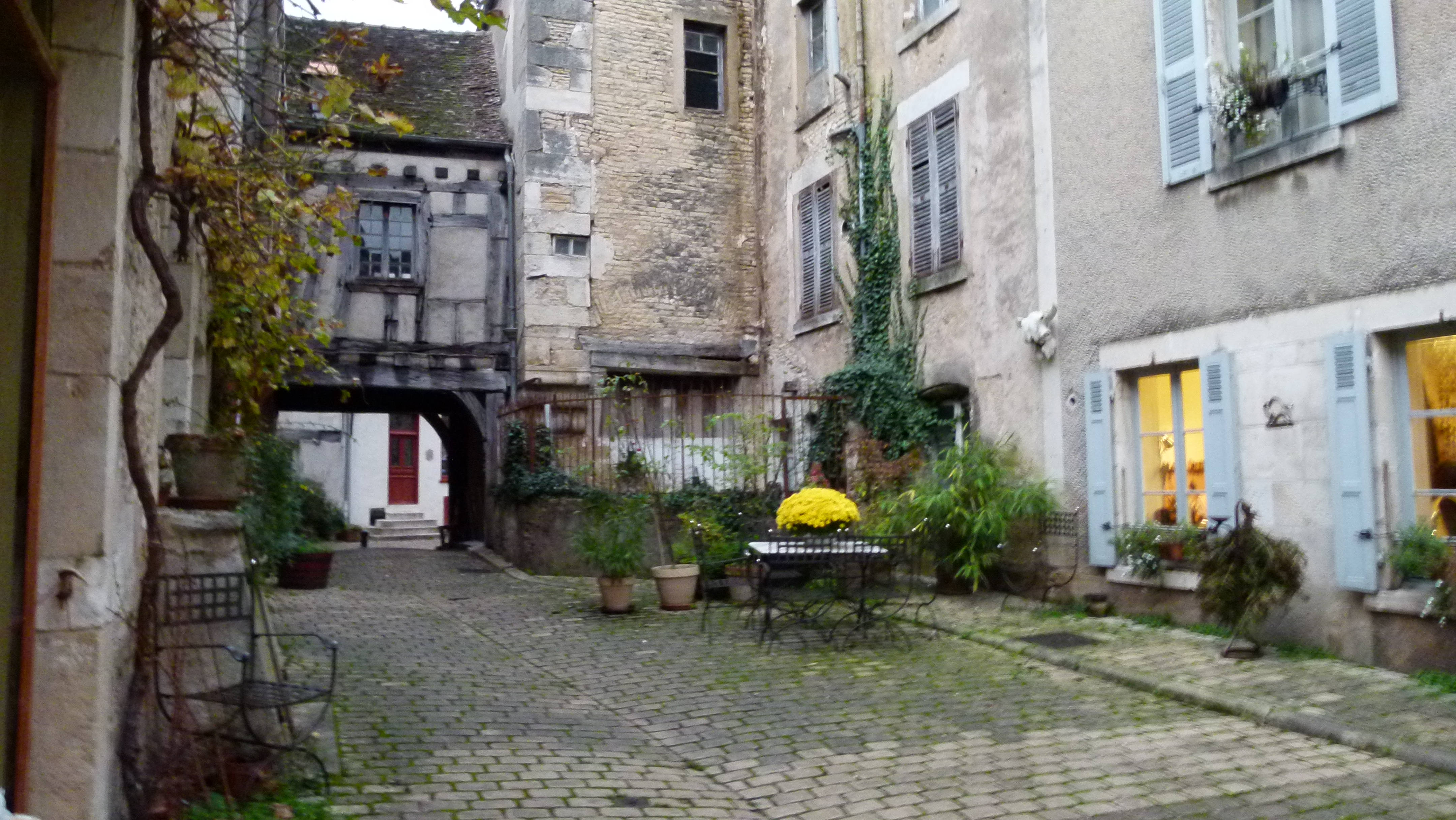
There are half-timbered houses – 78 of them are historical monuments from the 13th to th 19th century. The streets are narrow and cobbled …

P1060794

.. some hidden behind small passages.

P1060837

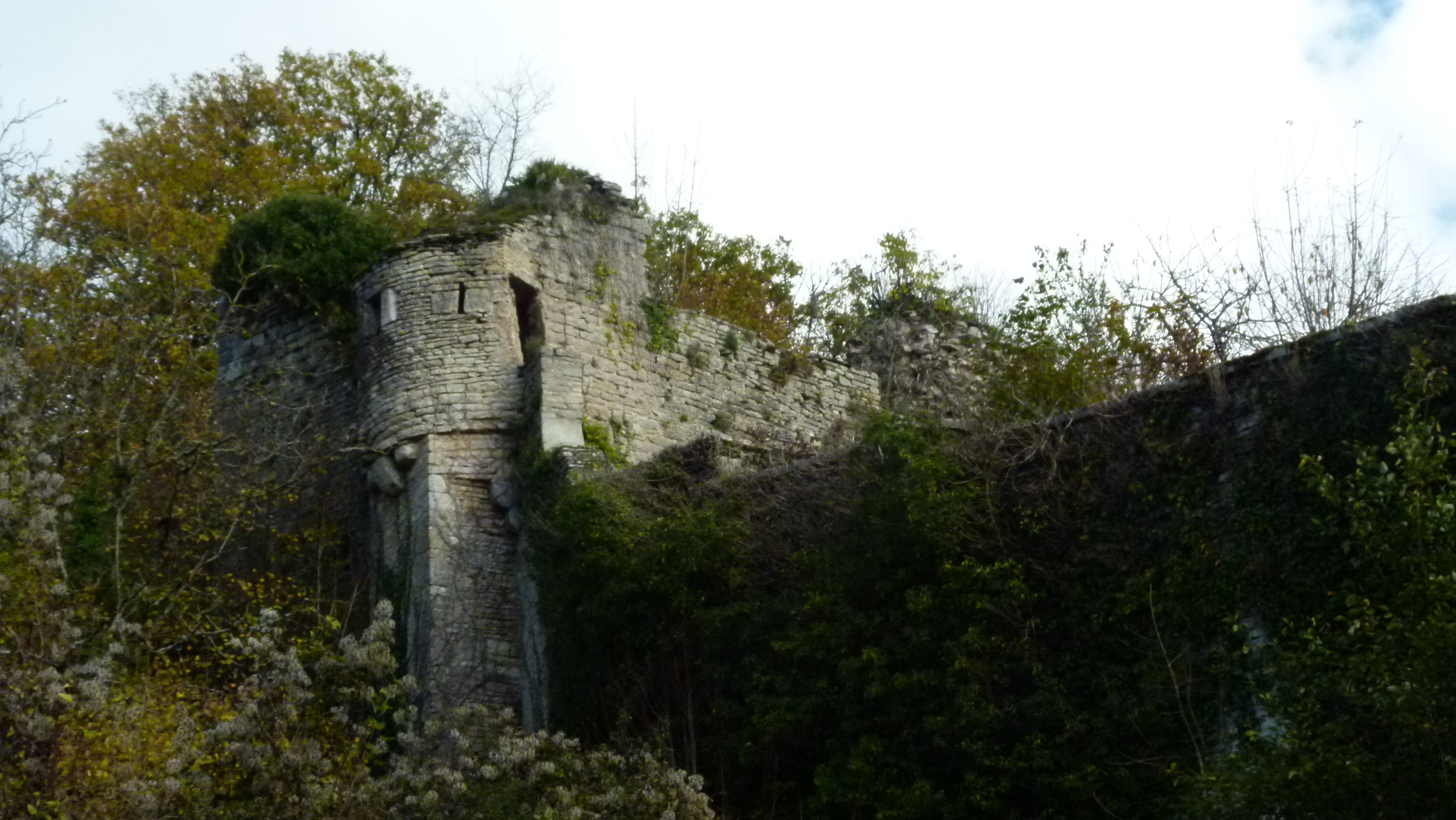
Above the town are the ruins of the castle. Like in Châtillon-sur-Seine, this castle has been destroyed by Henry IV. Yes, Henri was the grand-father of Louis XIV and fostered the power of the French king paving the way for his grand-son.

P1060842

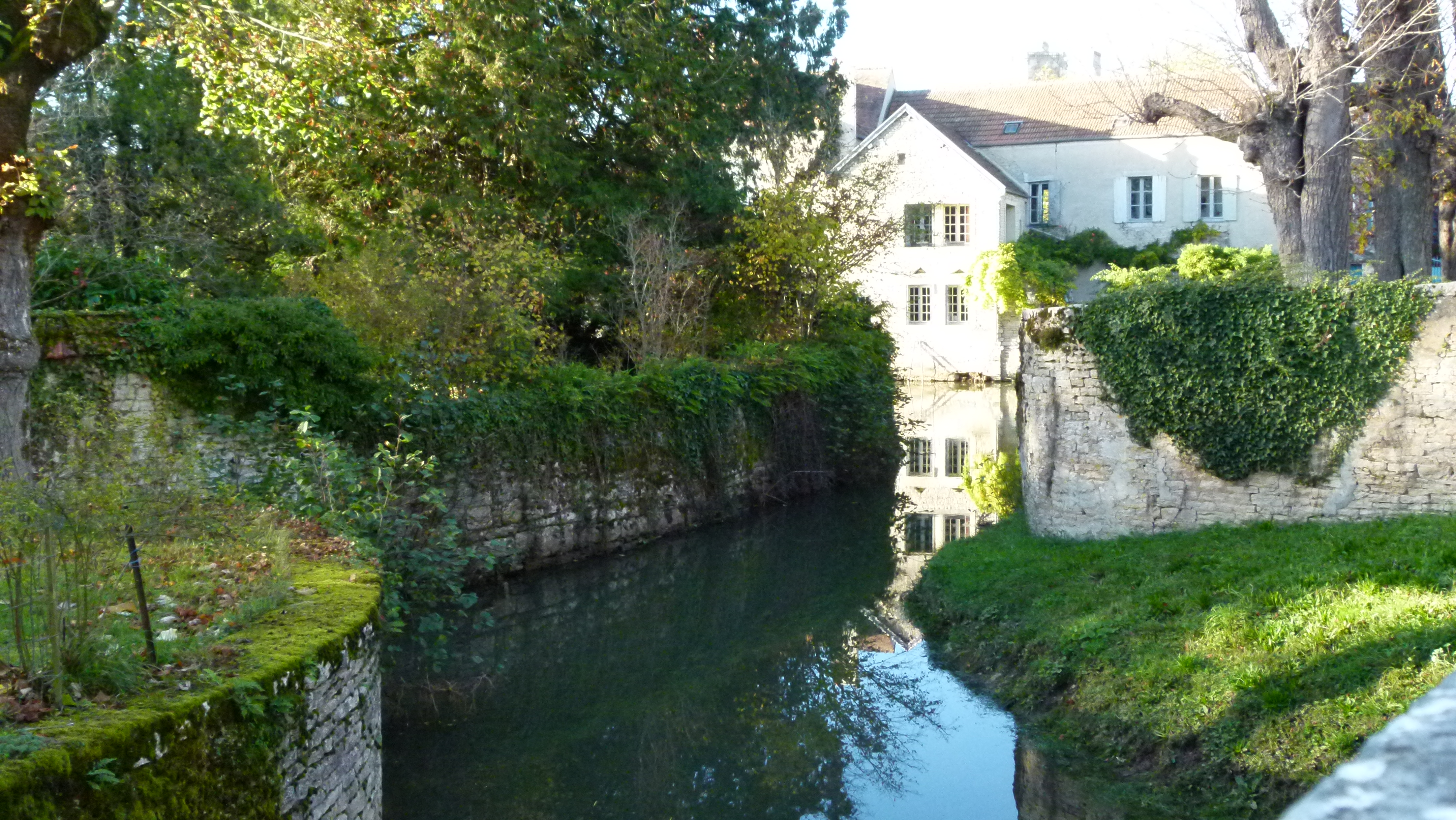
The river Sérein makes a natural water ditch that protects the town on three sides.

P1060851

.

The recommended walk outside the city

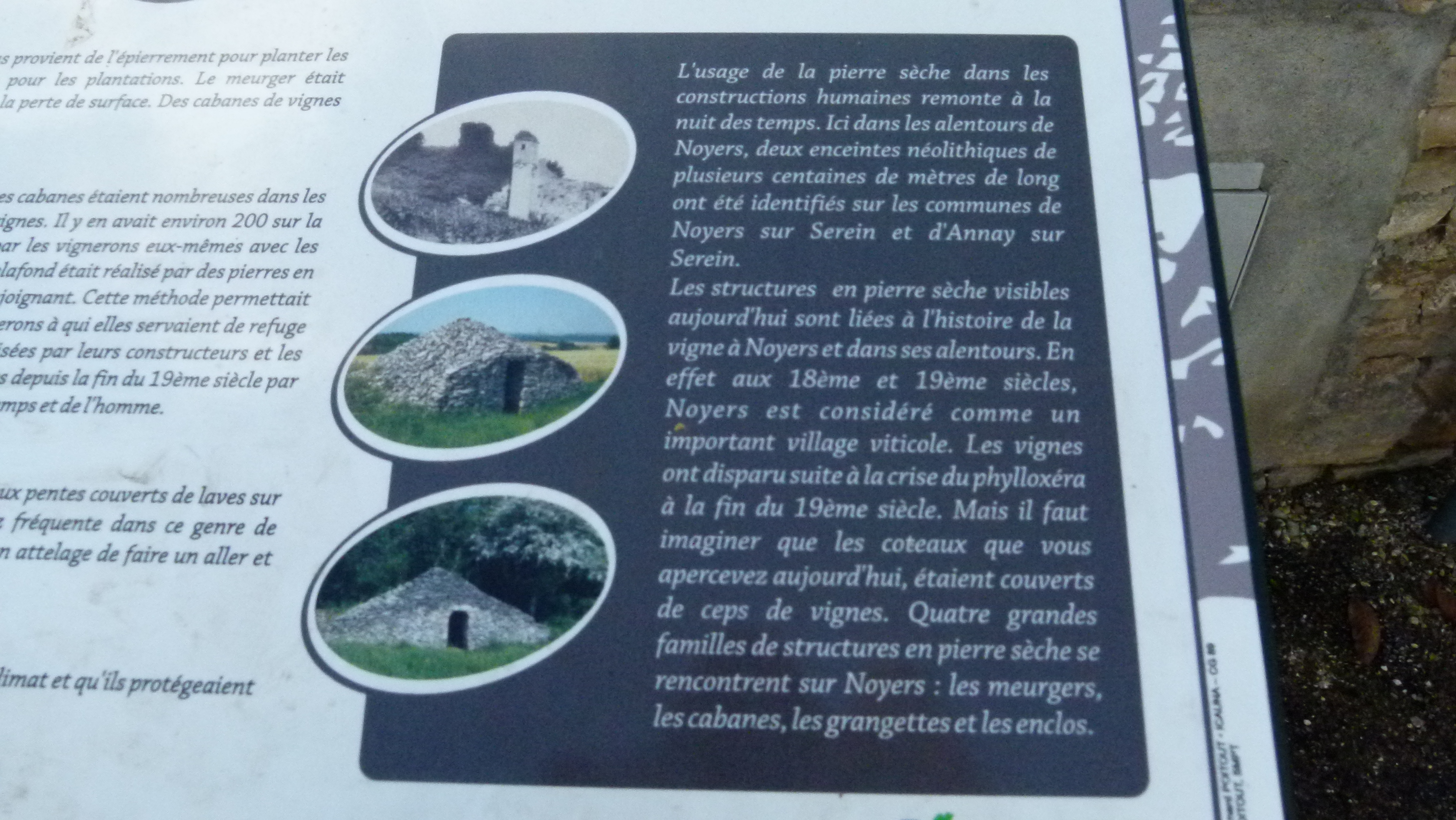
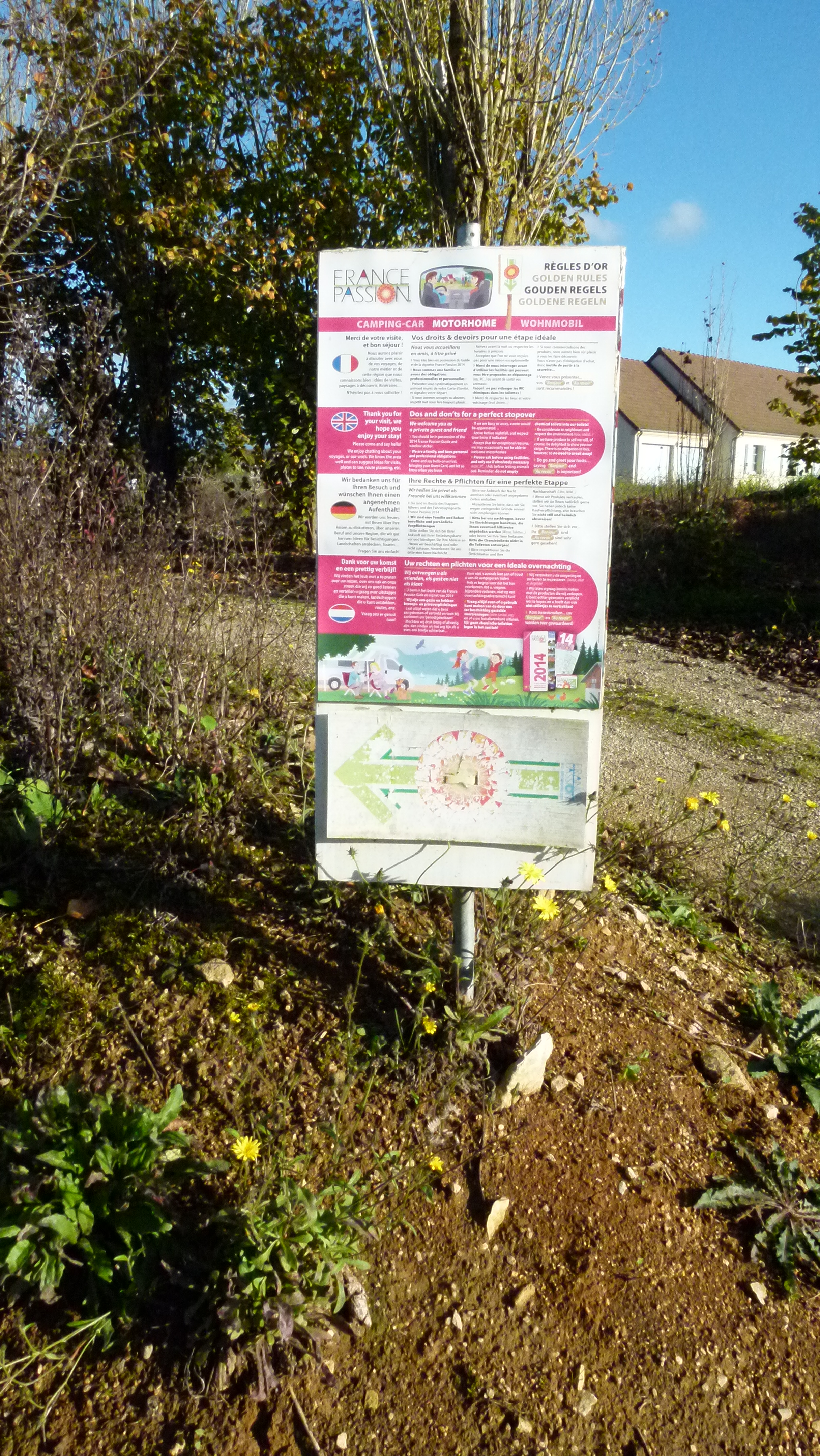
In front of the southern gate I find a poster that announces signed round walks. They promise houses with dry stone walls which have remained from the vineyards that surrounded Noyers until the late 19th century. After having been hit by the phylloxera, these vineyards have been abandoned, but the dry stone houses are still there. I would like to see them…

P1060839

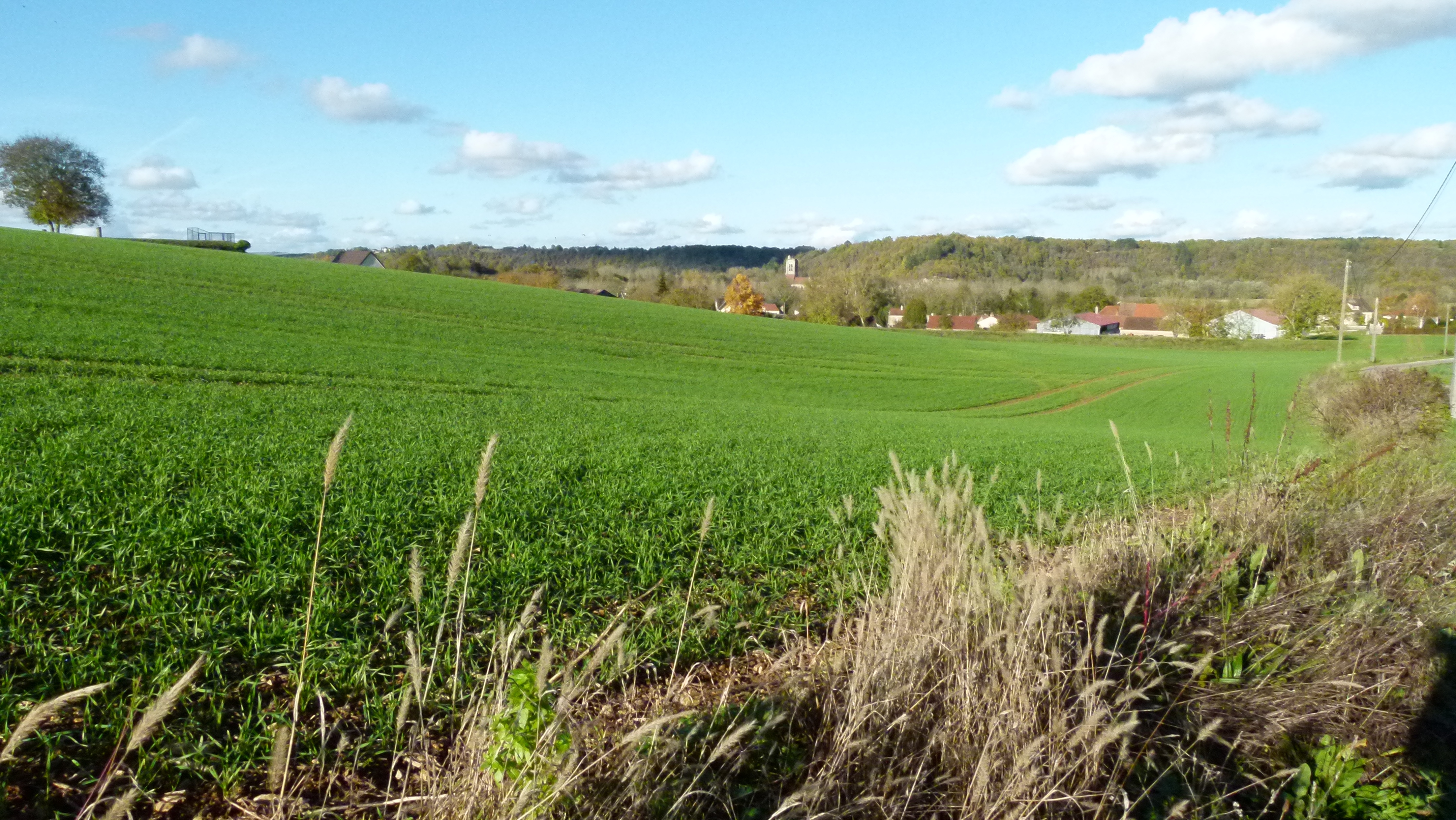
… and set out to follow the signs. I can see the village with the surrounding hills that were vineyards.

P1060844

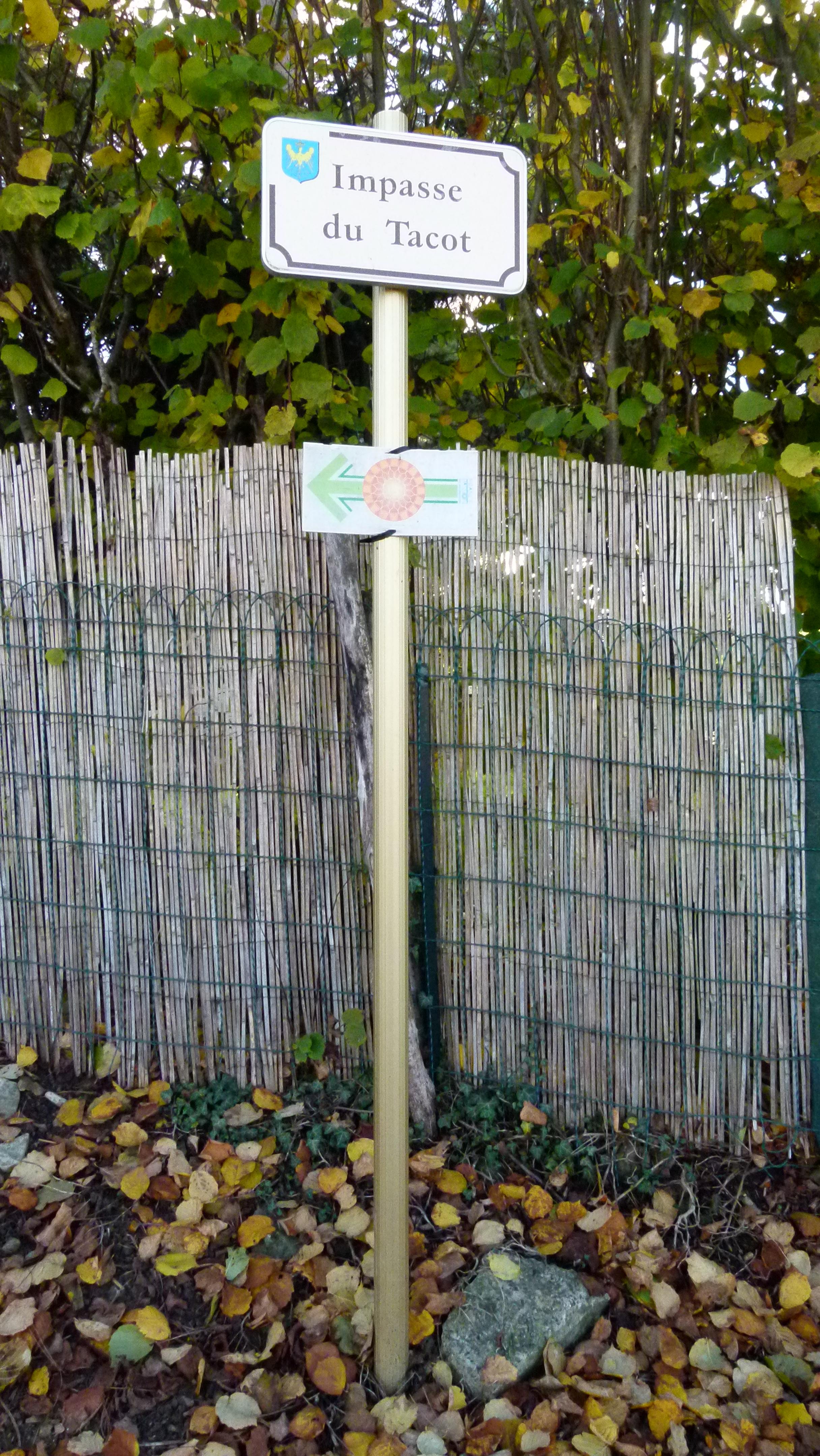
The next sign directs me into an “impasse” (or “dead-end street”).

P1060846

I get lost in a large garden with an open gate. I oscillate a bit, and eventually find the sign where I should have turned left (it is all at the bottom and has become faint)..

P1060847

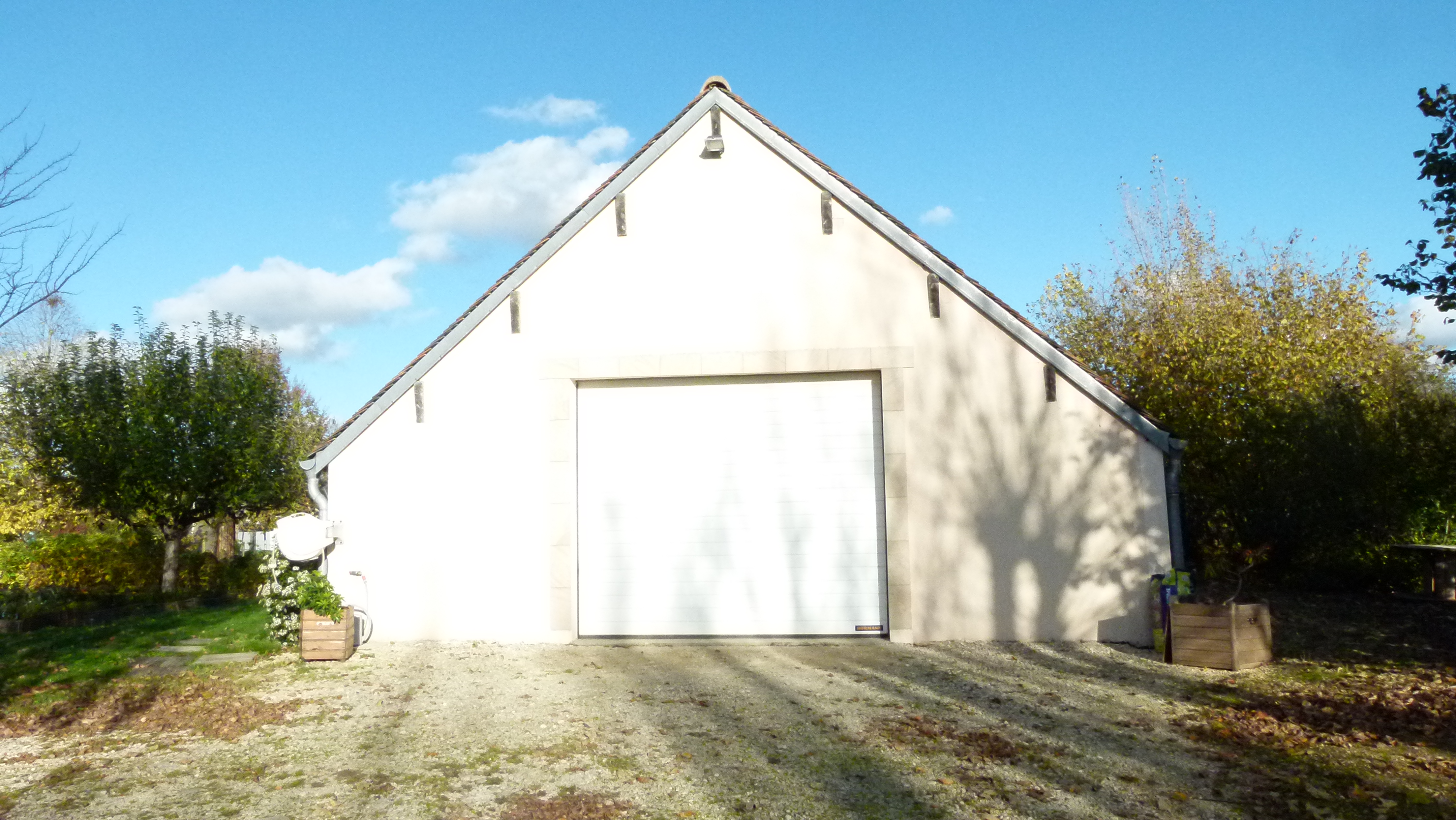
The sign directs me to this garage. To the left there is private garden and to the right nothing but mud.

P1060848

The hiking trail is disappearing in the middle of nowhere. This can happen in France. I change my plans. I will surely find a charming place to have a tea or coffee in Noyers.

.

The “Centre pour les Arts” with the large selection of tea and coffee

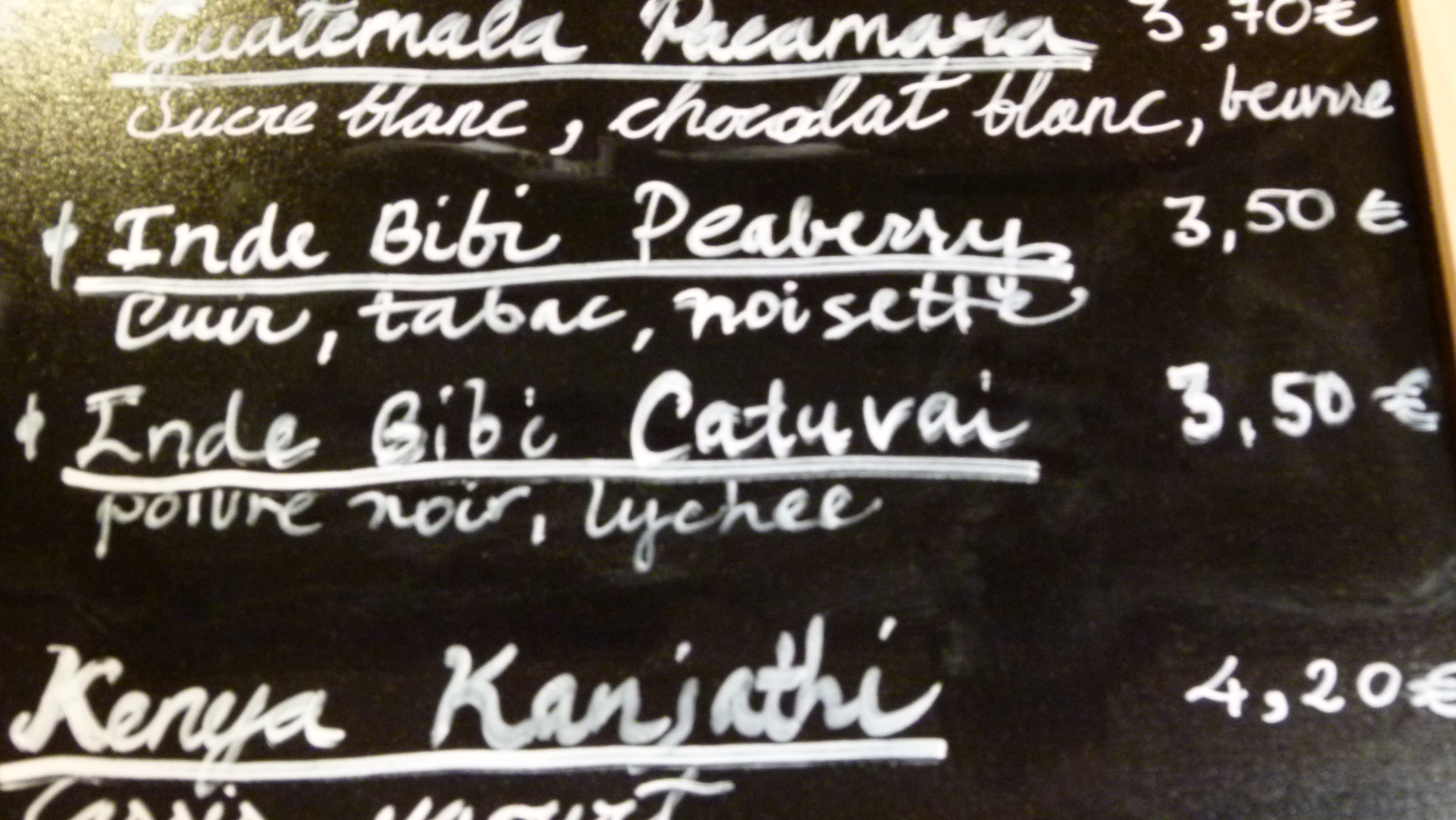
The “Centre pour les Arts” is just opposite of  the townhall. It is run by a friendly couple. I enter to sit down and enjoy the tasteful ambiance. I order a cup of hot chocolate. “How do you want your hot chocolate, with water or milk?” the owner asks me. “You make hot chocolate with water? Then I want it with water. Like I know it from Mexico, but this is so difficult to get here,” I answer happily. The eyes of the owner shine bright: “So you want to drink the chocolate as it should be, you are a connaisseur.” I sip my hot chocolate with a tasty biscuit. I study the menu. It has coffee from various countries in Latin America (such as Costa Rica) – a great selection. They also have tea. They assign tasting notes, like we do for wine.

P1060853

I rest, read and recover in this welcoming place that also has good reviews in Tripadvisor. I should perhaps add another review.

.

“This car does not disturb ME” – a wonderful market appears in Noyers two days later and gives us another charming French experience

Our cars are parked on the Place de la Mairie. I come down in the morning to load my car, because we intend to leave for Beaune today.  I notice a lot of activity. A stand is emerging around the car of my Russian friends. “Is this your car”, the stall owner asks me. “No, THAT is my car”, and I point to my Audi. “Cette voiture -là ne me gêne pas”, he says (that car does not disturb me). When Katja comes down to repark her car, the fish seller drives in with his lorry that opens up to become a stall. He frowns at me. I say  that I had been told that my car is not in the way. “Well may be your car does not disturb HIM, but THIS is is my place.” he says pointing to my Audi. So, I move my car away as well. More stands are being installed. This is a wonderful small market with local products. We leave nevertheless, as we are have arranged to meet Patrick Piuze in Chablis.


On the road to Burgundy – French culture in Châtillon-sur-Seine and Fontenay

Châtillon-sur-Seine is a gorgeous small town with cobbled streets topped by an old church and a castle

After my delicious dinner and my cosy night in the Hotel de la Côte d’Or, I stroll through the old town stretching along the (still young) river Seine.

P1060747

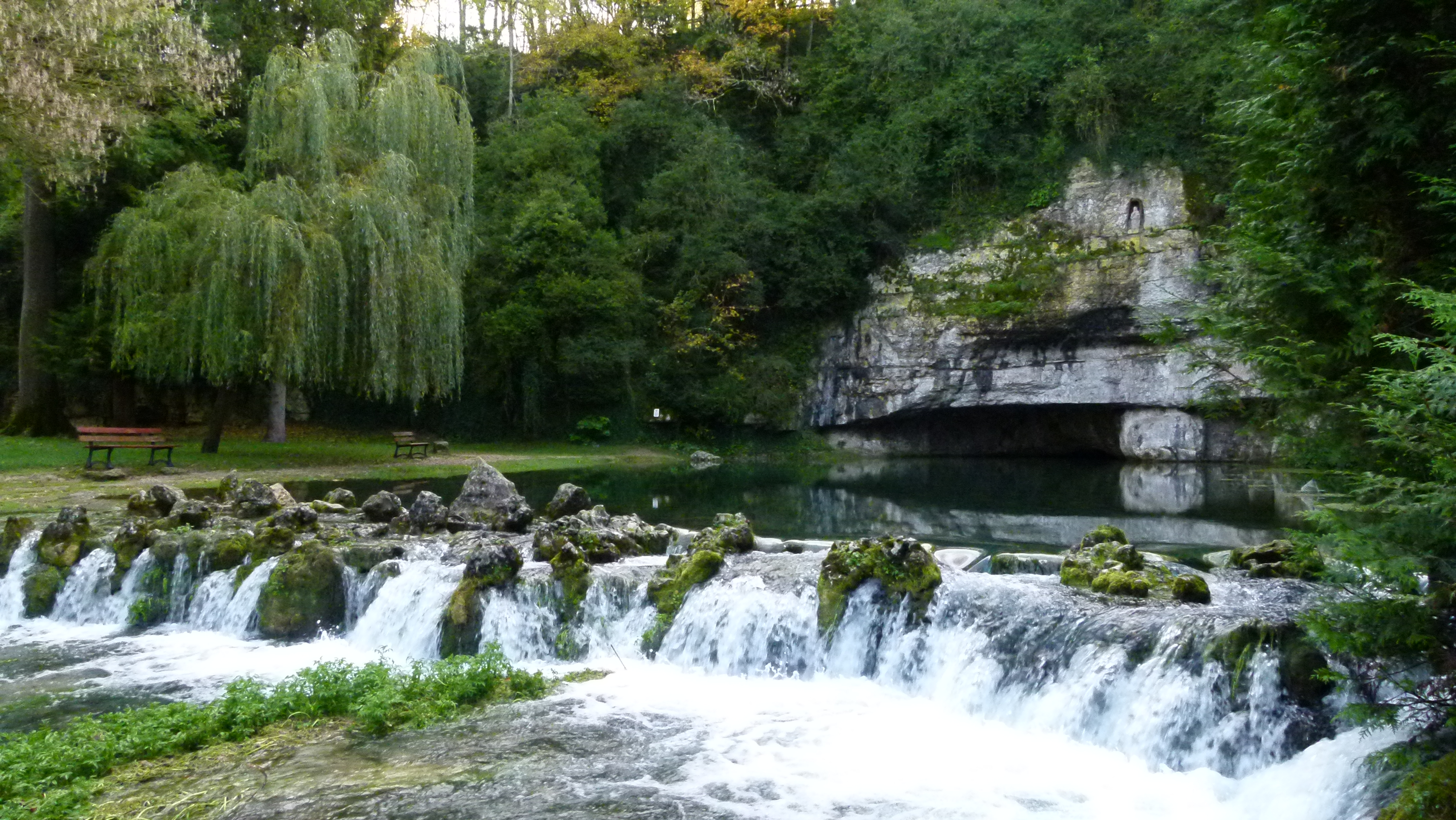
A sign points to the source of Douix. It emerges as an artesian well adding ambiance to a small, romantic town park. The Douix then flows into the Seine.

P1060757

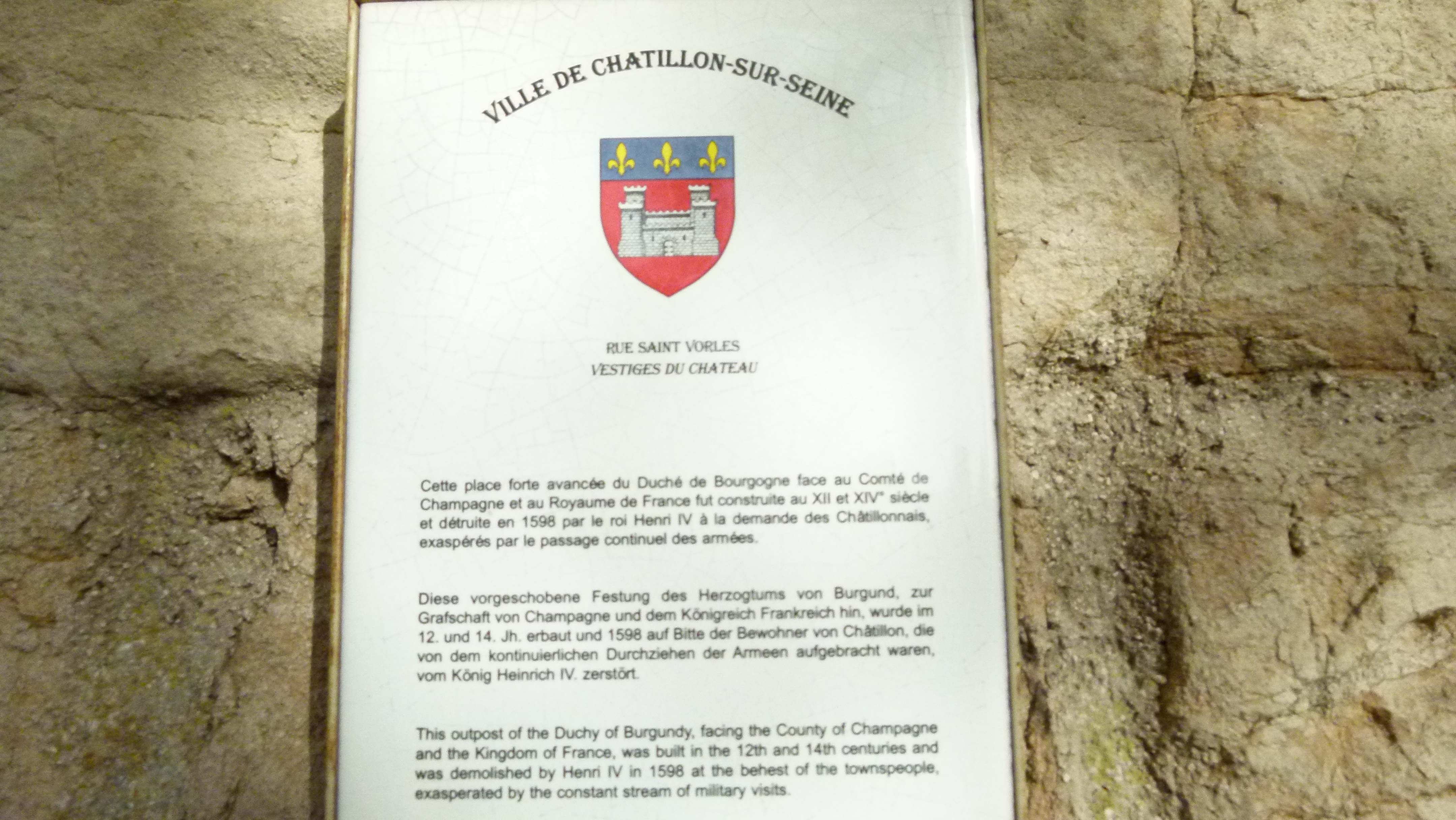
I climb the hill. The old castle is in ruins. This inscription says that it was destroyed by Henry IV in 1598 – at request of the citizens. The citizens were tired of the armies passing by continuously.

P1060760

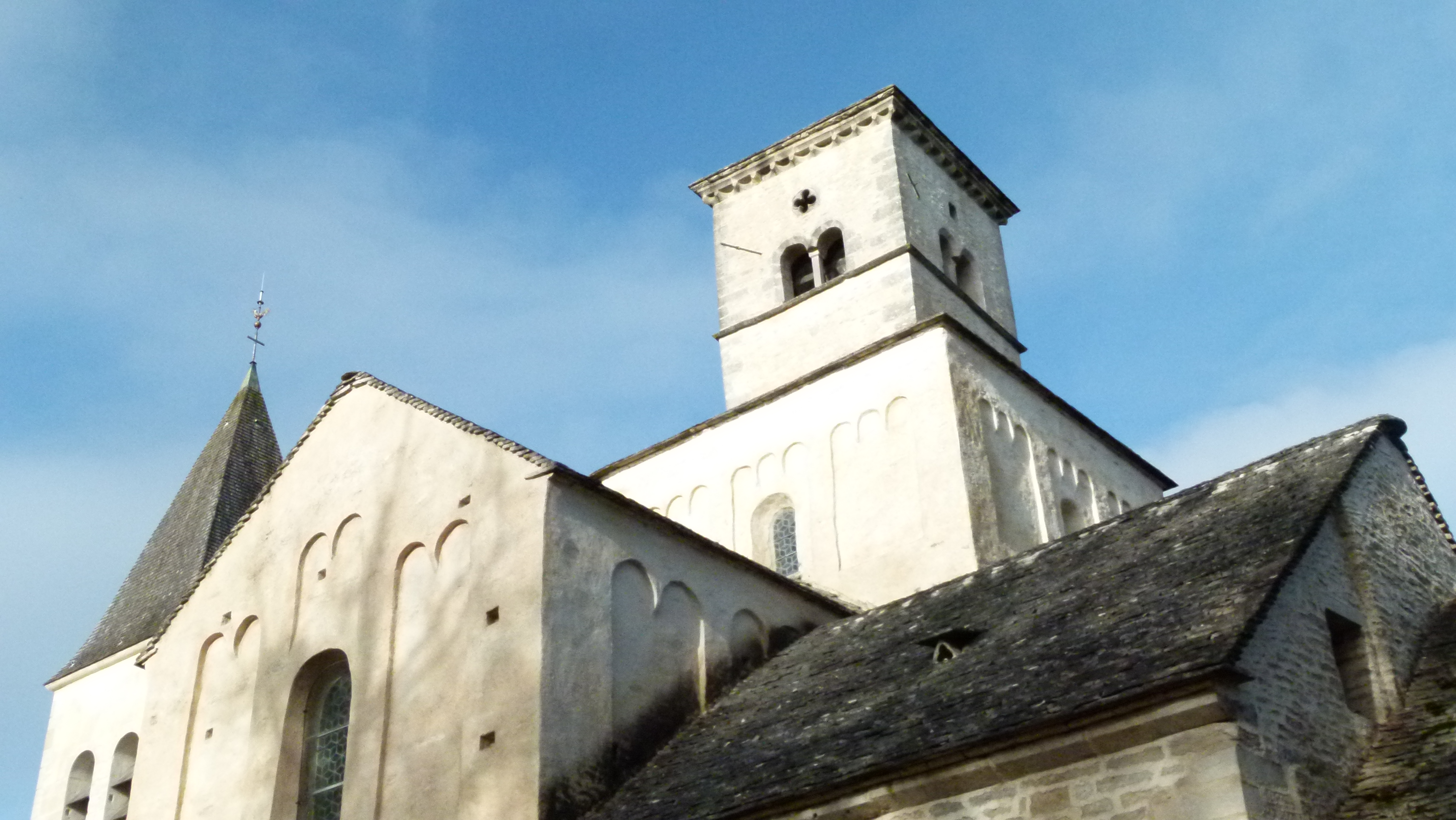
The church St. Vorles is a few steps away. I find the door locked.

P1060764

The church dates from the 11th century and keeps elements from Carolinigan times (Guide Michelin, Bourgogne, p. 508).

I walk through the narrow streets with locked gardens watched by dogs…

P1060759

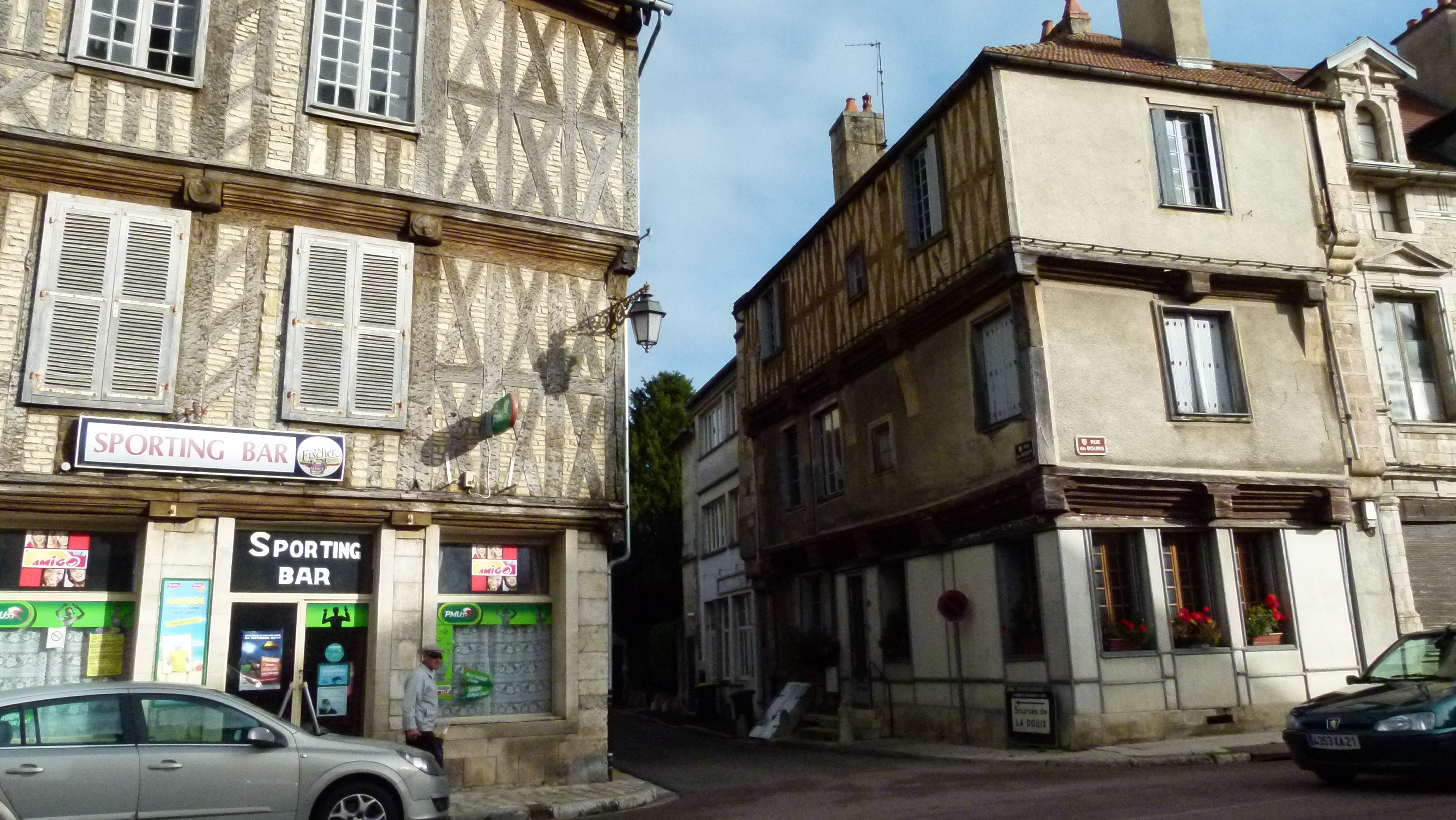
… and with old houses, many of t hem half-timbered.

P1060771

Châtillon is proud of their Musée du Pays Châtillonais that hosts the celtic treasure of Vix. The museum has moved out of town. Also not far from here are the Morvan mountains where Cesar defeated the Helvetians and Vertingetorix (Bibracte 58 BC and Alesia  52 BC).

Pinot Noir and Chardonnay are grown around Châtillon. La Route du Crémant invites to visit the caves and taste the heritage of the Châtillonais: The Cremant de Bourgogne Châtillonais. I bought a dry Crémant rosé – I do not remember the name of the winegrower. I liked this Crémant, when we shared it later. Perhaps I will come back and visit this wine region that is off the beaten path.

.

 Abbaye de Fontenay

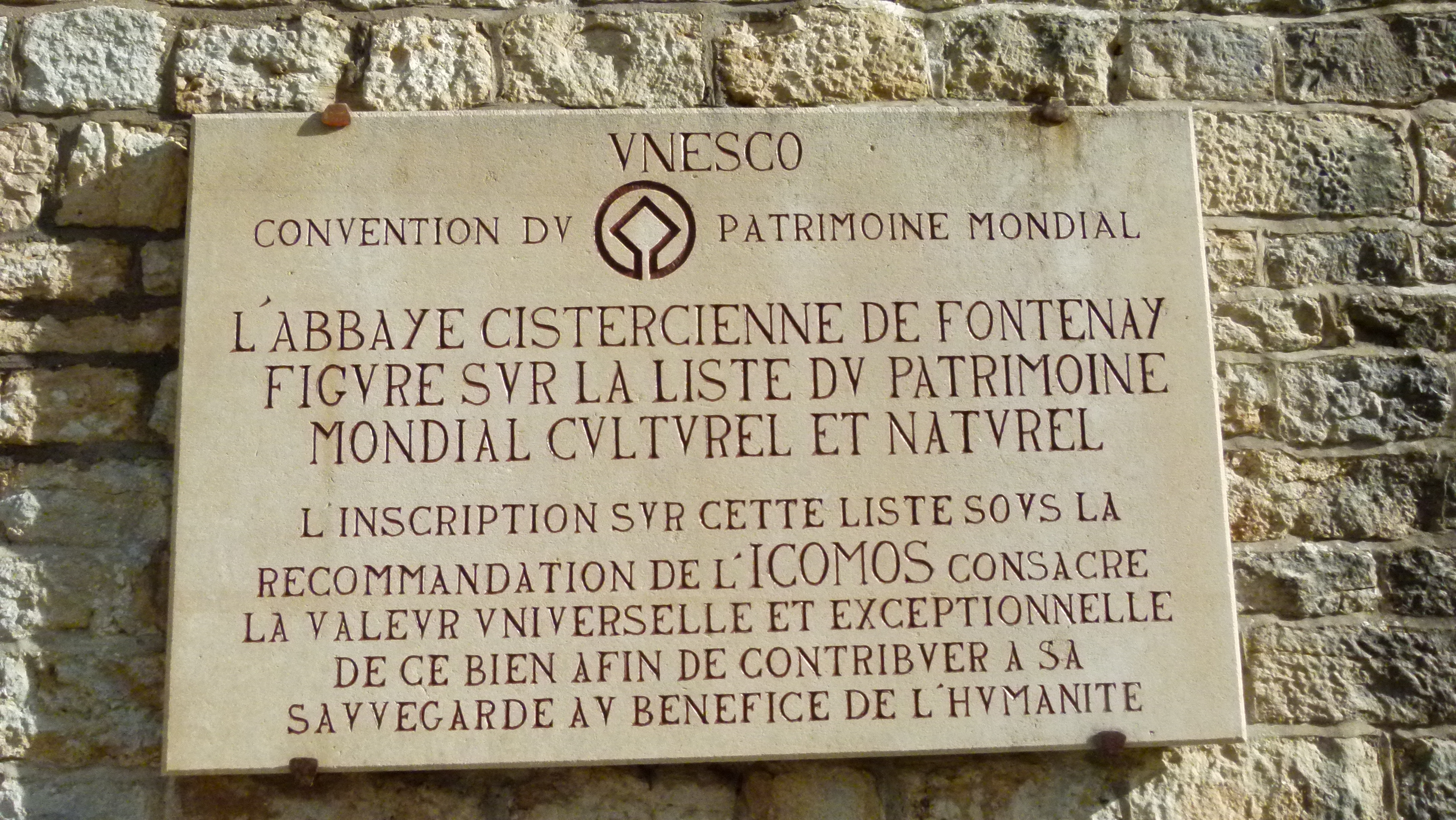
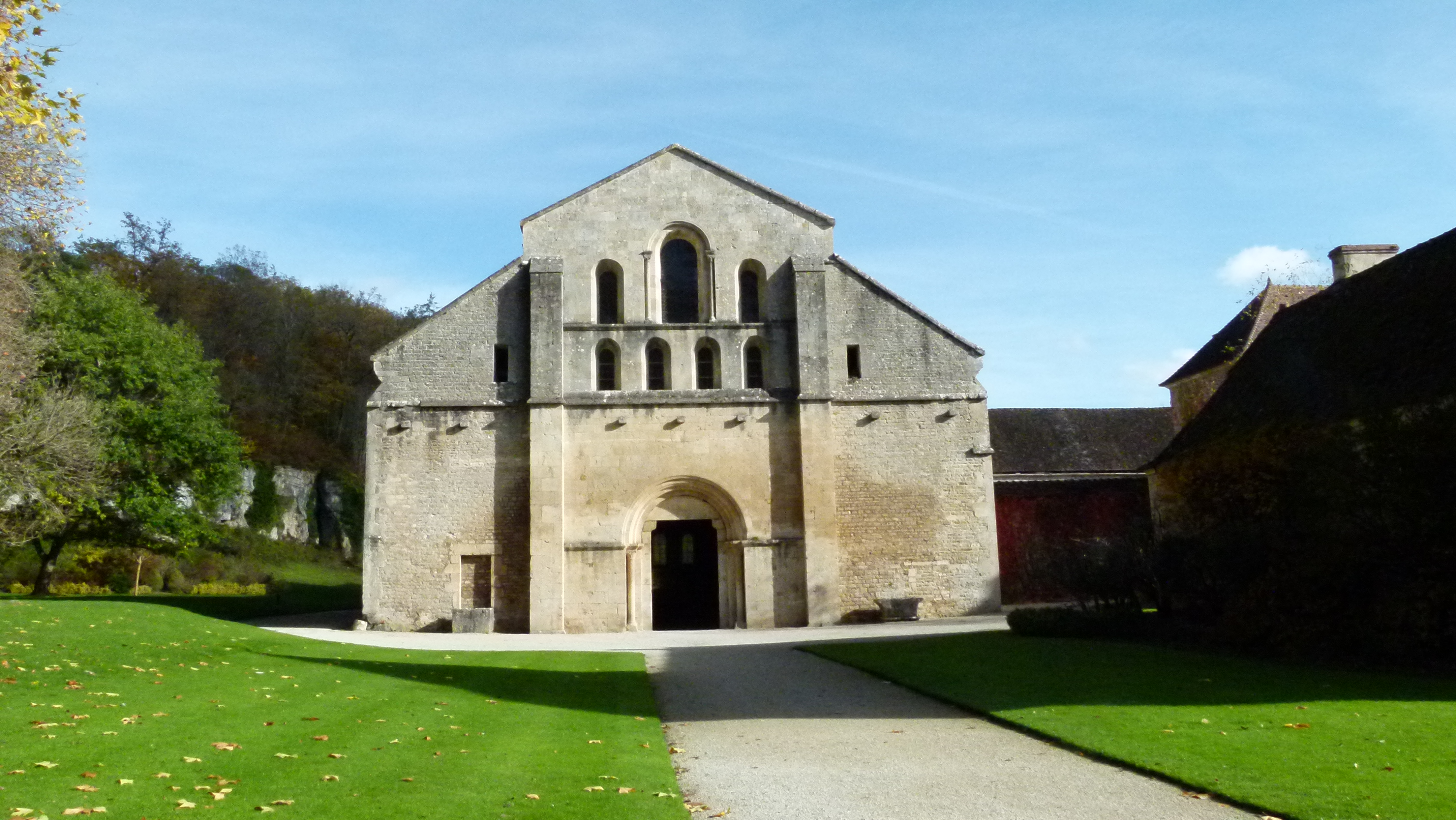
Next I drive to the Abbaye de Fontenay, about 30 km south from Châtillon-sur-Seine. This Cistercensian monastery, located in a valley surrounded by hills, was founded in 1118 and has been restored recently. It is on the list of Unesco world heritages.

P1060775

I arrive shortly before twelve – just right for the next guided tour that starts at twelve.

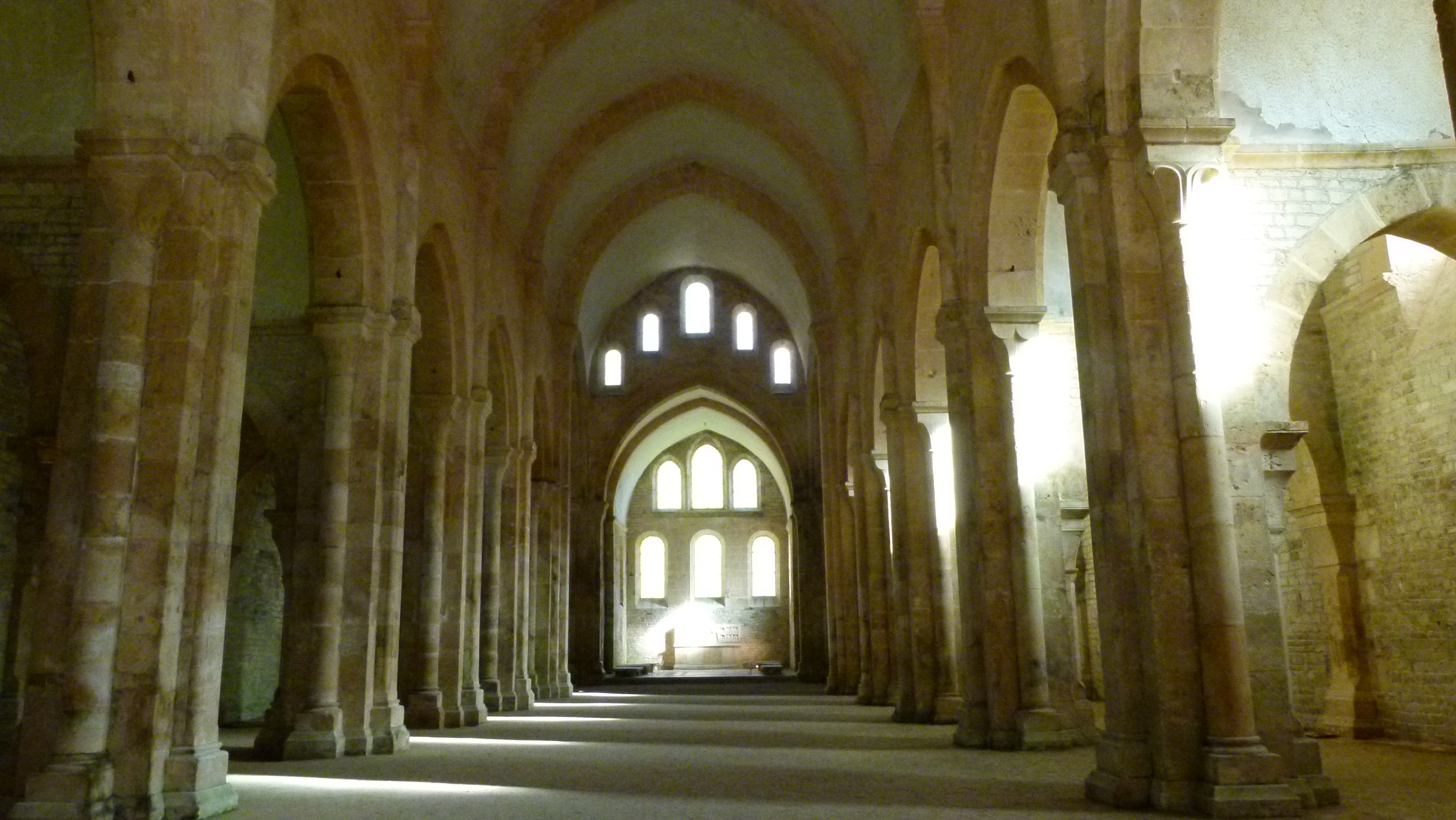
The tour begins with the romanesque church from the twelfth century.

P1060779

The inside is not adorned and invites to meditate. Nothing distracts from contemplation.

P1060781

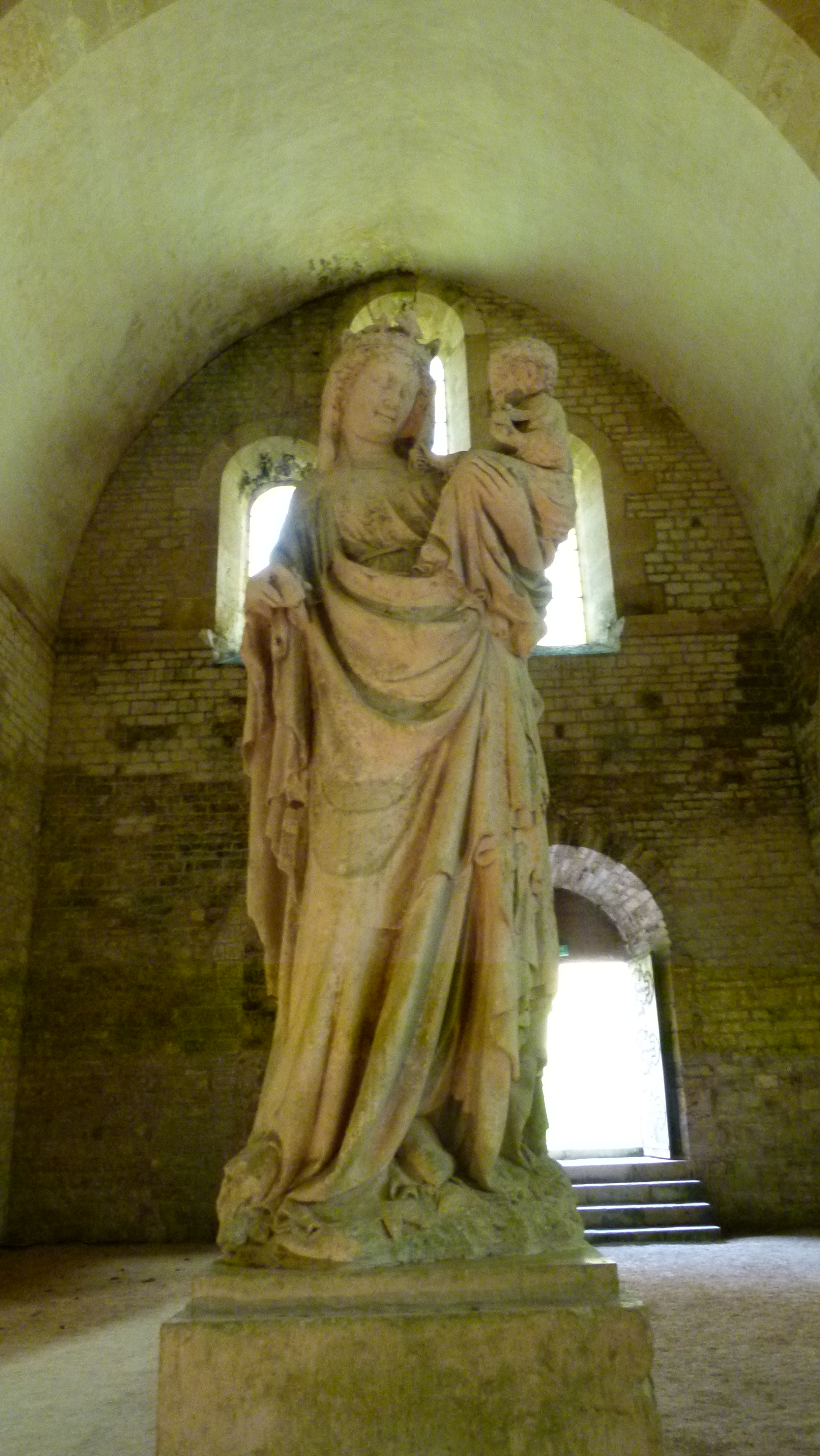
The guide is very proud of the statue of Maria smiling at her son. Usually, he says, Maria does not smile at her son, because she feels what his destiny will be, but this Maria smiles.

P1060783

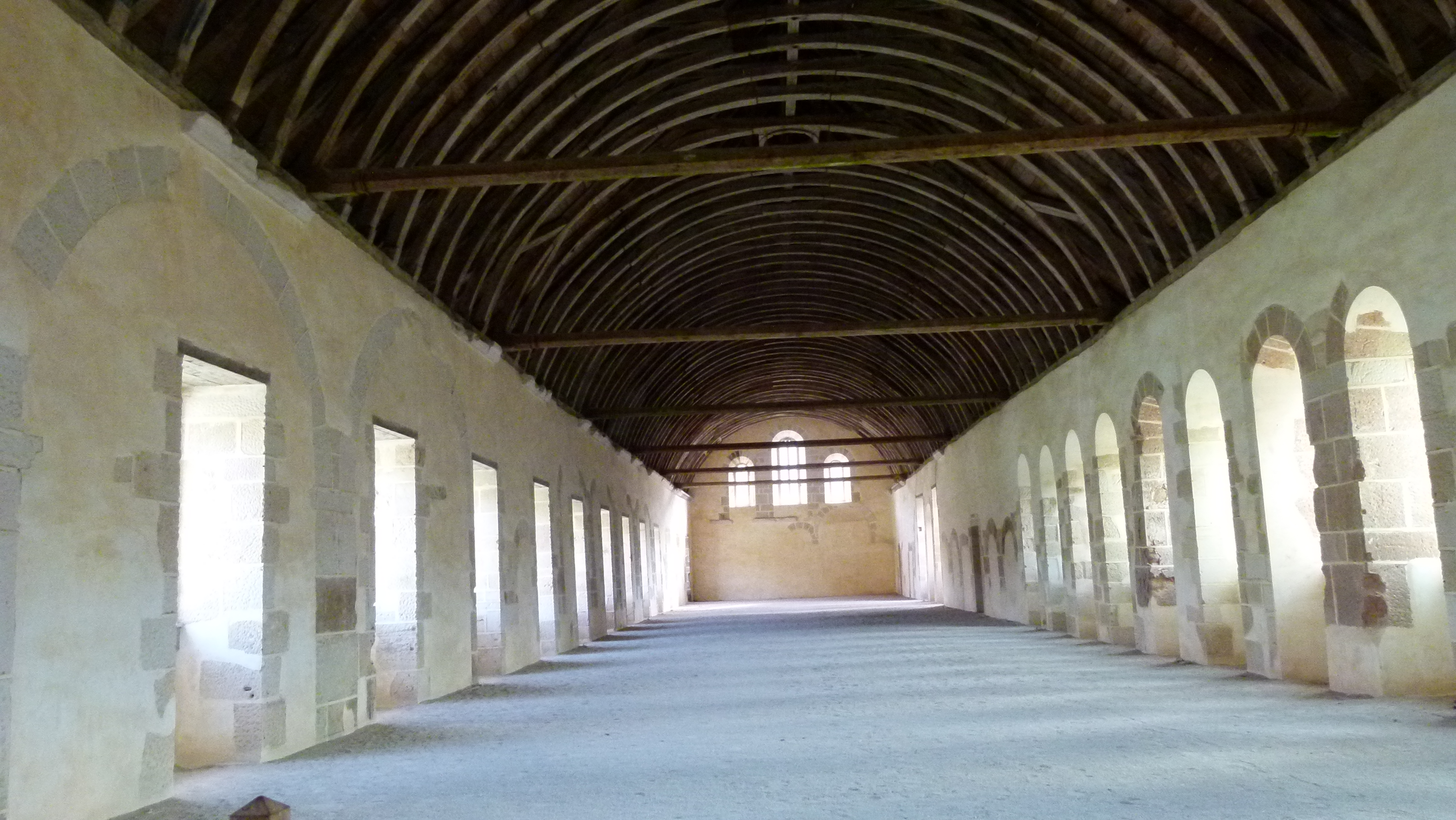
Directly neighboring the church (and separated by some steps) is the dormitory with its vaulted wooden ceiling.

P1060785

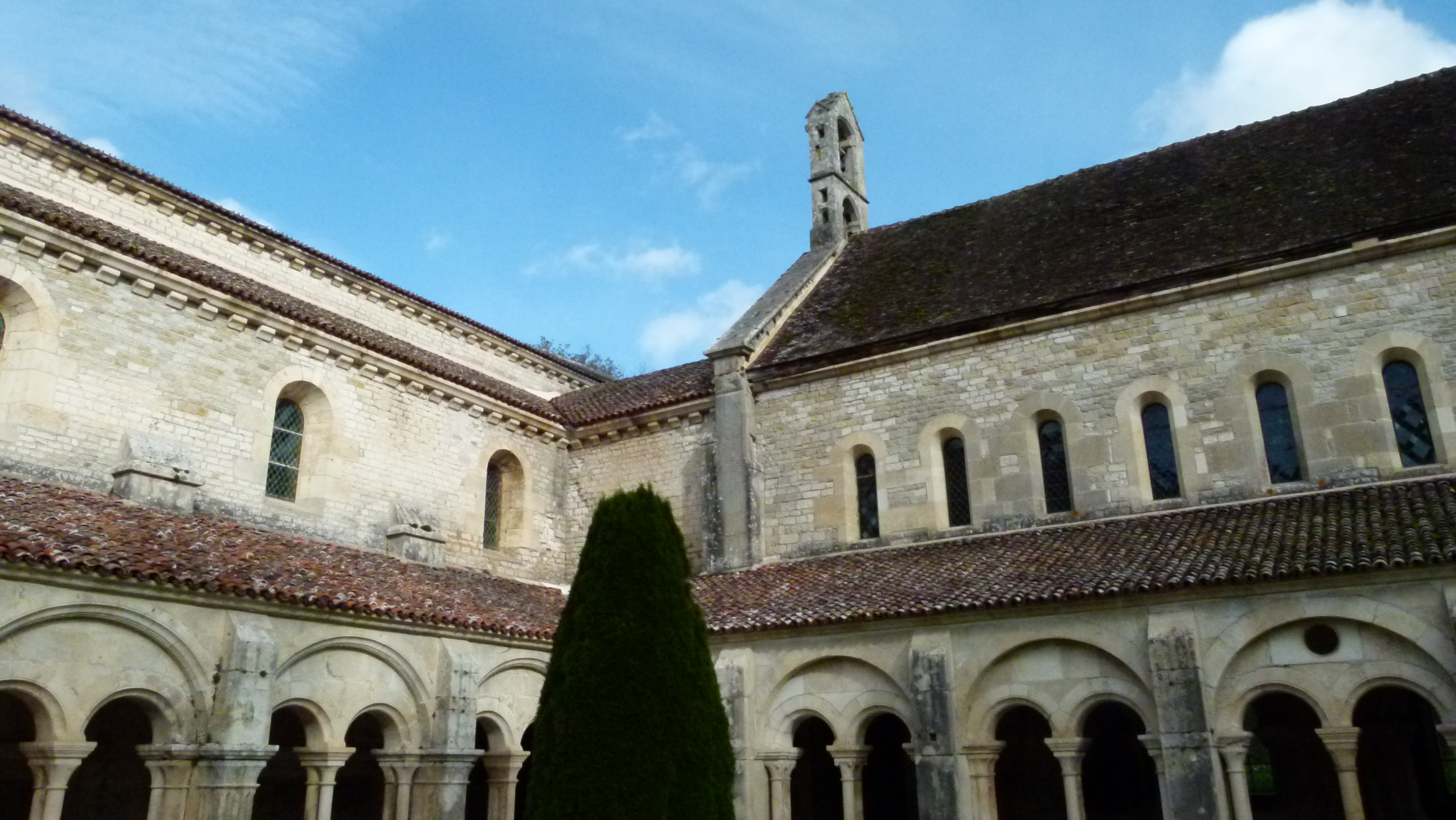
Also the cloister is unadorned – the Cistercensian monks wanted to focus on praying. In the adjacent rooms there were a library, a congregation hall and one room with a chimney place – this was for copying manuscripts.

P1060787

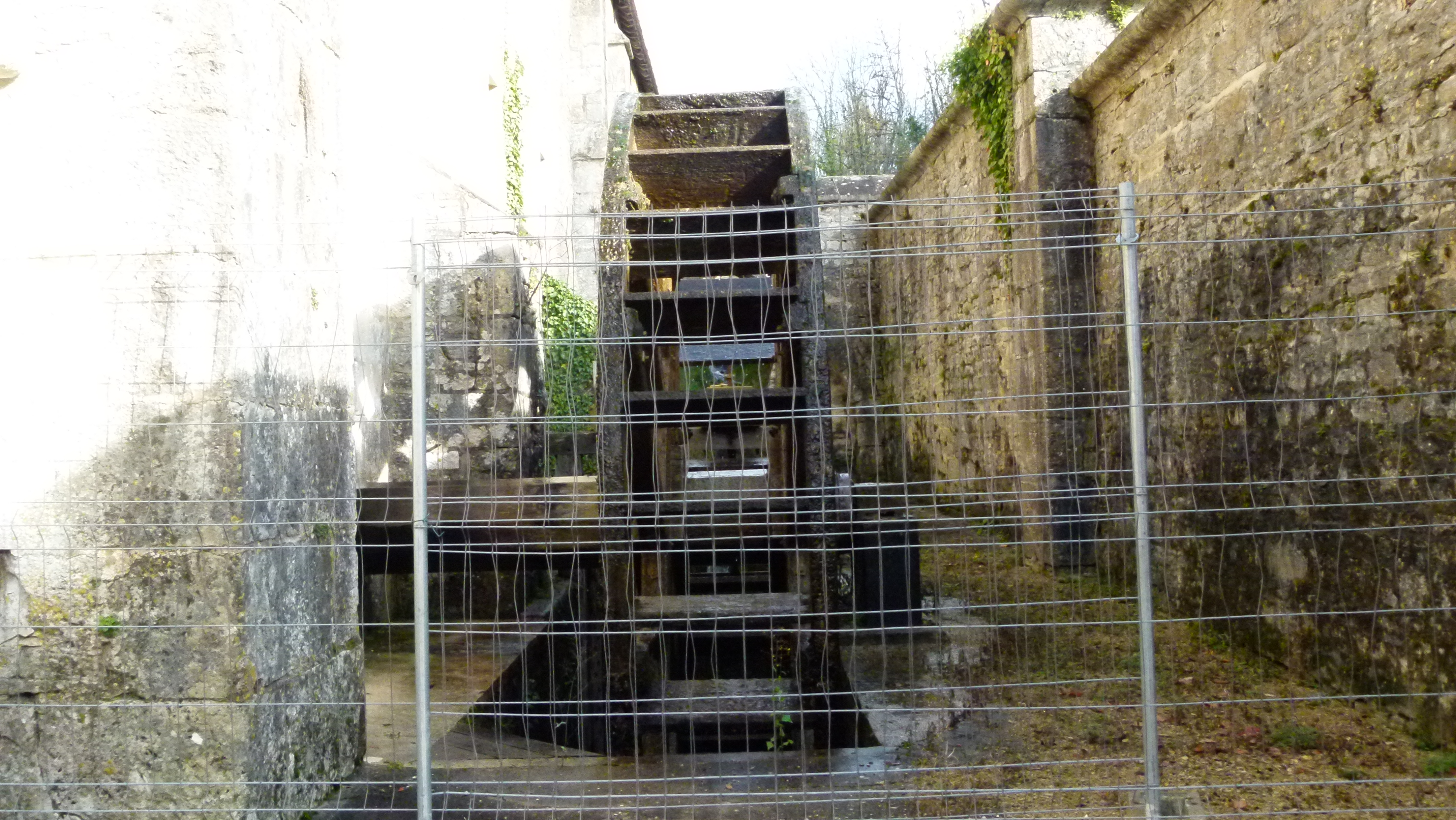
This mill drives the hydraulic hammer of the forge. It was the first metallurgical factory in Europe – invented by the Cistercensian monks in 1220.


P1060791

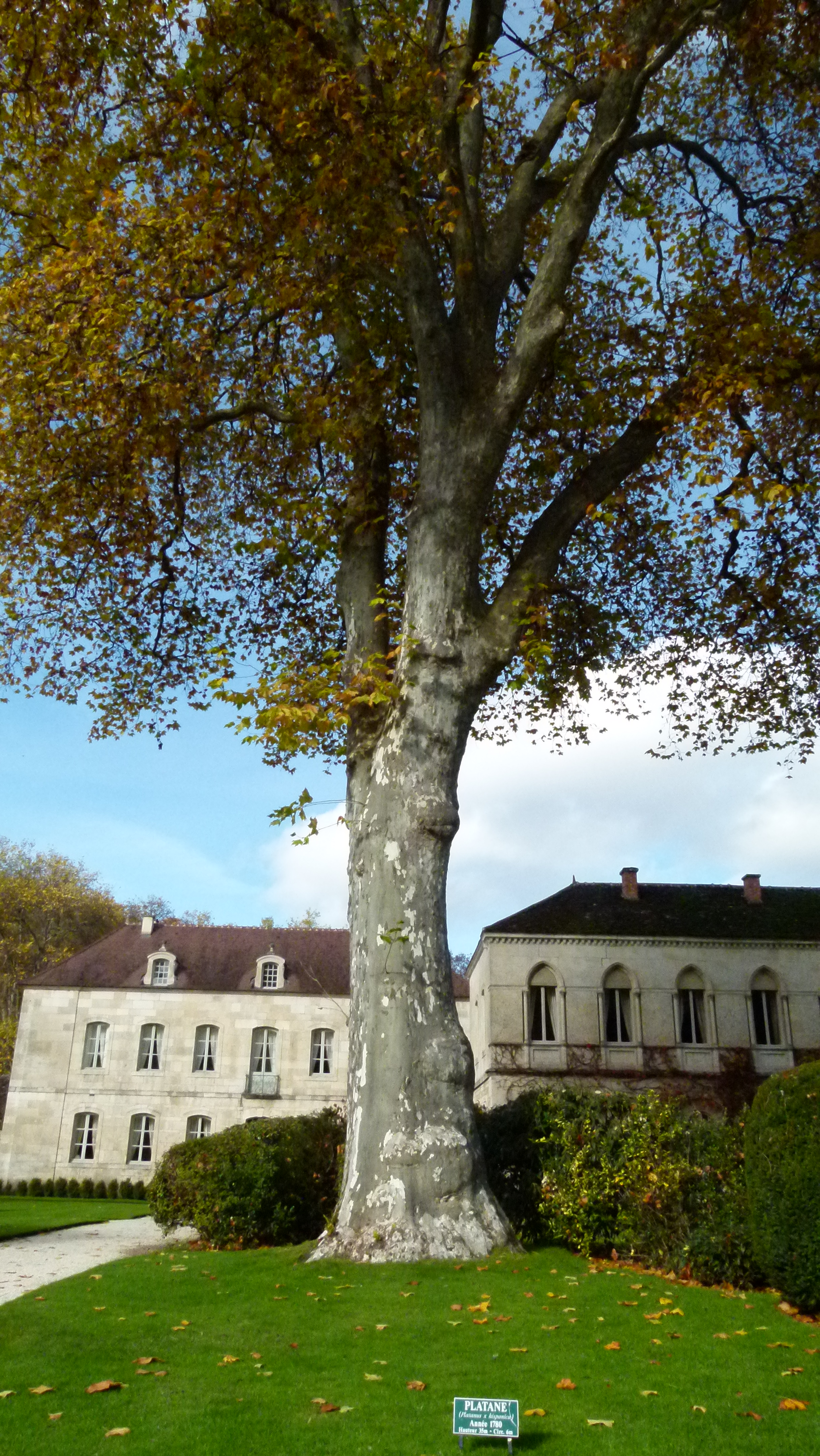
The garden is well kept with an enormous plane tree that is several hundred years old.

P1060793

Source: Guide Michelin for Bourgogne, page 476.

.

Continuing to Noyers-sur-Sérein, settling in our apartment and waiting for my friends

After having enjoyed all that culture , I continue my way to Noyers-sur-Sérein. There are many places called “Noyers” or “Nut Tree” in France. My GPS is confused and I take out my Michelin map to find the way, when I noticed that I am going into the wrong direction.

Noyers-sur-Sérein is a pretty tiny town with cobbled streets and woodwork houses. It is a half hour drive from here to Chablis.

P1060834

I retrieve the key in the grocery shop and find an apartment on three levels. It is cramped and not really tidy. The three beds are too narrow to be comfortable for two persons, though they advertise this apartment for 6 people (three beds à two persons). The grocery shop looks after the apartment – but I do not really feel welcome, when I retrieve the key. It seems that Julie, the owner of the apartment, is not rewarding the grocery shop for looking after her vacation rent. However, this place serves the purpose, as it is located close to Chablis where we plan to have our wine tastings. I settle and wait for my friends to arrive from Lyon.


On the road – finding great hospitality at Châtillon-sur-Seine

French hospitality in Châtillon-sur-Seine

On the way to Burgundy, my GPS guides me safely to Châtillon-sur-Seine. I find the Hotel de la Côte d’Or and this is s exactly the charming hotel that I have dreamt of. It is not too big, has cosy small rooms with spotlessly clean bathrooms and it is quiet with the view of this November garden.

P1060744

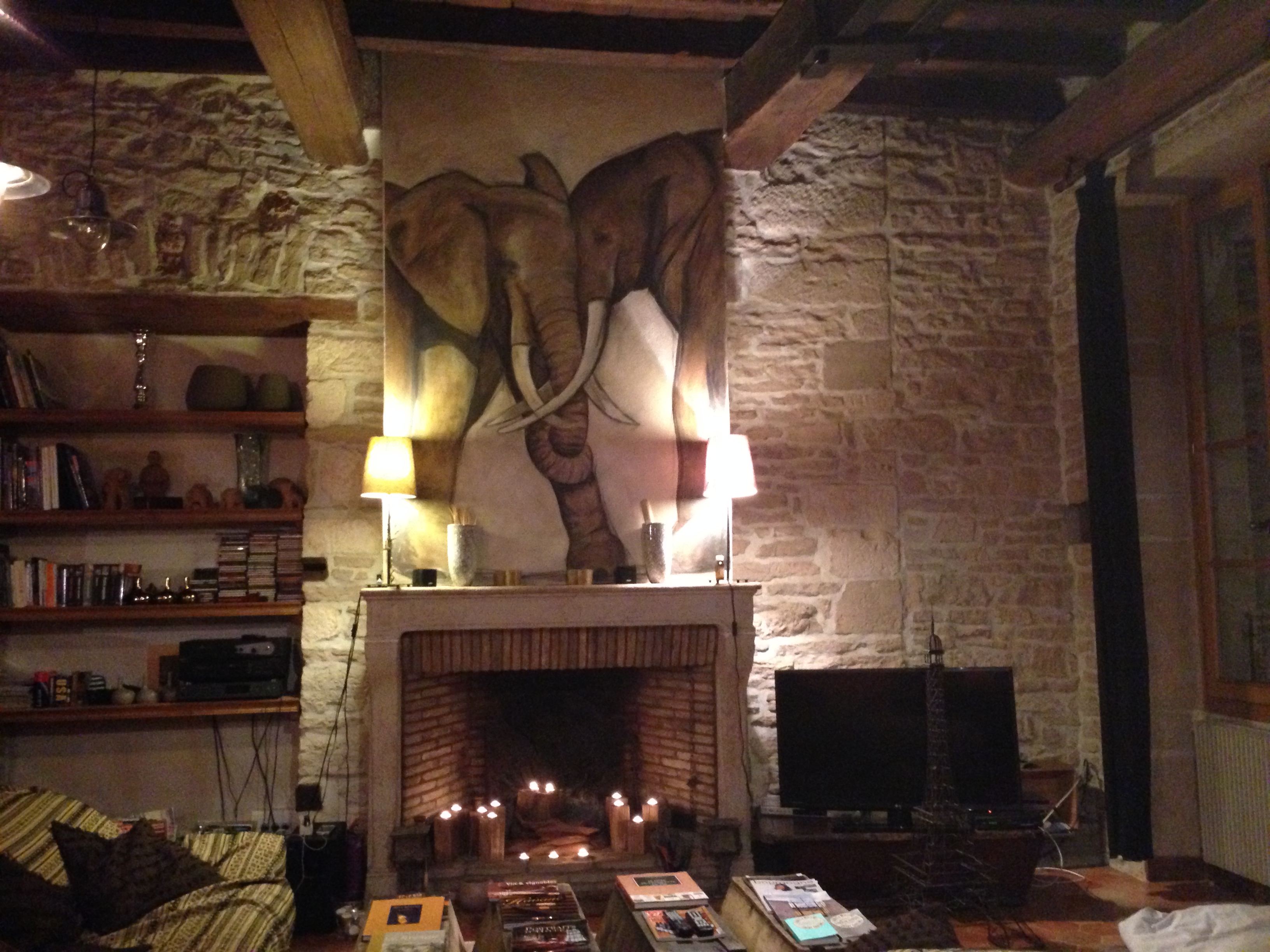
I find a hearty welcome in the large reception hall. There is a  fireplace and a solid wooden table with two benches that invite me to sit down and have a chat with the old farmer that watches the people coming and leaving. After seven in the evening, couples and groups enter the reception hall saying “we have reserved a table” and they disappear behind a “mysterious” door. I follow them to this homelike restaurant – the kind of restaurants I love in France.

P1060745

A very friendly and agile young lady guides me to my table. Her mini jupe may be a little short for her, but she wears it with such a charm that she just looks great. She is alone to serve about ten tables, and not one guest feels neglected. They all enjoy one course after the next – and one glass of wine after the next.  An ambiance of happiness and humor fills the room. Once the charming lady carries a bottle of wine and a bottle of Coke on her tray.  I hear a voice say “why do you bring ME a Coke – ah, okay, it is not for me…” and he happily tastes his wine while the Coke is being delivered to another table in the corner. In the kitchen behind the clapping door there are three young cooks. I hear friendly voices accompanying their busy activity – and the guests are obviously all pleased with the results.

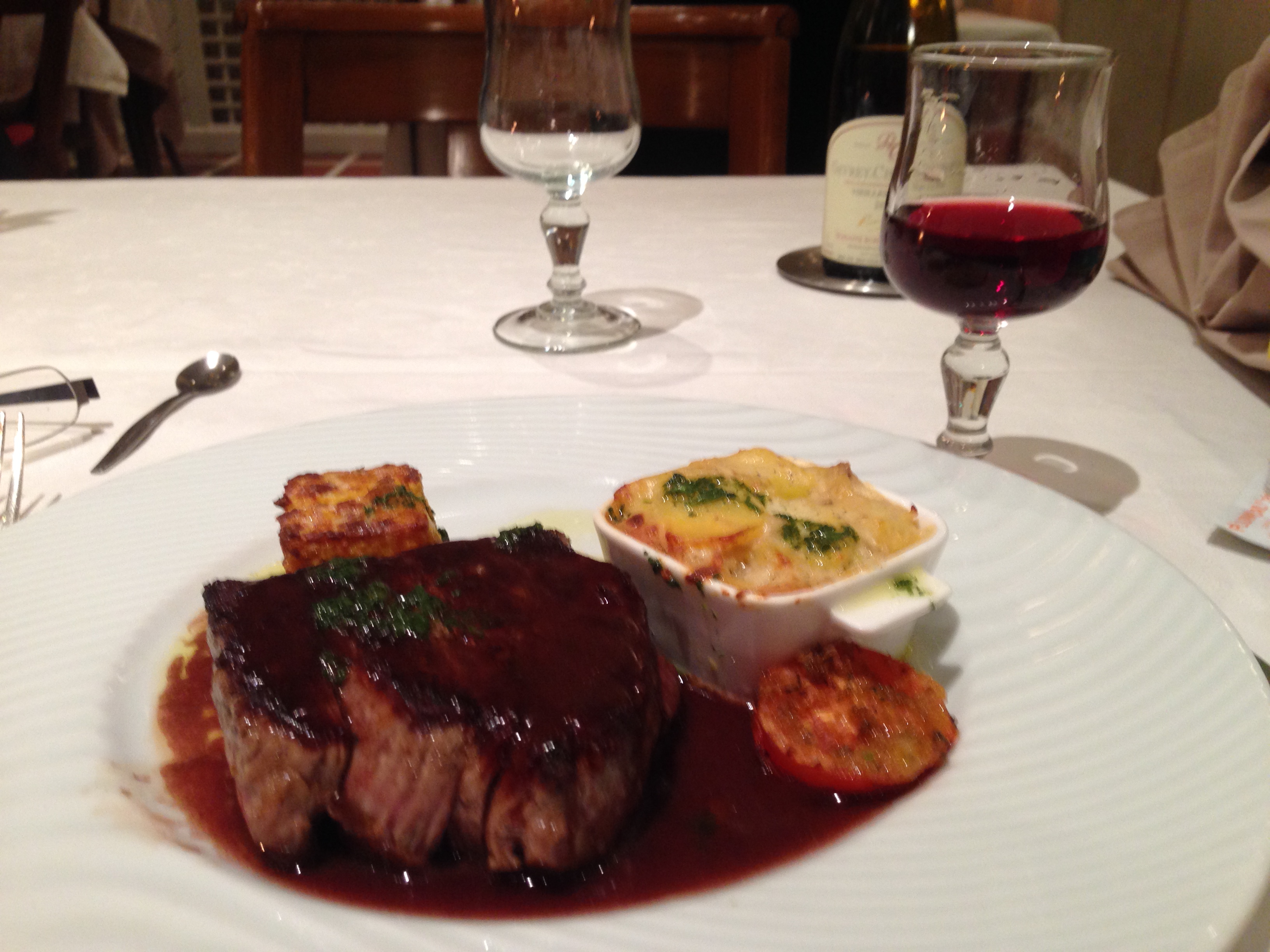
From the menu proposed I just take one course – a steak from Charolais cattle and a half bottle of Gevrey-Chambertin vieilles vignes 2011.

IMG_0918

IMG_0916

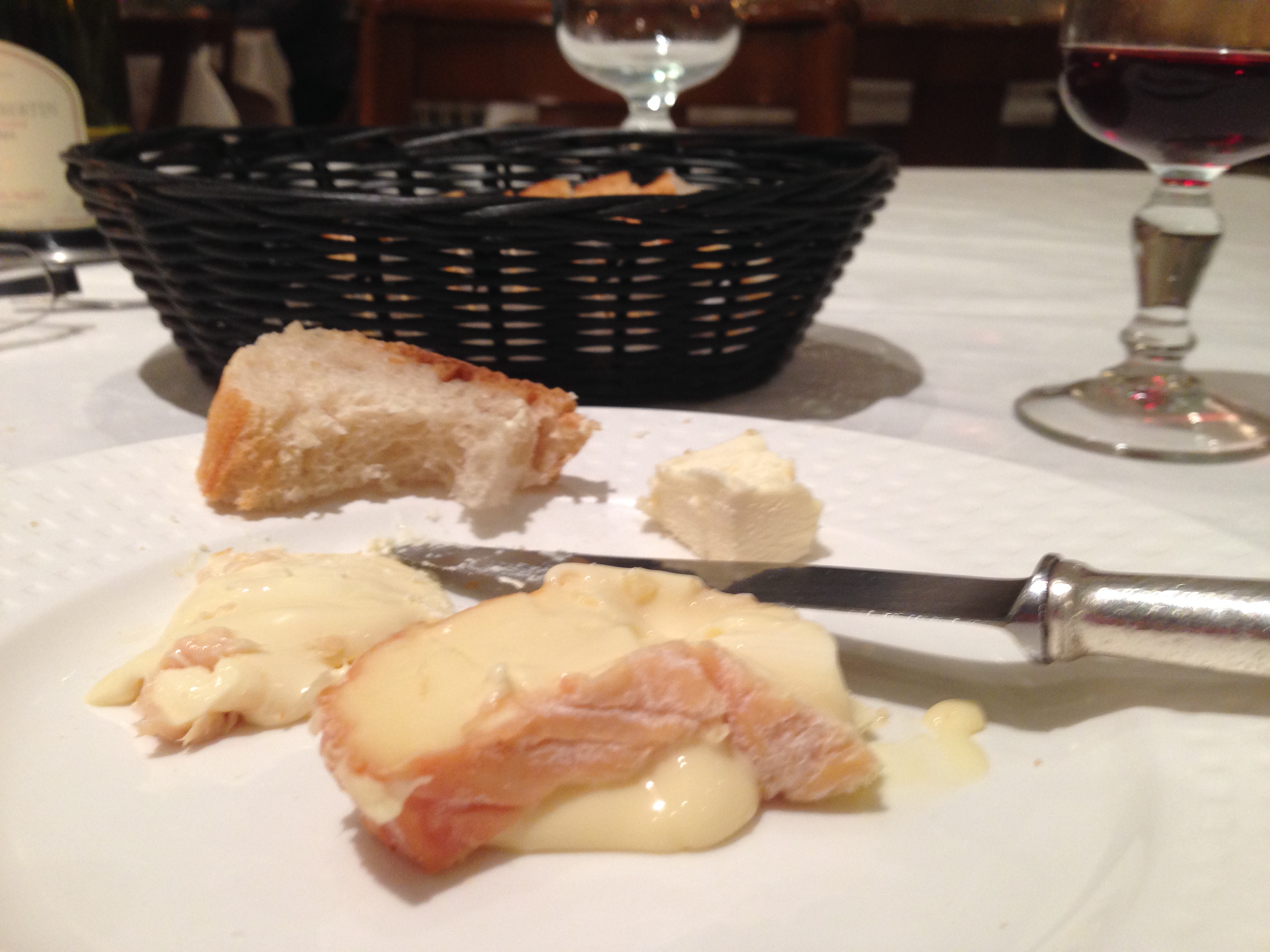
And for the dessert I have this cheese snack: Les Amis de Chambertin, Epoisses and some fresh white cheese. I have kept some wine to match the cheese.

IMG_0919

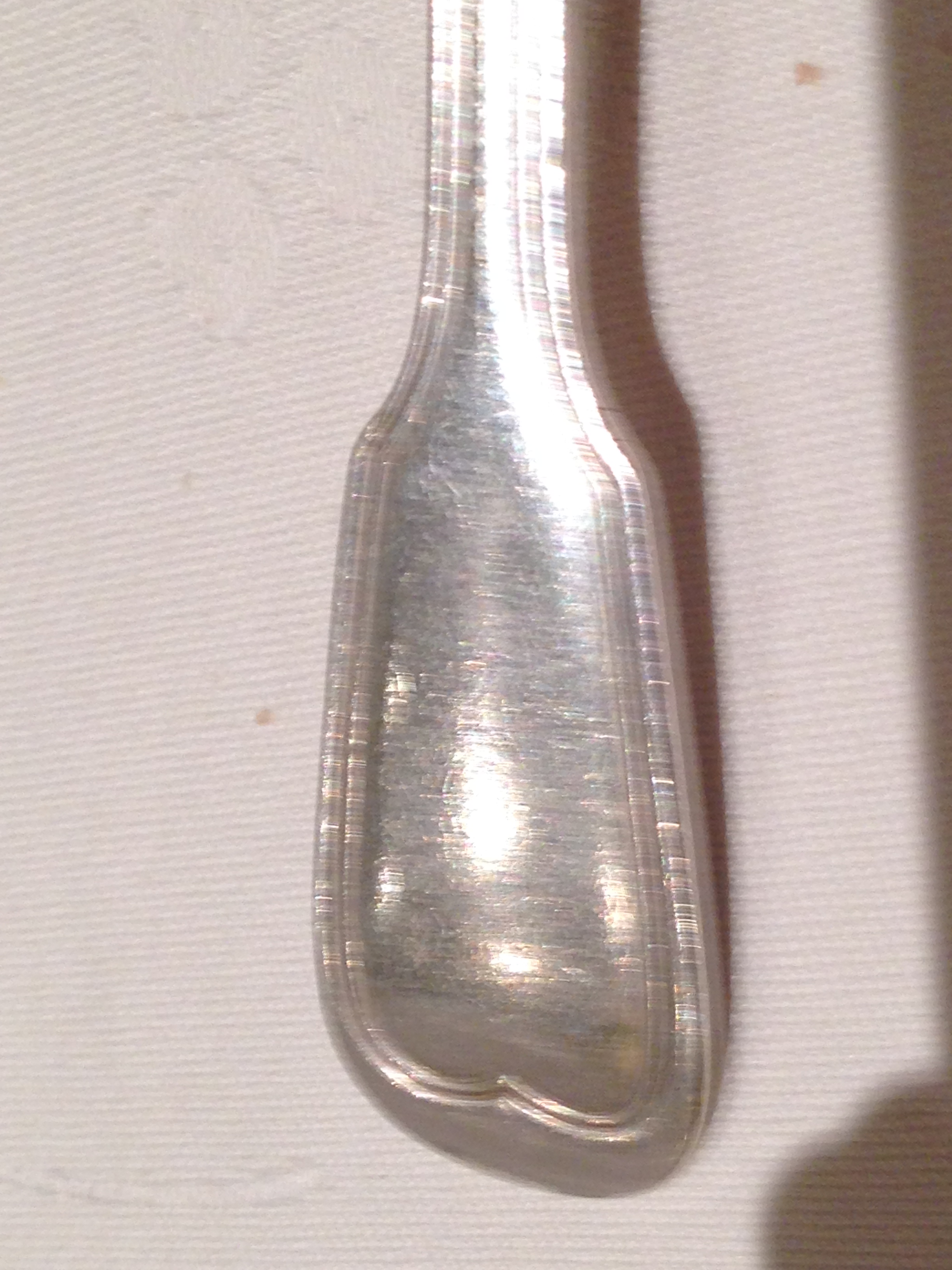
I love the fork and knives of “old French style”.

IMG_0920

It is the silverware that I know from my childhood. My Swiss grand-mother had ancestors from France.

In the morning I share my breakfast with an old lady and her tiny dog. The breakfast is typical French: A transparent coffee with some milk, a croissant, some pieces of white baguette, some butter and some jam. While the French celebrate their meals later in the day, their breakfast is very frugal – just to wake them up gently. Yes, I am in France! And I like to be here.

On the road – joining friends from Russia in Burgundy/France

Already for several years, some of my Russian friends travel to Burgundy in November

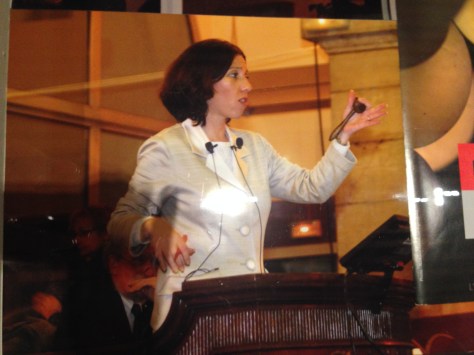
On the third weekend of November, the Hospices de Beaune run their wine auctions and Beaune, the wine capital of Burgundy, turns into a market place for tasting and buying wine as well as local products from Burgundy and France. Some of my Russian friends love the wines of Burgundy. They come to Beaune every year to taste wines, stroll on the markets and absorb some culture on the way. Also this year Larissa and three of her friends from Petersburg plan to visit Beaune. This time they also add a visit to Chablis and the Champagne. They invite me to join them and I accept. Thank you for giving me the opportunity to rediscover Burgundy that I had visited about 30 years ago.
IMG_1171

Source: Foto of the auctions taken in the shop of the Hospices de Beaune

.

My friends from Russia know and enjoy the culture of Burgundy

My friends have attended trainings in wine tasting in Petersburg and have carefully practiced tasting good wines. They know about the good domains and climats. They check the look of the wine. Then they smell, sip, sway the wine in the palate – and also make use of the spittoon. They love Burgundy wines and the food such as truffles and escargots. They know Beaune like their pockets and have found a wonderfully comfy appartment on three floors in the middle of the old city.

IMG_0961

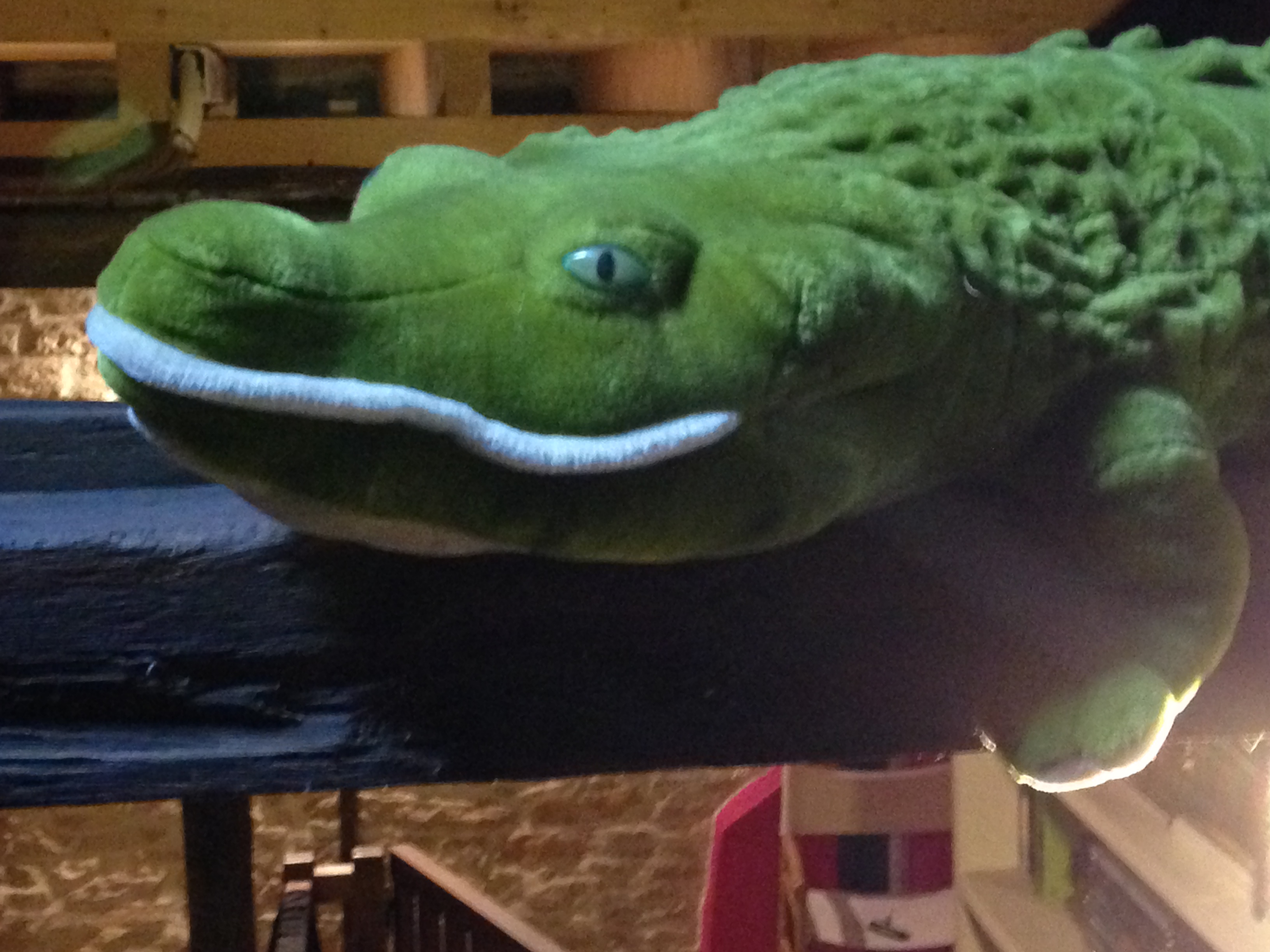
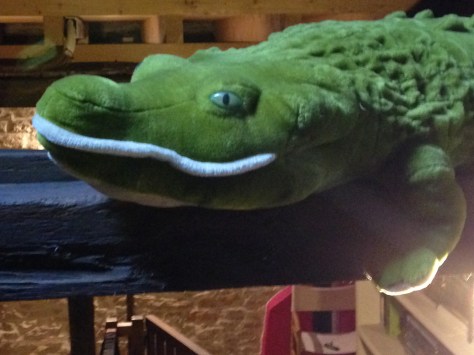
We share the apartment with some crocodiles.
IMG_1099

Beware of them!

IMG_1147

.

Being Swiss I added some Swissness to the French culture

What I contributed from Switzerland was yoghurt, Birchermiesli flakes, rye bread from Wallis and Röschti (fried grated potatoes). One evening I prepared a Fondue.

Switzerland’s well kept secrets are their wines – I took along a Pinot noir (is different from Burgundy wines, but also good), some Fendant (for the Fondue) and one bottle of Amigne de Vétroz from the Wallis (sweetish fruity). Also  my Basler Läckerli   were welcome –  I admire Larissa – she has made Läckerli herself for the previous Christmas.

My Russian friends added some surprises to my Swissness.

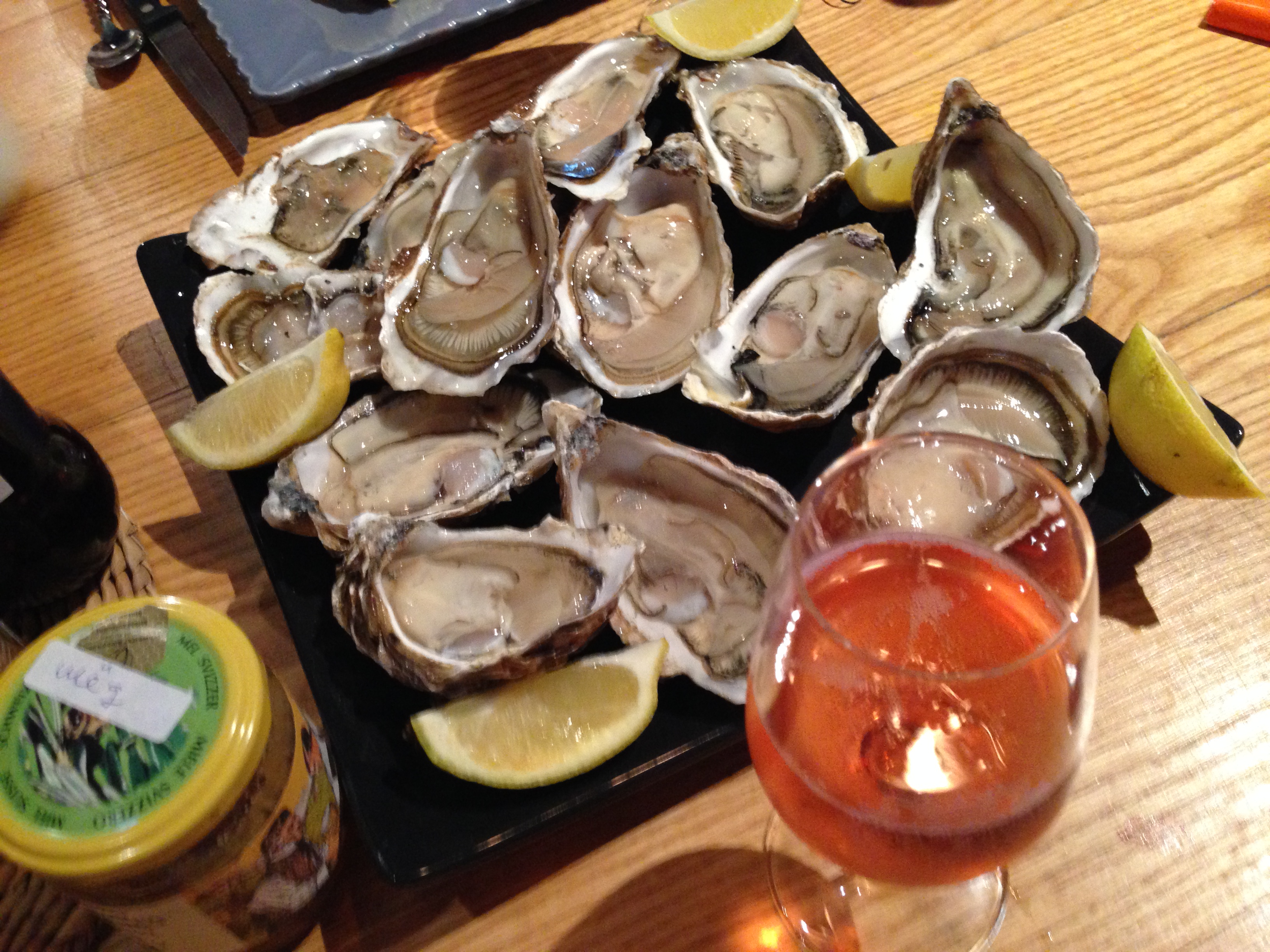
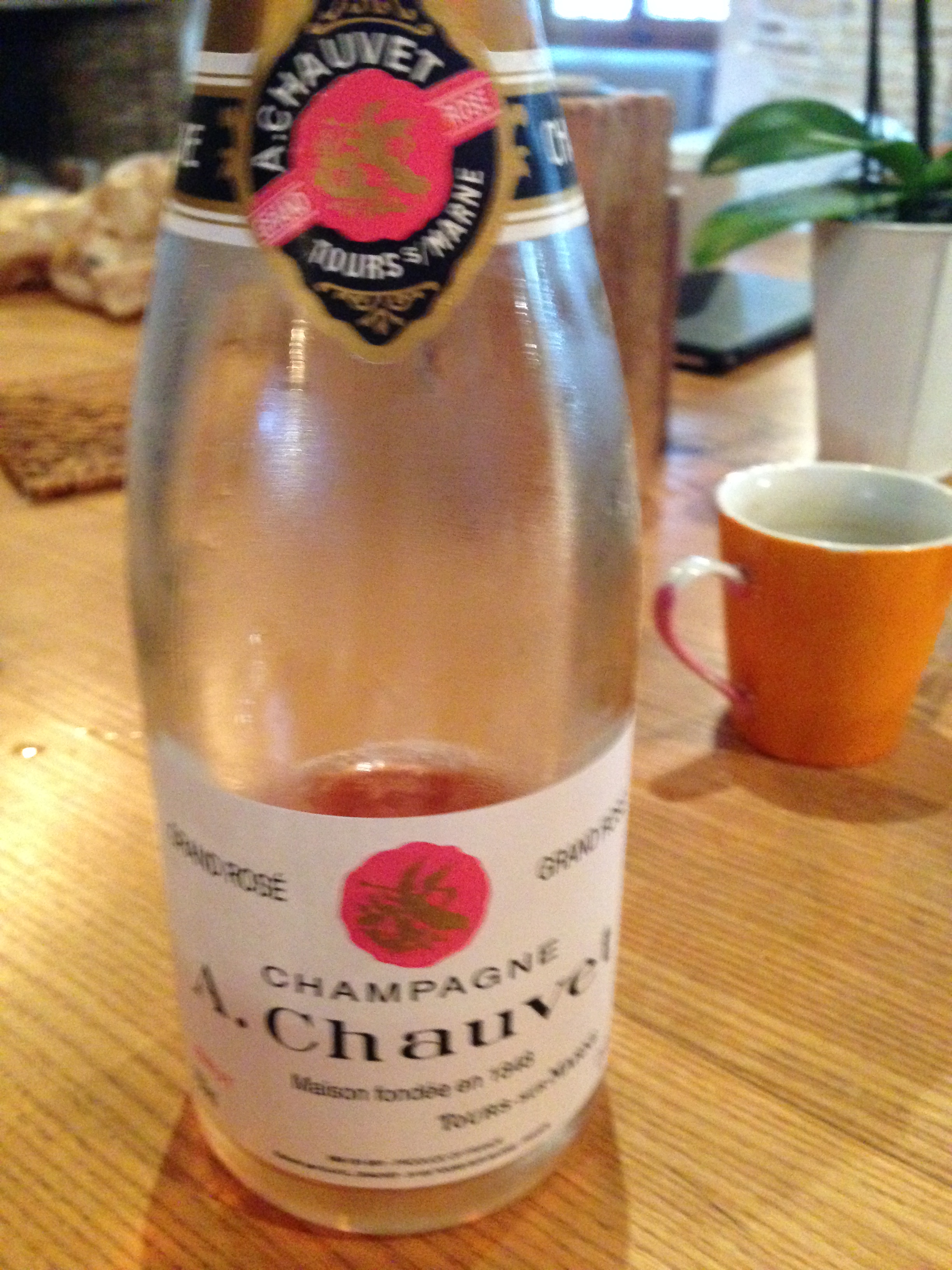
As a starter before the Fondue meal, Aljoscha prepared oysters and we ate them with a good bottle of Champaign. Then we moved on to the Fondue. I laughed – I had never eaten oysters before a Fondue.  For the Fondue, French baguettes are a perfect match; my friends added champignons and vegetables to dip into the cheese. When one of us lost his bread in the cheese, they all shouted like one voice: “Now YOU have to pay for the next bottle of wine.” My friends are polyglott. Because this is what we say in Switzerland.

Larissa took the rye bread from the Wallis and knocked it on the table asking: “Do you believe, anyone can still eat this bread? It is as hard as stone” I took it and finished it off alone. This is what the rye bread is about: It is hard and it can be kept for months (almost). But I understand that my Russian friends could not understand this.

Larissa asked me: “Do you think the Amigne goes well with Mont d-Or cheese?” “Yes”, I say – and in front of my eyes are a baguette, the fresh Mont d’Or and a glass of my sweetish-fruity Amigne to counterweigh the creamy cheese. I open the bottle and place cheese, bread and wine on the table. My friends shake their heads. They take the Mont d’Or cheese back into the kitchen, add a lot of gloves of garlic and melt the cheese in the oven. The cheese comes back on to the table with potatoes in their jackets. This is a tasty meal…. but not for my Amigne. They try the wine and rightly say “this wine is sweet.” I agree, I would never have served the Amigne with potatoes and melted garlic cheese. Back at home, I will carefully plan how to drink my next Amigne de Vétroz. And I will also remember that “Gschwellti” (potatoes boiled in their jackets) go well with melted Mont d’Or and garlic – this was delicious. (In my memory, it was Epoisses cheese, and Larissa pointed out rightly that it was Mont d’Or cheese).

.

In Burgundy, I also enjoy some Russian food culture

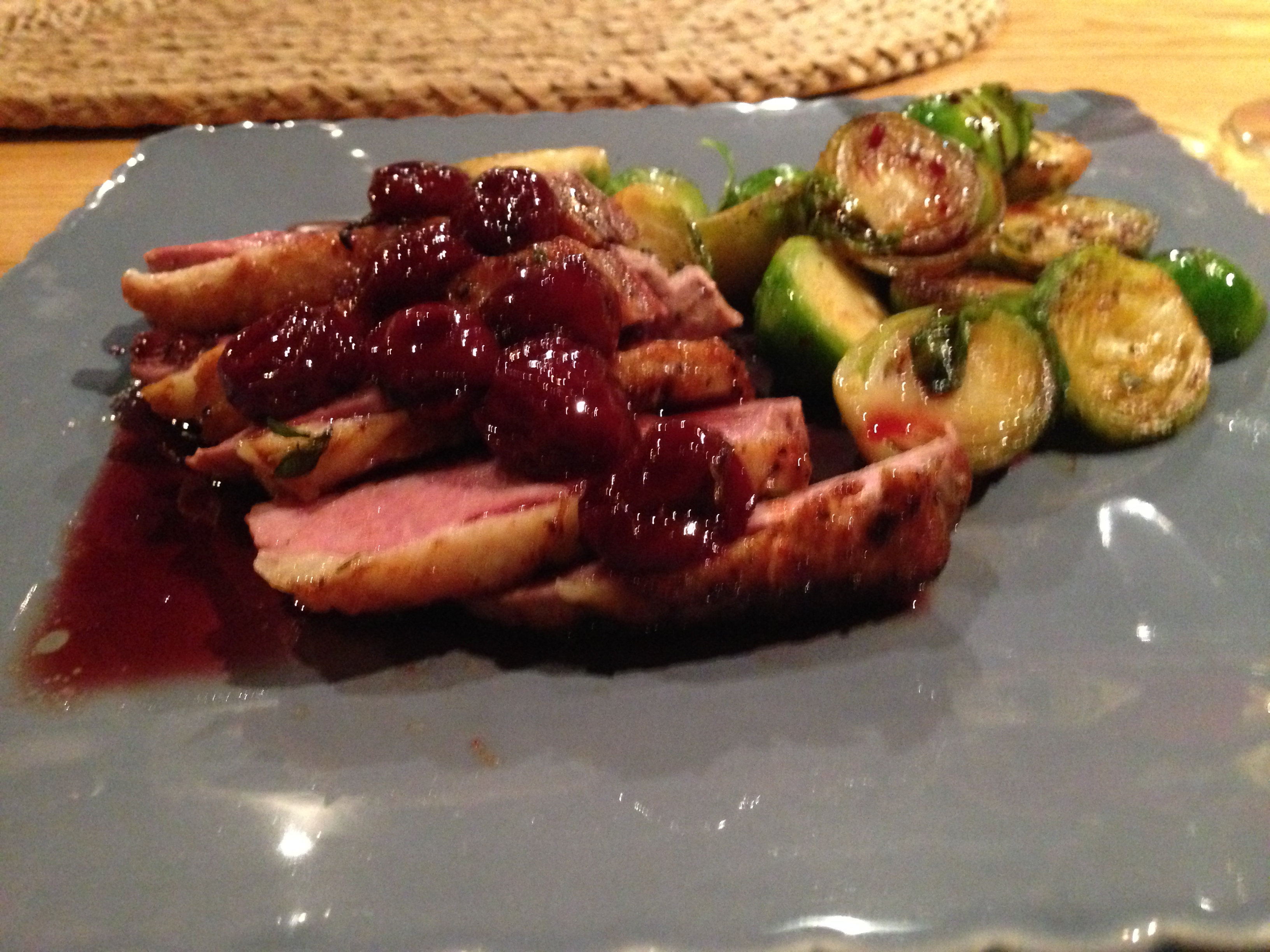
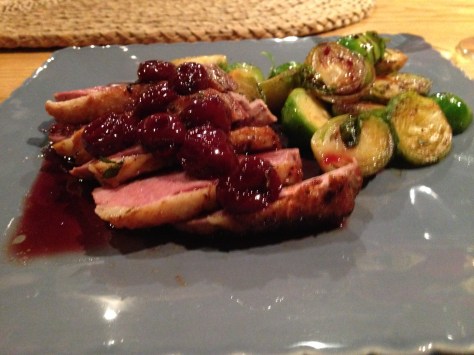
Every evening, we cooked for ourselves. The first evening it was spaghetti carbonara (Larissa has brought the real guanciale – not pancetta, as I wrote before – and no,no, never cream for carbonara, only eggs! The spaghetti were delicious). Another evening it was duck with griottes sauce…
IMG_1057

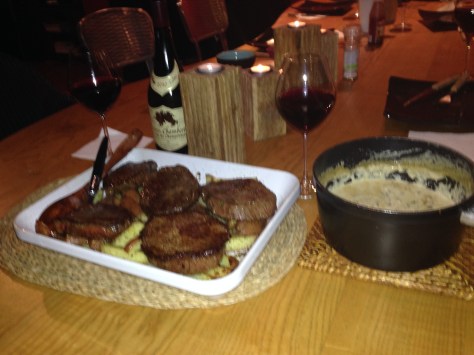
… and then filet with a tasty mushroom sauce made from mushrooms collected and dried in Russia.
IMG_0963

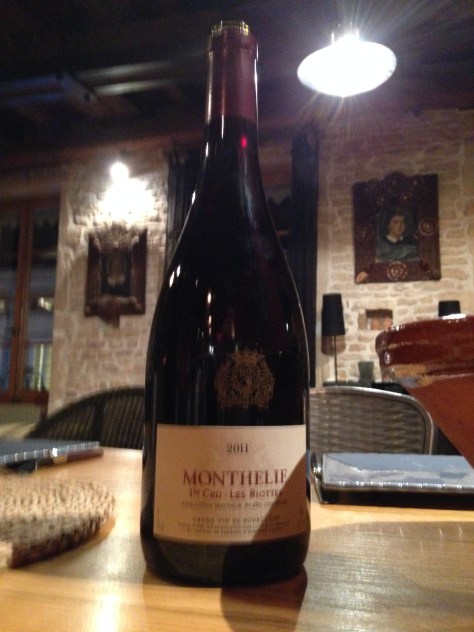
With our meals we drink one of the wonderful bottles that we have tasted during the day.
IMG_1052

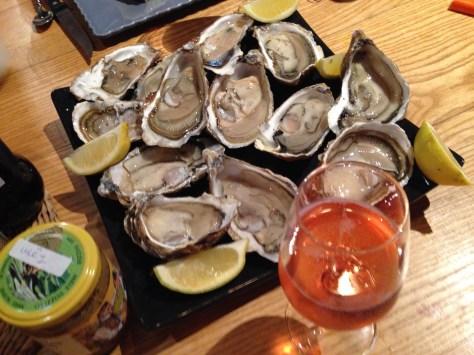
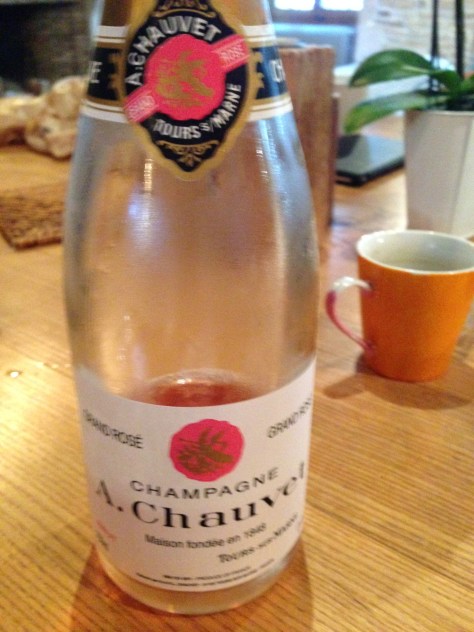
The Swiss breakfast is bread, yoghurt, marmalade, cheese, perhaps a boiled egg and some ham or sausages. Already in Petersburg I experienced that a Russian breakfast is a real meal with omelette, vegetables and/or potatoes. A Röschti in the morning was welcome – like farmers in the Bernese Alps eat it in the morning (perhaps no longer today). I must admit that I often ate some bread and yoghurt and did not join the sturdy breakfast of my friends. But then there are two exceptions: Oysters and champaign…
IMG_1092

IMG_1094

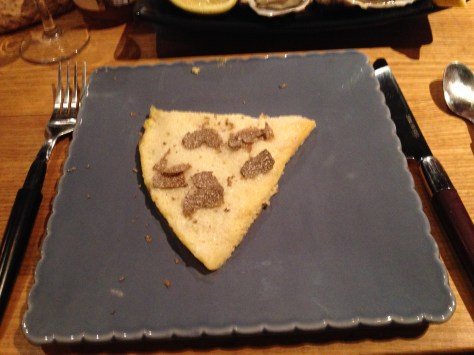
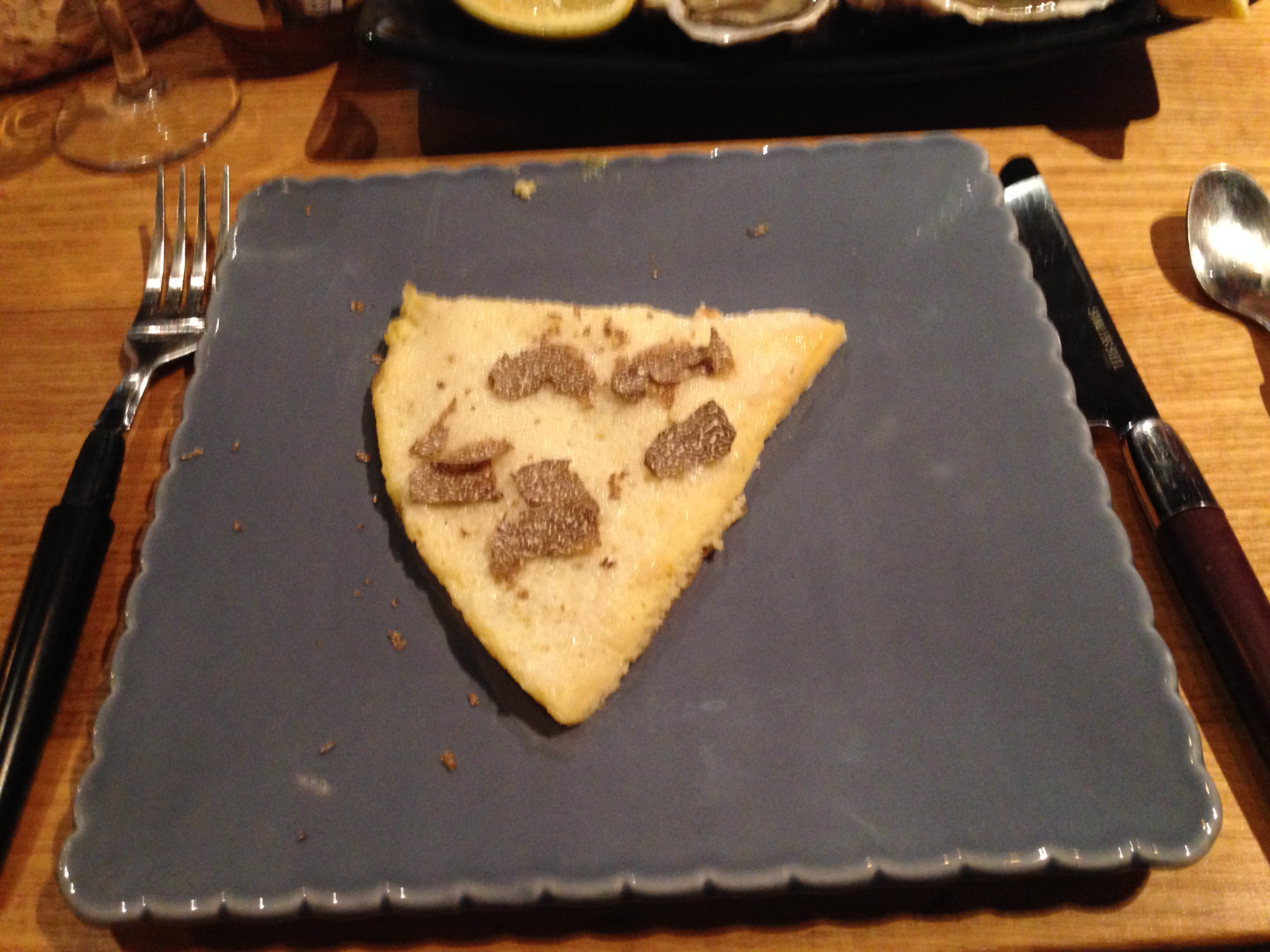
… and an omelette with truffles.

IMG_1091

Back at home I enjoy Russian culture with dried mushrooms (thank you, Katja, for giving me the remaining dried mushrooms – my mushroom risotto was delicious) and with Sushki (Сушки,  thank you for having carried some in your suitcase for me).

.

Now living in the US, Larissa added some US culture

In her red wine suitcase, Larissa has carried a bottle of Pinot Noir 2011 from the Shea Wine Cellar in the Willamete Valley. This is a special gift for me. Back at home I read the Website about Oregon.  It says: “If you were a wine grape, you’d want to be planted in Oregon.” Much farther north than California, the wines are fresher with more acidity. The Willamete Valley is “the home of cool climate Pinot Noir and Pinot Gris…” and 2011 was a good year for Oregon, says my Pocket Johnson. I had never thought of Oregon as a wine region.  I am curious to taste the Shea, but this bottle will first go to my cellar. Thank you, Larissa, for allowing me to discover Oregon. And I still feel very bad for having broken the second mysterious bottle that you had brought from the US.

With our cheese we had bisquits from the US that are similar to crackers in Switzerland. They tasted so good that I had to move the box to the other end of the table…

.

Sometimes I  had problems to understand my Russian friends, in particular when they transcribed French into Russian

Russians cannot understand, why theFrench write so many letters that they do not pronounce. They transcribe French names and expressions into Russian. Here is an example:
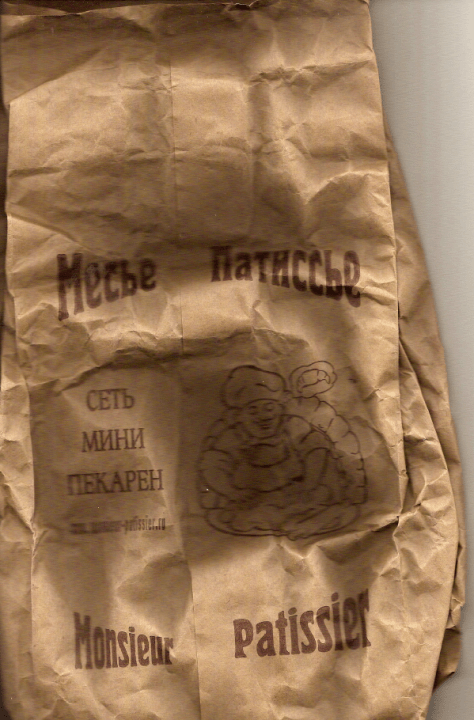
Patissier

Who is “Месье Патиссье”? Well, if I read it out loudly to me and listen carefully, I can hear “Monsieur Patissier”. Often I had to ask three times, when my friends wrote down the name of a winegrower or a place – here is an example: In Шабли (Chablis), my friends are interested to taste the climat Ле Кло (Les Clos) at Шаблизен (La Chablisienne) and Реньяр (Regnard).  Yes, I agree, it may be a waste to use so many letters that then are not being pronounced, but French is different from Russian…

.

It was great for me to see how much my friends made their vacation in France a special event – and I enjoyed it with them

Yes, visiting Burgundy and adding the diversity of various cultures to the French joie de vivre was a great experience. We went through so many wine tastings and I learnt a lot about Burgundy. I enjoyed observing that my friends made their vacation a special event. If only Larissa and I would not have caught a caugh.

I do hope that you will come back to Burgundy next year… I keep my fingers crossed for the Rubel!