Discovering Silesia – On the Szrenica, the mountain that carries frost

In May 2023, I am in Silesia, where we spend one week in the castle Staniszów to explore the area around Jelenia Góra.

Now we spend a day on the Szrenica above Szklarska Poręba.


Szklarska Poręba is surrounded by mountains

Szklarska Poręba is a resort surrounded by mountains, the main landmarks being the Szrenica (right) and the Śnieżne Kotły (left). 

The Śnieżne Kotły (“Schneegruben” or “Snow Pits”) still carry a bit of snow in the western snow pit. The pits are in geological terms “cirques” (in German: “Kare”) left by a glacier.
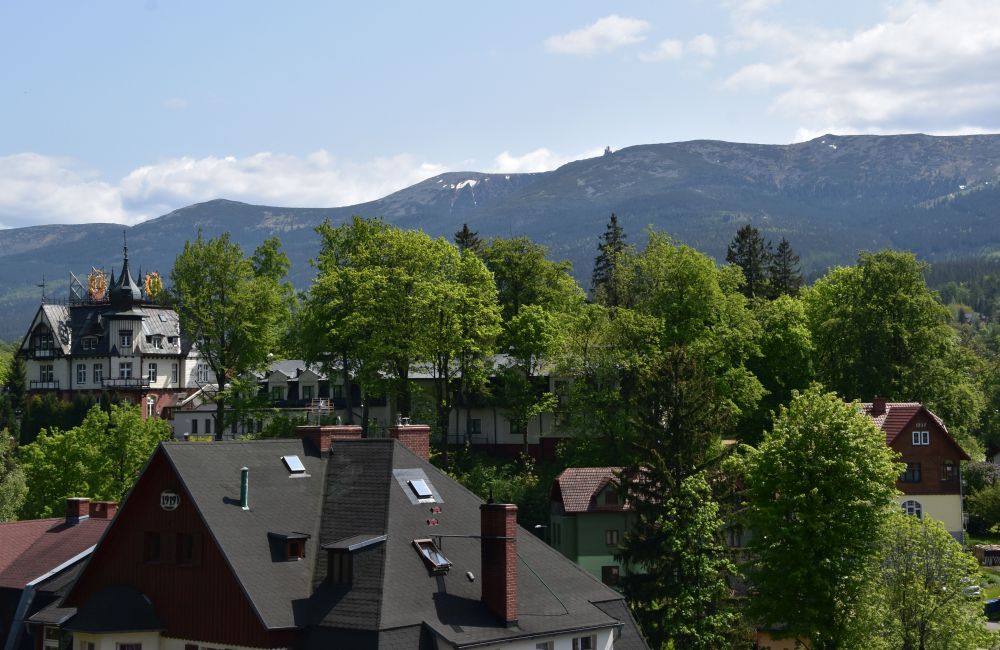
Chair lifts and ski lifts take hikers and – in winter – skiers up to the Szrenica, as the straight lines in the forests indicate.  
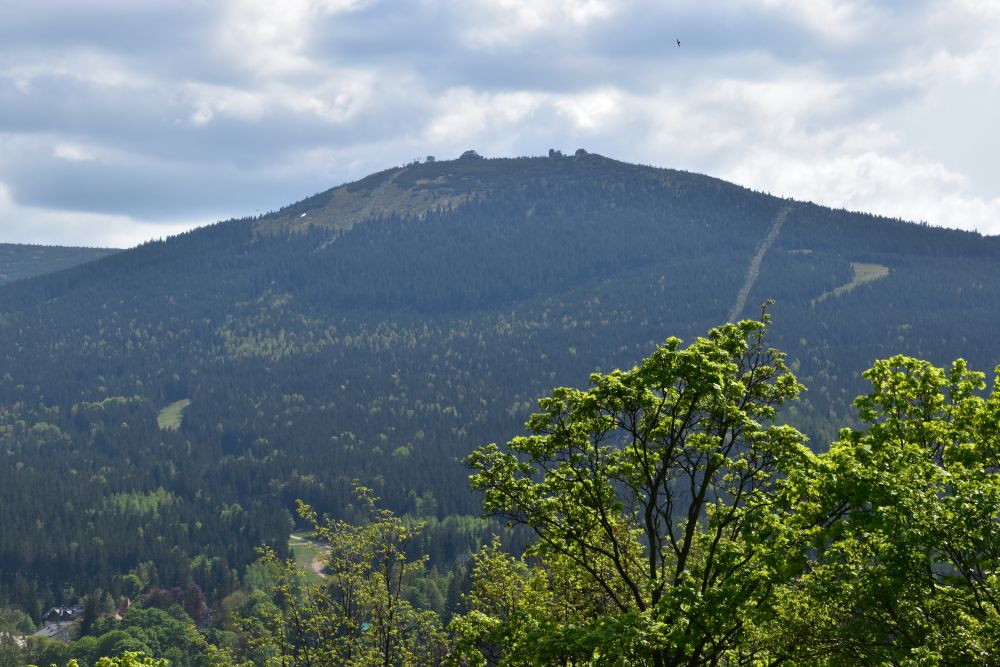
Szrenica is called “Reifträger” in German. Both in German and in Polish, this mountain carries frost (“Reif” and “szron” mean “frost”).  

German painters have been inspired by the panorama around Szklarska Poręba (Schreiberhau). In summer 1920, they founded the Lukasgilde (guild of Saint Luke) and built the Lukasmühle as a place to meet and to exhibit their paintings. 
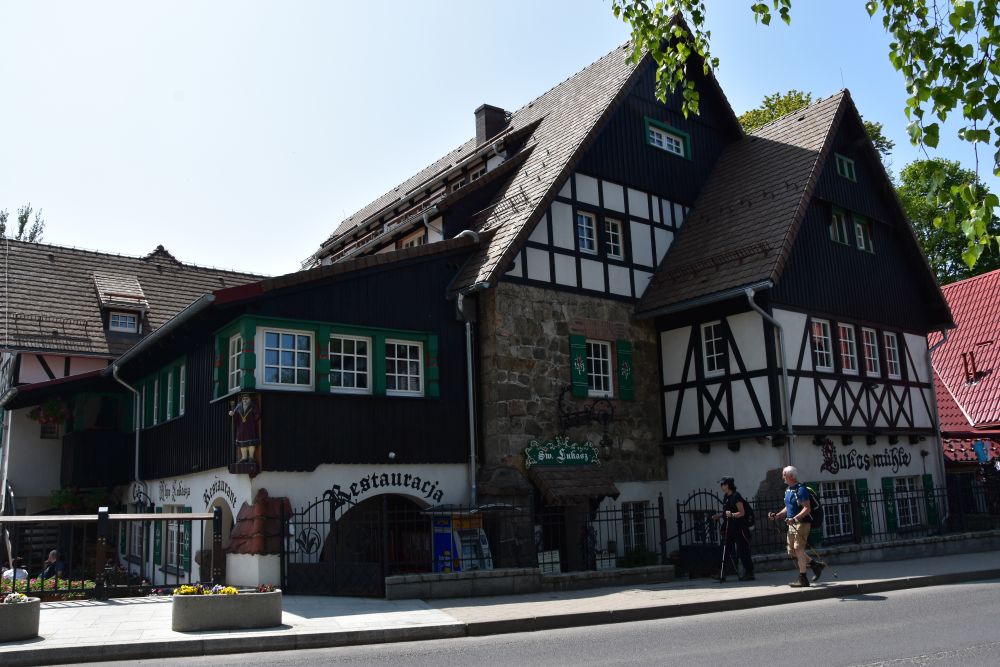
Georg Wichmann is one of the founders of the Lukasgilde.


Source: Hans Wichmann, “Georg Wichmann 1876-1944)”, Bergstadtverlag Wilhelm Gottlieb Korn 1996.

In winter 1922/23, my grandfather Hermann Radzyk was at Schreiberhau (Szklarska Poręba) and painted the Reifträger (Szrenica) with the church Kościół pw. Bożego Ciała (Corpus Christi).
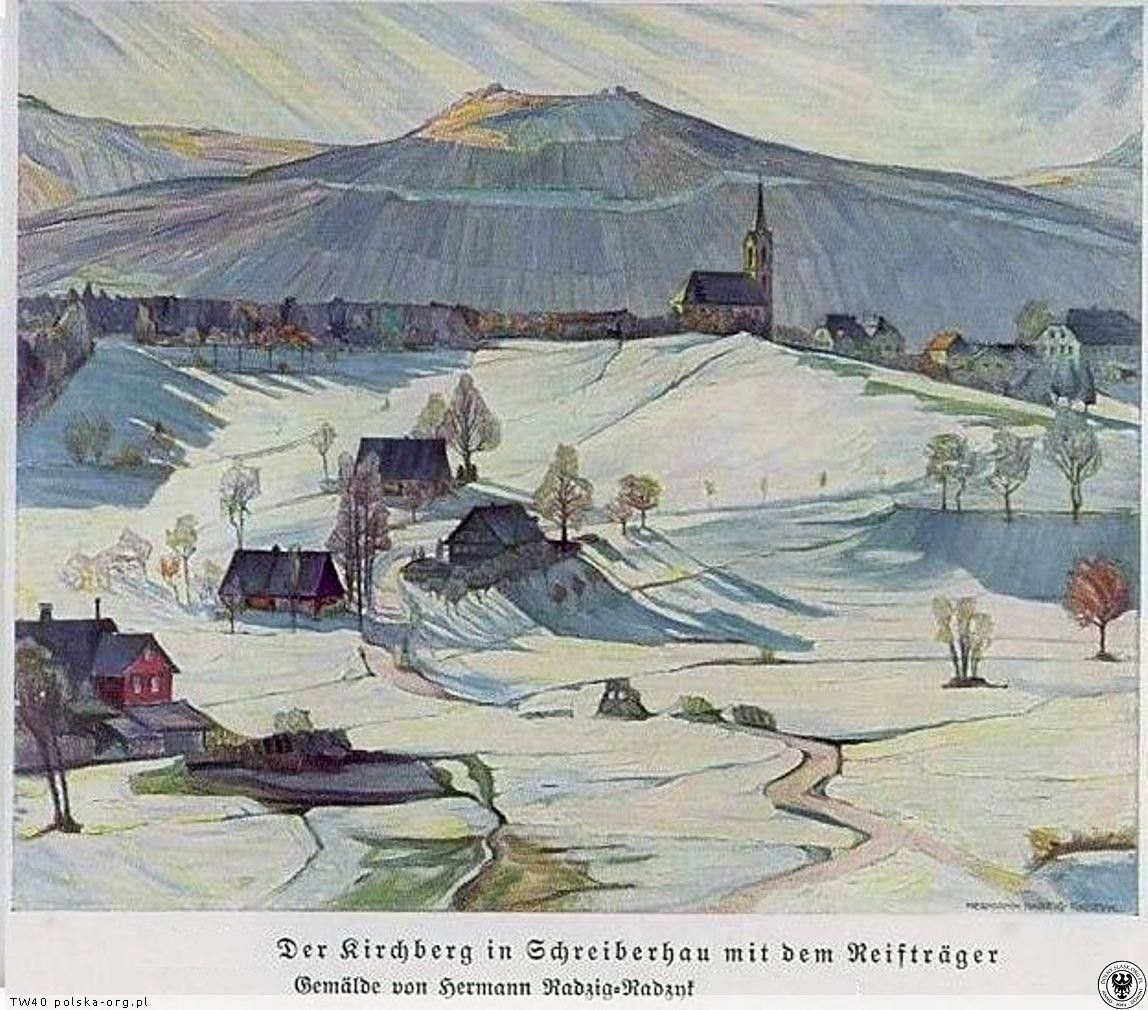
Source: Polska.org – this painting has in the meantime disappeared from the website polska.org.

In addition, Hermann Radzyk painted the Schneegruben with the same church in the foreground.

Source: My own photo taken in the house of the grand-son of a friend of my grand-father.


Exploring the Szrenica with the gorgeous view

We take the chair lifts to the Szrenica – there are two sections, one after the other. 

A special experience. The small chairs  are hard to sit on and they move in “slow motion”. Slowly, but safely, we arrive on the top.

The view of Lower Silesia with Szklarska Poręba in the foreground is gorgeous.
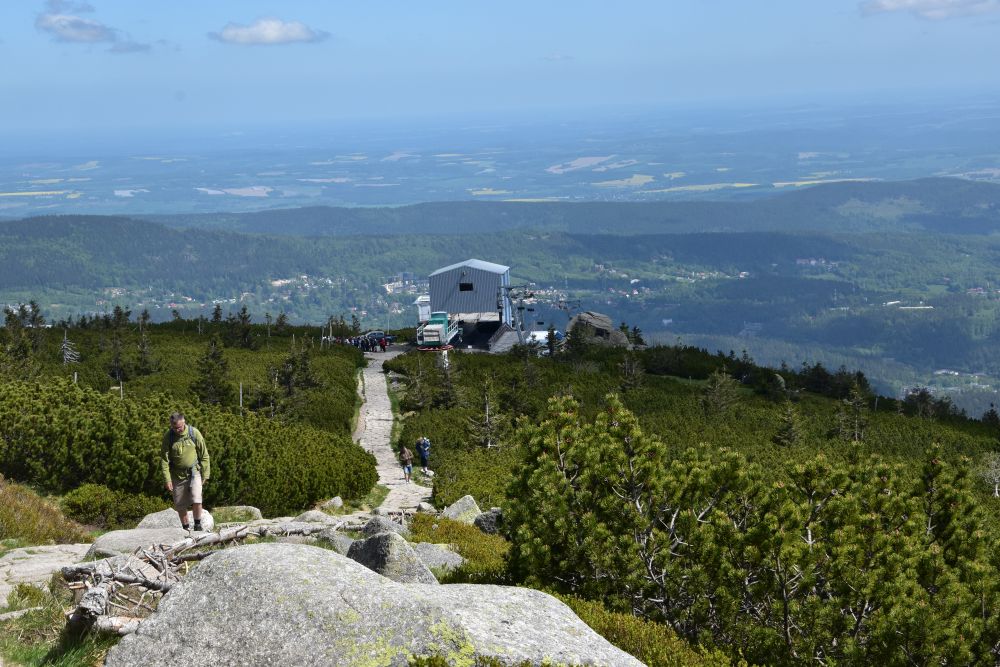
We walk up to the top view point.

We look west, where a hiking path follows the border between Poland and the Czech Republic.

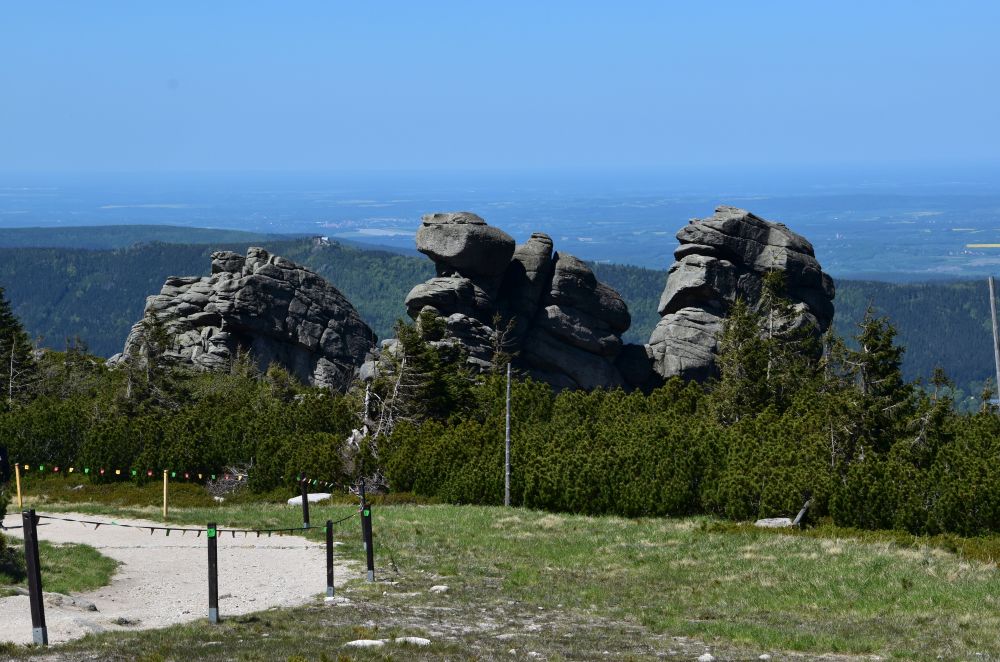
We look south east, where we can see granite rock formations. They are called Svinské kameny (“Pig stones”). They have a Czech name, as they stand already in the Czech Republic. Such granite rocks can be found all over in the Giant Mountains. In German these rocks are called “Wollsackverwitterung”, in English “spheroidal weathering”.
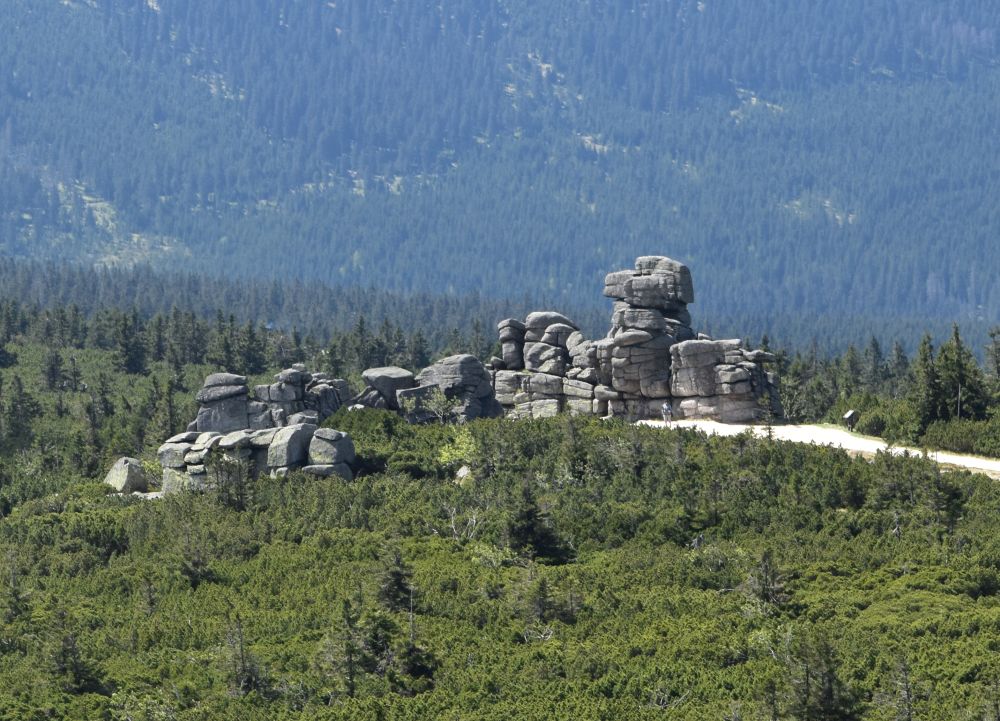
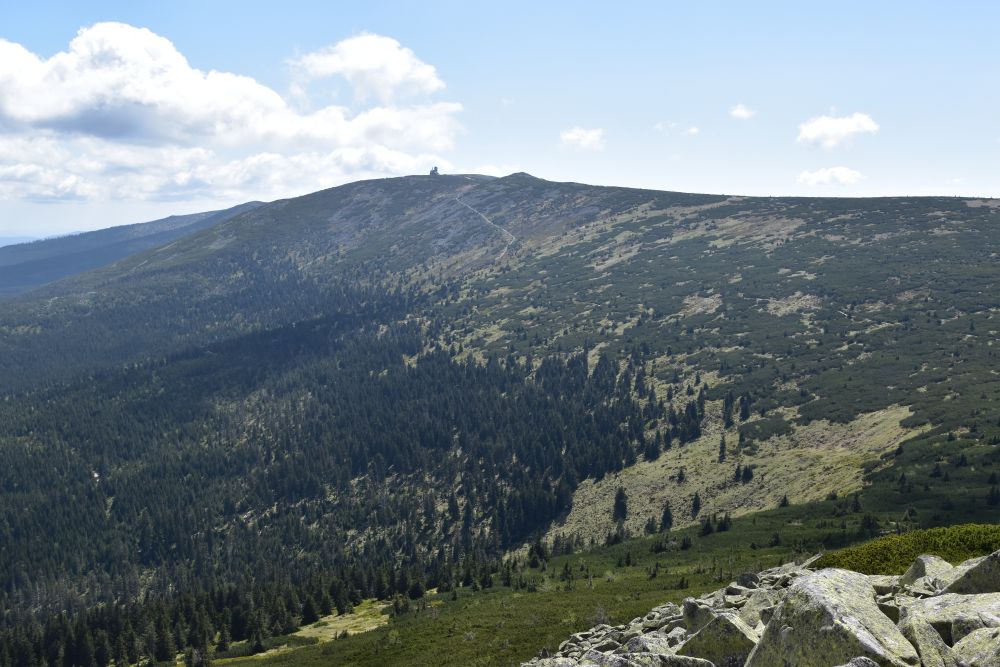
We look east to the Śnieżne Kotły. The former mountain hut (Schneegrubenbaude, it can  be seen from far) is now a radar station (Radiowo-Telewizyjny Ośrodek Nadawczy – RTON Śnieżnymi Kotłami). 
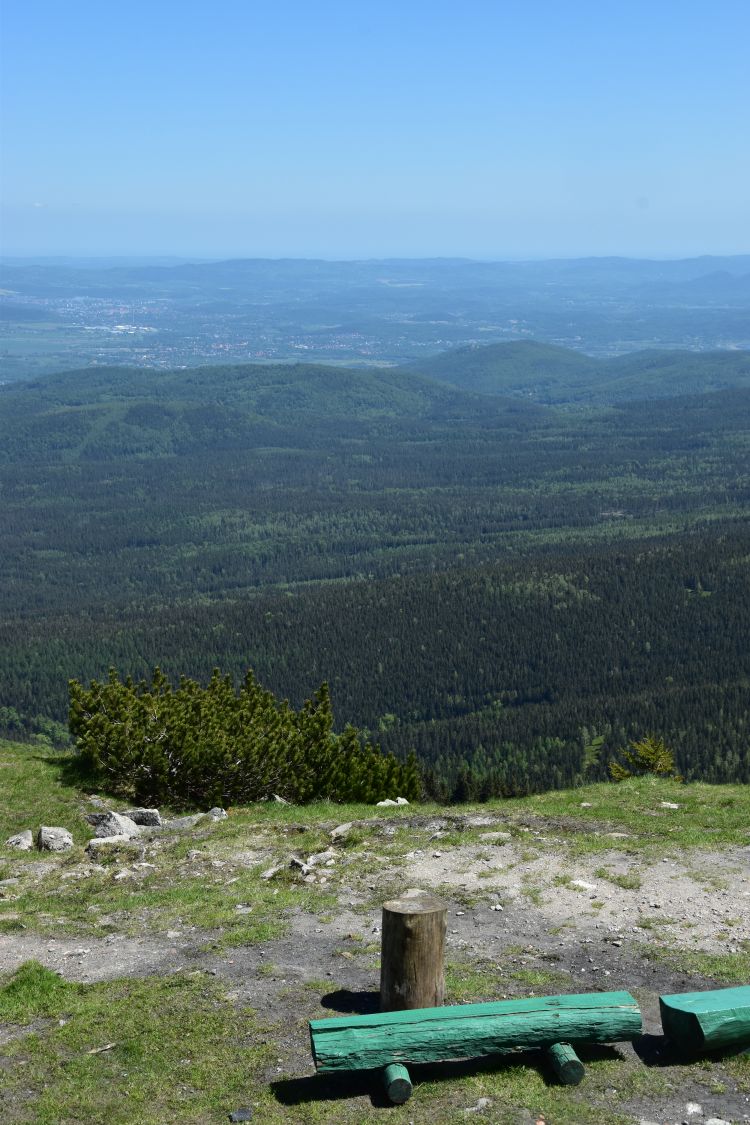
We look north towards the Isergebirge (Góry Izerskie), Szklarska Poręba and Lower Silesia.  

We have a snack at the Reifträgerbaude (Schronisko na Szrenicy)…

… and look at the fotos. They show that, indeed, the Reifträger or Szrenica does carry frost in winter. 

It must be cosy in the hut, when it is that frosty outside.

On a panorama walk,…
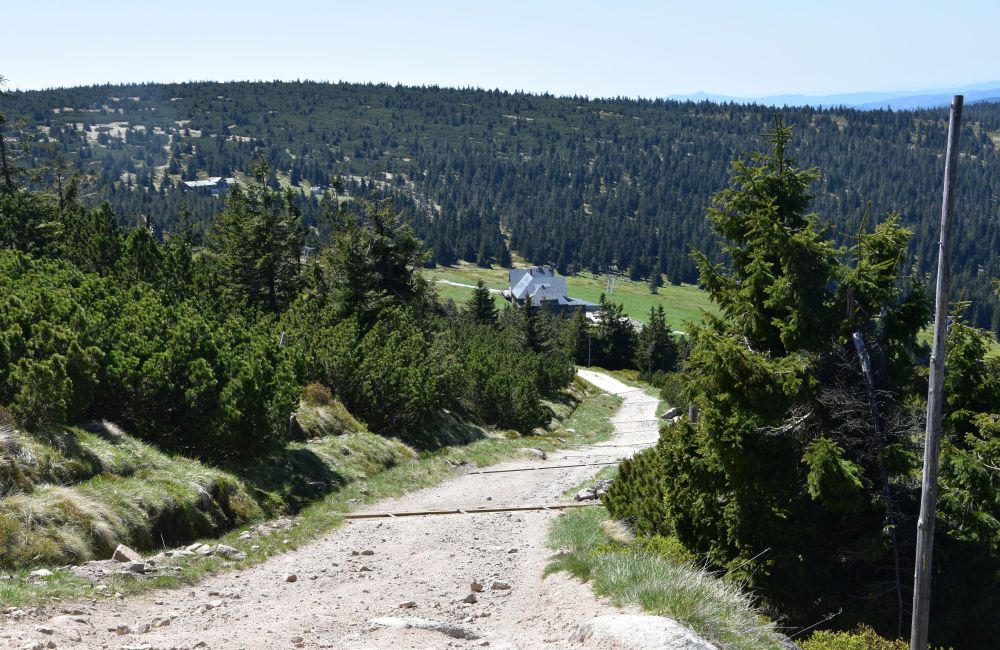
… we reach the shelter Hall Szrenicka located below the top.

We return to the chairlift station,…
… admiring some more of these rock stones (these are called Końskie Łby or horses). This is, where the ski run “Lolobrygida” starts – what a name for a ski run. 
We return to “our” castle Staniszów and enjoy another excellent dinner.


Sources:

Discovering Silesia: Across the Riesengebirge, the Zackenbahn connects countries

In May 2023, we spend a week in the castle Staniszów near Jelenia Góra and go for excursions.


The Zackenbahn

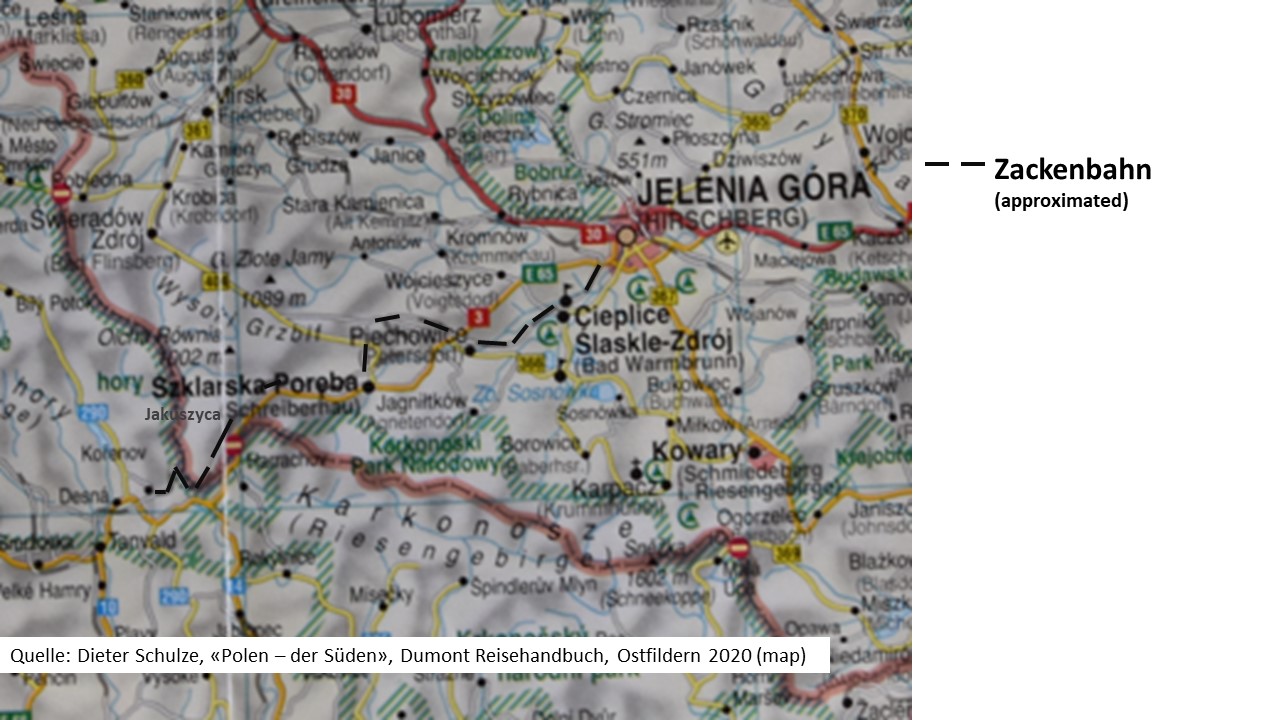
Now we take the Zackenbahn. Reopened in 2010, the Zackenbahn crosses the Riesengebirge (Karkonosze) connecting Poland (Jelenia Góra) with the Czech Republic (Kořenov and farther). 

Up to the highest point Jakuszycke, the train follows the river Kamiena. In German times, the Kamiena was called “Zacke”. Hence the name “Zackenbahn”.

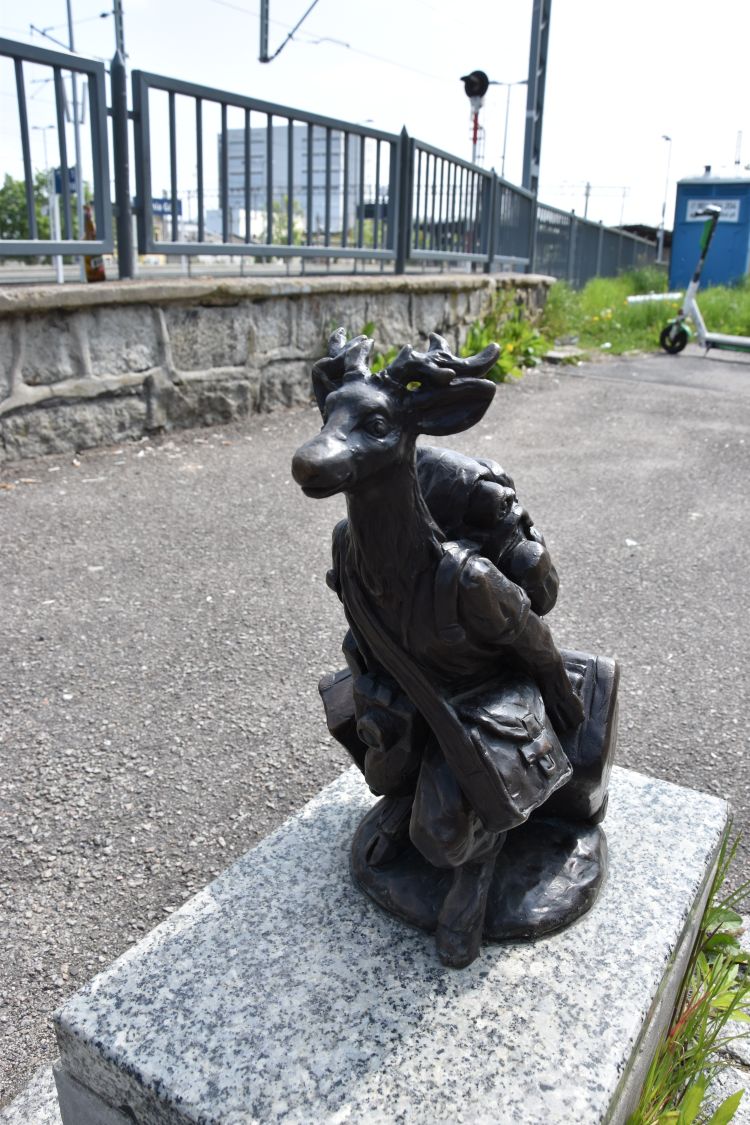
At the train station of Jelenia Góra (Hirschberg, “Deer Mountain”), this cheerful animal wishes us a good ride on the Zackenbahn. 


At Kořenov 

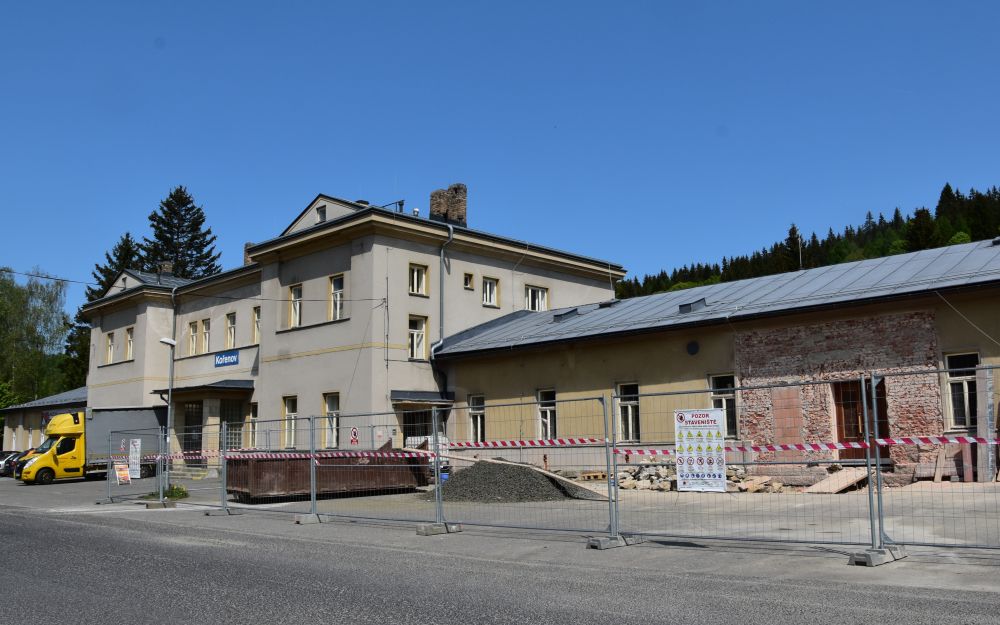
After having crossed the Riesengebirge, this somewhat lonely train station welcomes us at Kořenov …

… with charming children’s drawings.

We find a small restaurant, where we have a drink.


Back to Poland and Szklarska Poręba Górni

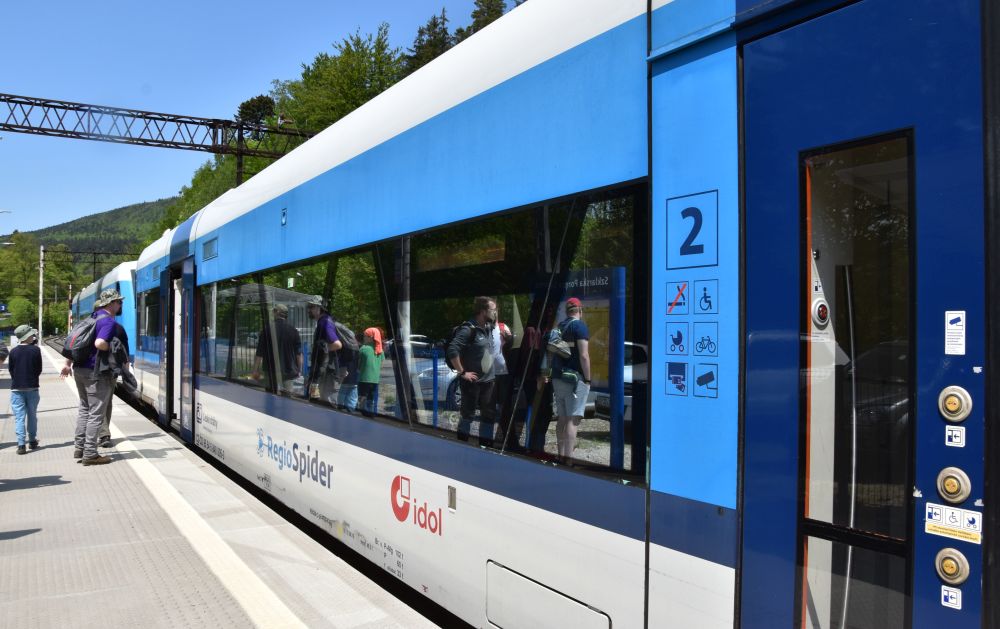
After having recovered in the restaurant of Kořenov , we take the modern Regio Spider… 

… to return to Poland….

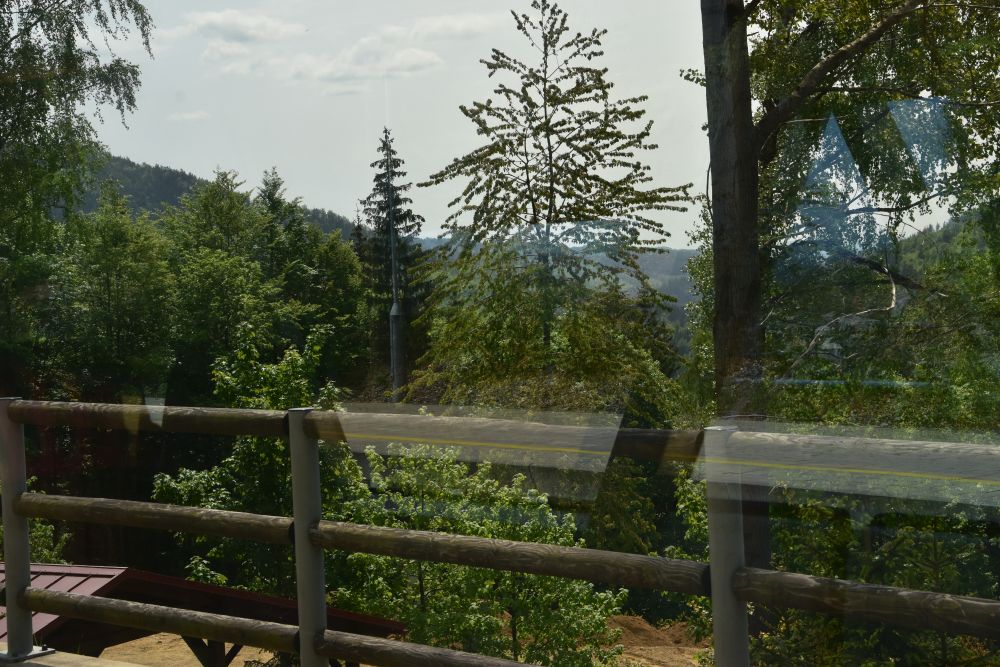
… reaching the highest point of 882m at Jakuszyce (Jakobstal). From the Schienenradler, I learn that this is a popular area for cross country skiing.

At Szklarska Poręba Górni (Oberschreiberhau), we have to change trains. From the Czech “Regio Spider” to the Silesian Polish train ” Koleje Dolnośląskie” . 


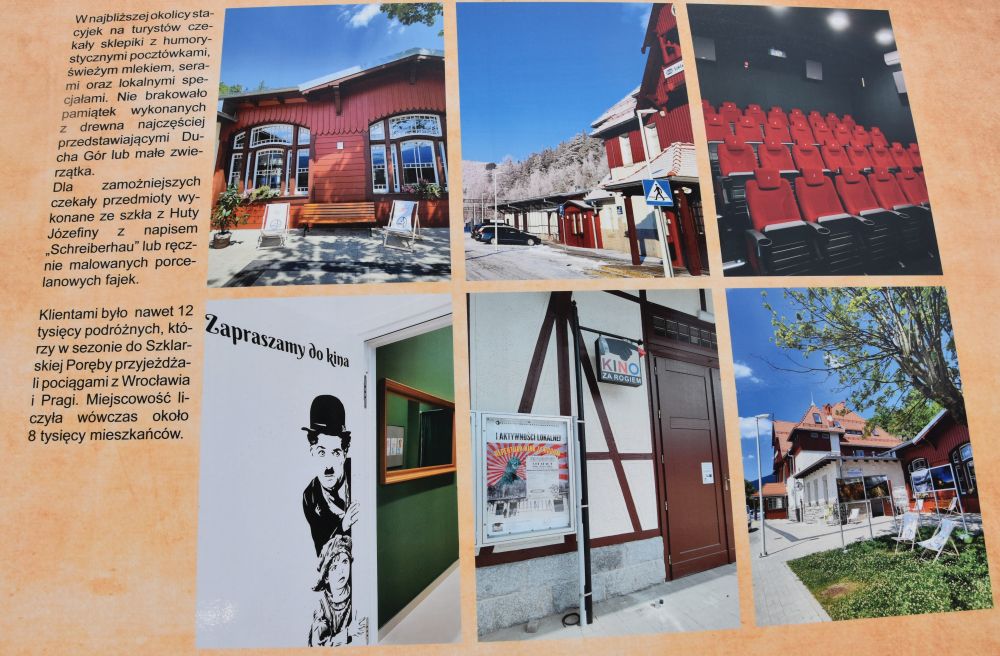
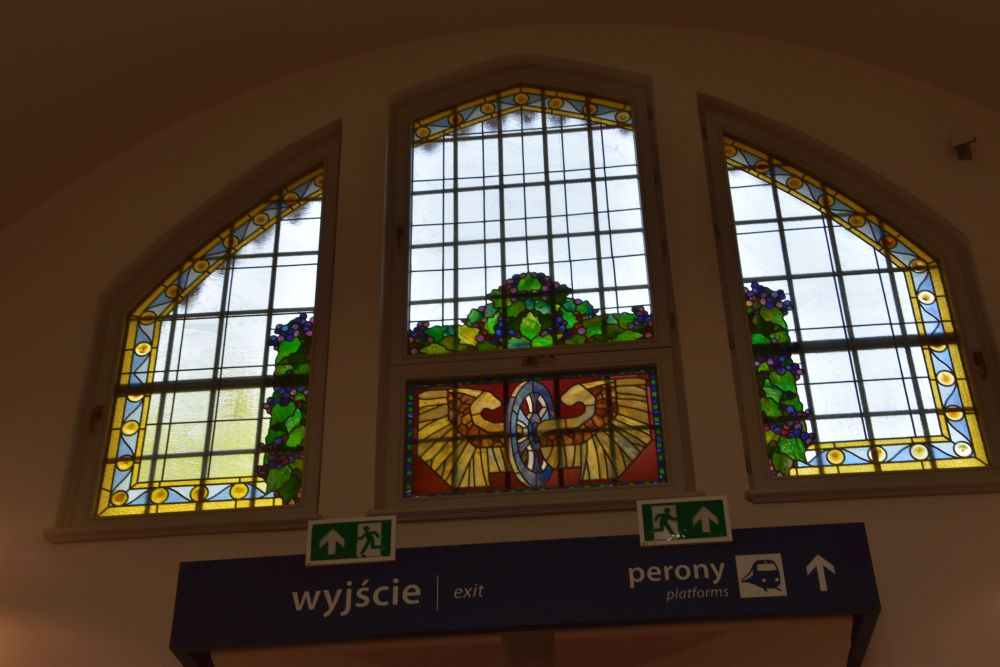
The old train station of Szklarska Poręba Górni has been beautifully renovated (2021).


The history of the Zackenbahn – from connecting Germany with Austria to connecting the Czech Republic with Poland

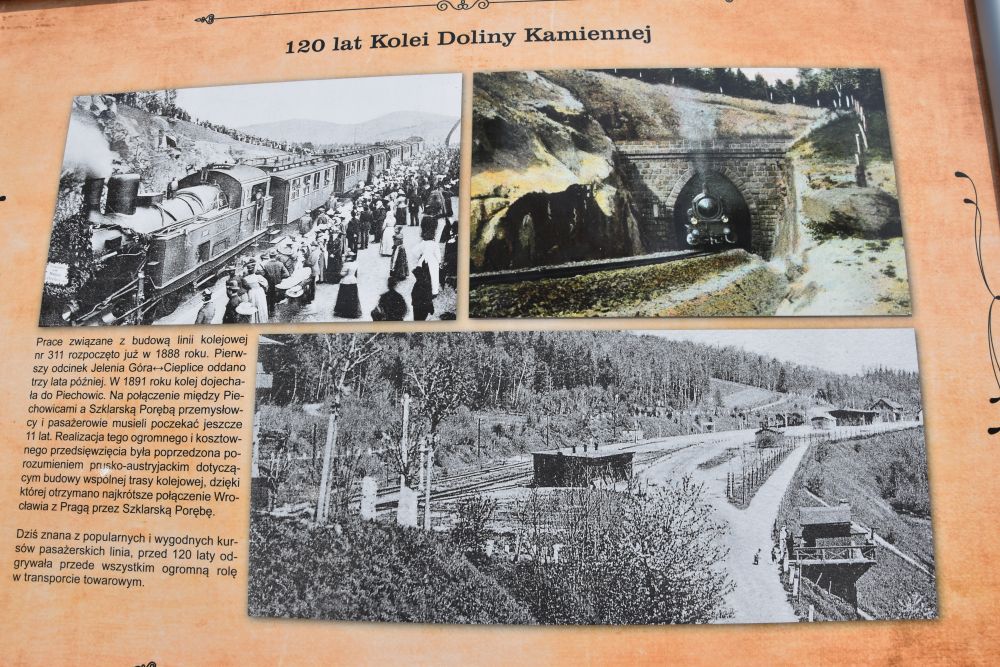
Photos at the train station of Szklarska Poręba Górni tell us about the history of the Zackenbahn.

The Zackenbahn was inaugurated in 1902. At that time, it connected German Prussia (Schlesien, Hirschberg) with Austria (Böhmen, Bad Wurzelsdorf, and farther).

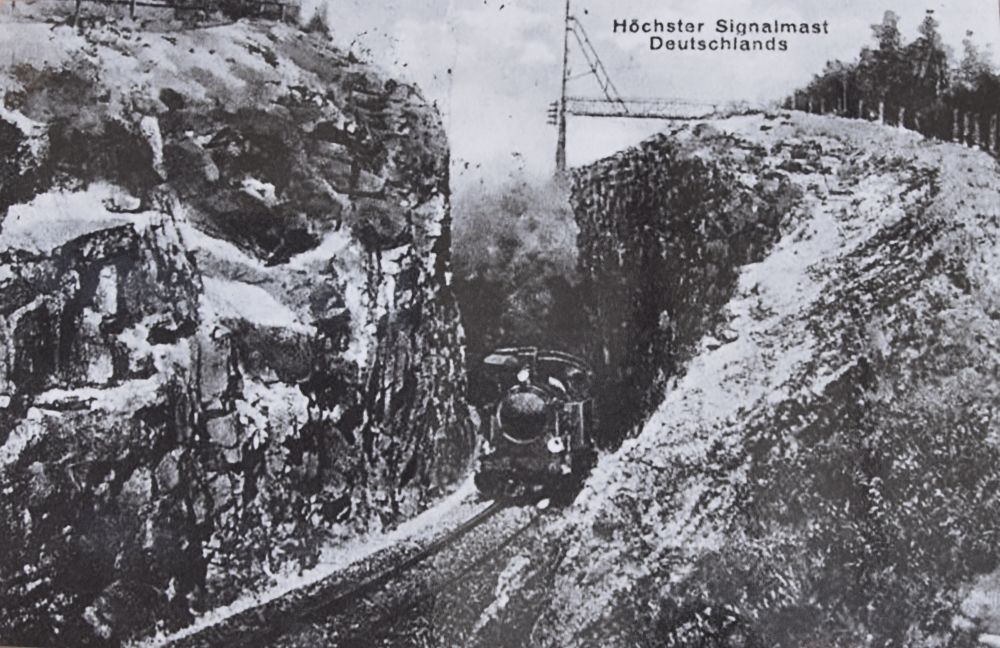
The construction was an engineering achievement, requiring tunnels and trenches. The signal post in the Moltkefels Einschnitt (cut) controlled the entrance to Niederschreiberhau (Szklarska Poręba Dolna). It was the highest signal post of Germany.

In 1927, the Zackenbahn celebrated its 25th anniversary. At that time, it connected Czechoslovakia with Germany (Prussia, Silesia). The train had been electrified. 

It was in the 1920’a that my grandfather spent his vacation at Niederschreiberhau and painted the “Kirchberg mit dem Reifträger” (my blog tells about that). 

At the train station of Oberschreiberhau, there was even a cinema. It has been reopened now.

After 1945, Silesia no longer belonged to Germany. It was integrated to Poland. The train connection at the border of Czechoslovakia and Poland was eliminated and remained closed until 2010. 

In 2010, the connection across the border was reopened, now connecting Poland (Jelenia Góra) and the Czech Republic (Kořenov; this relates to the German name “Wurzeldorf”, kořen=Wurzel).  The train is now popular, “our” train was fully occupied. 

In 2022, the Zackenbahn celebrated 120 lat – or 120 years, as the photos at the station of Szklarska Poręba Górni tell us.


Back to Jelenia Góra

We wait at the carefully restored station of Szklarska Poręba Górni to take the train along the Zacke back to Jelenia Góra. 

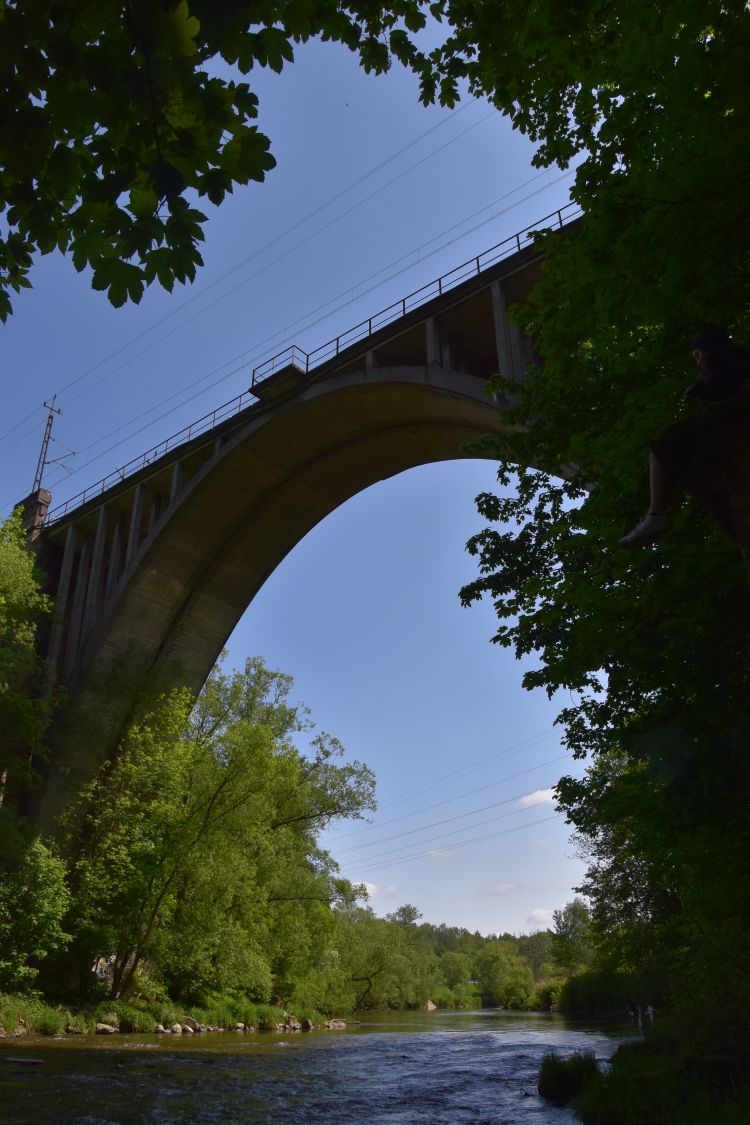
Shortly before reaching the train station of Jelenia Góra, we cross the river Bober (Bobra) (seen from below).

What an engineering achievement, what a beautiful landscape, what a exceptional story. And how good to see that Polish Silesia takes care of the German heritage.

Take a ride with the Zackenbahn by watching this charming video published by German TV (SWR) under the title of “Eisenbahnromantik”: https://www.ardmediathek.de/video/eisenbahn-romantik/die-zackenbahn-von-tschechien-nach-polen-ein-zug-verbindet/swr/Y3JpZDovL3N3ci5kZS9hZXgvbzE3MzY2MzU.


Sources:


Discovering Silesia: The fairy tale castle Staniszów

In May 2023, we spent one week at the fairy tale castle Staniszów (Stornsdorf). A welcoming place located  just a few kilometers south of Jelenia Góra. The castle was built by a descendant from the German family Reuss in the late 18th century. The castle has been restored by the Didza family that also manages the hotel.


The castle has the charm of fairy tales

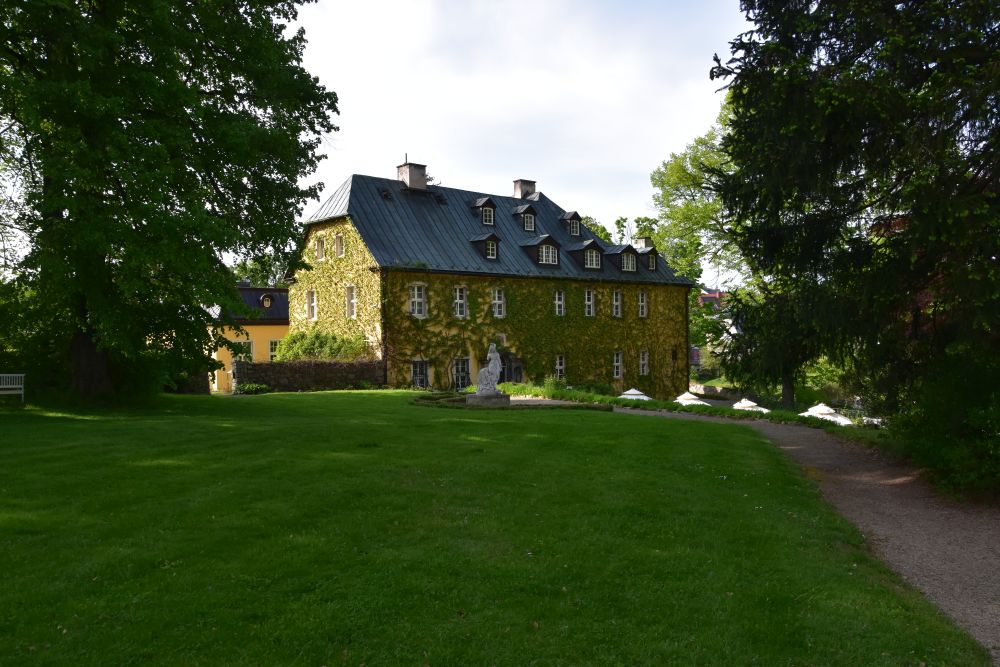
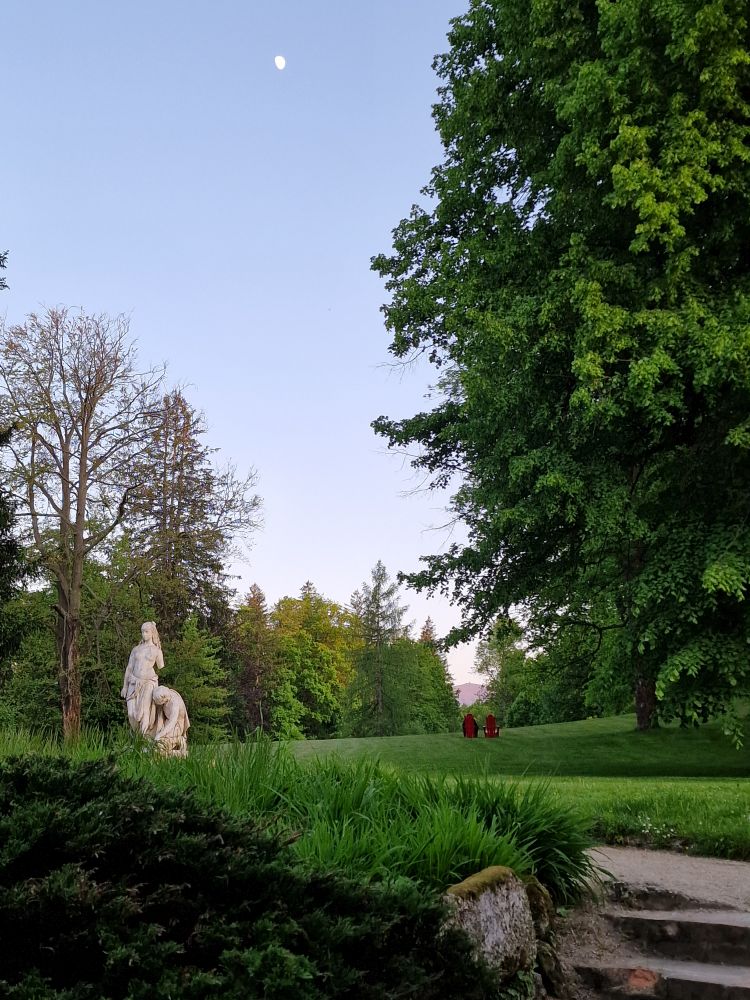
The main castle is “dressed in green” and integrates in the green park. Behind the castle is the statue of Cleopatra.

Nearby is the Bachelor House. 

Another building hosts the spa area. I benefitted from the 20m long pool to swim about 1km every day and then recover in the jacuzzi. 

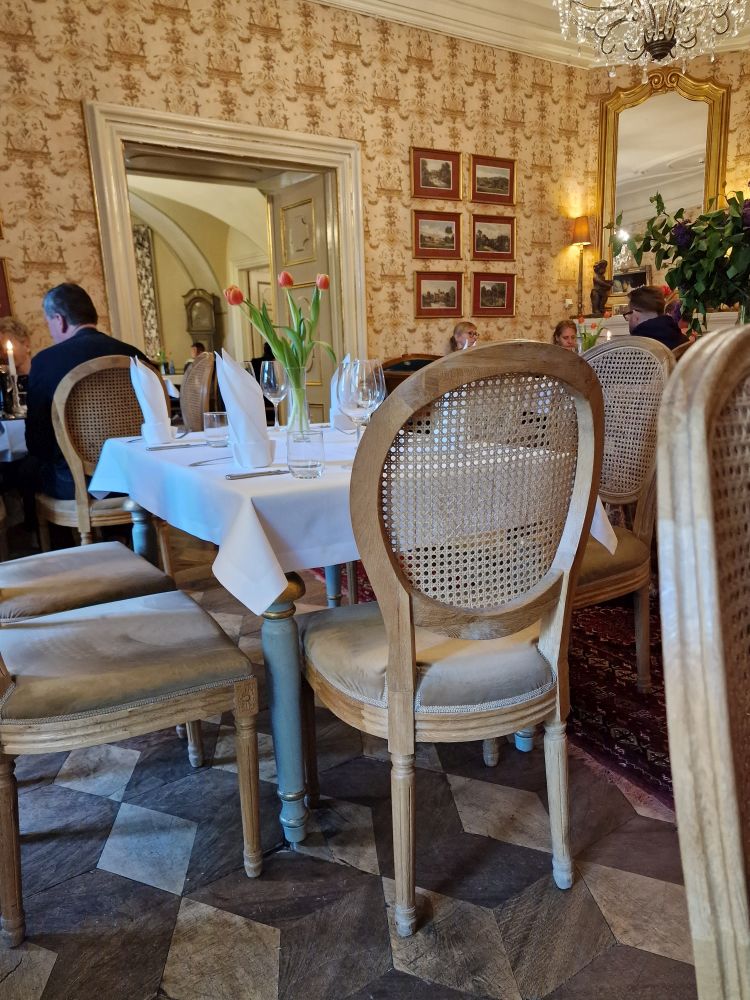
In the evening, we enjoyed delicious meals in the cosy restaurant. The cook is talented. 

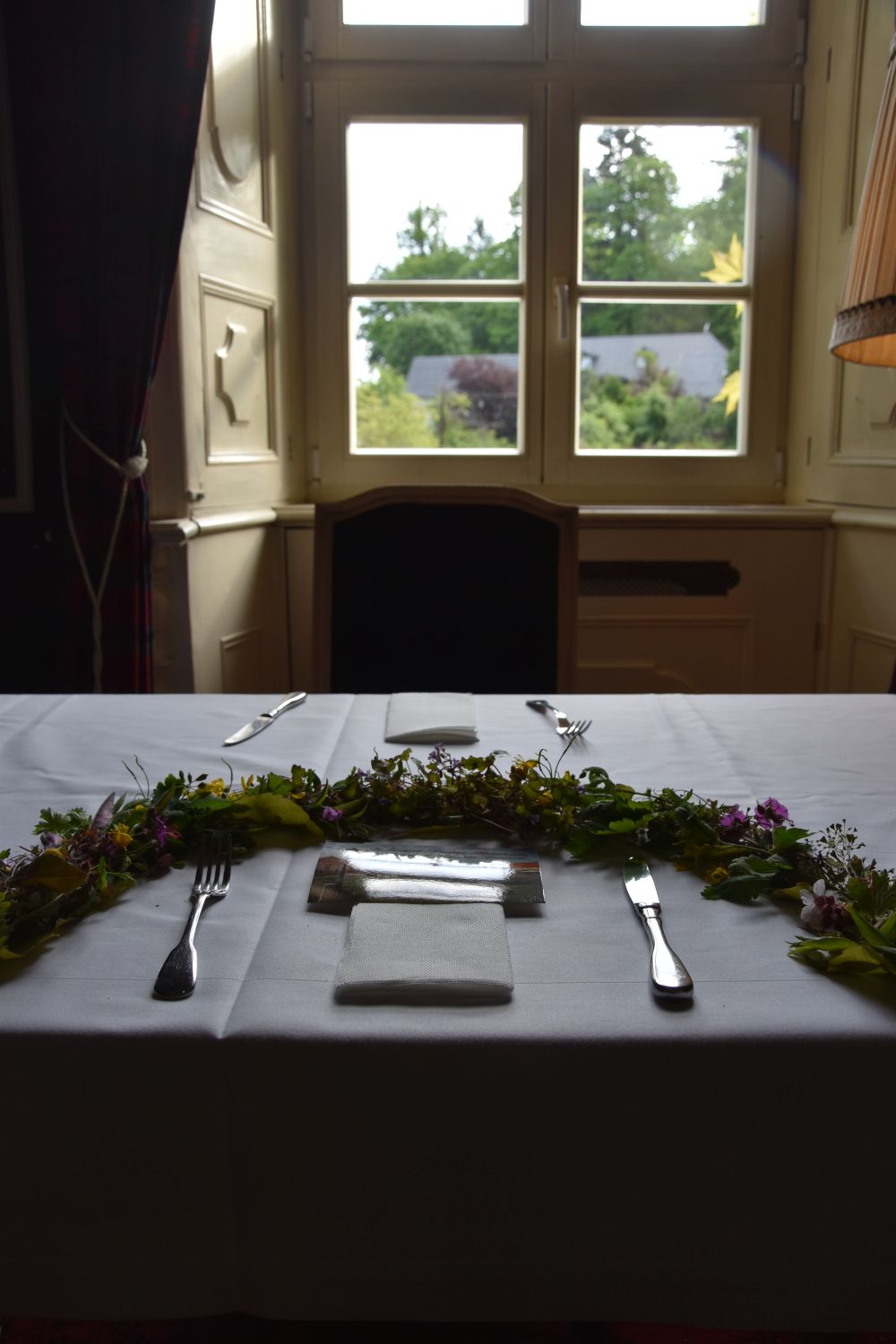
Breakfast was also excellent… however, this decoration is unusual. It has been set up by my friend for my birthday – thank you. 

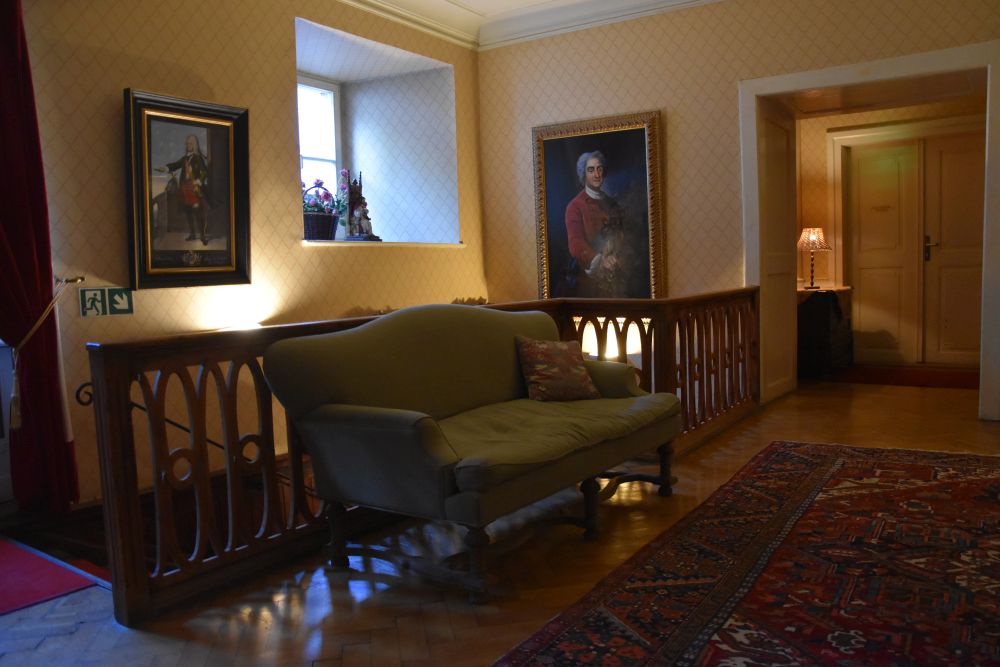
The corridors in the main building are decorated with, as I assume, portraits of the noble family Reuss.

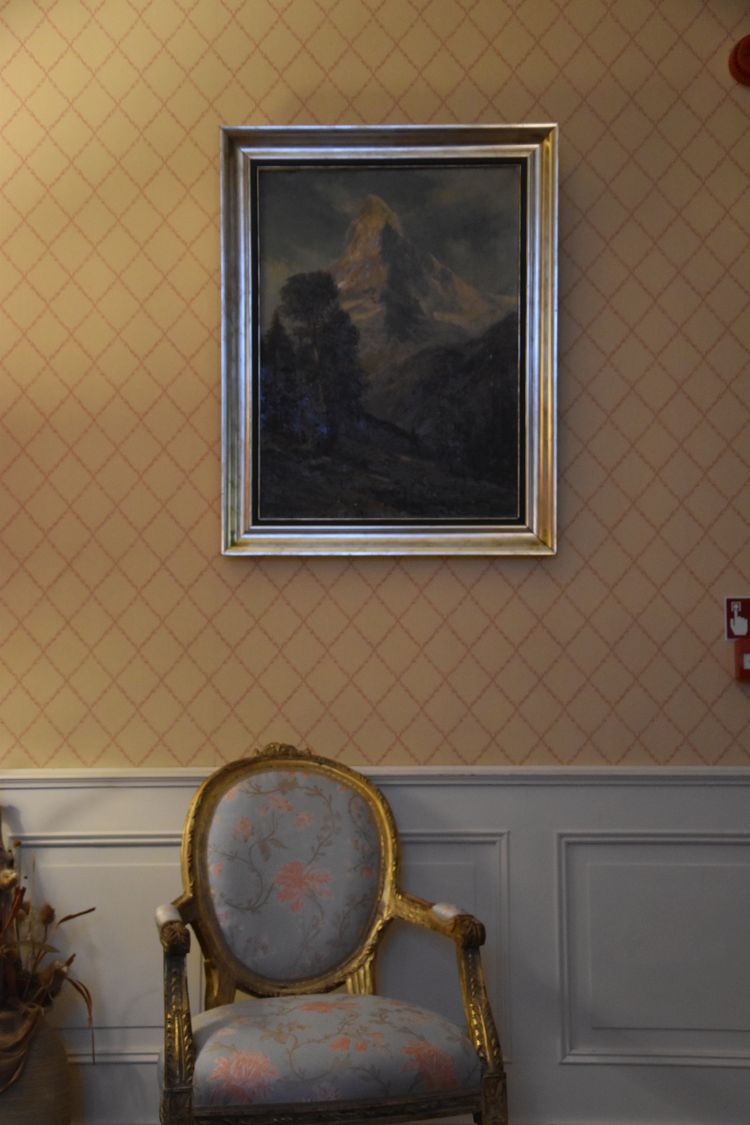
There is also a painting of a mountain that does not really belong here.  

You have surely guessed, it is the Matterhorn in Switzerland. The Giant Mountains (Riesengebirge, Karkonosze)) have their own landmark, the Schneekoppe.   


The beautiful park with the view of the Schneekoppe

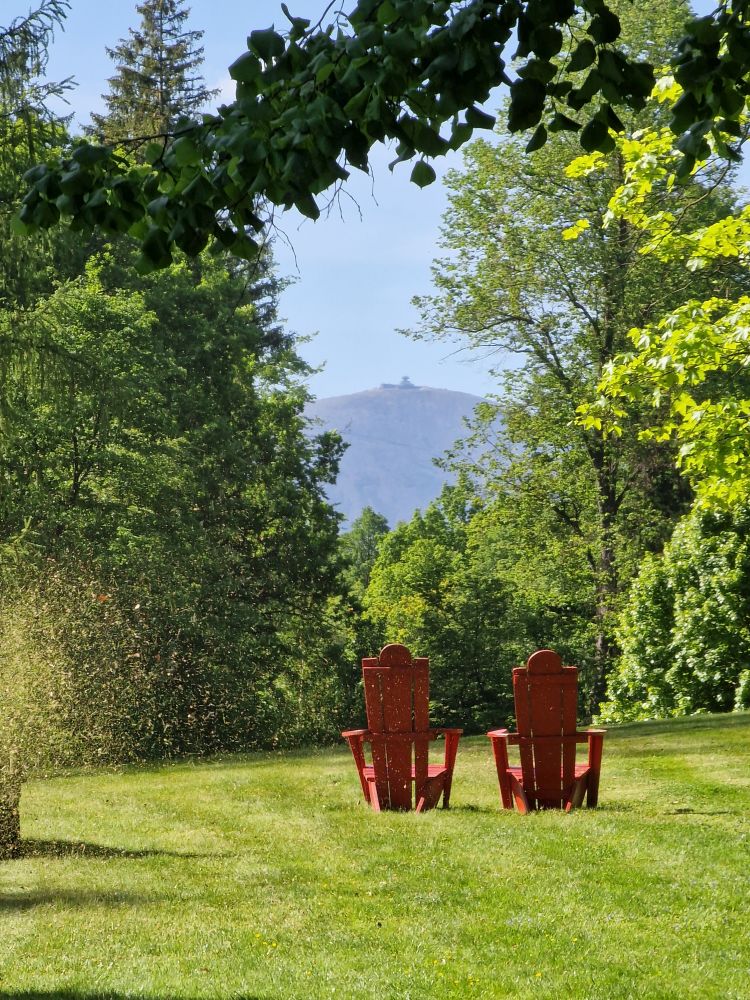
The castle park has been beautifully restored. Enjoy the visual axis to the Schneekoppe (Śnieżka) from the chairs!  

The visual axis is just behind the main castle building, near Cleopatra.

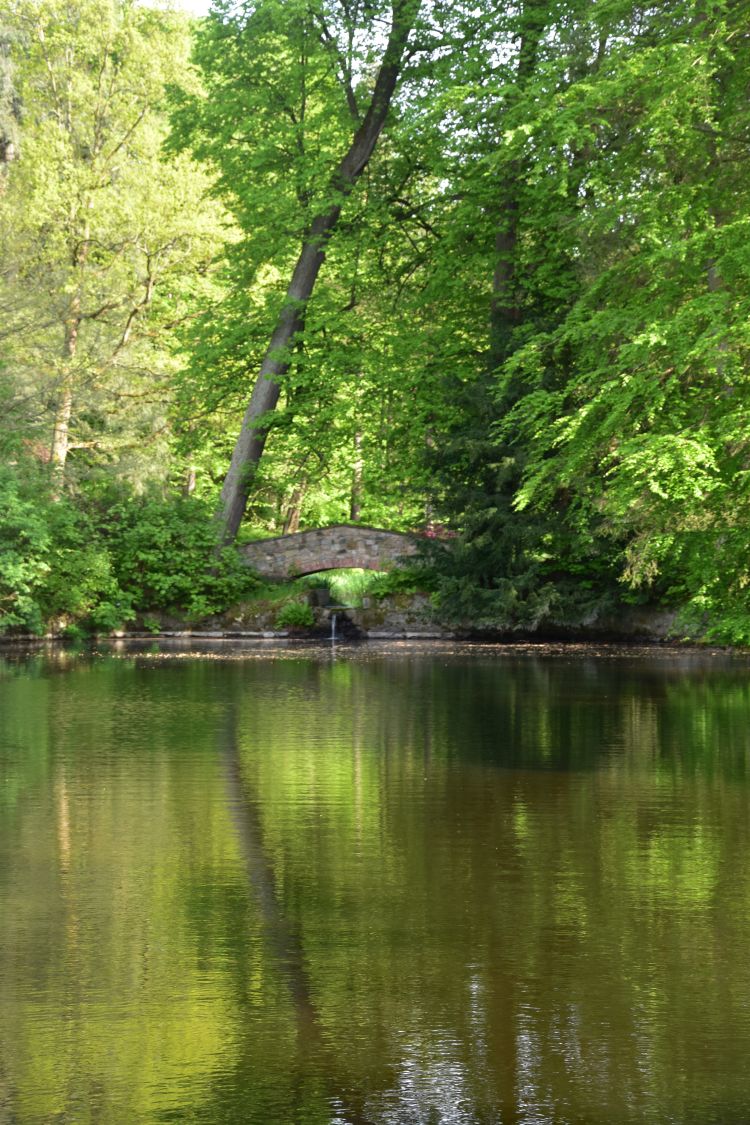
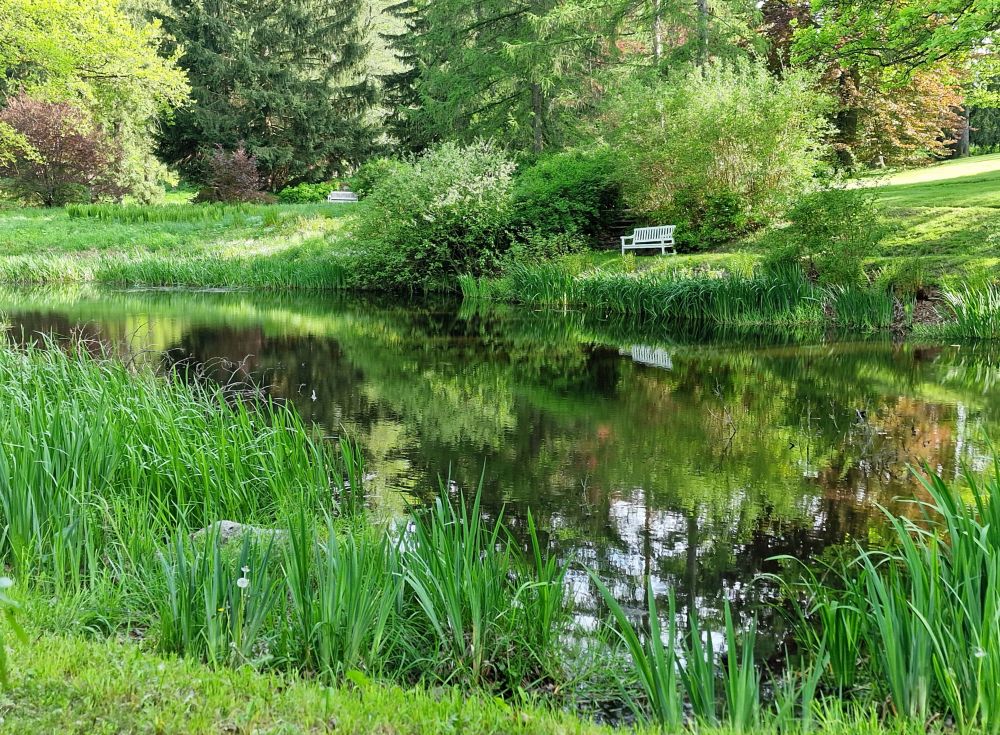
The park is large. Romantic ponds invite to take photos with the trees mirroring in the water,… 

… even crossed by a bridge.

Benches invite to have a rest.

You can make a full day’s programme here, discovering more ponds in this extensive landscape garden.

For me, it was the most beautiful park that I found around Jelenia Góra (Hirschberg). 

Whenever returning to this area in Silesia, I will surely stay again in the castle Staniszów. 


Sources: